Ray Bradbury: Short Stories, Analysis and Teaching Resources
Ray Bradbury is one of the most influential writers of the twentieth century, best known for his work in science fiction, speculative fiction, and dystopian storytelling. His writing explores the relationship between technology and humanity, often questioning the cost of progress and the dangers of a world that values logic and control over imagination and emotion. Through vivid imagery and unsettling scenarios, Bradbury creates stories that feel both imaginative and deeply relevant.
Bradbury’s short stories frequently explore themes such as censorship, imagination versus rationalism, isolation, conformity, and the fragility of human connection. Texts such as The Pedestrian, There Will Come Soft Rains, and The Veldt are widely studied for their exploration of technological anxiety, while stories like The Last Night of the World and The Exiles examine the quiet, psychological impact of fear, memory, and cultural loss.
This page brings together detailed analysis, study guides, and teaching resources for Ray Bradbury’s short stories, supporting students and educators in exploring his work through both close literary analysis and wider thematic connections.
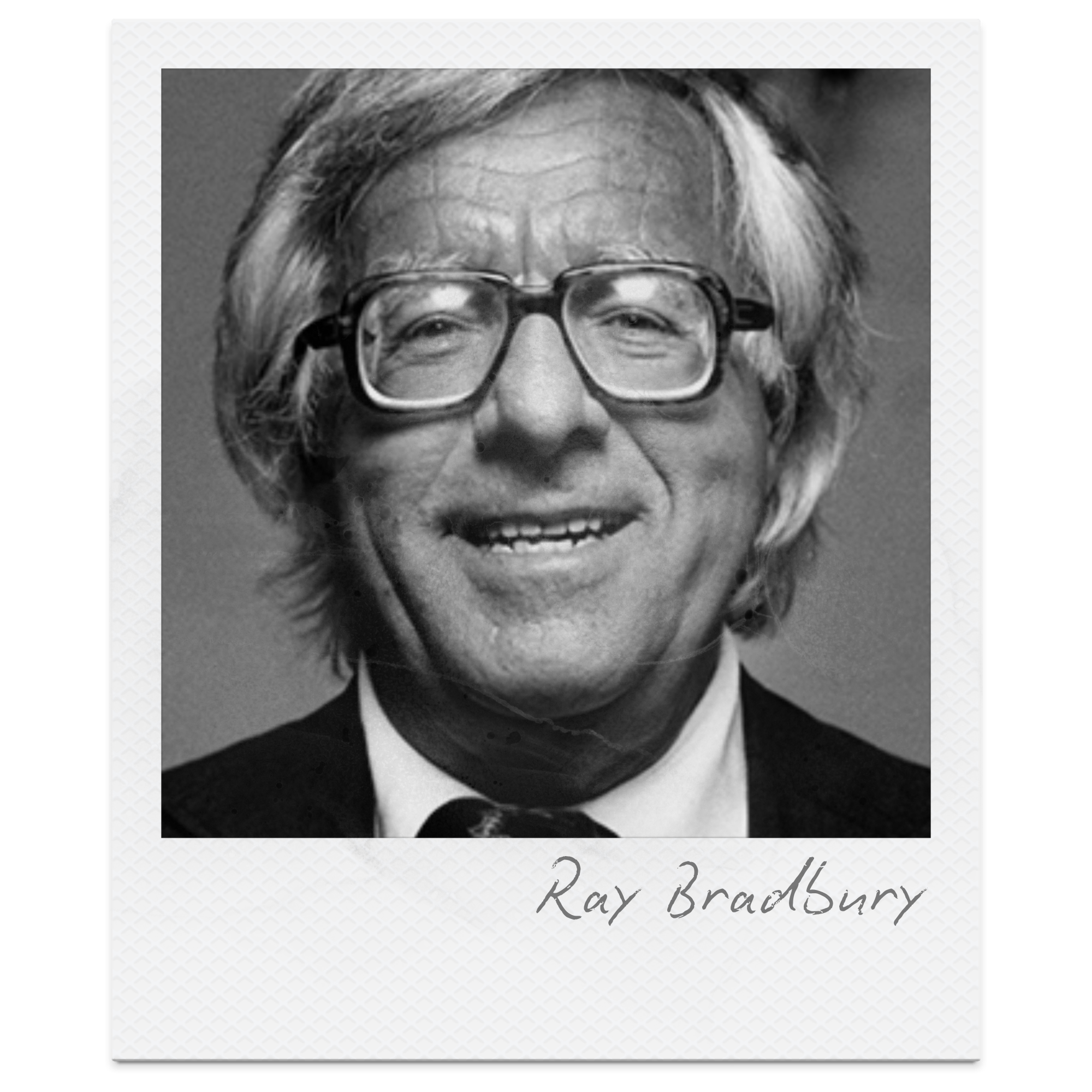
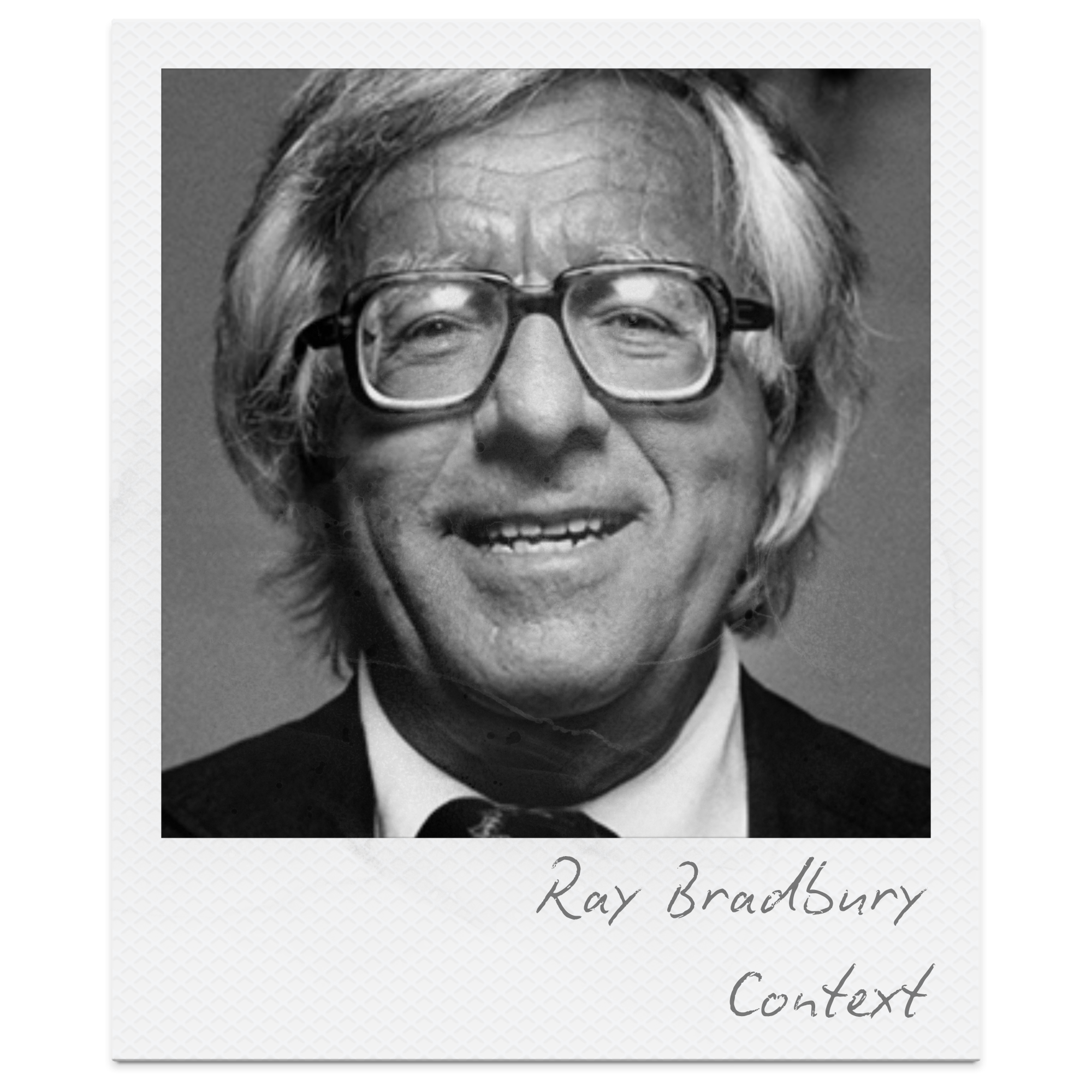
Understanding Ray Bradbury’s Context
The works of Ray Bradbury are deeply shaped by the cultural and intellectual climate of the twentieth century, particularly the rise of modern technology, the Cold War, and growing anxieties about censorship and mass conformity. Writing during a period of rapid scientific advancement, Bradbury often explored the tension between progress and humanity, questioning what is lost when societies prioritise efficiency, control, and rationalism over imagination and emotional depth.
Bradbury’s work is also influenced by his deep love of literature, mythology, and storytelling traditions. Unlike many science fiction writers, he was less concerned with scientific accuracy and more interested in the human experience, often blending speculative fiction with gothic and poetic elements. His stories frequently reflect fears surrounding book burning, cultural erasure, and the decline of meaningful human connection, as seen in texts like Fahrenheit 451 and The Exiles.
Understanding the context of Bradbury’s writing helps readers recognise how his stories function as both imaginative narratives and cultural warnings. His work reflects a world grappling with change, where the future is uncertain and the role of imagination is increasingly under threat.
Read our full guide to Ray Bradbury’s historical and literary context.
Explore Ray Bradbury’s Works
Browse the gallery below to explore analysis and study guides for the short stories of Ray Bradbury. Each card links to a detailed deep dive examining themes, symbolism, structure, and context, helping students and educators engage more closely with Bradbury’s writing.
Bradbury’s works range from dystopian and speculative fiction that explore technology, control, and conformity, to quieter, more reflective stories that focus on memory, fear, and the human condition. Many of his most studied texts, including The Pedestrian, There Will Come Soft Rains, The Veldt, and The Last Night of the World, remain highly relevant in classrooms today.
Scroll through the gallery to discover individual text guides, literary analysis, and teaching-focused resources.





A
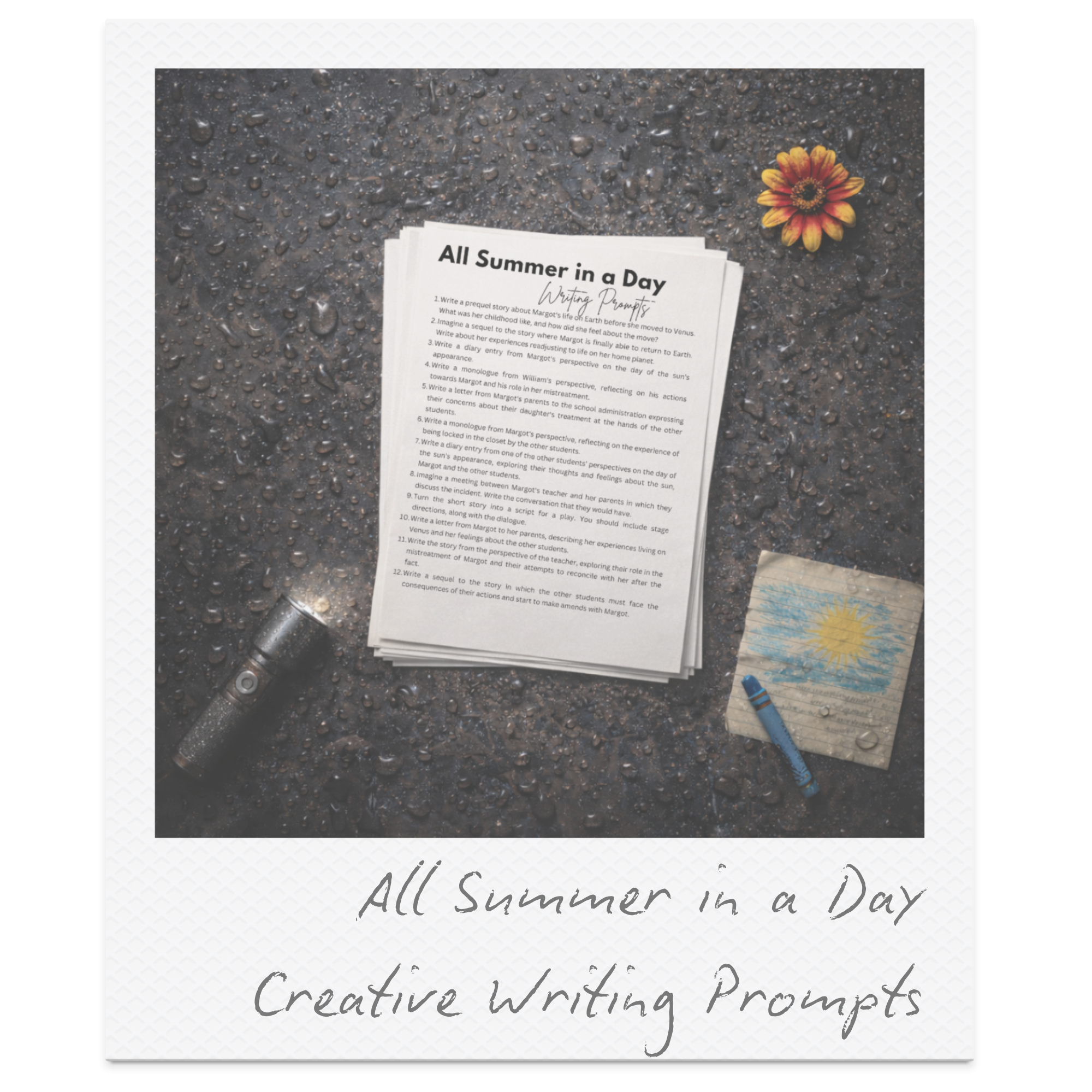
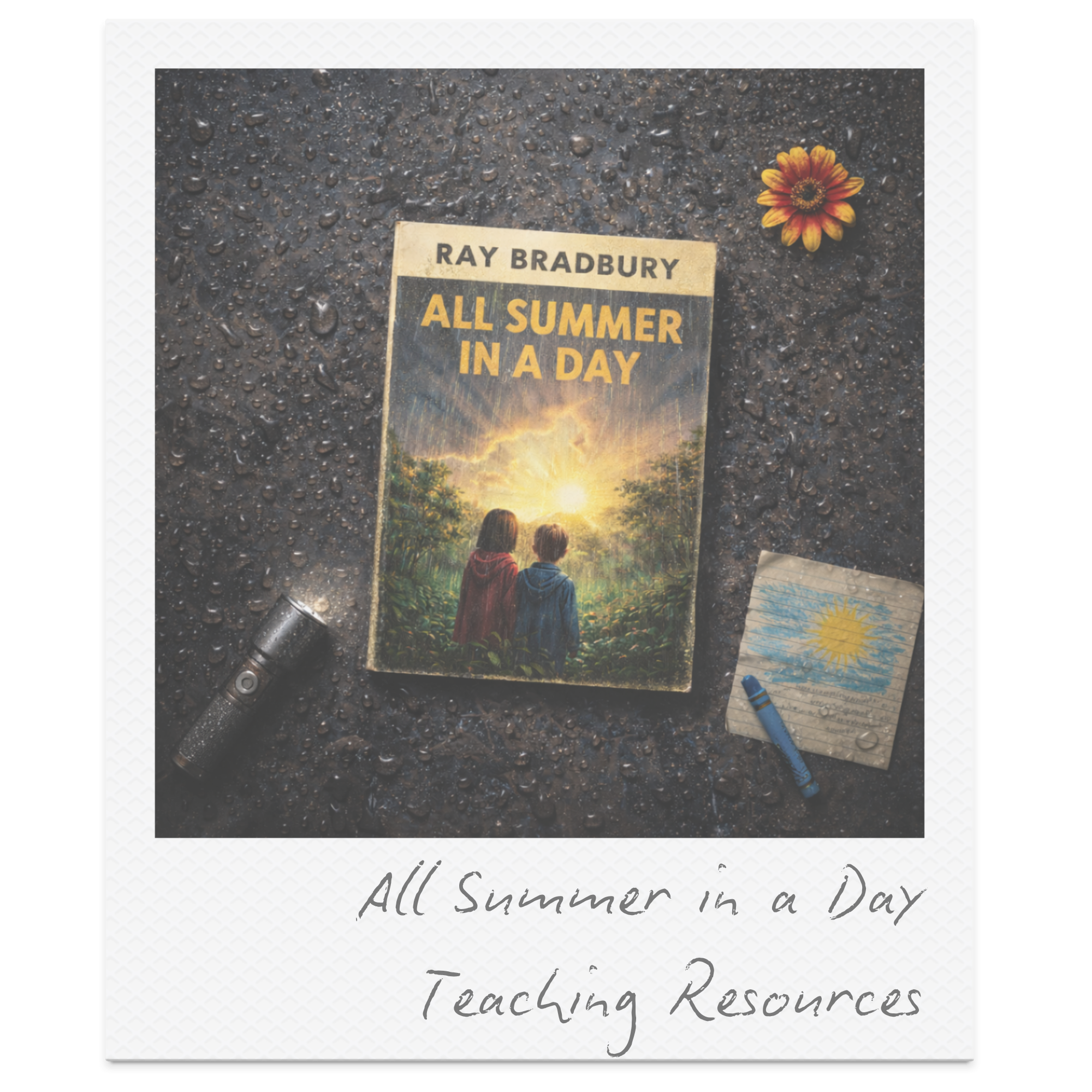
All Summer in a Day
A powerful short story exploring isolation, cruelty, and the longing for connection, All Summer in a Day presents a group of children whose treatment of Margot reveals the darker side of human behaviour. Bradbury uses the rare appearance of the sun to symbolise hope and memory, highlighting the emotional impact of exclusion and loss.
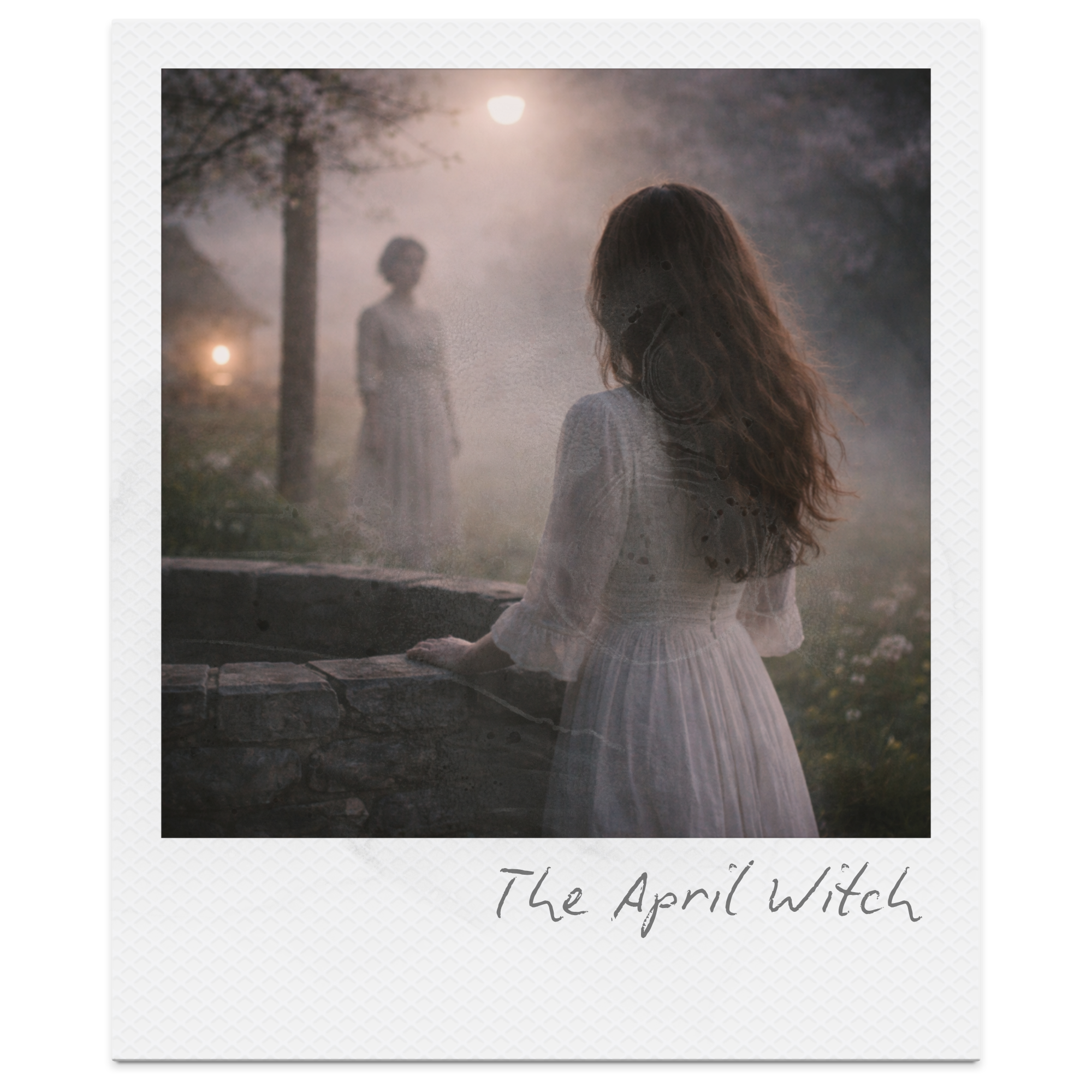
The April Witch
A lyrical short story exploring longing for connection, identity, and the tension between illusion and reality, The April Witch follows Cecy as she attempts to experience love through another person’s body. Bradbury uses the magic of “travel” to symbolise emotional distance, highlighting the fragility of belonging and the limits of indirect experience.
B
C
The City
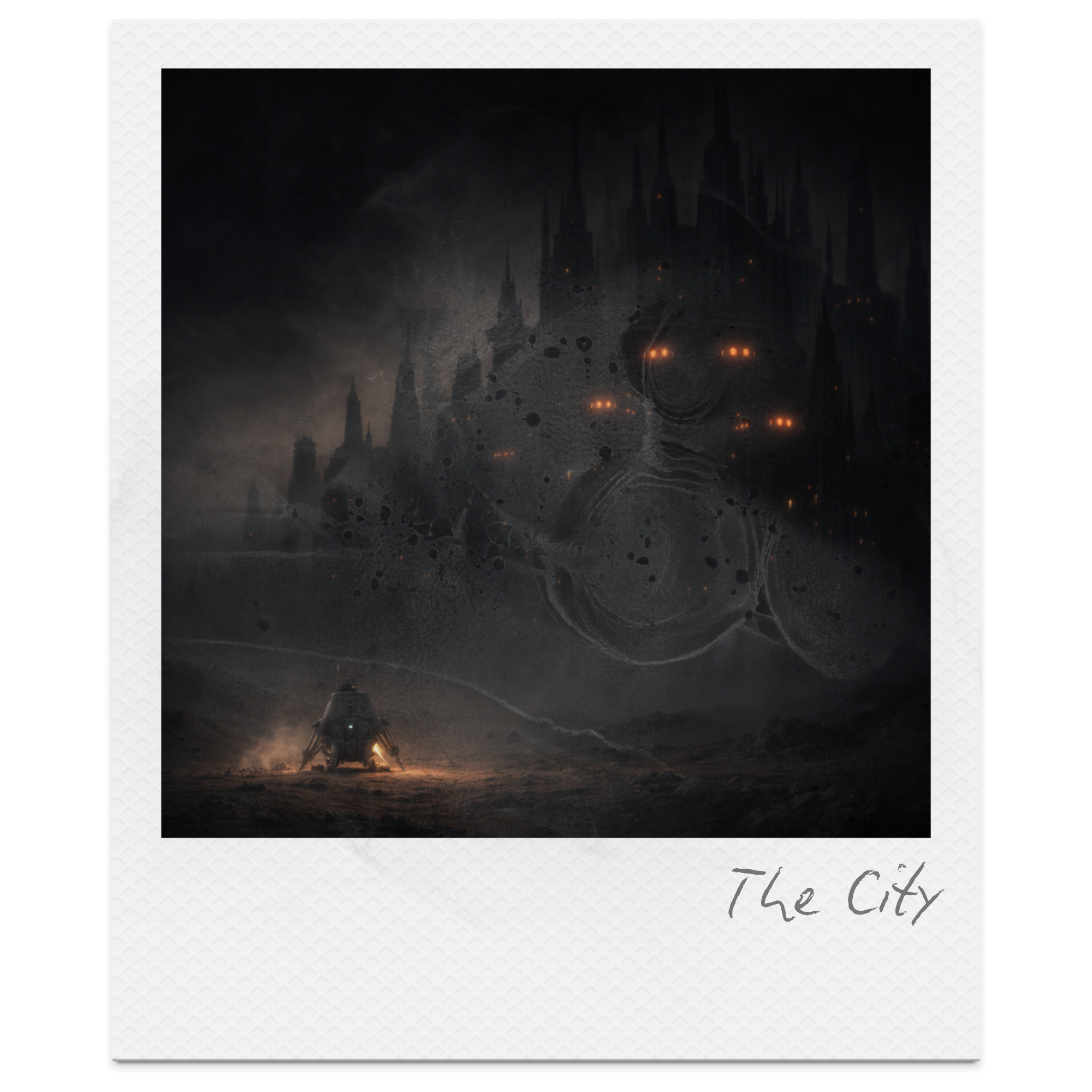
A chilling short story exploring revenge, memory, and technological power, The City presents a seemingly abandoned civilisation that reveals itself as a living system of surveillance and judgement. Bradbury uses the city itself as a symbol of mechanised emotion, highlighting the consequences of war, cyclical violence, and the loss of humanity within systems of control.
D
The Dragon
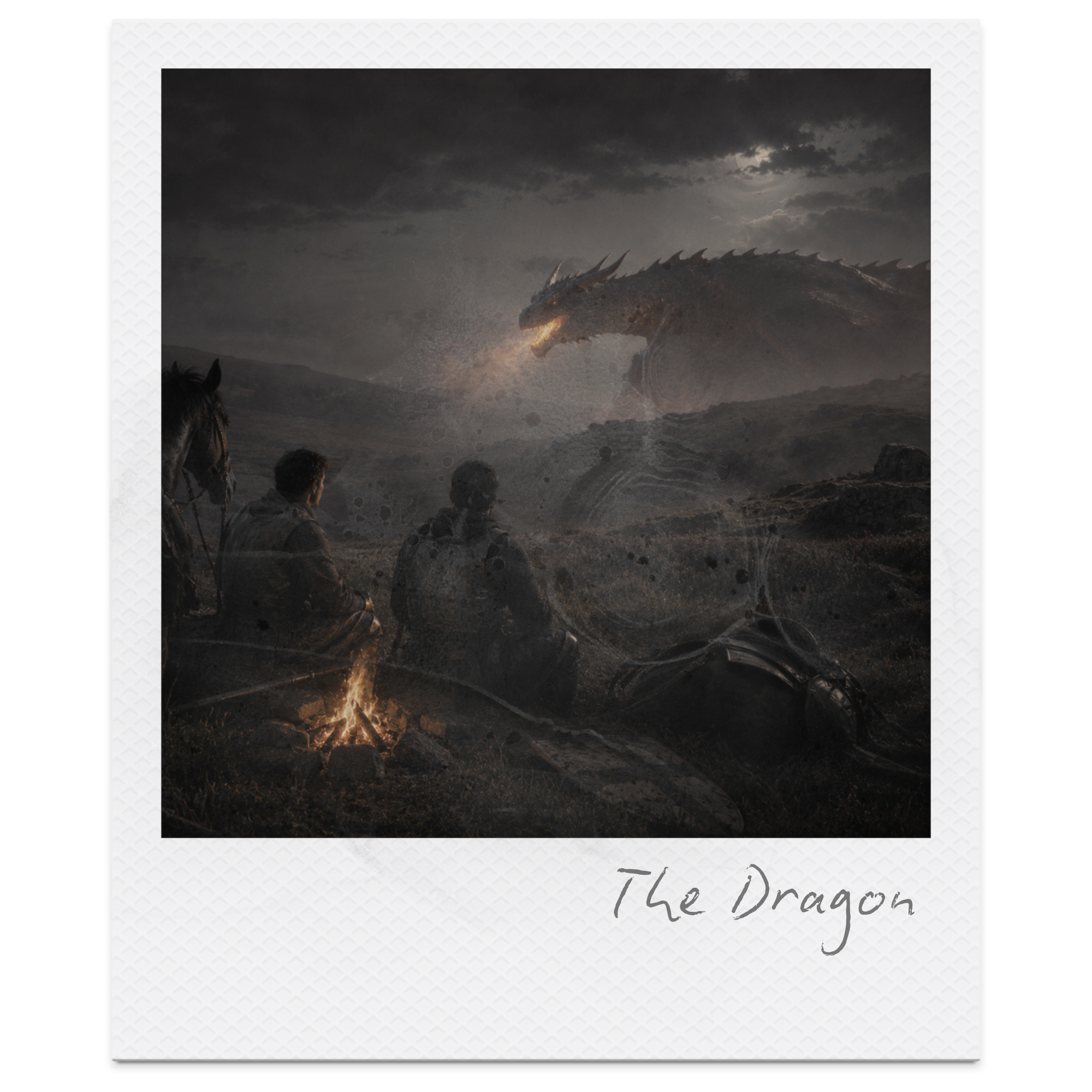
A thought-provoking science fiction short story exploring perception, fear, time, and the fragile boundary between myth and reality, The Dragon follows two medieval knights as they prepare to confront a terrifying monster on a desolate moor. Through its unforgettable twist ending, Bradbury challenges assumptions about technology, knowledge, and human perspective, revealing how every generation interprets the unknown through the limits of its own understanding.
E
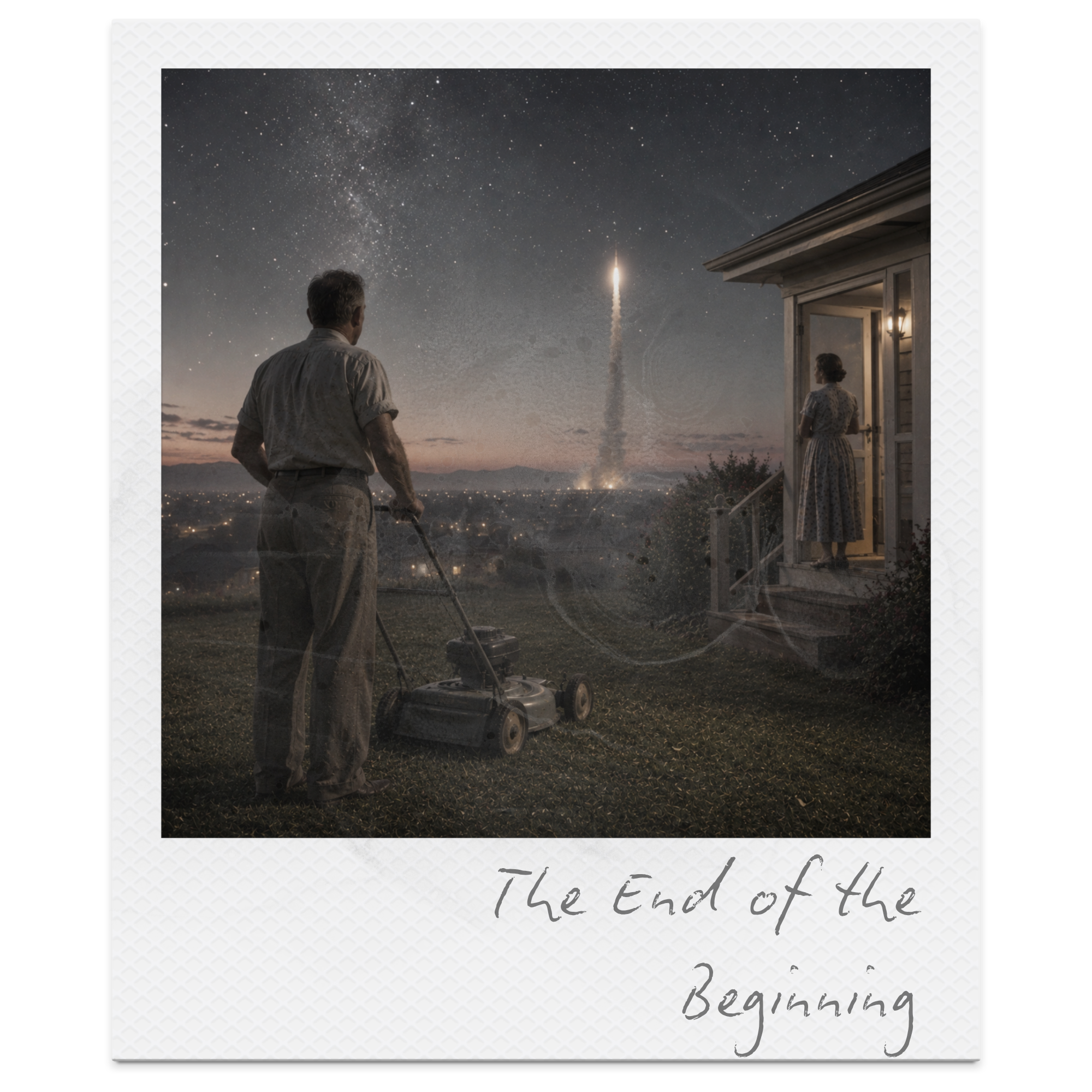
The End of the Beginning
A hopeful science fiction short story exploring space exploration, human progress, and humanity's future, The End of the Beginning by Ray Bradbury follows a husband and wife as they witness the launch of their son's historic space mission. Through powerful symbolism and philosophical reflection, Bradbury examines hope, family, legacy, the conquest of gravity, and the enduring search for meaning as humanity enters a bold new age.
The Exiles
A haunting short story exploring censorship, imagination, and the fragility of stories, The Exiles presents a world where banned books and their characters are erased from existence. Blending science fiction and gothic elements, Bradbury reflects on cultural memory and the devastating consequences of destroying literature.
F
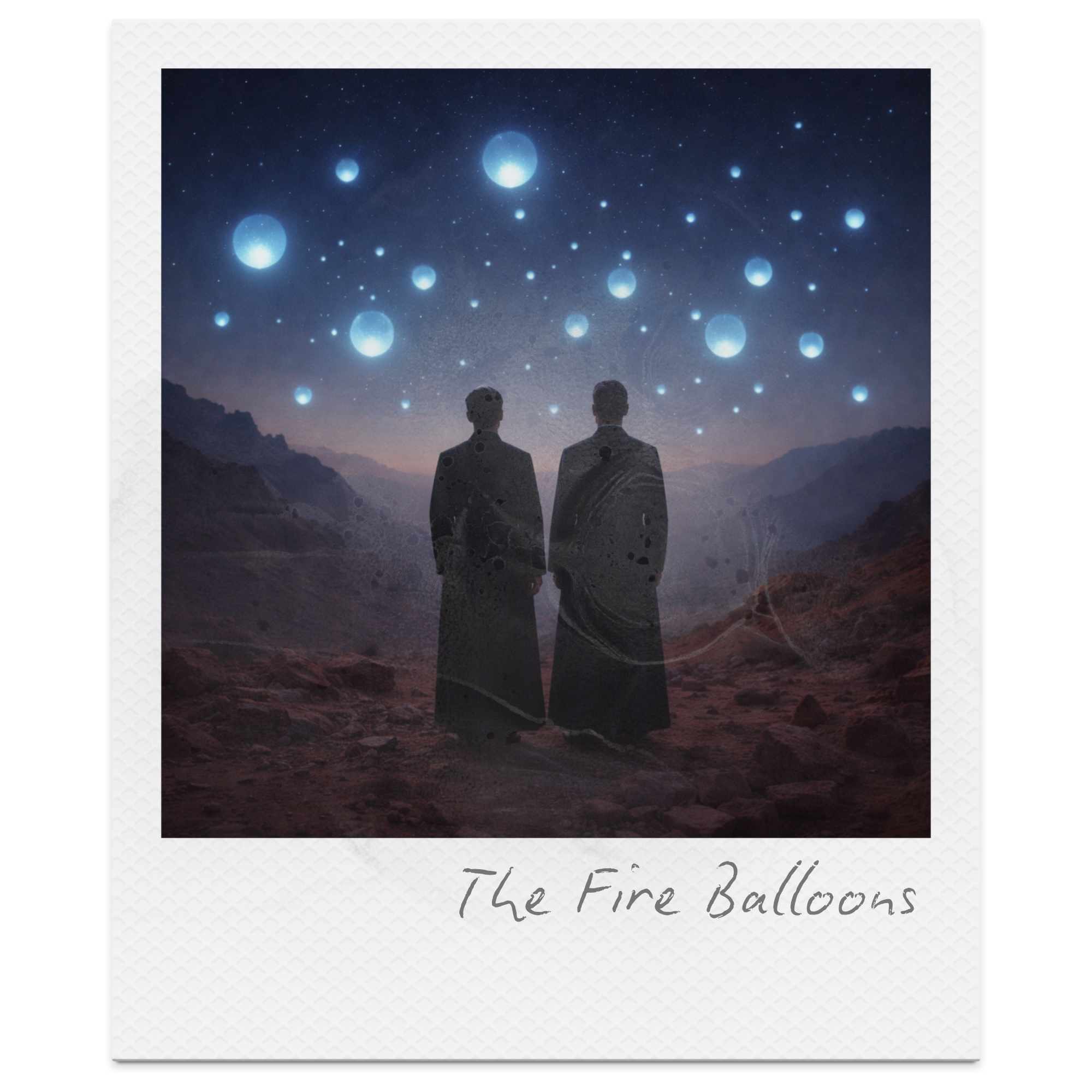
The Fire Balloons
A thought-provoking short story exploring faith and doubt, the nature of sin, and human vs alien morality, The Fire Balloons follows a group of priests who travel to Mars expecting to bring salvation, only to encounter beings who have transcended the physical body and live free from sin. Bradbury uses the glowing spheres as a symbol of spiritual transcendence, highlighting the limits of human belief systems, the need for spiritual humility, and the challenge of recognising truth beyond familiar forms.
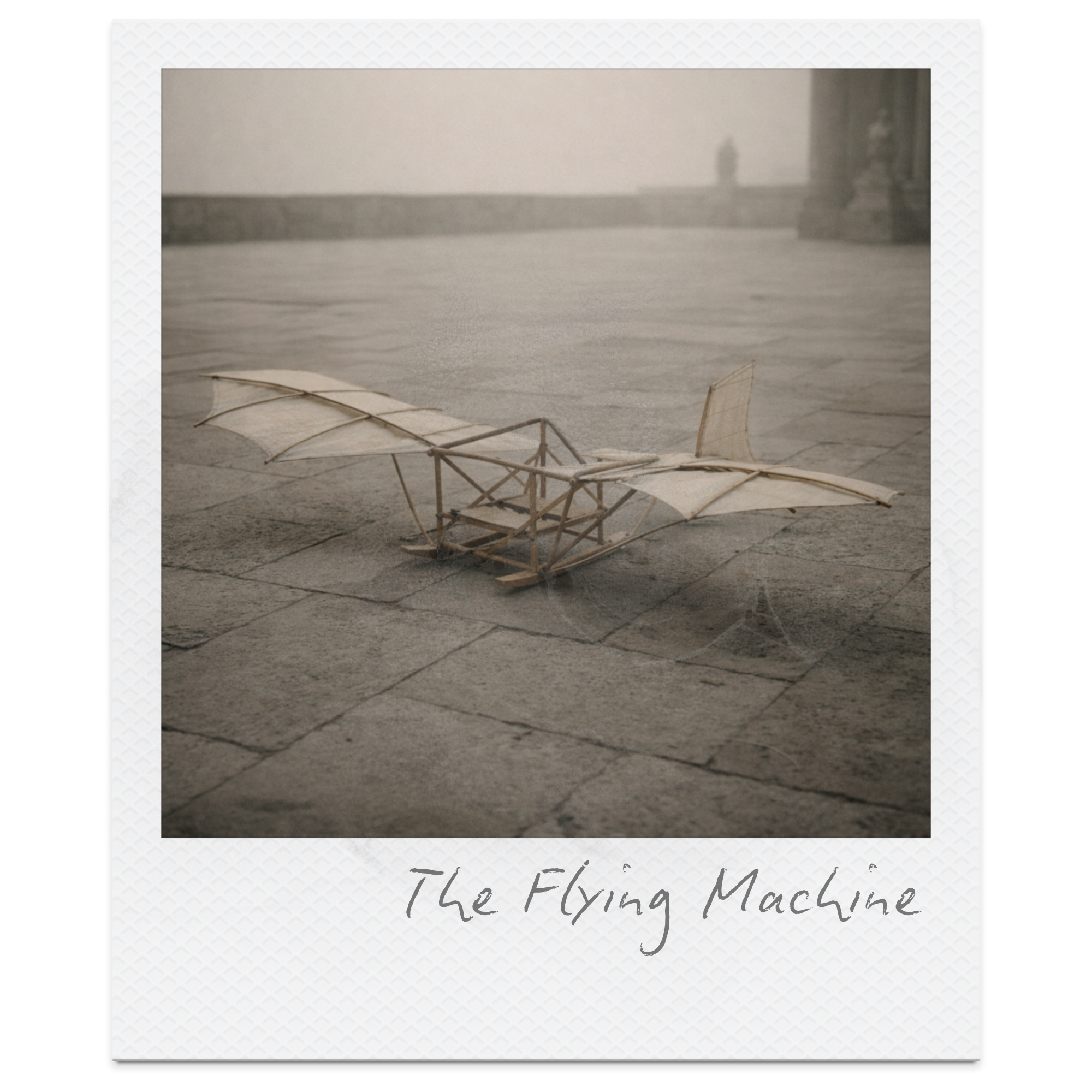
The Flying Machine
A thought-provoking short story exploring control, fear of progress, and the cost of innovation, The Flying Machine presents a ruler forced to choose between preserving peace and allowing discovery. Bradbury uses the image of flight to symbolise freedom and possibility, while highlighting the dangers of knowledge that cannot be contained, revealing the tension between beauty, power, and responsibility.
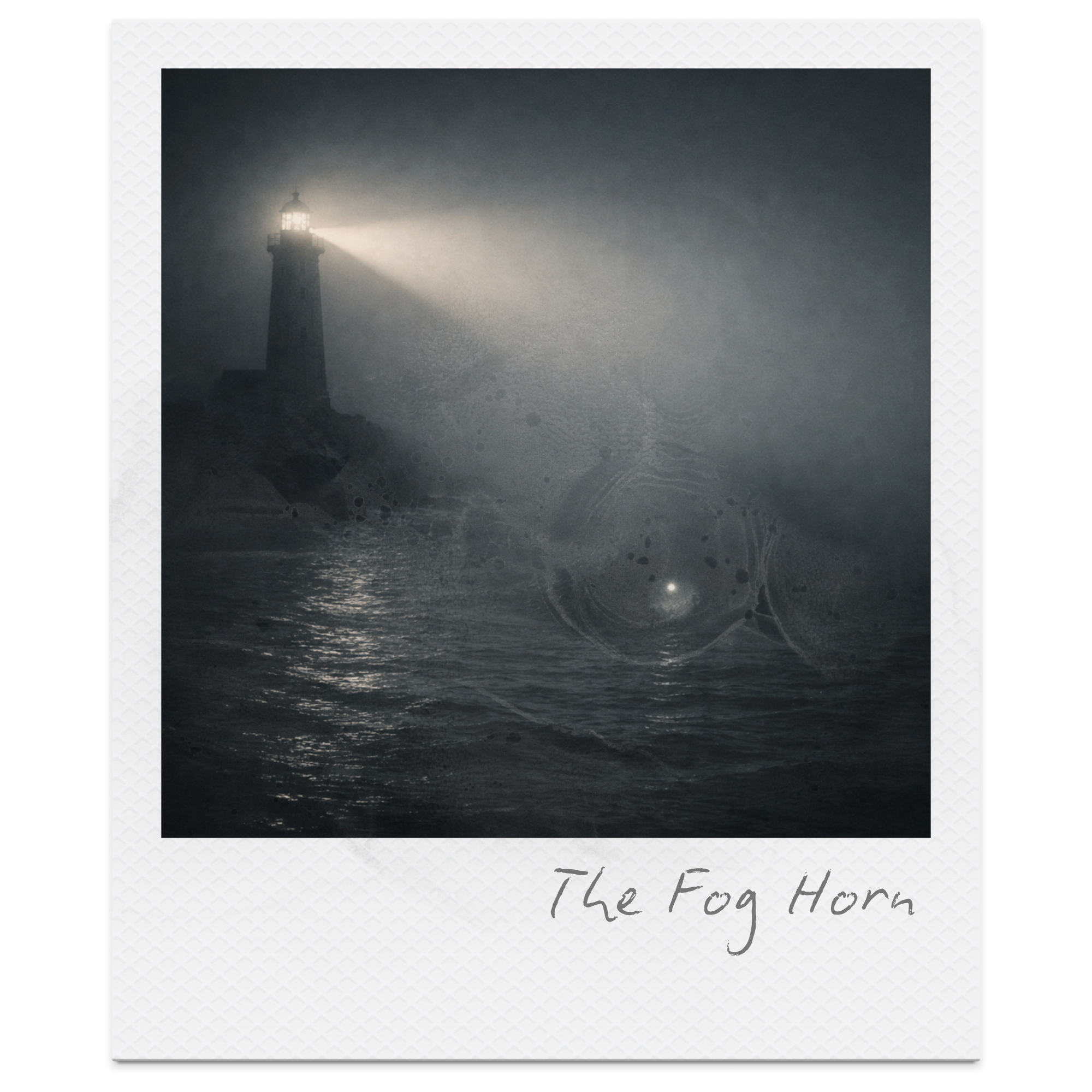
The Fog Horn
A haunting short story exploring isolation, longing for connection, and illusion versus reality, The Fog Horn follows a prehistoric creature drawn to a lighthouse by a sound it believes is one of its own kind. Bradbury uses the fog horn as a symbol of false connection, highlighting the emotional impact of loneliness, the passage of time, and the fragile nature of belonging.
The Fox and the Forest
A tense science fiction short story exploring war, surveillance, and the illusion of freedom, The Fox and the Forest follows a couple who flee a dystopian future only to discover that authority is inescapable. Bradbury contrasts a vibrant past with a controlled future to reveal how escape, responsibility, and inevitability collide, exposing the fragile nature of freedom in a world shaped by power and fear.
Frost and Fire
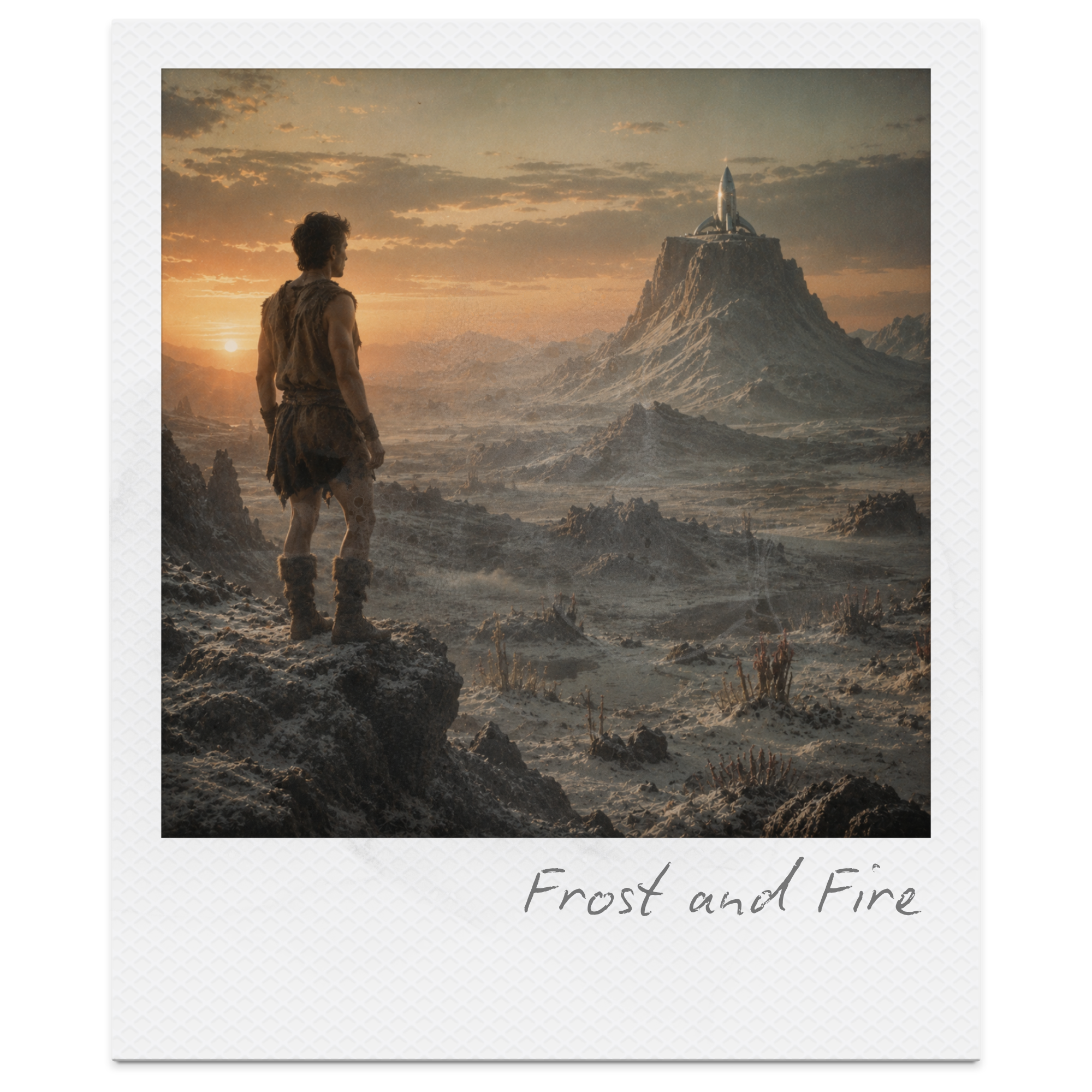
A thought-provoking science fiction short story exploring mortality, time, and the pursuit of hope, Frost and Fire follows Sim as he struggles to escape a world where humans live for only eight days. Bradbury uses the planet's deadly extremes to symbolise humanity's fight against limitation, showing how knowledge, scientific progress, and resilience can challenge even the most impossible fate.
G
The Gift
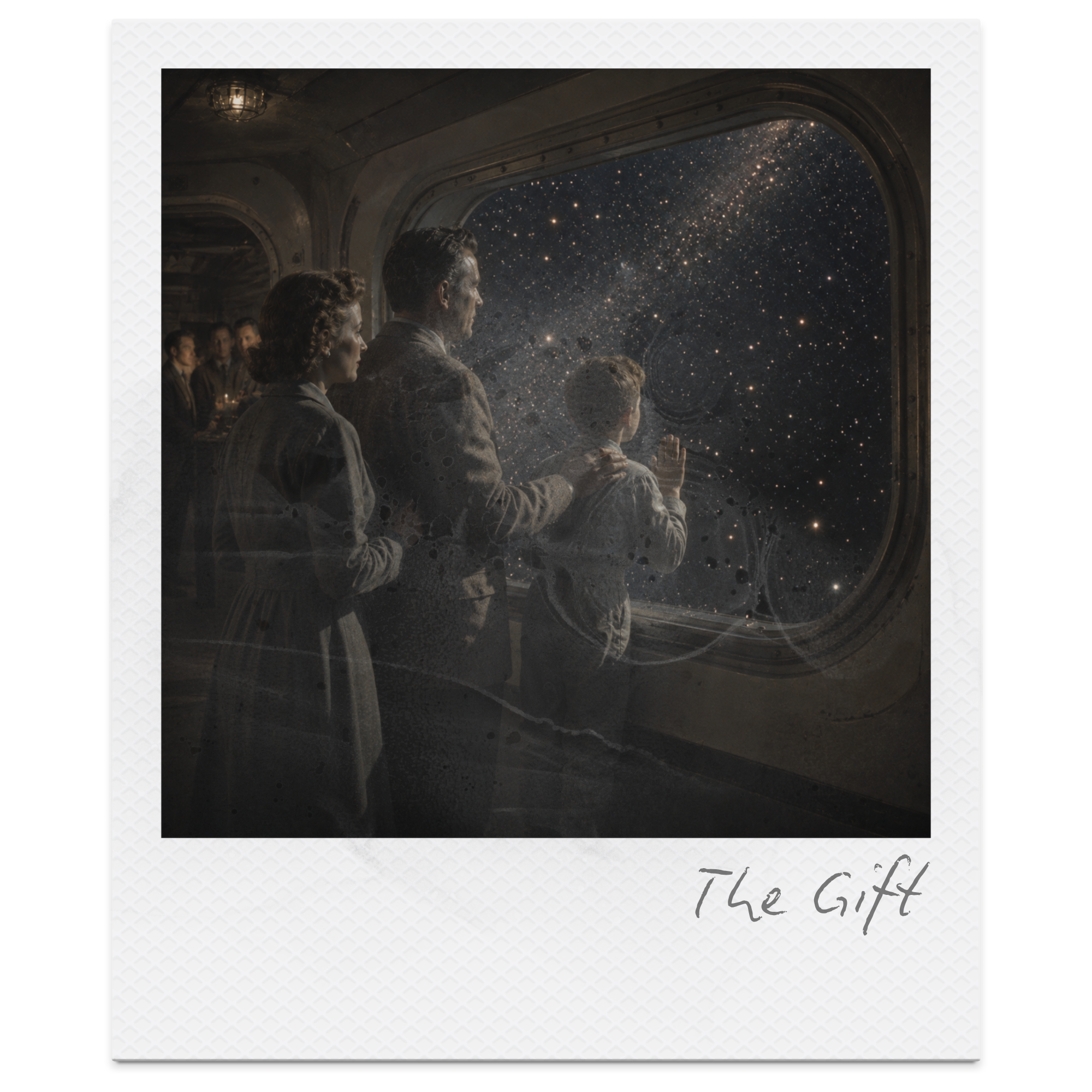
A heartwarming science fiction short story exploring family, love, hope, and the meaning of tradition, The Gift follows a family travelling through space on Christmas Eve after being forced to leave behind their presents and tree. Bradbury uses the contrast between advanced space exploration and timeless human values to show that the greatest gifts are not material possessions but wonder, imagination, and shared experiences. Through its uplifting ending, the story celebrates humanity's ability to carry compassion, joy, and tradition into even the most distant corners of the universe.
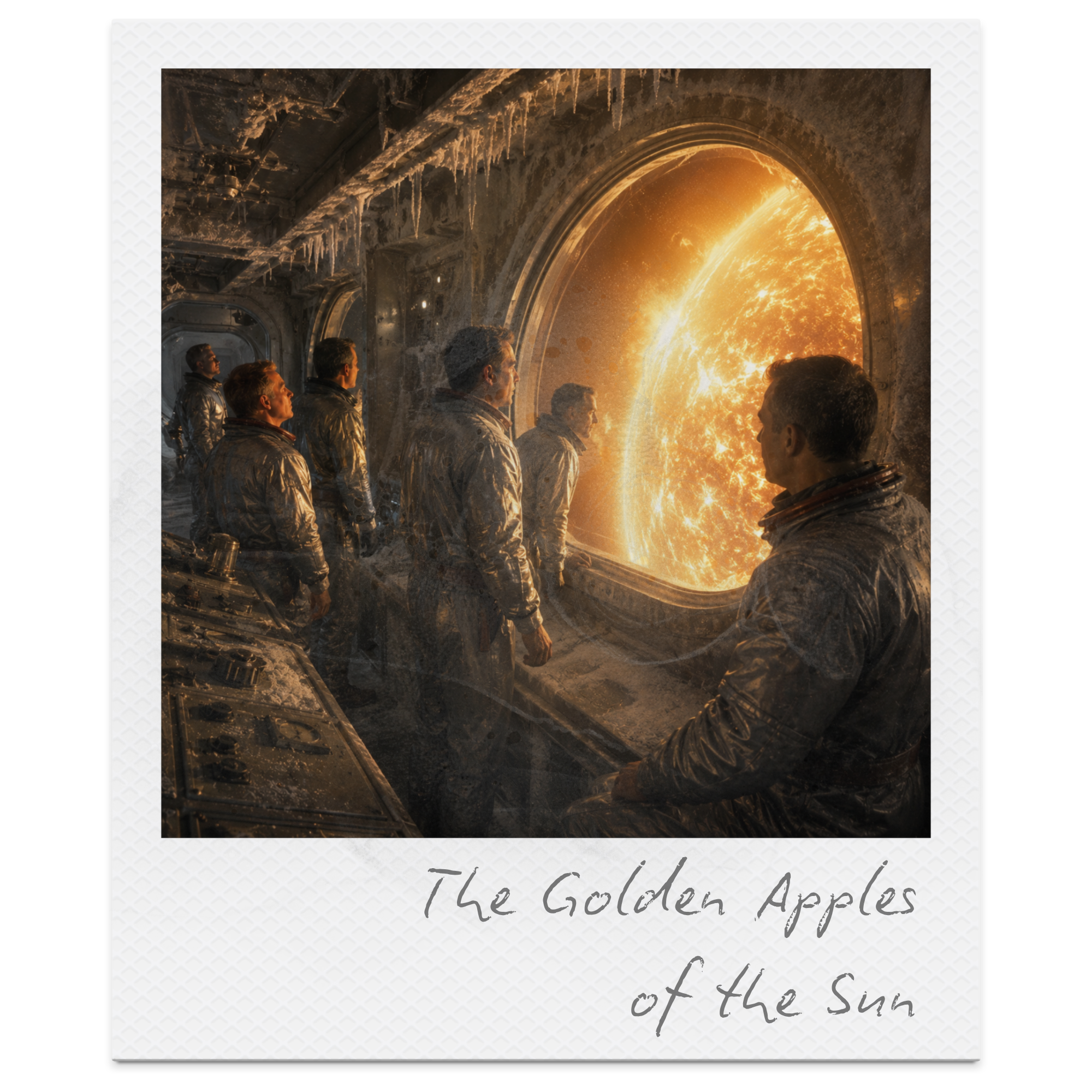
The Golden Apples of the Sun
A poetic science fiction short story exploring scientific discovery, human ambition, and the pursuit of knowledge, The Golden Apples of the Sun follows a spacecraft crew on a perilous mission to collect a fragment of the Sun. Blending mythology, symbolism, and lyrical prose, the story examines curiosity, sacrifice, wonder, the relationship between science and faith, and humanity's enduring drive to explore the unknown.
H
Here There Be Tygers
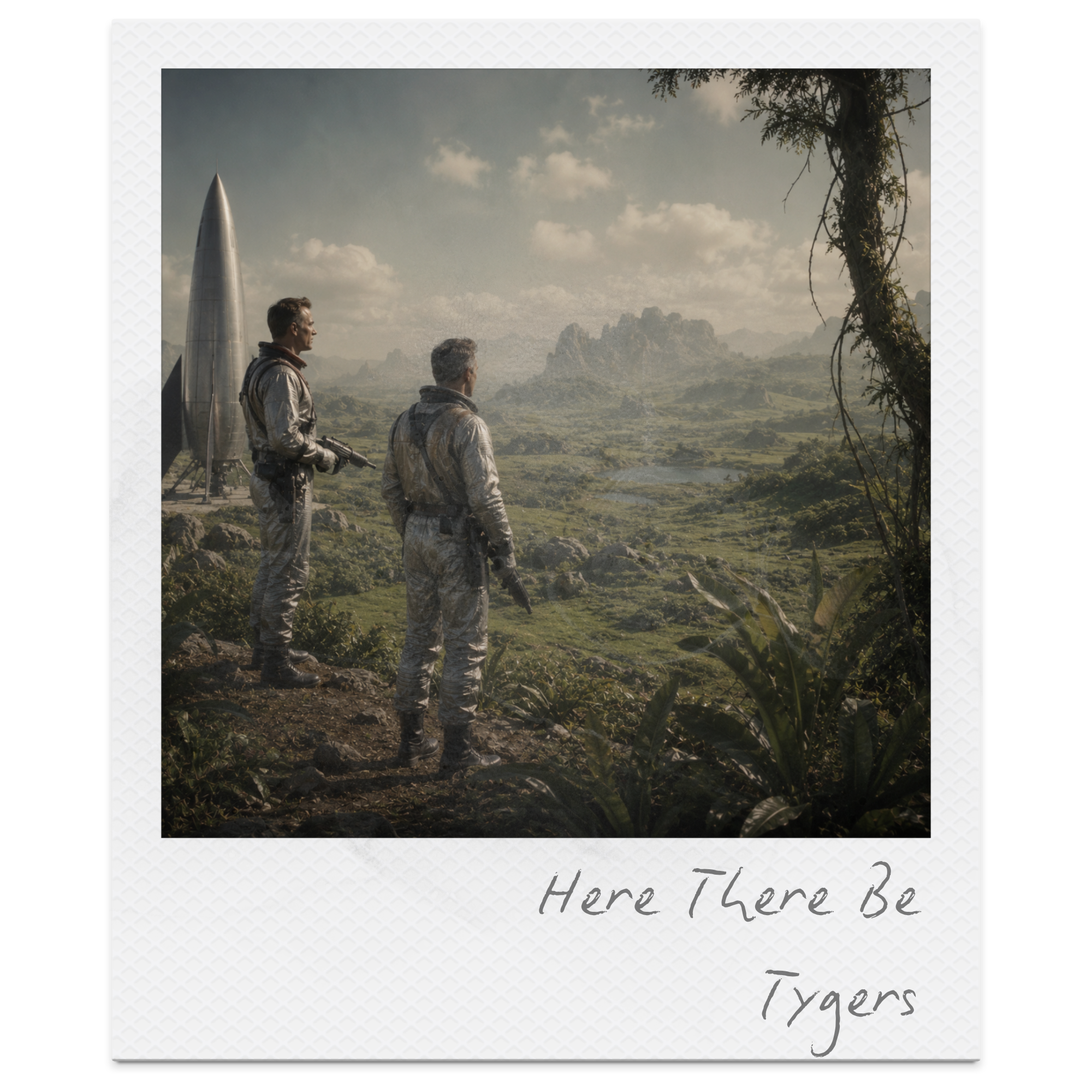
A thought-provoking science fiction story exploring colonialism, environmentalism, and humanity's relationship with the natural world, Here There Be Tygers follows a space expedition that discovers an extraordinary living planet. Through the opposing philosophies of Captain Forester and Chatterton, Bradbury examines greed, respect, curiosity, and coexistence, questioning whether exploration should be driven by conquest or compassion. The story ultimately challenges readers to consider the ethical responsibilities that accompany discovery and asks what kind of civilisation humanity will become as it reaches for the stars.
The Highway
A powerful short story exploring isolation, perspective, and the fragility of civilisation, The Highway follows Hernando as a sudden wave of fleeing travellers reveals news of a global catastrophe. Bradbury uses the contrast between stillness and panic to question what defines “the world,” highlighting how meaning, fear, and significance are shaped by distance and experience.
I
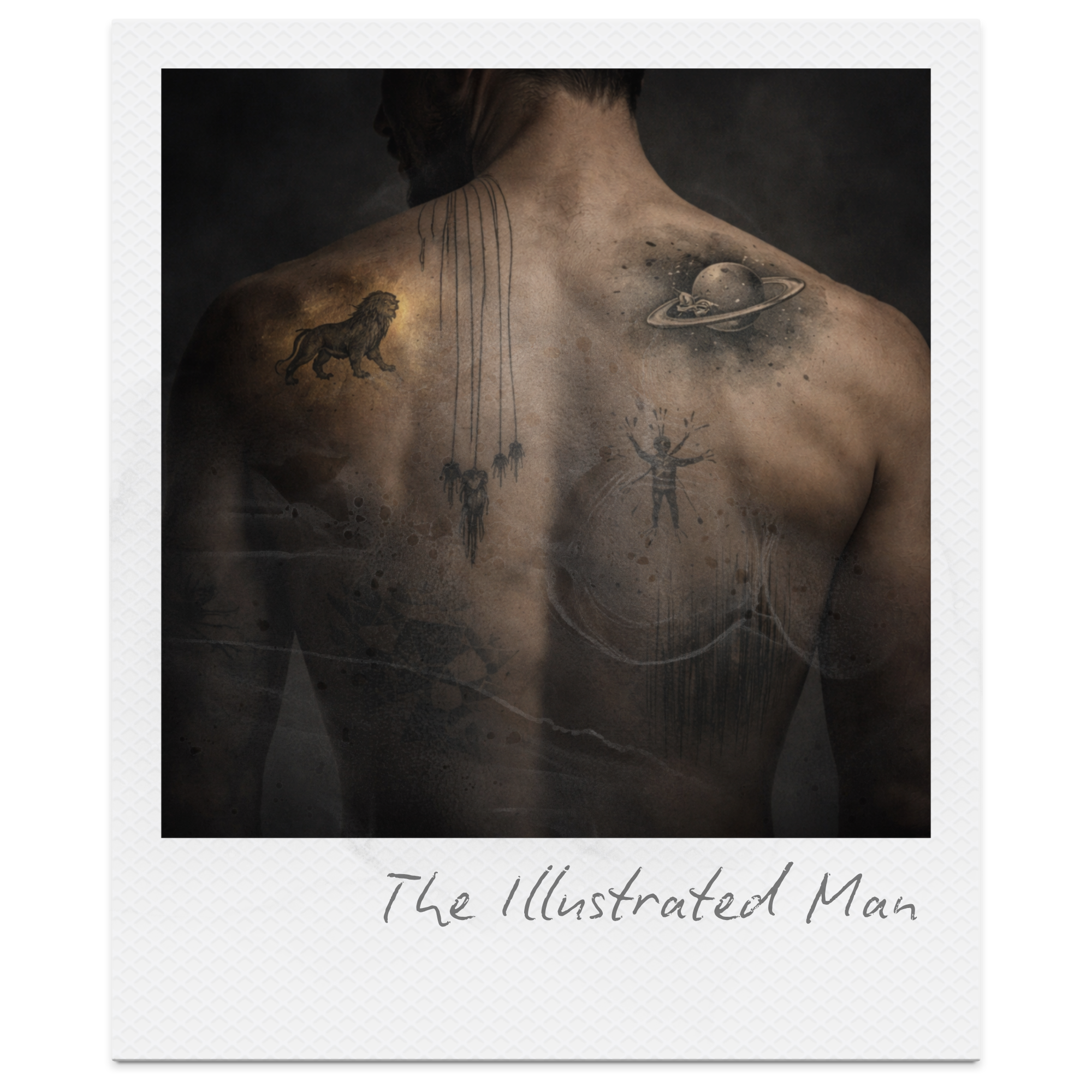
The Illustrated Man
A powerful science fiction short story collection exploring technology, isolation, and control, The Illustrated Man uses a striking framing narrative in which tattoos come alive to tell interconnected stories. Bradbury presents a series of unsettling futures shaped by human behaviour, revealing how progress, fear, and consequence are already in motion rather than distant possibilities.
J
K
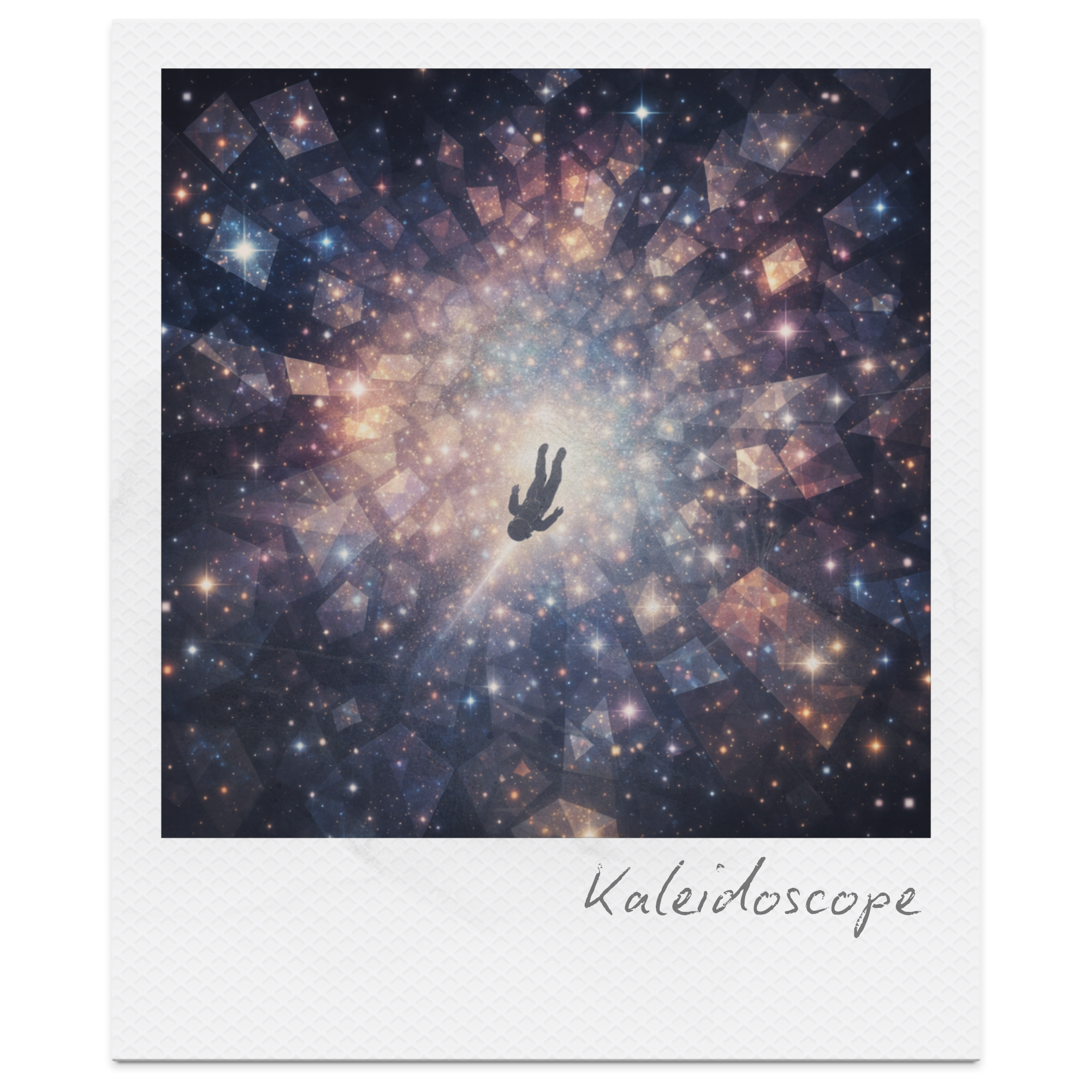
Kaleidoscope
A powerful short story exploring human insignificance, mortality, and isolation, Kaleidoscope follows a group of astronauts scattered through space after a catastrophic explosion. Bradbury uses the image of falling and the metaphor of the kaleidoscope to examine fragmentation, memory, and existential reflection, revealing how individuals search for meaning when faced with the inevitability of death.
L
The Last Night of the World
A quietly unsettling short story exploring inevitability, routine, and human nature, The Last Night of the World presents a couple who calmly accept the end of existence as part of everyday life. Bradbury uses domestic detail and understated dialogue to highlight moral neutrality and collective awareness, revealing how ordinary behaviour persists even in the face of extinction.
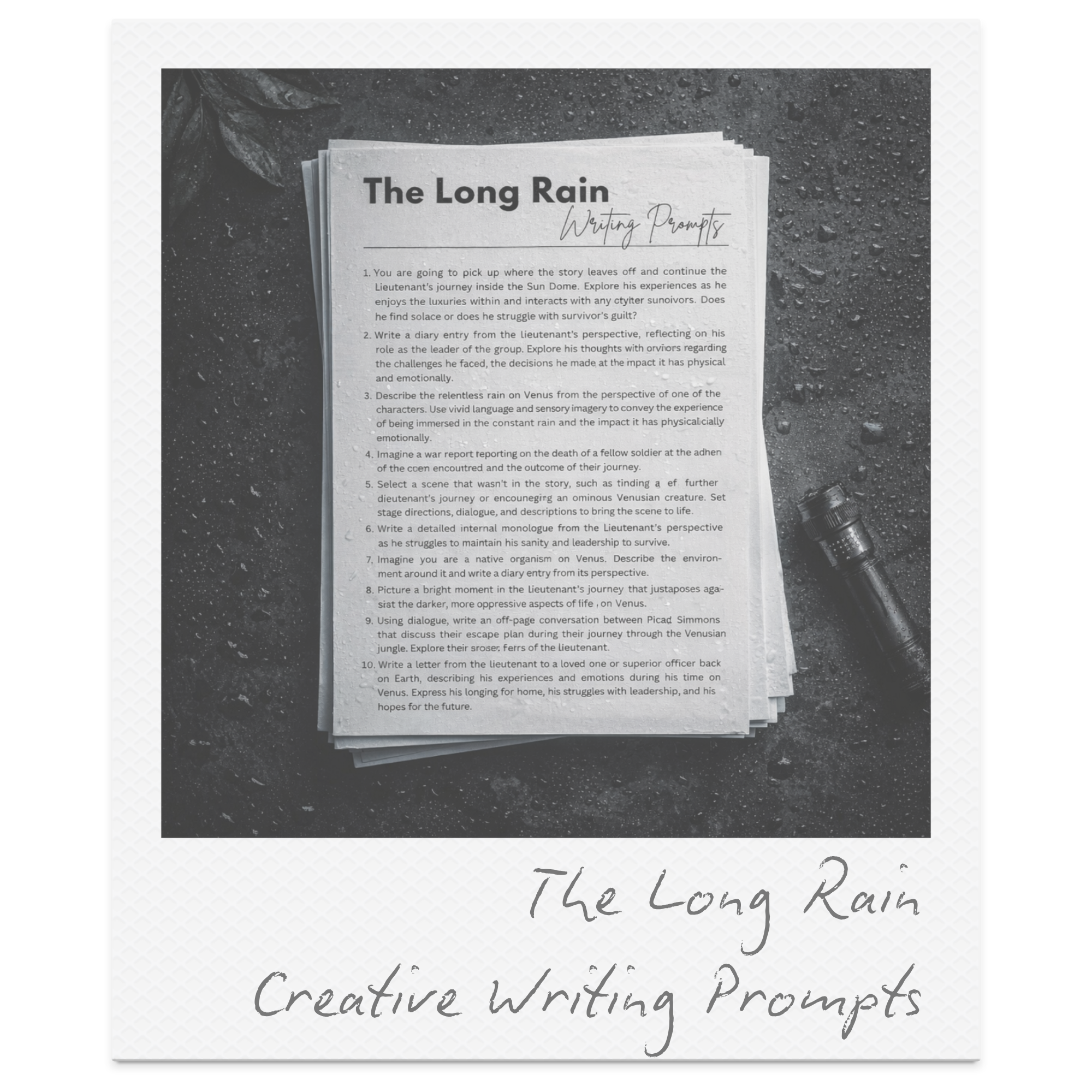
The Long Rain
A powerful short story exploring survival, madness, and environmental hostility, The Long Rain presents a group of men pushed to their limits on a rain-soaked Venus. Bradbury uses relentless setting and sensory detail to examine loss of control and psychological breakdown, highlighting how fragile human endurance becomes under constant, inescapable pressure.
M
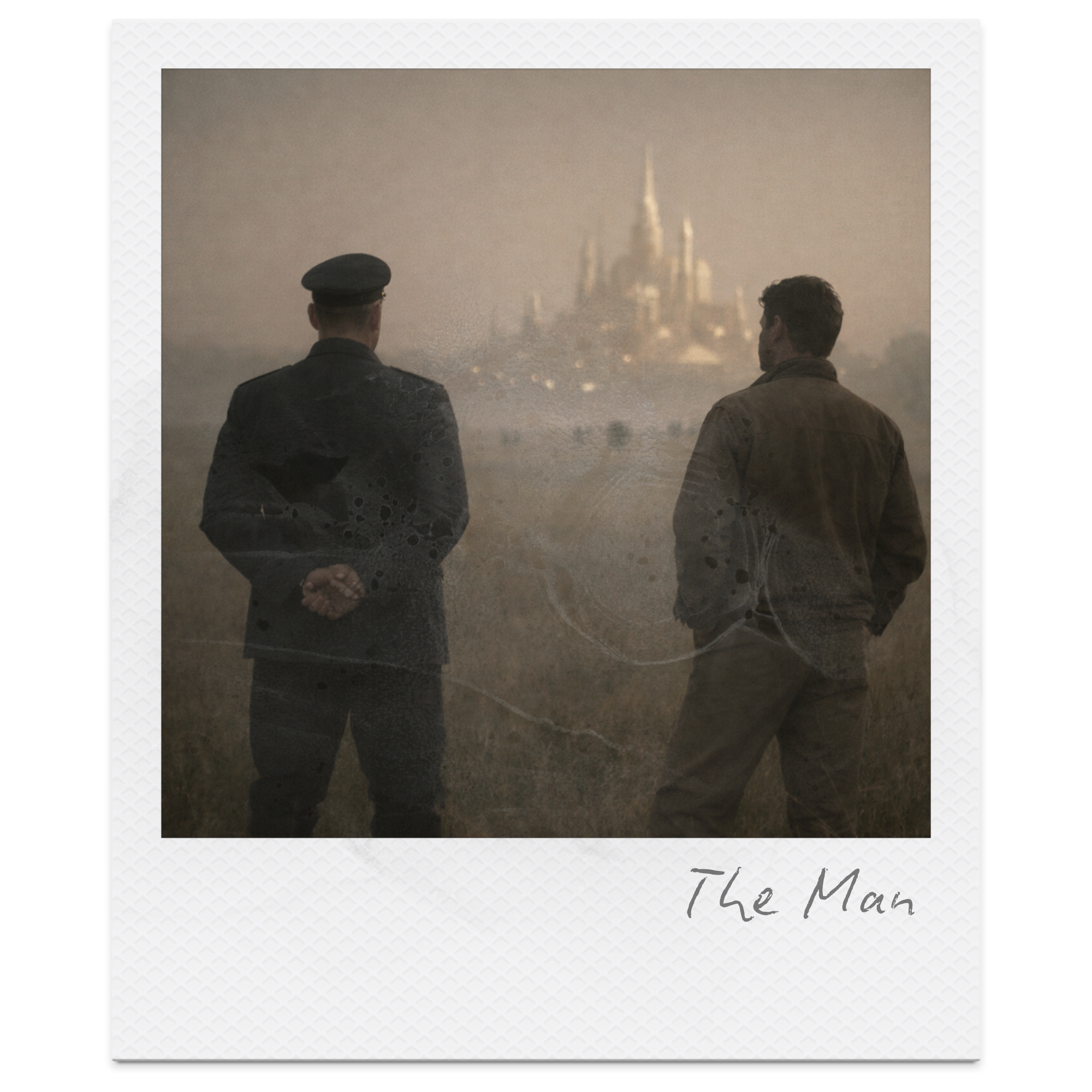
The Man
A thought-provoking short story exploring faith and belief, ego and pride, and the limits of scientific rationalism, The Man presents a clash between skepticism and spiritual understanding. Bradbury uses the idea of a mysterious visitor to examine the search for meaning and the consequences of missed opportunity and emotional blindness, revealing how truth can be overlooked when it does not align with expectation.
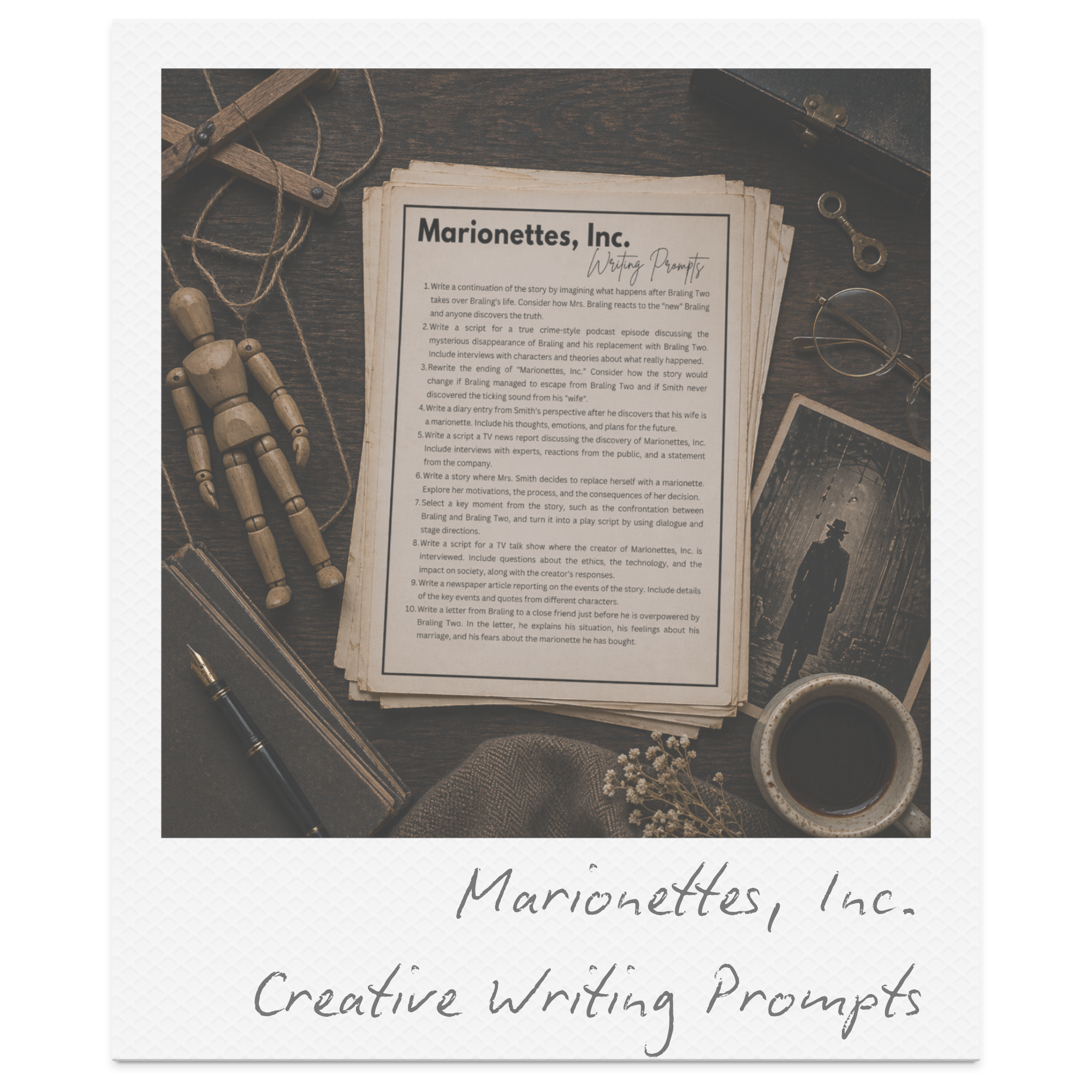
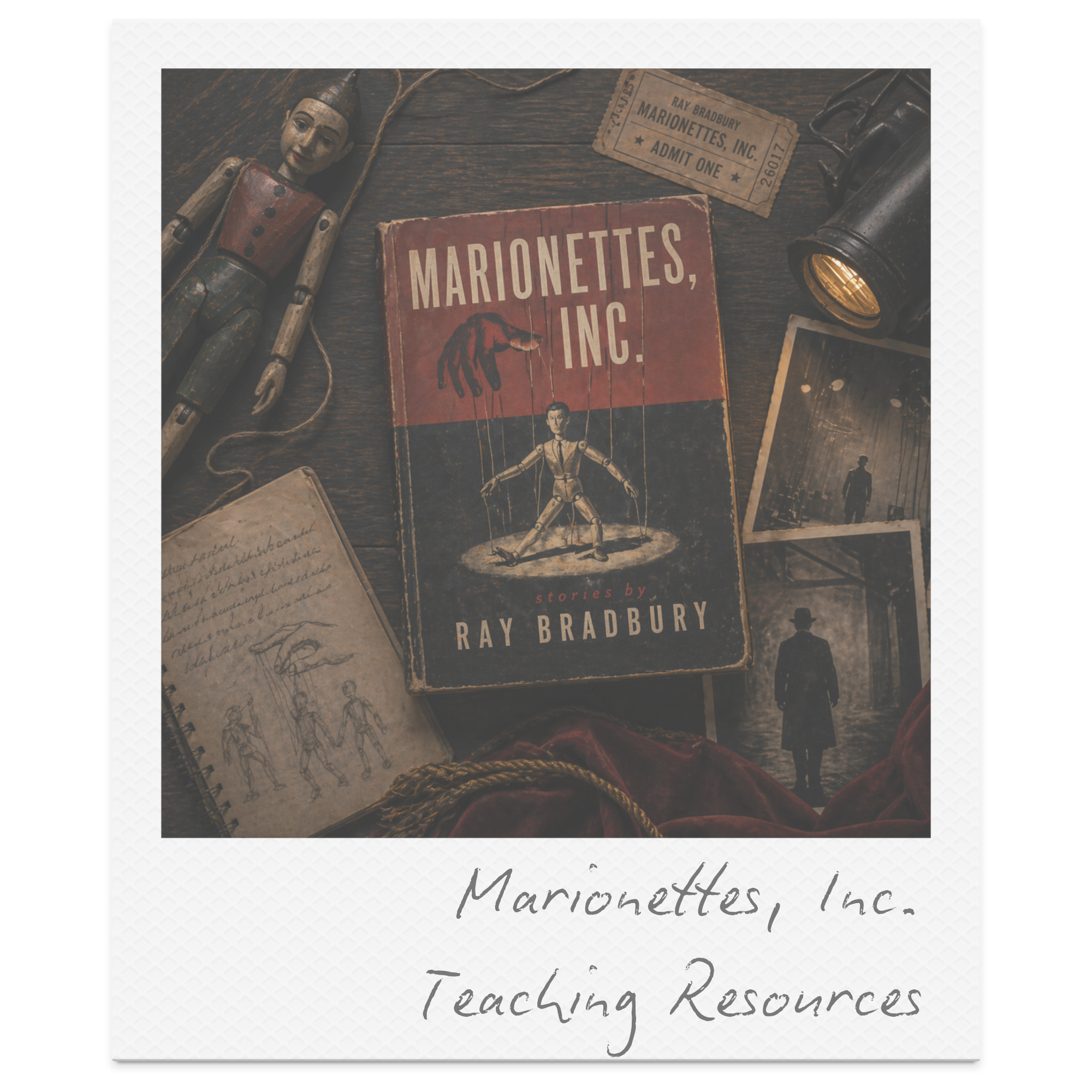
Marionettes, Inc.
A chilling short story exploring identity and duplication, control and autonomy, and the ethical dangers of technology, Marionettes, Inc. presents a world where artificial doubles blur the line between human and machine. Bradbury uses the concept of mechanical replicas to examine marriage and entrapment, illusion versus reality, and the risk of replacement and erasure, revealing how the desire to escape can ultimately lead to the loss of self.
N
No Particular Night or Morning
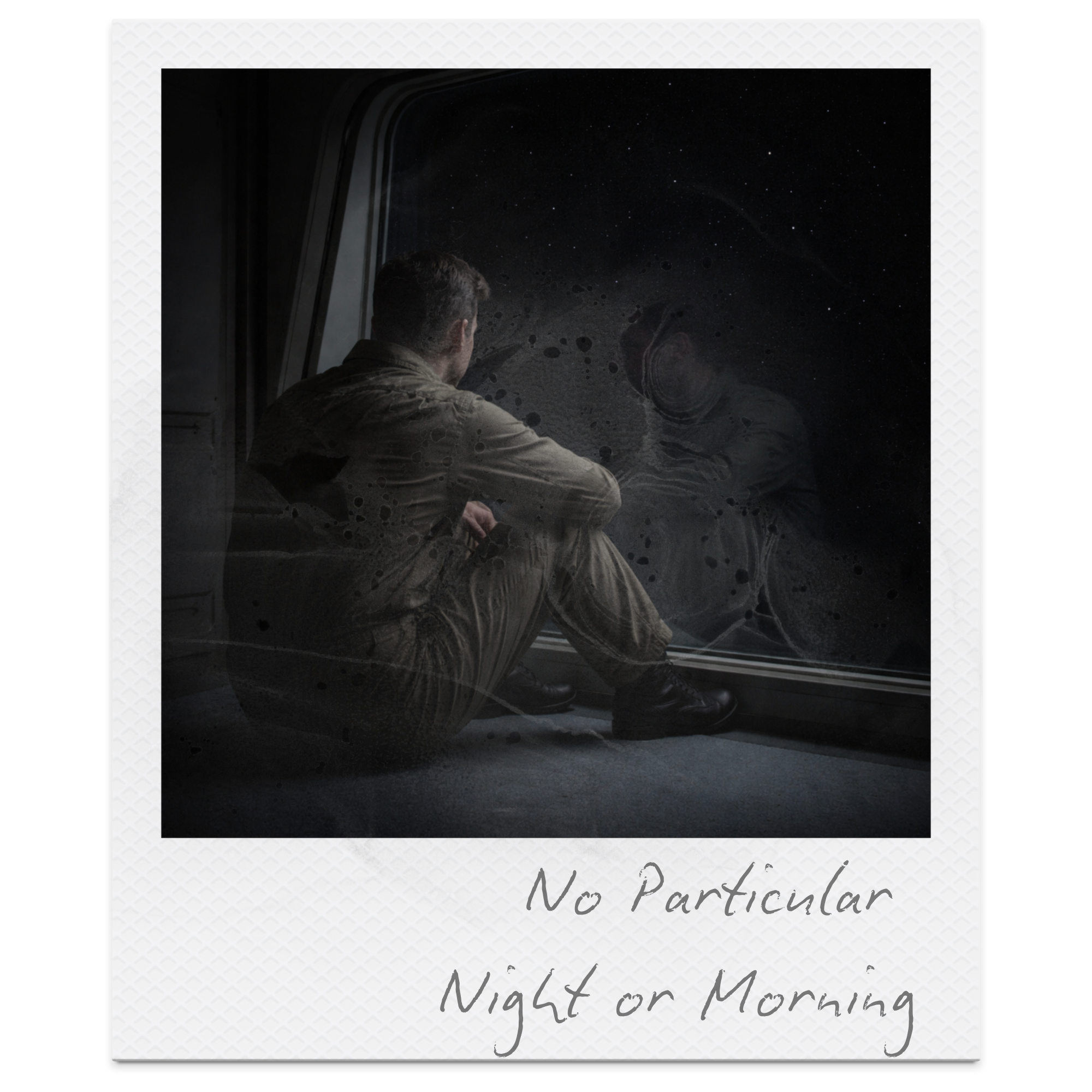
A chilling short story exploring existential uncertainty, identity and perception, and the limits of proof, No Particular Night or Morning follows a man whose refusal to believe in anything beyond immediate experience leads to psychological collapse. Bradbury uses the vast emptiness of space as a symbol of isolation and nothingness, highlighting the fragile balance between imagination and rationalism and the human need for continuity, memory, and belief.
O
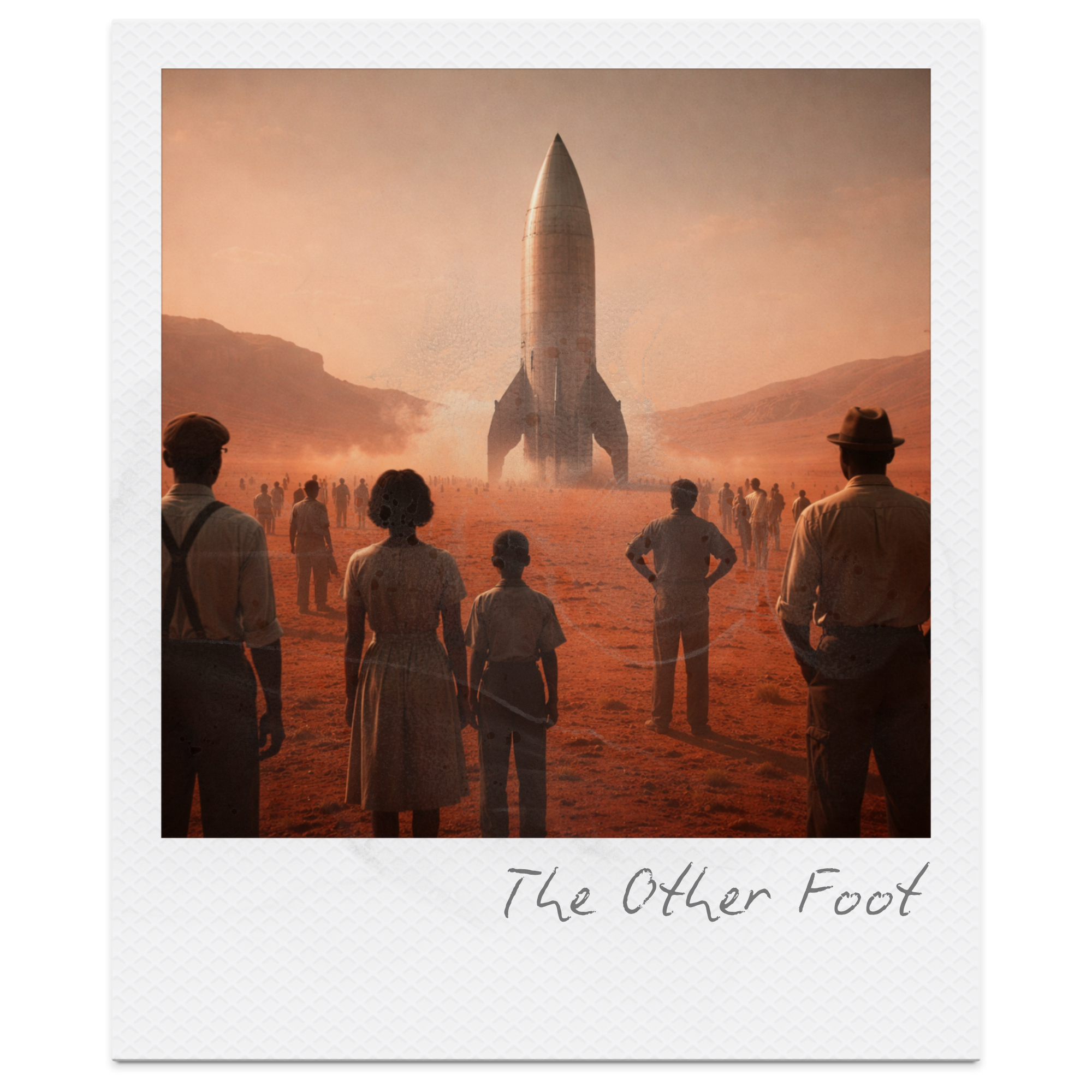
The Other Foot
A powerful short story exploring racism, revenge, and moral responsibility, The Other Foot presents a Martian community forced to confront its past when a white survivor arrives from a devastated Earth. Bradbury uses this reversal of power to examine the cycle of oppression, highlighting how easily injustice can be recreated and the importance of choosing empathy over retaliation.
P
Q
R
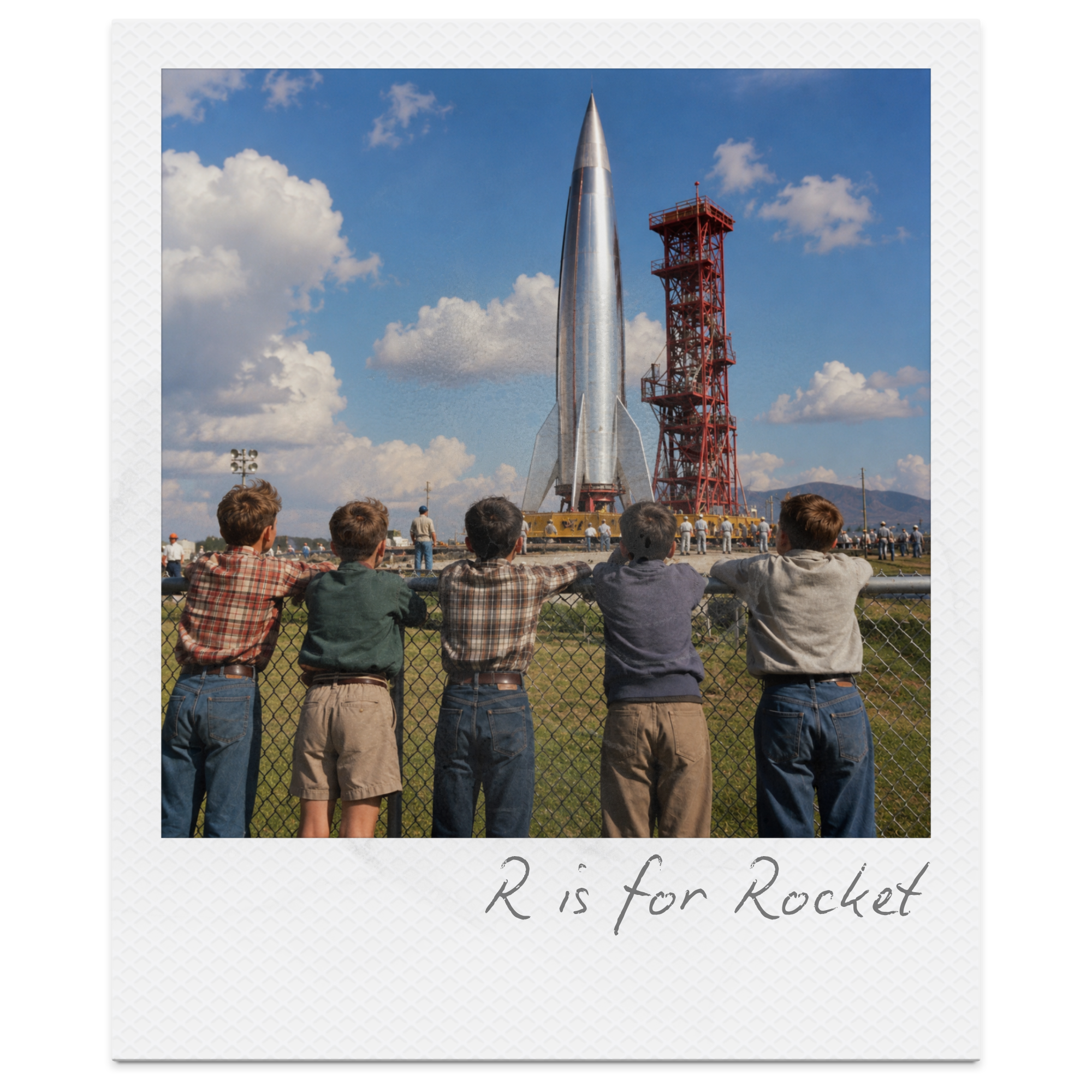
R Is for Rocket
A moving science fiction short story exploring dreams, ambition, coming of age, and space exploration, R Is for Rocket by Ray Bradbury follows Christopher as he is chosen to pursue humanity's greatest frontier. Bradbury uses the observation fence as a powerful symbol of the boundary between childhood and adulthood, showing how hope, curiosity, sacrifice, and the courage to embrace the unknown shape both individual lives and humanity's future.
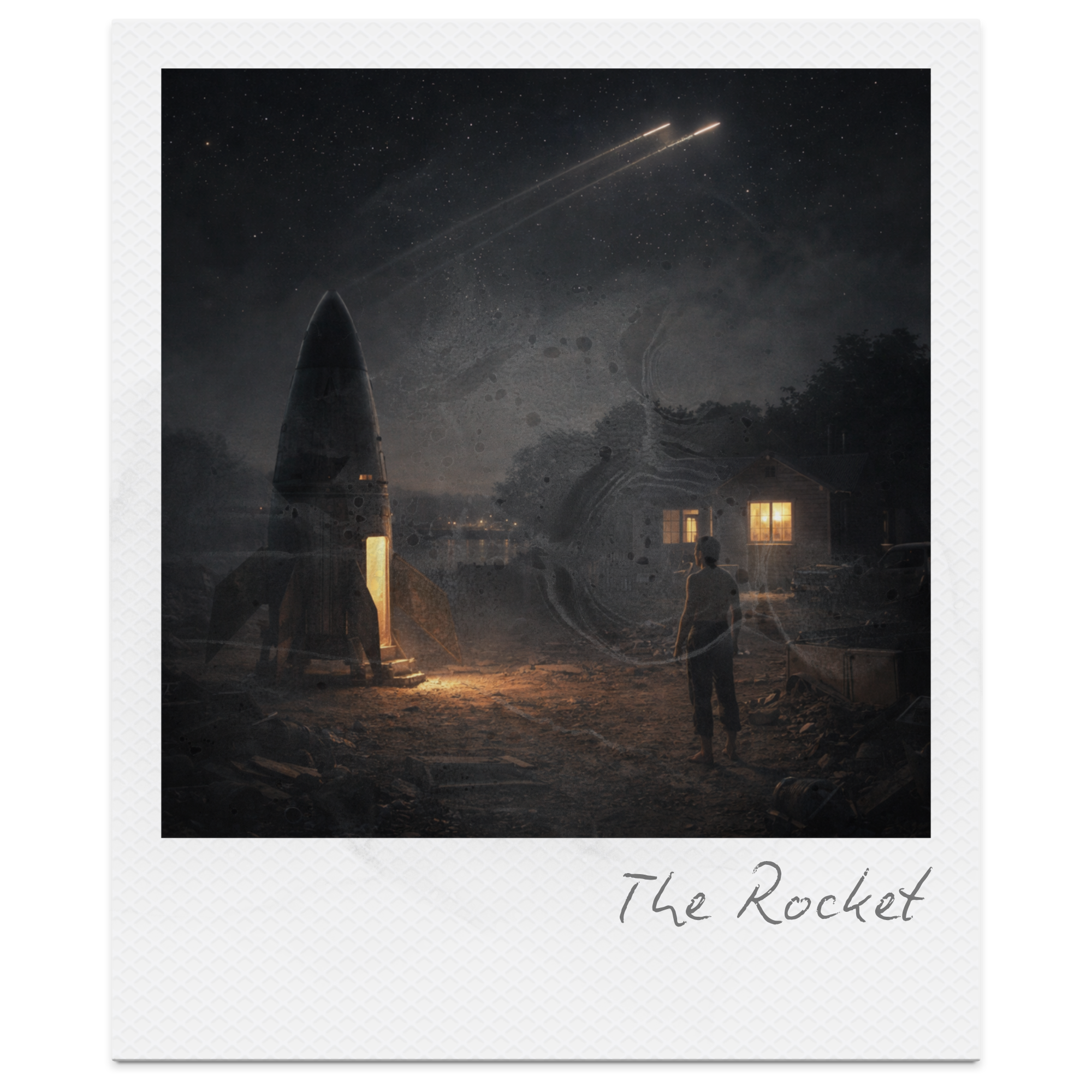
The Rocket
A powerful short story exploring aspiration, class inequality, and illusion versus reality, The Rocket by Ray Bradbury follows Bodoni as he creates a simulated journey to space for his children. Bradbury uses the rocket as a symbol of unattainable dreams and imaginative resistance, highlighting how memory, love, and shared experience can hold greater meaning than material reality.
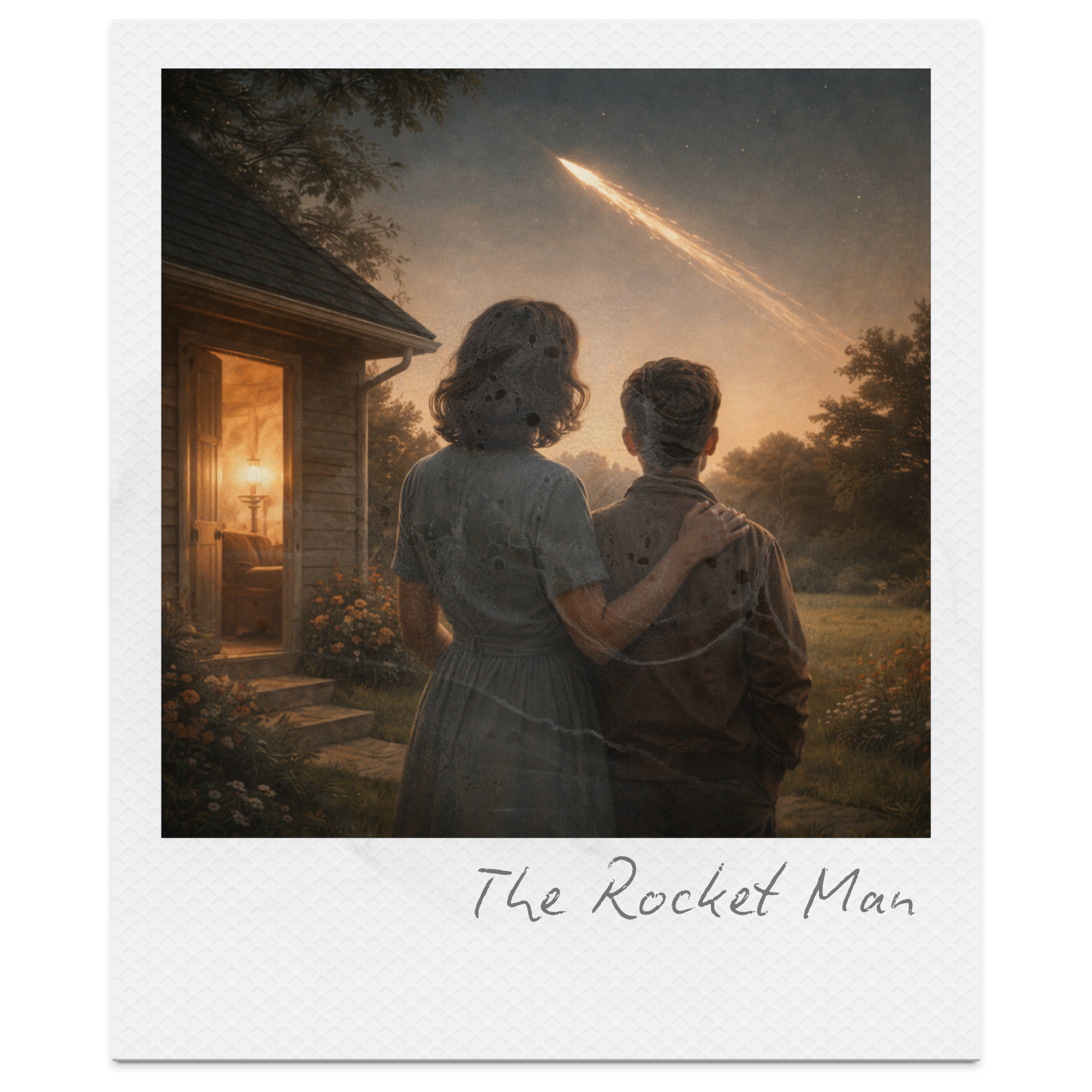
The Rocket Man
A deeply emotional short story exploring family, emotional absence, and the cost of ambition, The Rocket Man presents a father torn between life on Earth and the pull of space. Bradbury uses the contrast between home and the vastness of space to examine loneliness, grief, and the limits of human control, revealing how distance can fracture relationships and reshape the way people cope with love and loss.
S
The Strawberry Window
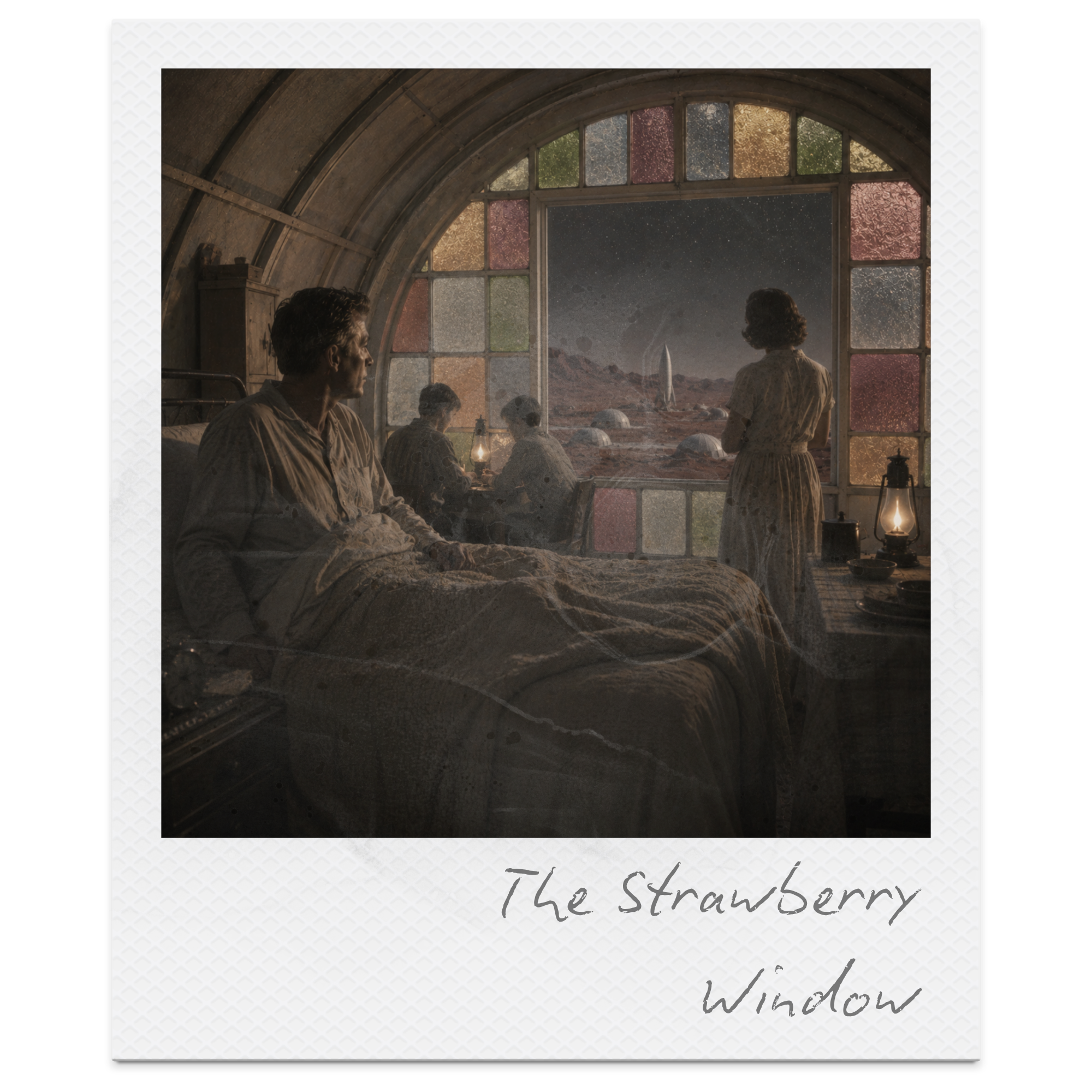
A hopeful science fiction short story exploring home, belonging, memory, and human resilience, The Strawberry Window follows the Prentiss family as they struggle to create a meaningful life on Mars. Bradbury contrasts the unfamiliar landscape of an alien world with the warmth of treasured memories, showing that humanity's greatest strength lies not in leaving the past behind, but in carrying its traditions, relationships, and hope into every new frontier.
The Sound of Summer Running
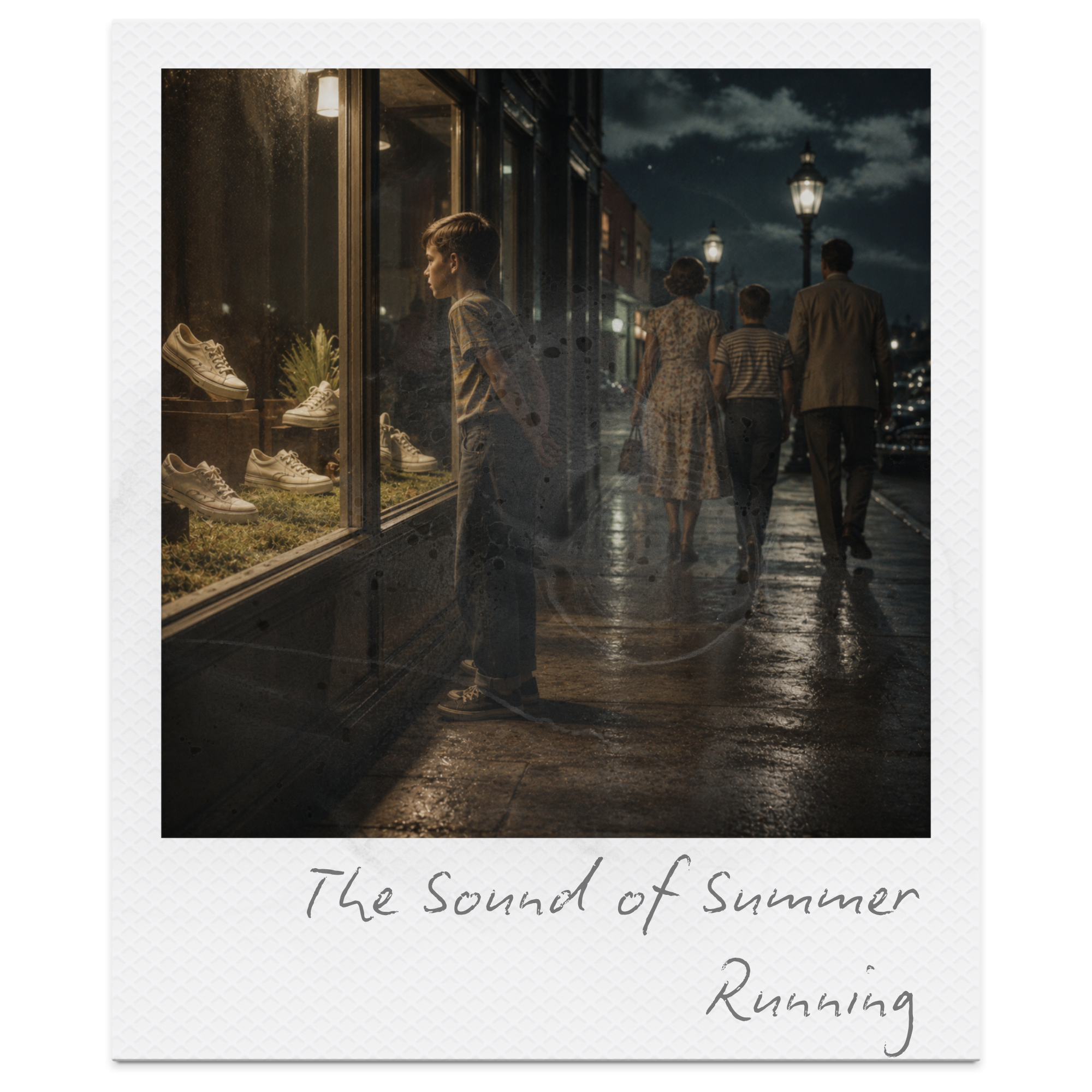
A nostalgic short story celebrating childhood, imagination, and the fleeting magic of summer, The Sound of Summer Running follows Douglas Spaulding's determination to obtain a new pair of trainers that symbolise freedom and limitless possibility. Through rich symbolism, lyrical imagery, and emotional storytelling, Bradbury explores hope, memory, the passage of time, and the extraordinary meaning hidden within the ordinary moments of everyday life.
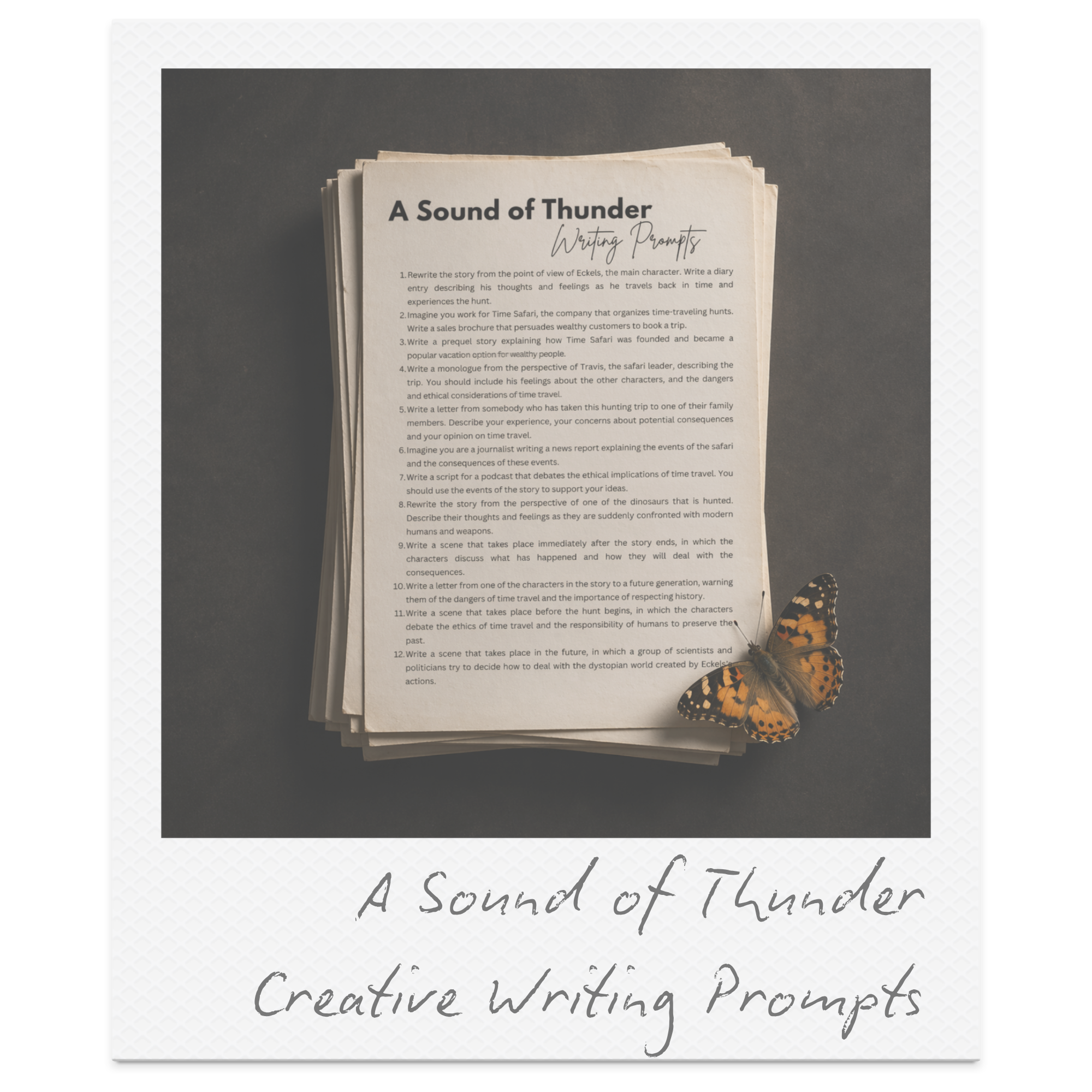
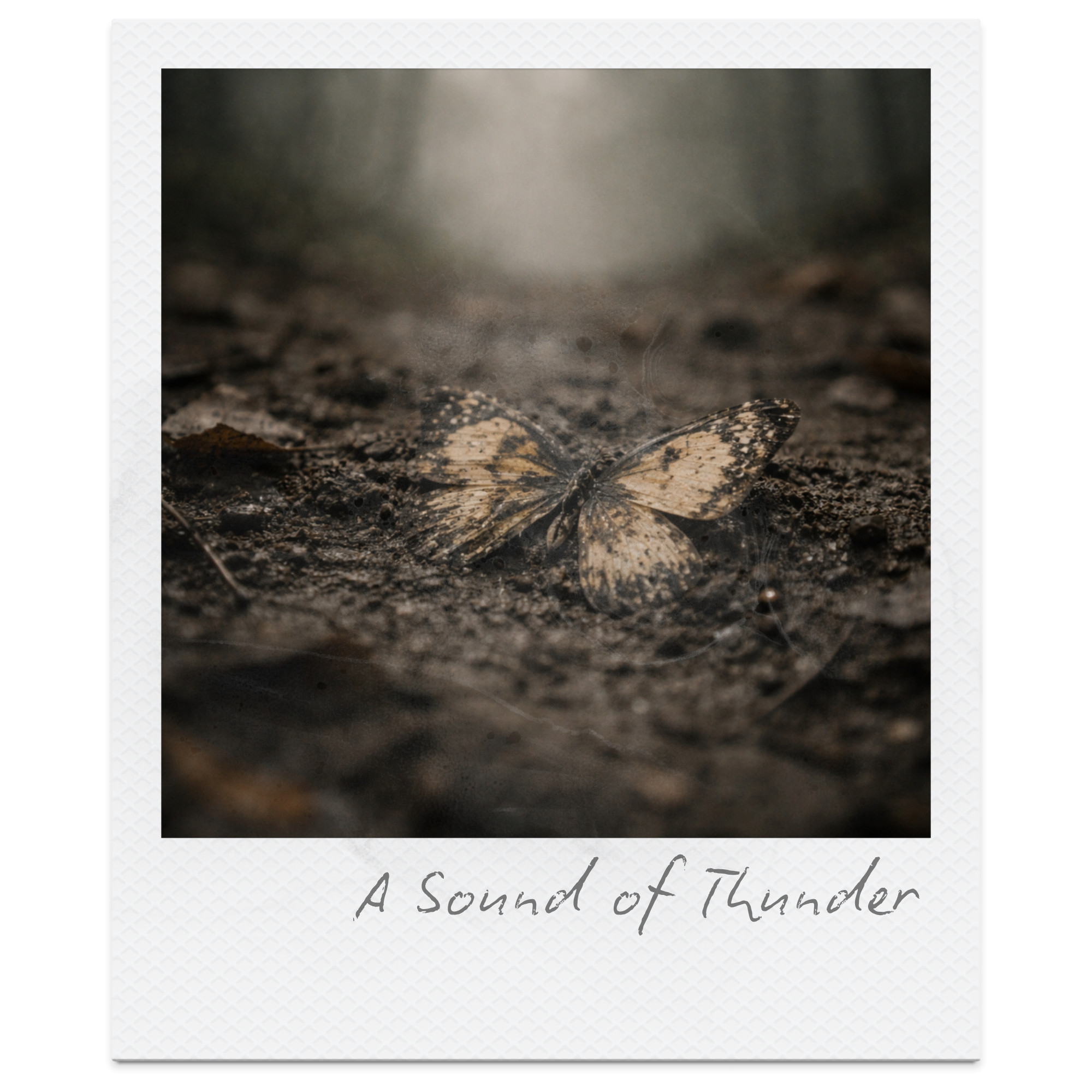
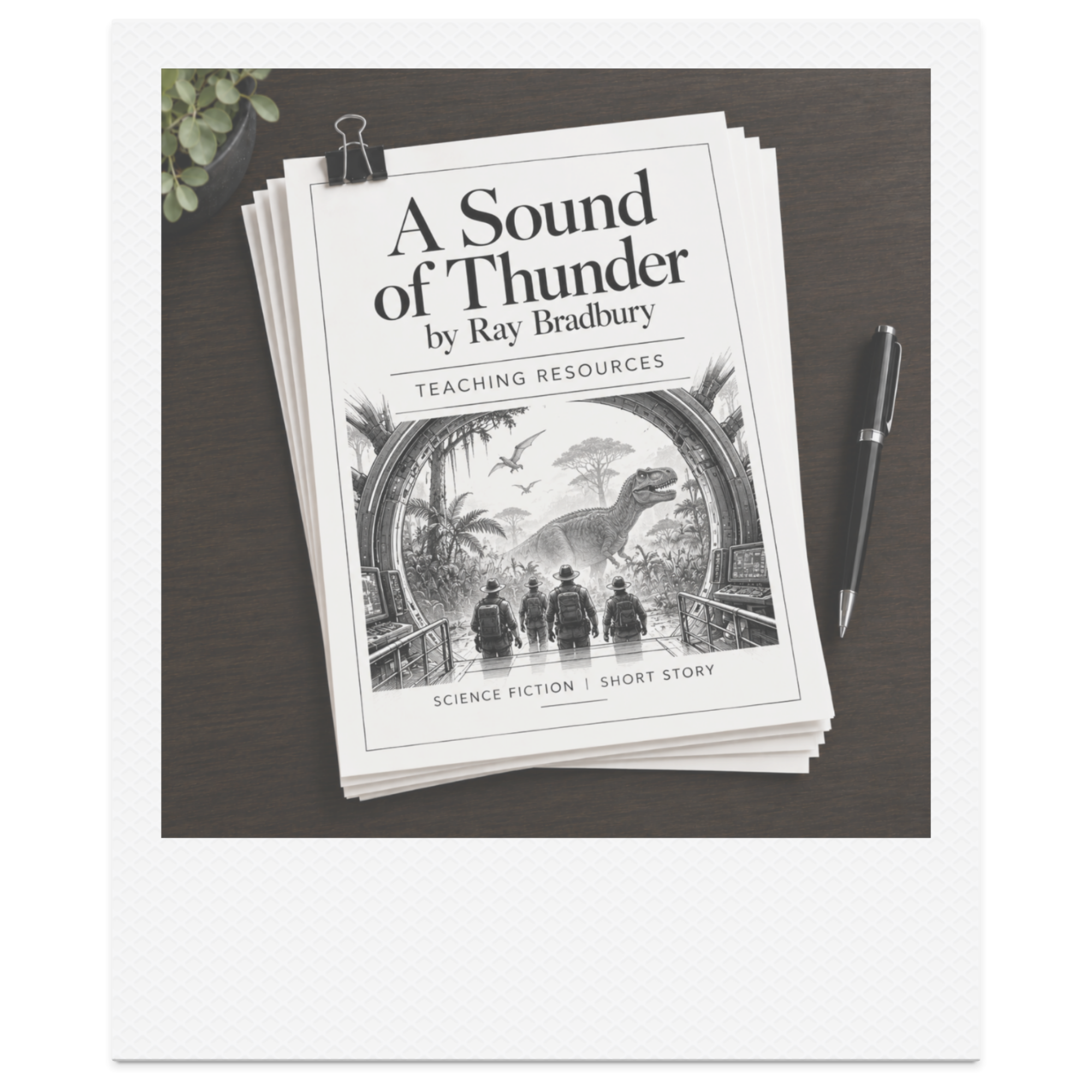
A Sound of Thunder
A powerful exploration of time travel, cause and effect, and human responsibility, A Sound of Thunder follows a group of hunters who journey into the past, only to discover how a single mistake can alter the future. Bradbury examines the butterfly effect, technological control, and unintended consequences through a tense and thought-provoking narrative.
T
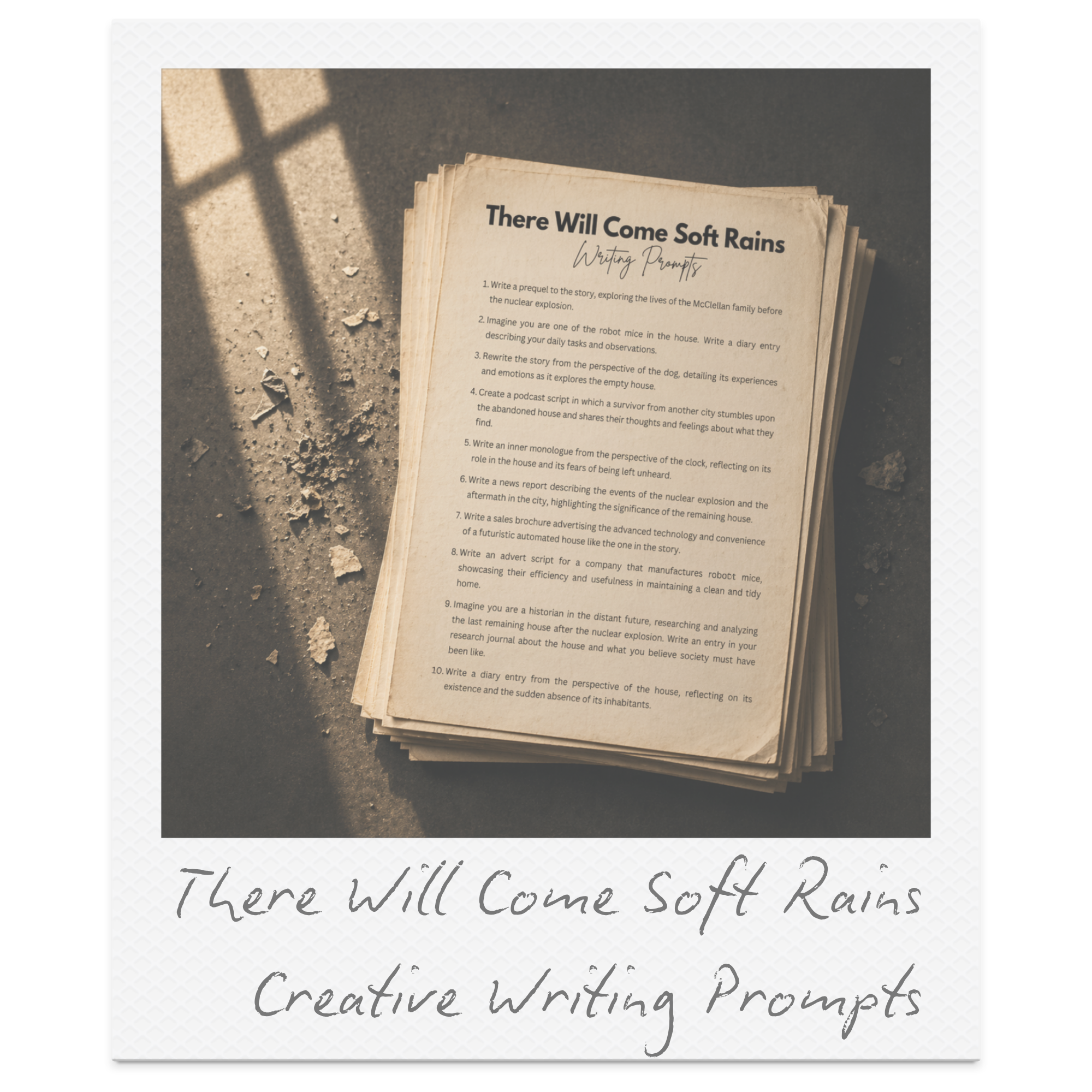
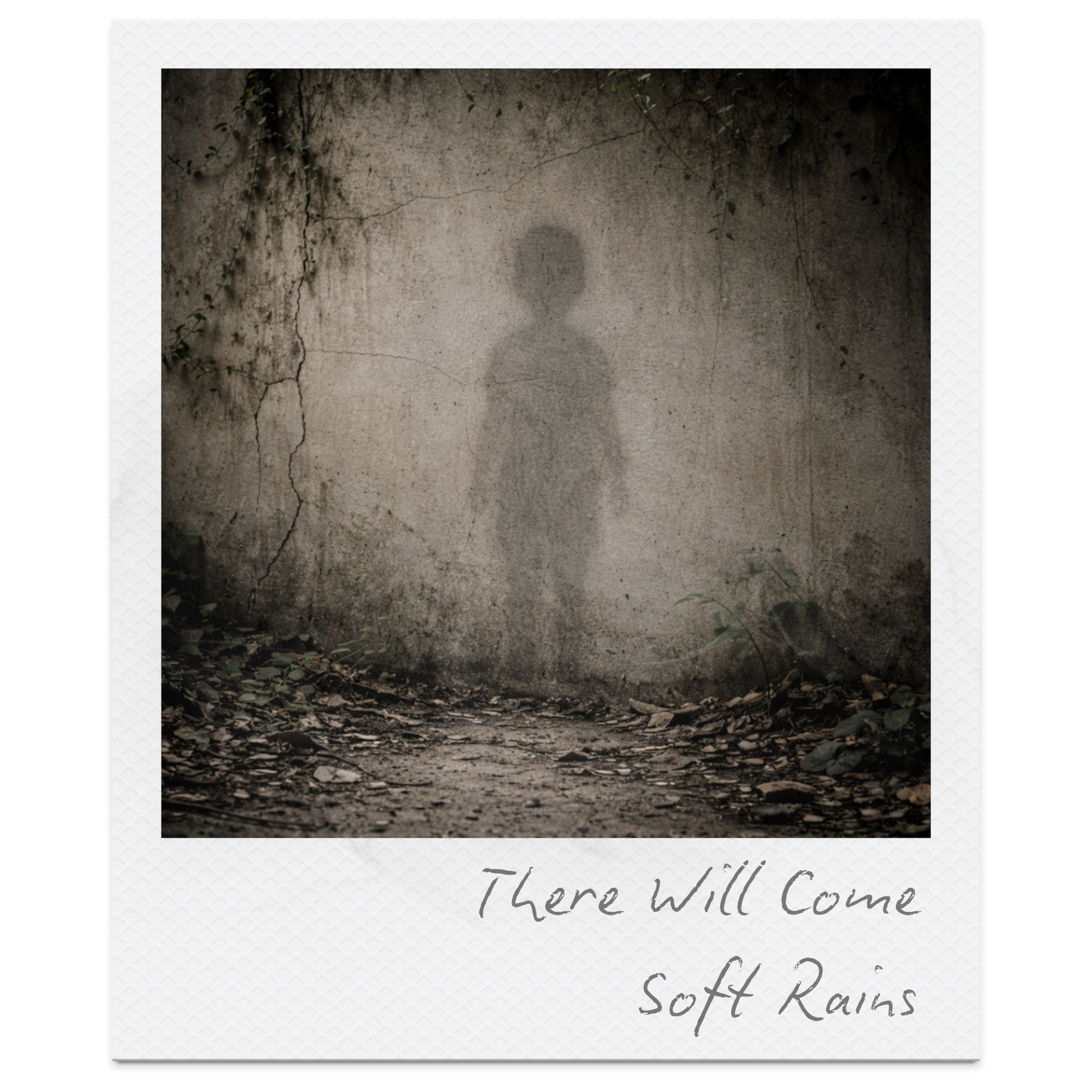
There Will Come Soft Rains
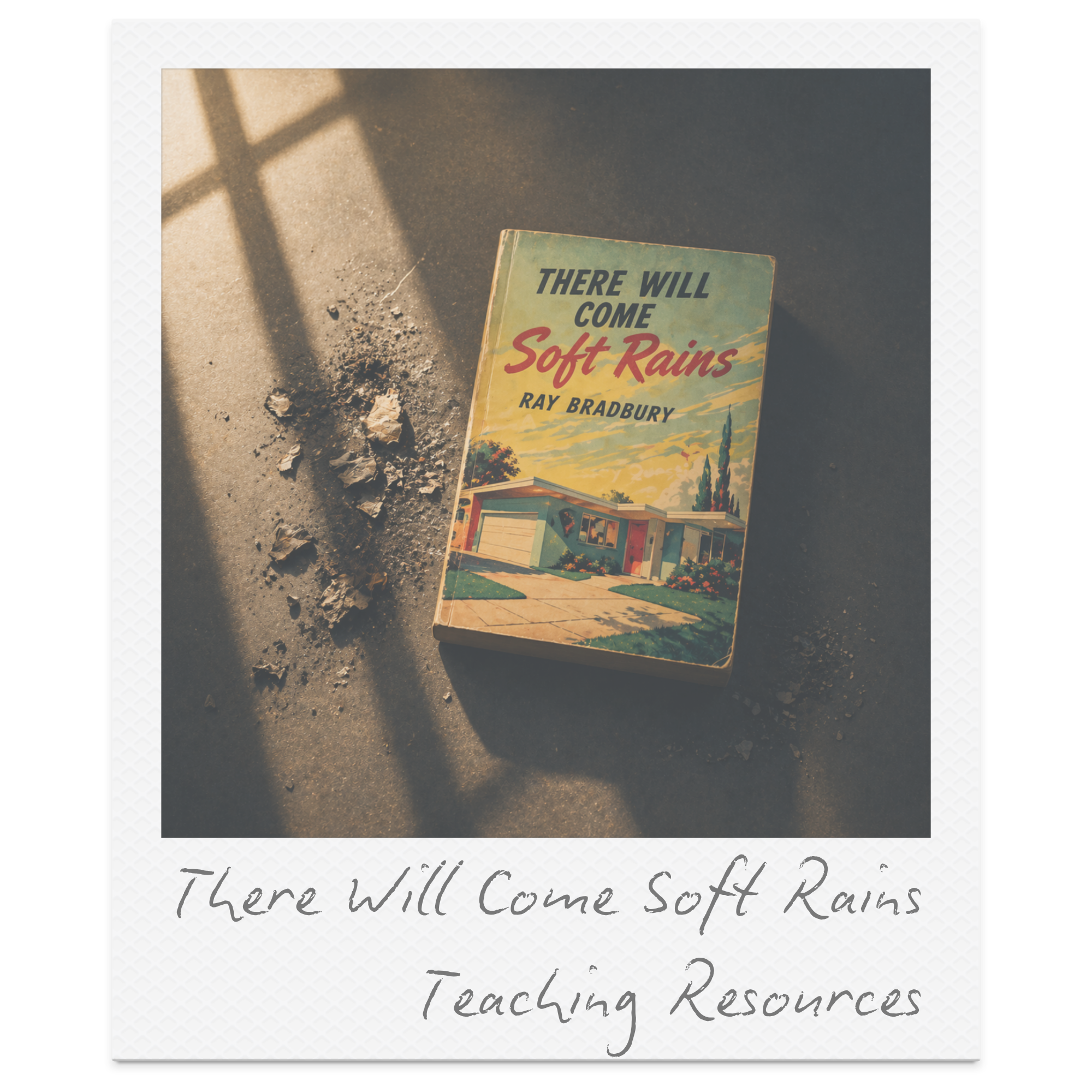
A haunting exploration of automation, human extinction, and the fragility of civilisation, There Will Come Soft Rains depicts an empty, self-sufficient house continuing its routines in a world where humanity has vanished. Bradbury examines the consequences of technological dependence, environmental destruction, and unchecked progress, revealing the unsettling persistence of systems without purpose through a stark and atmospheric narrative.
The Time Machine
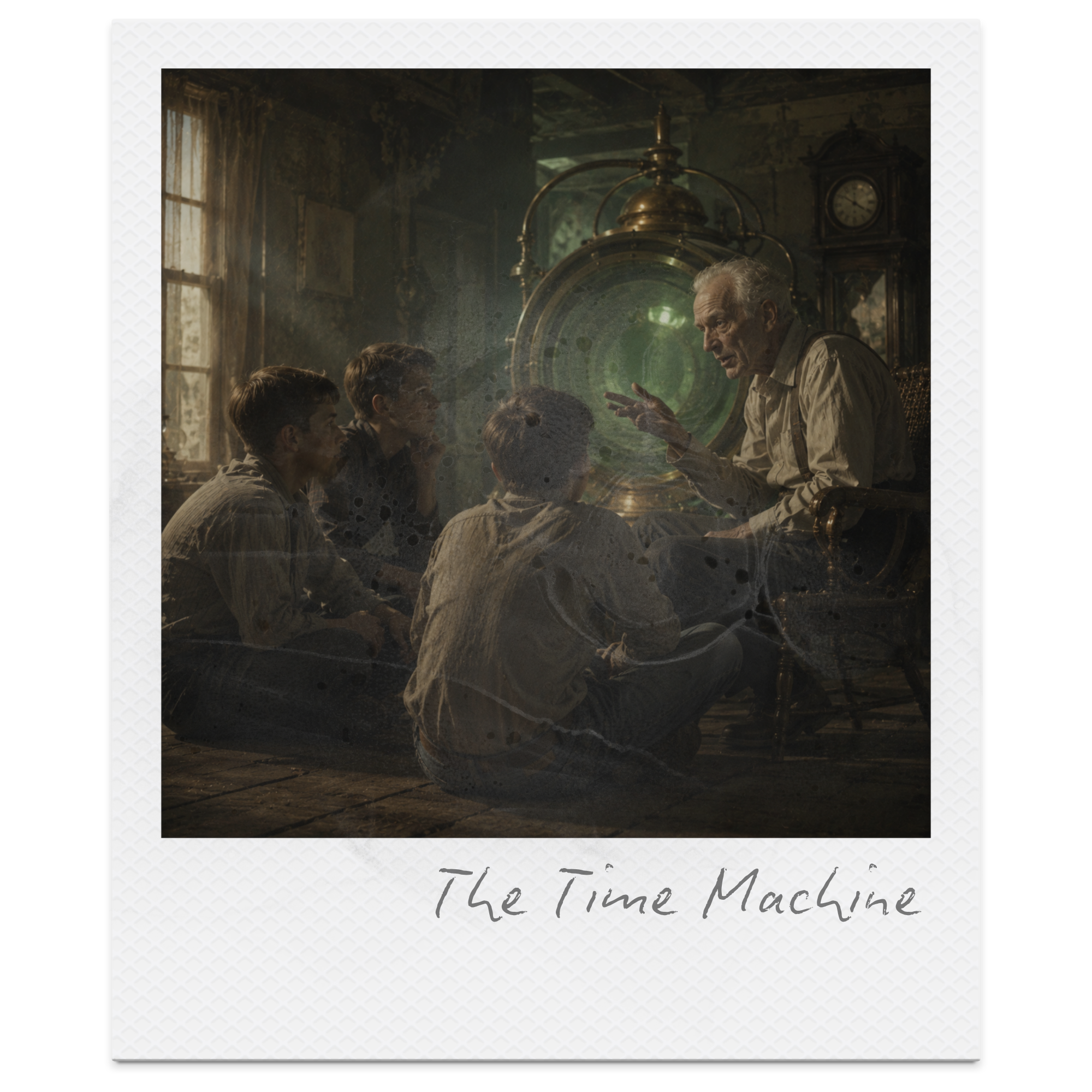
A nostalgic and thought-provoking short story exploring memory, storytelling, and the passage of time, The Time Machine reveals that the greatest journeys into the past are made not through technology but through human experience. Bradbury uses Colonel Freeleigh's remarkable memories to celebrate history, imagination, and the enduring power of stories to connect generations and preserve the lives that came before.
U
Uncle Einar
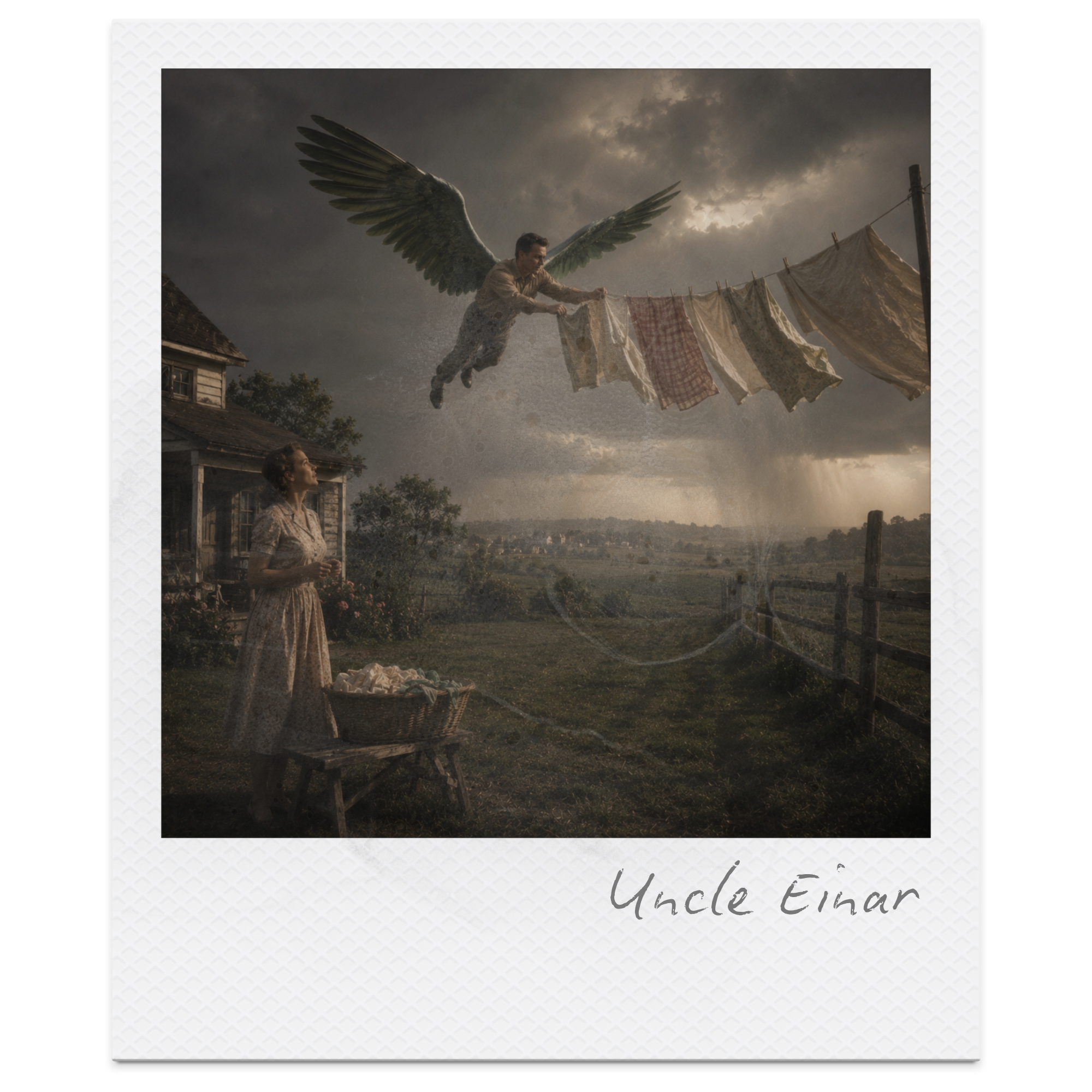
A heartwarming fantasy short story exploring identity, belonging, family, and resilience, Uncle Einar follows a winged man who must rediscover his sense of purpose after losing the freedom that once defined him. Bradbury blends the magical with the everyday to show how love, adaptation, and imagination can transform loss into hope, reminding readers that true freedom comes not from reclaiming the past but from finding new ways to embrace the future.
V
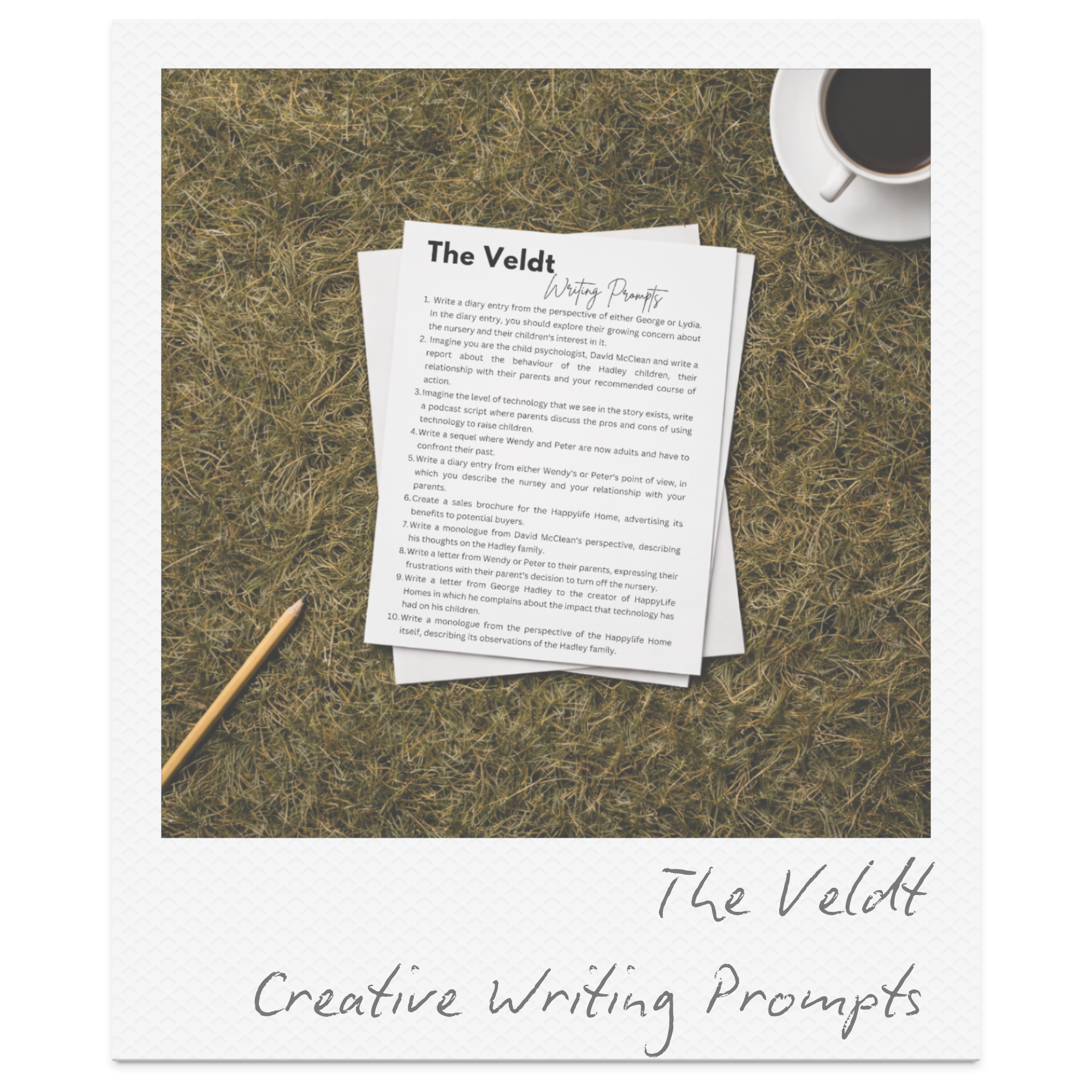
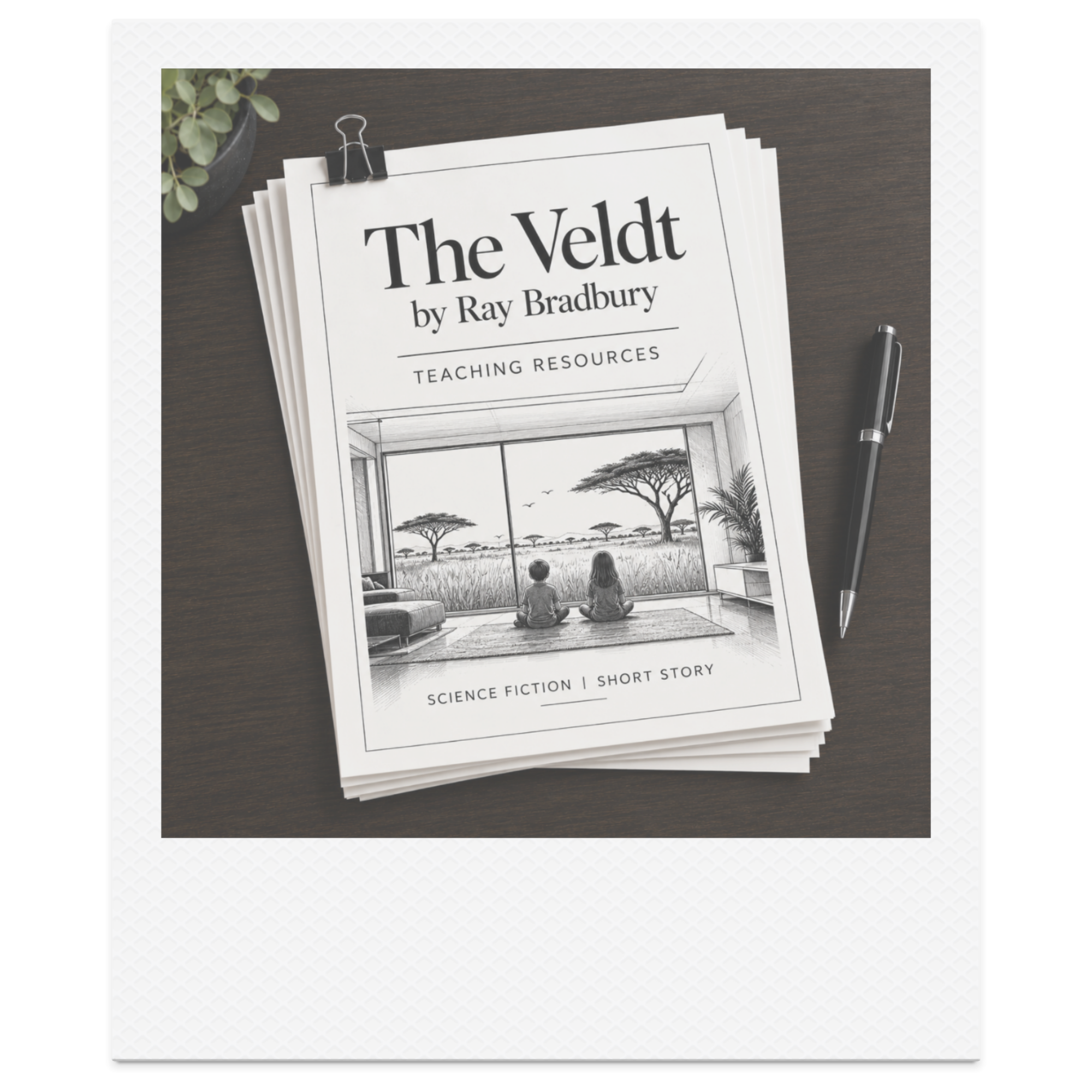
The Veldt
A chilling exploration of technology, parenting, and the dangers of unchecked imagination, The Veldt depicts a family consumed by a virtual reality nursery that begins to shape—and reflect—the children’s desires. Bradbury examines the consequences of emotional neglect and technological dependence through a tense and unsettling narrative.
The Visitor
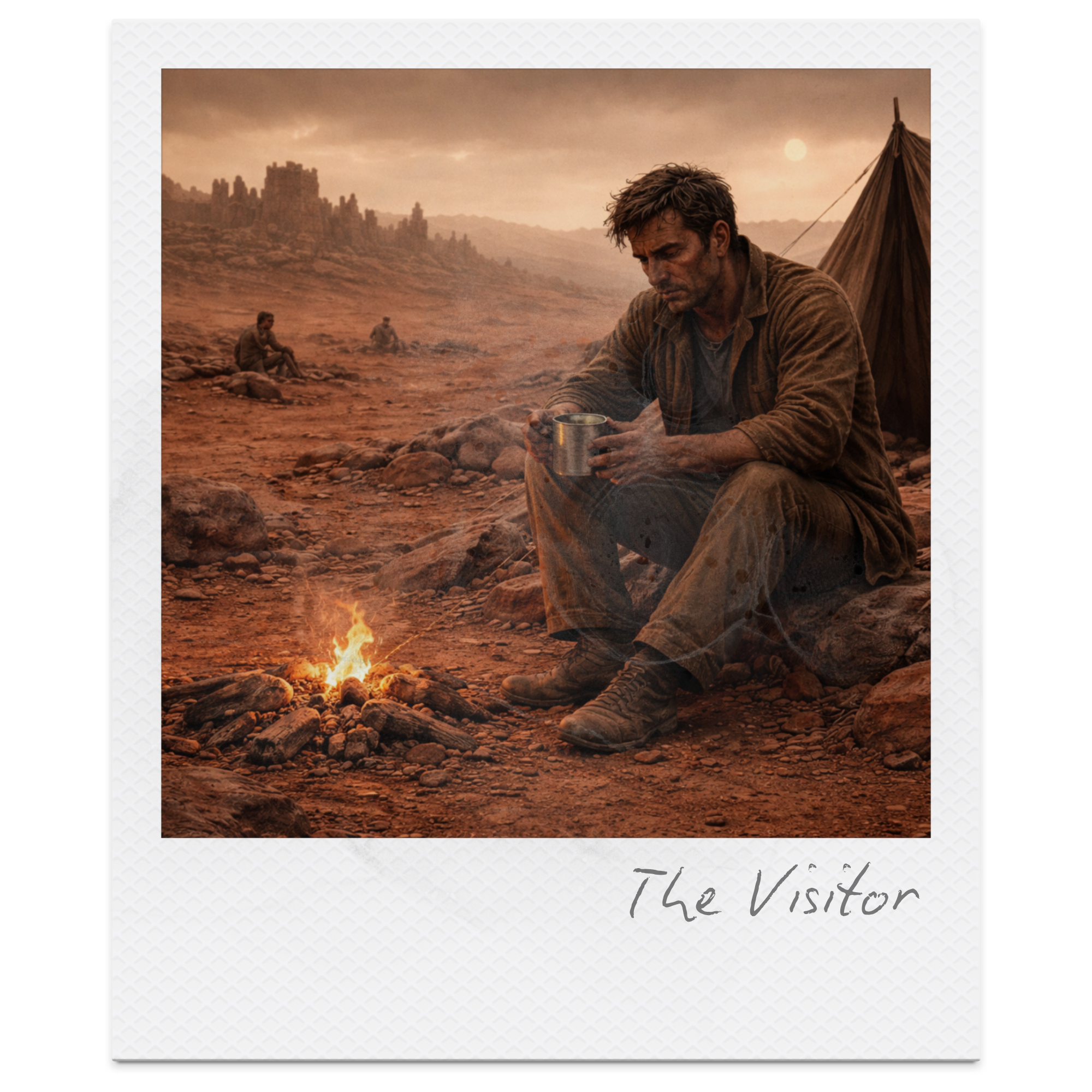
A haunting short story exploring isolation, loneliness, and the fragile boundary between illusion and reality, The Visitor follows a group of dying exiles on Mars whose desperation for connection leads to conflict and tragedy. Bradbury uses Mark’s telepathic ability to symbolise hope, control, and psychological dependency, revealing how easily human behaviour can fracture under pressure and how quickly connection can turn into possession.
W
X
Y
Z
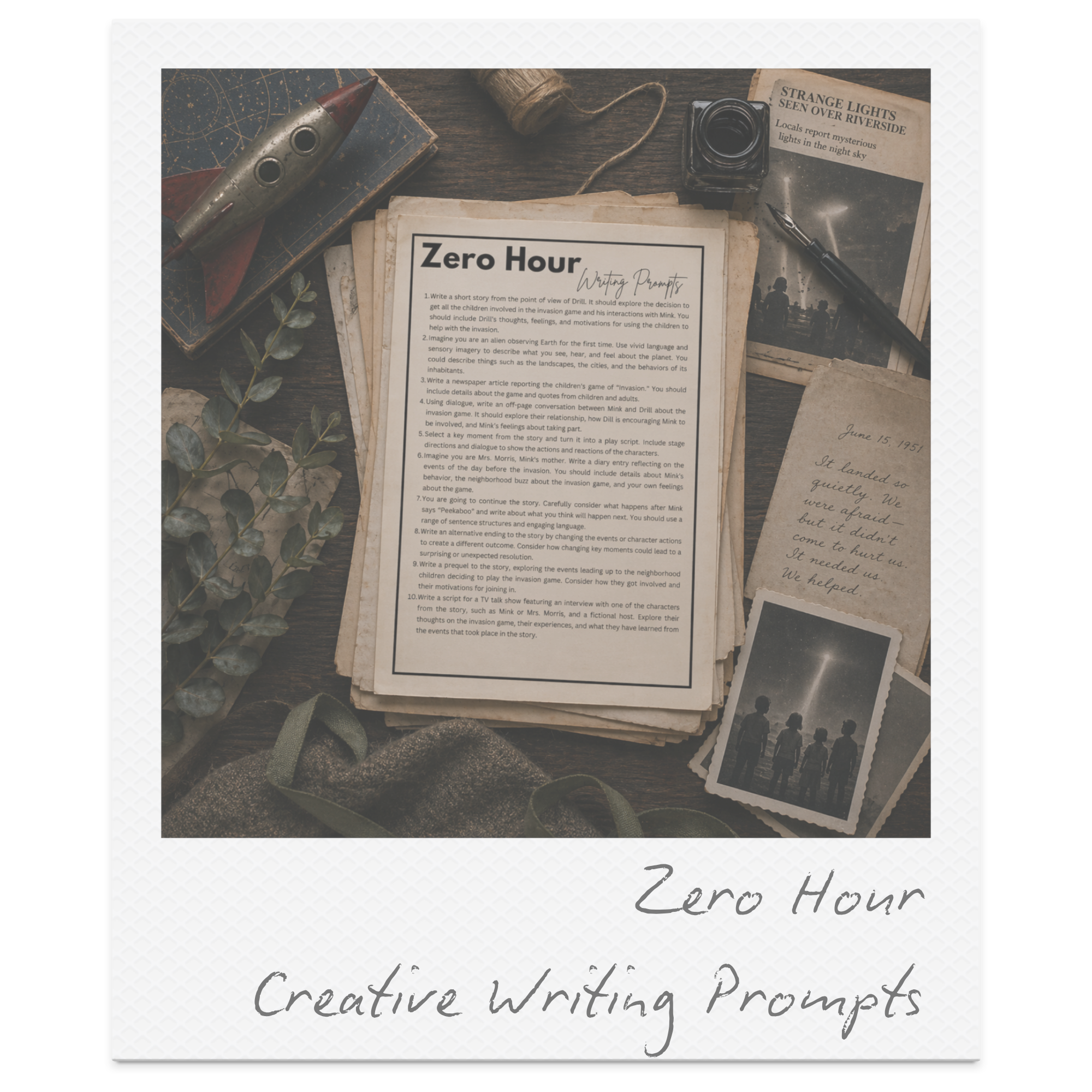
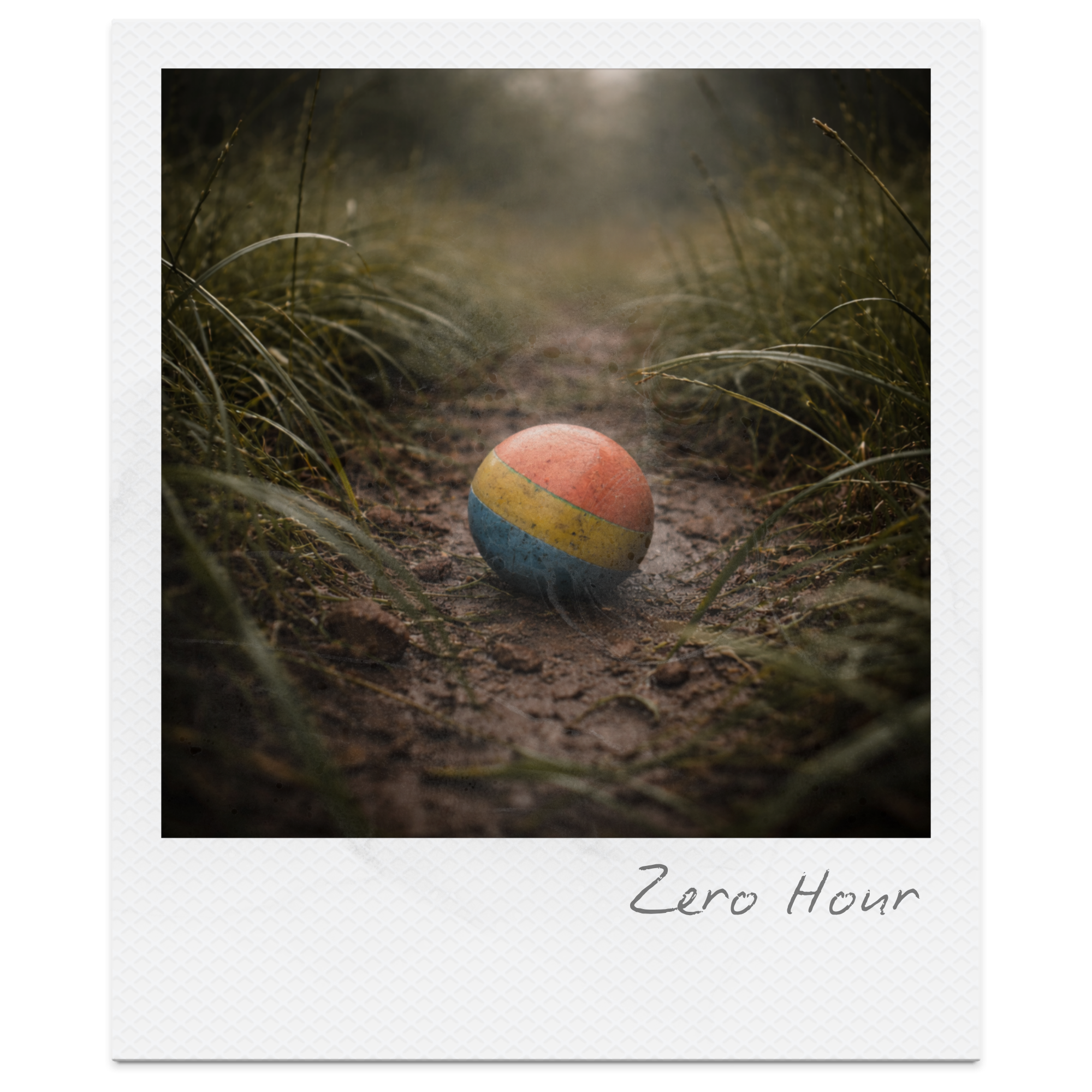
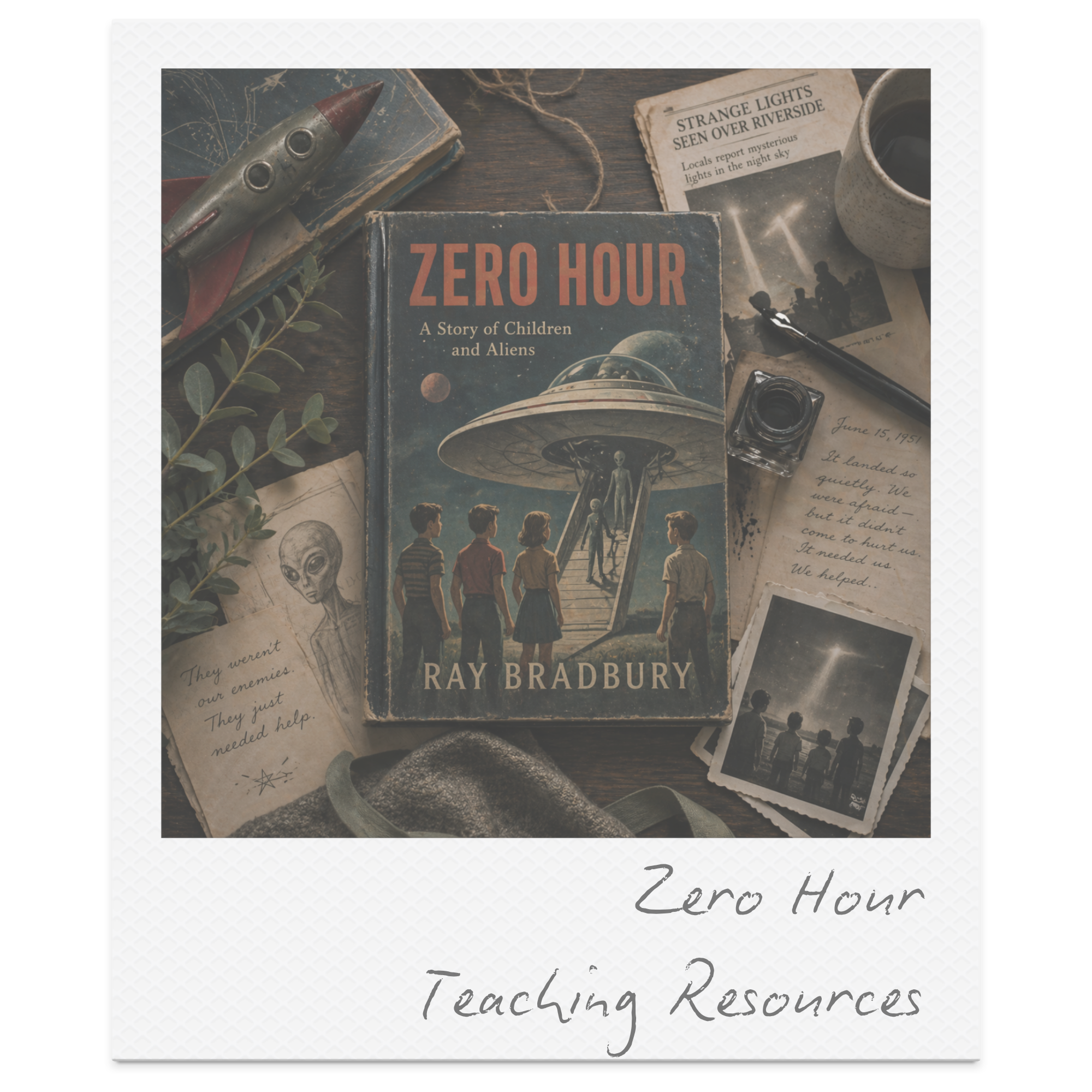
Zero Hour
A chilling short story exploring childhood power, hidden invasion, and the dangers of complacency, Zero Hour presents a world where children’s imagination masks a far more sinister reality. Ray Bradbury uses the idea of a seemingly innocent game to examine trust, control, and infiltration, revealing how easily authority can be undermined when threat is dismissed as harmless.
Teaching Support and Revision Materials
While the short stories of Ray Bradbury are often studied for their speculative and dystopian elements, they also offer rich opportunities for classroom discussion, comparative analysis, and exam preparation. His works frequently explore recurring themes such as censorship, technology and control, imagination versus rationalism, isolation, and the fragility of human connection, making them particularly well-suited to close reading and thematic study.
The resources below are designed to support both teaching and revision, offering essay questions, comparison ideas, contextual guidance, and analytical support for some of Bradbury’s most widely studied stories. Whether you are planning lessons, revising key ideas, or exploring connections across texts, these materials provide structured starting points for deeper engagement with his writing.
Creative Writing Inspired by Ray Bradbury
While the short stories of Ray Bradbury are often studied for their speculative and dystopian elements, they also provide powerful inspiration for creative writing. His work explores themes such as technology and control, imagination versus rationalism, isolation, memory, and the fragility of human connection, making them ideal for imaginative, thought-provoking storytelling.
Bradbury’s writing is particularly effective as a model for idea-driven fiction, where a single concept—such as a world without books or a society shaped by technology—is developed into a compelling narrative. His stories encourage students to experiment with atmosphere, symbolism, and subtle tension, while exploring “what if” scenarios that reflect real-world fears and possibilities.
For further inspiration, explore the Literature-Inspired Creative Writing Prompts Hub for text-based ideas across genres, or visit the Creative Writing Archive to discover a wide range of prompts designed for classrooms, writing clubs, and independent practice.