The Illustrated Man by Ray Bradbury: Summary, Stories, Themes & Analysis
The Illustrated Man by Ray Bradbury is a science fiction short story collection that explores the dangers of technology, the fragility of human relationships, and the psychological consequences of progress. Through a series of interconnected tales, Bradbury examines how innovation can both expand and destroy human experience, often revealing unsettling truths about fear, control, and isolation.
Framed by the mysterious figure of the Illustrated Man himself, the collection becomes more than a set of stories—it becomes a meditation on fate, identity, and inevitability. Each tattoo on the Illustrated Man’s body comes alive to tell a different story, creating a powerful narrative device that links the collection together. This post explores the structure, key stories, major themes, and lasting significance of the collection, with links to deeper analysis of each text.
→ Explore more of Bradbury’s work in the Ray Bradbury Hub
→ Browse deep dives for a wide range of texts in the Literature Library

Context of The Illustrated Man
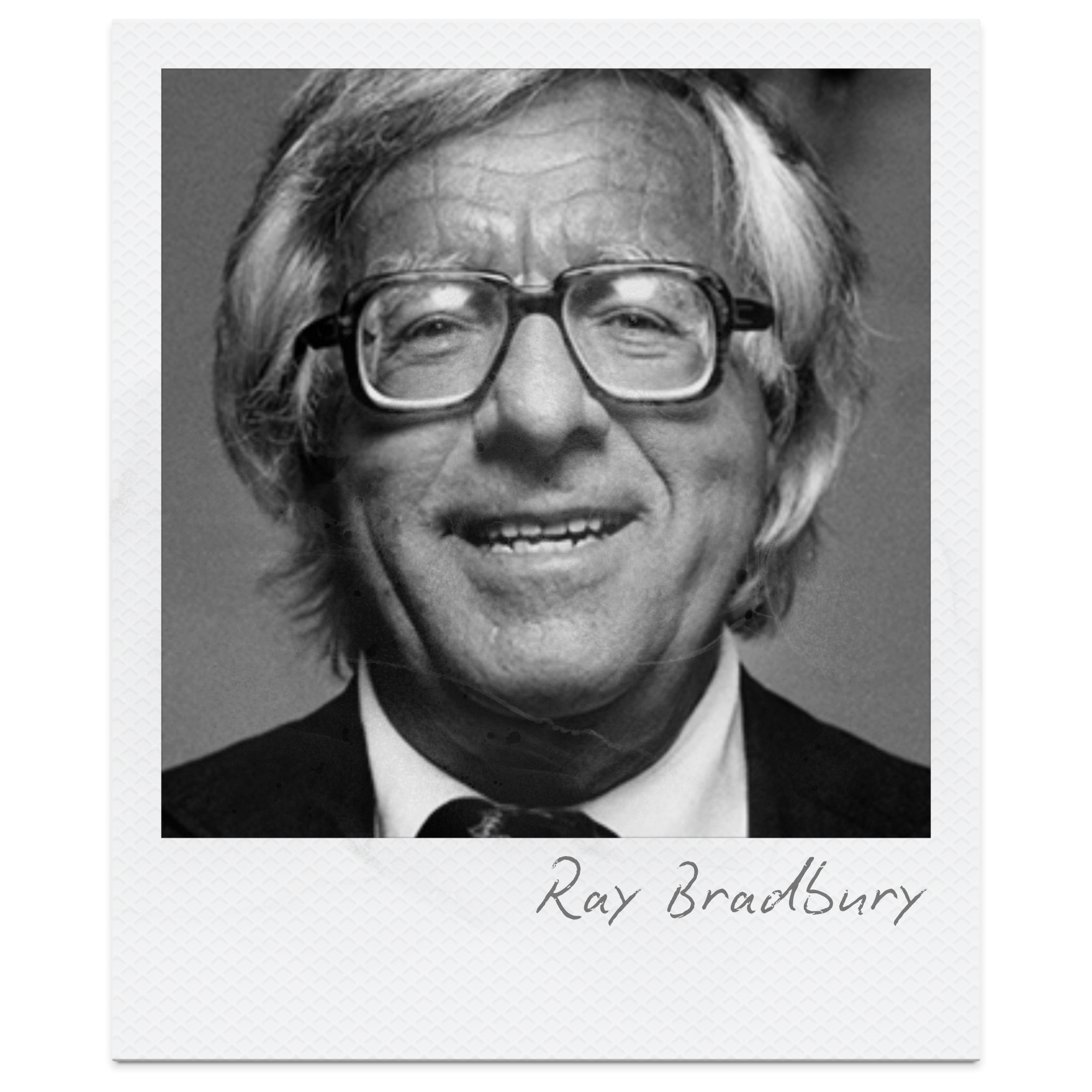
Published in 1951, The Illustrated Man reflects post-war anxieties about technology, space exploration, and the future of humanity. Writing during the early stages of the Cold War, Bradbury channels fears about mechanisation, nuclear power, and the loss of human connection.
Unlike more optimistic science fiction of the time, Bradbury’s work often leans toward the speculative and cautionary, questioning whether progress truly benefits society. The recurring image of the body as a storytelling surface also reflects deeper concerns about identity, control, and the permanence of human actions.
The framing narrative—where the narrator encounters the Illustrated Man—creates a sense of unease, suggesting that these stories are not just possibilities, but inevitable outcomes of human behaviour.
If you would like to read more about the context surrounding Bradbury’s work, then check out our Ray Bradbury Context Post
The Illustrated Man: How the Collection Works
At the centre of the collection is the framing narrative, introduced in the prologue and resolved in the epilogue. A traveller encounters a mysterious man whose body is covered in animated tattoos, each one unfolding into a different story.
This structure allows Bradbury to:
◆ Explore multiple possible futures within a single text
◆ Link otherwise unrelated stories through recurring themes
◆ Create a sense of inevitability—these stories are already “written”
However, the prologue and epilogue do more than frame the stories—they shape how the entire collection is understood.
The Prologue: Curiosity and Unease
The prologue initially presents the Illustrated Man as a figure of curiosity. The narrator observes him with a sense of distance, mirroring the reader’s position at the start of the collection. The tattoos seem fascinating, almost entertaining, giving the impression that the stories they contain are imaginative rather than consequential.
This distance doesn’t last. The tattoos are alive, shifting, and beyond the Illustrated Man’s control, unsettling the idea that stories are something contained or harmless.
The revelation that the tattoos were placed on him by someone else introduces a deeper unease:
◆ A loss of control over one’s own body and identity
◆ The idea that narratives—and futures—can be imposed
◆ A suggestion that knowledge carries consequence
The Illustrated Man becomes more than a curiosity—he is a living surface of consequence, carrying stories he cannot control.
The Stories: Fragmented Predictions
Each tattoo presents a different narrative, but together they form a clear pattern of recurring concerns:
Technology replacing human connection
Individuals losing autonomy
Environments becoming hostile or unlivable
Emotional isolation increasing despite progress
Because these stories are physically inscribed on the body, they feel fixed and permanent, suggesting they are not simply imagined futures but outcomes already set in motion.
The Epilogue: Prediction and Inevitability
The epilogue shifts the meaning of the entire collection by revealing that the tattoos do not simply tell stories—they predict the future.
When the narrator sees a tattoo depicting his own death, the collection changes from something speculative into something far more immediate. The stories are no longer distant or hypothetical—they are already determined.
This moment:
◆ Reframes the stories as predictions rather than possibilities
◆ Removes the sense of distance between observer and narrative
◆ Suggests that the future is already unfolding
The narrator is no longer just watching—he is part of what he has been observing.
Why the Framing Narrative Matters
The prologue and epilogue turn The Illustrated Man from a collection of separate stories into a connected exploration of human behaviour and consequence.
Without them, the stories feel like: individual speculative scenarios
With them, they become: a set of outcomes already in motion
Bradbury suggests that the real tension is not between present and future, but between awareness and denial—the stories are there to be seen, but not always recognised for what they are.
Key Stories in The Illustrated Man
The Illustrated Man brings together a wide range of stories, each exploring different aspects of technology, isolation, and human behaviour. While the settings and characters vary, the stories are unified by recurring concerns about control, identity, and the consequences of progress.
Below is a complete guide to the key stories in the collection, with links to deeper analysis of each.

The Veldt
In this unsettling story, a technologically advanced nursery creates immersive virtual environments that begin to replace parental authority. As the children become increasingly attached to the simulated world, the boundary between imagination and reality collapses, leading to a disturbing shift in power within the family. Bradbury explores the dangers of over-reliance on technology, particularly how it can distort emotional development and erode human relationships.
Read our full analysis of The Veldt by Ray Bradbury: Summary, Themes & Analysis
Kaleidoscope
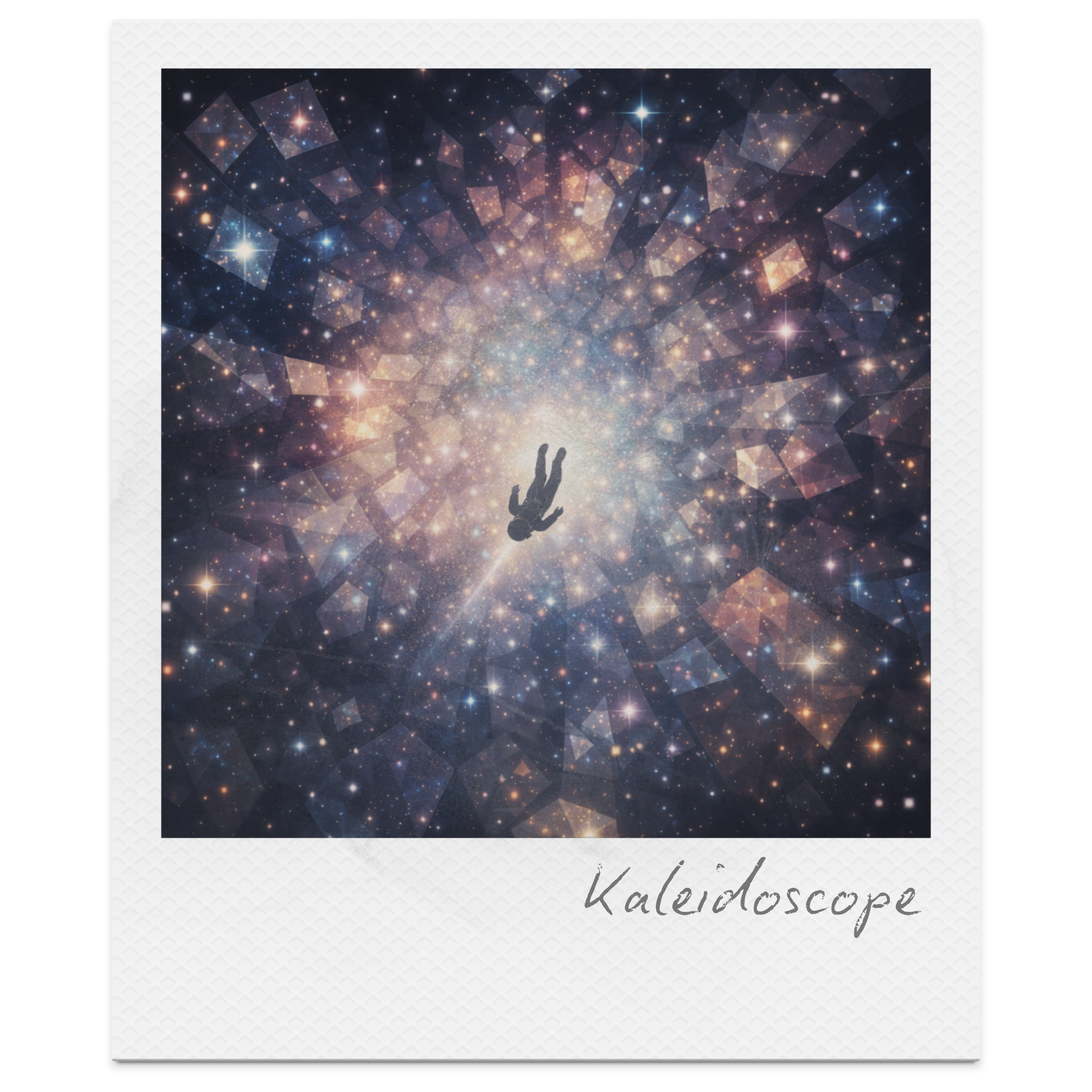
Following an explosion in space, a group of astronauts drift endlessly apart, each facing their own death in isolation. The story unfolds through fragmented perspectives, reflecting the physical and emotional disintegration of the characters. Bradbury explores themes of mortality, fear, and the randomness of human fate, using the vastness of space to emphasise both insignificance and individuality.
The Other Foot
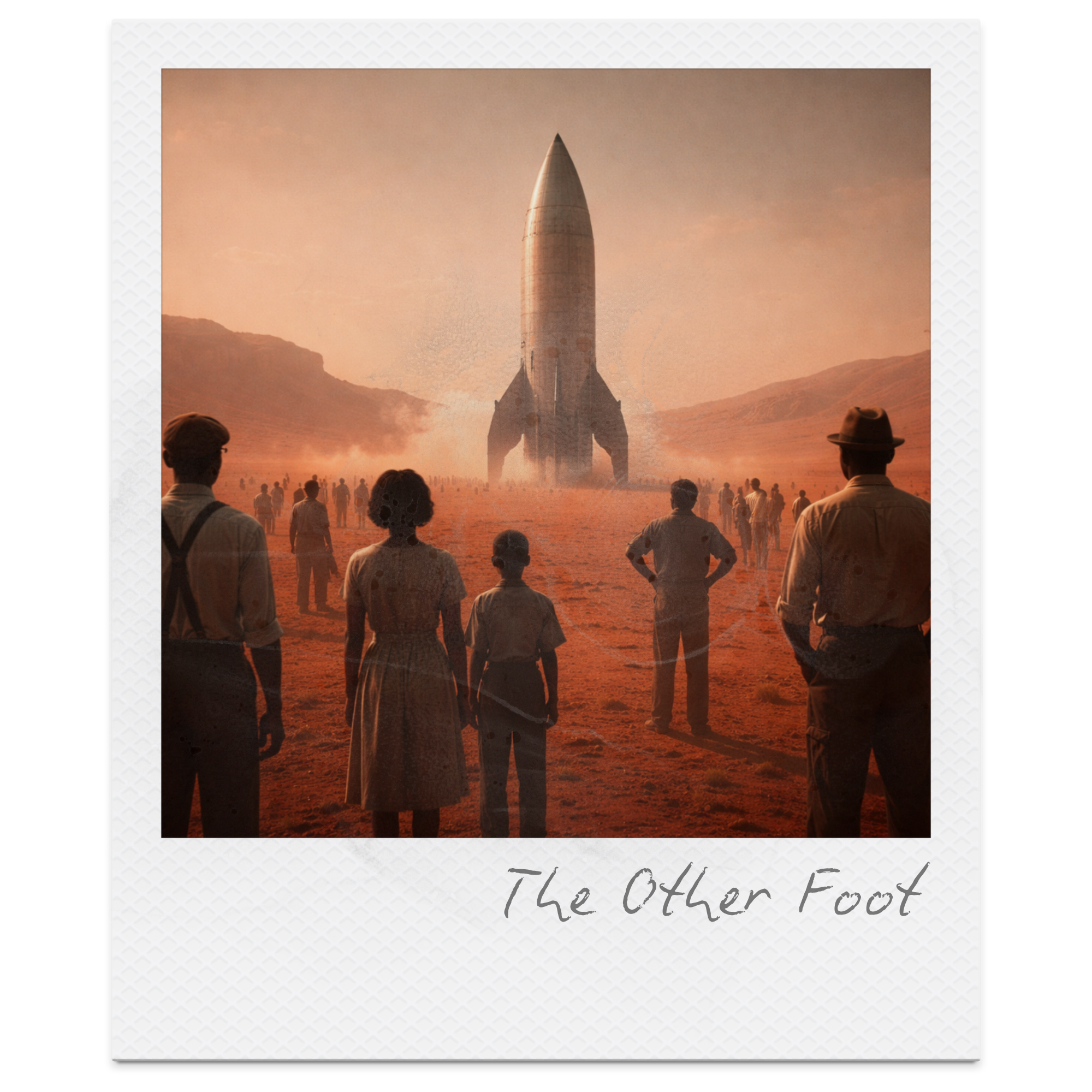
Set on Mars, this story follows a Black community that has escaped racial oppression on Earth. When white Earth survivors arrive seeking refuge, the community must decide whether to repeat the cycle of injustice or choose a different path. Bradbury explores themes of revenge, justice, and forgiveness, questioning whether true progress requires breaking established patterns of behaviour.
Read our full analysis of The Other Foot: Summary & Analysis

The Highway
A quiet, reflective narrative centred on a man living beside a busy road, observing the constant movement of travellers. Unaware of the global catastrophe unfolding beyond his limited perspective, he continues his routine, highlighting the disconnect between individual experience and larger events. The story explores isolation, perspective, and the limits of human awareness.
The Man
A group of astronauts arrive on different planets searching for a mysterious figure believed to have visited each world. As the crew debates belief, faith, and evidence, the story raises questions about truth, perception, and the human need for certainty. Bradbury contrasts scientific reasoning with spiritual interpretation.
Read our full analysis of The Man: Summary & Analysis

The Long Rain
Set on a hostile version of Venus where rain falls endlessly, the story follows a group of men struggling to reach safety. The relentless environment begins to erode their sanity as much as their physical strength. Bradbury explores psychological endurance, environmental oppression, and the fragility of human resilience under extreme conditions.
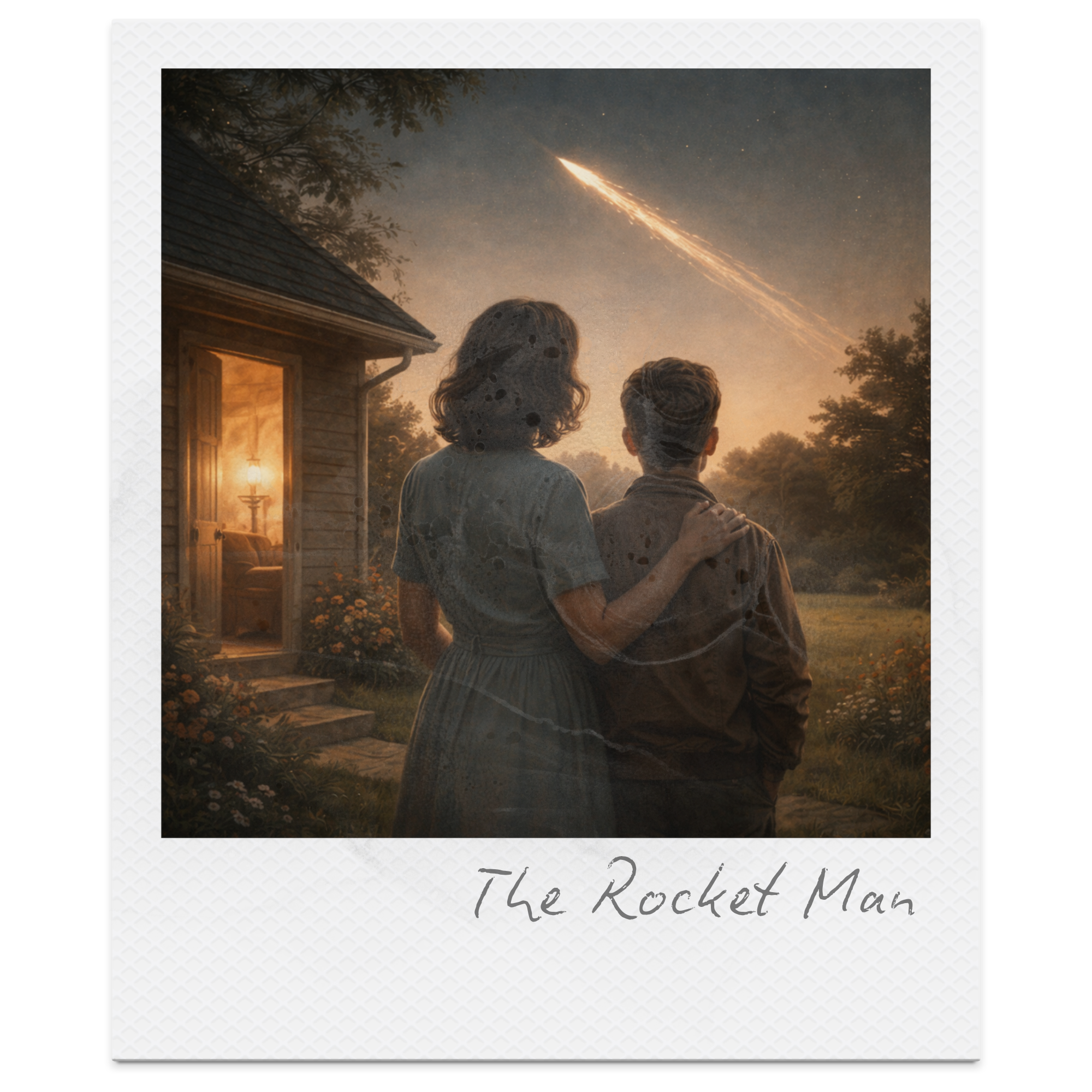
The Rocket Man
A father’s repeated journeys into space place a strain on his relationship with his family, particularly his son. Torn between his love of exploration and his responsibility at home, he becomes a symbol of emotional absence. The story examines ambition, sacrifice, and the personal cost of technological progress.
Read our full analysis of The Rocket Man: Summary & Analysis
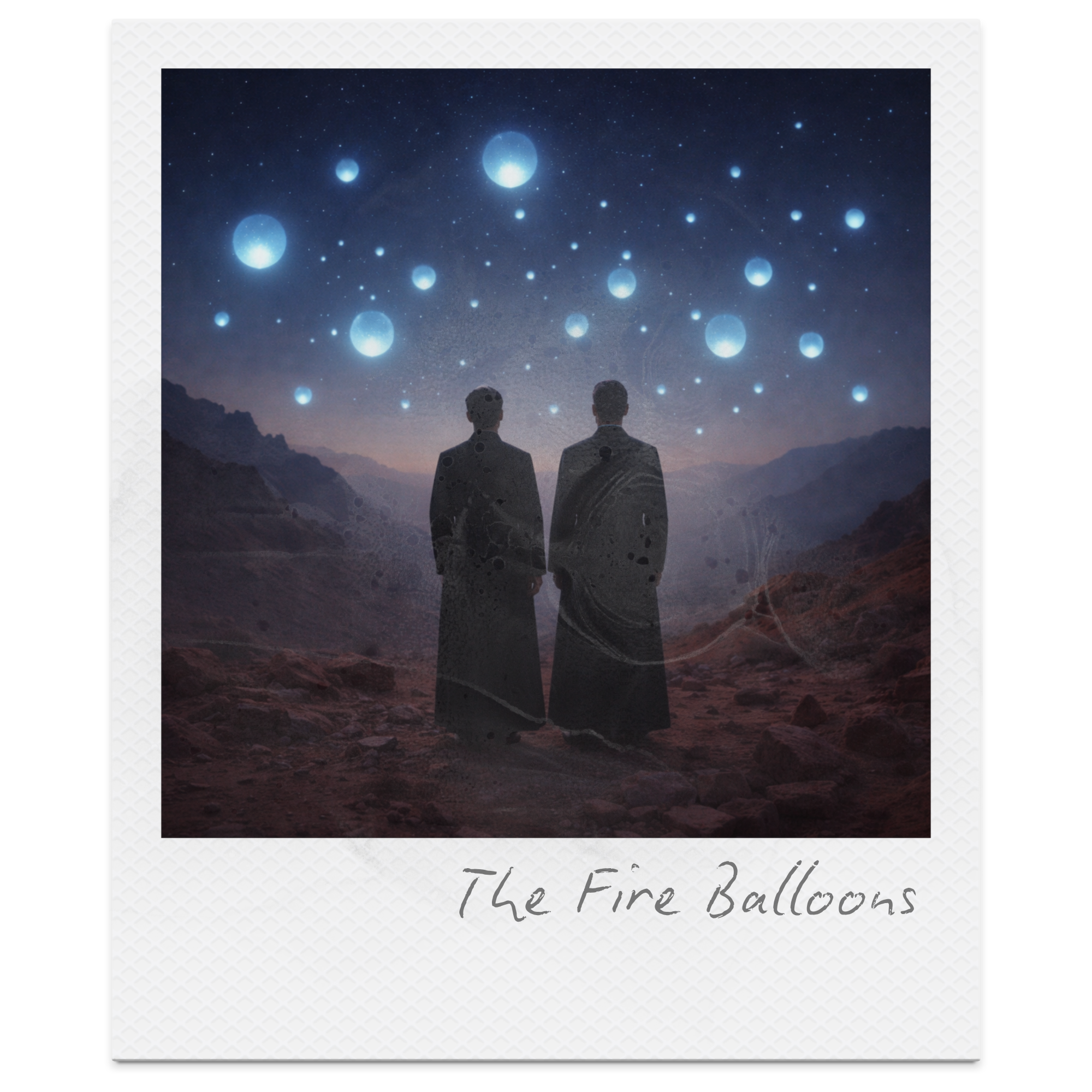
The Fire Balloons
Missionaries travelling to Mars encounter mysterious, non-corporeal life forms that challenge their understanding of humanity, morality, and sin. As they attempt to apply human religious concepts to something entirely alien, the story explores faith, identity, and the limits of human perspective.
Read our full analysis of The Fire Balloons: Summary & Analysis
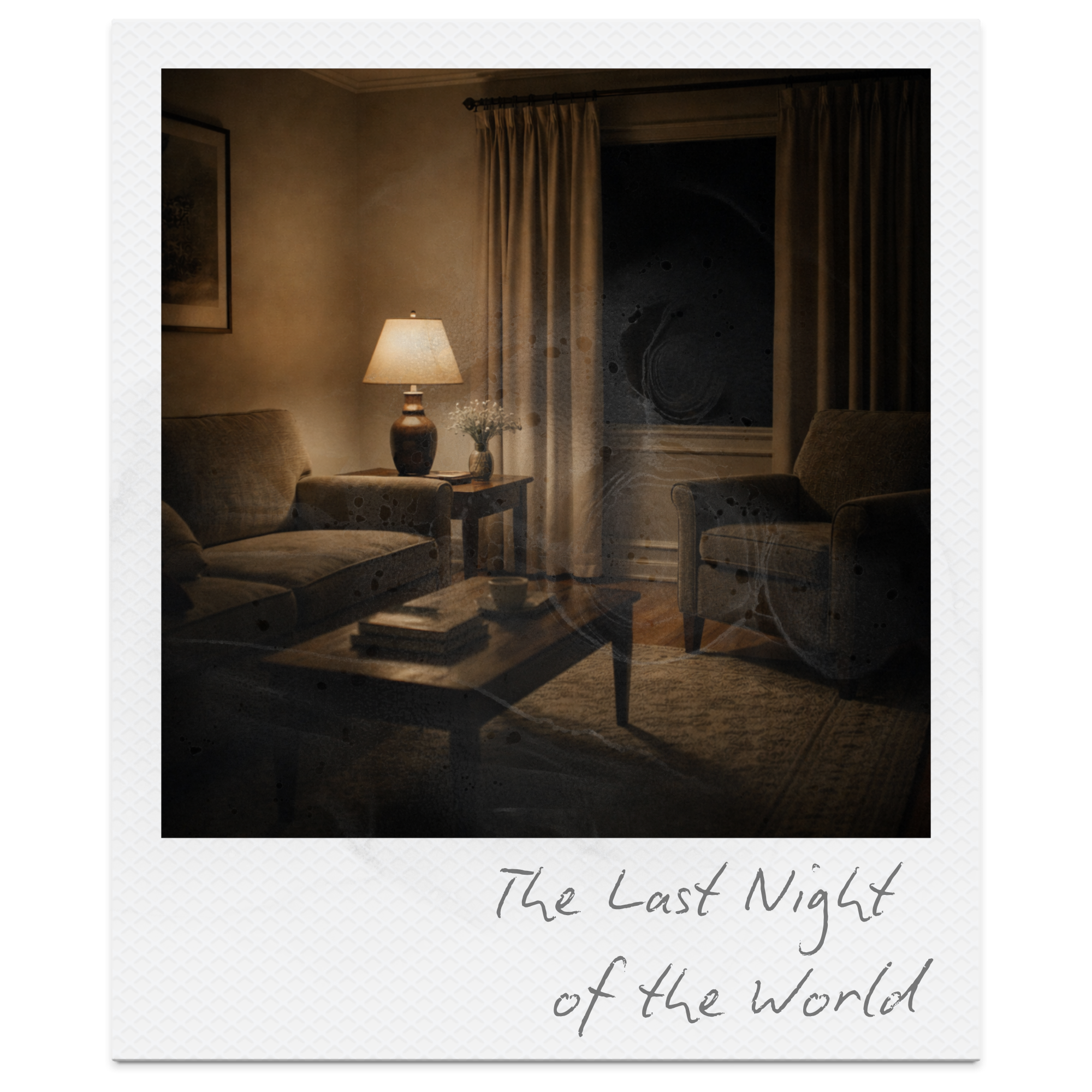
The Last Night of the World
A married couple calmly discusses a shared dream suggesting that the world will end that very night. Rather than panic, they continue their routine, highlighting a quiet acceptance of fate. Bradbury explores inevitability, human connection, and the ordinary moments that gain significance in the face of extinction.
Read our full analysis of The Last Night of the World: Summary & Analysis

The Exiles
On Mars, the ghosts of banned authors and literary characters survive as long as their works are remembered on Earth. When those works are destroyed, the exiles begin to disappear. The story explores censorship, the power of imagination, and the enduring impact of literature.
Read our full analysis of The Exiles: Summary & Analysis
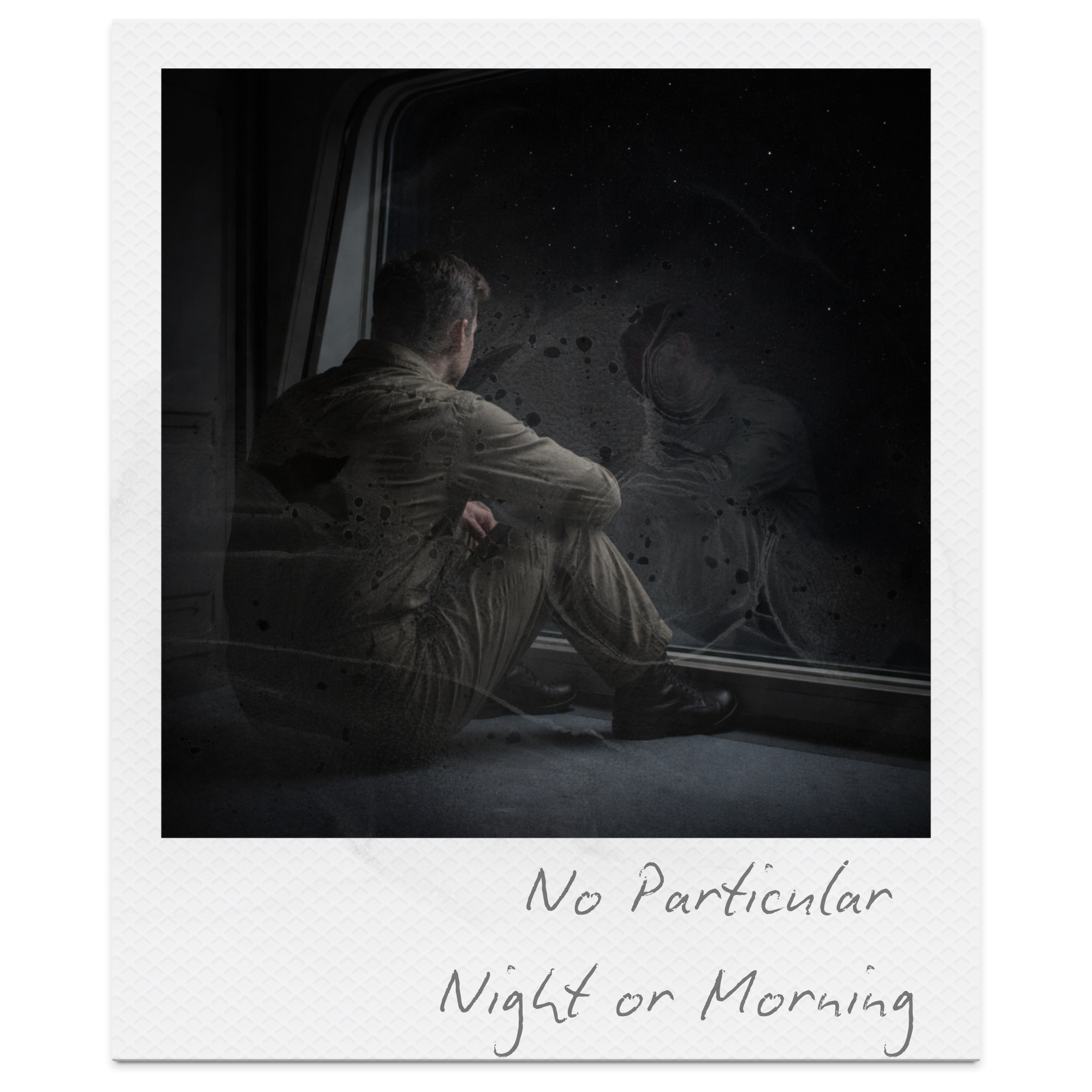
No Particular Night or Morning
An astronaut begins to question the nature of reality itself, experiencing a breakdown in perception as he drifts through space. The story explores existential uncertainty, the instability of knowledge, and the limits of human understanding when removed from familiar structures.
Read our full analysis of No Particular Night or Morning: Summary & Analysis

The Fox and the Forest
A couple escapes a war-torn future by travelling back in time, only to discover that they cannot truly escape the forces controlling their lives. The story explores time travel, control, and the illusion of freedom, suggesting that systems of power are difficult to escape.
Read our full analysis of The Fox and the Forest: Summary & Analysis
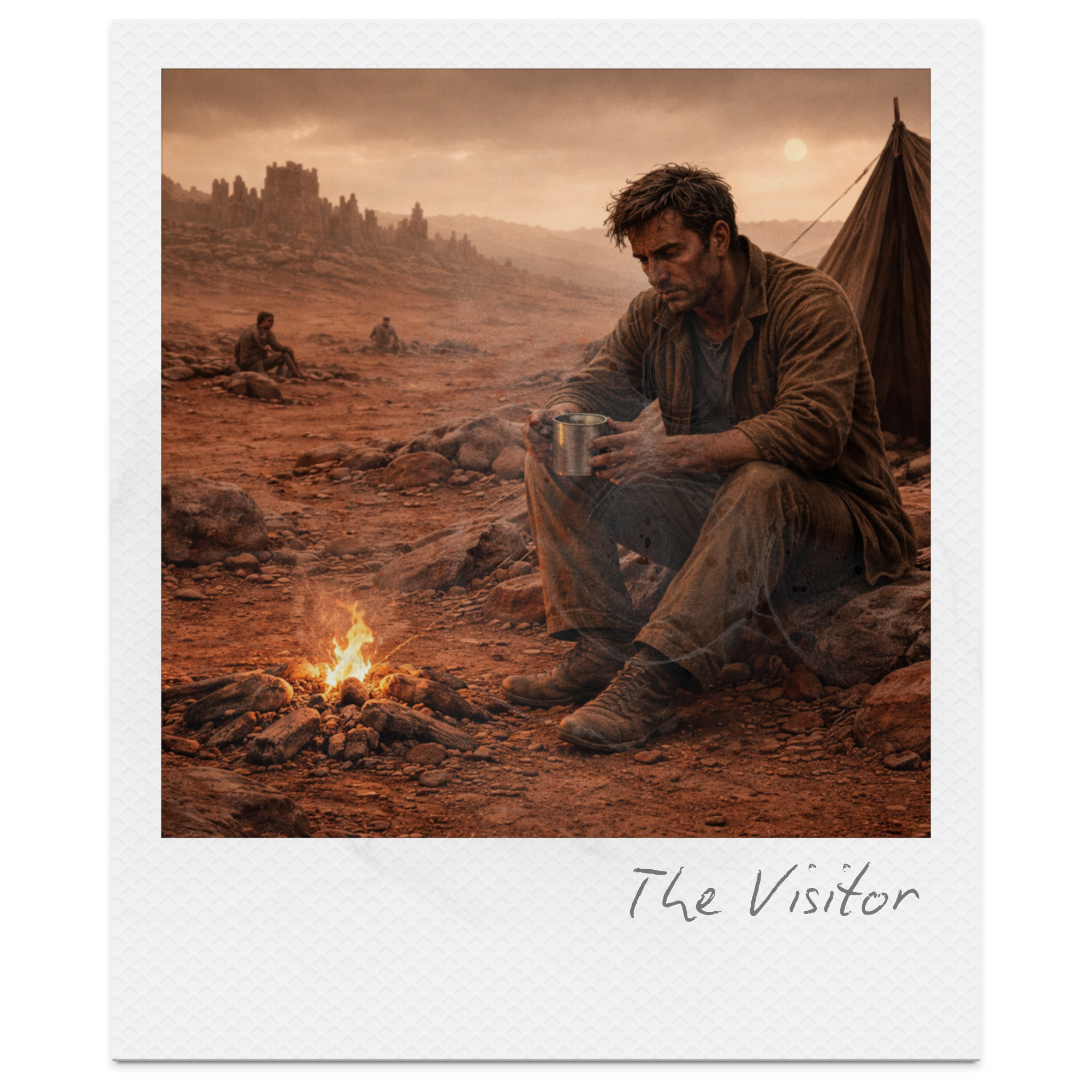
The Visitor
A telepathic prisoner on Mars has the ability to transport others into shared illusions, offering temporary escape from reality. Conflict arises as others attempt to control this power, revealing themes of escapism, dependency, and human selfishness.
Read our full analysis of The Visitor: Summary & Analysis
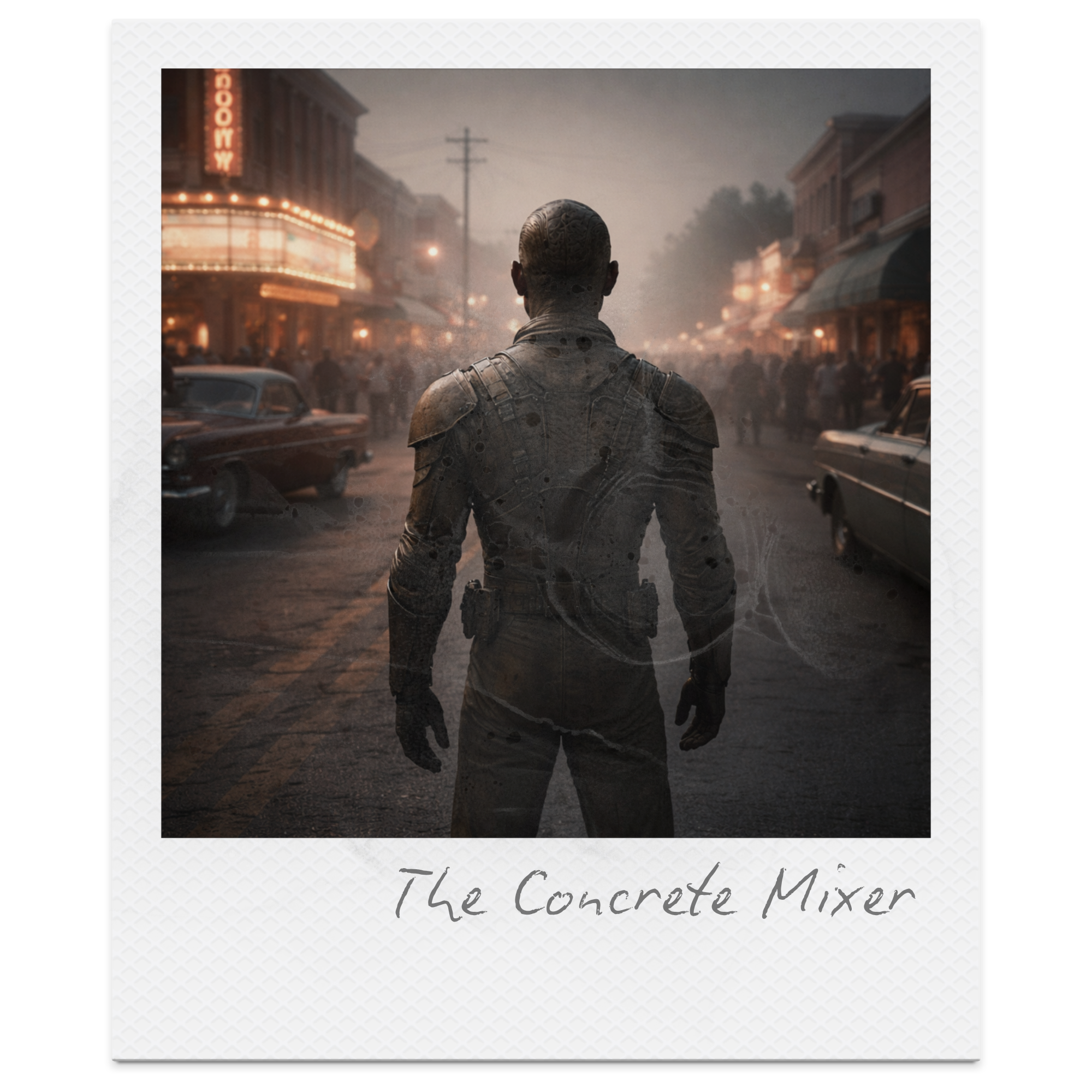
The Concrete Mixer
Martians study Earth culture in preparation for invasion, only to be overwhelmed by its contradictions, violence, and consumerism. The story offers a satirical critique of human society, questioning whether Earth is worth conquering at all.
Read our full analysis of The Concrete Mixer: Summary & Analysis

Marionettes, Inc.
A man purchases a robotic duplicate of himself to escape the pressures of his life, but quickly loses control over his own identity. The story explores autonomy, responsibility, and the dangers of avoiding reality through artificial means.
Read our full analysis of Marionettes, Inc.: Summary & Analysis
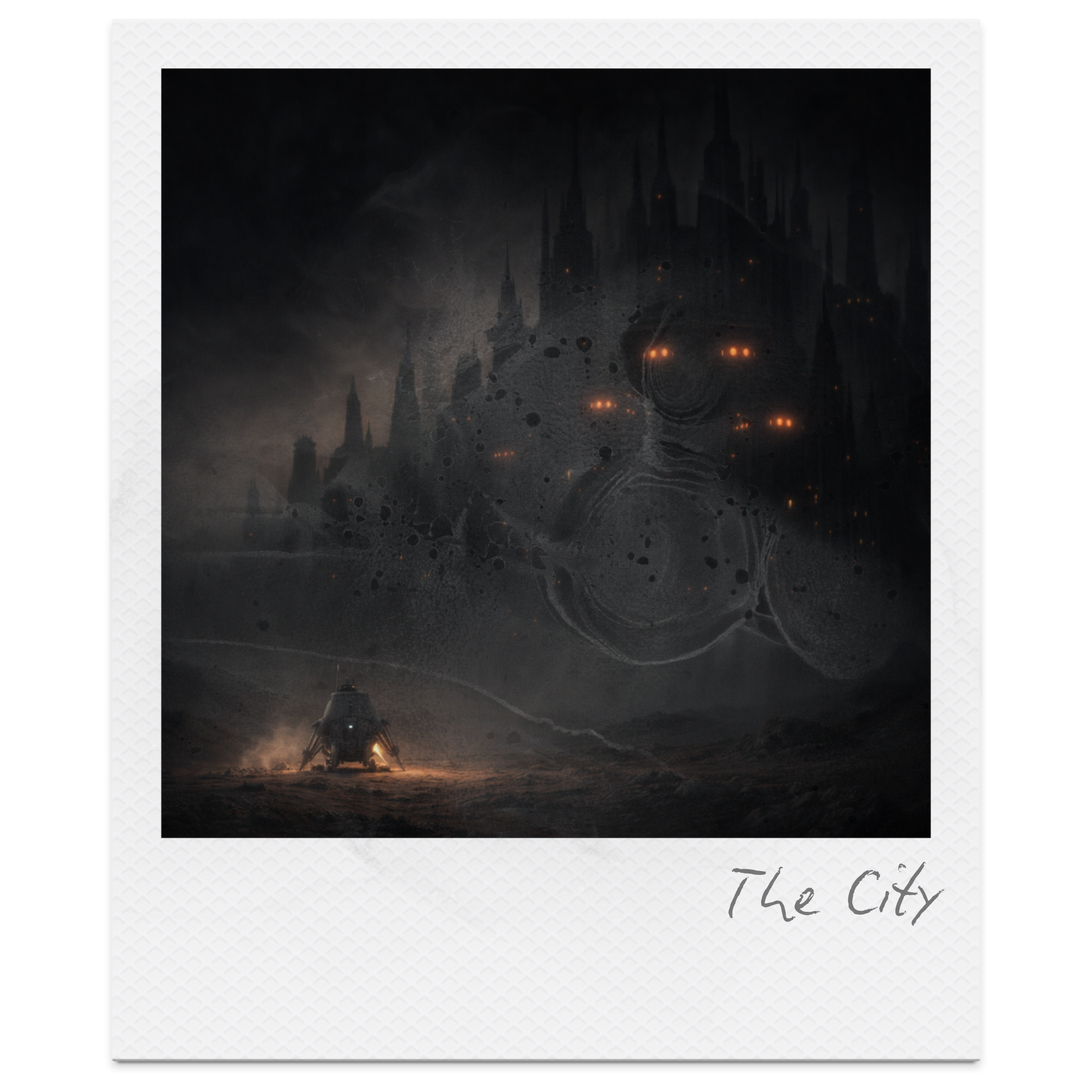
The City
A seemingly abandoned city reveals itself to be sentient, targeting those who enter it as an act of revenge. The story reflects fears surrounding technology, memory, and the consequences of past violence, suggesting that actions leave lasting imprints.
Read our full analysis of The City: Summary & Analysis

Zero Hour
Children become involved in what appears to be an innocent game, gradually revealing a far more disturbing reality involving alien invasion. The story explores generational divides, innocence, and the dangers of dismissing children's perspectives.
Read our full analysis of Zero Hour: Summary & Analysis
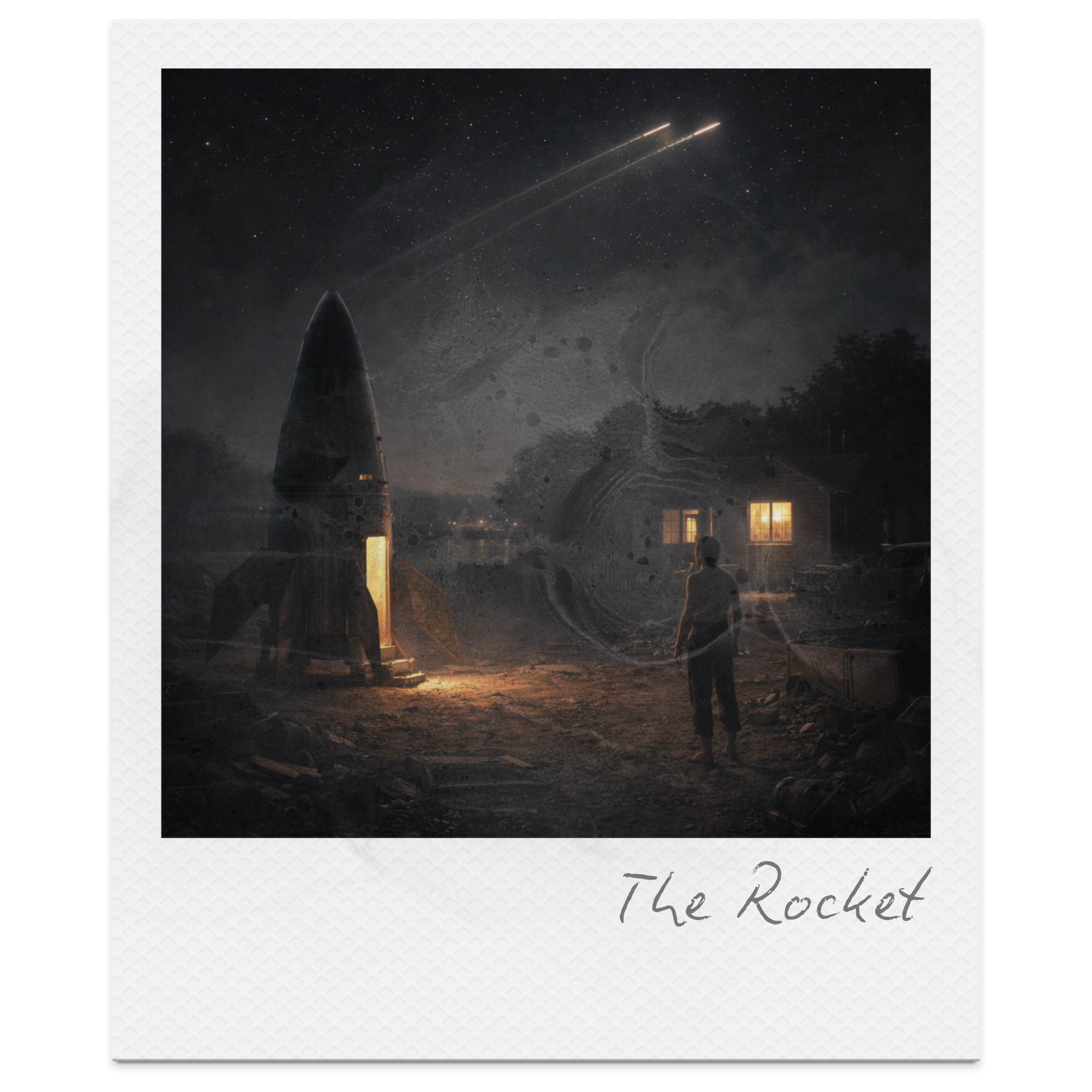
The Rocket
A man sacrifices everything to give his children the illusion of space travel, creating a simulated experience that allows them to dream beyond their circumstances. The story highlights hope, imagination, and the emotional power of belief.
Read our full analysis of The Rocket: Summary & Analysis
Themes Across The Illustrated Man
While each story in The Illustrated Man stands alone, Bradbury creates a cohesive exploration of recurring ideas. These themes are not confined to individual narratives—they are developed across multiple stories, creating a unified vision of the future shaped by human behaviour.
Technology vs Humanity
One of the most prominent themes in The Illustrated Man is the tension between technological advancement and human connection. Bradbury presents technology not as inherently evil, but as something that becomes dangerous when it replaces emotional, ethical, or social responsibility.
In many stories, technology takes over roles traditionally held by humans—parenting, decision-making, even identity itself. As this happens, relationships weaken and individuals lose their sense of agency. The result is not progress, but disconnection.
This theme reflects a broader concern that innovation is moving faster than humanity’s ability to manage it responsibly.
Stories linked to this theme:
The Veldt, Marionettes, Inc., The City, There Will Come Soft Rains
Isolation and Loneliness
Across the collection, characters are frequently isolated—physically, emotionally, or psychologically. Whether stranded in space, separated from loved ones, or disconnected within relationships, individuals are often left to confront their own thoughts and fears alone.
Bradbury uses vast, empty settings—particularly space—to amplify this sense of isolation. However, the most powerful examples are often emotional rather than physical, showing how people can feel alone even when surrounded by others.
This theme suggests that progress has not brought people closer together, but has instead deepened existing forms of disconnection.
Stories linked to this theme:
Kaleidoscope, The Long Rain, The Rocket Man, No Particular Night or Morning
Control and Loss of Autonomy
Many characters in The Illustrated Man believe they are in control—of technology, of their environment, or of their own lives. However, this control is often revealed to be an illusion.
Systems designed to serve humans begin to dominate them, while attempts to escape responsibility or reality frequently backfire. Characters who try to outsource their decisions or avoid consequences often lose their autonomy entirely.
This theme reflects a deeper anxiety about the limits of human control, particularly in a world shaped by increasingly complex systems.
Stories linked to this theme:
Marionettes, Inc., The Veldt, The Visitor, The Fox and the Forest
Fear of the Future
Rather than presenting the future as exciting or hopeful, Bradbury portrays it as uncertain, unstable, and often threatening. Many stories depict environments or societies that have developed in ways that are difficult to understand or survive within.
This fear is not just about external dangers—it is rooted in human behaviour. The future becomes something to fear because of the decisions people are making in the present.
Bradbury’s vision suggests that the future is not something distant, but something already taking shape.
Stories linked to this theme:
The Long Rain, The City, Zero Hour, The Visitor
Inevitability and Consequence
A key idea running through the collection is that actions lead to outcomes that cannot easily be undone. The framing narrative reinforces this, presenting the stories as something already inscribed—fixed rather than flexible.
Characters often fail to recognise the consequences of their behaviour until it is too late. Even when they attempt to change their situation, they find themselves trapped within systems or patterns they cannot escape.
This creates a sense that the future is not a set of possibilities, but a series of consequences already in motion.
Stories linked to this theme:
The Fox and the Forest, The Last Night of the World, The Rocket Man, The Veldt
Imagination, Storytelling, and Survival
Despite the darker themes of the collection, Bradbury also highlights the importance of imagination and storytelling. In some stories, imagination offers escape, comfort, or even survival.
However, this theme is often complicated—imagination can also distort reality or create new dangers. The power of storytelling is presented as double-edged: it can preserve humanity, but it can also mislead or control.
This reflects Bradbury’s broader belief in the importance of literature, while also acknowledging its limitations.
Stories linked to this theme:
The Exiles, The Rocket, The Veldt, The Visitor
Teaching The Illustrated Man: Approaches and Ideas
The Illustrated Man is a flexible and powerful classroom text. Its structure allows teachers to move between whole-text study and individual story analysis, making it ideal for developing both analytical thinking and creative writing skills.
Below are approaches that move beyond basic comprehension and help students engage with the collection as a connected exploration of ideas.
Literature Circles: Theme-Based Grouping
Rather than assigning the same story to the whole class, students can be placed into literature circles, with each group exploring a different story connected by a shared theme such as technology, isolation, or control.
Students then:
◆ Analyse their assigned story in depth
◆ Identify how it presents the theme
◆ Teach their findings to the class
This approach reinforces the idea that The Illustrated Man is not just a collection, but a network of connected ideas.
Cross-Story Comparison Tasks
Encourage students to compare how different stories explore the same idea, rather than analysing them in isolation.
For example:
◆ The Veldt and Marionettes, Inc. – technology and control
◆ Kaleidoscope and The Long Rain – isolation and environment
◆ Zero Hour and The Visitor – power and human behaviour
This helps students build conceptual arguments and recognise patterns across the collection.
The “Tattoo Map” Task
Students create a visual representation of the Illustrated Man’s body, placing key stories as “tattoos” and annotating them with themes, symbols, and key ideas.
They can then:
◆ Draw connections between stories
◆ Identify recurring patterns
◆ Track how ideas develop across the collection
This reinforces the importance of the framing narrative and helps students see the collection as a unified whole.
Text Pairings
Pair Bradbury’s stories with other literary texts or non-fiction sources to deepen understanding and broaden discussion.
For example:
◆ The Veldt with modern discussions of artificial intelligence or screen dependency
◆ The Exiles with texts exploring censorship and the power of literature
◆ The Other Foot with discussions of race, justice, and social change
◆ The Last Night of the World with ideas about fate and inevitability
This allows students to place Bradbury’s work within a wider context and draw meaningful comparisons.
Framing Narrative Focus
Use the prologue and epilogue as a central focus for discussion.
Students can explore:
◆ How the framing narrative shapes meaning
◆ Whether the stories function as predictions or warnings
◆ How the reader shifts from observer to participant
This helps students recognise that structure drives interpretation, not just content.
Creative Writing: The “Modern Tattoo” Concept
Bradbury’s structure provides a strong foundation for creative writing tasks.
Students create their own “tattoo story” based on a modern issue, such as:
◆ Artificial intelligence
◆ Social media and identity
◆ Surveillance and privacy
◆ Climate change
Encourage them to:
◆ Write a self-contained narrative
◆ Link it to a broader theme
◆ Reflect on what it suggests about the future
→ Explore more ideas in the Creative Writing Archive
Silent Debate: Is the Future Fixed?
Pose the question:
Are the stories in The Illustrated Man predictions or warnings?
Students respond in writing, building on each other’s ideas without speaking.
This approach:
◆ Encourages thoughtful, developed responses
◆ Supports all students, including quieter voices
◆ Builds a layered class argument over time
Extended Writing Task
Rather than focusing on a single story, students respond to a broader question such as:
How does Bradbury use multiple stories in The Illustrated Man to explore a single idea?
This encourages:
◆ Cross-textual analysis
◆ Clear, sustained argument
◆ Engagement with structure and theme

Go Deeper into The Illustrated Man
If you’re exploring The Illustrated Man as part of a wider unit on Ray Bradbury or speculative fiction, these resources offer deeper insight into how to teach his work effectively and engage students with his ideas.
Teaching Bradbury Across Texts
Bradbury’s stories work particularly well when taught as part of a broader exploration of technology, human behaviour, and the future. His writing invites comparison, discussion, and creative response, making it ideal for building both analytical and interpretative skills.
For a full breakdown of how to structure a Bradbury unit, including lesson ideas, text selection, and classroom strategies:
Read our Ultimate Guide to Using Ray Bradbury in the Classroom
Using Black Mirror to Teach Bradbury
Bradbury’s themes feel especially relevant when paired with modern media. The parallels between his work and contemporary texts like Black Mirror allow students to see how concerns about technology, control, and identity continue to shape storytelling.
Using episodes alongside stories such as The Veldt or Marionettes, Inc. can deepen understanding and create powerful discussion opportunities.
For practical ways to pair Bradbury with modern media:
Read our guide to Using Black Mirror to Teach Bradbury
Final Thoughts
The Illustrated Man is more than a collection of science fiction stories—it is a cohesive exploration of human behaviour, technological progress, and the consequences that follow. Through its unique framing narrative, Bradbury transforms individual stories into something far more connected, suggesting that these futures are not distant possibilities, but outcomes already taking shape.
What makes the collection so powerful is its ability to move between the intimate and the expansive. Whether focusing on a single family, a drifting astronaut, or an entire civilisation, each story reflects the same underlying concerns about control, isolation, and the limits of human understanding.
The prologue and epilogue reinforce this idea, shifting the reader from observer to participant and suggesting that the stories are not simply imagined—they are already in motion. This gives the collection a lasting sense of urgency, particularly in a world increasingly shaped by rapid technological change.
For students, teachers, and readers alike, The Illustrated Man offers a way to explore not just what the future might look like, but how it is being created in the present.
→ Explore more in the Ray Bradbury Hub
→ Browse all texts in the Literature Library
