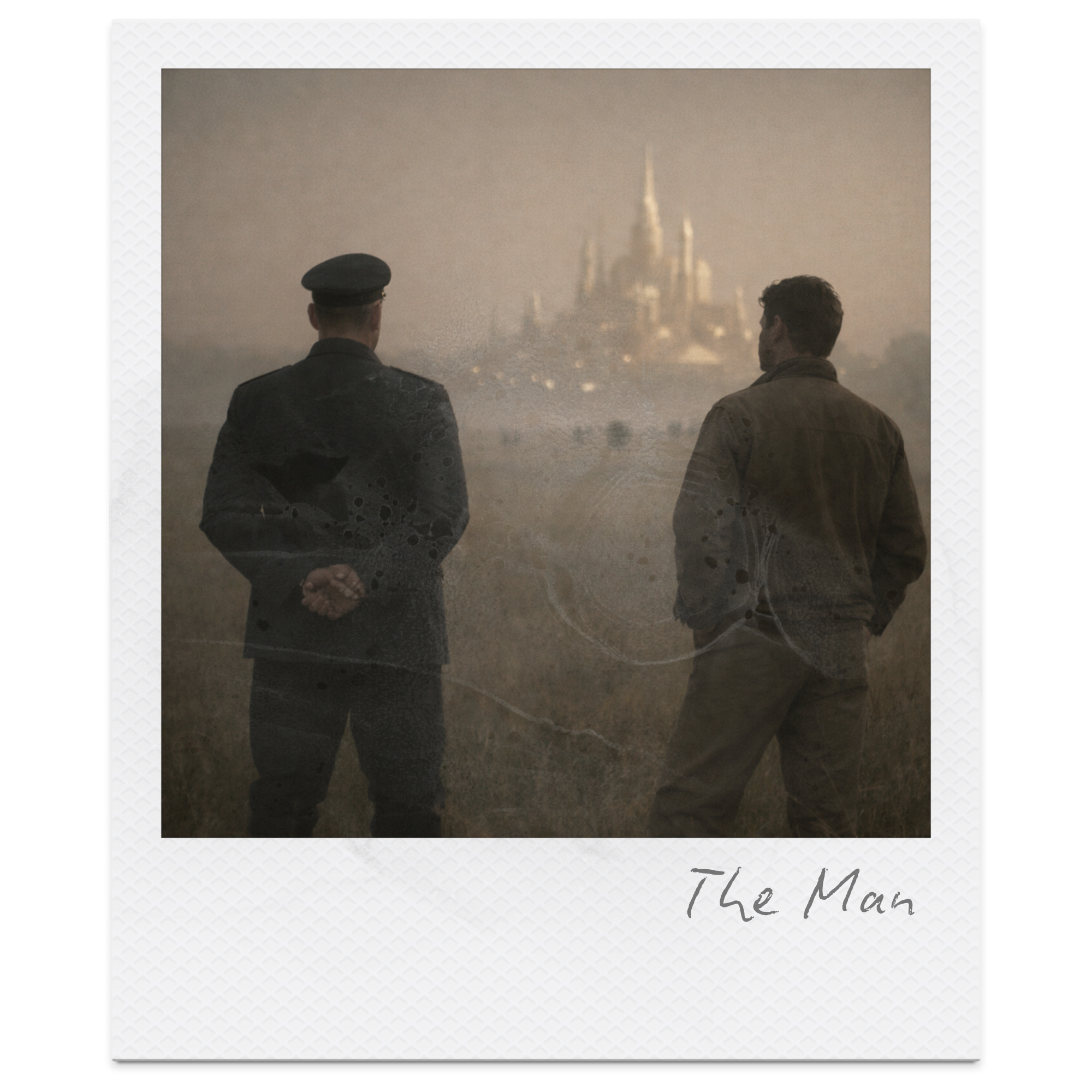
The Fox and the Forest by Ray Bradbury: Summary, Themes, Symbolism & Analysis
Ray Bradbury’s “The Fox and the Forest” explores escape, war, surveillance, and the desperate human longing to live freely in a world that has become morally uninhabitable. Blending science fiction, dystopian fiction, and speculative thriller, the story follows a husband and wife who flee a brutal future and attempt to hide in 1938 Mexico, only to discover that even the past cannot fully protect them from the systems they have tried to escape.
At its heart, the story is not just about time travel, but about fear, control, duty, and the violence of authoritarian logic. Bradbury asks whether it is ever truly possible to outrun a society built on war, and whether private happiness can survive when governments claim ownership over human lives. If you’re exploring more of Bradbury’s fiction, you can browse the Ray Bradbury Hub for related stories and ideas, or visit the wider Literature Library for more short story analysis and teaching resources.

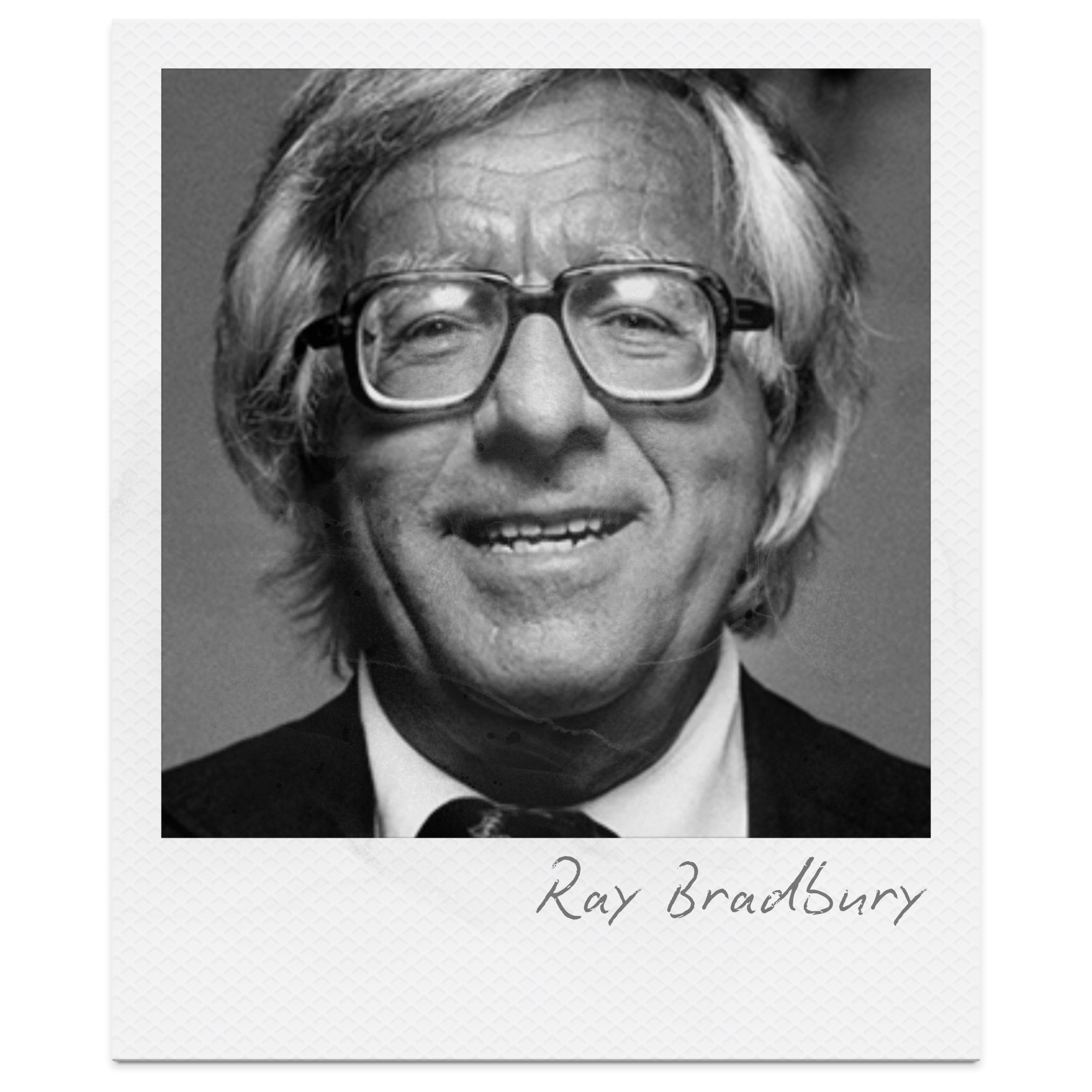
Context of The Fox and the Forest
Ray Bradbury’s The Fox and the Forest was published in 1950, at a time when fears surrounding nuclear warfare, Cold War escalation, and state control were intensifying. Like many of Bradbury’s works, the story reflects anxieties about a future dominated by militarisation, censorship, and technological power used without moral restraint. The imagined year 2155 is not a distant fantasy, but an exaggerated projection of Bradbury’s present: a world in which scientific progress has outpaced ethical responsibility, and individuals are reduced to tools within a war machine. You can explore more of this wider context and Bradbury’s recurring concerns in the Ray Bradbury context post.
Crucially, the story ties this historical anxiety directly to its central conflict: the idea that even time itself cannot offer true escape from authoritarian systems. The Travises’ attempt to flee into the past reflects a deeply human desire to retreat from crisis, yet Bradbury suggests that oppressive structures will always pursue those who try to reject them. The “Searchers” embody a chilling extension of state power—patient, inevitable, and justified by the collective need. In this way, the story explores not only the fear of war, but the more unsettling idea that society may demand participation in its own destruction, leaving individuals with no safe place to stand outside it.
The Fox and the Forest: At a Glance
Form: Short story (science fiction / dystopian fiction)
Mood: Tense, uneasy, increasingly oppressive
Central tension: A couple attempts to escape a war-torn future, but is relentlessly pursued by the very system they are trying to evade
Core themes: War and militarisation; surveillance and control; escape versus responsibility; illusion of freedom; inevitability of authority
One-sentence meaning: Bradbury suggests that in a world dominated by war and control, true escape is impossible, as oppressive systems will always reclaim those who try to resist them
Quick Summary of The Fox and the Forest
William and Susan Travis arrive in 1938 Mexico, immersing themselves in the colour, music, and celebration of a festival, attempting to enjoy their escape from the war-torn future they have fled. However, their sense of safety is quickly unsettled when they notice a mysterious man watching them—his behaviour, excess, and attention suggesting he may not belong to this time. As their anxiety grows, it becomes clear that they are being hunted by someone who knows exactly who they are and where they come from.
Through a series of conversations and memories, the truth is revealed: the couple are fugitives from the year 2155, a dystopian world dominated by war, censorship, and mass destruction. They have used time travel to escape their roles in this violent society, hoping to build a peaceful life in the past. However, the man pursuing them, Simms, is a government agent sent to bring them back, arguing that their knowledge and labour are essential to the war effort.
Desperate to remain free, William agrees to meet Simms under the pretence of surrender, but instead kills him in a public space, believing this will secure their escape. For a brief moment, it seems they have succeeded, blending into a group of American filmmakers and regaining a sense of safety. However, this illusion collapses when the filmmakers reveal themselves to be additional “Searchers,” and the couple are forcibly taken back to their own time, proving that escape from their society—and its demands—is ultimately impossible.
The Title of The Fox and the Forest
Ray Bradbury’s titles often do more than simply label a story; they establish tone, conflict, and symbolism that deepen as the narrative unfolds. The Fox and the Forest initially evokes something natural and almost pastoral—a sense of freedom, escape, and refuge. The “forest” suggests a place where one might disappear from society, while the “fox” carries connotations of cunning, pursuit, and predation.
At first, the Travises believe they have entered the “forest”—the past—as a place of safety and anonymity, far removed from the war-torn future they have fled. The vibrant setting of Mexico reinforces this illusion, presenting the past as alive, sensory, and human, in contrast to the sterile, controlled world of 2155. However, as the story progresses, this expectation begins to collapse.
The “fox” becomes increasingly associated with Simms and the Searchers, who embody patience, intelligence, and inevitability. Like a predator tracking its prey, they are relentless, able to follow the couple across time itself. This transforms the title into a metaphor for hunter versus hunted, where the Travises are never truly free, only temporarily hidden.
There is also a strong sense of irony in the title. The “forest,” traditionally a space of escape in literature, offers no real protection here. Instead, it becomes another environment in which power and control can operate. By the end of the story, the title reveals its full meaning: there is no true escape from authority, and no place beyond its reach.
Structure of The Fox and the Forest
Bradbury structures The Fox and the Forest to gradually reveal information, build tension, and create a false sense of security before collapsing it. Rather than explaining everything at once, he allows the reader to piece together the truth alongside the characters, using withheld information, shifting perspectives, and sudden reversals to mirror the couple’s growing fear and instability.
Opening (Exposition)
The story opens in 1938 Mexico, immersed in colour, sound, and celebration. This vivid, sensory-rich setting creates an immediate sense of life, freedom, and contrast with the unnamed horrors of the future. However, this apparent safety is quickly undermined by subtle unease—particularly the introduction of the mysterious stranger watching the couple. Bradbury withholds key information here, allowing tension to emerge through atmosphere and suspicion rather than explanation.
Rising Action
As the narrative progresses, Bradbury gradually reveals the truth: the couple are fugitives from the year 2155, escaping a world defined by war, control, and destruction. The arrival of Simms intensifies the conflict, shifting the story from quiet unease to psychological pursuit. Dialogue becomes increasingly important, as conversations expose both the couple’s desperation and the inevitability of being found. The tension builds through the sense that escape is temporary and fragile.
Turning Point / Climax
The climax occurs when William deliberately kills Simms, believing that removing the immediate threat will secure their freedom. This moment is both sudden and shocking, marking a shift from fear to action. Structurally, it appears to resolve the central conflict, creating the illusion that the couple have outwitted their pursuer and reclaimed control over their lives.
Falling Action
Following Simms’s death, the narrative slows, allowing both characters and readers to experience a brief period of relief and false security. The couple integrate themselves into the group of filmmakers, using crowds and social interaction as protection. This section is deliberately deceptive, encouraging the belief that they may have succeeded in escaping.
Ending (Resolution)
The ending abruptly overturns this illusion. The filmmakers are revealed to be additional Searchers, and the couple are captured and returned to their own time. This sudden reversal creates structural irony, as what seemed like safety becomes the mechanism of their downfall. The resolution reinforces the story’s central idea: escape is impossible, and systems of control will always reassert themselves, no matter how far one tries to run.
Setting of The Fox and the Forest
In The Fox and the Forest, Bradbury uses setting not simply as a backdrop, but as a symbolic landscape that reflects the tension between freedom and control, life and destruction, illusion and reality. The contrast between 1938 Mexico and the dystopian future of 2155 is central to the story’s meaning, with each setting embodying opposing ways of living and thinking.
The story opens in 1938 Mexico, a setting rich in sensory detail, movement, and human energy. The plaza is alive with “fireworks… rockets that ascended into the ancient soft air… and shook the stars apart in blue and white fragments,” creating an atmosphere of wonder and celebration. This vivid imagery presents the past as vibrant and chaotic, full of colour, sound, and spontaneity. The smells of “frying tortillas” and the music of “vast rhythms of ‘La Paloma’” reinforce a world that feels deeply alive and communal, in sharp contrast to the sterile, controlled future the couple have fled.
However, this setting is not entirely safe. The same fireworks that create beauty also carry undertones of danger, described as “things that you should be afraid of… for they might remind you of other more horrible things.” This subtle detail foreshadows the intrusion of the future into the past, suggesting that even in moments of joy, violence and fear are never fully absent. The setting therefore becomes unstable, shifting from a place of refuge to one of underlying threat.
The hotel and café spaces further develop this tension. While they appear to offer shelter and normality, they are also places of surveillance and exposure. The presence of Simms, casually surrounded by excess—“ten small half-filled glasses… a thin Havana cigar… twenty cartons of Turkish cigarettes”—marks him as an outsider and a threat. These spaces, which should provide safety, instead become sites where the couple are observed, analysed, and identified, reinforcing the idea that there is no true hiding place.
In contrast, the glimpses of the future (2155) present a world defined by sterility, violence, and dehumanisation. Susan recalls “fifty thousand rows of disease cultures in their aseptic glass tubes” and visions of destruction where “the world was lifted and let fall and all the buildings broke and people hemorrhaged and lay silent.” This imagery is cold, clinical, and catastrophic, emphasising a society driven by war, technology, and control rather than human connection.
Ultimately, the contrast between these settings highlights the story’s central idea: while the past appears to offer beauty, freedom, and escape, it cannot remain untouched by the forces of the future. The “forest” of the past is not a true refuge, but a temporary illusion, constantly threatened by the reach of authority, surveillance, and inevitability.
Narrative Voice in The Fox and the Forest
Bradbury uses a third-person narrative voice that shifts between external observation and close psychological insight, allowing the reader to experience both the vivid surface of the setting and the growing inner panic of the characters. This balance creates a sense of immersion and unease, as the reader is drawn into the couple’s perspective while still recognising the larger forces at work around them.
At first, the narration feels almost detached and observational, lingering on the sensory richness of Mexico. The opening descriptions focus on imagery, atmosphere, and movement, encouraging the reader to share in the Travises’ sense of wonder. This slight narrative distance mirrors their attempt to lose themselves in the present moment, distracting from the fear that follows them from the future.
However, as the story progresses, the voice moves closer to Susan’s consciousness, revealing her thoughts and memories. This shift creates a more intimate and psychologically tense perspective, particularly when the narrative slips into her recollections of 2155 and the moment she first hears about time travel. The use of internal reflection—“We are here, thought Susan. Who are we? Where are we going? What do we fear?”—draws the reader directly into her anxiety and confusion, reinforcing the instability of their situation.
The narrative is also marked by limited knowledge, which plays a key role in building tension. The reader learns information at the same pace as the characters, particularly regarding Simms and the true extent of the Searchers’ reach. This restriction creates uncertainty and suspense, as neither the characters nor the reader can fully understand the threat or predict what will happen next.
Bradbury also uses contrast in tone to shape interpretation. Moments of warmth, humour, and social interaction—particularly with the filmmakers—are undercut by an underlying sense of threat. This tonal instability encourages the reader to question appearances, reinforcing the idea that safety may be an illusion.
Overall, the narrative voice creates a powerful effect: it invites empathy with the characters while simultaneously exposing the limits of their understanding. By controlling what is revealed and when, Bradbury ensures that the reader experiences the same false hope, rising fear, and sudden collapse of certainty that define the story itself.
The Purpose and Impact of The Fox and the Forest
Bradbury uses The Fox and the Forest to explore not just a narrative of escape, but a deeper question: why individuals are expected to serve destructive systems, and what happens when they refuse. The story functions as a warning about war, conformity, and the moral cost of obedience, asking whether personal freedom can ever exist in a society that demands total participation in its own violence.
At its core, the story challenges the idea of duty. Simms represents the cold logic of the state, arguing that everyone must contribute to the war effort, regardless of personal belief or moral hesitation. The Travises, in contrast, embody resistance and escape, attempting to reject a world built on destruction. However, Bradbury complicates this resistance by suggesting that society will not tolerate withdrawal. The chilling idea that “dying people love to know that others die with them” reveals a collective mindset in which suffering must be shared, not avoided.
The emotional impact of the story is shaped by its movement from hope to inevitability. The vibrant setting of Mexico and the couple’s moments of joy create a genuine sense of possibility, making the reader believe—however briefly—that escape might succeed. This makes the ending far more devastating, as that hope is abruptly stripped away. The revelation that the filmmakers are also Searchers transforms what seemed like safety into betrayal and entrapment, reinforcing the idea that there is no space beyond control.
Intellectually, the story forces the reader to confront uncomfortable questions about freedom, responsibility, and complicity. Is it selfish to escape a collapsing world, or is it the only rational choice? Does survival justify abandoning collective responsibility, or does forced participation in violence destroy any moral foundation? Bradbury offers no simple answers, leaving the reader in a state of moral unease.
The lasting impact of the story lies in its sense of inescapability. The final image—of the couple being erased from the past and returned to their fate—lingers because it suggests that systems of power are patient, adaptable, and ultimately unavoidable. The story does not end with resolution, but with the unsettling realisation that escape was never truly possible, and that the illusion of freedom may be the most dangerous deception of all.
Characters in The Fox and the Forest
In The Fox and the Forest, Bradbury’s characters function not only as individuals, but as symbolic embodiments of ideas—particularly freedom, control, resistance, and authority. Each character represents a different response to a world shaped by war and surveillance, allowing Bradbury to explore the moral and psychological tensions at the heart of the story.
William Travis
William Travis represents defiance, desperation, and the human desire to escape oppressive systems. From the beginning, he attempts to maintain control, reassuring Susan with statements like “They’ll never find us,” which reflects both hope and denial. His role as the more decisive figure becomes clear when he confronts Simms and ultimately takes violent action to protect their freedom.
However, William is also marked by flaws and vulnerability. His failure to adapt fully to the past—highlighted when Simms notices that he “did not pull up your pant legs when you sat down”—reveals how difficult it is to truly escape one’s origins. This small detail symbolises the impossibility of complete reinvention. His decision to kill Simms shows both courage and desperation, but it is ultimately futile, reinforcing the idea that individual action cannot overcome systemic power.
Susan Travis
Susan Travis embodies fear, emotional sensitivity, and the psychological cost of living under constant threat. Unlike William, she is more openly aware of the danger they face, immediately recognising the significance of the stranger and asking, “Do you think he’s from the Searchers?” Her anxiety reflects a deeper understanding of their vulnerability.
Her memories of the future reveal the trauma she carries, particularly in the vision of “fifty thousand rows of disease cultures in their aseptic glass tubes,” which emphasises the dehumanised world she has escaped. Susan also represents the illusion of safety, as she repeatedly seeks comfort in crowds, settings, and people, believing these might protect her. Her emotional responses make the reader feel the weight of fear more intensely, highlighting the psychological impact of authoritarian control.
Mr. Simms
Mr. Simms is the clearest embodiment of authority, surveillance, and ideological control. As the Chief of the Searchers, he represents the inevitability of state power, calmly tracking and confronting the Travises across time. His composure and politeness make him more unsettling, as he speaks rationally about coercion and violence.
Simms justifies his actions through collective logic, arguing that society needs the Travises and that their escape is unacceptable. His statement that “dying people love to know that others die with them” reveals a disturbing worldview in which individual freedom is sacrificed for collective suffering. He is not driven by personal malice, but by duty and belief in the system, making him a more complex and chilling antagonist.
The Film Crew / The Searchers
The film crew initially appears to represent community, safety, and normal human interaction, offering the Travises a sense of protection through numbers and distraction. Their loud, chaotic presence contrasts sharply with the quiet threat of Simms, reinforcing the illusion that the couple has found refuge.
However, this illusion is shattered when they are revealed to be part of the Searchers, demonstrating the adaptability and reach of authority. Their ability to disguise themselves as ordinary people highlights the idea that control can operate invisibly, embedded within seemingly harmless environments. This transformation reinforces one of the story’s most unsettling ideas: there is no clear boundary between safety and danger, and trust itself can become a vulnerability.
Together, these characters create a dynamic in which freedom is constantly pursued, threatened, and ultimately denied, illustrating Bradbury’s vision of a world where individual resistance is overwhelmed by the scale and persistence of systemic control.
Key Themes in The Fox and the Forest
Bradbury develops a series of interconnected themes in The Fox and the Forest, using contrast, character conflict, and shifting settings to explore a world where freedom is fragile and authority is inescapable. These themes are not isolated; they overlap and reinforce one another, creating a deeply unsettling vision of society and human behaviour.
War and Militarisation
The story is rooted in a future defined by constant war, technological destruction, and mass death. The Travises flee a world where science has been turned toward violence, seen in images such as “fifty thousand rows of disease cultures in their aseptic glass tubes.” This suggests a society where human ingenuity is weaponised, and individuals are reduced to instruments of destruction.
Bradbury presents war not as a temporary conflict, but as a permanent condition, shaping every aspect of life. The expectation that citizens must contribute—particularly through work on weapons—reveals how militarisation extends beyond the battlefield into daily existence and moral responsibility.
Surveillance and Control
The presence of Simms and the Searchers highlights a system built on relentless surveillance and enforcement. The Travises are tracked across time, suggesting that no boundary—geographical or temporal—can protect individuals from authority.
Control operates both externally and internally. The psychological block placed in time travellers’ minds, preventing them from revealing the future, shows how power can extend into thought and speech, not just action. This creates a world in which individuals are constantly monitored, limited, and ultimately unable to resist effectively.
Escape Versus Responsibility
A central tension in the story lies between the desire to escape suffering and the expectation to fulfil societal duty. The Travises choose to flee rather than contribute to a destructive war, seeking a life of peace in the past.
However, Simms frames their actions as selfish, arguing that their knowledge is essential and that they have a responsibility to others. This creates a moral dilemma: is it wrong to abandon a collapsing society, or is participation in its violence the greater wrongdoing? Bradbury refuses to resolve this tension, leaving the reader in a state of ethical uncertainty.
Illusion of Freedom
The setting of 1938 Mexico initially appears to offer freedom, beauty, and escape, filled with music, colour, and life. The Travises believe they have found a space where they can live without fear.
However, this freedom is revealed to be an illusion. The past cannot remain separate from the future, and the couple’s safety is gradually undermined. Even moments of joy—festivals, crowds, social interaction—are overshadowed by the knowledge that they are being watched. Bradbury suggests that freedom, when it exists within a system of control, may only ever be temporary or superficial.
Inevitability of Authority
Perhaps the most powerful theme is the idea that authority is inevitable and inescapable. No matter how far the Travises run—across countries, identities, and even centuries—they are eventually found.
This inevitability is reinforced by the calm persistence of the Searchers, who are willing to wait, adapt, and disguise themselves to achieve their goal. The final twist, in which the film crew are revealed as agents of the state, emphasises that power is not only strong, but patient and pervasive.
Fear and Psychological Trauma
Bradbury also explores the lasting effects of living under fear, violence, and instability. Susan’s memories of the future and her constant anxiety show how trauma shapes perception, making it impossible to fully relax or feel safe.
Even in moments of apparent security, fear lingers beneath the surface, influencing decisions and behaviour. This theme reinforces the idea that escape is not only physically difficult but psychologically incomplete.
Conformity and Collective Pressure
The story highlights the pressure to conform within a society facing destruction. Simms’s belief that “dying people love to know that others die with them” reveals a disturbing collective mindset, where individuals are expected to share in suffering rather than avoid it.
This creates a world in which resistance is not only punished, but morally condemned, reinforcing the idea that individual freedom is subordinated to collective expectation.
Together, these themes create a powerful exploration of a world where war, control, and fear shape every aspect of life, and where attempts at escape are ultimately overwhelmed by the scale and persistence of authority.
Symbolism in The Fox and the Forest
Bradbury uses a range of objects, settings, and repeated images as symbols to deepen the story’s exploration of war, control, illusion, and escape. These symbols often evolve in meaning, shifting from beauty or comfort to threat and inevitability, mirroring the Travises’ experience.
The Fox
The “fox” symbolises pursuit, intelligence, and inevitability. Traditionally associated with cunning and hunting, it reflects the role of Simms and the Searchers, who track the Travises across time with patience and precision.
At first, the couple believe they are hidden, but like prey in a forest, they are always being followed. The fox therefore represents the inescapable reach of authority, suggesting that no matter how far they run, they will eventually be found.
The Forest (The Past)
The “forest” symbolises escape, refuge, and illusion. The past—particularly 1938 Mexico—appears to offer a space of freedom, beauty, and anonymity, where the Travises can live outside the control of their own time.
However, this symbol becomes increasingly ironic. The forest is not a true refuge, but a temporary hiding place. As the Searchers infiltrate this space, the forest comes to represent the false promise of escape, reinforcing the idea that no environment is beyond the reach of power.
Fireworks
The fireworks symbolise the dual nature of beauty and destruction. They are described as “things that you should be afraid of… for they might remind you of other more horrible things,” linking them directly to the bombs of the future.
While they initially create a sense of celebration and wonder, they also echo the violence the Travises are trying to escape. This duality reflects the story’s broader message: even moments of joy are shadowed by the possibility of destruction.
Cigarettes, Alcohol, and Luxury Goods
The excessive consumption of cigarettes, alcohol, and rare goods symbolises both desire and exposure. For those from the future, these items represent lost pleasures—things that no longer exist in a world dominated by war.
However, they also act as markers of difference. Simms is identified partly through his indulgence in these items, revealing how attempts to enjoy the past can actually betray one’s identity. These objects therefore symbolise the tension between freedom and visibility, showing how desire can make escape more difficult.
The Time Machine / Blue Light
The Time Machine, represented by the sudden appearance of blue light, symbolises absolute control and technological power. It allows the Searchers to override physical space and time itself, reinforcing the idea that authority operates beyond normal human limits.
Its abrupt use at the end of the story—erasing the Travises from the room—emphasises the speed and inevitability of their capture. It represents the ultimate collapse of their illusion of freedom, showing that technology can enforce control in ways that cannot be resisted.
The Crowd
The crowd symbolises safety, anonymity, and collective protection, at least from the Travises’ perspective. They believe that staying among people will shield them from capture, as authority cannot act openly in public.
However, this belief is ultimately undermined. The crowd does not protect them; instead, it becomes part of the illusion that allows the Searchers to act unnoticed. The crowd therefore symbolises the false security of numbers, suggesting that safety based on appearance rather than reality is fundamentally unstable.
Through these symbols, Bradbury reinforces the story’s central idea: what appears to offer freedom, beauty, or protection often conceals deeper forces of control, inevitability, and deception, making true escape impossible.
Key Techniques in The Fox and the Forest
Bradbury uses a range of language and structural techniques to create tension, symbolic depth, and emotional impact, shaping the reader’s understanding of fear, control, and inevitability throughout the story.
◆ Imagery — Bradbury’s vivid sensory descriptions, such as “fireworks… shook the stars apart in blue and white fragments,” create a rich contrast between the vibrant past and the sterile, destructive future, reinforcing the theme of illusion versus reality.
◆ Contrast — The sharp opposition between 1938 Mexico and the war-torn future of 2155 highlights the difference between life and destruction, freedom and control, making the Travises’ desire to escape both understandable and ultimately tragic.
◆ Foreshadowing — Early details, such as the warning that the fireworks may remind one of “more horrible things,” subtly hint at the presence of violence and danger beneath beauty, preparing the reader for the collapse of the couple’s apparent safety.
◆ Irony — The story is structured around situational irony, particularly in the ending, where the film crew—who appear to offer safety—are revealed to be the Searchers. This reinforces the idea that escape is an illusion.
◆ Symbolic language — Bradbury turns objects and settings into symbols of broader ideas, such as the “forest” representing false refuge and the “fox” representing pursuit, deepening the story’s thematic complexity.
◆ Repetition — Repeated ideas of running, hiding, and being found emphasise the inevitability of capture, reinforcing the sense that the Travises’ efforts are ultimately futile.
◆ Dialogue as exposition — Key information about the future, the war, and the Searchers is revealed through conversation rather than narration, making the world feel more immediate while maintaining suspense.
◆ Abrupt structural shift — The sudden transition from apparent safety to capture at the end creates a jarring emotional impact, mirroring the collapse of the Travises’ hope and reinforcing the theme of inescapability.
Important Quotes from The Fox and the Forest
The story’s quotations reveal character, reinforce themes, and deepen the tone of fear, inevitability, and illusion. Bradbury’s language often carries double meanings, where moments of beauty are shadowed by violence and control.
Quotes on War and Destruction
“fifty thousand rows of disease cultures in their aseptic glass tubes”
◆ Imagery of sterility and scale — the vast number emphasises the industrialisation of war and scientific violence
◆ Dehumanisation — people are reduced to experiments and tools, reinforcing a world driven by cold, impersonal systems
◆ Contrast — sharply opposes the warmth and life of Mexico, highlighting the Travises’ desire to escape
“the world was lifted and let fall and all the buildings broke and people hemorrhaged and lay silent”
◆ Violent, apocalyptic imagery — conveys total destruction, not just conflict
◆ Sensory intensity — the physicality of “hemorrhaged” makes the suffering immediate and unavoidable
◆ Theme of inevitability — suggests a world already collapsing, reinforcing why escape feels necessary
Quotes on Surveillance and Control
“They’ll never find us.”
◆ False reassurance — reveals William’s hope mixed with denial
◆ Foreshadowing — the certainty of the statement contrasts with the inevitability of their capture
◆ Theme of illusion — reinforces the idea that freedom is temporary and fragile
“The rabbits may hide in the forest, but a fox can always find them.”
◆ Extended metaphor — positions the Travises as prey and the Searchers as predators
◆ Inevitability of authority — suggests that escape is always temporary
◆ Tone of calm threat — the controlled delivery makes the warning more unsettling
Quotes on Escape and Responsibility
“We want to run away… to a wild country of years where they will never find and bring us back”
◆ Desire for escape — highlights the human need for freedom and peace
◆ Metaphor of time as landscape — “wild country of years” suggests time itself can be explored or inhabited
◆ Irony — this hope is ultimately proven impossible
“We need you.”
◆ Simplicity and force — the blunt statement reflects the logic of authority
◆ Collective pressure — reduces the individual to their function within the system
◆ Theme of responsibility — frames participation in war as unavoidable duty
Quotes on Authority and Collective Thinking
“Dying people love to know that others die with them.”
◆ Disturbing generalisation — reflects a society built on shared suffering rather than survival
◆ Psychological insight — suggests resentment toward those who escape
◆ Moral unease — forces the reader to question whether this logic is cruel or understandable
Quotes on Illusion and Safety
“It’s amazing,” said William.
◆ Surface simplicity — reflects the initial sense of wonder and freedom
◆ Contextual irony — the reader knows this moment will not last
◆ Contrast — highlights the gap between appearance and reality
“Safety in numbers”
◆ False belief — reflects the Travises’ strategy to avoid capture
◆ Irony — the group they trust ultimately becomes the source of their downfall
◆ Theme of illusion — reinforces that protection based on appearances is unreliable
Quotes on Ending and Impact
“A camera was carried forward. From it shot a blue light…”
◆ Technological dominance — the camera becomes a tool of control rather than creation
◆ Symbolism — blue light represents the power of the future overriding the past
◆ Abruptness — the sudden action mirrors the collapse of hope
“The room was empty.”
◆ Short, final statement — creates a sense of shock and finality
◆ Erasure — the Travises are removed completely, as if they never existed
◆ Lasting impact — reinforces the idea that escape was always an illusion
Alternative Interpretations of The Fox and the Forest
Bradbury’s The Fox and the Forest remains deliberately open, allowing for multiple valid readings depending on how the reader interprets its characters, conflict, and ending. These interpretations deepen the story’s exploration of power, morality, and human behaviour.
Dystopian Interpretation: totalitarian control and inescapable systems
From a dystopian perspective, the story functions as a warning about authoritarian power, militarisation, and surveillance. The future of 2155 represents a society where individuals are entirely subordinated to the needs of the state, particularly in relation to war and technological production. The Searchers embody a system that is efficient, patient, and omnipresent, suggesting that once authority reaches this level, resistance becomes almost impossible.
This interpretation emphasises that escape is an illusion, as control extends across time itself. The Travises’ failure reinforces the bleak idea that systems of power will always reclaim those who attempt to reject them.
Psychological Interpretation: trauma, fear, and internalised control
A psychological reading focuses on the characters’ fear, anxiety, and inability to feel safe, even in moments of apparent freedom. Susan’s memories of the future—particularly the images of destruction and disease—reveal the lasting effects of trauma, suggesting that the couple cannot truly escape mentally, even if they escape physically.
The constant tension and suspicion show how deeply control has been internalised. Even in crowds or moments of joy, they remain hyper-aware of danger. This interpretation suggests that oppression continues within the mind, making true freedom psychologically unattainable.
Moral Interpretation: escape versus responsibility
From a moral perspective, the story raises difficult questions about duty, survival, and ethical responsibility. Simms argues that the Travises are needed for the war effort, framing their escape as selfish and irresponsible. This forces the reader to consider whether it is right to abandon a society in crisis, even one built on violence.
At the same time, the brutality of the future makes their escape understandable. This interpretation highlights the tension between individual freedom and collective obligation, with no clear resolution, leaving the reader in a state of moral ambiguity.
Existential Interpretation: inevitability and lack of control
An existential reading emphasises the story’s sense of inevitability and powerlessness. No matter what choices the Travises make—fleeing, hiding, even killing Simms—they cannot change their fate. This suggests a world in which individual agency is limited, and outcomes are determined by larger, uncontrollable forces.
The ending reinforces this interpretation, presenting a reality where freedom is an illusion and human efforts to escape are ultimately meaningless. This creates a sense of existential unease, as the characters are trapped within a system they cannot overcome.
Meta-Literary Interpretation: storytelling, illusion, and performance
The presence of the film crew introduces a meta-literary dimension, where performance, storytelling, and illusion become central. The Travises attempt to “perform” normality in the past, adopting new identities and behaviours to blend in.
However, the film crew—literal creators of fiction—turn out to be agents of reality and control. This reversal suggests that stories and performances cannot fully conceal truth, and that illusion will eventually be exposed. It also reinforces Bradbury’s interest in how narratives shape perception, both for characters and readers.
Contemporary Interpretation: modern surveillance and state power
A contemporary reading connects the story to modern concerns about surveillance, data tracking, and government control. The Searchers’ ability to locate individuals across time mirrors current anxieties about how difficult it is to remain unseen in a world of constant monitoring.
This interpretation highlights the relevance of Bradbury’s ideas today, suggesting that privacy is increasingly fragile, and that systems of power are becoming more sophisticated and far-reaching. The story therefore continues to resonate as a reflection on the limits of freedom in a monitored world.
Why The Fox and the Forest Still Matters
Bradbury’s The Fox and the Forest continues to feel strikingly modern because it explores concerns that remain deeply relevant today: war, surveillance, loss of freedom, and the pressure to conform. Although written in the mid-20th century, its vision of a society driven by technological power and collective fear reflects ongoing anxieties about how far governments and systems can extend their control over individuals.
The story speaks directly to contemporary issues of surveillance and privacy, where it is increasingly difficult to remain unseen or independent of larger systems. The idea that the Travises can be tracked across time itself mirrors modern fears about data tracking, monitoring, and the erosion of anonymity. Bradbury suggests that once systems of control become advanced enough, escape may no longer be possible, only delayed.
It also resonates in its portrayal of war and moral responsibility. The expectation that individuals must contribute to destructive systems—regardless of personal belief—raises questions that still apply today. The tension between individual survival and collective duty remains unresolved, forcing readers to consider what they would do in similar circumstances.
Perhaps most powerfully, the story captures the fragile nature of freedom itself. The Travises believe they have found safety in the past, yet this safety proves temporary and illusory. This reflects a broader truth: that freedom is not just about location, but about the structures that govern society, and those structures can reach further than we expect.
Ultimately, the story still matters because it leaves the reader with an unsettling realisation: systems of power are not only strong, but adaptable and patient, and the belief that we can simply step outside them may be one of the most dangerous illusions of all.
Teaching Ideas for The Fox and the Forest
This story works particularly well in the classroom because it combines clear narrative tension with complex conceptual ideas such as control, responsibility, and illusion. It allows students to move beyond basic comprehension into interpretation, debate, and evaluative thinking, making it ideal for developing top-band analytical responses.
1. Discussion Questions
Use these to push students beyond surface-level understanding into conceptual argument:
To what extent are the Travises justified in trying to escape their society?
Does Bradbury present authority as necessary, oppressive, or both?
How does the story suggest that freedom is an illusion?
Is Simms purely an antagonist, or does he represent a more complex idea?
How does Bradbury use setting to contrast the past and the future?
Encourage students to support responses with embedded quotations and to explore more than one interpretation where possible.
2. Model Paragraph Task (Analysis + Development)
Model paragraph:
Bradbury presents freedom as an illusion through the contrast between the vibrant setting of Mexico and the inescapable reach of authority. Initially, the Travises believe they have escaped into a world of “fireworks” and celebration, where life feels spontaneous and uncontrolled. However, this sense of freedom is gradually undermined by the presence of Simms, who represents the inevitability of surveillance and control. The metaphor that “a fox can always find them” reinforces the idea that no matter how far they run, they remain trapped within a system that can track and reclaim them. Ultimately, Bradbury suggests that freedom is not determined by location, but by the structures of power that govern society, making true escape impossible.
Task:
Students write a question this paragraph could answer (e.g. How does Bradbury present freedom in The Fox and the Forest?)
Use your mark scheme / success criteria to assess the paragraph:
Does it move beyond explanation into conceptual argument?
Does it use embedded quotations effectively?
Does it analyse methods as meaningful, not decorative?
Students then develop the paragraph:
Add an alternative interpretation
Zoom in on a key word or image
Strengthen the line of argument
3. Essay Angles
These can be used for extended responses or timed practice:
“In The Fox and the Forest, escape is always an illusion.” How far do you agree?
How does Bradbury present authority and control in the story?
Explore the significance of setting in shaping meaning.
To what extent is the story a critique of war and responsibility?
Encourage students to maintain a clear, conceptual line of argument throughout.
4. Symbolism Focus
Ask students to track one symbol across the story (e.g. the fox, the forest, fireworks, or the crowd).
Where does the symbol first appear?
How does its meaning develop?
How does it connect to the story’s central themes?
Students should aim to link symbolism to wider ideas about control, illusion, and inevitability, rather than treating it as isolated detail.
5. Creative Writing Extension
Use the story as a springboard into speculative and dystopian writing. Students can explore ideas of escape, surveillance, and hidden identities in their own work.
Example prompts:
A character discovers that the place they escaped to is not as safe as it seems
A society where people can hide—but only temporarily—from a controlling system
A moment where a character realises they have been watched all along
Encourage students to experiment with contrast, symbolism, and narrative tension, mirroring Bradbury’s techniques. For further inspiration, students can explore The Creative Writing Archive, which includes a wide range of prompts across science fiction, dystopian, and speculative genres.
Go Deeper into The Fox and the Forest
The story becomes even more powerful when read alongside other texts that explore control, surveillance, war, and the limits of freedom. These comparisons help students develop conceptual links and strengthen analytical responses.
You can explore more connections in Best Bradbury for the Classroom or consider how similar ideas appear in modern media through Using Black Mirror to Teach Bradbury.
◆ The Pedestrian by Ray Bradbury — explores surveillance and conformity, showing how even ordinary behaviour becomes suspicious in controlled societies
◆ There Will Come Soft Rains by Ray Bradbury — presents a world shaped by technological destruction, where human absence highlights the consequences of war
◆ All Summer in a Day by Ray Bradbury — examines isolation, cruelty, and collective behaviour, linking to ideas of group mentality and exclusion
◆ 1984 by George Orwell — a powerful comparison for totalitarian control, surveillance, and loss of individual freedom
◆ The Handmaid’s Tale by Margaret Atwood — explores state control over individuals, particularly the tension between duty and autonomy
◆ The Ones Who Walk Away from Omelas by Ursula K. Le Guin — raises similar questions about moral responsibility and collective suffering
Together, these texts allow students to explore how different writers present power, control, and resistance, deepening their understanding of Bradbury’s central ideas.
Final Thoughts
The Fox and the Forest is a powerful exploration of escape, control, and the limits of individual freedom in a world dominated by war and authority. Through its vivid contrasts and unsettling structure, Bradbury reveals how quickly hope can collapse into inevitability, and how systems of power are able to adapt, pursue, and ultimately reclaim those who try to resist them.
What makes the story linger is its after-effect: the realisation that the Travises were never truly free, only temporarily hidden. Bradbury leaves the reader with a deeply uncomfortable question about whether freedom is ever truly possible within systems built on control, and whether escape is simply another illusion. You can explore more of these ideas in the Ray Bradbury Hub, or continue building connections across texts in the Literature Library.
Choose Your Next Text