Notes from the Inkpot
Writing, teaching, creating - one ink-stained idea at a time.

70 Halloween Dystopian Writing Prompts: Dark Futures, Control & Rebellion
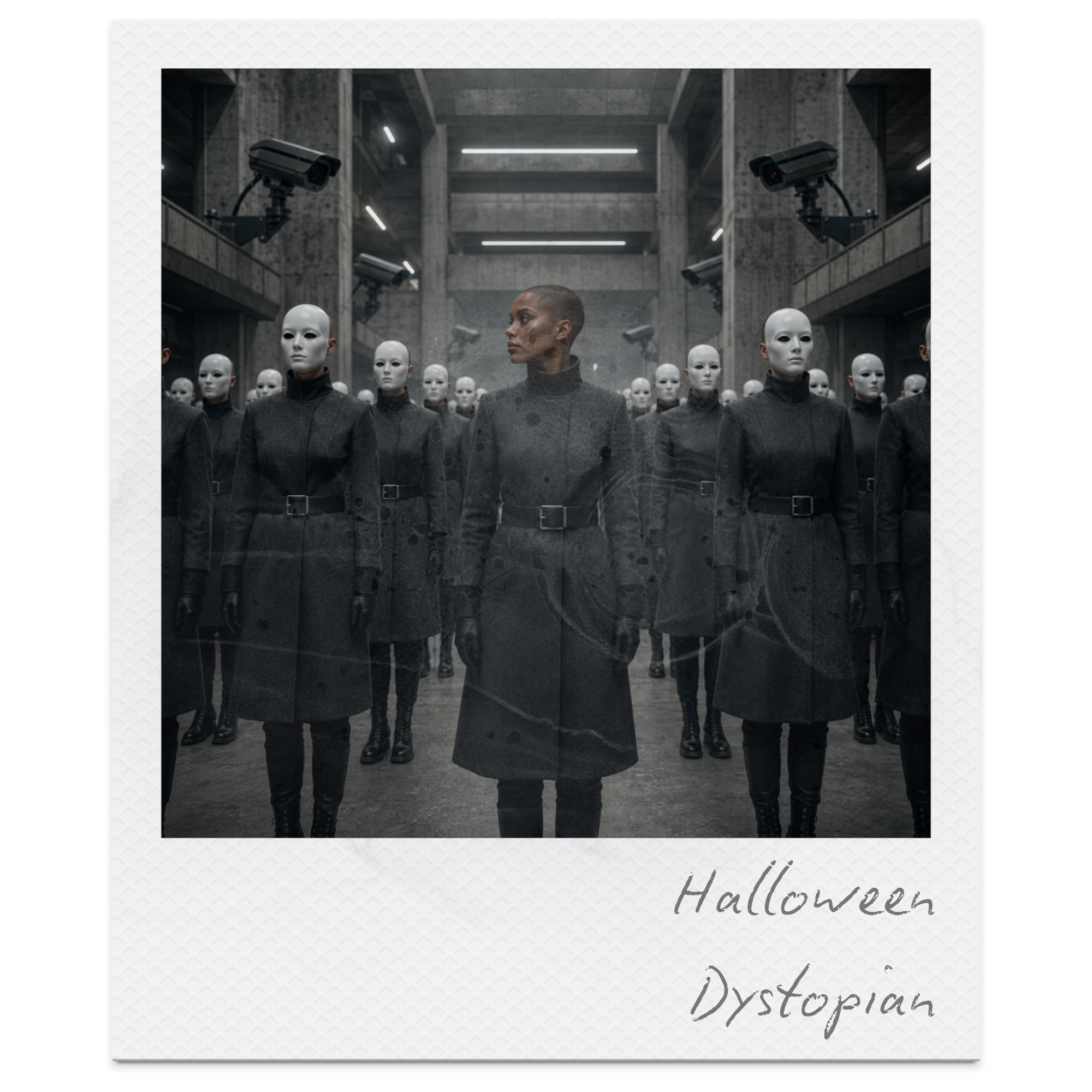
Explore 70 Halloween Dystopian Writing Prompts featuring masked societies, government-controlled celebrations, surveillance, censorship and temporary freedom. Discover plot ideas, story titles, opening and closing lines, characters, unsettling settings and cinematic picture prompts exploring authoritarian futures where Halloween becomes a night of rebellion, hidden identities and dangerous choices.
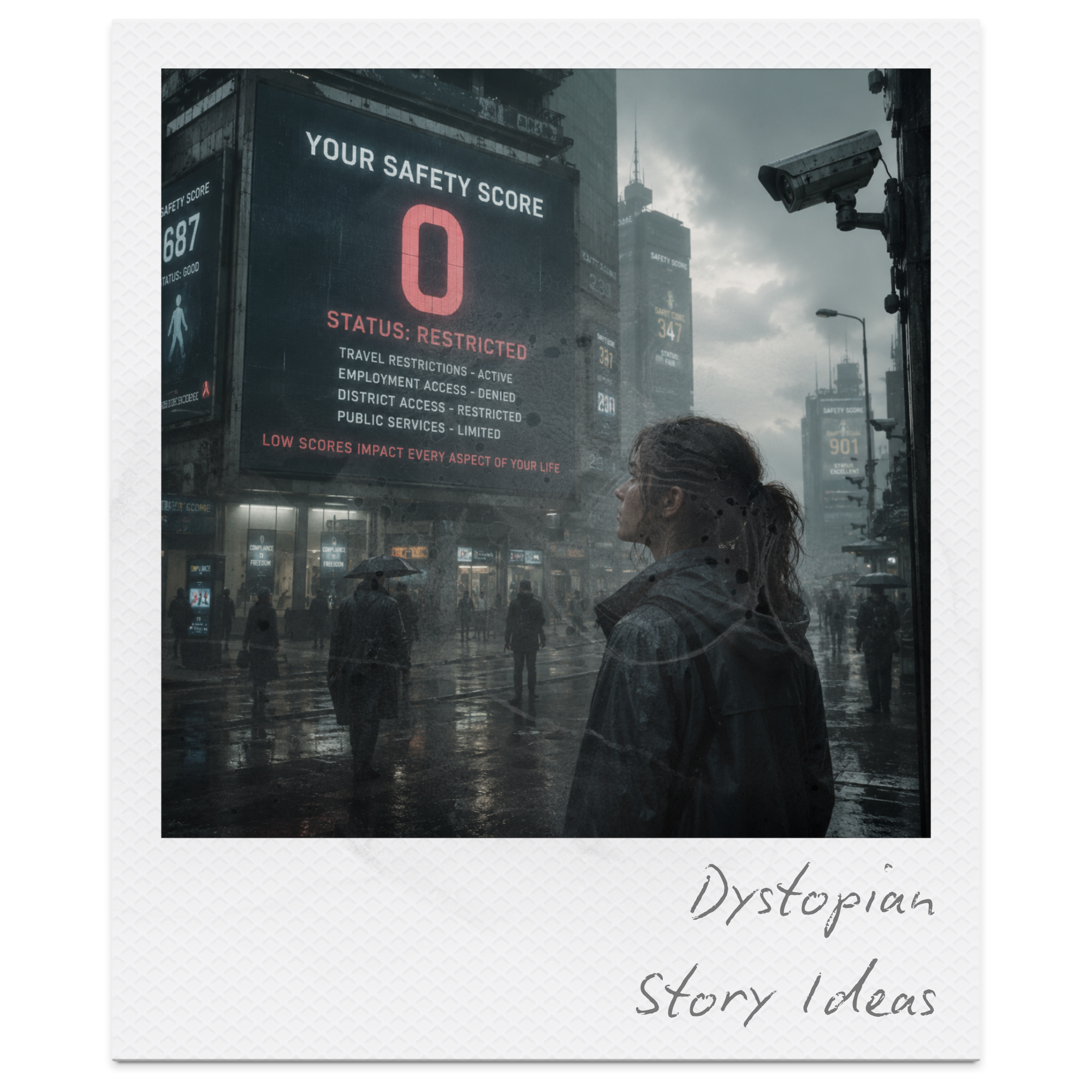
100 Dystopian Story Ideas: Dark Futures, Broken Societies & Rebellion Writing Prompts
Explore 100 dystopian story ideas filled with surveillance, authoritarian governments, artificial intelligence, environmental collapse, inequality, censorship, social control and rebellion. Each prompt takes a different element of society and pushes it into an unsettling future where safety, progress and perfection often come with an unexpected cost. From citizens whose lives are controlled by algorithms to perfect communities hiding uncomfortable truths, these dystopian writing prompts are designed to inspire original stories, complex societies and speculative worlds that ask difficult questions about power, freedom, identity and what we might sacrifice for a better future.
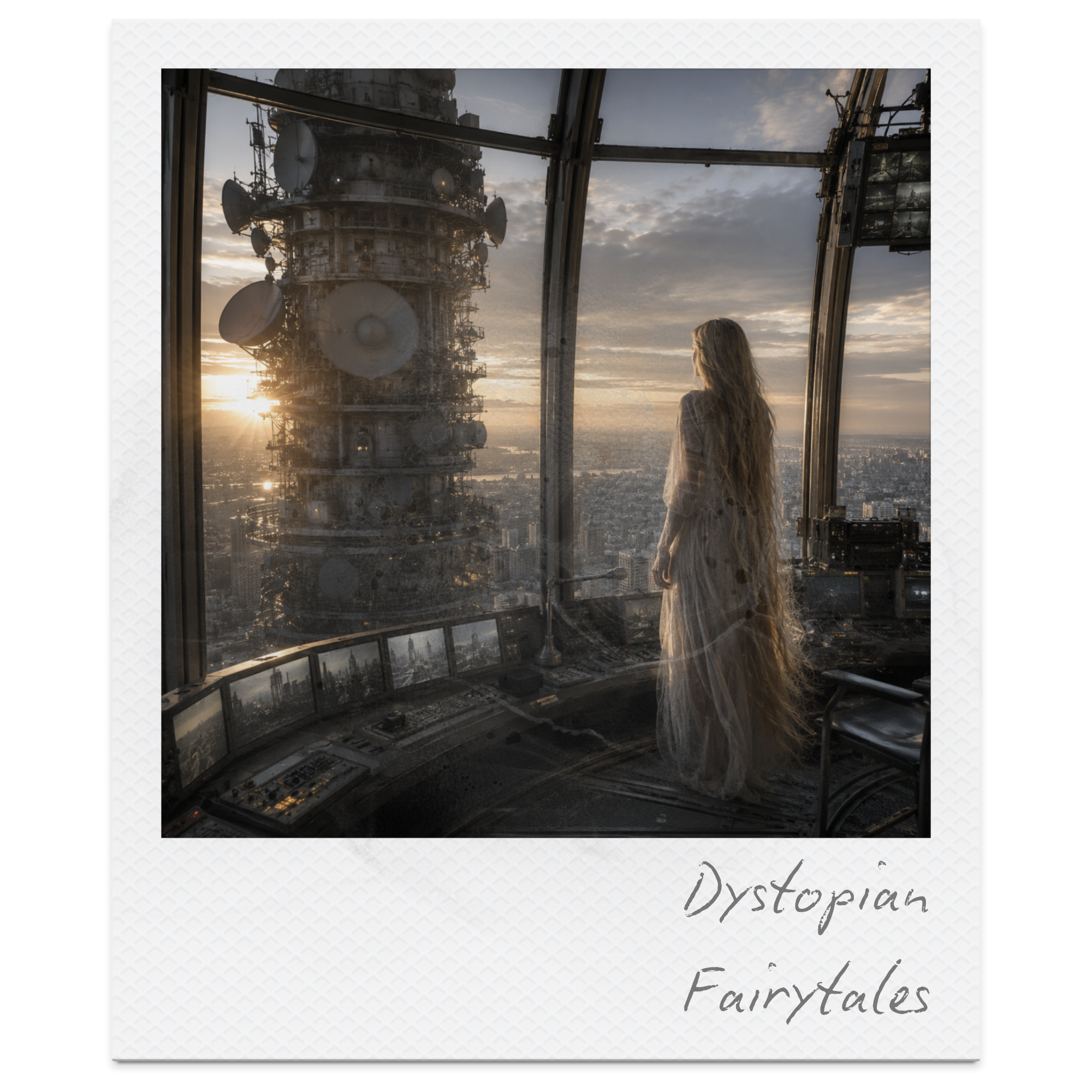
70 Dystopian Fairytale Writing Prompts: Twisted Tales of Oppression, Survival & Rebellion
Discover 70 Dystopian Fairytale Writing Prompts that reimagine classic tales through the lens of authoritarian governments, surveillance, environmental collapse, and rebellion. Explore plot hooks, title ideas, opening and closing lines, memorable characters, atmospheric settings, and cinematic picture prompts inspired by twisted versions of Snow White, Cinderella, Rapunzel, Hansel and Gretel, and other beloved fairytales. Perfect for writers looking to blend folklore with speculative fiction.
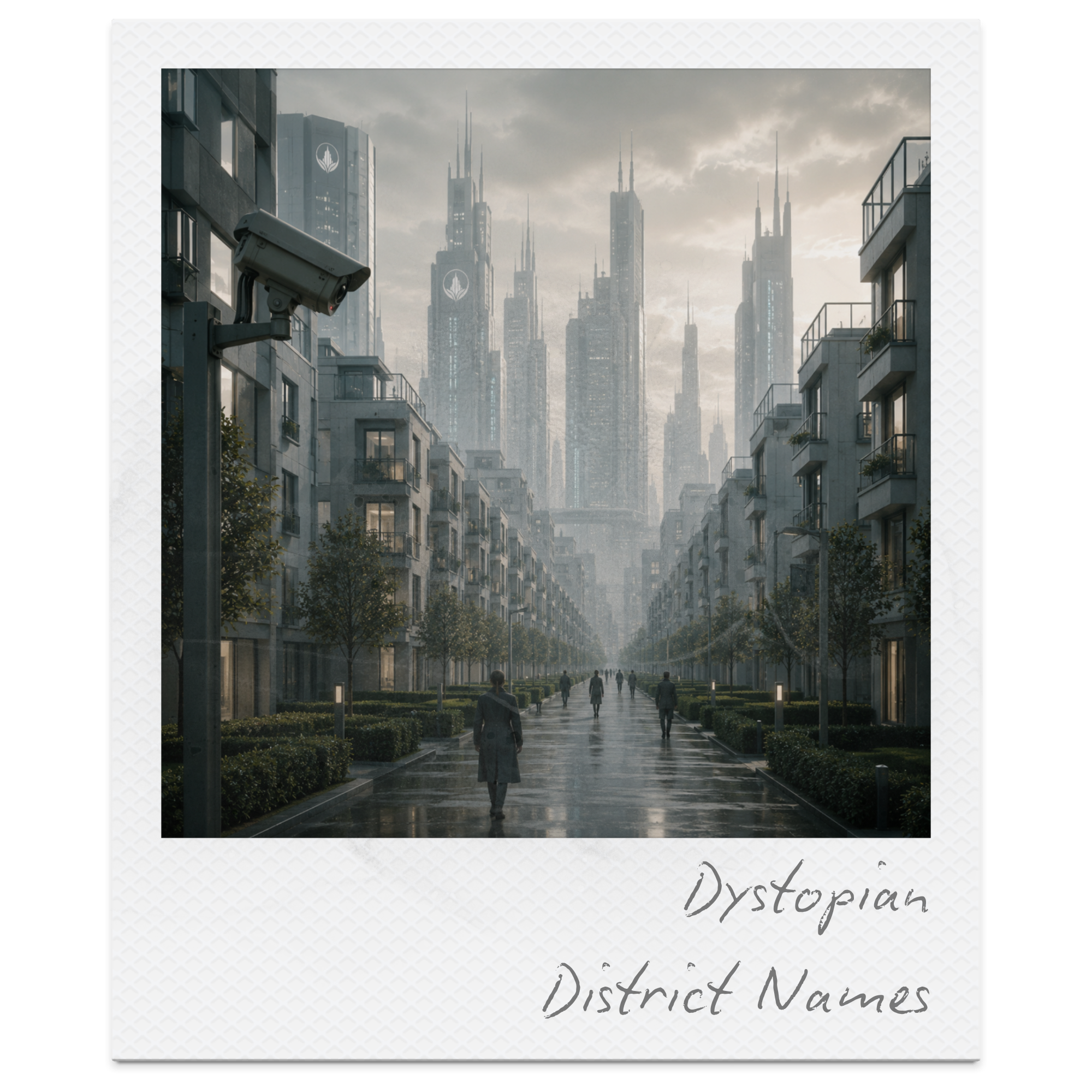
100 Dystopian District & Sector Names (With Meanings and Story Ideas)
From government headquarters and corporate zones to underground resistance sectors and abandoned quarantine districts, these 100 dystopian district and sector names are designed to bring your fictional cities to life. Each name includes its meaning and a story idea to help you create immersive settings filled with surveillance, propaganda, inequality, rebellion, and the hidden histories that define unforgettable dystopian worlds.
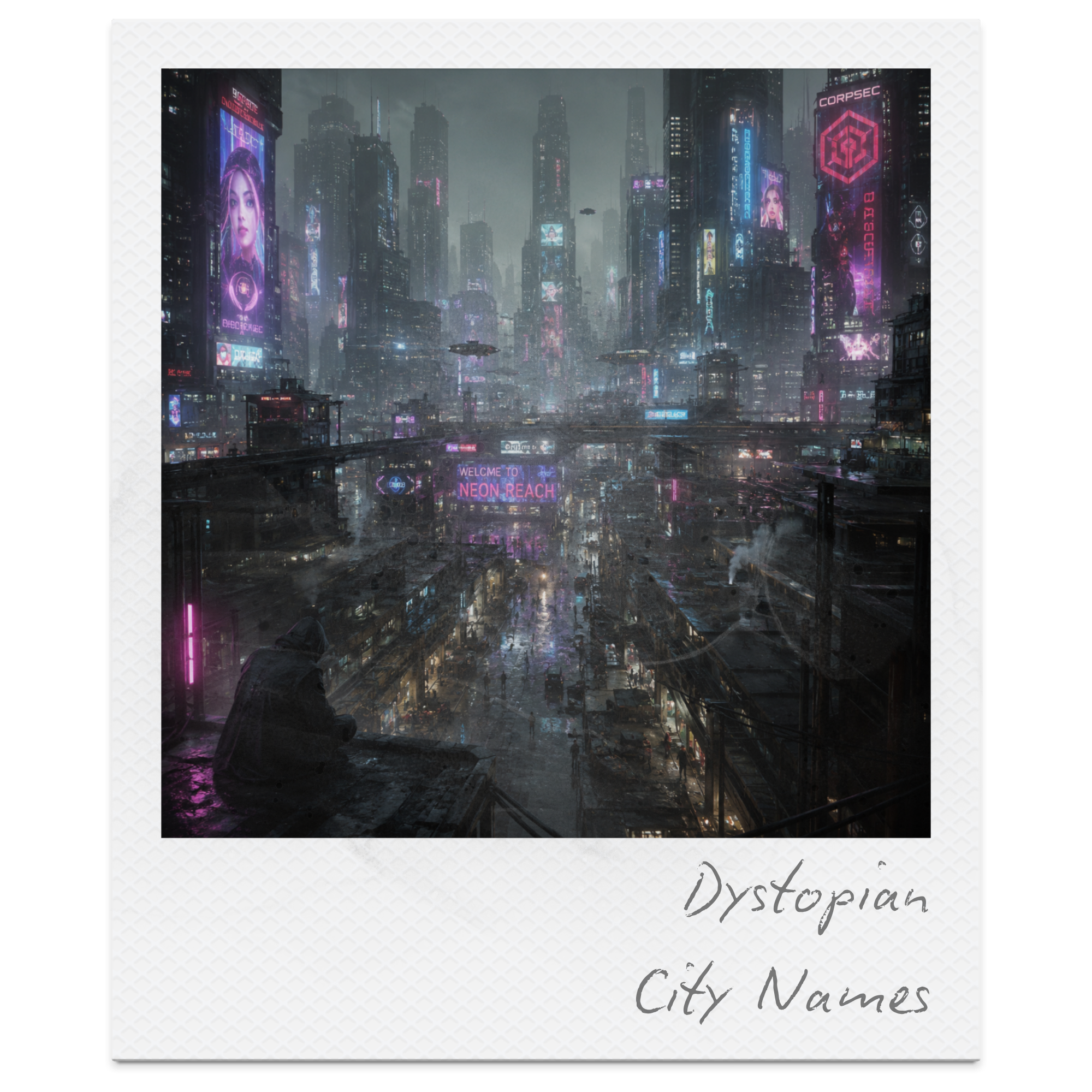
100 Dystopian City Names (With Meanings and Story Ideas)
Whether you're designing an authoritarian capital, a neon-lit cyberpunk metropolis, a fortified city hidden behind towering walls, or the last surviving settlement after civilisation has fallen, the right city name can instantly establish the tone of your world. These 100 dystopian city names are designed to inspire immersive settings across speculative fiction, with meanings and story ideas to help you create memorable locations that feel rich with history, conflict, and possibility.
100 Dystopian Character Names (With Meanings and Story Ideas)
Discover 100 unique dystopian character names complete with meanings, symbolism, and story ideas. From rebels and resistance fighters to government officials, scientists, corporate executives, hackers, and ordinary citizens, these names are designed to help you create memorable characters for dystopian, cyberpunk, post-apocalyptic, speculative fiction, and sci-fi stories.
The Fox and the Forest by Ray Bradbury: Summary, Themes, Symbolism & Analysis
Ray Bradbury’s The Fox and the Forest is a powerful science fiction and dystopian short story that explores escape, surveillance, and the illusion of freedom. Set between a vibrant 1938 Mexico and a war-torn future, the story follows a couple attempting to flee a society built on control, militarisation, and destruction—only to discover that even time itself cannot protect them. Bradbury uses vivid contrasts, shifting tension, and symbolic imagery to create a narrative where hope and fear exist side by side. This analysis explores the story’s themes, symbolism, structure, and key ideas, revealing how Bradbury presents a world in which authority is inescapable and freedom is fragile. From the relentless pursuit of the Searchers to the devastating final twist, The Fox and the Forest raises unsettling questions about responsibility, resistance, and the cost of survival.

The Flying Machine by Ray Bradbury: Summary, Themes, Symbolism & Analysis
Ray Bradbury’s The Flying Machine explores the uneasy relationship between innovation and fear, presenting a world where beauty and progress are not always welcomed. Set in ancient China, the story follows an inventor who achieves the impossible—human flight—only to face the Emperor’s growing concern about what such a discovery might become. Through this encounter, Bradbury examines the fragile balance between creativity and control, raising questions about whether all knowledge should be allowed to exist. At its core, the story reflects a deeper anxiety about the consequences of progress, particularly when invention can be replicated and misused. The Emperor’s decision to destroy both the machine and its creator reveals a chilling logic: that protecting the future may require the sacrifice of something extraordinary in the present. Blending speculative fiction with philosophical insight, The Flying Machine leaves readers questioning whether humanity can truly be trusted with its own creations—and what might be lost when fear takes precedence over wonder.
The Long Rain by Ray Bradbury: Summary, Themes, Symbolism & Analysis
Ray Bradbury’s The Long Rain is a relentless exploration of survival, madness, and environmental hostility, set on a version of Venus where the rain never stops. As a group of men struggle through the jungle in search of a Sun Dome, the story shifts from a physical journey into a psychological one, where exhaustion, isolation, and constant sensory pressure begin to erode their sense of reality. Bradbury transforms the environment into a force that does not simply threaten the body, but steadily dismantles the mind. What makes the story so powerful is its focus on endurance rather than action. There is no single moment of catastrophe—only the slow, crushing weight of continuous exposure. Through this, Bradbury explores the fragile balance between hope and despair, showing how quickly control can slip away when relief is out of reach. The ambiguous ending leaves readers questioning whether survival has truly been achieved, or whether it exists only as a final illusion in a mind pushed beyond its limits.
The Last Night of the World by Ray Bradbury: Summary, Themes, Symbolism & Analysis
Bradbury’s The Last Night of the World presents an unsettlingly calm vision of apocalypse, where the end does not arrive through chaos or destruction, but through quiet, shared certainty. As a husband and wife realise—through identical dreams experienced across the world—that existence will end that very night, their response is not panic, but routine. They drink coffee, put their children to bed, and carry on as usual, creating a striking contrast between the enormity of the event and the simplicity of their actions. This quiet acceptance lies at the heart of the story’s power. Rather than asking how the world ends, Bradbury asks how people respond when they know it will—and his answer is both comforting and deeply unsettling. Through its focus on inevitability, human nature, and routine, the story suggests that even in the face of extinction, what matters most is not survival, but connection, normality, and the small rituals that define everyday life.
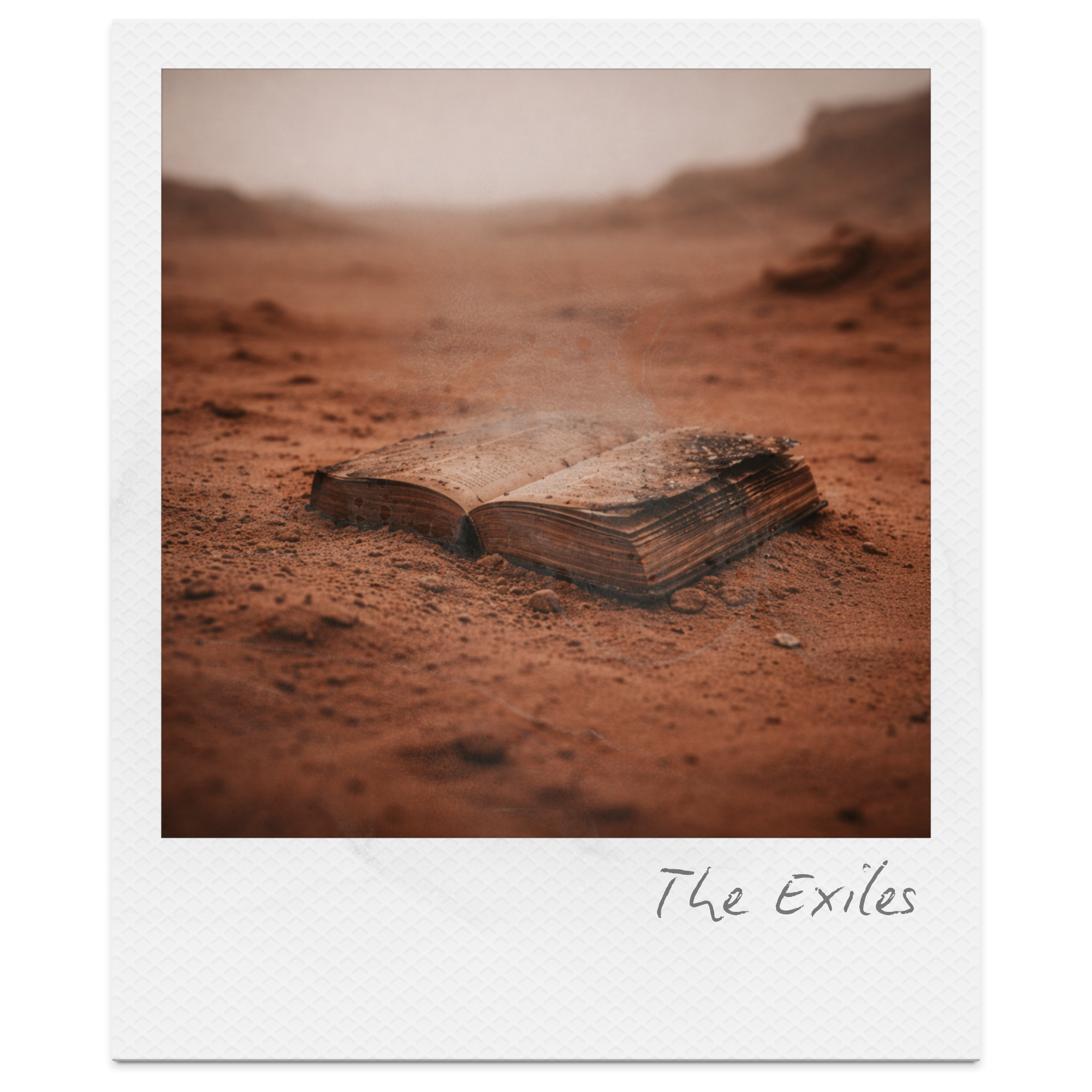
The Exiles by Ray Bradbury: Summary, Themes, Symbolism & Analysis
Bradbury’s The Exiles is a haunting exploration of censorship, imagination, and the fragility of stories, set on a dying Mars where forgotten authors and their creations struggle to survive. As books are banned and burned on Earth, the figures they once sustained begin to fade, turning the story into a powerful reflection on what happens when culture is erased and memory is lost. Blending science fiction, gothic atmosphere, and a deeply meta-literary perspective, the story challenges readers to consider the true cost of suppressing imagination. Through its unsettling imagery and quiet, devastating ending, The Exiles asks a central question: if stories disappear, what happens to the parts of ourselves they once held together?
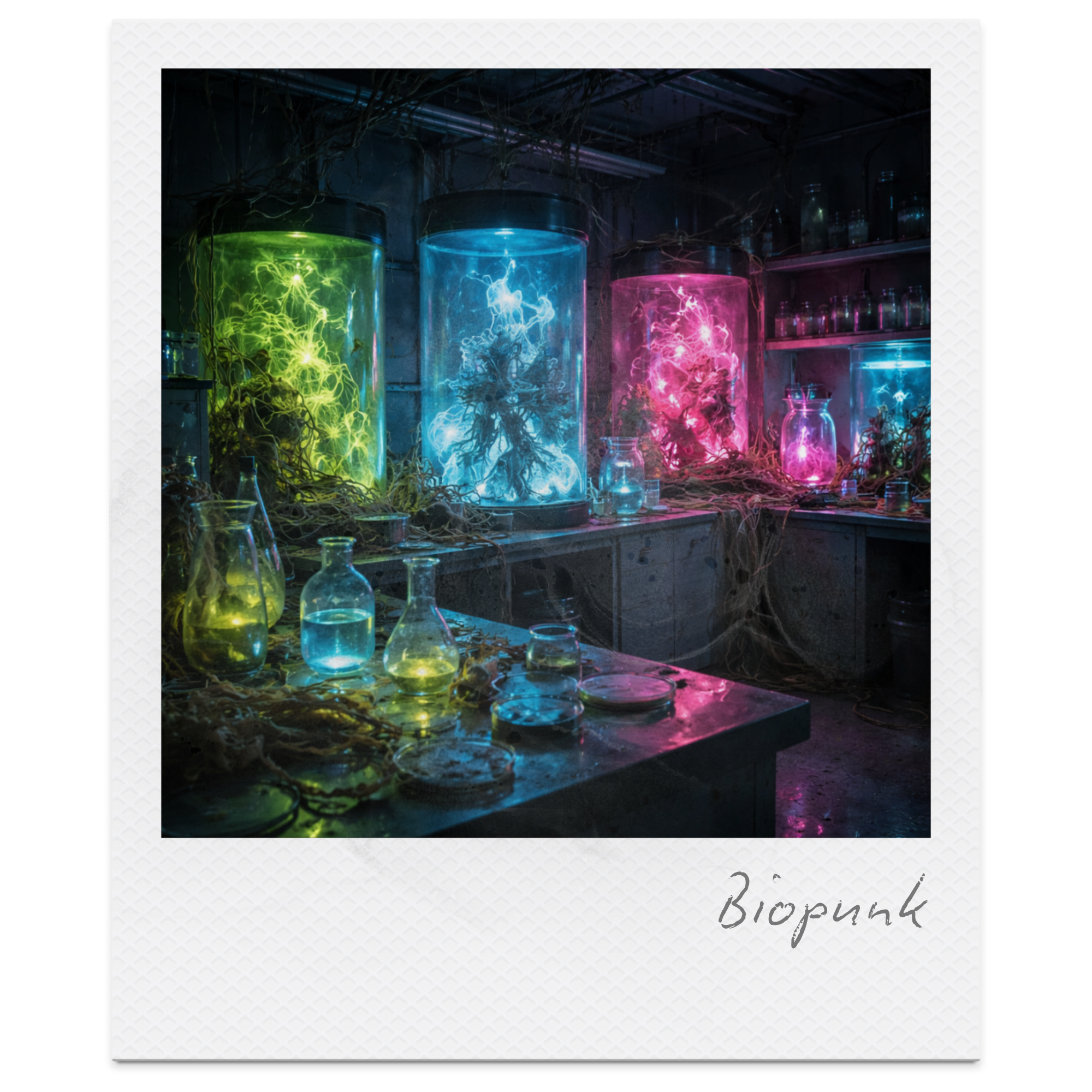
70 Biopunk Writing Prompts: Story Starters, Characters, Settings & Visual Ideas
Biopunk fiction explores futures shaped by biology rather than machines. These stories focus on genetic engineering, biohacking, medical experimentation, and the ethics of altering life itself — often in worlds that feel uncomfortably close to our own. This collection of 70 Biopunk writing prompts invites students to explore identity, consent, power, and progress through imaginative but grounded storytelling. With a focus on science, ethics, and human consequence, Biopunk offers rich opportunities for creative writing, discussion, and cross-curricular learning.
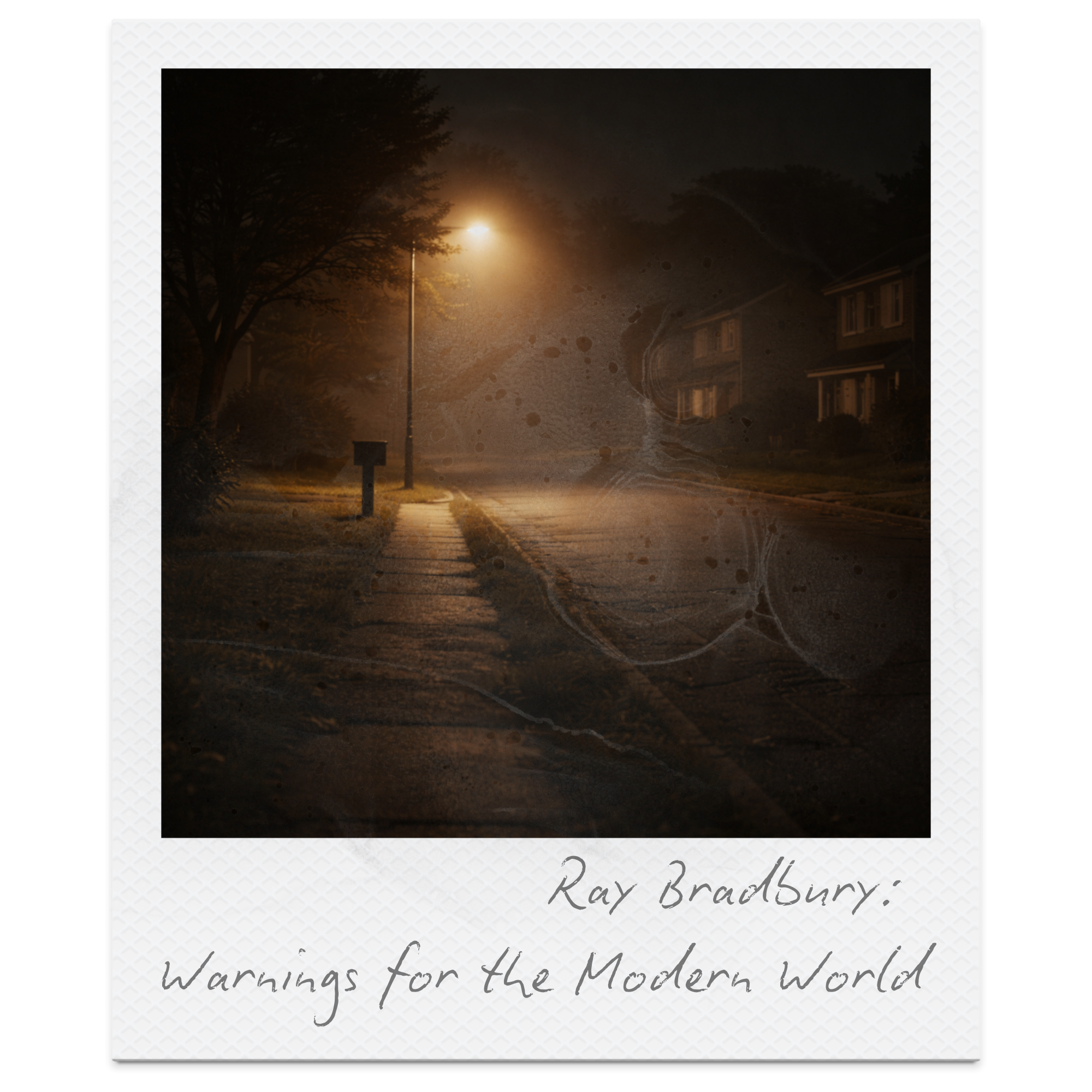
My Favourite Ray Bradbury Texts (And How I Use Them in the Classroom)
Ray Bradbury remains one of the most powerful and teachable voices in dystopian and speculative fiction. His texts explore technology, control, conformity, responsibility, and human behaviour in ways that feel unsettlingly familiar to modern students. From short stories like The Veldt and A Sound of Thunder to novels such as Fahrenheit 451 and Something Wicked This Way Comes, Bradbury’s writing invites discussion without overwhelming students with complexity or historical distance. This post brings together my favourite Ray Bradbury texts for the classroom, organised by theme and paired with practical teaching ideas. Rather than treating each story in isolation, it explores how Bradbury’s work functions as a connected body of warnings — about comfort, power, environment, and choice. If you’re looking for engaging ways to teach Ray Bradbury, build discussion-led lessons, or introduce dystopian fiction in a way that feels relevant and accessible, this is a strong place to start.

The Veldt by Ray Bradbury: Summary, Themes, Meaning & Analysis
Ray Bradbury’s The Veldt is often taught as a warning about technology gone too far — but that reading only scratches the surface. Beneath the virtual nursery and its unsettling imagery, the story is really about parenting, power, and what happens when moral responsibility is repeatedly deferred in favour of comfort. In this in-depth analysis for English teachers, I explore how The Veldt exposes emotional outsourcing, delayed authority, and the quiet consequences of avoidance. The post examines Bradbury’s post-war context, the nursery as a site of control rather than care, and why the story’s ending feels inevitable rather than shocking. With clear classroom insight, teaching guidance, and extension ideas, this post helps teachers move beyond surface-level symbolism and into richer discussion about technology, control, and responsibility — showing why The Veldt remains one of Bradbury’s most disturbing and relevant stories to teach.

10 Dystopian Texts to Teach Beyond 1984 (Classroom Ideas & Creative Writing)
Every time dystopian fiction comes up in the classroom, 1984 takes centre stage. And for good reason — it’s chilling, essential, and one of those texts I’ll always defend teaching. But Orwell isn’t the whole story. Dystopia is also about fear, climate collapse, isolation, memory, love, and the choices people make when systems fall apart. This post shares ten powerful texts that go beyond Orwell, each with themes, classroom ideas, and creative writing extensions you can use straight away.
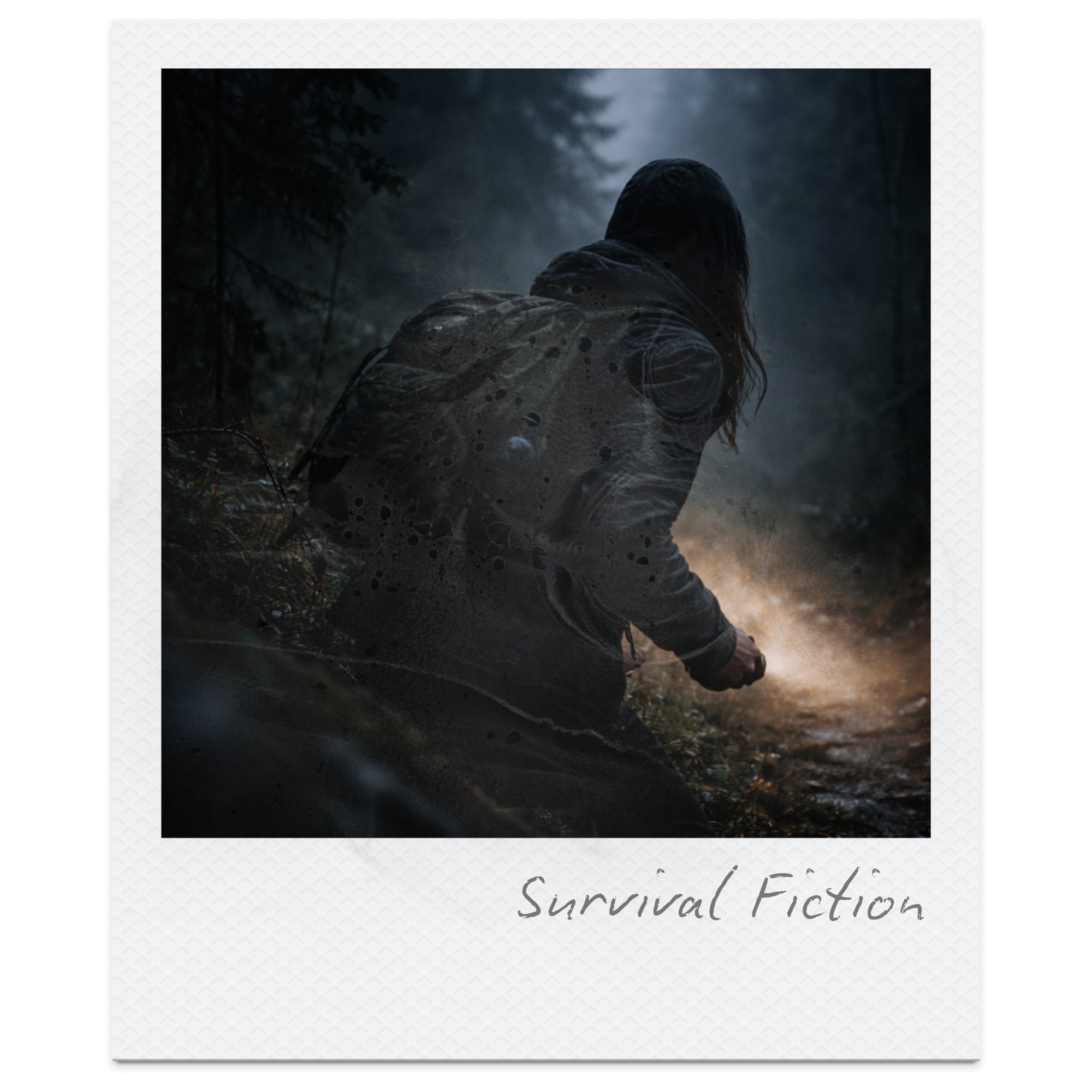
70 Survival Writing Prompts for Teens: Story Starters, Characters, Settings & Visual Ideas
Survival writing prompts for teens explore what happens when comfort, safety, and certainty disappear. Rooted in isolation, scarcity, and high-stakes decision-making, survival fiction reveals character under pressure and asks how far people are willing to go to endure. This collection of 70 survival writing prompts includes plot hooks, story titles, opening and closing lines, character ideas, immersive settings, and picture prompts designed to support realistic, tension-driven storytelling. From natural disasters and remote environments to moral dilemmas and fractured group dynamics, these prompts help young writers build stories focused on resilience, consequence, and human choice. Ideal for classroom creative writing, survival fiction units, or independent projects, these prompts encourage thoughtful exploration of endurance, leadership, and survival when there are no easy answers.
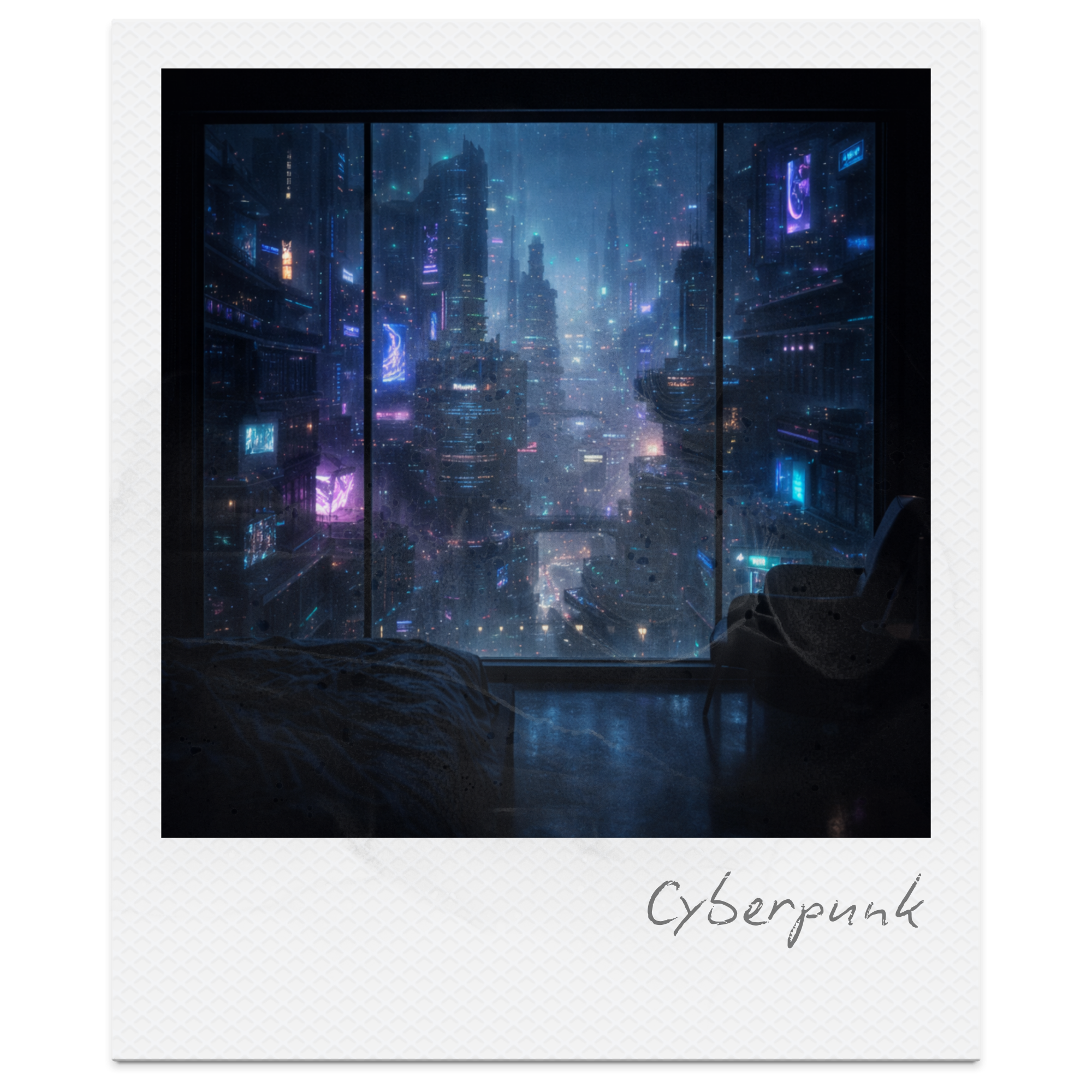
70 Cyberpunk Writing Prompts: Story Starters, Titles, Characters, Settings & Visual Ideas
Cyberpunk writing prompts for teens explore futures shaped by surveillance, megacorporations, and technology that controls as much as it empowers. Rooted in questions of power, identity, and resistance, cyberpunk fiction asks what happens when systems outgrow the people living inside them. This collection of 70 cyberpunk writing prompts includes plot hooks, story titles, opening and closing lines, character ideas, immersive settings, and picture prompts designed to support consequence-driven storytelling. From social credit systems and hacked identities to corporate control and digital rebellion, these prompts help teen writers build speculative worlds that feel unsettlingly plausible. Ideal for classroom creative writing, science fiction units, or independent projects, these cyberpunk prompts encourage ethical thinking, modern worldbuilding, and narrative tension — making them a powerful resource for teachers and young writers exploring contemporary speculative fiction.
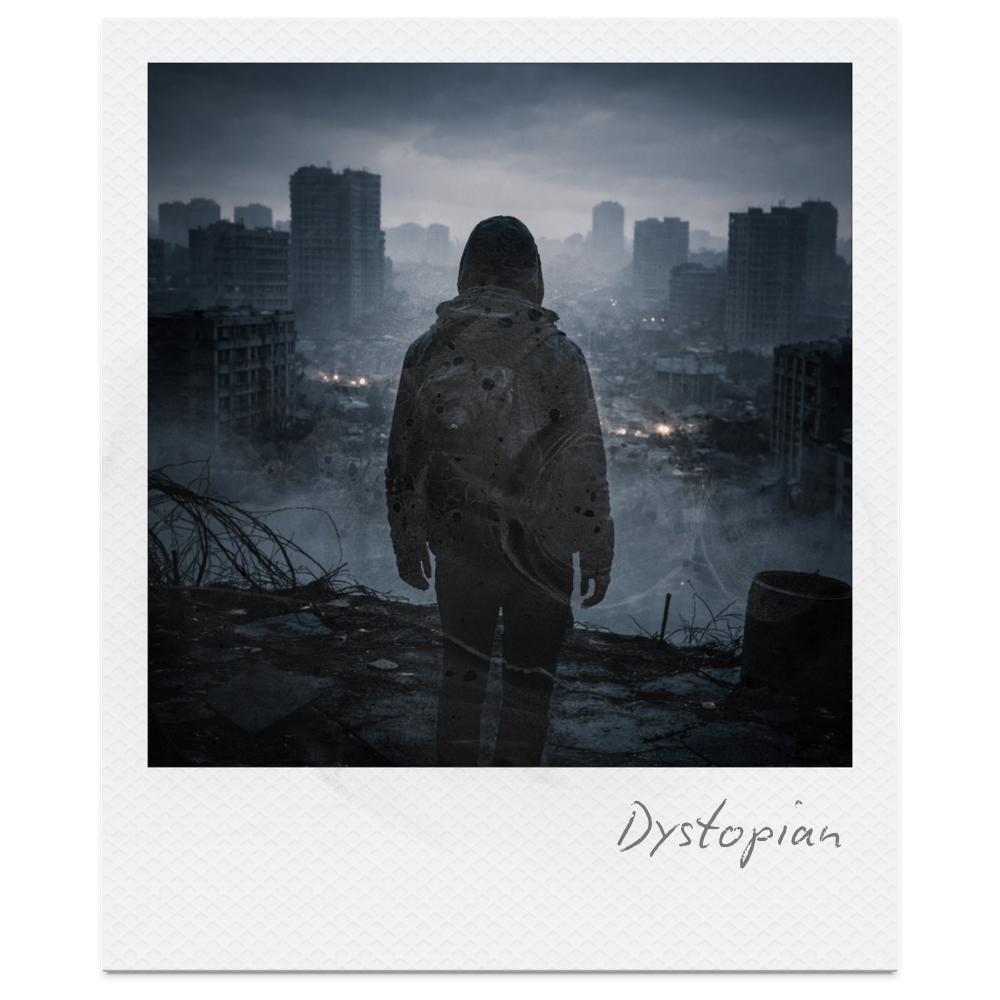
70 Dystopian Writing Prompts for Teen Writers
Dystopian writing prompts give teen writers a powerful way to explore control, resistance, survival, and imagined futures shaped by fear or authority. This collection of 70 dystopian story ideas includes picture prompts, opening lines, titles, and speculative scenarios designed to support creative writing lessons, independent writing, and classroom discussion. Ideal for students studying dystopian fiction or learning how to write a dystopian story, these prompts encourage critical thinking, worldbuilding, and meaningful storytelling.

How to Teach 1984: Context, Classroom Activities, and Real-World Connections
George Orwell’s 1984 remains one of the most powerful texts for exploring power, surveillance, and truth in the classroom. This teaching guide examines the novel’s political context, the totalitarian system of Oceania, and the mechanisms of control that shape Orwell’s dystopian world — from language manipulation to constant observation. Blending classroom experience with practical teaching strategies, this post explores how 1984 can be taught thoughtfully through discussion, real-world connections, and creative responses. It also includes a classroom social experiment, guidance on why the novel is often banned or challenged, and ideas for extending learning beyond the text — making 1984 accessible, relevant, and deeply engaging for students.