70 Biopunk Writing Prompts: Story Starters, Characters, Settings & Visual Ideas
Biopunk explores worlds shaped by advances in biotechnology, genetic engineering and the manipulation of life itself. These stories often focus on the consequences of altering the human body, where science pushes beyond natural limits and identity becomes something that can be modified, controlled or even manufactured. From engineered organisms and synthetic life to corporate ownership of biology, biopunk narratives question who has the right to change what it means to be human.
Works such as Frankenstein laid the foundation for these ideas, while modern science fiction continues to explore themes of bioengineering, cloning and medical experimentation. Across the genre, biopunk stories are driven by tension between innovation and ethics, where progress often comes at a personal or societal cost.
This collection of biopunk writing prompts is designed to help you develop stories centred on genetic manipulation, body modification and scientific control. From underground labs and corporate bio-industries to individuals navigating altered identities, these prompts encourage you to explore both the physical and psychological consequences of changing life at its core.
If you’re looking for more futuristic ideas, explore the Sci-Fi Writing Hub or browse the Creative Writing Archive for a wider range of prompts and storytelling inspiration.
1. Plot Hooks
Biopunk plot hooks often centre on biological experimentation, corporate control, and the consequences of tampering with life.
Write about a society where genetic upgrades are assigned at birth.
Write about a black-market clinic offering illegal body modifications.
Write about a character who discovers their DNA was edited without consent.
Write about a city powered by living organisms.
Write about a cure that comes with unexpected side effects.
Write about a job that involves harvesting biological material.
Write about a family whose livelihood depends on experimental medicine.
Write about a town built around a biotech corporation.
Write about a protest against human enhancement laws.
Write about a discovery that blurs the line between human and designed life.
2. Title Ideas
These titles suit Biopunk stories that lean into ethics, tension, and bodily transformation.
Engineered
The Modified
What We Were Built For
Synthetic Skin
The Cost Of Perfection
After The Upgrade
Designed To Survive
Borrowed Cells
The Human Trial
Made, Not Born
3. Opening Lines
Strong Biopunk openings signal a future shaped by biology from the first sentence.
“The upgrade was supposed to be optional.”
“They told us it was harmless.”
“My medical file was longer than my name.”
“Nobody asked what I wanted my body to become.”
“The clinic smelled like antiseptic and fear.”
“I signed the consent form without reading it.”
“Some people are born natural. The rest of us are corrected.”
“The scars were part of the design.”
“They promised it would make life easier.”
“I woke up knowing something had changed.”
4. Closing Lines
Biopunk endings often leave readers questioning progress, choice, and humanity.
“We couldn’t undo it — only live with it.”
“Perfection turned out to be expensive.”
“I wasn’t broken before.”
“The future wore our faces.”
“They called it progress.”
“Some changes can’t be reversed.”
“We survived, but not unchanged.”
“The upgrade didn’t fix everything.”
“I decided to keep the scars.”
“This is what evolution looks like now.”
5. Character Ideas
These characters allow students to explore Biopunk themes through personal experience.
A teen with an experimental medical implant.
A scientist questioning their own work.
A biohacker modifying their body at home.
A clinic worker hiding unethical practices.
A parent who chose enhancements for their child.
A protester campaigning for bodily autonomy.
A courier transporting biological materials.
A patient in a long-term human trial.
A regulator enforcing biotech laws.
A person who refuses all modifications.
6. Settings
Biopunk settings often feel industrial, clinical, or repurposed — where biology and infrastructure overlap.
An underground gene-editing lab.
A hospital specialising in human enhancement.
A city district owned by a biotech company.
A clinic operating out of an abandoned mall.
A residential area designed for modified humans.
A research facility hidden inside a factory.
A protest camp outside a medical complex.
A quarantine zone for failed experiments.
A marketplace selling illegal biotech.
A school adapted for enhanced students.
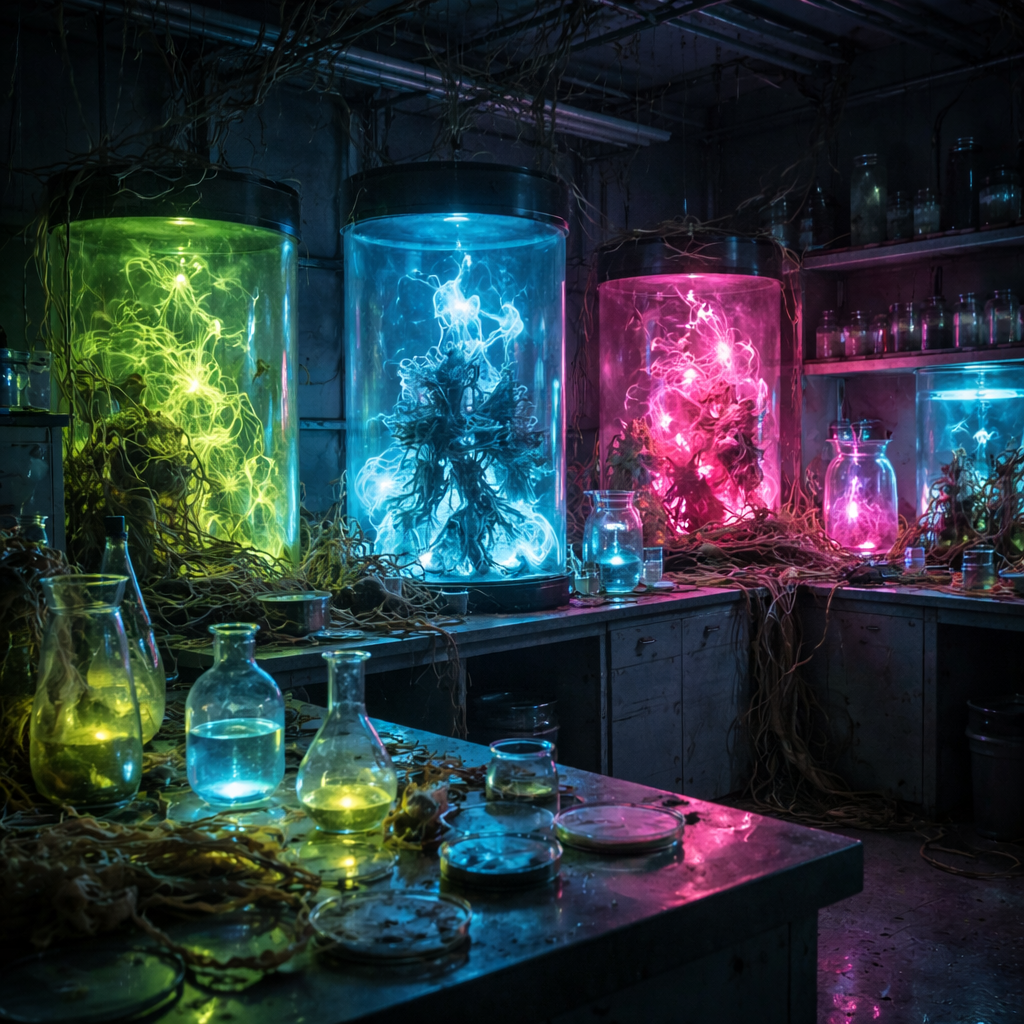
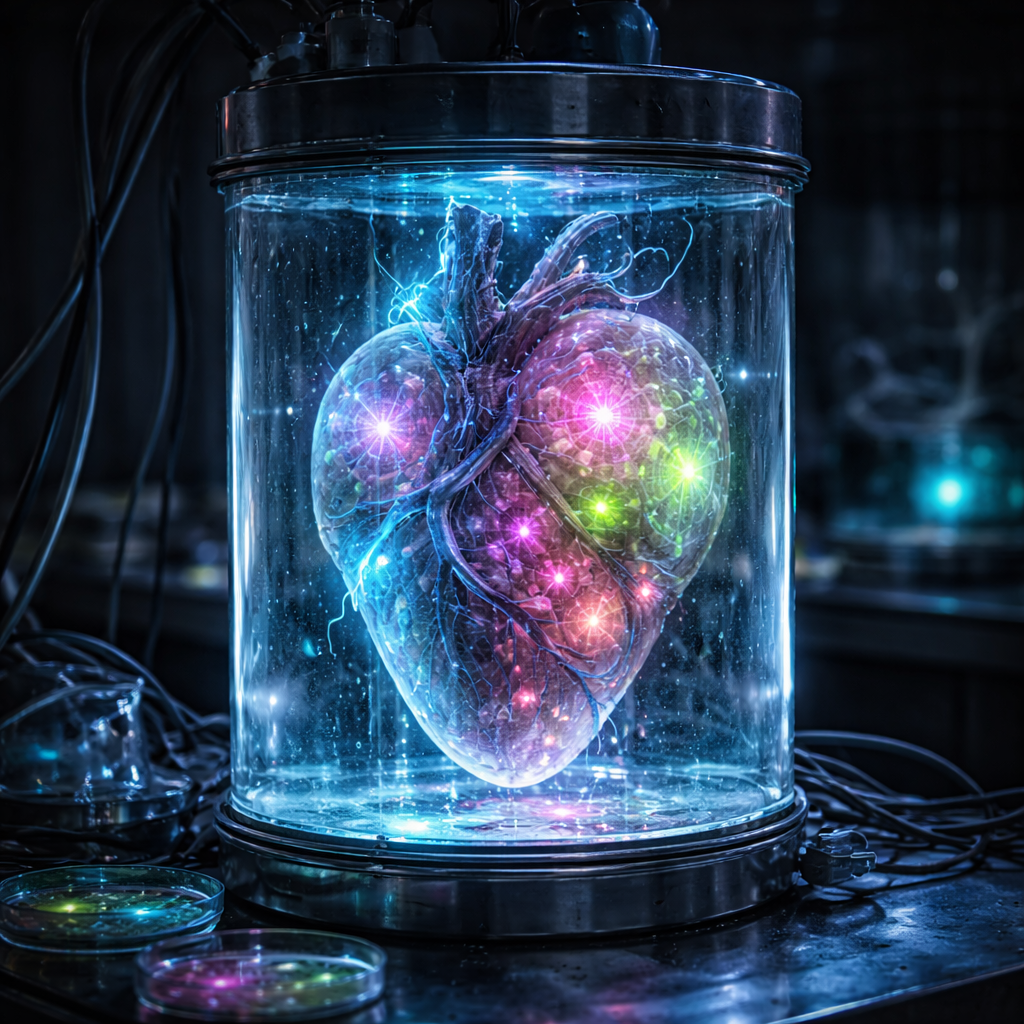
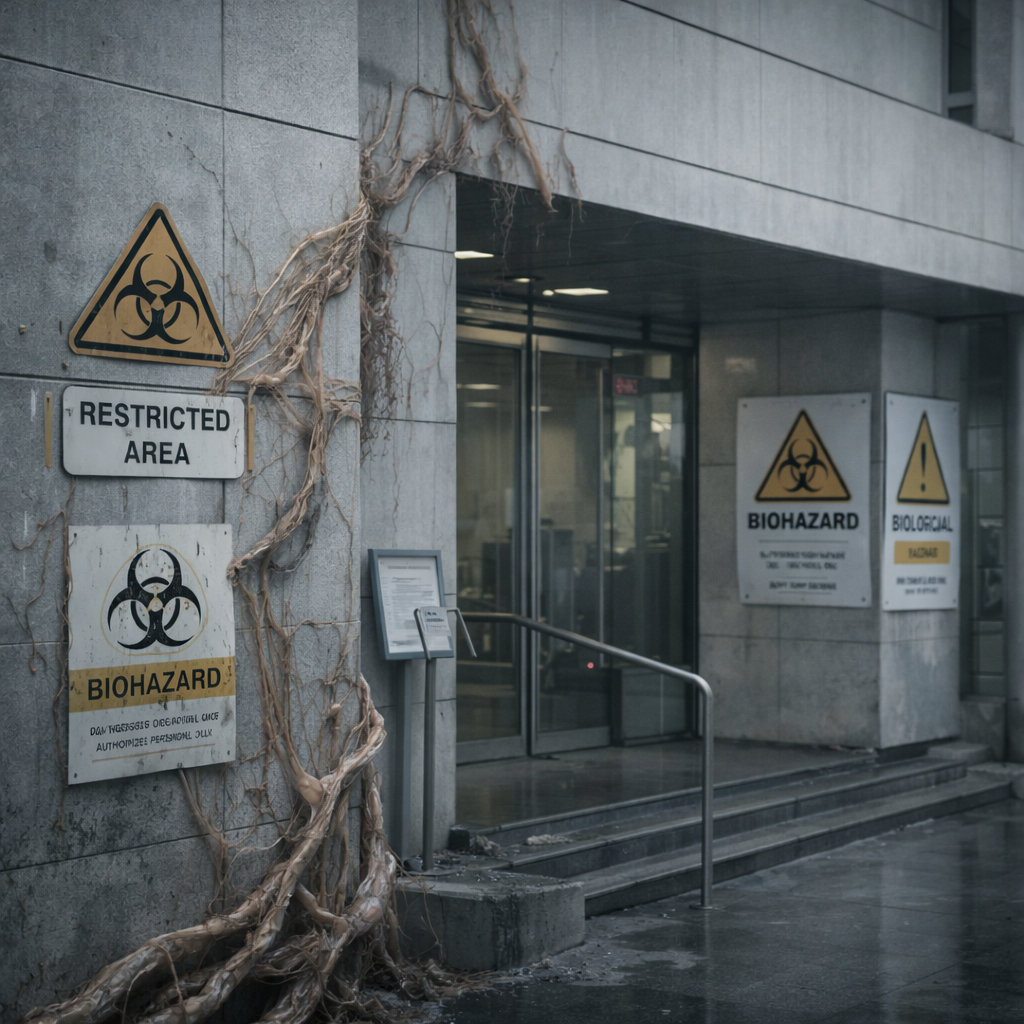
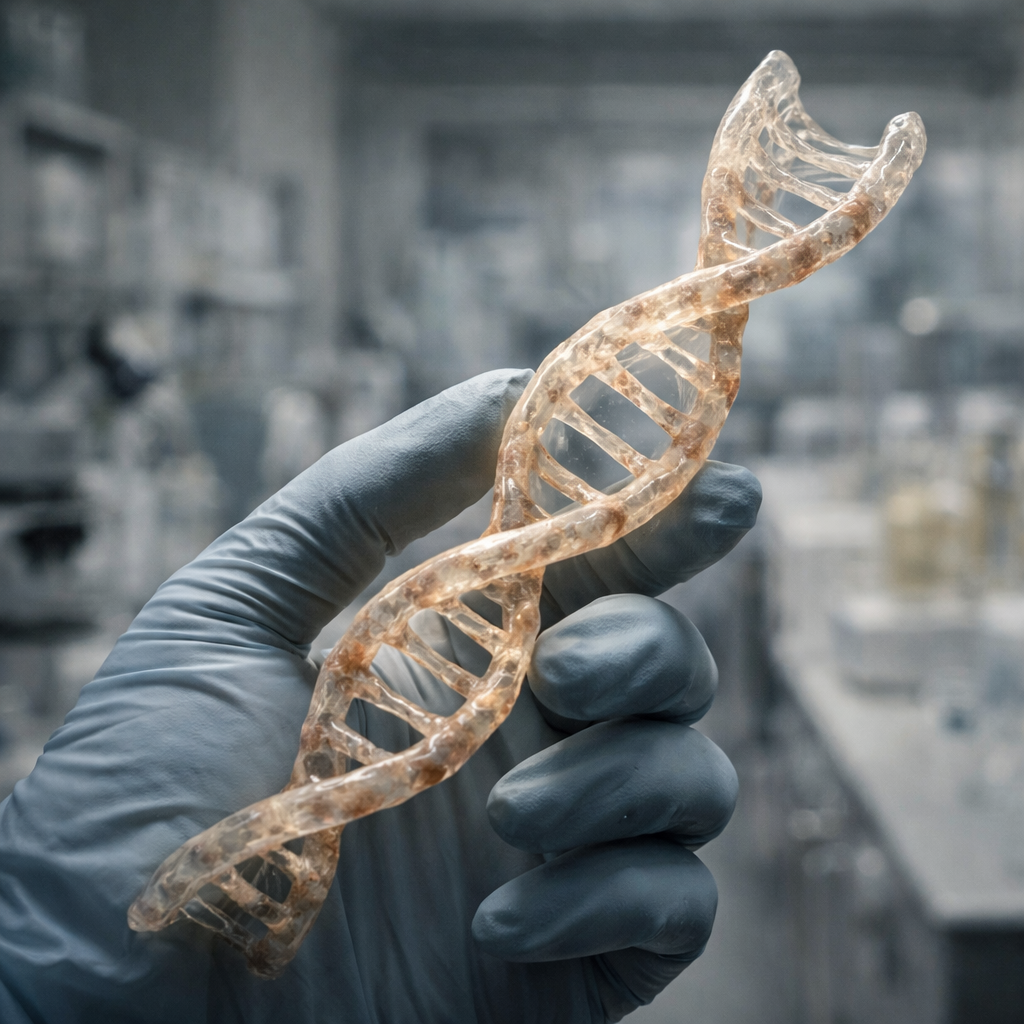
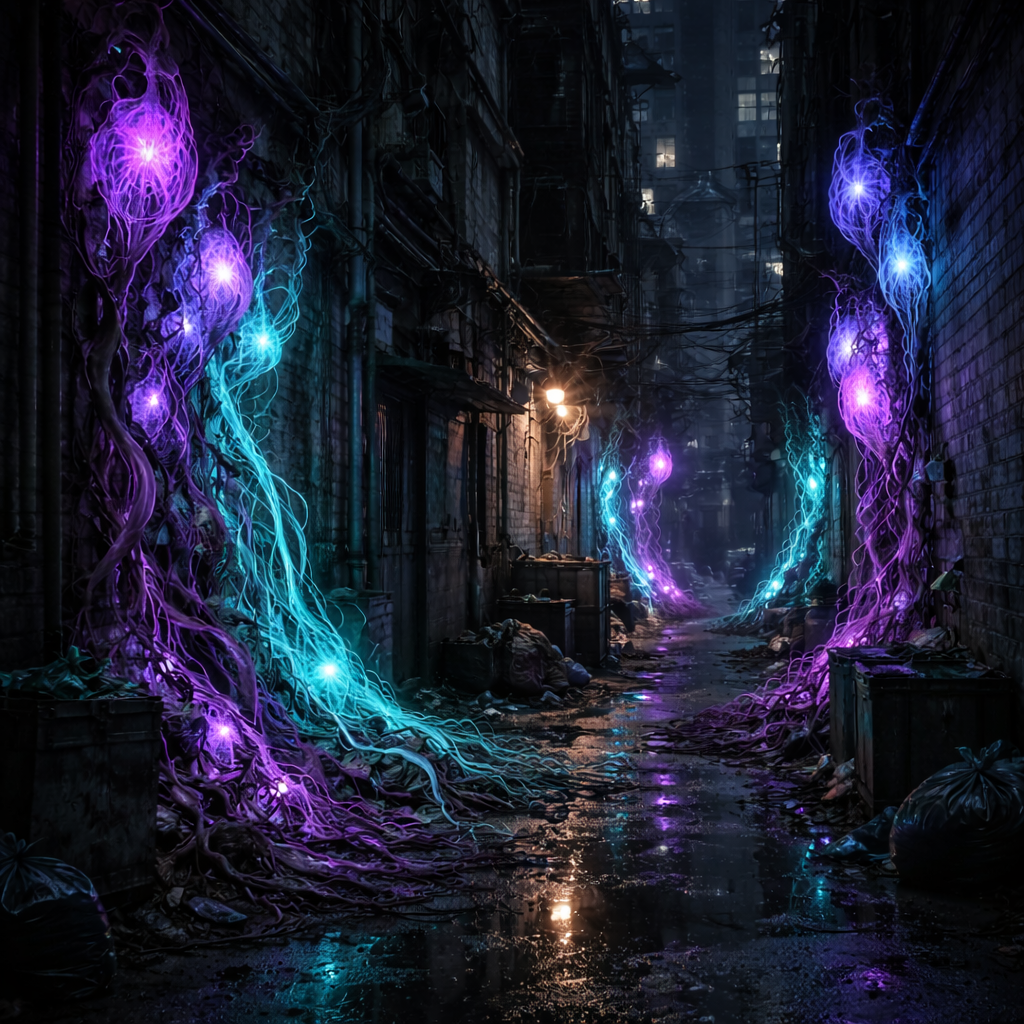
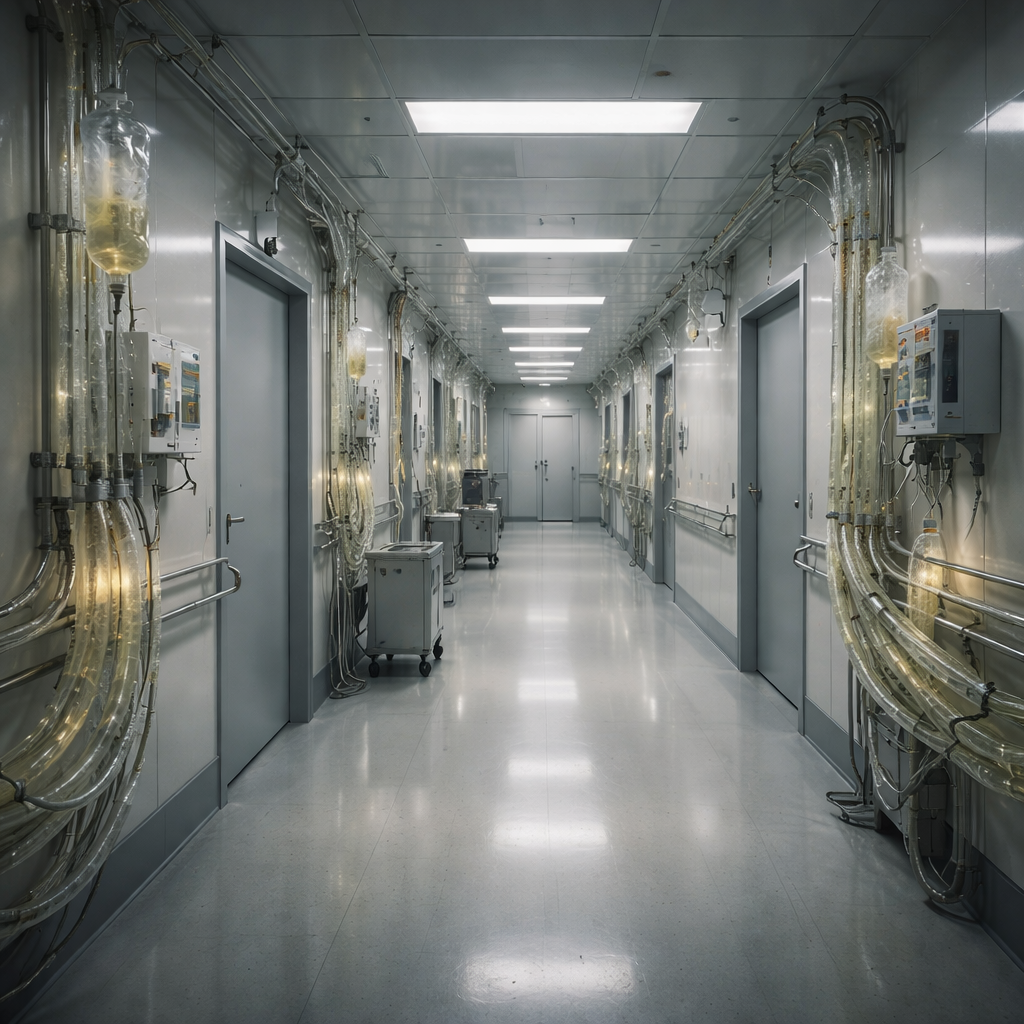
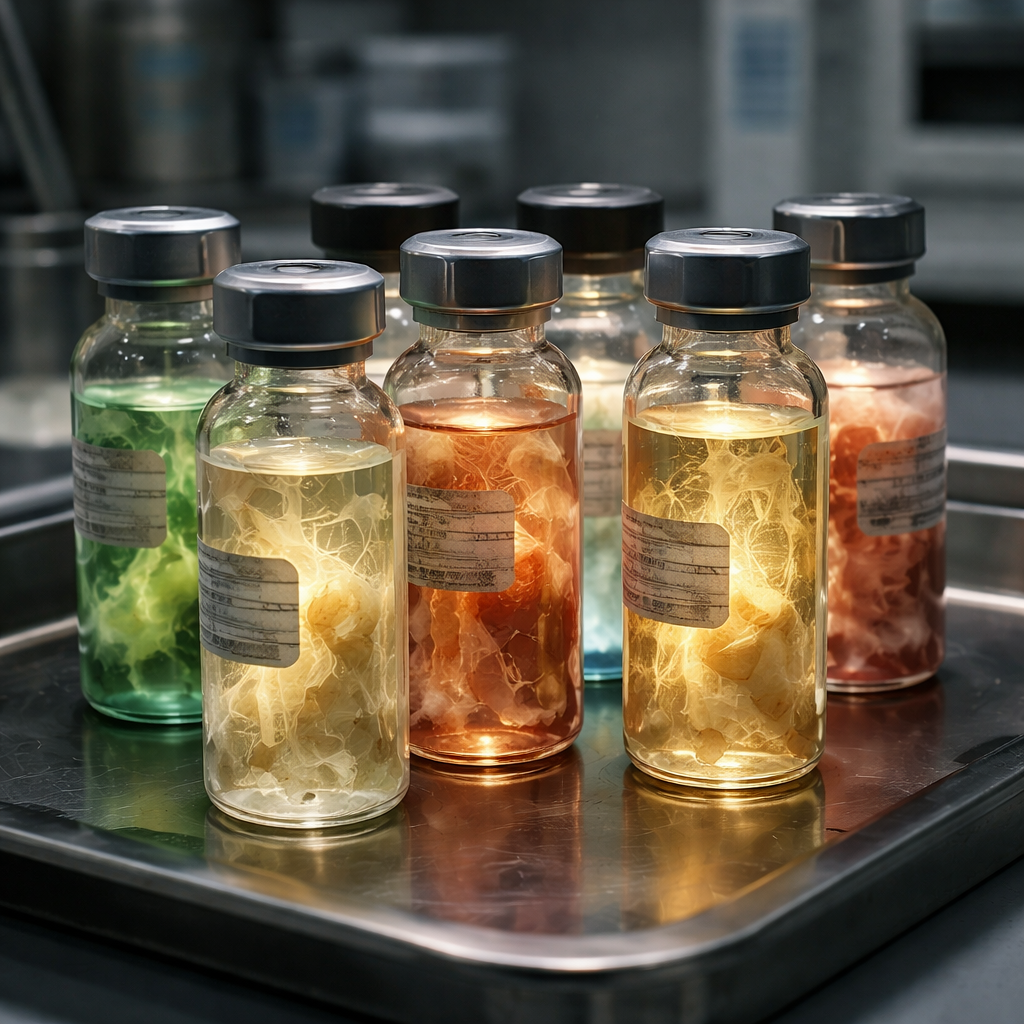
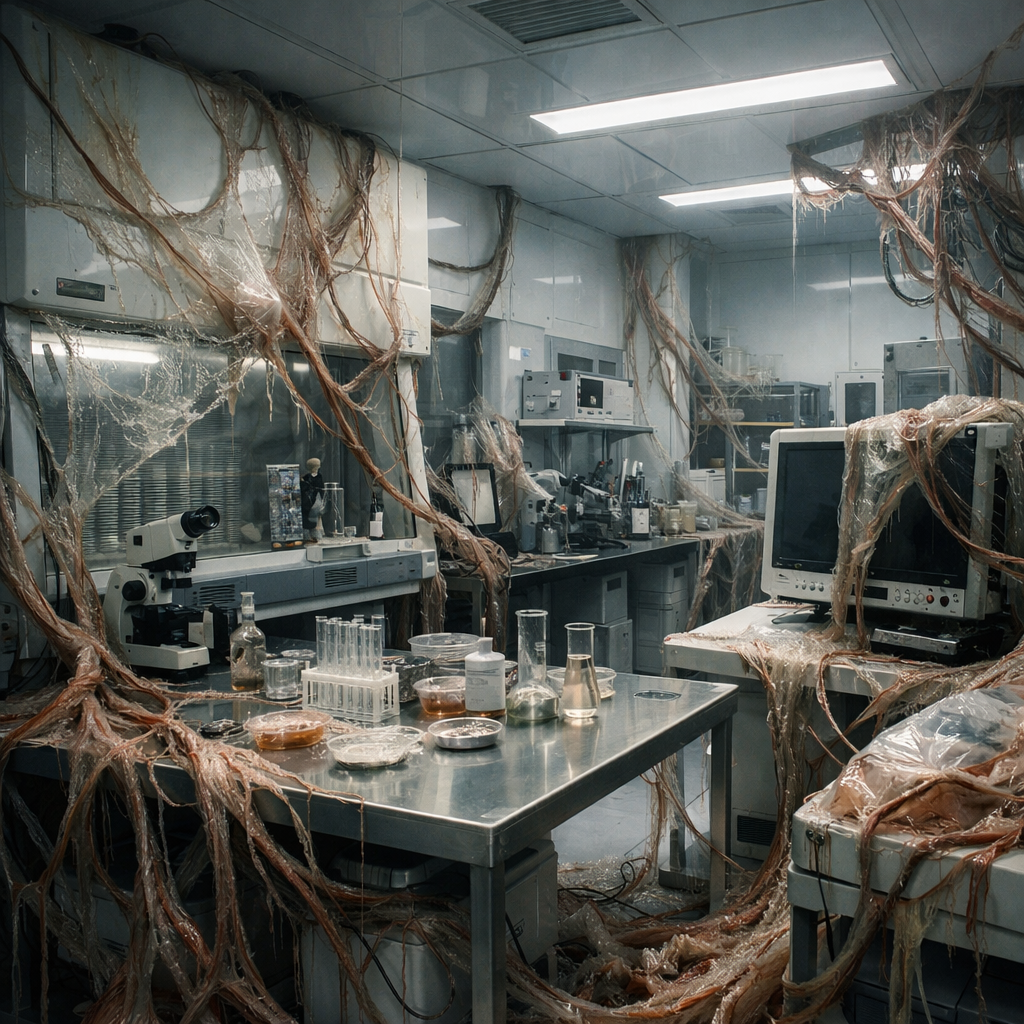
7. Picture Prompts
These visual prompts support Biopunk writing by blending the organic with the industrial.


Go Deeper: How to Write Biopunk
Biopunk explores worlds transformed by biotechnology, genetic engineering and humanity's growing ability to manipulate living systems. While cyberpunk often focuses on computers, artificial intelligence and digital technology, biopunk turns its attention towards the body itself. DNA, organs, viruses, engineered species and synthetic life can all become technologies — and therefore sources of power, profit and inequality.
◆ Begin with a biological breakthrough. Choose one development that has changed your world: gene editing, synthetic organs, engineered crops, designer babies, lab-grown creatures, biological computers or treatments that dramatically extend human life. Then follow the consequences rather than introducing dozens of futuristic technologies at once.
◆ Ask who owns the biology. Could a corporation patent a genetic sequence? Do people own modifications made to their own bodies? Can farmers legally reproduce engineered seeds? Biopunk becomes particularly interesting when living things are treated as intellectual property.
◆ Make biotechnology part of everyday life. Your world will feel more believable if genetic technology isn't confined to secret laboratories. Characters might buy cosmetic mutations, carry personalised medicines, eat engineered food or undergo mandatory genetic screening before taking certain jobs.
◆ Explore the body as a source of inequality. Wealth might determine who receives disease resistance, enhanced intelligence, longer lifespans or replacement organs. Biological advantages could become another way of dividing society between those who can afford modification and those who cannot.
◆ Think about unintended consequences. A technology doesn't need to be deliberately evil to cause harm. A genetically modified crop could damage an ecosystem. A treatment designed to prevent disease might create a new vulnerability. A supposedly harmless enhancement could have effects that don't appear for generations.
◆ Create believable institutions around your science. If biotechnology has become powerful, governments, universities, hospitals, corporations, insurers and criminal organisations will all respond to it. Think about regulation, patents, clinical trials, black markets and the industries that might emerge around your invention.
◆ Let biology reshape the environment as well as people. Biopunk can extend far beyond human genetic modification. Engineered insects, synthetic forests, resurrected species, altered microorganisms and designed ecosystems can transform entire landscapes.
◆ Use ethical questions to create conflict. Just because something can be created doesn't mean everyone will agree that it should be. Avoid making the debate too simple. A controversial technology might save thousands of lives while creating serious ethical problems at the same time.
◆ Keep the science grounded enough to feel possible. You don't need to explain every biological mechanism, but giving your technology limitations, risks and consistent rules makes even extreme speculation more convincing.
◆ Remember that the most interesting experiment is often the human one. Biopunk isn't simply about strange organisms or futuristic laboratories. Ask how changing biology changes identity, family, class, relationships and what people consider natural. The strongest stories explore what happens to society when humanity gains the ability to redesign life itself.
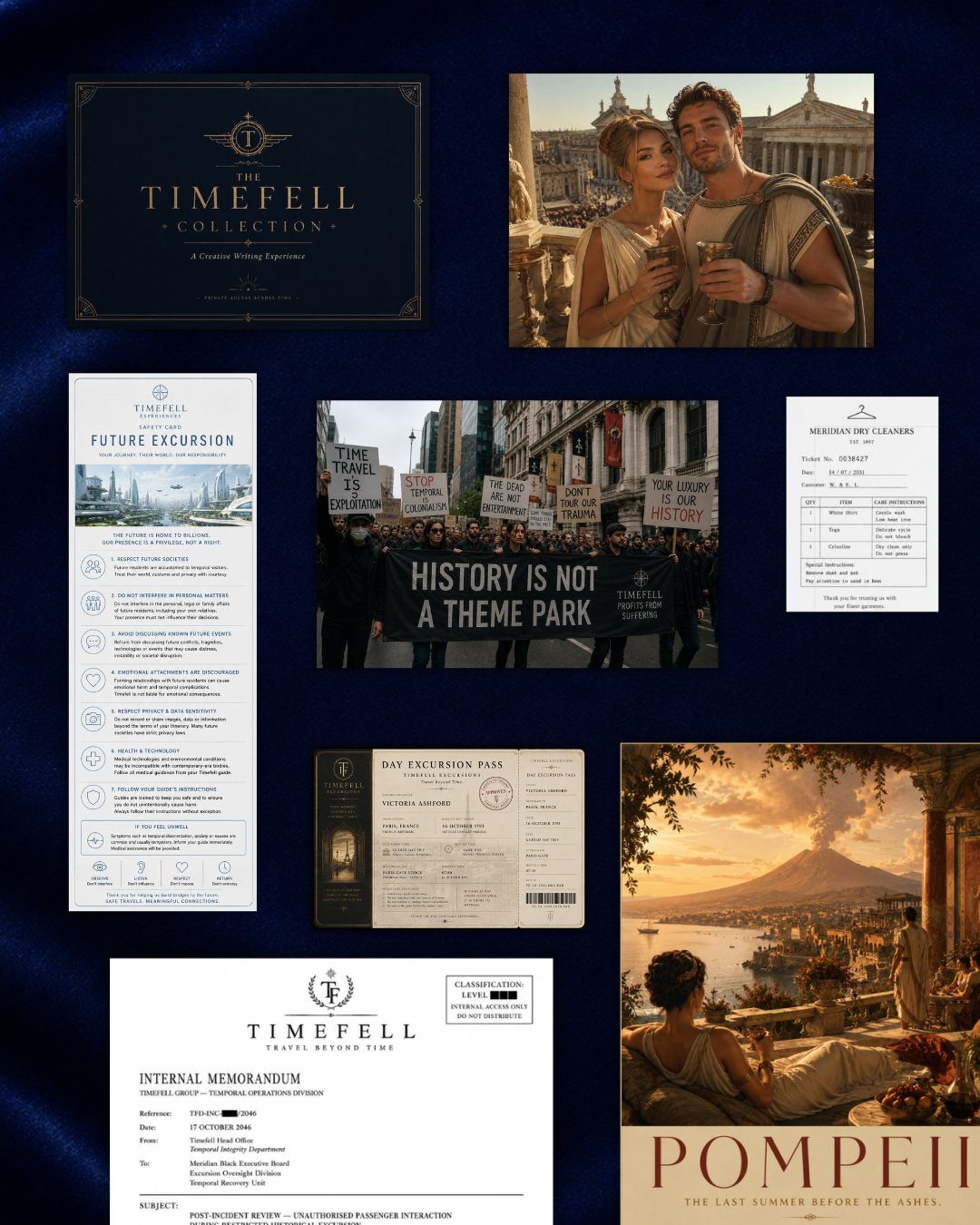


What Happens When the Past Becomes a Laboratory?
Biopunk asks what happens when science gives humanity unprecedented access to living systems — and what people might do once those possibilities become profitable.
But what if technology could give us access to something even bigger?
The Timefell Collection imagines a world where time travel became public in 2020.
By 2046, it had become a business.
Ancient cities welcome paying visitors. Dinosaurs roam protected reserves. Luxury cruises travel between centuries. Travellers can encounter extinct worlds and ecosystems that humanity once knew only through fossils, records and scientific reconstruction.
For those who can afford it, every era is a destination.
But not every story appears in the brochure.
The Timefell Collection is an immersive digital storyworld archive told through travel posters, boarding passes, newspaper articles, diary entries, hotel records, reviews, private correspondence, handwritten notes and other artefacts left behind by travellers.
Some documents fit neatly together. Others suggest that access to the past may be creating possibilities — and problems — nobody anticipated.
Why have certain excursions disappeared from public records? What experiences are reserved for Meridian Black members? And what happens when humanity can stop studying extinct worlds from a distance and actually step inside them?
→ Explore The Timefell Collection Now!
Final Thoughts
Biopunk invites writers to explore the consequences of reshaping life itself, where scientific progress collides with questions of identity, autonomy and control. These stories often centre on the tension between innovation and ethics, asking what happens when the boundaries of the human body are no longer fixed but designed, altered or owned.
If you’re looking for more futuristic ideas, explore the Sci-Fi Writing Hub or browse the Creative Writing Archive for a wider range of prompts and storytelling inspiration.
Choose Your Next Adventure