Notes from the Inkpot
Writing, teaching, creating - one ink-stained idea at a time.



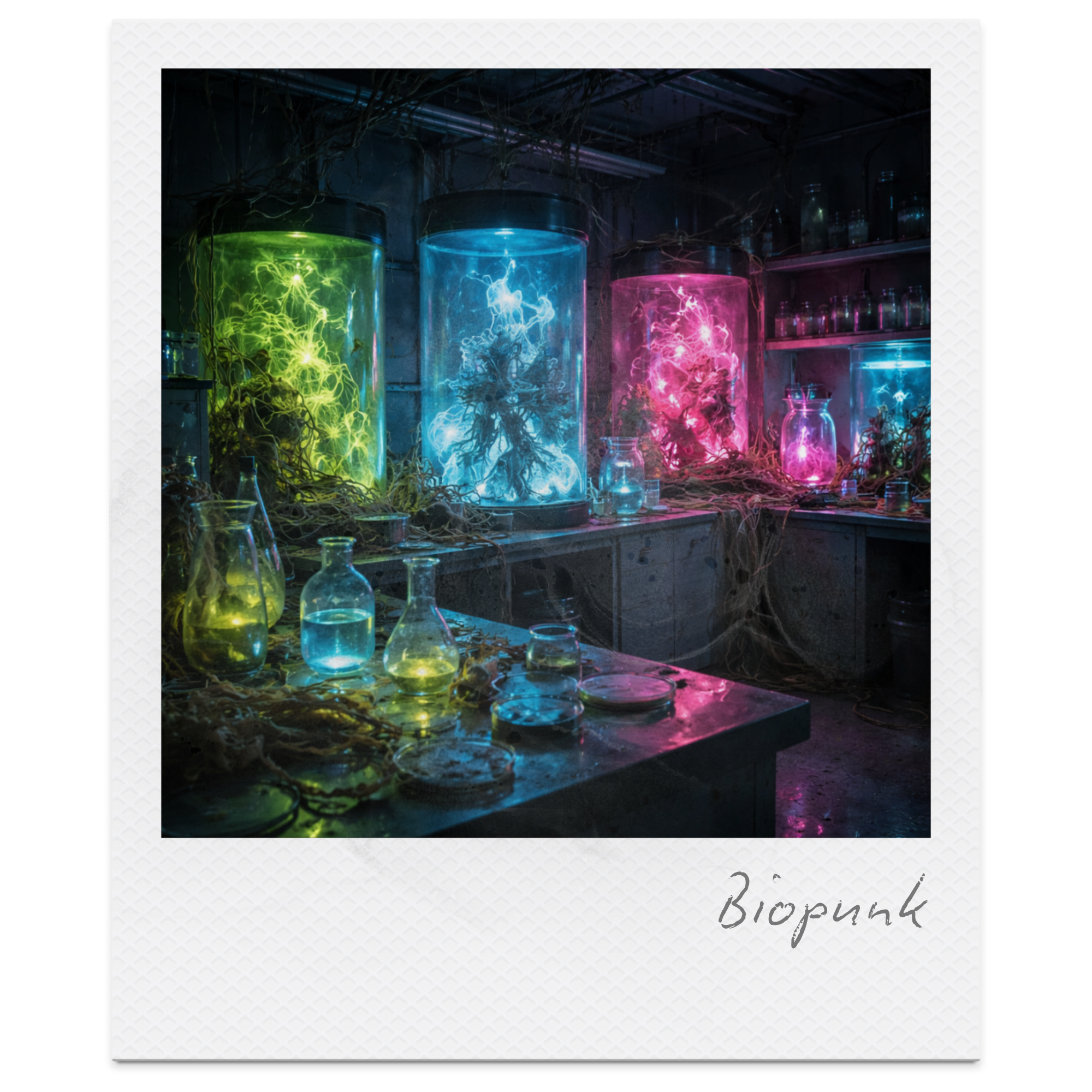
70 Biopunk Writing Prompts: Story Starters, Characters, Settings & Visual Ideas
Biopunk fiction explores futures shaped by biology rather than machines. These stories focus on genetic engineering, biohacking, medical experimentation, and the ethics of altering life itself — often in worlds that feel uncomfortably close to our own. This collection of 70 Biopunk writing prompts invites students to explore identity, consent, power, and progress through imaginative but grounded storytelling. With a focus on science, ethics, and human consequence, Biopunk offers rich opportunities for creative writing, discussion, and cross-curricular learning.
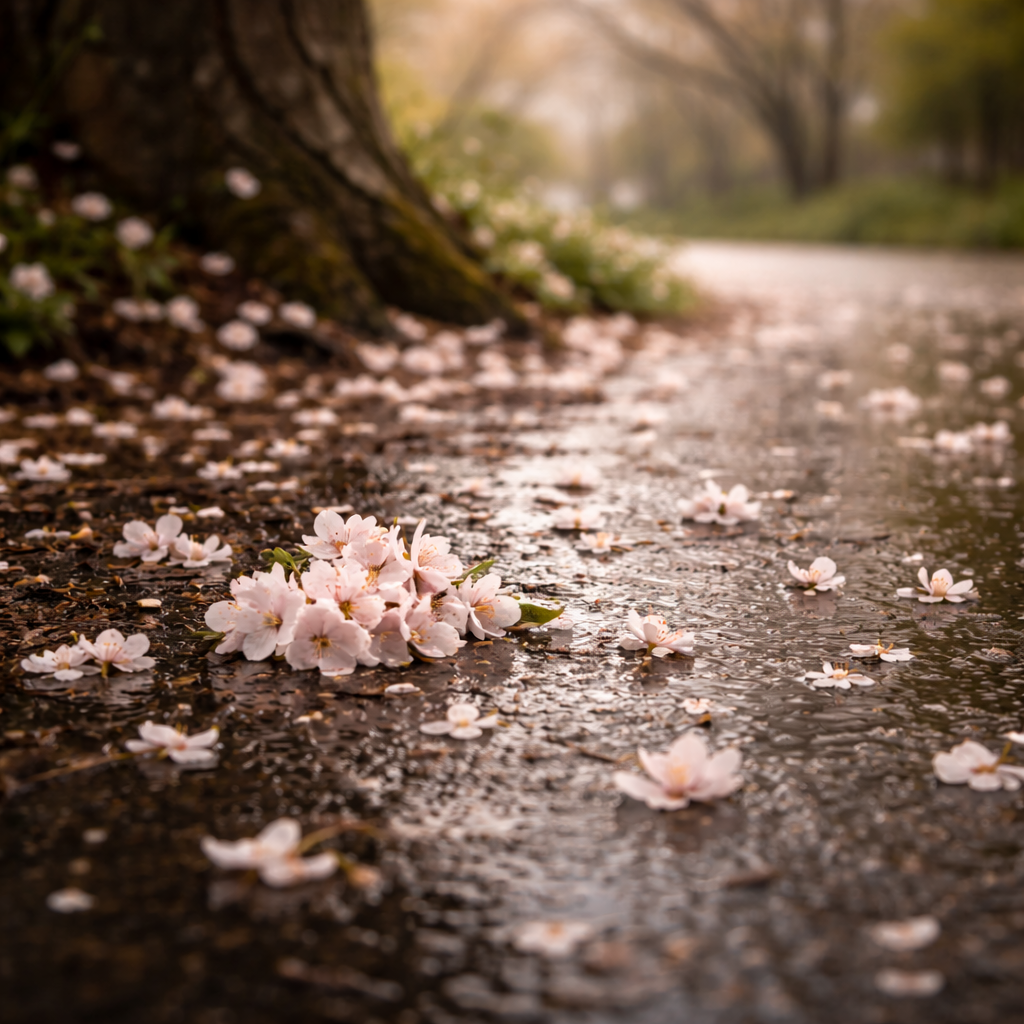
70 April Writing Prompts for Teens: Seasonal Story Starters, Characters, Settings & Visual Ideas
April is a month of transition. The light begins to change, routines start to shift, and there’s a sense of waiting — for answers, for outcomes, for what comes next. It’s a time when pressure and possibility exist side by side. This collection of 70 April writing prompts for teens invites students to explore uncertainty, anticipation, and emotional movement through character, setting, and mood. Designed for English classrooms, these prompts work across genres and abilities, making them ideal for reflective writing, creative units, and seasonal lessons throughout April.
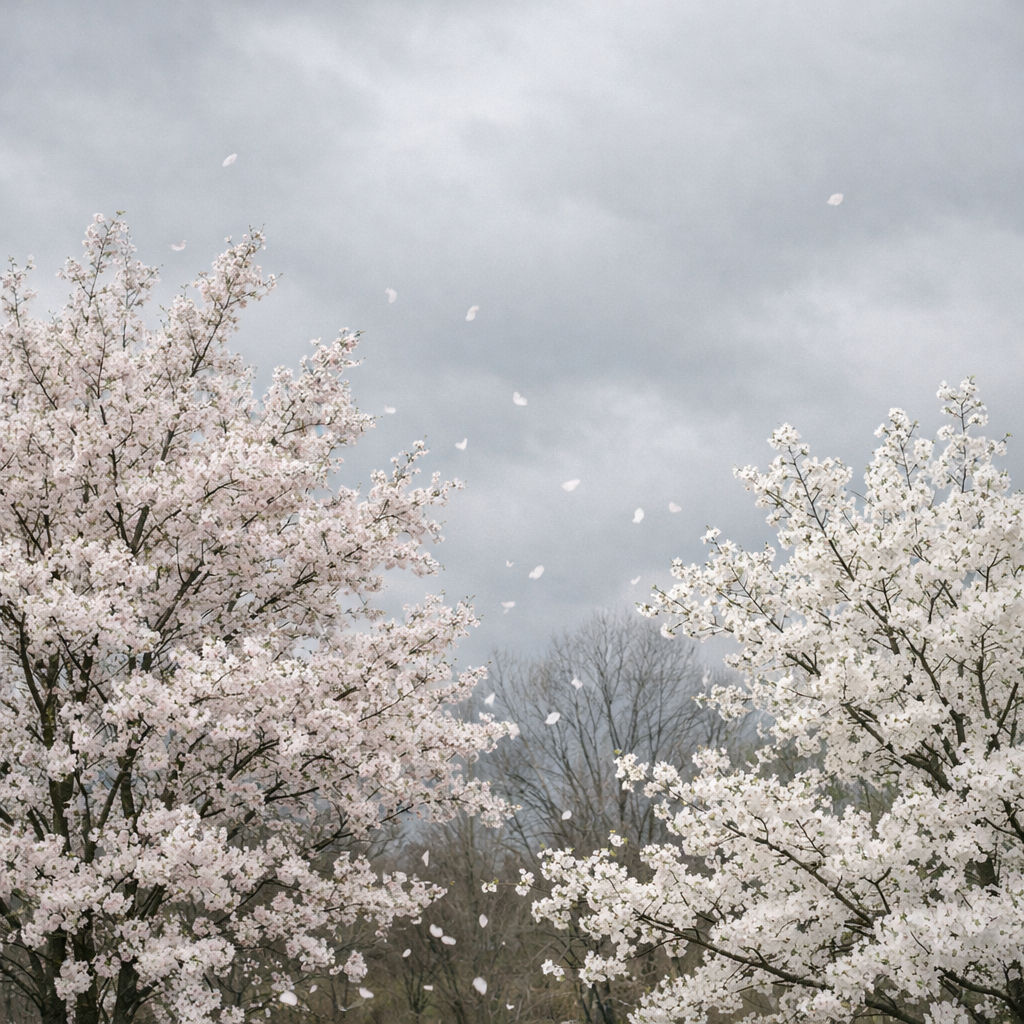
70 Spring Writing Prompts for Teens: Story Starters, Characters, Settings & Visual Ideas
Spring writing invites stories of change, return, and new beginnings — but not all renewal is simple or easy. The season brings shifting light, reopened spaces, and moments where something old gives way to something new. This collection of 70 spring writing prompts for teens encourages students to explore growth, uncertainty, and quiet transformation through character, setting, and mood. With flexible, classroom-ready ideas, these prompts work across genres and abilities, making them ideal for seasonal lessons and reflective writing.

How to Teach The Crucible: Context, Chaos, and Classroom Activities That Actually Work
Teaching The Crucible works best when you keep context manageable, lean into fear and reputation, and give students structured ways to talk before they write. In this post I’m sharing practical classroom strategies, discussion ideas, revision activities, and two resource bundles — plus a free set of Act 1 discussion cards to get you started.
The Resurrection Collection: Writing Into the Dark History of Body Snatching
Edinburgh, 1828. Anatomy lectures are full. Graves are not staying closed. As medical knowledge advances, a quiet trade emerges in the shadows of churchyards and lecture rooms. Bodies are exhumed, sold, recorded, and forgotten — while institutions continue as normal. The Resurrection Collection is a document-led creative writing experience inspired by the real history of body snatching, anatomy, and institutional silence. Through fragmented records, personal writings, ledgers, adverts, and modern historical commentary, writers and students are invited to investigate what happened — and what was deliberately left unrecorded. This isn’t a single story or a guided prompt. It’s an archive. The documents don’t agree, some voices are missing, and the truth depends on what you choose to trust. Every reader uncovers a different version of events — shaped by inference, interpretation, and the uncomfortable spaces between evidence.
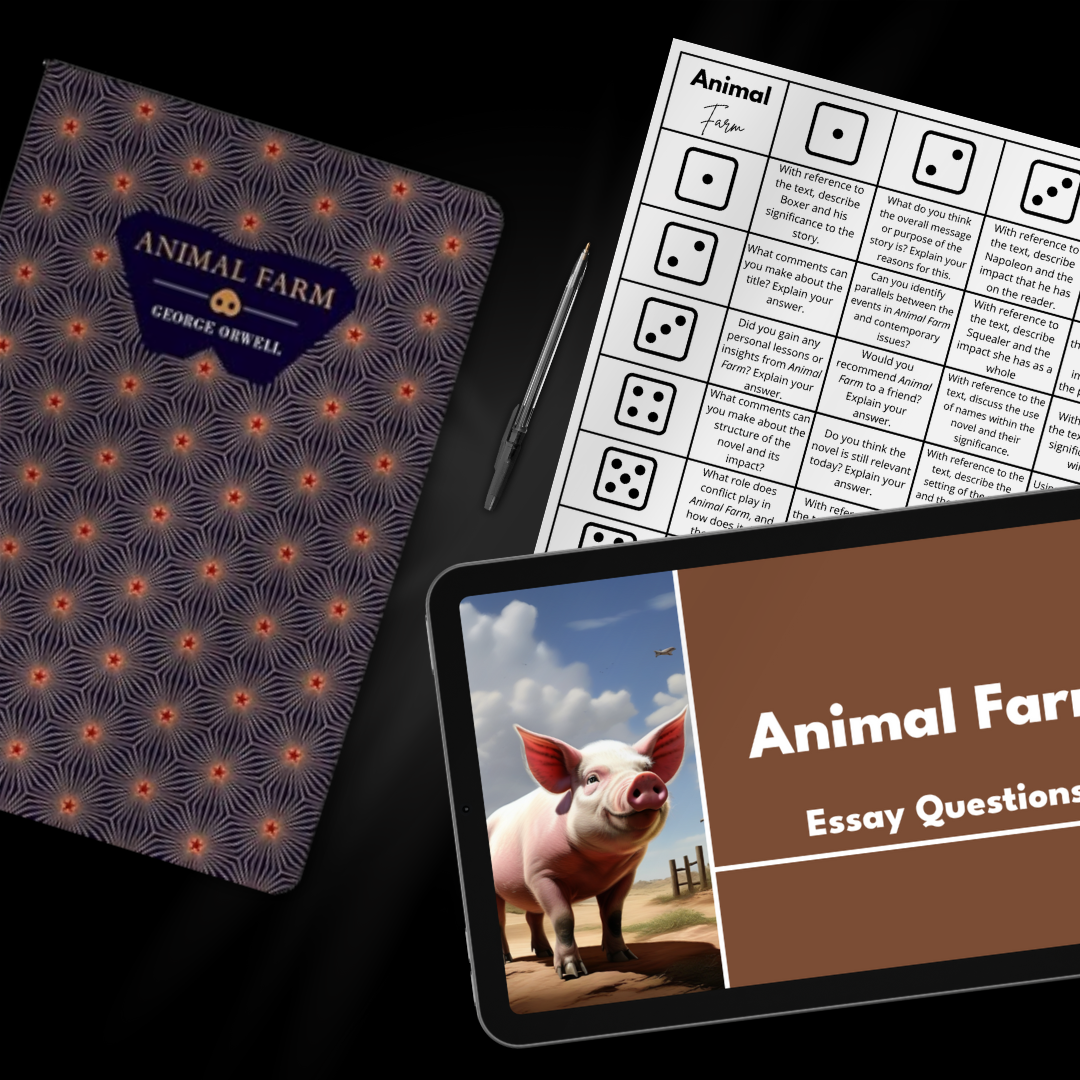
How to Teach Animal Farm: Practical Strategies, Discussion Ideas, and Activities That Actually Work
Teaching Animal Farm works best when you slow students down and focus on how Orwell builds power through language, propaganda, and responsibility. In this post, I break down how to teach it without drowning students in context, share activities that actually work in the classroom, and include a free set of Chapter 1 creative writing prompts you can use straight away.

The Distance Fragments: A Free Poetry Writing Experience for Blackout & Erasure Poetry
The Distance Fragments is a free poetry writing experience designed for slower, more reflective writing. Built around blackout poetry, erasure, images, and fragment-led prompts, the collection invites writers to work through removal rather than expansion — noticing what remains once language is pared back. This resource acts as a taster for a new series of fragment-led poetry prompt collections, offering open-ended materials that can be used independently, combined, or revisited over time. Ideal for writers, teachers, and classrooms exploring blackout poetry or contemplative creative writing, The Distance Fragments prioritises space, restraint, and return over speed or completion.

My Favourite Texts to Teach in March (Novels, Plays, Short Stories & Poems)
March is a turning point in the school year. Students are no longer settling in, but they’re not quite finished either — and that shift matters. This is the moment when texts about voice, power, and resistance begin to land differently. From novels and plays to short stories and poems, these are the texts I return to every March because they meet students exactly where they are: questioning, restless, and ready to think more deeply.
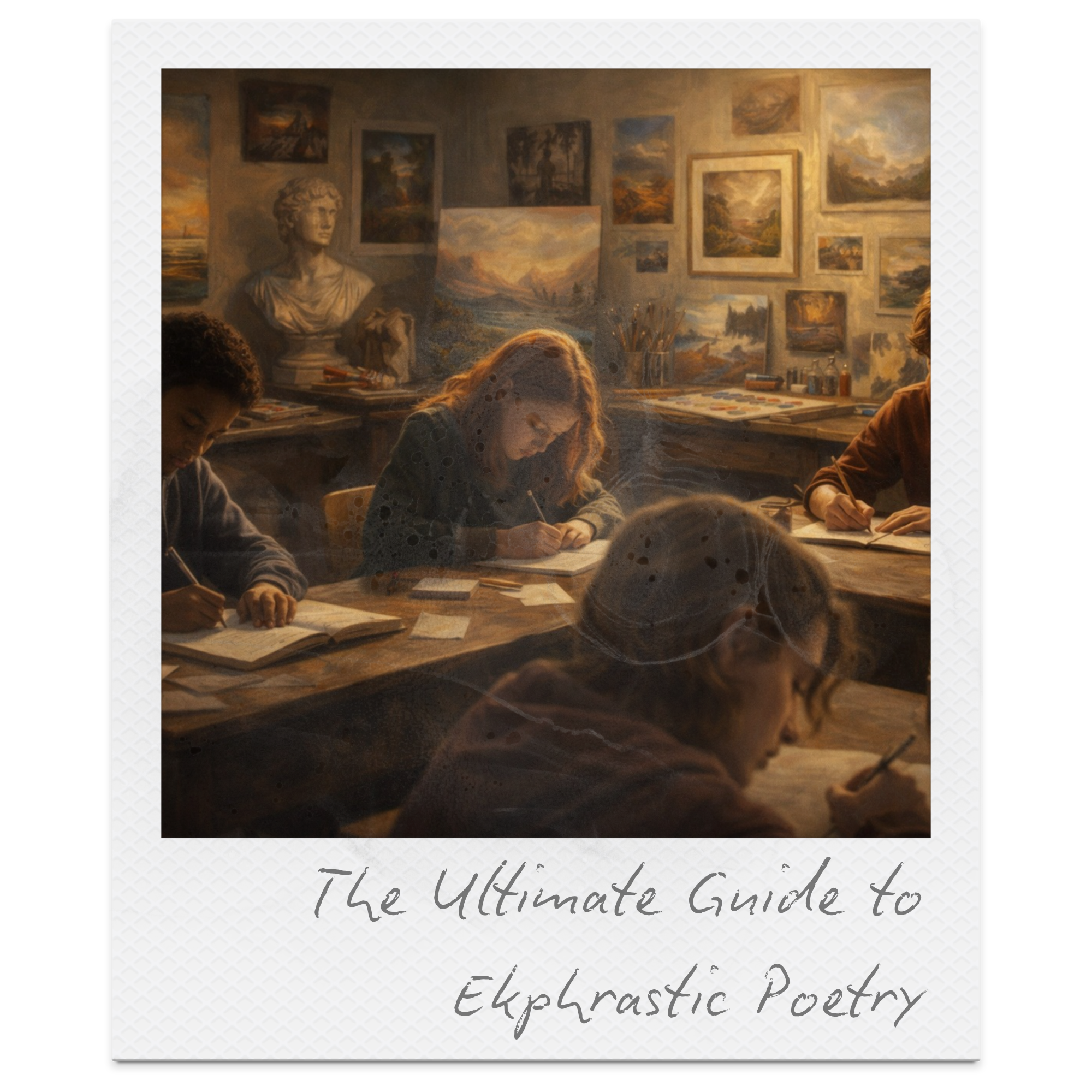
The Ultimate Guide to Ekphrasis (for Secondary Classrooms)
Bring art and writing together with this in-depth guide to ekphrasis — from Homer to high school. Includes examples of famous and classroom-ready poems, student-friendly activities for poetry and prose, and creative ideas for cross-curricular work with Art. Bookmarkable and ready to use.
20 Best Texts to Teach in January: Fresh Starts, New Beginnings, and Smart Classroom Momentum
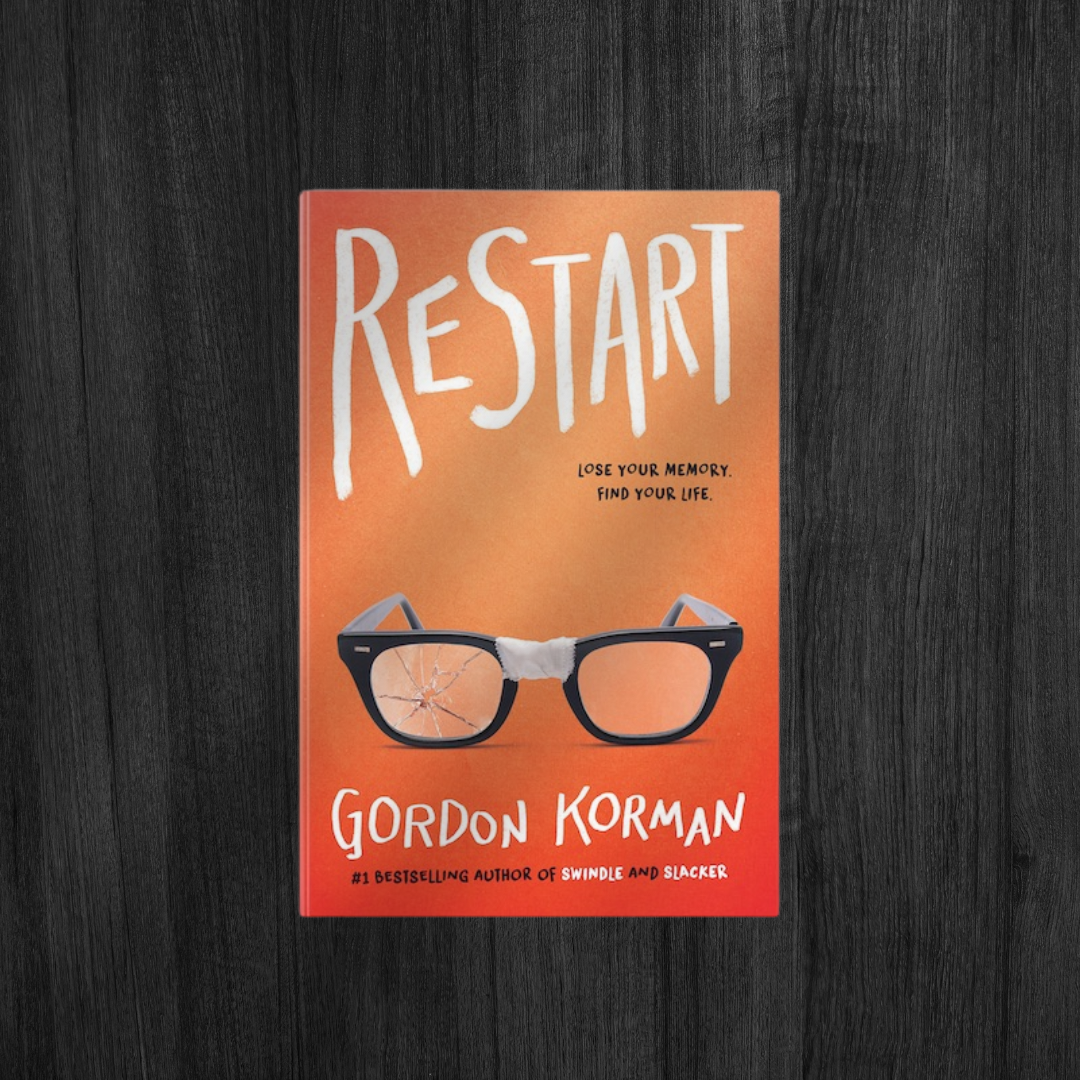
January is one of the most important — and underestimated — teaching months of the year. After the break, students don’t need noise or novelty; they need texts that rebuild focus, invite reflection, and spark meaningful discussion. This curated list of 20 novels, short stories, poems, films, and podcasts offers flexible, high-impact texts that work across ages and formats, helping you reset classroom momentum without overloading your planning.

12 Engaging Podcasts to Hook Teens and Deepen Classroom Analysis
Podcasts aren’t just background noise or Friday-afternoon filler. Used intentionally, they become rich texts for analysis, offering students access to real voices and real perspectives. From true crime to poetry to investigative journalism, podcasts allow students to explore ideas, examine viewpoint, and analyse how meaning is constructed through sound, structure, and tone. Here are twelve powerful podcast recommendations to transform listening into real learning.

The Best Netflix Shows and Films to Use in the Secondary Classroom
Streaming doesn’t have to mean “switching off.” Netflix is packed with series and films that open up rich discussions in the secondary English classroom — from dystopian cautionary tales like Black Mirror to tender coming-of-age stories like Heartstopper. Used thoughtfully, these titles can spark debate, connect literature to students’ lives, and bring themes like identity, grief, and power into focus. This guide rounds up some of the best options, with classroom pairings, creative activities, and cross-curricular links to help you use screen time as a powerful teaching tool.

The Back-to-School Writing Task That Helps Me Understand Every Student
One simple writing task. That’s all it takes to start building real relationships with your students. Here’s the first-week activity I always use to understand who’s in front of me, and why it works year after year.

How to Teach English Language Skills Using Literature Texts (Free Prompts Included)
Combine language and literature in a meaningful way with chapter-by-chapter creative writing prompts. This post explores how you can build writing skills while deepening students’ understanding of the texts you teach - plus, you’ll find lots of free resources to download and try right away.

Velvet Shadows and Candlelight: Why Darkness Belongs in the Classroom
Why are teens drawn to dystopias, gothic settings, and grief-soaked poetry? The answer might be simpler than you think. In this post, we explore how darker stories offer emotional depth, powerful writing opportunities, and space for healing inside the classroom.

10 Big Themes to Teach in Literature (That Students Actually Care About)
Tired of trying to make students care about literature? Start with themes that actually mean something to them. These ten big ideas - from identity and injustice to grief and resilience - are the ones students really connect with. Plus, I’ve included text suggestions and creative ways to teach each one.