20 Best Texts to Teach in January: Fresh Starts, New Beginnings, and Smart Classroom Momentum
January is one of the most important reading months of the school year.
Students return from winter break with disrupted routines, uneven motivation, and the vague sense that something should feel new — even if the weather and workload say otherwise. The best January classroom texts help you rebuild focus without overwhelming students: they’re flexible, discussion-rich, and thematically linked to fresh starts, identity, reflection, change, or quiet resilience.
Whether you teach middle school or high school, these January texts work well as short units, anchor reads, or standalone lessons. From novels and short stories to poems, graphic novels, podcasts, and films, each selection below offers meaningful discussion without requiring a full-term commitment.
Each entry includes classroom ideas, suggested age range, and a clear reason to bring it into the room.
Please note: this post contains affiliate links. As an Amazon Associate, I earn from qualifying purchases.
What you’ll find in this list
◆ Short stories for quick January lessons
◆ High-interest novels focused on identity and change
◆ Poems ideal for reflection and discussion
◆ Podcasts and films for low-prep, high-impact lessons
◆ Texts suitable for both middle school and high school classrooms
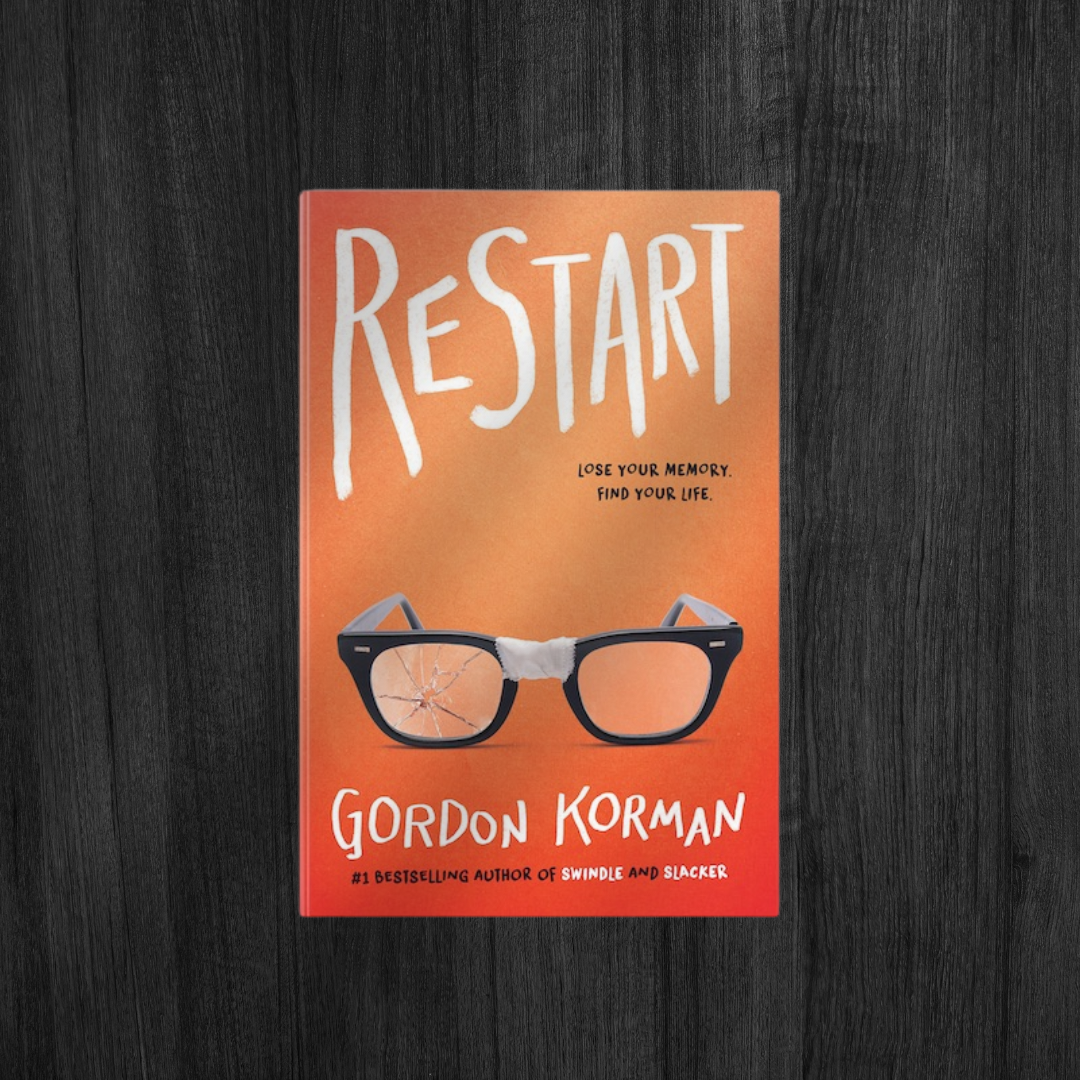
1. Restart — Gordon Korman (Novel | Ages 10–13)
A former bully wakes up with amnesia and no memory of the person everyone else knows him to be. What follows isn’t a neat redemption arc, but a genuinely compelling moral problem: if you don’t remember your past actions, are you still responsible for them?
The story moves quickly, but the emotional weight builds steadily as the protagonist is forced to confront a reputation he doesn’t recognise — and decide who he wants to be now.
Why teach it:
This is an excellent January reset novel. Students immediately engage with questions of identity, reputation, accountability, and whether change is meaningful if guilt isn’t remembered. The premise feels fresh and relevant, especially in school settings where labels and first impressions stick.
Classroom use:
◆ Track how other characters shape the protagonist’s identity before he can define himself
◆ Debate whether responsibility depends on memory or action
◆ Narrative writing task: waking up to a version of yourself you don’t recognise
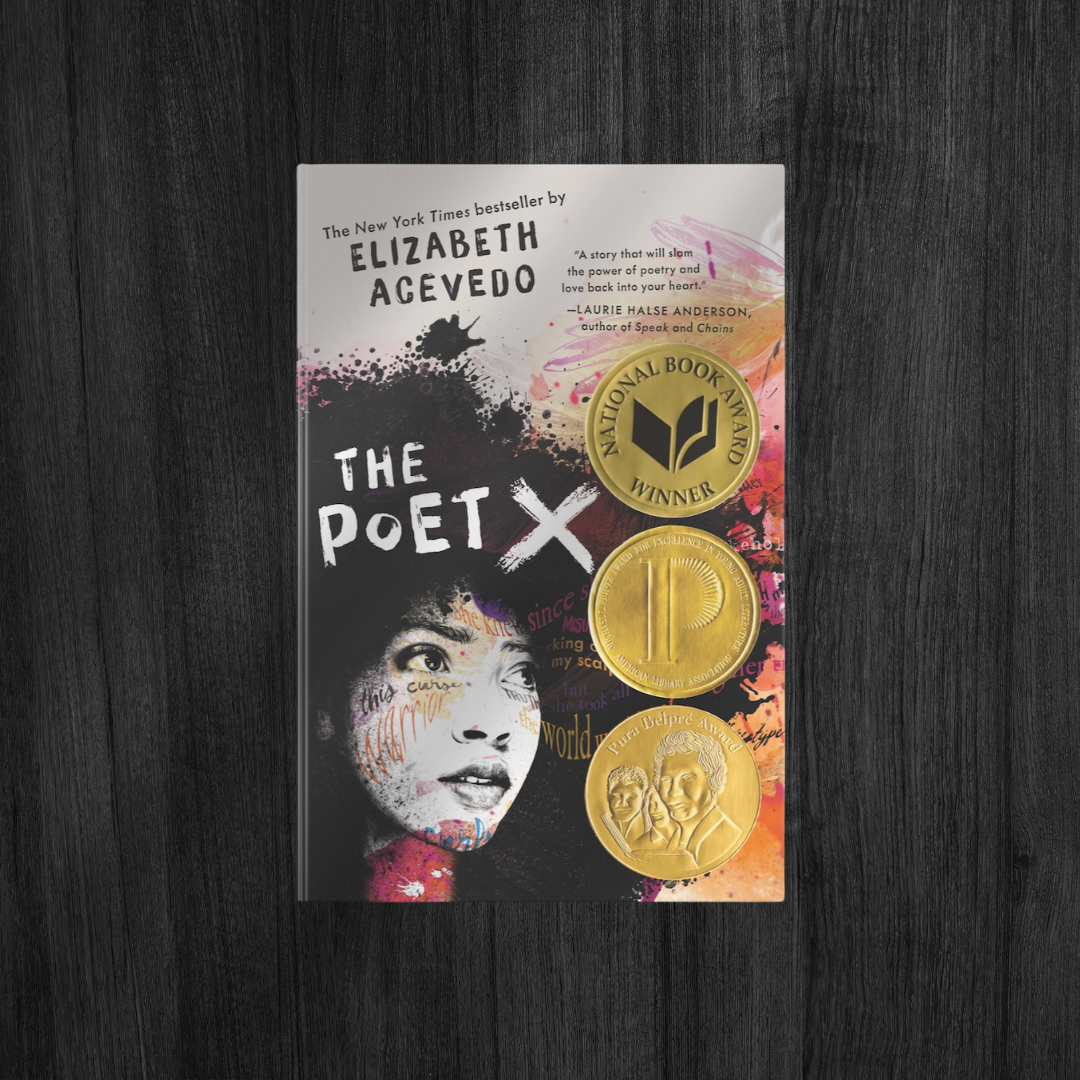
2. The Poet X — Elizabeth Acevedo (Novel-in-verse | Ages 12–18)
Xiomara finds her voice through slam poetry as she navigates family pressure, religious expectation, body image, and the tension between silence and self-expression. Written in verse, the novel mirrors Xiomara’s internal world — fragmented, urgent, and increasingly confident.
As her poems evolve, so does her sense of agency, making this a powerful text about claiming space and learning to speak honestly.
Why teach it:
This is an excellent January text because it centres voice — who gets heard, who is silenced, and what it costs to tell the truth. Students quickly connect to Xiomara’s struggle to articulate herself in environments that prioritise obedience over expression.
Classroom use:
◆ Analyse how line breaks, white space, and repetition shape meaning
◆ Use as a mentor text for confessional or reflective verse writing
◆ Pair with spoken-word performances to explore tone, pace, and delivery
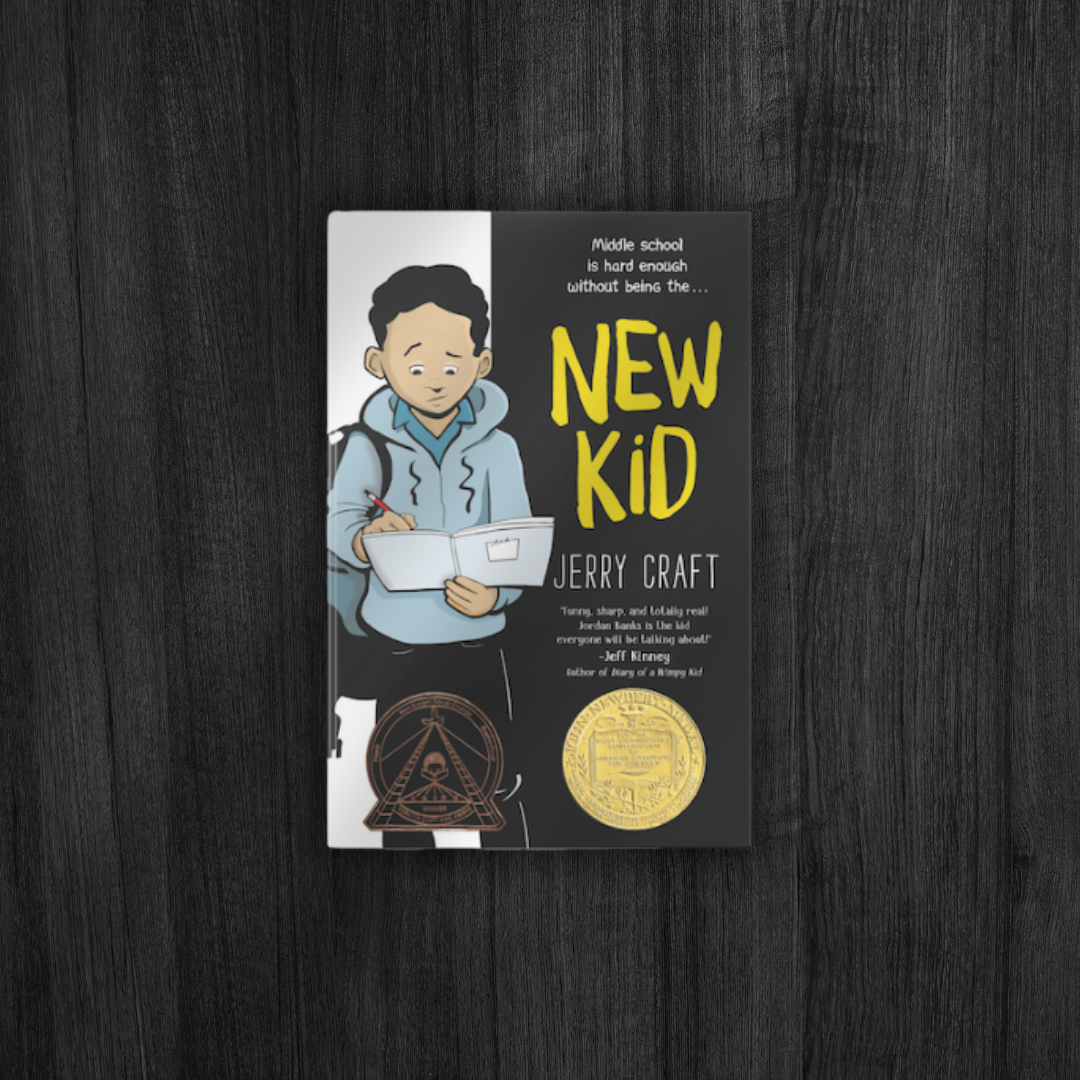
3. New Kid — Jerry Craft (Graphic novel | Ages 10–13)
Jordan starts at a prestigious, mostly white private school and quickly realises that fitting in often means shrinking parts of himself. As he navigates new social rules, subtle bias, and the pressure to perform a version of identity others are comfortable with, Jordan is forced to decide how much of himself he’s willing to edit.
The graphic novel format makes these tensions immediately visible, allowing students to see discomfort, exclusion, and belonging play out on the page.
Why teach it:
This is an excellent January text for conversations about school culture, identity, and belonging. It handles microaggressions and social pressure with humour and precision, making complex ideas accessible without minimising their impact.
Classroom use:
◆ Visual literacy analysis: how facial expression, framing, and colour convey emotion
◆ Compare Jordan’s internal identity with how he is perceived by others
◆ Creative task: a one-page graphic memoir about starting somewhere new
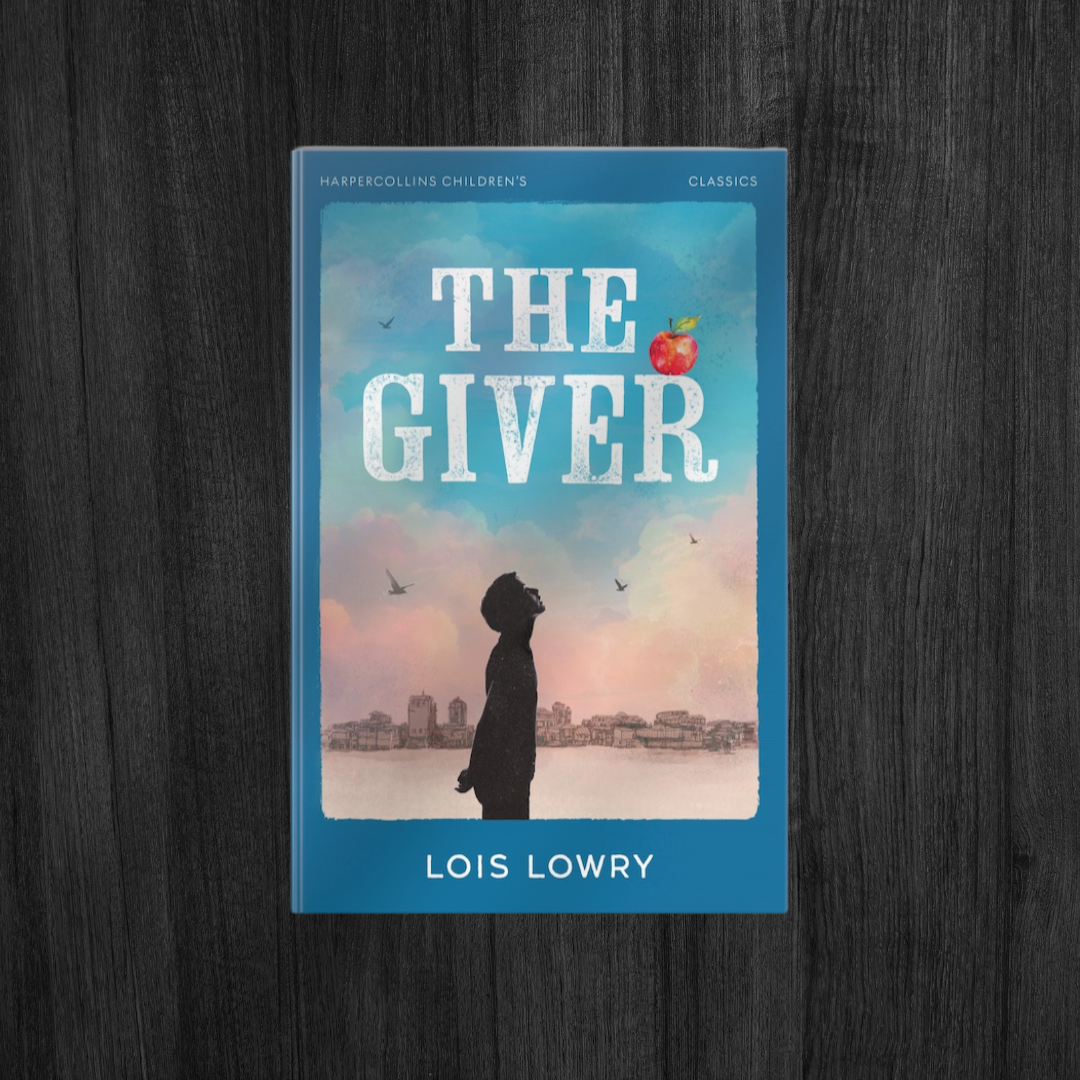
4. The Giver — Lois Lowry (Novel | Ages 12–16)
Jonas begins to see the true cost of a society built on control, emotional suppression, and enforced sameness when he is selected as the Receiver of Memory. As he gains access to colour, pain, love, and loss, the world he once accepted as “safe” becomes increasingly disturbing.
The novel’s quiet, controlled tone mirrors the society it critiques, making Jonas’s awakening feel gradual, unsettling, and inevitable.
Why teach it:
January is an ideal time to interrogate rules, routines, and what we accept as “normal.” Students are already re-entering systems of structure and expectation, which makes the novel’s questions about conformity, obedience, and choice feel immediately relevant.
Classroom use:
◆ Track key symbols such as colour, memory, naming, and release
◆ Debate whether safety and stability justify the loss of freedom and emotion
◆ Creative task: design a rulebook for a “perfect” society, then test its consequences
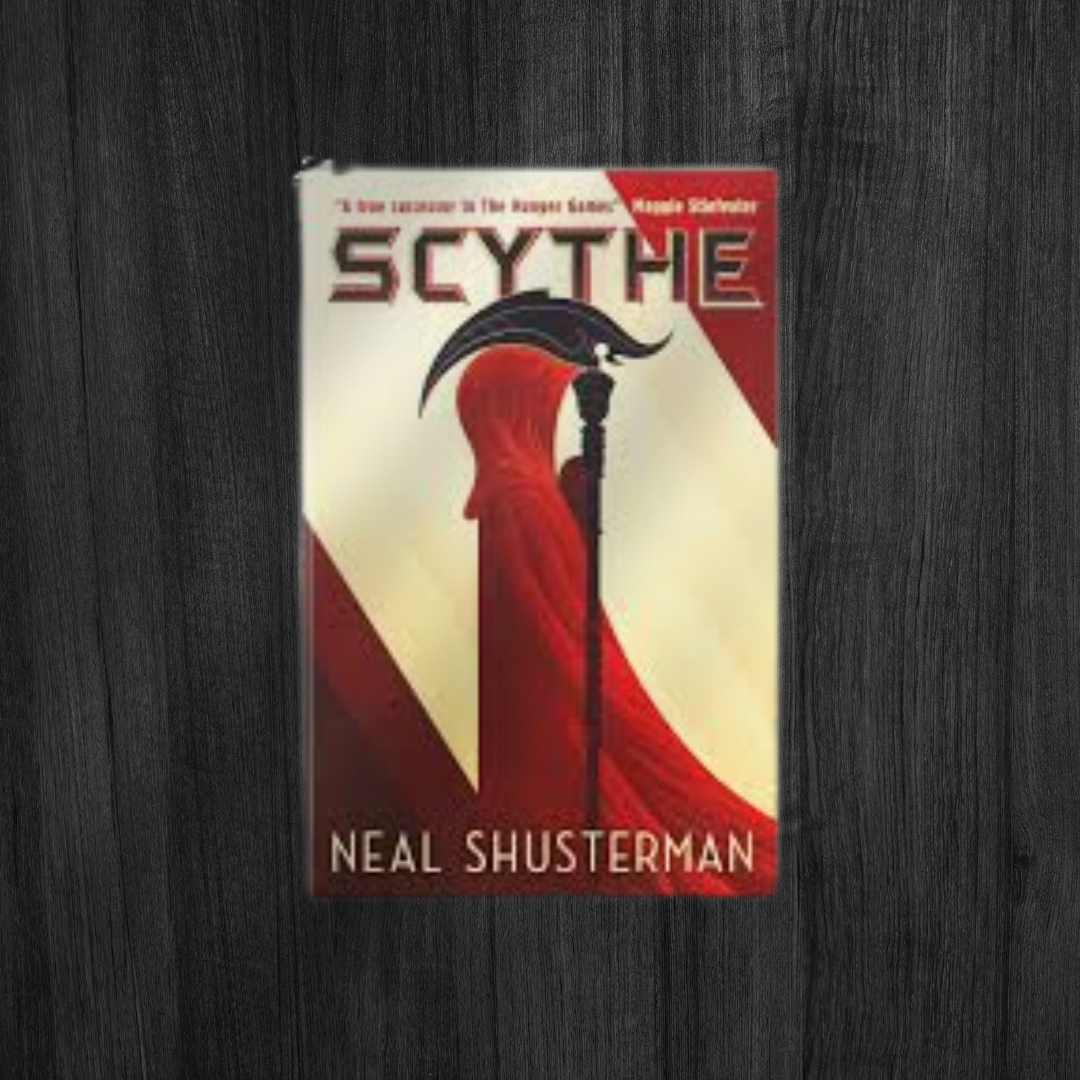
5. Scythe — Neal Shusterman (Novel | Ages 13–18)
Two teens are chosen to train as Scythes — the only people permitted to kill in a world where humanity has eliminated disease, war, and natural death. As their training progresses, they are forced to confront not only how to kill, but why, when, and who gets to decide.
Beneath its fast-paced dystopian premise, the novel is a sustained examination of power, morality, and responsibility in systems that claim to act “for the greater good.”
Why teach it:
This is an excellent January text for students ready to wrestle with ethical responsibility. The novel invites serious discussion about authority, justice, corruption, and moral compromise — making it ideal for older students returning from break with renewed capacity for debate and abstract thinking.
Classroom use:
◆ Apply ethical frameworks (utilitarianism, duty-based ethics) to Scythe decisions
◆ Write a Scythe apprentice code of conduct, justifying each rule
◆ Debate whether “necessary violence” can ever be morally justified
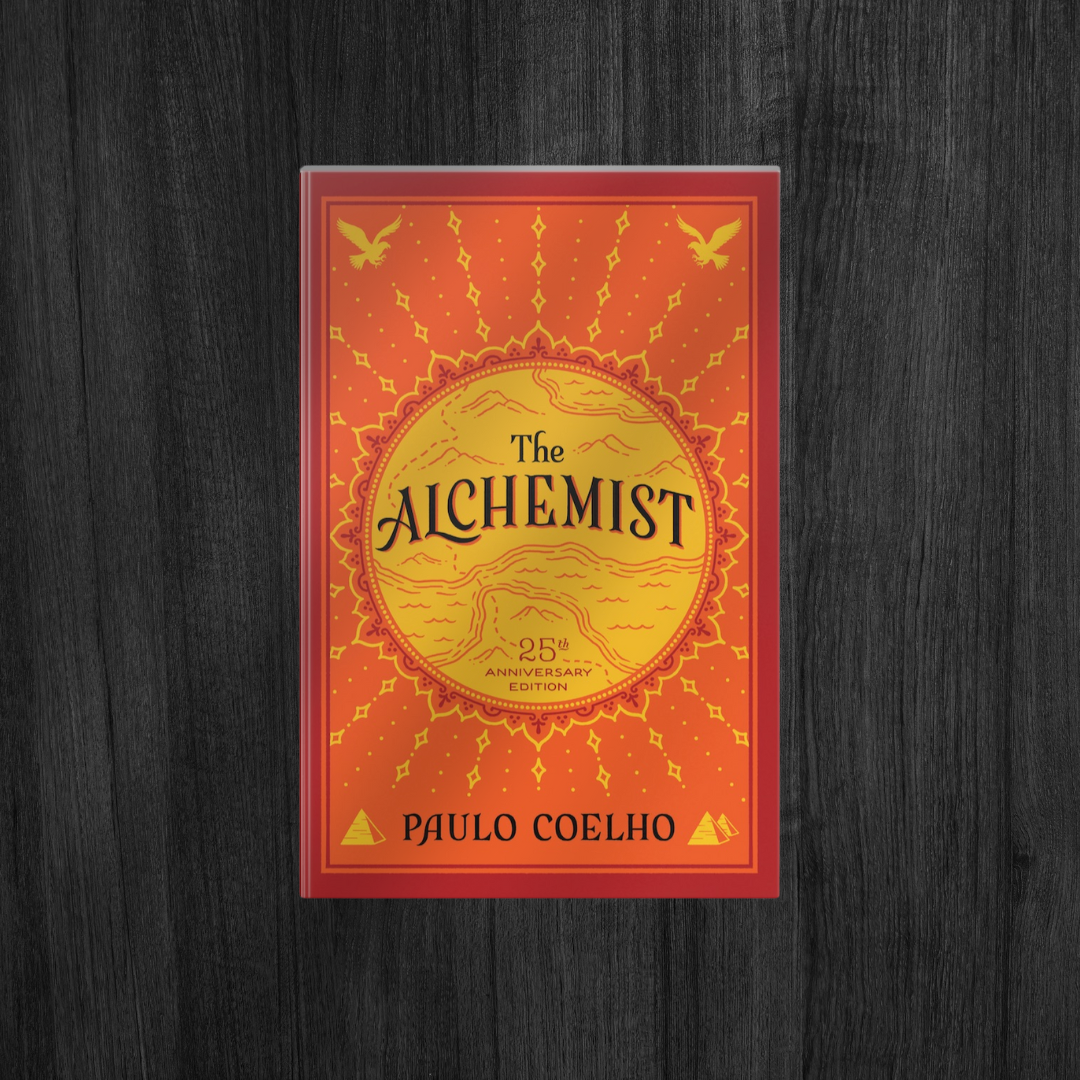
6. The Alchemist — Paulo Coelho (Novel | Ages 13–18)
A young shepherd follows a recurring dream across the desert, learning that purpose is shaped by risk, persistence, faith, and interpretation. As Santiago encounters mentors, setbacks, and moments of doubt, the journey itself becomes a test of belief rather than a straight path to success.
The novel’s spare style and allegorical structure invite reflection without overwhelming students with plot complexity.
Why teach it:
This works particularly well in January because it’s reflective without being preachy. It opens thoughtful conversations about ambition, choice, and resilience, making it ideal for goal-setting and self-reflection that doesn’t feel forced or artificial.
Classroom use:
◆ Track how shifts in setting mirror internal change
◆ Analyse aphorisms and Coelho’s deliberate simplicity of style
◆ Personal writing task: defining a “Personal Legend” and the obstacles that challenge it
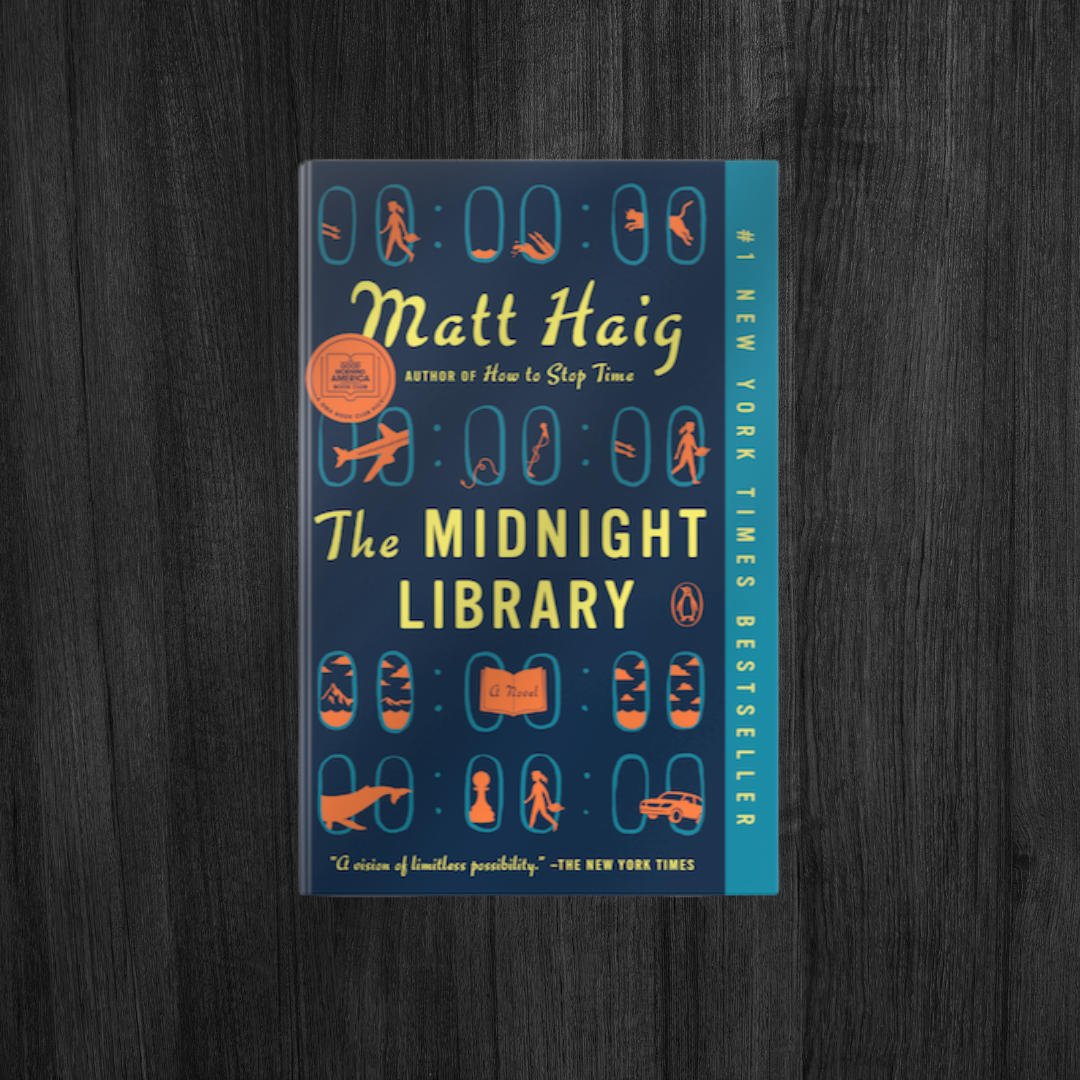
7. The Midnight Library — Matt Haig (Novel | Ages 15–18)
A woman explores alternate versions of her life through a library that exists between life and death, where each book represents a different path she could have taken. As she moves between these imagined lives, the novel questions the idea that there is a single “right” choice or a perfect version of the self.
The speculative framework allows big philosophical questions to be explored through accessible, episodic storytelling.
Why teach it:
This is a strong January text for older students because it opens thoughtful conversations about regret, choice, and the illusion of the “perfect” path. It encourages reflection without demanding personal disclosure, which makes it particularly effective at the start of a new term.
Classroom use:
◆ Structural analysis: how episodic chapters build an overall argument
◆ Creative writing task: a Midnight Library chapter exploring an alternate life
◆ Discussion: Where does responsibility end and circumstance begin?
8. The House on Mango Street — Sandra Cisneros (Vignette novel | Ages 12–18)
Esperanza tells her story through short, lyrical snapshots that accumulate into a powerful exploration of identity, belonging, gender, and aspiration. Each vignette stands alone, yet together they trace a young person learning how place, language, and expectation shape who she is — and who she hopes to become.
The fragmented structure mirrors Esperanza’s shifting sense of self, making the form as meaningful as the content.
Why teach it:
Vignettes make January teaching flexible and accessible. This text allows you to rebuild reading stamina and analytical habits one small piece at a time, while still engaging students in rich conversations about voice, identity, and growing up.
Classroom use:
◆ Close reading one vignette per lesson to establish routine and confidence
◆ Style study: metaphor, repetition, and purposeful fragmentation
◆ Student writing task: “My Street” vignettes exploring place and identity
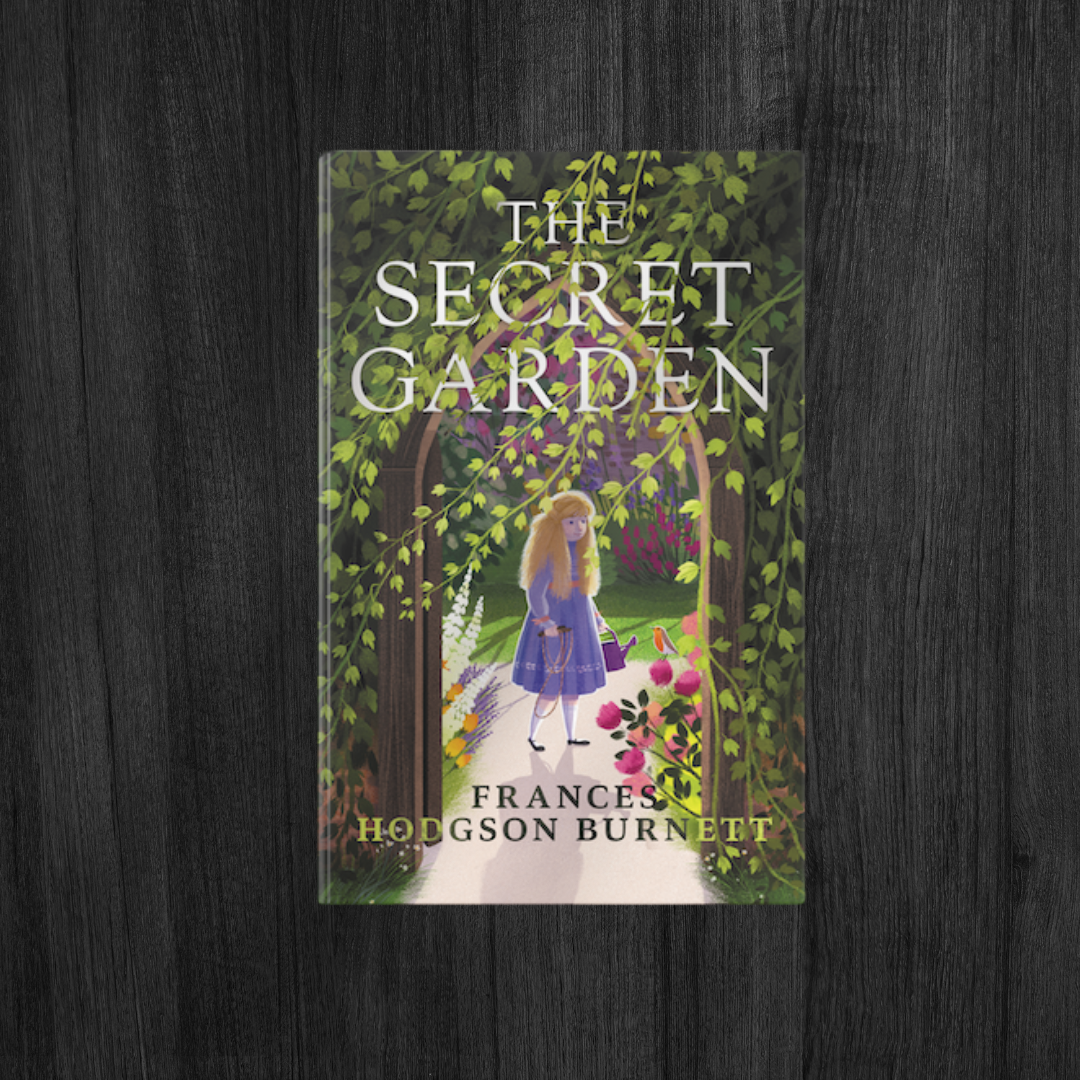
9. The Secret Garden — Frances Hodgson Burnett (Novel | Ages 10–14)
A neglected, grieving child discovers a locked garden and slowly brings it back to life — and in doing so, begins to heal herself and those around her. As the seasons change, so do the characters, with growth emerging through routine, care, and connection rather than sudden transformation.
The novel uses the natural world as a mirror for emotional recovery, making rebirth feel earned, gradual, and deeply symbolic.
Why teach it:
This is a literal and symbolic rebirth story, making it ideal for January discussions about healing, change, and emotional renewal. It invites students to consider how environment, routine, and human connection can reshape identity and wellbeing.
Classroom use:
◆ Symbol analysis: the garden as psyche, grief, and renewal
◆ Track character development across the changing seasons
◆ Creative writing task: a short piece written from the garden’s perspective
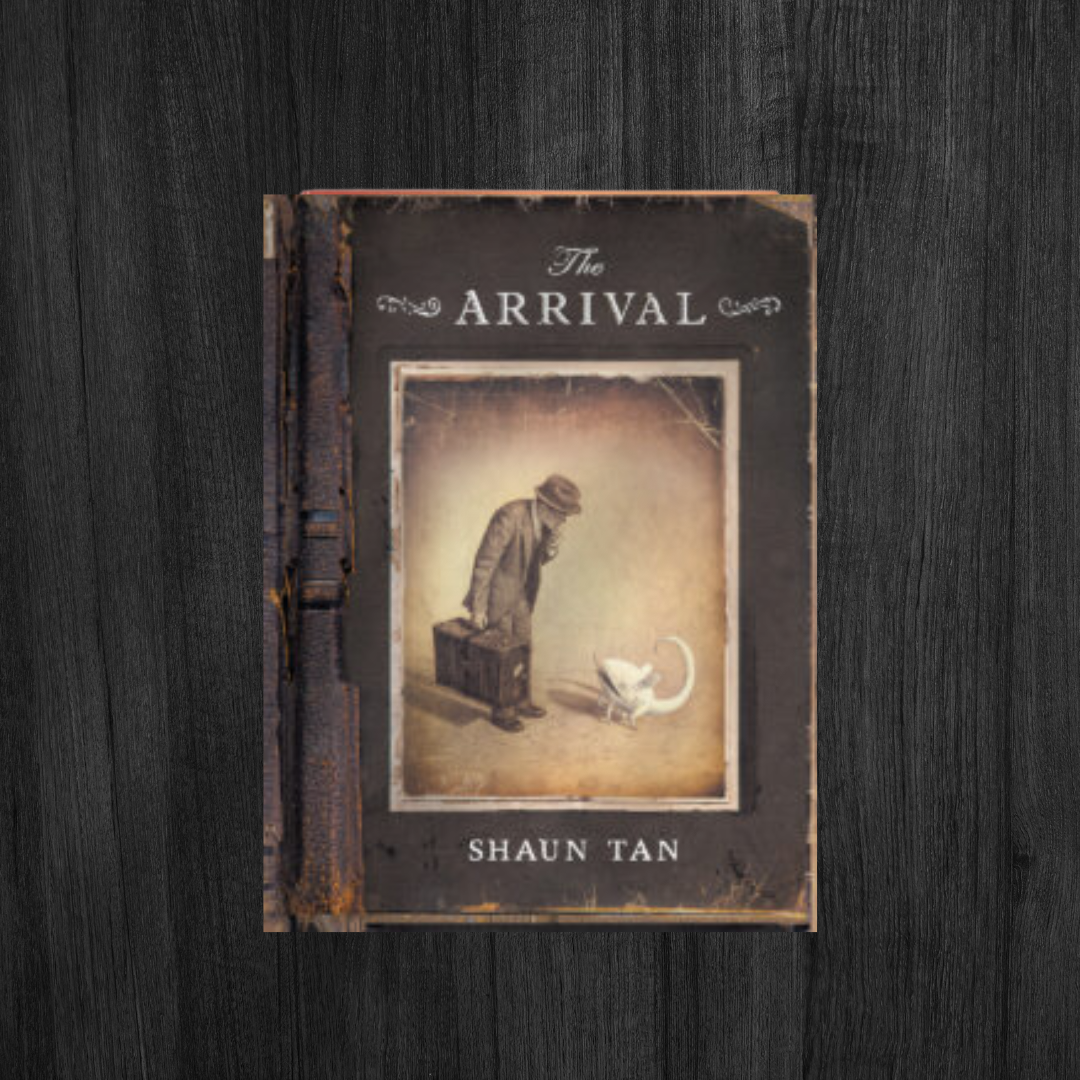
10. The Arrival — Shaun Tan (Wordless graphic novel | Ages 10–16)
An immigrant navigates a strange, unfamiliar world, told entirely through images. With no written language to guide the reader, meaning must be constructed through visual clues, symbolism, and inference — mirroring the experience of displacement itself.
The surreal, otherworldly setting allows students to engage emotionally with themes of migration, belonging, and adaptation without the barrier of complex vocabulary.
Why teach it:
This is an excellent January text for skill-building. It strengthens inference, visual literacy, and narrative understanding while lowering cognitive load — making it ideal for rebuilding confidence after the break.
Classroom use:
◆ “Narrate the panels” writing to develop voice and sequencing
◆ Compare visual storytelling with traditional prose narratives
◆ Discuss displacement, belonging, and adaptation across cultures
11. A Retrieved Reformation — O. Henry (Short story | Ages 13–18)
A former criminal is released from prison and attempts to build an honest new life under a different name — until his past resurfaces and forces a final, irreversible choice. The story moves quickly, but its moral weight lingers well beyond the final line.
O. Henry’s controlled pacing and restrained narration make the ending especially effective, leaving readers to wrestle with what redemption really means.
Why teach it:
This is a tightly constructed redemption narrative with a genuinely debate-ready ending. It works particularly well in January, when students are already thinking about second chances, self-reinvention, and whether people can truly change.
Classroom use:
◆ Track how tension is built through pacing and withheld information
◆ Debate whether change is conditional or proven through action
◆ Creative writing task: write an alternative ending and justify its moral logic
12. Thank You, Ma’am — Langston Hughes (Short story | Ages 12–18)
A brief late-night encounter becomes a turning point for a boy caught between desperation and dignity. Instead of punishment, he is met with unexpected kindness — and a quiet lesson in trust, respect, and self-worth.
The story’s simplicity is deceptive; its emotional impact comes from what is withheld as much as what is said.
Why teach it:
Short, powerful, and emotionally accessible, this is an ideal text for the first week back in January. It invites meaningful discussion without overwhelming students and sets a thoughtful tone for conversations about choice and consequence.
Classroom use:
◆ Character analysis: authority without cruelty and discipline without humiliation
◆ Narrative continuation: what happens after the final line?
◆ Theme discussion: compassion versus consequence — are they opposites?
13. Dead Men’s Path — Chinua Achebe (Short story | Ages 14–18)
A new, ambitious headmaster arrives at a rural school determined to impose modern values and efficiency — but his refusal to respect local tradition leads to conflict, loss, and irreversible consequences. Achebe presents progress not as inherently wrong, but as dangerous when enforced without understanding or humility.
The story’s restrained narration allows the outcome to feel inevitable rather than melodramatic, sharpening its moral impact.
Why teach it:
This is an excellent January text for discussions about leadership, arrogance, and cultural respect. As students return to systems of authority and structure, the story prompts reflection on power, responsibility, and the cost of dismissing other worldviews.
Classroom use:
◆ Debate: progress versus tradition — is compromise possible?
◆ Tone analysis: how Achebe’s control shapes reader judgement
◆ Reflective writing task: an apology letter from the headmaster that acknowledges real harm
14. The Last Leaf — O. Henry (Short story | Ages 12–18)
A desperate act of art restores hope to a dying young woman — but at a devastating personal cost to the artist who creates it. What appears to be a simple, sentimental story gradually reveals a layered moral question about truth, sacrifice, and compassion.
The restrained narration and symbolic focus make the emotional impact feel earned rather than melodramatic.
Why teach it:
This is a rich text for exploring symbolism, sacrifice, and the ethics of hope. It invites students to consider whether kindness justifies deception, and whether intention matters more than outcome.
Classroom use:
◆ Symbol tracking: the leaf as hope, endurance, and illusion
◆ Argument writing: was the lie justified, or was it harmful?
◆ Pair with another hope-based text to compare how optimism is constructed
15. Burning the Old Year — Naomi Shihab Nye (Poem | Ages 12–18)
A quiet, devastating poem about letting go. Using the image of a year reduced to scraps and ash, Nye captures how memory, regret, and hope coexist at moments of transition. The poem resists resolution, ending instead in uncertainty — which is precisely where its power lies.
Sparse language and vivid imagery invite readers to sit with loss rather than rush toward optimism.
Why teach it:
This poem acknowledges loss without sentimentality, making it especially effective for January reflection. It validates the idea that moving forward doesn’t require erasing what came before — a message many students quietly need.
Classroom use:
◆ Metaphor analysis: what is “flammable,” and why?
◆ Reflective writing: what to burn, what to keep
◆ Use as a mentor text for image-driven, minimalist poetry
16. New Day’s Lyric — Amanda Gorman (Poem | Ages 12–18)
A modern New Year poem that frames the start of a new year as a shared act of rebuilding. Rather than focusing on individual resolution, Gorman emphasises collective responsibility, repair, and intention — acknowledging loss while insisting on forward movement.
The poem’s musical repetition and direct address make it feel both ceremonial and accessible, well suited to reading aloud.
Why teach it:
Accessible and contemporary, this poem is ideal for community-centred reflection at the start of January. It encourages students to think beyond personal goals and consider how renewal can be collective, ethical, and ongoing.
Classroom use:
◆ Performance reading to explore pacing, emphasis, and tone
◆ Repetition and structural analysis: how refrains build momentum
◆ Creative writing task: write a “New Day” poem for your school or community
17. Ring Out, Wild Bells — Alfred, Lord Tennyson (Poem excerpt | Ages 13–18)
A classic New Year’s poem calling on the bells to ring out harm, grief, and injustice — and to ring in truth, compassion, and renewal. Though written in the nineteenth century, its urgent moral language feels strikingly contemporary, framing the new year as a moment of ethical choice rather than celebration alone.
The poem’s rhythmic repetition and sound patterning reinforce its sense of movement from loss toward hope.
Why teach it:
This poem works as a strong bridge between classic poetry and modern themes. It allows students to see how ideas of renewal, responsibility, and moral progress recur across time — and how form reinforces meaning.
Classroom use:
◆ Parallel writing task: “Ring out / ring in” statements tied to personal or societal change
◆ Sound device analysis: repetition, alliteration, and rhythm
◆ Compare with a modern renewal poem to examine shifts in tone and audience
18. StoryCorps: New Year stories (Podcast | Ages 12–18)
Real people reflect on fresh starts, turning points, and moments that quietly reshaped their lives. Each story is brief, focused, and grounded in lived experience, making narrative craft visible without the filter of fiction.
Because the stories are authentic and restrained, students tend to listen closely — not for spectacle, but for meaning.
Why teach it:
This is a low-prep, high-impact way to teach narrative structure, voice, and reflection. It works especially well in January, when students are recalibrating routines and benefit from short, human-scale stories that still carry emotional weight.
Classroom use:
◆ Identify the turning point in each story and how it’s signposted
◆ Plan a StoryCorps-style interview with a family or community member
◆ Analyse voice and pacing: what’s included, what’s left unsaid, and why
19. Hidden Brain: Fresh Starts (Podcast/audio | Ages 14–18)
This episode explores why the New Year feels so motivating — and why resolutions so often fail. Drawing on psychology and behavioural science, it examines the “fresh start effect” and the gap between intention and sustained change.
Complex ideas are presented through clear examples and storytelling, making abstract research accessible to students.
Why teach it:
This is smart, engaging nonfiction that helps students understand their own habits and motivations. In January, it provides language and evidence for conversations students are already having internally, without turning reflection into self-help.
Classroom use:
◆ Claim–evidence analysis: identifying the central argument and supporting research
◆ Writing task: a research-based “reset plan” grounded in evidence, not wishful thinking
◆ Discussion: what actually sustains change over time — and why?
20. Dead Poets Society (Film | Ages 14–18)
An unconventional English teacher urges his students to seize their lives, question assumptions, and write with urgency. Through poetry, performance, and provocation, the film explores the tension between conformity and individuality — and the power (and risk) of inspiration.
The classroom scenes in particular invite close analysis of rhetoric, authority, and the emotional impact of language.
Why teach it:
January is about momentum — and this film is momentum. It reignites curiosity, reminds students why words matter, and opens meaningful conversations about purpose, courage, and choice at the start of a new term.
Classroom use:
◆ Rhetorical analysis of key speeches and persuasive techniques
◆ Personal narrative writing: “What will your verse be?”
◆ Debate: inspiration versus responsibility — where should the line be drawn?

Teaching Texts in January: What Works (and Why)
What makes a good January classroom text?
The strongest January texts are flexible, discussion-driven, and emotionally accessible. They often explore change, identity, reflection, or second chances, and they work without heavy context or long-term commitment.
Can these texts work across different ages?
Yes. Most can be adapted easily by adjusting discussion depth, writing expectations, or paired activities. The same text can support very different conversations depending on how it’s framed.
Do I need to teach these as full units?
Not at all. Many of these texts work best as short units, anchor lessons, or standalone reads that help rebuild routine and momentum after the break.
Can I pair these with writing prompts or journaling?
Absolutely. January is ideal for low-stakes, reflective writing routines that re-engage students without adding pressure.
Final Thoughts
January teaching doesn’t need to be loud or over-engineered to be meaningful. Some of the most effective lessons come from slowing down and choosing one well-crafted text that invites reflection, discussion, and genuine thinking.
A single story, poem, or episode can anchor a week of rich learning — and quietly reset the tone for the rest of the year.
