Notes from the Inkpot
Writing, teaching, creating - one ink-stained idea at a time.




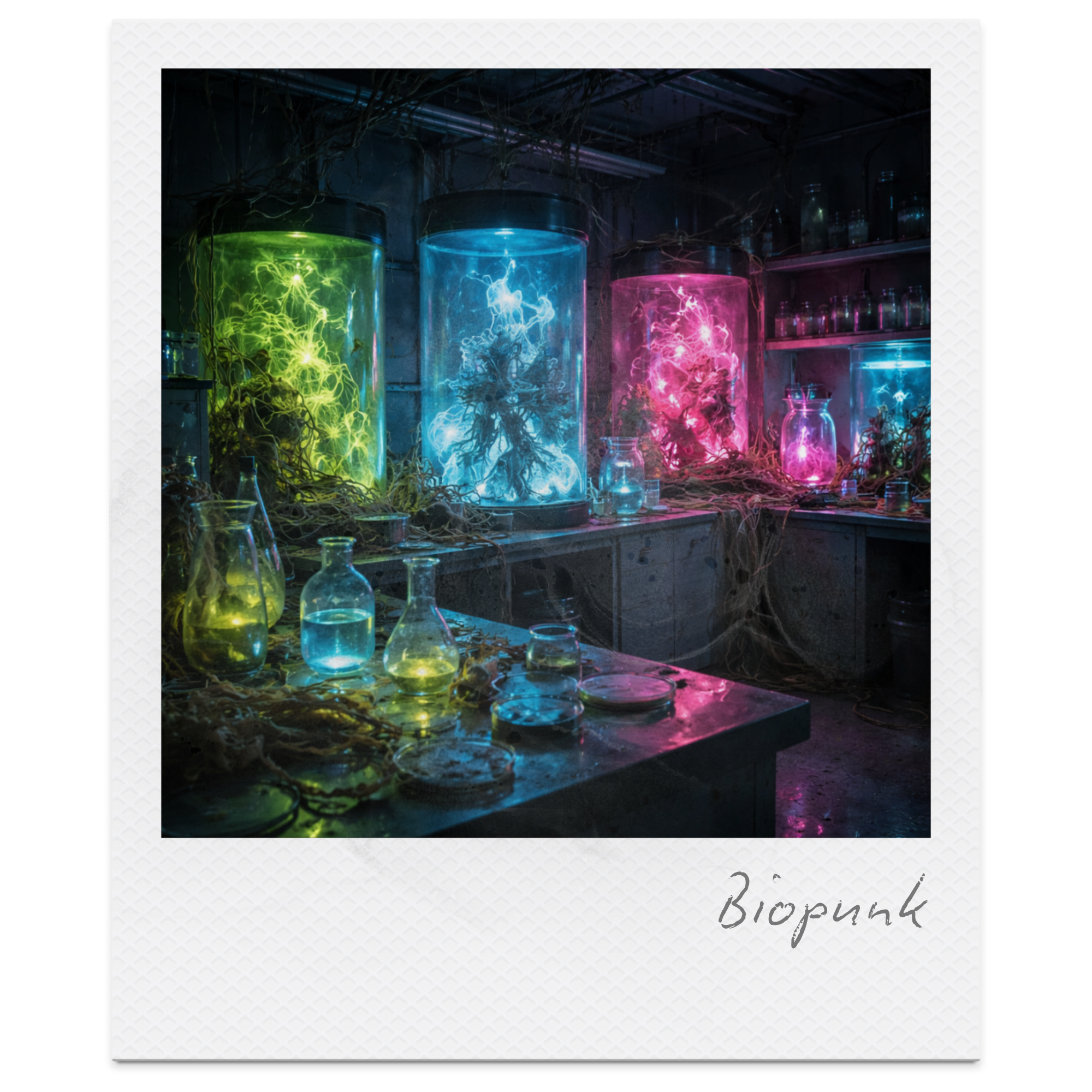
70 Biopunk Writing Prompts: Story Starters, Characters, Settings & Visual Ideas
Biopunk fiction explores futures shaped by biology rather than machines. These stories focus on genetic engineering, biohacking, medical experimentation, and the ethics of altering life itself — often in worlds that feel uncomfortably close to our own. This collection of 70 Biopunk writing prompts invites students to explore identity, consent, power, and progress through imaginative but grounded storytelling. With a focus on science, ethics, and human consequence, Biopunk offers rich opportunities for creative writing, discussion, and cross-curricular learning.
70 April Writing Prompts for Teens: Seasonal Story Starters, Characters, Settings & Visual Ideas
April is a month of transition. The light begins to change, routines start to shift, and there’s a sense of waiting — for answers, for outcomes, for what comes next. It’s a time when pressure and possibility exist side by side. This collection of 70 April writing prompts for teens invites students to explore uncertainty, anticipation, and emotional movement through character, setting, and mood. Designed for English classrooms, these prompts work across genres and abilities, making them ideal for reflective writing, creative units, and seasonal lessons throughout April.
70 Spring Writing Prompts for Teens: Story Starters, Characters, Settings & Visual Ideas
Spring writing invites stories of change, return, and new beginnings — but not all renewal is simple or easy. The season brings shifting light, reopened spaces, and moments where something old gives way to something new. This collection of 70 spring writing prompts for teens encourages students to explore growth, uncertainty, and quiet transformation through character, setting, and mood. With flexible, classroom-ready ideas, these prompts work across genres and abilities, making them ideal for seasonal lessons and reflective writing.
The Resurrection Collection: Writing Into the Dark History of Body Snatching
Edinburgh, 1828. Anatomy lectures are full. Graves are not staying closed. As medical knowledge advances, a quiet trade emerges in the shadows of churchyards and lecture rooms. Bodies are exhumed, sold, recorded, and forgotten — while institutions continue as normal. The Resurrection Collection is a document-led creative writing experience inspired by the real history of body snatching, anatomy, and institutional silence. Through fragmented records, personal writings, ledgers, adverts, and modern historical commentary, writers and students are invited to investigate what happened — and what was deliberately left unrecorded. This isn’t a single story or a guided prompt. It’s an archive. The documents don’t agree, some voices are missing, and the truth depends on what you choose to trust. Every reader uncovers a different version of events — shaped by inference, interpretation, and the uncomfortable spaces between evidence.
The Distance Fragments: A Free Poetry Writing Experience for Blackout & Erasure Poetry
The Distance Fragments is a free poetry writing experience designed for slower, more reflective writing. Built around blackout poetry, erasure, images, and fragment-led prompts, the collection invites writers to work through removal rather than expansion — noticing what remains once language is pared back. This resource acts as a taster for a new series of fragment-led poetry prompt collections, offering open-ended materials that can be used independently, combined, or revisited over time. Ideal for writers, teachers, and classrooms exploring blackout poetry or contemplative creative writing, The Distance Fragments prioritises space, restraint, and return over speed or completion.

My Favourite Texts to Teach in March (Novels, Plays, Short Stories & Poems)
March is a turning point in the school year. Students are no longer settling in, but they’re not quite finished either — and that shift matters. This is the moment when texts about voice, power, and resistance begin to land differently. From novels and plays to short stories and poems, these are the texts I return to every March because they meet students exactly where they are: questioning, restless, and ready to think more deeply.
The Ultimate Guide to Ekphrasis (for Secondary Classrooms)
Bring art and writing together with this in-depth guide to ekphrasis — from Homer to high school. Includes examples of famous and classroom-ready poems, student-friendly activities for poetry and prose, and creative ideas for cross-curricular work with Art. Bookmarkable and ready to use.

70 Valentine’s Day Writing Prompts for Teens: Story Starters, Characters, Settings & Visual Ideas
Valentine’s Day isn’t just about romance. These 70 teen-friendly writing prompts explore friendships, awkward crushes, heartbreak, comedy, identity, and the messy reality of February 14th. With plot hooks, character ideas, titles, openings, closings, settings, and picture prompts, this post is perfect for classrooms, clubs, and young writers craving fresh ideas beyond clichés.
What Are Digital Writing Boxes? (And Why Teachers & Writers Are Quietly Obsessed)
Digital writing boxes are downloadable sets of fictional relics and documents that spark creative writing through curiosity, investigation, and worldbuilding. In this post, I break down what they are, why they work for both teachers and writers, and how The Soot & Shadows Series blends historical mystery, folklore, and atmospheric relics into a flexible creative writing tool. If you’re tired of prompts that say “imagine a door…,” you’ll love this.
Poetry Writing Activities for the Classroom
Bring poetry to life with these 10 creative writing activities for middle and high school students. Low-prep, flexible, and classroom-tested — perfect for National Poetry Month or any time of year.
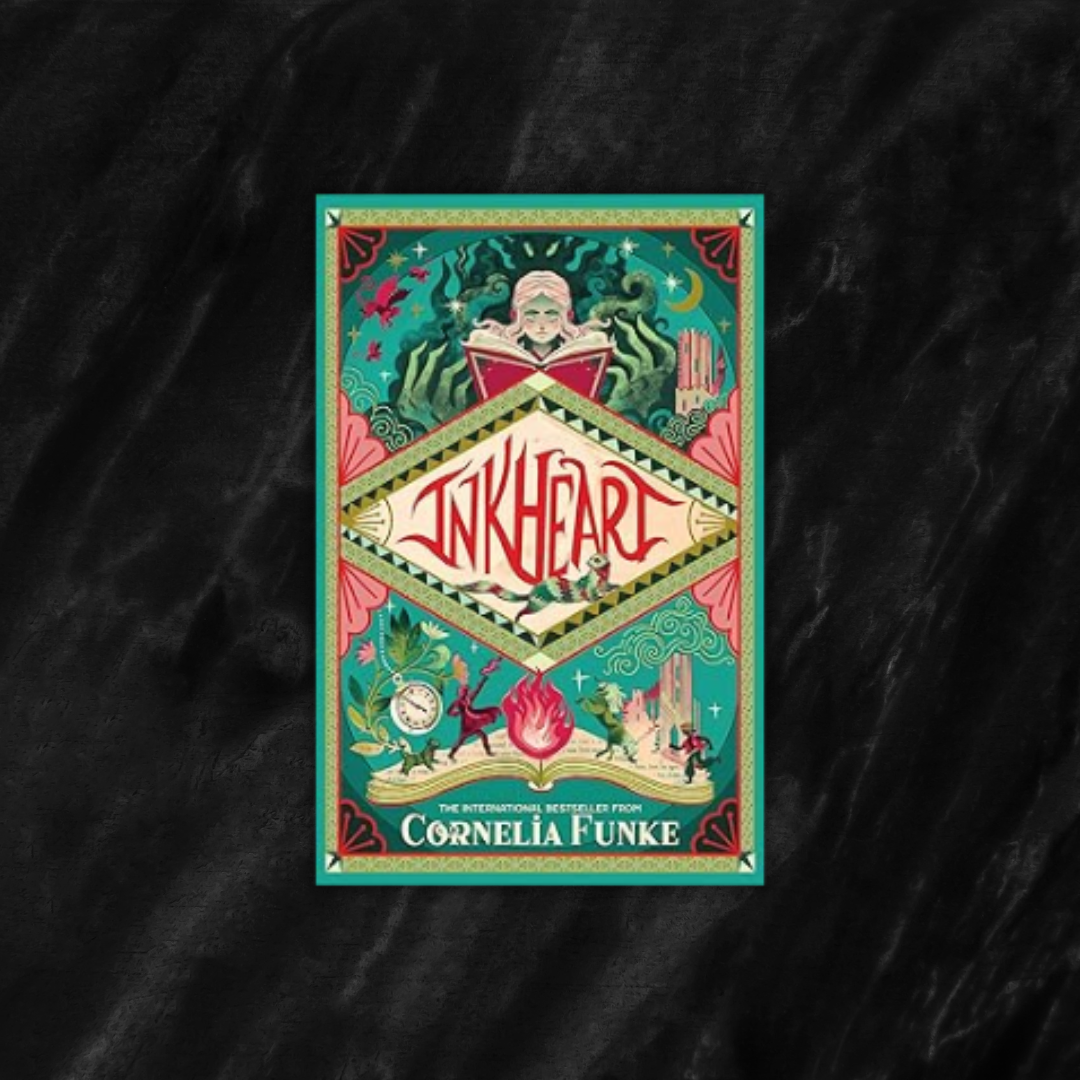
15 Best Fantasy Novels to Teach in the Classroom
Fantasy is one of the most powerful genres to teach — high-interest without being low-rigour. This post explores 15 of the best fantasy novels for the classroom, from classic texts to contemporary favourites, each chosen for their discussion potential, thematic depth, and ability to engage students in meaningful thinking and writing.

70 New Year Writing Prompts for Teens: Midnight Thresholds, Hidden Promises, and the Moment Between Years
This collection of 70 New Year writing prompts for teens explores the moment between years: when time turns, promises are made in secret, and the future feels both vast and unforgiving. Drawing on themes of Father Time, midnight thresholds, hidden resolutions, and cosmic consequence, these prompts invite writers into stories where celebration fades and meaning sharpens. Blending contemporary realism with magical realism, gothic atmosphere, and high-fantasy imagery, the prompts include plot hooks, story starters, character ideas, settings, and cinematic visual prompts — perfect for classrooms, writing clubs, or independent writers ready to explore what it really means to step into a new year.
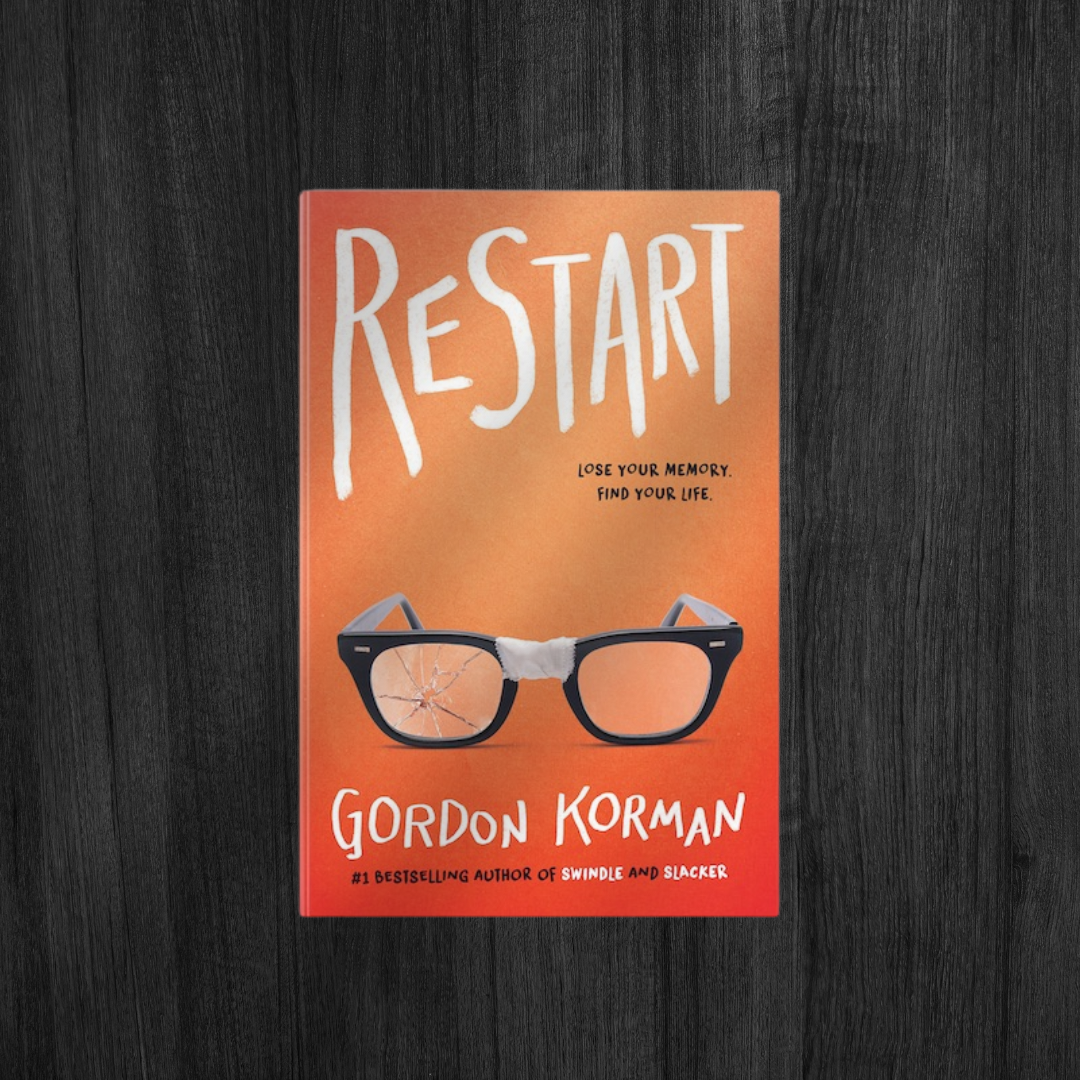
20 Best Texts to Teach in January: Fresh Starts, New Beginnings, and Smart Classroom Momentum
January is one of the most important — and underestimated — teaching months of the year. After the break, students don’t need noise or novelty; they need texts that rebuild focus, invite reflection, and spark meaningful discussion. This curated list of 20 novels, short stories, poems, films, and podcasts offers flexible, high-impact texts that work across ages and formats, helping you reset classroom momentum without overloading your planning.