70 Epistolary Writing Prompts for Teens: Letters, Messages, Documents & Story Ideas
Epistolary fiction tells stories through documents rather than traditional narration. Letters, emails, diary entries, text messages, reports, transcripts, and found documents work together to reveal character, conflict, and truth — often indirectly.
For teen writers, epistolary writing is powerful because it builds voice, perspective, and inference skills. It encourages students to think carefully about audience, tone, reliability, and what is left unsaid, making it ideal for both creative writing and analytical discussion.
This collection of 70 epistolary writing prompts for teens offers a full creative toolkit: plot hooks, title ideas, opening and closing lines, character concepts, settings, and document-based picture prompts. These prompts work well for English lessons, coursework, creative writing units, and exam-style tasks focused on voice and structure.
If you’re looking for more genres, tropes, or seasonal collections, you can browse the full master list of 2000+ creative writing prompts here.
1. Plot Hooks
Epistolary plot hooks centre on what is being written, why, and what’s missing.
Write a story told entirely through letters that are never sent.
Write a series of emails revealing a secret over time.
Write a story made up of diary entries written after an unexplained event.
Write a narrative told through official reports and forms.
Write a story revealed through text messages sent during a crisis.
Write about a character documenting something they don’t fully understand.
Write a story pieced together from notes left behind.
Write about a conversation that only one person continues.
Write a story told through messages meant for someone else.
Write a narrative where the truth contradicts the documents.
2. Title Ideas
These titles suit epistolary stories built from fragments and documents.
Things I Never Sent
The Last Message
Records And Remains
Correspondence
Read And Deleted
The Evidence Folder
Notes For Later
This Wasn’t Meant For You
What The Files Show
Messages Left Behind
3. Opening Lines
Epistolary openings establish voice and purpose immediately.
“I’m writing this because I don’t know who else to tell.”
“This isn’t a confession, but it might sound like one.”
“For the record, this is how it happened.”
“I promised myself I wouldn’t write again.”
“Please delete this once you’ve read it.”
“The diary was supposed to help.”
“I don’t expect a reply.”
“They asked for a statement.”
“I’ve rewritten this three times.”
“This message was never meant to be found.”
4. Closing Lines
Epistolary endings often leave resolution implied rather than stated.
“I stopped writing after that.”
“Some things don’t need replies.”
“The rest was left blank.”
“This is where the record ends.”
“I never sent it.”
“No one responded.”
“That’s all I can say.”
“The file remains open.”
“I saved the message instead.”
“What happened next isn’t written here.”
5. Character Ideas
These characters work well for epistolary formats because their voices carry the story.
A student writing letters they never send.
A whistleblower documenting wrongdoing.
A soldier recording daily experiences.
A carer keeping a private journal.
A witness asked to give statements.
A person communicating anonymously.
A teenager documenting school life for the future.
A missing person leaving behind messages.
A researcher keeping unofficial notes.
A character writing to someone who can’t respond.
6. Settings
Epistolary settings shape the type of documents used.
A boarding school archive.
A family home filled with old letters.
A workplace with strict reporting systems.
A hospital or care facility.
A town after a major incident.
A digital message thread spanning years.
A government or school office.
A shared online space.
A temporary shelter or evacuation centre.
A room where documents are stored and hidden.
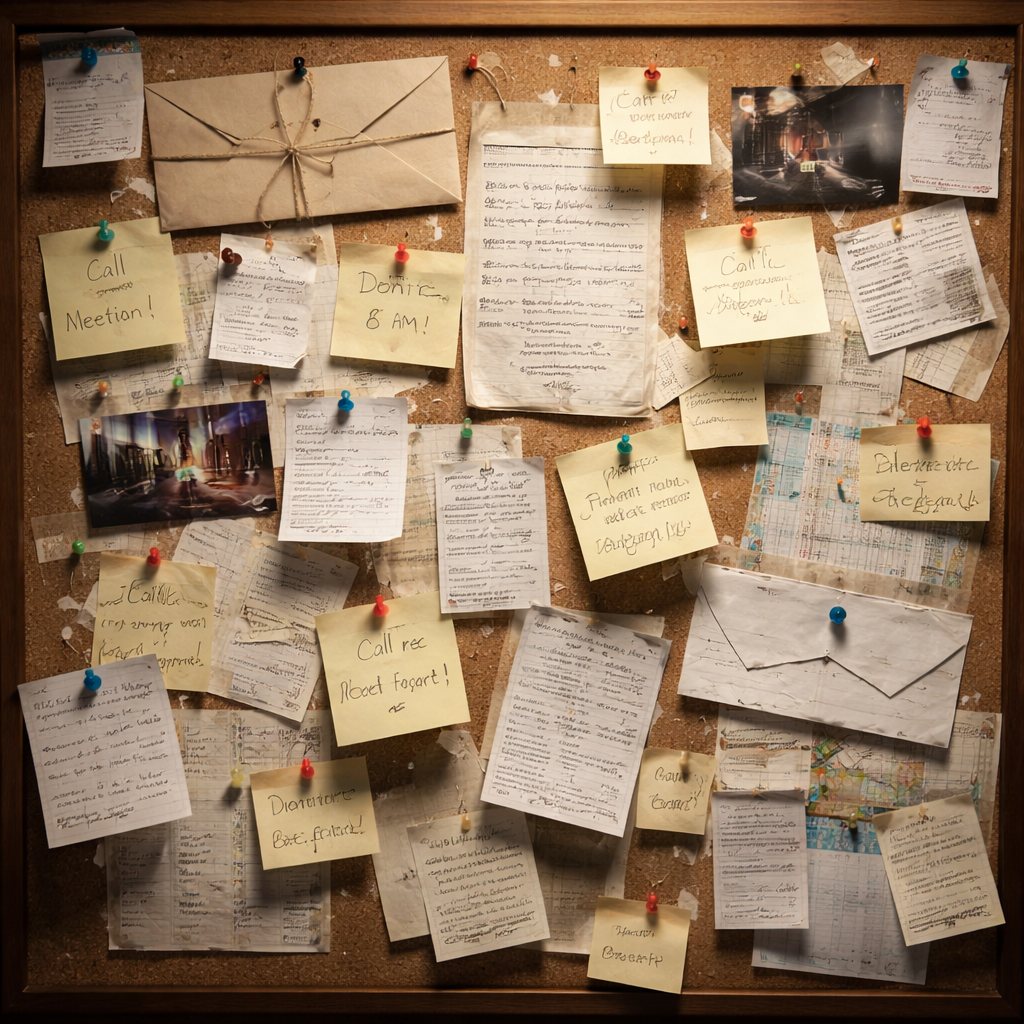
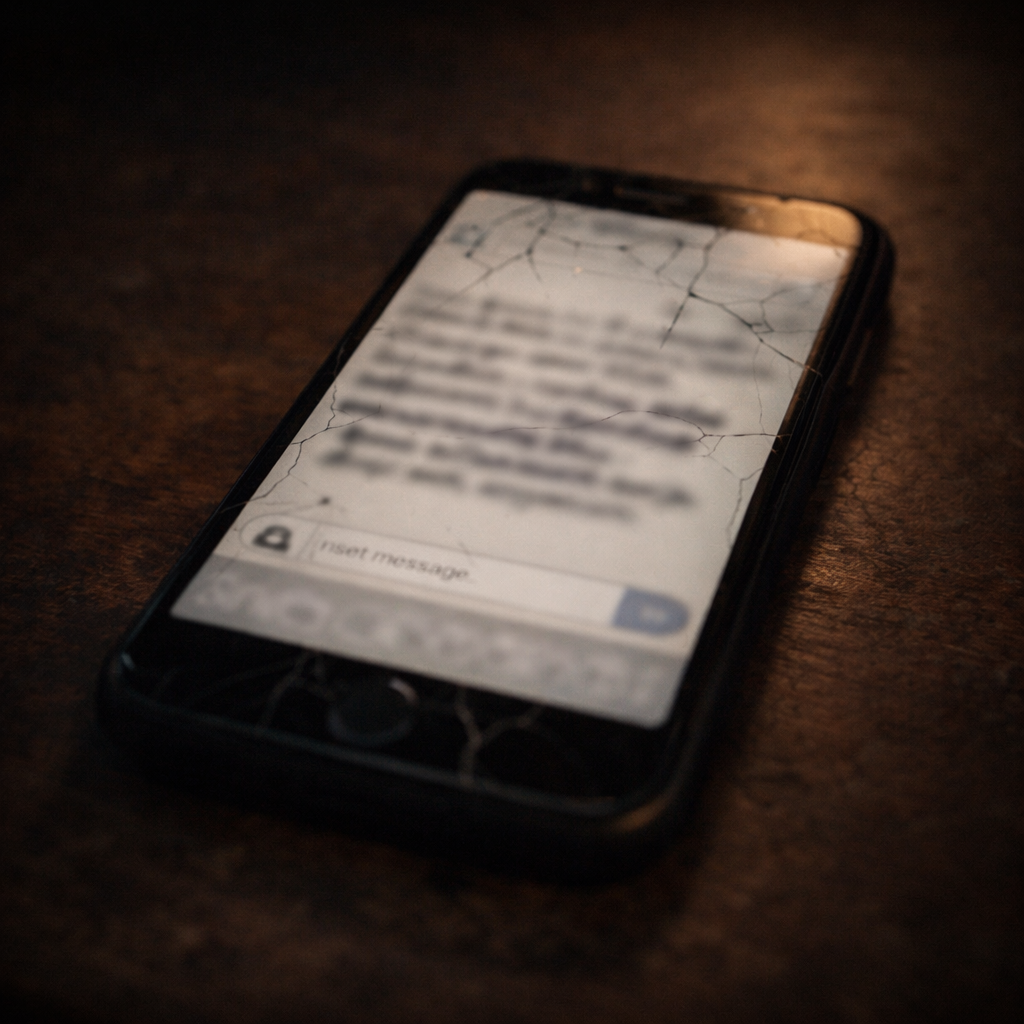
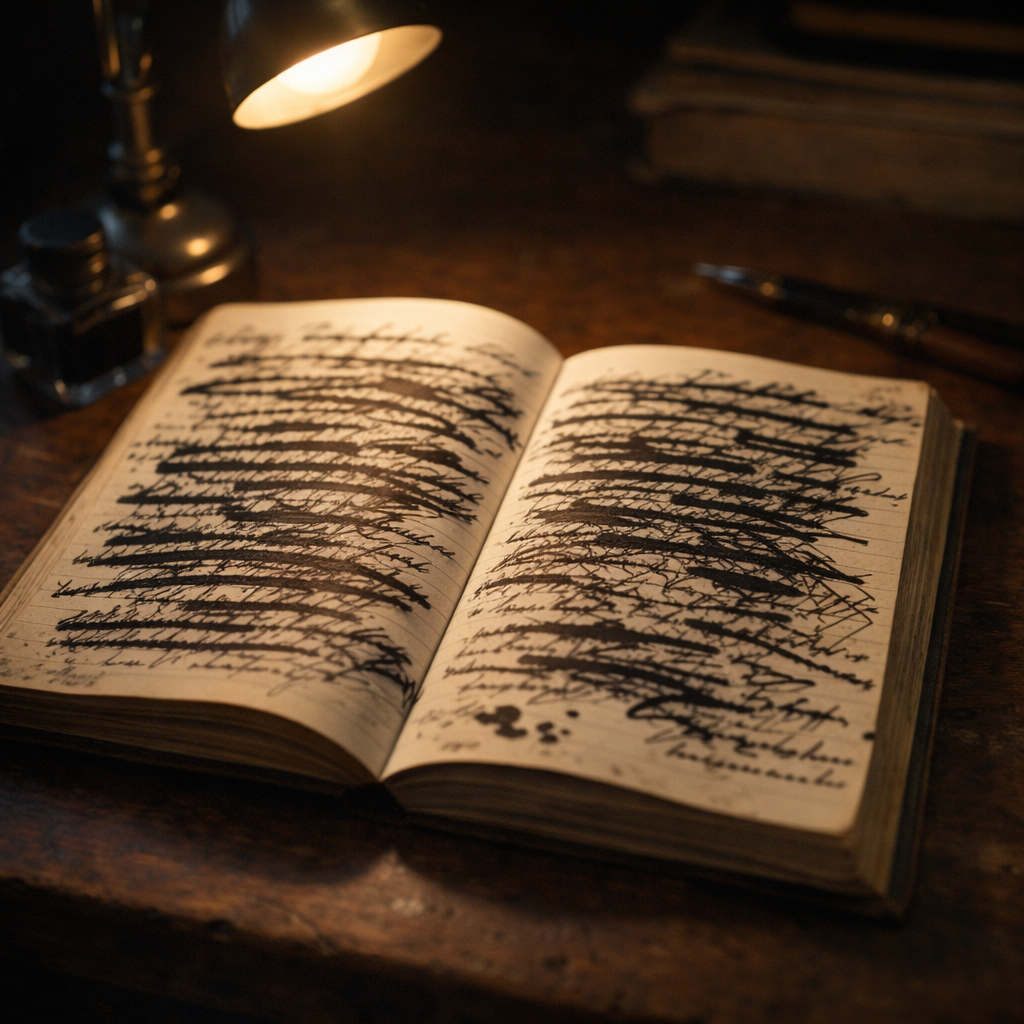
7. Picture Prompts
These visual prompts suggest documents and fragments rather than scenes.







Final Thoughts
Epistolary writing helps students understand how stories can be built through voice, perspective, and omission. It encourages close reading, inference, and intentional language choices — skills that transfer directly to analytical writing.
These 70 epistolary writing prompts for teens offer flexible, engaging ways to explore storytelling through documents, messages, and records, making them ideal for creative writing, coursework, and exam-style tasks.
If you’re looking for more genres, tropes, or seasonal collections, you can browse the full master list of 2000+ creative writing prompts here.
For ongoing inspiration, structure, and classroom-ready materials, you can also explore our Daily Writing Prompts, which offer a new prompt every day — complete with images, discussion questions, and optional teacher slides.
