Notes from the Inkpot

Writing, teaching, creating - one ink-stained idea at a time.
70 Epistolary Writing Prompts for Teens: Letters, Messages, Documents & Story Ideas
For Writers, Creative Writing, Writing Prompts Ink & Insights . For Writers, Creative Writing, Writing Prompts Ink & Insights .

70 Epistolary Writing Prompts for Teens: Letters, Messages, Documents & Story Ideas

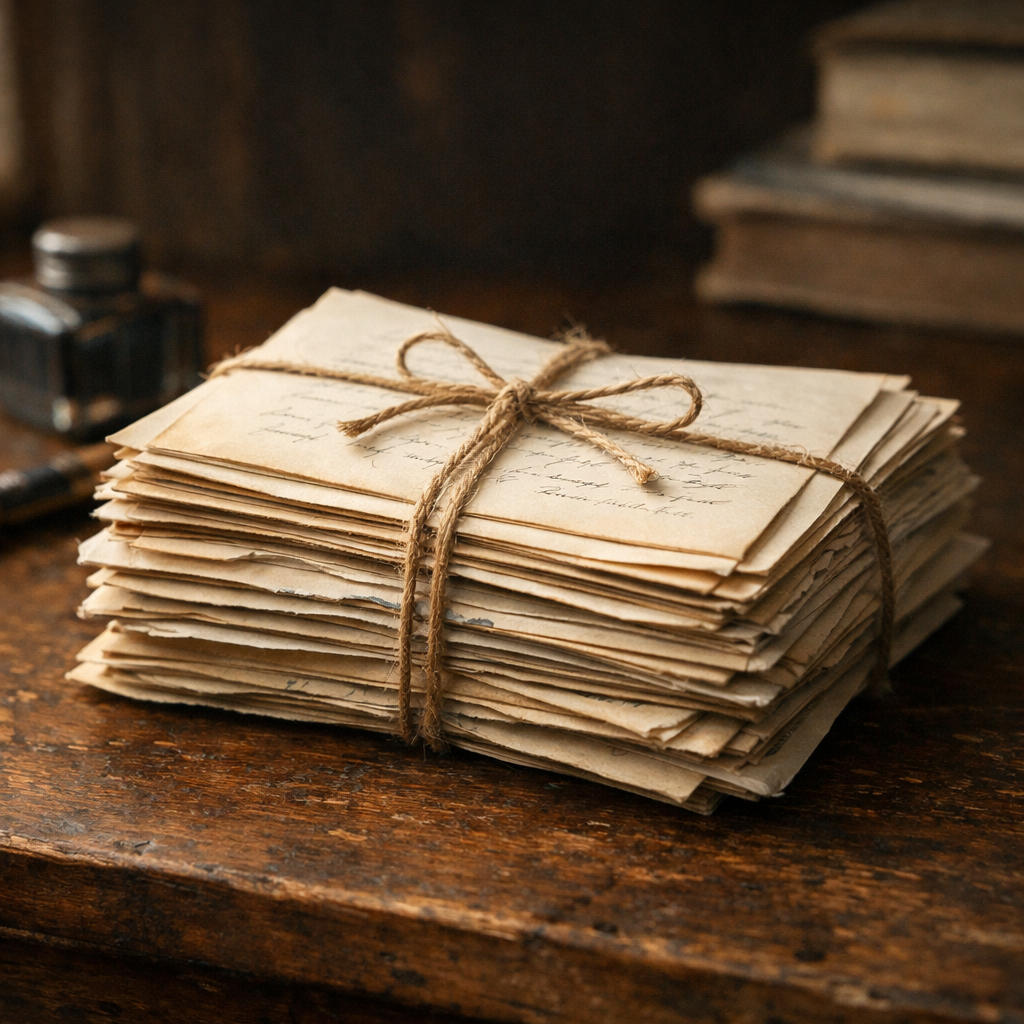
Epistolary fiction tells stories through documents rather than traditional narration. Letters, messages, diary entries, emails, and official records come together to reveal character, conflict, and truth — often through what is implied rather than stated. This collection of 70 epistolary writing prompts for teens invites students to experiment with voice, audience, and structure. By writing through documents and fragments, students develop inference, perspective, and control over language, making epistolary fiction a powerful format for creative writing and classroom discussion.

Read More
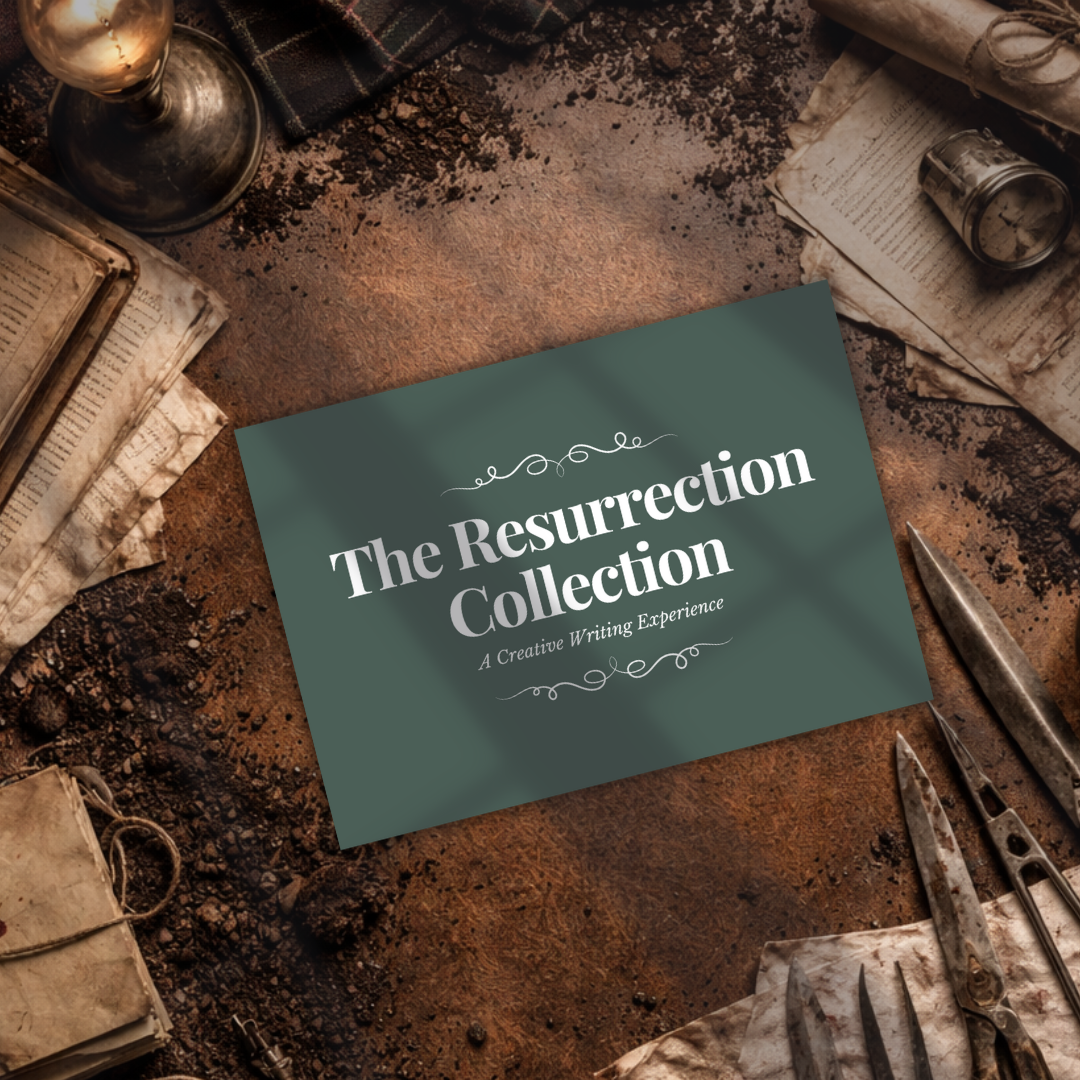
The Resurrection Collection: Writing Into the Dark History of Body Snatching
For Teachers, For Writers, Creative Writing Boxes Ink & Insights . For Teachers, For Writers, Creative Writing Boxes Ink & Insights .

The Resurrection Collection: Writing Into the Dark History of Body Snatching

Edinburgh, 1828. Anatomy lectures are full. Graves are not staying closed. As medical knowledge advances, a quiet trade emerges in the shadows of churchyards and lecture rooms. Bodies are exhumed, sold, recorded, and forgotten — while institutions continue as normal. The Resurrection Collection is a document-led creative writing experience inspired by the real history of body snatching, anatomy, and institutional silence. Through fragmented records, personal writings, ledgers, adverts, and modern historical commentary, writers and students are invited to investigate what happened — and what was deliberately left unrecorded. This isn’t a single story or a guided prompt. It’s an archive. The documents don’t agree, some voices are missing, and the truth depends on what you choose to trust. Every reader uncovers a different version of events — shaped by inference, interpretation, and the uncomfortable spaces between evidence.

Read More