Free Creative Writing Generators for Stories, Characters & Worlds
Sometimes you have the urge to write but no idea where the story begins. Other times, you already have a world taking shape and just need the missing piece — a character, a kingdom, a magical rule or one unexpected idea that sends everything in a new direction.
These free creative writing generators are designed to give you that starting point.
Explore generators for fantasy, fairytales, folklore, Gothic fiction, horror, romance, science fiction, dystopian fiction, mystery, mythology and more, alongside tools for creating characters, settings, kingdoms, magic systems and fictional worlds.
Each generator gives you ideas to play with rather than a finished story to follow. Keep what inspires you, change what doesn't, regenerate individual elements and combine different results until something clicks.
Whether you're planning a novel, writing a short story, building a fictional world or simply looking for your next writing prompt, choose a genre below and see where it takes you.
Looking for even more inspiration? Explore the Creative Writing Archive for writing prompts, story ideas, worldbuilding resources, character inspiration and more across a growing collection of genres and themes.
Fantasy Creative Writing Generators
Step into magical worlds filled with ancient kingdoms, impossible landscapes, powerful characters and extraordinary systems of magic. These free fantasy writing generators are designed to help you build everything from the first spark of a story to the characters, kingdoms and rules that shape an entire fictional world.
Inside this section:
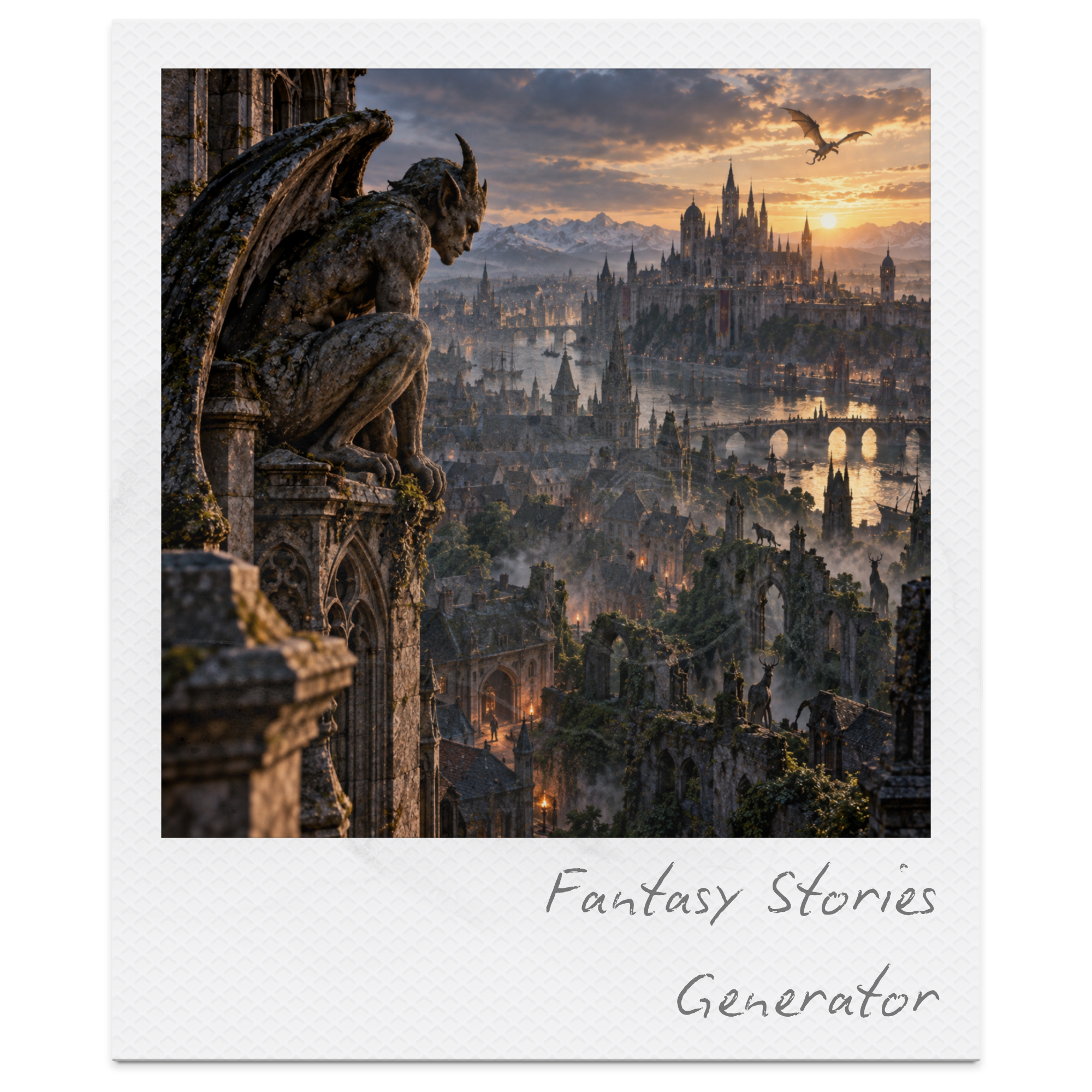
◆ Fantasy Story Generator – generate a complete fantasy story idea with a title, main character, setting, central conflict, plot twist, opening line and closing line, with individual elements you can refresh until you find a combination that inspires your next story. Pasted markdown(20260928-095040)
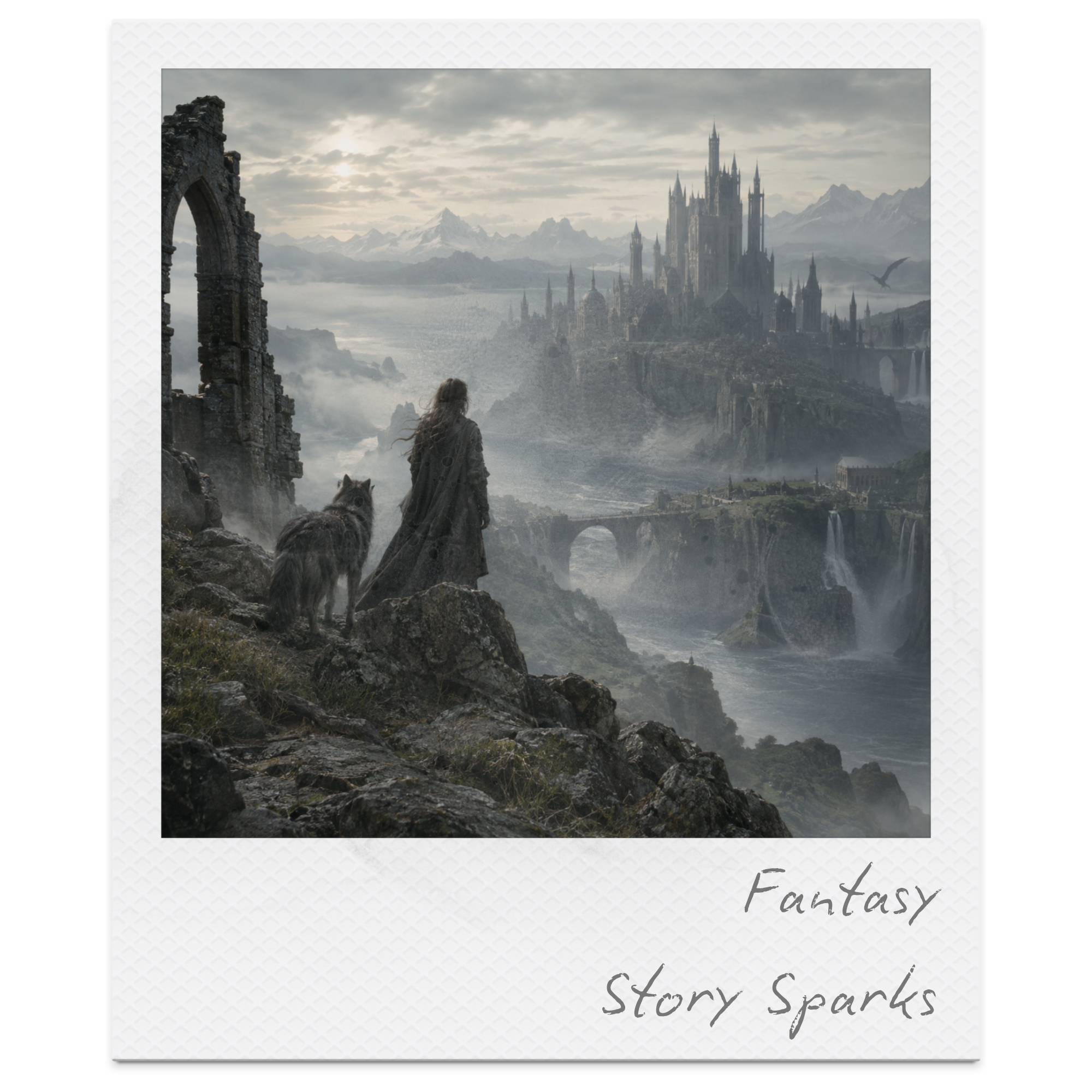
◆ Fantasy Story Sparks – explore thousands of random fantasy writing prompts combining characters, settings, opening lines, magical objects, conflicts, secrets, discoveries, relationships, threats, plot hooks and twists across high fantasy, dark fantasy, low fantasy, maritime fantasy, cosy fantasy, mythic fantasy and more.
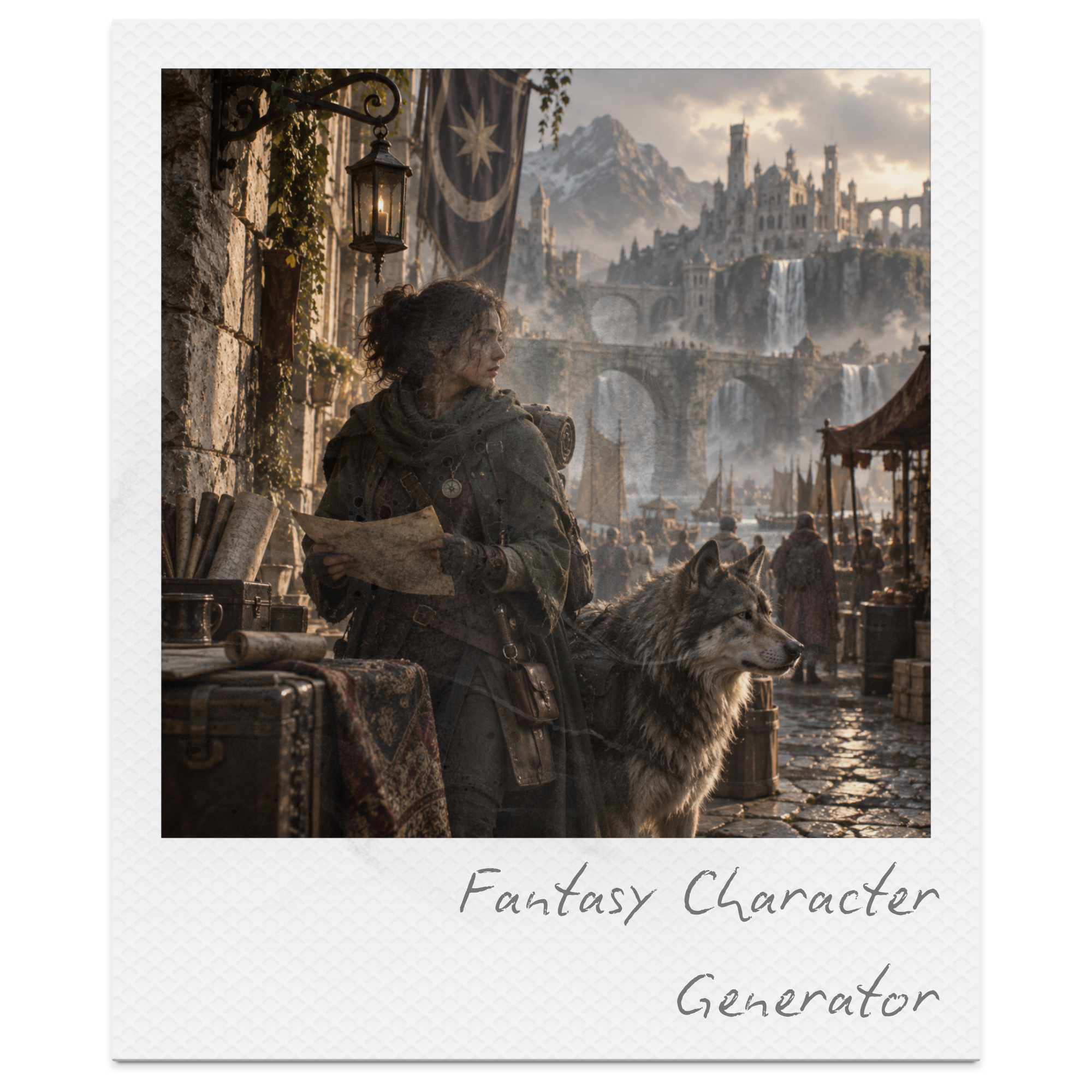
◆ Fantasy Character Generator – create original fantasy characters by combining names, character types, occupations, appearances, personalities, powers, secrets, flaws and motivations, with billions of possible combinations for heroes, villains and everyone in between.
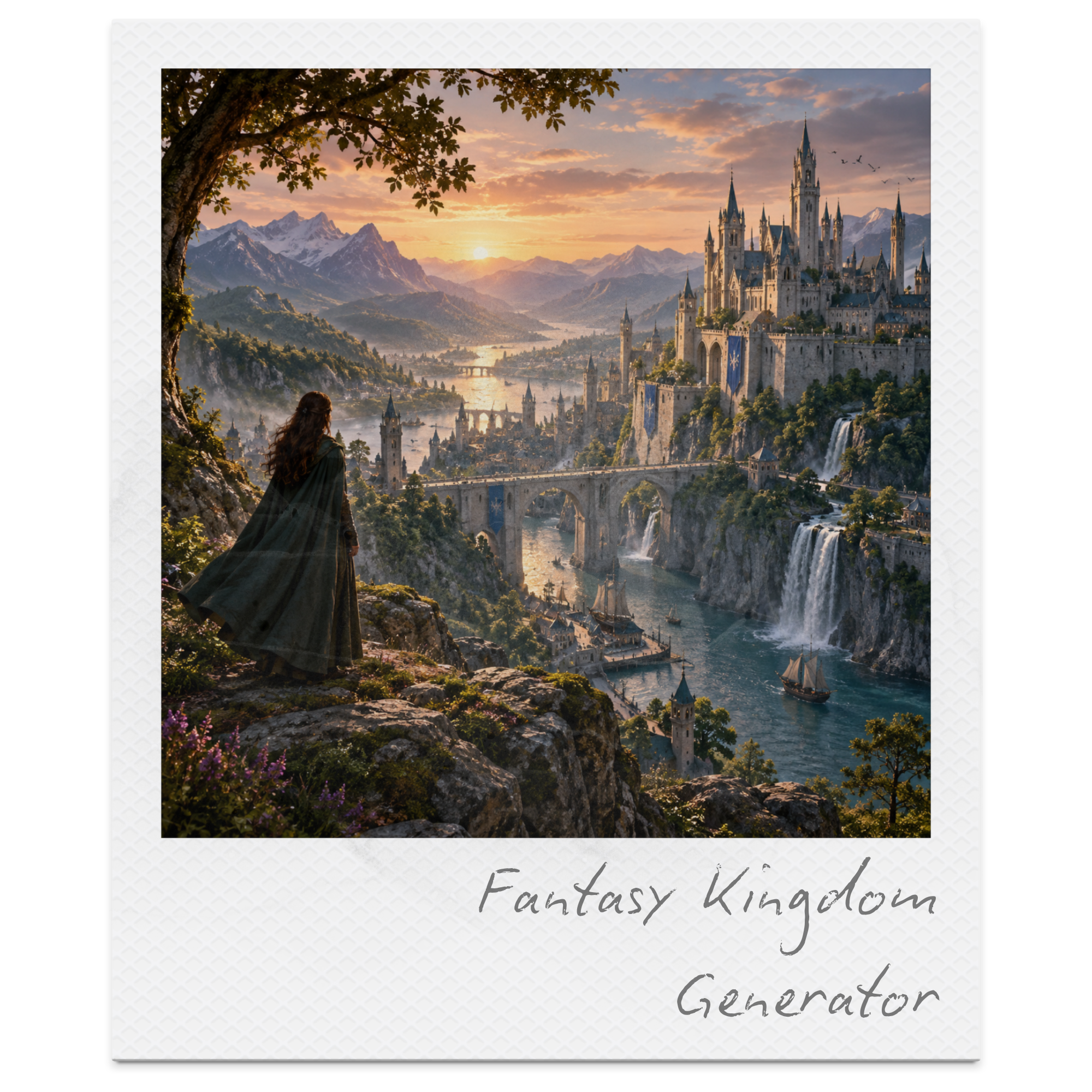
◆ Fantasy Kingdom Generator – build an entire fantasy realm at the click of a button, including its name, landscape, capital, ruler, government, magic, culture, beliefs, trade, defences, landmarks, threats, ancient secrets and potential story hooks.
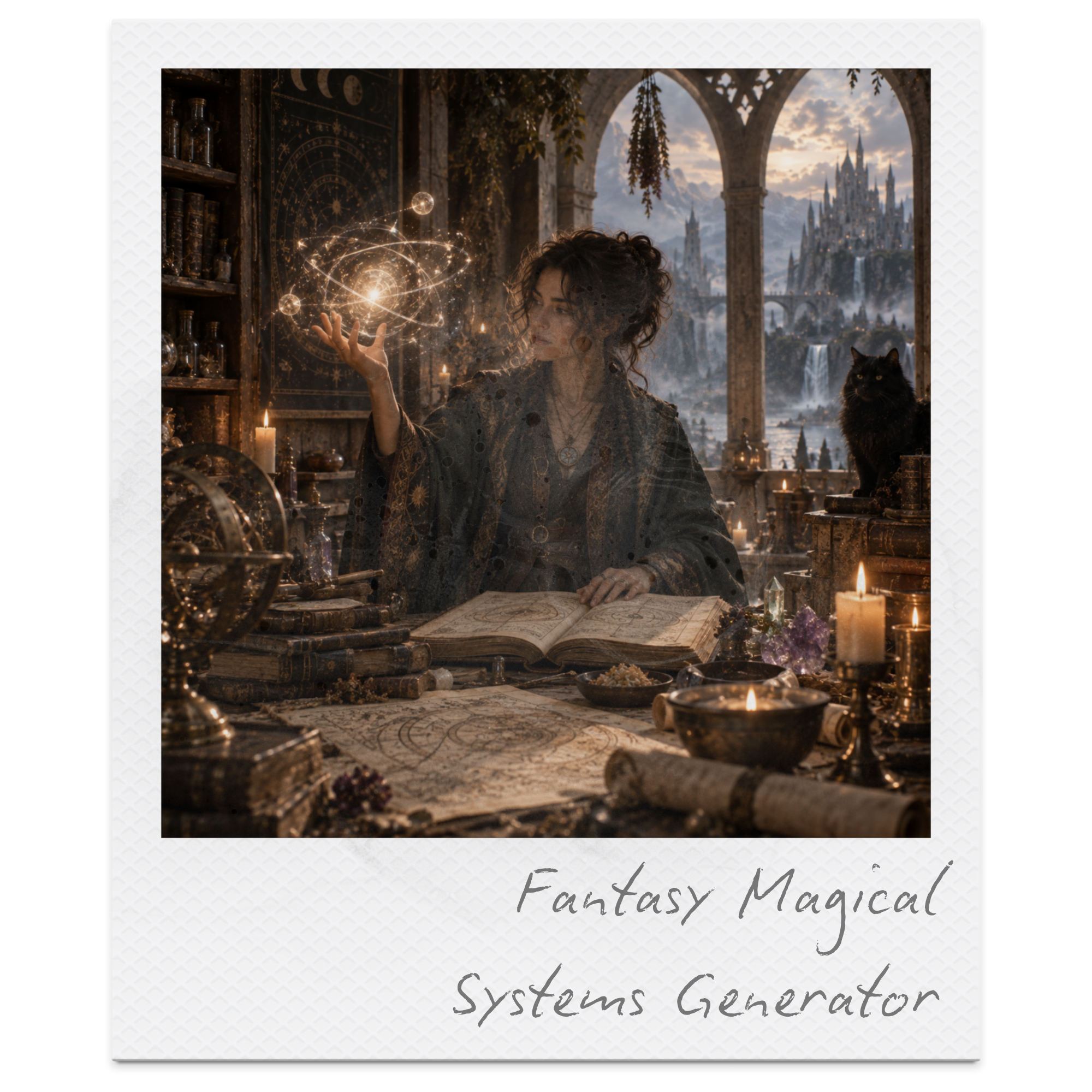
◆ Fantasy Magic System Generator – create original systems of magic by generating their sources, powers, costs, limitations, forbidden practices, social attitudes, magical institutions and complications, helping you develop magic that feels connected to the world around it.
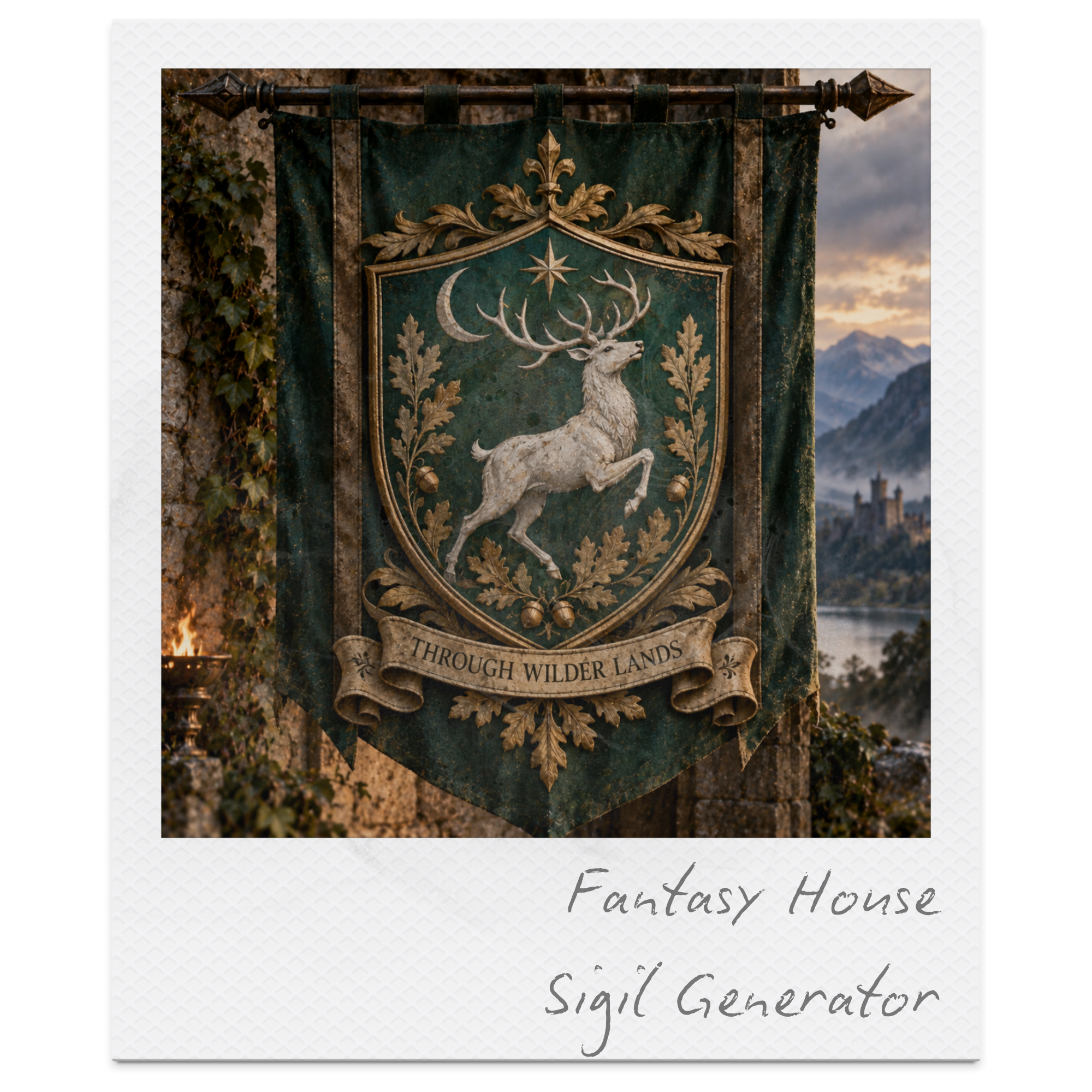
◆ Fantasy Sigil Generator – design a symbolic identity for a fantasy kingdom, noble house, royal dynasty, clan or faction by combining colours, symbols, decorative elements, mottos and reputations into an original heraldic concept.
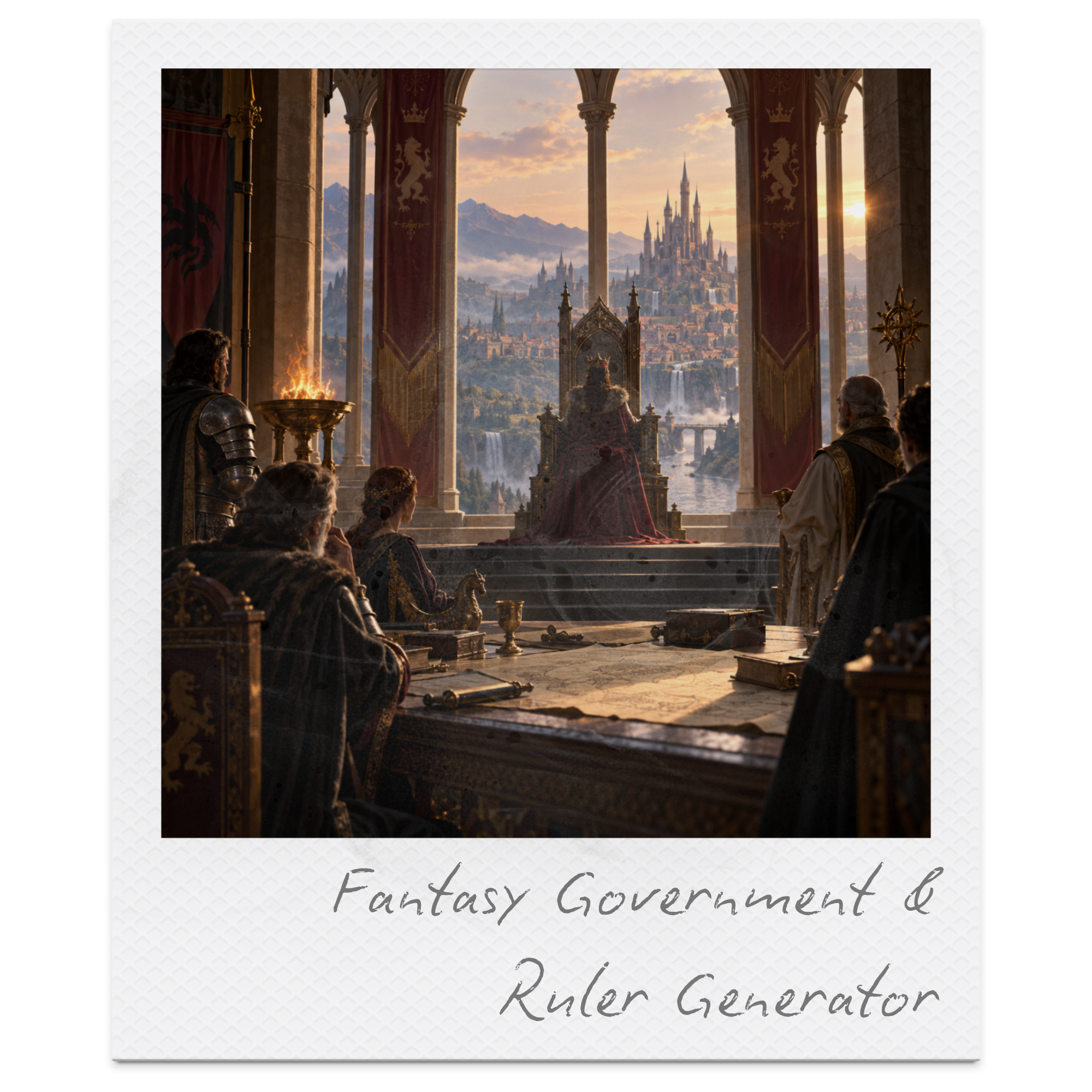
◆ Fantasy Government Generator – build the political foundations of a fantasy kingdom by generating its system of government, ruler or ruling body, route to power, hidden source of influence, and an immediate political problem. Create monarchies, republics, councils, theocracies, magocracies, military governments and other systems shaped by succession, rivalry, inequality, rebellion and competing claims to power.
Fairytale & Folklore Creative Writing Generators
Enter worlds shaped by old stories, strange rules, dangerous bargains and impossible magic. These free fairytale and folklore writing generators can help you create everything from a new story premise to an enchanted setting or a character who belongs somewhere just beyond the ordinary world.
Inside this section:
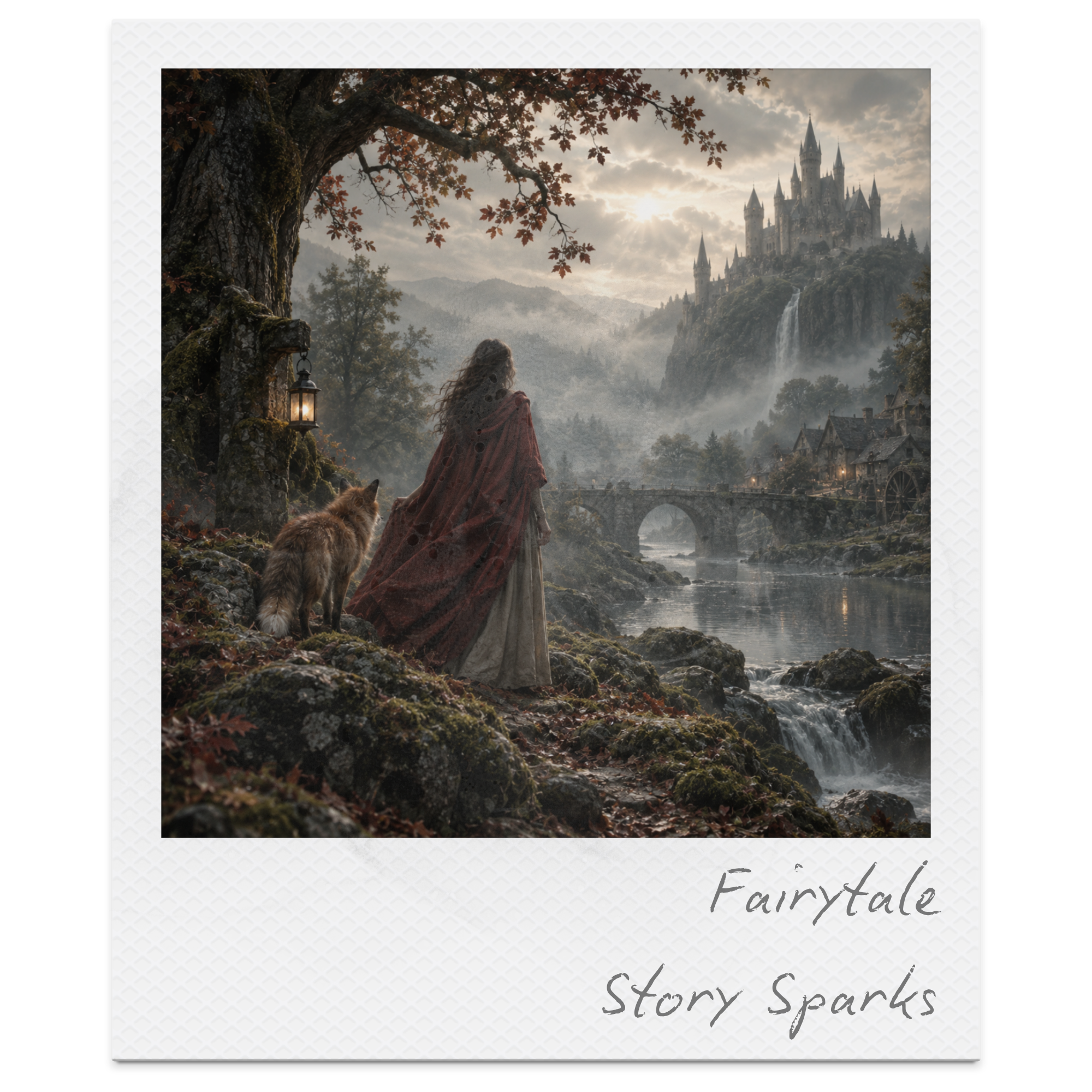
◆ Fairytale Story Sparks – generate unexpected fairytale ideas by combining characters, kingdoms, magical objects, enchanted places, curses, bargains, creatures, conflicts, discoveries and twists, with inspiration ranging from whimsical storybook adventures to darker traditional tales.
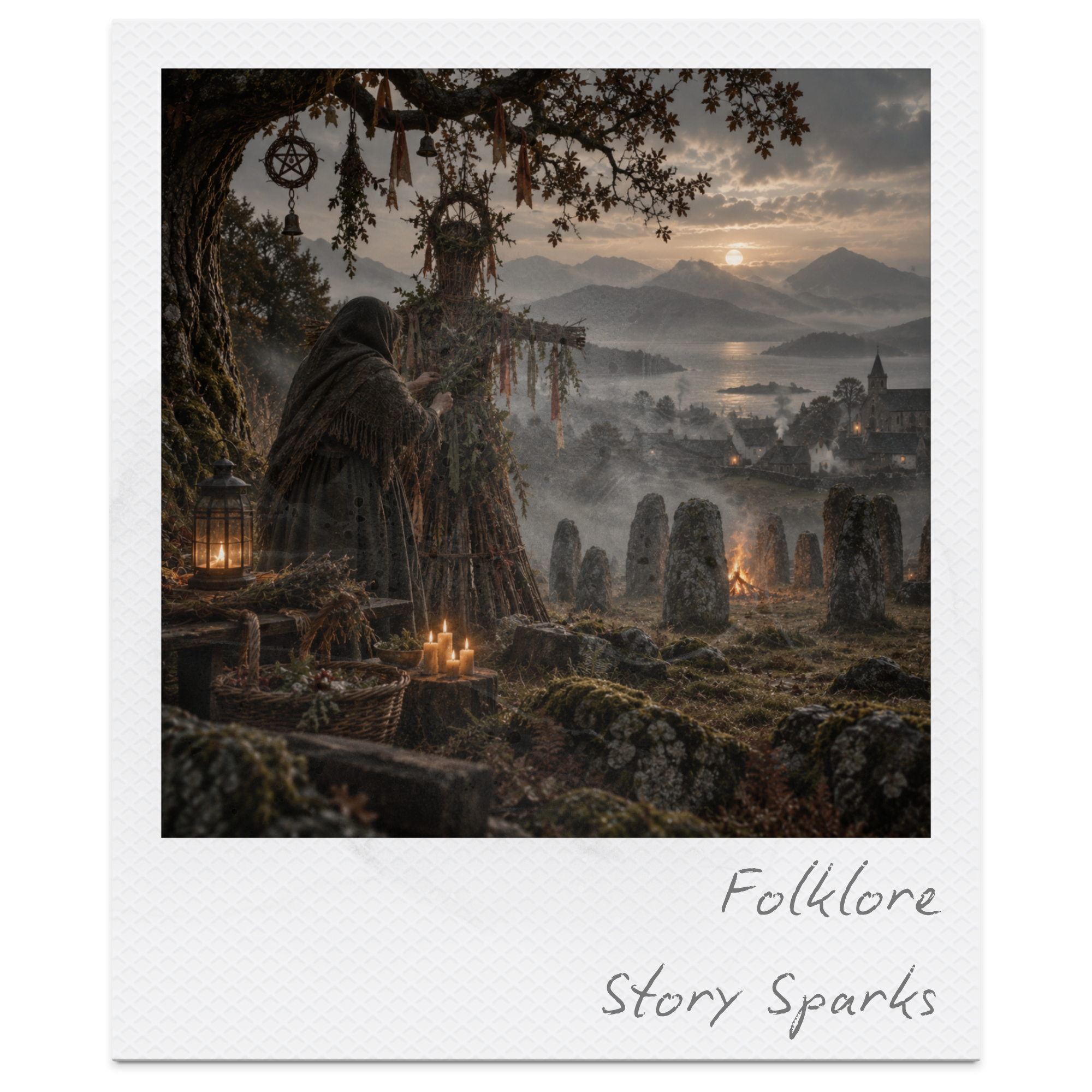
◆ Folklore Story Sparks – create folklore-inspired story ideas rooted in legends, traditions, supernatural beings, strange customs, sacred places, mysterious encounters and beliefs passed between generations, with combinations designed to inspire stories where landscape, memory and the unexplained matter.
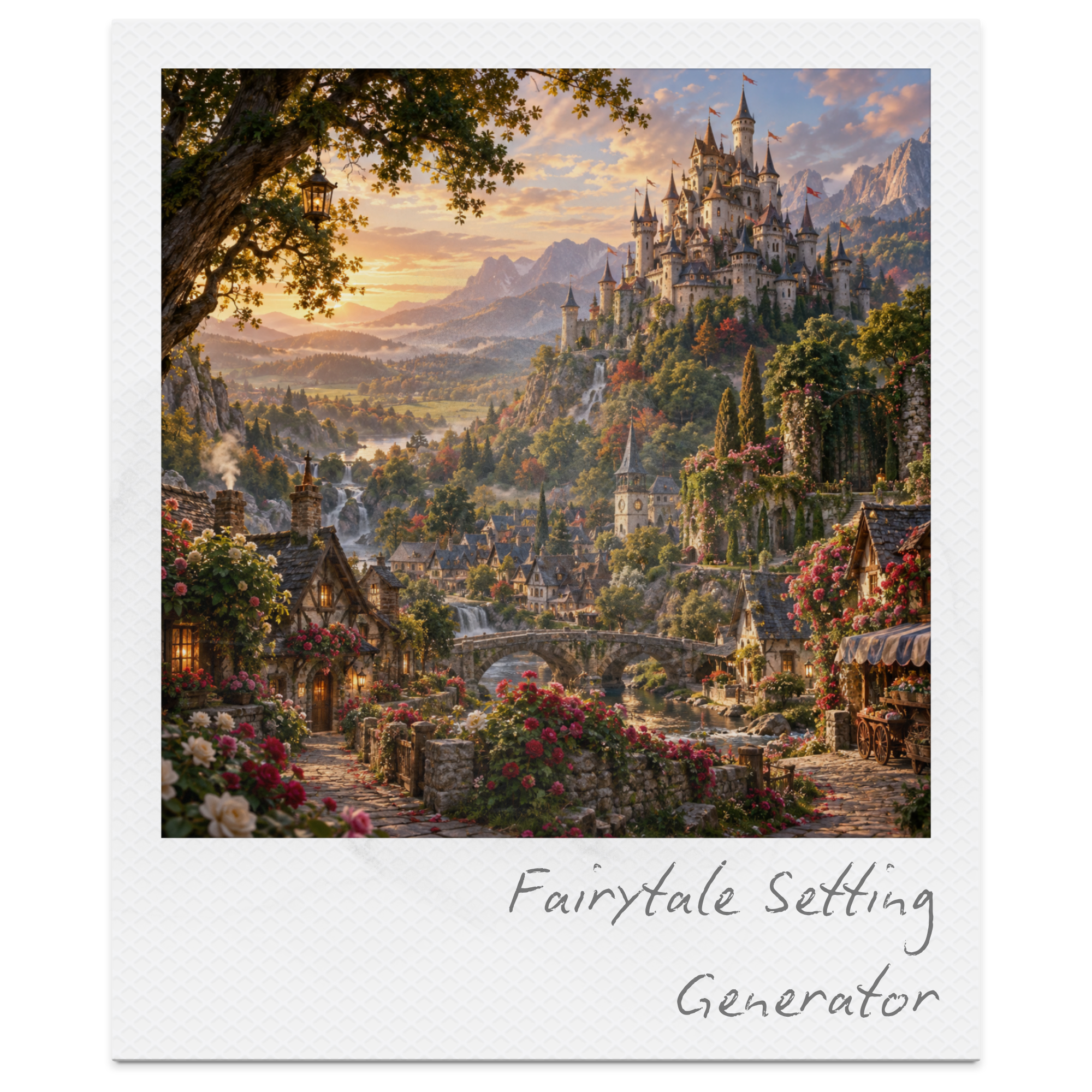
◆ Fairytale Setting Generator – build an original fairytale world by generating its style, landscape, royal castle, nearby village, ruler, royal family, magic, enchantment, local danger, strange rule and hidden secret. Use individual selections or randomise the entire setting to create anything from a whimsical kingdom to a much darker tale.
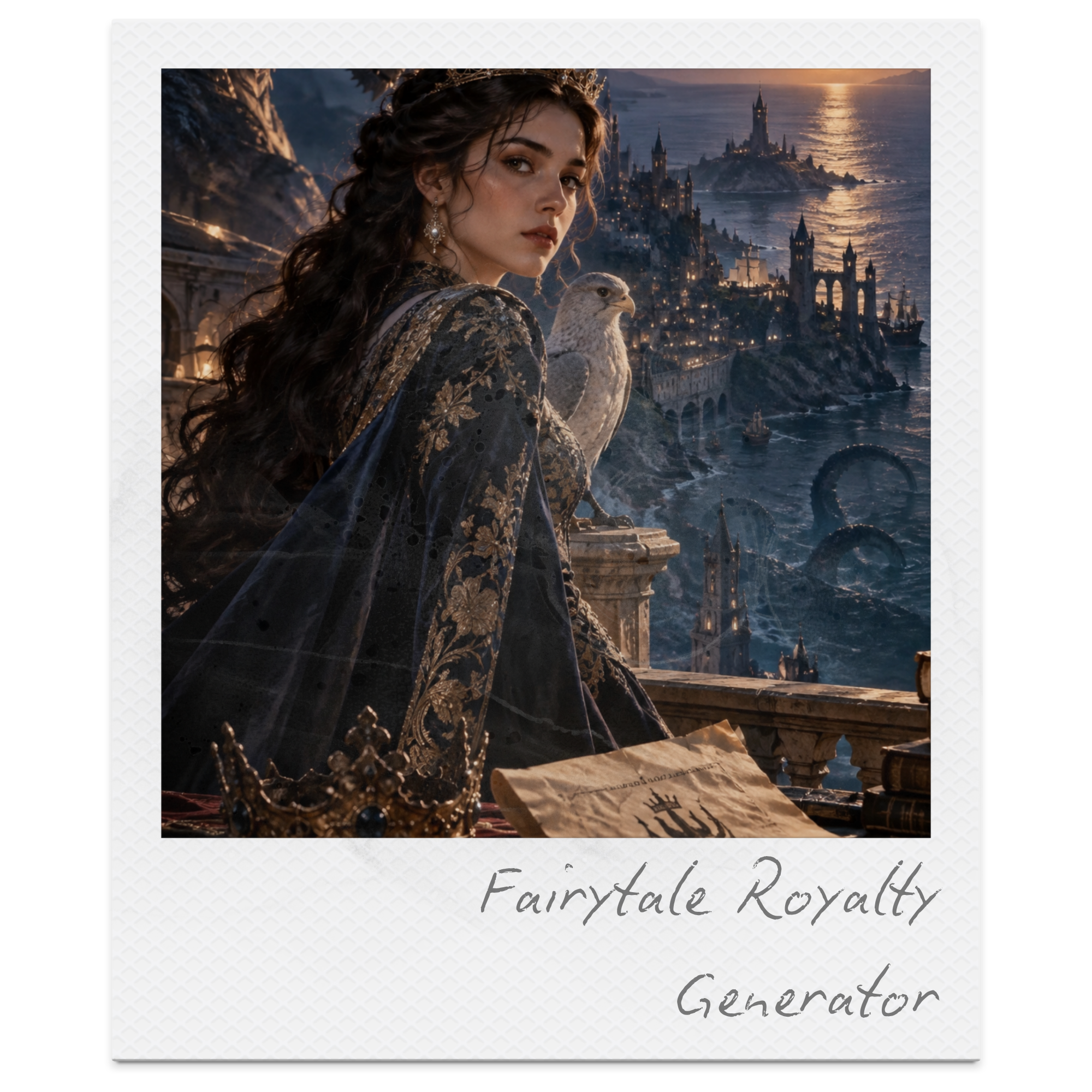
◆ Fairytale Royalty Generator – create princes, princesses, kings and queens complete with kingdoms, royal families, duties, magical powers, curses, secrets, allies, enemies, enchanted objects and story problems for your next fairytale adventure.
Gothic Creative Writing Generators
Step into shadowed houses, crumbling estates and stories where the past never stays buried for long. These free Gothic writing generators are designed to help you create atmospheric stories filled with troubled characters, dark secrets, supernatural possibilities, unsettling discoveries and the slow-building sense that something is terribly wrong.
Inside this section:
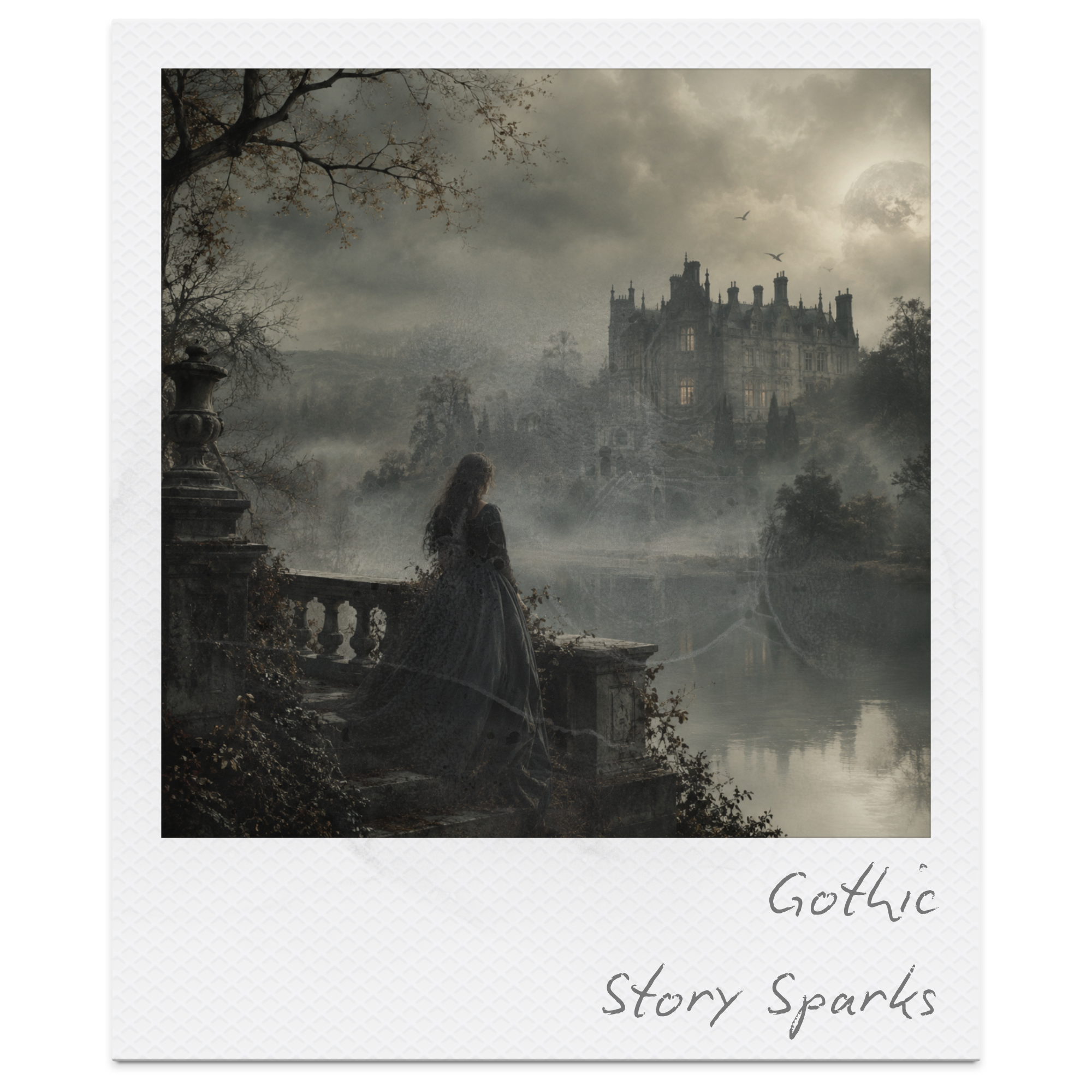
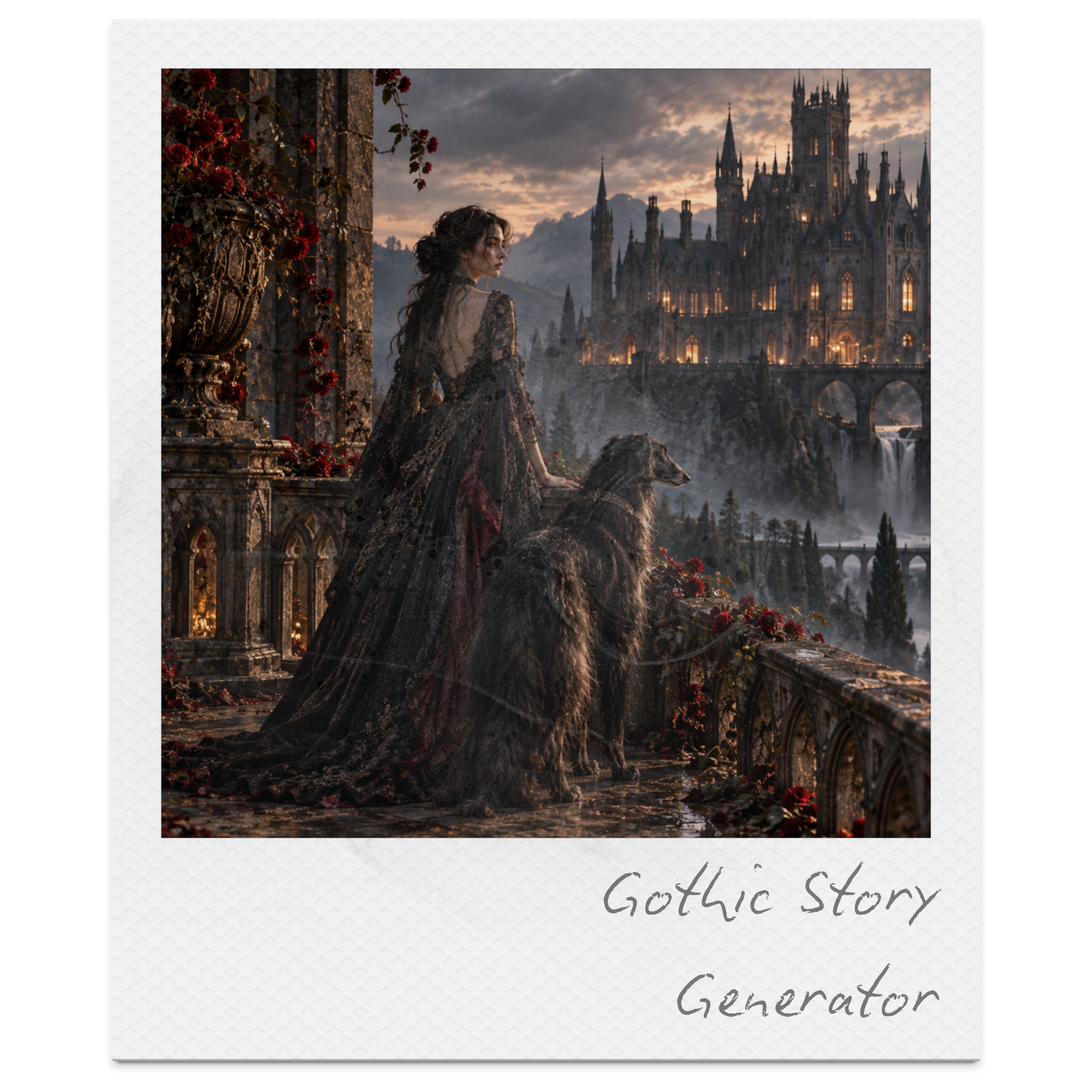
◆ Gothic Story Generator – create a complete Gothic story premise by generating an atmospheric setting, central character, dark secret, supernatural or psychological threat, unsettling discovery and haunting plot twist, giving you the foundations for everything from classic Gothic fiction to modern supernatural tales.
◆ Gothic Story Sparks – generate thousands of possible Gothic writing prompts by combining eerie settings, unsettling characters, opening lines, mysterious objects, conflicts, secrets, plot hooks, strange discoveries, ominous messages and unexpected twists.
Horror Creative Writing Generators
Step into stories built around fear, danger and the things we would rather not encounter in the dark. These free horror writing generators are designed to help you create unsettling story ideas filled with disturbing settings, frightening characters, unexplained threats, terrible discoveries and situations where survival is never guaranteed.
Inside this section:
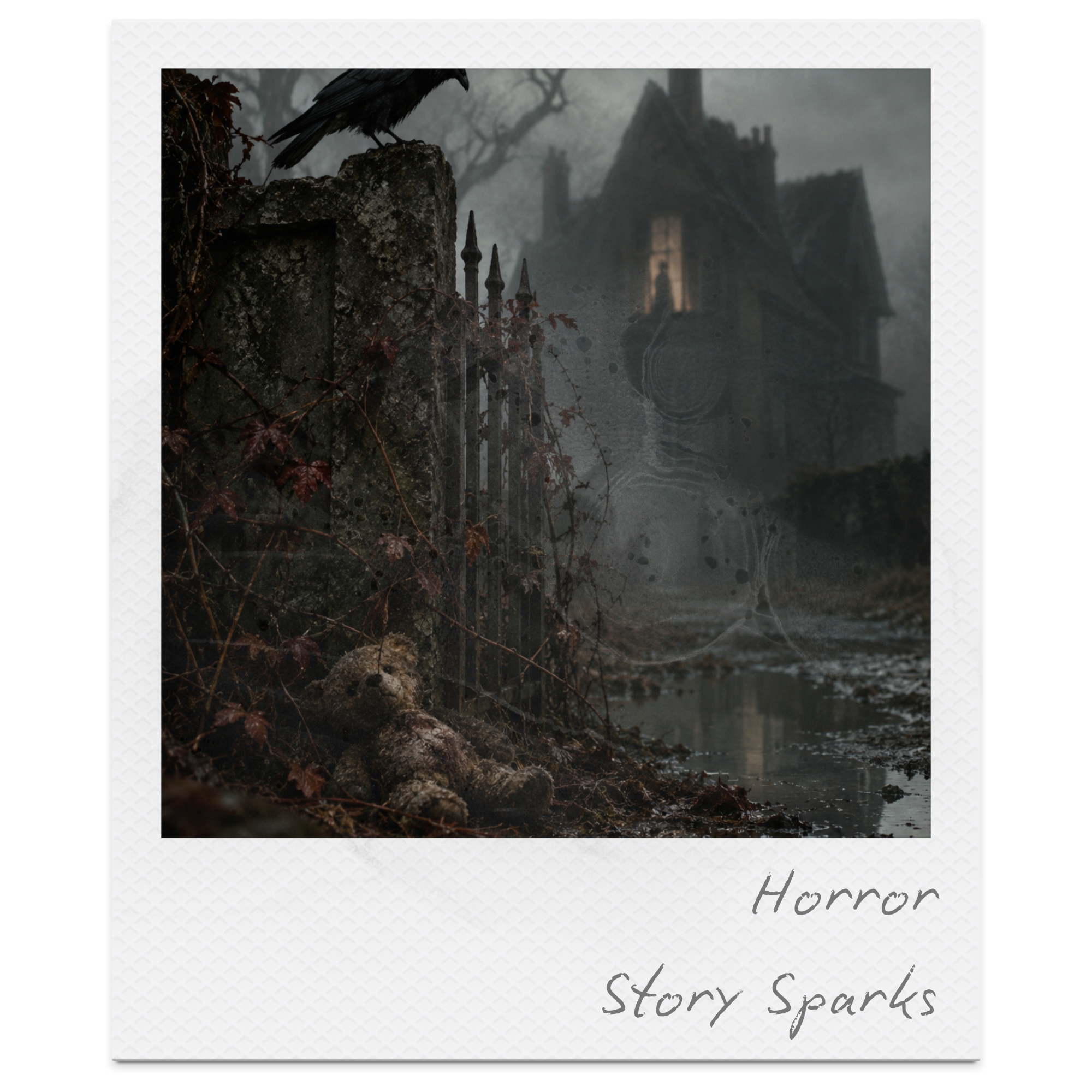
◆ Horror Story Sparks – generate thousands of horror writing possibilities by combining characters, locations, threats, objects, discoveries, opening lines, conflicts, secrets, disturbing events and twists across supernatural horror, psychological horror, folk horror, body horror, cosmic horror and more.
Romance & Romantasy Creative Writing Generators
Fall in love, complicate everything and discover what happens when attraction collides with secrets, impossible choices or a little magic. These free romance and romantasy writing generators are designed to help you create original love stories filled with compelling characters, relationship dynamics, emotional obstacles, romantic tropes and unexpected complications.
Inside this section:
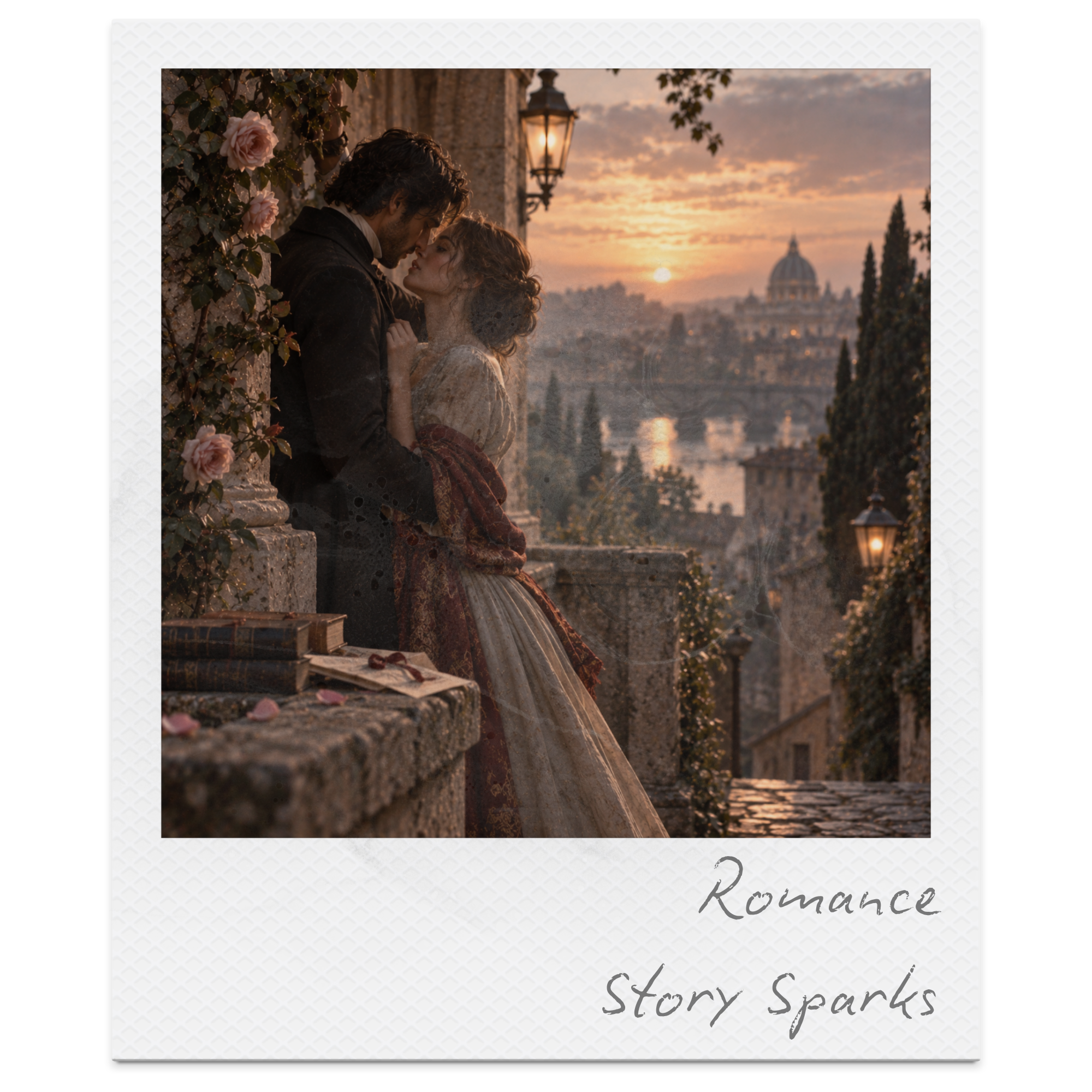
◆ Romance Story Sparks – generate romantic story ideas by combining characters, relationship dynamics, meetings, settings, tropes, conflicts, secrets, emotional obstacles, important moments and twists, with inspiration for contemporary romance, historical romance, paranormal romance, romantic fantasy and more.
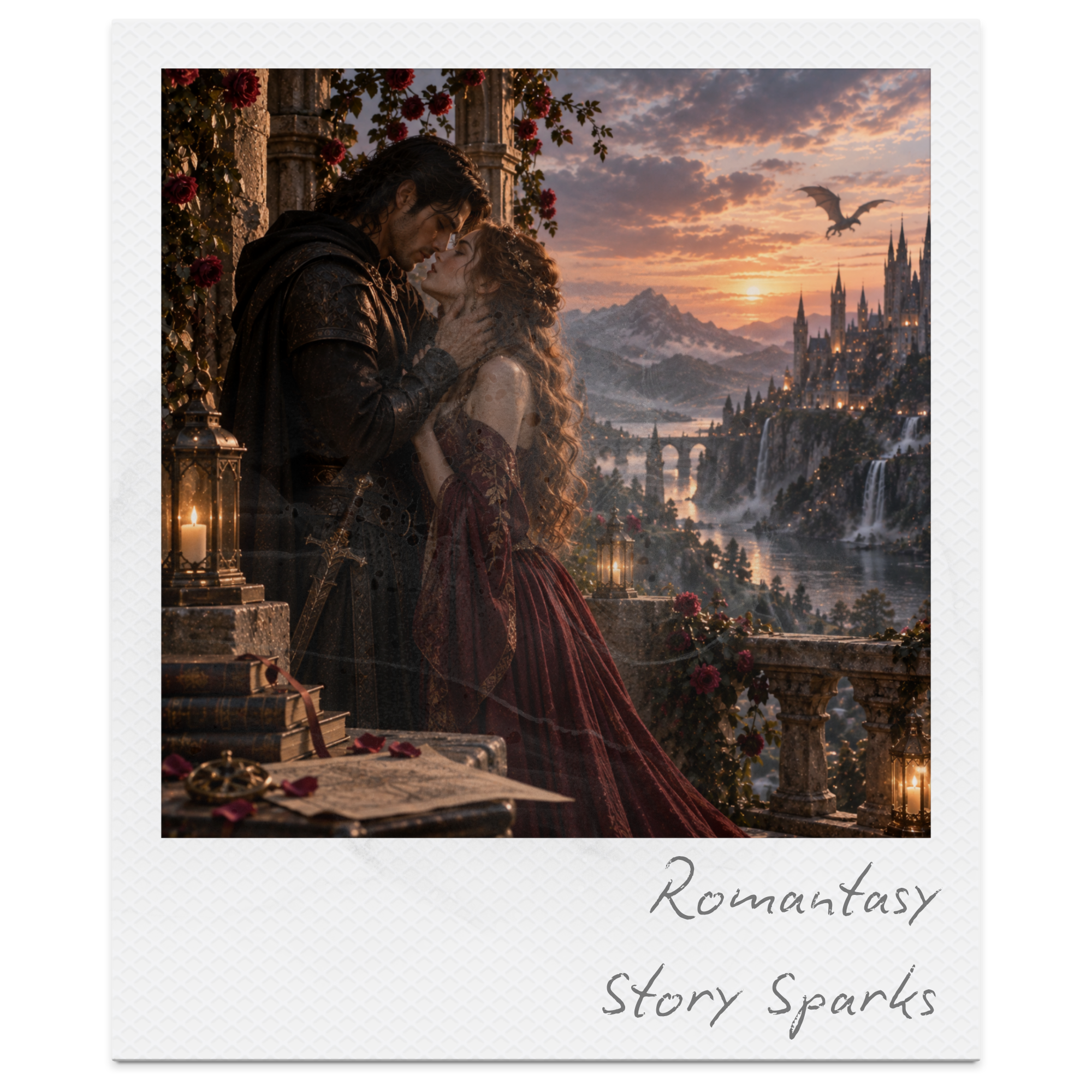
◆ Romantasy Story Sparks – combine romance with fantasy to generate stories shaped by magical worlds, dangerous powers, supernatural characters, forbidden relationships, rival kingdoms, curses, bargains, political conflict and love stories where the romantic and fantastical stakes become impossible to separate.
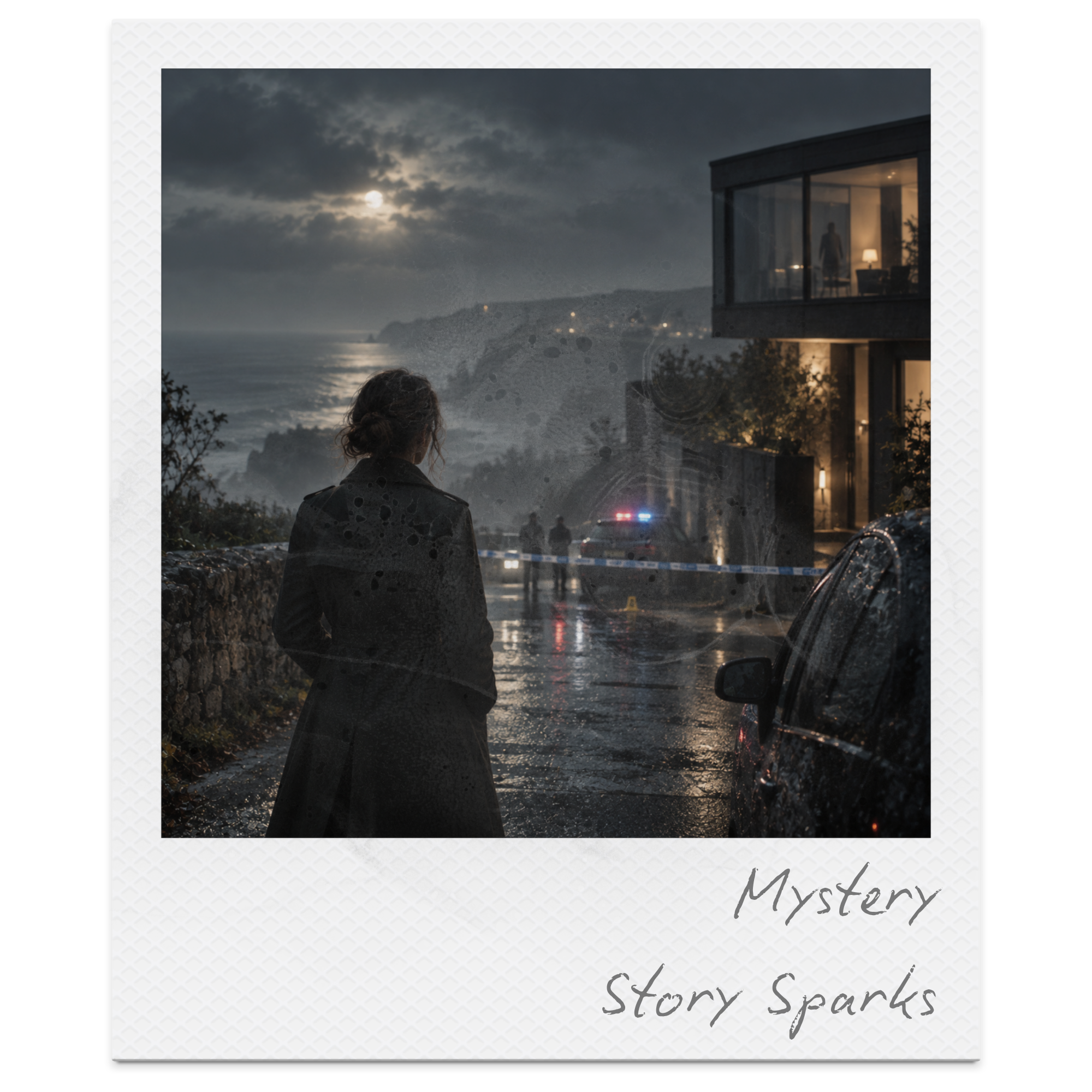
Mystery Creative Writing Generators
Follow the clues, question everyone and uncover the secrets hiding beneath the surface. These free mystery writing generators are designed to help you create intriguing stories filled with investigators, suspects, missing people, suspicious events, hidden motives, misleading evidence and discoveries that gradually reveal the truth.
Inside this section:
◆ Mystery Story Sparks – generate thousands of mystery story possibilities by combining investigators, suspects, crimes, missing people, clues, red herrings, motives, alibis, witnesses, secrets, suspicious objects, discoveries, plot hooks and twists for cosy mysteries, whodunits, detective fiction, cold cases, domestic mysteries and more.
Science Fiction Creative Writing Generators
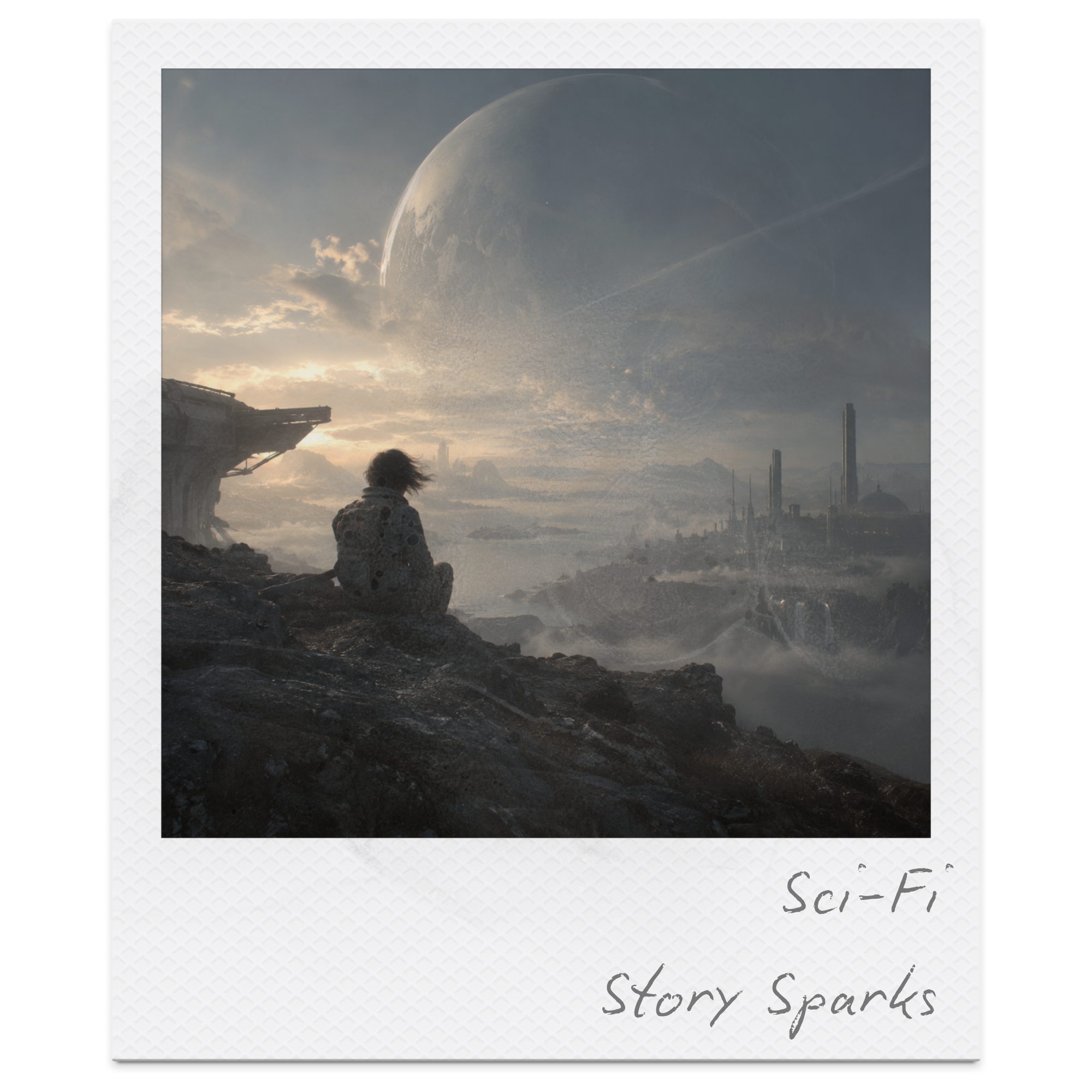
Travel beyond the familiar and imagine what might happen when technology, discovery and human ambition push into places we have never been before. These free science fiction writing generators are designed to help you create speculative stories filled with alien worlds, artificial intelligence, distant futures, strange technologies, space exploration and discoveries capable of changing everything.
Inside this section:
◆ Science Fiction Story Sparks – generate thousands of science fiction story possibilities by combining alien worlds, futuristic societies, artificial intelligence, space exploration, cyberpunk, biotechnology, time travel, strange discoveries, new technologies, mysterious transmissions, conflicts and plot twists across hard sci-fi, space opera, climate fiction, dystopian futures and more.
Dystopian Creative Writing Generators
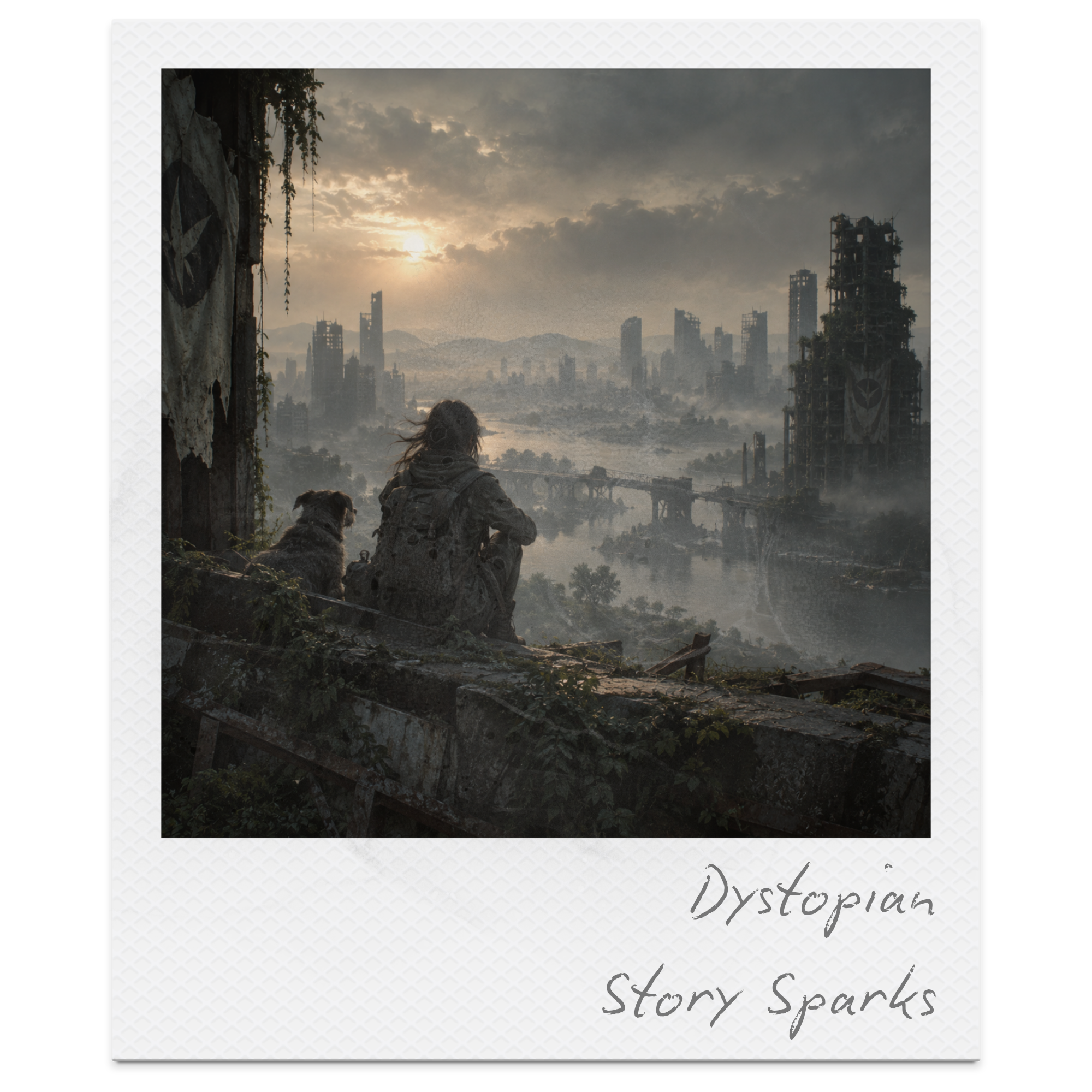
Imagine societies where something has gone deeply wrong — and the people forced to live within them. These free dystopian writing generators are designed to help you create unsettling speculative stories shaped by oppressive systems, surveillance, inequality, environmental collapse, restricted freedoms, resistance and the consequences of attempts to build a supposedly perfect society.
Inside this section:
◆ Dystopian Story Sparks – generate dystopian story ideas by combining controlled societies, protagonists, oppressive systems, laws and restrictions, technologies, forms of surveillance, forbidden activities, acts of resistance, discoveries, conflicts and twists to create original speculative futures where characters must navigate the systems controlling their lives.
Paranormal & Ghost Story Creative Writing Generators
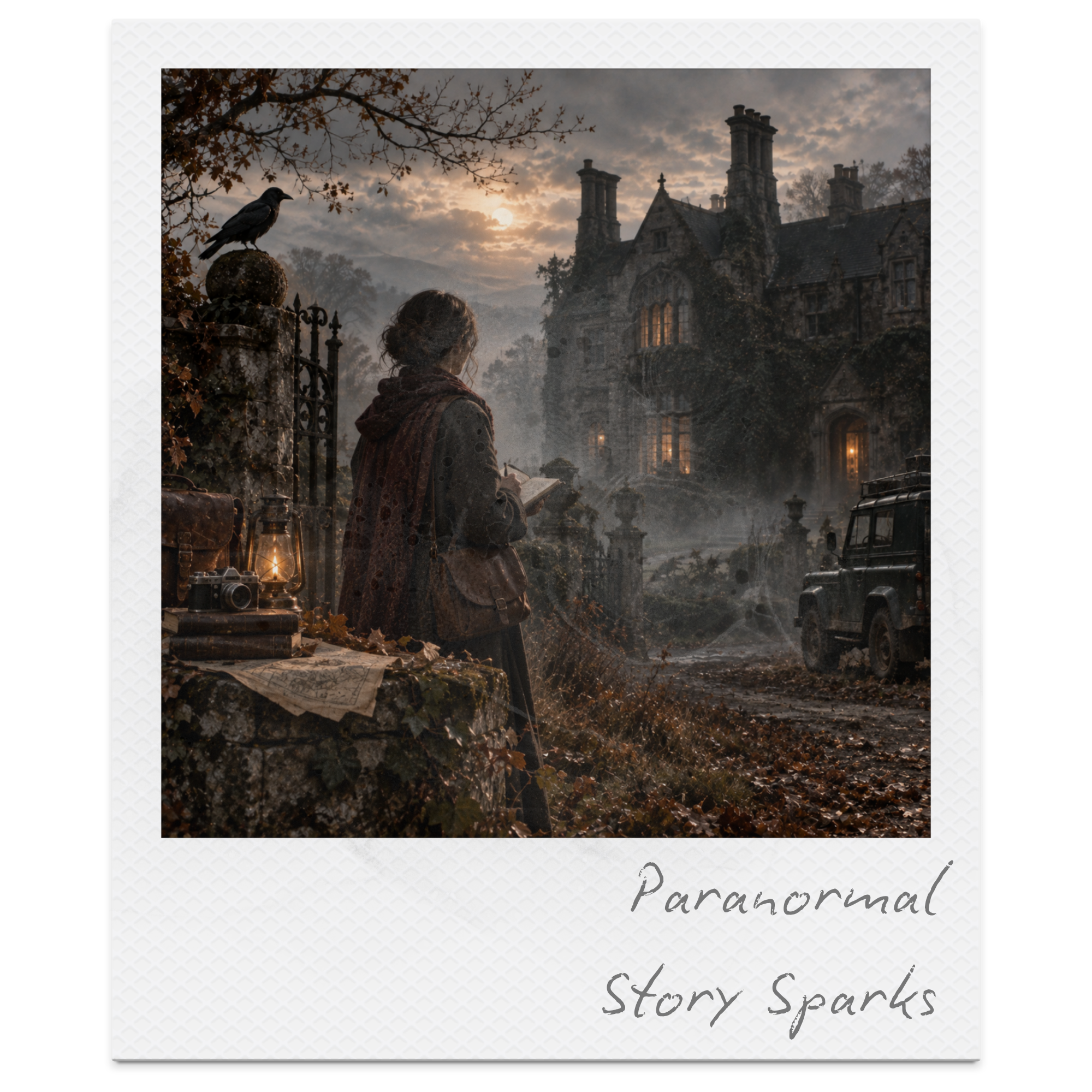
Cross the boundary between the ordinary and the unexplained. These free paranormal and ghost story generators are designed to help you create supernatural stories filled with hauntings, psychic phenomena, cryptids, strange entities, impossible events and encounters that challenge everything your characters thought they understood about reality.
Inside this section:
◆ Paranormal Story Sparks – generate supernatural story ideas by combining psychic abilities, cryptids, mysterious entities, paranormal investigators, premonitions, possessions, strange signals, unexplained disappearances, impossible phenomena, supernatural rules, discoveries and reality-bending events for paranormal mysteries, supernatural fiction and more.
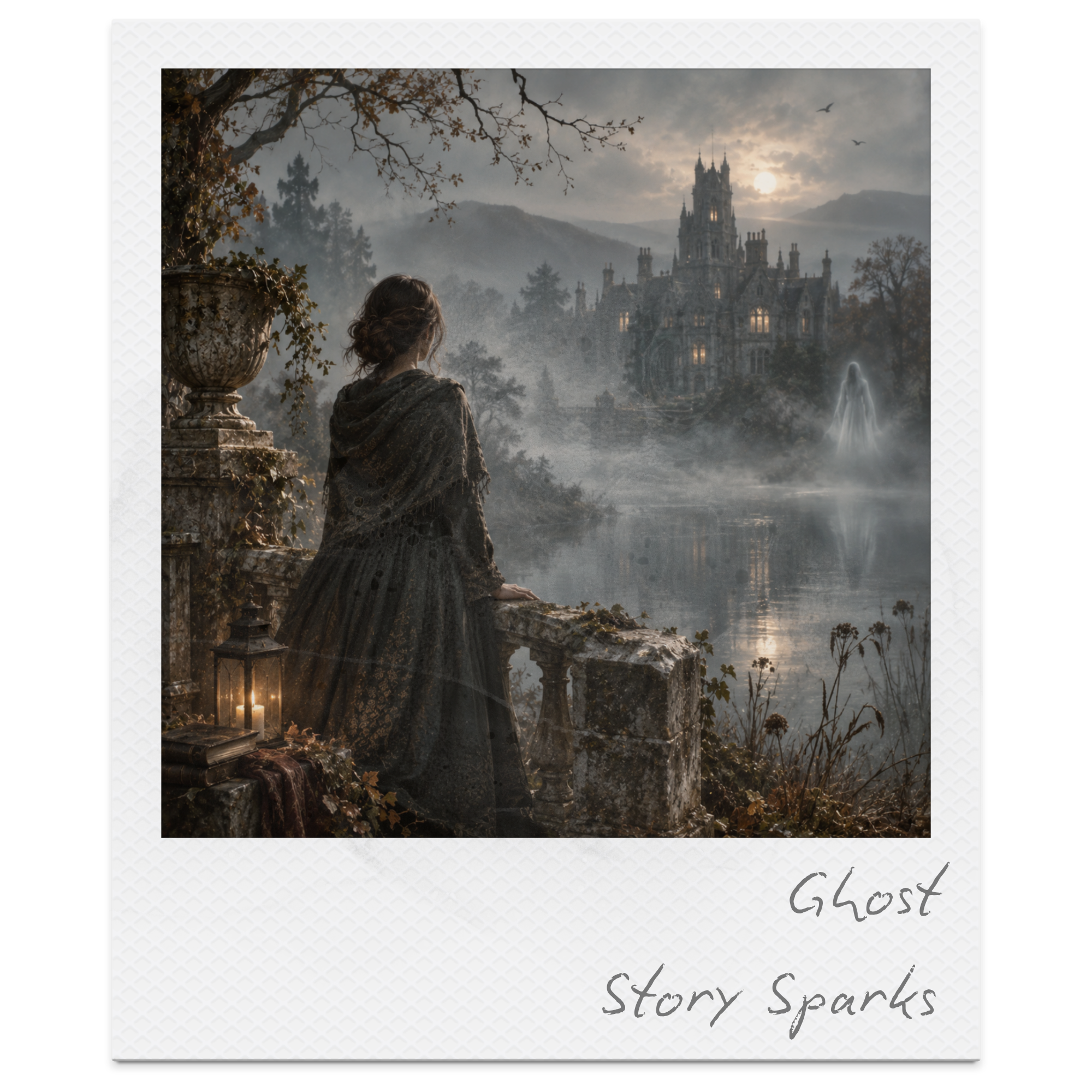
◆ Ghost Story Sparks – generate haunting story ideas involving restless spirits, haunted places, apparitions, manifestations, unfinished business, messages from the dead, séances, haunting rules, family ghosts and supernatural discoveries, with possibilities ranging from frightening encounters to tragic, mysterious and bittersweet tales.
Mythology Creative Writing Generators
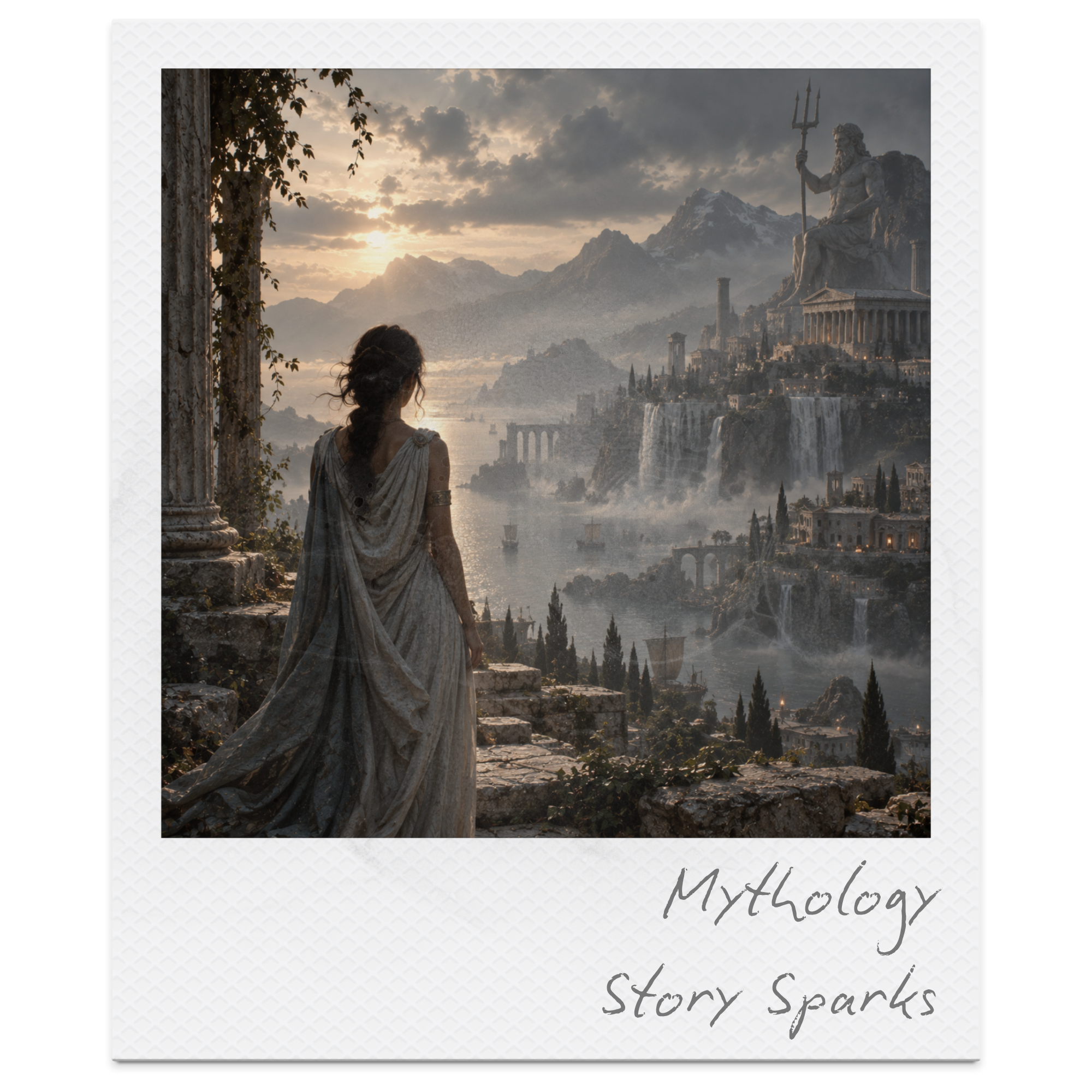
Create stories inspired by gods, monsters, heroes and the ancient questions people have used mythology to explore for thousands of years. These free mythology writing generators are designed to help you develop original legends filled with divine rivalries, sacred places, impossible quests, prophecies, transformations and encounters between mortals and forces far more powerful than themselves.
Inside this section:
◆ Mythology Story Sparks – generate original myth-inspired story ideas by combining gods, heroes, monsters, sacred places, prophecies, divine bargains, curses, quests, transformations, rivalries, rituals, ancient secrets and mythic events, with inspiration drawn from creation stories, heroic journeys, underworld tales, celestial myths and more.
Historical Fiction Creative Writing Generators
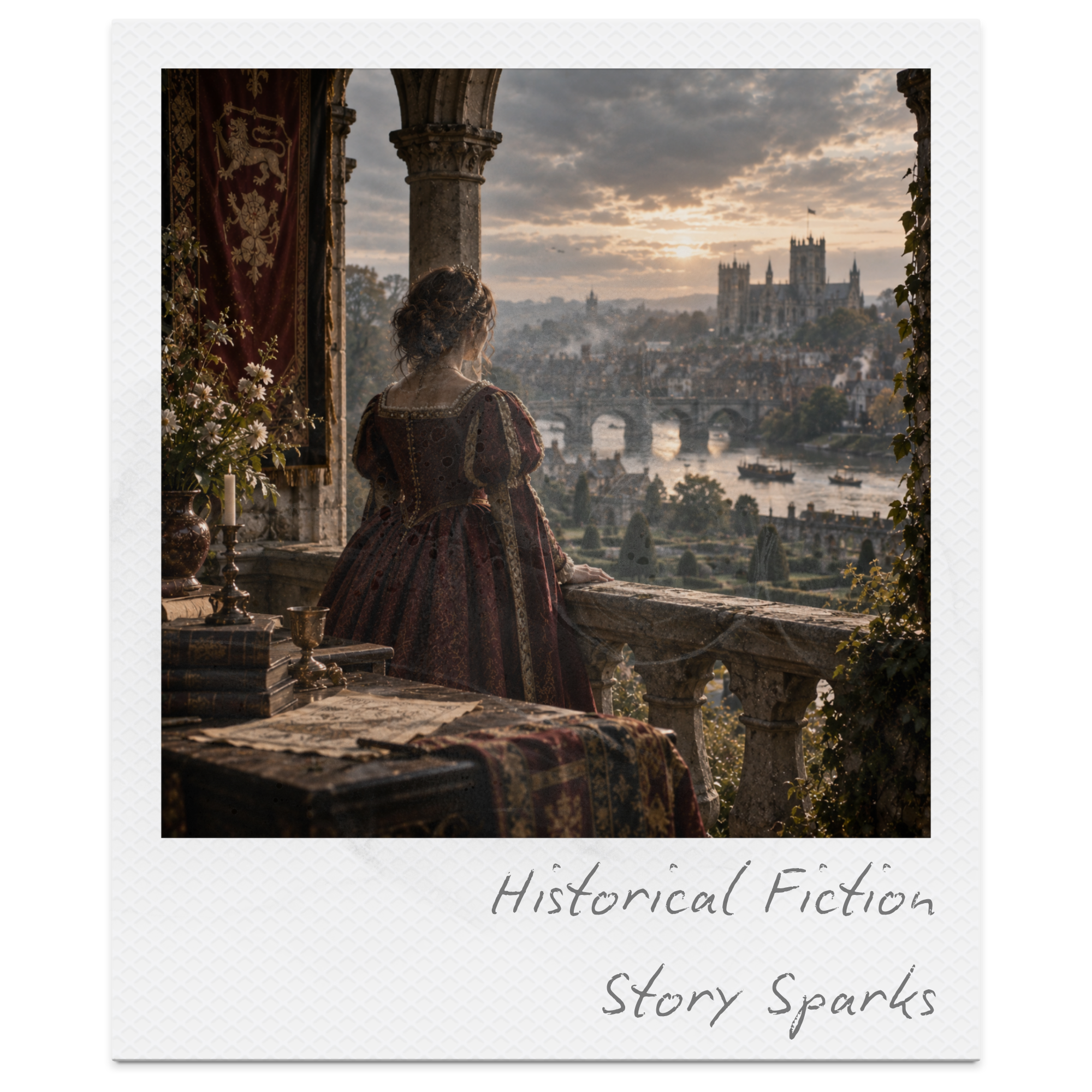
Step into another time and discover the stories hidden within the past. These free historical fiction writing generators are designed to help you create story ideas shaped by different eras, places and lives, combining historical settings with characters, conflicts, relationships, secrets and turning points that could only happen in their particular moment in history.
Inside this section:
◆ Historical Fiction Story Sparks – generate historical story ideas by combining time periods, locations, characters, occupations, social circumstances, conflicts, relationships, historical pressures, secrets, objects and unexpected events, helping you find the beginnings of stories set across different periods of the past.
Descriptive Writing Generators
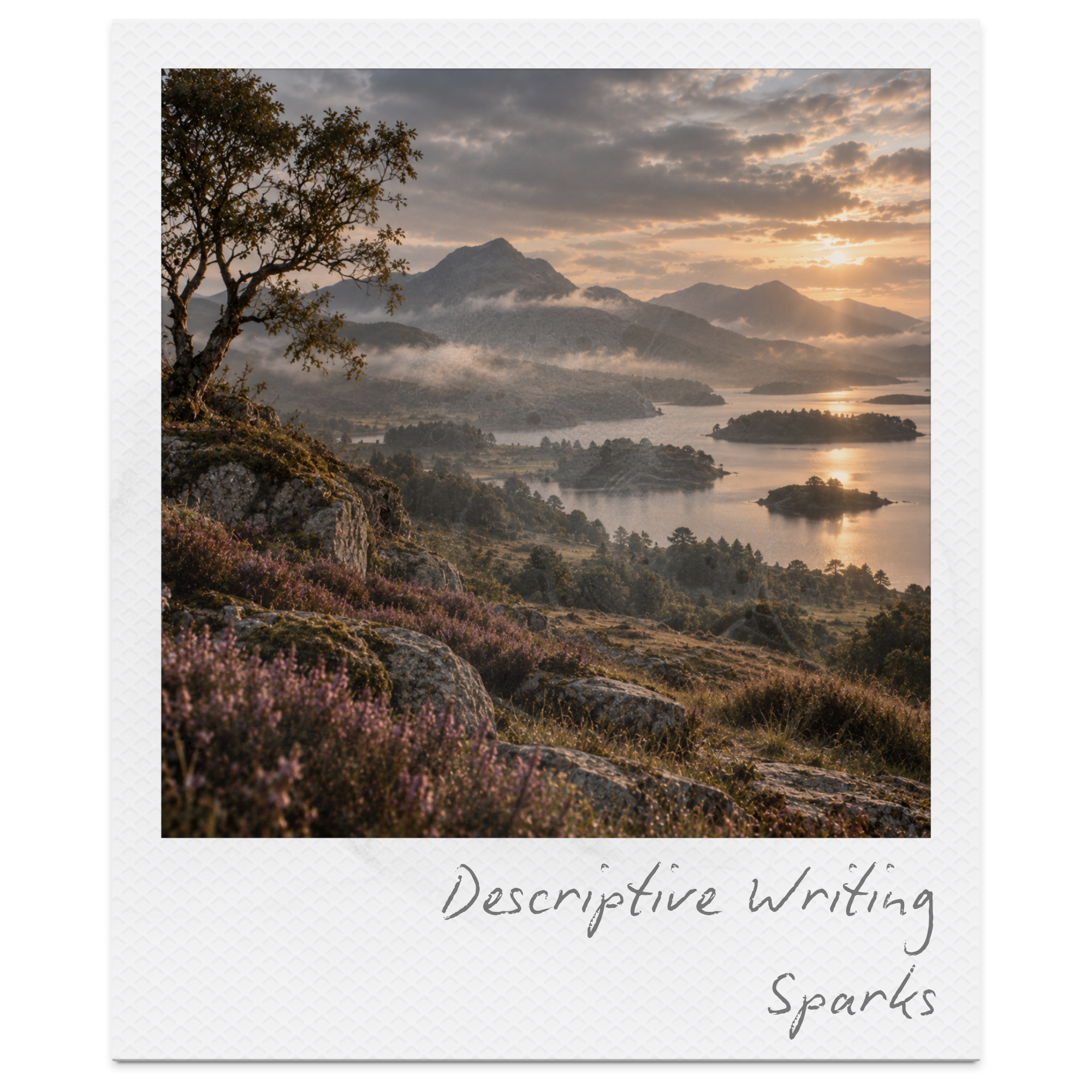
Slow down, look closer and find new ways to put what you imagine into words. These free descriptive writing generators are designed to strengthen imagery, atmosphere and sensory writing by giving you unexpected subjects, settings, details and creative constraints to explore.
Inside this section:
◆ Descriptive Writing Sparks – generate random descriptive writing challenges exploring landscapes, interiors, objects, people, animals, food, weather, light, sounds, smells, textures, movement, atmosphere, contrasting scenes and close-up details, with imaginative constraints designed to make you notice more and describe familiar things differently.
Personal Narrative & Journaling Generators
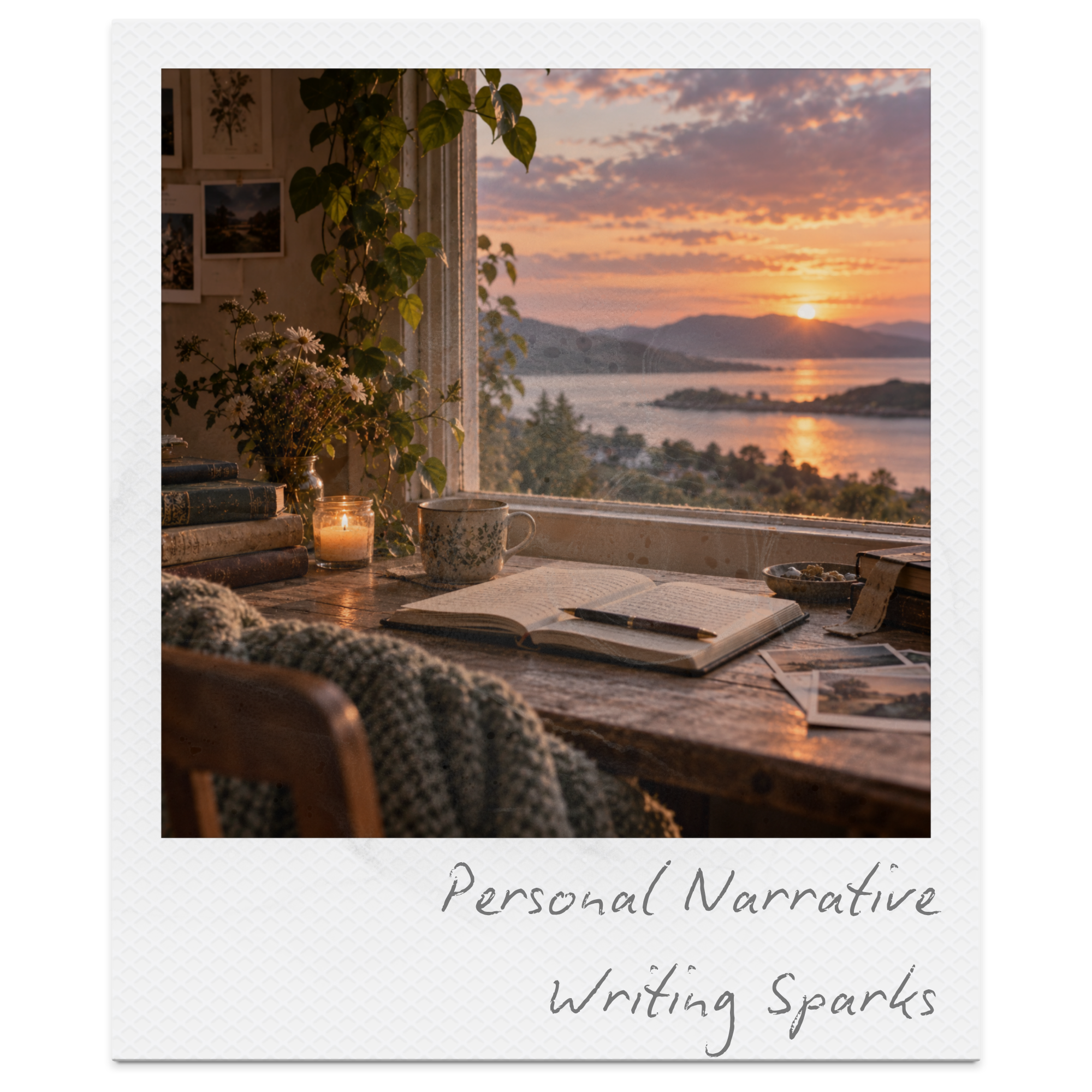
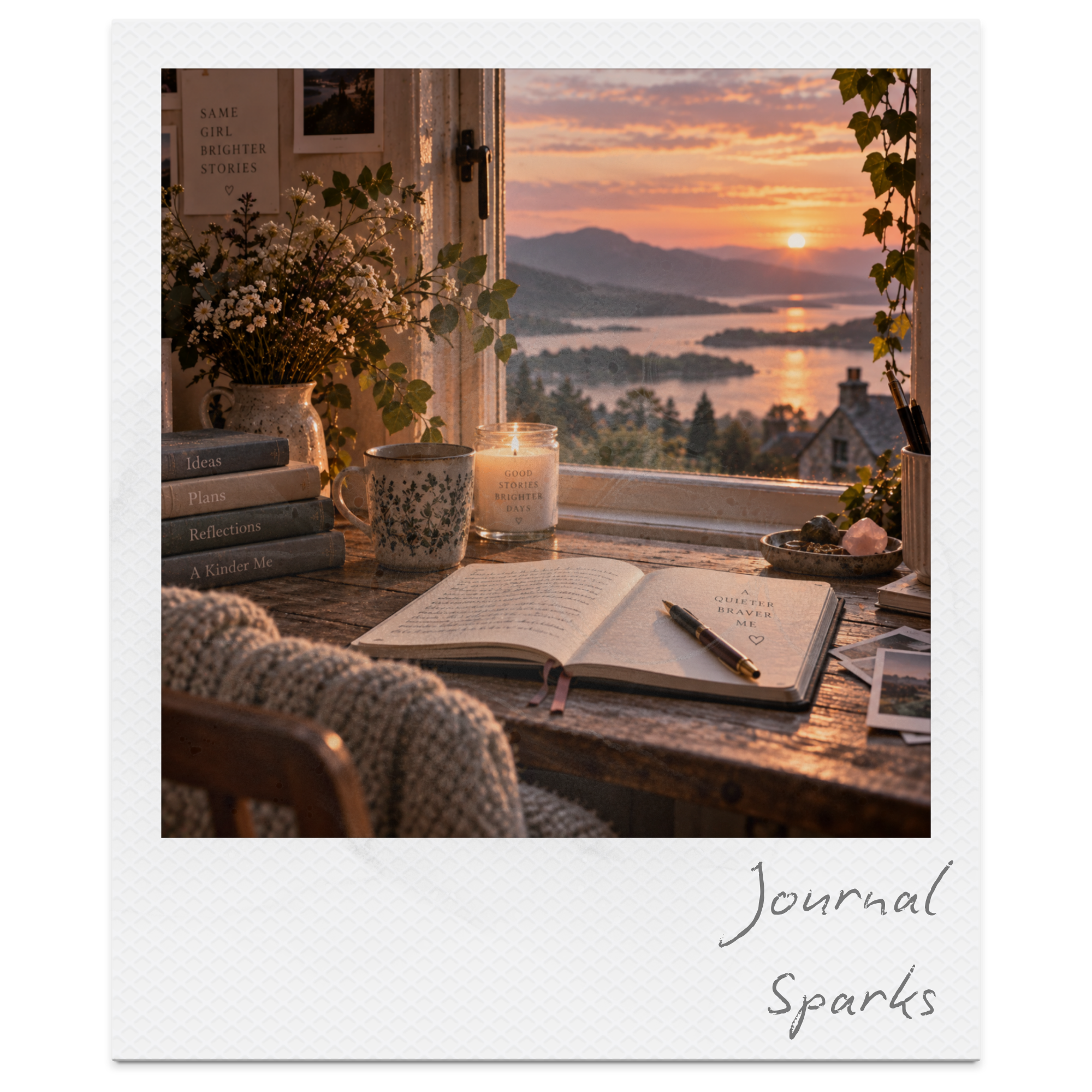
Turn memories, experiences and everyday thoughts into something worth exploring on the page. These free personal writing generators are designed to help you reflect on your own life, discover forgotten stories, explore meaningful moments and find a starting point when you want to write but are not sure what to write about.
Inside this section:
◆ Personal Narrative Writing Sparks – generate personal writing ideas exploring childhood, family, friendship, meaningful places, first experiences, mistakes, achievements, traditions, important objects, difficult moments, unexpected memories, turning points and the things you understand differently now.
◆ Journal Writing Sparks – generate thoughtful journal prompts and questions to explore your experiences, thoughts, relationships, memories, goals, everyday life and the things occupying your mind, whether you want to reflect deeply or simply find something interesting to write about.
Choose Your Next Adventure
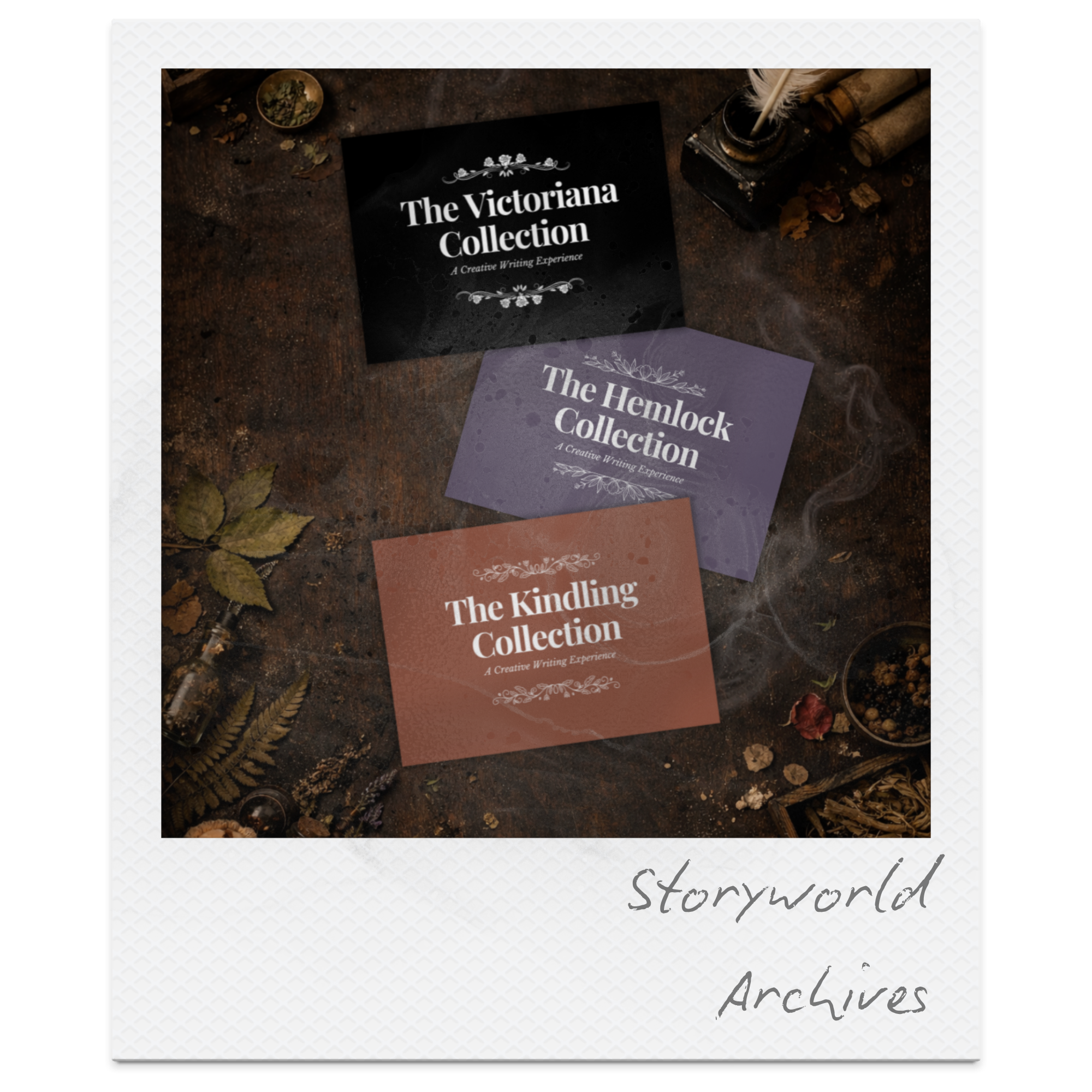
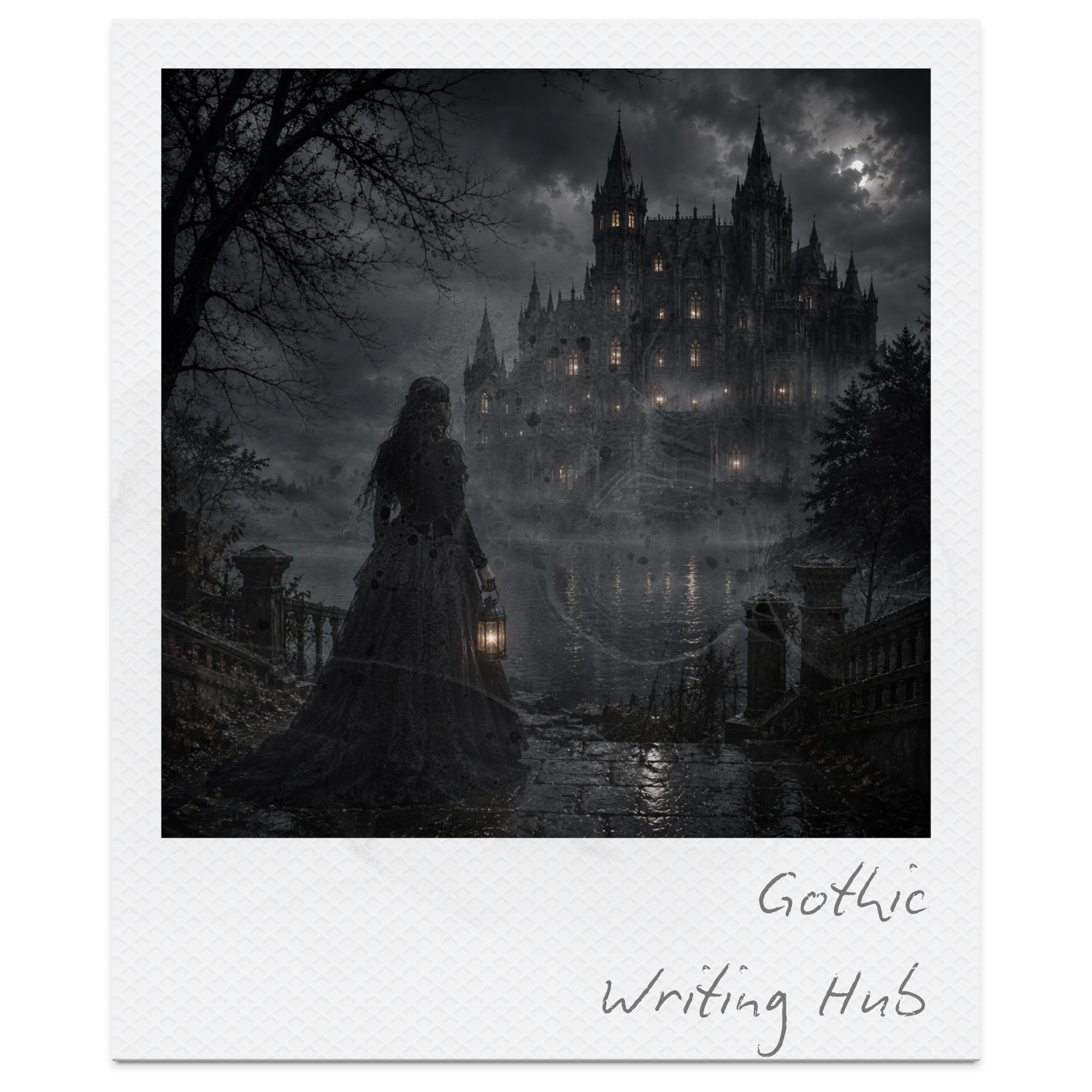
Found an idea worth exploring? Take it further with the Ink & Insights creative writing hubs, where you’ll find writing prompts, story ideas, character inspiration, worldbuilding resources and creative tools organised by genre.
Choose a world below to keep exploring, from fantasy kingdoms and dark Gothic stories to romance, mystery, science fiction, fairytales and beyond.
Creative Writing Generator FAQs
What is a creative writing generator?
1
A creative writing generator is a tool designed to spark new ideas by randomly combining different story elements. Depending on the generator, these might include characters, settings, conflicts, relationships, magical systems, secrets, discoveries, plot twists, opening lines and entire story premises. They are particularly useful when you need inspiration, want to explore an unfamiliar genre or simply want to see where an unexpected combination of ideas might lead.
How do I use a creative writing generator?
2
Choose a generator that matches the kind of story or world you want to create and generate your first set of ideas. You do not have to use everything you are given. Keep the elements that interest you, regenerate the ones that do not, combine results from different generations or change an idea completely.
Think of the generator as a starting point rather than a set of instructions. The most interesting stories often emerge when you take an unexpected result and ask, What could I do with this?
Are the creative writing generators free?
3
Yes. The creative writing generators in this collection are free to use, so you can generate new ideas as often as you need them. Explore different genres, experiment with combinations and keep generating until you discover an idea you want to develop further.
What genres do the writing generators cover?
4
The collection includes generators for fantasy, fairytales, folklore, Gothic fiction, horror, romance, romantasy, mystery, science fiction, dystopian fiction, paranormal stories, ghost stories, mythology and historical fiction, alongside generators for descriptive writing, personal narratives and journaling.
New generators can also be added as the wider Creative Writing Archive continues to grow.