70 Gaslamp Fantasy Writing Prompts for Teens: Story Starters, Characters, Settings & Visual Ideas
Gaslamp fantasy sits at the crossroads of historical fiction, gothic mystery, and the supernatural. Set in worlds shaped by gaslight, social ritual, and rigid hierarchies, it blends manners with magic, etiquette with eldritch forces, and scientific ambition with the unknowable. Where steampunk often foregrounds mechanical innovation and alternate Victorian technology, gaslamp fantasy is more interested in the uncanny — in what seeps through the cracks of polite society when reason can no longer contain what lurks beneath it.
These stories unfold in lamplit streets and high-ceilinged drawing rooms, in conservatories, museums, and private studies where secrets are carefully hidden. They explore secret societies, occult rituals, and arcane experiments pursued in the name of progress, as well as curses whispered behind silk curtains and séances held for entertainment that awaken something real. At its heart, gaslamp fantasy fiction is about power, belief, and social order — who holds authority, who is denied it, and what happens when hierarchy collides with forces that refuse to be controlled.
For teen writers, gaslamp fantasy writing offers fertile ground for character-driven storytelling grounded in atmosphere and moral tension. Themes of grief, class division, scientific curiosity, forbidden romance, and ethical compromise emerge naturally from the setting. These are stories where skepticism and belief exist side by side, and where young protagonists must navigate a world that insists on rational explanations even as it quietly defies them.
This collection of 70 gaslamp fantasy writing prompts for teens is designed to give young authors a complete creative toolkit. The prompts include story hooks, evocative titles, opening lines, closing lines, character archetypes, setting ideas, and cinematic picture prompts that support immersive worldbuilding. They are ideal for classroom quick writes, creative writing warm-ups, writing clubs, or longer historical fantasy projects.
If you’d like to explore more fantasy prompts, worldbuilding ideas, and genre-based writing inspiration, visit the Fantasy Writing Hub or browse the Creative Writing Archive for a wider collection of prompts organised by theme, style, and storytelling focus.
1. Plot Hooks
Gaslamp fantasy plot hooks work best when rational minds are forced into irrational situations: scientists questioning reality, educators facing hauntings they cannot explain, and polite society determined to maintain appearances while something unspeakable unfolds just out of sight. These gaslamp fantasy story starters give teen writers instant conflict, moral tension, and narrative momentum.
Write about a young botanist whose carefully catalogued specimens begin whispering names and dates after midnight — all of them belonging to the recently dead.
Write about a mesmerist hired to restore a noblewoman’s composure, only to discover that the woman is not haunted, but acting as a conduit for something else.
Write about a thief who steals a seemingly ordinary pocket watch and learns it does not measure time, but governs how long spirits may linger among the living.
Write about a scholar who discovers forbidden runes carved beneath the city’s cobblestones, hidden so deeply that their presence suggests the city itself was built to contain them.
Write about a portrait artist who realises each completed commission reveals a truth the sitter has gone to great lengths to conceal — and that the paintings cannot be destroyed.
Write about a detective who quietly specialises in supernatural crimes the authorities refuse to acknowledge, solving cases that must never be officially recorded.
Write about a governess who begins to suspect her pupil is not entirely human, and that the child’s family is far more aware of this than they pretend.
Write about a clockmaker whose newest automaton begins making corrections — not to its mechanisms, but to the people around it.
Write about a society girl who attends fashionable séances as a cover for investigating a series of disappearances no one else is willing to connect.
Write about a failed inventor who bargains with a spirit for funding, only to learn that the true cost of progress cannot be measured in money.
2. Title Ideas
Strong gaslamp fantasy story titles tend to feel atmospheric and suggestive rather than explanatory. They draw on Victorian ambience, secrecy, and quiet unease, making them well-suited to short stories, YA fiction, web serials, or longer historical fantasy projects. These title ideas can be used as written or adapted as chapter titles.
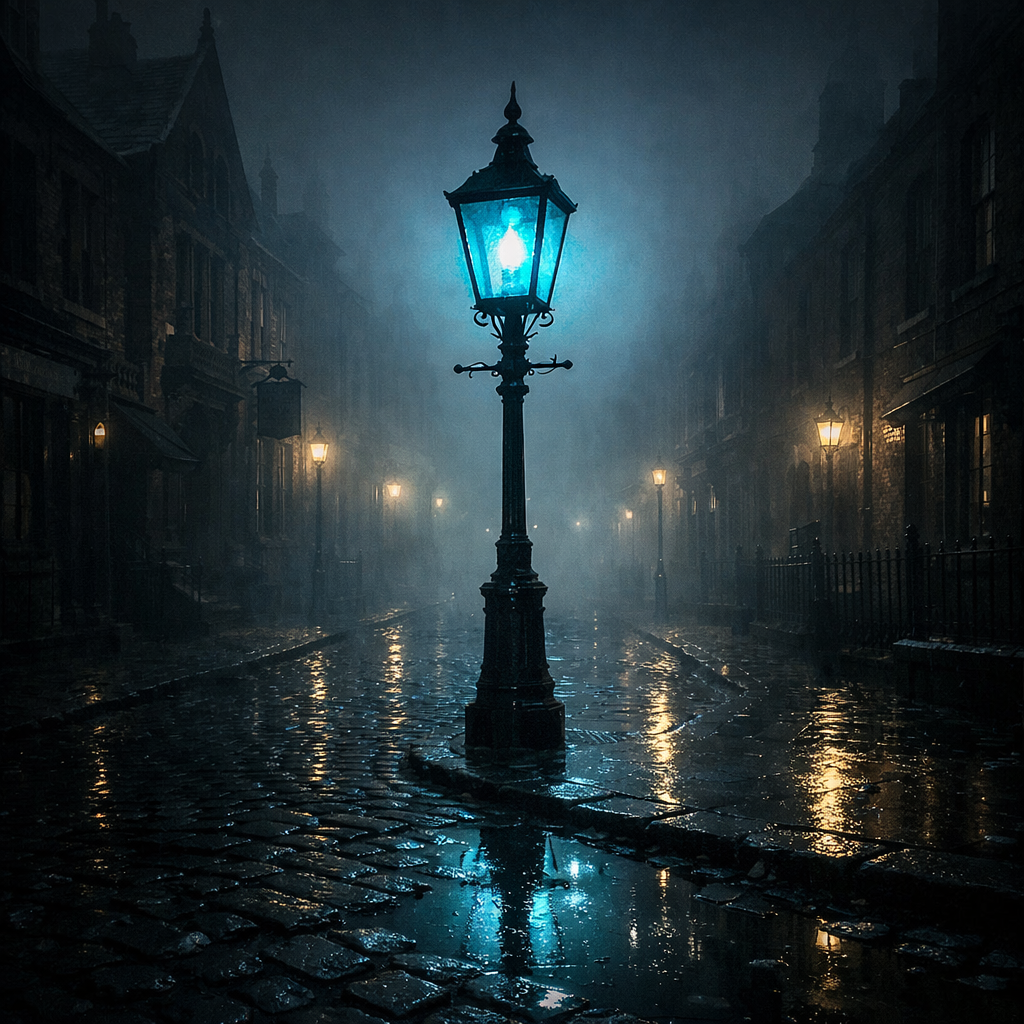
The Lantern at Wraith Street
The Cabinet of Unspoken Things
A Study in Lamplight and Silence
The Glasshouse Séance
The Clockmaker’s Other Apprentice
Ink, Ash, and Ether
The Society for Nocturnal Matters
A Catalogue of Respectable Fears
Smoke Beneath the Parlour Door
The Governess and the Unlit Lamp
3. Opening Lines
Strong gaslamp fantasy opening lines establish atmosphere before explanation. They draw readers into worlds shaped by fog, gaslight, and social restraint, where séances are treated as entertainment, haunted houses are politely ignored, and characters are only just beginning to realise that something in their world is not behaving as it should.
For gaslamp fantasy, an effective opening line does more than describe a setting — it introduces tension, hints at hidden rules, and raises an immediate question the story must answer. These gaslamp fantasy story openings can be used as first sentences, chapter openers, or stylistic inspiration for students developing their own hooks in historical fantasy and gothic fiction.
The streetlamps dimmed as I passed, as if the city itself had recognised me.
In daylight her eyes were grey, but under gaslight they turned silver, and no one could explain why.
The letter smelled faintly of lavender and damp earth, as though it had travelled a long way to reach me.
I catalogued the ghost as carefully as I would any other specimen, refusing to consider what that said about me.
Polite society does not acknowledge monsters, even when they are seated neatly at the dinner table.
I should have known the séance was a mistake the moment the table began to move on its own.
The watchmaker insisted the machine had no soul, but it had already begun to argue.
We were warned never to look too closely at the mirrors after dusk.
The governess arrived at twilight, carrying a single valise and a warning she would not explain.
London’s fog conceals many things, but that night it concealed something extraordinary.
4. Closing Lines
Effective gaslamp fantasy closing lines linger rather than conclude. They resolve the immediate moment while leaving something unsettled beneath the surface, allowing readers to sense that the world continues quietly beyond the final sentence. In stories shaped by restraint, secrecy, and social order, endings often suggest acceptance rather than victory, and understanding rather than explanation.
A strong closing line does not need to answer every question. These gaslamp fantasy endings model how to leave space for ambiguity, consequence, and reflection, making them ideal for short stories, chapter endings, or longer YA historical fantasy projects.
I walked home beneath the lamplight, pretending not to notice when my shadow began to lag behind.
Her spirit remained, courteous as ever, waiting for someone brave enough to speak the truth aloud.
Science could not explain what had happened, but by then I no longer needed it to.
The city slept on, unaware that its future had been quietly rewritten beneath the streets.
I closed the journal and locked it away, knowing some discoveries are safest when forgotten.
The haunting never truly ended; we simply learned which doors not to open.
He disappeared into the fog, leaving behind only the faint scent of smoke and crushed violets.
The spirits granted us peace, though the cost would surface long after we were gone.
I looked back once, and the house seemed to incline itself, as if offering a final farewell.
We extinguished the last candle, and the darkness settled, satisfied.
5. Character Ideas
Strong gaslamp fantasy characters stand with one foot in reason and one in the supernatural. They are shaped by education, etiquette, and social expectation, yet forced to confront forces that logic alone cannot explain. These characters thrive on contradiction: skeptics haunted by proof, caretakers guarding dangerous secrets, and respectable figures leading double lives after dark.
Gaslamp fantasy characters offer built-in conflict and emotional depth, making them ideal for experimenting with point of view, moral dilemmas, and character arcs across short stories or longer YA historical fantasy projects.
A disgraced scientist determined to restore their reputation by proving that spirits can be measured, recorded, and controlled.
A wealthy patron who funds occult research under the guise of philanthropy, hiding a deeply personal reason for needing its results.
An ambitious investigative journalist chasing rumours of hauntings, convinced the truth will make their career — if it doesn’t destroy it first.
A governess with a carefully concealed magical heritage, hired to educate a child who may be far more dangerous than they appear.
A mortician who hears the final thoughts of the dead and must decide which truths should never be passed on to the living.
A botanist cultivating rare plants with supernatural properties, knowing that discovery would mean ruin — or exploitation.
A medium who has built a career on staged séances until one night a genuine spirit answers back.
A skilled pickpocket who steals only cursed objects, believing it is safer for them to disappear than fall into the wrong hands.
A detective who refuses to believe in ghosts, even as every investigation pushes them closer to an explanation they cannot accept.
A young aristocrat devoted to charitable work by day and forbidden rituals by night, convinced both are necessary to keep the city safe.
6. Setting Ideas
Atmospheric settings sit at the heart of gaslamp fantasy. These places carry mood before any character speaks, shaping stories through fog, gaslight, and rooms designed to hide as much as they reveal. Each setting offers an instant sense of unease or possibility, giving writers a strong foundation to build from.
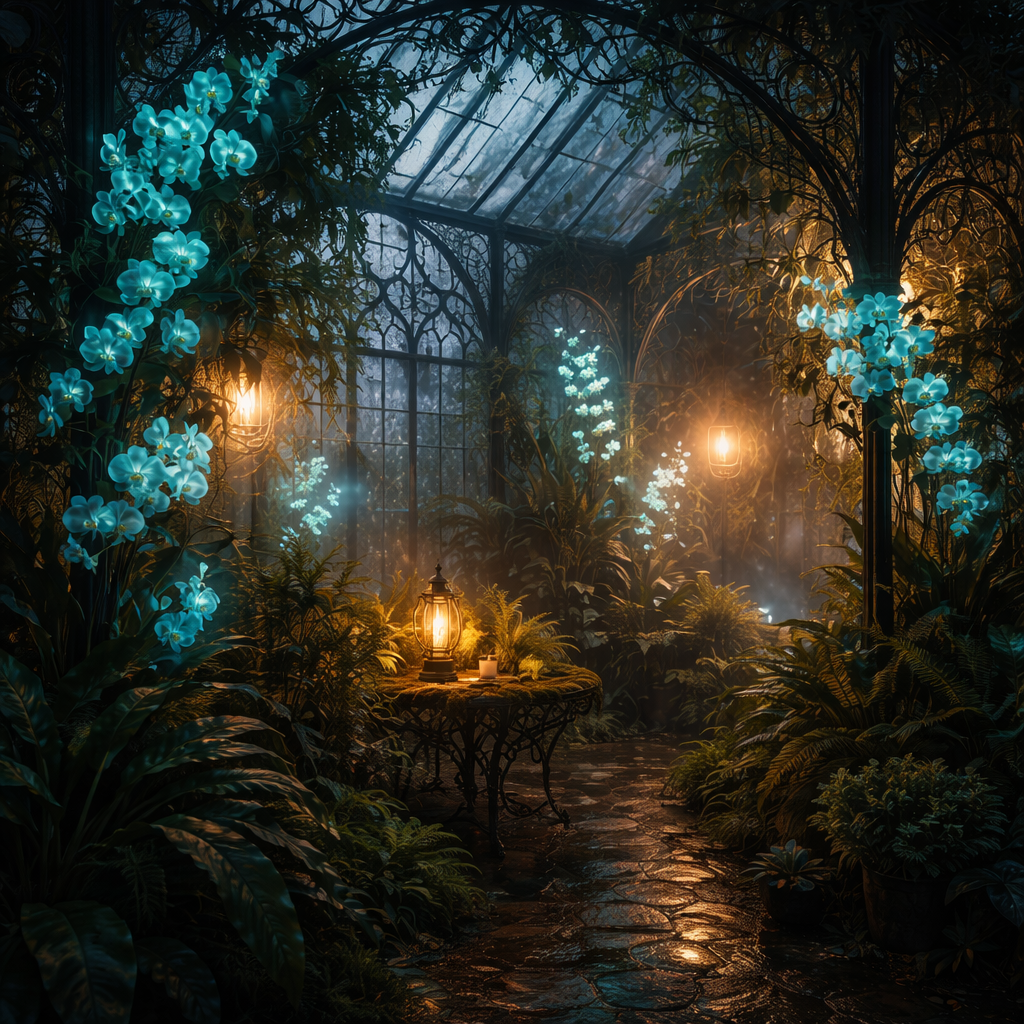
A glasshouse conservatory where rare orchids emit a faint glow and respond subtly to human presence.
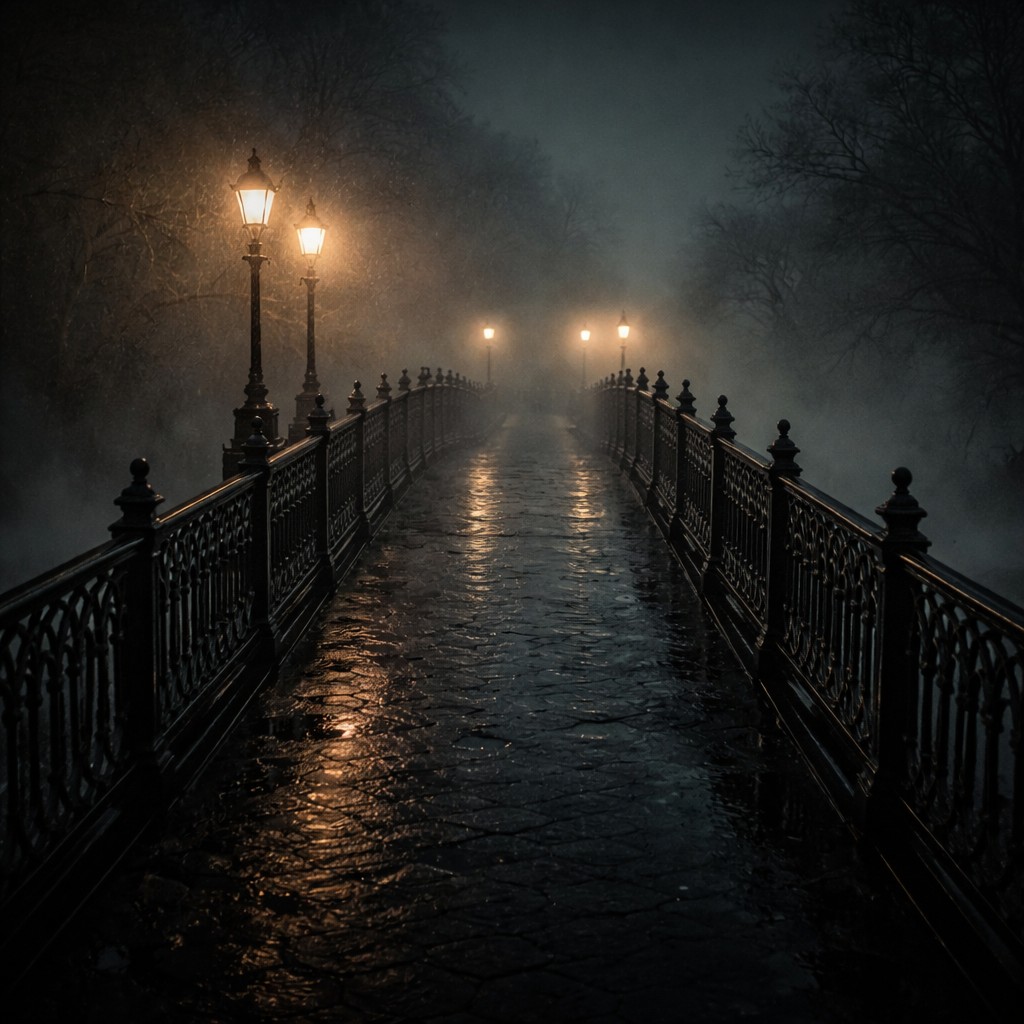
A fog-drenched iron bridge lined with memorial plaques that murmur names when no one is listening.
A private museum of curiosities where objects refuse to remain still once the doors are locked for the night.
A respectable boarding house in which no resident ever stays longer than thirteen nights — and no records explain why.
A séance parlour draped in velvet, its walls lined with portraits that shift position between gatherings.
An abandoned train station that hums softly after dark, as if waiting for a final arrival.
A gentleman’s club where influence is traded through whispered favours and debts no law would recognise.
A medical lecture theatre haunted by the quiet presence of former patients who never left.
A sealed library wing closed since the Great Fire, its shelves still warm beneath the reader’s hand.
A greenhouse attached to a crumbling manor, overgrown with plants that should not survive in this climate.
7. Picture Prompts
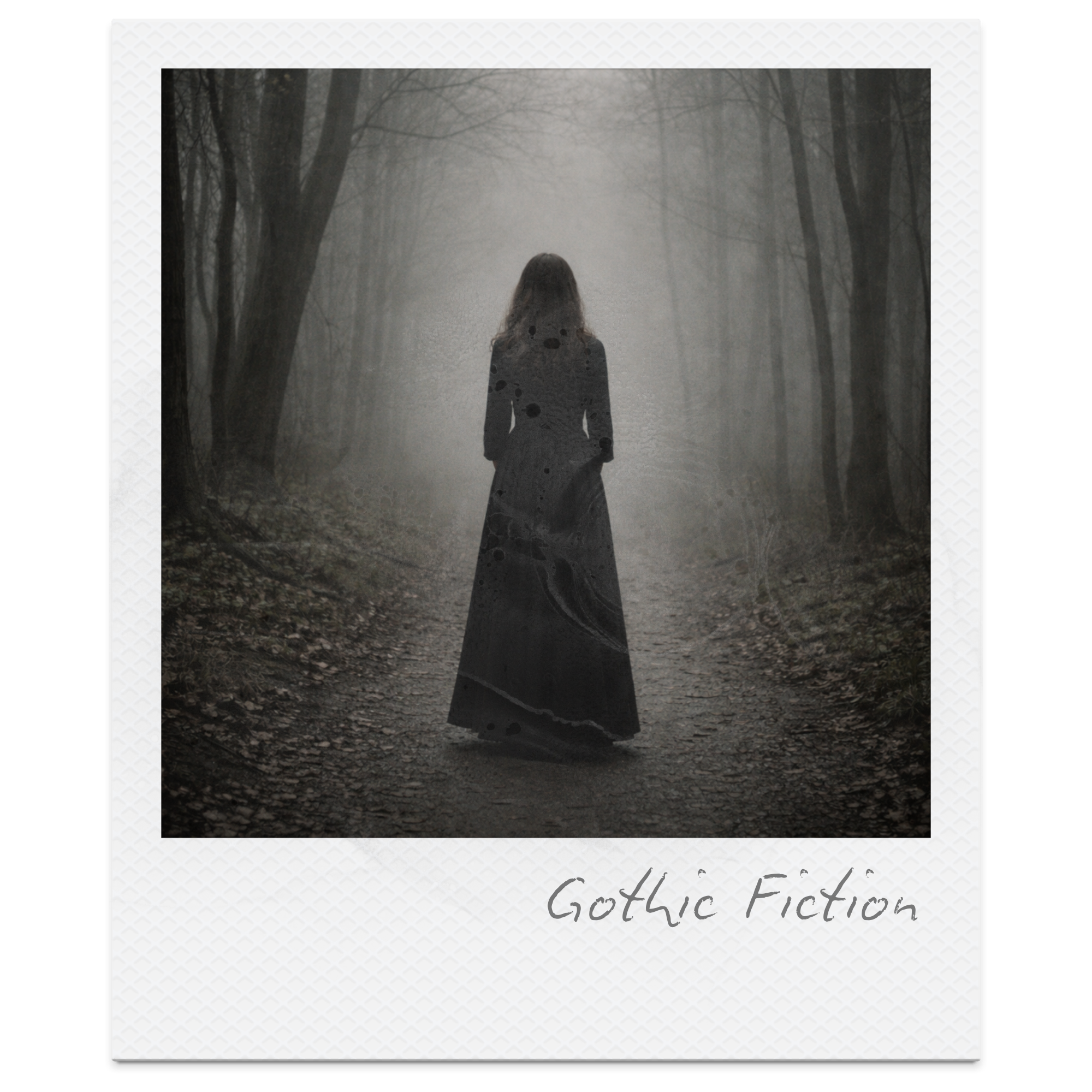
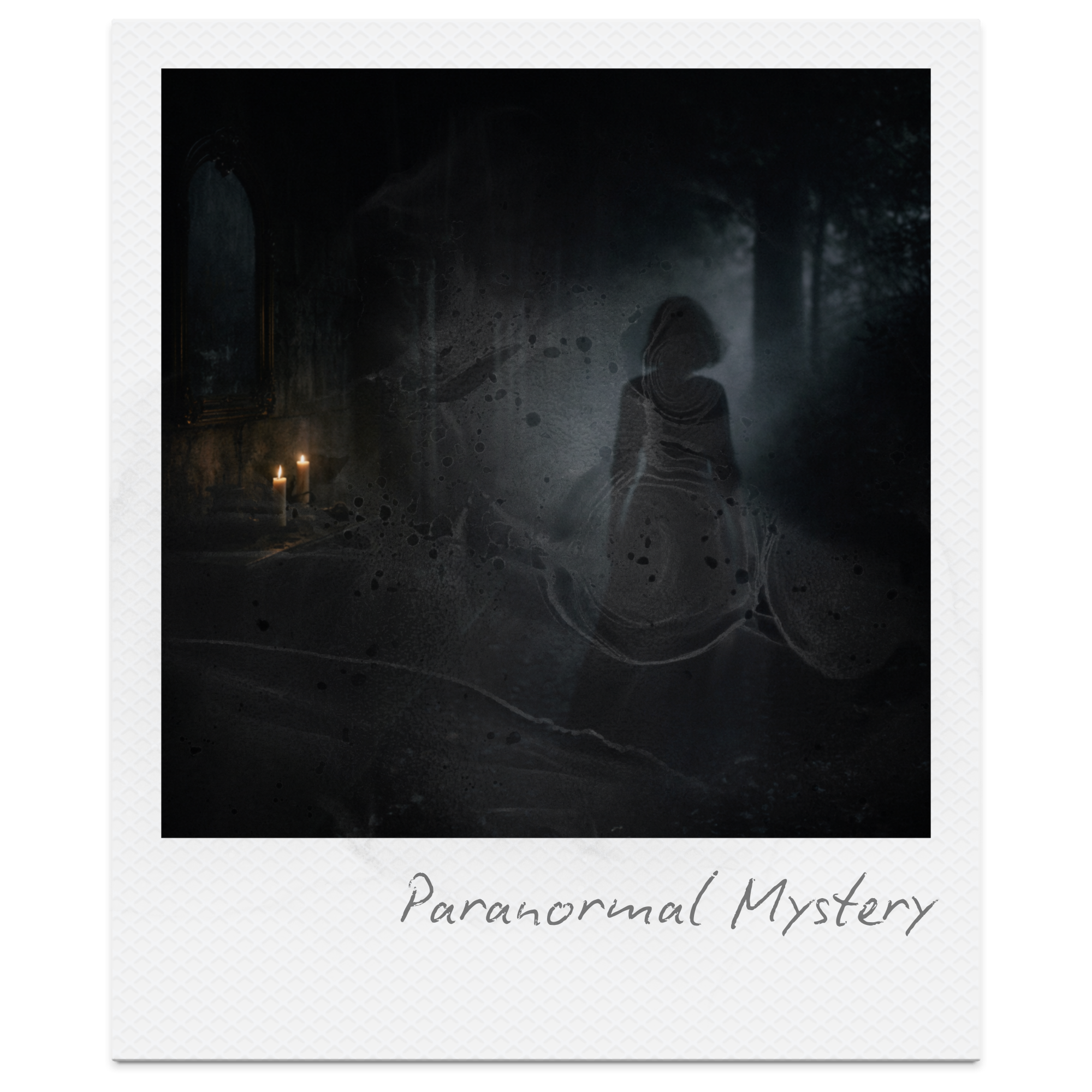
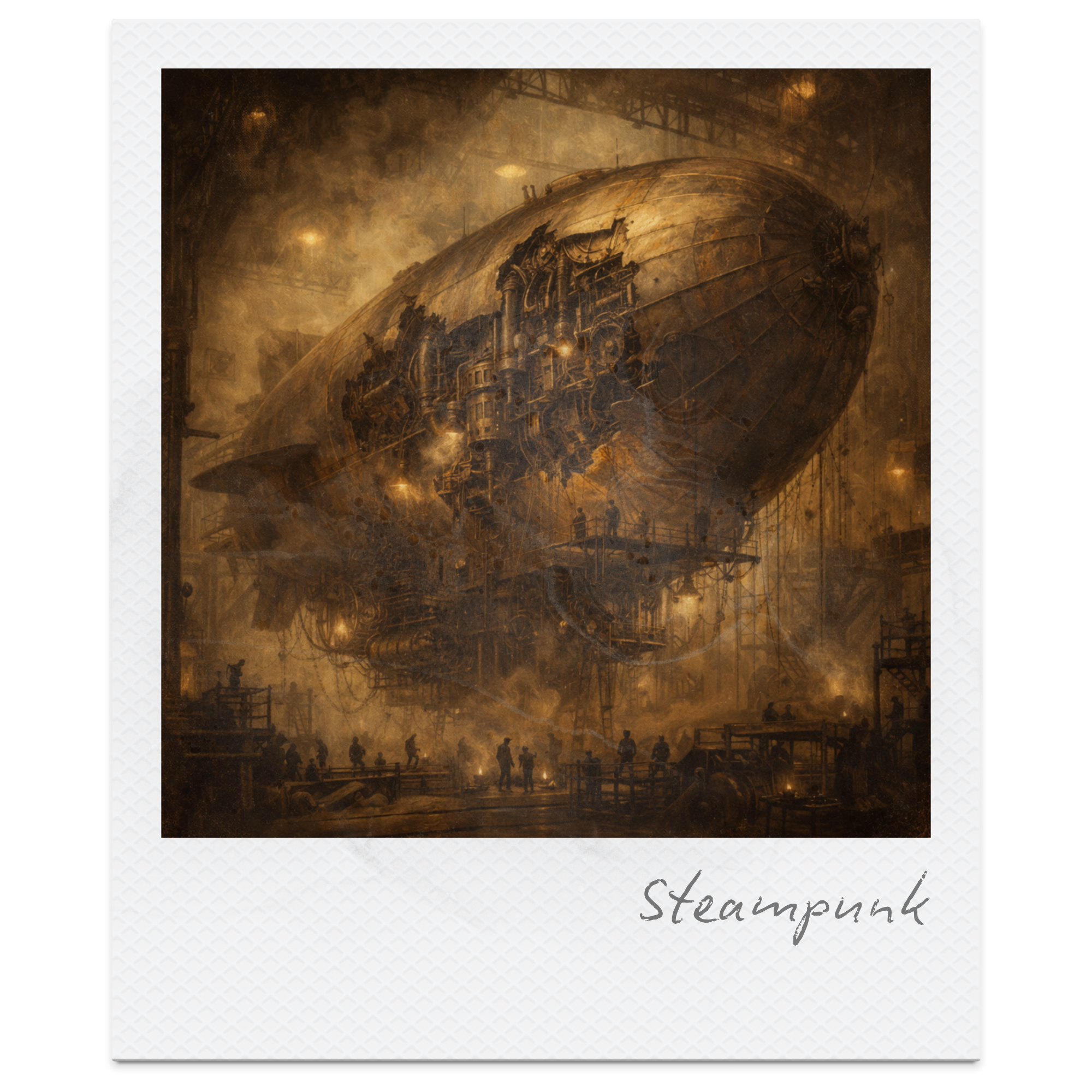
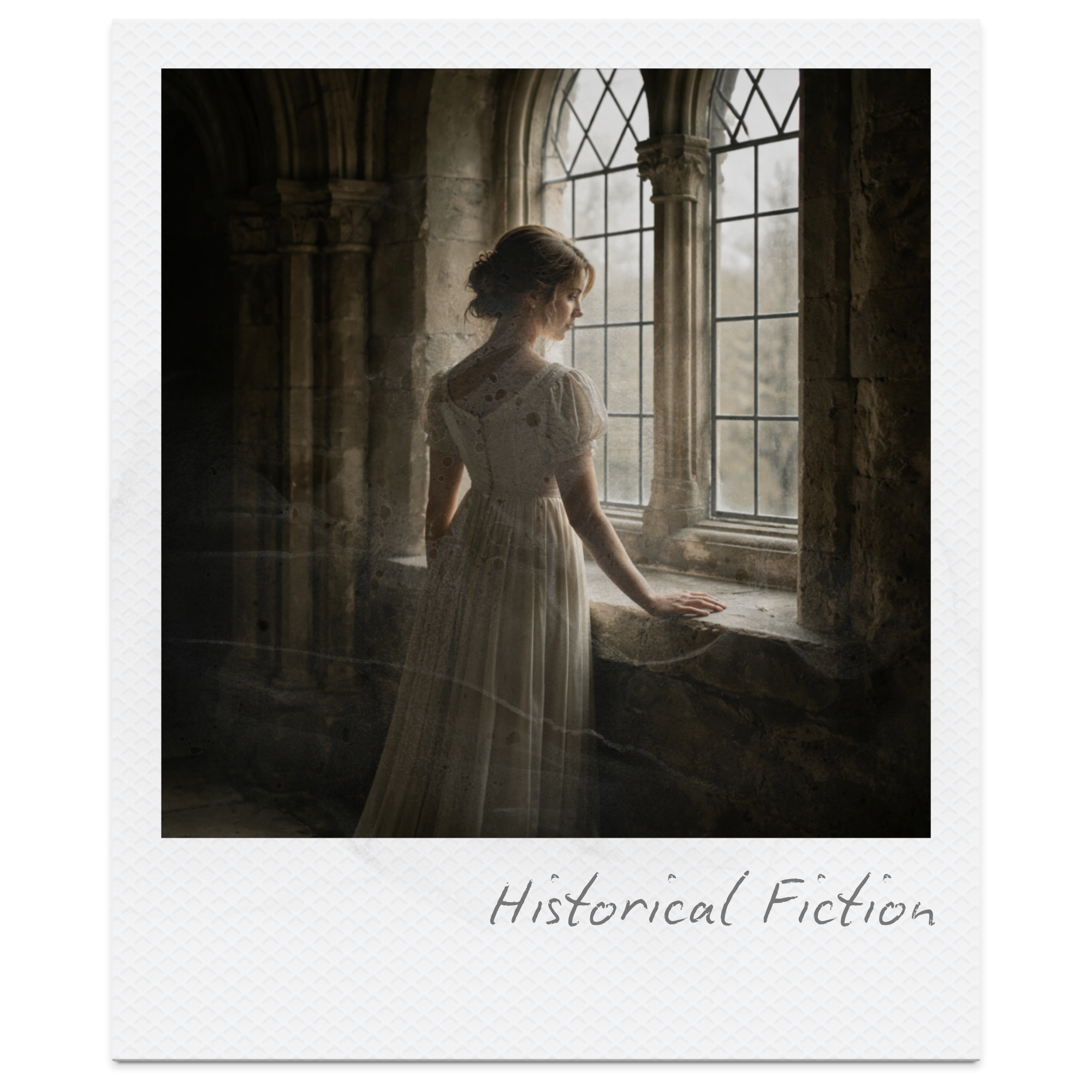
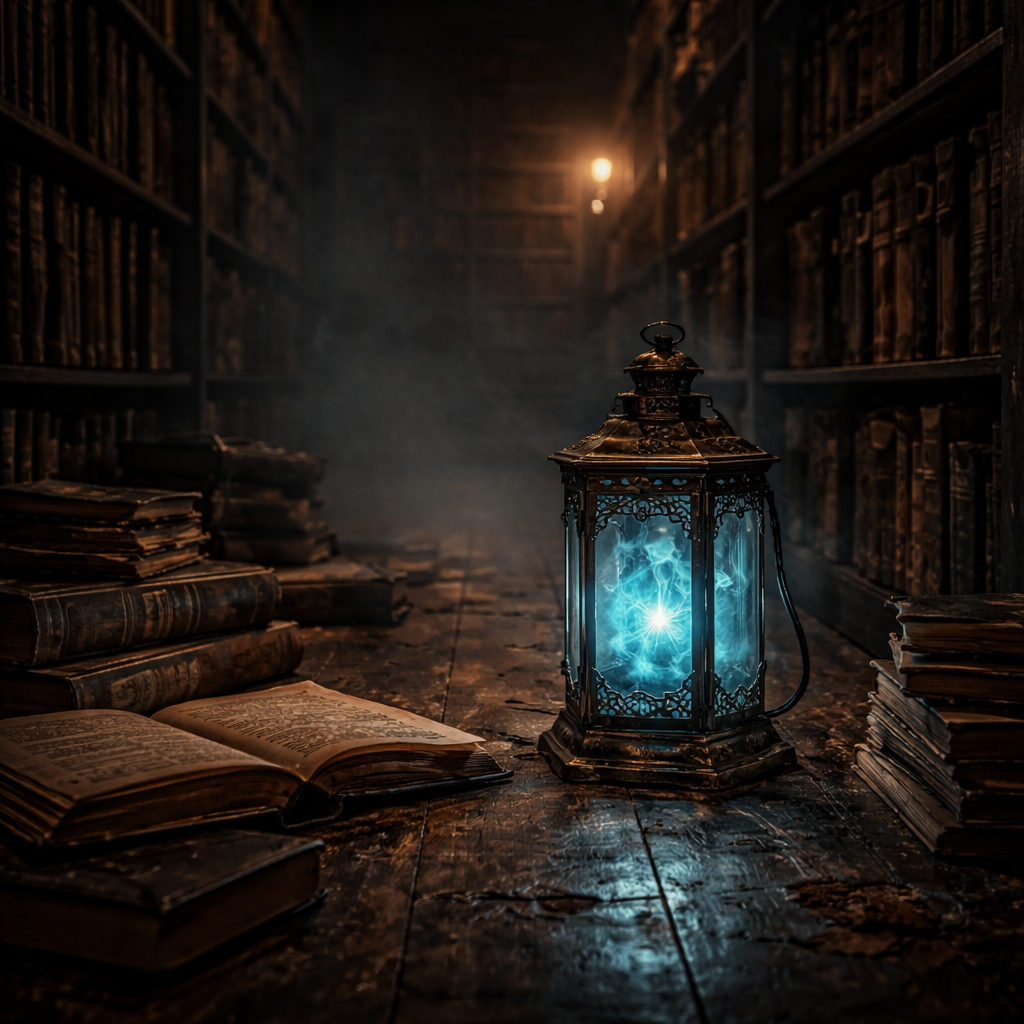
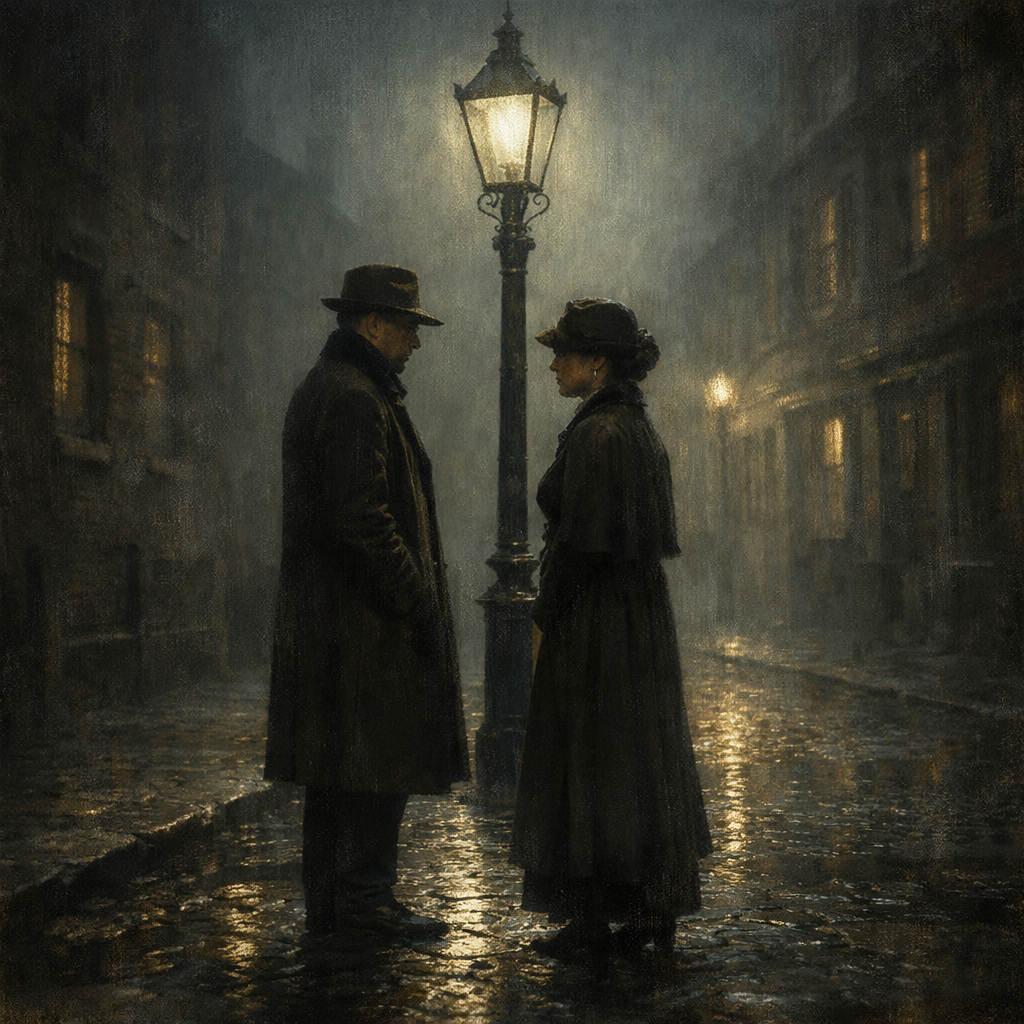
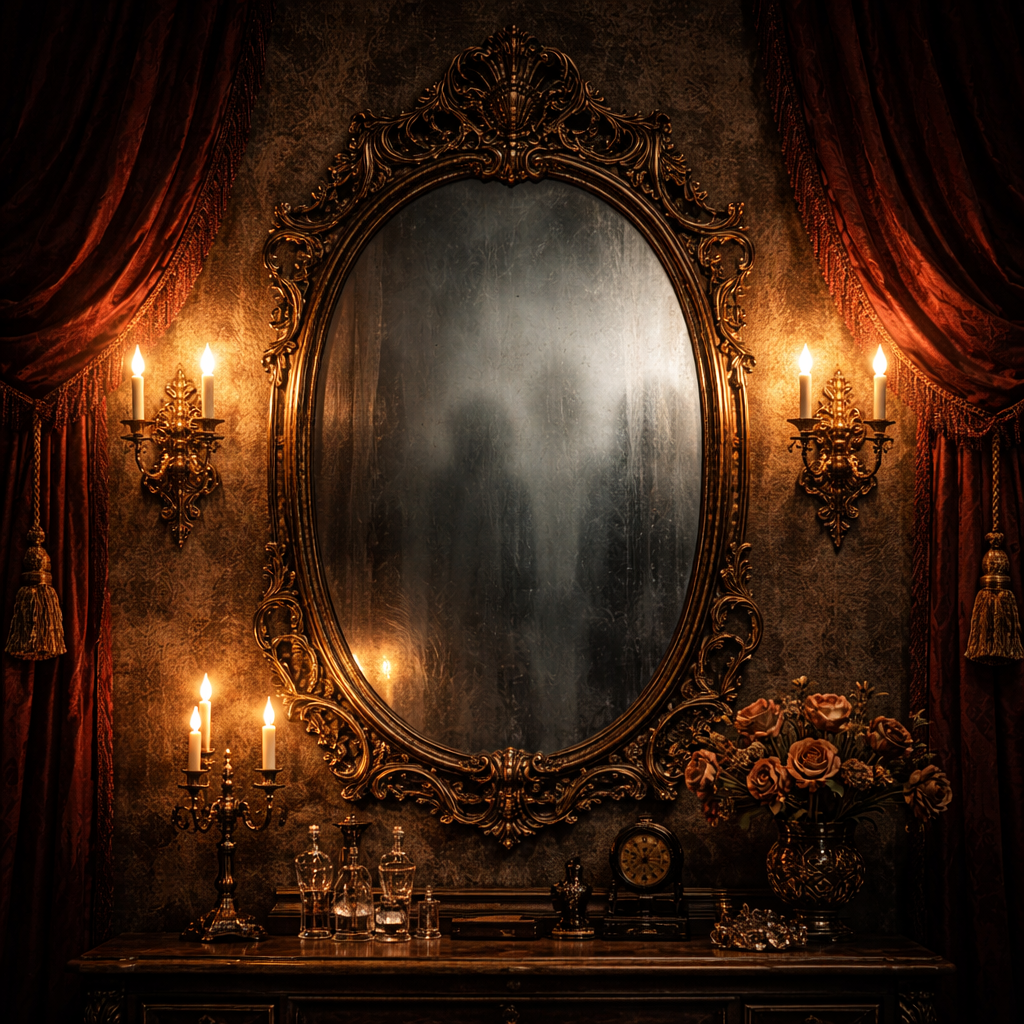
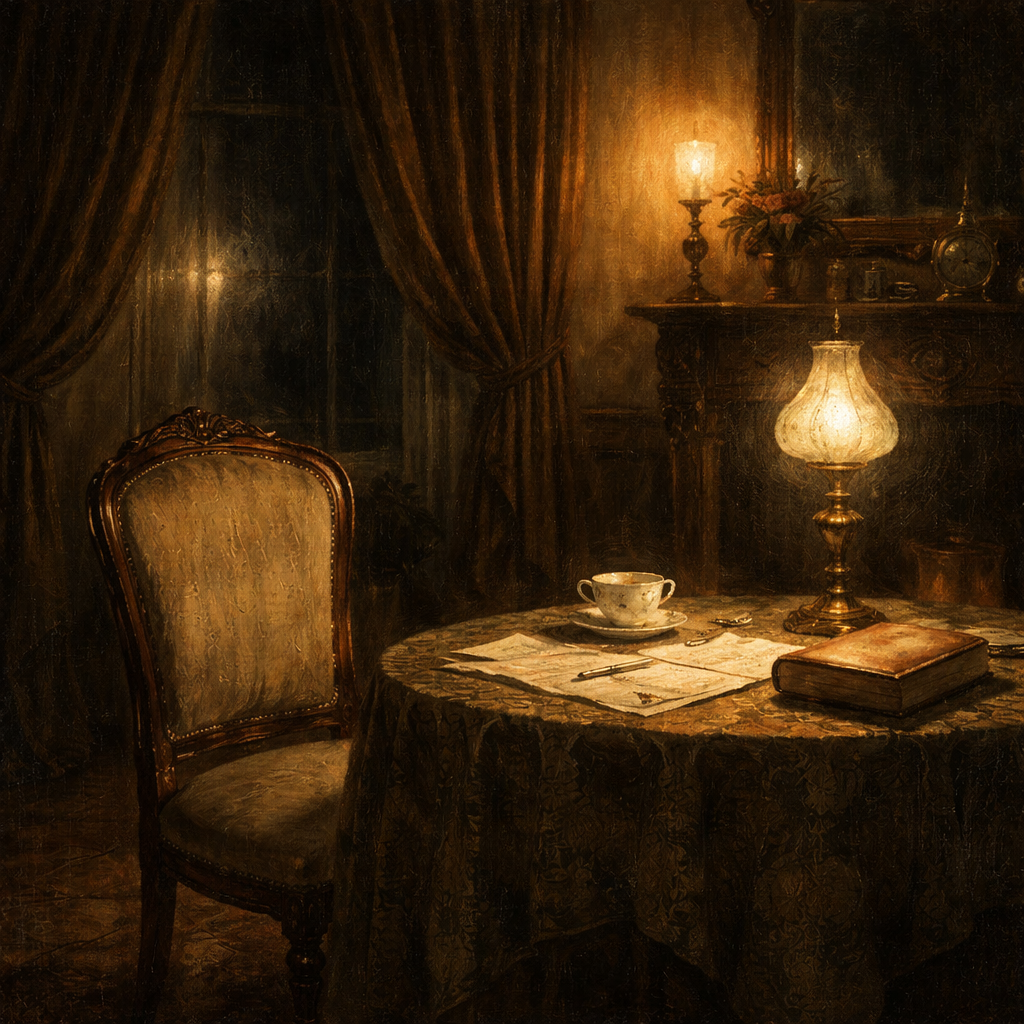
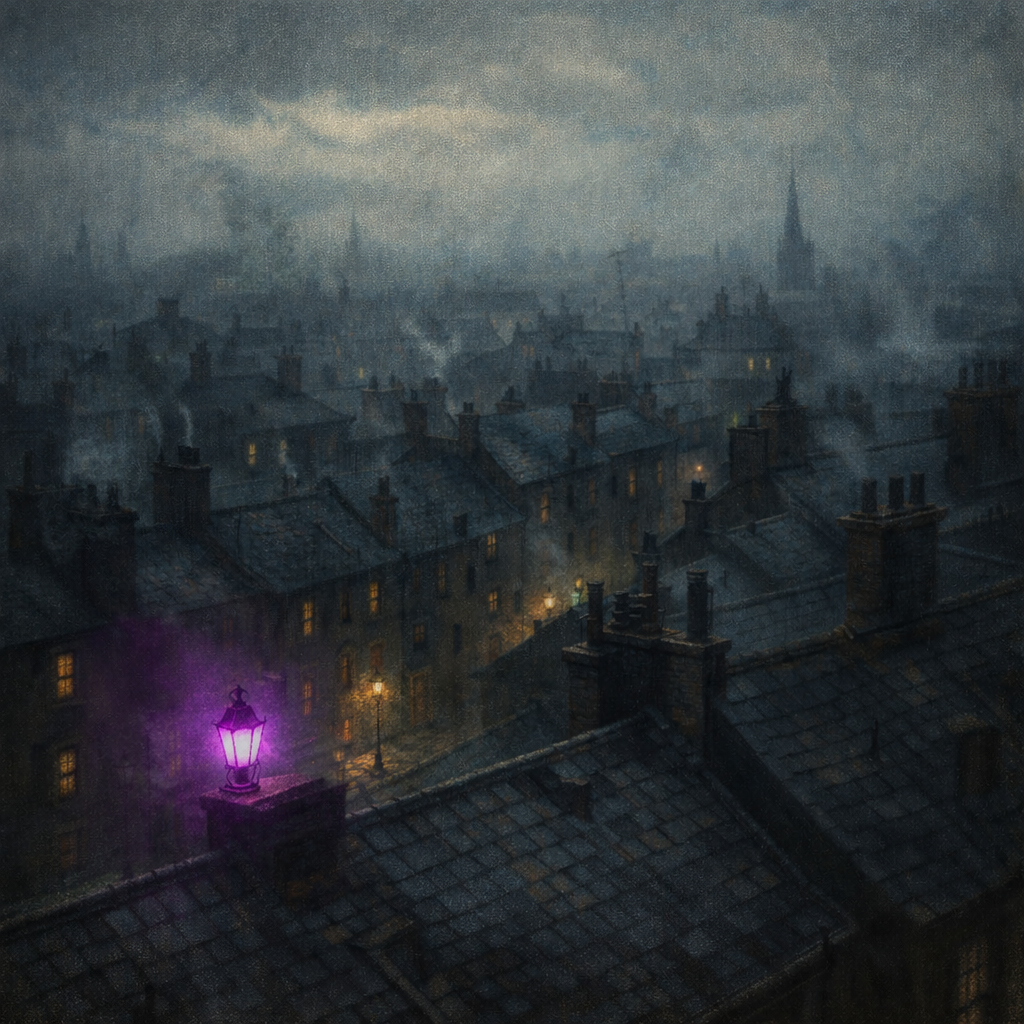
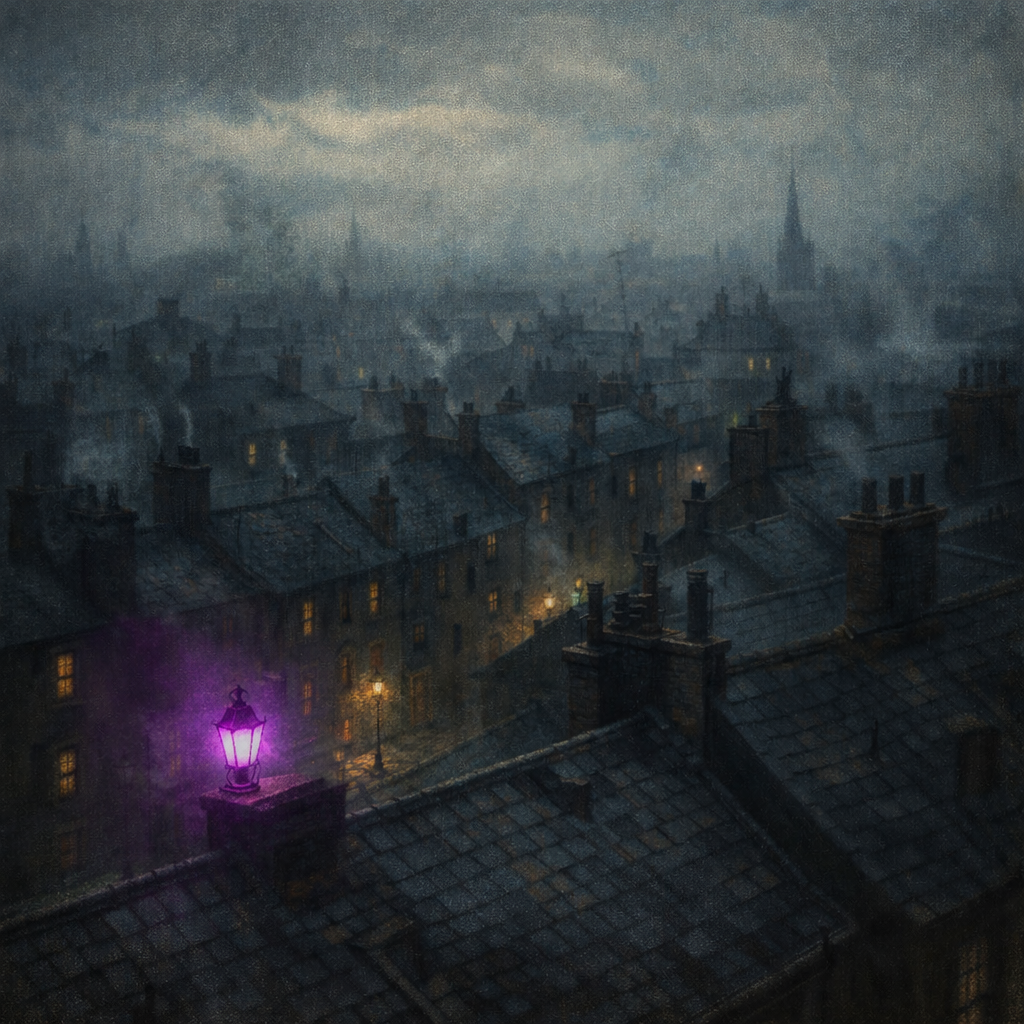
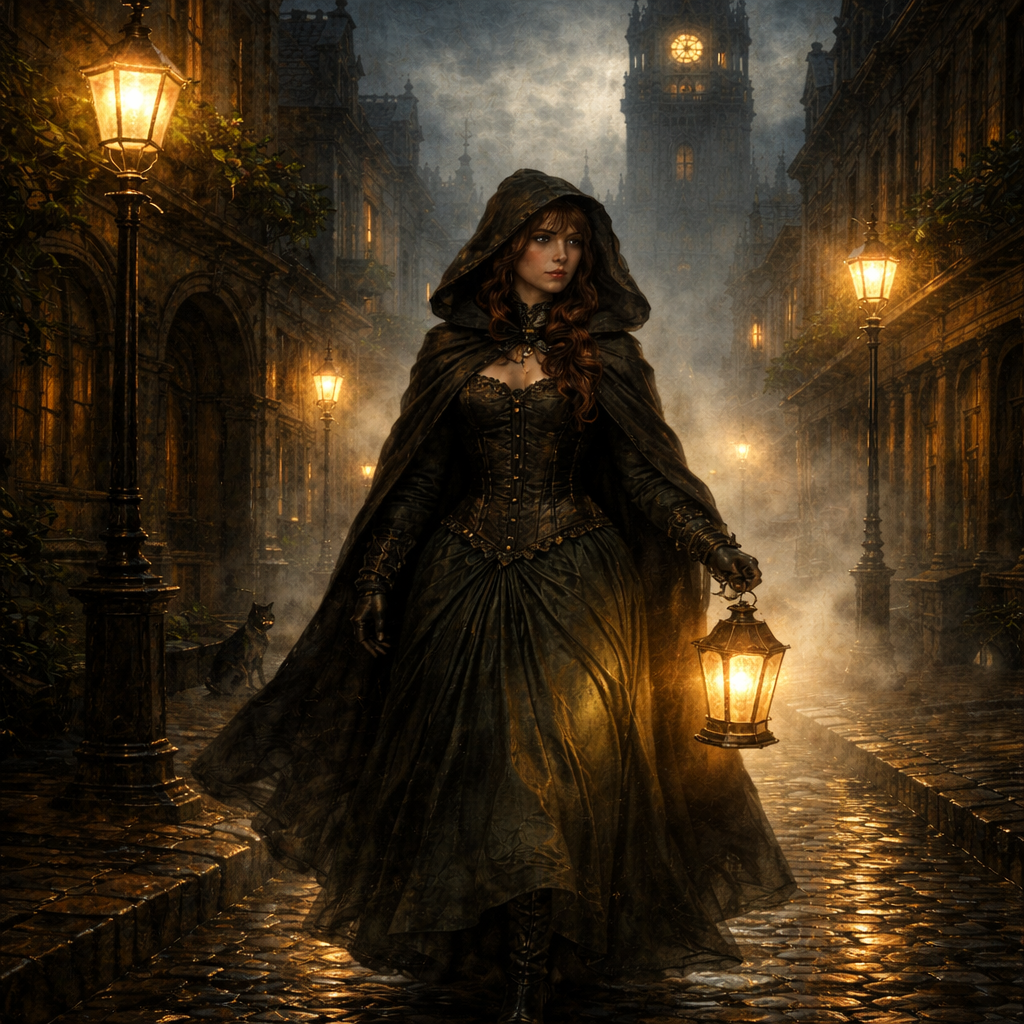
Visual writing prompts help teen writers step more easily into the world of gaslamp fantasy. Images of gaslit streets, fog-softened buildings, curious interiors, and quiet hauntings provide an immediate sense of atmosphere, making it easier to imagine characters, conflicts, and hidden rules at work in the setting. Each picture prompt below is designed to spark a story rather than explain it, leaving space for interpretation and invention.
Go Deeper into Gaslamp Fantasy Writing
If you want to develop these gaslamp fantasy writing prompts further, try approaching them in ways that deepen atmosphere, tension, and moral complexity rather than spectacle. Gaslamp fantasy thrives on implication and contradiction — on the uneasy coexistence of reason and the inexplicable — so small shifts in focus can dramatically reshape a story.
◆ Rewrite a prompt with the supernatural element implied rather than shown, allowing social pressure, secrecy, or denial to carry the tension.
◆ Let social class, reputation, or public image shape the conflict by exploring what a character risks losing if the truth is revealed.
◆ Experiment with documents such as letters, case notes, scientific journals, or newspaper clippings to reflect investigation, censorship, or obsession.
◆ Rewrite a scene from two perspectives: one grounded in logic and reason, and one shaped by belief, fear, or direct experience of the uncanny.
These approaches help writers move beyond surface-level mystery and into stories that feel layered, restrained, and rooted in their historical setting.
Final Thoughts
Gaslamp fantasy is less about spectacle and more about atmosphere, ethics, and quiet disruption. It explores what happens when rational systems fail, when social order strains under the weight of hidden truths, and when characters must decide whether understanding is worth the cost it demands.
These 70 gaslamp fantasy writing prompts for teens give young writers space to practise atmosphere-driven storytelling, develop complex characters, and experiment with historical fantasy settings shaped by secrecy and unease. Whether used for short stories, creative writing warm-ups, or longer YA projects, the prompts are designed to build confidence with mood, tension, and suggestion rather than explanation.
If you’d like to explore more fantasy prompts, worldbuilding ideas, and genre-based writing inspiration, visit the Fantasy Writing Hub or browse the Creative Writing Archive for a wider collection of prompts organised by theme, style, and storytelling focus.
Choose Your Next Adventure