70 Paranormal Mystery Prompts for Teens: Story Starters, Titles, Characters, Settings & Visual Ideas
Paranormal mystery stories sit at the crossroads of eerie suspense and investigation. They aren’t just about hauntings or unexplained events — they’re about paranormal mystery clues, investigation, and the slow uncovering of truths that refuse to stay buried. In the best paranormal mystery writing, logic clashes with the unknown, and every strange occurrence raises a question rather than providing an answer.
For teen writers, paranormal mystery is a powerful genre. It combines the satisfaction of problem-solving with atmospheric tension, allowing young writers to explore hidden fears, unreliable witnesses, strange evidence, and the unsettling idea that not everything can be explained. These stories thrive on uncertainty: what’s real, what’s imagined, and what might be lurking just beyond understanding.
This collection of paranormal mystery writing prompts for teens is designed to spark suspense-driven storytelling. Inside, you’ll find twisty plot hooks, chilling story titles, enigmatic opening and closing lines, suspicious characters, atmospheric settings, and visual writing prompts to inspire investigation-focused narratives. Whether you’re planning a Halloween creative writing unit, teaching detective fiction, or looking for a fresh way to introduce supernatural suspense in the classroom, these prompts blend imagination with inquiry.
Looking for more mystery writing inspiration? Explore the Paranormal Writing Hub, the Mystery Writing Hub for mystery prompts, story ideas, character concepts, settings, tropes, and plot twists, or browse the Creative Writing Archive for hundreds of additional writing resources covering fantasy, horror, romance, science fiction, folklore, gothic fiction, and more.
1. Plot Hooks
Paranormal mysteries thrive on hidden clues, unexplained patterns, and questions that refuse to stay unanswered. These paranormal mystery plot hooks for teens are designed to unsettle while pushing writers to investigate why, how, and who benefits from the truth staying buried:
Write about a teenager who begins receiving anonymous notes in their locker predicting minor accidents — until one warning describes something far more serious.
Write about a group of friends investigating a local legend, only to discover a trail of coded messages left behind by someone officially declared dead decades ago.
Write about a character who notices strange symbols appearing in photographs they take — symbols that never appear when anyone else looks at the same images.
Write about a missing person case where the only witness is a child who insists the victim was taken by “shadow people” no one else can see.
Write about a town where all the clocks stop at the exact same time every night — and no one can remember what happens during the missing minutes.
Write about a character who inherits a family heirloom and discovers it contains a hidden map that subtly changes shape with each phase of the moon.
Write about a student journalist investigating why the school yearbook includes students who don’t exist — and why staff refuse to explain the extra photographs.
Write about a series of unexplained radio interruptions filled with distorted voices, half-finished warnings, and details no one should know.
Write about a locked room in the local library that appears on certain days and vanishes on others — along with any records of its existence.
Write about someone who realises every dream they have contains fragments of an unsolved crime the police quietly abandoned years ago.
2. Title Prompts
The right paranormal mystery title invites curiosity, signals investigation, and hints at unanswered questions. These story title prompts for teens can be used as writing challenges, opening exercises, or inspiration for longer mystery narratives:
The Vanishing Hour
Echoes in the Static
The Cipher Left Behind
Secrets Beneath the Floorboards
The Thirteenth Key
A Message That Wasn’t Meant to Be Heard
When the Lights Flickered
The Case of the Hollow Man
Whispers Through the Walls
The Room That Wouldn’t Stay
3. Opening Lines
Strong paranormal mystery opening lines begin mid-question, mid-fear, or mid-clue. These story starters drop readers straight into the unexplained and demand investigation:
The letter had no return address, but it knew my name — and something else it shouldn’t have known.
By the time the tape stopped playing, I realised the voice on the recording was my own.
The police called it an accident, but none of the details matched what I’d seen.
The footprints in the snow led straight into the wall and didn’t come back out.
When the power came back on, there was an extra desk in the classroom — and a name written on it.
I shouldn’t have been able to hear the broadcast; the radio wasn’t plugged in, and no one else heard a thing.
The journal ended with today’s date, written in handwriting I recognised instantly.
Everyone else walked straight past her, but something about the way she stood there made me stop.
The old house smelled of dust, secrets, and something sharp — like ozone after lightning.
My reflection blinked when I didn’t, and that’s when I realised I wasn’t alone.
4. Closing Lines
Paranormal mysteries rarely end neatly. These closing lines leave questions unanswered, truths unsettled, and the shadows moving long after the story ends:
The key turned easily, even though the lock hadn’t been opened in decades.
I don’t tell people what I saw that night — I don’t want them to start looking for it too.
The case is officially closed, but the whispers haven’t stopped following me home.
I finally decoded the message, and I understood why it was never meant to be found.
The evidence burned quickly, but whatever caused it didn’t leave with the smoke.
When I opened the box, the eyes staring back at me were my own.
We thought we’d solved it, but the phone kept ringing long after the investigation ended.
The grave was empty — but someone had been leaving fresh flowers every week.
The photograph changed again. This time, I wasn’t in it.
The mystery isn’t over. It’s just waiting for the next person to notice.
5. Character Ideas
Paranormal mysteries are driven by characters who question what they see, doubt what they know, and uncover truths they weren’t meant to find. These character ideas for paranormal mystery stories include skeptics, believers, and those caught in the uneasy space between:
A teenage detective determined to prove every paranormal incident in their town has a rational explanation — until one case refuses to cooperate.
A police cadet whose strict belief in procedure begins to unravel as impossible evidence appears in every investigation they’re assigned.
A reluctant psychic who only receives visions while asleep and has started avoiding dreams altogether, even as the visions grow more urgent.
A conspiracy blogger whose satirical posts about local mysteries begin coming true, one detail at a time.
A librarian who quietly tracks which books have been checked out by people who don’t appear in any official records — and never return them.
A teen investigator who can only hear ghosts through recordings, never in real life, and starts questioning why the messages are meant to be replayed.
An amateur radio operator who intercepts distress calls from places that no longer exist on any map.
A local historian who uncovers evidence that their own family played a role in the town’s most disturbing unsolved mystery.
A teen detective whose reflection behaves differently from them, acting out events they haven’t experienced yet.
A new student whose transfer papers list a previous school that burned down years ago — after the date they supposedly attended.
6. Setting Ideas
Unsettling paranormal mysteries are rooted in atmosphere, pattern, and places that feel slightly wrong even before anything happens. These paranormal mystery settings invite suspicion, investigation, and quiet dread:
A decaying roadside motel where every room number has been deliberately scratched out — except one that still appears on old booking records.
A small town where the streetlights flicker off at the exact same time each night, no matter the weather or season.
A subway station that locals insist doesn’t exist, yet trains occasionally slow down as if preparing to stop there.
A storm-battered lighthouse where journals left behind by vanished keepers contradict one another about who was stationed there.
An abandoned carnival where the rides still power on at night, despite the electricity being disconnected years ago.
A library basement that seems to extend further back with every visit, revealing shelves that weren’t there before.
A cemetery where no one remembers who is buried there — and no headstones list dates later than the same year.
A crumbling apartment block where residents receive no mail, yet packages sometimes appear outside doors with no return address.
A high school with a permanently sealed-off wing and rumours of experiments that were officially “cancelled” before they began.
A river that occasionally returns objects nobody remembers losing — and some that haven’t been lost yet.
7. Picture Prompts
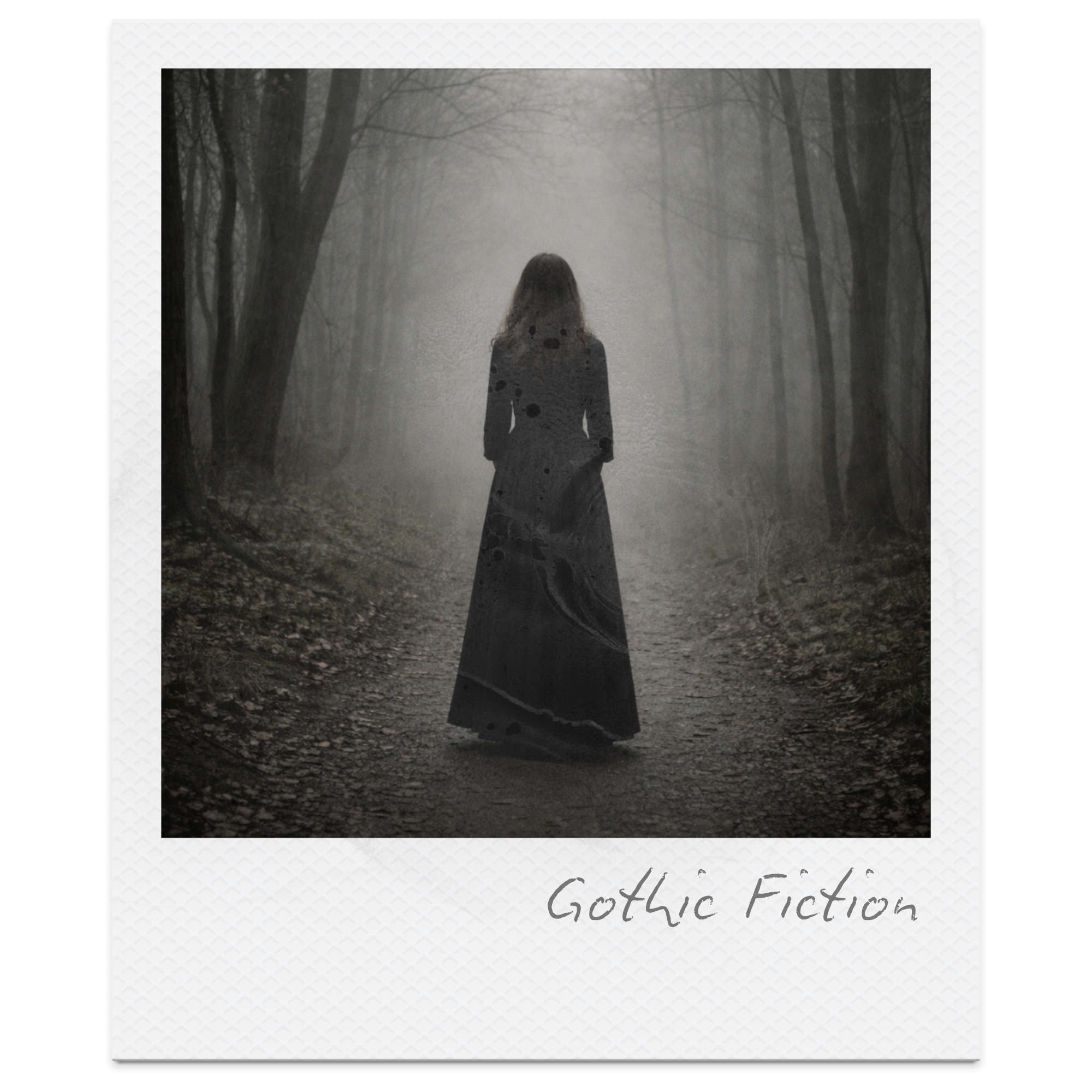
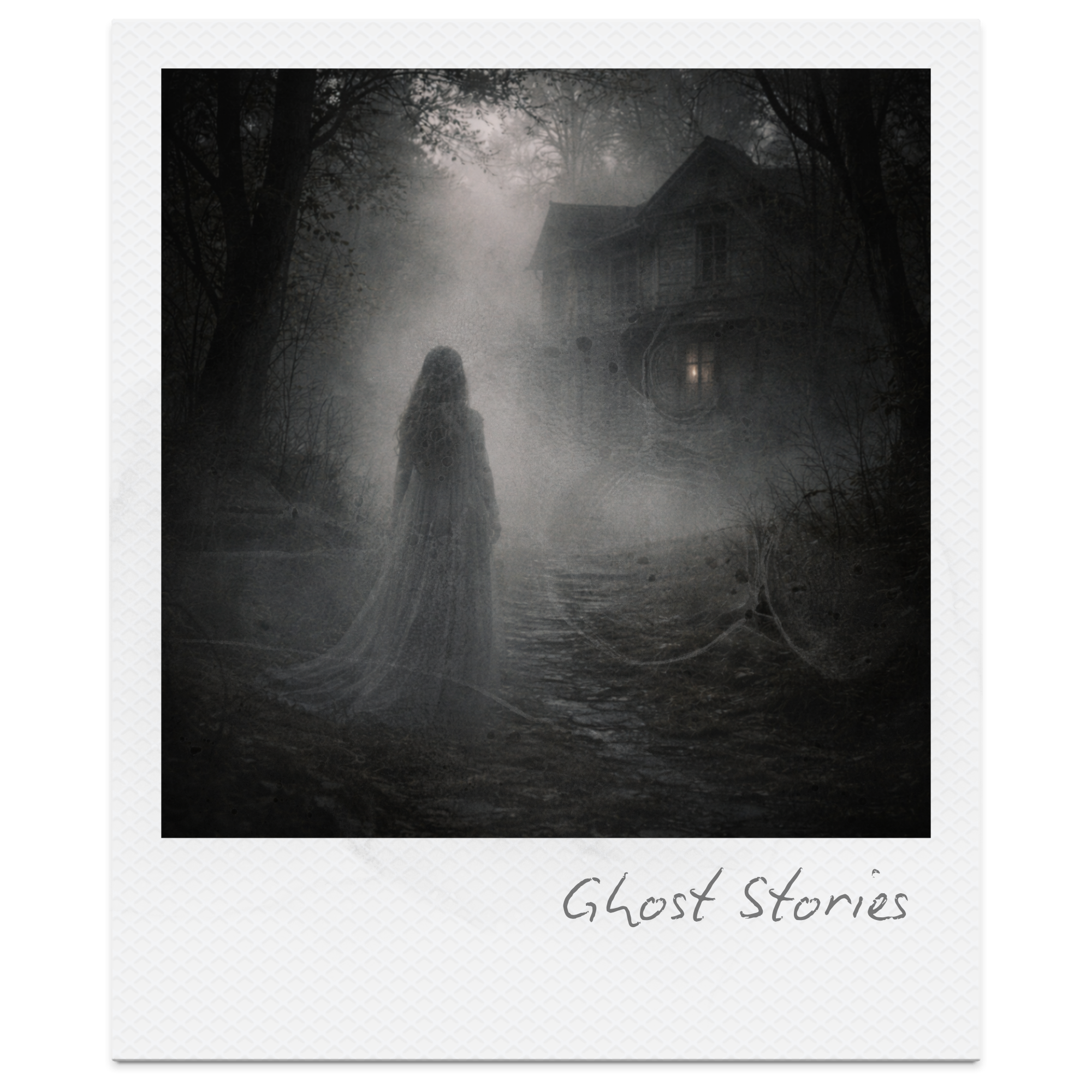
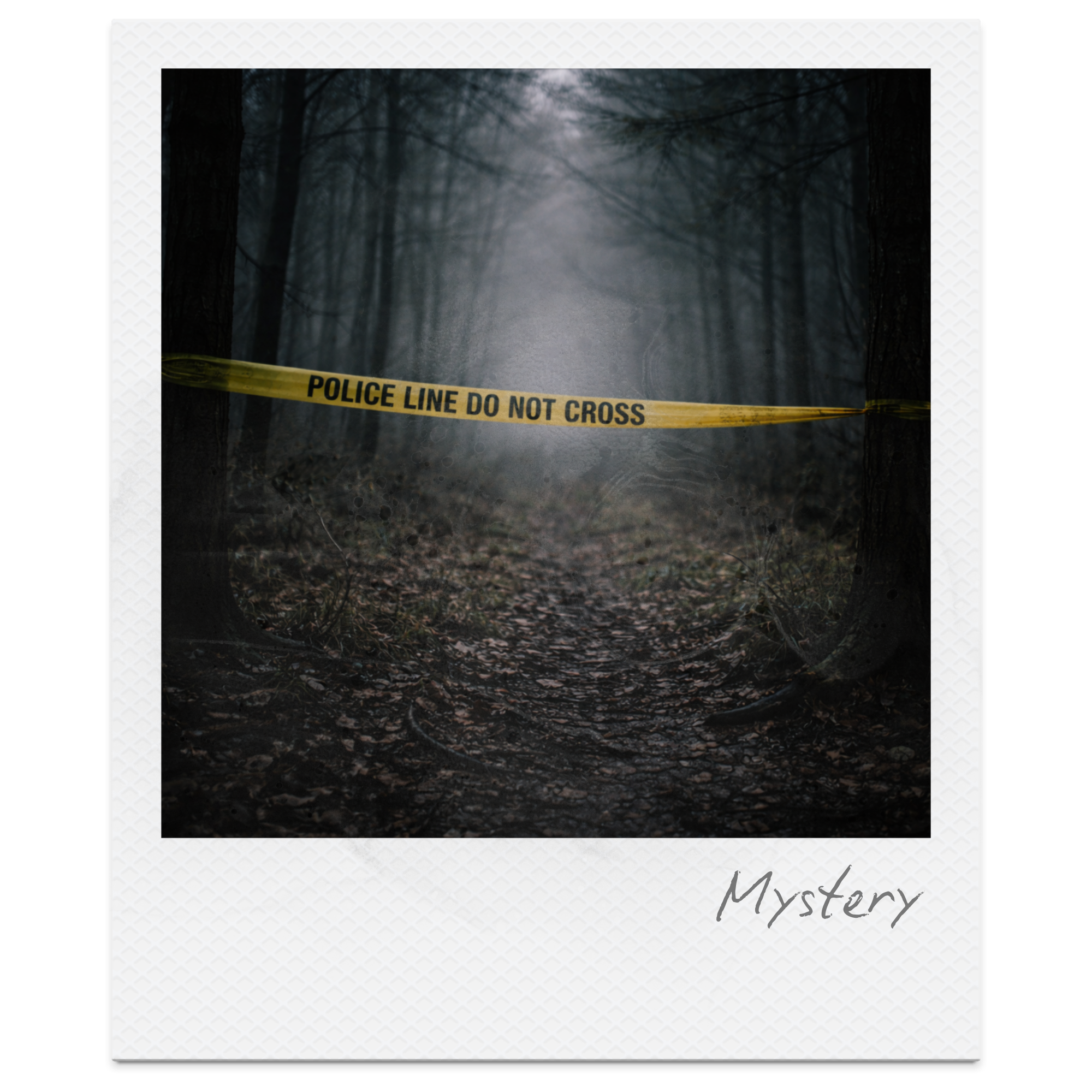
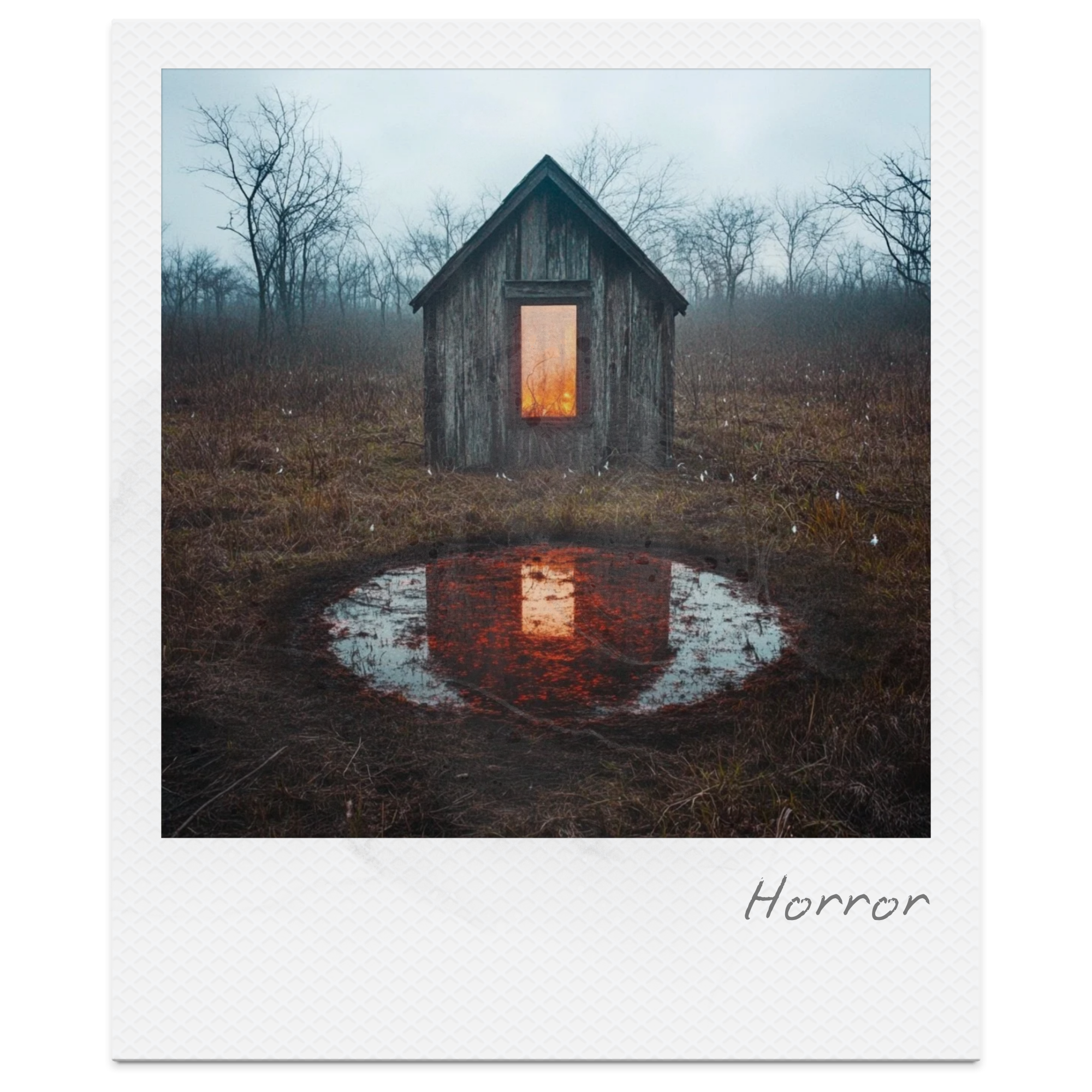
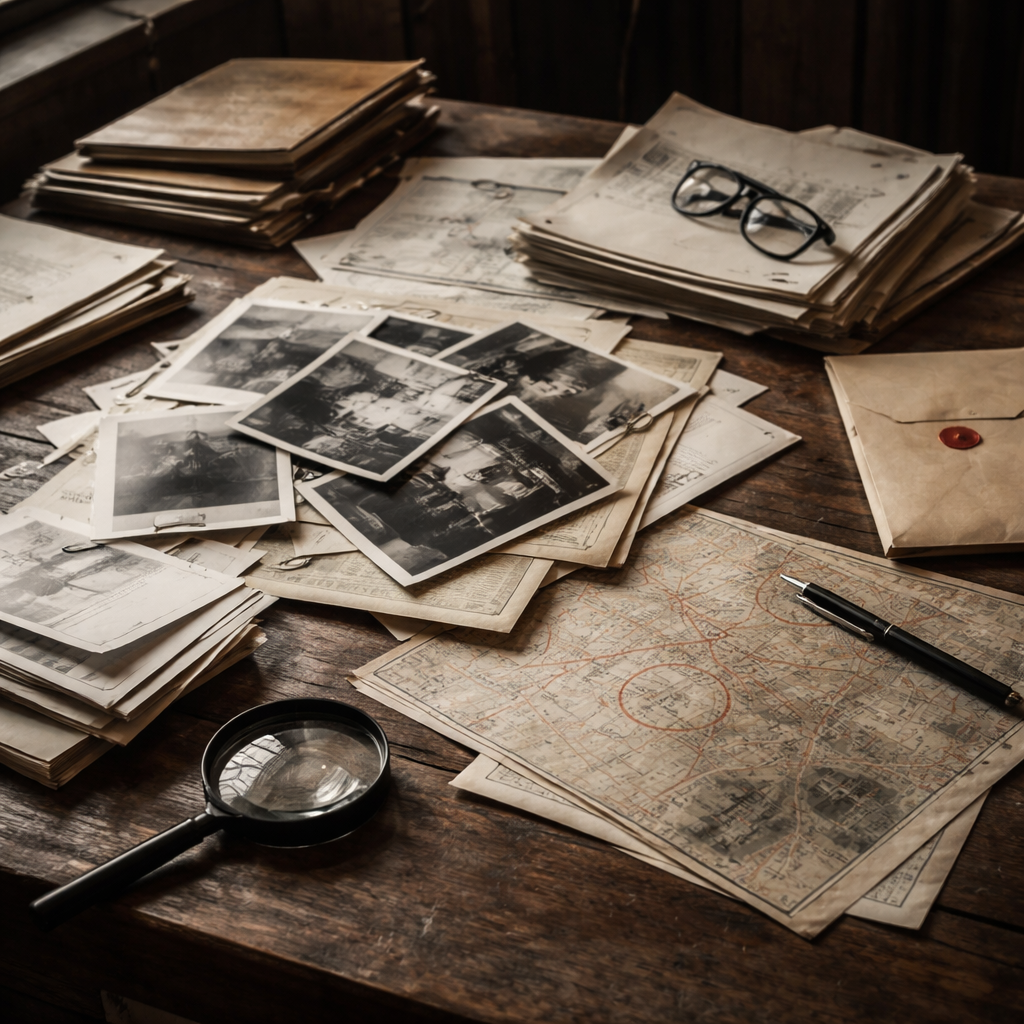
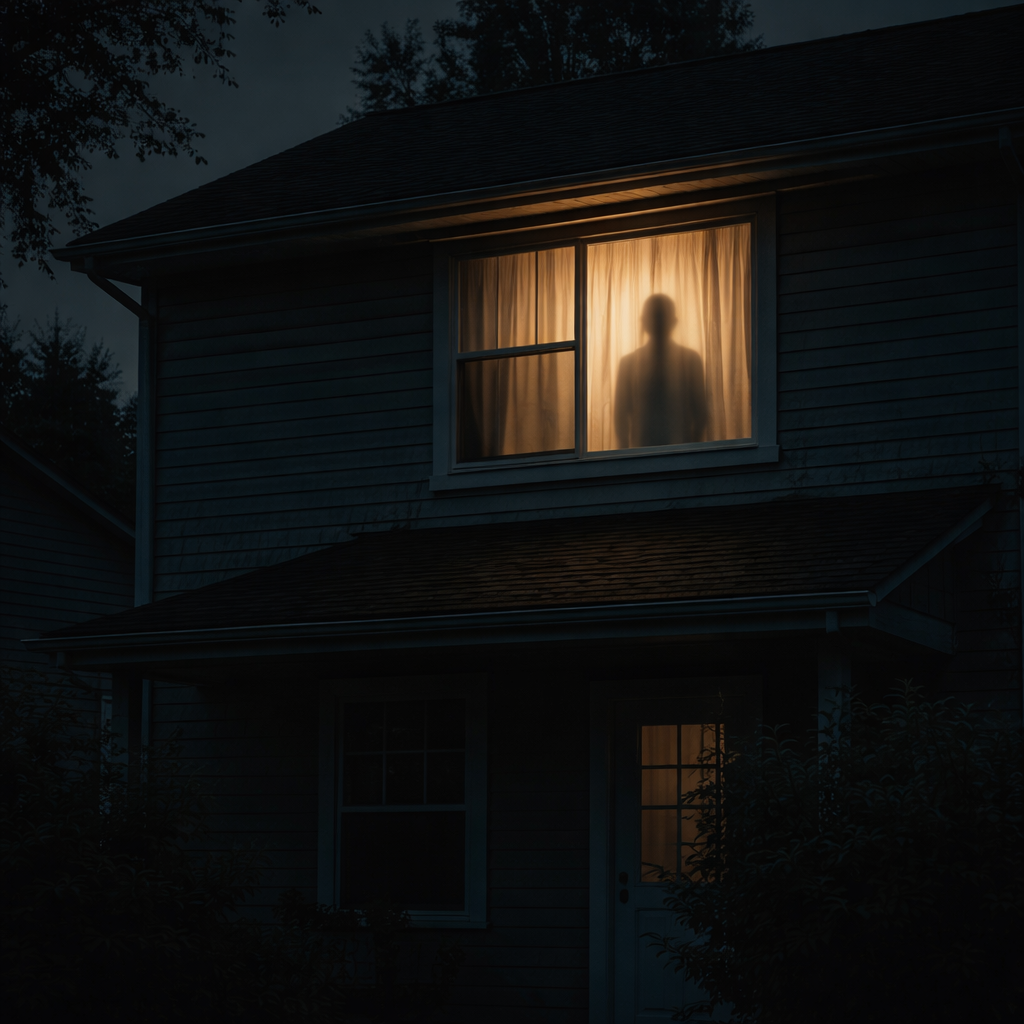
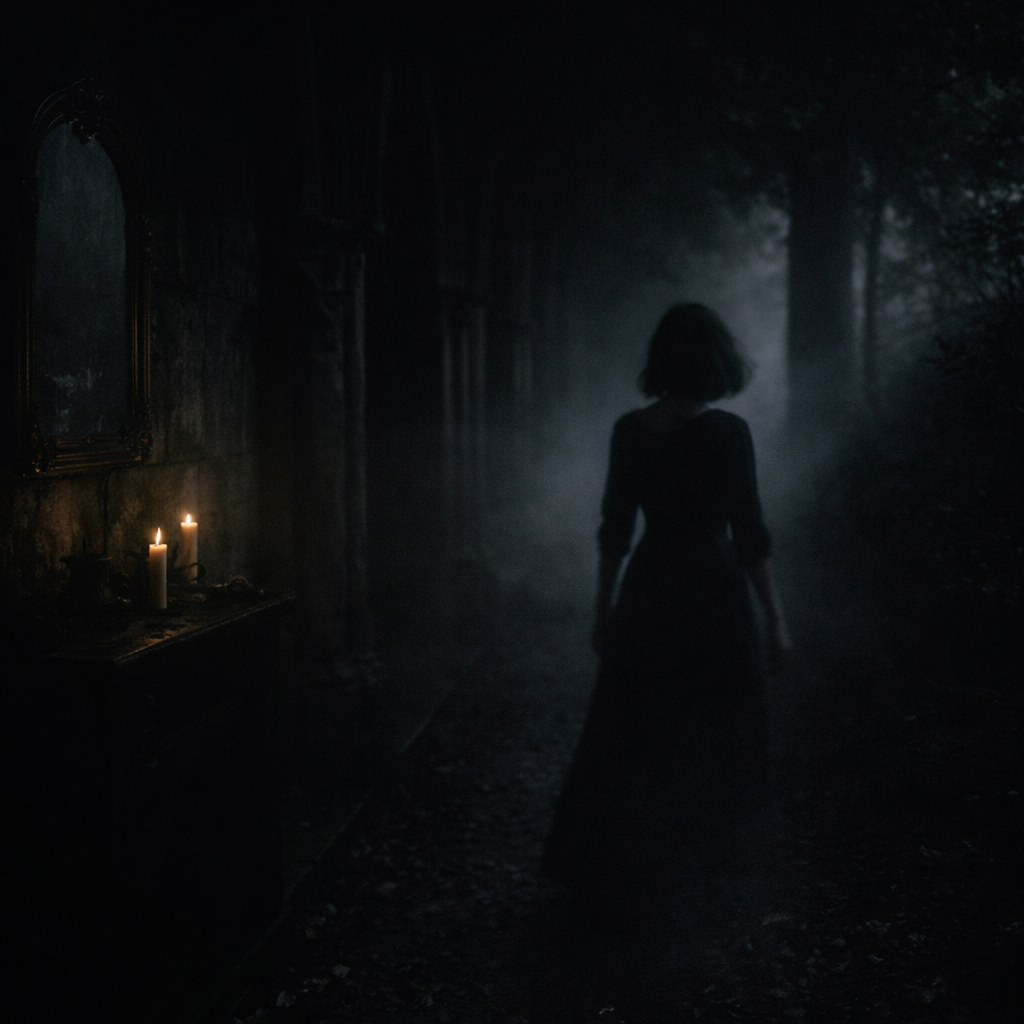
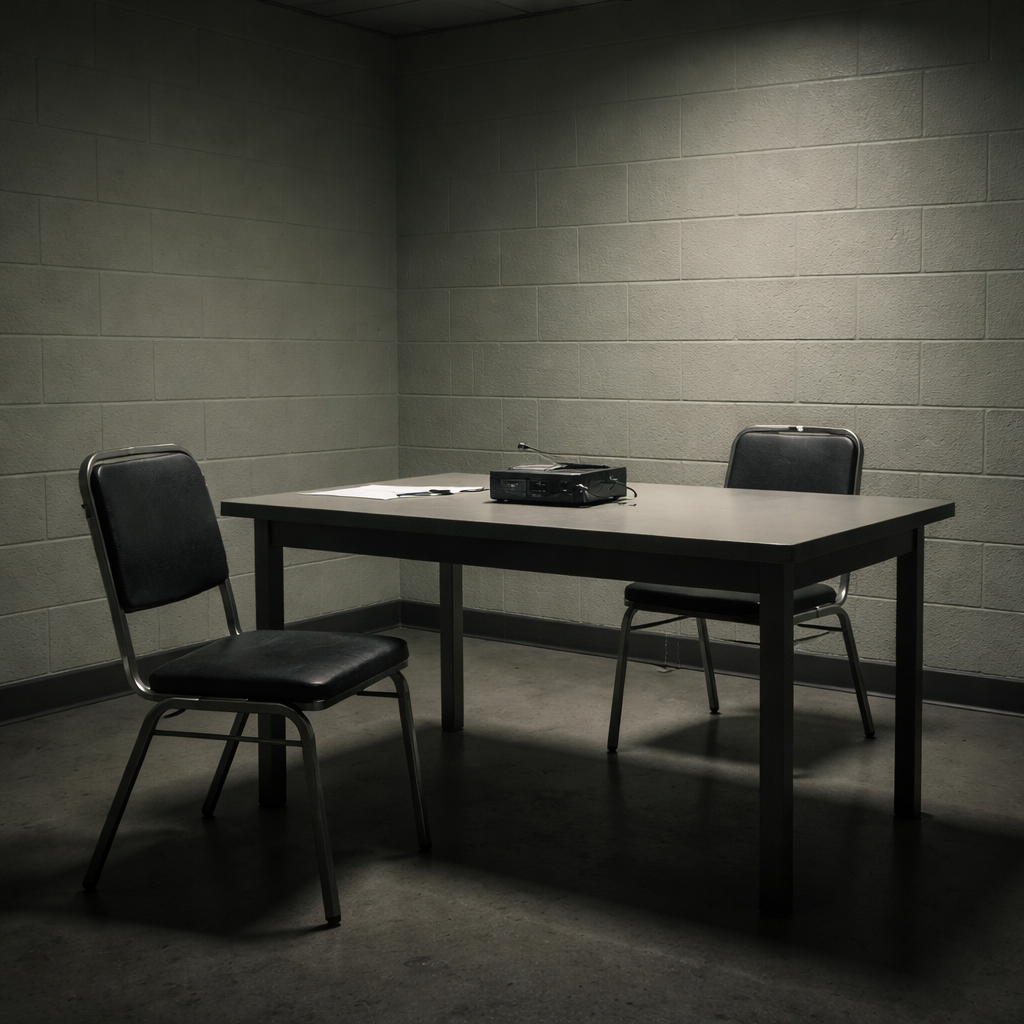
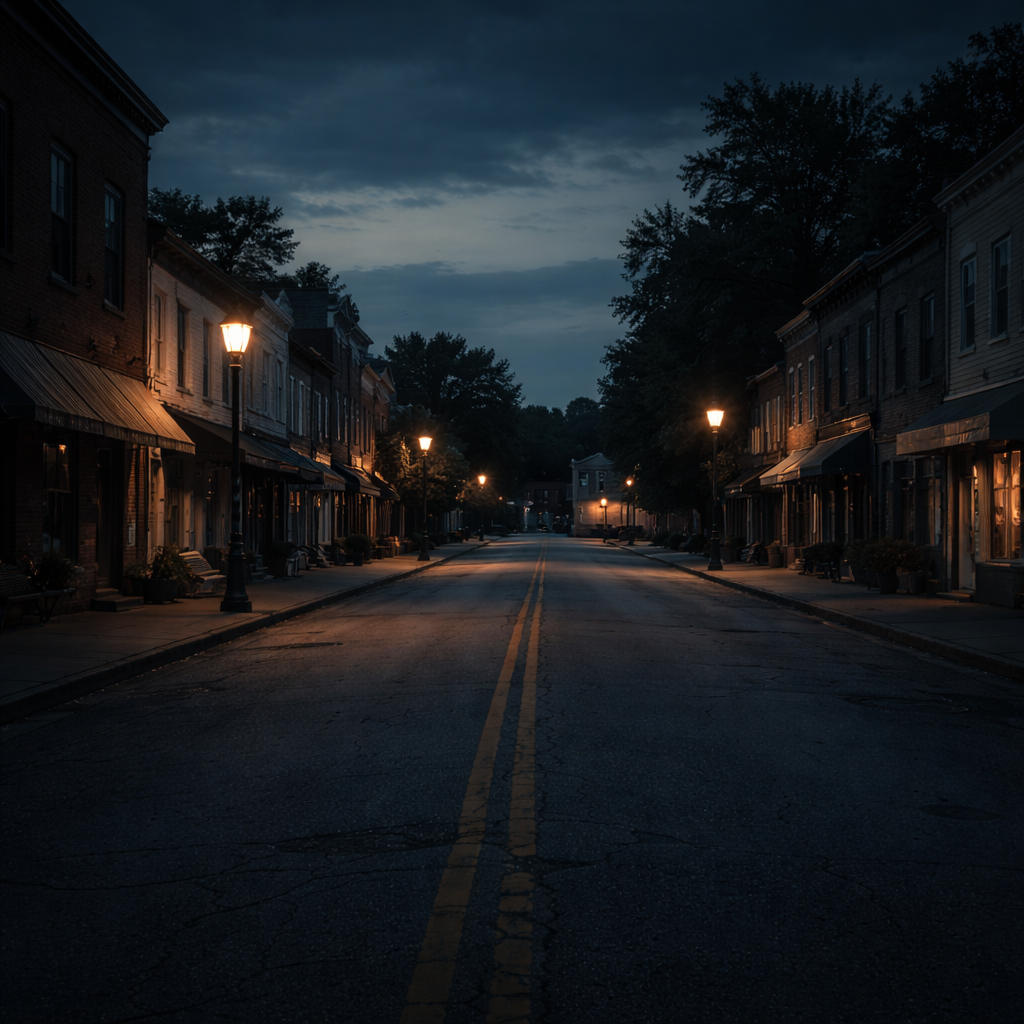
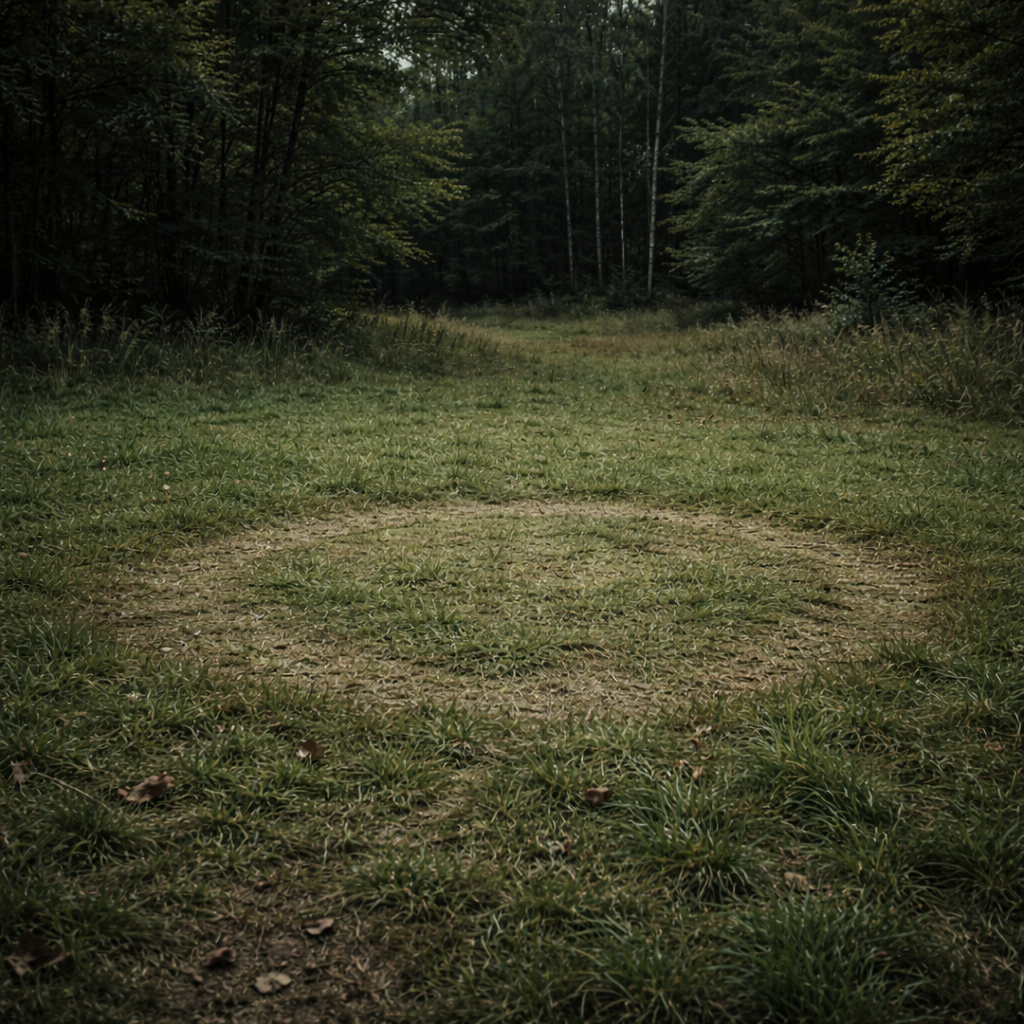
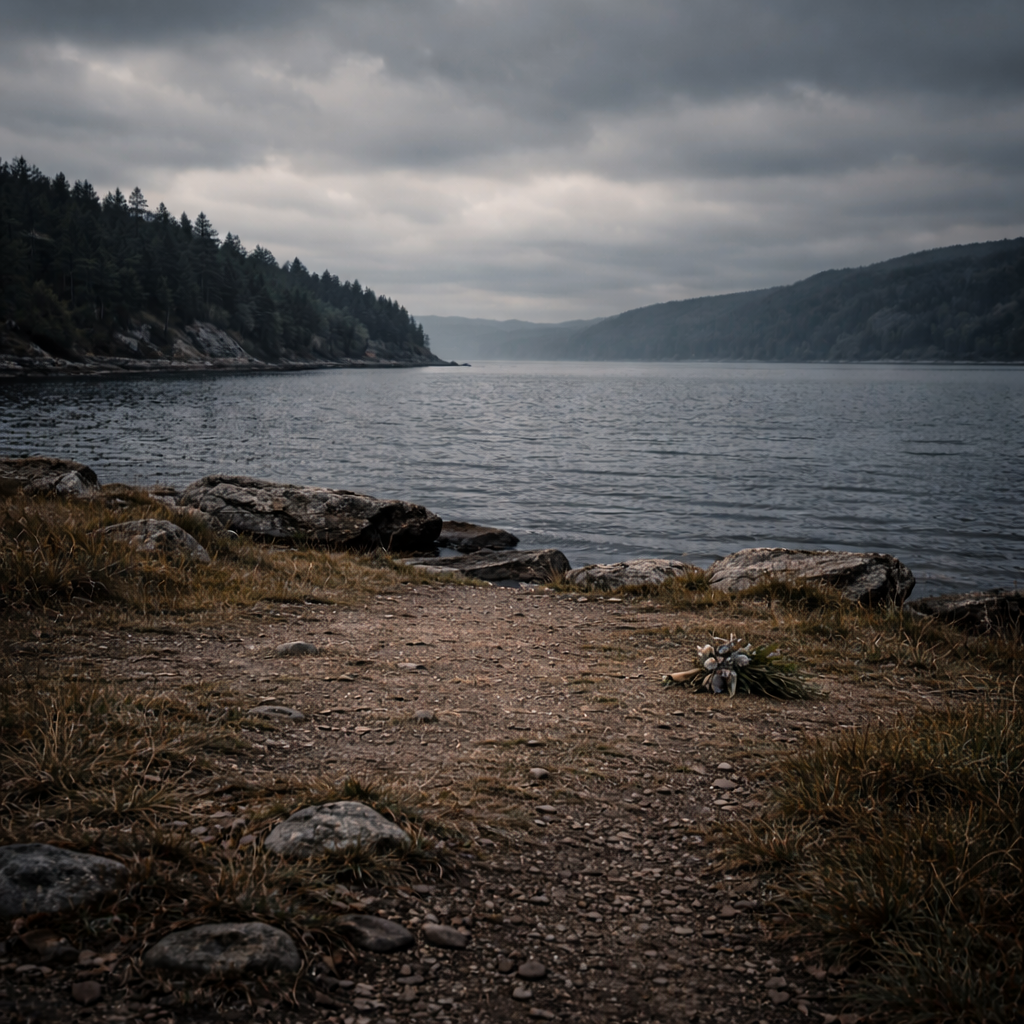
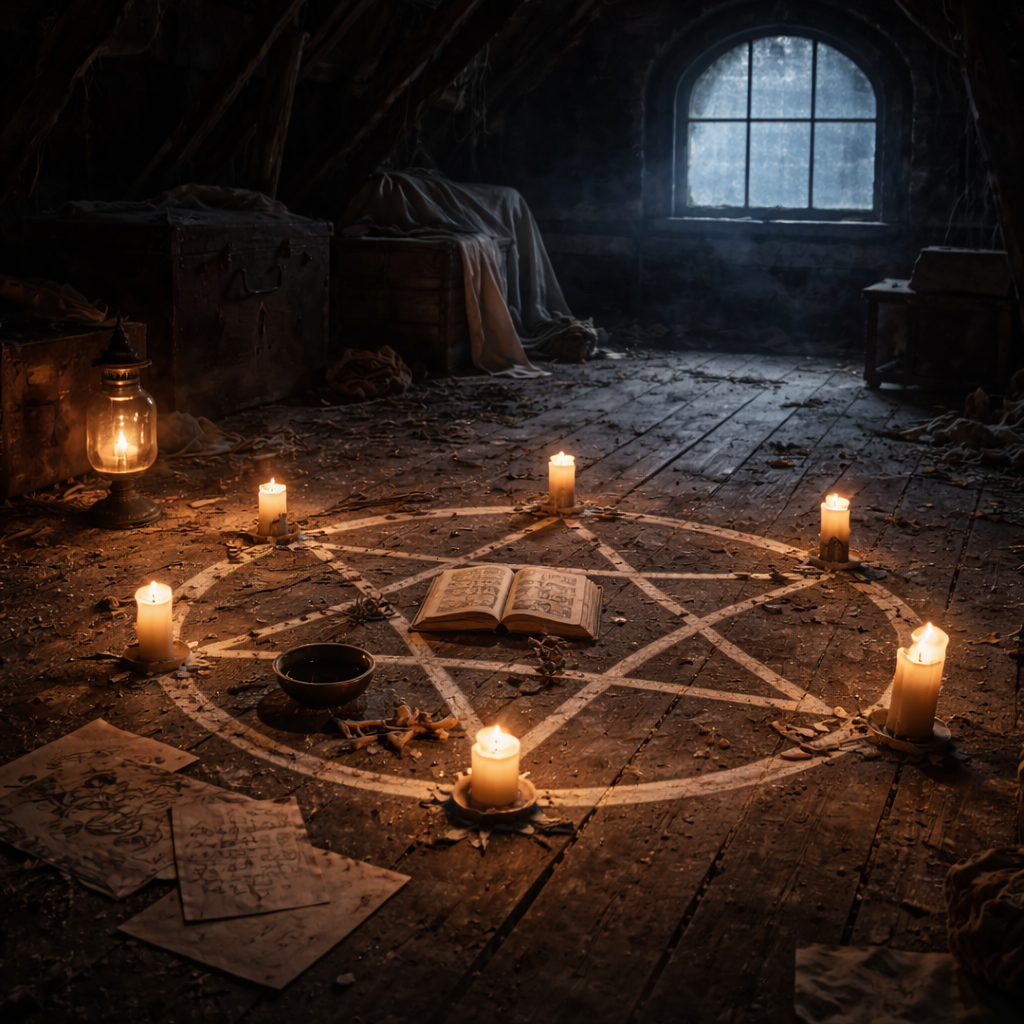
Some paranormal mysteries begin not with an event, but with an image. These picture prompts ground eerie storytelling in visual evidence, inviting writers to look closer, question what they see, and imagine what’s missing.


Go Deeper into Paranormal Mystery Writing
If you want to develop these paranormal mystery writing prompts further, try approaching them through investigative and psychological lenses rather than leaning on spectacle. The strongest paranormal mysteries rely on suggestion, pattern, and unanswered questions, allowing tension to build through implication instead of explanation.
◆ Rewrite a prompt by removing the paranormal element entirely and focusing on psychological unease, unreliable perception, or emotional repression — then reintroduce the unexplained subtly.
◆ Treat the setting as an active force: choose one location and explore how it shapes memory, fear, secrecy, or collective denial within the story.
◆ Experiment with unreliable narrators, fragmented evidence, police reports, interviews, or found documents to reflect uncertainty and conflicting truths.
◆ Rewrite the same mystery twice — once from the moment just before the unexplained event, and once from the quiet aftermath — allowing tension to linger rather than resolve.
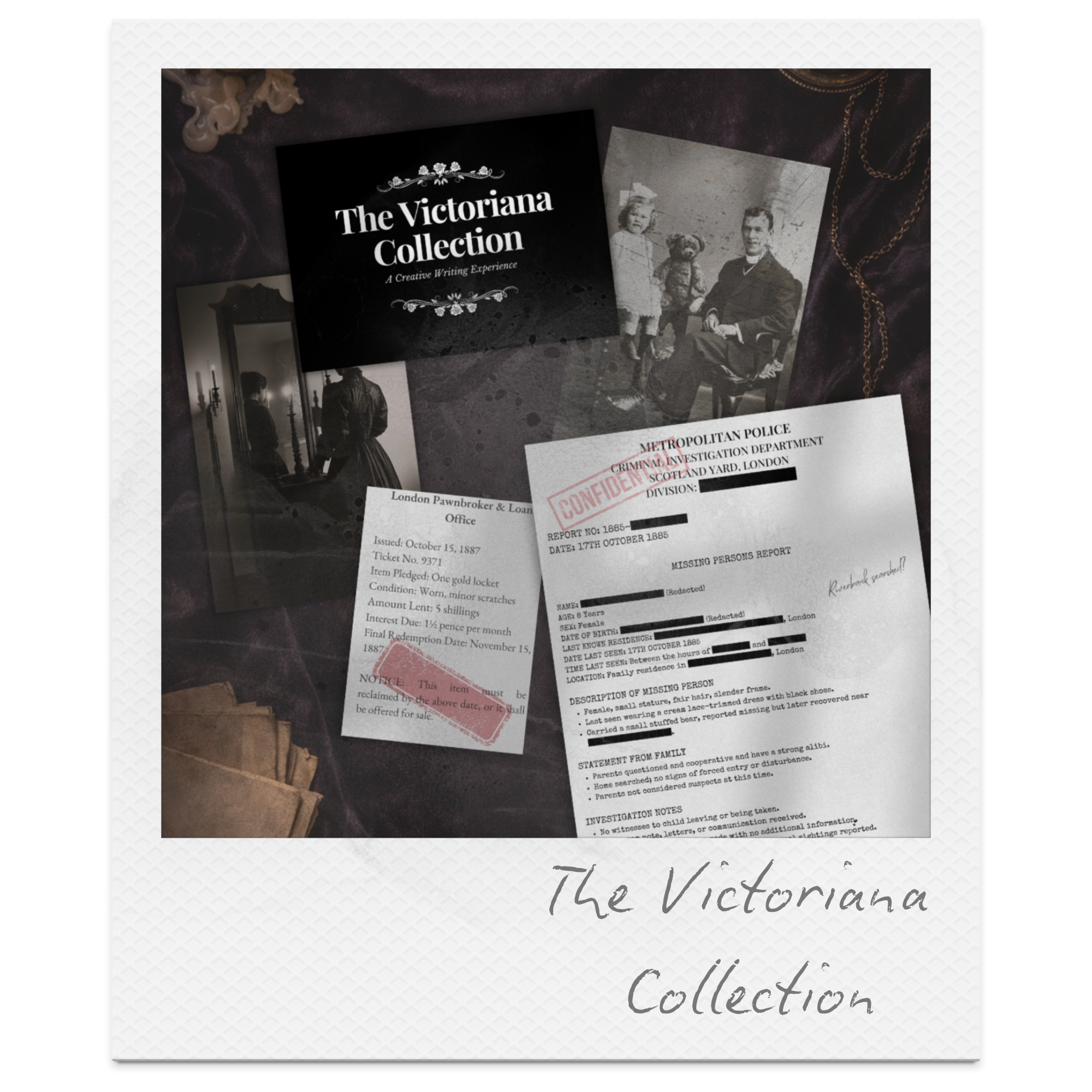
For writers who want to explore paranormal mystery through historical detail, immersive documents, and layered storytelling, The Victoriana Collection offers a natural next step. Inspired by nineteenth-century settings, séances, missing persons, and period investigations, this writing box invites writers to build mysteries through letters, reports, artefacts, and unsettling discoveries — ideal for developing longer paranormal and gothic-leaning narratives rooted in atmosphere, secrecy, and restraint.
Final Thoughts
Paranormal mystery is about more than fear or shock. At its core, the genre explores uncertainty, belief, and the tension between what can be explained and what resists understanding. From unreliable witnesses and forgotten places to coded messages and unexplained evidence, these stories invite writers to think like investigators as much as storytellers.
These 70 paranormal mystery writing prompts for teens give young writers space to practise suspense-driven storytelling, develop investigative plots, and experiment with atmosphere-led writing techniques. Whether used for short stories, creative warm-ups, classroom discussions, or longer mystery projects, the prompts are designed to build confidence with mystery structure while leaving room for imagination and interpretation.
If you're looking for even more supernatural inspiration, explore the Paranormal Writing Hub for ghost stories, haunted settings, paranormal romance, supernatural prompts, and eerie story ideas, or browse the Creative Writing Archive to discover hundreds of writing prompts across fantasy, horror, mystery, gothic fiction, folklore, and more.
Choose Your Next Adventure