Notes from the Inkpot
Writing, teaching, creating - one ink-stained idea at a time.

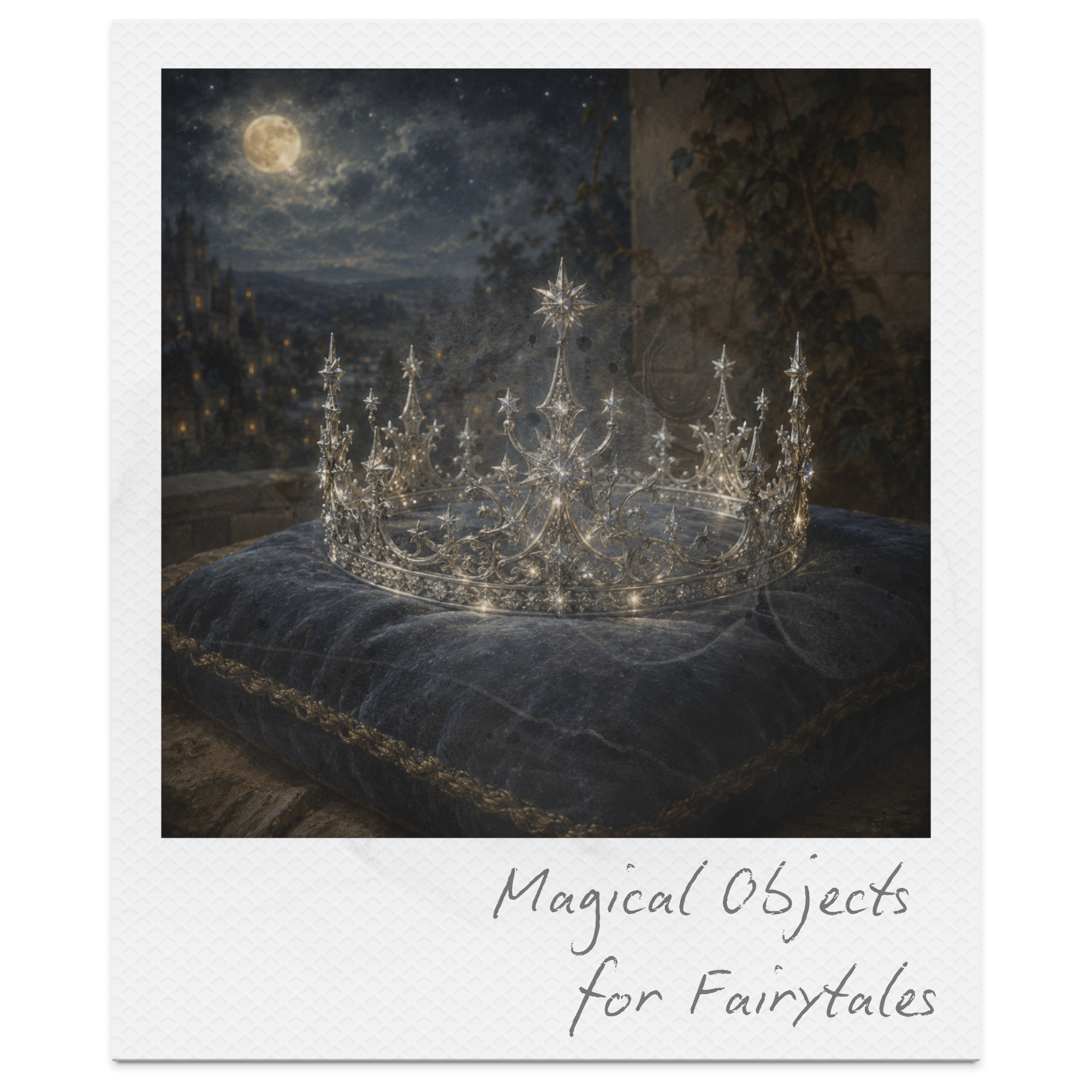
100 Magical Objects for Fairytales (With Story Ideas for Writers)
Discover 100 original magical objects for fairytales, each paired with a unique story idea to inspire your next fantasy adventure. From enchanted crowns, mysterious keys, and magical books to cursed relics, impossible artefacts, and timeless treasures, this collection will help you create unforgettable worlds filled with wonder, folklore, and imagination.
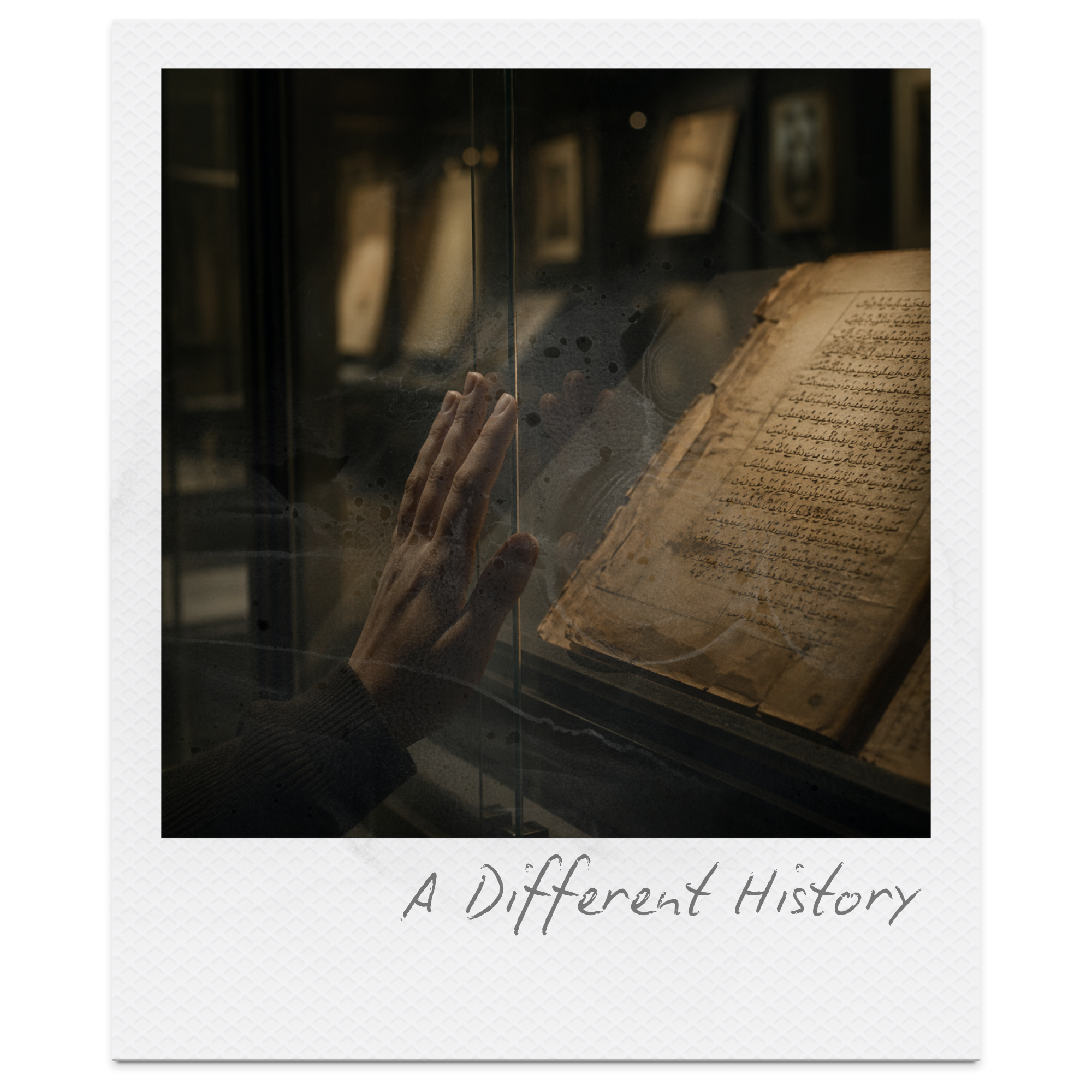
A Different History by Sujata Bhatt: Summary, Themes & Analysis
Sujata Bhatt’s A Different History explores language as power, examining how it can be both respected and used for control. Through contrast, repetition, and rhetorical questions, the poem highlights the tension between cultural identity and the lasting effects of colonial influence. This analysis breaks down key themes, methods, and structural shifts, helping students understand how meaning is created. Ideal for IGCSE Literature, it supports clear, method-focused responses and strong exam preparation.
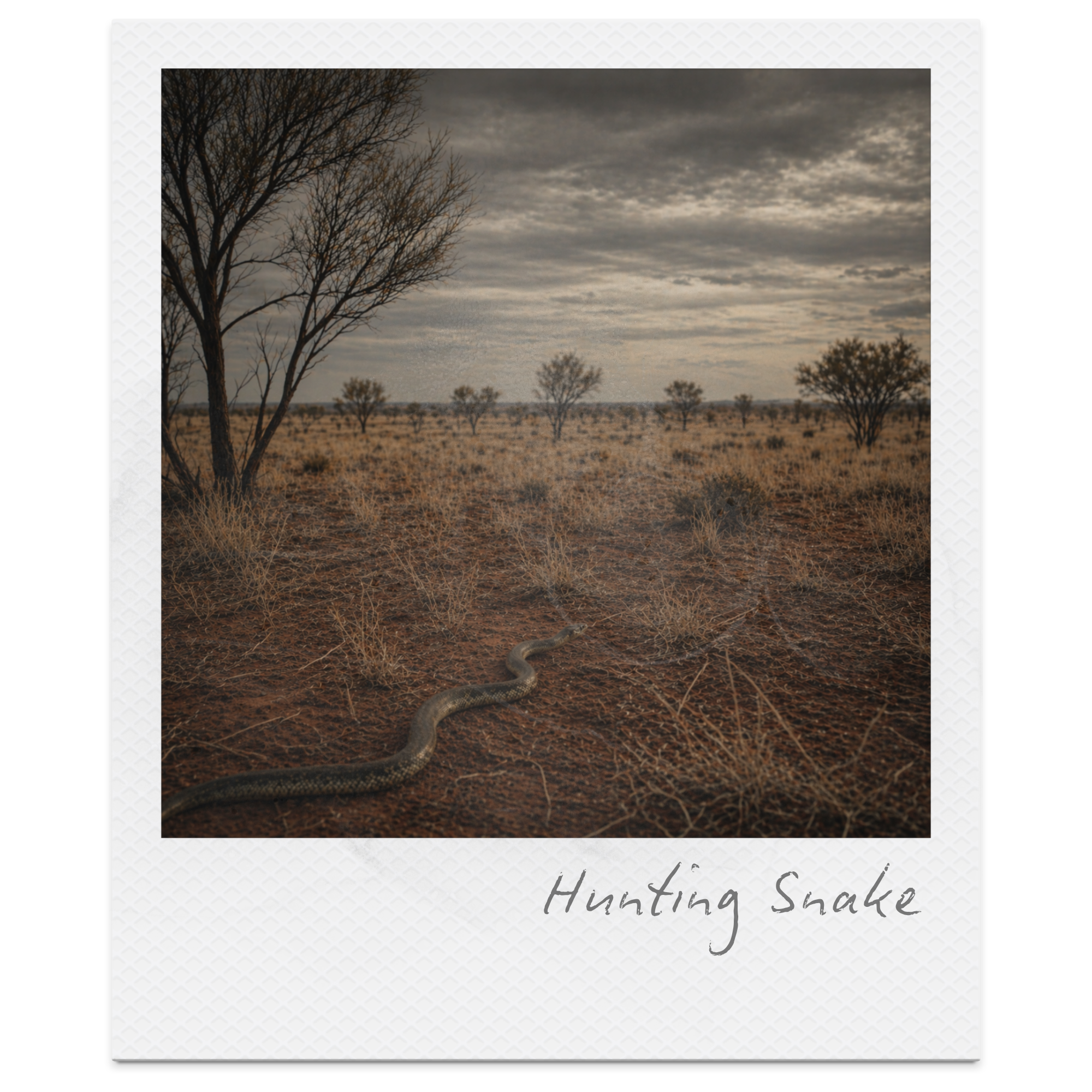
Hunting Snake by Judith Wright: Summary, Themes & Analysis
Judith Wright’s Hunting Snake captures a sudden encounter with nature, using imagery, contrast, and structure to explore the tension between fear and fascination. The poem shows how a moment of interruption can shift human perception, moving from instinctive reaction to reflective awareness. This analysis explores how Wright presents the snake as both threatening and awe-inspiring, focusing on how methods create meaning and impact. It supports students in developing clear, method-driven responses for IGCSE Literature (0475).
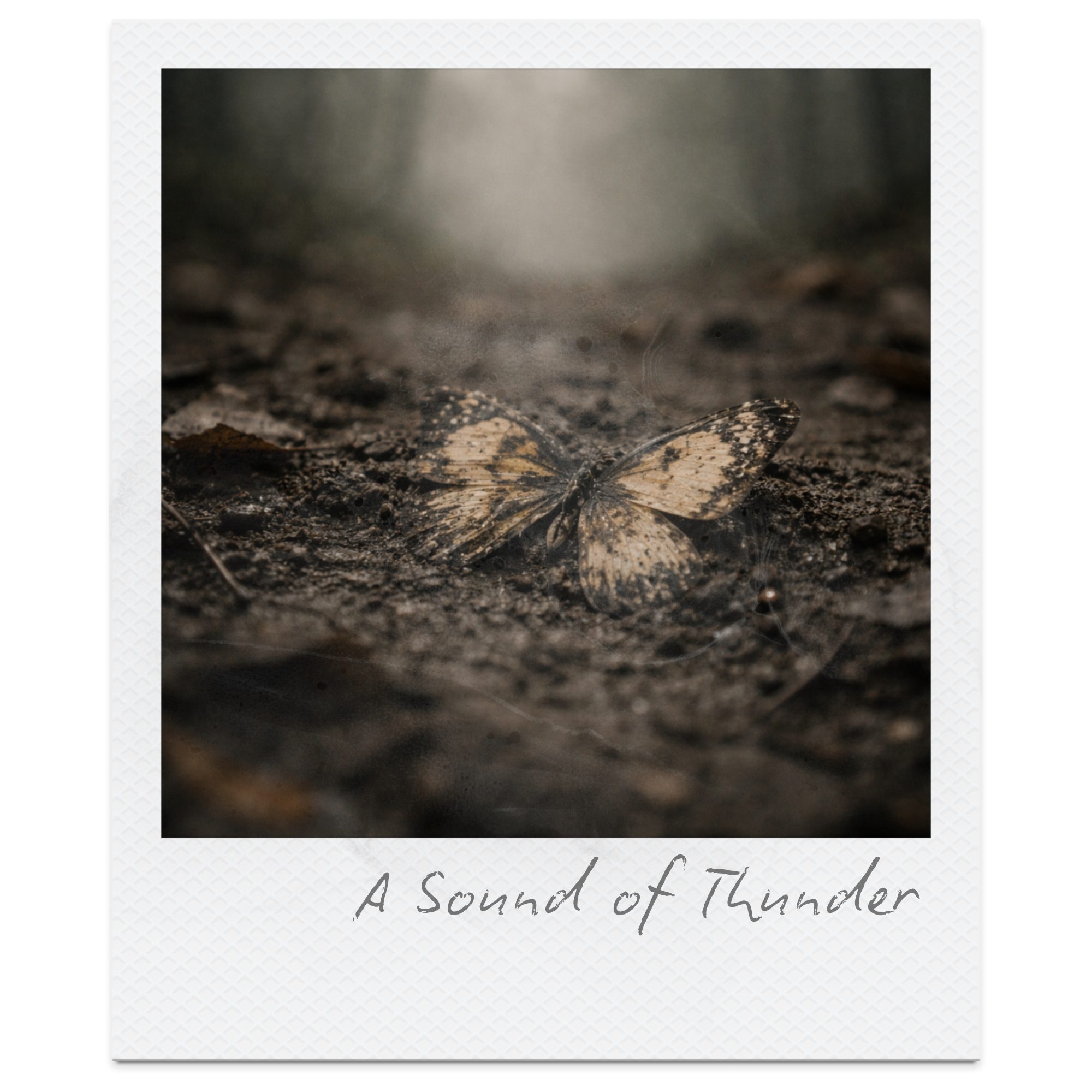
A Sound of Thunder by Ray Bradbury: Summary, Themes, Meaning & Analysis
A Sound of Thunder by Ray Bradbury is a gripping work of science fiction that explores the dangers of time travel, human interference, and unintended consequences. When a group of hunters travel back in time to kill a dinosaur, they are given one strict rule: stay on the Path. But when Eckels panics and steps off it, a seemingly small action triggers a chain reaction that alters the future in subtle but devastating ways. Through its famous exploration of the butterfly effect, the story reveals how fragile and interconnected reality truly is. Bradbury presents a powerful warning about cause and effect, responsibility, and the illusion of control, showing that even the smallest mistake can reshape entire systems. The story’s unsettling ending lingers long after reading, reminding us that once a choice is made, its consequences cannot be undone.
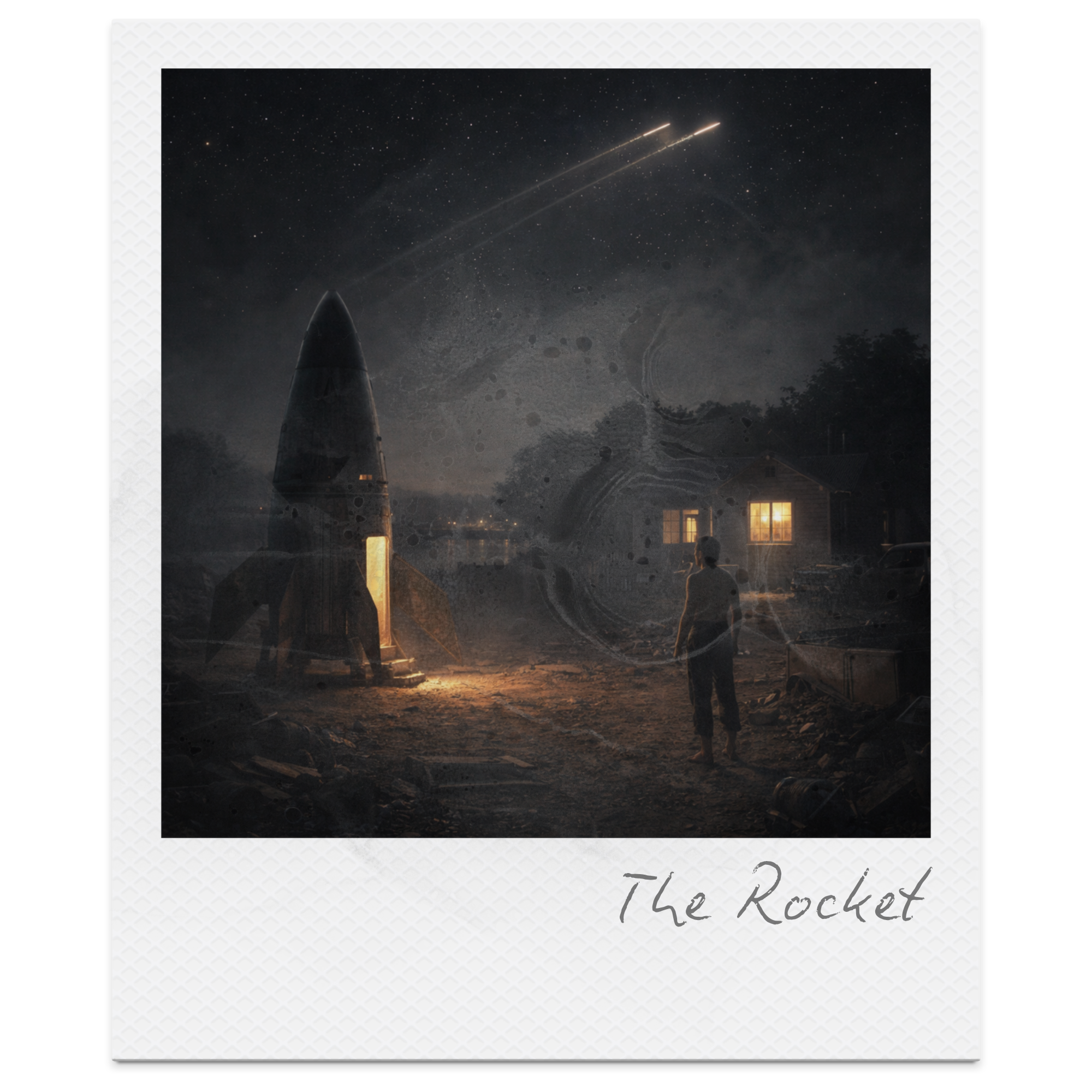
The Rocket by Ray Bradbury: Summary, Themes, Meaning & Analysis
The Rocket by Ray Bradbury is a quietly powerful piece of speculative fiction that explores aspiration, inequality, and the emotional weight of unattainable dreams. Through the character of Fiorello Bodoni, Bradbury presents a world where space travel exists—but only for the wealthy—forcing ordinary people to confront the painful distance between possibility and access. As Bodoni listens to rockets “sighing in the dark sky,” the story establishes a deep sense of longing, framing space not as a destination, but as a symbol of everything just out of reach. As the narrative unfolds, Bradbury shifts the focus from physical reality to emotional truth, revealing that the journey itself is an illusion. Yet this illusion becomes profoundly meaningful, as Bodoni creates an experience his children will “remember… for always.” In doing so, the story challenges the idea that reality is inherently more valuable than imagination, suggesting instead that shared experience, memory, and love can hold greater significance than material achievement.
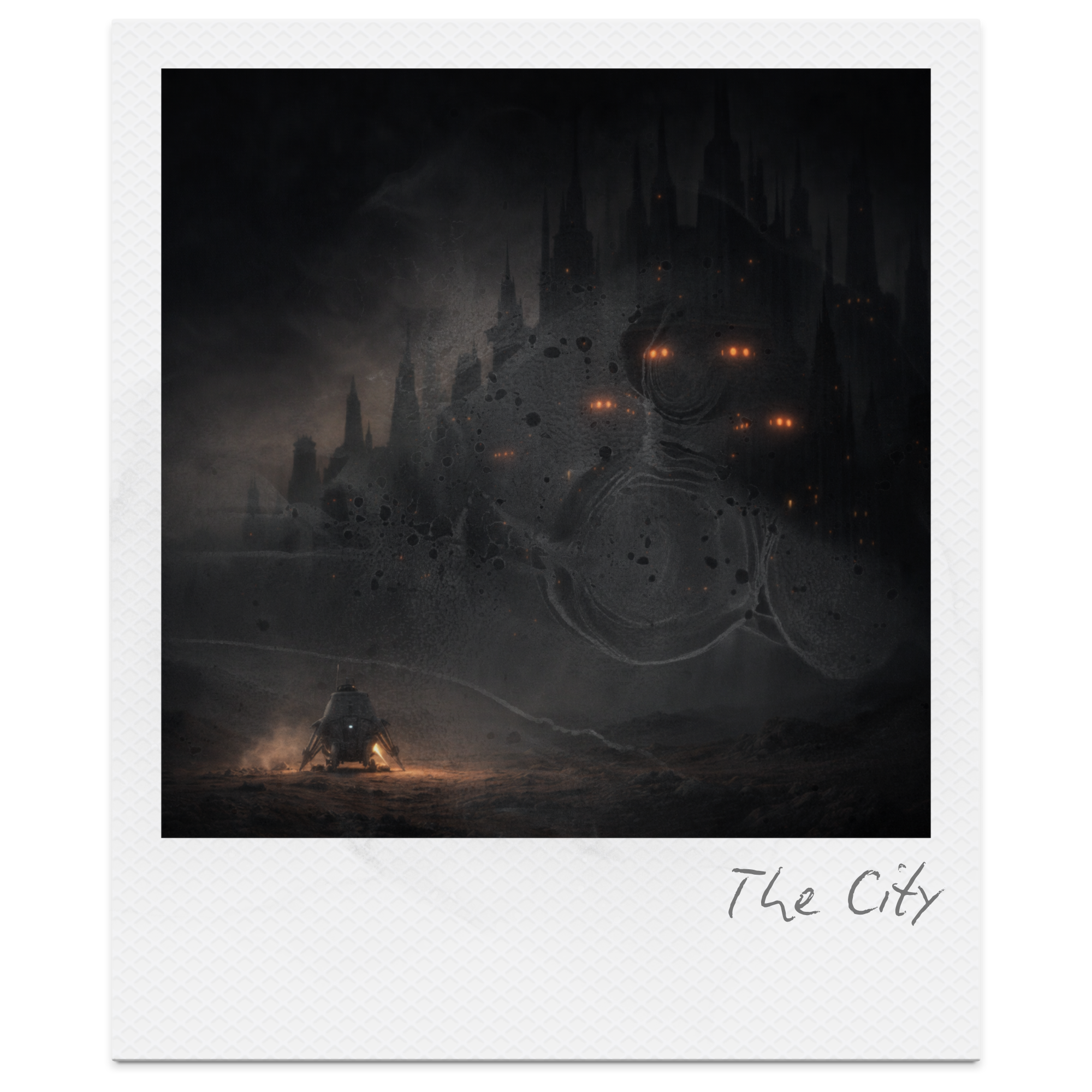
The City by Ray Bradbury: Summary, Themes, Meaning & Analysis
Ray Bradbury’s The City is a haunting work of speculative science fiction that explores revenge, memory, and technological power through the image of a vast, silent city waiting across twenty thousand years. At first, the city appears empty and lifeless, but as human explorers arrive, it becomes clear that it is watching, analysing, and responding with cold precision. Bradbury transforms setting into a conscious force, creating a narrative where the environment itself becomes the central intelligence. As the story unfolds, the city reveals its true purpose: to enact a long-delayed act of revenge against humanity. What makes this particularly unsettling is the way emotion has been embedded into a mechanical system, removing empathy and replacing it with calculation. The result is a chilling exploration of how violence and memory can be preserved beyond human life, raising questions about justice, control, and the consequences of past actions that continue to shape the future.
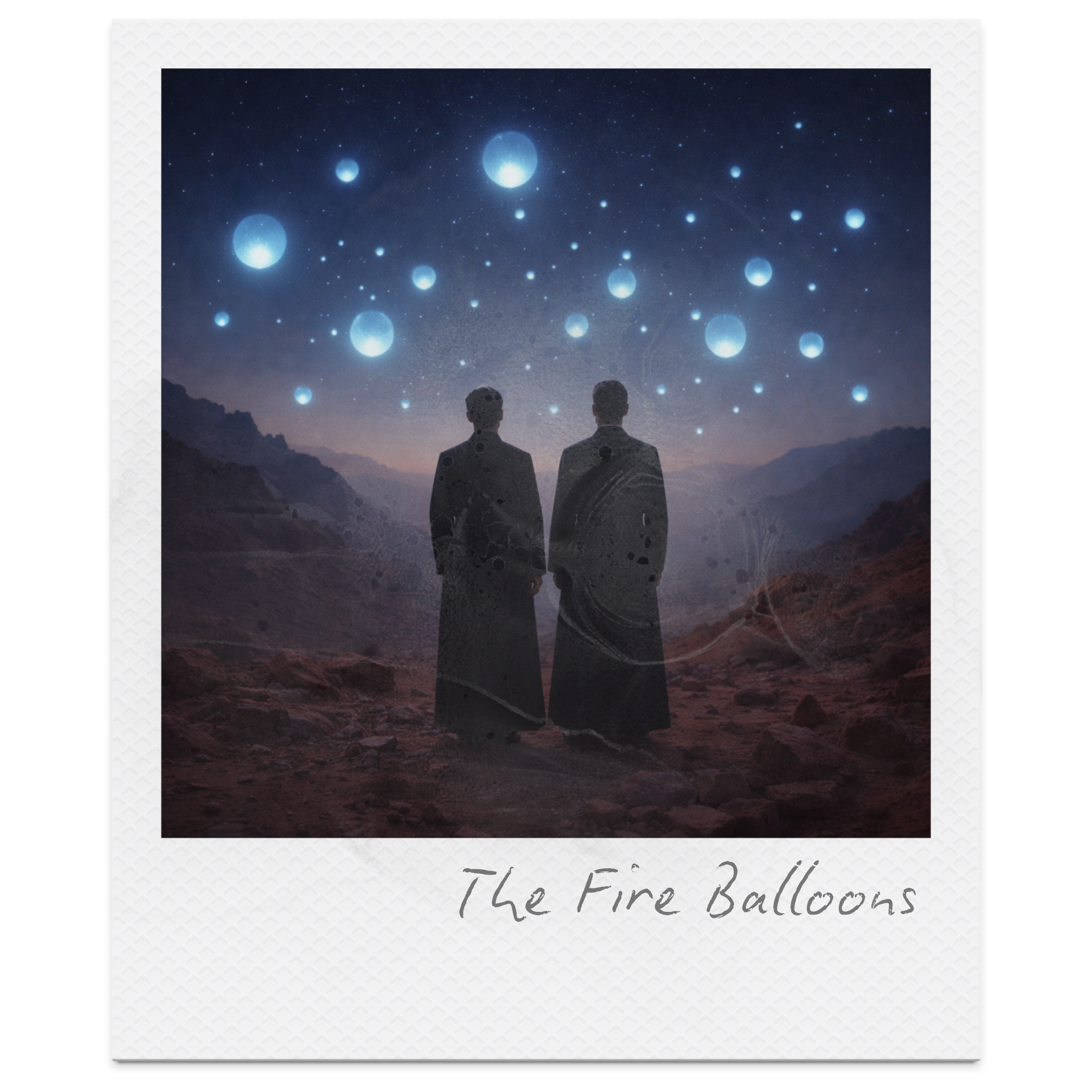
The Fire Balloons by Ray Bradbury: Summary, Themes, Symbolism & Analysis
The Fire Balloons explores faith, missionary zeal, and the limits of human understanding through the story of priests who travel to Mars expecting to bring salvation, only to encounter beings who may not need it. When Father Peregrine becomes fascinated by mysterious blue spheres living in the Martian hills, he begins to question whether traditional ideas of sin and morality apply beyond Earth, setting up a powerful conflict between certainty and curiosity. As the story unfolds, Bradbury challenges assumptions about religion, the body, and what it means to be truly human. The Martians’ revelation—that they exist beyond desire, conflict, and sin—forces a shift from confidence to humility, leaving both characters and readers to reconsider the nature of truth itself.
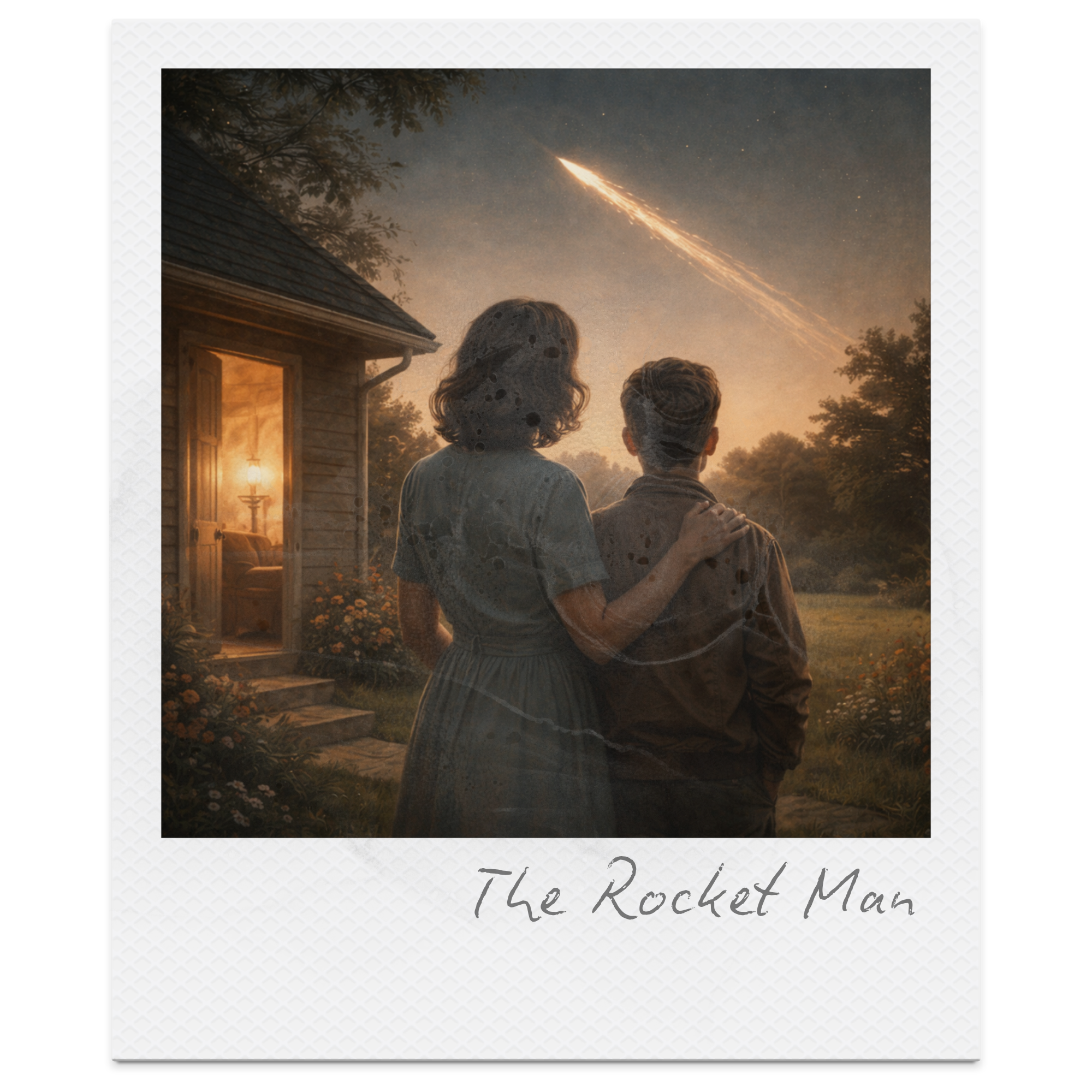
The Rocket Man by Ray Bradbury: Summary, Themes, Symbolism & Analysis
The Rocket Man by Ray Bradbury is a deeply emotional science fiction story exploring family, absence, and the cost of ambition. Told through the eyes of a young boy, the narrative follows a father who is torn between his life on Earth and his work in space, creating a cycle of return and departure that shapes the family’s entire existence. Bradbury presents space travel not as heroic, but as something that quietly disrupts relationships and emotional stability. As the story unfolds, the tension between presence and absence becomes increasingly painful, particularly through the mother’s coping strategy of treating her husband as if he is already dead. When the father’s final journey ends in tragedy, the emotional impact is devastating, leaving the family to navigate a world permanently altered by loss. Through its restrained style and symbolic imagery, the story reveals how ambition, love, and grief can coexist in ways that are both powerful and deeply unsettling.
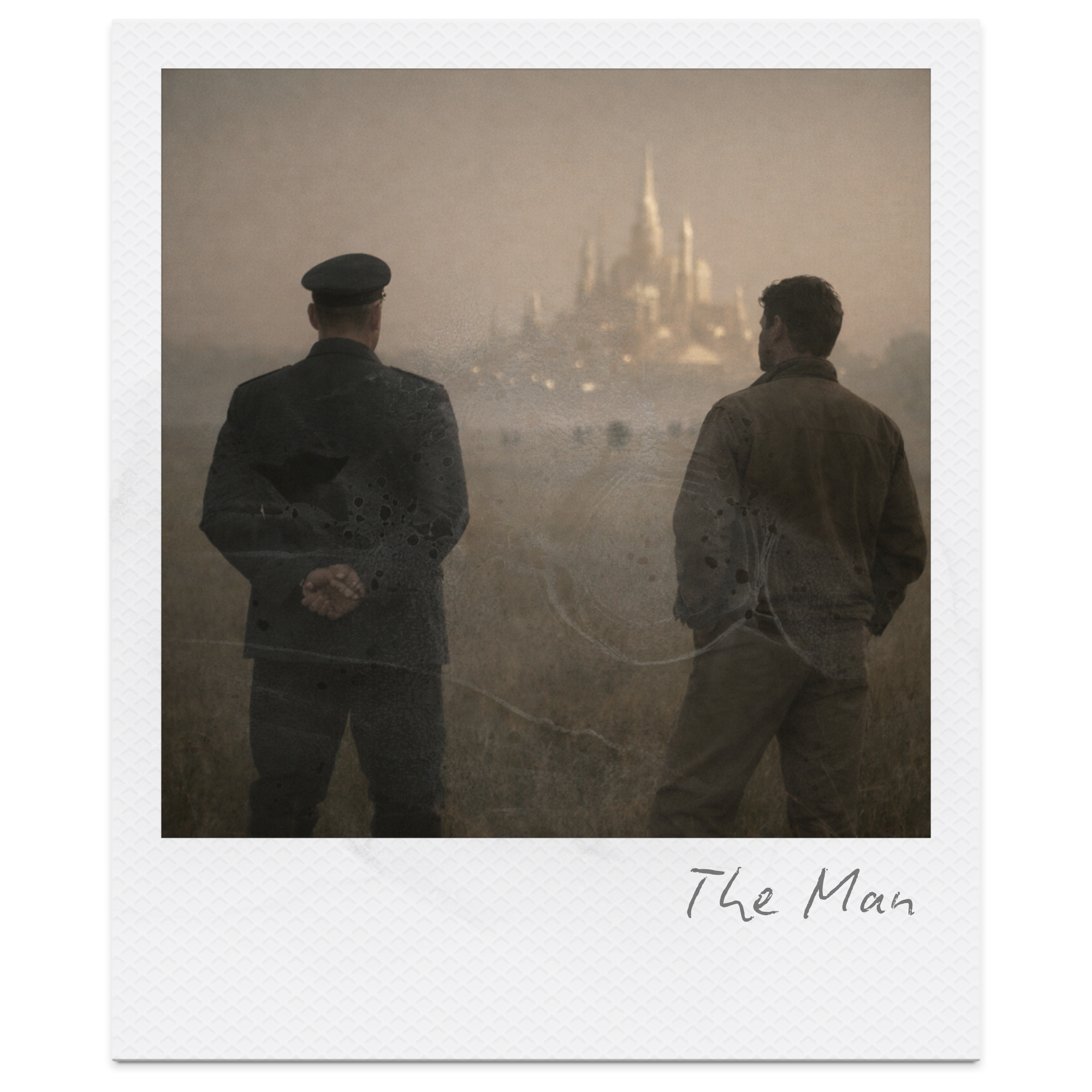
The Man by Ray Bradbury: Summary, Themes, Symbolism & Analysis
The Man by Ray Bradbury is a powerful work of science fiction that explores faith, belief, and the limits of human understanding. When Captain Hart and his crew land on a distant planet expecting recognition for their achievement, they are met with complete indifference. Instead, they discover that something far more significant has already taken place—a mysterious visitor who healed the sick and inspired quiet, unwavering belief among the inhabitants. As Hart clings to logic and proof, refusing to accept what he cannot explain, his lieutenant Martin begins to recognise that they have just missed something extraordinary. The story becomes a subtle but striking exploration of ego, skepticism, and the search for meaning, raising a central question: what happens when truth appears, but we are unwilling—or unable—to see it?

The Highway by Ray Bradbury: Summary, Themes, Symbolism & Analysis
Ray Bradbury’s The Highway is a striking piece of speculative fiction that explores isolation, perspective, and the fragility of civilisation. Set in a quiet rural valley, the story follows Hernando, a farmer whose life is largely untouched by the modern world—until a sudden, frantic stream of cars on the nearby highway signals that something catastrophic has happened beyond his understanding. As news of “the atom war, the end of the world!” rushes past him, Hernando’s response challenges everything we assume about global events and their impact. Bradbury uses this powerful contrast between panic and stillness to question whether such events are truly universal, revealing that meaning is shaped by experience, distance, and perspective.
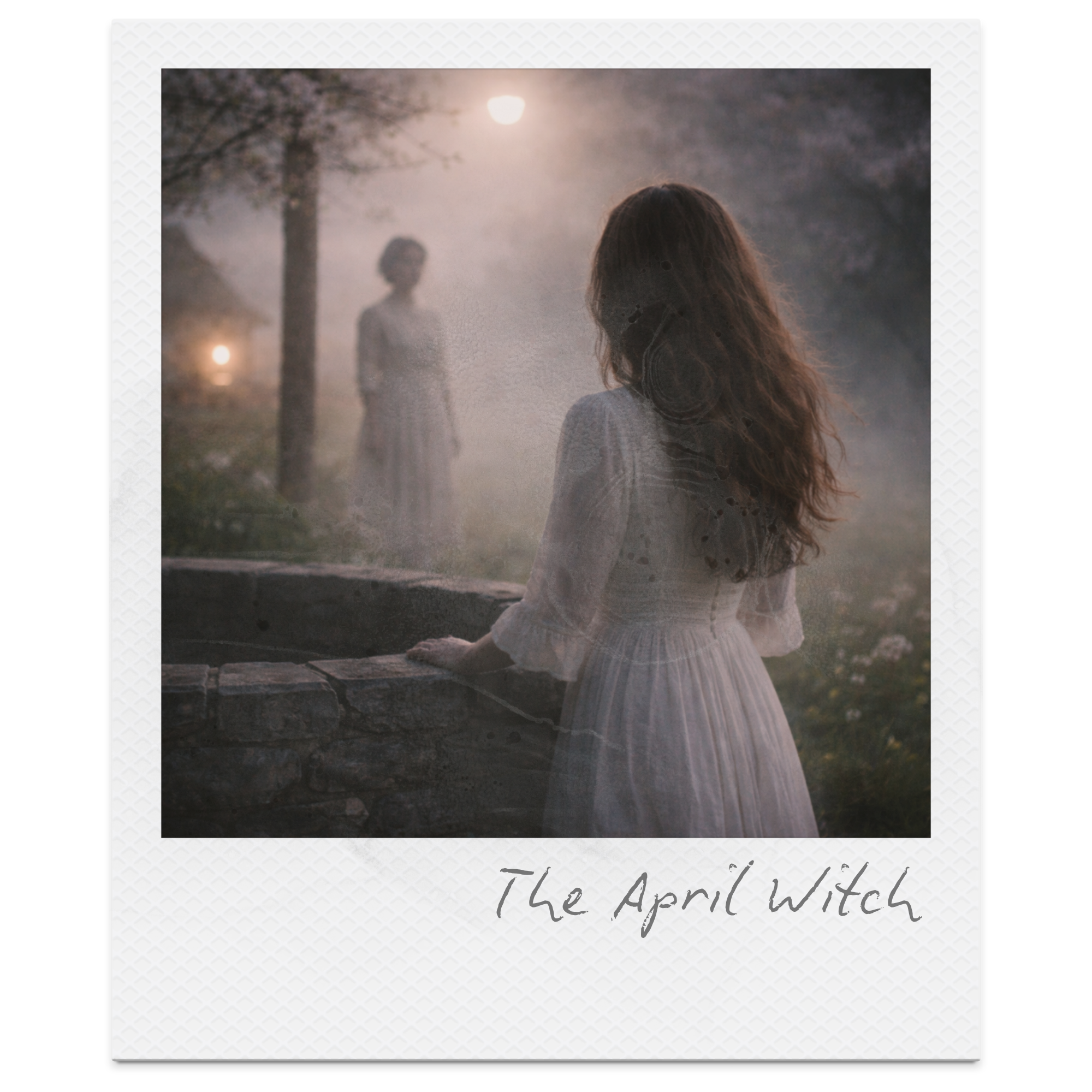
The April Witch by Ray Bradbury: Summary, Themes, Symbolism & Analysis
Ray Bradbury’s The April Witch is a lyrical piece of speculative fiction that explores longing, identity, and the desire for connection through a magical yet emotionally grounded premise. The story follows Cecy, a young girl who can inhabit other living beings, as she seeks to experience love by entering another person’s body, revealing both the beauty and the limitations of her extraordinary ability. At its heart, the story examines illusion versus reality, the fragility of belonging, and the emotional cost of distance, showing that borrowed experiences cannot replace genuine connection. Through rich imagery and a dreamlike tone, Bradbury creates a haunting reflection on what it truly means to be present, loved, and understood.
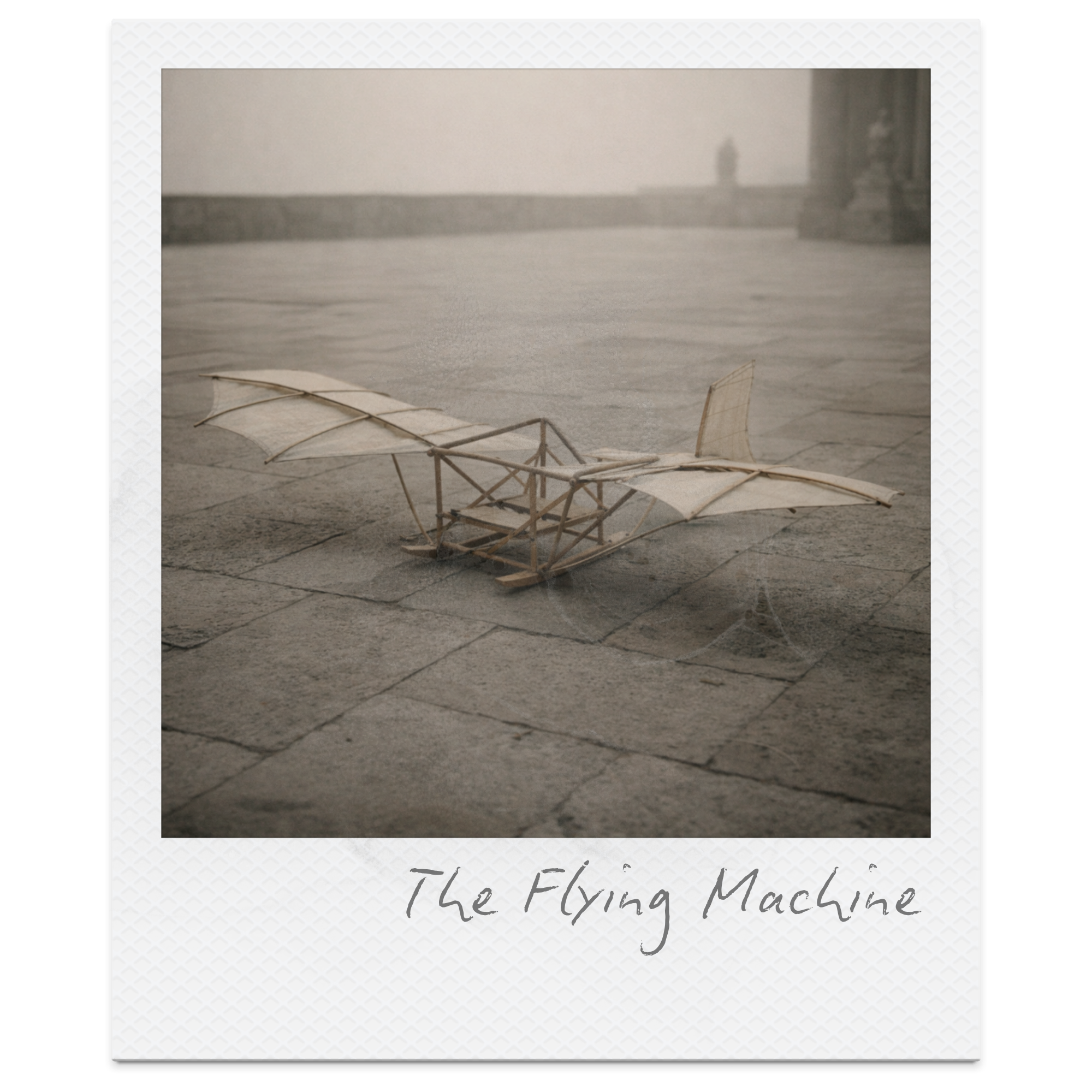
The Flying Machine by Ray Bradbury: Summary, Themes, Symbolism & Analysis
Ray Bradbury’s The Flying Machine explores the uneasy relationship between innovation and fear, presenting a world where beauty and progress are not always welcomed. Set in ancient China, the story follows an inventor who achieves the impossible—human flight—only to face the Emperor’s growing concern about what such a discovery might become. Through this encounter, Bradbury examines the fragile balance between creativity and control, raising questions about whether all knowledge should be allowed to exist. At its core, the story reflects a deeper anxiety about the consequences of progress, particularly when invention can be replicated and misused. The Emperor’s decision to destroy both the machine and its creator reveals a chilling logic: that protecting the future may require the sacrifice of something extraordinary in the present. Blending speculative fiction with philosophical insight, The Flying Machine leaves readers questioning whether humanity can truly be trusted with its own creations—and what might be lost when fear takes precedence over wonder.

The Exiles by Ray Bradbury: Summary, Themes, Symbolism & Analysis
Bradbury’s The Exiles is a haunting exploration of censorship, imagination, and the fragility of stories, set on a dying Mars where forgotten authors and their creations struggle to survive. As books are banned and burned on Earth, the figures they once sustained begin to fade, turning the story into a powerful reflection on what happens when culture is erased and memory is lost. Blending science fiction, gothic atmosphere, and a deeply meta-literary perspective, the story challenges readers to consider the true cost of suppressing imagination. Through its unsettling imagery and quiet, devastating ending, The Exiles asks a central question: if stories disappear, what happens to the parts of ourselves they once held together?
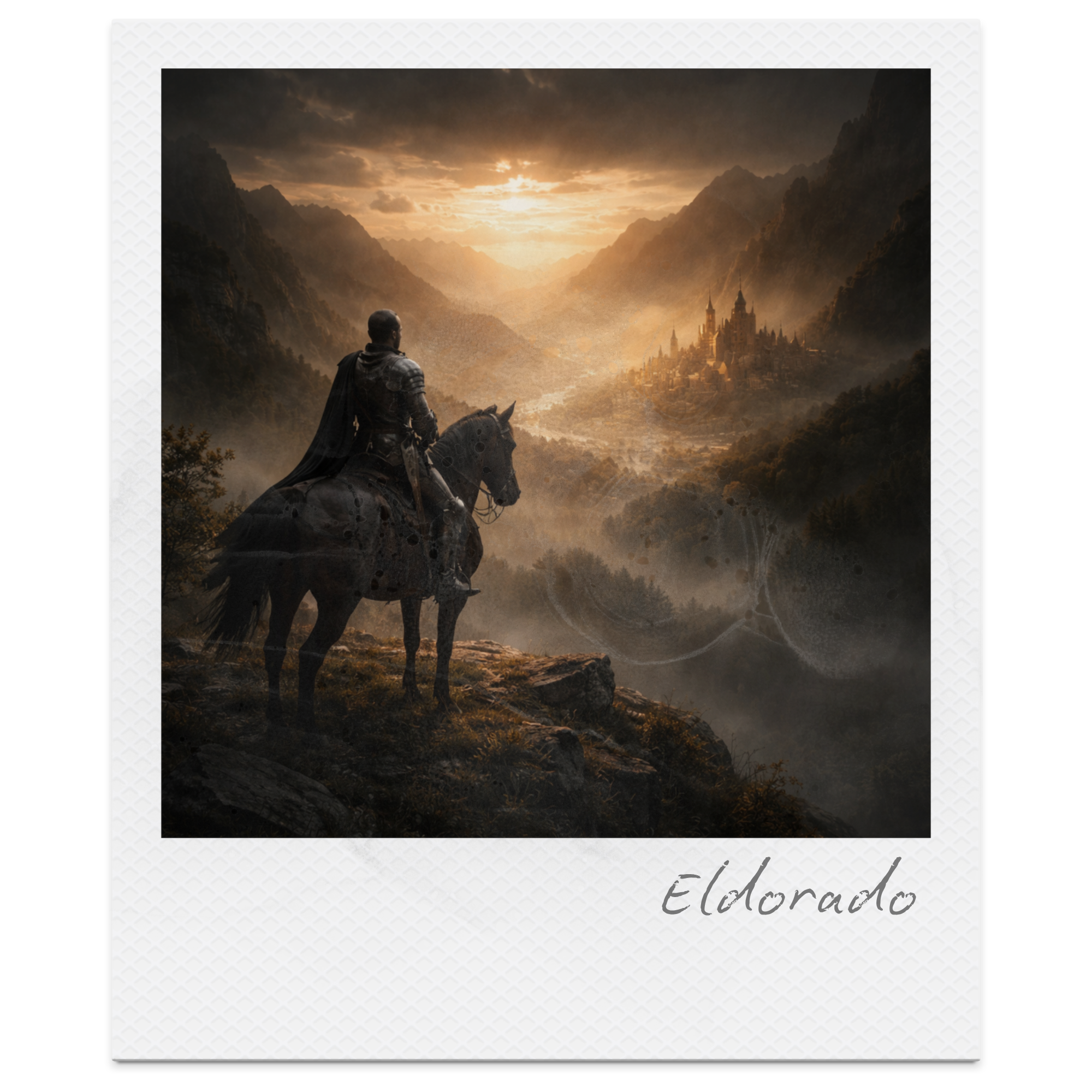
Eldorado by Edgar Allan Poe: Summary, Themes, Meaning & Analysis
Eldorado by Edgar Allan Poe presents a deceptively simple tale of a knight’s lifelong quest, yet beneath its musical, ballad-like surface lies a powerful exploration of illusion, ambition, and the passage of time. As the knight searches endlessly for the legendary land of gold, the poem gradually reveals that fulfilment may be unattainable, transforming what begins as a hopeful journey into a meditation on disillusionment and human limitation. Through its shifting imagery and tightly controlled structure, Eldorado moves from youthful optimism to existential uncertainty, culminating in a haunting suggestion that the knight’s goal lies beyond the physical world. Poe leaves the meaning deliberately open, inviting readers to question whether the pursuit itself gives life meaning, or whether some desires are destined to remain forever out of reach.
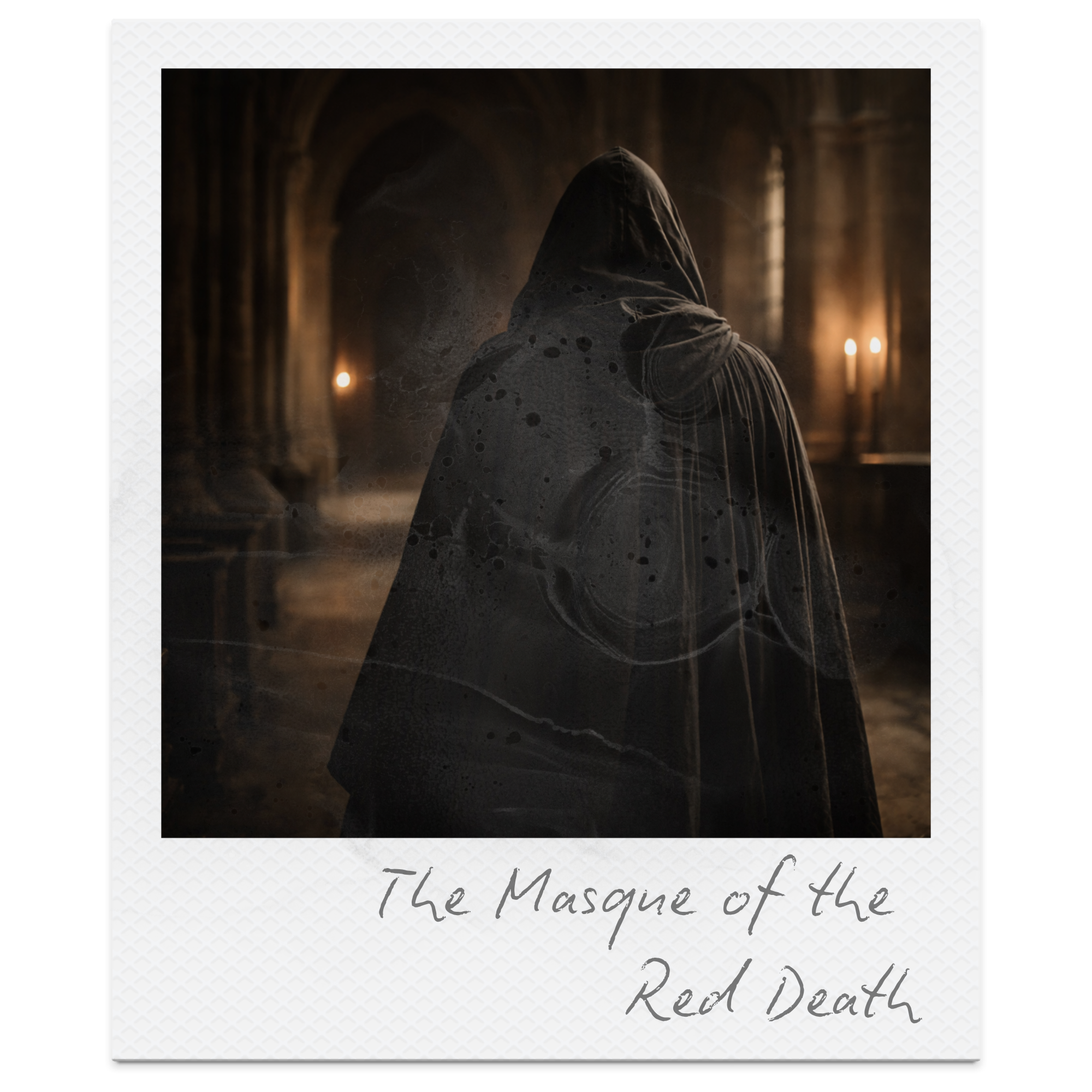
The Masque of the Red Death by Edgar Allan Poe: Summary, Themes, Symbolism & Analysis
The Masque of the Red Death by Edgar Allan Poe is a powerful Gothic allegory that explores mortality, time, and the illusion of human control. Through the decadent world of Prince Prospero’s abbey, Poe constructs a symbolic narrative where wealth, power, and denial are ultimately powerless against the inevitability of death. The story’s haunting atmosphere, combined with its structured progression through the seven rooms, creates a vivid representation of life moving inexorably toward its end. Beyond its surface narrative, the text offers rich opportunities for analysing symbolism, setting, and psychological themes. From the ominous ebony clock to the disturbing presence of the masked figure, Poe builds a world where illusion collapses into reality, forcing both characters and readers to confront what cannot be avoided. This makes the story ideal for exploring Gothic conventions, interpretation, and high-level analytical writing.
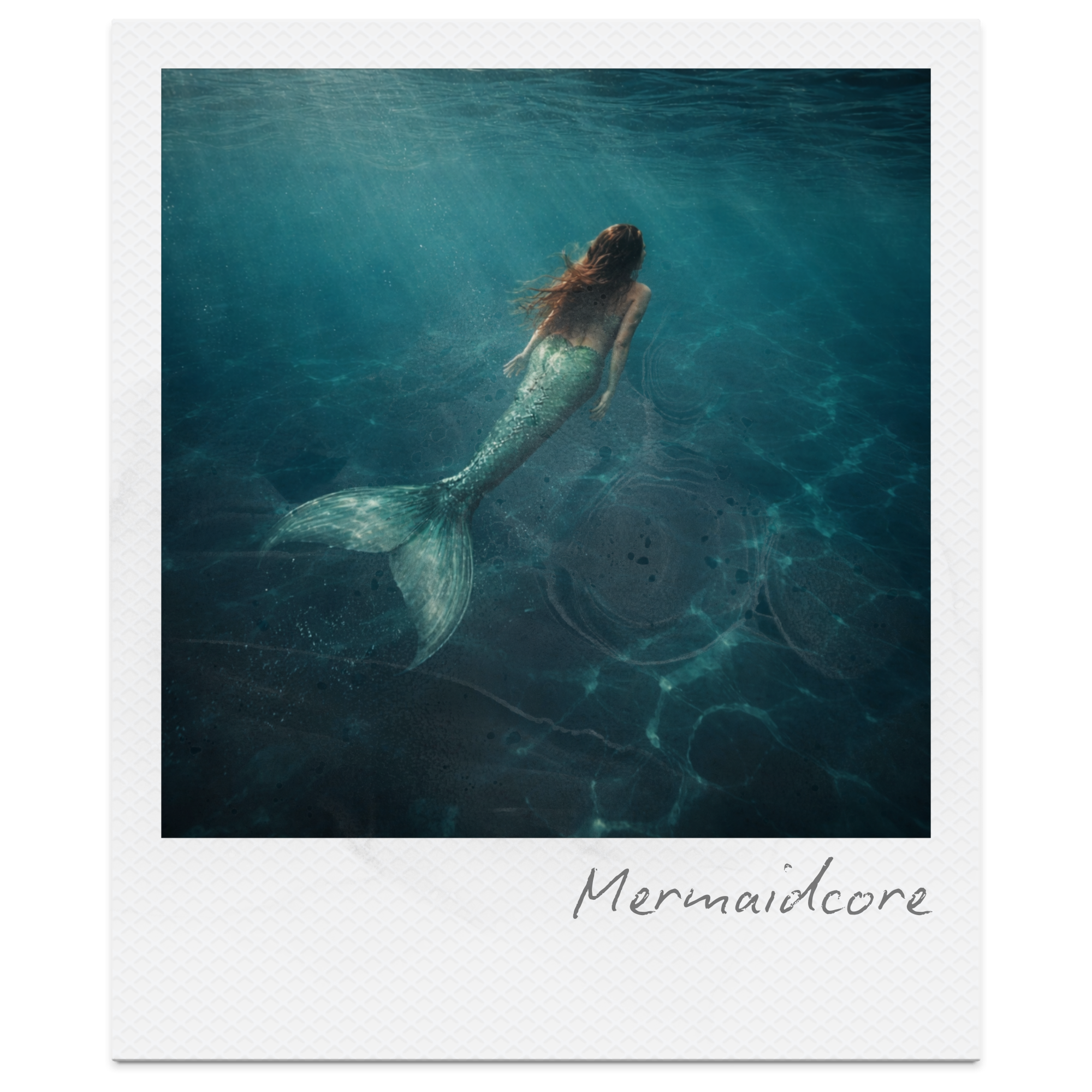
70 Mermaid & Siren Writing Prompts for Teens: Mythic Story Starters, Characters, Settings & Visual Ideas
Explore 70 Mermaid & Siren Writing Prompts for Teens inspired by mermaid mythology, siren myths, and ocean fantasy. This atmospheric collection offers plot hooks, opening and closing lines, character and setting ideas, and visual writing prompts designed to support folklore-driven, mood-led storytelling in the classroom or at home. Ideal for fantasy writing prompts for teens, English lessons, writing clubs, or independent creative projects, these prompts draw on mermaidcore aesthetics, underwater worlds, sea witches, and siren lore to help young writers explore identity, transformation, and choice through mythic, character-focused narratives.
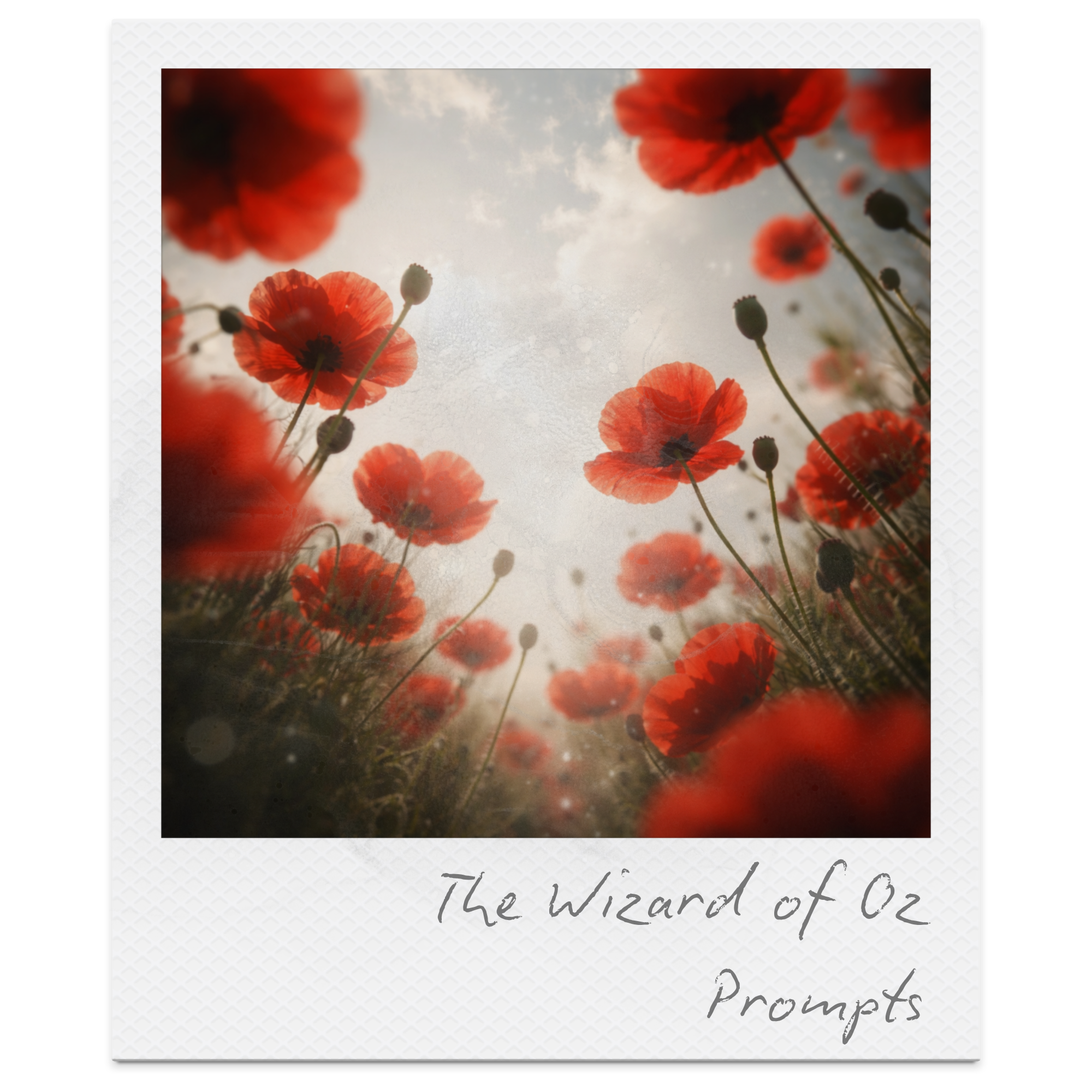
70 The Wizard of Oz Inspired Writing Prompts: Journey, Identity & The Search for Home
Step into a world of colour, illusion, and transformation with these 70 Wizard of Oz writing prompts, designed to spark imagination and support creative storytelling. Inspired by one of the most iconic journeys in literature, this collection explores themes of identity, courage, friendship, and the search for home, inviting writers to reimagine magical worlds where nothing is quite as it seems. From mysterious roads and deceptive rulers to unexpected companions and shifting landscapes, each prompt encourages rich, character-driven storytelling. This collection provides a complete creative toolkit, including plot hooks, title ideas, opening and closing lines, character concepts, and vivid setting inspiration. Whether used for short stories or longer narratives, these prompts help writers explore illusion vs reality, personal growth, and the idea that what we seek may already be within us, making it a powerful resource for both independent writing and structured activities.
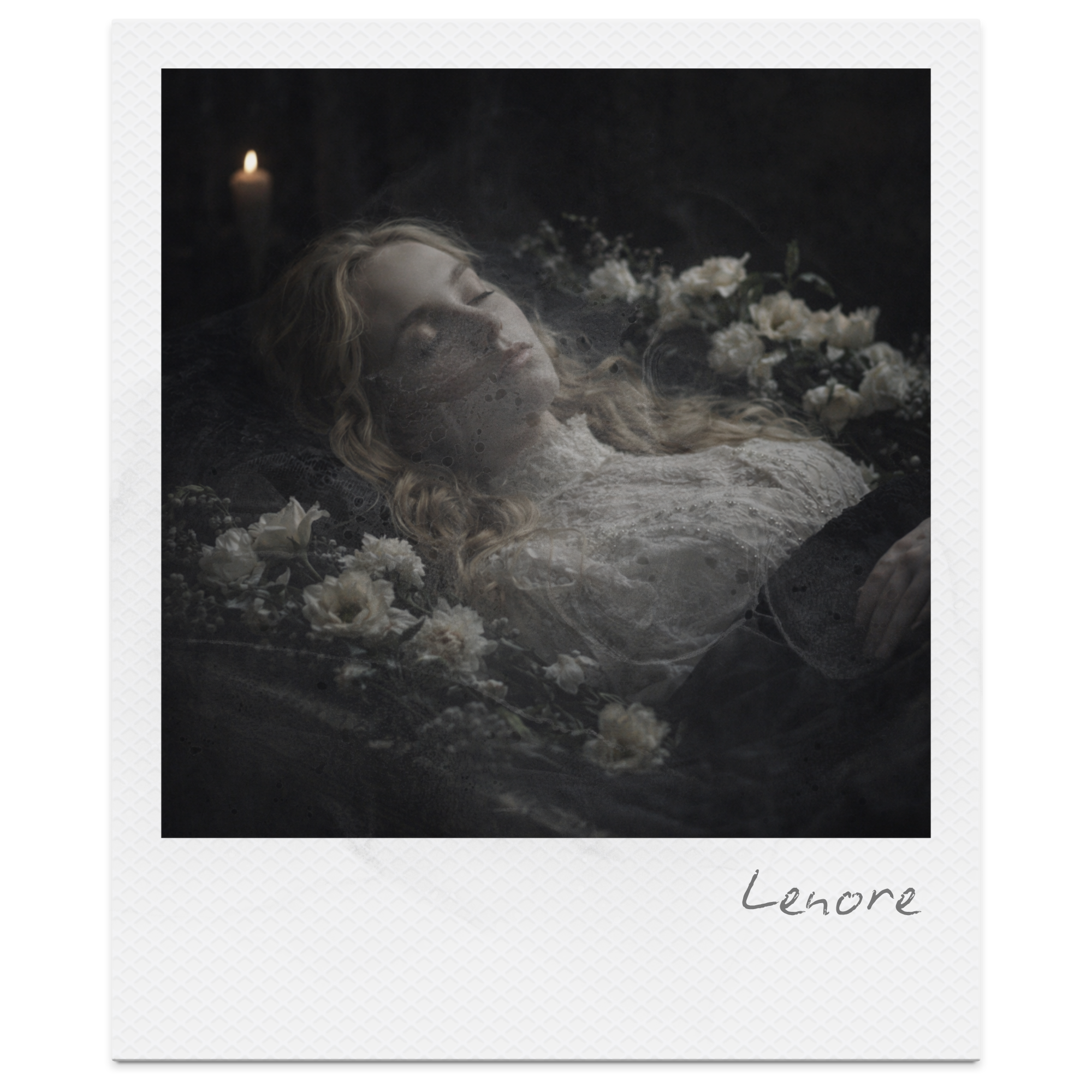
Lenore by Edgar Allan Poe: Summary, Themes, Meaning, Death & Defiance Analysis
Lenore by Edgar Allan Poe is a powerful exploration of death, mourning, and the rejection of false grief, offering a striking contrast to more traditional elegies. Rather than presenting sorrow as the only response to loss, Poe introduces a speaker who challenges ritual mourning and social expectation, exposing the hypocrisy of those who claim to grieve while having wronged the dead in life. Through its dramatic structure and shifting voices, the poem becomes both a lament and a moral confrontation, questioning what it truly means to honour the dead. At the same time, Lenore redefines death as a form of spiritual transcendence, where loss is transformed into elevation. The speaker’s refusal to mourn suggests a deeper tension between grief and denial, leaving readers to question whether his response represents devotion or emotional resistance. Rich in religious imagery, symbolism, and sound, the poem invites multiple interpretations while maintaining a powerful focus on love, loss, and the afterlife, making it an ideal text for both classroom analysis and deeper literary study.
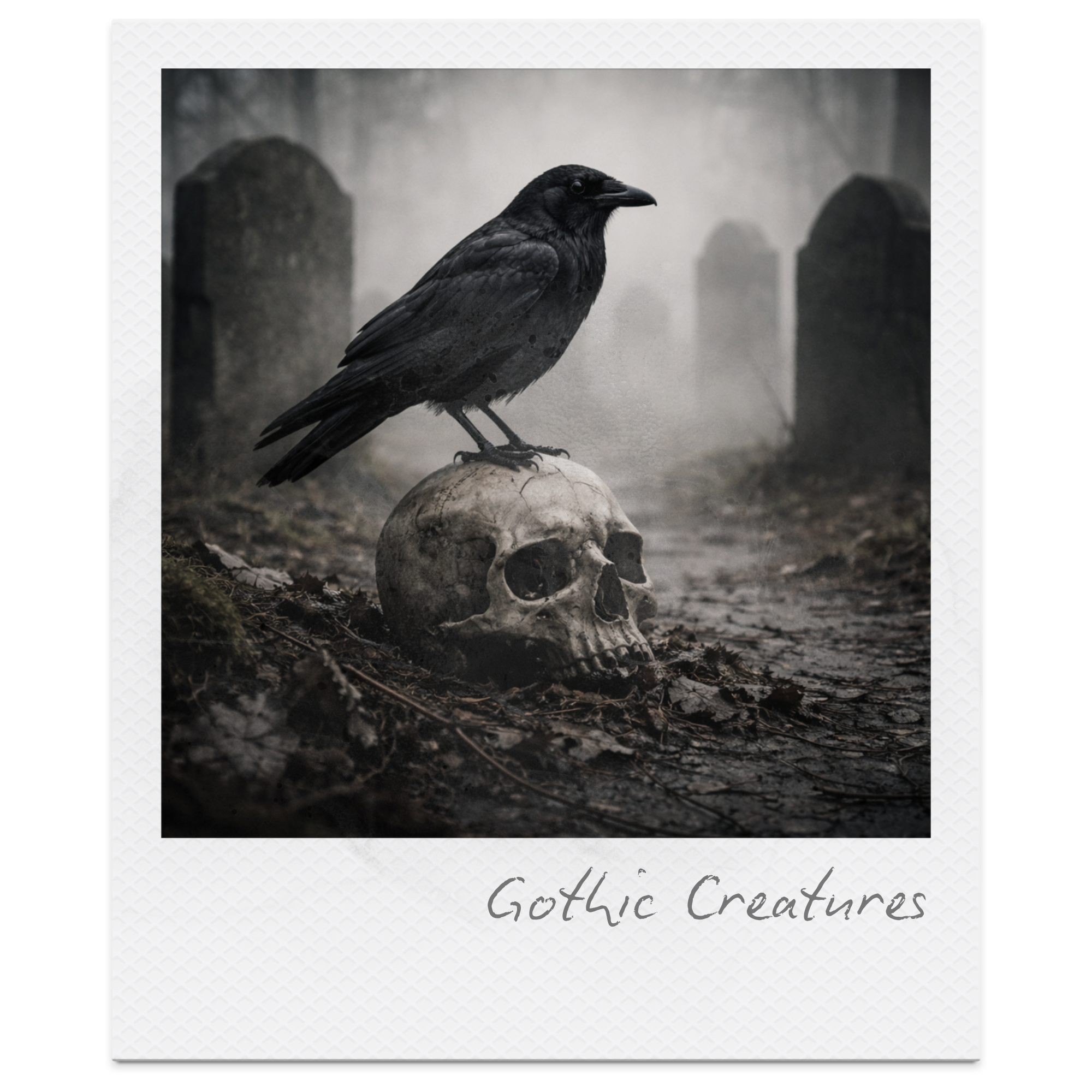
70 Gothic Creature Writing Prompts: Monsters, Myths & Unnatural Beings
Gothic creature writing prompts explore the darker edges of storytelling, where the line between human and inhuman begins to blur. Drawing on Gothic literature, supernatural folklore, and psychological horror, these prompts focus on creatures shaped by grief, obsession, decay, and memory rather than spectacle. From vampires and revenants to doppelgängers and unnamed presences, each idea invites writers to create stories where the unsettling feels intimate and the familiar becomes distorted. This collection of 70 Gothic Creature Writing Prompts offers a complete creative toolkit, including plot hooks, title ideas, opening and closing lines, character concepts, and setting prompts. Designed for atmosphere-driven storytelling, these prompts support short exercises, classroom writing, or longer Gothic and horror projects, helping writers build narratives rooted in tension, symbolism, and quiet unease.
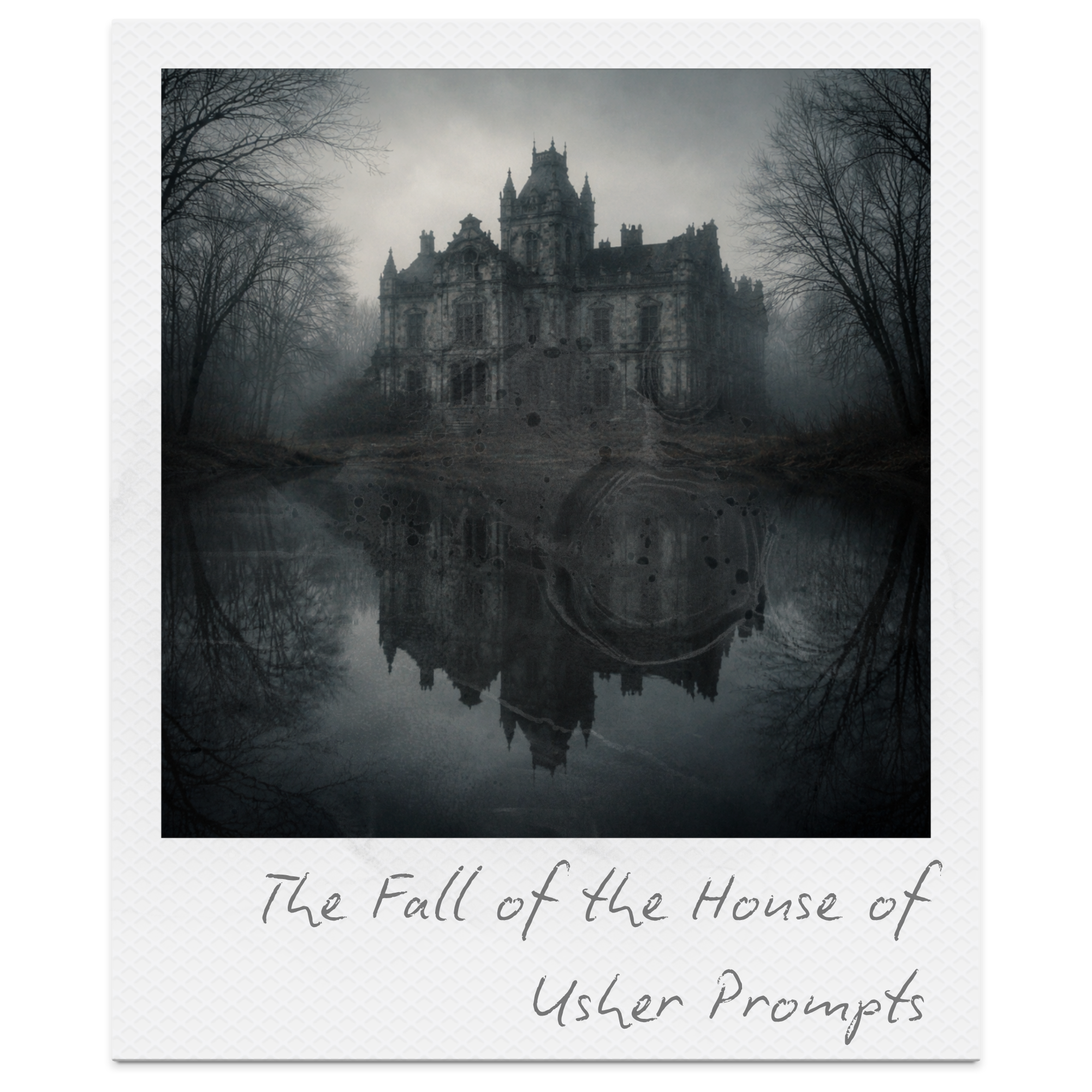
70 Creative Writing Prompts Inspired by The Fall of the House of Usher: Plot Hooks, Opening Lines, Characters & Visual Ideas
Explore 70 creative writing prompts inspired by The Fall of the House of Usher by Edgar Allan Poe. This collection draws on the story’s gothic atmosphere, psychological tension, and themes of madness, decay, and unreliable perception, helping students and writers craft original stories shaped by mood, setting, and symbolism rather than plot retelling. Ideal for classrooms, writing clubs, or independent practice, these prompts include plot hooks, opening lines, character ideas, and setting inspiration. They support both creative confidence and deeper understanding of Gothic fiction, making them a flexible tool for KS3–KS5 teaching, revision, and imaginative storytelling.