70 Ghost Story Prompts for Teens: Story Starters, Titles, Characters, Settings & Visual Ideas
Ghost stories aren’t just about cheap scares or jump horror. At their best, they are built on atmosphere, mystery, and the unsettling presence of something just out of sight. From haunted buildings and lingering spirits to whispers, memories, and unfinished business, ghost stories invite teen writers to explore fear, grief, and the tension between the living and the dead in a controlled, imaginative way.
These ghost story writing prompts for teens are designed to support creative writing in classrooms, writing clubs, and independent practice. This collection includes eerie plot hooks, chilling story titles, haunting opening and closing lines, character ideas, unsettling settings, and carefully chosen picture prompts to inspire descriptive and suspenseful storytelling.
Whether you’re planning Halloween writing activities, teaching gothic or ghost literature, or looking for engaging creative writing prompts for English lessons, these ghost story prompts are designed to spark ideas while encouraging atmosphere-driven, emotionally resonant writing.
If you're looking for even more supernatural inspiration, explore the Paranormal Writing Hub for ghost stories, haunted settings, paranormal romance, supernatural prompts, and eerie story ideas, or browse the Creative Writing Archive to discover hundreds of writing prompts across fantasy, horror, mystery, gothic fiction, folklore, and more.
1. Plot Hooks
Ghost stories thrive on unanswered questions, unsettling encounters, and the feeling that something is wrong long before it is explained. Rather than relying on shock, effective ghost fiction builds suspense through atmosphere, memory, and the slow realisation that the past has not stayed buried. These ghost story plot hooks are designed to spark curiosity and help teen writers explore fear, grief, and the thin boundary between the living and the dead.
Write about a character who moves into a new house and discovers an old diary that begins to describe their own life, day by day, before it happens.
Write about a group of friends who dare each other to stay in the local graveyard overnight — but one of them never comes back out.
Write about someone who starts receiving text messages from a friend who died the year before, all signed with the same phrase they used in life.
Write about a character who sees the same ghost every time they look into a mirror, even though no one else notices anything unusual.
Write about a stretch of road known for accidents, where drivers who stop their car are never seen again.
Write about a teenager who can see ghosts, but only on the night of their birthday, when the veil between worlds is thinnest.
Write about a family who buys a seaside cottage, unaware that it was once connected to a shipwreck that claimed many lives.
Write about a ghost who refuses to haunt anyone except the narrator — and seems to be trying to tell them something important.
Write about a school where one student is always marked absent, even though their desk is never empty.
Write about a photographer who realises a ghost has appeared in every photograph they have ever taken, long before they knew what to look for.
2. Title Prompts
A strong ghost story title does more than name a place or event — it hints at absence, memory, and the feeling that something has been left unresolved**. In ghost fiction, titles often suggest what lingers, what listens, or what refuses to stay buried. These ghost story titles can be used as writing challenges, story starters, or inspiration for short stories, poems, or longer narratives.
The Whispering Room
A Candle Left in the Attic
Beyond the Graveyard Gates
The House on Hollow Street
When the Clock Struck Thirteen
A Voice in the Static
Ashes and Echoes
The Lantern That Never Went Out
They Never Truly Left
The Last Door on the Landing
3. Opening Lines
The best ghost stories begin with unease rather than explanation. An effective opening line introduces something that feels slightly wrong — a sound, a presence, or a detail that refuses to make sense. These ghost story opening lines are designed to drop writers straight into atmosphere, encouraging suspense, inference, and slow-building tension rather than sudden shock.
The first time I saw her, she was standing at the end of my bed, watching as if she had been there all along.
Nobody else could hear the knocking, but it continued every night at the same time.
I didn’t realise the house was haunted when we moved in — only that it never felt empty.
The photograph on my desk had changed overnight, and I was the only one who noticed.
At midnight, the church bells began to ring, even though the building had been abandoned for decades.
I woke up with soil under my fingernails and no memory of leaving my room.
The window was open, and something cold lingered in the air, though I was certain I had locked it.
My phone lit up with a message from a number I deleted after the funeral.
The footsteps on the stairs were slow and deliberate, stopping just outside my door.
The grave had my name carved into the stone — and today’s date beneath it.
4. Closing Lines
Ghost stories rarely end with answers. Instead, they linger — unresolved, unsettling, and just open enough to suggest the haunting is not finished. Effective ghost story endings focus on aftermath, silence, and the sense that something has followed the characters beyond the final moment. These closing lines are designed to leave readers uneasy long after the story ends.
The lights went out, and when they came back on, she was standing behind me.
I thought it was over — until the whisper returned, exactly as before.
The house is quiet now, but I know it is only waiting.
I never told anyone what I saw that night, and no one ever asked.
The last thing I heard was her voice, calling my name from somewhere I could not reach.
I buried the locket deep in the ground, but it was back on my bedside table the next morning.
When I looked at the photograph again, there was someone standing beside me.
The grave was empty, and the soil was still warm.
I kept walking, even though the footsteps behind me never stopped.
Some doors should never be opened — especially when they open back.
5. Character Ideas
Ghost stories are driven by characters who are haunted, haunting, or caught in the wrong place at the wrong time. Whether they are living, dead, or somewhere in between, these characters are often shaped by memory, loss, and unfinished business. Strong ghost story characters don’t always seek answers — sometimes they are the mystery.
These character ideas are designed to help teen writers build emotionally grounded ghost stories that focus on atmosphere, suspense, and the lasting impact of the past.
A teenager who works part-time in the town’s old funeral home and begins to notice that some names on the records never change.
A child with an imaginary friend who only appears at night — and knows things no one has ever told them.
A self-proclaimed ghost hunter who doesn’t believe in ghosts, until they encounter one who refuses to be filmed or explained.
A caretaker hired to watch over an abandoned asylum who starts hearing voices calling them by name.
A historian researching their family tree who discovers some of their ancestors never truly left.
A teen who becomes a medium after a near-death experience and struggles to tell the living from the dead.
A librarian who notices that the same books fall from the shelves every night at exactly midnight.
A ghost who doesn’t realise they’re dead and continues trying to attend school as if nothing has changed.
A character who inherits an antique ring and slowly realises it carries the thoughts and memories of its previous owner.
A lifelong skeptic who becomes the subject of the town’s ghost stories after their sudden disappearance.
6. Setting Ideas
In ghost stories, setting is never just a backdrop. Places carry memory, loss, and the traces of what has happened before. A strong ghost story setting often feels alive — responding to time, repeating patterns, or holding onto secrets that refuse to fade. These settings are designed to create suspense and dread by letting the environment itself suggest that something is wrong.An abandoned amusement park with rides that still creak and move.
An abandoned amusement park where the rides still creak and sway, even though the power was cut years ago.
A seaside cliff overlooking the wreckage of an old ship, where voices are sometimes heard over the waves.
A forgotten church with broken stained glass and a bell tower that has not rung in decades — except on certain nights.
A narrow alleyway that never appears on maps and seems to shift depending on who enters it.
A forest where no birds sing and the air feels unnaturally still, no matter the season.
A hospital ward where the lights flicker at the same time every night, long after it was closed.
A snowbound cabin where fresh footprints appear each morning, even though no one else is staying there.
A graveyard that floods whenever the moon is full, revealing names carved beneath the water.
A quiet suburban house where the neighbours keep their lights on all night, watching something no one will explain.
An attic sealed off for decades, where the air smells faintly of dust, wood, and something recently disturbed.
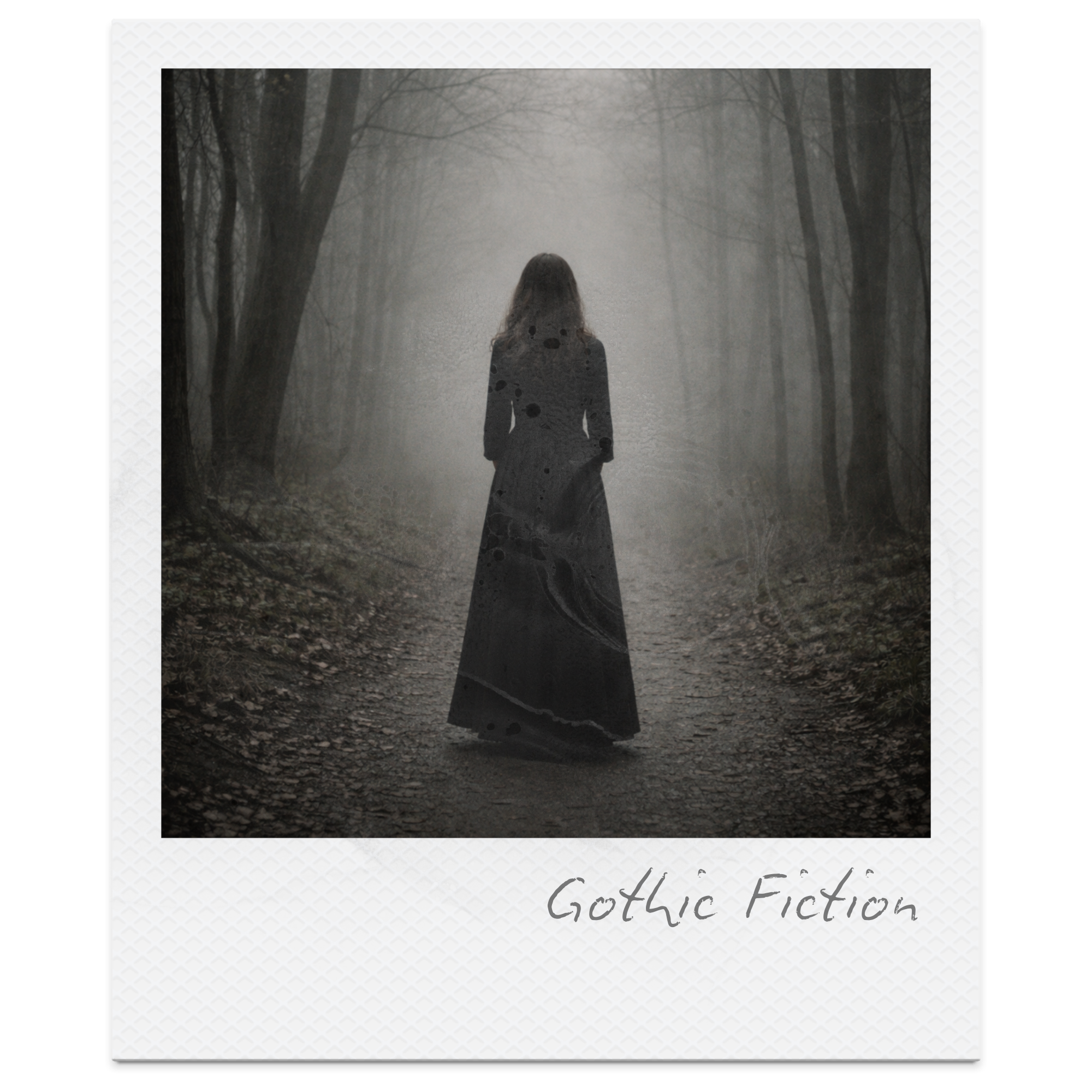
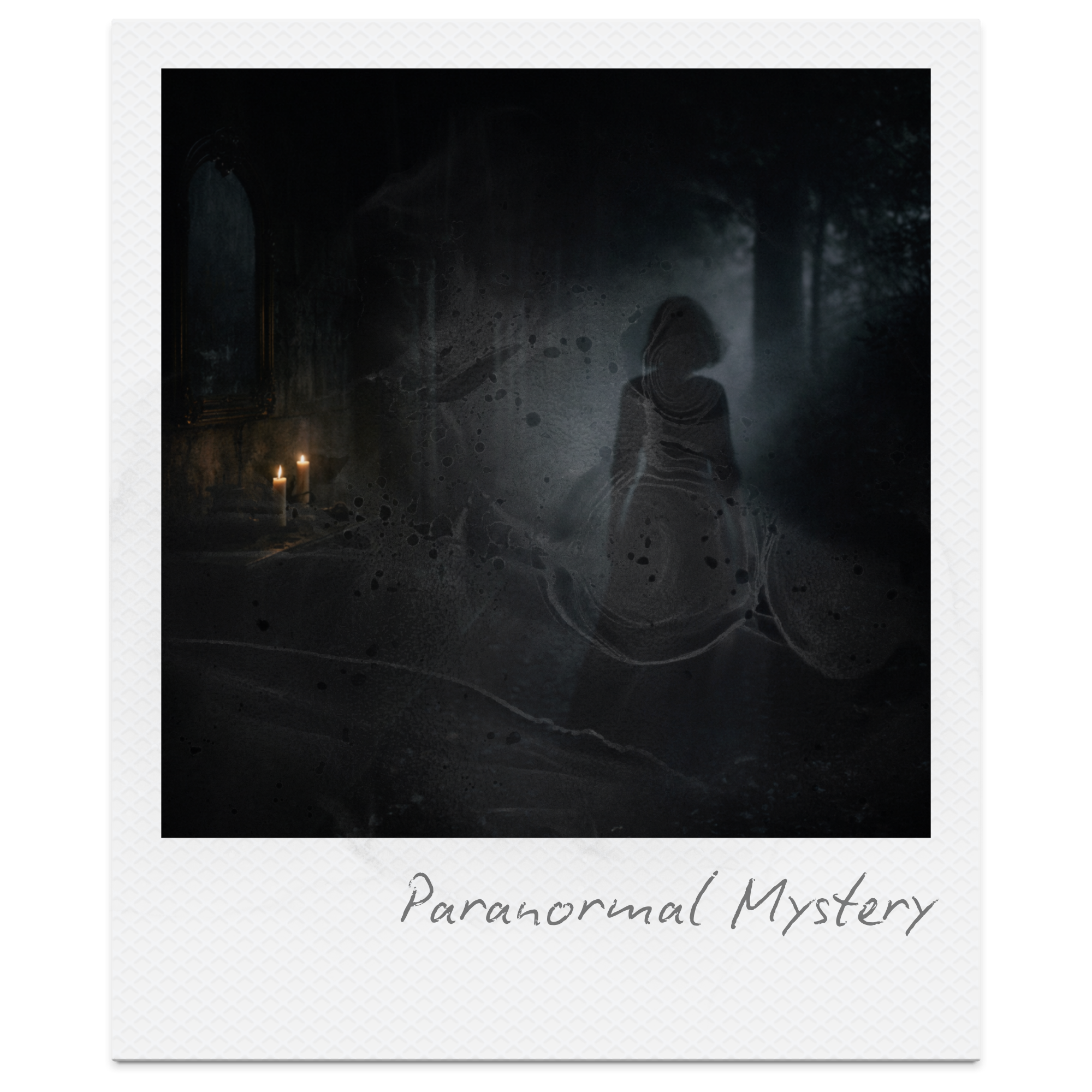
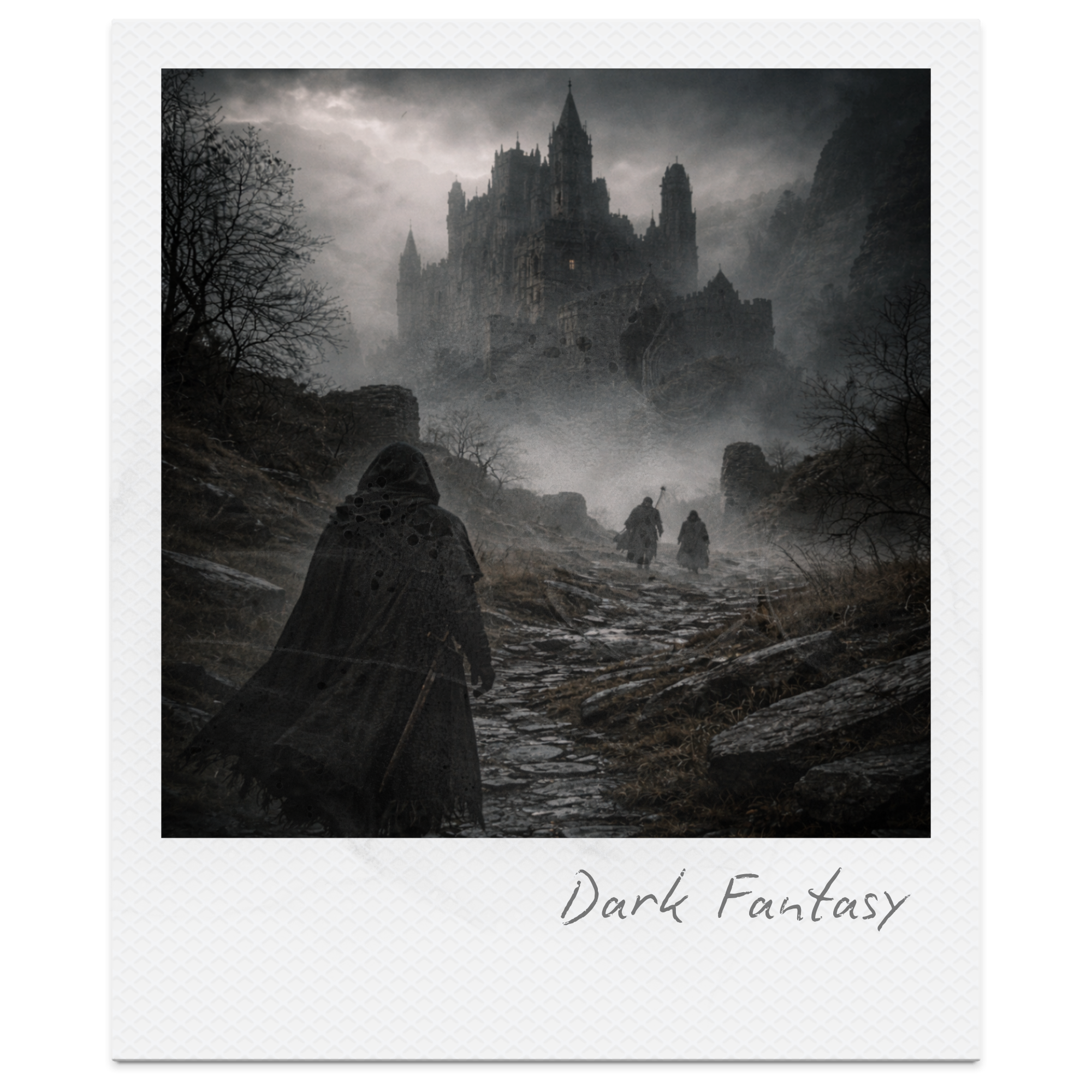
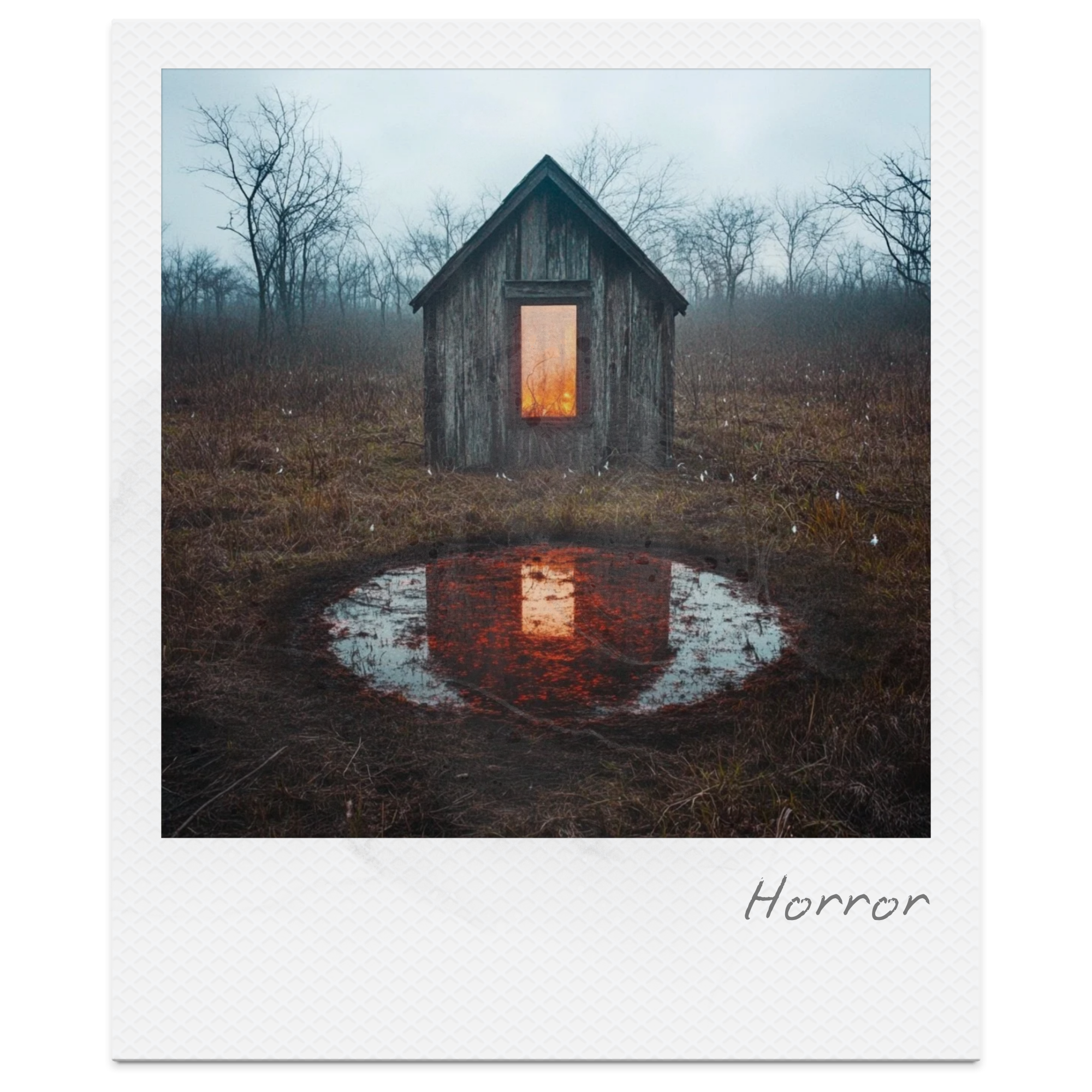
7. Picture Prompts
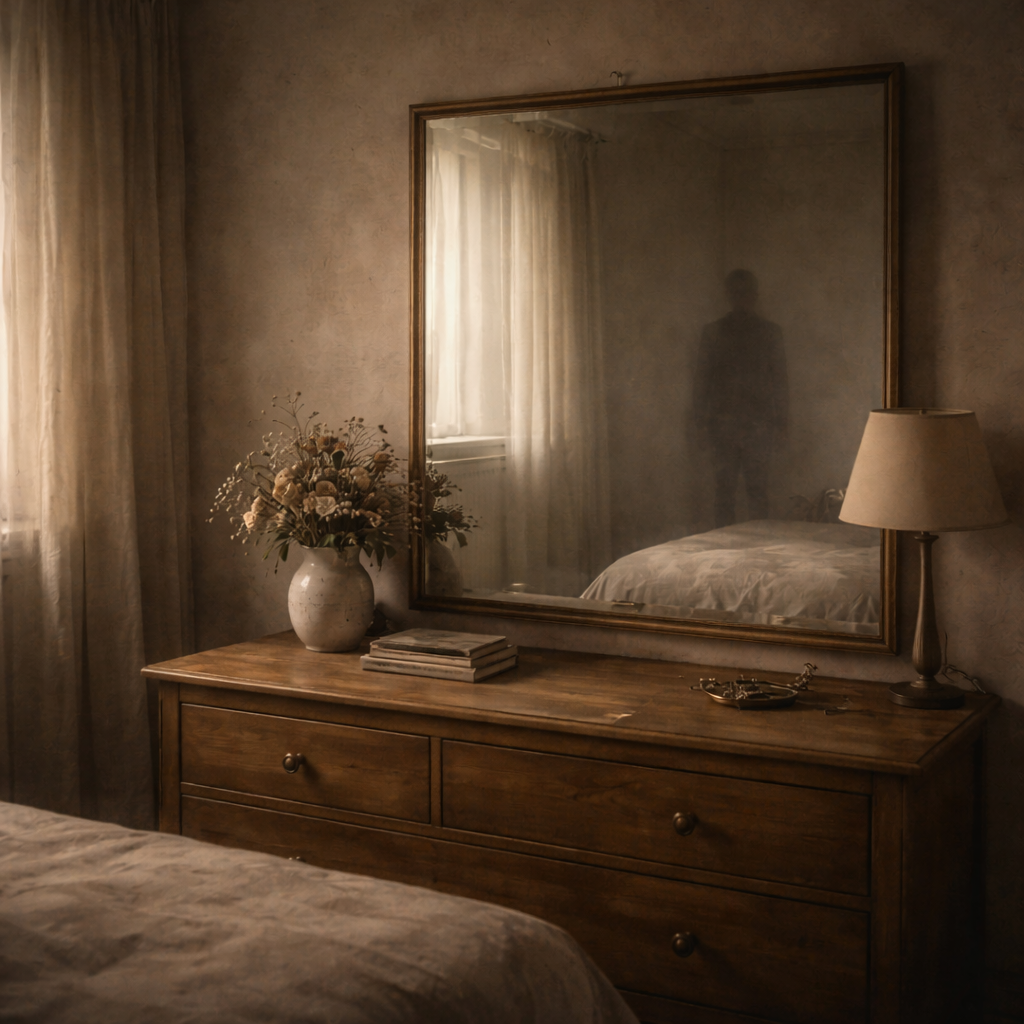
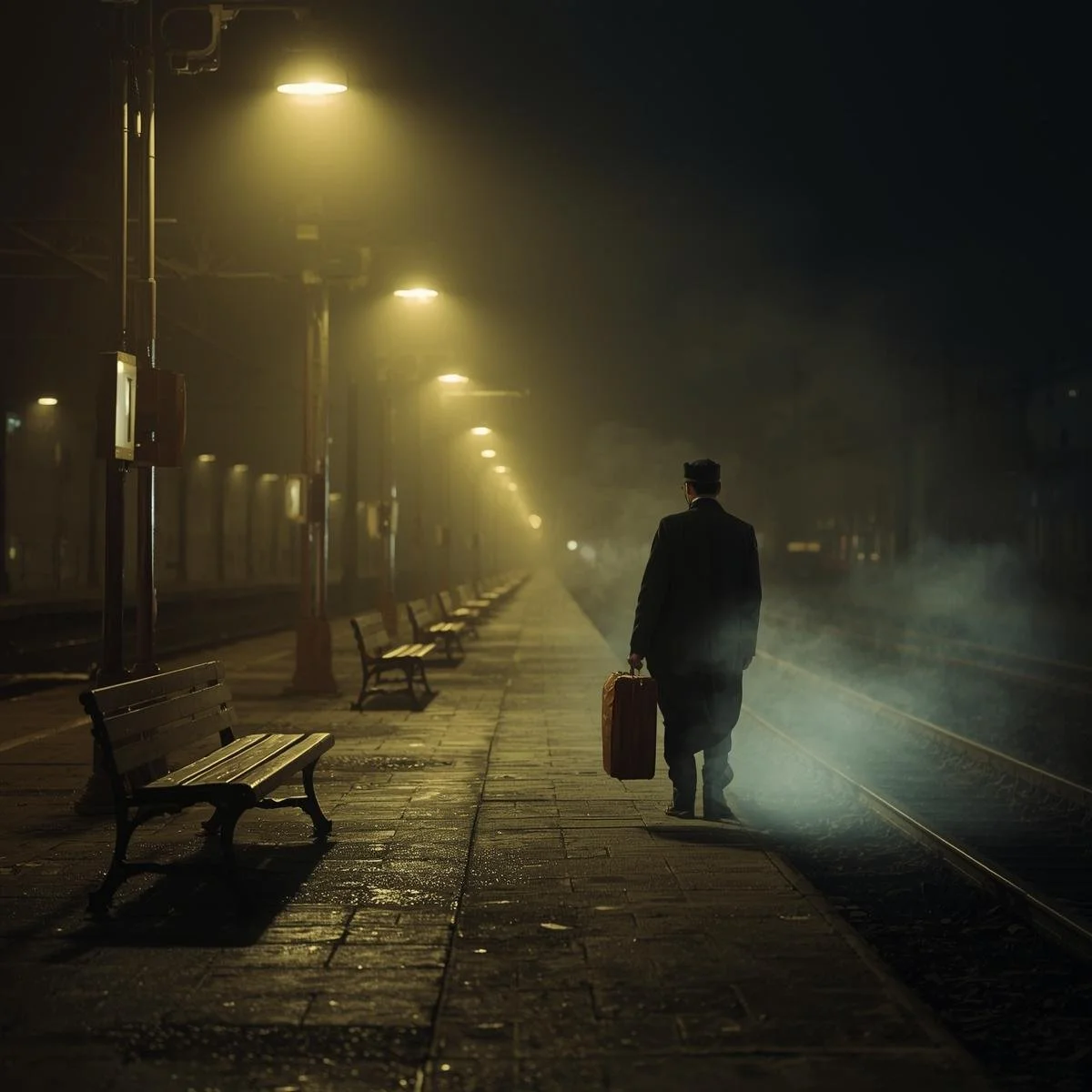
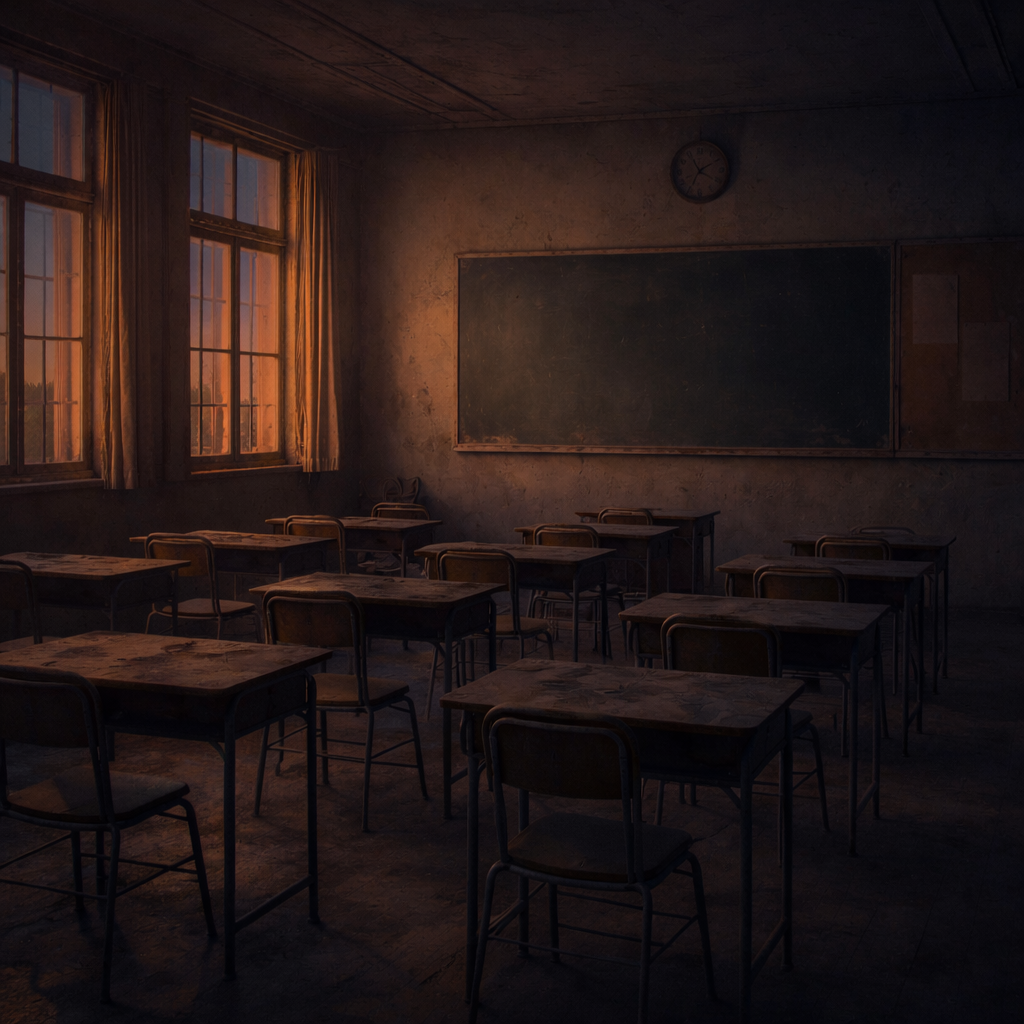
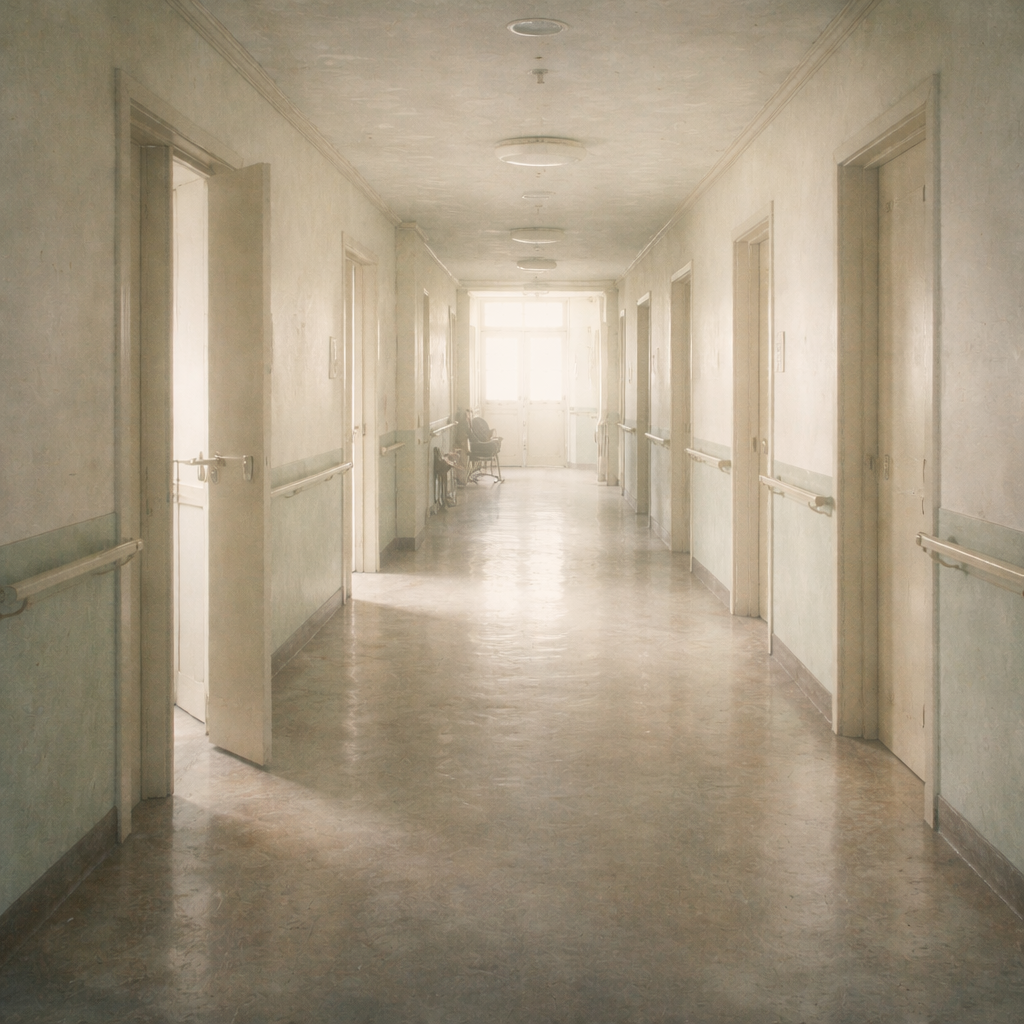
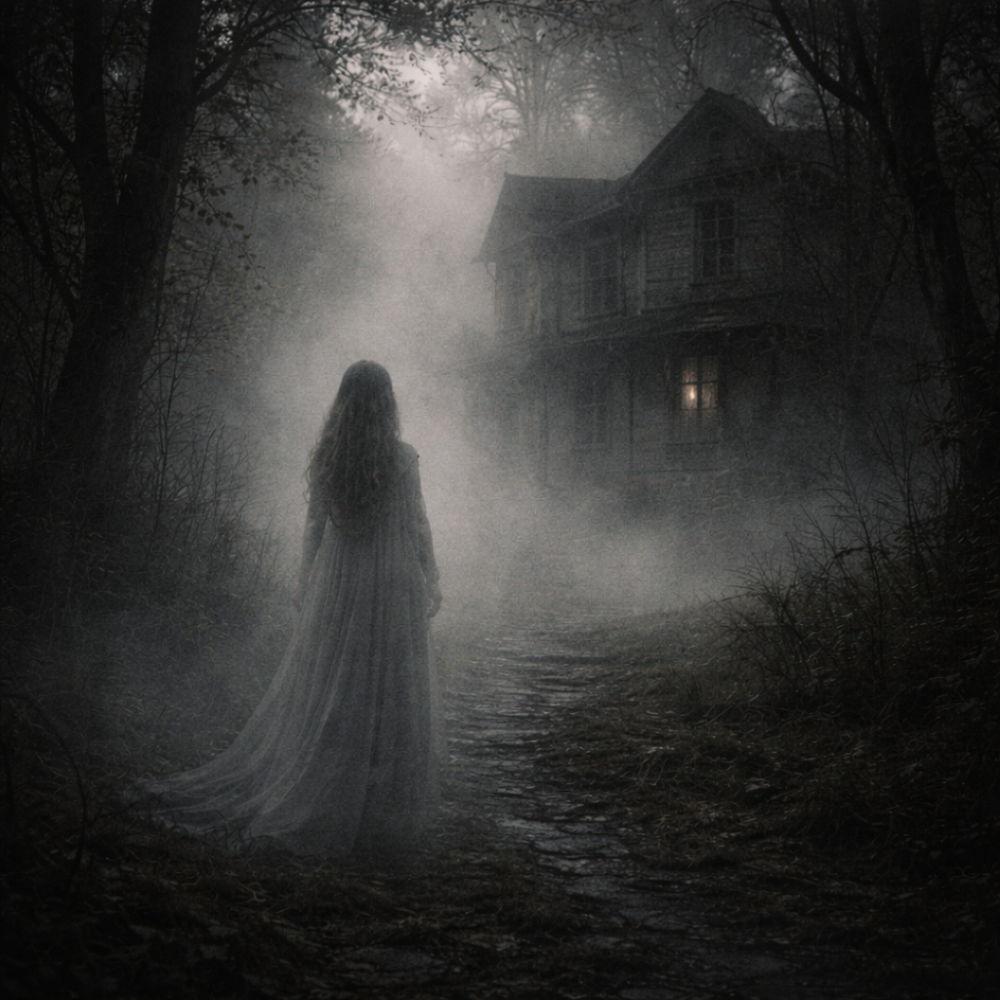
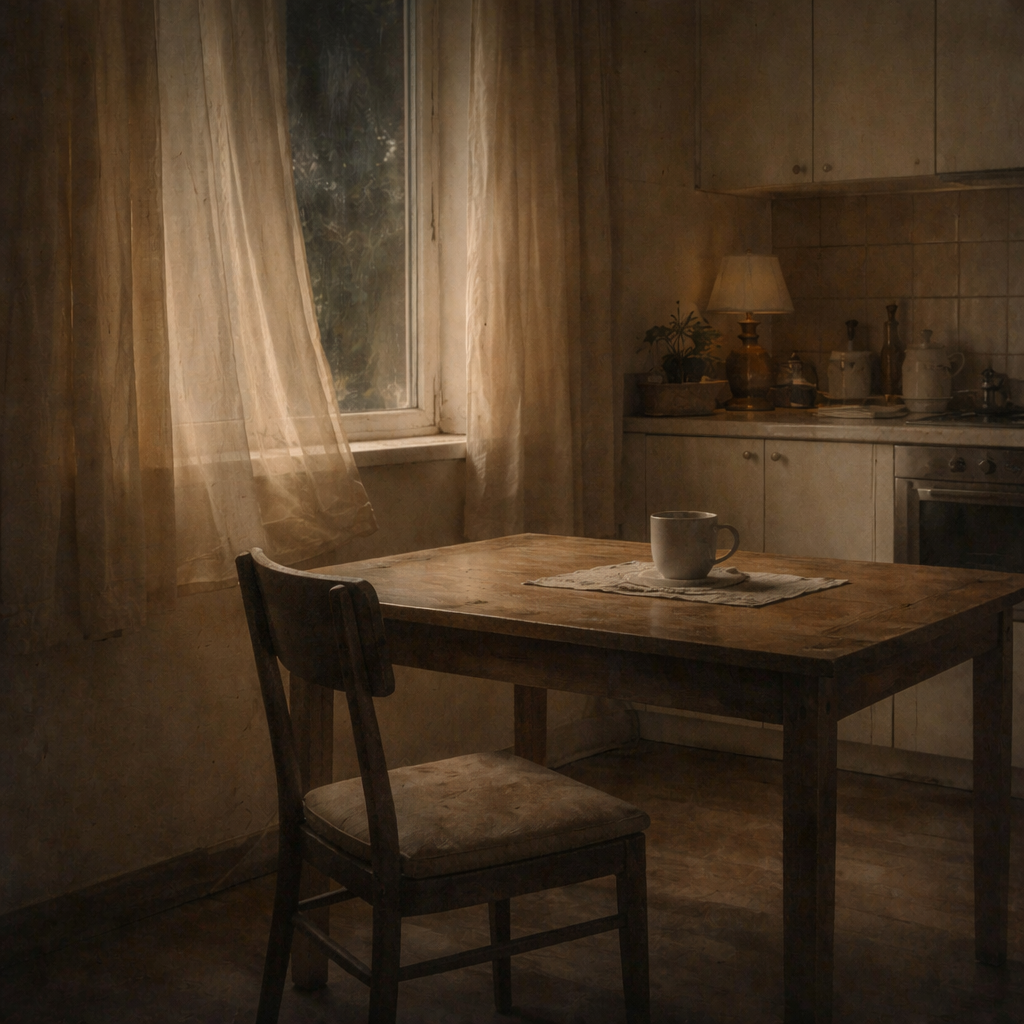
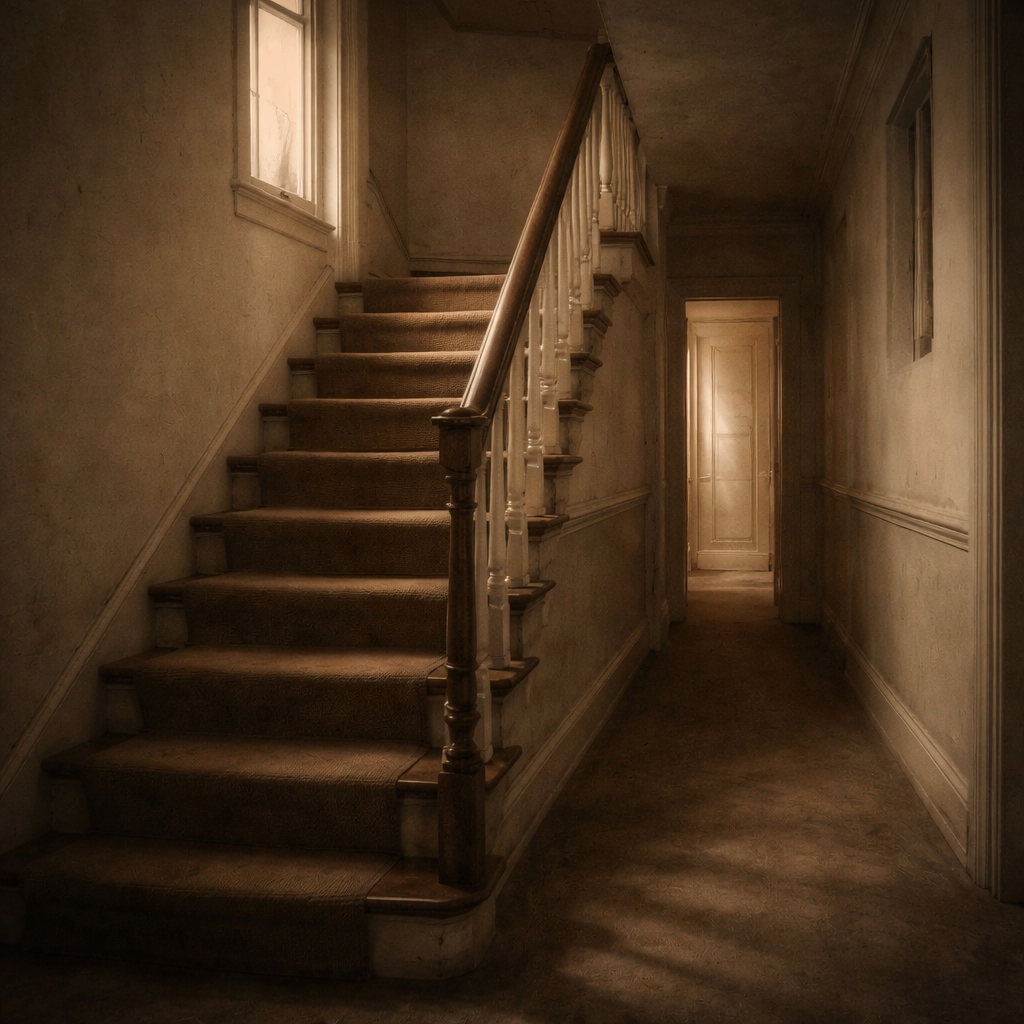
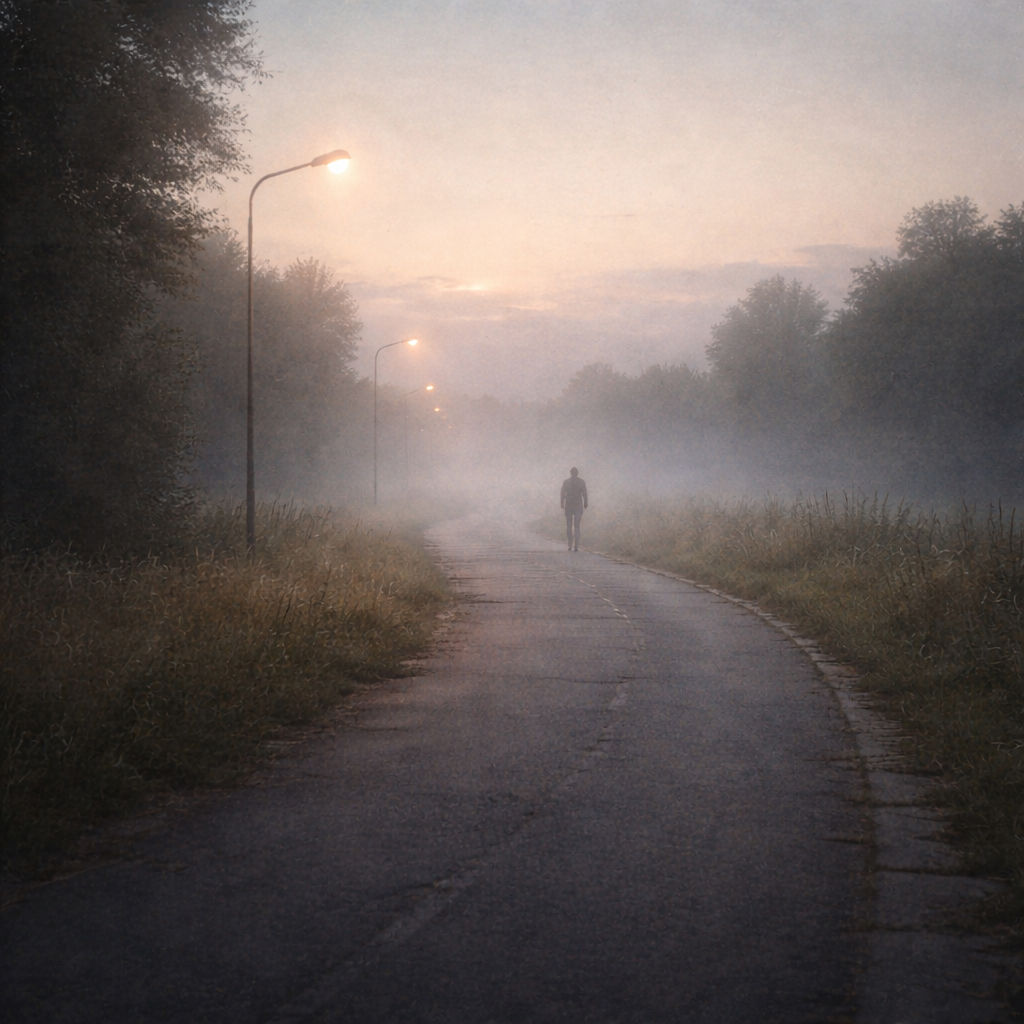
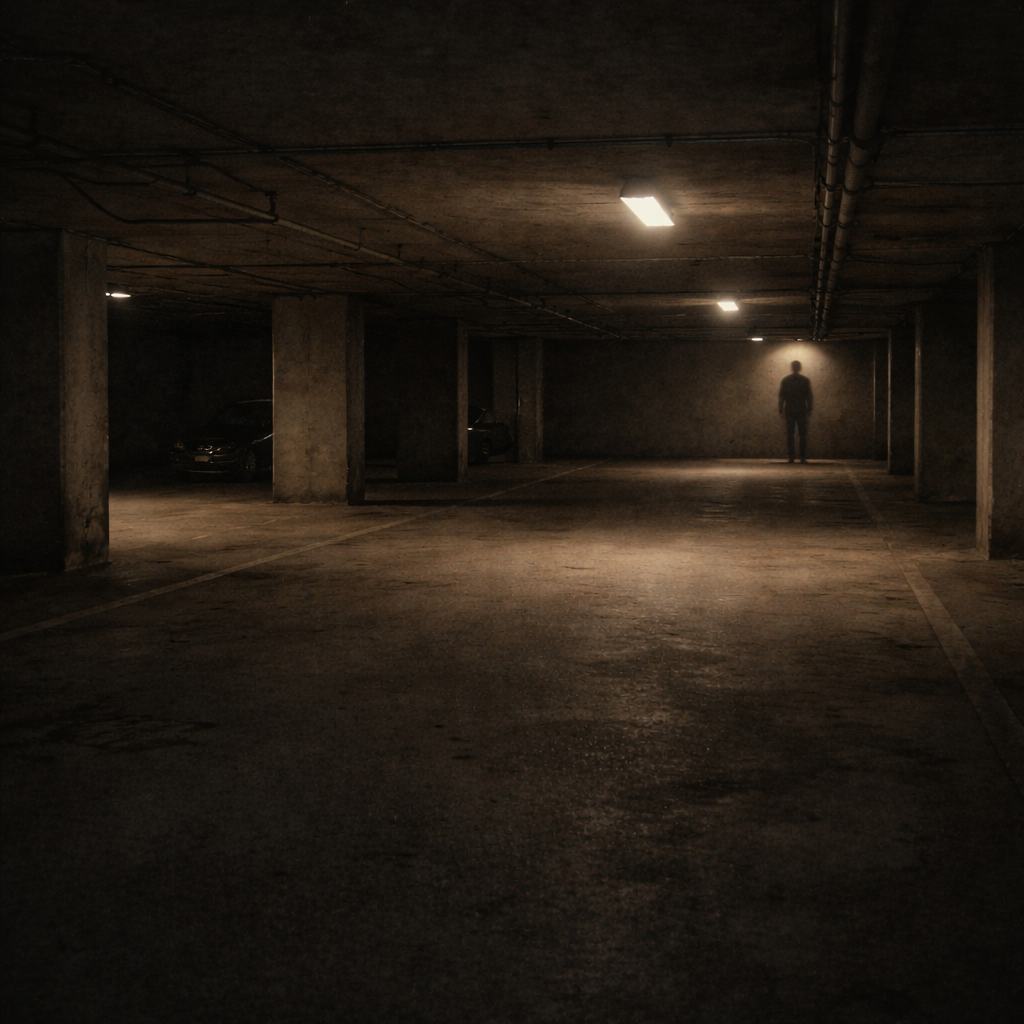
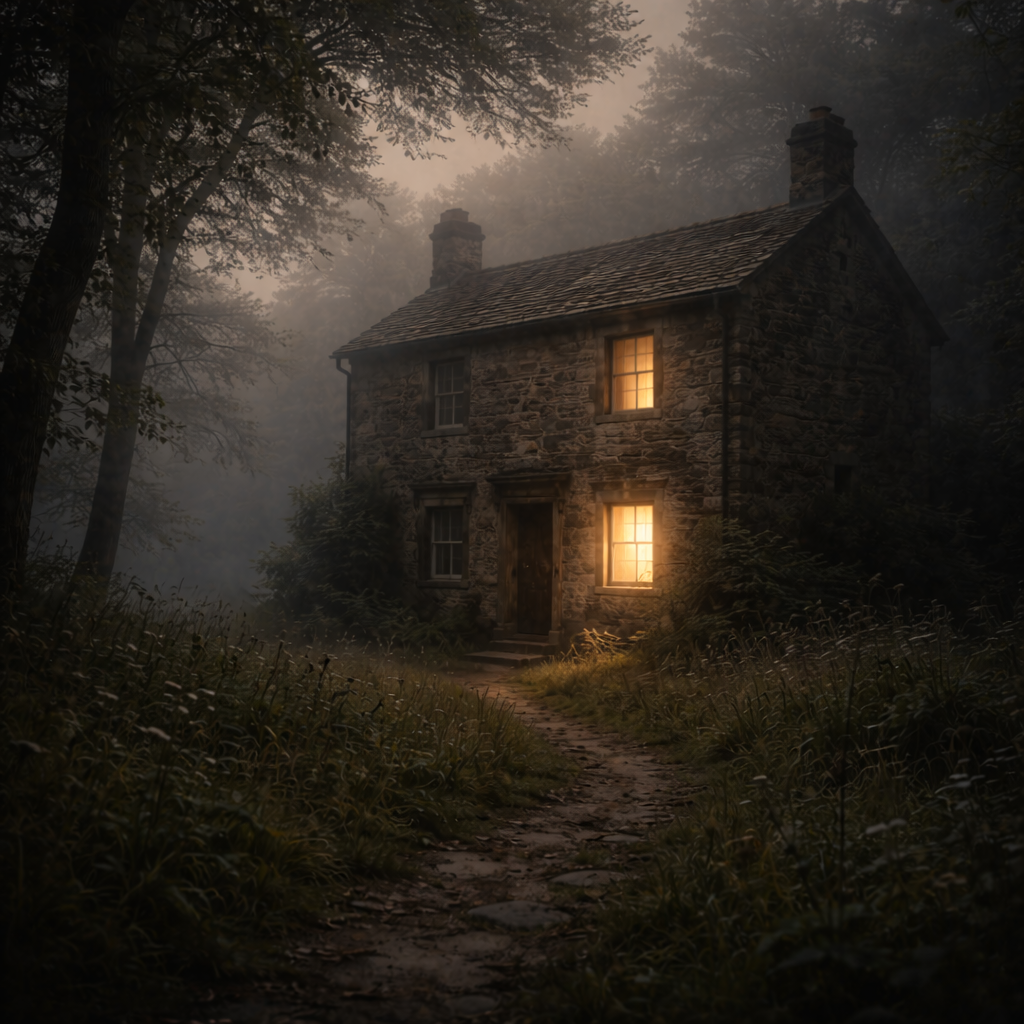
Ghost stories come alive through what is seen — and what is almost seen. In haunting fiction, images often carry the weight of memory, absence, and unease long before anything supernatural is explained. A shadow in the corner, a figure in the distance, or a room left undisturbed can be enough to suggest that something is wrong.
These ghost story picture prompts are designed to spark vivid, atmospheric storytelling by immersing writers in haunted interiors, abandoned spaces, and fleeting signs of presence. They work especially well for descriptive writing, atmospheric openings, and full ghost narratives that rely on mood, inference, and suspense rather than shock.
Each image acts as a doorway into a story — inviting writers to ask who was here before, what lingers now, and what might be waiting just out of sight.
Go Deeper into Ghost Story Writing
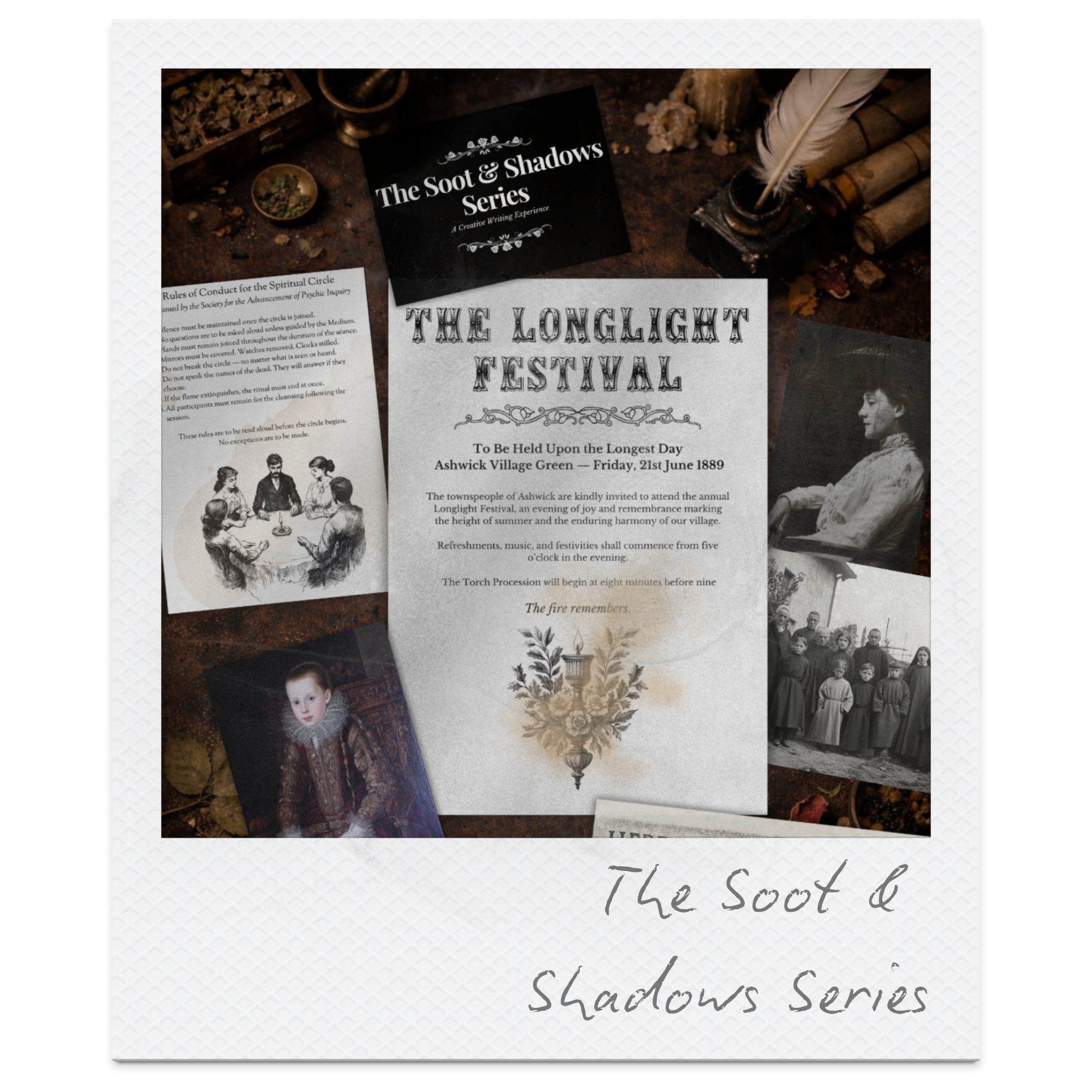
To deepen ghost stories beyond surface-level scares, writers can shift their focus from what appears to what remains. Some of the most unsettling ghost fiction is built around evidence, absence, and the quiet sense that the past has not finished speaking. Rather than explaining the haunting, these stories allow readers to piece together what happened from fragments, traces, and contradictions.
Try extending these ghost story prompts in the following ways:
◆ Rewrite a scene using documents instead of narration — letters, reports, diary entries, or notices — allowing the haunting to emerge through what is recorded and what is missing.
◆ Let the ghost remain unseen, focusing instead on patterns, repetitions, or disturbances that suggest a presence without confirming it.
◆ Anchor the story in a specific historical moment, then explore how its unresolved events continue to echo into the present.
◆ Experiment with fragmented structure, telling the story through scattered clues rather than a single, linear account.
◆ Shift perspective so the narrator becomes an observer, archivist, or investigator, piecing together a haunting from second-hand evidence rather than direct experience.
For writers who want to explore ghost stories through archives, relics, and historical traces, the Soot & Shadows Series offers a natural next step. Rather than providing direct prompts or explanations, the trilogy presents three interconnected worlds built from documents, artefacts, and unsettling fragments drawn from Victorian crime, rural folklore, and witch-trial hysteria. Writers are invited to interpret, connect, and imagine — creating ghost stories that feel uncovered rather than invented.
This approach mirrors how many powerful ghost stories work: not as clear narratives, but as unfinished records, waiting for meaning to be imposed.
Final Thoughts
Ghost stories endure because they speak to what refuses to disappear. They explore memory, loss, unfinished business, and the uneasy sense that the past can reach forward and touch the present. Unlike horror, ghost fiction often relies on restraint — on what is hinted at rather than shown — allowing atmosphere and implication to do the work.
These ghost story writing prompts for teens are designed to help writers practise exactly that kind of storytelling. Through plot hooks, opening and closing lines, character ideas, settings, and picture prompts, students are encouraged to build suspense, develop mood, and experiment with narrative voice while creating original ghost stories rooted in inference and emotion.
Whether used for short stories, descriptive writing tasks, creative warm-ups, or extended fiction projects, these prompts support writers in developing confidence with atmosphere-driven storytelling and unresolved endings — skills that transfer across genres far beyond ghost fiction.
If you're looking for even more supernatural inspiration, explore the Paranormal Writing Hub for ghost stories, haunted settings, paranormal romance, supernatural prompts, and eerie story ideas, or browse the Creative Writing Archive to discover hundreds of writing prompts across fantasy, horror, mystery, gothic fiction, folklore, and more.
Choose Your Next Adventure