Notes from the Inkpot
Writing, teaching, creating - one ink-stained idea at a time.

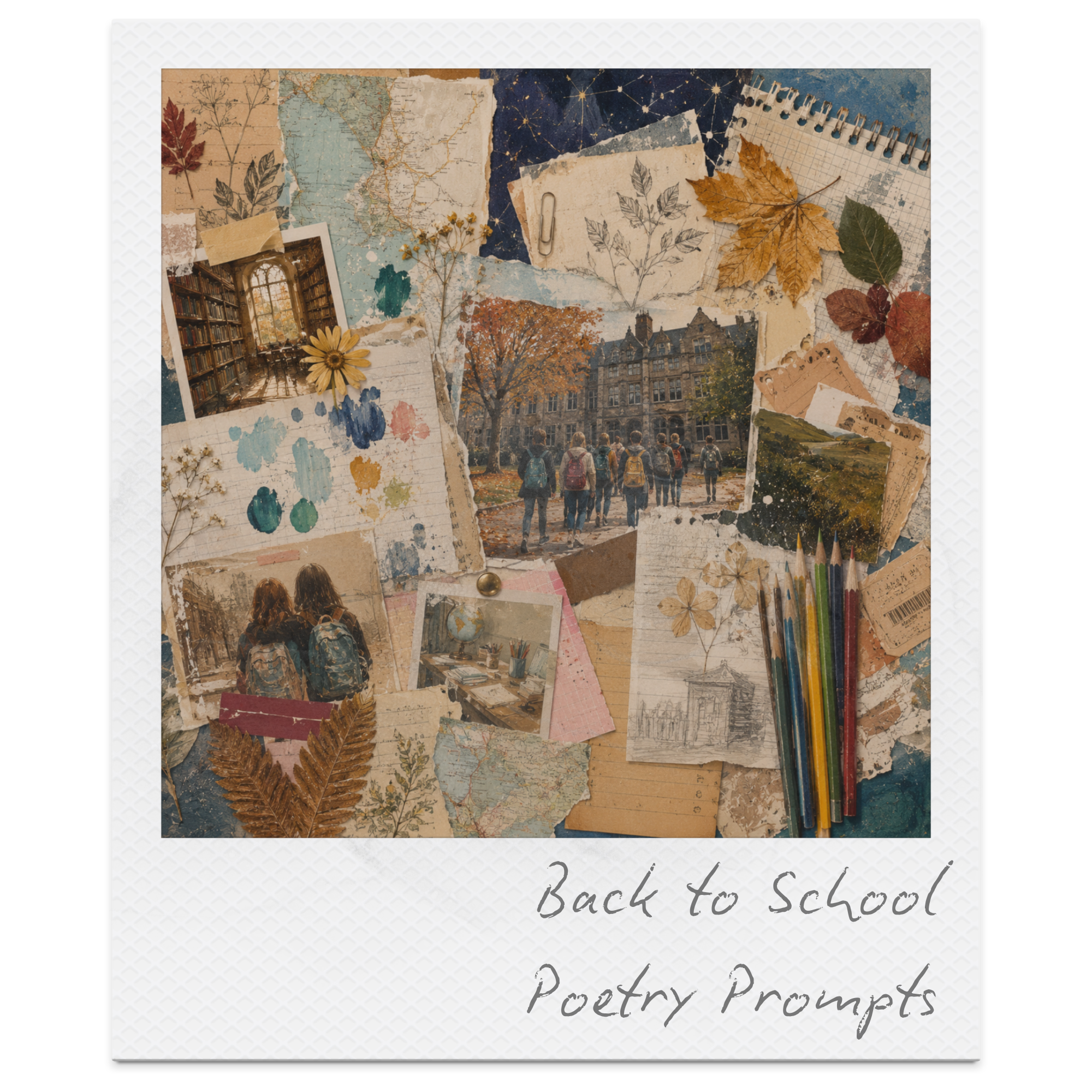
10 Back-to-School Poetry Prompts: New Beginnings, Friendship, and Change
Discover 10 back-to-school poetry prompts that inspire reflection, creativity, and self-expression. Perfect for classrooms, homeschoolers, and independent writers, these prompts explore new beginnings, friendship, change, and the memorable moments that shape every school year.
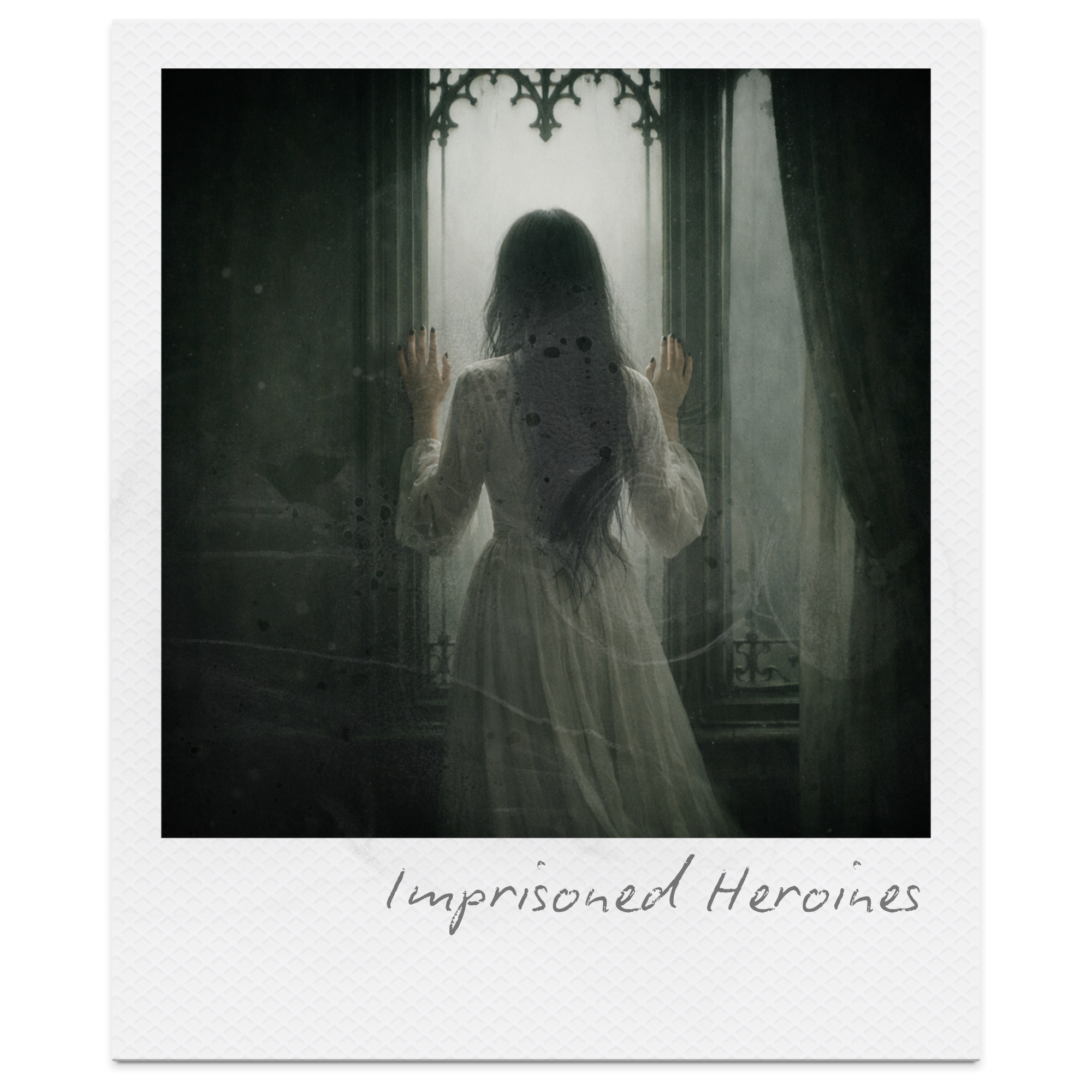
70 Gothic Imprisoned Heroines Writing Prompts: Locked Rooms, Silent Resistance & Story Starters
Imprisoned heroines have long defined some of the most haunting narratives in gothic fiction, where confinement is not only physical but deeply psychological. From locked rooms and isolated towers to marriages and expectations that quietly restrict freedom, these stories explore what it means to be watched, controlled, and silenced. Yet gothic heroines are rarely powerless. Within these enclosed spaces, they observe, resist, and begin to question the structures that hold them captive, transforming confinement into a site of tension, defiance, and discovery. This collection of 70 Gothic Imprisoned Heroines Writing Prompts invites writers to explore stories shaped by restriction, secrecy, and subtle rebellion. Through plot hooks, opening lines, character ideas, and atmospheric settings, these prompts encourage narratives where escape is not always straightforward — and where the greatest power may lie in perception, endurance, and reclaiming control. Ideal for classrooms, creative writing, or independent storytelling, this collection offers a structured way to develop gothic fiction that is rich in mood, meaning, and quiet resistance.
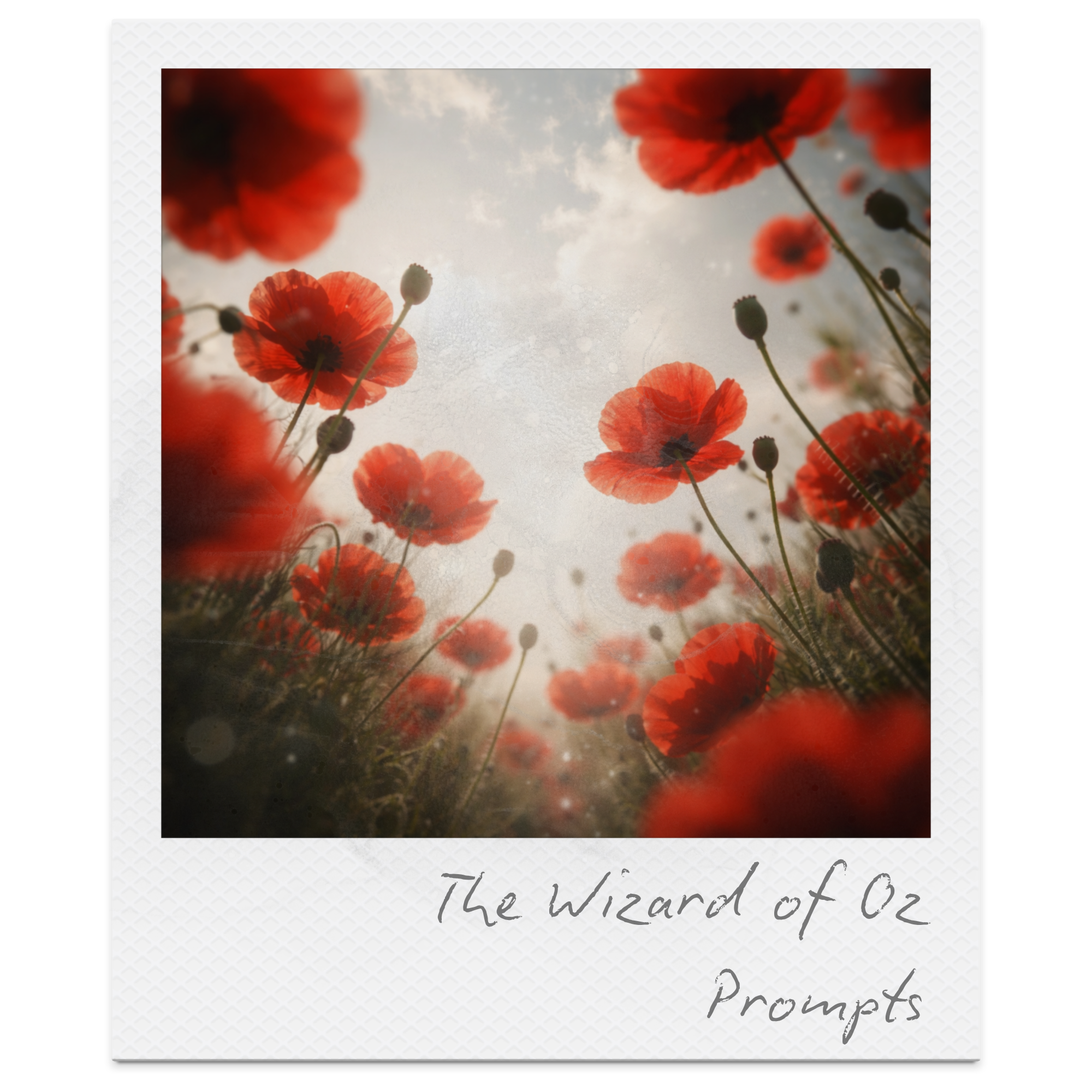
70 The Wizard of Oz Inspired Writing Prompts: Journey, Identity & The Search for Home
Step into a world of colour, illusion, and transformation with these 70 Wizard of Oz writing prompts, designed to spark imagination and support creative storytelling. Inspired by one of the most iconic journeys in literature, this collection explores themes of identity, courage, friendship, and the search for home, inviting writers to reimagine magical worlds where nothing is quite as it seems. From mysterious roads and deceptive rulers to unexpected companions and shifting landscapes, each prompt encourages rich, character-driven storytelling. This collection provides a complete creative toolkit, including plot hooks, title ideas, opening and closing lines, character concepts, and vivid setting inspiration. Whether used for short stories or longer narratives, these prompts help writers explore illusion vs reality, personal growth, and the idea that what we seek may already be within us, making it a powerful resource for both independent writing and structured activities.
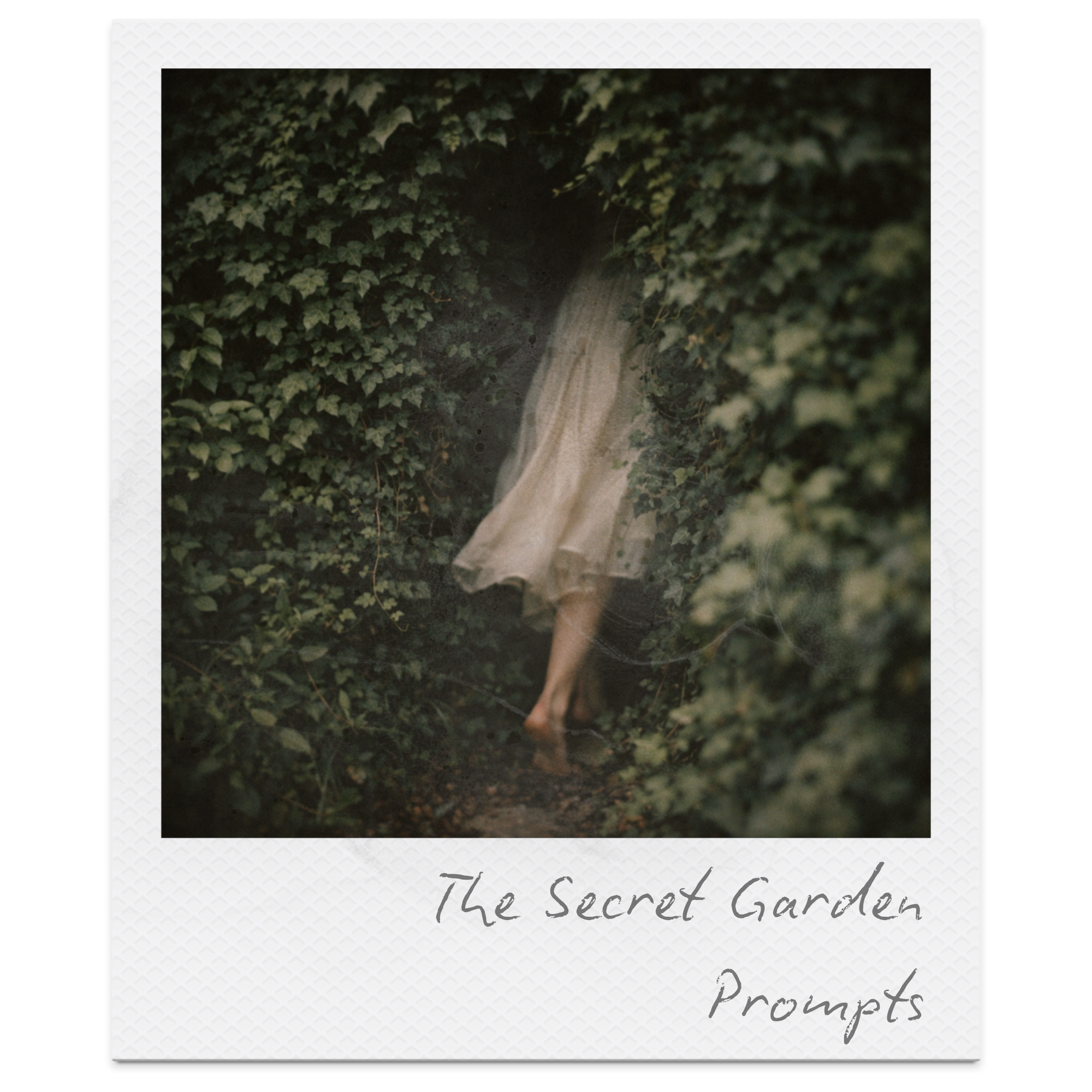
70 Creative Writing Prompts Inspired by The Secret Garden: Growth, Healing & Hidden Worlds
70 Creative Writing Prompts Inspired by The Secret Garden: Growth, Healing & Hidden Worlds offers a rich collection of atmosphere-driven prompts designed to help writers explore themes of transformation, nature, isolation, and emotional renewal. Inspired by Frances Hodgson Burnett’s classic novel, these prompts move beyond retelling the story and instead focus on the quiet, powerful changes that occur when characters connect with place, memory, and themselves. Perfect for classroom use, creative writing clubs, journaling, or independent practice, this collection includes plot hooks, opening lines, character ideas, and visual prompts that encourage symbolic thinking and reflective storytelling. Whether used as quick starters or extended writing tasks, these prompts help writers develop voice, mood, and narrative depth while engaging with one of literature’s most enduring stories of healing and growth.
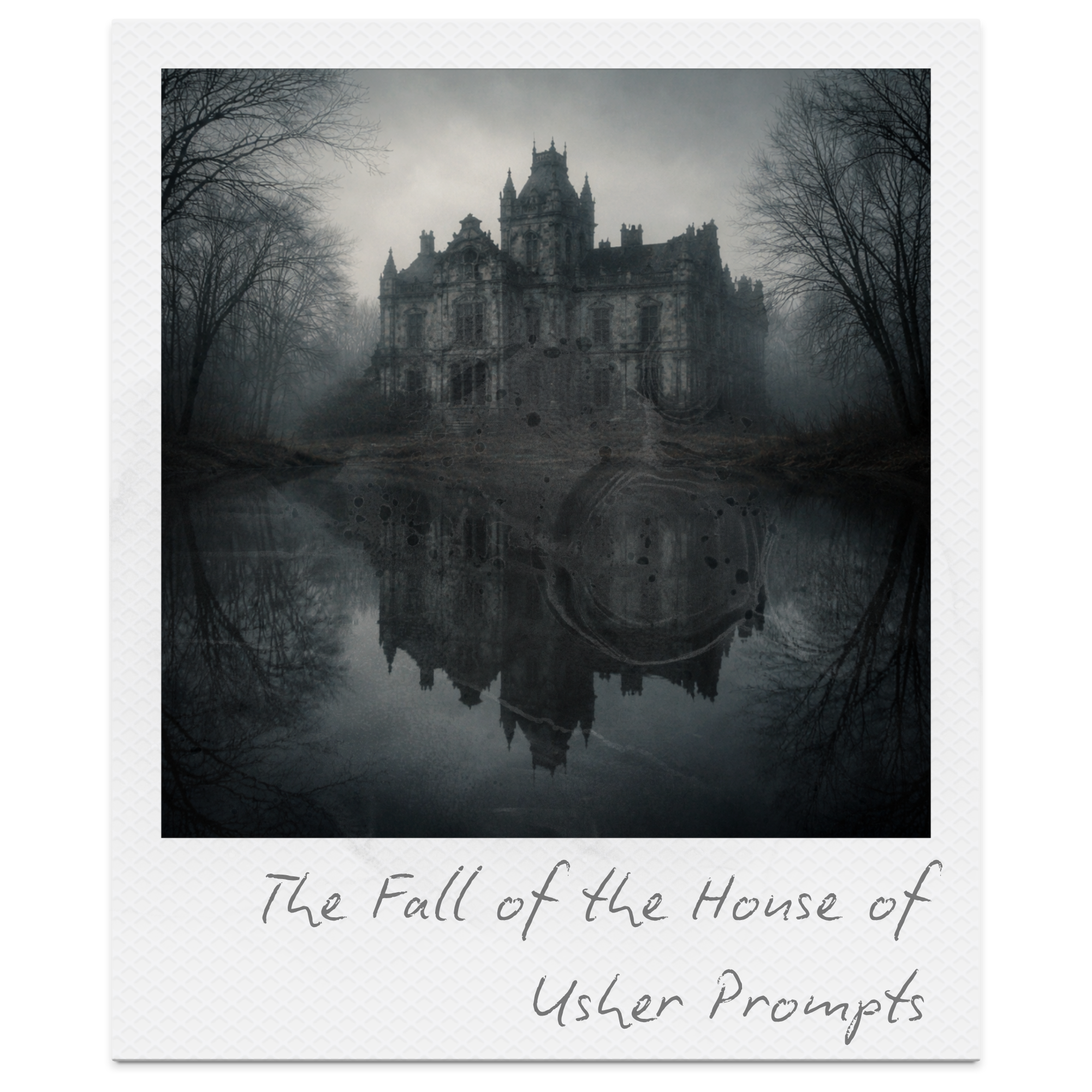
70 Creative Writing Prompts Inspired by The Fall of the House of Usher: Plot Hooks, Opening Lines, Characters & Visual Ideas
Explore 70 creative writing prompts inspired by The Fall of the House of Usher by Edgar Allan Poe. This collection draws on the story’s gothic atmosphere, psychological tension, and themes of madness, decay, and unreliable perception, helping students and writers craft original stories shaped by mood, setting, and symbolism rather than plot retelling. Ideal for classrooms, writing clubs, or independent practice, these prompts include plot hooks, opening lines, character ideas, and setting inspiration. They support both creative confidence and deeper understanding of Gothic fiction, making them a flexible tool for KS3–KS5 teaching, revision, and imaginative storytelling.
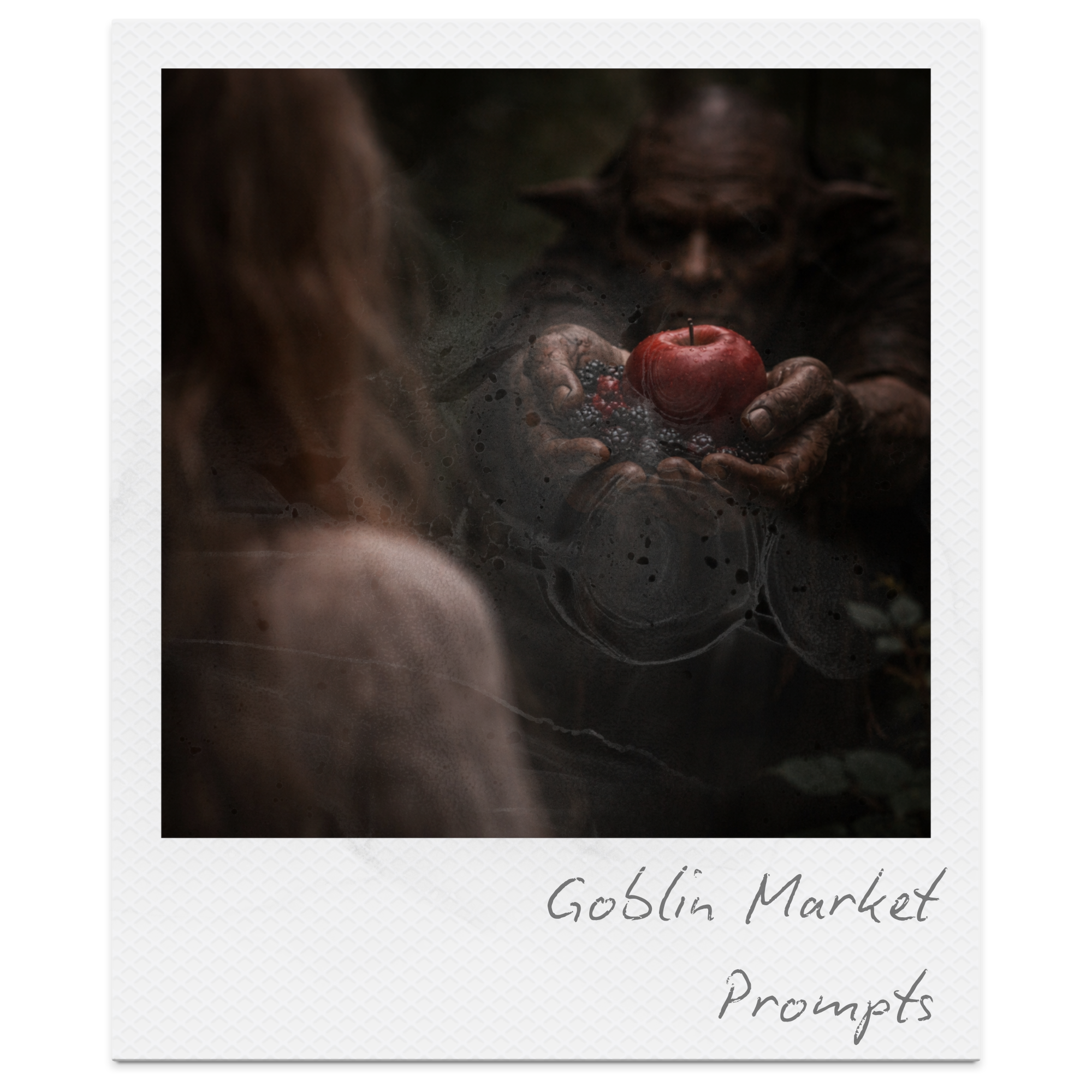
70 Goblin Market Writing Prompts: Temptation, Desire & Dangerous Bargains
Temptation has never looked so beautiful — or so dangerous. Inspired by Goblin Market, this collection of 70 creative writing prompts explores forbidden desire, uncanny marketplaces, and the hidden cost of indulgence. From whispered invitations in shadowed forests to fruit that offers more than it should, these prompts invite writers to step into worlds where sweetness is never innocent. Perfect for classrooms, creative writing practice, or independent storytelling, these prompts explore themes of temptation, control, sisterhood, and survival. Whether you’re crafting dark fairy tales, gothic narratives, or symbolic fiction, this Goblin Market-inspired collection will help you create stories that feel rich, unsettling, and impossible to resist.
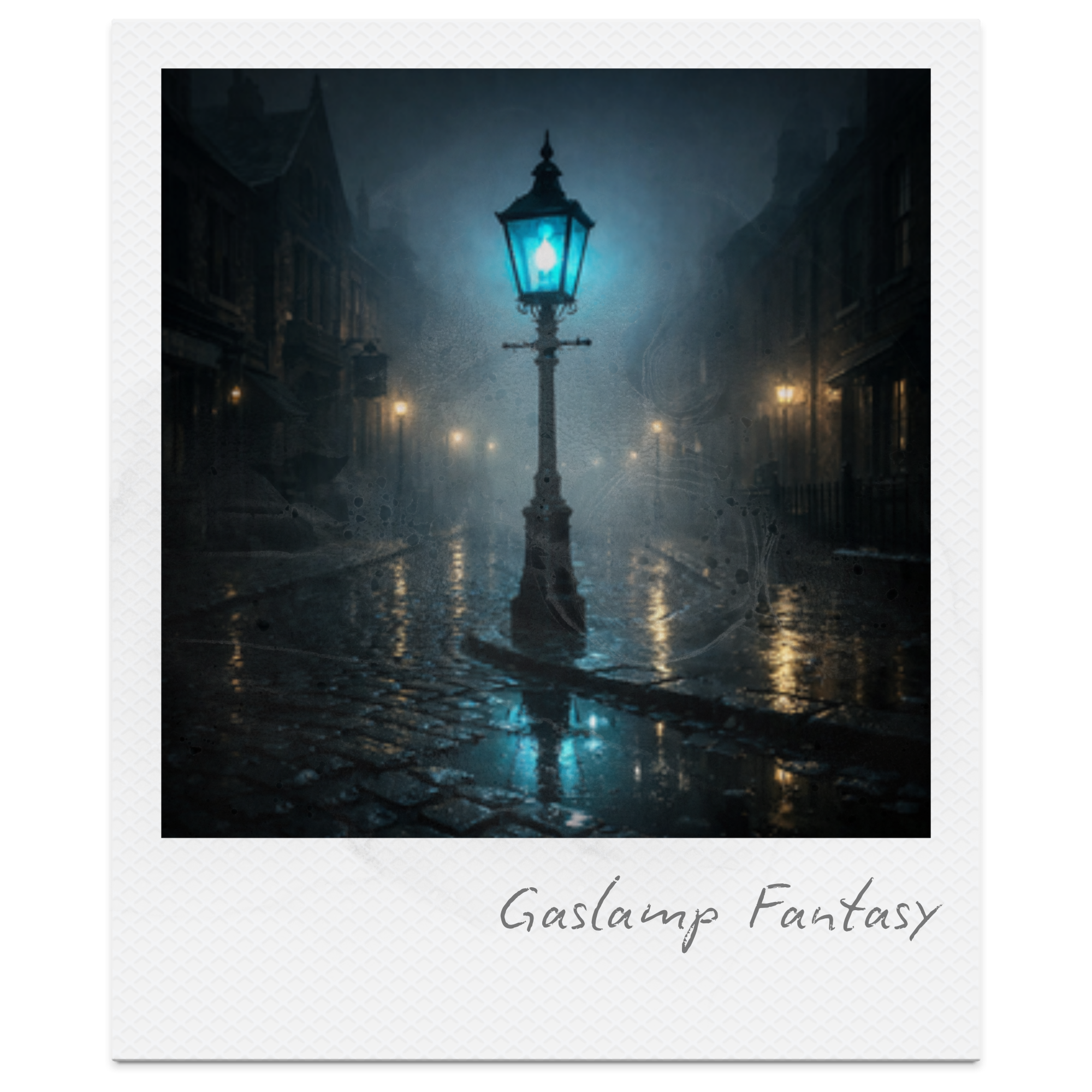
70 Gaslamp Fantasy Writing Prompts for Teens: Story Starters, Characters, Settings & Visual Ideas
Explore 70 gaslamp fantasy writing prompts for teens inspired by fog-filled streets, gaslight, secret societies, and quiet supernatural unease. This collection blends historical fantasy, gothic atmosphere, and character-driven storytelling, offering plot hooks, opening and closing lines, character ideas, settings, and cinematic picture prompts. Ideal for creative writing lessons, quick writes, or longer YA projects rooted in mystery, restraint, and the uncanny.
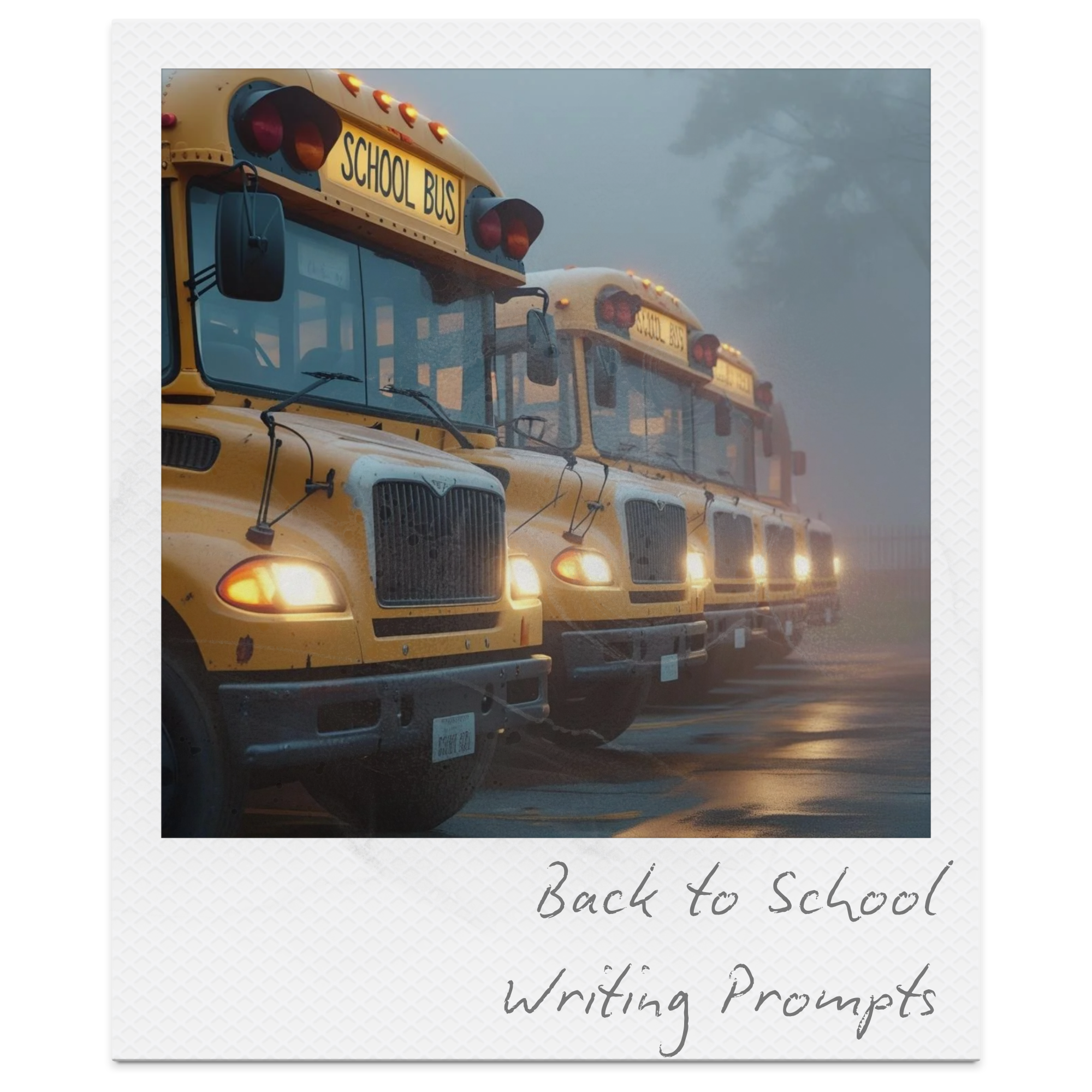
70 Back-to-School Creative Writing Prompts: Story Ideas, Characters, Settings & Picture Prompts
The start of the school year is full of story potential — new beginnings, old rivalries, unexpected friendships, and the drama of everyday life. These 70 back-to-school writing prompts include plot hooks, titles, characters, settings, and picture prompts to spark ideas for teen writers and keep creativity flowing all term.
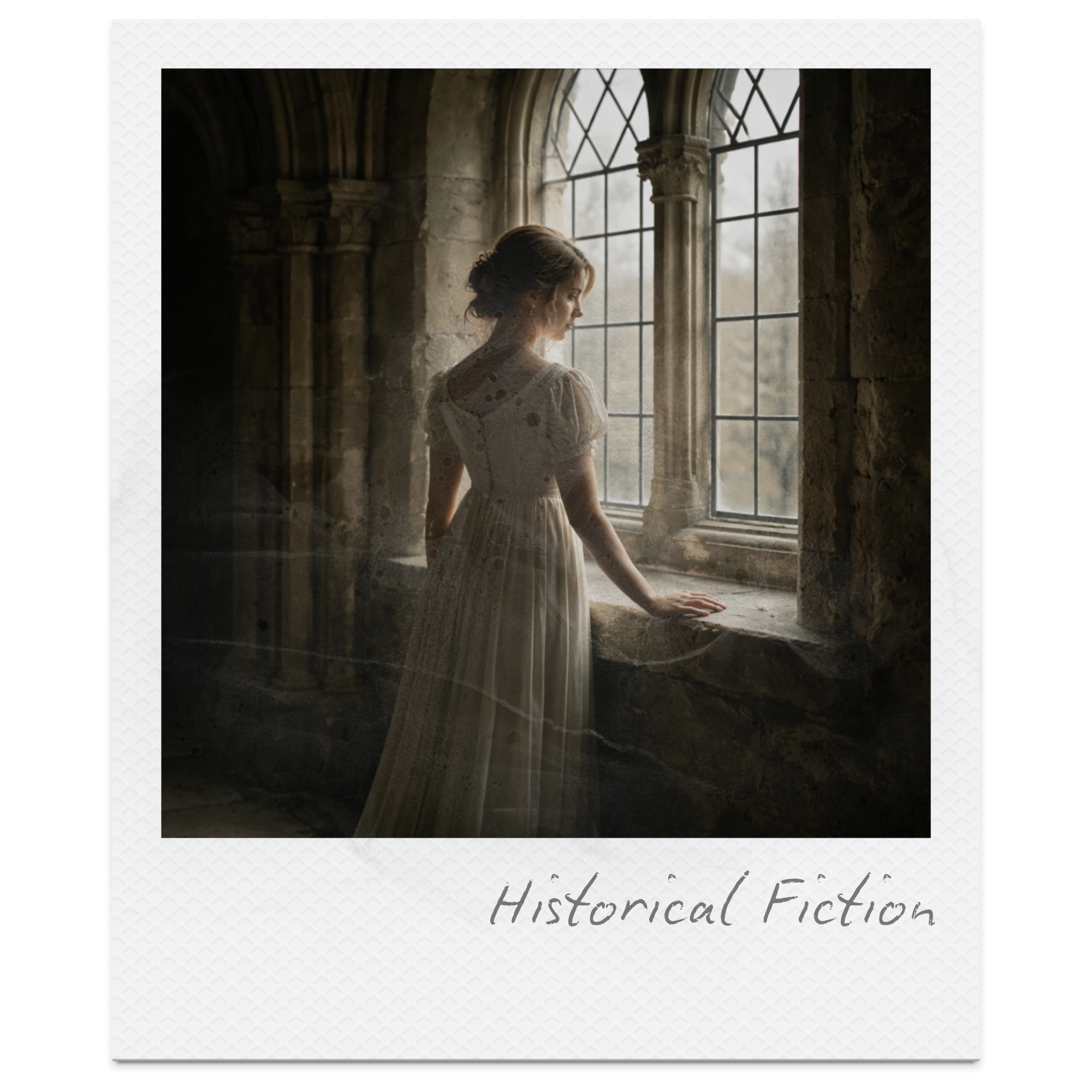
70 Historical Fiction Prompts for Teens: Story Hooks, Titles, and Characters Across the Ages
Historical fiction writing prompts for teens help young writers explore the lives behind the history books — from private rooms and working spaces to moments of quiet rebellion and social change. This curated collection of 70 historical fiction writing prompts includes plot hooks, titles, opening and closing lines, character ideas, immersive settings, and carefully designed picture prompts, offering teachers and teen writers a premium resource for developing historically grounded, emotionally rich stories.
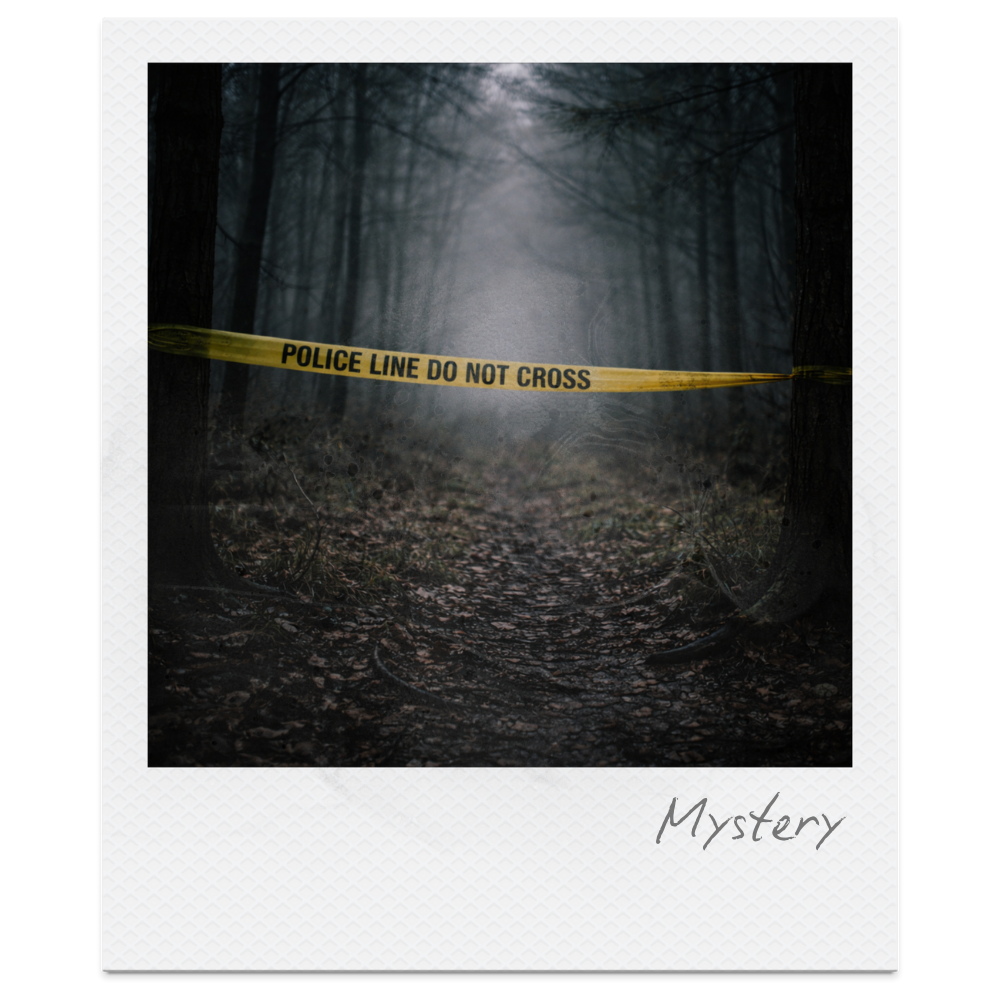
70 Mystery Writing Prompts for Teens: Ideas, Openings, and Visual Starters for the English Classroom
From eerie settings to twisty plot hooks, these 70 mystery writing prompts are built to spark curiosity and sharpen storytelling. Whether you're planning a full unit or just want a way to get students writing again, you'll find character ideas, opening lines, titles, and atmospheric visuals ready to use in the classroom.
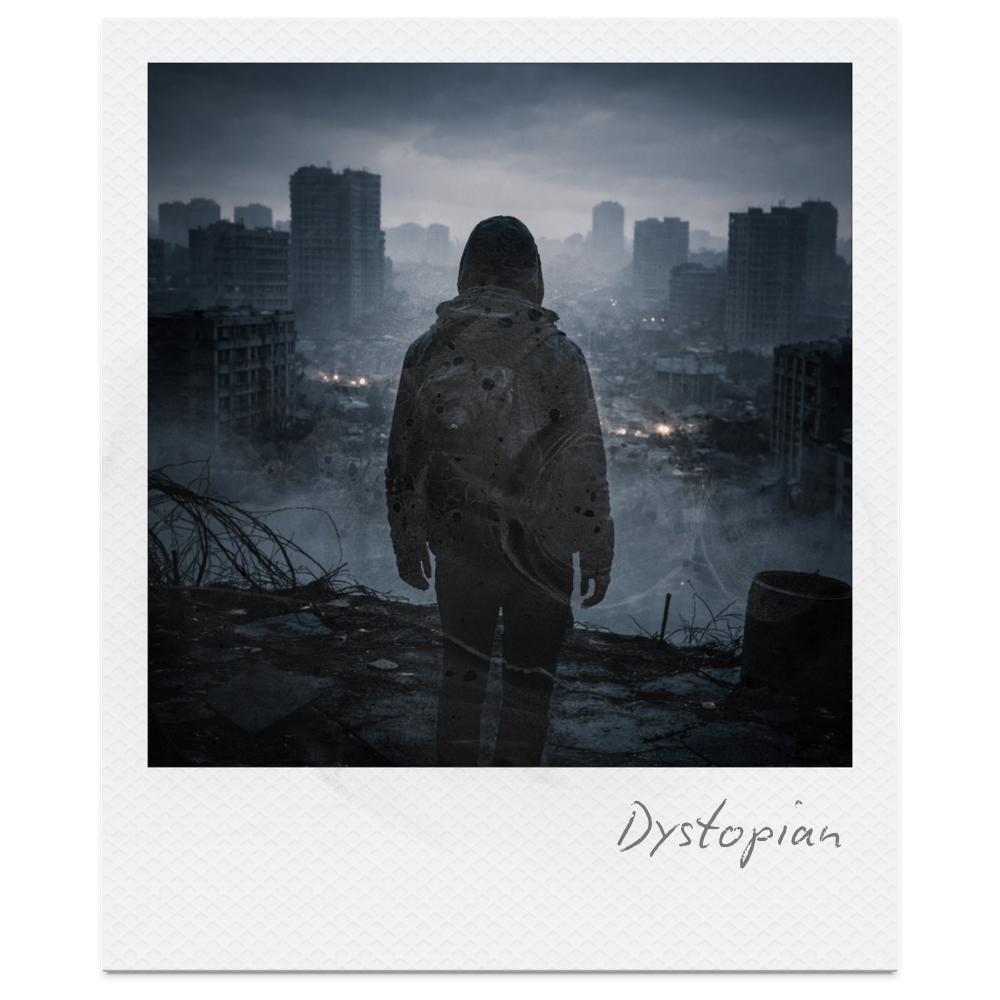
70 Dystopian Writing Prompts for Teen Writers
Dystopian writing prompts give teen writers a powerful way to explore control, resistance, survival, and imagined futures shaped by fear or authority. This collection of 70 dystopian story ideas includes picture prompts, opening lines, titles, and speculative scenarios designed to support creative writing lessons, independent writing, and classroom discussion. Ideal for students studying dystopian fiction or learning how to write a dystopian story, these prompts encourage critical thinking, worldbuilding, and meaningful storytelling.
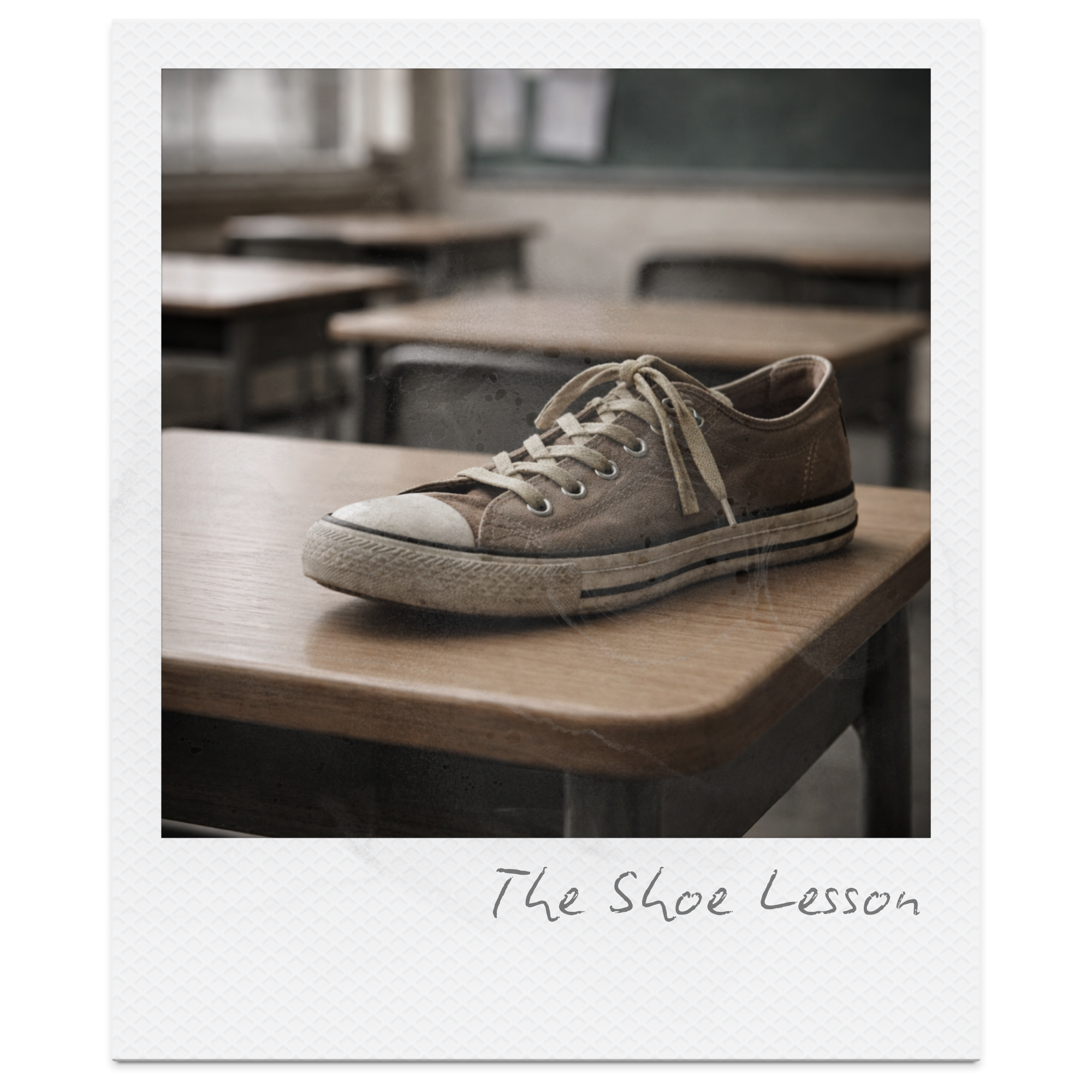
The Shoe Lesson: A Simple, Powerful Creative Writing Activity
The Shoe Lesson is a simple but powerful creative writing activity that helps students develop believable characters without the fear of the blank page. By giving students a single, ordinary object — a shoe — this lesson encourages close observation, inference, and thoughtful character development. It works particularly well in the secondary English classroom, where students often struggle to move beyond surface-level description or feel pressured to “be creative” on demand. Used at the start of a creative writing unit, the Shoe Lesson invites students to build characters from evidence rather than imagination alone. Scuffed soles, worn laces, and small details become clues to a life beyond the page, leading to writing that feels grounded, realistic, and human. It’s a low-stakes, high-impact approach that consistently engages even reluctant writers — and proves that the most powerful stories often begin with the most ordinary things.