70 Back-to-School Creative Writing Prompts: Story Ideas, Characters, Settings & Picture Prompts
Back-to-school stories have long been a staple of children's and young adult literature because schools are places where friendships are tested, identities are formed, and ordinary days can quickly become unforgettable adventures. From the magical corridors of Harry Potter to the rivalries and secrets of Wonder, the mysteries of A Good Girl's Guide to Murder, and the emotional journeys found in countless coming-of-age novels, the classroom provides a setting where almost any story can begin.
Whether you're writing realistic contemporary fiction, a light-hearted school comedy, a mystery hidden beneath the science labs, or even a fantasy where an ordinary school hides extraordinary secrets, the start of a new academic year offers endless opportunities for conflict, character development, and surprising plot twists. New teachers, unfamiliar classmates, changing friendships, school traditions, clubs, competitions, and rumours all create natural tension that writers can build into compelling stories.
This collection of 70 back-to-school creative writing prompts has been designed to help students, teachers, and writers quickly develop fresh ideas. Inside you'll find story prompts, titles, opening lines, closing lines, character ideas, settings, and picture prompts that work equally well as independent writing tasks, classroom warm-ups, homework activities, or the starting point for longer pieces of creative writing.
Whether you're planning lessons for the first few weeks of term or simply looking for inspiration for your next story, these prompts are designed to encourage imagination while remaining flexible enough to suit a wide range of ages and writing styles.
If you're looking for even more inspiration, explore the Creative Writing Archive for hundreds of creative writing prompts, story ideas, picture prompts, character inspiration, and genre-specific collections to support every type of writer.
1. Story Prompts
The beginning of a new school year is filled with fresh starts, unexpected challenges, shifting friendships, and hidden secrets. Whether you're writing realistic fiction, a coming-of-age story, a school mystery, or even a fantasy set in an ordinary classroom, these prompts are designed to inspire original ideas and memorable characters. Use them as complete story starters or adapt them to suit your own genre and writing style.
Write a story about a student who returns to school after a year away, only to discover their best friend is acting as though they've never met.
Write a story about a new student who accidentally sits in the wrong seat and slowly realises they've stumbled into an ongoing rivalry.
Write a story about a substitute teacher who seems to know impossible details about every student in the class.
Write a story about a mysterious handwritten note discovered taped beneath an old classroom desk.
Write a story about two students running for school president and the increasingly desperate lengths they're willing to go to in order to win.
Write a story about a harmless prank war that escalates until the entire school becomes involved.
Write a story about a student who begins finding anonymous pieces of advice inside their locker every Monday morning.
Write a story about two friends who discover a hidden room beneath the school that nobody else seems to know exists.
Write a story about a group project that goes disastrously wrong… or unexpectedly changes everyone's lives.
Write a story about a rumour spreading through the corridors and the student determined to uncover the truth before it's too late.
2. Story Titles
Sometimes a single title is all it takes to spark an unforgettable story. These titles are deliberately open-ended, allowing you to interpret them as realistic fiction, mysteries, romances, thrillers, or even supernatural adventures set within a school environment.
The First Bell
Detention Club
Lost in the Library
My Last First Day
Secrets in the Hallway
The Teacher's Favourite
This Year Will Be Different
Notes in the Margins
The Cafeteria Pact
Friday After Class
3. Opening Lines
A strong opening line immediately captures a reader's attention and encourages them to keep turning the page. These opening sentences are designed to create curiosity, establish atmosphere, and introduce conflict from the very beginning of your story.
"Nobody knew where the new kid came from."
"It was the hottest September on record, and the classroom felt impossible to breathe in."
"'We're not supposed to be here,' I whispered."
"I didn't mean to set off the fire alarm."
"Everyone seemed to have a place in the cafeteria except me."
"The first note appeared inside my locker on Tuesday morning."
"'If I disappear, you'll know why,' she said."
"I spotted him waiting at the school gates, and my stomach immediately dropped."
"The principal's office smelled of old books and bad news."
"It all started with a dare."
4. Closing Lines
A memorable ending should leave readers reflecting long after the final sentence. These closing lines can inspire an entire story or challenge you to write a narrative that naturally builds towards one of these final moments.
"The last bell rang, but I didn't move."
"Maybe this year really would be different."
"We never spoke about it again."
"I smiled, and for the first time all year, it felt genuine."
"The rumour disappeared, but the truth never did."
"We were still friends, just not in the way we'd imagined."
"'See you next year,' he said, and somehow I believed him."
"I left the note exactly where I knew they'd find it."
"The corridors were empty now, but the echoes remained."
"I walked through the school gates one last time and never looked back."
5. Character Ideas
Schools bring together people from every background, personality, and ambition, making them the perfect setting for developing believable characters. Use these ideas as protagonists, rivals, friends, mentors, or supporting characters, then build their motivations, fears, and secrets into your story.
A perfectionist who secretly hides failing grades from everyone around them.
A shy student who spends weekends creating incredible graffiti murals across the city.
The class clown who constantly jokes to distract people from serious problems at home.
A new student who's already attended three different schools this year.
A quiet bookworm who unexpectedly becomes the centre of a school-wide rumour.
A talented athlete suddenly benched for reasons nobody can explain.
A student whose closest friend is the school caretaker rather than anyone their own age.
A drama club member who'll do almost anything to secure the lead role.
The teacher's favourite, who's secretly leading a double life outside school.
A student council president protecting a secret that could destroy both their reputation and their future.
6. Setting Ideas
Some of the most memorable stories begin in ordinary places viewed from a different perspective. These familiar school settings can become the backdrop for mysteries, friendships, romances, supernatural encounters, or moments of personal growth.
An empty classroom long after everyone else has gone home.
The school roof on a crisp autumn morning before lessons begin.
A forgotten storage cupboard hidden behind the art department.
The back seat of a school bus during a cold, rainy afternoon.
A science laboratory plunged into darkness during a power cut.
The sports hall late at night after a championship match.
The library during lunch break, where almost nobody speaks above a whisper.
A deserted corridor moments after the fire alarm has sounded.
The music room just before an important audition.
The staffroom, after a curious student accidentally—or deliberately—wanders inside.
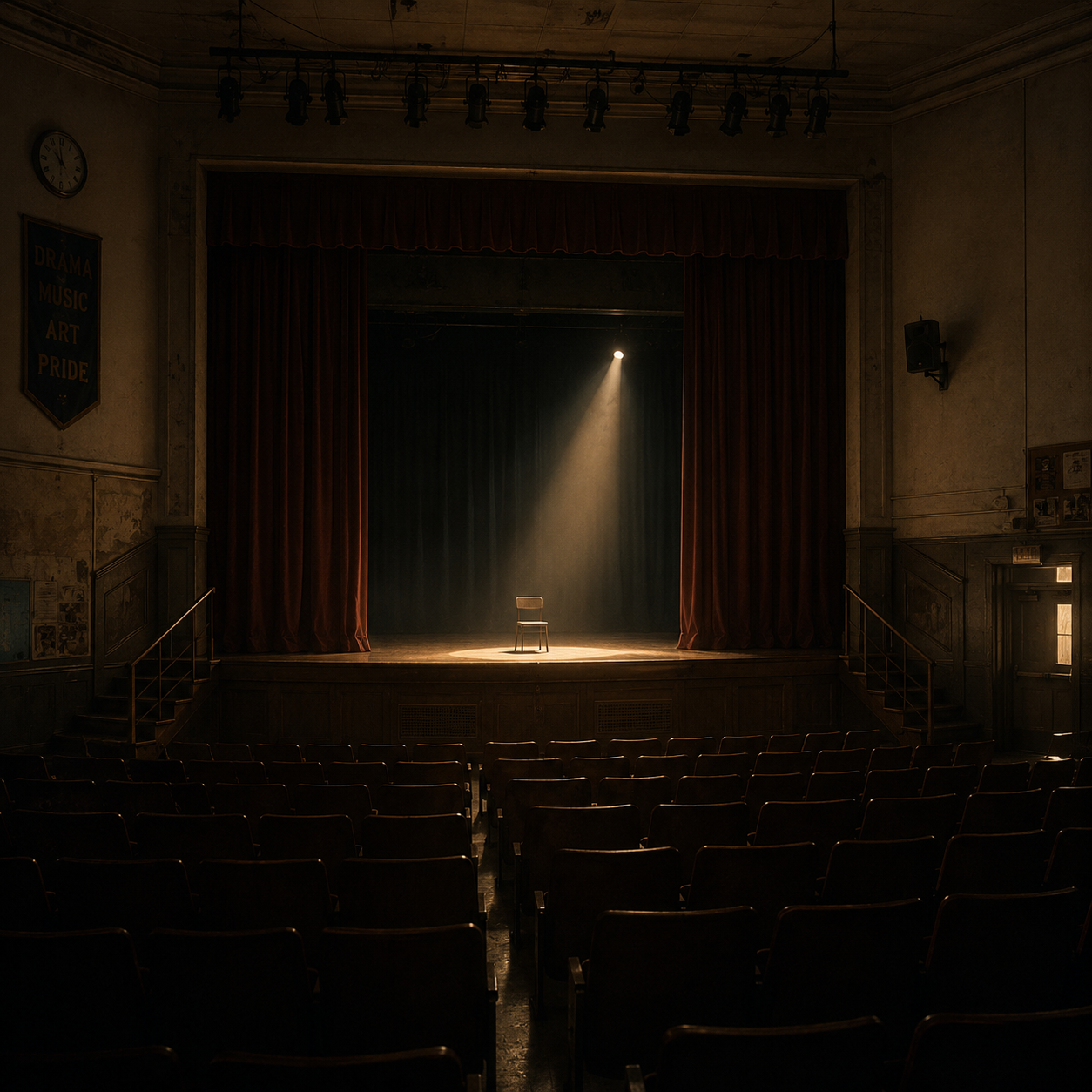
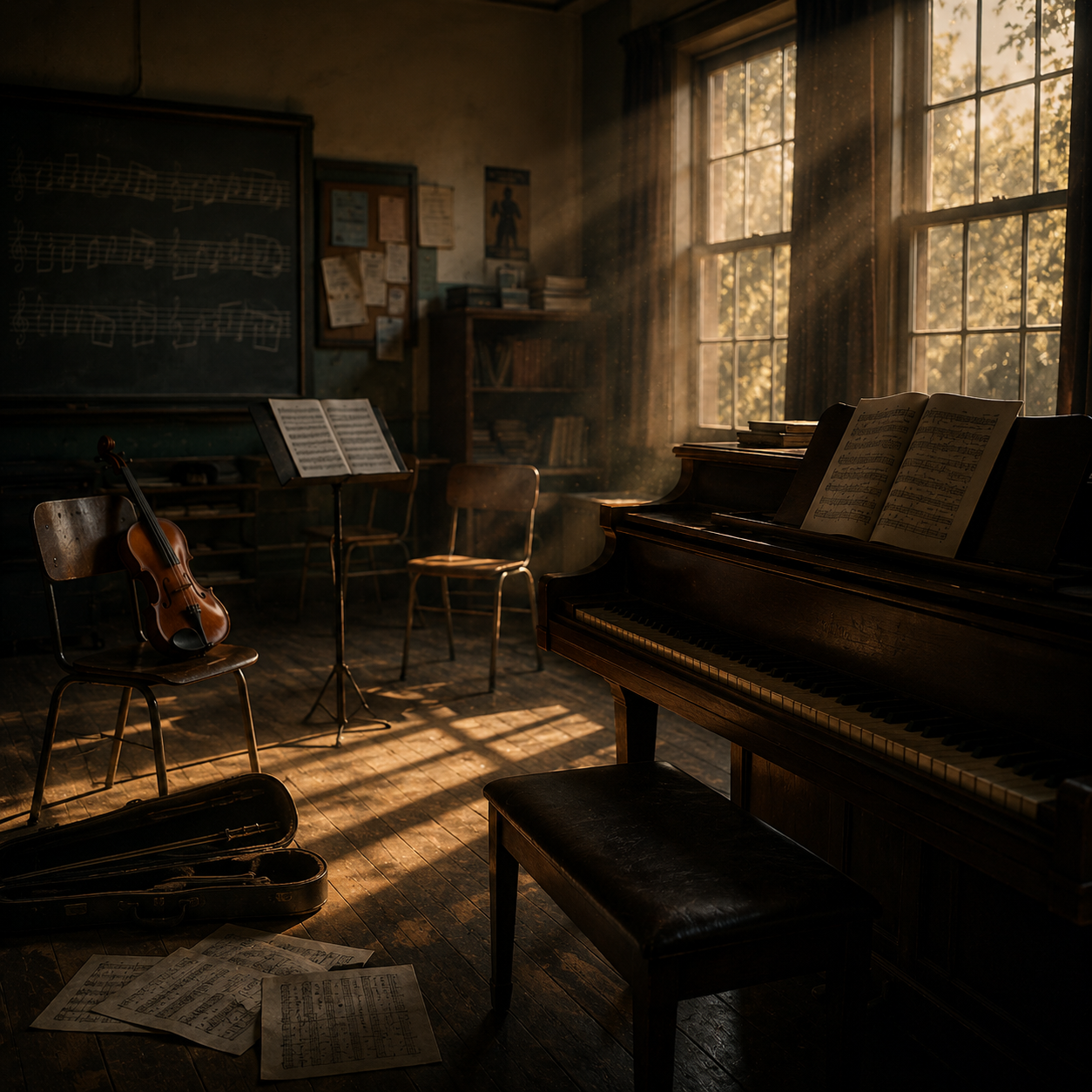
7. Picture Prompts
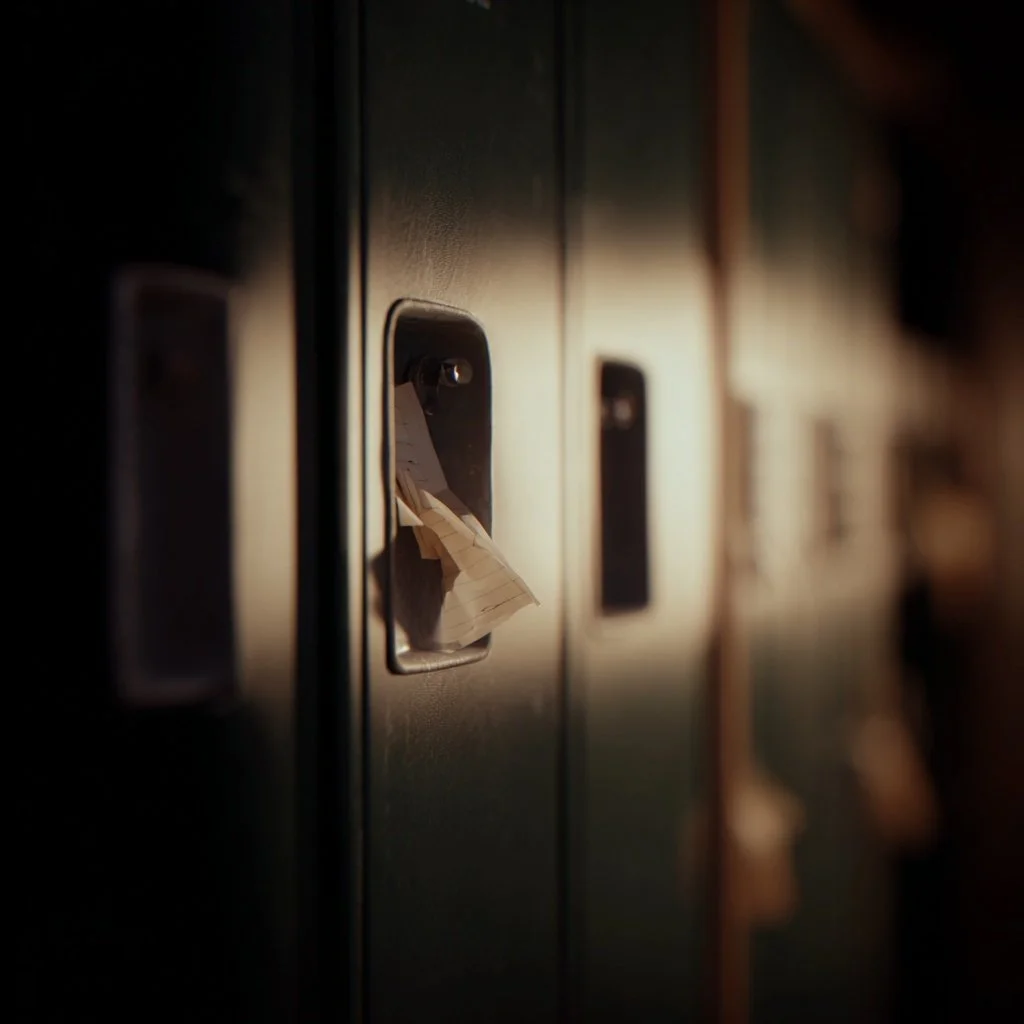
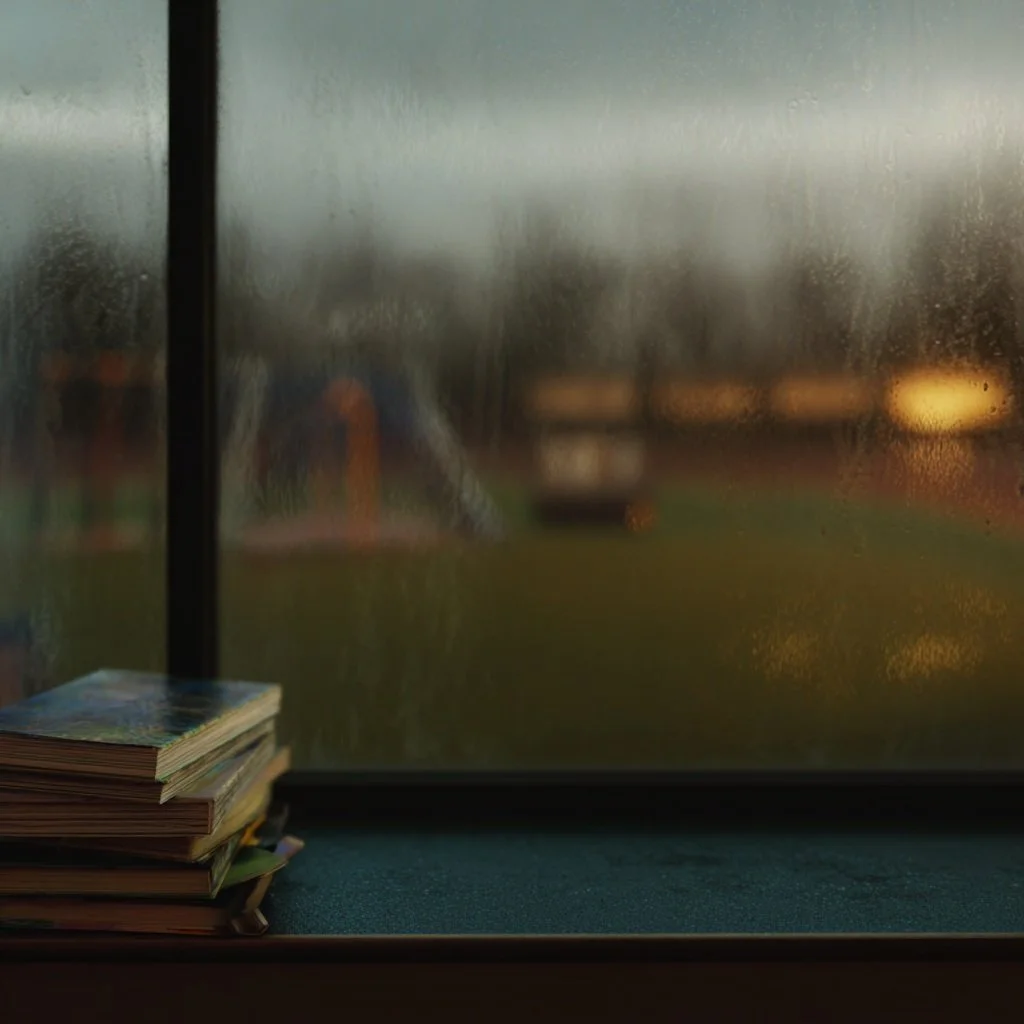
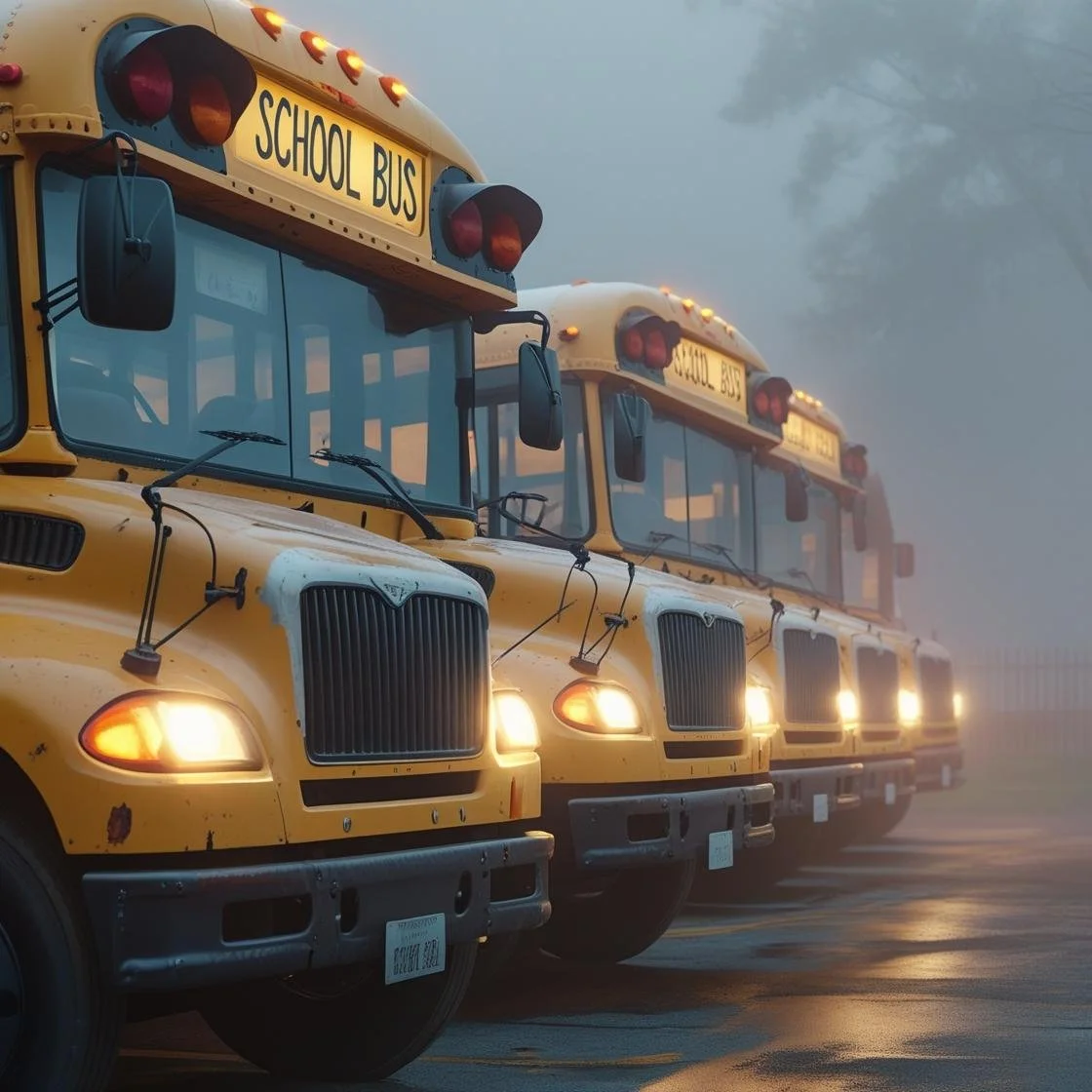
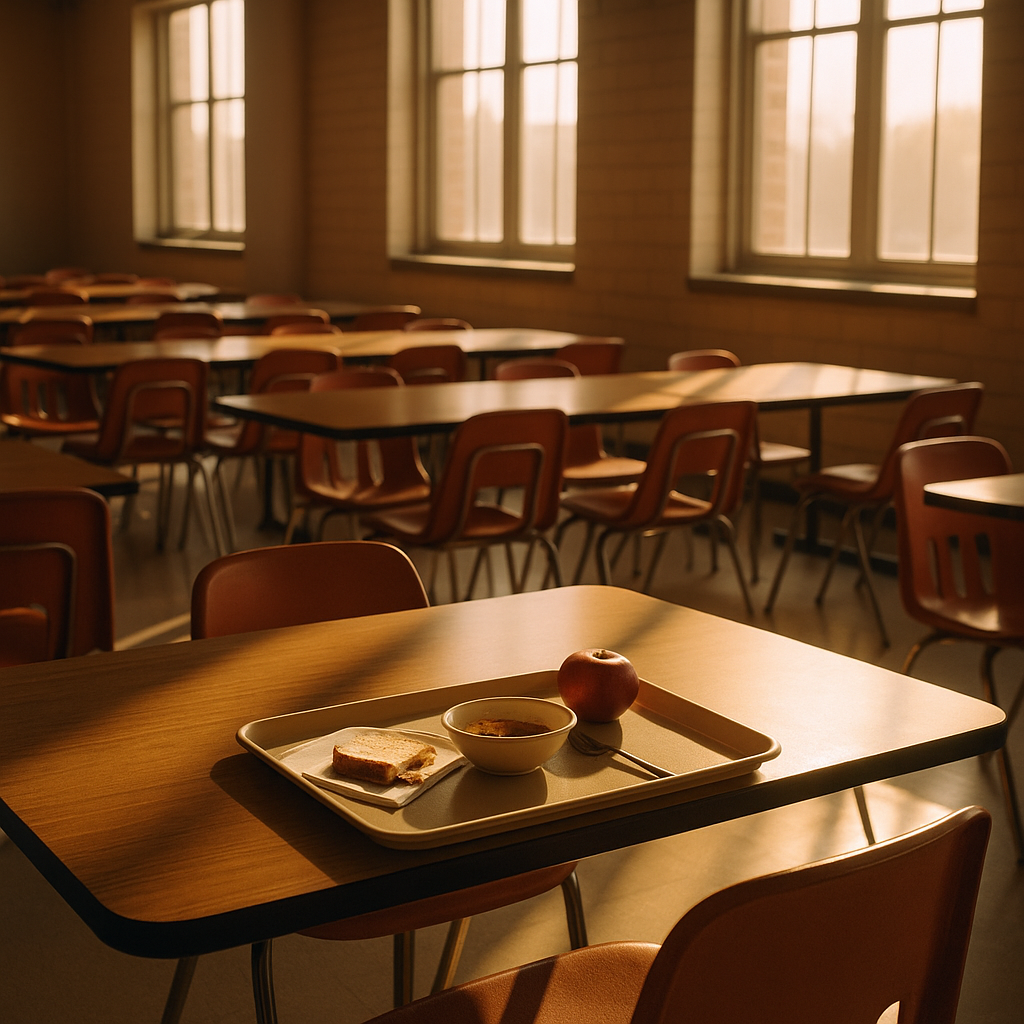
Pictures encourage writers to observe carefully before they begin writing, helping them develop stronger descriptive language, atmosphere, and storytelling skills. Use each image as the inspiration for a short description, a scene, or an entire narrative.




Go Deeper into Back-to-School Stories
School stories have remained popular for generations because they're instantly relatable. Almost everyone understands the excitement of a first day, the nerves of meeting new classmates, the pressure of fitting in, or the anticipation of discovering what the year ahead might bring. While the setting may seem familiar, the most memorable school stories use these everyday experiences to explore bigger themes such as identity, friendship, resilience, belonging, ambition, and change.
Whether you're writing realistic fiction, a mystery, a romance, or even a fantasy set within a school, focus on making your characters and conflicts feel authentic. Readers connect with stories that feel emotionally believable, even when extraordinary events take place.
◆ Give your main character a clear goal from the beginning. They might want to make a new friend, uncover a secret, earn a place on a sports team, impress a teacher, or simply survive the first week of term.
◆ Create believable conflict. Not every story needs dramatic villains or life-threatening danger. Misunderstandings, changing friendships, difficult decisions, family pressures, or personal insecurities can be just as compelling.
◆ Use the school setting to your advantage. Libraries, science labs, sports fields, art rooms, music departments, corridors, lockers, buses, and playgrounds all offer unique opportunities for atmosphere and storytelling.
◆ Think beyond the classroom. Clubs, school trips, competitions, assemblies, rehearsals, lunch breaks, and after-school activities often provide the most interesting moments for character development.
◆ Write dialogue that sounds natural. Every character should have their own way of speaking, helping readers understand their personality without lengthy descriptions.
◆ Engage the senses when describing settings. The echo of footsteps in an empty corridor, the smell of fresh textbooks, the buzz of fluorescent lights, or the sound of the first bell can make familiar places feel vivid and memorable.
◆ Don't be afraid to mix genres. A school can become the perfect setting for mysteries, fantasy adventures, romances, thrillers, horror stories, science fiction, or historical fiction.
◆ Finally, remember that the best school stories aren't really about school at all. They're about people growing, making mistakes, overcoming challenges, and discovering who they want to become.
Final Thoughts
The start of a new school year is filled with opportunities for storytelling. From first-day nerves and unexpected friendships to hidden mysteries, unforgettable teachers, and life-changing discoveries, schools provide one of the richest settings for creative writing. Whether you're writing for fun, completing a classroom activity, or developing a longer piece of fiction, these prompts are designed to help you build confidence and spark fresh ideas.
If you're looking for even more inspiration, explore the Creative Writing Archive, where you'll find hundreds of creative writing prompts, story starters, picture prompts, character ideas, genre-specific collections, and writing resources to inspire your next story.
