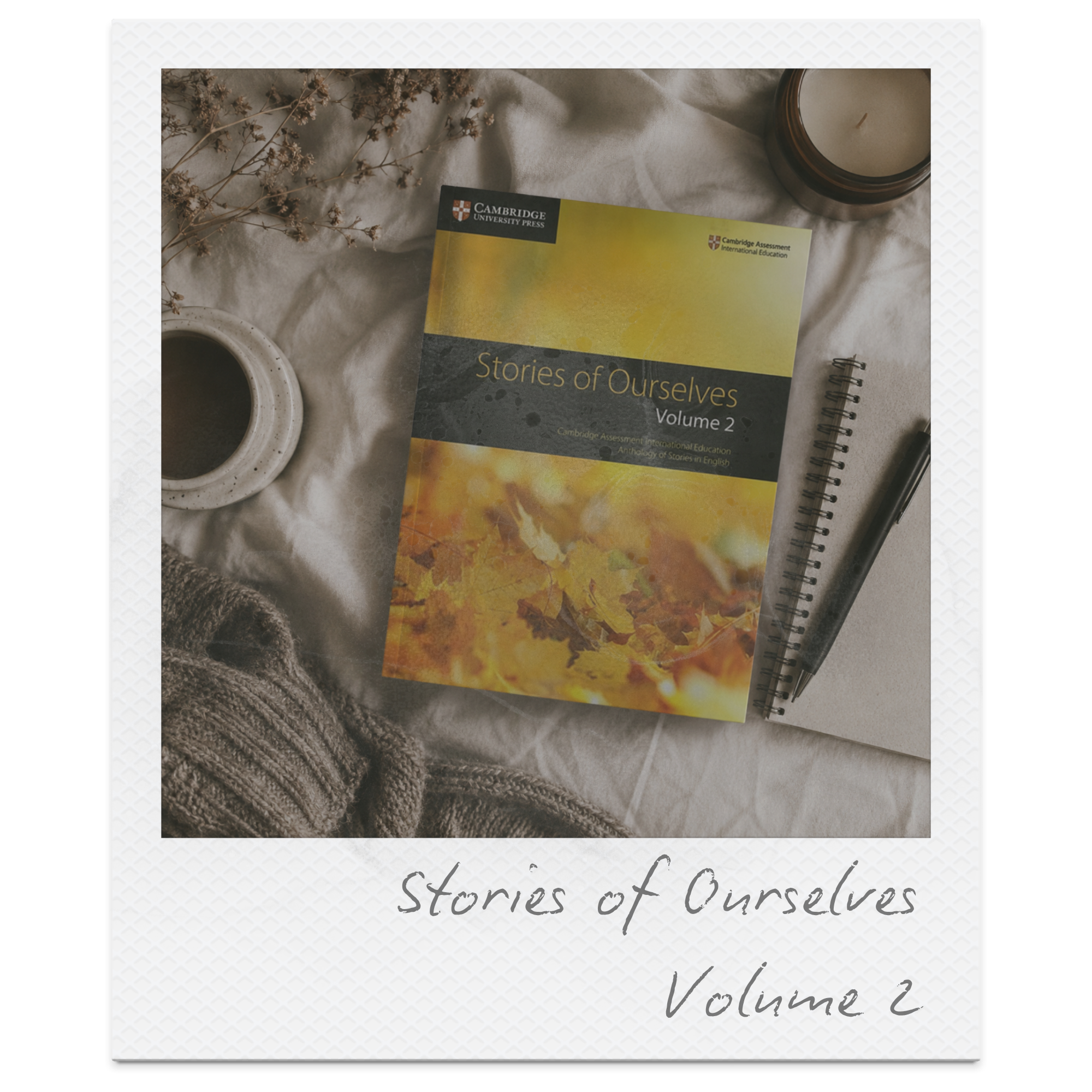
Songs of Ourselves Volume 2: Study Guides, Analysis and Teaching Resources
Songs of Ourselves Volume 2 is a core poetry anthology studied in CIE IGCSE English Literature (0475 & 0922) and Cambridge International AS & A Level English Literature (9695). Bringing together a diverse range of poets, forms, and literary perspectives, the anthology explores themes such as identity, memory, conflict, love, power, nature, mortality, and the complexities of human experience through both traditional and modern poetry.
At IGCSE level, students focus on analysing how poets use language, structure, form, and imagery to create meaning and effects. At AS & A Level, this develops into more conceptual and interpretive literary analysis, encouraging students to explore multiple interpretations, analyse more sophisticated literary methods, compare poems across the anthology, and construct more developed critical arguments supported by close textual analysis.
This page brings together detailed analysis, study guides, thematic explorations, comparison ideas, and teaching resources for each poem in the collection, supporting both classroom teaching and independent revision. The resources are designed to help students move beyond basic understanding towards more confident, analytical, and perceptive literary responses.
For more poetry analysis, literature guides, and teaching resources, explore the Literature Library.
Scroll down to find resources for:
◆ CIE IGCSE English Literature (0475 & 0922)
◆ Cambridge International AS & A Level English Literature (9695)
A Level English Literature (9695)
The following poems from Songs of Ourselves Volume 2 are set for Cambridge International AS & A Level English Literature (9695) and are studied for the 2027 and 2028 examination series. The anthology introduces students to a wide range of poetic voices, forms, and literary perspectives, exploring themes such as identity, memory, conflict, love, power, nature, and the complexities of human experience through both traditional and modern poetry.
At AS & A Level, students are expected to move beyond straightforward explanation towards more conceptual and interpretive literary analysis. This includes exploring multiple interpretations, analysing how poets use language, structure, form, voice, and imagery to shape meaning and effects, comparing poems across the anthology, and constructing more developed critical arguments supported by close textual analysis.
Each poem below links to a detailed study guide featuring contextual analysis, close reading, symbolism, key quotations, literary methods, anthology comparisons, and exam-focused insights designed to support both classroom teaching and independent revision.






Last Sonnet – John Keats
A powerful exploration of love, mortality, and the longing for permanence, revealing how emotional intimacy, sensual experience, and human vulnerability exist in constant tension with the desire for eternal constancy and transcendence.
The Bargain – Sir Philip Sidney
A layered exploration of love, emotional reciprocity, and shared identity, revealing how intimacy can create emotional fulfilment while simultaneously blurring the boundaries between devotion, vulnerability, possession, and psychological dependence.
To My Dear and Loving Husband – Anne Bradstreet
A deeply intimate exploration of love, devotion, and spiritual permanence, revealing how emotional fulfilment and sacred marital unity can transcend material wealth, human limitation, and even mortality itself.
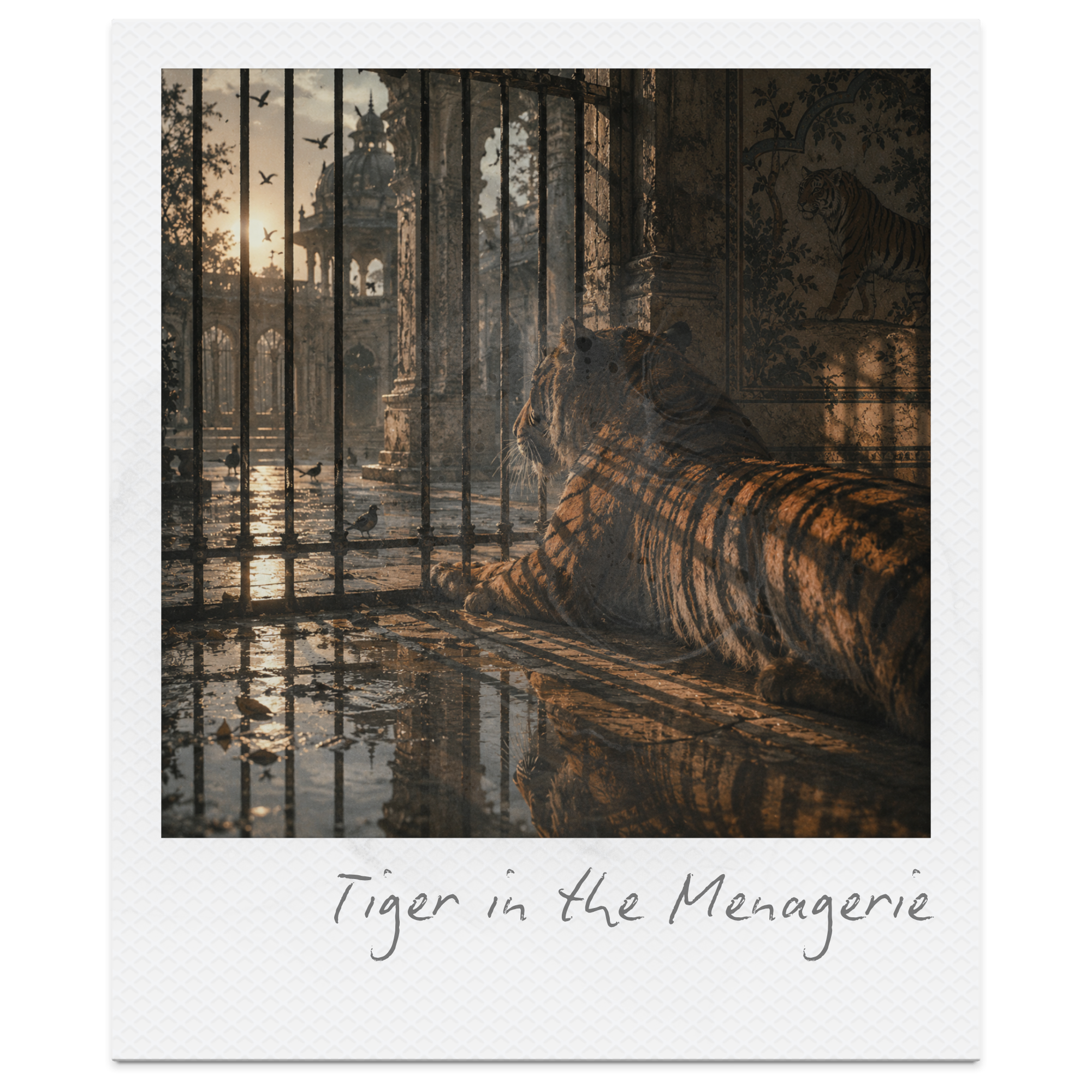
Tiger in the Menagerie – Emma Jones
A surreal and psychologically unsettling exploration of captivity, transformation, and unstable identity, revealing how the boundaries between civilisation and instinct, reality and imagination, gradually collapse through haunting symbolic imagery and dreamlike psychological tension.
Lion Heart – Amanda Chong
A powerful exploration of national identity, cultural memory, and transformation, revealing how Singapore's remarkable journey from mythic origins to modern success is sustained by heritage, resilience, and an enduring connection between the past and the present.
Heart and Mind – Edith Sitwell
A richly symbolic exploration of love, desire, and mortality, revealing how memory, passion, and intellectual understanding shape human experience while questioning whether the forces of the heart and the mind can ever truly be reconciled.
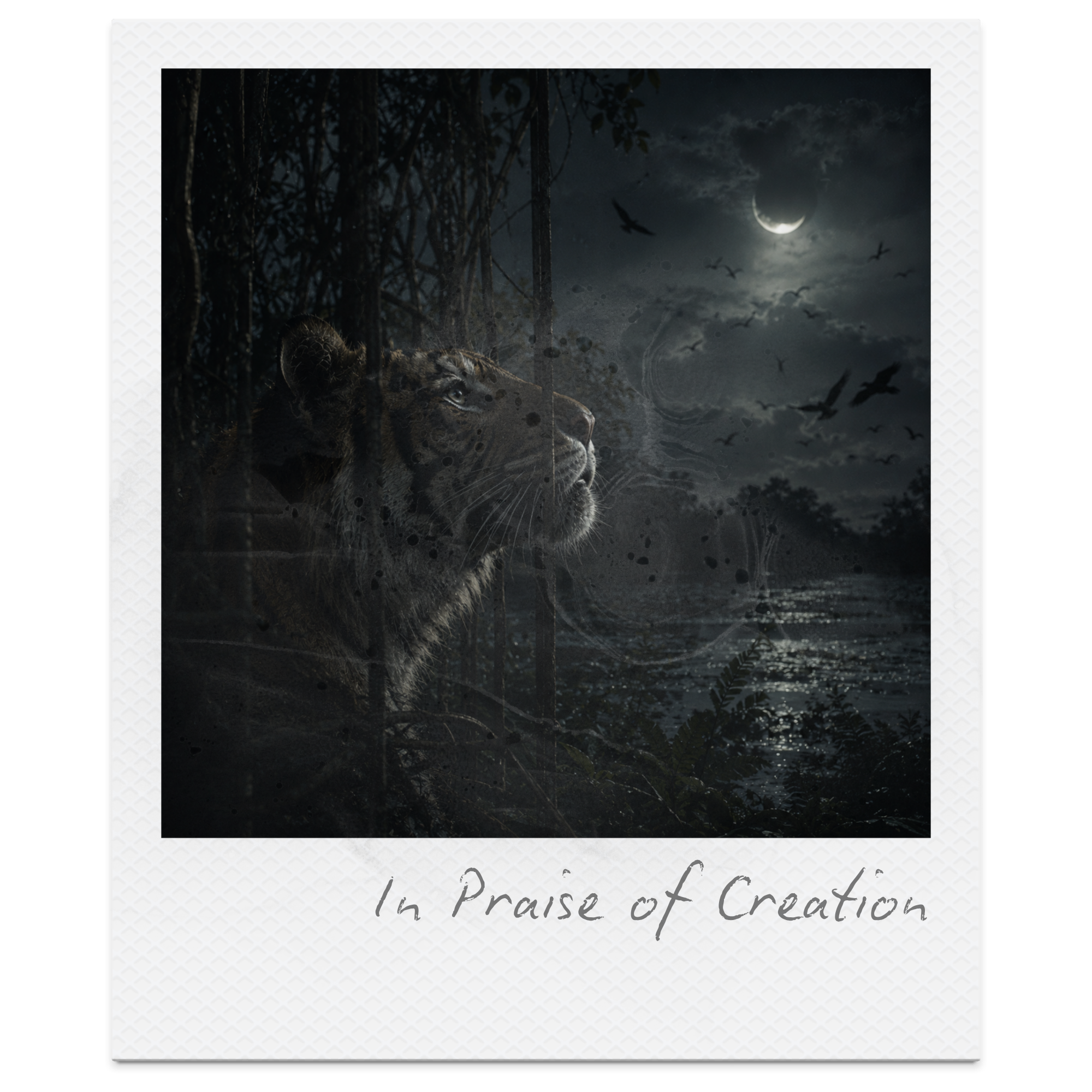
In Praise of Creation – Elizabeth Jennings
A contemplative exploration of nature, instinct, and the hidden order of creation, revealing how cycles of desire, renewal, and consciousness connect humanity to the wider natural world while celebrating wonder, observation, and the search for meaning.
Upon a Wasp Chilled with Cold – Edward Taylor
A richly symbolic exploration of nature and faith, revealing how close observation of creation can lead to spiritual understanding. Through the image of a recovering wasp, Taylor examines divine design, gratitude, spiritual growth, and the presence of God within the natural world, suggesting that even the smallest creatures can reveal profound truths about wisdom, purpose, and creation itself.
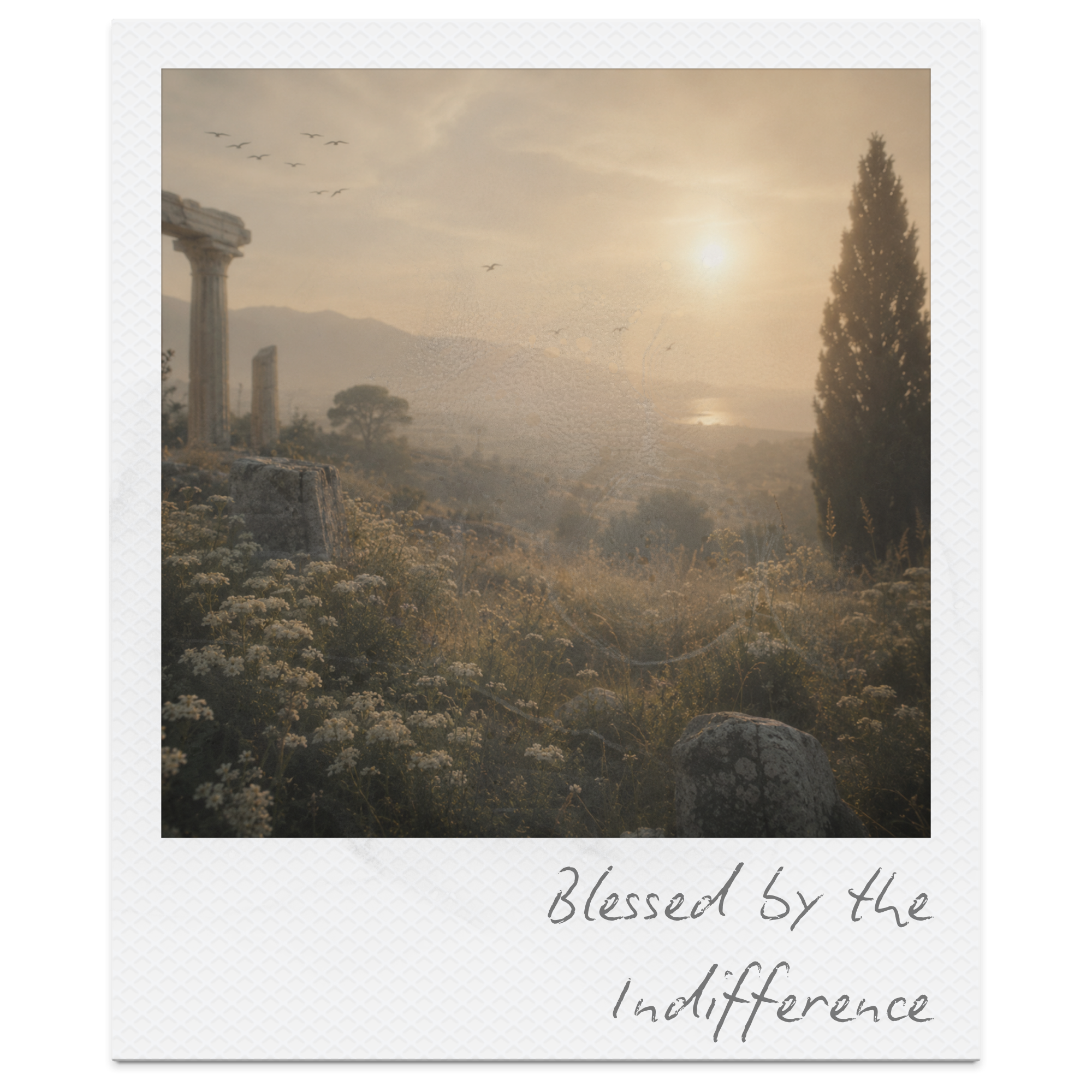
Blessed by the Indifference – Christopher Reid
A reflective exploration of human insignificance, nature's indifference, and the passage of time, revealing how the natural world continues beyond human concerns. Through vivid landscape imagery, subtle humour, and philosophical observation, Reid examines mortality, perspective, and the challenge of finding meaning within a world that does not revolve around humanity.
The Poplar-Field – William Cowper
A poignant exploration of mortality, memory, and the passage of time, reflecting on how change transforms both landscapes and human lives. Through elegiac imagery, natural symbolism, and philosophical reflection, Cowper examines loss, ageing, and the impermanence of earthly pleasures, revealing how the destruction of a beloved grove becomes a meditation on the fragility of human happiness and the inevitability of change.
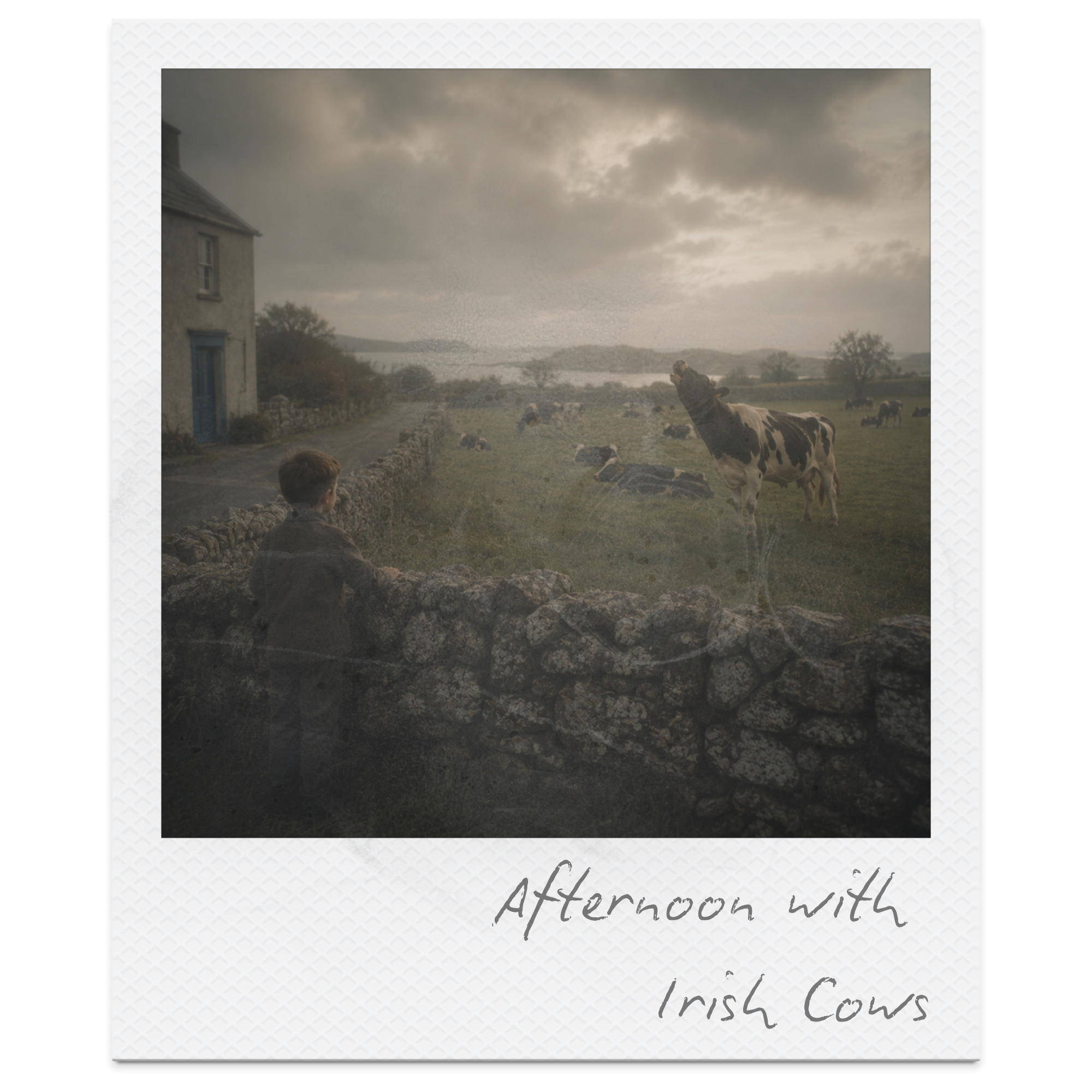
Afternoon with Irish Cows – Billy Collins
A thoughtful exploration of identity, selfhood, perception, and the hidden wonder of everyday life, revealing how careful observation can transform ordinary experiences into moments of profound recognition. Through humour, vivid imagery, and reflections on the natural world, Collins examines authenticity, consciousness, and the challenge of understanding lives beyond our own.
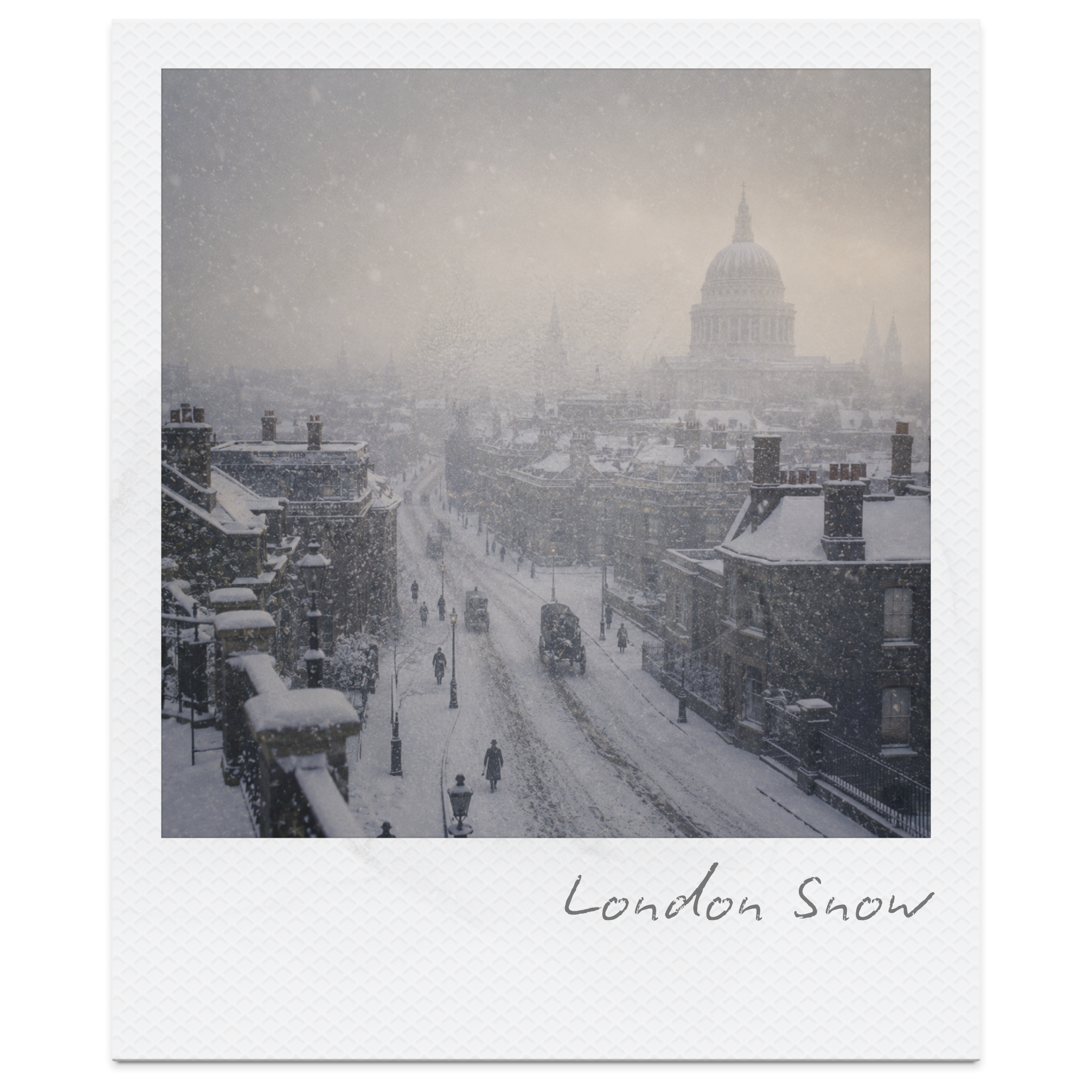
London Snow – Robert Bridges
A vivid exploration of nature, transformation, and wonder, revealing how a snowfall temporarily reshapes both the physical landscape and human perception. Through rich sensory imagery and careful observation, Bridges examines community, beauty, urban life, and the power of shared experiences to interrupt routine, renew perspective, and uncover the extraordinary within the ordinary.
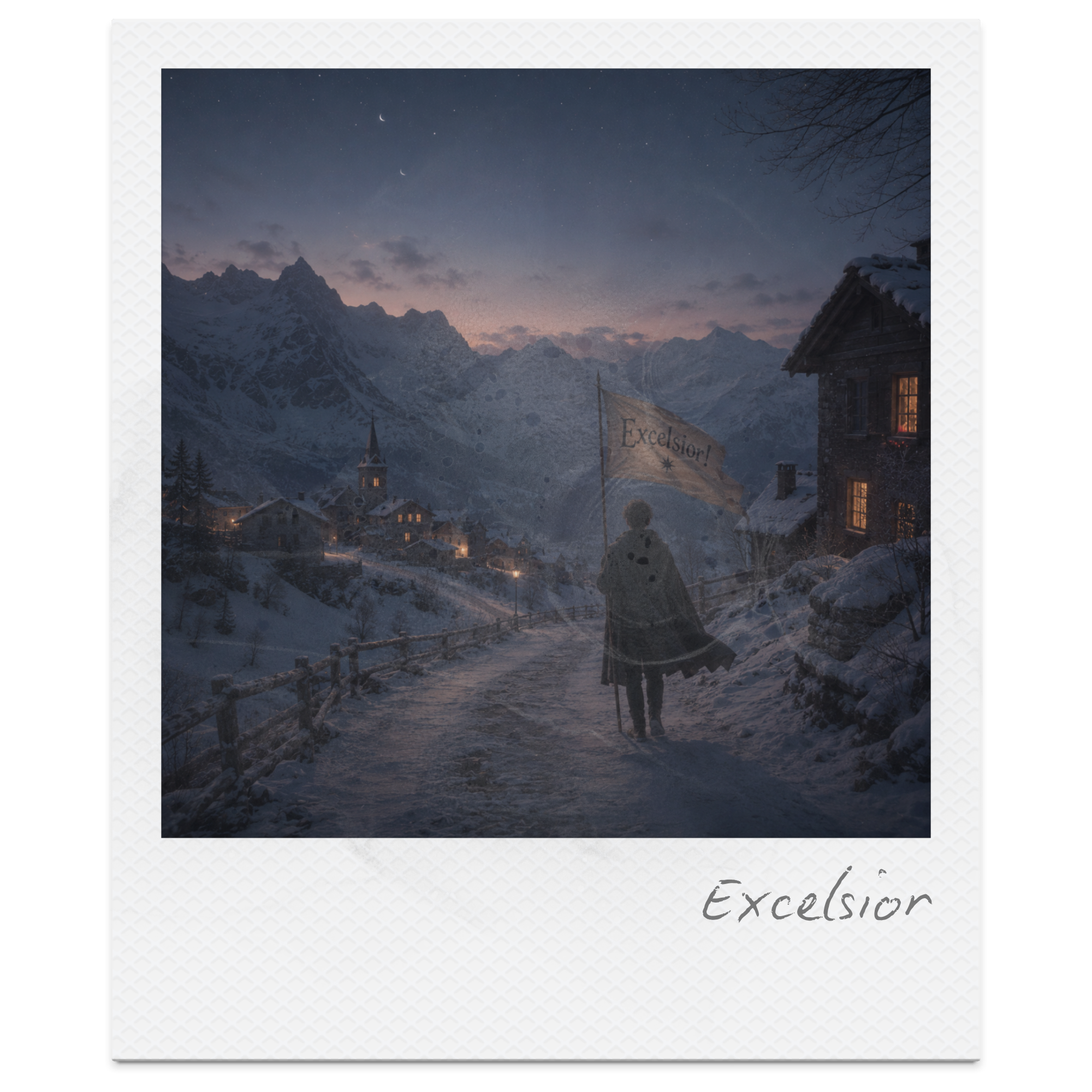
Excelsior – Henry Wadsworth Longfellow
A powerful exploration of ambition, aspiration, and the pursuit of higher ideals, revealing how determination, sacrifice, and the search for meaning can inspire extraordinary perseverance while also creating isolation, loss, and profound uncertainty. Through its symbolic mountain journey, recurring refrain, and ambiguous ending, the poem examines the tension between earthly fulfilment and transcendence, challenging readers to consider the true cost of striving ever upward.
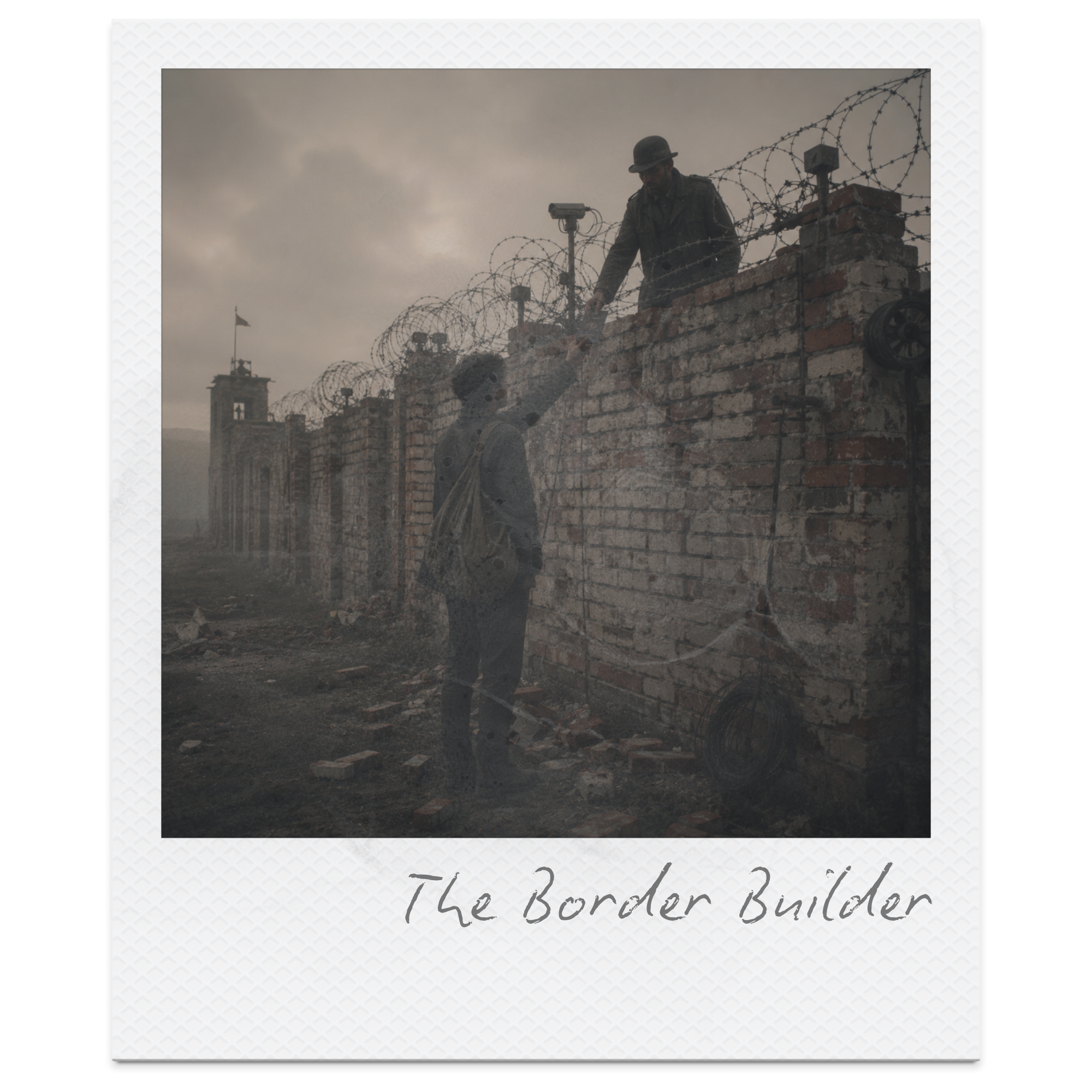
The Border Builder – Carol Rumens
A powerful exploration of identity, belonging, and the systems that define who is included and who is excluded. Through political allegory, symbolic imagery, and unsettling interrogation, Rumens examines power, bureaucracy, surveillance, and the human tendency to divide people into categories. The poem reveals how borders extend beyond geography into questions of race, nationality, authority, and social belonging, exposing the tensions between individual humanity and institutional control.
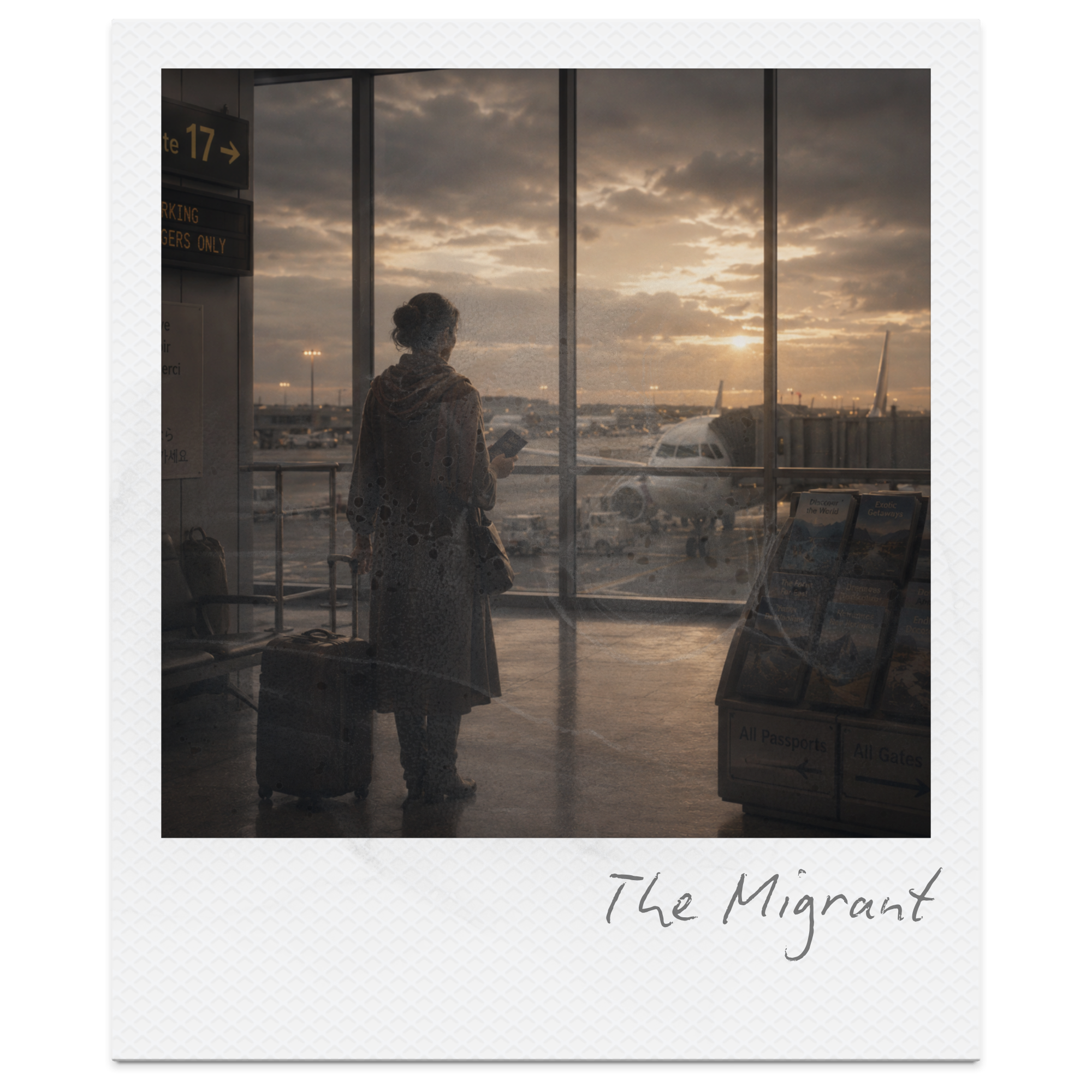
The Migrant – A. L. Hendriks
A poignant exploration of belonging, identity, and the human search for home, revealing how certainty, permanence, and security often exist alongside transience, uncertainty, and inevitable change. Through an extended allegory of migration and travel, Hendriks examines mortality, displacement, acceptance, and the universal journey that connects all people, transforming an individual traveller's story into a profound meditation on what it means to move through life towards an unknown destination.
The White House – Claude McKay
A powerful sonnet explores racism, exclusion, identity, and human dignity through the symbolic image of a closed door. Combining intense emotional conflict with the disciplined structure of a Shakespearean sonnet, the poem examines the psychological effects of prejudice, the struggle between anger and self-control, and the moral strength required to resist hatred without surrendering one's humanity.
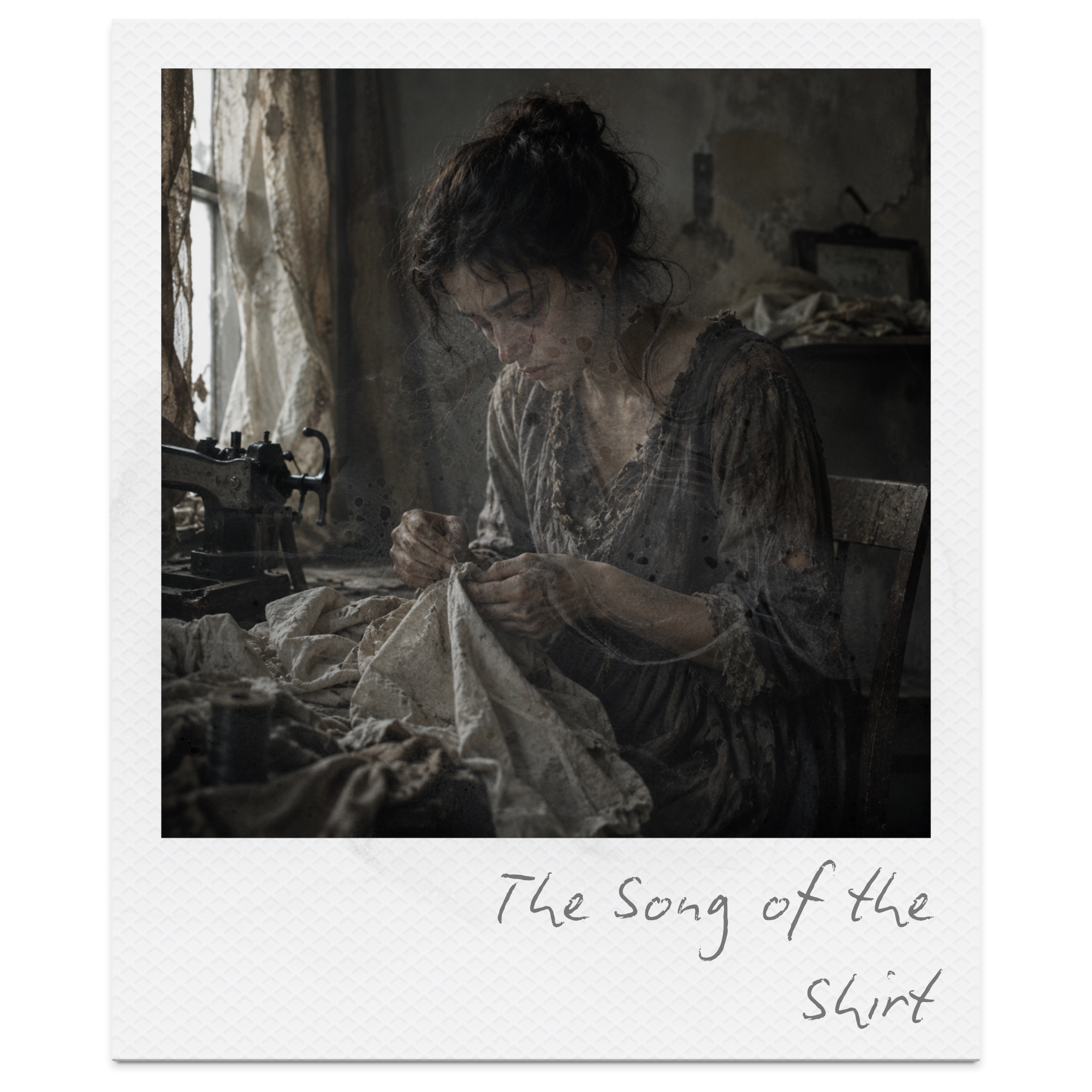
The Song of the Shirt – Thomas Hood
A powerful exploration of poverty, labour, exploitation, and class inequality, exposing the human cost of economic hardship through the voice of an exhausted seamstress while examining human dignity, perseverance, social responsibility, and the devastating consequences of a society that values profit more highly than people.
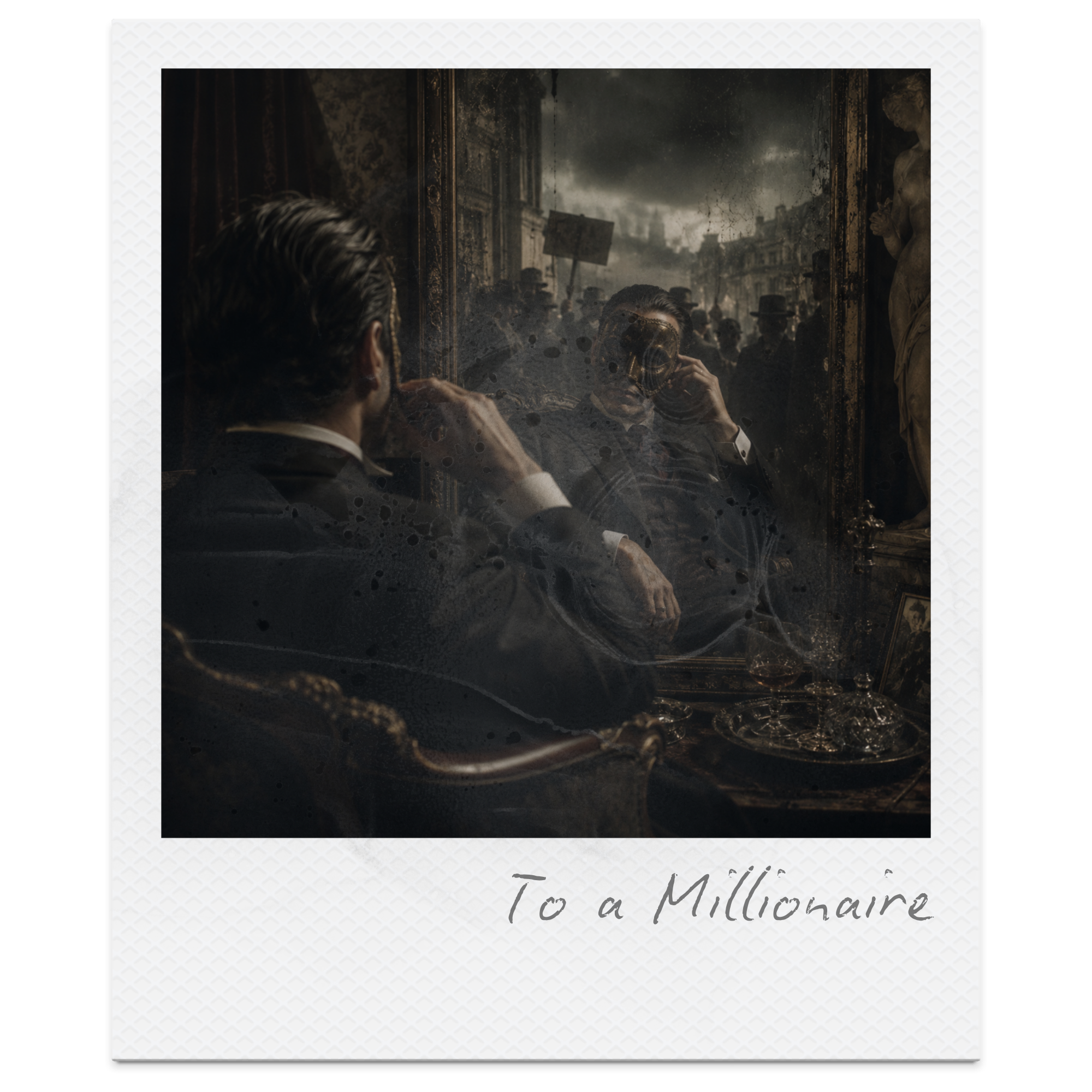
To a Millionaire – A. R. D. Fairburn
A fierce exploration of wealth, corruption, and social inequality, revealing how systems of power and exploitation conceal human suffering while exposing the tensions between moral responsibility, privilege, mortality, and the inevitable decline of material success.
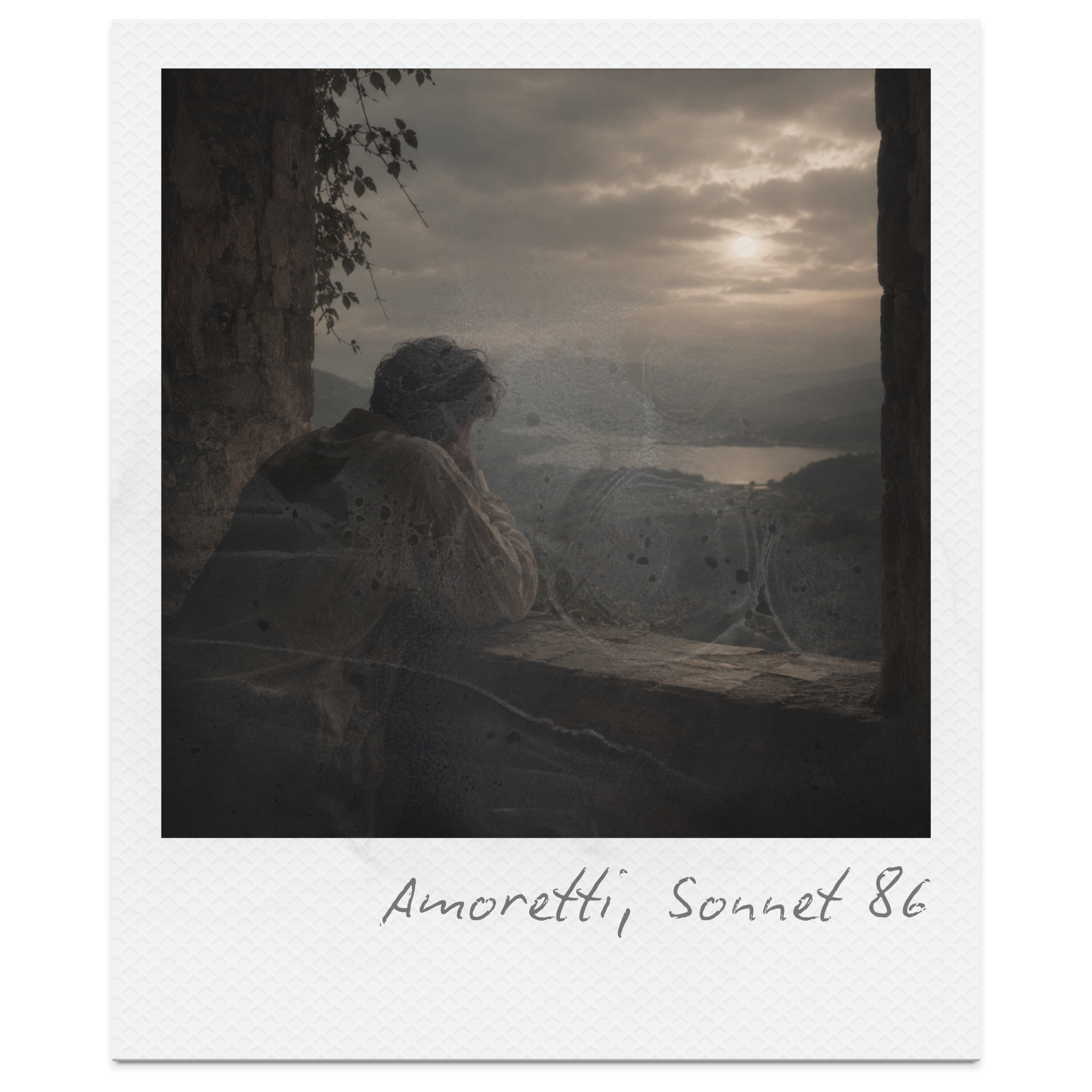
Amoretti, Sonnet 86 – Edmund Spenser
A reflective exploration of love, longing, absence, and the perception of time, revealing how emotional separation can distort reality while examining desire, expectation, emotional endurance, human subjectivity, and the psychological effects of waiting.
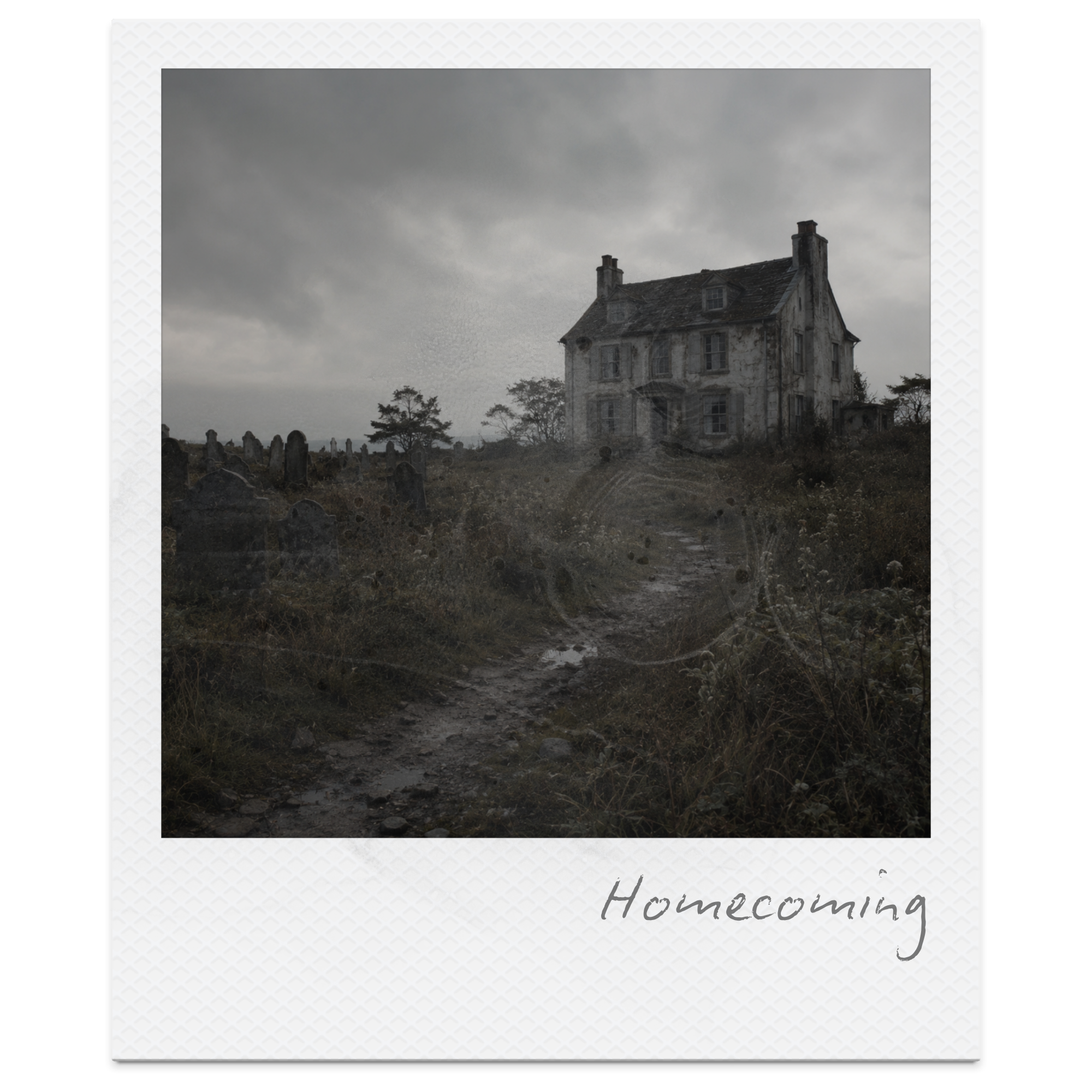
Homecoming – Lenrie Peters
A reflective exploration of memory, identity, belonging, and displacement, revealing how the passage of time transforms both people and places while examining nostalgia, change, impermanence, emotional displacement, collective memory, and the unsettling experience of returning to a home that no longer exists as remembered.
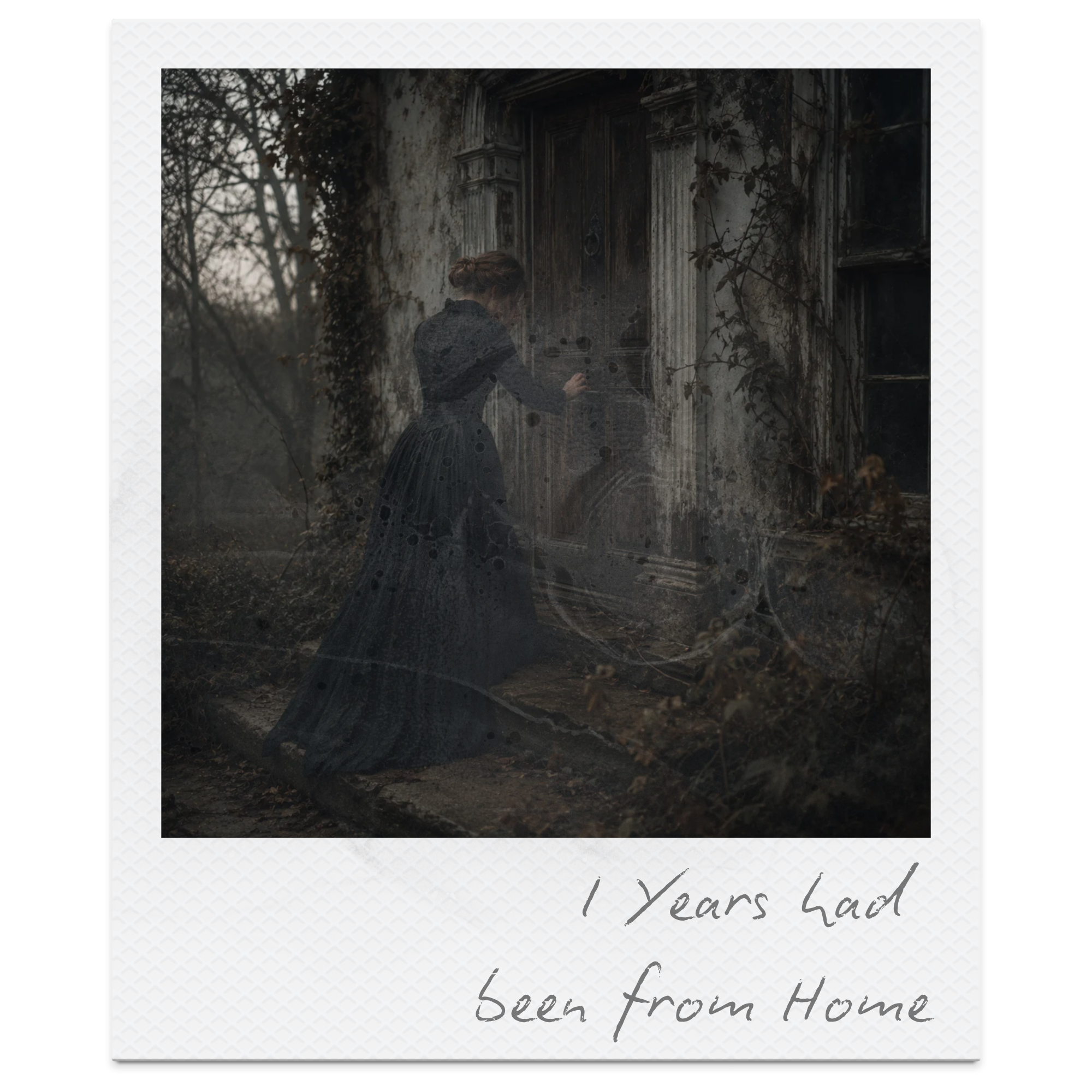
I Years Had Been from Home – Emily Dickinson
A psychologically complex exploration of memory and identity, home and belonging, displacement, self-recognition, fear of change, and the passage of time. Through powerful symbolism, emotional tension, and an unresolved narrative, Dickinson transforms a simple return home into a meditation on uncertainty, revealing how memory can preserve the past while making reality increasingly difficult to confront.
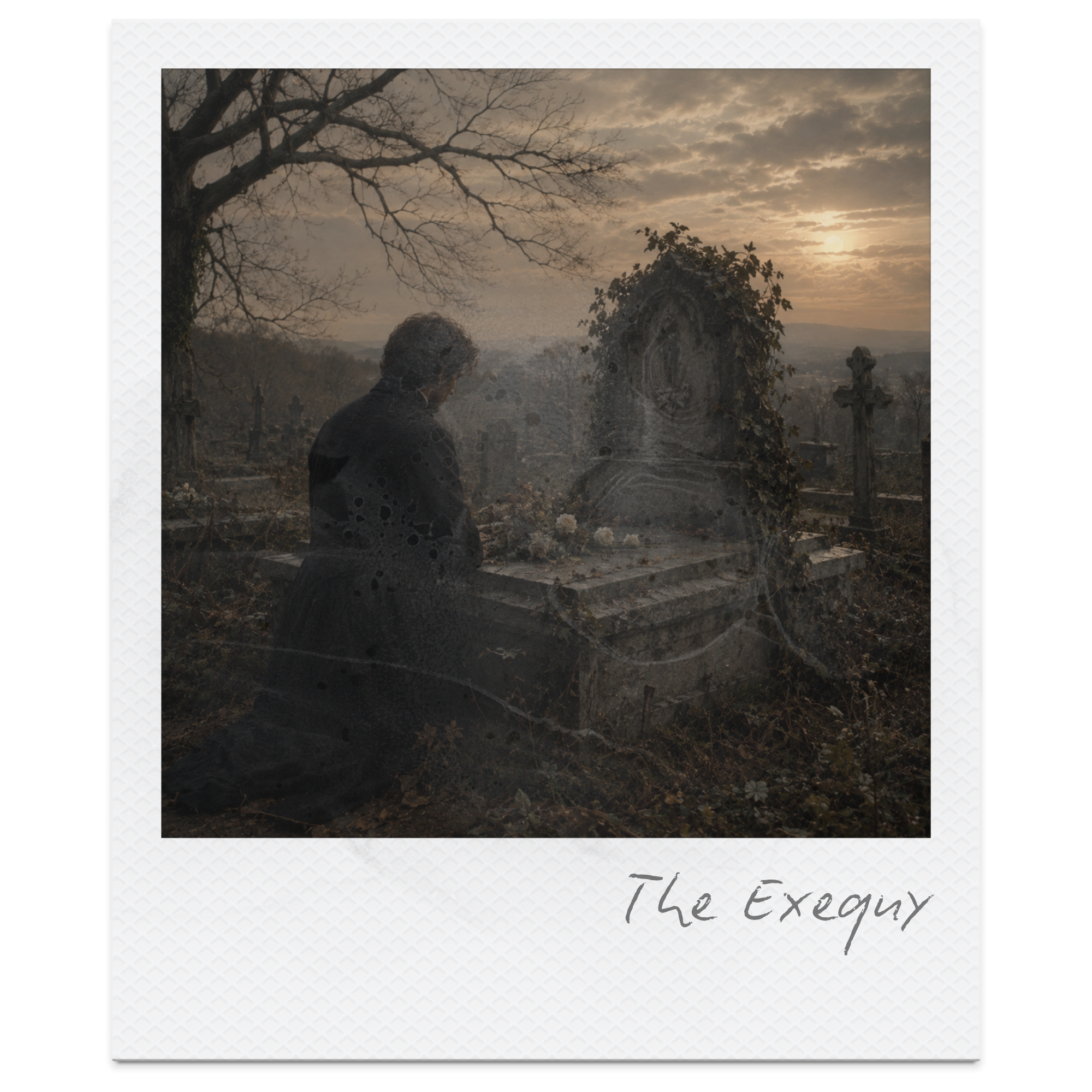
The Exequy – Henry King
A powerful elegy exploring grief, enduring love, mortality, faith, resurrection, and spiritual reunion, revealing how profound personal loss can be transformed through memory, devotion, and Christian hope while presenting death not as a final ending but as a temporary separation between souls destined to meet again.
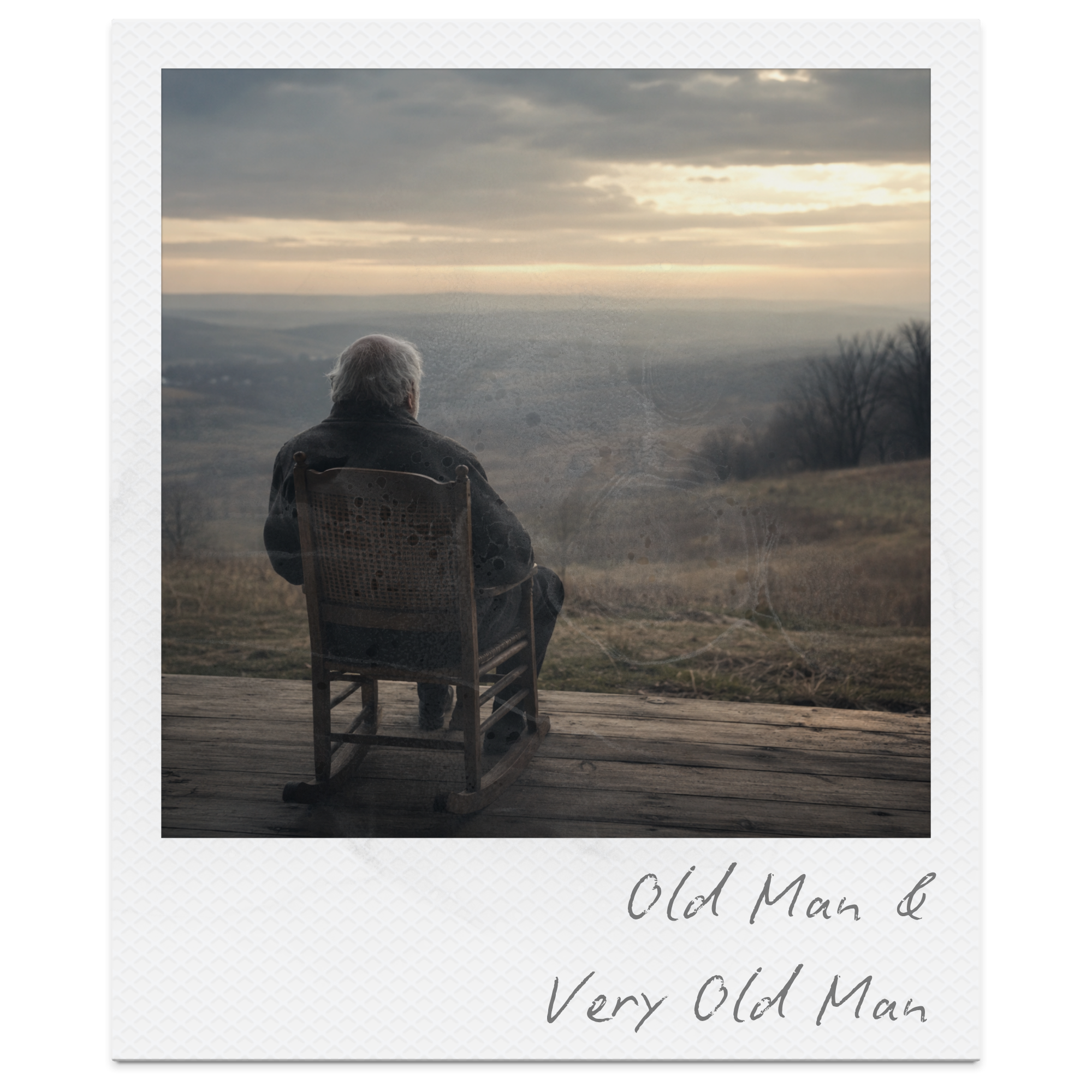
Old Man and Very Old Man – James Henry
A reflective pair of philosophical poems exploring ageing, mortality, ambition, memory, uncertainty, fulfilment, and the passage of time, revealing how the questions that shape childhood continue into old age while challenging assumptions that experience inevitably brings wisdom, certainty, or understanding. Through powerful symbolism and structural parallels, James presents human life as a lifelong search for meaning conducted in the shadow of time, limitation, and the unknown.
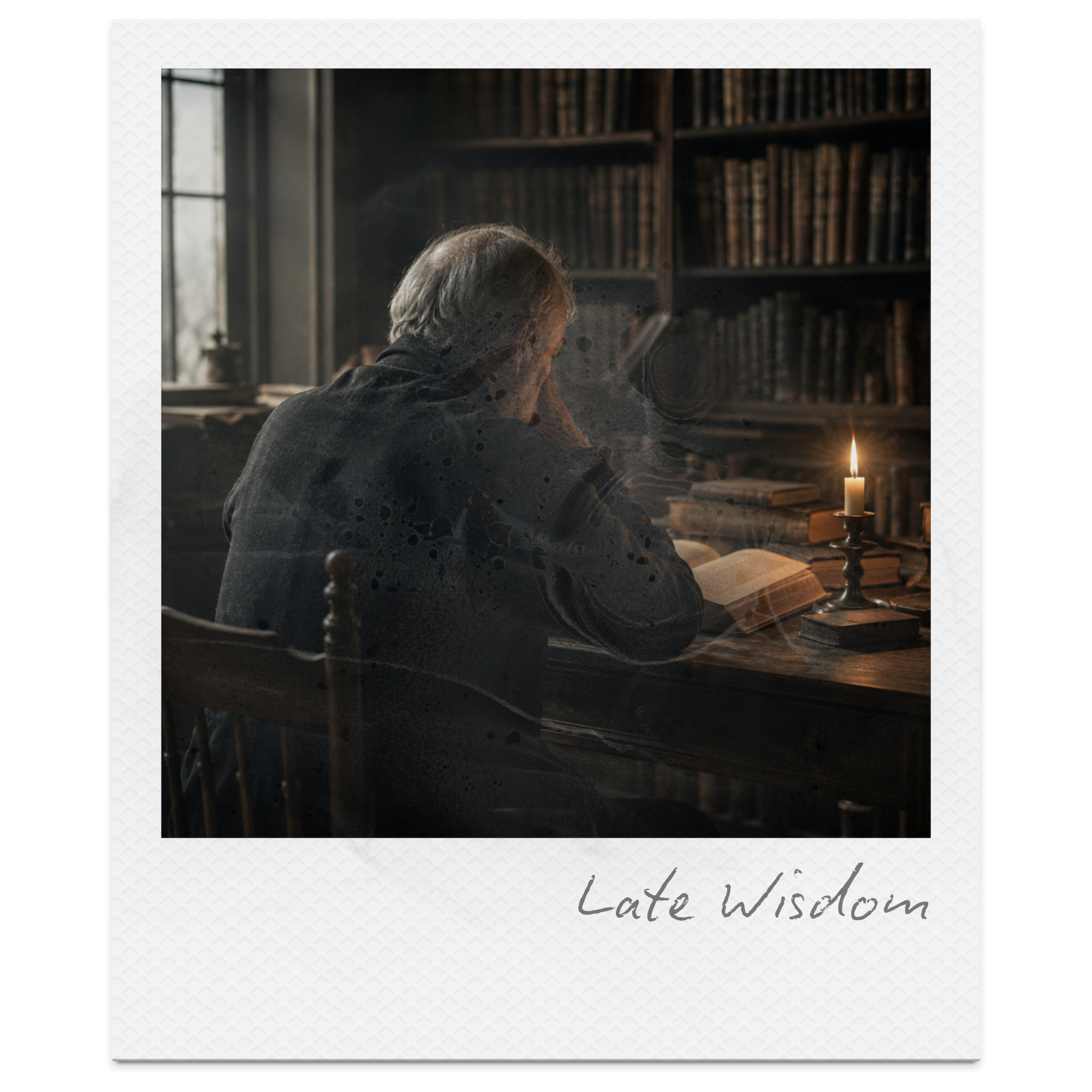
Late Wisdom – George Crabbe
A reflective and ironic meditation on ageing, experience, hindsight, virtue, self-knowledge, and human limitation, exploring how wisdom gained through years of error and reflection may arrive only after life's greatest passions and struggles have passed, raising unsettling questions about the true value of understanding acquired too late.
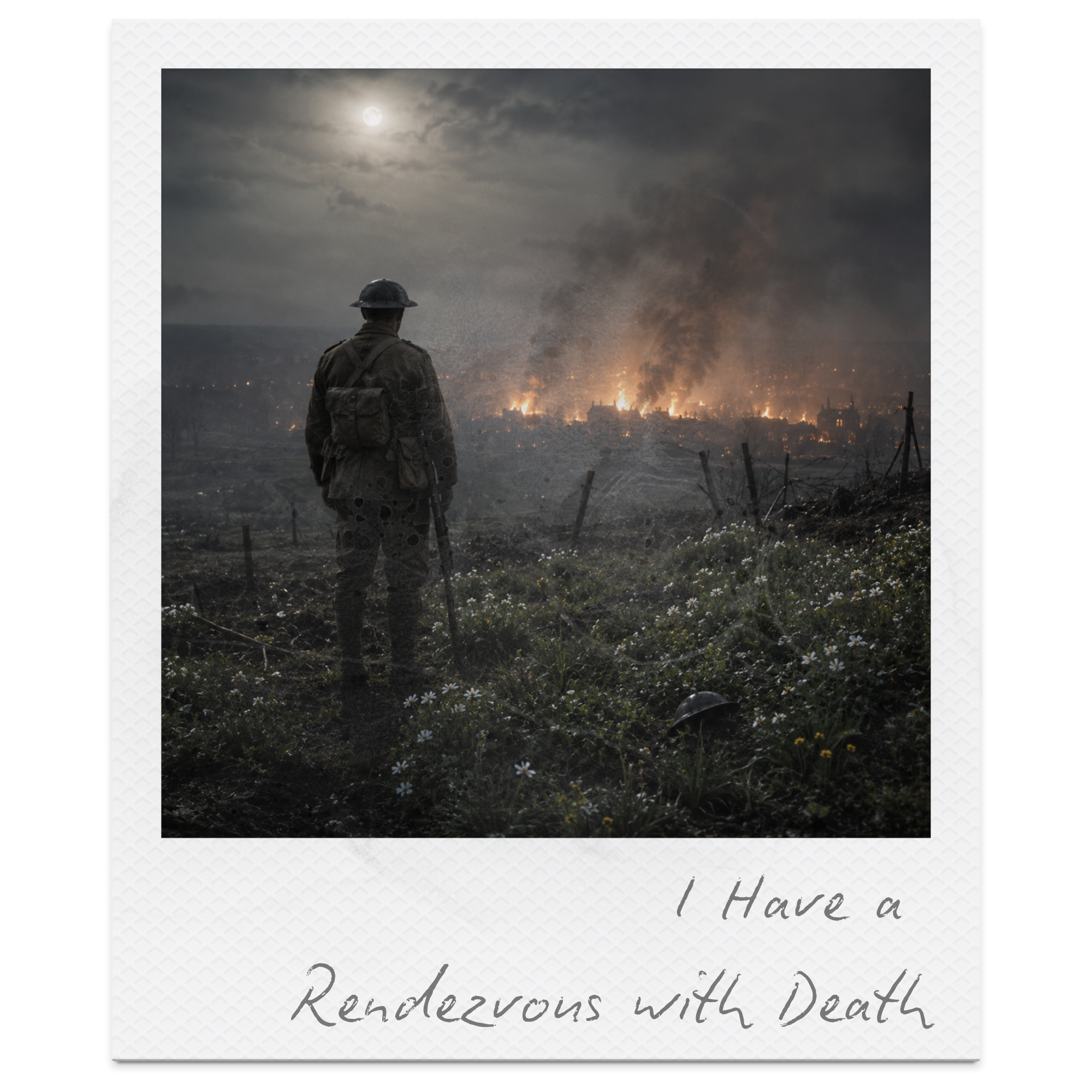
I Have a Rendezvous with Death – Alan Seeger
A powerful First World War poem exploring mortality, duty, sacrifice, honour, courage, and fate, revealing how an individual confronts the possibility of death with remarkable composure while balancing the beauty of life, love, and renewal against personal commitment, responsibility, and the demands of wartime service.
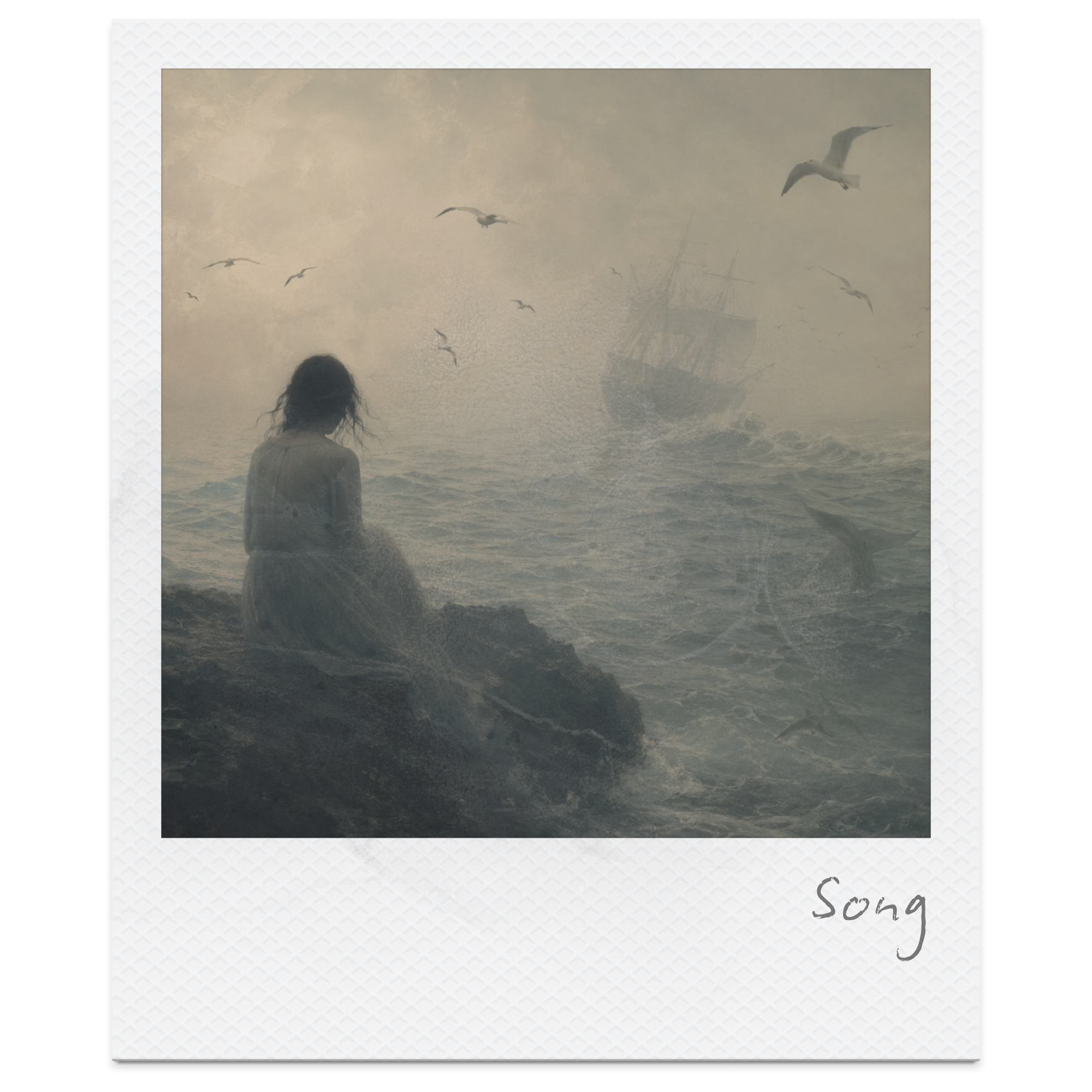
Song – Alun Lewis
A poignant wartime elegy exploring grief, bereavement, love, absence, memory, identity, and mortality, revealing how the loss of a loved one continues to shape the emotional lives of those left behind while examining the enduring power of remembrance, the psychological consequences of mourning, and the complex relationship between love, loss, and selfhood.
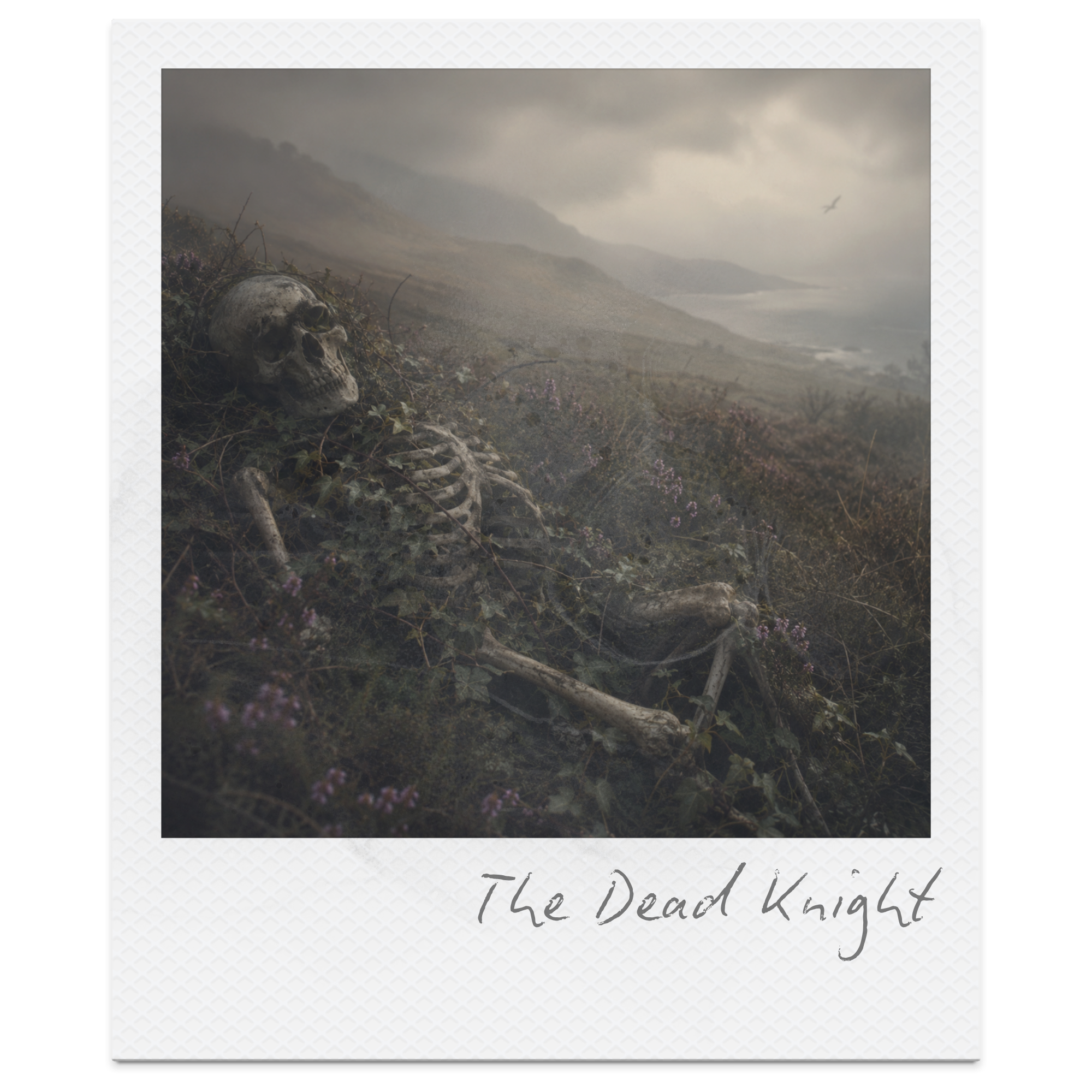
The Dead Knight – John Masefield
A reflective poem exploring death, mortality, memory, remembrance, nature symbolism, spiritual peace, and human impermanence, revealing how a forgotten warrior is gradually reclaimed by the natural world while examining the fragility of heroic identity, the endurance of natural cycles, and the possibility that nature itself preserves a form of remembrance long after human memory has faded.
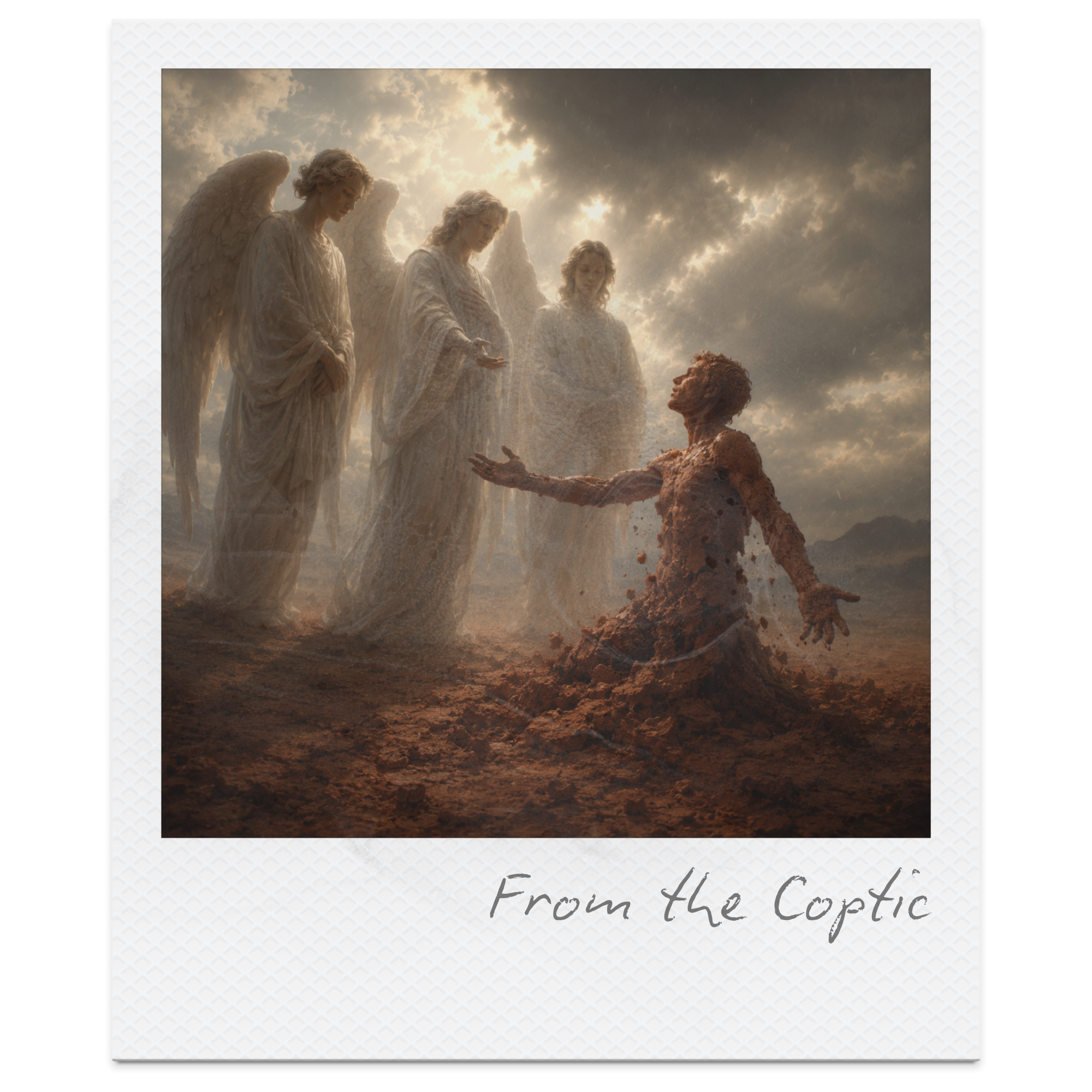
From the Coptic – Stevie Smith
A thought-provoking poem exploring mortality, existential choice, human existence, identity, free will, creation, and the search for meaning, revealing how a reluctant heap of clay questions the value of becoming human while examining the relationship between suffering, responsibility, death, and the paradoxical idea that life's finite nature may be what gives it significance.
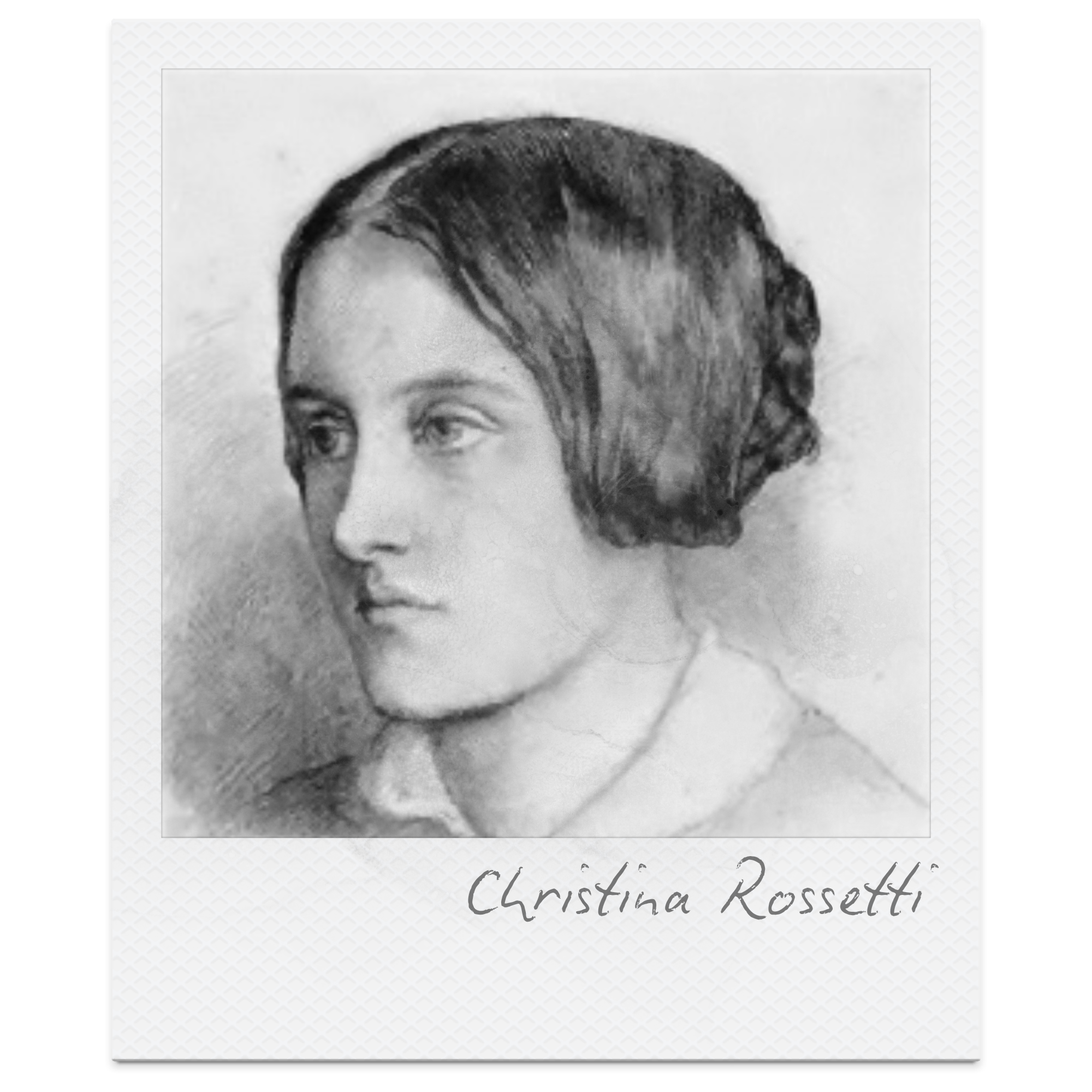
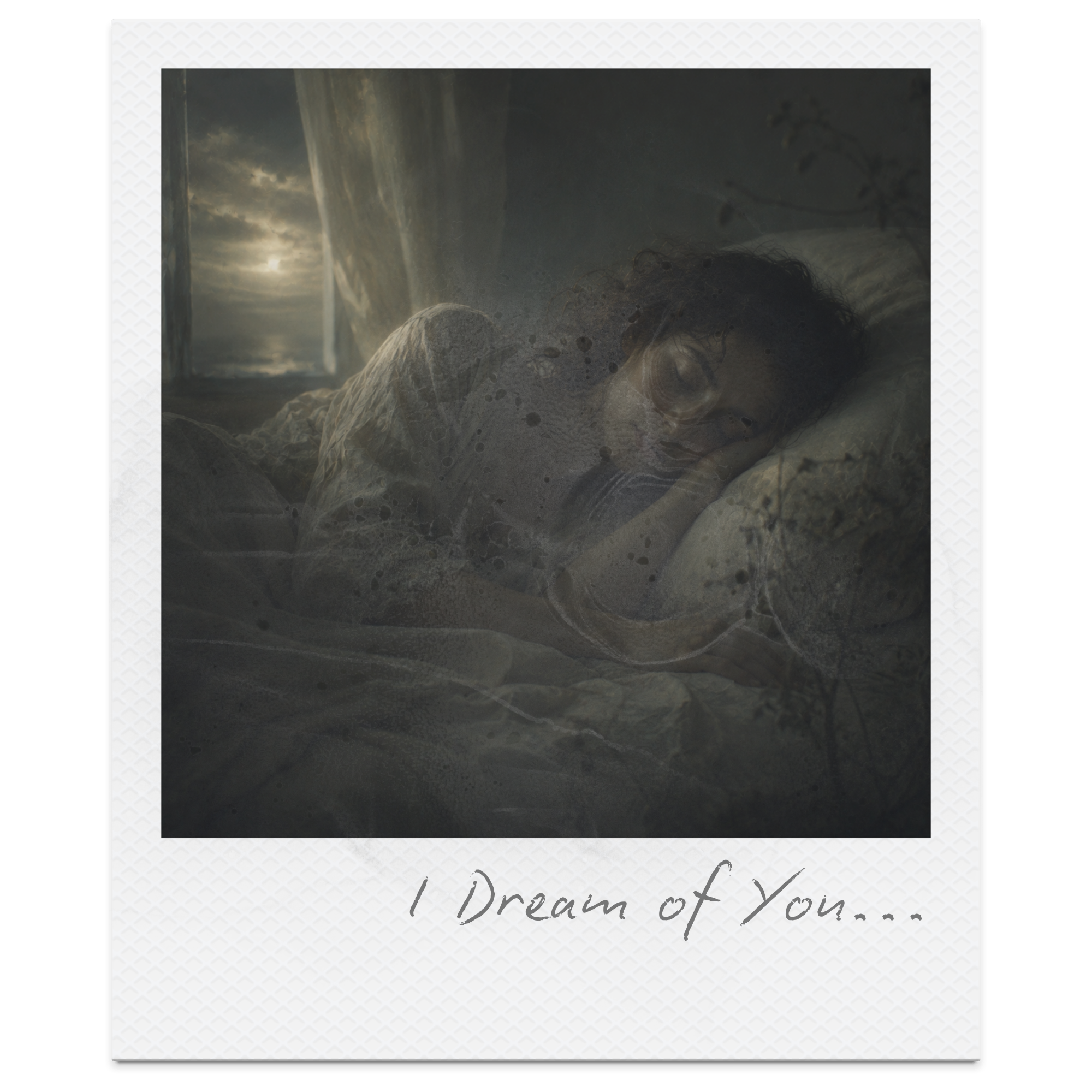
I Dream of You... - Christina Rossetti
A reflective Victorian sonnet exploring love, longing, dreams, absence, memory, faith, and mortality. Through the contrast between dream fulfilment and waking reality, Rossetti examines emotional separation, the desire for lasting connection, and the possibility that spiritual or eternal fulfilment may exist beyond the limitations of earthly life. Ideal for studying sonnet form, dream symbolism, light imagery, philosophical love poetry, and the relationship between love and loss in Victorian literature.
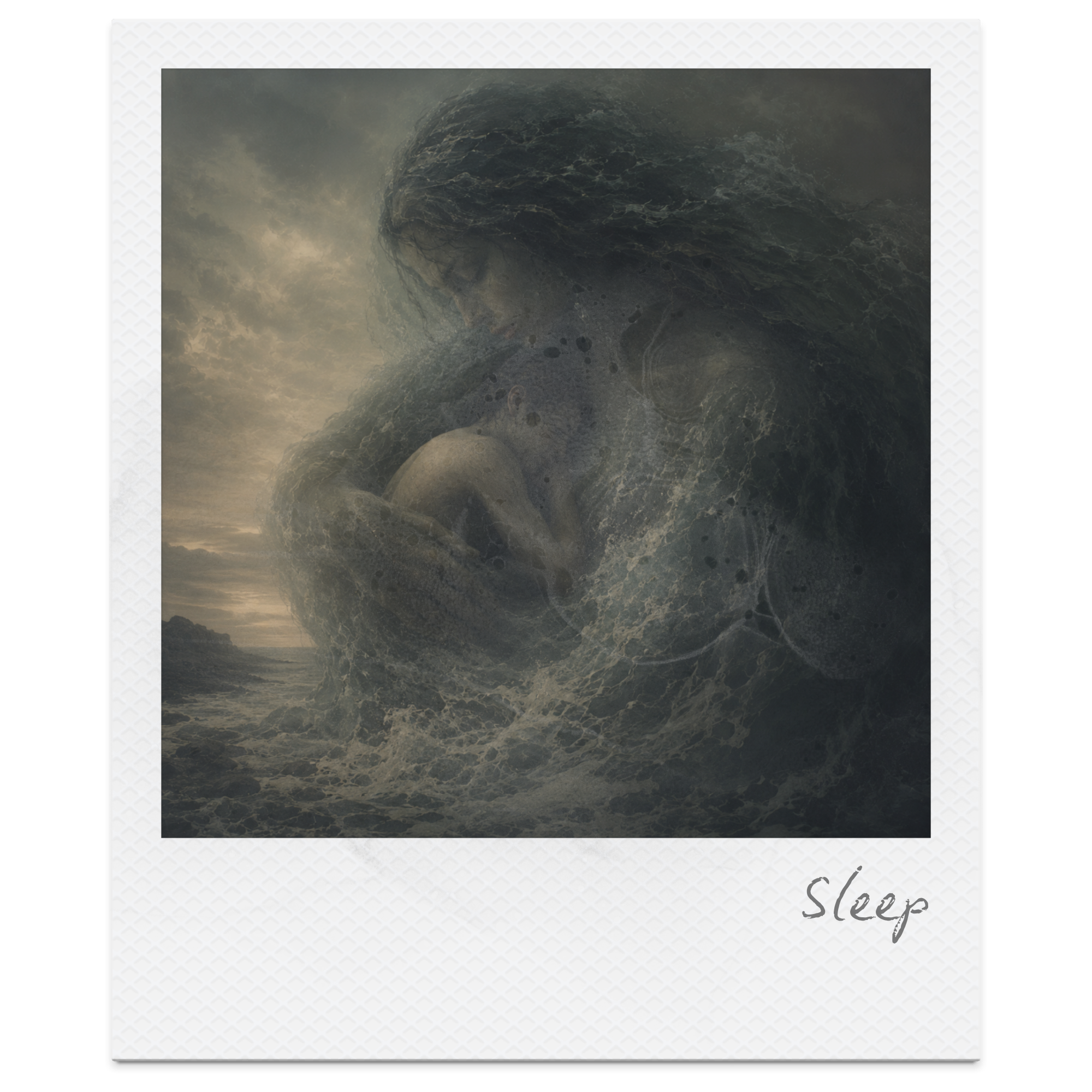
Sleep – Kenneth Slessor
A richly symbolic and thought-provoking poem exploring sleep, death, rebirth, the unconscious, identity, mortality, surrender, transformation, and cyclical existence, revealing how the boundaries between life and death, consciousness and oblivion, safety and vulnerability become increasingly blurred while examining humanity's desire for rest, renewal, and escape from the burdens of waking life.
Choose Your Next Author or Collection
Looking for your next text? Explore other authors and literature collections, with clear analysis, study guides, and teaching resources to support revision and deeper understanding.