London Snow by Robert Bridges: Analysis of Nature, Wonder & Transformation
Snow is often associated with beauty, transformation, and wonder, but Robert Bridges' London Snow explores more than a simple winter scene. Through rich sensory imagery, musical language, and detailed observation, Bridges captures a rare snowfall that temporarily transforms the busy city of London into a place of silence, reflection, and shared amazement. The poem examines the power of the natural world to interrupt routine, unite people through a common experience, and reveal beauty within familiar surroundings.
If you are teaching or studying CIE AS & A Level Literature in English (9695), be sure to explore our Songs of Ourselves: Volume 2 Hub and Literature Library for more poetry analysis, revision resources, and classroom materials.
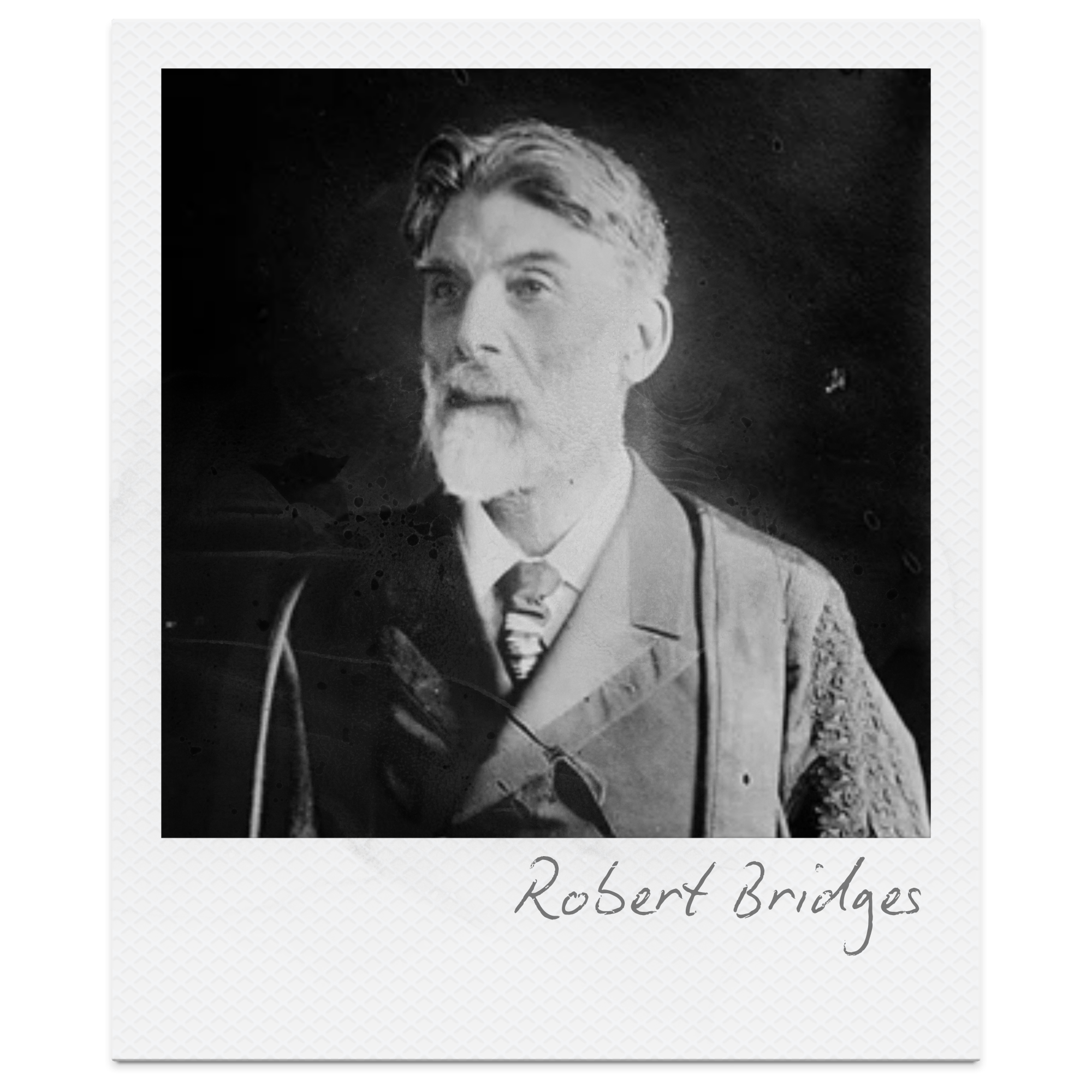
Context of London Snow
Robert Bridges (1844–1930) was a British poet who served as Poet Laureate from 1913 until his death. Although Bridges wrote during a period of rapid industrialisation and urban growth, he often explored the beauty of the natural world and the relationship between nature and everyday life. His poetry is known for its careful attention to sound, rhythm, and visual detail.
Published in 1890, London Snow describes a heavy snowfall that transforms the city overnight. During the late Victorian period, London was one of the largest and busiest cities in the world, characterised by crowded streets, industry, and constant movement. Against this backdrop, the snowfall appears almost magical, temporarily silencing the city and replacing noise, dirt, and routine with beauty and wonder.
The poem reflects Victorian fascination with both the modern city and the natural world. Rather than presenting nature and urban life as opposites, Bridges shows how a single natural event can alter people's perceptions, interrupt daily routines, and create a shared sense of amazement among people from different walks of life.
London Snow: At a Glance
◆ Form: A descriptive lyric poem that combines vivid observation with reflection, charting the transformation of London over the course of a single winter morning.
◆ Tone and Emotional Movement: Moves from quiet wonder and anticipation, to amazement and delight, before ending with a more reflective appreciation of nature's temporary power over everyday life.
◆ Central Tensions: Nature versus urban life; stillness versus activity; beauty versus routine; temporary transformation versus the return of ordinary existence.
◆ Core Concerns: The transformative power of nature, collective human experience, perception, beauty in everyday life, and the interruption of routine.
◆ Dominant Imagery: Snow, whiteness, silence, light, brightness, streets, rooftops, children at play, workers moving through the city, and the contrast between natural beauty and urban industry.
◆ Stylistic Features: Rich sensory imagery, personification, alliteration, sibilance, detailed visual description, dynamic movement, and a highly musical use of sound.
◆ Key Themes: Nature, transformation, wonder, community, perception, beauty, routine, urban life, and renewal.
◆ One-Sentence Interpretation: Bridges presents the snowfall as a rare force that temporarily transforms London, allowing people from all walks of life to experience wonder, beauty, and a shared sense of connection before everyday routines inevitably return.
Quick Summary of London Snow
The poem begins with snow falling silently during the night while the people of London sleep. As it settles across the city, it covers roads, rooftops, railings, and buildings, muffling the usual sounds of urban life and transforming the familiar landscape into a scene of remarkable beauty and stillness.
By morning, the snowfall has completely changed the appearance of the city. The bright whiteness of the snow astonishes those who wake to find London covered in an unfamiliar blanket of white. The usual noises of traffic and movement have disappeared, creating an atmosphere of unusual silence and calm.
As people venture outside, children delight in the snow, throwing snowballs, playing in drifts, and marvelling at the transformed trees and streets. The snowfall becomes a source of excitement, wonder, and shared enjoyment.
Gradually, daily life begins to return. Carts move through the streets, the sun rises over the city, and people emerge from their homes. Workers make their way towards their jobs, and the city slowly starts to wake from its temporary pause.
By the end of the poem, London is returning to its normal routines. However, Bridges suggests that even those burdened by labour, responsibility, and routine are briefly lifted by the beauty of the snow. For a short time, the transformed city allows people to experience wonder, appreciation, and a sense of shared connection before ordinary life resumes.
Title, Form, Structure and Metre of London Snow
The formal qualities of London Snow are central to its meaning. Bridges combines an intricate rhyme scheme with fluid rhythms and rich sound patterns to mirror the movement of falling snow and the gradual transformation of the city. While the poem celebrates a fleeting natural event, its carefully controlled structure creates a sense of harmony, unity, and order that reflects the temporary perfection the snowfall brings to London.
The Title: Simplicity and Transformation
The title, London Snow, appears deceptively straightforward. It simply identifies a weather event in a specific location. However, the poem quickly reveals that the snowfall is far more than a piece of meteorological description.
By placing London alongside snow, Bridges immediately juxtaposes the urban and the natural. London is associated with industry, labour, crowds, and routine, while the snow introduces silence, beauty, and wonder. The title therefore establishes the poem's central tension between daily urban life and the transformative power of nature.
Form: A Narrative Lyric
Although London Snow does not belong to a fixed poetic form such as a sonnet or ode, it functions as a lyric poem that combines description with reflection.
The poem follows a clear chronological progression:
◆ The snowfall during the night
◆ The city's awakening
◆ People's reactions to the transformed landscape
◆ The gradual return of ordinary life
This movement gives the poem a subtle narrative structure while maintaining the reflective qualities of lyric poetry. Rather than focusing on dramatic events, Bridges explores how a single natural occurrence alters perception and experience.
Structure: From Silence to Activity
The poem is organised into four broad movements that trace the city's changing relationship with the snow.
Overnight Transformation
The opening section focuses entirely on the snowfall itself. Human activity disappears as the snow quietly covers the city, creating an atmosphere of stillness and mystery.
Collective Wonder
The second movement captures London's awakening. Citizens encounter a familiar city made unfamiliar by snow, creating a sense of amazement and discovery.
Joyful Interaction
The third movement shifts attention towards the people themselves, particularly the children who embrace the snow with excitement and spontaneity.
Return to Reality
The final section gradually reintroduces labour, routine, and movement. Paths are cleared, people travel to work, and the city resumes its normal rhythms. Yet the memory of the snowfall's beauty lingers.
This progression creates a temporary cycle of transformation, wonder, and restoration, reinforcing the idea that beauty can interrupt routine even if it cannot permanently replace it.
Rhyme Scheme: The Interlocking Movement of Terza Rima
One of the poem's most striking formal features is its use of terza rima, an interlocking rhyme scheme associated with Dante's Divine Comedy.
The opening pattern follows:
◆ flying (A)
◆ brown (B)
◆ lying (A)
◆ town (B)
◆ failing (C)
◆ down (B)
◆ veiling (C)
This creates the interlocking structure:
ABA BCB CDC DED...
Unlike many rhyme schemes that provide clear pauses, terza rima continually pushes the reader forward because each stanza generates the rhyme for the next. The pattern therefore mirrors the snow itself, which moves continuously across the city without interruption.
The linked rhymes also reinforce ideas of unity, connection, and continuity, reflecting how the snow temporarily brings the city together beneath a single white covering.
The Final Disruption
The poem's concluding line is especially significant because it breaks the established pattern.
After a poem built upon harmony and interconnectedness, the final line extends beyond the regular structure and ends with the word "broken."
This structural disruption mirrors the poem's meaning. Just as Londoners gradually destroy the pristine snow through their daily activities, the poem itself disrupts its own formal perfection. Form and meaning therefore work together to emphasise the temporary nature of beauty and wonder.
Metre: Controlled Irregularity
The poem does not maintain a strict metrical pattern throughout. Instead, Bridges blends moments of iambic rhythm with more flexible stress patterns that imitate natural speech and the movement of falling snow.
The opening line is broadly close to iambic pentameter:
when MEN | were ALL | aSLEEP | the SNOW | came FLY-ing
The rhythm generally follows an unstressed–stressed pattern, creating a smooth and flowing movement. However, the extra unstressed syllable at the end of flying softens the line's conclusion, allowing it to drift away rather than stop abruptly. This mirrors the gentle descent of the snow itself.
Variations in Stress
Bridges frequently departs from regular iambic patterns in order to draw attention to key images.
For example:
In LARGE WHITE FLAKES falling on the city BROWN
The opening phrase contains several strongly stressed syllables clustered together:
LARGE WHITE FLAKES
This emphasis makes the snow feel physically present and substantial, immediately drawing the reader's attention to its size and visual impact.
Similarly, words such as:
◆ FALL-ing
◆ FLOAT-ing
◆ DRIFT-ing
◆ SIFT-ing
often begin with a strong stress before softening, creating miniature rhythmic movements that imitate the action they describe.
Rhythm and the Movement of Snow
Many lines contain long sequences of unstressed syllables after an initial strong beat:
STEALTHily and perpetually settling and loosely lying
SILENTly sifting and veiling road, roof and railing
Rather than producing a rigid marching rhythm, these lines create a gentle, drifting movement. The stresses seem to spread across the line much as the snow spreads across the city, helping form and meaning work together.
Sound, Flow and Continuity
Bridges frequently uses enjambment to carry meaning across line endings. This prevents the poem from feeling static and helps create a sense of continuous movement.
The flowing syntax mirrors:
◆ Falling snow
◆ Drifting flakes
◆ Spreading whiteness
◆ The gradual unfolding of morning
Combined with the interlocking rhyme scheme and varied metre, these techniques create a poem whose sound patterns constantly reinforce its central image of a city being gently transformed by nature.
Voice, Perspective and Emotional Conflict of London Snow
The speaker's perspective is central to the poem's impact. Bridges presents a voice that is both participant and observer, allowing readers to experience the snowfall while also reflecting on its wider significance. As the poem progresses, the speaker moves between intimate personal observation and a broader awareness of the city's collective experience, creating a voice that feels both individual and universal.
Speaker: Observer and Participant
The poem is narrated by a first-person speaker who witnesses the transformation of London and records the responses of its inhabitants. At times, the speaker appears almost omniscient, describing the snow falling throughout the night despite the fact that "men were all asleep."
However, the poem later becomes more personal:
"Then boys I heard, as they went to school, calling,"
The use of "I heard" reminds readers that the poem is grounded in lived experience. The speaker is not simply describing an abstract scene but observing events unfold around them.
This dual perspective allows the poem to balance personal wonder with broader social observation.
Perspective: From Individual Observation to Collective Experience
One of the poem's most striking features is the way the speaker's perspective gradually expands.
The poem begins by focusing on the snow itself as it covers the city. Attention then shifts towards the reactions of individual Londoners before broadening further to encompass the city as a whole.
By the final stanza, the speaker confidently describes the thoughts and feelings of workers travelling to their jobs:
"But even for them awhile no cares encumber"
This movement from specific observation to collective experience reinforces one of the poem's central ideas: the snowfall creates a rare moment of shared wonder that transcends social divisions and everyday concerns.
Tone: Wonder and Admiration
Throughout much of the poem, the speaker adopts a tone of amazement, admiration, and delight.
The repeated emphasis on visual beauty reflects this sense of wonder:
"The eye marvelled—marvelled at the dazzling whiteness;"
The repetition of "marvelled" conveys genuine astonishment, suggesting that even familiar surroundings can become extraordinary when viewed from a different perspective.
Rather than presenting the snowfall as an inconvenience, the speaker consistently emphasises its ability to transform perception and encourage appreciation.
The Emotional Movement of the Voice
Although the poem remains broadly celebratory, the speaker's emotional perspective evolves as the poem progresses.
The opening sections focus on:
◆ Silence
◆ Mystery
◆ Transformation
The middle of the poem shifts towards:
◆ Excitement
◆ Discovery
◆ Collective joy
The final stanzas introduce:
◆ Routine
◆ Labour
◆ Responsibility
Yet the speaker avoids becoming pessimistic. Instead, the poem suggests that beauty retains the power to interrupt ordinary life, even if only temporarily.
This emotional progression prevents the poem from becoming merely descriptive. The snowfall becomes a lens through which the speaker explores the relationship between wonder and routine.
Distance and Intimacy
The speaker occupies an interesting position within the poem. At times, the voice feels intimate and personal, particularly when describing direct observations of the children playing in the snow.
At other moments, the perspective becomes much more detached, surveying the entire city from a wider viewpoint.
This fluctuation between closeness and distance mirrors the poem's broader concern with perspective. Just as the snow changes how London is seen, the speaker continually shifts between individual experience and collective understanding.
Emotional Conflict: Wonder Versus Routine
The poem's central emotional tension lies between the temporary beauty created by the snowfall and the inevitable return of everyday life.
The speaker clearly delights in the transformation of the city, yet there is also an awareness that this moment cannot last. Paths are cleared, people return to work, and the snow's untouched beauty gradually disappears.
However, Bridges does not present this as a wholly negative development. Instead, the poem suggests that moments of wonder gain significance precisely because they are temporary. The speaker recognises both the necessity of daily life and the value of those rare experiences that allow people to see the world afresh.
The Universal Voice
Although the speaker remains largely anonymous, this lack of specificity strengthens the poem's impact. Rather than functioning as a highly individual character, the speaker becomes a representative observer whose response readers can easily share.
As a result, the poem's final impression is not simply of one person's reaction to snow, but of a collective human capacity for wonder, appreciation, and renewed perception. Through the speaker's voice, Bridges suggests that beauty can momentarily unite people who would otherwise remain separated by routine, work, and social difference.
Line-by-Line Analysis of London Snow
A close reading of London Snow reveals how Bridges presents snow as a transformative force that temporarily alters both the city and the people within it. The poem moves from silent night-time snowfall, to morning wonder, to childish delight, and finally to the return of work and routine. Through sensory imagery, sound patterns, religious allusion, and shifting perspective, Bridges shows how beauty can briefly interrupt ordinary life.
Lines 1–9: The Snow Transforms the City
The poem begins with a sense of secrecy and quiet enchantment: "When men were all asleep the snow came flying." The fact that the snow arrives while people are sleeping gives it a mysterious and almost magical quality. Human activity is suspended, allowing nature to act without interruption. The verb "flying" gives the snow movement and energy, suggesting that it is not passive but actively entering and transforming the city.
Bridges immediately contrasts the snow with the urban landscape through the image of "large white flakes falling on the city brown." The contrast between white and brown is important because it presents the snow as a purifying force falling upon a darker, dirtier city. Victorian London was often associated with smoke, industry, mud, and pollution, so the whiteness of the snow temporarily covers the signs of urban life.
The repeated adverbs in "Stealthily and perpetually settling and loosely lying" create a soft, continuous rhythm. Words such as "stealthily," "settling," and "lying" suggest quiet movement, while "perpetually" emphasises that the snowfall continues without pause. Bridges uses sibilance and gentle consonant sounds to imitate the quiet descent of snow.
The snow begins to silence the city, "Hushing the latest traffic of the drowsy town." The personification of the snow as something capable of "hushing" the traffic makes it seem almost tender and deliberate. London itself becomes "drowsy," as if the city is being soothed into sleep. This creates a strong contrast between the usual noise of urban life and the unusual stillness created by the snowfall.
The line "Deadening, muffling, stifling its murmurs failing" intensifies this effect. The list of present participles shows the snow gradually suppressing sound. "Deadening" and "stifling" might seem negative, but within the poem they contribute to the peaceful transformation of the city. The usual "murmurs" of London are fading, allowing silence to take their place.
In "Lazily and incessantly floating down and down," Bridges combines slowness with persistence. "Lazily" suggests grace and softness, while "incessantly" suggests that the snow has quiet power because it does not stop. The repetition of "down and down" visually and rhythmically mimics the snow's descent.
The phrase "Silently sifting and veiling road, roof and railing" presents the snow as both delicate and transformative. "Sifting" suggests fine movement, while "veiling" implies concealment. The snow covers the ordinary surfaces of the city, making familiar objects appear strange and beautiful.
The snow is also described as "Hiding difference, making unevenness even." This line gives the snow symbolic significance. Literally, it smooths out rough surfaces; more broadly, it temporarily removes visible distinctions. The city becomes unified beneath one white covering, suggesting a brief suspension of social difference, disorder, and division.
The opening movement ends with the snow drifting "Into angles and crevices softly drifting and sailing." The phrase suggests that the snow reaches even hidden spaces, filling the city completely. The verbs "drifting" and "sailing" create a graceful, fluid rhythm, reinforcing the idea that nature is gently but thoroughly reshaping London.
Lines 10–18: Morning Wonder and Unfamiliar Brightness
The poem then shifts from night to morning: "All night it fell, and when full inches seven / It lay in the depth of its uncompacted lightness." The measurement "full inches seven" gives the snowfall a physical reality, but "uncompacted lightness" keeps the image delicate. Bridges captures the paradox of snow as something that has depth and weight, yet still appears airy and fragile.
When "The clouds blew off from a high and frosty heaven," the poem opens upwards. The image of "heaven" introduces a spiritual quality, suggesting that the snow has transformed London into something almost sacred. The sky clearing after the snowfall allows light to enter the scene, preparing for the city's collective awakening.
The people wake "earlier for the unaccustomed brightness / Of the winter dawning." The word "unaccustomed" shows that this beauty is rare. Londoners are not simply waking to another ordinary morning; they are drawn out of routine by something unfamiliar and startling.
Bridges describes the light as "the strange unheavenly glare." This phrase is especially interesting because it complicates the beauty of the scene. Although the snow has been associated with "heaven," its brightness is also "unheavenly," suggesting something unnatural, dazzling, or overwhelming. The snow makes the familiar city feel almost otherworldly.
The repeated phrase "The eye marvelled—marvelled at the dazzling whiteness" captures the intensity of visual wonder. The repetition of "marvelled" slows the line and emphasises the speaker's astonishment. The snow has not merely changed what people see; it has changed how they see. The ordinary city becomes a source of amazement.
The poem then shifts from sight to sound: "The ear hearkened to the stillness of the solemn air." The elevated verb "hearkened" gives the act of listening a formal, almost reverent quality. The "solemn air" suggests that the silence created by the snow is not empty but meaningful.
This silence is clarified through absence: "No sound of wheel rumbling nor of foot falling." The usual sounds of transport and human movement have disappeared. Bridges defines the transformed city by what is missing, allowing readers to feel the extraordinary quietness of the morning.
Even the "busy morning cries came thin and spare." The city's normal commercial and social sounds are weakened. "Thin and spare" suggests fragility, as though human noise has lost its usual power. Nature, through snow, has temporarily overruled the city.
Lines 19–27: Children, Play and Shared Wonder
The poem becomes more personal when the speaker says, "Then boys I heard, as they went to school, calling." The first-person phrase "I heard" brings the poem closer to lived experience. After the broad description of the city, the speaker now focuses on a specific human response: the delight of children.
The boys "gathered up the crystal manna to freeze / Their tongues with tasting, their hands with snowballing." The phrase "crystal manna" is rich in meaning. "Crystal" emphasises the snow's glittering beauty, while "manna" recalls the biblical food sent from heaven. This allusion suggests that the snow feels like a miraculous gift, especially to the children.
Their response is physical and joyful. They taste the snow, handle it, and turn it into play. The repeated focus on "tongues" and "hands" makes the experience strongly sensory, showing that the children engage with the transformed world directly rather than simply observing it.
The phrase "Or rioted in a drift, plunging up to the knees" captures uncontrolled excitement. "Rioted" suggests exuberant disorder, but here it is harmless and celebratory. The snow temporarily releases the children from ordinary discipline and routine.
The image of boys "peering up from under the white-mossed wonder" presents the snow-covered world as strange and enchanted. "White-mossed" makes the trees and landscape appear unfamiliar, as if London has been turned into a magical woodland. The children's cry, "'O look at the trees!' they cried, 'O look at the trees!'" expresses pure astonishment. The repetition conveys spontaneous delight and shows how the snow renews their perception of ordinary things.
Lines 28–36: The Return of Work and Routine
The poem then begins to reintroduce everyday movement: "With lessened load a few carts creak and blunder." The harsh sounds in "creak and blunder" disturb the earlier silence. The carts seem awkward and heavy, suggesting that normal urban life is returning, but not yet smoothly.
They move along "the white deserted way," which shows that the snow still dominates the landscape. The city is not fully restored to its usual busyness. It remains altered, emptied, and strangely beautiful.
The phrase "A country company long dispersed asunder" is unusual because it makes the carts seem rural rather than urban. Snow has temporarily made London resemble the countryside, softening its industrial identity. The city appears less modern, less crowded, and more connected to the natural world.
The sun then appears "in pale display / Standing by Paul's high dome." The reference to St Paul's Cathedral anchors the poem firmly in London, while also adding grandeur and spiritual resonance. The sun standing beside the dome creates a majestic image in which nature and architecture briefly coexist.
The sun "spread forth below / His sparkling beams, and awoke the stir of the day." This marks a turning point. The beauty of the snow remains, but the city is beginning to move again. "Awoke" suggests that London is returning from the dreamlike pause created by the snowfall.
The phrase "For now doors open, and war is waged with the snow" sharply changes the tone. The metaphor of "war" suggests conflict between human routine and natural beauty. People must clear paths, resume work, and reclaim the city from the snow's temporary rule.
The workers are described as "trains of sombre men, past tale of number." The word "sombre" contrasts strongly with the children's joy. These men are associated with duty, repetition, and seriousness. "Past tale of number" suggests a vast, almost anonymous crowd, reinforcing the scale of urban labour.
They "Tread long brown paths, as toward their toil they go." The return of "brown" is significant because it echoes the "city brown" from the opening. The snow's white covering is being broken by human movement, and the old city is reappearing beneath the temporary beauty.
Lines 37–38: Beauty Broken, But Not Forgotten
The final lines soften the return to routine by suggesting that even the workers are changed for a moment: "But even for them awhile no cares encumber / Their minds diverted." The phrase "even for them" implies that these men are usually burdened by labour and responsibility, but the snow briefly interrupts their worries.
"The daily word is unspoken" suggests that normal conversation and habitual complaint are suspended. Ordinary language fails or becomes unnecessary in the face of beauty. The snow creates a rare pause in which people do not immediately return to their usual thoughts.
Similarly, "The daily thoughts of labour and sorrow slumber" personifies anxiety as something that can sleep. Bridges suggests that the snow does not remove hardship permanently, but it allows sorrow to rest for a short time. This makes the poem's ending both uplifting and realistic.
The final line, "At the sight of the beauty that greets them, for the charm they have broken," captures the poem's central tension. The workers are moved by the beauty of the snow even as their footsteps help destroy it. The word "charm" suggests magic, enchantment, and temporary wonder, while "broken" confirms that such beauty cannot last.
The poem ends with this delicate contradiction. Human life must continue, and routine inevitably returns, yet the snowfall has still mattered. For a brief moment, it has transformed London, united its people, and revealed beauty within the ordinary world.
Key Quotes and Literary Methods in London Snow
The following quotations highlight some of the poem's most significant images, ideas, and literary methods. Together, they reveal how Bridges transforms a simple snowfall into a meditation on wonder, community, and the temporary suspension of everyday life.
"When men were all asleep the snow came flying"
◆ Method: Personification, dynamic verb, atmospheric opening
◆ Interpretation: The snow is presented as an active force that arrives while humanity is unaware.
◆ Why Bridges uses it: To create a sense of mystery and transformation from the very beginning.
◆ Effect: Readers experience the snowfall as something magical and almost supernatural.
◆ Broader significance: Establishes nature as a powerful force capable of reshaping the urban environment.
"Hushing the latest traffic of the drowsy town"
◆ Method: Personification, auditory imagery
◆ Interpretation: The snow appears to quieten and soothe the city.
◆ Why Bridges uses it: To emphasise the contrast between London's usual noise and the silence created by the snowfall.
◆ Effect: Creates a peaceful, dreamlike atmosphere.
◆ Broader significance: Suggests that nature can temporarily overpower human activity.
"Hiding difference, making unevenness even"
◆ Method: Symbolism, contrast, parallel structure
◆ Interpretation: The snow physically smooths the city while symbolically removing visible distinctions.
◆ Why Bridges uses it: To highlight the unifying effect of the snowfall.
◆ Effect: Encourages readers to view the snow as a force of equality and transformation.
◆ Broader significance: Suggests a temporary suspension of social and physical divisions.
"The clouds blew off from a high and frosty heaven"
◆ Method: Religious imagery, elevated diction
◆ Interpretation: The sky is presented in almost spiritual terms.
◆ Why Bridges uses it: To elevate the snowfall beyond a simple weather event.
◆ Effect: Creates a sense of awe and grandeur.
◆ Broader significance: Links the snow to ideas of purity, wonder, and transcendence.
"The eye marvelled—marvelled at the dazzling whiteness"
◆ Method: Repetition, visual imagery
◆ Interpretation: The speaker struggles to express the intensity of the scene.
◆ Why Bridges uses it: To convey genuine astonishment.
◆ Effect: The repeated verb slows the line and emphasises wonder.
◆ Broader significance: Demonstrates how beauty can transform perception.
"The ear hearkened to the stillness of the solemn air"
◆ Method: Auditory imagery, personification
◆ Interpretation: Silence becomes something that can be actively experienced.
◆ Why Bridges uses it: To draw attention to the unusual quietness created by the snow.
◆ Effect: Creates a contemplative and almost reverential mood.
◆ Broader significance: Highlights the poem's fascination with altered sensory experience.
"the crystal manna"
◆ Method: Biblical allusion, metaphor
◆ Interpretation: The snow is compared to the miraculous food provided by God in the Bible.
◆ Why Bridges uses it: To suggest that the snowfall feels like a gift.
◆ Effect: Elevates the children's delight into something almost sacred.
◆ Broader significance: Reinforces themes of wonder, abundance, and shared experience.
"'O look at the trees!'"
◆ Method: Direct speech, repetition, exclamation
◆ Interpretation: The children respond to the transformed landscape with spontaneous amazement.
◆ Why Bridges uses it: To capture authentic joy and excitement.
◆ Effect: Introduces energy and immediacy into the poem.
◆ Broader significance: Shows how the snow encourages people to see familiar things anew.
"war is waged with the snow"
◆ Method: Extended metaphor, conflict imagery
◆ Interpretation: Human activity begins to fight against the snow's temporary dominance.
◆ Why Bridges uses it: To mark the return of routine and practicality.
◆ Effect: Creates a noticeable tonal shift.
◆ Broader significance: Reflects the tension between nature's beauty and the demands of everyday life.
"The daily thoughts of labour and sorrow slumber"
◆ Method: Personification, alliteration
◆ Interpretation: Worry and hardship are temporarily put to sleep.
◆ Why Bridges uses it: To show the emotional impact of the snowfall.
◆ Effect: Creates a sense of relief and respite.
◆ Broader significance: Suggests that beauty can momentarily free people from routine burdens.
"the beauty that greets them, for the charm they have broken"
◆ Method: Juxtaposition, symbolism
◆ Interpretation: The workers admire the snow even as they contribute to its destruction.
◆ Why Bridges uses it: To capture the poem's central paradox.
◆ Effect: Creates a bittersweet ending.
◆ Broader significance: Suggests that moments of beauty are often most meaningful because they are temporary.
Key Techniques in London Snow
Bridges' poem is often remembered for its vivid description of a snowfall, but its power comes equally from the literary techniques that shape the reader's experience. Through carefully controlled sound patterns, personification, sensory imagery, and structural contrasts, Bridges transforms a familiar weather event into a meditation on wonder, community, and the temporary suspension of everyday life.
Alliteration
Alliteration plays a crucial role in shaping both the sound and meaning of the poem. Bridges frequently uses soft consonants to mirror the gentle movement of the falling snow.
In phrases such as "flakes falling," "Silently sifting," and "softly drifting and sailing," the repeated sounds create a flowing rhythm that mimics the snow's gradual descent. These patterns help establish the atmosphere of quiet transformation that dominates the opening sections of the poem.
Bridges also uses alliteration to unify groups and experiences. The phrase "country company" creates a sense of collective identity, while the repeated hard sounds in "toward their toil" imitate the repetitive movement of workers returning to their daily routines.
As a result, alliteration functions not only as a musical device but also as a way of reinforcing the poem's themes of connection, shared experience, and collective identity.
Sibilance
The poem is saturated with sibilance, particularly during the description of the snowfall itself.
Phrases such as:
◆ "Stealthily and perpetually settling"
◆ "Silently sifting and veiling"
◆ "softly drifting and sailing"
create a whispering effect through repeated s sounds.
This technique imitates the almost inaudible movement of snow as it settles across the city. The sound pattern reinforces the poem's emphasis on silence, stillness, and gradual transformation.
The effect is almost hypnotic, allowing readers to experience the snowfall as something gentle, continuous, and strangely calming.
Assonance and Consonance
Bridges frequently combines repeated vowel and consonant sounds to create musicality and cohesion.
The repeated long vowel sounds in phrases such as "road, roof and railing" slow the pace and encourage readers to linger over the transformed landscape. Similarly, recurring consonant patterns help connect separate images, creating the sense that the city is being unified beneath a single covering of snow.
These sound patterns contribute to the poem's central idea that the snowfall temporarily removes distinctions and creates a shared visual and emotional experience.
Personification
Throughout the poem, the snow behaves almost like a living presence.
It is described as:
◆ "Hushing" traffic
◆ "Deadening" sounds
◆ "Hiding difference"
◆ "Making unevenness even"
These actions suggest intention and agency. The snow does not merely fall upon the city; it actively reshapes it.
This personification transforms the snowfall into a powerful force capable of altering both the physical environment and the behaviour of its inhabitants. Nature becomes an active participant in the poem rather than a passive backdrop.
Imagery
Imagery is one of the poem's most important techniques.
Bridges appeals to multiple senses:
◆ Visual imagery through the "dazzling whiteness" and "strange unheavenly glare"
◆ Auditory imagery through the disappearance of wheels, footsteps, and city sounds
◆ Tactile imagery through children freezing their tongues and hands while playing in the snow
The combination of sensory details immerses readers within the transformed city and emphasises the contrast between ordinary London and the snow-covered landscape.
Particularly significant is the recurring imagery of whiteness, which symbolises purity, unity, and renewal throughout the poem.
Religious Allusion
Several images introduce a subtle religious dimension to the snowfall.
The reference to "crystal manna" recalls the miraculous food provided to the Israelites in the Bible. This comparison transforms the snow from a simple weather event into something resembling a divine gift.
Similarly, references to "heaven" and Paul's high dome elevate the scene beyond ordinary observation.
These allusions encourage readers to view the snowfall as an experience that inspires reverence, gratitude, and wonder.
Repetition
Bridges uses repetition to emphasise moments of emotional intensity.
The most obvious example appears in:
"The eye marvelled—marvelled at the dazzling whiteness"
The repeated verb captures genuine astonishment and slows the rhythm of the line, allowing readers to share the speaker's wonder.
Similarly, the children's repeated cry:
"O look at the trees! O look at the trees!"
conveys spontaneous excitement and highlights the renewed perception created by the snowfall.
In both cases, repetition reinforces the idea that ordinary surroundings can become extraordinary when viewed through fresh eyes.
Enjambment
The poem relies heavily on enjambment, with sentences flowing across line endings rather than stopping neatly at the end of each line.
This technique mirrors:
◆ Falling snow
◆ Continuous movement
◆ Gradual accumulation
◆ The unfolding of the morning
The reader is constantly carried forward, just as the snow continues to spread across the city.
Enjambment therefore reinforces both the physical movement described in the poem and the sense of uninterrupted transformation.
Caesura
Bridges occasionally interrupts the poem's flow through carefully placed pauses.
The most notable example occurs in:
"The eye marvelled—marvelled at the dazzling whiteness"
The dash forces readers to pause before repeating the word "marvelled."
This moment of hesitation reflects the speaker's struggle to articulate the overwhelming beauty of the scene. The pause creates emphasis and allows the emotional significance of the snowfall to register more fully.
Asyndeton
At several points Bridges omits conjunctions in order to accelerate the accumulation of images and actions.
The sequence:
"Deadening, muffling, stifling"
creates a rapid succession of effects without interruption.
The lack of conjunctions gives the impression that the snow's influence is spreading continuously and irresistibly across the city. This technique reinforces the sense of momentum and total transformation.
Contrast and Juxtaposition
One of the poem's most important techniques is its use of contrast.
Bridges repeatedly places opposites alongside one another:
◆ White snow versus the "city brown"
◆ Silence versus urban noise
◆ Wonder versus routine
◆ Children's play versus adult labour
◆ Temporary beauty versus permanent responsibility
These juxtapositions help structure the poem's central tensions and emphasise the transformative power of the snowfall.
Symbolic Transformation
The snowfall functions as more than a literal weather event. As it covers roads, rooftops, and railings, it also symbolically covers the divisions, routines, and concerns of everyday life.
The line "Hiding difference, making unevenness even" captures this symbolic role perfectly. The snow becomes a force of temporary equality, creating a rare moment in which people from different backgrounds share the same experience of beauty and wonder.
Through this symbolic transformation, Bridges presents nature as capable of altering not only landscapes but also human perception itself.
Symbolism in London Snow
Although London Snow describes a real snowfall, many of its images operate on a symbolic level. Bridges uses the transformed cityscape to explore ideas about renewal, unity, wonder, and the relationship between nature and everyday life. As the poem progresses, the symbolic meaning of the snow expands beyond the physical landscape to encompass the people who experience it.
The Snow: Transformation and Renewal
The most important symbol in the poem is the snow itself.
On a literal level, it covers the city with a blanket of white. Symbolically, however, it represents renewal, possibility, and temporary escape from routine. The snowfall transforms familiar streets into something strange and beautiful, allowing people to see their surroundings with fresh eyes.
The snow also acts as a force that interrupts ordinary patterns of behaviour. Workers, children, and passers-by all respond differently to the transformed landscape, suggesting that beauty has the power to alter perception and momentarily reshape human experience.
Importantly, the snow is temporary. Its symbolic power lies partly in its impermanence, reminding readers that moments of wonder are often fleeting.
Whiteness: Purity and Unity
Throughout the poem, the recurring imagery of whiteness carries symbolic significance.
The contrast between the snow and the "city brown" suggests purification, with the white snow covering the dirt, smoke, and imperfections associated with urban life. The city appears cleaner, calmer, and more harmonious beneath its new covering.
However, whiteness also symbolises unity. The snow covers everything equally, regardless of social status, occupation, or location. This idea is captured most clearly in the phrase:
"Hiding difference, making unevenness even"
The whiteness therefore becomes a symbol of shared experience and temporary equality.
Silence: Reflection and Wonder
The unusual silence created by the snowfall functions as a symbol of reflection and altered perception.
As the snow deadens the sounds of traffic and movement, London becomes a place of stillness rather than activity. This silence allows people to notice details that would normally be overlooked.
The absence of noise symbolises a pause in the demands of everyday life. It creates space for contemplation, wonder, and appreciation, encouraging both the speaker and the city's inhabitants to engage with their surroundings more thoughtfully.
The Children: Unrestricted Wonder
The schoolboys represent a symbolic response to the transformed city.
Unlike the adults who will eventually return to work, the children immediately embrace the possibilities created by the snowfall. They play, explore, taste the snow, and marvel at the altered landscape.
As symbols, the children embody:
◆ Curiosity
◆ Imagination
◆ Joy
◆ Openness to experience
Their excitement contrasts with the routines that dominate adult life, suggesting that wonder is often linked to the ability to see the familiar as something new.
Crystal Manna: Gift and Blessing
The description of the snow as "crystal manna" introduces one of the poem's richest symbols.
In the Bible, manna is a miraculous gift provided to sustain people in difficult circumstances. By comparing the snow to manna, Bridges elevates it beyond a simple weather event.
The snow becomes a symbol of unexpected abundance and shared blessing. It is something freely given to everyone in the city, regardless of wealth or status. The image reinforces the poem's suggestion that beauty itself can be a form of nourishment.
The Trees: Renewed Perception
The children's repeated cry:
"O look at the trees!"
highlights the symbolic importance of the transformed landscape.
The trees themselves are ordinary and familiar, yet the snow makes them appear extraordinary. They symbolise the poem's broader argument that beauty often exists within everyday life but can go unnoticed until something changes our perspective.
The trees therefore become symbols of rediscovery, demonstrating how familiar objects can regain their power to inspire wonder.
The Brown Paths: The Return of Reality
Towards the end of the poem, the appearance of the "long brown paths" marks an important symbolic shift.
Earlier, the city was unified beneath a blanket of white. The reappearance of brown pathways signals the gradual return of routine, labour, and social reality.
These paths symbolise:
◆ Responsibility
◆ Work
◆ Habit
◆ The demands of ordinary life
Their appearance reminds readers that the transformative moment created by the snowfall cannot last indefinitely.
St Paul's Dome: Permanence and Perspective
The reference to Paul's high dome introduces a symbol of endurance and continuity.
While the snow is temporary, St Paul's Cathedral remains constant. The dome stands above the city, observing both the extraordinary snowfall and the inevitable return of daily life.
As a result, it symbolises permanence within change. It provides a reminder that while moments of wonder may be fleeting, they still become part of a larger human experience.
The Broken Charm: Beauty and Impermanence
The final image of "the charm they have broken" carries significant symbolic weight.
The charm represents the spell-like quality of the snow's transformation. It symbolises the rare moment when routine, worry, and social divisions are temporarily suspended.
However, the charm is inevitably broken as people return to work, clear pathways, and resume ordinary life. This does not diminish its importance. Instead, Bridges suggests that beauty gains meaning precisely because it cannot be preserved forever.
The broken charm becomes a symbol of the fragile nature of wonder itself, reminding readers to value moments of beauty while they last.
How Bridges Creates Meaning and Impact in London Snow
Bridges creates meaning in London Snow by transforming a simple weather event into a reflection on wonder, community, and the relationship between nature and everyday life. Through carefully layered imagery, sound patterns, and structural progression, the poem encourages readers to reconsider the familiar world around them and recognise how moments of beauty can alter perception.
One of the poem's most significant achievements is the way it presents the snowfall as a force of transformation. The snow does not merely cover the city; it changes how London is experienced. Roads, rooftops, and railings become unfamiliar, while noise is replaced by silence and movement gives way to stillness. By repeatedly emphasising altered sights and sounds, Bridges demonstrates how beauty can make ordinary surroundings appear extraordinary.
The poem also creates meaning through its exploration of collective experience. Although London is a vast city filled with people from different backgrounds, the snowfall temporarily unites its inhabitants. Children, workers, travellers, and observers all respond to the transformed landscape. The phrase "Hiding difference, making unevenness even" suggests that the snow symbolically removes divisions, creating a brief sense of shared identity and common wonder.
Bridges further develops meaning through his emphasis on sensory perception. The poem repeatedly focuses on seeing, hearing, touching, and experiencing the snow. The eye "marvelled" at the whiteness, while the ear "hearkened" to the silence. By foregrounding sensory experience, Bridges suggests that the snowfall changes not only the city itself but also the way people engage with the world around them.
A particularly important aspect of the poem is its tension between wonder and routine. For much of the poem, everyday responsibilities seem suspended. Children play freely, workers pause to admire the landscape, and worries momentarily disappear. However, Bridges never allows readers to forget that this transformation is temporary. The appearance of "long brown paths" and the declaration that "war is waged with the snow" signal the inevitable return of labour, movement, and ordinary life.
Yet the poem does not present this return as entirely negative. Instead, Bridges suggests that moments of beauty possess value precisely because they are fleeting. The workers eventually continue towards their "toil," but even they experience a brief respite from "labour and sorrow." The snowfall cannot permanently alter reality, but it can temporarily change how reality is perceived.
The ending encapsulates this idea through the image of "the charm they have broken." The word "charm" implies enchantment, magic, and wonder, while "broken" acknowledges the fragility of such experiences. The city's inhabitants inevitably destroy the perfect surface of the snow, yet the emotional impact of the experience remains. Bridges therefore suggests that beauty does not need to last forever in order to be meaningful.
Ultimately, London Snow presents nature as a force capable of interrupting routine, reshaping perception, and creating moments of shared human connection. Through its rich sensory detail, symbolic imagery, and gradual movement from silence to activity, the poem celebrates the ability of ordinary experiences to reveal unexpected beauty. Its lasting impact lies in its reminder that even within the demands of daily life, moments of wonder can still emerge and transform the way people see the world.
Central Ideas and Themes in London Snow
At first glance, London Snow appears to be a descriptive poem about a winter snowfall. However, Bridges uses the transformed landscape to explore broader ideas about human experience, perception, and the power of nature to interrupt ordinary life. The poem's themes are deeply interconnected, with each contributing to its exploration of beauty, community, and renewal.
Nature and Transformation
Nature is presented as a powerful force capable of reshaping both the physical environment and the people who inhabit it. The snowfall transforms London from a noisy, crowded city into a place of silence and wonder.
Bridges repeatedly emphasises the snow's ability to alter familiar surroundings. Roads, rooftops, and railings become part of a unified landscape, while the city's usual sounds disappear beneath the snow's influence. Nature therefore becomes a force of temporary transformation, demonstrating its ability to challenge the dominance of urban life.
Importantly, this transformation extends beyond the landscape itself. The snowfall changes how people think, feel, and respond to their surroundings, suggesting that nature possesses the power to reshape perception as well as place.
Wonder and Awe
One of the poem's central concerns is the experience of wonder.
The snowfall encourages people to see the world differently. The repeated description of astonishment, particularly in "The eye marvelled—marvelled at the dazzling whiteness," highlights the intensity of this response. Familiar streets suddenly appear extraordinary, while ordinary objects become sources of fascination.
The children's excitement reinforces this theme. Their repeated cry of "O look at the trees!" demonstrates how wonder often emerges when people pause to notice things they would normally overlook.
Bridges suggests that wonder is not reserved for rare or distant experiences. Instead, it can emerge unexpectedly within everyday life.
Community and Shared Experience
Although London is typically associated with crowds, work, and individual routines, the snowfall creates a moment of collective experience.
People from different backgrounds respond to the same transformed landscape. Children play in the snow, workers pause to admire it, and citizens wake to a shared sense of amazement. The phrase "Hiding difference, making unevenness even" suggests that the snowfall temporarily removes visible distinctions and creates a sense of unity.
Rather than focusing on individual achievement or personal reflection, Bridges highlights the communal nature of wonder. The snowfall becomes a rare experience that unites the city through shared appreciation.
Perception and Seeing the Familiar Anew
The poem repeatedly explores how perception can be altered.
The snow changes neither the city's buildings nor its streets, yet it transforms the way they are viewed. Familiar surroundings become strange, beautiful, and worthy of attention.
Bridges places particular emphasis on sight and hearing. The eye "marvelled" while the ear "hearkened" to the unusual silence. These sensory experiences suggest that the snowfall encourages people to engage with the world more attentively.
The poem therefore argues that beauty often exists within ordinary life but may remain unnoticed until something shifts our perspective.
Beauty in Everyday Life
Bridges finds extraordinary beauty within an otherwise ordinary event.
The snowfall is not associated with dramatic action or heroic achievement. Instead, the poem celebrates a moment that many people might experience in their daily lives. Through rich imagery and careful observation, Bridges elevates this simple occurrence into something memorable and profound.
The poem suggests that beauty is not necessarily rare. Rather, it often exists within familiar environments, waiting to be recognised. The snowfall simply allows people to see what was already there from a new perspective.
Routine and the Burdens of Daily Life
Alongside its celebration of wonder, the poem acknowledges the realities of routine.
The return of workers travelling towards their "toil" reminds readers that everyday responsibilities cannot be avoided indefinitely. Labour, obligation, and repetition remain unavoidable aspects of human life.
However, Bridges does not portray routine as entirely negative. Instead, he presents it as a necessary part of existence that occasionally needs to be interrupted by moments of beauty and reflection.
This tension between wonder and routine drives much of the poem's emotional complexity.
Urban Life and Nature
The poem continually explores the relationship between the natural world and the modern city.
London is initially presented as a place of traffic, movement, and noise. The snow temporarily disrupts these characteristics, replacing them with silence, stillness, and beauty.
Yet Bridges does not suggest that nature and urban life are entirely opposed. Instead, the snowfall reveals how nature can exist within the city, transforming it rather than replacing it.
The poem therefore challenges assumptions that beauty belongs only in rural landscapes. Even the busiest city can become a place of wonder when viewed differently.
Renewal and Temporary Escape
The snowfall functions as a symbol of renewal throughout the poem.
Its whiteness covers dirt, noise, and imperfection, creating the impression of a fresh beginning. For a brief period, worries seem less important and ordinary concerns recede into the background.
The workers' "labour and sorrow" temporarily "slumber," suggesting that the snowfall provides a momentary escape from the pressures of daily life. This renewal is not permanent, but its temporary nature makes it all the more valuable.
Bridges ultimately suggests that such moments of renewal play an essential role in human experience, offering respite, perspective, and emotional restoration.
The Fragility of Beautiful Moments
Running through all of these themes is an awareness of impermanence.
The snowfall's beauty cannot last. The city will return to normal, pathways will reappear, and the charm will be broken. Yet Bridges presents this fragility as part of the experience's significance.
The final image of "the charm they have broken" reminds readers that beauty is often temporary. Rather than diminishing its value, however, this impermanence makes the moment more precious.
The poem therefore concludes with a celebration not of permanence, but of the human capacity to recognise and appreciate fleeting moments of wonder before they disappear.
Alternative Interpretations of London Snow
One of the strengths of London Snow is its openness to multiple interpretations. While the poem can be read as a celebration of a winter snowfall, it also invites readers to consider broader questions about society, human perception, spiritual experience, and the nature of beauty itself.
Psychological Interpretation: The Need for Wonder
From a psychological perspective, the poem explores humanity's need for moments of wonder and emotional renewal.
The snowfall temporarily interrupts the routines that dominate daily life, allowing people to experience curiosity, delight, and amazement. Children embrace the transformed world instinctively, while even adults burdened by "labour and sorrow" find themselves distracted from their concerns.
This reading suggests that Bridges is interested in the restorative power of beauty and the importance of experiences that break habitual patterns of thought.
Social Interpretation: A Temporary Suspension of Division
The phrase "Hiding difference, making unevenness even" invites a social interpretation of the poem.
The snow covers the city equally, regardless of wealth, occupation, or social status. Children, workers, and observers all participate in the same experience of wonder. The transformed landscape briefly creates a sense of collective identity that transcends ordinary divisions.
However, the return of the "long brown paths" reminds readers that such equality is temporary. Social structures remain intact beneath the snow's surface, waiting to re-emerge.
Urban Interpretation: Nature Reclaiming the City
The poem can also be read as an exploration of the relationship between nature and urban life.
London is initially associated with traffic, labour, noise, and movement. The snowfall interrupts these characteristics, replacing them with silence and stillness. Nature appears capable of reclaiming the city, if only for a short time.
From this perspective, Bridges presents the natural world as a force that challenges the dominance of human industry and reminds people that urban environments remain vulnerable to natural processes.
Religious Interpretation: A Moment of Grace
The poem contains several images that support a religious or spiritual reading.
References to "heaven," "crystal manna," and St Paul's Cathedral elevate the snowfall beyond a simple weather event. The snow may be viewed as a symbolic gift, encouraging humility, gratitude, and reflection.
In this interpretation, the transformed city resembles a moment of grace in which ordinary concerns are temporarily set aside and people become more aware of beauty, wonder, and shared humanity.
Existential Interpretation: Meaning Within Impermanence
An existential reading focuses on the poem's awareness of transience.
The beauty created by the snowfall is temporary. The workers eventually break the "charm," the city returns to routine, and the moment passes. Yet Bridges does not present this impermanence as tragic.
Instead, the poem suggests that experiences gain value precisely because they do not last. The snowfall becomes a reminder that meaning can be found in fleeting moments rather than permanent conditions.
Romantic Interpretation: The Transformative Power of Nature
The poem shares many concerns with Romantic poetry, particularly its emphasis on nature's ability to alter perception.
The snowfall transforms ordinary surroundings into something extraordinary and encourages people to engage emotionally with the world around them. The speaker's focus on wonder, imagination, and sensory experience echoes Romantic beliefs about the importance of emotional and aesthetic responses to nature.
From this perspective, Bridges presents the natural world as a source of insight that allows people to see beyond routine and recognise beauty in the familiar.
Philosophical Interpretation: Beauty as a Shared Human Experience
The poem can also be interpreted as an exploration of beauty itself.
Throughout the poem, people from different backgrounds respond to the snowfall in remarkably similar ways. Children play, adults marvel, and workers temporarily forget their worries. Beauty becomes a shared experience that transcends individual differences.
This interpretation suggests that Bridges is interested not simply in snow, but in the human capacity to recognise and respond to beauty. The poem ultimately proposes that such moments of shared appreciation have the power to connect people, even if only briefly.
Comparisons with Other Songs Poems
London Snow explores how an ordinary event can become extraordinary through changing perception. Its focus on nature, wonder, transformation, and the relationship between people and their surroundings connects it to several other poems in the Songs collection.
◆ Blessed by the Indifference – Christopher Reid – Both poems examine the relationship between humans and the natural world. While Bridges presents nature as a source of beauty and collective wonder, Reid emphasises humanity's relative insignificance within a landscape that exists independently of human concerns.
◆ Afternoon with Irish Cows – Billy Collins – Both poems begin with ordinary observations before developing into deeper reflections on perception and understanding. Bridges finds wonder in a transformed cityscape, while Collins discovers unexpected meaning within a seemingly mundane encounter with cattle.
◆ Upon a Wasp Chilled with Cold – Edward Taylor – Both poems use close observation of a natural phenomenon to explore larger ideas. Taylor moves towards spiritual reflection through the image of the wasp, while Bridges uses snowfall to examine renewal, beauty, and shared human experience.
◆ The Poplar-Field – William Cowper – Both poems explore the impact of change upon a landscape. Cowper reflects on loss and the destruction of natural beauty, whereas Bridges celebrates temporary transformation and the ability of nature to renew familiar surroundings.
◆ Sleep – Kenneth Slessor – Both poems focus on altered states that separate people from ordinary reality. Slessor explores the mysterious world of sleep and dreams, while Bridges presents snowfall as creating a dreamlike pause in the routines and concerns of everyday life.
Exam-Ready Insight
Strong responses to London Snow move beyond treating the poem as a simple description of a snowfall. The most perceptive essays explore how Bridges transforms an ordinary weather event into a reflection on wonder, perception, community, and the relationship between nature and urban life. High-level responses should analyse how the snowfall changes not only the appearance of London but also the attitudes and experiences of the people who inhabit it. The strongest interpretations recognise that the poem is ultimately concerned with how moments of beauty can temporarily interrupt routine and reshape human perception.
What Strong Responses Do
◆ Explore how the snowfall functions as a transformative force rather than simply a weather event.
◆ Analyse the symbolic significance of the snow's whiteness and its ability to "hide difference."
◆ Examine how Bridges uses sensory imagery to create an immersive experience of wonder.
◆ Discuss the contrast between silence and noise throughout the poem.
◆ Analyse how the poem moves from individual observation to collective experience.
◆ Explore the significance of the children and workers as contrasting responses to the snowfall.
◆ Consider the tension between temporary beauty and the return of routine.
◆ Analyse how personification gives the snow agency and influence over the city.
◆ Explore the poem's presentation of nature within an urban environment.
◆ Consider alternative interpretations while recognising the poem's celebration of wonder and renewal.
Example of a Strong Thesis
Bridges uses sensory imagery, personification, and symbolic transformation to present snowfall as a powerful force that temporarily unites the city, alters perception, and reminds people of the beauty that exists beyond the routines of everyday life.
Example of an Analytical Paragraph
Throughout the poem, Bridges presents the snowfall as a force capable of transforming both the physical landscape and human perception. The phrase "Hiding difference, making unevenness even" suggests that the snow does more than cover roads and buildings; it temporarily removes visible distinctions and creates a sense of unity across the city. The balanced structure of the line mirrors the idea of harmony, while the repetition of related concepts emphasises the snow's ability to smooth away division. This image develops the poem's broader suggestion that nature possesses the power to interrupt ordinary routines and encourage people to see familiar surroundings in a new way. The snow therefore becomes a symbol not only of physical transformation but also of shared human experience.
Teaching Ideas for London Snow
London Snow is particularly valuable for classroom study because it combines vivid descriptive writing with deeper ideas about nature, perception, community, and the power of beauty to disrupt everyday routines. The poem encourages students to explore how writers transform ordinary experiences into meaningful reflections on human life.
Debate Activity
This poem lends itself well to discussion because its central ideas remain relevant in modern urban environments.
Possible debate statements:
◆ "The poem is really about people, not snow."
◆ "Nature has the power to unite communities."
◆ "Moments of beauty are more valuable because they are temporary."
Students should support their ideas with close textual evidence while considering alternative viewpoints.
Comparative Anthology Discussion
Ask students to compare Bridges' presentation of nature and perception with other poems from the anthology.
Possible comparisons:
◆ Afternoon with Irish Cows – unexpected wonder in ordinary experiences.
◆ Blessed by the Indifference – humanity's relationship with the natural world.
◆ The Poplar-Field – change, nature, and the passage of time.
◆ Upon a Wasp Chilled with Cold – observation leading to deeper understanding.
Discussion questions:
◆ How does nature change the speaker's perspective?
◆ Which poem presents the most positive view of the natural world?
Close Analysis Workshop
Provide students with the sequence beginning:
"Hiding difference, making unevenness even"
Ask them to identify:
◆ The methods Bridges uses.
◆ Literal and symbolic meanings within the image.
◆ What the snow might represent.
◆ How the image contributes to the poem's wider themes.
This works particularly well for developing symbolic analysis.
Silent Debate
Place the following statement in the centre of large paper to conduct a silent debate:
"The snow is the poem's most important character."
Students respond silently using evidence from the text, building upon, challenging, or questioning one another's interpretations.
This activity encourages students to move beyond literal description and engage with symbolism and personification.
Analytical Thesis Building
Challenge students to improve increasingly sophisticated thesis statements.
Weak thesis:
◆ "The poem is about a snowfall in London."
Stronger thesis:
◆ "Bridges uses the snowfall to show how nature can transform a city."
Strongest thesis:
◆ "Through sensory imagery, symbolism, and personification, Bridges presents snowfall as a transformative force that temporarily unites the city, alters perception, and interrupts the routines of everyday life."
This helps students understand the difference between summary and argument.
Perception and Observation Exercise
Show students two photographs of the same location: one in ordinary conditions and one transformed by snow, fog, or unusual weather.
Students first describe what they see literally.
They then explore:
◆ How the atmosphere changes.
◆ How people's behaviour might change.
◆ What symbolic meanings the transformation could suggest.
This mirrors Bridges' movement from physical description to deeper reflection.
Unseen Poetry Connections
The poem is excellent preparation for unseen poetry because it encourages students to:
◆ Track shifts in mood and atmosphere.
◆ Analyse symbolism and imagery.
◆ Explore structural progression.
◆ Examine changing perspectives.
◆ Consider multiple interpretations.
These are key skills required for high-level unseen responses.
Exploring Urban Nature
Ask students to consider places within their own community that are normally overlooked.
Students can:
◆ Describe the location in everyday conditions.
◆ Imagine it transformed by snow, fog, darkness, or unusual weather.
◆ Explore how those changes affect mood and meaning.
This helps students understand Bridges' focus on perception and transformation while encouraging creative engagement with the poem.
Go Deeper into London Snow
While London Snow is rooted in a specific winter morning in Victorian London, its exploration of wonder, perception, nature, and the interruption of everyday routine connects it to a wide range of literary works. These texts offer particularly rich comparisons for readers interested in how ordinary experiences can reveal deeper truths about human life.
◆ Composed upon Westminster Bridge, September 3, 1802 – William Wordsworth – Like Bridges, Wordsworth presents London as a place of unexpected beauty. Both poets transform the city through unusual conditions: Wordsworth observes London in the stillness of early morning, while Bridges presents it beneath a blanket of snow. Each poem challenges assumptions about urban environments by revealing moments of tranquillity, harmony, and wonder within a bustling city.
◆ Stopping by Woods on a Snowy Evening – Robert Frost – Both poems use a snowy landscape to create an atmosphere of stillness and reflection. Frost focuses on a solitary speaker contemplating beauty and responsibility, whereas Bridges explores a collective experience shared by an entire city. Together, the poems examine the tension between moments of wonder and the obligations that eventually pull people back into ordinary life.
◆ The Prelude (Boat Stealing Episode) – William Wordsworth – Both poets explore how encounters with the natural world can alter perception. Wordsworth presents nature as a force that reshapes the speaker's understanding of himself and the world, while Bridges shows how snowfall changes the way people experience their surroundings. In both works, nature becomes transformative rather than merely decorative.
◆ To Autumn – John Keats – Keats and Bridges both celebrate ordinary seasonal experiences through rich sensory imagery and careful observation. While Keats focuses on abundance, maturity, and the beauty of the natural cycle, Bridges captures a fleeting moment of transformation within an urban landscape. Both poems encourage readers to appreciate beauty within everyday life.
◆ Snow – Louis MacNeice – MacNeice's poem similarly presents snow as a force that transforms perception and makes the familiar seem strange. Both poets emphasise how ordinary reality can suddenly appear extraordinary, encouraging readers to reconsider the world around them. While Bridges focuses on communal experience and urban transformation, MacNeice explores the overwhelming abundance and complexity of perception itself.
Final Thoughts
Robert Bridges' London Snow demonstrates how an apparently ordinary event can become a source of profound reflection. Through vivid sensory imagery, carefully crafted sound patterns, and a sustained focus on wonder, Bridges transforms a simple snowfall into an exploration of how beauty can alter perception, unite communities, and briefly interrupt the routines that shape everyday life.
What makes the poem particularly compelling is its insistence that extraordinary experiences do not always require extraordinary circumstances. The snowfall changes neither the people nor the city permanently, yet it encourages both speaker and reader to see familiar surroundings differently. Children marvel at ordinary trees, workers momentarily forget their burdens, and London itself becomes a place of stillness, brightness, and shared appreciation.
The poem also explores the tension between transformation and impermanence. The snow's beauty cannot last, and the "charm" is eventually broken as daily life resumes. However, Bridges suggests that such moments are valuable precisely because they are temporary. Their fleeting nature makes them memorable and meaningful, reminding readers to recognise beauty when it appears.
Ultimately, London Snow is a celebration of nature's ability to reshape perception and reveal wonder within the ordinary. It reminds us that even within the busiest urban environments, moments of beauty can still emerge, encouraging reflection, connection, and renewed appreciation for the world around us.
For more poetry analysis, explore the Songs of Ourselves Volume 2 Hub and the wider Literature Library, where you'll find detailed explorations of themes, symbolism, literary techniques, comparative readings, and exam-focused analysis across the anthology.
Choose Your Next Text