The Poplar-Field by William Cowper: Time, Mortality and Loss
The Poplar-Field is a reflective and deeply moving poem that explores time, mortality, loss, and the fragility of both human life and human happiness. Prompted by the felling of a beloved grove of poplar trees, William Cowper transforms a local scene of environmental change into a broader meditation on impermanence and the passing of time. Through vivid natural imagery, elegiac tone, and symbolic contrasts between endurance and decay, the poem examines how quickly places, pleasures, and lives can disappear. Beneath its apparent focus on a vanished landscape lies a profound awareness of human transience, as the destruction of the trees becomes a reminder that all earthly joys are temporary. If you are studying Paper 1 of CIE 9695 (2027–2028), be sure to explore the Songs of Ourselves Volume 2 Hub and the wider Literature Library for more anthology analysis, comparisons, and exam-focused support.
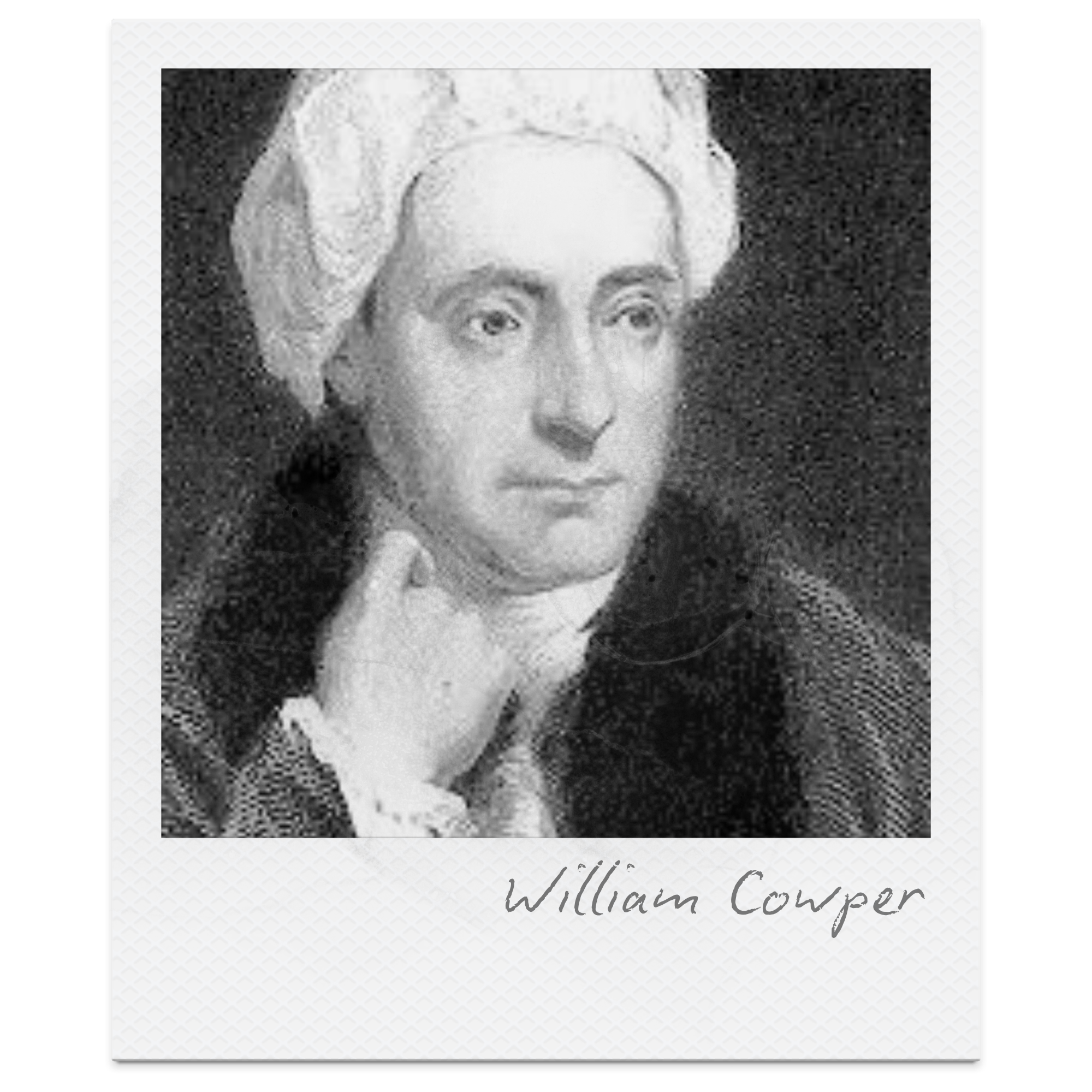
Context and Literary Background of The Poplar-Field
William Cowper (1731–1800) was an eighteenth-century English poet whose work often combines close observation of the natural world with reflections on time, memory, mortality, and human experience. Although he is sometimes associated with the transition between the Neoclassical and Romantic periods, his poetry frequently anticipates Romantic concerns through its emotional engagement with nature and its emphasis on personal reflection.
The Poplar-Field was inspired by the destruction of a grove of poplar trees near the River Ouse in Buckinghamshire, a landscape Cowper knew well and frequently visited. However, the poem quickly moves beyond simple environmental observation. The loss of the trees becomes a catalyst for wider reflections on impermanence, allowing Cowper to explore how physical changes in the landscape can provoke awareness of the passage of time and the fragility of human life.
The poem was written during a period when increasing agricultural development and land management were altering parts of the English countryside. Although Cowper does not present an explicit environmental argument, his sorrow at the disappearance of the grove reflects a growing literary interest in the emotional and personal significance of landscape. The destruction of the trees is felt not merely as a physical loss but as the disappearance of memories, experiences, and sources of comfort.
The poem also reflects eighteenth-century traditions of meditative and moral poetry, in which observations of the natural world lead to broader philosophical insights. Like many writers of the period, Cowper uses a specific scene to encourage reflection on universal truths. The fallen poplars become a reminder that change is inevitable and that both nature and humanity are subject to the effects of time.
Understanding this context helps explain why the poem develops from an expression of personal disappointment into a meditation on mortality itself. What begins as the loss of a familiar landscape gradually becomes a reflection on the transient nature of all earthly pleasures and the certainty of human death. The grove is therefore significant not only as a real place but also as a symbol of everything that time eventually destroys.
The Poplar-Field: At a Glance
◆ Form – A reflective lyric poem that combines personal observation with philosophical meditation, moving from a specific loss towards a universal reflection on mortality.
◆ Tone and emotional movement – Nostalgic, mournful, contemplative, and ultimately philosophical; the poem progresses from grief over a vanished landscape to acceptance of human transience.
◆ Central tensions – Permanence versus impermanence, memory versus reality, nature versus destruction, human pleasure versus inevitable loss, life versus death.
◆ Core concerns – Time, mortality, change, memory, loss, environmental destruction, and the fragility of human happiness.
◆ Dominant imagery – Trees, shade, birdsong, rivers, grass, graves, passing years, and natural cycles.
◆ Stylistic features – Elegiac tone, symbolism, natural imagery, reflective voice, personification, contrast, and philosophical meditation.
◆ Key themes – Mortality, transience, the passage of time, memory, loss, nature and change, human insignificance, and the impermanence of earthly pleasures.
◆ One-sentence interpretation – Through the destruction of a beloved grove of trees, Cowper explores how the loss of a physical landscape becomes a powerful reminder that all pleasures, places, and human lives are ultimately subject to the passage of time.
Quick Summary of The Poplar-Field
The poem begins with the speaker returning to a favourite riverside grove after an absence of twelve years, only to discover that the poplar trees have been cut down. The familiar shade, whispering leaves, reflections in the River Ouse, and birdsong that once made the location special have disappeared. As the speaker surveys the changed landscape, he reflects on the loss of a place that once brought him comfort and pleasure.
As the poem develops, the destruction of the grove becomes a catalyst for deeper reflection. The fallen trees remind the speaker of the passage of time and the inevitability of death. By the final stanza, the poem moves beyond the specific loss of the poplars to consider the fragility of all human happiness, concluding that life's pleasures are often even less durable than human life itself. What begins as a lament for a vanished landscape ultimately becomes a meditation on mortality, transience, and the fleeting nature of earthly experience.
Title, Form, Structure and Metre in The Poplar-Field
Cowper's formal choices are crucial to the poem's exploration of time, memory, mortality, and loss. While The Poplar-Field begins as a lament for a destroyed landscape, its carefully controlled structure gradually broadens into a meditation on the fragility of human life itself. The poem's balance, musicality, and formal order create a striking contrast with the destruction and impermanence that form its central concerns.
The Significance of the Title
The title, The Poplar-Field, initially appears straightforward and descriptive, directing attention towards a specific location. However, the field quickly becomes more than a physical setting. It functions as a repository of memory, pleasure, and personal history, transforming the landscape into a symbol of everything vulnerable to the passage of time.
Importantly, the title creates an expectation of permanence that the poem immediately disrupts. The field still exists, but the trees that gave it identity have vanished. This tension between continuity and loss establishes one of the poem's central concerns: the way familiar places can survive physically while becoming emotionally unrecognisable.
Elegiac Form
The poem functions as an elegy, mourning not a person but a landscape.
Cowper adopts many features associated with traditional elegiac poetry, including remembrance, reflection, loss, and philosophical meditation. The destruction of the grove becomes a catalyst for broader reflections on mortality, allowing the poem to move beyond environmental change towards universal concerns about transience and death.
This elegiac quality explains why the poem feels simultaneously personal and philosophical. The speaker's grief over the trees gradually develops into a meditation on the fate of all living things.
Symmetrical Structure and Emotional Progression
The poem consists of five quatrains, each built from two rhyming couplets. This creates a highly ordered structure that contrasts sharply with the destruction being described.
The poem's organisation is particularly significant. The first two stanzas focus primarily on the loss of the grove and the speaker's memories of its former beauty. The final two stanzas shift towards reflections on mortality and the fleeting nature of human pleasure. Positioned at the centre of the poem, the third stanza acts as a structural turning point, focusing on the displaced blackbird whose absence symbolises the wider consequences of the grove's destruction.
This creates a subtle expansion in perspective:
◆ Landscape
◆ Living creatures
◆ Human mortality
◆ Universal philosophical reflection
The poem therefore moves from the external world towards increasingly profound reflections on the human condition.
The Blackbird as a Structural Pivot
The blackbird occupies the poem's central stanza and functions as more than a piece of natural description.
Its disappearance marks a transition between the speaker's observations of the landscape and their reflections on mortality. The bird represents the wider disruption caused by the felling of the trees, reminding readers that the destruction affects an entire ecosystem rather than merely the speaker's memories.
Placed at the poem's centre, the blackbird acts as a bridge between environmental loss and existential reflection.
Anapestic Tetrameter and Musical Memory
The poem is written primarily in anapestic tetrameter, a metre consisting largely of four anapestic feet per line.
This rhythm often creates a flowing, musical quality that mirrors the remembered beauty of the landscape. The gentle movement of the verse evokes the whispering leaves, birdsong, and peaceful atmosphere associated with the speaker's memories.
The musicality is particularly important because memory itself becomes one of the poem's central subjects. The flowing rhythm allows the recollected landscape to feel vivid and alive even after its physical destruction.
Metrical Variations and Emotional Weight
Although the poem is predominantly anapestic, Cowper frequently introduces iambic substitutions at significant moments.
The opening line, "The Poplars are fell'd, farewell to the shade," contains heavier stresses that create a more solemn and emphatic tone. These departures from the prevailing rhythm often coincide with moments of grief, reflection, or emotional significance.
The contrast between the lighter anapestic movement and the weightier iambic moments mirrors the poem's emotional tension between cherished memories and painful reality. The rhythm therefore becomes a subtle vehicle for expressing the speaker's mixed feelings of nostalgia, sadness, and acceptance.
Couplet Rhyme and Formal Order
The poem follows a pattern of rhyming couplets, creating a highly structured and harmonious sound.
This regularity contributes to the poem's reflective quality and provides a sense of stability amid the themes of destruction and change. The balanced rhyme scheme reinforces the impression of order even as the poem contemplates loss and impermanence.
At the same time, the paired rhymes create a sense of progression, allowing each observation to build naturally upon the previous one. The form therefore mirrors the speaker's movement from memory towards philosophical insight.
The Repeated "Shade" Rhyme
A particularly revealing structural detail occurs in the repetition of the rhyme associated with "shade."
The opening stanza ends with "shade" and "colonnade," while the second stanza returns to the same rhyme through "laid" and "shade." This repetition creates a deliberate connection between the remembered landscape and its present condition.
The effect is deeply ironic. Although the sound pattern returns, the actual shade itself does not. The repeated rhyme therefore highlights the contrast between memory and reality, reinforcing the poem's concern with absence and loss.
Form Reflecting Meaning
Ultimately, the poem's highly controlled form strengthens its central themes. The regular stanzas, musical metre, and carefully organised progression create an impression of order that stands in contrast to the instability of life itself. Through this tension, Cowper transforms the destruction of a small grove of trees into a powerful meditation on mortality, memory, and the inevitability of change.
The poem's structure repeatedly reminds readers that while art may preserve experiences through language, neither landscapes nor human lives can escape the passage of time.
Voice, Perspective and Emotional Conflict in The Poplar-Field
The emotional power of The Poplar-Field depends largely upon its reflective and deeply personal voice. Although the speaker begins by describing a physical landscape, the poem gradually reveals itself to be an exploration of memory, loss, and mortality. Cowper creates a speaker who is both observer and participant, someone whose encounter with a changed landscape triggers broader reflections on the fragility of human life. As the poem progresses, the voice shifts from nostalgic remembrance towards philosophical meditation, transforming a local experience into a universal reflection on time and impermanence.
The Speaker as a Mourner
From the opening line, the speaker adopts the voice of someone experiencing loss.
The declaration "The Poplars are fell'd, farewell to the shade" resembles the language of bereavement. The repeated emphasis on absence immediately establishes a mournful atmosphere, as though the trees have suffered a death rather than simply being cut down.
This elegiac voice encourages readers to view the grove as something emotionally significant rather than merely part of the landscape. The speaker's grief elevates the destruction of the trees into an event worthy of remembrance and reflection.
The Speaker as a Keeper of Memory
Much of the poem is shaped by the speaker's role as a preserver of memory.
The landscape no longer exists as it once did, yet the speaker reconstructs it through recollection. Images of "the whispering sound of the cool colonnade", reflections in the River Ouse, and the blackbird's song all emerge from memory rather than present reality.
This creates a tension between past and present that drives much of the poem's emotional force. The speaker repeatedly measures what remains against what has been lost, demonstrating how memory can preserve experiences that the physical world can no longer sustain.
The Speaker as Witness to Change
The speaker occupies the position of a witness returning after a long absence.
The detail that "Twelve years have elapsed" is significant because it highlights the gap between memory and reality. The speaker encounters not gradual change but sudden transformation. The familiar landscape exists only in recollection, creating a sense of shock and displacement.
This perspective allows Cowper to explore the unsettling experience of returning to a place that no longer corresponds to one's memories. The speaker becomes a witness not only to environmental change but also to the passage of time itself.
The Speaker as a Reflective Philosopher
As the poem develops, the speaker becomes increasingly philosophical.
What begins as a lament for a destroyed grove gradually broadens into a meditation on universal truths. The speaker moves from describing the loss of the trees to considering his own "fugitive years" and eventual death.
This shift is crucial because it transforms the poem from personal complaint into existential reflection. The fallen poplars become symbolic of all living things, including the speaker. Through this development, the voice acquires a contemplative quality that encourages readers to reflect upon their own mortality.
Emotional Conflict: Memory Versus Reality
One of the poem's central emotional tensions emerges from the conflict between memory and reality.
The speaker vividly remembers the grove's beauty, yet those memories are constantly confronted by the reality of destruction. The shade has disappeared, the trees lie cut down, and the blackbird has abandoned the area.
This tension creates a sense of melancholy because memory preserves what reality has erased. The speaker can revisit the past emotionally but cannot restore it physically.
Emotional Conflict: Pleasure Versus Impermanence
The poem also explores the relationship between happiness and transience.
The speaker's memories are filled with pleasure, comfort, and beauty. Yet the destruction of the grove demonstrates how vulnerable such pleasures are to change.
This idea culminates in the final stanza, where the speaker reflects on the "perishing pleasures of Man." The emotional conflict lies in recognising that life's most meaningful experiences are often temporary. The poem therefore asks whether beauty becomes more valuable or more painful because it cannot last.
Emotional Conflict: Acceptance Versus Sorrow
Although the speaker is clearly saddened by the grove's destruction, the poem never becomes overwhelmed by grief.
Instead, there is a gradual movement towards acceptance. The speaker acknowledges loss without denying its reality, and recognises mortality without expressing fear or bitterness. This balance creates a tone that is reflective rather than despairing.
The voice therefore combines sorrow with wisdom, suggesting that an awareness of impermanence can deepen understanding rather than simply producing regret.
The Speaker as a Representative Human Voice
By the final stanza, the speaker's perspective extends beyond personal experience.
The reference to "the perishing pleasures of Man" shifts the focus from an individual loss to a universal human condition. The speaker no longer speaks solely for himself but for humanity more broadly.
This expansion allows the poem to transcend its specific setting. The destroyed grove becomes a symbol of every loss, every passing pleasure, and every reminder that human life itself is temporary.
A Voice Balancing Nostalgia and Wisdom
Ultimately, Cowper creates a voice that balances nostalgia, grief, and philosophical insight.
The speaker mourns the loss of the poplars and the memories associated with them, yet the poem refuses to remain trapped in the past. Instead, the experience becomes an opportunity for reflection on time, mortality, and the fragility of human happiness.
This balance gives the poem its lasting emotional power. The voice remains deeply personal while simultaneously addressing universal concerns, transforming a vanished grove into a profound meditation on the human experience of change and loss.
Stanza-by-Stanza Analysis of The Poplar-Field
Cowper structures the poem as a gradual movement from observation to reflection, using the destruction of a familiar landscape as a starting point for increasingly profound meditations on time, memory, and mortality. Each stanza broadens the poem's scope, moving from the physical loss of the poplar trees to wider reflections on the fragility of human happiness and the inevitability of change. The progression from landscape to philosophical insight mirrors the speaker's growing awareness that the fate of the grove is inseparable from the fate of human life itself.
Stanza 1: Farewell to a Vanished Landscape
The opening stanza immediately establishes a tone of loss and finality. The declaration "The Poplars are fell'd, farewell to the shade" functions almost like the opening of an elegy, announcing the destruction of something deeply valued before the reader has even seen it. The alliteration of "fell'd" and "farewell" reinforces the sense of abrupt separation, while the direct farewell suggests an emotional attachment that extends beyond the trees themselves. The grove is presented not merely as part of the landscape but as a source of comfort, memory, and personal significance.
Cowper quickly expands the sense of loss through sensory imagery. The disappearance of the "whispering sound of the cool colonnade" emphasises that more than the physical trees have vanished. The auditory imagery of "whispering" evokes tranquillity and intimacy, while "colonnade" elevates the grove by comparing it to a grand architectural structure. This metaphor gives the poplars dignity and permanence, making their destruction feel even more significant. The trees become a natural cathedral whose beauty has been dismantled.
The following lines continue this process by emphasising absence. The winds "play no longer" in the leaves, and the River Ouse no longer reflects the trees upon "his bosom." The personification of the river creates the impression that the loss extends beyond the speaker. Nature itself appears diminished by the disappearance of the grove. The imagery suggests an interconnected landscape in which trees, wind, water, and wildlife once existed in harmony.
Importantly, the stanza focuses almost entirely on what is no longer present. Words and phrases such as "farewell," "no longer," and "nor" create a semantic field of absence and deprivation. Rather than describing the field as it currently exists, the speaker defines it through what has been lost. This emphasis establishes one of the poem's central tensions between memory and reality, as the remembered landscape remains vivid while the actual grove has disappeared.
By the end of the stanza, Cowper has transformed a local act of tree felling into something far more emotionally resonant. The destruction of the poplars becomes a symbol of change itself, introducing themes of impermanence, memory, and the fragility of things that appear enduring. Although the poem begins with a specific landscape, the emotional weight of the loss hints at the broader reflections on mortality and transience that will emerge later.
Stanza 2: Memory, Absence and the Shock of Change
The second stanza introduces the poem's crucial tension between memory and reality. The speaker reveals that "Twelve years have elapsed" since his last visit, emphasising the passage of time and creating a sense of distance between past and present. The precise timeframe is significant because it highlights how much can change in a relatively short period. The speaker returns expecting familiarity but instead encounters loss, making the stanza an exploration of how memory can preserve a place long after reality has transformed it.
The phrase "my favourite field" introduces a more personal and intimate tone. The grove is not simply a landscape but a location bound to the speaker's identity, experiences, and emotional life. This possessive language reveals the depth of the speaker's attachment while also making the destruction feel more painful. The field exists not only as a physical space but as a repository of memory and personal meaning.
The stark contrast between past and present emerges in the line "And now in the grass behold they are laid." The verb "behold" creates a dramatic moment of confrontation, forcing both speaker and reader to witness the reality of the fallen trees. The language carries almost funerary associations, as though the poplars have been laid out after death. This subtle elegiac imagery reinforces the poem's treatment of the grove as something mourned rather than merely altered.
The final line contains one of the poem's most striking ironies: "the tree is my seat that once lent me a shade." The transformation of the tree's function symbolises the broader changes that time brings. Once a source of shelter, comfort, and life, it has become a reminder of destruction and absence. The contrast between "seat" and "shade" encapsulates the poem's wider concern with impermanence. The tree remains physically present, yet its essential purpose has been lost.
This irony also deepens the poem's exploration of memory. The speaker sits upon the very object that once provided pleasure, creating a powerful image of the past and present occupying the same space while remaining irreconcilably different. The line therefore captures the emotional complexity of returning to a cherished place only to discover that it survives in memory more fully than it does in reality.
By the end of the stanza, the poem has moved beyond simple description of the felled grove. The fallen trees become symbols of the way time transforms people, places, and experiences, establishing the broader reflections on change, loss, and mortality that will dominate the remainder of the poem.
Stanza 3: The Blackbird and the Wider Consequences of Loss
Positioned at the centre of the poem, the third stanza acts as an important turning point. While the previous stanzas focus primarily on the speaker's personal loss, this section broadens the poem's perspective by considering the impact of the grove's destruction on other living creatures. The blackbird becomes a symbol of the wider disruption caused by change, reminding readers that the loss extends beyond human memory and sentiment.
The stanza opens with the observation that "The black-bird has fled to another retreat." The verb "fled" carries connotations of exile, displacement, and necessity rather than choice. The bird has not simply moved; it has been forced to abandon a familiar habitat because the conditions that once sustained it no longer exist. This language subtly reinforces the violence implicit in the felling of the trees and highlights the interconnectedness of the natural world.
The contrast between the lost poplar grove and the new refuge "Where the hazels afford him a screen from the heat" further develops the poem's exploration of change. The hazels provide practical shelter, yet the replacement feels inadequate because it cannot restore what has been lost. The emphasis remains not on adaptation but on displacement, suggesting that certain losses cannot be fully compensated for.
The blackbird's song introduces another layer of absence. The phrase "his melody charm'd me before" reveals the personal pleasure the speaker once derived from the bird's presence, while simultaneously reinforcing the importance of memory throughout the poem. The bird's music survives only in recollection, becoming another element of the vanished landscape preserved by the speaker's imagination.
The final line, "Resounds with his sweet-flowing ditty no more," returns to the poem's recurring language of absence. The adverbial phrase "no more" echoes earlier expressions such as "no longer," strengthening the poem's growing semantic field of loss and disappearance. The once-vibrant landscape is increasingly defined by what it lacks rather than what remains.
At a structural level, the blackbird functions as a bridge between the poem's opening focus on the landscape and its later reflections on mortality. The bird's displacement mirrors the broader instability created by time and change, while its absence prepares readers for the speaker's growing awareness that nothing—whether trees, birdsong, places, or human lives—can remain unchanged forever.
By the end of the stanza, Cowper has transformed the blackbird into more than a feature of the landscape. It becomes a symbol of transience itself, illustrating how the effects of loss spread outward through both nature and memory. The poem's focus is beginning to shift from environmental destruction towards the wider reality of impermanence that governs all living things.
Stanza 4: The Fallen Grove as a Mirror of Mortality
The fourth stanza marks the poem's most significant shift, moving from reflections on the destruction of the grove towards an explicit confrontation with human mortality. Until this point, the fallen trees have functioned primarily as objects of memory and loss. Here, however, the speaker recognises that their fate mirrors his own. The grove becomes a symbol of the inevitable decline awaiting all living things, including the observer himself.
The opening line, "My fugitive years are all hasting away," introduces a striking metaphor for the passage of time. The adjective "fugitive" suggests something elusive, fleeting, and impossible to hold onto. Time is presented as actively escaping the speaker's grasp, reinforcing the poem's concern with transience. The phrase "hasting away" further intensifies this sense of movement, creating the impression that life is passing more quickly than the speaker might wish.
For the first time, the poem's focus shifts decisively inward. Earlier stanzas concentrated on the loss of the trees, the vanished shade, and the absent blackbird. Now the speaker recognises that he is subject to the same forces of change and decay. The destruction of the grove is no longer simply an external event but a reminder of his own impermanence.
This connection becomes explicit in the line "And I must e'er long lie as lowly as they." The comparison between the speaker and the fallen trees is both simple and profound. The trees lying cut down in the grass become a metaphor for human death, suggesting that all living things eventually return to the earth. The word "lowly" emphasises humility, reducing both tree and human to the same final condition regardless of their former strength, beauty, or significance.
The imagery grows increasingly grave in the following line: "With a turf on my breast and a stone at my head." The description evokes a traditional grave, introducing some of the poem's most direct references to death. The physical details make mortality tangible and unavoidable. At the same time, the simplicity of the image reflects the poem's broader emphasis on the universal nature of death. The speaker does not imagine an elaborate memorial but an ordinary grave, highlighting the common fate shared by all.
The final line introduces a poignant contrast between human life and the natural world's capacity for renewal: "E'er another such grove shall arise in its stead." Although the grove may eventually regenerate, the speaker understands that he will not live to witness its return. This distinction is crucial. Nature possesses the ability to renew itself across generations, while individual human lives remain finite. The line therefore deepens the poem's meditation on time by contrasting cyclical natural processes with the irreversible reality of human mortality.
Structurally, this stanza serves as the poem's emotional and philosophical climax. The loss of the grove has led the speaker towards an awareness of his own death, transforming a local act of destruction into a universal reflection on existence. The fallen poplars become a powerful reminder that all earthly life is temporary, while the possibility of the grove's future return underscores the speaker's awareness that the world will continue long after his own life has ended.
By the end of the stanza, the poem has fully expanded beyond environmental loss into a meditation on the human condition itself. The speaker's grief for the trees becomes inseparable from his awareness of mortality, preparing the way for the final stanza's broader reflection on the fleeting nature of all human pleasures.
Stanza 5: The Perishing Pleasures of Humanity
The final stanza broadens the poem's focus from the speaker's personal mortality to a universal reflection on the human condition. Having moved from the destruction of the grove to the inevitability of his own death, the speaker now considers what these losses reveal about the nature of human existence itself. The poem reaches its most philosophical point, transforming a local scene of environmental change into a meditation on impermanence, mortality, and the fragility of happiness.
The stanza opens with the declaration "'Tis a sight to engage me if any thing can / To muse on the perishing pleasures of Man." The phrase "engage me" suggests intellectual as well as emotional involvement, indicating that the fallen grove has become a catalyst for deeper contemplation. The alliteration of "perishing pleasures" draws attention to the central paradox of the stanza: the very experiences that bring meaning and enjoyment to life are often the most vulnerable to loss. The adjective "perishing" emphasises decay and transience, suggesting that pleasure is inherently unstable.
Significantly, the speaker shifts from the personal "I" of earlier stanzas towards the broader "Man." This change expands the poem's scope, transforming an individual experience into a universal observation. The loss of the poplar grove is no longer simply one man's disappointment but an example of a truth that affects all humanity. The speaker's reflections therefore acquire a philosophical authority that reaches beyond the immediate circumstances of the poem.
The line "Though his life be a dream" introduces a striking metaphor that presents human existence as fleeting, insubstantial, and temporary. Dreams are vivid while they last but disappear quickly, leaving only fragments behind. By comparing life itself to a dream, Cowper emphasises the brevity of human experience and the difficulty of holding onto moments of happiness. The metaphor also creates a subtle sense of uncertainty, suggesting that permanence may be an illusion.
Yet the poem's most pessimistic observation arrives in the final line: "Have a Being less durable even than he." The speaker concludes that human pleasures are even more short-lived than human life itself. Relationships end, landscapes change, memories fade, and sources of happiness disappear long before death arrives. This idea represents the culmination of the poem's argument. The fallen grove has become evidence not only of mortality but of the fragility of everything people value during their lives.
Despite the melancholy nature of this conclusion, the stanza does not feel entirely despairing. The speaker confronts these realities with calm acceptance rather than bitterness. There is a sense of wisdom in recognising that loss is inevitable and that permanence cannot be expected from either nature or human experience. The reflective tone suggests that understanding transience may itself be a form of insight.
As the poem closes, Cowper leaves readers with a profound meditation on time, change, and the impermanence of earthly happiness. The destruction of the poplars has evolved into a wider reflection on the fleeting nature of all human experience, transforming a simple rural scene into an enduring exploration of mortality and the passage of time. The final stanza therefore gives the poem its lasting significance, reminding readers that life's greatest pleasures may be precious precisely because they cannot last forever.
Key Quotes and Literary Methods in The Poplar-Field
Cowper uses natural imagery, symbolism, contrast, and philosophical reflection to transform the destruction of a grove of trees into a meditation on time, mortality, and the fragility of human happiness. These quotations trace the poem's progression from environmental loss towards universal truths about the human condition.
“The Poplars are fell’d, farewell to the shade”
◆ Method or literary feature: Alliteration, elegiac opening, symbolism
◆ Interpretation and implied meaning: The abrupt announcement immediately establishes loss and finality. The shade symbolises comfort, protection, memory, and the pleasures associated with the grove.
◆ Why the poet uses it: To create an elegiac tone from the opening line and emphasise the emotional significance of the trees.
◆ Emotional/intellectual effect: Readers immediately experience a sense of absence and bereavement.
◆ Broader conceptual significance: Introduces themes of loss, change, and the destruction of things that once seemed permanent.
“the whispering sound of the cool colonnade”
◆ Method or literary feature: Auditory imagery, metaphor, alliteration
◆ Interpretation and implied meaning: The grove is transformed into a natural architectural structure, suggesting beauty, order, and permanence.
◆ Why the poet uses it: To elevate the significance of the poplar grove and emphasise what has been lost.
◆ Emotional/intellectual effect: Creates a vivid sensory memory of the landscape's former tranquillity.
◆ Broader conceptual significance: Highlights the contrast between remembered beauty and present destruction.
“The winds play no longer and sing in the leaves”
◆ Method or literary feature: Personification, auditory imagery
◆ Interpretation and implied meaning: Nature is presented as vibrant and harmonious, but this vitality has disappeared.
◆ Why the poet uses it: To emphasise that the loss extends beyond the trees themselves to the entire atmosphere of the landscape.
◆ Emotional/intellectual effect: Creates nostalgia for a vanished world.
◆ Broader conceptual significance: Reinforces the poem's concern with absence and impermanence.
“Nor Ouse on his bosom their image receives”
◆ Method or literary feature: Personification, visual imagery, symbolism
◆ Interpretation and implied meaning: The river is given a human quality, making it appear as though the loss affects the landscape itself. The vanished reflections symbolise the disappearance of the grove's former beauty.
◆ Why the poet uses it: To suggest that the destruction of the poplars has disrupted the harmony of the entire natural environment.
◆ Emotional/intellectual effect: Creates a sense that the loss extends beyond the speaker's personal grief.
◆ Broader conceptual significance: Reinforces the interconnectedness of nature and the far-reaching consequences of change.
“Twelve years have elapsed”
◆ Method or literary feature: Temporal reference, structural transition
◆ Interpretation and implied meaning: The passage of time has transformed the landscape beyond recognition.
◆ Why the poet uses it: To highlight the gap between memory and reality.
◆ Emotional/intellectual effect: Creates a sense of shock and dislocation.
◆ Broader conceptual significance: Introduces the theme of time as a force of irreversible change.
“my favourite field”
◆ Method or literary feature: Personal voice, possessive language
◆ Interpretation and implied meaning: The landscape holds deep emotional and personal significance for the speaker.
◆ Why the poet uses it: To establish the intimate relationship between memory and place.
◆ Emotional/intellectual effect: Encourages readers to understand the loss as personal rather than merely environmental.
◆ Broader conceptual significance: Suggests that places become repositories of identity, memory, and experience.
“the tree is my seat that once lent me a shade”
◆ Method or literary feature: Irony, contrast, symbolism
◆ Interpretation and implied meaning: The tree remains physically present but has lost the purpose that once gave it value. The transformation from shelter to seat symbolises the effects of time and destruction.
◆ Why the poet uses it: To illustrate how time transforms familiar things beyond recognition.
◆ Emotional/intellectual effect: Creates a poignant awareness of change and loss.
◆ Broader conceptual significance: Symbolises the wider theme of impermanence and the fragility of human attachments.
“The black-bird has fled to another retreat”
◆ Method or literary feature: Symbolism, displacement imagery
◆ Interpretation and implied meaning: The destruction of the grove has consequences beyond the speaker's personal disappointment. The blackbird becomes a symbol of displacement and environmental disruption.
◆ Why the poet uses it: To broaden the poem's focus from individual loss to wider ecological consequences.
◆ Emotional/intellectual effect: Encourages sympathy for the wider natural world.
◆ Broader conceptual significance: Highlights the interconnectedness of life and the ripple effects of change.
“his melody charm’d me before”
◆ Method or literary feature: Auditory imagery, nostalgia
◆ Interpretation and implied meaning: The speaker remembers the pleasure and beauty once associated with the grove.
◆ Why the poet uses it: To emphasise how memory preserves experiences that reality can no longer provide.
◆ Emotional/intellectual effect: Creates a wistful sense of longing for the past.
◆ Broader conceptual significance: Explores the relationship between memory, loss, and personal identity.
“My fugitive years are all hasting away”
◆ Method or literary feature: Metaphor, personification of time
◆ Interpretation and implied meaning: Life is presented as something fleeting and impossible to hold onto. Time appears to be escaping from the speaker.
◆ Why the poet uses it: To connect the fate of the grove with the speaker's own mortality.
◆ Emotional/intellectual effect: Creates urgency and melancholy.
◆ Broader conceptual significance: Marks the poem's transition from environmental loss to existential reflection.
“I must e’er long lie as lowly as they”
◆ Method or literary feature: Simile, symbolism
◆ Interpretation and implied meaning: The speaker directly compares himself to the fallen trees, recognising that he too will eventually die.
◆ Why the poet uses it: To emphasise that all living things are subject to death and decay.
◆ Emotional/intellectual effect: Creates a powerful sense of shared mortality.
◆ Broader conceptual significance: Links human life to the natural cycle of growth, decline, and death.
“With a turf on my breast and a stone at my head”
◆ Method or literary feature: Grave imagery, symbolism
◆ Interpretation and implied meaning: The speaker imagines his own burial in stark and physical terms, confronting mortality directly.
◆ Why the poet uses it: To make death concrete rather than abstract.
◆ Emotional/intellectual effect: Makes the reality of death vivid and unavoidable.
◆ Broader conceptual significance: Reinforces the universality and inevitability of death.
“the perishing pleasures of Man”
◆ Method or literary feature: Alliteration, philosophical reflection
◆ Interpretation and implied meaning: Human happiness is presented as temporary and vulnerable to change.
◆ Why the poet uses it: To expand the poem's concerns beyond the specific loss of the grove.
◆ Emotional/intellectual effect: Encourages reflection on the fragility of life's joys.
◆ Broader conceptual significance: Captures the poem's central argument about transience and impermanence.
“Though his life be a dream”
◆ Method or literary feature: Metaphor
◆ Interpretation and implied meaning: Human existence is fleeting, insubstantial, and temporary, like something that disappears upon waking.
◆ Why the poet uses it: To emphasise the brevity of life itself.
◆ Emotional/intellectual effect: Creates a sense of philosophical melancholy and reflection.
◆ Broader conceptual significance: Suggests that permanence may be an illusion.
“Have a Being less durable even than he”
◆ Method or literary feature: Comparative statement, paradox
◆ Interpretation and implied meaning: Human pleasures are even more short-lived than human life itself.
◆ Why the poet uses it: To conclude the poem with its most profound reflection on impermanence.
◆ Emotional/intellectual effect: Leaves readers contemplating the fragility of everything they value.
◆ Broader conceptual significance: Encapsulates the poem's exploration of mortality, loss, and the fleeting nature of earthly experience.
Literary Techniques in The Poplar-Field
Cowper employs a wide range of literary techniques to transform the destruction of a grove of trees into a meditation on time, memory, mortality, and the fragility of human happiness. The poem's effectiveness lies not only in its imagery but also in its careful use of sound, structure, symbolism, and figurative language. These techniques work together to create a reflective voice that balances personal grief with philosophical insight.
Alliteration
Alliteration is one of the poem's most significant sound devices, contributing both to its musicality and emotional depth.
The opening line, "The Poplars are fell'd, farewell to the shade," uses repeated f sounds to create a strong connection between the destruction of the trees and the speaker's act of farewell. The alliteration reinforces the elegiac tone while drawing attention to the emotional significance of the loss. Combined with the caesura, the sound pattern gives the line a sense of weight and finality.
Elsewhere, alliteration helps evoke the beauty of the remembered landscape. The phrase "cool colonnade" creates a smooth, gentle sound that reflects the tranquillity and shelter the grove once provided. Similarly, "favourite field" emphasises the speaker's affection for the location, reinforcing the deeply personal nature of the loss.
One of the poem's most striking examples occurs in "long lie as lowly." The repeated l sounds create a softer, more reflective rhythm at the precise moment when the speaker confronts his own mortality. The alliteration mirrors the poem's contemplative tone and gives emotional resonance to the recognition that human beings, like the trees, will eventually return to the earth.
Assonance
Cowper frequently uses assonance to create subtle musical effects and reinforce emotional meaning.
The repeated vowel sounds in phrases such as "fell'd, farewell" slow the line and emphasise the speaker's sorrow. Throughout the poem, recurring long vowel sounds contribute to the elegiac atmosphere, encouraging readers to linger over memories and reflections rather than rushing through them.
This musical quality is particularly important because the poem itself is driven by recollection. The flowing sound patterns mirror the movement of memory as the speaker reconstructs the landscape in his imagination.
Consonance
The poem also makes effective use of consonance, particularly through repeated l, s, and w sounds.
These recurring consonants create a sense of continuity and harmony that reflects the remembered beauty of the grove. The gentle repetition of liquid sounds often mimics the movement of water, wind, and leaves, reinforcing the poem's close connection to the natural world.
At the same time, consonance contributes to the poem's meditative quality, helping maintain the measured pace that characterises the speaker's reflections.
Sibilance
The repeated s sounds throughout the poem create moments of sibilance, particularly in descriptions of the landscape.
Phrases such as "whispering sound", "shade", and "sweet-flowing" evoke the gentle sounds of wind moving through leaves and birdsong within the grove. These effects make the remembered landscape feel vivid and alive.
The sibilance also contributes to the poem's nostalgic atmosphere, allowing readers to experience something of the sensory richness that has now disappeared.
Caesura
Cowper uses caesura to create pauses that emphasise important emotional and thematic moments.
The most obvious example occurs in the opening line:
"The Poplars are fell'd, farewell to the shade."
The pause separates the statement of destruction from the speaker's response, forcing readers to dwell momentarily on the loss before moving to the farewell. This structural break increases the line's emotional impact and reinforces the finality of what has occurred.
The caesura also mirrors the poem's larger concern with interruption and change. Just as the line is divided, the continuity of the landscape has been broken.
Personification
The poem frequently uses personification to make the natural world feel active and interconnected.
The winds "play" and "sing" in the leaves, while the River Ouse possesses a "bosom" capable of receiving the trees' reflections. These human qualities create a sense of harmony between different elements of the landscape and emphasise the vitality of the grove before its destruction.
Importantly, the personification encourages readers to view the loss as affecting the entire environment rather than merely the speaker. Nature itself appears diminished by the disappearance of the trees.
Metaphor
Metaphor plays a crucial role in expanding the poem's meaning beyond the immediate landscape.
The most significant metaphor appears in "My fugitive years are all hasting away." Time becomes something capable of escaping or fleeing, emphasising the speed and inevitability of life's passage.
Equally important is the description of life as a "dream." This metaphor presents human existence as fleeting and insubstantial, suggesting that permanence may be an illusion. Through these metaphors, Cowper transforms the destruction of the grove into a wider meditation on mortality.
Symbolism
The entire poem is built around a network of powerful symbols.
The poplar grove symbolises beauty, memory, stability, and the pleasures that give life meaning. Its destruction therefore represents the inevitability of change and loss.
The blackbird symbolises both the vitality of the natural world and the wider consequences of environmental disruption. Its departure reflects the displacement caused by the grove's destruction.
The fallen trees eventually become symbols of human mortality, particularly when the speaker compares himself to them. By the final stanza, the grove functions as a symbol of all earthly pleasures that are vulnerable to time and decay.
Contrast
Cowper repeatedly uses contrast to highlight the poem's central concerns.
The most obvious contrast exists between past and present. The remembered landscape is filled with shade, birdsong, movement, and beauty, while the present landscape is characterised by absence and silence.
There is also a contrast between human life and natural renewal. Although another grove may eventually grow, the speaker recognises that he will not live long enough to witness it. This distinction deepens the poem's exploration of mortality and transience.
Imagery
Rich visual, auditory, and natural imagery helps bring both the remembered and present landscapes to life.
Readers hear the "whispering sound" of the trees and the blackbird's "sweet-flowing ditty," while visual images of fallen trees, grass, rivers, and graves create vivid contrasts between life and decay.
The imagery serves a larger purpose than simple description. Each image contributes to the poem's exploration of memory, allowing the speaker to preserve in language what has been lost in reality.
Elegiac Tone
Perhaps the poem's most important technique is its sustained elegiac tone.
From the opening farewell to the final philosophical reflection, the poem adopts the voice of mourning. However, Cowper's elegy is not limited to grief. Instead, it evolves into a meditation on universal truths about change, mortality, and the temporary nature of human happiness.
This blending of personal sorrow and philosophical reflection gives The Poplar-Field its enduring emotional and intellectual power, transforming a local act of destruction into a profound exploration of the human condition.
Symbolism in The Poplar-Field
Although The Poplar-Field begins with the loss of a specific landscape, the poem quickly develops into a rich symbolic meditation on time, mortality, memory, and the fragility of human happiness. Cowper repeatedly transforms physical objects into symbols that carry broader philosophical significance, allowing the destruction of a grove of trees to become a reflection on the human condition itself.
The Poplar Grove: Beauty, Memory and Human Happiness
The poplar grove functions as the poem's central symbol.
On a literal level, it is a place the speaker once loved and regularly visited. Symbolically, however, it represents the pleasures, comforts, and sources of happiness that enrich human life. The shade, birdsong, reflections, and tranquillity associated with the grove suggest moments of peace and contentment that appear stable and enduring.
Its destruction therefore symbolises the vulnerability of everything people value. Just as the grove can disappear unexpectedly, so too can relationships, experiences, opportunities, and sources of joy. The fallen trees become a reminder that no earthly pleasure is guaranteed permanence.
The Shade: Protection and Emotional Refuge
The "shade" mentioned in the opening line carries significance beyond physical shelter.
Throughout literature, shade often symbolises protection, rest, and relief from life's difficulties. Here it represents the emotional comfort the grove once provided. The speaker's farewell is therefore not simply directed towards the trees themselves but towards a source of security and happiness.
The loss of the shade symbolises the loss of certainty that often accompanies ageing and the passage of time. What once offered comfort can no longer provide refuge.
The Cool Colonnade: Permanence and Order
The description of the grove as a "cool colonnade" transforms the trees into a natural architectural structure.
A colonnade suggests stability, order, beauty, and endurance. By comparing the poplars to a grand building, Cowper elevates the grove beyond an ordinary landscape feature.
Its destruction therefore symbolises the collapse of things that appear permanent. The image reminds readers that even structures that seem strong and enduring remain vulnerable to time and change.
The River Ouse: Memory and Continuity
The River Ouse functions as a symbol of both continuity and change.
Rivers traditionally symbolise the passage of time because they are constantly moving while remaining recognisably the same. The Ouse continues to exist after the destruction of the grove, suggesting the ongoing flow of life and history.
However, the river no longer reflects the trees upon its "bosom." This missing reflection symbolises the disappearance of the past itself. The river remains, but part of what once gave it meaning has vanished.
The Blackbird: Life Disrupted by Change
The blackbird symbolises the wider consequences of loss.
Its flight to "another retreat" demonstrates that the destruction of the grove affects more than the speaker alone. The bird becomes a symbol of displacement, adaptation, and the broader impact of environmental change.
At the same time, the blackbird's absent song symbolises vanished pleasures and memories. Like the grove itself, its music survives only in recollection.
The Fallen Trees: Human Mortality
As the poem develops, the fallen poplars take on a new symbolic role.
Initially, they represent environmental destruction and personal loss. However, when the speaker reflects that he too must "lie as lowly as they," the trees become symbols of human mortality.
The comparison suggests that human beings are subject to the same natural processes of decline and death. Just as the trees once stood tall before falling, people too experience growth, flourishing, and eventual decay.
The grove therefore becomes a powerful symbol of the universal life cycle.
Grass and Earth: Return to Nature
The image of the trees lying "in the grass" carries symbolic significance because it suggests a return to the earth.
Later, the speaker imagines his own grave with "a turf on my breast." This parallel links the fate of the trees to the fate of humanity.
The earth becomes a symbol of both ending and continuity. Individual lives disappear, but nature continues its larger cycles of growth and renewal.
The Grave: The Inevitability of Death
The image of "a turf on my breast and a stone at my head" symbolises mortality in its most direct form.
Unlike many poems that approach death abstractly, Cowper imagines the physical reality of burial. The grave symbolises the common fate awaiting all people regardless of status, achievement, or personal desires.
Importantly, the image is presented without panic or bitterness. The grave becomes a symbol of inevitability rather than tragedy.
The Future Grove: Renewal Beyond the Individual
The possibility that "another such grove shall arise in its stead" introduces one of the poem's most important symbols.
The future grove represents renewal, continuity, and nature's ability to regenerate. Unlike human life, which is finite and irreversible, nature possesses the capacity for rebirth.
However, the speaker recognises that he will not live to see this renewal. The grove therefore symbolises both hope and limitation, highlighting the contrast between cyclical natural processes and individual human mortality.
Dreams: The Fragility of Human Existence
The metaphor "Though his life be a dream" introduces a powerful symbol for human existence.
Dreams feel vivid and meaningful while they last but disappear quickly and cannot be fully preserved. By comparing life to a dream, Cowper suggests that human experience is similarly fragile and temporary.
The symbol reinforces the poem's broader concern with impermanence and the difficulty of holding onto moments of happiness.
Perishing Pleasures: The Transience of Joy
The poem's final symbol appears in the phrase "the perishing pleasures of Man."
These pleasures symbolise everything people value during their lives: beauty, companionship, comfort, achievement, memory, and happiness. Cowper's argument is that such pleasures often disappear before life itself ends.
This symbol brings together the poem's major concerns with loss, time, and mortality. The fallen grove ultimately becomes an emblem of all the experiences that make life meaningful while simultaneously reminding us that none can last forever.
A Landscape That Becomes a Philosophy
Ultimately, the poem's symbolism transforms a local scene into a universal meditation on existence. The grove, shade, river, blackbird, fallen trees, and future grove all contribute to a symbolic network exploring change, memory, mortality, and renewal. Through these symbols, Cowper demonstrates how a single encounter with a changed landscape can provoke profound reflections on the temporary nature of both human life and human happiness.
How William Cowper Creates Meaning and Impact in The Poplar-Field
Cowper creates meaning by transforming a seemingly simple observation—the destruction of a grove of poplar trees—into a profound meditation on time, mortality, memory, and the fragility of human happiness. Through symbolism, natural imagery, contrast, sound devices, and philosophical reflection, the poem gradually expands from a personal experience of loss to a universal exploration of the human condition. The emotional impact comes from the way Cowper connects the fate of the landscape to the inevitability of human mortality, encouraging readers to reflect upon the temporary nature of everything they value.
One of the poem's most important techniques is its use of symbolism. The poplar grove quickly becomes more than a collection of trees. It symbolises the pleasures, comforts, and sources of meaning that people often assume will remain constant throughout their lives. When the grove is destroyed, the loss therefore feels larger than the disappearance of a landscape. The fallen trees become symbols of the changes that inevitably affect relationships, memories, places, and human lives themselves.
Cowper also creates meaning through the contrast between past and present. Much of the poem is shaped by the tension between the speaker's vivid memories and the reality he encounters upon returning after twelve years. The remembered grove is filled with shade, birdsong, movement, and beauty, while the present landscape is characterised by absence and silence. This contrast reinforces the poem's central concern with impermanence and demonstrates how memory can preserve experiences that reality can no longer sustain.
The poem's sensory imagery plays a crucial role in generating emotional impact. Images such as the "whispering sound of the cool colonnade," the winds that once "play" in the leaves, and the blackbird's "sweet-flowing ditty" allow readers to experience the beauty of the vanished grove. Significantly, many of these images are auditory rather than visual, emphasising sounds that have disappeared forever. This focus on absence strengthens the poem's elegiac atmosphere and deepens the sense of loss.
Another important aspect of the poem is its gradual structural development. The opening stanzas focus on the physical landscape and its destruction, but the poem steadily broadens in scope. The central blackbird stanza highlights the wider effects of change before the speaker begins reflecting on his own "fugitive years." By the final stanza, the poem has moved beyond personal experience altogether, considering the "perishing pleasures of Man." This progression mirrors the speaker's thought process and allows Cowper to transform a local event into a universal philosophical reflection.
Cowper's use of sound devices also contributes significantly to meaning. The alliteration in phrases such as "fell'd, farewell" and "cool colonnade" creates musicality while reinforcing key emotional moments. The repeated soft consonants and flowing rhythms help evoke the tranquillity of the remembered landscape, while the poem's carefully controlled sound patterns contribute to its reflective and elegiac tone.
The poem's treatment of time is equally important. Through phrases such as "Twelve years have elapsed" and "My fugitive years are all hasting away," time is presented as an unstoppable force that alters landscapes, removes pleasures, and eventually brings death. The speaker's realisation that he will die before another grove can fully replace the old one emphasises the contrast between nature's capacity for renewal and humanity's finite existence.
Perhaps the poem's most powerful achievement is its ability to connect environmental loss with human mortality. When the speaker observes that he too must "lie as lowly as they," the fallen trees become a mirror of his own fate. This comparison transforms the poem from a lament for a landscape into a meditation on the universal reality of death. The grove is not merely a victim of destruction; it becomes a symbol of the life cycle itself.
The final stanza deepens this reflection by presenting human life as a "dream" and suggesting that human pleasures are even less durable than life itself. This conclusion gives the poem its philosophical weight. Cowper argues that the things people value most—beauty, happiness, comfort, and cherished places—are often more fragile than the lives of those who enjoy them. Yet the poem does not end in despair. Instead, its calm and reflective tone suggests a degree of acceptance, encouraging readers to recognise transience as an unavoidable aspect of existence.
Ultimately, Cowper creates meaning by using the loss of a familiar landscape as a lens through which to examine broader questions about change, memory, mortality, and the passage of time. The poem's lasting impact lies in its ability to transform a local and personal experience into a universal reflection on the temporary nature of both life and human happiness.
Central Ideas and Themes in The Poplar-Field
Although The Poplar-Field begins with the destruction of a beloved grove of trees, the poem quickly develops into a wider meditation on mortality, time, memory, and the fragility of human happiness. Cowper uses a specific moment of environmental loss to explore universal truths about change and impermanence, gradually transforming a personal experience into a reflection on the human condition. The poem's enduring power comes from its recognition that both nature and humanity are subject to forces beyond their control.
Mortality
The most significant theme in the poem is mortality.
The destruction of the poplar grove initially appears to be the poem's central concern, but Cowper gradually reveals that the fallen trees serve as a reminder of human death. This connection becomes explicit when the speaker observes that "I must e'er long lie as lowly as they."
The comparison between the fallen trees and the speaker himself transforms the grove into a symbol of human existence. Just as the trees once stood tall before being cut down, people too experience growth, flourishing, and eventual decline. The poem therefore uses the landscape as a mirror through which the speaker confronts his own mortality.
Importantly, Cowper approaches death with reflection rather than fear. The tone remains contemplative, suggesting that mortality is not an exceptional tragedy but a universal reality that all living things must face.
Transience
Closely connected to mortality is the theme of transience.
Throughout the poem, things that once appeared stable prove to be temporary. The shade has vanished, the blackbird has departed, the reflections have disappeared from the river, and the grove itself has been destroyed.
Cowper repeatedly emphasises how quickly cherished experiences can disappear. What makes the poem particularly poignant is the recognition that transience affects not only human life but also the places, memories, and pleasures that give life meaning.
The poem therefore encourages readers to recognise impermanence as a defining feature of existence rather than an unexpected interruption.
The Passage of Time
Time functions as one of the poem's most powerful forces.
The simple statement "Twelve years have elapsed" highlights the extent to which the landscape has changed during the speaker's absence. Later, the speaker refers to "My fugitive years", presenting time as something that continually escapes human control.
Throughout the poem, time acts as an agent of transformation. It alters landscapes, removes sources of pleasure, and ultimately carries individuals towards death. Unlike human beings, however, time itself remains unstoppable and indifferent.
Cowper presents the passage of time as both natural and unavoidable, creating a sense of philosophical acceptance rather than resistance.
Memory
The poem is deeply concerned with the relationship between memory and reality.
Much of the landscape described in the opening stanzas no longer exists in the present. The speaker reconstructs the grove through recollection, preserving its sounds, sights, and atmosphere in language.
Memory therefore functions as a form of resistance against loss. Although the physical grove has disappeared, it survives within the speaker's imagination. At the same time, the poem acknowledges the limitations of memory. Recollection can preserve the past emotionally but cannot restore it physically.
This tension between remembrance and reality gives much of the poem its emotional power.
Loss
Loss operates on multiple levels throughout the poem.
The speaker mourns the destruction of the trees, the disappearance of familiar sounds, the departure of the blackbird, and the transformation of a cherished place. However, the poem gradually reveals that these individual losses point towards larger truths about human experience.
The grove becomes symbolic of everything vulnerable to change. The poem suggests that loss is not an isolated event but an inevitable aspect of life itself. Every attachment, pleasure, and possession exists under the shadow of potential disappearance.
This awareness gives the poem its elegiac quality while also deepening its philosophical significance.
Nature and Change
Nature occupies a complex position within the poem.
On one hand, the destruction of the grove demonstrates that natural landscapes are vulnerable to alteration. The familiar environment that once brought comfort and pleasure has been irrevocably transformed.
On the other hand, nature also possesses a capacity for renewal. The speaker acknowledges that "another such grove shall arise in its stead," suggesting that regeneration remains possible even after destruction.
This contrast highlights an important distinction between nature and humanity. While landscapes may eventually recover, individual human lives remain finite.
Human Insignificance
As the poem progresses, it encourages reflection on human insignificance.
The speaker recognises that the world will continue after his death, just as it continued before his birth. The possibility that another grove will one day replace the fallen trees reinforces this awareness. Nature's larger cycles extend beyond the lifespan of any individual observer.
The poem therefore challenges assumptions about permanence and importance. Human lives appear brief when measured against broader natural processes, creating a humbling perspective on existence.
However, Cowper does not present this idea as depressing. Instead, it becomes part of the poem's reflective wisdom.
The Impermanence of Earthly Pleasures
The poem ultimately concludes with a meditation on the impermanence of earthly pleasures.
The phrase "the perishing pleasures of Man" captures the central insight towards which the poem has been moving. Human happiness, comfort, and enjoyment are all vulnerable to loss. Indeed, the speaker concludes that such pleasures possess "a Being less durable even than he."
This is perhaps the poem's most striking observation. Not only are human lives temporary, but the things that make life enjoyable are often even more fragile. Places change, relationships end, memories fade, and sources of happiness disappear long before death arrives.
Yet Cowper's conclusion is not wholly pessimistic. Instead, the poem suggests that recognising the temporary nature of pleasure may deepen appreciation for it. The very fragility of life's joys makes them precious.
A Meditation on Change and Acceptance
Ultimately, The Poplar-Field uses the destruction of a single grove to explore some of humanity's most enduring concerns. Through its reflections on mortality, transience, time, memory, loss, and the impermanence of happiness, the poem encourages readers to confront change honestly while recognising the value of what is inevitably temporary. The result is both elegiac and philosophical, balancing sorrow for what has been lost with a thoughtful acceptance of life's fleeting nature.
Alternative Interpretations of The Poplar-Field
Like many of Cowper's poems, The Poplar-Field supports multiple interpretations. While it is most commonly read as a meditation on mortality and the passage of time, the poem can also be viewed as an environmental lament, a reflection on memory, a psychological study of attachment, or even a subtle expression of religious and philosophical ideas. These alternative readings demonstrate the poem's richness and complexity.
Mortality Interpretation: The Fallen Trees as a Symbol of Human Death
The most widely accepted interpretation views the poplar grove as a symbol of human life itself.
The speaker's recognition that he must "lie as lowly as they" creates a direct connection between the felled trees and his own mortality. The destruction of the grove becomes a reminder that all living things, regardless of their beauty or strength, are subject to decline and death. Under this interpretation, the poem is ultimately less concerned with environmental loss than with the universal reality of human mortality.
Environmental Interpretation: Mourning the Destruction of Nature
The poem can also be read as an early environmental lament.
Cowper pays close attention to the wider consequences of the trees' removal. The blackbird is forced to relocate, the river no longer reflects the grove, and the landscape loses much of its former character. The poem suggests that the destruction of the natural environment affects an entire ecosystem rather than simply altering a pleasant view. From this perspective, the grove symbolises the value of nature and the harm caused by human intervention.
Memory Interpretation: The Real Subject is Remembrance
Another interpretation places memory at the centre of the poem.
Much of the landscape described in the opening stanzas no longer exists. The shade, sounds, and atmosphere of the grove survive only through recollection. The poem therefore becomes less about the destruction itself and more about the way memory preserves what time removes. Under this reading, Cowper explores the tension between remembered experience and present reality.
Ageing Interpretation: A Reflection on Growing Older
The poem can be interpreted as a meditation on ageing.
The speaker returns after twelve years to discover that the world he remembers has changed dramatically. At the same time, he becomes increasingly aware of his own advancing age and approaching death. The altered landscape mirrors the changes that time has brought to the speaker himself. The grove therefore becomes a symbol of youth and earlier stages of life that cannot be recovered.
Stoic Interpretation: Finding Wisdom in Acceptance
A Stoic reading focuses on the speaker's response to loss.
Although the poem is undeniably sad, the speaker does not respond with bitterness or outrage. Instead, he reflects calmly on the inevitability of change and mortality. This acceptance aligns closely with Stoic ideas about recognising what cannot be controlled and finding peace within that reality. The poem therefore becomes a lesson in philosophical resilience rather than simple mourning.
Religious Interpretation: Earthly Pleasures Cannot Endure
The poem may also be interpreted through a religious lens.
The emphasis on the temporary nature of human pleasures echoes Christian teachings about the fleeting nature of earthly existence. The speaker's conclusion that pleasures are less durable than life itself may encourage readers to look beyond material comforts and worldly attachments. Under this interpretation, the poem serves as a reminder that earthly experiences are inherently temporary.
Psychological Interpretation: The Pain of Losing Meaningful Places
A psychological reading focuses on the emotional significance of place.
The speaker's grief stems not simply from the loss of trees but from the destruction of a location filled with personal memories. The grove represents a connection to the speaker's past and to earlier versions of himself. Its disappearance creates a sense of displacement and emotional disorientation. From this perspective, the poem explores how strongly identity can become attached to physical environments.
Optimistic Interpretation: Poetry Preserves What Time Destroys
Despite its focus on loss, the poem can be read optimistically.
Although the grove has vanished, it survives through memory and through the poem itself. Cowper recreates the sounds, sights, and atmosphere of the landscape in language, allowing readers to experience something of what has been lost. Under this interpretation, poetry becomes a means of preserving beauty against the destructive effects of time.
Pessimistic Interpretation: Human Happiness is Inherently Fragile
A more pessimistic reading emphasises the poem's final conclusion.
The speaker argues that human pleasures possess "a Being less durable even than he." This suggests that the things people value most are often even more fragile than life itself. Happiness, beauty, comfort, and security may disappear unexpectedly, leaving individuals powerless to prevent their loss. Under this interpretation, the poem presents existence as fundamentally characterised by impermanence.
Civilisation Interpretation: All Achievements Eventually Fade
The grove's description as a "cool colonnade" invites another possible interpretation.
By comparing the trees to architecture, Cowper subtly associates them with human achievement and civilisation. Their destruction may therefore symbolise the vulnerability of all human creations. Just as the grove disappears, so too will the structures, institutions, and accomplishments that people work to build. This reading broadens the poem's concern from individual mortality to the transience of civilisation itself.
Ultimately, The Poplar-Field remains open to multiple interpretations because it transforms a local event into a reflection on universal concerns. Whether viewed as a meditation on mortality, memory, environmental loss, ageing, or philosophical acceptance, the poem continually returns to the idea that change is unavoidable and that understanding this reality may be one of life's most important forms of wisdom.
Compare With Other Songs of Ourselves Volume 2 Poems
Like many poems in Songs of Ourselves Volume 2, The Poplar-Field explores time, mortality, memory, loss, and humanity's relationship with change. Cowper's meditation on the destruction of a beloved landscape connects closely with several anthology poems that examine transience, ageing, human insignificance, and the search for meaning in an impermanent world.
◆ The Migrant (A. L. Hendriks) – Both poems explore transience and the temporary nature of human existence. Cowper uses the destruction of the grove to reflect on mortality, while Hendriks presents life itself as a journey towards an inevitable departure. Both suggest that permanence is ultimately an illusion.
◆ Blessed by the Indifference (Christopher Reid) – Both poems encourage readers to recognise human insignificance within a larger natural world. Reid emphasises nature's indifference to humanity, while Cowper focuses on how natural change reminds individuals of their own mortality and impermanence.
◆ Late Wisdom (George Crabbe) – Both speakers reflect on the effects of ageing, experience, and the passage of time. Crabbe focuses on lessons learned too late in life, while Cowper uses the fallen grove as a reminder that both life and pleasure are fleeting.
◆ I Years Had Been from Home (Emily Dickinson) – Both poems explore the emotional consequences of returning after a long absence. In each case, time has altered the relationship between the speaker and a once-familiar place, highlighting tensions between memory and reality.
◆ Homecoming (Lenrie Peters) – Both poems centre on returning to a changed world. Peters explores social and cultural transformation, while Cowper focuses on environmental change, but both reveal how time can make familiar places feel unfamiliar.
◆ Afternoon with Irish Cows (Billy Collins) – Both poets use observations of nature as a starting point for broader reflections on human existence. However, Collins adopts a humorous and conversational tone, whereas Cowper develops a more elegiac and philosophical meditation on mortality.
◆ I Have a Rendezvous with Death (Alan Seeger) – Both poems confront mortality directly. Seeger approaches death as an inevitable meeting, while Cowper arrives at similar reflections through contemplation of the fallen trees and the passage of time.
◆ The White House (Claude McKay) – Both poems explore disappointment and the gap between expectation and reality. Cowper mourns a landscape that no longer exists as remembered, while McKay examines barriers that prevent fulfilment, making both poems reflections on loss and limitation.
Exam-Ready Insight for The Poplar-Field
Strong responses to The Poplar-Field move beyond treating the poem as a simple lament for trees that have been cut down. The most sophisticated essays recognise that Cowper uses the destruction of the grove as a catalyst for wider reflections on mortality, memory, time, and the impermanence of human happiness. High-level responses should explore how the landscape gradually develops into a symbol of the human condition, tracing the poem's movement from personal observation towards universal philosophical reflection.
What Strong Responses Do
◆ Explore how the grove functions as both a real landscape and a symbol of human life.
◆ Analyse the progression from environmental loss to reflections on mortality.
◆ Examine the significance of memory and the tension between past and present.
◆ Discuss how the blackbird broadens the poem's focus beyond the speaker's personal grief.
◆ Analyse the symbolic relationship between the fallen trees and the speaker's future death.
◆ Explore how imagery of absence and disappearance contributes to the elegiac tone.
◆ Consider the contrast between human mortality and nature's capacity for renewal.
◆ Analyse the significance of the final stanza's philosophical conclusions.
◆ Explore whether the poem ultimately presents mortality as tragic, natural, or both.
◆ Examine how Cowper balances emotional loss with reflective acceptance.
Example of a Strong Thesis
Through symbolism, elegiac imagery, and a gradual movement from personal memory to philosophical reflection, Cowper uses the destruction of a beloved grove to explore the inevitability of mortality and the temporary nature of both human life and human happiness.
Example of a Strong Analytical Paragraph
A central achievement of the poem is Cowper's transformation of the fallen poplars into a symbol of human mortality. This development reaches its clearest expression when the speaker reflects that "I must e'er long lie as lowly as they." The comparison collapses the distinction between the speaker and the felled trees, suggesting that both are subject to the same processes of decline and death. The adjective "lowly" emphasises humility and vulnerability, reminding readers that neither beauty nor strength can escape the effects of time. Significantly, this realisation emerges only after the speaker has reflected upon the vanished shade, birdsong, and familiar landscape. The grove therefore develops from a physical setting into a symbol of the human condition itself. By linking environmental destruction to personal mortality, Cowper broadens the poem from a lament for lost trees into a meditation on the impermanence of all earthly experience, reinforcing the poem's central concern with transience and change.
Teaching Ideas for The Poplar-Field
The Poplar-Field offers excellent opportunities for discussion because it combines an accessible description of a familiar landscape with complex reflections on time, memory, mortality, and change. Students can engage with the poem at a personal level while also exploring its philosophical implications, making it particularly effective for developing higher-level analytical skills.
Debate Activity
The poem encourages debate because readers often disagree about whether its central message is ultimately pessimistic or accepting.
Possible debate statements:
◆ "The poem is more about death than nature."
◆ "The destruction of the grove matters because of what it symbolises."
◆ "Memory preserves what time destroys."
Students should support their views with textual evidence and respond directly to alternative interpretations.
Silent Debate
Place the following statement in the centre of a large paper to run this activity as a silent debate:
"The poem is ultimately about accepting mortality."
Students respond silently using quotations and analysis from the text, building upon, questioning, or challenging each other's ideas.
This works particularly well because the poem balances grief, nostalgia, and acceptance without offering a simple conclusion.
Comparative Anthology Discussion
Ask students to compare Cowper's treatment of time and mortality with other anthology poems.
Useful comparisons:
◆ The Migrant – transience and life's temporary nature.
◆ Blessed by the Indifference – human insignificance within a larger world.
◆ Late Wisdom – ageing and reflection.
◆ I Years Had Been from Home – memory and returning after absence.
Discussion questions:
◆ Which poet presents the most positive view of change?
◆ How does memory function differently in each poem?
◆ Is mortality presented as frightening, inevitable, or meaningful?
◆ Which poem offers the greatest sense of acceptance?
Tracking Structural Development
Ask students to divide the poem into stages.
Possible stages:
◆ Loss of the landscape.
◆ Return and recollection.
◆ Displacement of the blackbird.
◆ Reflection on mortality.
◆ Philosophical conclusion.
Students should then discuss:
◆ How does the poem's focus change?
◆ Why does Cowper place the blackbird at the centre of the poem?
◆ At what point does the poem stop being about trees?
This activity helps students recognise how structure contributes to meaning.
Exploring Symbolism
Ask students to identify what the following might symbolise:
◆ The poplar grove.
◆ The shade.
◆ The blackbird.
◆ The fallen trees.
◆ The future grove.
◆ The grave imagery.
Students should support their interpretations with evidence and consider whether symbols change meaning as the poem develops.
Memory Versus Reality Activity
Create two columns:
The Remembered Grove
The Present Grove
Students collect evidence for each side before discussing:
◆ Which version of the landscape feels more vivid?
◆ Why does Cowper spend so much time describing what is absent?
◆ Can memory preserve places more effectively than reality?
This activity helps students explore one of the poem's central tensions.
Thesis Building Activity
Encourage students to move beyond descriptive responses.
Weak thesis:
◆ "The poem is about trees being cut down."
Stronger thesis:
◆ "The poem explores the effects of change and loss."
Strongest thesis:
◆ "Through symbolism, memory, and philosophical reflection, Cowper transforms the destruction of a beloved grove into a meditation on mortality and the temporary nature of human happiness."
This helps students understand the difference between identifying a topic and constructing an argument.
Language and Tone Workshop
Focus on the poem's changing emotional tone.
Ask students to analyse:
◆ "The Poplars are fell'd, farewell to the shade"
◆ "My fugitive years are all hasting away"
◆ "the perishing pleasures of Man"
Students should explore:
◆ How does the tone change throughout the poem?
◆ Where does the poem become philosophical?
◆ Is the speaker mourning, reflecting, or accepting?
◆ How does Cowper balance sadness with wisdom?
Unseen Poetry Skills
The poem is particularly useful for developing unseen poetry techniques.
Students can practise:
◆ identifying symbolic patterns
◆ analysing structural progression
◆ tracking tonal shifts
◆ exploring imagery
◆ discussing philosophical ideas
◆ examining relationships between nature and humanity
Because the poem develops gradually from observation to reflection, it helps students understand how deeper meanings emerge through structure as well as language.
Creative Reflection Activity
Ask students to write a short paragraph beginning:
"I returned after many years and discovered..."
They should describe a place that has changed and then reflect on what that change reveals about time, memory, or themselves.
This activity encourages students to connect personally with the poem's themes while deepening their understanding of how Cowper transforms a specific experience into a universal reflection on human life.
Go Deeper into The Poplar-Field
While The Poplar-Field sits comfortably within the tradition of nature poetry, its deeper concerns with mortality, memory, time, and transience connect it to a wide range of literary texts beyond the anthology. Exploring these connections can help readers appreciate how Cowper's reflections participate in larger literary conversations about change, loss, and the human condition.
◆ Ozymandias (Percy Bysshe Shelley) – Both poems explore the destructive power of time and challenge assumptions about permanence. While Shelley's ruined statue demonstrates the collapse of political power and human ambition, Cowper's fallen grove reveals the fragility of personal happiness and cherished places. Both suggest that nothing escapes change.
◆ Lines Composed a Few Miles Above Tintern Abbey (William Wordsworth) – Like Cowper, Wordsworth reflects on returning to a meaningful landscape after a period of absence. Both poets explore the relationship between memory and place, although Wordsworth focuses more on the spiritual and emotional benefits of recollection, while Cowper emphasises loss and mortality.
◆ To Autumn (John Keats) – Both poems engage with cycles of growth and decline within the natural world. However, Keats presents seasonal change as part of a beautiful and necessary process, whereas Cowper focuses on the melancholy awareness that accompanies decline and disappearance. Together, the poems offer contrasting responses to impermanence.
◆ Nothing Gold Can Stay (Robert Frost) – Frost's brief poem shares Cowper's fascination with transience. Both poets argue that beauty is inherently temporary and that the most precious experiences often disappear quickly. Frost condenses this idea into a few lines, while Cowper develops it through extended reflection and symbolism.
◆ Do Not Go Gentle into That Good Night (Dylan Thomas) – Both poems confront mortality directly, but they offer dramatically different responses. Cowper's speaker gradually accepts death as part of the natural order, whereas Thomas urges resistance and defiance. Comparing the poems highlights contrasting attitudes towards human mortality.
Final Thoughts
The Poplar-Field is far more than a poem about the loss of a beloved grove. Through its rich symbolism, reflective voice, and gradual movement from personal observation to philosophical insight, Cowper transforms a local act of destruction into a profound meditation on mortality, memory, time, and the fragility of human happiness. The fallen trees become a powerful reminder that both life and the pleasures that give life meaning are vulnerable to change.
What makes the poem particularly enduring is its balance between sadness and acceptance. Cowper does not deny the pain of loss, nor does he attempt to escape the reality of mortality. Instead, he invites readers to reflect upon the temporary nature of existence and to recognise that change is an unavoidable part of both the natural world and human experience. The poem's emotional power emerges from this tension between what is cherished and what must inevitably pass away.
For modern readers, The Poplar-Field remains strikingly relevant because its concerns are universal. Whether interpreted as a meditation on ageing, memory, environmental change, mortality, or the impermanence of happiness, the poem encourages thoughtful reflection on the relationship between time and human life. Its enduring insight lies in the recognition that life's greatest pleasures are often precious precisely because they cannot last forever.
If you are studying The Poplar-Field as part of Songs of Ourselves Volume 2, explore the wider Songs of Ourselves Volume 2 Hub and Literature Library for additional poem analyses, comparison texts, revision resources, and exam-focused support.
Choose Your Next Text