Heart and Mind by Edith Sitwell: Analysis of Love, Mortality and the Conflict Between Heart and Mind
Heart and Mind is a richly symbolic meditation on love, mortality, and the enduring conflict between emotion and reason. Through a sequence of dramatic voices—including lions, a skeleton, the Sun, and the Moon—Edith Sitwell transforms an abstract philosophical debate into a series of vivid, mythic conversations. The poem continually explores whether the heart's passions or the mind's understanding ultimately possess greater power, while also questioning the relationship between physical desire, memory, time, and death. As the speakers struggle to reconcile opposing forces, Sitwell creates a poem filled with paradox, symbolism, and emotional tension, suggesting that some divisions remain unresolved even beyond the limits of human life. If you are studying or teaching Songs of Ourselves poetry, explore the Songs of Ourselves Volume 2 Hub and the wider Literature Library for more detailed poetry analysis and comparative study.
Context and Literary Background of Heart and Mind
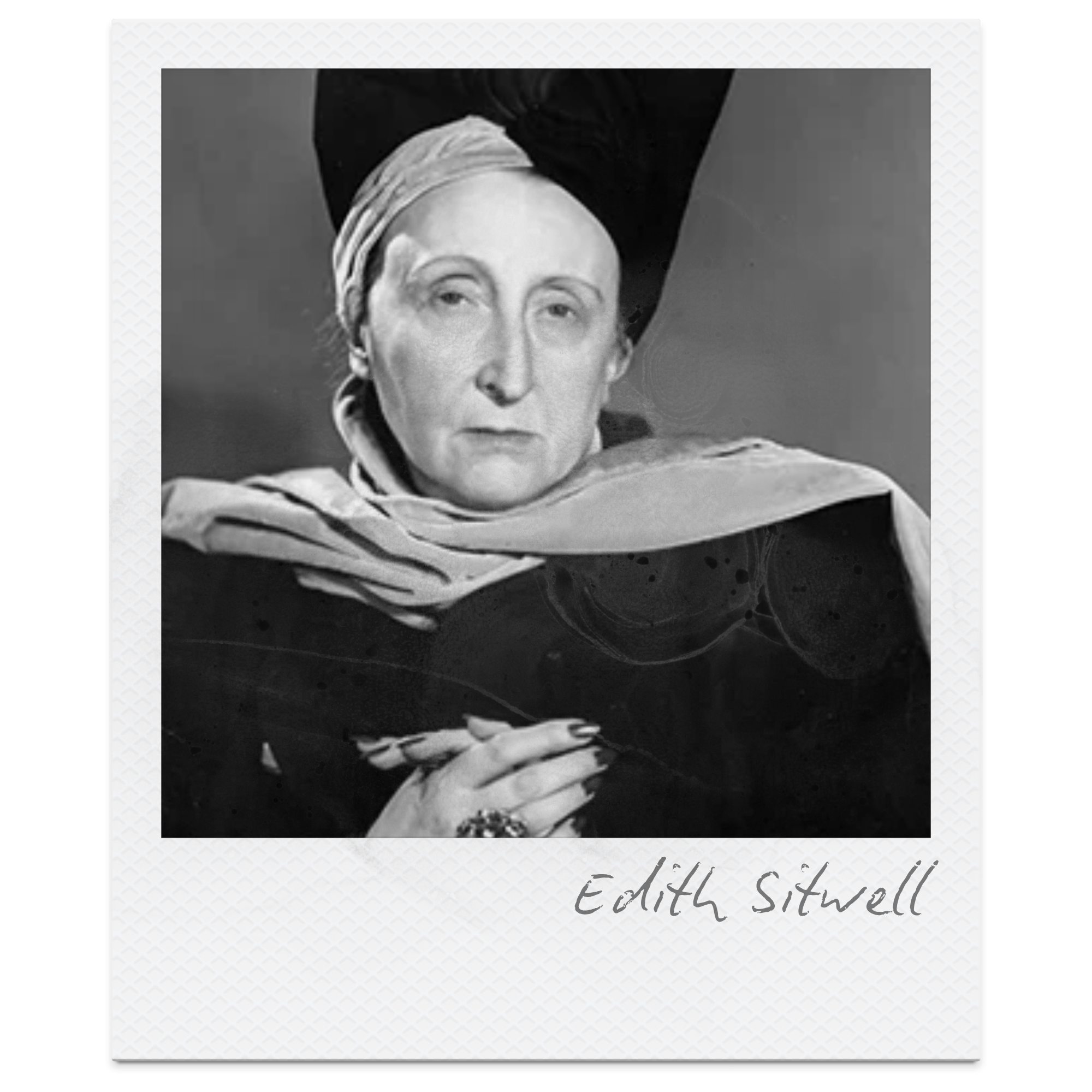
Edith Sitwell (1887–1964) was one of the most distinctive voices in twentieth-century poetry, known for her highly stylised language, dramatic imagery, and fascination with myth, symbolism, and philosophical questions. Rather than focusing on realistic description, Sitwell often creates dreamlike, theatrical worlds in which abstract ideas become vivid characters and symbols.
Heart and Mind reflects this interest in allegory and symbolic debate. The poem transforms the conflict between emotion and reason into a series of conversations between figures drawn from nature, mythology, and the cosmos. Lions, skeletons, the Sun, and the Moon all become speakers in a wider discussion about love, desire, mortality, memory, and the nature of human experience.
The poem also draws upon long literary traditions that explore the struggle between the heart and the mind. From Renaissance poetry to Romantic literature, writers have often debated whether human beings should be guided by passion or reason. Sitwell revisits this familiar conflict but refuses to provide a simple answer. Instead, each speaker presents a different perspective, creating a poem filled with paradox, competing truths, and unresolved tensions.
Written during a period marked by global conflict and social change, the poem's preoccupation with time, death, and what survives beyond physical existence reflects wider twentieth-century concerns about permanence and human significance. However, rather than grounding these ideas in specific historical events, Sitwell elevates them into a timeless, almost mythological framework.
Understanding this context helps explain why the poem feels simultaneously intimate and universal. Although it explores personal experiences of love and desire, its symbolic speakers transform these emotions into larger questions about what truly endures: the passions of the heart, the understanding of the mind, or something beyond both.
Heart and Mind: At a Glance
◆ Form – Symbolic dramatic dialogue composed of three interconnected speeches between allegorical and mythic figures.
◆ Tone and emotional movement – Reflective, philosophical, passionate, and ultimately melancholic; the poem moves from sensual celebration to mortality and finally to unresolved longing.
◆ Central tensions – Heart versus mind, passion versus reason, physical desire versus intellectual understanding, mortality versus endurance.
◆ Core concerns – Love, memory, death, time, emotional power, human limitation, and the search for unity between opposing forces.
◆ Dominant imagery – Fire, sunlight, lions, skeletons, dust, celestial bodies, bones, gold, and cosmic landscapes.
◆ Stylistic features – Allegory, symbolism, dramatic voices, mythological allusion, paradox, personification, rich visual imagery, and recurring contrasts.
◆ Key themes – Love and desire, mortality, the conflict between emotion and reason, memory, impermanence, power, and the relationship between heart and mind.
◆ One-sentence interpretation – Through a series of symbolic conversations, Sitwell explores the enduring struggle between passion and reason, ultimately suggesting that the heart and mind remain powerful yet fundamentally irreconcilable forces.
Quick Summary of Heart and Mind
The poem opens with a conversation between a lion and a lioness, in which the lion reflects on the eventual destruction of the physical body through time and death. Despite this inevitable decay, he urges the lioness to remember the beauty, vitality, and passion they once shared. The speech suggests that while physical existence may disappear, emotional experience and desire possess a lasting significance.
The perspective then shifts to a skeleton lying upon the "sands of Time," who argues that the power of the heart ultimately surpasses physical strength, intellect, and worldly achievement. Although he was once as powerful as legendary figures such as Hercules and Samson, he claims that emotional passion consumed him more completely than any external force. The poem concludes with a dialogue between the Sun and the Moon, whose relationship symbolises an eternal but unattainable union. Their final reflection suggests that the fires of the heart and the mind can never be fully reconciled, leaving the poem with a sense of enduring tension between emotion and reason.
Title, Form, Structure and Metre in Heart and Mind
Sitwell's formal choices are central to the poem's exploration of love, mortality, and the conflict between emotion and reason. Rather than presenting a single speaker or straightforward argument, she constructs a sequence of symbolic voices whose perspectives overlap, challenge, and complicate one another. The result is a poem that feels simultaneously like a philosophical debate, a mythological fable, and a meditation on human experience.
Title: A Fundamental Conflict
The title, Heart and Mind, immediately introduces the poem's central tension. The pairing of these two abstract nouns establishes a conflict between emotion and intellect, passion and reason, desire and understanding.
Importantly, the title does not privilege one side over the other. Instead, the conjunction "and" suggests a relationship between the two forces, encouraging readers to consider whether they can coexist or whether they are fundamentally opposed. This tension drives the entire poem and remains unresolved by its conclusion.
The simplicity of the title also contrasts with the poem's rich symbolism and mythological imagery. What initially appears to be a straightforward opposition gradually becomes far more complex as each speaker offers a different perspective on the relationship between heart and mind.
Form: Symbolic Dramatic Dialogue
The poem takes the form of a dramatic dialogue composed of three distinct speeches.
The Lion speaks to the Lioness, the Skeleton reflects upon his own experience, and the Sun addresses the Moon. Each section functions almost as a miniature dramatic scene while contributing to the poem's wider philosophical debate.
This structure allows Sitwell to explore multiple viewpoints without establishing a single authoritative voice. Readers are invited to weigh competing arguments rather than accept one definitive answer.
The dialogue form also creates a sense of movement and progression, as the poem shifts from the physical world of lions to the skeletal remains of humanity before expanding into the cosmic relationship between the Sun and Moon.
Structure: Expanding Scale
One of the poem's most striking structural features is its expanding scale.
The opening section focuses on the intimate relationship between two lions and their shared physical vitality. The second section moves into a broader meditation on time, death, and human experience through the figure of the Skeleton. Finally, the poem expands further into the celestial realm through the dialogue between the Sun and Moon.
This progression creates a sense of increasing universality. What begins as a reflection on individual love gradually develops into a wider exploration of the forces that shape all existence.
The expanding scale also reinforces the poem's concern with permanence and transience. Individual lives disappear, but the conflict between heart and mind continues on a cosmic level.
Structural Progression: Three Perspectives on the Same Question
Each speaker approaches the central conflict differently.
The Lion emphasises memory, physical beauty, and passionate experience.
The Skeleton argues that emotional force ultimately outweighs physical strength and intellectual certainty.
The Sun and Moon introduce the idea of an eternal separation between heart and mind, suggesting that complete unity may be impossible.
Together, these perspectives create a layered exploration of the poem's central question rather than a straightforward argument.
Repetition and Circularity
Sitwell uses recurring images of fire, gold, and the heart to create structural cohesion across the poem.
These repeated motifs connect the three speeches despite their different speakers and settings. The repetition reinforces the persistence of emotional experience across time, mortality, and changing circumstances.
The poem also possesses a subtle circular quality. It begins with a discussion of love and ends with another, but the final conversation remains unresolved. This lack of resolution mirrors the poem's suggestion that the conflict between heart and mind is perpetual rather than solvable.
Metre and Rhythm
The poem does not follow a rigid traditional metre. Instead, Sitwell employs a flexible rhythmic structure that allows the natural patterns of speech to dominate.
This variation reflects the emotional and philosophical nature of the poem. Rather than imposing strict control, the rhythm shifts according to the speaker's thoughts and feelings, creating a sense of spontaneity and intensity.
The longer lines often create a flowing, reflective quality, while shorter statements gain emphasis through contrast. This rhythmic flexibility mirrors the poem's exploration of competing forces and uncertain conclusions.
Enjambment and Flow
Frequent enjambment allows ideas to move fluidly across line breaks.
This technique creates momentum and encourages readers to follow the development of thought rather than focusing solely on individual lines. The flowing syntax reflects the movement of memory, desire, and philosophical reflection that characterises the poem.
Enjambment also helps blur boundaries between images and ideas, reinforcing the poem's interest in relationships between apparently separate concepts such as life and death, body and spirit, heart and mind.
Sound Patterns
Sitwell's language is rich in alliteration, assonance, and musical repetition.
Phrases such as "flowering of the amber blood and bone" and "rippling of bright muscles" create a lyrical quality that enhances the poem's sensual imagery. These sound patterns make the language feel vivid and memorable while reinforcing the emotional intensity of the speakers' reflections.
The musicality of the poem contrasts with its themes of mortality and loss, creating a tension between beauty and impermanence that runs throughout the work.
Voice, Perspective and Emotional Conflict in Heart and Mind
One of the poem's most distinctive features is its use of multiple symbolic voices. Rather than presenting a single speaker, Sitwell creates a sequence of dramatic monologues and dialogues that offer different perspectives on love, mortality, memory, and the conflict between emotion and reason. This shifting structure prevents readers from settling on a single interpretation and instead encourages them to consider several competing truths simultaneously.
Multiple Speakers: A Chorus of Perspectives
The poem's three speakers — the Lion, the Skeleton, and the Sun — each represent different ways of understanding human experience.
Rather than functioning as realistic characters, they operate as symbolic figures engaged in a wider philosophical debate. Each voice contributes a different perspective on the relationship between the heart and the mind, creating a poem that feels less like a narrative and more like an ongoing argument about the forces that govern life.
This multiplicity of voices allows Sitwell to explore complexity and contradiction without privileging one perspective above the others.
The Lion: Passionate and Sensual
The Lion's voice is characterised by physical vitality, desire, and emotional intensity.
His language focuses on the beauty of the living body, recalling "the flowering of the amber blood and bone" and "the rippling of bright muscles like a sea." The imagery is rich, sensual, and celebratory, emphasising the value of lived experience despite the certainty of death.
However, beneath this confidence lies an awareness of impermanence. The Lion speaks of a future when the Lioness will become "amber dust," revealing an emotional tension between passionate celebration and the knowledge that all physical beauty eventually fades.
The Skeleton: Reflective and Paradoxical
The voice of the Skeleton introduces a more reflective and philosophical perspective.
Speaking from beyond physical life, the Skeleton appears detached from worldly concerns. Yet his argument ultimately reinforces the power of emotion rather than reason. Although he claims to have possessed immense physical strength, he concludes that "the flames of the heart consumed me."
This creates an important paradox. The figure most closely associated with death and decay becomes the strongest advocate for emotional experience. His voice challenges assumptions about wisdom, suggesting that even the perspective of mortality cannot diminish the significance of passion.
The Sun: Noble and Melancholic
The Sun's voice combines authority with sadness.
As a celestial figure associated with power, light, and permanence, the Sun initially appears capable of offering a definitive answer to the poem's central question. Instead, his speech introduces one of the poem's most melancholic conclusions.
The Sun reflects upon a relationship defined by separation and impossibility. His tone becomes increasingly elegiac as he acknowledges that "never till Time is done" will the fires of the heart and mind achieve complete unity.
This voice therefore combines grandeur with disappointment, reinforcing the poem's sense of unresolved tension.
The Implied Voices of the Lioness and Moon
Although the Lioness and Moon never speak directly, their presence remains significant throughout the poem.
They function as silent listeners who shape the emotional context of each speech. The absence of their voices creates a subtle imbalance, emphasising the reflective and monologic nature of the poem.
Their silence also introduces a degree of ambiguity. Readers never learn whether they agree, disagree, or respond emotionally to the arguments being presented.
Emotional Conflict: Desire Versus Understanding
The poem's central emotional conflict emerges through the repeated opposition between feeling and understanding.
The Lion values passionate experience.
The Skeleton argues for the supremacy of emotional force.
The Sun acknowledges the persistent separation between heart and mind.
Together, these perspectives create a sustained exploration of whether human beings should be guided primarily by emotion or intellect. Crucially, Sitwell refuses to provide a definitive answer. Instead, the poem derives much of its power from the fact that both forces remain compelling.
A Voice of Uncertainty
Although the speakers often sound confident, the poem as a whole remains characterised by uncertainty.
Each voice presents a persuasive perspective, yet none completely resolves the poem's central tension. The repeated imagery of fire, dust, time, and mortality reinforces the sense that some questions remain permanently unanswered.
As a result, the poem's ultimate voice is not one of certainty but of inquiry. Sitwell presents the conflict between heart and mind as a fundamental aspect of human experience, inviting readers to continue debating a question that even lions, heroes, skeletons, suns, and moons cannot resolve.
Stanza-by-Stanza Analysis of Heart and Mind
Sitwell structures Heart and Mind as a sequence of symbolic conversations that gradually expand in scale, moving from the physical world of the lions to the timeless perspective of the Skeleton before concluding with the cosmic dialogue between the Sun and Moon. Each section develops the poem's exploration of love, mortality, memory, and the enduring conflict between emotion and reason. Through these shifting voices, the poem becomes increasingly philosophical while maintaining its rich symbolic and emotional intensity.
Stanza 1: Passion, memory and physical vitality
The opening stanza immediately establishes the poem's preoccupation with mortality, desire, and the tension between physical decay and emotional endurance. The Lion addresses the Lioness from a perspective that already anticipates death, imagining a future when she has become "amber dust." The noun "dust" evokes mortality and the biblical idea that all living things eventually return to the earth, yet the adjective "amber" complicates this image. Amber is associated with preservation, beauty, and preciousness, suggesting that even in death something valuable remains. From the very beginning, Sitwell presents mortality as both an ending and a form of continuation.
The Lion contrasts this future decay with the Lioness's present vitality, describing her as "a raging fire like the heat of the Sun." The metaphor of fire introduces one of the poem's most important recurring symbols. Fire represents passion, desire, energy, and life itself. By comparing the Lioness to the Sun, Sitwell elevates her beyond ordinary physical beauty and gives her an almost cosmic significance. The imagery also establishes a connection between physical attraction and elemental forces, suggesting that desire possesses a power greater than human control.
The parenthetical phrase "(No liking but all lust)" creates an abrupt tonal shift. The dismissal of "liking" in favour of "lust" strips away sentimental ideas of love and foregrounds physical desire. However, the phrase is deliberately provocative and may not be entirely reliable. Throughout the poem, Sitwell repeatedly questions simple distinctions, and the Lion's reduction of love to lust sits uneasily alongside the tenderness and reverence that characterise the rest of his speech.
The imperative "Remember" becomes a significant motif. The Lion urges the Lioness to remember "the flowering of the amber blood and bone," transforming the body into something organic, beautiful, and alive. The noun "flowering" suggests growth, vitality, and temporary beauty, while the combination of "blood" and "bone" unites life and mortality within a single image. Even as the Lion celebrates physical existence, reminders of death remain present beneath the surface.
Similarly, the image of "The rippling of bright muscles like a sea" combines physical power with fluid movement. The simile links the body to the natural world, creating an impression of energy, freedom, and continual motion. The sea imagery also introduces a sense of permanence and cyclical renewal, contrasting with the inevitability of individual death.
The stanza concludes with "Remember the rose-prickles of bright paws." This striking image combines beauty and danger, tenderness and aggression. The reference to roses traditionally evokes love and desire, while "prickles" introduce pain and vulnerability. Sitwell therefore presents physical existence as something inherently contradictory: beautiful yet transient, pleasurable yet capable of causing suffering.
Throughout this opening section, the Lion attempts to preserve moments of vitality through memory. Although death is inevitable, he insists that the experiences of passion, beauty, and physical connection possess a significance that survives beyond the destruction of the body. The stanza therefore establishes one of the poem's central questions: what remains when physical life has disappeared, and can memory preserve what time inevitably destroys?
Stanza 2: Mortality, endurance and the supremacy of the heart
The second stanza introduces a dramatic shift in both speaker and perspective. The Lion's celebration of physical vitality gives way to the voice of a Skeleton, a figure that embodies death, decay, and the passage of time. Yet rather than diminishing the significance of emotion, the Skeleton unexpectedly reinforces the power of the heart, creating one of the poem's central paradoxes.
The stanza begins by completing the Lion's thought: "Though the fire of that sun the heart and the moon-cold bone are one." This image immediately establishes a tension between opposing forces. The "fire" of the sun symbolises passion, vitality, and emotional intensity, while the "moon-cold bone" evokes death, stillness, and physical decline. By declaring that these opposites "are one," Sitwell suggests that life and death, passion and mortality, cannot be separated. The line introduces a recurring pattern of paradox, in which apparently contradictory states coexist.
The arrival of the Skeleton expands the poem's focus from individual love to the wider forces of time and human mortality. The image of the Skeleton "lying upon the sands of Time" draws upon the traditional symbolism of sand as a measure of passing life. The phrase evokes hourglasses and the relentless movement of time, positioning the speaker beyond ordinary human experience. Unlike the Lion, who speaks from within life, the Skeleton speaks from the perspective of what remains after life has ended.
The Skeleton's description of the Sun as "The great gold planet that is the mourning heat of the Sun" combines majesty with grief. The repeated imagery of gold recalls wealth, value, permanence, and splendour, while the adjective "mourning" introduces sorrow and loss. Sitwell therefore creates an image that is simultaneously powerful and tragic. The Sun becomes a symbol of enduring energy that nevertheless exists alongside the inevitability of mortality.
This idea develops further when the Skeleton claims that the Sun is "greater than all gold, more powerful / Than the tawny body of a Lion." The comparison diminishes physical strength and beauty. Earlier, the Lion's body was celebrated through images of flowing muscles and vibrant life. Here, that same body becomes something temporary and vulnerable. The adjective "tawny" still carries warmth and admiration, but it also emphasises the physical nature of the Lion's existence, reminding readers that all bodily power remains subject to time.
The line "that fire consumes / Like all that grows or leaps" broadens the poem's perspective even further. The verb "consumes" carries destructive connotations, suggesting that the same fire associated with life and passion also destroys. Sitwell presents fire as a dual symbol of creation and destruction. Everything that "grows or leaps" — all life, movement, and vitality — is ultimately consumed by time and mortality.
Yet the stanza refuses to end on a note of defeat. The final phrase, "so is the heart," introduces a surprising shift in emphasis. The heart becomes associated with the same overwhelming power attributed to the Sun. Although physical life may perish, emotional experience appears capable of transcending ordinary limitations. The brevity of the statement gives it particular force, allowing the heart to emerge as the true focus of the stanza.
Through the voice of the Skeleton, Sitwell creates a profound paradox: the speaker most closely associated with death becomes the strongest advocate for the enduring power of emotion. The stanza therefore deepens the poem's exploration of whether the heart possesses a form of permanence that neither physical strength nor intellectual understanding can achieve.
Stanza 3: Emotional power, legendary strength and the failure of reason
In this stanza, the Skeleton develops his argument about the supremacy of the heart, directly challenging conventional ideas about strength, power, and human achievement. By drawing upon legendary figures and ultimately dismissing the authority of the mind, Sitwell intensifies the poem's central conflict between emotion and reason.
The stanza opens with the emphatic declaration that the heart is "More powerful than all dust." The noun "dust" recalls the Lion's earlier reference to "amber dust" and reinforces the poem's recurring concern with mortality. Dust symbolises physical decay, the inevitable fate of all living things, and the transient nature of earthly existence. By claiming that the heart is more powerful than dust, the Skeleton suggests that emotional experience possesses a form of endurance that survives even when the body itself has disappeared.
The speaker then invokes two legendary figures: "Once I was Hercules / Or Samson." These allusions are highly significant because both characters are traditionally associated with extraordinary physical strength. Hercules, the hero of Greek mythology, and Samson, the biblical strongman, represent humanity at its most powerful and heroic. By identifying himself with these figures, the Skeleton establishes the extent of the strength he once possessed.
However, Sitwell immediately undermines the value of that strength. The comparison "strong as the pillars of the seas" initially appears grand and almost limitless in scale. The image combines physical power with elemental imagery, suggesting something vast, ancient, and seemingly indestructible. Yet the grandeur of the comparison only serves to heighten the impact of what follows.
The turning point arrives with the adversative conjunction "But." This single word signals the collapse of everything that has come before it. Despite possessing heroic strength, the speaker admits that "the flames of the heart consumed me." The recurring symbol of fire reappears, but its role becomes increasingly complex. Earlier, fire represented vitality, desire, and passion. Here it also functions as a destructive force. The verb "consumed" suggests total domination, implying that emotional experience possesses a power capable of overwhelming even legendary heroes.
This image creates a striking paradox. The heart is simultaneously a source of life and a force of destruction. Sitwell refuses to present emotion as either wholly positive or wholly negative. Instead, passion becomes something irresistible, capable of granting meaning while also causing suffering.
The stanza concludes with one of the poem's most provocative statements: "the mind / Is but a foolish wind." The dismissive phrase "but a" immediately reduces the significance of reason and intellect. Meanwhile, the metaphor of "wind" suggests something intangible, unstable, and difficult to grasp. Unlike the consuming fire of the heart, the wind lacks permanence and substance.
The adjective "foolish" is particularly important because it reverses traditional assumptions. In many literary and philosophical traditions, reason is associated with wisdom and emotional control. Sitwell deliberately challenges this hierarchy by presenting the mind as weak, transient, and ultimately incapable of matching the heart's intensity.
Yet the statement may not be entirely straightforward. Because the poem presents multiple competing voices, readers are encouraged to question whether the Skeleton's perspective should be accepted without challenge. His certainty may reveal as much about his own experience as it does about universal truth. This ambiguity prevents the poem from becoming a simple celebration of emotion and instead keeps the debate between heart and mind alive.
Through the Skeleton's reflections, Sitwell elevates the heart above physical strength, heroic achievement, and intellectual reasoning. At the same time, the destructive imagery surrounding emotional passion suggests that such power comes at a cost, reinforcing the poem's fascination with the contradictions at the centre of human experience.
Stanza 4: Cosmic love, separation and irreconcilable opposites
The final stanza elevates the poem's central conflict from the human and mythological realm into the cosmic sphere. Through the symbolic figures of the Sun and Moon, Sitwell transforms the debate between heart and mind into a universal condition that extends beyond individual lives, physical bodies, and even time itself. The poem's concluding vision is both grand and profoundly melancholic, suggesting that some forms of separation can never be overcome.
The stanza opens with the Sun addressing the Moon: "When you are but a lonely white crone." The noun "crone" introduces imagery of ageing, wisdom, and decline. Traditionally associated with old age and the final stage of life, the word contrasts sharply with the vitality and physical beauty celebrated earlier in the poem. The adjective "lonely" immediately establishes an atmosphere of emotional isolation, suggesting that separation rather than fulfilment will define the future relationship between these two celestial figures.
The Moon's transformation is mirrored by the Sun's own imagined decline: "And I, a dead King in my golden armour somewhere in a dark wood." This image combines majesty with mortality. The noun "King" evokes power, authority, and grandeur, while "golden armour" recalls the recurring imagery of gold throughout the poem. Gold has repeatedly symbolised beauty, value, permanence, and brilliance. Yet the King is also described as "dead," creating another striking paradox in which splendour exists alongside decay.
The setting of the "dark wood" adds further symbolic complexity. Woods often function in literature as places of uncertainty, mystery, and transition. Unlike the blazing sunlight associated with life and passion, this landscape is characterised by darkness and separation. The image suggests a movement away from vitality towards obscurity and loss.
Despite this decline, the Sun urges the Moon to "Remember only this of our hopeless love." The imperative "Remember" echoes the Lion's earlier command, creating an important structural link between the poem's opening and conclusion. Memory emerges once again as a force capable of preserving experience even when physical existence changes or disappears.
The phrase "hopeless love" introduces one of the poem's most poignant contradictions. Love remains powerful and significant, yet it is also fundamentally unattainable. The Sun and Moon are linked through their relationship but separated by their very nature. This image reflects the wider tensions running throughout the poem, where connection is repeatedly accompanied by division and longing.
The final declaration provides the poem's most direct statement of its central argument: "That never till Time is done / Will the fire of the heart and the fire of the mind be one." The repetition of "fire" is particularly significant. Earlier in the poem, fire symbolised desire, vitality, passion, and emotional intensity. Here, both the heart and the mind possess their own fire, suggesting that reason is not cold or lifeless but possesses its own energy and power.
However, despite this parallel structure, the two fires remain separate. The phrase "never till Time is done" extends the conflict beyond human experience into eternity itself. Sitwell suggests that the division between emotion and reason is not a temporary problem that can be solved but a permanent feature of existence.
The poem therefore ends without reconciliation. Throughout the earlier stanzas, readers might hope for some form of harmony between passion and understanding, body and spirit, love and wisdom. Instead, Sitwell concludes with a vision of enduring separation. Yet this ending is not entirely pessimistic. The very fact that the Sun and Moon continue to remember their love suggests that meaning persists even in the absence of fulfilment.
As a final statement, the stanza transforms the conflict between heart and mind into a universal truth. Through cosmic imagery, paradox, and symbolism, Sitwell suggests that human experience is defined not by resolution but by the continual tension between opposing forces that can never fully become one.
Key Quotes and Literary Methods in Heart and Mind
Sitwell's poem is rich in symbolism, paradox, and philosophical reflection. These quotations are particularly useful because they illuminate the poem's exploration of love, mortality, memory, and the enduring conflict between emotion and reason.
“When you are amber dust”
◆ Method or literary feature: Symbolism, mortality imagery, colour imagery
◆ Interpretation and implied meaning: The Lion imagines a future in which physical beauty and life have disappeared, reducing the Lioness to dust. However, the adjective "amber" introduces beauty and preservation rather than simple decay.
◆ Why the poet uses it: Sitwell establishes the poem's concern with what survives beyond physical death.
◆ Emotional/intellectual effect: Creates both melancholy and tenderness.
◆ Broader conceptual significance: Introduces themes of mortality, memory, and impermanence.
“a raging fire like the heat of the Sun”
◆ Method or literary feature: Metaphor, celestial imagery, symbolism
◆ Interpretation and implied meaning: The Lioness becomes associated with passion, vitality, and overwhelming desire.
◆ Why the poet uses it: Sitwell presents love and attraction as elemental forces beyond human control.
◆ Emotional/intellectual effect: Creates intensity and grandeur.
◆ Broader conceptual significance: Establishes the recurring symbolism of fire as emotional power.
“No liking but all lust”
◆ Method or literary feature: Juxtaposition, blunt diction, contrast
◆ Interpretation and implied meaning: The line separates affection from physical desire, foregrounding the power of instinct and attraction.
◆ Why the poet uses it: Sitwell complicates traditional ideas of romantic love.
◆ Emotional/intellectual effect: Creates shock and challenges sentimental expectations.
◆ Broader conceptual significance: Explores the tension between physical desire and emotional connection.
“the flowering of the amber blood and bone”
◆ Method or literary feature: Organic imagery, symbolism, metaphor
◆ Interpretation and implied meaning: The body is presented as vibrant, beautiful, and alive despite its mortality.
◆ Why the poet uses it: Sitwell celebrates physical existence while acknowledging its transience.
◆ Emotional/intellectual effect: Creates admiration for life's temporary beauty.
◆ Broader conceptual significance: Connects vitality with impermanence.
“the heart and the moon-cold bone are one”
◆ Method or literary feature: Paradox, contrast, symbolism
◆ Interpretation and implied meaning: Passion and mortality are inseparable aspects of human existence.
◆ Why the poet uses it: Sitwell undermines simple oppositions between life and death.
◆ Emotional/intellectual effect: Encourages readers to reflect on contradiction and complexity.
◆ Broader conceptual significance: Suggests that love gains meaning because it exists alongside mortality.
“lying upon the sands of Time”
◆ Method or literary feature: Personification, symbolic landscape, metaphor
◆ Interpretation and implied meaning: The Skeleton speaks from a position shaped by mortality and the passage of time.
◆ Why the poet uses it: Sitwell broadens the poem's scope beyond individual experience.
◆ Emotional/intellectual effect: Creates a sense of inevitability and reflection.
◆ Broader conceptual significance: Reinforces themes of time, mortality, and endurance.
“the flames of the heart consumed me”
◆ Method or literary feature: Fire imagery, metaphor, personification
◆ Interpretation and implied meaning: Emotional passion becomes a force powerful enough to overwhelm even legendary strength.
◆ Why the poet uses it: Sitwell elevates emotion above physical power and achievement.
◆ Emotional/intellectual effect: Creates intensity and dramatic force.
◆ Broader conceptual significance: Explores both the creative and destructive potential of passion.
“the mind / Is but a foolish wind”
◆ Method or literary feature: Metaphor, dismissive diction, symbolism
◆ Interpretation and implied meaning: The mind is portrayed as insubstantial and ineffective when compared to emotional experience.
◆ Why the poet uses it: Sitwell challenges traditional assumptions about reason and wisdom.
◆ Emotional/intellectual effect: Provokes debate and invites alternative interpretations.
◆ Broader conceptual significance: Central to the poem's conflict between heart and mind.
“our hopeless love”
◆ Method or literary feature: Emotive language, paradox, celestial symbolism
◆ Interpretation and implied meaning: The love between the Sun and Moon is powerful but destined never to be fulfilled.
◆ Why the poet uses it: Sitwell explores longing, separation, and unattainable unity.
◆ Emotional/intellectual effect: Creates sadness and emotional vulnerability.
◆ Broader conceptual significance: Suggests that desire often persists despite impossibility.
“never till Time is done / Will the fire of the heart and the fire of the mind be one”
◆ Method or literary feature: Repetition, symbolism, paradox, cosmic imagery
◆ Interpretation and implied meaning: Emotion and reason remain permanently divided despite their shared power.
◆ Why the poet uses it: Sitwell concludes the poem's central philosophical debate.
◆ Emotional/intellectual effect: Leaves readers with a sense of unresolved tension and reflection.
◆ Broader conceptual significance: Encapsulates the poem's exploration of love, identity, and the irreconcilable relationship between heart and mind.
Key Techniques in Heart and Mind
Sitwell's poem relies upon a sophisticated network of symbolism, paradox, and dramatic voices to explore the relationship between love, mortality, memory, and the conflict between emotion and reason. Rather than presenting a straightforward argument, she constructs a poem in which multiple perspectives compete for authority, creating ambiguity and interpretive richness.
Symbolic Speakers
One of the poem's most distinctive techniques is its use of symbolic speakers.
The Lion, Lioness, Skeleton, Sun, and Moon function as allegorical figures rather than realistic characters. Each speaker represents particular ideas and emotional states. The Lion embodies passion and physical vitality, the Skeleton represents mortality and retrospective wisdom, while the Sun and Moon symbolise opposing yet interconnected forces.
This technique allows Sitwell to transform an abstract philosophical debate into a vivid dramatic encounter.
Allegory
The poem operates as a form of allegory, in which symbolic figures explore larger truths about human experience.
Rather than focusing on specific individuals, Sitwell presents a debate about universal questions concerning love, death, memory, and identity. The speakers therefore function on both literal and symbolic levels simultaneously.
This broadens the poem's significance and encourages readers to move beyond surface meaning.
Paradox
Paradox is central to the poem's structure and meaning.
The statement that "the heart and the moon-cold bone are one" unites life with death, passion with mortality. Similarly, the Skeleton—who might be expected to value reason and detachment—becomes the strongest advocate for emotional experience.
These contradictions prevent the poem from offering simple answers and reflect the complexity of human existence.
Extended Fire Symbolism
The recurring image of fire forms one of the poem's most important symbolic patterns.
Fire represents passion, desire, vitality, emotional intensity, and destruction. The Lioness is compared to the heat of the Sun, the Skeleton is consumed by the flames of the heart, and the poem concludes with references to both the fire of the heart and the fire of the mind.
Because the symbolism evolves throughout the poem, fire becomes increasingly complex. It creates life, inspires love, and destroys simultaneously.
Juxtaposition
Sitwell repeatedly places opposing ideas beside one another.
Examples include:
◆ heart and mind
◆ sun and moon
◆ life and death
◆ fire and dust
◆ strength and vulnerability
These contrasts create tension throughout the poem and reinforce the idea that human experience is shaped by competing forces rather than stable certainties.
Mythological and Biblical Allusion
The references to Hercules and Samson introduce mythological and biblical traditions into the poem.
Both figures are renowned for extraordinary physical strength, making them ideal symbols of worldly power and heroic achievement.
However, Sitwell undermines their significance by showing that emotional passion ultimately proves more powerful than physical strength. The allusions therefore reinforce the poem's challenge to conventional ideas about power.
Celestial Imagery
The poem frequently employs celestial imagery, particularly through the figures of the Sun and Moon.
These images elevate the poem's concerns beyond individual human relationships and place them within a cosmic framework. Love, memory, and conflict become universal rather than personal experiences.
The celestial imagery also creates a sense of timelessness, reinforcing the poem's concern with what survives beyond mortality.
Colour Symbolism
Colour imagery contributes significantly to the poem's emotional and symbolic depth.
The recurring references to amber, gold, and white carry associations with beauty, value, preservation, ageing, and memory.
For example, "amber dust" combines mortality with preservation, while the Moon as a "white crone" links ageing to wisdom and isolation.
The colours therefore deepen the poem's exploration of transience and endurance.
Repetition
Sitwell uses deliberate repetition to emphasise important ideas and create structural unity.
The repeated imperative "Remember" highlights the significance of memory throughout the poem. Similarly, recurring references to the heart, fire, gold, and time connect the different speakers despite their contrasting perspectives.
This repetition reinforces the sense that certain questions persist across generations and experiences.
Personification
Abstract concepts frequently become animated and human-like.
Time, the heart, the mind, the Sun, and the Moon all acquire emotional and symbolic significance through personification. This technique transforms philosophical ideas into dramatic presences that readers can engage with more directly.
As a result, abstract debates become emotionally compelling.
Tonal Shifts
The poem continually shifts between different emotional registers.
The Lion's speech is sensual and celebratory.
The Skeleton's voice becomes reflective and philosophical.
The Sun's final speech is elegiac and melancholy.
These shifts prevent the poem from becoming emotionally static and allow Sitwell to explore the same questions from multiple perspectives.
Dramatic Dialogue
The poem's dialogue structure creates an ongoing debate rather than a single argument.
Each speaker presents a different interpretation of love, mortality, and emotional power. Because no voice is granted absolute authority, readers are encouraged to evaluate competing perspectives for themselves.
This technique contributes significantly to the poem's ambiguity and interpretive richness.
Ambiguity
Perhaps the poem's most important technique is its sustained ambiguity.
Although the Skeleton dismisses the mind as a "foolish wind," the final stanza complicates this view by presenting both the heart and mind as forms of fire. Similarly, the poem never fully resolves whether emotion should be valued above reason or whether the two are equally necessary.
By refusing a definitive conclusion, Sitwell ensures that the poem remains open to multiple interpretations and continuing debate.
Symbolism in Heart and Mind
Symbolism is central to Heart and Mind. Rather than presenting philosophical ideas directly, Sitwell transforms abstract concepts into vivid symbolic figures and recurring images. Through lions, skeletons, celestial bodies, fire, dust, and gold, she explores questions of love, mortality, memory, and the enduring struggle between emotion and reason. Many of these symbols remain deliberately ambiguous, allowing multiple interpretations to coexist.
The Lion and Lioness: Passion, Vitality and Physical Love
The Lion and Lioness symbolise the power of physical existence and emotional intensity.
Traditionally associated with strength, majesty, and instinct, the lions embody a form of love rooted in the living body. The Lion's memories focus on "amber blood and bone," "bright muscles," and "bright paws," emphasising beauty, vitality, and sensual experience.
However, the lions also symbolise the fragility of physical life. Their strength and beauty are temporary, reminding readers that passion exists within the limits of mortality.
The Skeleton: Mortality and Retrospective Wisdom
The Skeleton functions as the poem's most obvious symbol of death.
Yet Sitwell complicates this symbolism by making the Skeleton an advocate for the power of the heart. Rather than representing emptiness or extinction, he becomes a figure of reflection and experience.
Because he speaks from beyond physical life, the Skeleton symbolises the perspective gained through mortality itself. His presence suggests that death may strip away physical power, but it cannot erase the significance of emotional experience.
The Heart: Passion, Desire and Emotional Truth
The heart is one of the poem's central symbols.
It represents love, desire, memory, instinct, emotional intensity, and the forces that drive human behaviour. Throughout the poem, the heart is associated with fire, suggesting energy, warmth, vitality, and destructive power.
Importantly, Sitwell does not present the heart as purely positive. The heart inspires love and meaning, but it also consumes, overwhelms, and destroys. Its symbolism therefore reflects the complexity of emotional experience itself.
The Mind: Reason and Intellectual Understanding
The mind symbolises logic, rationality, intellectual control, and conscious understanding.
At first, the poem appears to diminish its importance, particularly when the Skeleton describes it as a "foolish wind." However, the final stanza complicates this reading by describing the "fire of the mind."
This suggests that reason possesses its own energy and power. The mind becomes neither wholly superior nor wholly inferior to the heart. Instead, it symbolises a different but equally significant way of understanding the world.
Fire: Love, Life and Destruction
Fire is arguably the poem's most important recurring symbol.
The Lioness is associated with the heat of the Sun, the Skeleton is consumed by the flames of the heart, and the poem concludes with references to the fires of both heart and mind.
Fire symbolises:
◆ Passion
◆ Desire
◆ Vitality
◆ Creative energy
◆ Emotional intensity
◆ Destruction
This dual symbolism is crucial. Fire creates warmth and life, but it also destroys. Sitwell therefore presents love and emotion as forces that simultaneously enrich and endanger human existence.
Dust and Bone: Mortality and Impermanence
The recurring images of dust and bone symbolise the inevitability of physical decay.
The Lioness will eventually become "amber dust," while the Skeleton exists as the remains of a once-powerful individual. These symbols remind readers that beauty, strength, and life are temporary.
Yet Sitwell repeatedly pairs these images with symbols of memory and passion, suggesting that emotional experience may outlast physical existence.
Amber: Preservation and Enduring Beauty
The colour amber appears repeatedly throughout the poem.
Unlike ordinary dust, amber carries associations with preservation, value, and beauty. Fossils preserved in amber remain intact across immense periods of time.
As a result, "amber dust" becomes a paradoxical symbol. It represents death while simultaneously suggesting endurance. Sitwell uses amber to imply that memory and emotional significance may survive even when physical life has ended.
Gold: Value, Permanence and Idealised Beauty
Gold functions as a symbol of power, beauty, and permanence.
The Sun becomes a "great gold planet," while the dead King still wears "golden armour." Gold traditionally symbolises wealth and immortality because it does not tarnish easily.
However, Sitwell repeatedly places gold alongside images of death and decline. This juxtaposition suggests that even the most valuable things cannot escape time entirely.
The Sun: Passion, Power and Emotional Intensity
The Sun symbolises vitality, authority, passion, and enduring emotional force.
Associated with heat, fire, and gold, it represents many of the qualities linked to the heart throughout the poem. Yet the Sun is also capable of decline, imagining itself as a "dead King."
This complexity prevents the symbol from becoming simplistic. Even immense power remains vulnerable to time.
The Moon: Distance, Reflection and Unattainable Connection
The Moon symbolises reflection, distance, and emotional separation.
Described as a "lonely white crone," the Moon becomes associated with ageing, isolation, and unattainable desire. Unlike the fiery energy of the Sun, the Moon possesses a colder and more reflective quality.
The relationship between Sun and Moon therefore symbolises the broader separation that structures the poem: closeness without complete union.
Time: The Force That Governs All Things
Although Time never speaks directly, it functions as one of the poem's most powerful symbols.
The Skeleton lies upon the "sands of Time," while the final stanza refers to a future "till Time is done."
Time symbolises mortality, change, and the inevitability of loss. Yet it also provides the backdrop against which memory, love, and emotional experience acquire significance.
The Sun and Moon Together: Heart and Mind
Taken together, the Sun and Moon become the poem's ultimate symbolic pairing.
Like the heart and mind, they are linked yet separated, dependent upon one another yet incapable of complete union. Their relationship transforms the poem's central conflict into a cosmic pattern that extends beyond individual human experience.
By ending with these celestial symbols, Sitwell suggests that the tension between emotion and reason is not simply a personal dilemma but a fundamental aspect of existence itself.
How Edith Sitwell Creates Meaning and Impact in Heart and Mind
Edith Sitwell creates meaning in Heart and Mind through a rich combination of symbolism, dramatic dialogue, paradox, and recurring imagery. Rather than presenting a straightforward argument about whether emotion or reason should dominate human life, she constructs a poem in which multiple voices offer competing perspectives. This allows the poem to explore the complexities of love, mortality, memory, and human identity without arriving at a simple conclusion.
One of Sitwell's most important methods is her use of symbolic speakers. The Lion, Skeleton, Sun, and Moon are not realistic characters but embodiments of different ways of understanding existence. The Lion celebrates physical vitality and passionate experience, the Skeleton reflects upon the enduring power of emotion from beyond death, and the Sun and Moon represent forces that remain connected yet permanently separated. Through these symbolic voices, Sitwell transforms an abstract philosophical debate into something vivid, dramatic, and emotionally engaging.
The poem's recurring imagery of fire is central to its meaning. Fire repeatedly symbolises passion, desire, vitality, and emotional intensity. The Lioness is described as a "raging fire," the Skeleton is consumed by the "flames of the heart," and the poem ultimately refers to both the "fire of the heart" and the "fire of the mind." Importantly, fire is both creative and destructive. It gives warmth and life, yet it also consumes. This dual symbolism reflects the poem's broader argument that powerful emotions can be both enriching and dangerous.
Sitwell also creates meaning through sustained paradox. Throughout the poem, seemingly opposing ideas are brought together and forced into uneasy coexistence. The Lion claims that "the heart and the moon-cold bone are one," uniting passion with mortality. The Skeleton, who might be expected to value reason and detachment, instead champions emotional experience. Even the final stanza presents both heart and mind as forms of fire despite insisting that they can never become one. These contradictions prevent the poem from becoming simplistic and encourage readers to embrace ambiguity rather than certainty.
The poem's treatment of mortality further deepens its impact. Images such as "amber dust," bones, skeletons, and the "sands of Time" continually remind readers of physical impermanence. However, Sitwell rarely presents death as complete annihilation. Instead, mortality exists alongside memory, love, and emotional experience. The repeated command to "Remember" suggests that human beings attempt to resist time through memory, preserving moments of beauty and connection even as the body declines.
Another important source of meaning is the poem's expanding structural scale. The poem begins with two lions, moves to a speaker who has transcended ordinary life, and concludes with the Sun and Moon. This progression gradually broadens the poem's scope from individual experience to universal truths. By the final stanza, the conflict between heart and mind is no longer merely human but cosmic, suggesting that the tension between emotion and reason is woven into the structure of existence itself.
Sitwell's use of mythological and biblical allusions also contributes to the poem's significance. References to Hercules and Samson elevate the discussion beyond everyday life and place it within a larger tradition of stories about strength, power, and human limitation. Yet even these legendary figures prove vulnerable to the force of emotional experience. The allusions therefore reinforce the poem's suggestion that passion exerts a power that transcends physical achievement.
The ending is particularly effective because it refuses resolution. Readers might expect the poem to choose between the heart and the mind or propose a reconciliation between them. Instead, the Sun concludes that "never till Time is done / Will the fire of the heart and the fire of the mind be one." This unresolved ending leaves readers contemplating a tension that remains permanently active. Rather than solving the conflict, Sitwell suggests that the struggle between emotion and reason is one of the defining features of human existence.
Ultimately, Sitwell creates meaning and impact by presenting the conflict between heart and mind as both deeply personal and universally significant. Through symbolism, paradox, shifting voices, and powerful imagery, she explores the forces that shape human experience while reminding readers that some of life's most important questions resist simple answers.
Central Ideas and Themes in Heart and Mind
At its core, Heart and Mind explores the forces that shape human experience: love, desire, mortality, memory, and the enduring struggle between emotional and intellectual ways of understanding the world. Through symbolic speakers and recurring images of fire, dust, and celestial bodies, Sitwell examines the tensions that define human existence while refusing to provide simple answers or easy resolutions.
Love and Desire
The poem presents love as one of the most powerful forces in existence, capable of transcending physical strength, social status, and even death itself.
The Lion's memories of the Lioness focus upon physical beauty, vitality, and desire, while the Sun and Moon embody a form of love that persists despite separation and impossibility. However, Sitwell refuses to present love as purely comforting or fulfilling. The phrase "No liking but all lust" introduces a distinction between affection and desire, while the description of "hopeless love" suggests that longing can endure even when fulfilment is impossible.
As a result, love emerges as both sustaining and painful, capable of creating meaning while simultaneously causing suffering.
Mortality
The inevitability of death shapes every stage of the poem.
Images such as "amber dust," "moon-cold bone," the Skeleton, and the "sands of Time" continually remind readers that physical existence is temporary. Yet mortality is never presented as simple annihilation. Instead, Sitwell repeatedly explores what survives after death, whether through memory, emotional experience, or symbolic legacy.
The poem therefore transforms death from an ending into a lens through which life gains significance. The awareness of mortality intensifies the value of love, beauty, and passion because all are known to be temporary.
The Conflict Between Emotion and Reason
The poem's most obvious theme is the conflict between emotion and reason.
The heart is repeatedly associated with fire, passion, instinct, and emotional truth, while the mind is linked to rational understanding and intellectual control. Throughout the poem, these two forces appear locked in opposition.
However, Sitwell complicates this apparent conflict. The final stanza refers not only to the fire of the heart but also to the "fire of the mind." This suggests that reason possesses its own intensity and power. The problem is not that one force is superior to the other but that they can never be fully reconciled.
The poem therefore explores the difficulty of balancing emotional experience with intellectual understanding.
Memory
Memory functions as a powerful form of resistance against time and loss.
The repeated command "Remember" appears at crucial moments throughout the poem, creating a pattern that links the Lion's speech to the Sun's final reflection. Memory becomes a way of preserving beauty, passion, and emotional experience even after physical life has disappeared.
Importantly, memory does not erase mortality. Instead, it allows the past to remain emotionally present despite the inevitability of change and decline.
Impermanence
Closely connected to mortality is the theme of impermanence.
Physical beauty fades, bodies become dust, heroes become skeletons, and even the Sun imagines itself as a dead king. Throughout the poem, Sitwell emphasises that nothing material remains unchanged forever.
Yet this impermanence also creates many of the poem's most powerful emotional effects. The fleeting nature of life, love, and beauty makes them precious. Sitwell suggests that transience is not merely tragic but an essential part of what gives experience its value.
Power
The poem repeatedly asks what form of power truly matters.
Physical strength initially appears important through the imagery of lions and the references to Hercules and Samson. However, the Skeleton ultimately dismisses such strength as insignificant when compared with the force of the heart.
At the same time, Sitwell questions intellectual authority through the image of the mind as a "foolish wind." Neither physical strength nor rational understanding emerges as the poem's ultimate source of power.
Instead, the poem suggests that emotional experience possesses a unique ability to shape human lives, even if that power is often destructive as well as transformative.
The Relationship Between Heart and Mind
The relationship between the heart and the mind forms the poem's central concern.
Rather than treating them as simple opposites, Sitwell presents them as interconnected forces that remain permanently separated. Both possess their own forms of fire, both shape human experience, and both exert powerful influence over how individuals understand themselves and the world.
The tragedy of the poem lies in the fact that these forces can never achieve complete harmony. The Sun concludes that "never till Time is done" will they become one, transforming a personal struggle into a universal condition.
Ultimately, Sitwell suggests that human experience is defined by this unresolved tension. The heart and mind remain equally necessary, equally powerful, and equally incapable of complete reconciliation.
Alternative Interpretations of Heart and Mind
Sitwell's poem invites multiple interpretations because its symbolic speakers, mythological imagery, and philosophical language resist a single definitive meaning. While the poem can be read as a meditation on love, mortality, and the conflict between emotion and reason, its rich symbolism also allows for psychological, sexual, and existential readings.
Psychological Interpretation: the divided self
One interpretation views the poem as an exploration of internal psychological conflict. Rather than representing separate characters, the Lion, Skeleton, Sun, and Moon can be understood as different aspects of the human self.
Under this reading, the heart symbolises instinct, desire, and emotional experience, while the mind represents rational thought and self-control. The poem becomes a dramatisation of the struggle between feeling and understanding that exists within every individual. The final declaration that the fires of the heart and mind can never become one suggests that complete psychological harmony may be impossible.
Sexual Interpretation: desire versus restraint
The poem can also be read as an exploration of sexual desire and the tensions it creates.
The Lion's description of the Lioness as "a raging fire" and his admission of "No liking but all lust" foreground physical attraction from the opening lines. The recurring imagery of fire, heat, burning, and consumption reinforces associations with passion and sexual desire.
This interpretation becomes particularly interesting when considered alongside the Skeleton's claim that "the flames of the heart consumed me." Under a sexual reading, desire becomes a force powerful enough to overwhelm strength, self-control, and rational judgement. The final separation between the fires of heart and mind may therefore symbolise the persistent conflict between bodily passion and intellectual restraint.
From this perspective, the poem explores the extent to which human beings are governed by desire rather than reason.
Existential Interpretation: meaning in the face of mortality
A more philosophical reading focuses on the poem's confrontation with death and impermanence.
The recurring images of dust, bones, skeletons, and the "sands of Time" emphasise the inevitability of mortality. Faced with this reality, the speakers repeatedly search for something capable of enduring beyond physical existence.
The poem can therefore be interpreted as an exploration of where meaning originates. Sitwell ultimately suggests that emotional experience, love, and memory may possess greater significance than physical achievement or intellectual certainty.
Mythological Interpretation: universal archetypes
The poem's symbolic figures invite a mythological reading.
The Lion, Sun, Moon, Hercules, and Samson all function as archetypal rather than realistic figures. They belong to a world of myth, legend, and timeless storytelling.
Through these symbols, Sitwell elevates the debate between heart and mind beyond individual experience. The conflict becomes universal, appearing across cultures, histories, and generations. The poem therefore reads almost like a modern myth explaining why human beings remain divided between emotion and reason.
Spiritual Interpretation: the limits of human understanding
The poem can also be interpreted as a spiritual meditation on forces that transcend human knowledge.
The repeated attempts to reconcile heart and mind ultimately fail, suggesting that certain truths remain beyond complete understanding. The cosmic imagery of the Sun and Moon reinforces the idea that human beings exist within a larger mystery that cannot be fully explained through either emotion or reason alone.
Under this interpretation, the poem explores the limits of certainty and the enduring complexity of existence itself.
Compare With Other Songs of Ourselves Volume 2 Poems
Like many poems in the anthology, Heart and Mind explores questions of love, identity, mortality, and the forces that shape human experience. However, Sitwell approaches these concerns through allegory, symbolism, and mythic dialogue, creating a poem that feels more philosophical and abstract than many of its counterparts.
◆ To My Dear and Loving Husband by Anne Bradstreet – Both poems explore the power and endurance of love, yet Bradstreet presents love as a source of spiritual unity and fulfilment, whereas Sitwell emphasises tension, desire, and the possibility that complete union may never be achieved.
◆ Amoretti, Sonnet 86 by Edmund Spenser – Both poems examine the relationship between love and permanence. However, Spenser suggests that poetry can preserve beauty against time, while Sitwell focuses on memory and emotional experience as possible forms of endurance.
◆ Song by Alun Lewis – Both poems explore longing and emotional attachment, but Lewis adopts a more intimate and personal voice. Sitwell expands similar concerns into a symbolic and almost cosmic debate about the nature of love itself.
◆ Sleep by Kenneth Slessor – Both poems move beyond realism into highly symbolic and imaginative territory. Slessor explores dreamlike states and altered consciousness, while Sitwell uses allegorical figures and mythic imagery to examine emotional and philosophical conflicts.
◆ I Dream of You... by Christina Rossetti – Both poems are concerned with memory, desire, and emotional persistence. Rossetti focuses on longing sustained through dreams and absence, while Sitwell explores how love survives despite mortality and the divisions between heart and mind.
◆ Last Sonnet by John Keats – Both poems are preoccupied with mortality and what may survive beyond death. Keats approaches these concerns through personal reflection, whereas Sitwell uses symbolic speakers and dramatic dialogue to explore the same questions on a broader scale.
◆ Blessed by the Indifference... by Christopher Reid – Both poems investigate complex emotional relationships and challenge simple ideas about love. However, Reid's poem is rooted in contemporary experience, while Sitwell elevates emotional conflict into the realm of myth, allegory, and universal symbolism.
Exam-Ready Insight for Heart and Mind
Strong A Level responses to Heart and Mind recognise that the poem is not simply about choosing between emotion and reason. Instead, Sitwell presents a far more complex exploration of love, mortality, memory, and human experience through symbolism, paradox, and competing voices. The strongest essays analyse how the poem repeatedly complicates its own arguments, refusing to provide a straightforward resolution to the conflict between the heart and the mind.
What Strong Responses Do
◆ Explore how the poem's symbolic speakers represent different perspectives rather than treating them as realistic characters.
◆ Analyse the recurring symbolism of fire and how its meaning evolves throughout the poem.
◆ Examine the significance of paradox, particularly in statements such as "the heart and the moon-cold bone are one."
◆ Track how the poem moves from the physical world of the lions to the cosmic scale of the Sun and Moon.
◆ Explore the tension between love as fulfilment and love as suffering.
◆ Consider how mortality shapes the poem's treatment of memory and emotional experience.
◆ Analyse the significance of the repeated command "Remember."
◆ Explore whether the poem ultimately privileges the heart, the mind, or neither.
◆ Engage with alternative interpretations, including psychological, sexual, and existential readings.
◆ Embed short quotations naturally into analysis rather than relying on long quotation blocks.
Example of a Strong Thesis
Sitwell uses symbolic speakers, recurring fire imagery, and paradoxical statements to explore the enduring conflict between emotion and reason, ultimately suggesting that although both forces shape human experience, complete reconciliation between them remains impossible.
Example of a Strong Analytical Paragraph
Throughout the poem, Sitwell presents emotional experience as both powerful and destructive through her recurring symbolism of fire. Initially, the Lion describes the Lioness as "a raging fire like the heat of the Sun," associating desire with vitality, beauty, and physical attraction. However, this symbolism becomes increasingly complex when the Skeleton admits that "the flames of the heart consumed me." The verb "consumed" transforms passion from a source of life into a force of destruction, suggesting that the emotions which give existence meaning can also become overwhelming. By allowing the same symbol to represent both creation and destruction, Sitwell refuses to present love as wholly positive or negative. Instead, she portrays emotional experience as a powerful force that simultaneously enriches and destabilises human life, reinforcing the poem's wider interest in contradiction and unresolved tension.
Teaching Ideas for Heart and Mind
Heart and Mind is an excellent poem for advanced literary discussion because it encourages students to engage with ambiguity, symbolism, philosophical debate, and competing interpretations. The poem rewards close analysis and provides rich opportunities for exploring how literary methods shape meaning rather than simply identifying themes or techniques.
Debate Activity
The poem's central conflict lends itself naturally to structured discussion and argument.
Possible statements:
◆ "Sitwell ultimately argues that emotion is more powerful than reason."
◆ "The poem presents love as destructive rather than fulfilling."
Students should support their responses with close textual evidence and explore how different speakers complicate these claims.
Symbolism Mapping Workshop
Students track one recurring symbol throughout the poem and analyse how its meaning develops.
Useful symbols include:
◆ Fire
◆ The Sun and Moon
Students can then present how the symbol contributes to the poem's wider exploration of love, mortality, and identity.
Close Analysis Workshop
Divide students into groups and assign each a symbolic speaker.
Possible focus areas:
◆ The Lion
◆ The Skeleton
◆ The Sun
Students analyse how their speaker contributes to the poem's wider debate and whether that voice appears reliable, persuasive, or contradictory.
This activity helps students appreciate the poem's dramatic structure and multiple perspectives.
Silent Debate
The poem works particularly well as a silent debate because many of its central ideas resist simple answers.
Possible statements:
◆ "The heart and the mind are equally powerful."
◆ "The poem's ending is pessimistic."
Students can challenge, support, or complicate these statements using evidence from across the poem.
Comparative Anthology Discussion
Students compare how different poets explore love, memory, and emotional conflict.
Useful comparison pairings include:
◆ To My Dear and Loving Husband by Anne Bradstreet
◆ I Dream of You... by Christina Rossetti
This encourages students to explore how different writers present love as fulfilment, longing, memory, or loss.
Analytical Thesis Building
Students practise moving beyond broad thematic observations towards more sophisticated literary arguments.
For example:
◆ "The poem is about love."
can become:
◆ "Sitwell uses symbolic speakers and recurring fire imagery to explore how love remains powerful precisely because it exists alongside mortality, loss, and emotional conflict."
This helps students develop stronger introductions and more perceptive essay arguments.
Unseen Poetry Connections
The poem is particularly useful preparation for unseen poetry because it requires students to interpret symbolism rather than relying on narrative content.
Students can practise:
◆ Tracking recurring imagery across a poem.
◆ Exploring how ambiguity creates multiple valid interpretations.
This helps build confidence when approaching unfamiliar poems that rely heavily on symbolism and allegory.
Go Deeper into Heart and Mind
Heart and Mind sits within a long literary tradition exploring the tensions between emotion and reason, desire and restraint, mortality and endurance. These texts provide particularly fruitful comparisons because they similarly use symbolism, dramatic conflict, or philosophical reflection to explore the complexities of human experience.
◆ The Marriage of Heaven and Hell by William Blake – Like Sitwell, Blake challenges conventional oppositions and questions whether seemingly contradictory forces can truly be separated. Both writers suggest that conflict and tension may be fundamental to existence rather than problems to be solved.
◆ The Sun Rising by John Donne – Both poems use celestial imagery to explore the power of love. However, Donne presents love as capable of transcending external limitations, whereas Sitwell's Sun and Moon remain permanently divided despite their emotional connection.
◆ Goblin Market by Christina Rossetti – Both poems are rich in symbolic imagery and can be read through the lens of desire, temptation, and emotional intensity. Rossetti and Sitwell alike create works that support both spiritual and sexual interpretations.
◆ Wuthering Heights by Emily Brontë – Both texts present passion as a force capable of surviving beyond physical death. The relationships at the centre of each work blur the boundaries between love, obsession, destruction, and endurance.
◆ The Love Song of J. Alfred Prufrock by T. S. Eliot – While stylistically very different, both texts explore the tension between emotional longing and intellectual self-awareness. Eliot's speaker is paralysed by overthinking, while Sitwell's poem asks whether heart and mind can ever truly coexist in harmony.
Final Thoughts
Edith Sitwell's Heart and Mind remains a fascinating exploration of love, mortality, memory, and the forces that shape human experience. Through its symbolic speakers, recurring imagery of fire and dust, and richly layered allegorical structure, the poem transforms a familiar conflict between emotion and reason into something far larger and more enduring.
What makes the poem particularly compelling is its refusal to offer certainty. The Lion celebrates passion, the Skeleton elevates the power of the heart, and the Sun mourns the impossibility of complete union between heart and mind. Yet none of these voices fully resolves the debate. Instead, Sitwell presents human existence as a continual negotiation between competing desires, instincts, and forms of understanding.
The poem's lasting power lies in this ambiguity. Whether read as a meditation on love, a reflection on mortality, a psychological struggle between emotion and reason, or even an exploration of desire itself, Heart and Mind continues to invite new interpretations. Its symbols remain vivid, its questions remain unresolved, and its central tensions remain recognisable long after the poem ends.
For more detailed poetry analysis, explore the Songs of Ourselves Volume 2 Hub and the wider Literature Library, where you'll find further discussions of symbolism, themes, literary methods, and anthology comparisons.
Choose Your Next Text