Tiger in the Menagerie by Emma Jones: Analysis of Captivity, Transformation and Identity
Emma Jones’s Tiger in the Menagerie is a strange, hypnotic poem that explores the unstable boundary between captivity and freedom, human control and instinct, and reality and imagination. Through its surreal transformations, shifting imagery, and unsettling dream logic, the poem gradually dissolves the distinction between the tiger and the cage itself, creating an atmosphere that feels both mesmerising and deeply unsettling. The poem repeatedly blurs physical and psychological boundaries, suggesting that confinement changes not only the captive creature but also the world surrounding it.
Jones uses recurring images of vision, bars, stripes, and movement to explore ideas of identity, fear, and transformation, while the poem’s fragmented, fluid structure creates a sense of instability that mirrors the tiger’s gradual escape from fixed definition. Rather than offering a single clear meaning, the poem remains deliberately ambiguous, allowing the tiger to become a symbol of both threatened wildness and uncontrollable psychological presence. If you are teaching or studying for Paper 1 of CIE 9695 (2027 or 2028), make sure to explore the Songs of Ourselves Volume 2 hub alongside the wider Literature Library for detailed poetry analysis, anthology comparisons, and exam-focused literary discussion.
Context of Tiger in the Menagerie
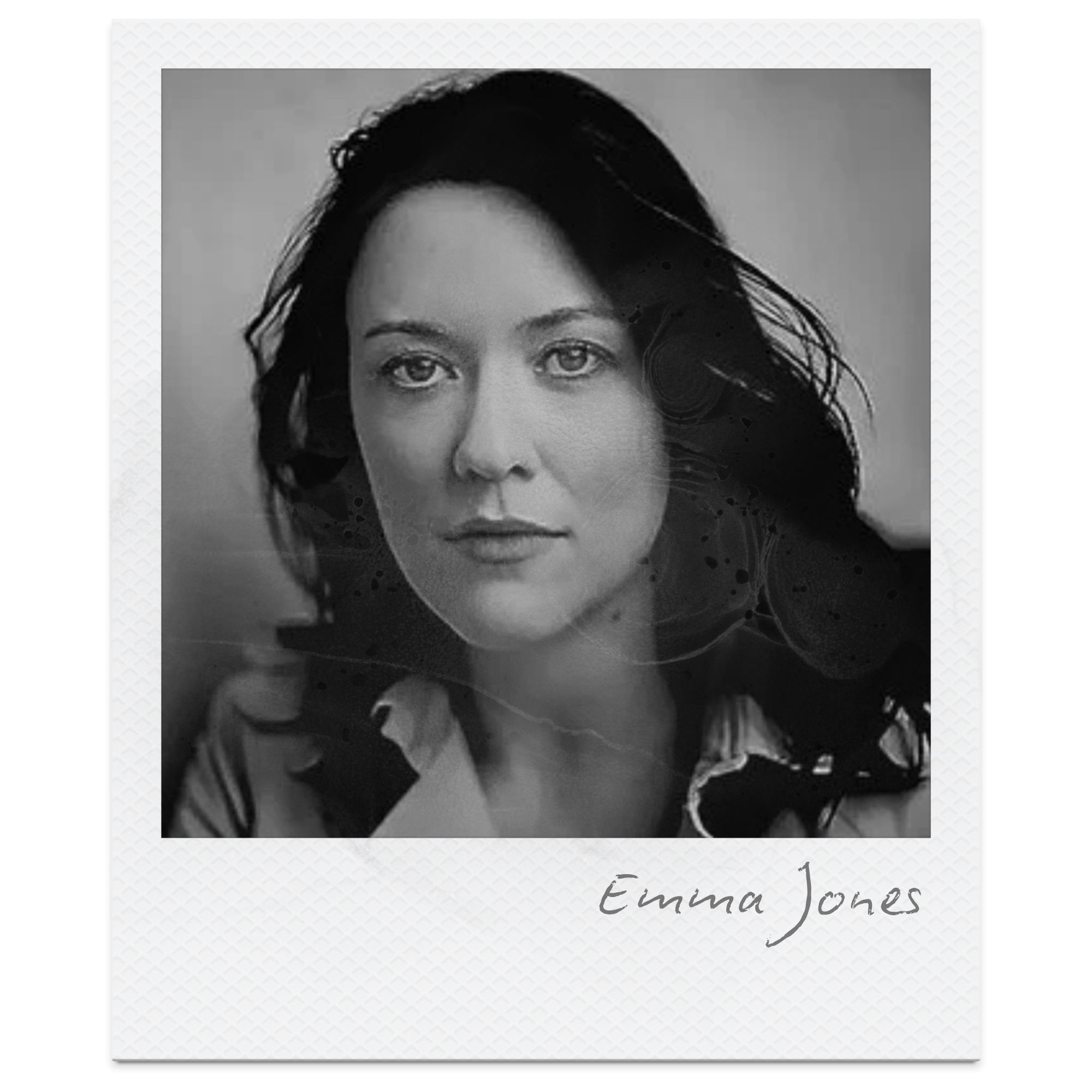
Emma Jones is a contemporary poet whose work often explores the blurred boundary between the physical world and the psychological imagination. In Tiger in the Menagerie, the poem’s surreal imagery and dreamlike transformations place it within a broader tradition of modern poetry that questions stable ideas of identity, control, and reality itself. Rather than presenting the tiger as a realistic animal, Jones transforms it into something symbolic and unstable, allowing the poem to explore deeper emotional and philosophical tensions surrounding captivity, perception, and fear.
The poem also reflects modern literary interests in ambiguity and fluid meaning. The shifting relationship between the tiger, the cage, and the menagerie creates a world where boundaries repeatedly collapse, forcing readers to question what is real, imagined, or psychologically projected. This uncertainty links the poem to wider contemporary concerns about confinement, surveillance, and the fragile distinction between civilisation and instinct. The poem rewards close analysis of symbolism, structural transformation, and conceptual ambiguity, particularly through its refusal to offer a single fixed interpretation of the tiger itself.
Tiger in the Menagerie: At a Glance
◆ Form: Free verse with surreal, fluid movement that mirrors the poem’s shifting reality and unstable boundaries.
◆ Tone and emotional movement: The poem moves from quiet fascination to dreamlike unease and finally towards psychological tension and fear.
◆ Central tensions: Captivity versus freedom, civilisation versus instinct, reality versus imagination, and control versus transformation.
◆ Core concerns: The poem explores identity, containment, perception, fear, and the impossibility of fully controlling wildness or desire.
◆ Dominant imagery: Cages, bars, stripes, eyes, birds, and architectural spaces create recurring patterns of vision, confinement, and metamorphosis.
◆ Stylistic features: Jones uses surreal imagery, repetition, symbolic transformation, blurred boundaries, and fluid syntax to create ambiguity and instability.
◆ Key themes: Captivity and escape, transformation, psychological fear, instability of identity, imagination, and the relationship between civilisation and instinct.
◆ One-sentence interpretation: The poem suggests that attempts to contain wildness ultimately dissolve the boundaries between prisoner and prison, leaving fear and instability behind.
Quick Summary of Tiger in the Menagerie
The poem begins with the mysterious appearance of a tiger inside a menagerie, though the speaker insists that “no one could say” how it arrived there. The tiger immediately feels strange, unnatural, and almost dreamlike, described as “too flash” and “too blue,” as though it exists somewhere between a real creature and an imagined image. Through increasingly surreal imagery, the bars of the cage and the tiger’s stripes begin to merge together, blurring the distinction between the animal and its imprisonment. As the poem moves deeper into its dreamlike atmosphere, the tiger and cage seem to travel together through imagined spaces until the tiger finally dissolves into “one clear orange eye.”
In the second half of the poem, the tiger has apparently escaped, although once again “no one could say” how this transformation happened. The menagerie is left feeling strangely empty and exposed, while the atmosphere shifts from fascination towards growing psychological tension and fear. When the tiger enters the aviary, the birds react with panic, their “heart” beating through “rows of rising birds.” By the end of the poem, the tiger is no longer presented as merely an imprisoned animal but as a powerful symbolic presence that destabilises the fragile order of the menagerie itself, leaving behind a sense of lingering instability, fear, and unresolved transformation.
Title, Form, Structure and Metre in Tiger in the Menagerie
Emma Jones uses the poem’s structure, free verse form, and shifting imagery to create a deeply unstable world where boundaries between animal and cage, reality and dream, repeatedly collapse. The poem’s formal features mirror its central concerns with captivity, psychological transformation, and the impossibility of fully controlling instinct or imagination.
The Title: instability and containment
The title, Tiger in the Menagerie, initially sounds controlled and contained. The word “menagerie” suggests something organised, civilised, and carefully managed — a space designed to display wildness safely to spectators. However, the title immediately creates tension because a tiger remains fundamentally incompatible with that controlled environment. The poem gradually dismantles the illusion that the tiger can ever truly belong within the rigid order of the menagerie.
The title also subtly reduces the tiger into an exhibit or spectacle rather than a living creature. This reflects the poem’s interest in observation, power, and the human desire to classify and contain danger. Yet as the poem progresses, the tiger becomes increasingly difficult to define or physically locate. By the ending, the title itself feels unstable because the tiger is no longer simply “in” the menagerie — its presence has spread psychologically throughout the space, transforming the atmosphere around it.
Form: free verse and structural freedom
The poem is written in free verse, with no fixed rhyme scheme or traditional metrical structure. This lack of formal containment reflects the tiger’s resistance to captivity and reinforces the poem’s exploration of escape, fluid identity, and uncontrollable instinct. Jones deliberately avoids the order and predictability associated with more rigid poetic forms, allowing the poem to feel unstable and constantly shifting.
The free verse structure also contributes to the poem’s surreal atmosphere. Rather than moving through a straightforward narrative progression, the poem drifts through transformations and dreamlike images that blur the distinction between physical reality and psychological perception. This structural fluidity forces the reader to experience the same uncertainty that surrounds the tiger itself.
Structure: transformation and cyclical movement
The poem is divided into two mirrored sections that begin with almost identical lines:
“No one could say how the tiger got into the menagerie.”
and later:
“No one could say how the tiger got out in the menagerie.”
This structural repetition creates a sense of cyclical uncertainty. The poem never provides clear explanations for either the tiger’s arrival or disappearance, reinforcing the idea that the tiger cannot be fully understood or controlled through logic alone. The repetition also creates a dreamlike circularity, making the poem feel trapped within its own unstable transformations.
The central section of the poem is especially important because it marks the gradual merging of the tiger and the cage. As the bars become “lashes of the stripes” and the stripes become “lashes of the bars,” physical boundaries begin to collapse completely. Structurally, this moment acts as the poem’s turning point, where the distinction between prisoner and prison dissolves.
The ending intensifies the poem’s atmosphere of unease rather than resolving it. Instead of restoring order after the tiger’s escape, the poem leaves the menagerie psychologically destabilised. The aviary’s fearful reaction suggests that the tiger’s presence continues to spread beyond physical containment, leaving the poem unresolved and deeply unsettling.
Enjambment and fluid movement
Jones uses extensive enjambment throughout the poem, causing images and ideas to spill across line endings without pause. This creates a sense of fluid movement that mirrors the tiger’s gradual escape from fixed definition. The lines often feel as though they are slipping into one another, reinforcing the poem’s interest in blurred boundaries and unstable transformation.
For example, the movement between the bars and stripes occurs through flowing, uninterrupted syntax that makes it difficult to separate one image from the next. This structural merging reflects the poem’s larger suggestion that confinement eventually alters both the captive creature and the structures designed to imprison it.
The enjambment also contributes to the poem’s hypnotic, dreamlike rhythm. Rather than creating firm stopping points, the poem continuously pulls the reader forward, producing a sense of psychological momentum and instability.
Sound, rhythm and metre
The poem does not follow a strict metrical pattern, but Jones carefully manipulates rhythm and sound to create atmosphere and emotional tension. Many lines move slowly and heavily through repeated soft consonants and elongated vowel sounds, creating a hypnotic quality that reflects the poem’s dreamlike transformations.
The repetition of phrases such as “too flash, too blue” creates an almost incantatory rhythm, reinforcing the tiger’s strange unreality. Similarly, the repeated references to “bars,” “lashes,” and “stripes” create subtle sound echoes that bind the imagery together structurally as well as symbolically.
At key moments, the rhythm becomes smoother and more flowing, particularly during the tiger’s dreamlike merging with the cage. In contrast, the final section surrounding the aviary introduces sharper emotional tension through more abrupt phrasing and shorter syntactical movements. This shift mirrors the movement from fascination towards fear.
Rather than using regular metre to create order, Jones allows rhythm to remain unstable and fluid throughout the poem. This reflects the poem’s central idea that wildness, imagination, and psychological fear cannot ever be fully controlled within rigid structures.
Voice, Perspective and Emotional Conflict in Tiger in the Menagerie
Emma Jones uses an unsettling and emotionally unstable voice throughout the poem to blur the distinction between reality, dream, and psychological projection. The shifting perspective and surreal descriptions create a speaker who appears observant yet uncertain, reinforcing the poem’s wider concerns with ambiguity, transformation, and the limits of human understanding.
Speaker: detached observation and uncertainty
The speaker initially adopts a calm, observational tone, describing the tiger almost as though documenting a strange event. However, this apparent detachment quickly becomes unreliable because the speaker repeatedly admits uncertainty. The phrase:
“No one could say”
appears at both the beginning and near the end of the poem, emphasising the speaker’s inability to explain or fully comprehend what is happening. This repeated uncertainty destabilises the poem’s perspective and prevents the reader from trusting the physical reality of events completely.
The speaker’s detached voice also creates emotional distance from the tiger itself. Rather than describing the animal sentimentally or realistically, the speaker focuses on strange visual impressions and symbolic transformations. This makes the tiger feel less like a literal creature and more like a shifting psychological or symbolic presence.
Perspective: blurred boundaries between reality and imagination
The poem’s perspective gradually becomes more surreal as the tiger and cage begin to merge together. At first, the speaker describes physical objects separately — bars, stripes, eyes — but these distinctions slowly collapse through the poem’s dreamlike imagery. The lines:
“the bars were the lashes of the stripes
the stripes were the lashes of the bars”
demonstrate how perspective itself becomes unstable. The repeated reversals make it impossible to determine where the tiger ends and the cage begins.
This blurred perspective creates a sense that the poem is moving beyond ordinary physical reality into a more symbolic or psychological space. The speaker no longer appears to describe external events objectively but instead seems trapped within the strange transformations unfolding inside the poem. As a result, readers experience the same disorientation and uncertainty that dominate the menagerie itself.
Tone: fascination shifting into unease
The poem’s emotional tone shifts gradually from fascination towards fear and instability. In the opening section, the tiger feels strange but almost mesmerising, described through vivid colours and surreal visual detail. Phrases such as “too flash, too blue” create a tone that feels hypnotic and dreamlike rather than immediately threatening.
However, this fascination slowly darkens as the tiger’s presence becomes more psychologically invasive. The merging of bars and stripes creates increasing unease because the structures designed to contain the tiger begin to lose their stability. The poem’s atmosphere becomes increasingly claustrophobic and uncertain, suggesting that the tiger’s influence is spreading through the entire environment.
By the final section, the tone has shifted fully into anxiety and fear. The aviary’s reaction — its “heart began to beat in rows of rising birds” — transforms the tiger into a source of collective panic. Importantly, the fear is not presented through violence or direct attack but through psychological tension and anticipation. The tiger’s mere presence destabilises the entire menagerie.
Emotional conflict: captivity, freedom and psychological instability
The poem is driven by deep emotional conflict surrounding the idea of containment. On one level, the tiger represents instinct, wildness, and freedom, while the menagerie symbolises civilisation and control. However, the poem repeatedly complicates this binary by showing how captivity changes both the prisoner and the prison itself.
The merging of the tiger and the cage suggests that confinement creates psychological distortion rather than genuine control. The tiger cannot remain fully contained, but neither can the menagerie remain emotionally untouched by the tiger’s presence. This creates a powerful tension between external order and internal instability.
There is also emotional conflict in the poem’s treatment of visibility and observation. The tiger exists constantly under the gaze of others, yet it remains fundamentally unknowable. Even at the poem’s conclusion, neither the speaker nor the menagerie fully understands what the tiger has become. This unresolved uncertainty leaves the poem emotionally open-ended and deeply unsettling.
Stanza-by-Stanza Analysis of Tiger in the Menagerie
Emma Jones’s Tiger in the Menagerie rewards close analysis because the poem’s meanings emerge gradually through its shifting imagery, surreal transformations, and emotional instability. Rather than presenting a straightforward narrative, the poem constantly blurs the boundaries between animal and cage, dream and reality, and captivity and freedom. Each stanza deepens the atmosphere of uncertainty, allowing the tiger to become both a literal creature and a powerful symbolic presence.
The poem’s structure also mirrors its thematic concerns. Images repeat, evolve, and transform across the poem, creating patterns of symbolism, psychological tension, and conceptual ambiguity. Through close analysis of each stanza, it becomes possible to trace how Jones gradually destabilises the apparently controlled world of the menagerie until fear, transformation, and instability spread through the entire environment.
Stanza 1: spectacle, unreality and unstable perception
The opening stanza immediately establishes an atmosphere of mystery, uncertainty, and psychological instability. The statement that “no one could say” how the tiger arrived in the menagerie creates immediate ambiguity because the speaker refuses to provide a rational explanation for the tiger’s appearance. This uncertainty destabilises the poem from its very first line, suggesting that the tiger exists outside ordinary logic or understanding. The vague collective voice of “No one” also creates emotional distance, making the menagerie feel strangely passive and powerless despite supposedly being a place of human control.
The tiger itself is described through unusual and almost artificial imagery when the speaker claims it was “too flash, too blue.” The repeated structure of “too” creates a sense of excess and imbalance, as though the tiger cannot comfortably exist within normal reality. The adjective “flash” suggests brightness, spectacle, or performance, making the tiger appear theatrical rather than natural. Meanwhile, the description “too blue” feels deeply surreal and disorientating because blue is not a colour traditionally associated with tigers. This unnatural imagery immediately transforms the tiger into something symbolic, dreamlike, or psychologically distorted rather than simply a literal animal.
The final line deepens this sense of unreality by describing the tiger as “too much like the painting of a tiger.” This simile creates an unsettling separation between appearance and reality. A painting represents imitation rather than life, suggesting that the tiger may already exist as a projection, illusion, or constructed image. The line also introduces one of the poem’s central tensions between representation and reality. The tiger is not simply observed; it is mediated through artifice and perception, making its identity unstable from the very beginning.
The stanza therefore establishes the tiger as both mesmerising and unknowable. Rather than presenting a straightforward dangerous animal, Jones creates a symbolic presence that resists clear definition. The opening imagery creates an atmosphere of psychological unease, suggesting that the tiger’s true threat lies not only in physical danger but in its ability to destabilise perception itself.
Stanza 2: merging identities and psychological transformation
The second stanza begins to dissolve the distinction between the tiger and its imprisonment through deeply surreal imagery and unsettling psychological transformation. The image of “the bars of the cage and the stripes of the tiger” immediately creates a visual parallel between the animal and the structure designed to contain it. Both bars and stripes are formed from dark linear patterns, allowing the poem to suggest that captivity has begun to blur the boundary between prisoner and prison.
Jones intensifies this merging through the unsettling phrase that the bars and stripes “looked into each other so long.” The personification of both objects creates a strange atmosphere of mutual recognition and psychological intimacy. Rather than existing in opposition, the tiger and cage appear drawn towards one another, as though prolonged confinement has caused them to become interconnected. The repetition of “so long” also creates a slow, hypnotic rhythm that reinforces the poem’s dreamlike atmosphere and suggests the endless passage of time within captivity.
The image of looking “into each other” carries important symbolic implications. Eyes are traditionally associated with identity, self-awareness, and perception, yet here the tiger and cage seem to reflect one another until their individual identities become unstable. The poem therefore suggests that systems of confinement psychologically alter not only the captive creature but also the structures of control themselves.
The final line of the stanza — “when it was time for those eyes to rock shut” — deepens the atmosphere of dream, exhaustion, and blurred reality. The phrase “rock shut” feels unusually soft and rhythmic, almost lullaby-like, creating a hypnotic movement into sleep or unconsciousness. At the same time, the idea of the bars and stripes becoming “eyes” further collapses physical distinctions within the poem. Reality itself appears unstable, preparing the reader for the even more extreme transformations that follow in later stanzas.
This stanza therefore marks an important turning point in the poem. The tiger is no longer presented as simply trapped inside the cage; instead, the tiger and cage begin psychologically and symbolically merging together, suggesting that prolonged captivity creates deep emotional distortion and instability.
Stanza 3: dissolution of boundaries and mirrored identity
This short stanza represents the poem’s most complete collapse of boundaries between the tiger and the cage. The repeated structure of “the bars were the lashes of the stripes / the stripes were the lashes of the bars” creates a circular, mirrored movement that makes it impossible to separate one from the other. Jones deliberately reverses the phrasing in the second line, creating a sense of symmetry, confusion, and psychological entrapment.
The repetition of “lashes” is especially significant because the word carries multiple meanings. On one level, lashes suggest eyelashes, continuing the poem’s recurring imagery of eyes, perception, and observation. This reinforces the unsettling idea that the tiger and cage are staring into one another until their identities merge completely. However, “lashes” also carries associations of violence and punishment, subtly evoking the brutality of confinement beneath the poem’s dreamlike surface.
The stanza’s structure itself mirrors the poem’s thematic instability. The lines reflect one another almost perfectly, creating a claustrophobic sense of repetition and entrapment. This cyclical phrasing suggests there is no longer any stable distinction between captor and captive, freedom and imprisonment, or even self and environment. The tiger has become psychologically absorbed into the cage, while the cage itself seems transformed by the tiger’s presence.
Jones also strips the stanza down into almost pure image and rhythm. The lack of narrative progression creates a suspended moment where meaning becomes fluid and unstable. This intensifies the poem’s surreal atmosphere, making the reader experience the same sense of disorientation and blurred perception that dominates the menagerie itself.
The stanza therefore acts as the poem’s symbolic centre. The tiger is no longer merely trapped behind bars; instead, captivity has become internalised and psychologically transformative. Through this mirrored imagery, Jones suggests that systems of control inevitably reshape both what is imprisoned and the structures designed to contain it.
Stanza 4: dreamlike escape and imagined freedom
In this stanza, the tiger and cage move fully into a shared dreamscape, suggesting that the boundary between them has now dissolved completely. The phrase “they walked together in their dreams so long” creates an atmosphere of psychological merging and surreal transformation. The use of “together” is especially important because it presents the tiger and cage not as opposites but as strangely united presences. Captivity has become so prolonged and intimate that prisoner and prison now move as one.
The verb “walked” also carries symbolic significance. Earlier in the poem, the tiger was physically confined behind bars, yet here both tiger and cage gain movement and freedom within dreams. This creates a tension between physical imprisonment and psychological escape. The dream world becomes a space where ordinary laws no longer apply, allowing the tiger to transcend the rigid structures designed to contain it.
Jones extends this dreamlike atmosphere through the image of the “long colonnade.” A colonnade traditionally suggests grandeur, architecture, and civilisation, linking the menagerie to structures of human order and control. However, the repetition of “long” creates a hypnotic and almost endless quality, making the space feel dreamlike rather than solid or secure. The colonnade becomes a liminal space between captivity and freedom, reality and imagination.
The final line — “that shed its fretwork to the Indian main” — introduces some of the poem’s richest and most ambiguous imagery. The verb “shed” suggests a stripping away or dissolving of boundaries, reinforcing the poem’s ongoing movement towards transformation and instability. “Fretwork,” with its intricate decorative patterns, reflects the ordered structures of civilisation, yet these patterns are gradually abandoned as the dreamscape opens onto the “Indian main,” a vast image of open sea and distance.
The reference to the “Indian main” introduces powerful associations with freedom, colonial exoticism, and imagined wildness. The tiger’s symbolic connection to India reinforces its identity as something fundamentally untameable and outside the menagerie’s artificial control. At the same time, the imagery remains deeply ambiguous because this escape occurs only within dreams. The stanza therefore balances longing for liberation against the continued reality of confinement.
Through its fluid syntax and drifting imagery, this stanza creates one of the poem’s most hypnotic moments. Jones suggests that imagination itself becomes a form of escape, even as the boundaries between dream and reality continue to collapse.
Stanza 5: transformation, disappearance and symbolic presence
This stanza marks the poem’s most dramatic transformation, as the tiger appears to dissolve beyond ordinary physical form. The line “when the sun rose they’d gone” creates a sudden sense of disappearance and absence. The vague pronoun “they” is especially important because it refers collectively to both the tiger and the cage, reinforcing the poem’s earlier suggestion that their identities have merged completely. By sunrise, neither remains fully intact as a separate entity.
The rising sun traditionally symbolises clarity, revelation, and the return of rational reality after darkness. However, Jones subverts these expectations because daylight does not restore order or certainty. Instead, the tiger transforms into something even more surreal and difficult to define. This reversal destabilises the reader’s expectations and suggests that the psychological transformations occurring within the poem cannot simply be explained away by logic or daylight.
The description of the tiger as “one clear orange eye” is one of the poem’s most powerful examples of symbolism and abstraction. Reducing the tiger to a single eye strips away its ordinary physical form and transforms it into a concentrated image of perception, instinct, and psychological presence. Eyes throughout the poem are linked to observation, identity, and unstable perception, so this final transformation suggests the tiger has become almost pure awareness or symbolic force.
The adjective “clear” creates an interesting contrast with the poem’s earlier atmosphere of ambiguity and dreamlike distortion. On one level, the tiger appears visually vivid and sharply defined. However, this clarity is paradoxical because the tiger itself has become less physically real than ever before. Jones therefore creates tension between visibility and understanding: the tiger may appear “clear,” yet its meaning remains deeply elusive.
The colour “orange” also carries symbolic significance. Unlike the earlier description of the tiger as “too blue,” orange feels closer to the tiger’s natural colouring, suggesting a return to instinctive or elemental identity. At the same time, the intense visual focus on colour reinforces the tiger’s almost artistic or symbolic unreality, continuing the poem’s earlier interest in spectacle and visual perception.
The phrase, “that walked into the menagerie,” creates a deeply unsettling reversal. Earlier in the poem, the tiger was trapped within the menagerie, yet now the transformed eye seems to move freely back into the space as an independent presence. The tiger no longer appears physically confined; instead, it has become something psychological and invasive that can move through the menagerie at will.
This stanza therefore represents the tiger’s symbolic escape from ordinary containment. Rather than simply breaking free physically, the tiger transforms into a haunting presence that destabilises the entire environment, reinforcing the poem’s wider concerns with identity, perception, and the impossibility of fully controlling wildness or imagination.
Stanza 6: absence, exposure and psychological aftermath
The opening line of this stanza mirrors the poem’s beginning with the repeated statement that “No one could say how the tiger got out in the menagerie.” This repetition creates a strong sense of cyclical uncertainty, reinforcing the idea that the tiger cannot be understood through logic or controlled through human systems of order. However, there is an important shift between the opening and this later version. Earlier, the mystery surrounded how the tiger entered the menagerie; now the uncertainty concerns its escape. This structural parallel suggests that the menagerie has completely failed in its attempt to contain or define the tiger.
The phrase “got out in the menagerie” also feels grammatically strange and slightly unstable. The wording creates ambiguity because the tiger seems simultaneously outside and still somehow within the menagerie itself. This reinforces the poem’s central idea that the tiger’s presence has become psychological and symbolic rather than merely physical. Even after escaping confinement, the tiger continues to haunt the environment.
The description of the menagerie as “too bright, too bare” creates a dramatic tonal shift from the earlier dreamlike atmosphere. The repeated “too” echoes the opening stanza’s description of the tiger as “too flash, too blue,” creating structural symmetry across the poem. However, whereas the earlier excess was associated with the tiger’s strange vitality and unreality, this new excess reflects emptiness and exposure. The menagerie now feels stripped, vulnerable, and emotionally hollow after the tiger’s disappearance.
The adjective “bright” traditionally carries associations with clarity and visibility, yet here brightness becomes unsettling rather than comforting. Without the tiger, the menagerie feels painfully exposed, suggesting that the tiger’s presence gave the space meaning, depth, or vitality. Similarly, the word “bare” implies emptiness, loss, and emotional desolation. The menagerie’s carefully controlled structures now seem fragile and incomplete.
The stanza’s most striking moment comes with the line “If the menagerie could, it would say ‘tiger.’” Jones uses personification to transform the menagerie into something emotionally responsive and psychologically affected by the tiger’s absence. The conditional phrasing “If the menagerie could” emphasises repression and limitation, as though the space itself lacks the ability to fully articulate its experience.
The isolated final word “tiger” becomes powerfully significant because it stands alone as both memory and obsession. Even in its absence, the tiger dominates the menagerie psychologically. The line suggests that the tiger has become embedded within the identity of the space itself, reinforcing the poem’s wider exploration of how systems of confinement are transformed by what they attempt to control.
This stanza, therefore, shifts the poem from surreal transformation towards emotional aftermath. The tiger may have escaped physically, but its symbolic and psychological presence remains everywhere, leaving the menagerie exposed, unstable, and permanently altered.
Stanza 7: fear, vulnerability and the return of instinct
The final stanza shifts fully into an atmosphere of fear, psychological vulnerability, and impending threat. The opening line, “If the aviary could, it would lock its door,” closely mirrors the earlier personification of the menagerie, reinforcing the idea that the tiger’s presence has emotionally transformed the entire environment. However, unlike the menagerie’s lingering fascination with the tiger, the aviary responds with instinctive self-protection and fear.
The conditional phrasing “If the aviary could” again suggests limitation and helplessness. The aviary is imagined as possessing awareness and emotional response, yet it remains incapable of protecting itself fully. This personification creates a deeply unsettling atmosphere because the structures designed to contain and organise nature now appear frightened by what has entered them.
The image of the aviary wanting to “lock its door” also introduces important symbolic tension between different forms of captivity. Like the menagerie, the aviary is another controlled space where living creatures are confined for observation. However, the arrival of the tiger exposes the fragility of these artificial systems of order. The aviary’s desire to shut itself away suggests that civilisation’s structures are ultimately powerless against instinctive or predatory forces.
Jones then transforms the aviary into a living organism through the image that “Its heart began to beat in rows of rising birds.” This is one of the poem’s most striking examples of collective imagery and symbolic movement. The birds physically rising together mirrors the rapid beating of a heart, creating an image of panic spreading through the aviary like a physiological response. The line therefore blurs the distinction between environment and living creature, continuing the poem’s wider collapse of stable boundaries.
The phrase “rows of rising birds” is also significant because the ordered “rows” suggest structure and containment, while “rising” implies sudden movement, disruption, and fear. Jones therefore creates tension between imposed order and instinctive reaction. The carefully controlled aviary momentarily loses stability as panic overtakes its rigid arrangement.
The stanza’s final line — “when the tiger came inside to wait” — is especially unsettling because the tiger is presented with eerie calmness rather than aggression. The verb “wait” creates an atmosphere of suspended tension and anticipation. The tiger does not need to attack physically in order to dominate the space; its mere presence is enough to trigger fear and instability.
This ending leaves the poem deliberately unresolved. The tiger becomes less a literal predator and more a symbolic force representing instinct, psychological disruption, and uncontrollable wildness. By concluding with the tiger quietly “waiting,” Jones creates a lingering sense of threat that extends beyond the poem itself, leaving the reader trapped within the same atmosphere of uncertainty and unease that now defines the menagerie.
Key Quotes and Literary Methods in Tiger in the Menagerie
Emma Jones uses vivid symbolism, surreal transformation, and psychologically unsettling imagery throughout Tiger in the Menagerie to explore ideas of captivity, identity, fear, and instability. The poem’s most important quotations reveal how boundaries between the tiger, the cage, and the menagerie gradually collapse, creating a world where perception itself becomes unreliable.
“No one could say how the tiger got into the menagerie.”
◆ Method or literary feature: Repetition, ambiguity, collective voice
◆ Interpretation and implied meaning: The uncertain phrasing immediately creates an atmosphere of mystery and instability, suggesting the tiger exists outside rational explanation.
◆ Why the poet uses it: Jones destabilises the poem from the opening line, preventing readers from treating the tiger as fully literal or controllable.
◆ Emotional/intellectual effect: Creates unease and uncertainty while undermining the supposed authority of the menagerie.
◆ Broader conceptual significance: Introduces the poem’s central concern with the limits of human control and understanding.
“It was too flash, too blue”
◆ Method or literary feature: Repetition, surreal colour imagery
◆ Interpretation and implied meaning: The repeated “too” creates a sense of excess and unreality, while “blue” makes the tiger appear unnatural and dreamlike.
◆ Why the poet uses it: Jones transforms the tiger into something symbolic and psychologically unsettling rather than realistic.
◆ Emotional/intellectual effect: The imagery feels hypnotic and disorientating.
◆ Broader conceptual significance: Suggests the tiger resists ordinary perception and fixed identity.
“too much like the painting of a tiger”
◆ Method or literary feature: Simile, artistic imagery
◆ Interpretation and implied meaning: The tiger resembles an imitation rather than a living creature, blurring the line between reality and representation.
◆ Why the poet uses it: Jones questions whether the tiger exists physically or psychologically.
◆ Emotional/intellectual effect: Creates distance and unreality while making the tiger feel symbolic rather than tangible.
◆ Broader conceptual significance: Explores how perception and artifice shape understanding.
“the bars of the cage and the stripes of the tiger”
◆ Method or literary feature: Visual parallelism, symbolic imagery
◆ Interpretation and implied meaning: The bars and stripes visually mirror one another, suggesting the tiger and cage are becoming interconnected.
◆ Why the poet uses it: Jones begins dissolving the distinction between prisoner and prison.
◆ Emotional/intellectual effect: Creates subtle unease as boundaries begin collapsing.
◆ Broader conceptual significance: Suggests systems of confinement psychologically transform both captive and captor.
“looked into each other so long”
◆ Method or literary feature: Personification, repetition
◆ Interpretation and implied meaning: The cage and tiger appear to recognise and absorb one another through prolonged observation.
◆ Why the poet uses it: Jones turns captivity into a psychological relationship rather than simple physical imprisonment.
◆ Emotional/intellectual effect: Creates a slow, hypnotic atmosphere of intimacy and distortion.
◆ Broader conceptual significance: Explores how identity becomes unstable under confinement.
“the bars were the lashes of the stripes”
◆ Method or literary feature: Metaphor, mirrored syntax
◆ Interpretation and implied meaning: The tiger and cage merge so completely that they become visually indistinguishable.
◆ Why the poet uses it: Jones symbolises the collapse of boundaries between captivity and identity.
◆ Emotional/intellectual effect: Creates confusion and claustrophobic instability.
◆ Broader conceptual significance: Suggests confinement reshapes both environment and selfhood.
“they walked together in their dreams so long”
◆ Method or literary feature: Surreal imagery, personification
◆ Interpretation and implied meaning: The tiger and cage move together through a shared dreamscape, fully dissolving their separation.
◆ Why the poet uses it: Jones presents dreams as a space where ordinary physical laws collapse.
◆ Emotional/intellectual effect: Creates a drifting, hypnotic sense of transformation.
◆ Broader conceptual significance: Suggests imagination and instinct can transcend physical imprisonment.
“one clear orange eye”
◆ Method or literary feature: Symbolism, visual imagery, synecdoche
◆ Interpretation and implied meaning: The tiger is reduced into a concentrated symbol of perception, instinct, and psychological presence.
◆ Why the poet uses it: Jones transforms the tiger into something abstract and haunting rather than fully physical.
◆ Emotional/intellectual effect: The image feels vivid yet deeply unsettling.
◆ Broader conceptual significance: Reinforces the poem’s interest in unstable identity and symbolic transformation.
“It was too bright, too bare.”
◆ Method or literary feature: Repetition, tonal contrast
◆ Interpretation and implied meaning: The absence of the tiger leaves the menagerie exposed, empty, and emotionally hollow.
◆ Why the poet uses it: Jones shows that the tiger’s presence has permanently altered the environment.
◆ Emotional/intellectual effect: Creates a feeling of vulnerability and psychological emptiness.
◆ Broader conceptual significance: Suggests systems of control lose meaning once what they contain disappears.
“Its heart began to beat in rows of rising birds”
◆ Method or literary feature: Personification, collective imagery, metaphor
◆ Interpretation and implied meaning: The aviary becomes a living organism overwhelmed by fear as the birds rise in panic.
◆ Why the poet uses it: Jones externalises psychological terror through physical movement and rhythm.
◆ Emotional/intellectual effect: Creates urgency, instability, and collective panic.
◆ Broader conceptual significance: Demonstrates how the tiger’s presence destabilises every structure designed to contain order and safety.
Key Techniques in Tiger in the Menagerie
Emma Jones uses a wide range of literary, structural, and symbolic techniques throughout Tiger in the Menagerie to create an atmosphere of instability and psychological unease. Rather than relying on straightforward description, the poem constantly transforms its imagery, forcing readers to question the boundaries between reality and imagination, captivity and freedom, and observer and observed.
Surreal imagery
The poem is dominated by deeply surreal imagery, particularly in descriptions such as the tiger being “too flash, too blue” or transforming into “one clear orange eye.” These strange visual images destabilise reality and prevent the tiger from being interpreted as purely literal. Jones uses surrealism to create emotional uncertainty and symbolic openness, allowing the tiger to function simultaneously as an animal, psychological force, and abstract idea.
Symbolism
The tiger becomes a powerful and fluid symbol throughout the poem. It can represent wildness, instinct, fear, freedom, or even suppressed psychological desire. Importantly, the symbol never settles into one fixed meaning. The cage and menagerie are also symbolic, representing systems of control, surveillance, and human attempts to contain what cannot fully be controlled.
Repetition
Jones repeatedly uses phrases and structural patterns to create a hypnotic atmosphere. The repeated opening structure — “No one could say” — reinforces uncertainty and emphasises the impossibility of fully understanding the tiger. Similarly, repeated sentence patterns such as “too flash, too blue” and “too bright, too bare” create structural symmetry across the poem while highlighting emotional and psychological imbalance.
Mirrored syntax
The lines “the bars were the lashes of the stripes / the stripes were the lashes of the bars” use mirrored syntax to collapse distinctions between the tiger and cage. This structural reversal creates confusion and symbolic merging, reinforcing the poem’s exploration of unstable identity and psychological transformation.
Personification
Jones repeatedly gives human or emotional qualities to spaces and structures within the poem. The menagerie and aviary appear capable of emotional response, memory, and fear. For example, the line “If the aviary could, it would lock its door” transforms the aviary into something vulnerable and psychologically aware. This personification blurs the distinction between environment and living organism.
Visual imagery
The poem relies heavily on vivid visual imagery, particularly through recurring colours, patterns, and images of eyes. The tiger is often presented through fragmented visual details rather than complete physical descriptions, making perception itself unstable. Colour imagery such as “blue” and “orange” creates emotional atmosphere while reinforcing the tiger’s strange unreality.
Eye imagery and perception
Eyes and acts of looking recur throughout the poem, linking the tiger to themes of observation, identity, and unstable perception. The bars and stripes “looked into each other,” while the tiger eventually becomes “one clear orange eye.” Jones uses this recurring imagery to suggest that observation changes both the observer and the observed.
Enjambment
Extensive enjambment creates fluid movement across lines and reinforces the poem’s dreamlike instability. Sentences spill across line breaks without clear stopping points, mirroring the gradual collapse of boundaries between tiger and cage. The flowing syntax also creates a hypnotic reading experience that reflects the poem’s surreal atmosphere.
Free verse
The poem’s free verse form reflects its thematic resistance to control and containment. Without a strict rhyme scheme or regular metre, the poem feels unstable and unpredictable, mirroring the tiger’s gradual escape from fixed identity and physical imprisonment.
Tonal shifts
Jones gradually shifts the poem’s tone from fascination and surreal wonder towards psychological fear and instability. The opening descriptions of the tiger feel mesmerising and dreamlike, while the final aviary scene introduces collective panic and vulnerability. These tonal changes mirror the tiger’s growing symbolic power within the poem.
Ambiguity
The poem deliberately avoids offering clear explanations or fixed meanings. Readers never fully understand how the tiger enters or escapes the menagerie, nor whether many events occur literally or symbolically. This sustained ambiguity allows the poem to remain psychologically open and interpretively rich.
Juxtaposition
Jones frequently places opposing ideas alongside one another, particularly captivity and freedom, civilisation and instinct, and beauty and danger. The controlled structures of the menagerie contrast sharply with the tiger’s symbolic wildness, creating tension throughout the poem.
Cyclical structure
The repeated phrasing surrounding the tiger entering and leaving the menagerie creates a cyclical structure that reinforces the poem’s atmosphere of unresolved uncertainty. Rather than progressing towards a clear resolution, the poem circles back to mystery and instability.
Sound patterns and rhythm
Although the poem lacks a regular metre, Jones carefully manipulates rhythm through repetition, soft consonants, and flowing syntax. Phrases such as “rock shut” create a hypnotic musicality that contributes to the poem’s dreamlike tone. The rhythm often feels slow and fluid, reinforcing the atmosphere of psychological transformation.
Semantic fields of confinement and vision
The poem repeatedly returns to words associated with containment, observation, and vision, including “bars,” “lashes,” “eye,” “door,” and “looked.” These recurring semantic fields reinforce the poem’s focus on surveillance, captivity, and unstable perception.
Structural transformation
One of the poem’s most important techniques is its constant process of transformation. Objects repeatedly shift identities: bars become lashes, the tiger becomes an eye, and spaces become emotionally responsive. This fluidity reinforces the poem’s larger suggestion that identity itself is unstable under systems of confinement and observation.
Symbolism in Tiger in the Menagerie
Emma Jones uses layered and constantly shifting symbolism throughout Tiger in the Menagerie to create a poem that feels psychologically open and emotionally unstable. Rather than functioning as simple fixed symbols, the poem’s images evolve across the poem, allowing meanings to remain fluid and ambiguous. This symbolic instability reflects the poem’s wider concerns with identity, captivity, fear, and the collapse of boundaries between reality and imagination.
The tiger: instinct, imagination and uncontrollable power
The tiger is the poem’s central symbol, though its meaning constantly shifts throughout the poem. On one level, the tiger represents wildness, instinct, and untameable natural force. The menagerie attempts to contain and display the tiger safely, yet the poem repeatedly suggests that the tiger cannot ever be fully controlled or understood.
At the same time, the tiger also becomes symbolic of the psychological imagination itself. Its surreal colouring — “too flash, too blue” — and eventual transformation into “one clear orange eye” make it feel more like a projection, dream, or emotional presence than a purely physical creature. The tiger therefore symbolises forces that escape rational explanation, including fear, desire, obsession, and unconscious thought.
The tiger’s shifting identity also allows it to symbolise instability itself. It repeatedly changes form across the poem, resisting fixed definition and undermining the structures designed to contain it.
The menagerie: civilisation and systems of control
The menagerie symbolises human attempts to impose order, classification, and control over wildness. A menagerie exists to organise dangerous or exotic creatures into something safe, observable, and manageable. However, Jones gradually exposes the fragility of this system.
As the poem progresses, the menagerie becomes emotionally and psychologically affected by the tiger’s presence. The line “If the menagerie could, it would say ‘tiger’” suggests that the space itself has become haunted or transformed by what it tried to contain. The menagerie therefore symbolises the failure of rigid systems of control when confronted with instinctive or irrational forces.
The cage and bars: confinement and psychological entrapment
The cage symbolises both literal and psychological confinement. Initially, the bars represent physical imprisonment and human authority over nature. However, the poem gradually destabilises this meaning by merging the bars with the tiger’s stripes.
When “the bars were the lashes of the stripes,” captivity becomes internalised and psychologically transformative. The cage no longer exists separately from the tiger; instead, the structures of imprisonment reshape identity itself. This symbolism suggests that systems of control ultimately distort both what is imprisoned and the structures enforcing confinement.
The bars also symbolise surveillance and observation. They separate viewer from viewed while simultaneously forcing constant visibility upon the tiger.
Eyes and looking: perception and unstable identity
Eyes recur throughout the poem as symbols of observation, awareness, and unstable perception. The bars and stripes “looked into each other,” suggesting that prolonged observation causes identities to blur and merge. The tiger’s final transformation into “one clear orange eye” intensifies this symbolism by reducing the animal into pure perception or consciousness.
Eyes traditionally symbolise knowledge or clarity, yet Jones repeatedly complicates this association. Although the tiger becomes visually vivid, its meaning grows increasingly uncertain. The recurring eye imagery therefore symbolises the limits of human understanding and the instability of perception itself.
Dreams: escape and psychological transformation
Dreams symbolise a space beyond ordinary physical limitations and rational control. When the tiger and cage “walked together in their dreams,” they enter a realm where boundaries collapse completely. Dreams allow the tiger symbolic freedom even while physical confinement remains.
However, the dream imagery is not entirely liberating. The dreamscape also feels disorientating and psychologically unstable, suggesting that escape from confinement may lead towards fragmentation rather than certainty. Dreams therefore symbolise both liberation and emotional instability.
The aviary and birds: vulnerability and collective fear
The aviary symbolises fragile order and collective vulnerability. Unlike the solitary tiger, the birds exist in controlled “rows,” reflecting systems of organisation and containment. However, when the tiger enters the aviary, these structures collapse into panic.
The “rows of rising birds” symbolise fear spreading collectively through the environment. The birds’ sudden movement resembles the beating of a heart, transforming the aviary into a living organism overwhelmed by instinctive terror. This symbolism reinforces the tiger’s role as a destabilising force that disrupts all attempts at imposed order.
Colour symbolism: unreality and emotional atmosphere
Jones uses colour symbolically throughout the poem to destabilise reality and create emotional atmosphere. The tiger’s unnatural “blue” colouring in the opening stanza suggests artificiality, dream logic, and psychological distortion. Blue may also evoke emotional coldness or distance, making the tiger feel unfamiliar and unreal.
Later, the tiger becomes “orange,” a colour more closely associated with natural tiger imagery. This shift may symbolise a return to instinctive identity or elemental force. However, the intense visual focus on colour also reinforces the tiger’s symbolic unreality, making it feel closer to an artistic or psychological image than a stable physical creature.
The “Indian main”: freedom and imagined wildness
The reference to the “Indian main” symbolises distance, freedom, and imagined wildness beyond the controlled structures of the menagerie. The image evokes vast open spaces that contrast sharply with the confinement of cages and architectural structures.
At the same time, the image carries traces of colonial exoticism, linking the tiger to ideas of the foreign, the untameable, and the culturally distant. The tiger becomes associated with spaces beyond the reach of civilisation and human authority.
The tiger’s transformation into “one clear orange eye”: haunting presence
The tiger’s final transformation into “one clear orange eye” symbolises the complete breakdown of stable identity. The tiger is no longer a contained physical creature but a concentrated symbolic presence associated with awareness, instinct, and psychological invasion.
The image is haunting precisely because it remains unresolved. The tiger does not disappear completely but instead becomes something more abstract, more pervasive, and potentially more threatening. This final symbolism reinforces the poem’s wider suggestion that wildness and psychological fear cannot truly be contained or erased.
How Emma Jones Creates Meaning and Impact in Tiger in the Menagerie
Emma Jones creates meaning in Tiger in the Menagerie through a constantly shifting combination of surreal imagery, symbolic transformation, and psychological instability. Rather than presenting a clear narrative or fixed symbolic message, the poem gradually destabilises both the tiger and the world surrounding it, forcing readers to experience uncertainty and emotional unease alongside the speaker. The poem’s power comes from its refusal to fully explain itself, allowing meaning to remain fluid, unsettling, and open to interpretation.
One of the poem’s most important methods is its gradual collapse of boundaries between opposites. Throughout the poem, distinctions between animal and cage, captivity and freedom, dream and reality, and observer and observed repeatedly dissolve. Jones develops this through mirrored imagery and structural repetition, particularly when “the bars were the lashes of the stripes / the stripes were the lashes of the bars.” The reversal of phrasing creates a claustrophobic sense of merging identity, suggesting that prolonged confinement psychologically transforms both the captive creature and the structures designed to imprison it.
Jones also creates meaning through the poem’s deeply surreal visual imagery. The tiger’s strange colouring — “too flash, too blue” — immediately distances it from ordinary physical reality. The imagery feels exaggerated and dreamlike, transforming the tiger into something symbolic rather than purely literal. This surrealism continues throughout the poem until the tiger eventually becomes “one clear orange eye,” a transformation that reduces the animal into a concentrated symbol of perception, instinct, and haunting psychological presence.
The recurring imagery of eyes, looking, and observation is central to the poem’s emotional impact. The tiger and cage “looked into each other so long” that their identities begin to collapse together. Jones suggests that observation is not passive; instead, looking changes both observer and observed. The poem therefore explores how systems of surveillance and containment psychologically distort everything within them. The final eye imagery reinforces this idea because the tiger becomes pure vision itself — impossible to fully contain or escape.
Jones further intensifies the poem’s impact through its fluid free verse structure and extensive enjambment. The poem rarely settles into stable rhythm or predictable movement. Instead, sentences drift across line endings in ways that mirror the tiger’s gradual escape from fixed definition. This structural fluidity creates a hypnotic reading experience, making the poem feel dreamlike and psychologically unstable. Readers are pulled continuously forward without clear moments of certainty or resolution.
The poem’s emotional power also comes from its shifting tone. The opening atmosphere feels strange and mesmerising rather than immediately threatening, allowing fascination to exist alongside uncertainty. However, this fascination gradually darkens into psychological fear, particularly in the final aviary scene. The image of the aviary’s “heart” beating through “rows of rising birds” externalises collective panic and vulnerability. Importantly, the tiger never needs to attack physically to create fear. Its symbolic presence alone destabilises the entire environment.
Jones also creates impact through ambiguity and unresolved meaning. Readers never fully understand how the tiger enters or escapes the menagerie, nor whether many of the poem’s transformations occur literally or psychologically. This openness prevents the poem from becoming simplistic or purely allegorical. Instead, the tiger remains emotionally and symbolically unstable throughout, allowing it to represent multiple ideas simultaneously: instinct, fear, imagination, freedom, violence, obsession, or suppressed psychological force.
The poem’s ending is especially powerful because it refuses closure. The tiger “came inside to wait,” a final image that feels calm yet deeply threatening. The verb “wait” creates suspended tension rather than resolution, leaving both the menagerie and the reader psychologically unsettled. By ending with anticipation rather than action, Jones suggests that the true danger of the tiger lies not only in physical violence but in its ability to disrupt systems of order, certainty, and control from within.
Ultimately, Jones creates meaning and impact by making the poem itself behave like the tiger it describes: elusive, shifting, psychologically invasive, and impossible to fully contain within fixed interpretation.
Central Ideas and Themes in Tiger in the Menagerie
Emma Jones explores a series of deeply interconnected themes throughout Tiger in the Menagerie, using surreal imagery, symbolic transformation, and psychological instability to question ideas of control, identity, and perception. The poem refuses simple resolution, allowing its themes to remain fluid, ambiguous, and emotionally unsettling.
Captivity and escape
One of the poem’s central concerns is the unstable relationship between captivity and freedom. The tiger exists within the rigid structures of the menagerie, yet the poem repeatedly suggests that true containment is impossible. The bars and stripes gradually merge together until the distinction between tiger and cage collapses completely.
Importantly, Jones complicates traditional ideas of escape. The tiger does not simply break free physically; instead, it undergoes symbolic and psychological transformation. Even after the tiger “got out,” its presence continues haunting the menagerie and aviary. This suggests that captivity leaves lasting emotional and psychological consequences that cannot easily be erased.
The poem therefore questions whether freedom is ever fully achievable or whether systems of confinement permanently reshape identity itself.
Transformation
The poem is dominated by continual transformation and instability. Objects repeatedly change form: bars become lashes, the tiger becomes an eye, and spaces develop emotional awareness. These transformations create a world where fixed identities and boundaries no longer exist securely.
Jones uses this fluidity to create a deeply unsettling atmosphere. The tiger is never stable or fully knowable because it constantly shifts between physical creature, dream image, psychological force, and symbolic presence. This instability reflects the poem’s wider suggestion that identity itself is fragile and constantly reshaped by perception, confinement, and fear.
Transformation also allows the poem to resist straightforward interpretation. Meanings remain open and evolving rather than fixed or resolved.
Psychological fear
Although the poem contains a potentially dangerous animal, its fear is primarily psychological rather than violent. The tiger rarely acts aggressively, yet its presence destabilises the entire environment. The menagerie becomes “too bright, too bare,” while the aviary’s “heart began to beat” in panic when the tiger arrives.
Jones creates fear through atmosphere, uncertainty, and anticipation rather than direct threat. The tiger becomes frightening precisely because it cannot be fully understood or controlled. Its symbolic presence spreads through the poem, creating emotional tension even in moments of stillness.
The final image of the tiger coming “inside to wait” is especially unsettling because the danger remains unresolved and suspended rather than completed.
Instability of identity
The poem repeatedly explores the instability and fluidity of identity. The tiger and cage gradually merge together until distinctions between prisoner and prison become impossible to maintain. This symbolic collapse suggests that systems of confinement psychologically transform both what is imprisoned and the structures enforcing control.
The tiger itself also lacks stable definition throughout the poem. It appears artificial, dreamlike, fragmented, and eventually abstracted into “one clear orange eye.” Jones therefore presents identity as something constantly shifting and shaped by observation, imagination, and emotional projection.
The poem’s recurring focus on eyes, perception, and looking reinforces this theme by suggesting that identity changes through acts of observation and interpretation.
Imagination and surreal perception
Jones uses surrealism and dreamlike imagery to explore the unstable power of imagination. The poem gradually moves away from physical realism into a symbolic psychological space where ordinary logic collapses. Dreams allow the tiger and cage to “walk together,” creating transformations impossible within ordinary reality.
Imagination within the poem is both liberating and unsettling. On one level, it allows escape beyond physical confinement. However, the surreal imagery also creates confusion, instability, and emotional disorientation. The poem therefore suggests that imagination can destabilise reality as much as it transcends it.
This dreamlike atmosphere forces readers to experience uncertainty directly, making interpretation itself feel fluid and unstable.
Civilisation and instinct
The conflict between civilisation and instinct runs throughout the poem. The menagerie and aviary represent human systems of order, classification, and containment. These spaces attempt to organise wildness safely within rigid structures.
However, the tiger symbolises instinctive force that resists such control. Its presence gradually destabilises the artificial order of the menagerie until fear spreads throughout the environment. The aviary’s panic reveals how fragile civilisation’s structures become when confronted with uncontrollable instinct.
Importantly, Jones avoids presenting civilisation as fully separate from wildness. The tiger psychologically transforms the spaces around it, suggesting that instinct and fear already exist beneath the surface of controlled environments. The poem therefore challenges the idea that human systems can ever completely suppress or separate themselves from primal emotional forces.
Alternative Interpretations of Tiger in the Menagerie
Emma Jones’s Tiger in the Menagerie is deliberately open-ended and symbolically unstable, allowing for multiple valid interpretations. The poem resists fixed meaning, instead encouraging readers to explore the shifting relationship between captivity, identity, fear, and imagination. Its surreal imagery and unresolved ending create space for a wide range of conceptual readings.
Psychological interpretation: repression and the unconscious
From a psychological perspective, the tiger can be interpreted as a symbol of suppressed instinct, emotion, or unconscious desire. The menagerie represents structures of repression and control designed to contain dangerous impulses safely beneath the surface. However, as the poem progresses, the tiger gradually escapes symbolic containment and begins psychologically transforming the environment around it.
The merging of the bars and stripes suggests how repression eventually blurs the distinction between what is controlled and the systems enforcing control. The tiger’s final transformation into “one clear orange eye” may symbolise intrusive awareness or psychological obsession that cannot be ignored or suppressed any longer.
Under this interpretation, the poem becomes a meditation on the impossibility of permanently controlling the unconscious mind.
Existential interpretation: instability of reality and meaning
The poem can also be interpreted through an existential lens, particularly in its destabilisation of fixed reality and certainty. Nothing in the poem is fully explained, and stable distinctions repeatedly collapse. The tiger appears unnatural, dreamlike, and constantly transforming, while even physical structures lose clear definition.
This ambiguity creates a world where objective meaning becomes impossible to secure. The repeated phrase “No one could say” reinforces the limits of human understanding, suggesting that reality itself may be fragmented, subjective, or fundamentally unknowable.
From this perspective, the tiger symbolises uncertainty itself — a disruptive force exposing the fragility of systems humans use to impose order and meaning onto the world.
Political interpretation: systems of control and resistance
The poem can also be read politically as an exploration of systems of containment, surveillance, and institutional power. The menagerie symbolises structures designed to classify, regulate, and control dangerous or disruptive forces. The tiger’s inability to remain fully confined therefore represents resistance against imposed authority.
Importantly, Jones does not present confinement as stable or successful. The tiger psychologically transforms the entire environment, suggesting that oppressive systems are themselves destabilised by what they attempt to suppress. The menagerie becomes “too bright, too bare,” exposing the emptiness and fragility beneath institutional control.
Under this interpretation, the poem critiques the illusion that power structures can ever fully contain instinct, resistance, or individuality.
Artistic interpretation: creation, imagination and representation
The tiger may also symbolise the power of artistic imagination itself. Early in the poem, the tiger appears “too much like the painting of a tiger,” immediately linking it to artistic representation rather than physical reality. Throughout the poem, the tiger behaves more like an evolving symbolic image than a literal creature.
The poem’s surreal transformations mirror the way imagination dissolves ordinary boundaries and reshapes perception. The tiger escapes fixed interpretation in the same way art resists complete explanation or containment. Even the menagerie — a place designed for display — becomes psychologically transformed by the tiger’s symbolic presence.
This interpretation positions the poem as a reflection on the disruptive, uncontrollable nature of creativity and imagination.
Colonial interpretation: exoticism and the “other”
The tiger’s association with the “Indian main” opens the possibility of a postcolonial interpretation. Historically, exotic animals such as tigers were often displayed within imperial collections and menageries as symbols of colonial power and possession. The tiger therefore becomes associated with the foreign, the exotic, and the supposedly uncivilised “other.”
However, Jones destabilises this colonial framework because the tiger ultimately resists containment and psychological control. The menagerie may attempt to display and possess the tiger safely, yet the tiger transforms and destabilises the entire environment instead.
Under this interpretation, the poem critiques colonial fantasies of ownership and domination by presenting wildness as something fundamentally resistant to control.
Philosophical interpretation: the collapse of opposites
The poem can also be interpreted philosophically as an exploration of collapsing binaries and unstable categories. Throughout the poem, opposites repeatedly merge together: cage and tiger, dream and reality, civilisation and instinct, observer and observed.
Jones therefore challenges the idea that identity or meaning can remain fixed and separate. The mirrored syntax of “the bars were the lashes of the stripes / the stripes were the lashes of the bars” symbolises this collapse of distinction most clearly.
From this perspective, the poem becomes less about a literal tiger and more about the instability of all systems humans use to categorise and define the world.
Compare With Other Songs of Ourselves Volume 2 Poems
Emma Jones’s Tiger in the Menagerie connects with several other poems in the anthology through its exploration of psychological instability, identity, fear, and the fragile boundary between civilisation and instinct. However, Jones often approaches these themes through highly surreal imagery and symbolic transformation, creating a more dreamlike and ambiguous atmosphere than many of the anthology’s other poems.
◆ The Dead Knight by John Masefield – Both poems create a deeply unsettling atmosphere where the boundary between reality and imagination becomes unstable. The Dead Knight uses gothic ambiguity and supernatural unease, while Tiger in the Menagerie creates psychological instability through surreal transformation and symbolic imagery.
◆ Sleep by Kenneth Slessor – Both poems explore altered states of consciousness and the unstable relationship between reality and dream. Slessor presents sleep as immersive and transformative, while Jones uses dream imagery to dissolve the boundaries between tiger and cage.
◆ lion heart by Amanda Chong – Both poems use animal imagery symbolically rather than realistically. However, while lion heart focuses more directly on emotional vulnerability and inherited trauma, Tiger in the Menagerie presents the tiger as a shifting symbol of instinct, fear, and psychological transformation.
◆ The White House by Claude McKay – Both poems explore the tension between outward structures of civilisation and underlying emotional threat. McKay exposes racial hostility beneath social politeness, while Jones reveals the fragility of the menagerie’s controlled order when confronted with uncontrollable instinct.
◆ The Migrant by A L Hendriks – Both poems explore forms of displacement and unstable identity. However, Hendriks approaches alienation through human migration and social experience, while Jones explores psychological and symbolic estrangement through surreal imagery and transformation.
◆ Heart and Mind by Edith Sitwell – Both poems explore internal conflict and opposing forces within identity. Sitwell dramatises the struggle between logic and emotion directly, while Jones externalises conflict symbolically through the merging of tiger and cage.
◆ London Snow by Robert Bridges – Both poems depict environments undergoing transformation. Bridges presents the city reshaped by snow into something strangely unfamiliar and dreamlike, while Jones transforms the menagerie into a psychologically unstable landscape shaped by the tiger’s presence.
Exam-Ready Insight for Tiger in the Menagerie
Strong A Level responses to Tiger in the Menagerie move beyond simple technique spotting and instead explore how Emma Jones creates a constantly unstable world where identity, captivity, and perception begin collapsing into one another. The strongest essays maintain a clear, developing argument throughout and analyse how the poem’s surreal imagery shapes emotional and psychological meaning.
What strong responses do
◆ Explore how the tiger functions as a shifting and unstable symbol rather than forcing one fixed interpretation.
◆ Analyse the gradual collapse of boundaries between tiger and cage, dream and reality, and civilisation and instinct.
◆ Track the poem’s movement from fascination towards psychological fear and instability.
◆ Explore the importance of recurring imagery linked to eyes, observation, and perception.
◆ Analyse how free verse, repetition, and enjambment contribute to the poem’s dreamlike atmosphere.
◆ Recognise that the poem’s ambiguity is deliberate and central to its meaning.
◆ Discuss how the menagerie itself becomes psychologically transformed by the tiger’s presence.
◆ Embed short quotations naturally within analysis rather than relying on long copied quotations.
◆ Explore multiple possible interpretations while maintaining a clear central argument.
◆ Focus on how Jones creates emotional unease through atmosphere and symbolic transformation rather than direct narrative explanation.
Example of a strong thesis
Jones presents the tiger as a destabilising symbolic force that gradually dissolves the boundaries between captivity and freedom, suggesting that systems of control ultimately become psychologically transformed by what they attempt to contain.
Example analytical paragraph
Jones presents captivity as psychologically transformative rather than simply physical. As the poem progresses, the distinction between tiger and cage begins collapsing through the surreal image that “the bars were the lashes of the stripes / the stripes were the lashes of the bars.” The mirrored syntax creates a claustrophobic sense of repetition and instability, making it impossible to separate prisoner from prison. The word “lashes” is especially significant because it evokes both eyelashes and violent punishment, linking observation with confinement and control. Through this merging imagery, Jones suggests that prolonged captivity reshapes both the captive creature and the structures designed to contain it. The poem therefore moves beyond a simple description of imprisonment and instead explores how systems of surveillance and control psychologically distort identity itself.
Teaching Ideas for Tiger in the Menagerie
Tiger in the Menagerie is especially valuable for advanced literary discussion because its ambiguity, surreal imagery, and shifting symbolism encourage students to move beyond surface-level interpretation. The poem works particularly well for lessons focused on multiple interpretations, symbolic analysis, and the relationship between form, structure, and psychological meaning.
Conceptual Debate Activity
Students explore competing interpretations of the tiger and debate whether the poem presents the tiger as primarily a literal creature, a psychological force, or a symbol of instinct and repression.
Possible discussion questions:
◆ Is the tiger ever fully real within the poem, or does it function more as a symbolic presence?
◆ Does the poem present captivity as something physically imposed or psychologically internalised?
This activity works especially well as a paired discussion or silent debate because students can build contrasting interpretations directly from the poem’s ambiguity.
Comparative Anthology Discussion
Students compare how different poems in the anthology explore fear, identity, or unstable perception.
Useful comparison pairings include:
◆ Sleep by Kenneth Slessor for dream states and altered consciousness
◆ The Dead Knight by John Masefield for ambiguity and psychological unease
Encourage students to focus not only on thematic similarities but also on how different poets create atmosphere through imagery, voice, and structural instability.
Close Analysis Workshop
Students annotate one section of the poem in detail, focusing on how Jones creates meaning through surreal imagery and symbolic transformation.
Strong extract choices include:
◆ “the bars were the lashes of the stripes”
◆ “one clear orange eye”
Students should move beyond identifying techniques and instead explore how the imagery creates emotional and psychological instability.
Silent Debate
The poem works extremely well for a silent debate activity because its meanings remain deliberately unresolved.
Possible statements include:
◆ “The tiger symbolises psychological repression rather than a literal animal.”
◆ “The poem suggests that systems of control ultimately destroy themselves.”
Students can annotate, challenge, and build upon one another’s interpretations using textual evidence from across the poem.
Analytical Thesis Building
Students practise developing sophisticated thesis statements that move beyond broad thematic comments.
For example, students might transform:
◆ “The poem is about captivity.”
into:
◆ “Jones presents captivity as psychologically transformative, showing how systems of control destabilise both the prisoner and the structures enforcing confinement.”
This helps students develop stronger lines of argument for extended literary essays.
Unseen Poetry Connections
The poem is highly useful for preparing students for unseen poetry analysis because it requires close attention to ambiguity, symbolism, and structural movement.
Students can practise identifying:
◆ how recurring imagery develops meaning
◆ how tonal shifts create psychological tension
This encourages students to become more confident in analysing unfamiliar poems with unstable or surreal imagery.
Go Deeper into Tiger in the Menagerie
Tiger in the Menagerie connects strongly to wider literature exploring psychological instability, captivity, identity, and the tension between civilisation and instinct. These texts are especially useful for exploring how writers use symbolism, surreal imagery, and atmosphere to create emotional unease and instability.
◆ The Jaguar by Ted Hughes – Both poems present captive big cats that resist confinement psychologically and imaginatively. Hughes and Jones both suggest that true wildness cannot be fully controlled by physical structures.
◆ The Yellow Wallpaper by Charlotte Perkins Gilman – Both texts explore psychological entrapment and unstable perception. Gilman uses the wallpaper’s shifting patterns to reflect mental deterioration, while Jones uses the merging imagery of tiger and cage to symbolise emotional and psychological distortion.
◆ The Metamorphosis by Franz Kafka – Kafka’s novella shares Jones’s interest in transformation, unstable identity, and alienation. Both texts use surreal premises to explore deeper emotional and psychological truths.
◆ Macbeth by William Shakespeare – Both works explore how fear and psychological instability distort perception and reality. Shakespeare’s hallucinations and recurring animal imagery connect strongly to the surreal atmosphere of Jones’s poem.
◆ The Black Cat by Edgar Allan Poe – Poe’s story, like Jones’s poem, uses animal imagery to explore guilt, psychological breakdown, and the darker aspects of the human mind. Both texts create tension through atmosphere and symbolic unease rather than direct violence.
Final Thoughts
Emma Jones’s Tiger in the Menagerie remains powerful because it refuses certainty. Through its shifting imagery, surreal transformations, and psychologically unsettling atmosphere, the poem gradually dissolves the boundaries between captivity and freedom, reality and imagination, and civilisation and instinct. The tiger becomes far more than a literal animal; it evolves into a haunting symbolic presence that destabilises everything around it.
What makes the poem especially memorable is its atmosphere of unresolved tension. Jones never fully explains the tiger’s arrival, transformation, or escape, allowing ambiguity itself to become central to the poem’s meaning. The menagerie may attempt to contain and define wildness, but the poem ultimately suggests that instinct, fear, and imagination cannot ever be fully controlled within rigid structures.
The final image of the tiger waiting inside the aviary leaves readers with a lingering sense of psychological unease rather than resolution. Even after the poem ends, the tiger’s presence continues to feel invasive, elusive, and impossible to fully contain. This unresolved instability is precisely what gives the poem its lasting emotional and symbolic power. For more poetry analysis and anthology study support, explore the Songs of Ourselves Volume 2 Hub and the wider Literature Library.
Choose Your Next Text