Notes from the Inkpot
Writing, teaching, creating - one ink-stained idea at a time.

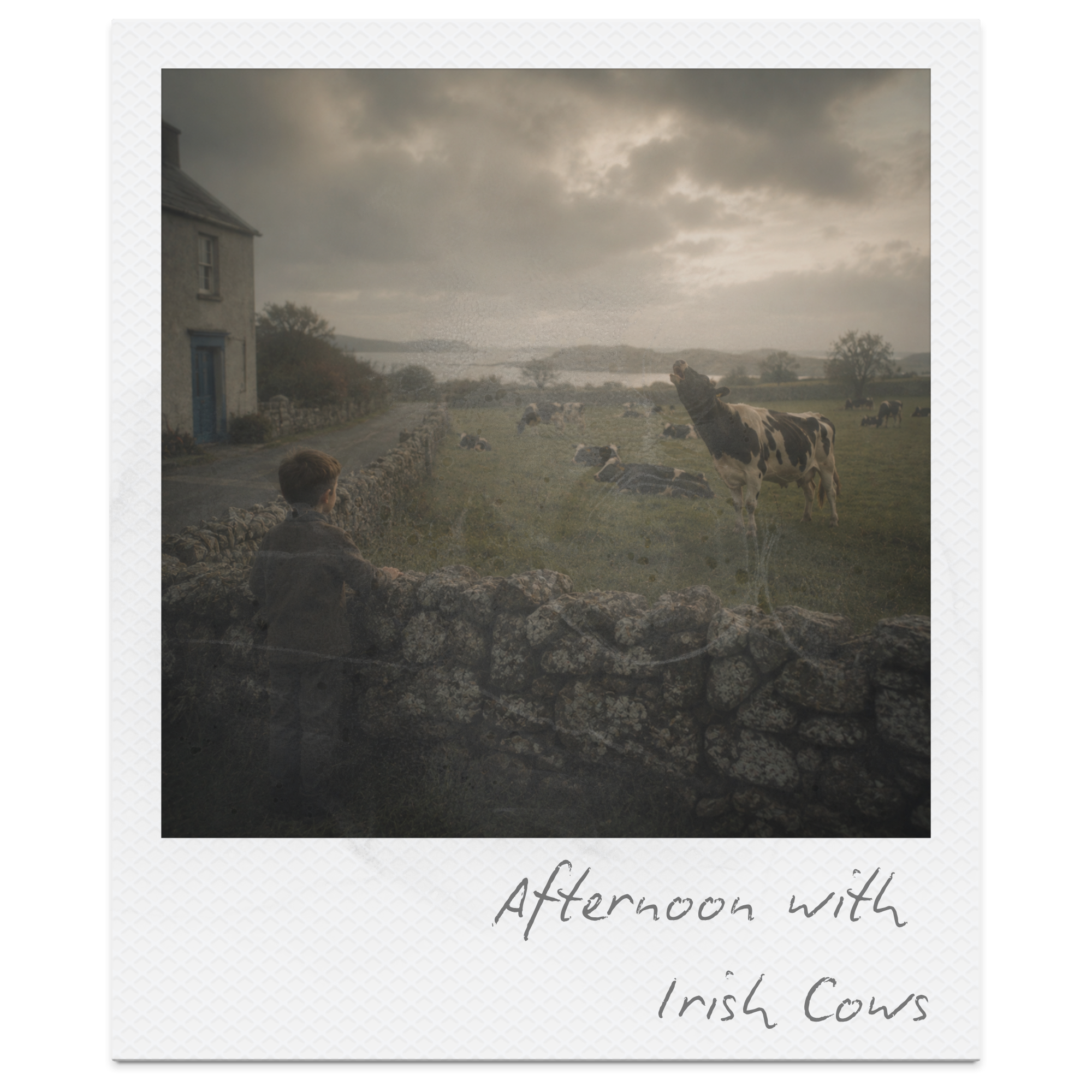
Afternoon with Irish Cows by Billy Collins: Analysis of Identity, Wonder and the Extraordinary Ordinary
Billy Collins' Afternoon with Irish Cows is a thoughtful exploration of identity, selfhood, perception, and the hidden significance of everyday life. What begins as a seemingly simple observation of cattle grazing in a field gradually develops into a meditation on authenticity, consciousness, and humanity's relationship with the natural world. Through conversational language, humour, vivid imagery, and symbolic moments of revelation, Collins challenges readers to look beyond first impressions and recognise the complexity that exists within even the most ordinary experiences. This detailed analysis explores the poem's themes, literary techniques, symbolism, key quotations, alternative interpretations, anthology comparisons, and exam insights for Cambridge International AS & A Level Literature in English (9695).
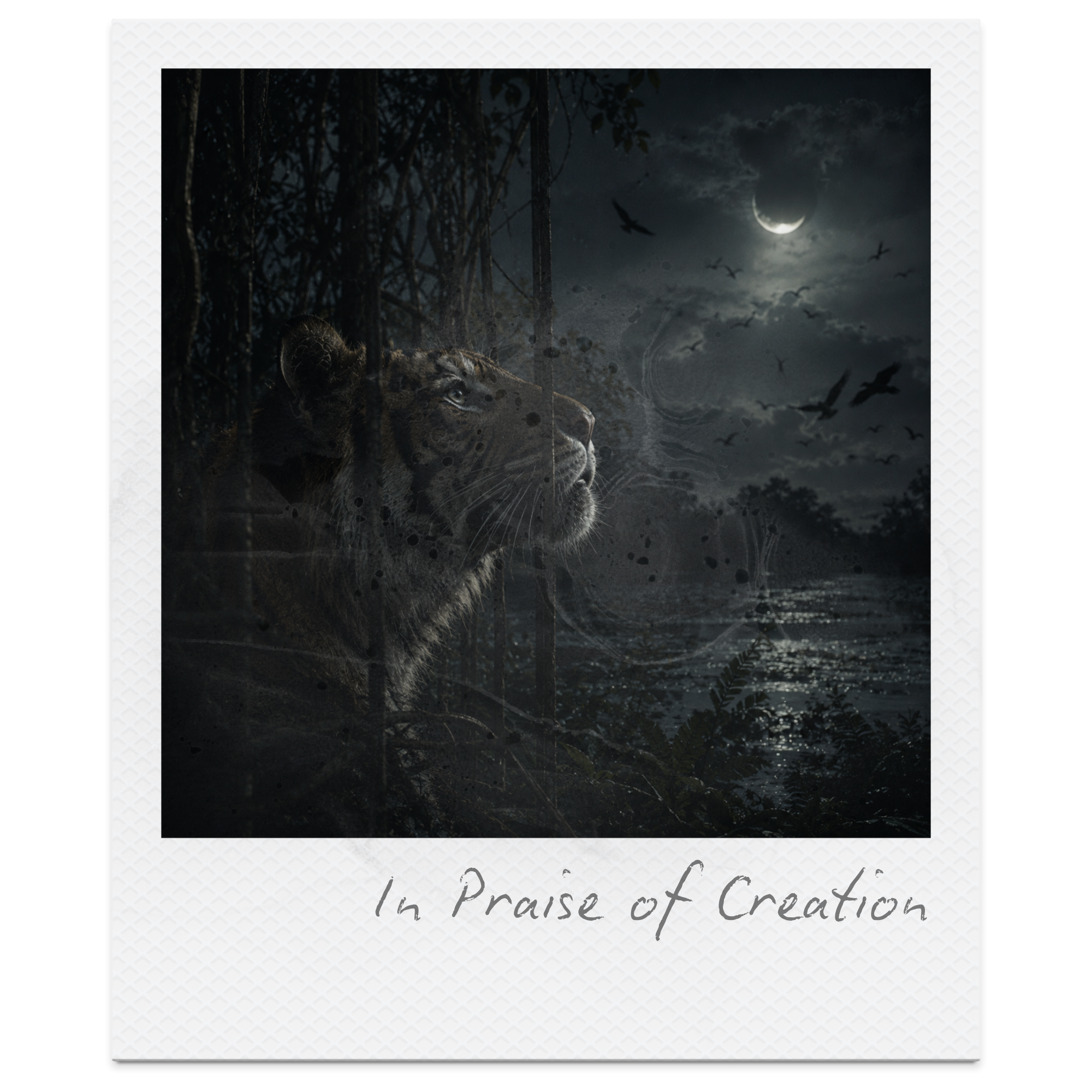
In Praise of Creation by Elizabeth Jennings: Analysis of Nature, Instinct and the Order of Creation
Elizabeth Jennings' In Praise of Creation is a contemplative exploration of nature, instinct, order, and humanity's place within the wider world. Through vivid images of birds, stars, the moon, and a tiger responding to the rhythms of desire and renewal, Jennings presents creation as a system governed by recurring patterns and interconnected cycles. Yet beneath its celebration of the natural world lies a deeper philosophical question: what can human beings learn from a creation that appears so instinctively certain of its purpose? This detailed analysis explores the poem's themes of nature and instinct, order and design, creation and renewal, desire, consciousness, and wonder. Through stanza-by-stanza commentary, key quotations, symbolism, literary techniques, alternative interpretations, anthology comparisons, and exam-focused insights, the article examines how Jennings transforms careful observation into a meditation on meaning, curiosity, and the enduring mysteries of existence.
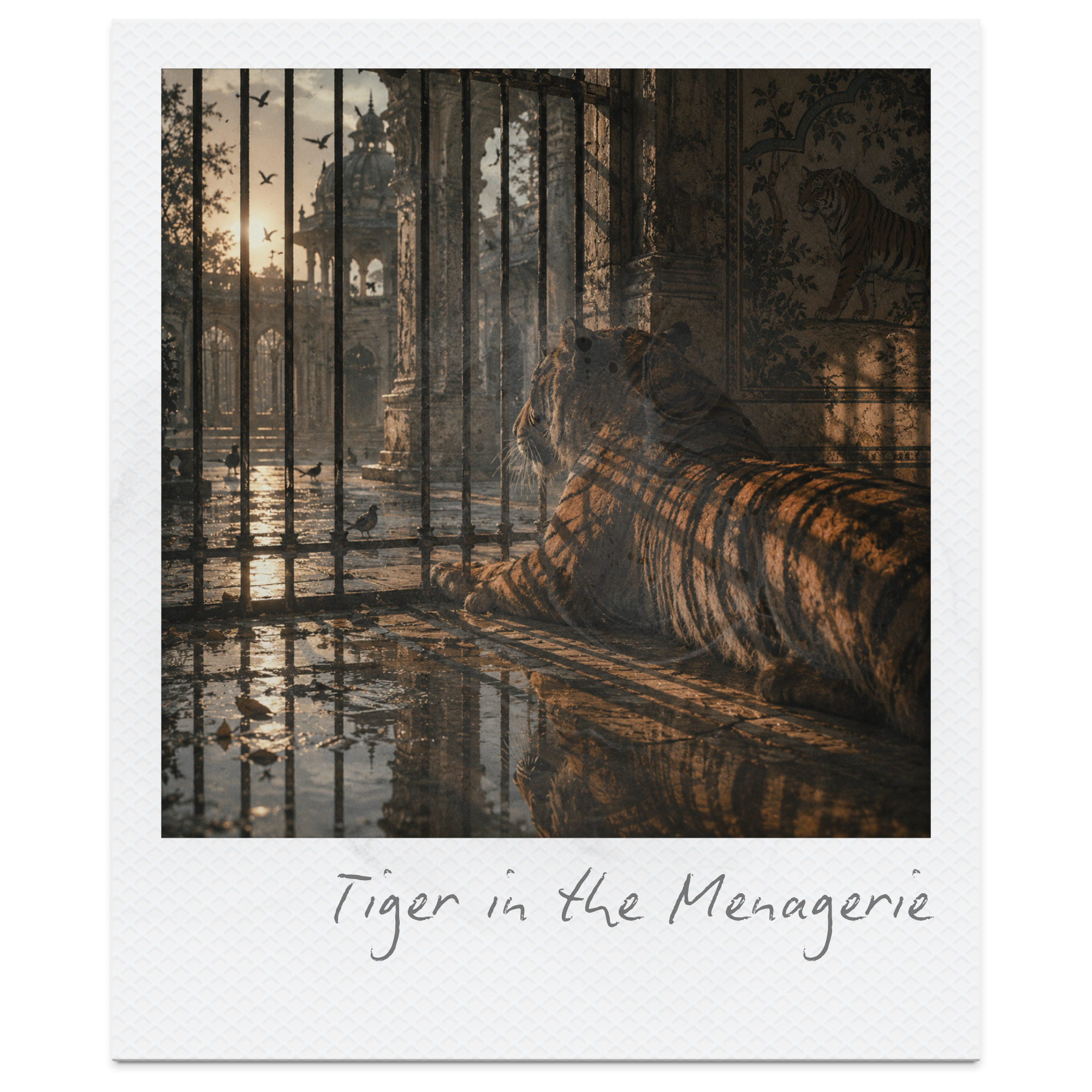
Tiger in the Menagerie by Emma Jones: Analysis of Captivity, Transformation and Identity
Emma Jones’s Tiger in the Menagerie is a surreal and psychologically unsettling poem that explores captivity, identity, and the fragile boundary between civilisation and instinct. Through shifting imagery, dreamlike transformations, and symbolic ambiguity, Jones gradually dissolves the distinction between the tiger and the cage itself, creating a world where reality becomes unstable and impossible to fully control. The poem’s recurring focus on observation, fear, and transformation allows the tiger to become both a literal creature and a haunting symbolic presence. This detailed analysis of Tiger in the Menagerie explores the poem’s structure, symbolism, surreal imagery, and emotional tension, alongside its exploration of psychological fear and unstable identity. It includes close stanza analysis, key quotations, literary techniques, alternative interpretations, anthology comparisons, and exam-ready insights.
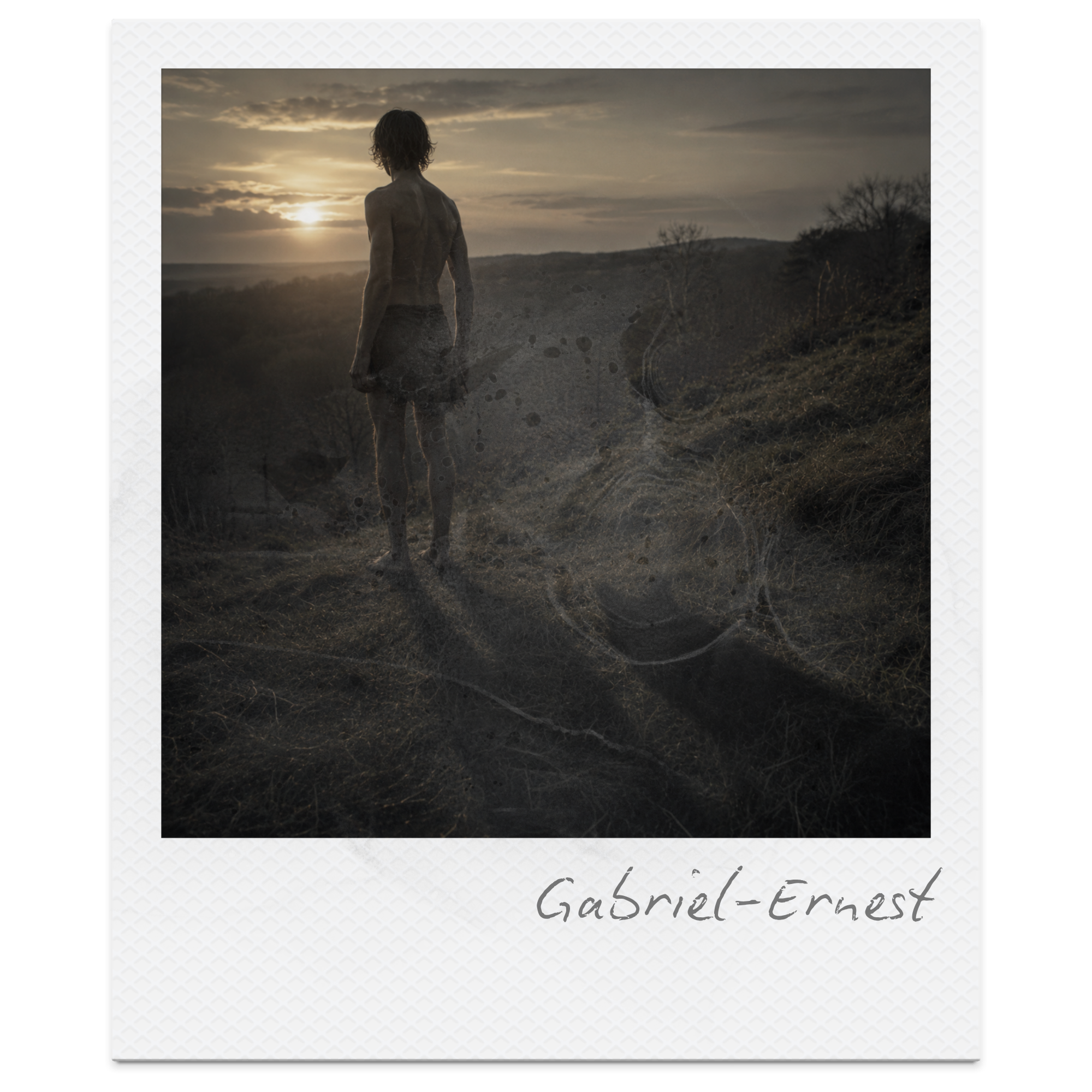
Gabriel-Ernest by Saki: Summary, Themes & Analysis
Saki’s Gabriel-Ernest is a dark and unsettling Gothic short story exploring civilisation versus savagery, hidden violence, fear of the unknown, and the dangerous instincts lurking beneath respectable society. Through the mysterious figure of Gabriel-Ernest, Saki gradually transforms an apparently ordinary rural setting into a landscape filled with supernatural tension, psychological unease, and growing horror. This detailed analysis for CIE IGCSE World Literature (0408) explores the story’s themes, symbolism, narrative voice, structure, and key quotations, while examining how Saki uses animalistic imagery, irony, and ambiguity to create suspense and fear. The guide also includes alternative interpretations, exam-ready insights, and classroom-focused teaching ideas designed to support deeper literary analysis and discussion.
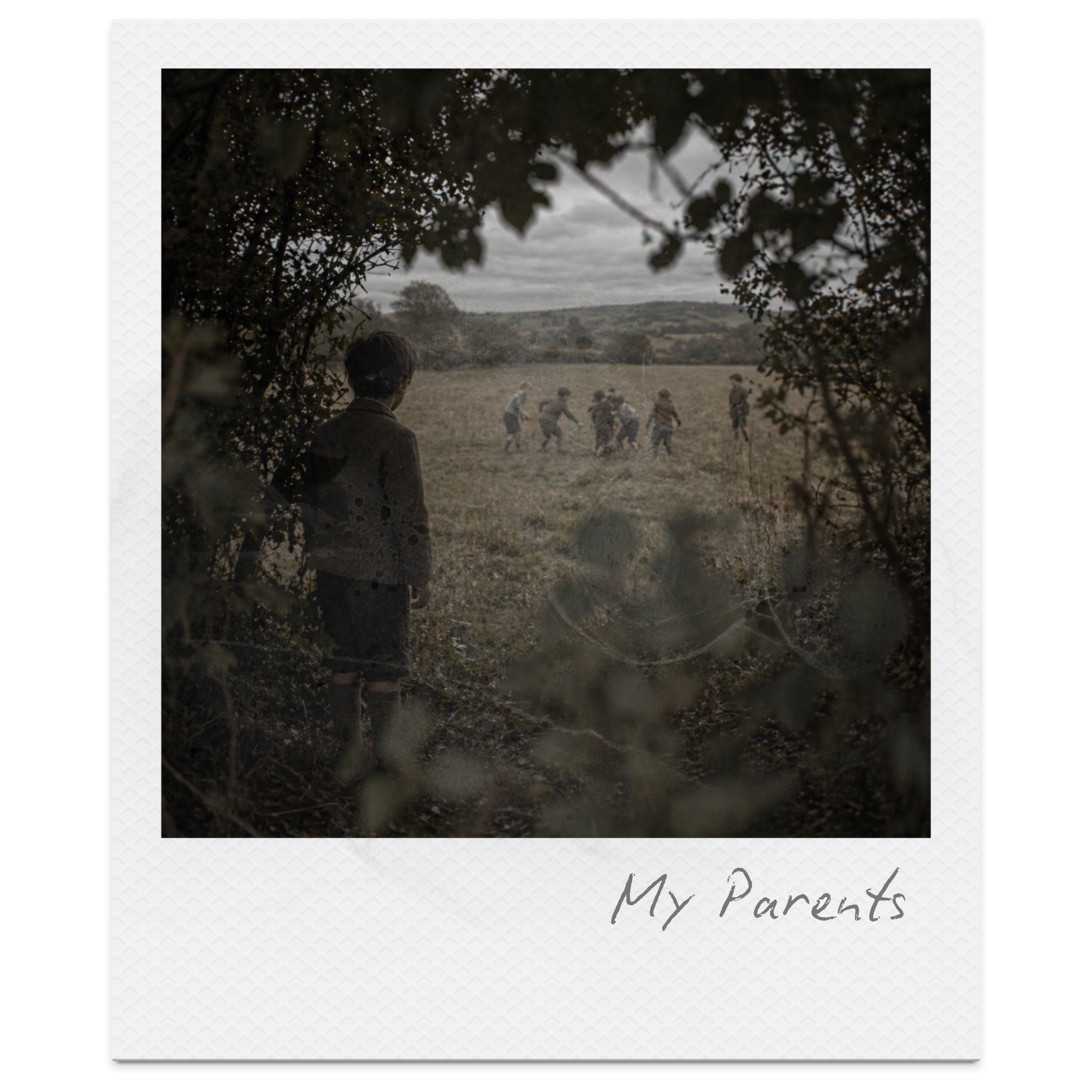
My Parents by Stephen Spender: Summary, Themes & Analysis
Stephen Spender’s My Parents explores childhood fear, class division, and social conditioning through a speaker who is both protected and isolated, shaped by the boundaries imposed on him. Through simile, animalistic imagery, and a reflective narrative voice, the poem presents the “rough” children as threatening and unpredictable, revealing how perception is constructed through upbringing rather than objective reality. The speaker’s fear is intensified by both physical imagery and social humiliation, particularly in moments where language becomes a form of attack. As the poem develops, a shift toward self-awareness and regret reframes the speaker’s experience, revealing that his fear was shaped as much by parental influence as by direct interaction. The final lines introduce a sense of missed empathy, suggesting that the speaker now recognises the limitations of his earlier perspective. This movement from fear to reflection transforms the poem into a powerful exploration of how memory, class division, and upbringing shape both experience and understanding.
One Art by Elizabeth Bishop: Summary, Themes & Analysis
Elizabeth Bishop’s One Art explores loss and emotional control through a tightly structured villanelle, presenting the idea that losing can be learned and mastered. Through repetition and an authoritative, instructional voice, the poem initially suggests that loss is manageable, using everyday examples to create a sense of calm and control. However, as the poem progresses, the scale of loss becomes more personal and emotionally significant, revealing cracks in this composure. Subtle shifts in tone and structure expose the tension between the speaker’s claims and her true feelings, ultimately suggesting that loss cannot be fully mastered, no matter how carefully it is framed.
A Married State by Katherine Philips: Summary, Themes & Analysis
A Married State by Katherine Philips presents a sharp and ironic critique of marriage, challenging the idea that it brings happiness or fulfilment. Through rhyming couplets, controlled structure, and persuasive voice, Philips contrasts the pressures of married life with the freedom of remaining unmarried, exposing the emotional strain, physical burden, and social expectations placed on women. By combining satire, contrast, and direct address, the poem constructs a clear and memorable argument while also leaving room for ambiguity. The idealised “virgin state” and the command to “suppress wild nature” suggest a tension between freedom and desire, encouraging readers to question whether independence is truly simple or shaped by the same societal pressures the poem critiques.
Hunting Snake by Judith Wright: Summary, Themes & Analysis
Judith Wright’s Hunting Snake captures a sudden encounter with nature, using imagery, contrast, and structure to explore the tension between fear and fascination. The poem shows how a moment of interruption can shift human perception, moving from instinctive reaction to reflective awareness. This analysis explores how Wright presents the snake as both threatening and awe-inspiring, focusing on how methods create meaning and impact. It supports students in developing clear, method-driven responses for IGCSE Literature (0475).