Afternoon with Irish Cows by Billy Collins: Analysis of Identity, Wonder and the Extraordinary Ordinary
Billy Collins' Afternoon with Irish Cows transforms an apparently ordinary rural scene into a meditation on identity, presence, and the often-overlooked mystery of the natural world. Through conversational language, understated humour, and a striking shift from casual observation to almost spiritual revelation, Collins explores the tension between human assumptions and the deeper realities that exist beyond them. What begins as a poem about watching cows in a field gradually becomes an exploration of voice, selfhood, and the profound significance hidden within everyday life. The poem challenges readers to reconsider what appears familiar, suggesting that even the most ordinary creatures possess a dignity and authenticity that can be both unsettling and awe-inspiring.
If you are teaching or studying Paper 1 of Cambridge International AS & A Level Literature in English (9695), be sure to explore our Songs of Ourselves Volume 2 Hub for anthology-wide support and comparative revision, as well as the Literature Library for poetry analysis, teaching ideas, and exam-focused literary resources.
Context and Literary Background of Afternoon with Irish Cows
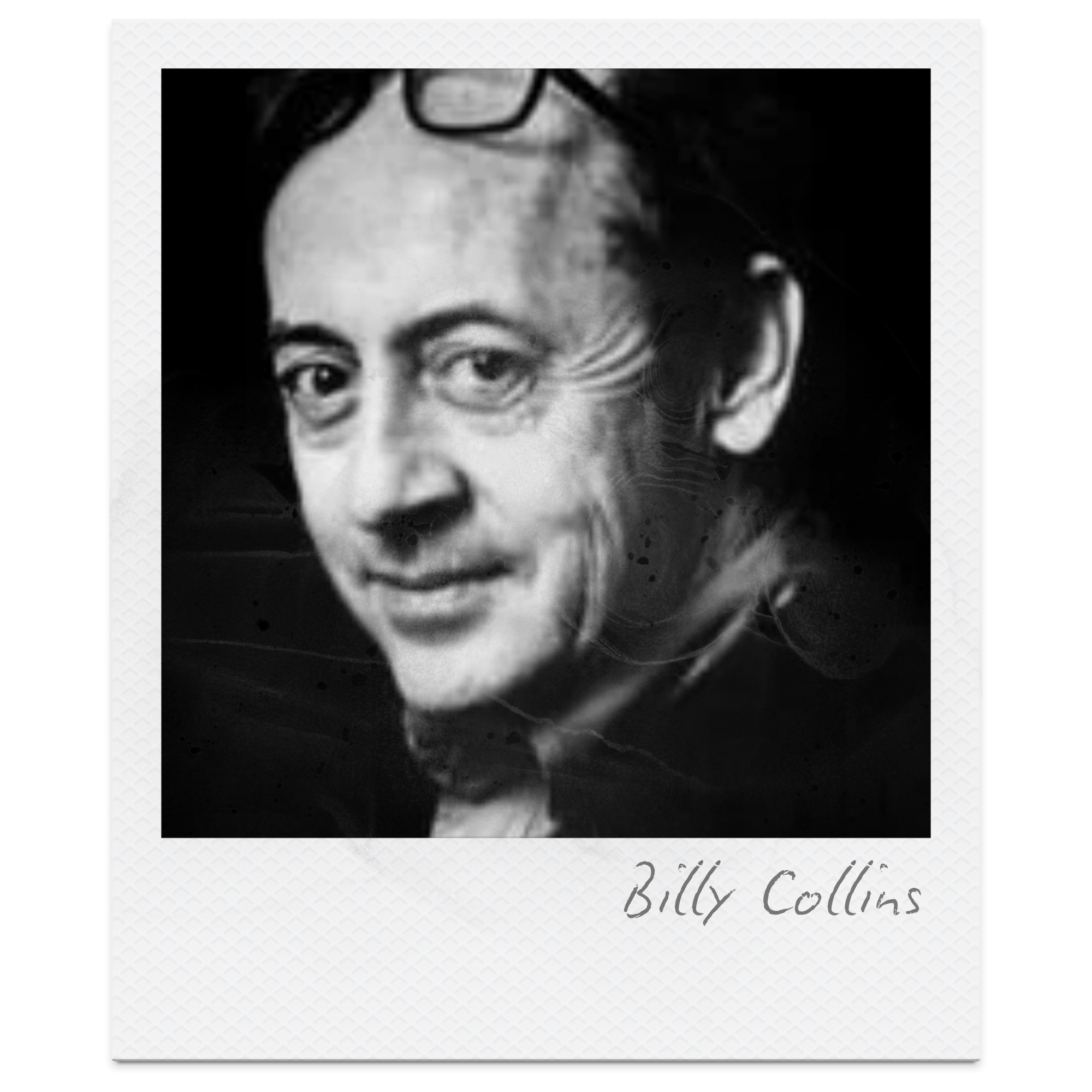
Billy Collins (1941–) is one of the most widely read contemporary American poets, celebrated for his conversational style, wry humour, and ability to uncover moments of unexpected significance within everyday experiences. Rather than focusing on grand historical events or dramatic subjects, Collins frequently turns his attention to ordinary scenes and encounters, using them as starting points for reflections on identity, perception, and the mysteries that lie beneath familiar routines. This combination of accessibility and philosophical depth has made him one of the most popular poets of the modern era.
Afternoon with Irish Cows was written during a period when Collins was teaching in Ireland and was first published in his 1998 collection Picnic, Lightning. The poem emerges from a seemingly simple experience: observing a herd of cows in a field near the speaker's home. However, Collins gradually transforms this ordinary rural scene into something far more complex. What begins as a light-hearted account of cows grazing and disappearing from view develops into a meditation on presence, selfhood, and the limits of human understanding. The speaker initially interprets the cows through human assumptions, only to discover that their behaviour possesses its own logic and significance.
The Irish setting is important to the poem's atmosphere and meaning. Ireland has a long literary tradition of poets engaging closely with landscape, place, and the natural world. Writers such as Seamus Heaney and Paul Muldoon frequently explored how human identity is shaped through encounters with rural environments, animals, and local landscapes. While Collins remains distinctly American in voice and style, Afternoon with Irish Cows shares an interest in how close observation of the natural world can reveal deeper truths about both the observer and the observed.
The poem also reflects Collins' literary influences. He has often acknowledged the impact of the free verse traditions associated with poets such as Allen Ginsberg, Gregory Corso, and Lawrence Ferlinghetti, as well as the philosophical and imaginative poetry of Wallace Stevens. These influences can be seen in Collins' relaxed, conversational structure and his ability to move from concrete observation towards broader questions about reality, perception, and existence.
Although the poem contains no direct political or historical references, it was published at a time when concerns about technological change and humanity's relationship with the natural environment were becoming increasingly prominent. Against a backdrop of rapid technological development, Collins' focus on a quiet Irish landscape encourages readers to slow down and pay attention to the living world around them. In doing so, the poem suggests that genuine understanding begins not through control or explanation, but through careful observation and a willingness to recognise the complexity of lives beyond our own.
Afternoon with Irish Cows: At a Glance
◆ Form: Free verse narrative poem
◆ Tone: Observant, humorous, reflective, and ultimately awestruck
◆ Emotional Movement: Curiosity and amusement gradually develop into wonder and recognition
◆ Central Tension: The contrast between human assumptions about animals and the deeper reality of their existence
◆ Dominant Imagery: Rural landscapes, grazing cattle, sound, vision, and the Irish countryside
◆ Stylistic Features: Conversational voice, understated humour, vivid imagery, narrative progression, and symbolic revelation
◆ Key Themes: Identity, selfhood, perception, nature, presence, authenticity, wonder, and the extraordinary within ordinary life
◆ One-Sentence Interpretation: Collins uses an everyday encounter with cattle to explore how careful observation can reveal unexpected depths of identity, dignity, and meaning within the natural world.
Quick Summary of Afternoon with Irish Cows
The poem begins with the speaker observing a group of Irish cows grazing in a field near his home. They seem to be a familiar and unremarkable part of the rural landscape, quietly eating grass, resting, and occupying the speaker's view throughout the day. Occasionally, however, the cows disappear from the field altogether, creating a small sense of mystery that captures the speaker's attention.
The poem's turning point occurs when one of the cows releases a powerful bellow that sounds like a cry of pain. Concerned, the speaker rushes outside expecting to find an injured animal. Instead, he discovers that the cow is simply expressing her own presence and identity. In the closing lines, the speaker realises that the cry is an affirmation of the cow's essential "cowness"—a declaration of her existence within the landscape. What began as an ordinary observation ends as a moment of wonder, recognition, and renewed respect for the natural world.
Title, Form, Structure and Metre in Afternoon with Irish Cows
Billy Collins uses the poem's free verse structure, conversational style, and carefully controlled progression to transform an apparently ordinary observation into a moment of profound insight. Although the poem appears relaxed and informal, its structure subtly guides readers from casual observation towards a deeper understanding of identity, voice, and the natural world.
The Significance of the Title
The title, Afternoon with Irish Cows, initially creates modest expectations. It suggests a simple account of spending time observing cattle in a rural setting, with little indication that the poem will explore larger philosophical ideas. Collins deliberately begins with an everyday subject, encouraging readers to approach the poem without anticipating complexity or revelation.
However, the title also highlights the importance of observation and attention. The word "with" suggests companionship rather than distance, implying that the speaker is not merely looking at the cows but sharing space with them. By the poem's conclusion, this relationship has evolved into something much more significant, as the speaker gains a deeper appreciation of the cows' individuality and presence.
Form and Structure
The poem is written in five seven-line stanzas, known as septets. Collins does not follow a traditional poetic form, allowing the poem to retain its natural and conversational quality. The absence of a rigid structure mirrors the apparent simplicity of the scene being described and helps create the impression that the speaker is recounting a personal experience rather than delivering a carefully constructed argument.
Despite this informal appearance, the poem is highly organised. Most of the stanzas consist of a single extended sentence, creating the sense that each stanza represents a distinct stage in the speaker's developing understanding. The poem progresses from casual observation, to curiosity, to alarm, and finally to revelation. This gradual movement reflects the speaker's changing perception of the cows and reinforces one of the poem's central ideas: that deeper understanding often emerges through sustained observation.
The poem's structural turning point occurs in the third stanza when one cow releases a dramatic cry that interrupts the quiet routine of the afternoon. Up to this moment, the cows have been passive objects of observation. Afterwards, they become active participants in the poem's exploration of identity and selfhood. The final stanza completes this transformation when the cow's gaze meets the speaker's own, blurring the distinction between observer and observed.
Free Verse and Natural Speech
Afternoon with Irish Cows is written in free verse, meaning it does not follow a regular metrical pattern. Line lengths vary considerably throughout the poem, with some lines containing only a few words and others stretching across the page in longer units of thought.
This flexibility allows Collins to mimic the rhythms of natural speech. The poem sounds conversational and spontaneous, as though the speaker is sharing an anecdote with a friend. This accessibility is characteristic of Collins' style and helps readers engage with the poem's ideas without the distance sometimes created by highly formal verse.
The conversational tone is particularly important because it disguises the poem's increasing complexity. Readers are drawn into what appears to be a simple story before gradually encountering larger questions about existence, identity, and the relationship between humans and the natural world.
Rhythm, Enjambment and Pacing
Although the poem lacks a fixed metre, Collins carefully controls its rhythm through enjambment and sentence structure. Many lines flow into the next without punctuation, creating a smooth and unhurried pace that reflects both the slow movement of the cows and the quiet atmosphere of the afternoon.
For example, the opening description of the cows "stepping all day from tuft to tuft" unfolds gently across several lines, reinforcing the sense of routine and patience that characterises the landscape. The rhythm encourages readers to linger over the scene in the same way the speaker does.
As the poem approaches the cow's cry, the pacing subtly changes. Longer descriptive passages become increasingly focused, directing attention towards a single dramatic moment. The extended sentence describing the cow's "full-bodied cry" gathers momentum through a series of flowing phrases, mirroring the physical journey of the sound as it rises from the cow's belly and emerges into the landscape.
The Absence of Rhyme
The poem does not follow a regular rhyme scheme, further reinforcing its conversational and observational tone. A strict rhyme pattern might have made the poem feel more controlled or artificial, whereas the lack of rhyme allows Collins' ideas to develop naturally.
Instead of relying on rhyme for coherence, Collins creates unity through recurring images, sounds, and patterns of thought. The repeated focus on the cows, the landscape, and acts of observation links the stanzas together while maintaining the poem's relaxed surface style. This structural freedom reflects the poem's wider message that meaning is not imposed through rigid order but discovered through careful attention to the world around us.
Voice, Perspective and Emotional Conflict in Afternoon with Irish Cows
Collins uses a seemingly straightforward first-person narrator to guide readers through the poem, but beneath the casual storytelling lies a more complex exploration of perception, assumption, and understanding. As the poem progresses, the speaker's relationship with the cows changes dramatically, revealing both the limitations of human perspective and the possibility of deeper insight.
The First-Person Speaker
The poem is narrated from a first-person perspective, immediately creating a sense of intimacy and authenticity. The repeated use of "I" places readers directly within the speaker's experience as he observes the cows from his home and reflects on their behaviour.
However, the speaker's personal identity remains largely unimportant. Collins provides very little information about who the speaker is beyond his role as an observer. This allows the speaker to function as a representative of ordinary human perception, encouraging readers to recognise their own assumptions and habits of observation within his responses to the cows.
A Voice of Curiosity and Observation
Throughout much of the poem, the speaker adopts a voice characterised by curiosity, amusement, and quiet attentiveness. He watches the cows grazing, notices their occasional disappearances, and wonders about their behaviour without attempting to explain everything immediately.
This observational quality is particularly evident in descriptions such as the cows lying "on the black-and-white maps of their sides." The image demonstrates the speaker's imaginative engagement with the landscape while also revealing his fascination with apparently ordinary details. His voice remains reflective rather than authoritative, inviting readers to share his curiosity.
The Limits of Human Assumption
One of the poem's most important tensions emerges from the speaker's tendency to interpret the cows through a human perspective. When he hears the dramatic cry, he immediately assumes that something terrible has happened, imagining that one of the animals is being "torched" or "pierced through the side with a long spear."
This moment reveals the limitations of the speaker's understanding. He instinctively associates the sound with pain, projecting human fears and expectations onto the animal. Collins uses this misunderstanding to highlight how easily people impose their own interpretations on the natural world rather than allowing other forms of life to exist on their own terms.
A Shift from Observer to Learner
As the poem develops, the speaker undergoes a subtle but important transformation. Initially, he occupies the position of the knowledgeable observer, watching the cows from a distance and attempting to make sense of their actions. However, the cow's cry forces him to reconsider his assumptions.
The speaker gradually realises that the bellow is not an expression of suffering but a declaration of identity. This shift alters the balance of power within the poem. Rather than explaining the cow, the speaker becomes someone who must learn from her. His role changes from observer to listener, reflecting the poem's wider exploration of humility and understanding.
The Cow as a Speaking Presence
Although the cow never literally speaks, Collins presents her cry as a form of communication. The "full-bodied cry" becomes a powerful expression of selfhood, allowing the cow to assert her existence within the landscape.
The phrase "the large, unadulterated cowness of herself" is particularly significant because it suggests an identity that is complete, authentic, and unquestioned. Unlike humans, who often struggle with uncertainty and self-definition, the cow appears entirely secure in her own nature. Through this contrast, Collins encourages readers to reflect on their own relationship with identity and belonging.
The Shocking Reversal of Perspective
The poem concludes with one of its most striking moments when the cow regards the speaker with "one wild, shocking eye." This image creates a dramatic reversal of perspective. For most of the poem, the speaker has been observing the cows, but in the final lines he becomes the one being observed.
This reversal challenges the assumption that humans occupy a privileged position within the natural world. The adjective "shocking" suggests that the speaker suddenly becomes aware of another consciousness looking back at him. The encounter transforms the cow from a passive object into an active presence, ending the poem with a sense of wonder, recognition, and unresolved mystery.
Stanza-by-Stanza Analysis of Afternoon with Irish Cows
A close analysis of Afternoon with Irish Cows reveals how Collins gradually transforms an apparently ordinary rural scene into a meditation on identity, perception, and wonder. Each stanza develops the speaker's understanding of the cows, moving from casual observation towards a moment of profound recognition. Through carefully chosen imagery, tone shifts, and an evolving relationship between observer and observed, Collins encourages readers to look beyond first impressions and consider the hidden significance of everyday life.
Stanza 1: The Familiar Made Mysterious
The opening stanza establishes the cows as an ordinary part of the speaker's daily environment. Positioned in a field "across the road from where we lived," they initially appear as a permanent and predictable feature of the landscape. Collins' description of them "stepping all day from tuft to tuft" emphasises their slow, repetitive routine, while the image of their "big heads down in the soft grass" reinforces their apparent simplicity and peacefulness. The gentle rhythm of these lines mirrors the calm, unhurried atmosphere of the rural setting.
However, beneath this ordinary surface, Collins introduces an element of mystery. The conjunction "though" signals a subtle shift in perspective as the speaker reveals that the cows occasionally seem to disappear without explanation. The image of the field "suddenly empty" disrupts expectations and transforms the familiar into something strangely uncertain. This moment suggests that even the most commonplace aspects of life may contain elements that resist easy understanding.
The stanza concludes with a playful yet imaginative comparison as the speaker wonders if the cows have "taken wing, flown off to another country." This image is deliberately absurd, creating a note of gentle humour that is characteristic of Collins' poetry. At the same time, it reveals the speaker's tendency to move beyond literal observation into speculation and imagination. The cows are already becoming more than simple farm animals; they are developing an almost magical quality that encourages both the speaker and the reader to question what they think they know about the world around them.
By ending the stanza with this unexpected image, Collins establishes one of the poem's central concerns: the tension between ordinary reality and the possibility of deeper wonder hidden within everyday experience.
Stanza 2: Quiet Mystery and Patient Presence
The second stanza returns the cows to the field, but Collins continues to present them as figures of quiet mystery rather than ordinary livestock. The phrase "again the field would be full" creates a cyclical pattern, emphasising the cows' repeated disappearances and reappearances. Although the speaker no longer imagines them flying away, their movements still seem strangely elusive, contributing to the poem's atmosphere of gentle uncertainty.
Collins' description of the cows "lying down / on the black-and-white maps of their sides" is particularly striking. The metaphor transforms the animals' markings into something larger and more symbolic. Maps are traditionally associated with exploration, discovery, and attempts to understand the world, suggesting that the cows contain complexities that remain unexplored by the speaker. The image subtly reinforces the poem's growing interest in the limits of human knowledge and perception.
The cows are described as "facing in all directions, waiting for rain," a detail that emphasises both their connection to the natural world and their apparent indifference to human concerns. Unlike the speaker, who observes and questions, the cows seem completely at ease within their environment. Their behaviour conveys a sense of patience, acceptance, and quiet certainty.
The stanza culminates in the speaker's direct reflection: "How mysterious, how patient and dumbfounded / they appear in the long quiet of the afternoon." The repetition of "how" conveys genuine wonder, revealing that the speaker is becoming increasingly fascinated by the animals. The adjective "dumbfounded" is particularly ambiguous. It may simply refer to their silent, vacant appearance, but it also suggests a kind of awe or speechlessness. This ambiguity foreshadows the dramatic moment later in the poem when one of the cows unexpectedly finds a powerful voice.
By the end of the stanza, the cows have become more than background scenery. Collins presents them as enigmatic presences whose stillness and apparent simplicity conceal a deeper significance that the speaker is only beginning to recognise.
Stanza 3: The Cry That Disrupts Assumption
The third stanza marks a significant turning point in the poem. The peaceful stillness of the previous stanzas is suddenly interrupted when one of the cows releases a sound so "phenomenal" that it immediately captures the speaker's attention. The adjective suggests something extraordinary and almost beyond explanation, signalling that the poem is about to move beyond simple observation towards a deeper exploration of voice, identity, and understanding.
The speaker's reaction emphasises the power of the cry. He abandons ordinary activities, putting down "the paper" or "the knife I was cutting an apple with" in order to investigate. These small domestic details reinforce the everyday setting established earlier in the poem, making the interruption feel even more dramatic. Collins suggests that the cow's voice is powerful enough to break through the routines of daily life and demand attention.
However, the speaker immediately interprets the sound through a human perspective. His imagination leaps towards images of extreme suffering as he wonders which cow is being "torched" or "pierced through the side with a long spear." The violent imagery is deliberately exaggerated, creating a moment of dark humour while also revealing the speaker's assumptions. He cannot initially imagine that such an intense cry might have any purpose other than expressing pain.
These images also introduce a surprisingly mythic quality into the poem. The reference to a "long spear" evokes scenes of warfare, sacrifice, or martyrdom, elevating the cow's cry from an ordinary animal sound into something that appears almost epic in scale. The speaker's dramatic response highlights the gap between what he thinks he is hearing and what is actually taking place.
By the end of the stanza, Collins creates a sense of suspense. The speaker has left the safety of observation and moved physically towards the cows in search of an explanation. At the same time, readers are encouraged to question whether the speaker's interpretation is correct. The stanza therefore prepares for the poem's central revelation by exposing the limitations of human perception and the tendency to impose familiar meanings onto experiences that may require a completely different understanding.
Stanza 4: From Misunderstanding to Recognition
The fourth stanza begins with the speaker acknowledging his earlier mistake. The opening statement, "Yes, it sounded like pain," confirms that his initial interpretation was understandable, but the word "until" immediately signals a shift in understanding. This moment represents the beginning of the poem's movement from assumption towards recognition, as direct observation replaces imagination.
The cow is described as being "anchored there on all fours," an image that emphasises her physical solidity and connection to the earth. The verb "anchored" suggests stability, permanence, and strength, sharply contrasting with the speaker's earlier fantasy that the cows might have mysteriously disappeared or flown away. Collins presents the animal as a powerful presence firmly rooted within her environment.
As the stanza develops, the focus shifts towards the physical process of the cow's vocalisation. Her neck is "outstretched" and her head is "laboring upward," creating a sense of effort and determination. These descriptions transform the act of bellowing into something almost ceremonial. Rather than depicting an involuntary animal noise, Collins presents the cry as a deliberate and meaningful expression of being.
The phrase "full-bodied cry" is particularly significant. The hyphenated adjective suggests that the sound emerges from the entirety of the cow's physical existence rather than from a single moment of emotion. The cry becomes an expression of her complete identity, linking voice directly to selfhood. Collins implies that the sound cannot be separated from the animal who produces it.
The imagery then becomes increasingly visceral as the cry "began in the darkness of her belly" and "echoed up through her bowed ribs into her gaping mouth." This description traces the sound's journey through the cow's body, giving it an almost elemental power. The imagery emphasises physicality, instinct, and authenticity, suggesting that the cry originates from somewhere deeper than conscious thought. Rather than a response to pain, it appears to emerge from the very core of the cow's existence.
By the end of the stanza, Collins has completely reframed the moment. What initially appeared to be suffering is revealed as an act of self-expression. The speaker is no longer trying to explain the cow through human assumptions; instead, he is beginning to understand her on her own terms. This prepares readers for the poem's final revelation about identity, voice, and the significance of simply being oneself.
Stanza 5: The Revelation of Cowness
The final stanza contains the poem's central revelation. Having moved beyond his initial misunderstanding, the speaker realises that the cow's cry is not an expression of suffering but an affirmation of identity. The phrase "Then I knew" marks a moment of certainty and understanding, suggesting that the speaker has undergone a genuine shift in perception. What began as curiosity has developed into a deeper recognition of the cow's individuality and presence.
This revelation is captured in one of the poem's most memorable phrases: "the large, unadulterated cowness of herself." The unusual noun "cowness" transforms an ordinary animal into a symbol of complete and unquestioned selfhood. The adjective "unadulterated" suggests something pure, authentic, and untouched by external influence. Unlike humans, who often struggle with uncertainty, performance, or self-doubt, the cow exists in a state of absolute certainty about her own nature. Collins presents this as something both admirable and profound.
The cow's cry becomes an "ancient apologia of her kind." Traditionally, an apologia is a defence or justification, yet the cow does not seem to be apologising for her existence. Instead, the phrase suggests a declaration or affirmation of what it means to be a cow. The word "ancient" expands the significance of the moment beyond the individual animal, connecting her to generations of creatures that have existed within the natural world long before human observers arrived to interpret them. The cry becomes timeless, instinctive, and deeply rooted in the history of life itself.
Collins reinforces this idea through the expansive landscape imagery. The cow directs her voice towards the "green fields," "gray clouds," "limestone hills," and "blue bay." The accumulation of natural images broadens the scale of the poem, placing the cow within a larger ecological and geographical context. Her cry is not intended for humans alone but for the entire landscape that surrounds her. This suggests a profound harmony between the animal and the natural world, contrasting with the speaker's earlier confusion and uncertainty.
The poem concludes with a striking reversal of perspective. While the cow announces herself to the world, she simultaneously regards the speaker "with one wild, shocking eye." Throughout the poem, the speaker has been observing the cows, attempting to understand them. In the final line, however, the cow becomes the observer. This reversal challenges assumptions about human superiority and reminds readers that consciousness exists beyond the human perspective.
The adjective "wild" suggests something untamed and beyond human control, while "shocking" conveys the speaker's sudden awareness of another living presence looking back at him. The ending remains deliberately unresolved. Rather than fully explaining the cow, Collins leaves readers with a moment of mutual recognition in which both observer and observed seem equally mysterious. The poem ultimately suggests that genuine understanding begins when we acknowledge the depth, dignity, and otherness of lives beyond our own.
Key Quotes and Literary Methods in Afternoon with Irish Cows
Collins uses imagery, humour, symbolism, and a gradually developing sense of wonder to transform an ordinary encounter into a reflection on identity, selfhood, and the natural world. These key quotations reveal how the poem's meaning deepens as the speaker moves from observation to understanding.
"stepping all day from tuft to tuft"
◆ Method: Visual imagery; gentle rhythm
◆ Interpretation: The repetitive movement emphasises the cows' slow, unhurried existence and reinforces the peaceful atmosphere of the rural landscape.
◆ Why Collins Uses It: To establish the cows as seemingly ordinary creatures engaged in familiar routines.
◆ Effect on the Reader: Creates a sense of calm and encourages readers to share the speaker's observational perspective.
◆ Broader Significance: Introduces the poem's interest in finding meaning within everyday experiences.
"as if they had taken wing, flown off to another country"
◆ Method: Hyperbole; imaginative imagery
◆ Interpretation: The speaker's exaggerated explanation for the cows' disappearance reveals both his curiosity and his tendency to imagine possibilities beyond reality.
◆ Why Collins Uses It: To inject gentle humour while introducing an element of mystery.
◆ Effect on the Reader: Creates surprise and amusement while encouraging readers to question ordinary assumptions.
◆ Broader Significance: Establishes the tension between familiar reality and imaginative wonder that runs throughout the poem.
"the black-and-white maps of their sides"
◆ Method: Metaphor
◆ Interpretation: The cows' markings become symbolic "maps," suggesting hidden complexity and unexplored meaning.
◆ Why Collins Uses It: To encourage readers to see the animals as more than simple background features of the landscape.
◆ Effect on the Reader: Invites closer attention to details that might otherwise be overlooked.
◆ Broader Significance: Reflects the poem's wider exploration of discovery, perception, and deeper understanding.
"How mysterious, how patient and dumbfounded"
◆ Method: Listing; repetition
◆ Interpretation: The speaker assigns human qualities to the cows as he attempts to make sense of their behaviour.
◆ Why Collins Uses It: To reveal his growing fascination with the animals.
◆ Effect on the Reader: Creates a tone of admiration and curiosity.
◆ Broader Significance: Highlights the difficulty of fully understanding another living being.
"a sound so phenomenal"
◆ Method: Emphatic diction
◆ Interpretation: The adjective "phenomenal" elevates the cow's cry into something extraordinary and almost inexplicable.
◆ Why Collins Uses It: To mark a turning point in the poem and signal that something significant is occurring.
◆ Effect on the Reader: Captures attention and creates anticipation.
◆ Broader Significance: Begins the speaker's journey from assumption towards genuine insight.
"being torched / or pierced through the side with a long spear"
◆ Method: Violent imagery; hyperbole
◆ Interpretation: The speaker immediately associates the cry with extreme suffering, revealing his human-centred assumptions.
◆ Why Collins Uses It: To expose the gap between perception and reality.
◆ Effect on the Reader: Creates dark humour while emphasising the intensity of the sound.
◆ Broader Significance: Demonstrates how easily humans impose their own interpretations onto the natural world.
"the rising, full-bodied cry"
◆ Method: Auditory imagery; symbolism
◆ Interpretation: The cry becomes an expression of the cow's complete being rather than a simple animal noise.
◆ Why Collins Uses It: To connect voice with identity and self-expression.
◆ Effect on the Reader: Gives the moment emotional and symbolic significance.
◆ Broader Significance: Suggests that authentic identity emerges from one's deepest nature.
"began in the darkness of her belly"
◆ Method: Visceral imagery; symbolism
◆ Interpretation: The cry originates from a primal and instinctive place within the cow.
◆ Why Collins Uses It: To emphasise the authenticity and physical reality of the cow's expression.
◆ Effect on the Reader: Creates a sense of elemental power and raw emotion.
◆ Broader Significance: Connects identity to instinct rather than performance or self-consciousness.
"the large, unadulterated cowness of herself"
◆ Method: Neologism; symbolism
◆ Interpretation: The unusual word "cowness" captures the cow's complete and unquestioned sense of self.
◆ Why Collins Uses It: To express an idea that ordinary language struggles to convey.
◆ Effect on the Reader: Encourages reflection on what it means to possess a clear and authentic identity.
◆ Broader Significance: Forms the central revelation of the poem, celebrating selfhood, authenticity, and presence.
"the ancient apologia of her kind"
◆ Method: Allusion; elevated diction
◆ Interpretation: The cow's cry becomes a timeless declaration of existence on behalf of her entire species.
◆ Why Collins Uses It: To elevate an ordinary animal sound into something almost philosophical or spiritual.
◆ Effect on the Reader: Broadens the significance of the moment beyond the individual cow.
◆ Broader Significance: Connects the animal to wider questions of belonging, identity, and continuity.
"one wild, shocking eye"
◆ Method: Visual imagery; perspective shift
◆ Interpretation: The cow's gaze transforms her from an object of observation into an active presence capable of observing the speaker.
◆ Why Collins Uses It: To create a powerful reversal of perspective at the poem's conclusion.
◆ Effect on the Reader: Produces a sense of surprise, unease, and wonder.
◆ Broader Significance: Challenges assumptions about human superiority and leaves readers with a profound awareness of the consciousness that exists beyond themselves.
Key Techniques in Afternoon with Irish Cows
Collins' poetry often appears deceptively simple, but Afternoon with Irish Cows uses a range of sophisticated literary techniques to explore identity, perception, and the hidden significance of ordinary life. Rather than relying on complex language or traditional poetic forms, Collins creates meaning through carefully controlled imagery, sound patterns, structural shifts, and moments of symbolic revelation.
Alliteration and Sound Patterns
Collins uses subtle alliteration throughout the poem to shape atmosphere and reinforce important moments. In the opening stanzas, repeated soft sounds such as "few," "field," "flown," and "full" create a gentle rhythm that mirrors the quiet, repetitive movements of the cows. These sounds contribute to the poem's sense of calm and establish the peaceful routine of the rural landscape.
As the poem approaches its turning point, the sound patterns become more forceful. The phrase "a sound so phenomenal" uses repeated sibilance to draw attention to the cow's cry, while harsher plosive sounds in phrases such as "put down the paper" create a sense of interruption and urgency. Collins therefore uses sound not simply for musical effect but to reflect the speaker's changing emotional response.
The description of the cry beginning in the "darkness of her belly" and moving through her "bowed ribs" also uses repeated b sounds. These heavy, physical sounds mimic the movement of breath and help readers imagine the cry emerging from deep within the cow's body.
Enjambment and Flowing Thought
The poem makes extensive use of enjambment, allowing sentences to flow across line breaks without interruption. This technique creates the impression of natural speech and contributes to the poem's conversational tone.
Enjambment also mirrors the speaker's process of observation. Rather than presenting neat, self-contained statements, Collins allows thoughts to unfold gradually, reflecting how understanding develops over time. The movement from one line to the next often feels exploratory, reinforcing the poem's focus on curiosity and discovery.
As the poem progresses, enjambment helps sustain momentum, particularly during the extended description of the cow's cry. The flowing structure mirrors the movement of the sound itself as it rises through the cow's body and out into the landscape.
Metaphor and Imaginative Transformation
One of Collins' most important techniques is his use of metaphor to transform ordinary details into something more significant. The cows' markings become "black-and-white maps," suggesting hidden complexity beneath their apparently simple appearance.
Similarly, the speaker imagines that the cows may have "taken wing, flown off to another country." Although this is not literally true, the image demonstrates how the speaker's imagination continually reshapes reality. Collins uses metaphor to show that observation is never entirely objective; people interpret the world through imagination as well as sight.
These imaginative transformations encourage readers to look beyond surface appearances and consider the deeper meanings that may exist within ordinary experiences.
Humour and Exaggeration
The poem's distinctive voice relies heavily on humour and hyperbole. When the speaker hears the cow's cry, he imagines that one of the animals is being "torched" or "pierced through the side with a long spear."
The dramatic exaggeration creates comic contrast with the reality of the situation. However, the humour serves a deeper purpose. It exposes the speaker's assumptions and demonstrates how easily humans misinterpret the behaviour of other living creatures. Collins uses comedy not simply to entertain but to reveal the limitations of human understanding.
Symbolism and the Search for Meaning
As the poem develops, seemingly ordinary elements acquire symbolic significance. The cow's cry gradually becomes a symbol of identity, authenticity, and self-expression. Rather than representing pain, the sound becomes a declaration of existence.
The phrase "the large, unadulterated cowness of herself" transforms the cow into a symbol of complete and unquestioned selfhood. Collins suggests that the animal possesses an authenticity that humans often struggle to achieve. Through this symbolism, the poem expands from a simple observation of cattle into a broader reflection on what it means to exist fully and honestly.
Contrast Between Appearance and Reality
A central technique throughout the poem is contrast. The speaker repeatedly discovers that reality differs from his assumptions. The cows appear ordinary but become mysterious. Their disappearance seems impossible but has a simple explanation. Their cry sounds like pain but is actually an expression of identity.
This pattern of contrast drives the poem's development and reinforces its exploration of perception. Collins repeatedly demonstrates that first impressions can be misleading, encouraging readers to question their own assumptions about the world around them.
Perspective Shift and Reversal
The poem concludes with a powerful reversal of perspective. For most of the poem, the speaker occupies the role of observer while the cows serve as the observed subjects. However, this relationship changes dramatically in the final lines when the cow regards him with "one wild, shocking eye."
This shift destabilises the speaker's position and challenges assumptions about human authority. The cow is no longer a passive object of study but an active consciousness capable of looking back. Collins uses this reversal to create one of the poem's most memorable moments, leaving readers with a renewed awareness of the complexity and mystery of lives beyond their own.
Symbolism in Afternoon with Irish Cows
Although Afternoon with Irish Cows appears deceptively simple, Collins fills the poem with symbolic images that expand its meaning beyond a straightforward description of rural life. The cows, landscape, and even the act of observation gradually acquire deeper significance, allowing the poem to explore identity, authenticity, perception, and humanity's relationship with the natural world.
The Cows as Symbols of Authentic Identity
The cows function as the poem's central symbol. At first, they appear ordinary, passive, and almost unremarkable. However, as the speaker's understanding develops, they come to represent a form of pure and unquestioned selfhood.
This symbolism reaches its peak in the phrase "the large, unadulterated cowness of herself." The unusual word "cowness" suggests an identity that is complete, authentic, and free from self-doubt. Unlike humans, who often struggle with uncertainty, social expectations, and questions of belonging, the cow exists entirely within her own nature. Collins presents this certainty as both admirable and slightly mysterious.
The cows therefore become symbols of authentic existence, embodying a level of self-acceptance that many people find difficult to achieve.
The Cry as a Symbol of Self-Expression
The cow's powerful cry operates as a symbol of voice, presence, and self-assertion. Initially interpreted as a sign of suffering, it is eventually revealed as something far more significant: an affirmation of existence.
The cry emerges from the "darkness of her belly" and rises through her body before entering the landscape. This physical journey reinforces the idea that authentic expression comes from a deep and instinctive part of the self rather than from performance or conscious calculation.
The cry symbolises the desire of every living being to announce its presence in the world. It becomes a declaration of identity rather than a request for attention or sympathy.
The Landscape as a Symbol of Belonging
Throughout the poem, the Irish landscape provides more than a simple setting. The "green fields," "gray clouds," "limestone hills," and "blue bay" collectively symbolise a larger natural order within which the cows exist.
Unlike the speaker, who spends much of the poem questioning and interpreting, the cows appear completely integrated into this environment. Their relationship with the landscape suggests a sense of belonging, harmony, and acceptance.
When the cow directs her cry towards the surrounding countryside, Collins implies that identity is not isolated but exists within a wider network of relationships between living creatures and the world they inhabit.
The Black-and-White Maps as Symbols of Hidden Complexity
One of the poem's most memorable images is the description of the cows resting on the "black-and-white maps of their sides." The metaphor transforms a physical characteristic into a symbol of mystery and discovery.
Maps are traditionally associated with exploration, navigation, and attempts to understand unfamiliar territory. By comparing the cows' markings to maps, Collins suggests that they contain depths and complexities that remain largely unexplored by the speaker.
The image reinforces the poem's wider argument that even familiar aspects of everyday life may possess meanings that are not immediately visible.
The Stone Wall as a Symbolic Boundary
The speaker repeatedly observes the cows from a distance before eventually walking to the "stone wall" that separates him from them. On a literal level, the wall marks the boundary between the speaker's home and the field.
Symbolically, however, it represents the separation between human understanding and the reality of the natural world. For much of the poem, the speaker remains on one side of this divide, interpreting the cows according to his own assumptions. The movement towards the wall reflects his growing desire to bridge that gap and gain a deeper understanding of what he is observing.
The Wild, Shocking Eye as a Symbol of Otherness
The poem's final image is arguably its most powerful symbol. The cow's "wild, shocking eye" represents the presence of another consciousness that exists beyond human understanding.
For most of the poem, the speaker occupies the role of observer, believing that he can interpret and explain what he sees. The eye disrupts this assumption by reminding him that the cow possesses her own perspective and awareness.
The image symbolises otherness—the idea that other living beings have inner lives that cannot be fully accessed or understood. Rather than resolving the poem's mysteries, the final symbol deepens them, leaving readers with a renewed sense of wonder and respect for the complexity of the natural world.
Central Ideas and Themes in Afternoon with Irish Cows
Beneath its conversational surface, Afternoon with Irish Cows explores a series of interconnected ideas about identity, observation, and humanity's relationship with the natural world. Collins begins with a seemingly ordinary rural scene but gradually reveals deeper questions about what it means to truly see, understand, and exist.
Identity and Selfhood
The poem's central revelation concerns identity. What initially appears to be a simple animal cry is ultimately understood as an expression of the cow's essential nature. The phrase "the large, unadulterated cowness of herself" suggests an identity that is complete, authentic, and unquestioned.
Collins presents the cow as entirely secure in her own existence. Unlike humans, who often struggle with self-doubt, social expectations, or uncertainty, the cow possesses a clear and instinctive understanding of who she is. Through this contrast, the poem encourages readers to reflect on the nature of selfhood and the possibility of living more authentically.
Perception and Understanding
Throughout the poem, Collins explores the limitations of perception. The speaker repeatedly misinterprets what he sees and hears. The cows' disappearances seem mysterious, while their cry initially sounds like evidence of suffering.
These misunderstandings reveal how easily people impose assumptions onto the world around them. The poem suggests that genuine understanding requires patience, humility, and a willingness to question first impressions. Collins ultimately presents observation as an active process of learning rather than simply looking.
Nature and the Human Relationship with the Natural World
The poem explores the relationship between humans and nature, particularly the tendency to underestimate or simplify non-human life. At first, the cows appear to be part of the background scenery, existing primarily as objects of observation.
As the poem develops, however, Collins grants them greater significance and agency. The cows become individuals rather than landscape features, possessing their own forms of communication and presence. This shift encourages readers to view the natural world not as something passive or inferior but as a source of mystery, meaning, and insight.
Presence and Existence
One of the poem's most striking ideas is the importance of simply existing. The cow's cry is not directed towards achieving a goal or communicating a specific message. Instead, it functions as an affirmation of presence.
The cry becomes a declaration that the cow exists fully and unapologetically within the world. Collins suggests that there is something powerful in this uncomplicated expression of being. The poem therefore celebrates existence itself, encouraging readers to recognise the significance of lives that might otherwise go unnoticed.
Authenticity
Closely linked to the theme of identity is the idea of authenticity. The cow's voice emerges from the "darkness of her belly," symbolising an expression that is entirely genuine and instinctive.
Collins contrasts this authenticity with the speaker's tendency to interpret and analyse. While the speaker searches for explanations, the cow simply exists according to her own nature. The poem suggests that authenticity involves embracing one's essential self rather than performing for others or seeking external validation.
Wonder and Awe
Although the poem begins with a familiar rural scene, it gradually develops a profound sense of wonder. Collins demonstrates how close attention can transform ordinary experiences into moments of revelation.
The speaker's growing fascination with the cows reflects a broader appreciation of the mysteries that exist within everyday life. Rather than presenting wonder as something extraordinary or supernatural, Collins suggests that it can emerge through careful observation of the world around us.
The Extraordinary Within Ordinary Life
Perhaps the poem's most important theme is the idea that the extraordinary exists within the ordinary. The cows appear mundane at first glance, yet they become the source of the poem's deepest insights.
Collins repeatedly challenges the assumption that significance can only be found in dramatic events or unusual experiences. Instead, he reveals complexity, beauty, and meaning within an everyday encounter. The poem ultimately argues that the world is richer and more mysterious than it first appears, provided we are willing to look closely enough to see it.
Alternative Interpretations of Afternoon with Irish Cows
One of the reasons Afternoon with Irish Cows remains so engaging is its openness to multiple interpretations. While the poem can be read as a humorous account of observing cattle in a rural landscape, it also raises larger questions about identity, perception, consciousness, and humanity's relationship with the natural world. Collins deliberately avoids offering a single definitive meaning, allowing readers to approach the poem from several different perspectives.
Psychological Interpretation: Projection and Misunderstanding
From a psychological perspective, the poem explores the tendency to project human emotions and assumptions onto the world around us. When the speaker hears the cow's cry, he immediately imagines violence and suffering, assuming that such an intense sound must indicate pain.
This response reveals more about the speaker than about the cow herself. His interpretation is shaped by human expectations rather than direct understanding. The poem therefore becomes a study of how perception can be distorted by personal assumptions. The speaker's eventual realisation represents a moment of psychological growth, as he learns to recognise the limitations of his own viewpoint.
Existential Interpretation: The Courage to Simply Exist
The poem can also be read as an existential meditation on what it means to exist authentically. The cow's cry is ultimately understood as an expression of her own nature rather than a response to external circumstances.
The phrase "the large, unadulterated cowness of herself" suggests an identity that is complete and unquestioned. Unlike humans, who often struggle with uncertainty, self-consciousness, and questions of purpose, the cow appears entirely secure in her existence. Collins may be inviting readers to consider whether genuine fulfilment lies not in achievement or self-analysis but in embracing one's essential nature.
Philosophical Interpretation: The Mystery of Other Minds
The poem's closing image encourages a philosophical reflection on consciousness. Throughout the poem, the speaker assumes the role of observer, attempting to understand the cows through his own perspective. However, the final image of the "wild, shocking eye" disrupts this relationship.
The cow suddenly appears not as an object but as another conscious being capable of looking back. The poem raises questions about whether it is ever possible to fully understand another mind, whether human or animal. Collins leaves this mystery unresolved, encouraging readers to recognise the limits of knowledge and the complexity of other forms of consciousness.
Ecocritical Interpretation: Nature Beyond Human Control
An ecocritical reading focuses on the poem's challenge to human-centred ways of thinking. At first, the speaker views the cows as part of the landscape, interpreting their actions according to his own concerns and expectations.
By the poem's conclusion, however, the cows possess their own agency, identity, and presence. The natural world is no longer presented as a passive backdrop for human experience but as a realm filled with independent lives and meanings. Collins encourages readers to approach nature with greater humility and respect, recognising that it exists beyond human understanding or control.
Spiritual Interpretation: Finding the Sacred in the Ordinary
The poem can also be interpreted as a moment of spiritual awakening. The speaker begins by observing an ordinary rural scene but gradually experiences something that resembles a revelation.
The cow's cry takes on an almost ceremonial quality as it rises from the "darkness of her belly" and echoes across the landscape. The description of the "ancient apologia of her kind" suggests a voice connected to something timeless and universal. From this perspective, the poem becomes an exploration of how moments of wonder can emerge from everyday life, revealing a deeper significance hidden within the ordinary world.
A Celebration of Observation and Attention
Another interpretation focuses on the act of observation itself. The poem suggests that meaning is not necessarily hidden within extraordinary events but can emerge through careful attention to ordinary experiences.
The speaker's understanding develops because he takes the time to watch, question, and reconsider what he sees. Collins may therefore be celebrating the value of curiosity and attentiveness, suggesting that the world becomes richer and more complex when we resist the temptation to overlook what seems familiar.
Compare With Other Songs of Ourselves Volume 2 Poems
Comparing Afternoon with Irish Cows with other poems in the anthology highlights recurring concerns such as identity, belonging, nature, perception, and the search for meaning. While Collins approaches these ideas through humour and everyday observation, many other poets in Songs of Ourselves Volume 2 explore similar themes from very different perspectives. These comparisons can help students develop stronger comparative arguments for examination responses.
◆ The Poplar-Field – William Cowper – Both poems explore humanity's relationship with the natural world. However, Cowper focuses on loss, change, and environmental destruction, while Collins celebrates the continuing mystery and vitality of the living landscape.
◆ Upon a Wasp Chilled with Cold – Edward Taylor – Both poets encourage readers to look closely at small and easily overlooked aspects of nature. Each poem transforms an ordinary observation into a reflection on existence, value, and humanity's place within the wider world.
◆ Blessed by the Indifference – Christopher Reid – Both poems challenge human-centred perspectives. Reid emphasises nature's indifference to human concerns, whereas Collins discovers a powerful sense of identity, presence, and significance within the non-human world.
◆ The Migrant – A. L. Hendriks – Both poems explore questions of identity and belonging. Hendriks presents a speaker struggling with uncertainty and displacement, while Collins presents the cow as possessing a complete and unquestioned sense of self.
◆ Homecoming – Lenrie Peters – Both poems connect identity to place and environment. Peters focuses on human memory, return, and belonging, while Collins examines the instinctive relationship between an animal and the landscape it inhabits.
◆ I Years had been from Home – Emily Dickinson – Both speakers experience a transformation in perception. Dickinson's speaker sees a familiar place with fresh eyes after a long absence, while Collins learns to view the ordinary cows in his field in an entirely new way.
◆ The White House – Claude McKay – Both poems challenge assumptions and encourage readers to question first impressions. McKay examines social and racial barriers, while Collins explores the limitations of human understanding when interpreting the natural world.
◆ Heart and Mind – Edith Sitwell – Both poems explore competing ways of understanding reality. Sitwell dramatises this conflict through opposing voices, while Collins presents it through the gap between assumption and observation.
◆ Sleep – Kenneth Slessor – Both poems move beyond straightforward description to explore deeper questions about consciousness, perception, and experiences that exist beyond rational explanation.
◆ In Praise of Creation – Elizabeth Jennings – Both poets find moments of wonder in the world around them. Jennings celebrates the beauty and significance of creation, while Collins discovers awe and meaning within an apparently ordinary encounter with the natural world.
Exam-Ready Insight
Strong responses to Afternoon with Irish Cows move beyond describing the poem as a simple account of observing cattle in a field. While Collins begins with an ordinary rural scene, the poem ultimately explores larger questions about identity, selfhood, perception, and humanity's relationship with the natural world. The strongest essays examine how Collins transforms a familiar experience into a moment of revelation and recognise that the poem's real subject is not the cows themselves, but what they teach the speaker about seeing and understanding the world.
What Strong Responses Do
◆ Analyse how the speaker's understanding changes throughout the poem.
◆ Explore the significance of "the large, unadulterated cowness of herself" as the poem's central revelation.
◆ Examine how Collins uses humour to expose the limitations of human assumptions.
◆ Track the shift from casual observation towards wonder, respect, and recognition.
◆ Analyse the symbolic significance of the cow's cry rather than treating it as a simple animal sound.
◆ Explore the reversal of perspective in the final image of the "wild, shocking eye."
◆ Discuss how the poem challenges human-centred ways of viewing the natural world.
◆ Analyse the role of imagery, metaphor, and sound patterns in shaping meaning.
◆ Consider multiple interpretations, including psychological, existential, and ecocritical readings.
◆ Explore how Collins finds the extraordinary within an apparently ordinary experience.
Example of a Strong Thesis
Collins uses humour, symbolism, and a gradual shift in perspective to transform an ordinary encounter with cattle into a reflection on identity, perception, and authenticity, ultimately suggesting that genuine understanding begins when humans recognise the complexity and dignity of lives beyond their own experience.
Example of a Strong Analytical Paragraph
Throughout the poem, Collins presents the cow's cry as an expression of authentic identity rather than a sign of suffering. Initially, the speaker assumes that the animal is being "torched" or "pierced through the side with a long spear," revealing his tendency to interpret the natural world through human expectations and fears. This misunderstanding is corrected when he realises that the cow is announcing "the large, unadulterated cowness of herself." The unusual noun "cowness" transforms the animal into a symbol of complete and unquestioned selfhood, suggesting a certainty of identity that humans often struggle to achieve. By elevating an ordinary animal sound into a declaration of existence, Collins challenges readers to reconsider their assumptions and recognise the presence and significance of consciousness beyond the human world.
Teaching Ideas for Afternoon with Irish Cows
Afternoon with Irish Cows offers excellent opportunities to explore identity, perception, nature, and the process of literary interpretation. Because the poem appears deceptively simple, it is particularly useful for helping students move beyond surface-level observations and develop more thoughtful, analytical responses.
Tracking the Speaker's Changing Understanding
Ask students to track how the speaker's perception of the cows develops across the poem.
Students can identify:
◆ What the speaker initially believes about the cows.
◆ How his understanding changes by the final stanza.
This activity helps students recognise the poem's structural development and the importance of shifting perspective.
Exploring the Meaning of "Cowness"
The phrase "the large, unadulterated cowness of herself" is central to the poem's meaning and offers rich opportunities for discussion.
Ask students:
◆ What does Collins mean by "cowness"?
◆ Why does Collins invent this unusual word rather than using a more conventional description?
This activity encourages students to explore ideas about identity, authenticity, and selfhood.
Close Analysis of the Cow's Cry
The description of the cow's cry forms the poem's turning point and rewards detailed analysis.
Students can explore:
◆ How Collins transforms the cry from a sound of apparent pain into a declaration of identity.
◆ The significance of the cry beginning in the "darkness of her belly."
This activity helps students connect imagery, symbolism, and theme.
Silent Debate
This poem works particularly well as a silent debate because many of its ideas remain open to interpretation.
Possible statements include:
◆ "The speaker learns more about himself than he does about the cows."
◆ "The final image is the most important moment in the poem."
Students can support, challenge, and develop one another's ideas using evidence from the text.
Comparing Nature Poems
Students compare Collins' presentation of nature with another anthology poem.
Useful comparisons include:
◆ Blessed by the Indifference – Christopher Reid
◆ Upon a Wasp Chilled with Cold – Edward Taylor
◆ In Praise of Creation – Elizabeth Jennings
Focus questions:
◆ How does each poet encourage readers to think differently about nature?
◆ Is nature presented as mysterious, instructive, indifferent, or comforting?
Creative Writing Extension
Invite students to write a short piece inspired by an everyday observation.
Possible starting points:
◆ A bird sitting on a fence.
◆ A cat watching through a window.
The aim is to imitate Collins' technique of moving from a simple observation towards a deeper reflection about life, identity, or human experience.
Unseen Poetry Preparation
Afternoon with Irish Cows is particularly useful preparation for unseen poetry because it requires students to move beyond literal description and explore implied meanings.
Students can practise:
◆ Tracking the development of an idea across a poem.
◆ Analysing symbolism and metaphor.
◆ Exploring multiple interpretations.
◆ Connecting language choices to larger themes.
These are all essential skills for high-level unseen poetry analysis and examination success.
Go Deeper into Afternoon with Irish Cows
Afternoon with Irish Cows explores how ordinary encounters can lead to profound reflections on identity, consciousness, wonder, and humanity's relationship with the natural world. These texts offer particularly rewarding comparisons because they similarly transform seemingly simple observations into deeper explorations of existence, perception, and meaning.
◆ The Peace of Wild Things – Wendell Berry – Both works suggest that animals possess a form of certainty and presence that humans often lack. Berry finds comfort in the natural world's freedom from anxiety, while Collins discovers a powerful example of authentic selfhood.
◆ Pilgrim at Tinker Creek – Annie Dillard – Like Collins, Dillard uses close observation of nature to explore larger questions about consciousness, attention, and the mysteries hidden within everyday life.
◆ Walden – Henry David Thoreau – Both writers encourage readers to slow down and observe the world more carefully. Thoreau and Collins suggest that deeper understanding often emerges from attentiveness rather than action.
◆ The Windhover – Gerard Manley Hopkins – Both texts transform the observation of an animal into a moment of revelation. Hopkins focuses on spiritual wonder and beauty, while Collins explores identity, presence, and recognition.
◆ The Tyger – William Blake – Both poets use animals to investigate larger philosophical questions. Blake emphasises creation, power, and mystery, while Collins focuses on selfhood, authenticity, and the challenge of understanding another living being.
Final Thoughts
Billy Collins' Afternoon with Irish Cows demonstrates how poetry can transform an apparently ordinary moment into something unexpectedly profound. What begins as a simple account of cows grazing in a field gradually develops into an exploration of identity, perception, and the limits of human understanding. Through humour, careful observation, and vivid imagery, Collins encourages readers to look beyond first impressions and recognise the complexity hidden within everyday life.
The poem's power lies in its gradual shift from certainty to wonder. At the beginning, the speaker believes he understands what he is observing. The cows appear predictable, familiar, and uncomplicated. However, as the poem progresses, these assumptions are repeatedly challenged. The mysterious disappearances, the startling cry, and the final encounter with the cow's "wild, shocking eye" all remind readers that the world contains realities that cannot be fully explained or controlled.
Collins is particularly interested in the idea of authenticity. The cow's declaration of her own "cowness" becomes the poem's central insight, presenting a form of selfhood that is instinctive, complete, and free from self-consciousness. In contrast to human uncertainty, the cow exists entirely within her own nature. This contrast encourages readers to reflect on their own relationship with identity and the possibility of living more fully and honestly.
At the same time, the poem challenges human-centred ways of thinking. By the final lines, the cow is no longer an object of observation but a conscious presence capable of looking back at the speaker. This reversal transforms the poem into a meditation on otherness, reminding readers that every living creature possesses a perspective that remains partly beyond human understanding.
Whether read as a reflection on nature, a study of perception, or an exploration of selfhood, Afternoon with Irish Cows remains a powerful reminder that moments of wonder often emerge from the most ordinary experiences. Collins suggests that meaning is not always found through dramatic events or grand revelations. Sometimes it begins with something as simple as pausing to look more closely at a field of cows.
For more poetry analysis, explore the Songs of Ourselves Volume 2 Hub and the wider Literature Library, where you'll find detailed explorations of themes, symbolism, literary techniques, and anthology comparisons.
Choose Your Next Text