Notes from the Inkpot
Writing, teaching, creating - one ink-stained idea at a time.


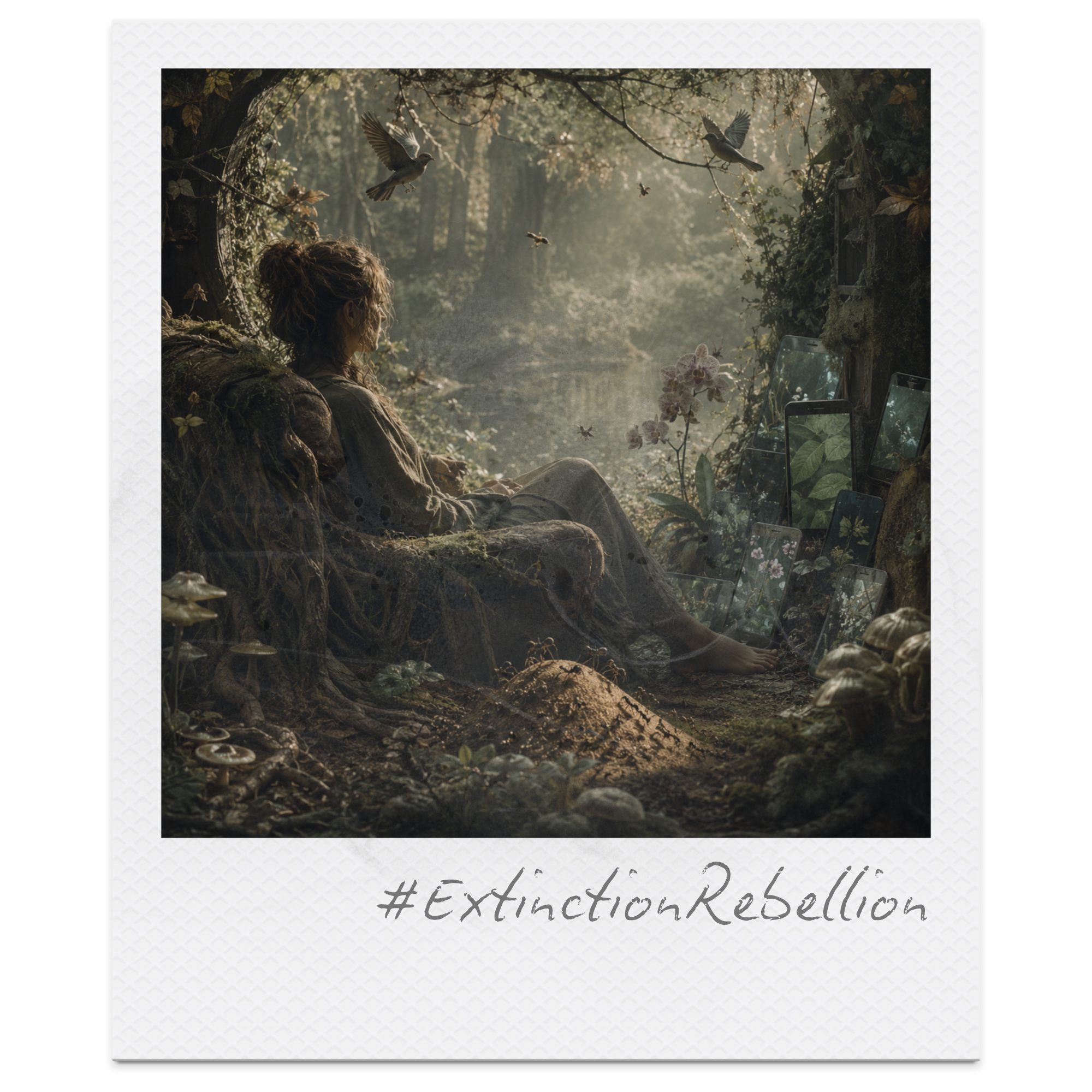
#ExtinctionRebellion by Pascale Petit: Summary, Themes & Analysis
Discover our complete analysis of #ExtinctionRebellion by Pascale Petit, written for students, teachers, and anyone interested in contemporary environmental poetry. This in-depth guide explores the poem's context, summary, structure, key quotes, literary techniques, themes, and alternative interpretations, alongside detailed stanza-by-stanza analysis and exam-ready insights. You'll also find practical teaching ideas, wider reading recommendations, and close analysis of how Petit uses extended metaphor, symbolism, digital imagery, and ecological networks to explore climate change, environmental activism, interconnectedness, hope, and humanity's relationship with the natural world. Whether you're studying the poem independently or teaching it in the classroom, this guide will help you understand how Petit transforms a vision of ecological crisis into one of resilience, renewal, and collective action.
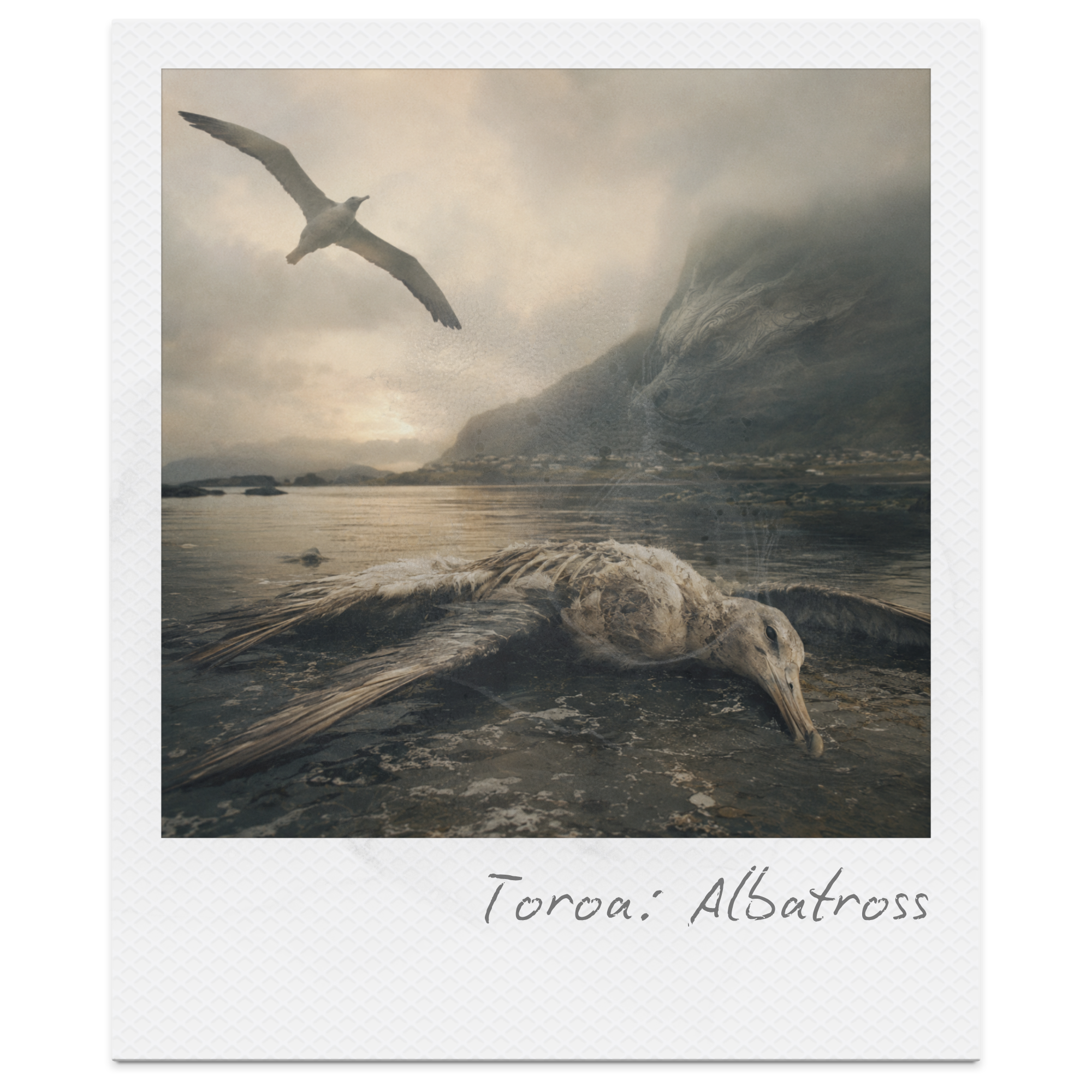
Toroa: Albatross by Hone Tuwhare: Summary, Themes & Analysis
Discover our complete analysis of Toroa: Albatross by Hone Tuwhare. Explore the poem's context, summary, key quotes, literary techniques, themes, and alternative interpretations, alongside detailed stanza-by-stanza analysis and exam-ready insights. You'll also find practical teaching ideas, comparison suggestions, and revision support to help students develop confident, method-based responses. Whether you're studying the poem independently or teaching it in the classroom, this guide explains how Tuwhare uses imagery, symbolism, Māori cultural references, and structure to explore belonging, environmental responsibility, compassion, and spiritual renewal.
Deep in the Hills by Ruth Dallas: Summary, Themes & Analysis
Explore Deep in the Hills by Ruth Dallas with a detailed summary, stanza-by-stanza analysis, key quotes, themes, literary techniques, and alternative interpretations. Discover how Dallas uses metaphor, imagery, contrast, and structural reversal to explore identity, belonging, memory, and humanity's enduring relationship with the natural world.

Oblivion by Ellis Ayitey Komey: Summary, Themes & Analysis
Discover Oblivion by Ellis Ayitey Komey through a clear summary, exploration of its key themes, important quotations, literary techniques, and alternative interpretations. Learn how Komey uses vivid imagery, symbolism, and repetition to explore memory, identity, nature, and the enduring power of remembering the people and places that shape our lives.
Homecoming by Lenrie Peters: Analysis of Memory, Identity and Return
Explore Homecoming by Lenrie Peters with this detailed analysis of memory, identity, belonging, displacement, and the passage of time. Discover how Peters uses symbolism, natural imagery, structure, and contrast to examine the emotional consequences of returning to a homeland transformed by change. This guide explores the poem's themes, symbolism, literary techniques, key quotations, alternative interpretations, anthology comparisons, and exam-ready insights, making it ideal for students and teachers studying Cambridge International AS & A Level Literature in English (9695) Songs of Ourselves: Volume 2.
Afternoon with Irish Cows by Billy Collins: Analysis of Identity, Wonder and the Extraordinary Ordinary
Billy Collins' Afternoon with Irish Cows is a thoughtful exploration of identity, selfhood, perception, and the hidden significance of everyday life. What begins as a seemingly simple observation of cattle grazing in a field gradually develops into a meditation on authenticity, consciousness, and humanity's relationship with the natural world. Through conversational language, humour, vivid imagery, and symbolic moments of revelation, Collins challenges readers to look beyond first impressions and recognise the complexity that exists within even the most ordinary experiences. This detailed analysis explores the poem's themes, literary techniques, symbolism, key quotations, alternative interpretations, anthology comparisons, and exam insights for Cambridge International AS & A Level Literature in English (9695).
Blessed by the Indifference by Christopher Reid: Analysis of Nature, Time and Human Insignificance
Christopher Reid's Blessed by the Indifference is a thoughtful and quietly philosophical poem that explores human insignificance, nature's indifference, mortality, and the passage of time. Through vivid descriptions of insects, birds, sunlight, and landscape, Reid presents a natural world that exists independently of human concerns, encouraging readers to reconsider assumptions about importance, ownership, and permanence. The poem's central paradox suggests that there may be something unexpectedly liberating about recognising that the world does not revolve around humanity. This detailed analysis explores the poem's themes, symbolism, structure, key quotations, literary techniques, alternative interpretations, and anthology comparisons. Examining ideas such as perspective, environmental awareness, transience, and finding meaning within an indifferent universe, the article reveals how Reid transforms an ordinary breakfast scene into a profound reflection on humanity's place within the larger natural world.

Lion Heart by Amanda Chong: Analysis of Identity, Nationhood and Transformation
Amanda Chong's Lion Heart is a rich and ambitious exploration of national identity, cultural memory, and transformation. Drawing upon Singapore's founding myths, maritime history, and modern development, Chong presents the nation as a living being whose journey from sea to skyscraper reflects both remarkable progress and an enduring connection to its origins. Through powerful symbolism, vivid natural imagery, and an extended metaphor centred on the lion, the poem celebrates resilience, growth, and collective identity while questioning what must be preserved as a nation evolves. This detailed analysis of Lion Heart explores the poem's structure, voice, symbolism, themes, and literary techniques, alongside its treatment of history, belonging, and nationhood. It includes stanza-by-stanza analysis, key quotations, alternative interpretations, anthology comparisons, and exam-ready insights.
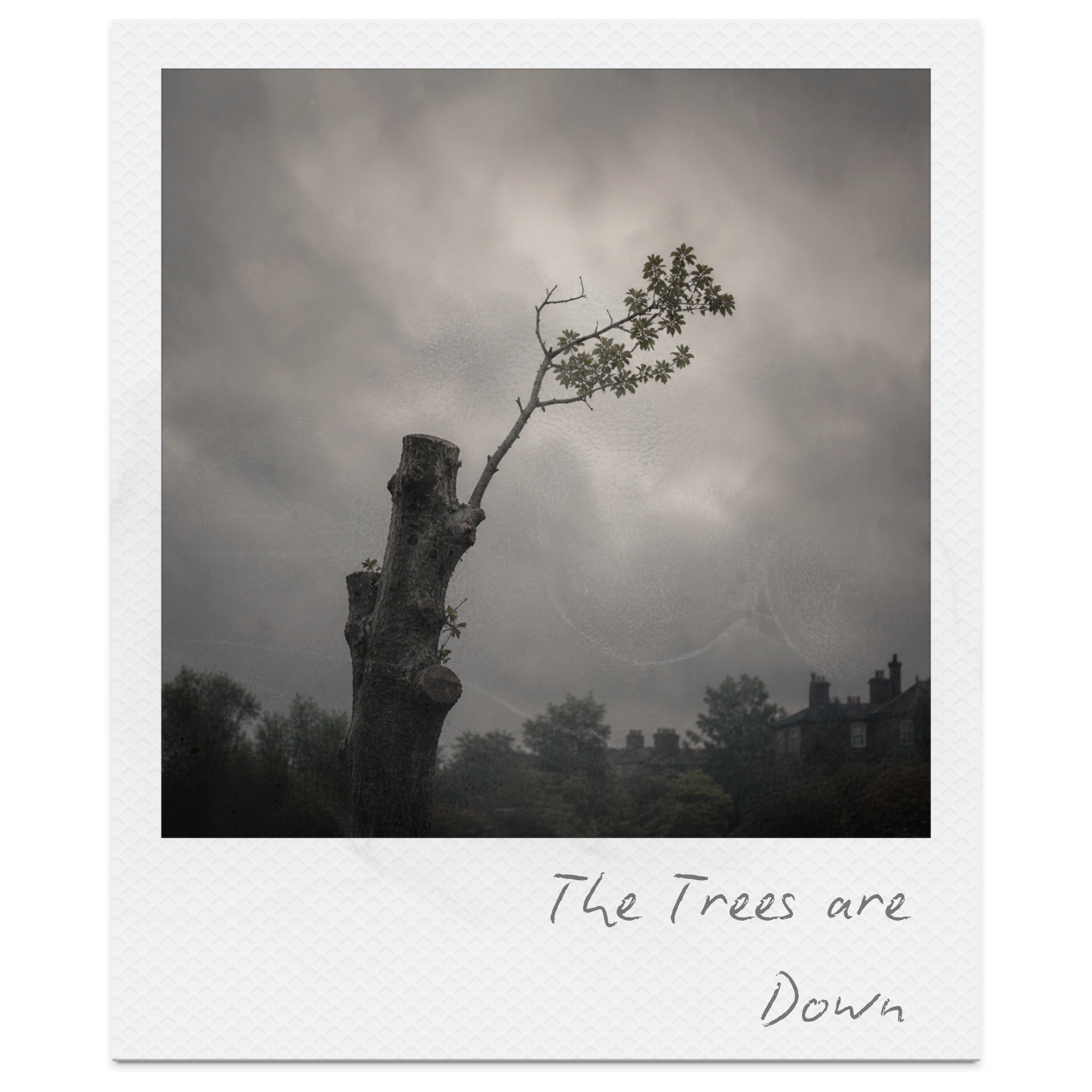
The Trees Are Down by Charlotte Mew: Summary, Themes & Analysis
The Trees Are Down by Charlotte Mew explores loss, destruction of nature, and emotional connection to place, transforming the cutting of trees into a powerful reflection on identity and memory. Through harsh sound imagery, contrast, and a shifting personal voice, Mew presents the act as more than physical labour, revealing it as a deeply unsettling and morally charged event. As the poem develops, the speaker moves from observation to personal reflection and protest, showing how the loss of the trees disrupts both the natural world and her own sense of self. The final image of an “angel crying” elevates this response into a form of spiritual warning, leaving the reader with a lasting sense that what has been destroyed cannot be restored, and that such loss carries profound emotional and ethical consequences.
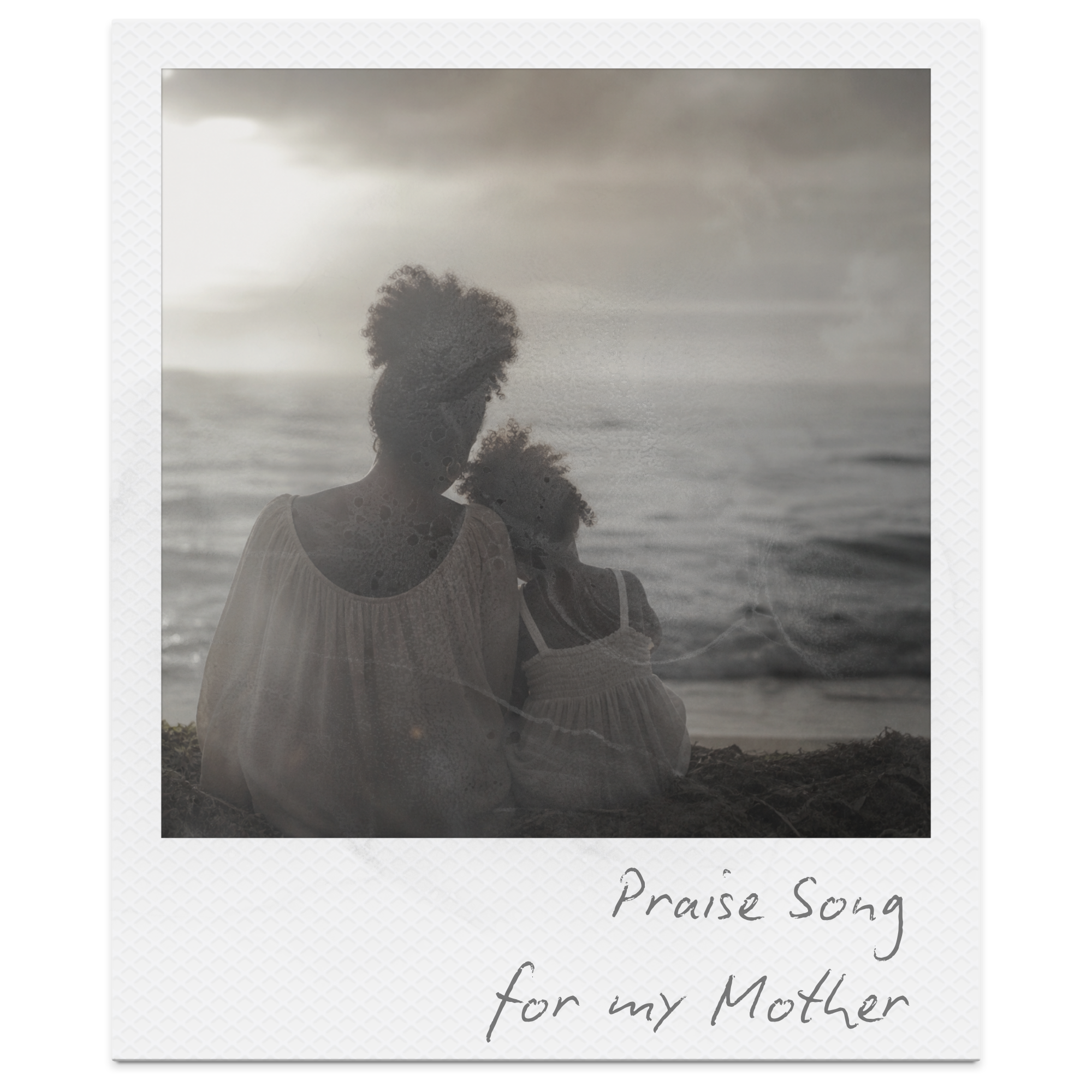
Praise Song for My Mother by Grace Nichols: Summary, Themes & Analysis
Praise Song for My Mother by Grace Nichols explores motherhood, nurture, and identity through a sequence of extended metaphors, repetition, and sensory imagery, presenting the mother as a sustaining, life-giving force. The poem moves through images of water, the moon, and sunrise, each representing different forms of care, while the repeated structure “You were” creates a rhythmic, cumulative pattern that mirrors the ongoing nature of maternal influence. As the poem develops, the imagery shifts from elemental and universal to more specific, culturally grounded detail, particularly in the final stanza, where references to food and environment highlight the importance of heritage and lived experience. The repetition of “replenishing” reinforces the idea of continuous nourishment, suggesting that the mother’s influence does not end, but remains present in shaping identity. Through its controlled voice and patterned structure, the poem presents nurture as both foundational and enduring.

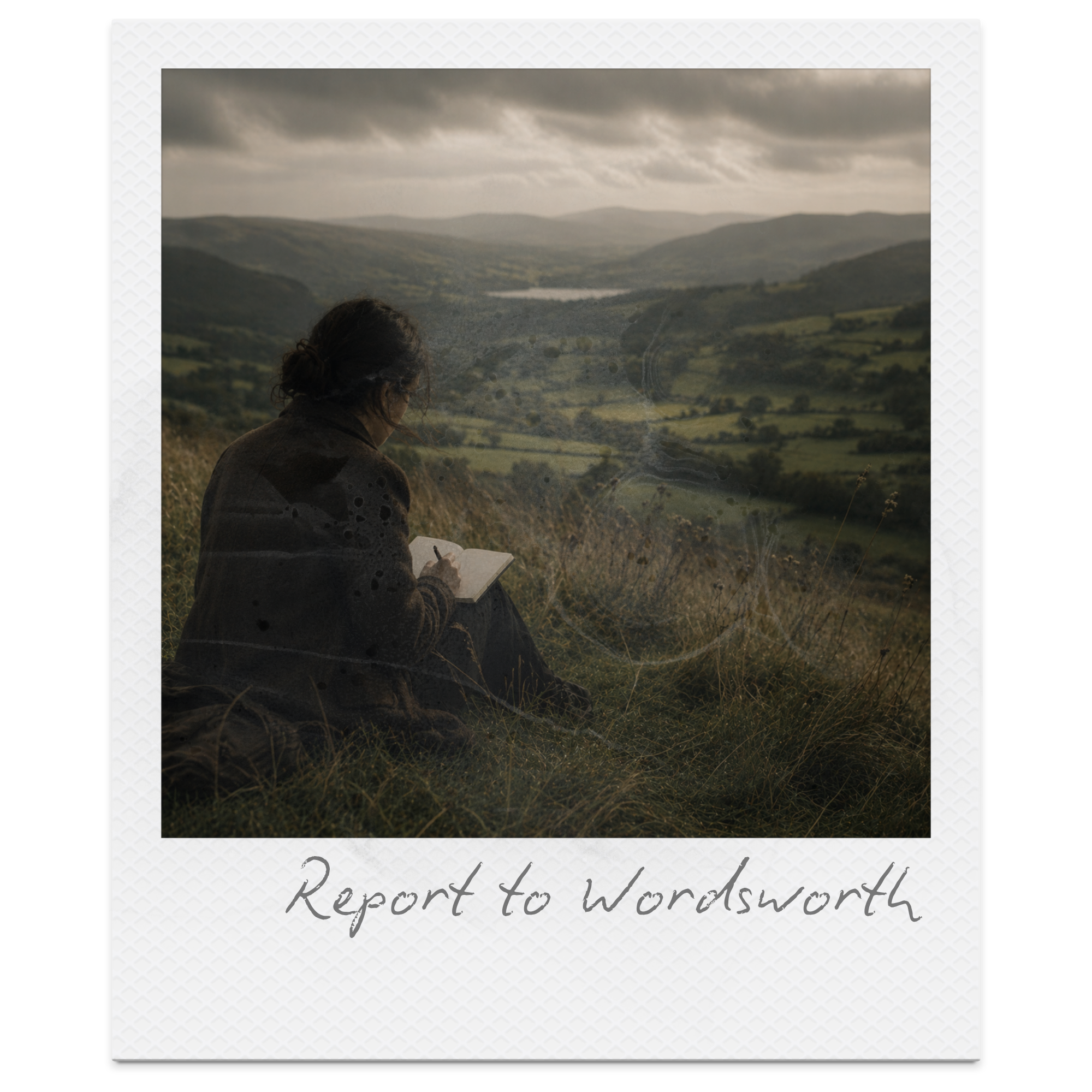
Report to Wordsworth by Boey Kim Cheng: Summary, Themes & Analysis
Report to Wordsworth by Boey Kim Cheng explores the devastating impact of human activity on the natural world, using vivid imagery, mythological allusion, and a disrupted sonnet form to contrast Romantic ideals with modern environmental decline. Through its urgent tone and escalating imagery, the poem presents nature as weakened, silenced, and in need of restoration. This analysis examines how Cheng uses language, structure, and voice to create meaning, focusing on environmental destruction, the failure of poetry and spirituality, and the loss of harmony between humanity and nature. Designed for IGCSE Literature (0475), it supports students in developing clear, method-focused responses.
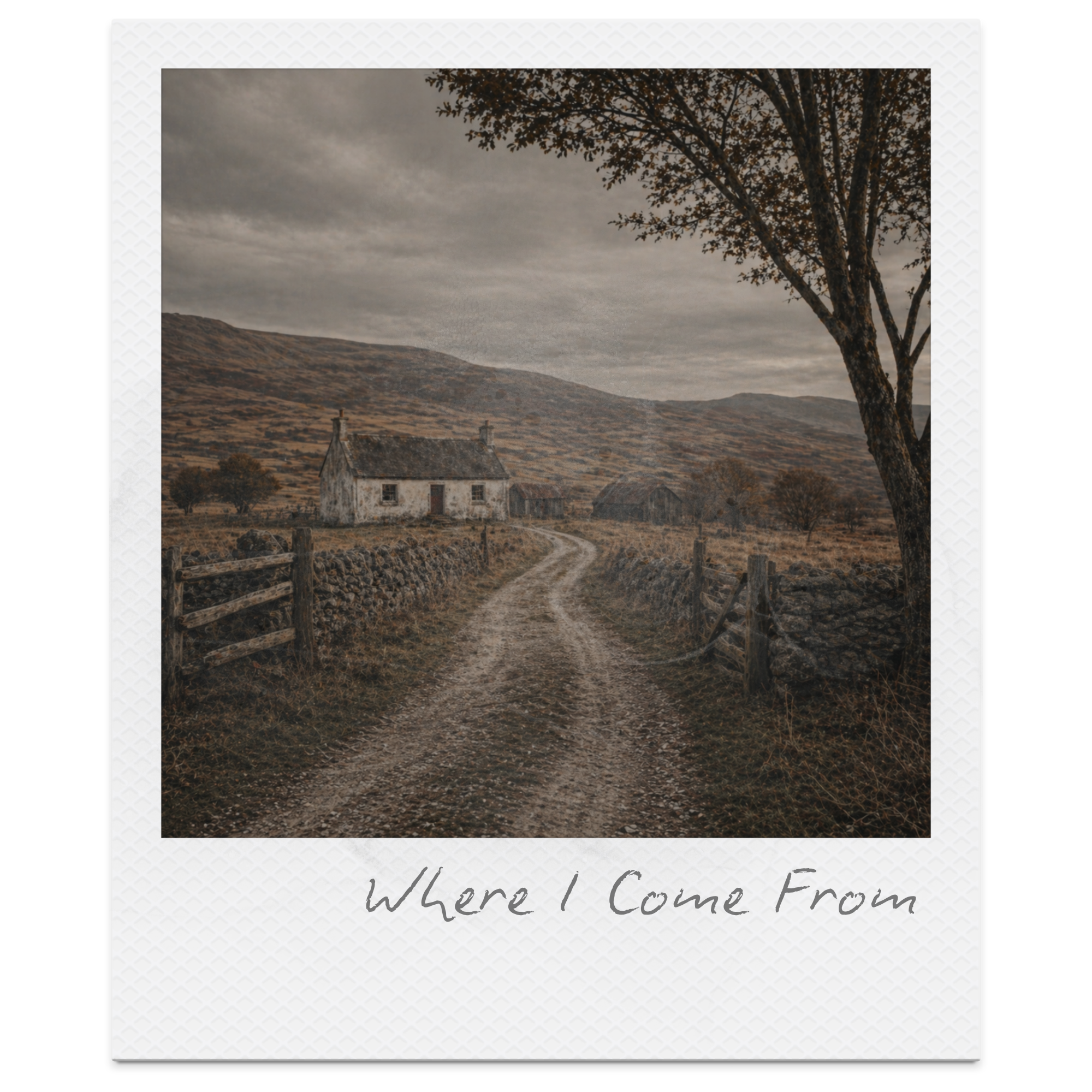
Where I Come From by Elizabeth Brewster: Summary, Themes & Analysis
Elizabeth Brewster’s Where I Come From explores how identity is shaped by place, using imagery, metaphor, and contrast to show that people carry their environments within them. Moving from urban scenes to rural memory, the poem presents identity as something built through lived experience rather than fixed. Through its sensory detail and reflective tone, the poem reveals how places remain in the mind, influencing thought and feeling over time. Brewster ultimately suggests that we do not leave places behind—we continue to carry them within us.