Before the Sun by Charles Mungoshi: Summary, Themes & Analysis
Before the Sun by Charles Mungoshi presents a moment of labour, ritual, and connection to nature, using imagery, personification, and shifting tone to transform an ordinary morning into something meaningful and almost ceremonial. Through the speaker’s interaction with the natural world—particularly the sun—the poem explores youthful energy, harmony with nature, and the blending of work and play, showing how simple actions can carry deeper significance. If you are studying or teaching Songs of Ourselves Volume 1 for CIE English Literature (0475), you can explore in-depth analyses of every poem for 2026 and 2027 Paper 1 in the Songs of Ourselves Volume 1 Hub, or a wider range of texts in the Literature Library.

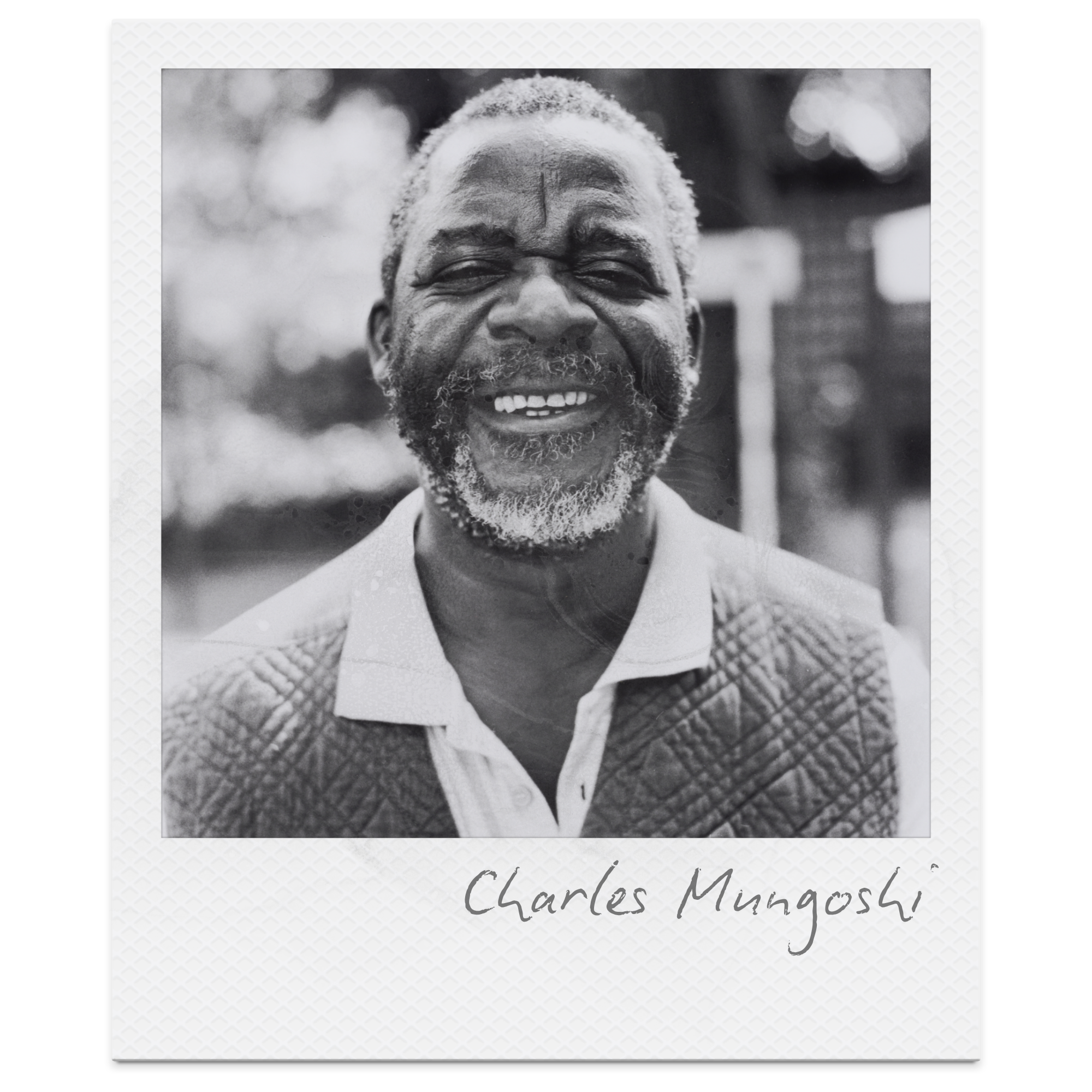
Context of Before the Sun
Charles Mungoshi was a key figure in Zimbabwean literature, writing during the late 20th century as the country moved through colonial rule into independence (1980). His work often focuses on everyday rural life, cultural identity, and the relationship between people and the natural world, reflecting a society negotiating change while holding onto traditional rhythms and values.
Before the Sun reflects this context through its focus on manual labour, rural setting, and close interaction with nature, presenting work not as hardship but as part of a meaningful daily rhythm. The speaker’s actions—cutting wood, preparing food, and engaging with the environment—suggest a lifestyle grounded in self-sufficiency and connection to the land, contrasting with more industrialised or disconnected ways of living.
At the same time, the poem carries a subtle sense of cultural continuity, where ordinary actions take on symbolic or ritual-like significance. This reflects a broader context in which traditional ways of life and belief systems remain important, even as modern influences grow, allowing the poem to explore how identity, labour, and nature remain deeply intertwined.
Before the Sun: At a Glance
Form: Free verse with irregular stanza lengths
Mood: Energetic, reflective, quietly joyful
Central tension: Physical labour vs deeper meaning; human effort vs natural rhythm
Core themes: Youth and labour, harmony with nature, ritual and meaning, simplicity and satisfaction
One-sentence meaning: The poem presents a morning of physical work as a meaningful, almost ritual experience, showing how simple labour can create a deep sense of connection between the individual and the natural world.
Quick Summary of Before the Sun
The poem begins by establishing an early morning setting, where the speaker prepares for physical labour in an environment shaped by heat, rain, and natural change. The act of chopping wood is described in detail, focusing on the movement, sound, and sensory experience of the task. This work is not presented as purely functional; instead, it carries a sense of energy and satisfaction, particularly through the speaker’s youthful perspective and enjoyment of the challenge.
As the poem develops, the focus shifts from labour to its outcome, with the speaker preparing food and interacting with the rising sun. The tone becomes more playful and symbolic, as the speaker imagines sharing the meal with the sun itself. The poem ends with this ritual-like act of sharing, blending imagination and reality, and suggesting a deeper connection between human activity and the natural world.
Title, Form, Structure, and Metre in Before the Sun
Mungoshi uses free verse, shifting line lengths, and flexible structure to mirror the speaker’s immersive, sensory experience of labour, allowing meaning to emerge through rhythm, pacing, and detail rather than formal constraint.
Title
The title Before the Sun immediately situates the poem in a moment just before transformation, suggesting anticipation, preparation, and quiet beginnings. It implies a time of work before reward, but also frames the sun as something significant that arrives later, almost like a participant in the poem. As the poem develops, this expectation shifts: the sun becomes not just a natural event, but part of a shared, almost ritual experience, deepening the title’s meaning.
Form and Structure
The poem is written in free verse, organised into irregular stanzas that vary in length, reflecting the natural flow of thought and action. This lack of fixed structure mirrors the unforced rhythm of rural labour, where tasks unfold organically rather than according to rigid patterns.
The progression of the poem moves from preparation → action → reflection → reward, creating a clear but fluid structure. Early stanzas focus on physical work and sensory detail, while later sections shift towards symbolic and imaginative engagement, particularly in the interaction with the sun. The ending, where the shared meal is reduced to “skeletons,” provides a quiet sense of completion, reinforcing the cyclical nature of effort and reward.
Rhyme Scheme and Poetic Pattern
There is no regular rhyme scheme, reinforcing the poem’s natural, unstructured quality. However, Mungoshi occasionally introduces subtle internal or slant echoes, such as the soft connection between “East” and “feast”, which adds a moment of ceremonial emphasis to the sun’s arrival. These light sound patterns enhance meaning without imposing strict control, maintaining the poem’s informal, reflective tone.
Metre and Rhythmic Movement
The poem does not follow a fixed metre, but instead relies on varying line lengths and pauses to shape its rhythm. Short, controlled lines create a sense of focus and attentiveness, reflecting how the speaker engages closely with each action.
At key moments, line length is used to reinforce meaning. For example, the single-word line describing movement creates a visual and rhythmic pause, allowing the reader to experience the suspension and motion being described. Elsewhere, enjambment slows the pace, particularly in descriptions of the sun’s arrival, creating a sense of gradual unfolding.
This flexible rhythm mirrors the measured, deliberate pace of labour, while also allowing moments of stillness and reflection, reinforcing the poem’s exploration of time, effort, and quiet satisfaction.
The Speaker in Before the Sun
The speaker appears to be a young teenager, likely around fourteen, whose perspective shapes the poem’s tone as energetic, grounded, and quietly reflective. Their voice is rooted in direct experience, focusing on physical labour and sensory detail, which creates an immediate sense of authenticity and immersion. Rather than questioning or resisting the work, the speaker embraces it, revealing a mindset in which effort is tied to satisfaction, pride, and personal meaning.
At the same time, the speaker’s perspective extends beyond the purely practical. Through moments of imaginative personification—particularly in their interaction with the sun—they transform ordinary actions into something more symbolic. This suggests a voice that moves fluidly between literal experience and imaginative interpretation, allowing the poem to present labour not just as a task, but as part of a ritualised, almost sacred connection with the natural world.
Stanza-by-Stanza Analysis of Before the Sun
This close reading explores how Mungoshi builds meaning through imagery, structure, and shifting tone, showing how a simple morning of labour becomes something ritualistic, reflective, and deeply connected to nature. Each stanza develops the speaker’s experience step by step, moving from physical action to symbolic meaning, with every detail contributing to the poem’s exploration of youth, effort, and quiet satisfaction.
Stanza 1: Anticipation and Natural Rhythm
The opening immediately establishes a vivid sensory setting, with the striking image of an “intense blue morning” creating clarity, brightness, and energy. The adjective “intense” suggests not just colour, but physical pressure and heat, foreshadowing the labour to come.
The structure of the stanza moves forward in time, from morning to afternoon, introducing a natural sequence of heat followed by rain. This progression reflects the predictable yet powerful rhythms of nature, positioning the speaker within a world governed by environmental cycles rather than human control.
The short, controlled lines slow the pacing, encouraging the reader to pause on each stage of the day. This measured rhythm mirrors the speaker’s attentive awareness of their surroundings, while also establishing a sense of anticipation—the day is only just beginning, but its intensity and outcome are already implied.
Stanza 2: Motion, Precision, and Suspended Time
This stanza shifts from observation to physical action, using vivid imagery to capture the movement of the wood chips as they are cut. The adjective “bright” elevates the moment, transforming a simple by-product of labour into something almost visually striking or celebratory, suggesting pride in the task.
The verb “fly” conveys energy and force, while the detailed description of their movement through the air slows the moment down. The isolated one-word line “arc” is particularly effective: structurally, it creates a pause on the page that mirrors the curve and suspension of the chips in mid-air, allowing the reader to experience that moment of stillness.
The phrase suggesting a long delay before the chips fall exaggerates time, making the action feel extended and almost timeless. This distortion reflects the speaker’s immersion in the task, where attention to detail transforms a brief action into something more significant. The final image of the chips settling “in showers” on the “dewy grass” blends violence and gentleness, reinforcing the idea that labour here is both forceful and harmonious, fully integrated into the natural environment.
Stanza 3: Youthful Perspective and Desire for Challenge
This stanza shifts inward, focusing on the speaker’s age and mindset, and introduces a more personal tone. The simple statement that the log is large is immediately reframed through the perspective of being “fourteen,” highlighting how youth shapes perception and desire.
The repetition of “big logs” reinforces this idea, turning size from a potential obstacle into something actively sought after. Structurally, the short lines isolate key phrases, giving them emphasis and reflecting the speaker’s direct, uncomplicated thinking.
Rather than viewing labour as difficult, the speaker associates it with challenge, strength, and satisfaction, suggesting a stage of life where effort is tied to identity and pride. This moment deepens the poem’s exploration of labour, showing that its meaning is not fixed, but shaped by age, attitude, and personal experience.
Stanza 4: Sensory Pleasure and Physical Intimacy
This stanza deepens the speaker’s engagement with the task through sensory imagery, particularly smell. The description of the wood producing a “sweet nose-cleansing odour” transforms labour into something physically pleasurable, suggesting that the experience is not just endured but actively enjoyed.
The detail that this smell is “unlike sawdust” introduces a subtle contrast, distinguishing between different kinds of labour and environments. Sawdust implies dryness, irritation, and perhaps harsher conditions, whereas the wood here offers something fresh and invigorating, reinforcing the idea of harmony with the natural world.
The conversational aside in brackets creates a more personal, almost informal tone, bringing the reader closer to the speaker’s perspective. Structurally, this moment slows the pace again, allowing attention to shift from action to sensory appreciation, and emphasising how even small details contribute to the speaker’s overall sense of satisfaction and connection.
Stanza 5: Transformation and Ritual Meaning
This stanza marks a clear shift from physical detail to symbolic interpretation, as the smoke becomes more than a by-product of labour. The image of a “thin spiral” rising and then “straightening” suggests movement from something organic and fluid into something more directed and purposeful, reflecting a transformation from action into meaning.
The verb “flutes” introduces a musical quality, giving the smoke an almost artistic or ceremonial presence, as if it is performing rather than simply existing. This elevates the moment, linking the speaker’s labour to something more expressive and intentional.
The final lines reinterpret the smoke as either a “signal” or a “sacrificial prayer”, introducing ambiguity. This suggests that the speaker perceives their actions as part of a larger, possibly spiritual exchange, where ordinary work becomes ritualistic. The uncertainty between these interpretations reinforces the idea that meaning is not fixed, but emerges through imagination and perspective, deepening the poem’s exploration of how labour can take on symbolic and almost sacred significance.
Stanza 6: Energy and Controlled Power
This brief stanza compresses the action into two sharp images, creating a moment of intensity and immediacy. The verb “hisses” introduces sound, suggesting heat, friction, and contained energy, while also giving the wood an almost alive, reactive quality.
The short, declarative lines mirror the suddenness of the moment. “The sparks fly” conveys movement and danger, but also excitement and vitality, reinforcing the speaker’s engagement with the process.
Structurally, the brevity of the stanza contrasts with the more expansive descriptions earlier, creating a sense of quickened pace. This shift reflects how the labour involves bursts of action within longer periods of attention, while also emphasising the power and transformation taking place as the wood burns.
Stanza 7: Arrival and Reward
This stanza marks a clear turning point, shifting from preparation to reward and fulfilment. The delayed arrival of the sun—described as “finally” appearing—suggests anticipation, reinforcing the idea that the speaker’s labour has been leading up to this moment.
The simile comparing the sun to a “latecomer to a feast” introduces a playful tone, personifying the sun as a social participant rather than a distant natural force. This transforms the relationship between the speaker and nature into something more interactive and communal, as if both are part of the same shared experience.
The mention of the maize confirms the purpose of the earlier labour, grounding the poem again in physical reality. However, the phrasing “ready for it” implies that the preparation has been done not just for the speaker, but for the sun as well, reinforcing the idea of reciprocity between human effort and the natural world.
Stanza 8: Playfulness and Personified Connection
This stanza develops the relationship between the speaker and the sun through personification and tone, transforming nature into an active participant in the moment. The speaker directly addresses the sun, inviting it to share the meal, which suggests a sense of ease, confidence, and familiarity rather than distance or reverence.
The sun’s response—“just winks / like a grown-up”—introduces a subtle shift in perspective. The simile positions the sun as something older, knowing, and slightly amused, creating a contrast between the speaker’s youthful enthusiasm and the sun’s calm authority.
This interaction reinforces the poem’s blending of reality and imagination, where the speaker’s experience of the natural world is shaped by both physical presence and creative interpretation. It also deepens the sense of connection and mutual recognition, suggesting that the speaker feels seen and acknowledged within the natural environment.
Stanza 9: Ritual, Sharing, and Quiet Completion
This final stanza brings the poem to a sense of closure through repetition and ritualised action. The speaker’s deliberate pattern of “one for the sun, / one for me” creates a structured rhythm, mirroring the earlier cycles of labour and nature. This repetition reinforces the idea of balance and reciprocity, suggesting that the act of eating becomes symbolic rather than purely practical.
The phrase “big / alternate bites” maintains the speaker’s youthful energy, linking back to earlier enthusiasm for physical effort. However, the repeated sharing also suggests a more reflective awareness, where the speaker consciously includes the sun in the experience, sustaining the poem’s theme of connection between human and natural worlds.
The final image of the cobs reduced to “two little skeletons” introduces a subtle shift in tone. While not overtly dark, it suggests consumption, completion, and the passage of time, echoing natural cycles of use and renewal. Ending “in the sun” reinforces the idea that this entire process—labour, reward, and ending—exists within the wider rhythm of nature, leaving the reader with a sense of quiet satisfaction and cyclical continuity.
Key Quotes and Methods in Before the Sun
These carefully selected quotations show how Mungoshi uses imagery, structure, and personification to transform ordinary labour into something immersive, meaningful, and symbolic, revealing the speaker’s deep connection to the natural world.
“intense blue morning”
◆ Technique: Colour imagery
◆ Meaning: Establishes a vivid and striking natural setting
◆ Purpose: To immediately immerse the reader in the environment
◆ Impact: Creates energy and anticipation, foregrounding nature’s intensity
“bright chips fly from the sharp axe”
◆ Technique: Dynamic imagery / verb choice
◆ Meaning: Highlights movement and force within the labour
◆ Purpose: To present work as active and engaging
◆ Impact: Emphasises the speaker’s physical involvement and enjoyment
“arc … and eternities later”
◆ Technique: Structural fragmentation / time distortion
◆ Meaning: Expands a brief action into an extended moment
◆ Purpose: To reflect the speaker’s focused attention
◆ Impact: Slows time for the reader, making the moment feel significant
“when you are fourteen / big logs / are what you want”
◆ Technique: Direct statement / perspective
◆ Meaning: Reveals youthful desire for challenge and strength
◆ Purpose: To show how age shapes perception of labour
◆ Impact: Adds authenticity and reinforces pride in effort
“sweet nose-cleansing odour”
◆ Technique: Sensory imagery (olfactory)
◆ Meaning: Portrays labour as refreshing and pleasurable
◆ Purpose: To deepen the sensory experience of the task
◆ Impact: Reinforces harmony between the speaker and the environment
“a signal of some sort, / or a sacrificial prayer”
◆ Technique: Ambiguity / symbolism
◆ Meaning: Reinterprets smoke as something meaningful or ritualistic
◆ Purpose: To elevate ordinary action into symbolic significance
◆ Impact: Suggests labour has spiritual or cultural depth
“like some latecomer to a feast”
◆ Technique: Simile / personification
◆ Meaning: Presents the sun as a social participant
◆ Purpose: To humanise nature and create interaction
◆ Impact: Adds warmth and playfulness to the tone
“the sun just winks / like a grown-up”
◆ Technique: Personification / simile
◆ Meaning: Gives the sun awareness and maturity
◆ Purpose: To contrast the speaker’s youth with natural authority
◆ Impact: Creates a sense of connection and quiet approval
“one for the sun, / one for me”
◆ Technique: Repetition / parallel structure
◆ Meaning: Establishes a pattern of sharing
◆ Purpose: To reinforce balance between human and nature
◆ Impact: Creates a ritual-like rhythm and sense of harmony
“two little skeletons in the sun”
◆ Technique: Metaphor
◆ Meaning: Reduces the eaten maize to bare remains
◆ Purpose: To signal completion and consumption
◆ Impact: Introduces a subtle reminder of cycles and endings within nature
Key Techniques in Before the Sun
Mungoshi uses a range of imagery, structure, and figurative language to transform a simple act of labour into something immersive, symbolic, and quietly ritualistic, allowing meaning to emerge through the speaker’s experience rather than explicit explanation.
◆ Imagery – The poem is rich in sensory detail (visual, tactile, and olfactory), such as the colour of the morning, the movement of wood chips, and the smell of the wood. This grounds the poem in physical experience, making labour feel vivid and immediate while reinforcing the speaker’s deep engagement with the natural world.
◆ Simile – The sun is compared to a “latecomer to a feast” and someone who “winks like a grown-up”. These similes humanise the sun, presenting it as social, relaxed, and familiar, which transforms nature into a participant in the speaker’s experience rather than a distant force.
◆ Personification – Beyond simile, the sun is given human qualities (arriving, sharing, responding), creating a sense of interaction and reciprocity. This suggests a world in which human activity and natural forces exist in mutual relationship, reinforcing the poem’s theme of harmony.
◆ Symbolism – Everyday elements take on broader meaning: the fire and smoke suggest transformation and possible ritual; the sun represents both natural cycles and a witnessing presence; the shared meal symbolises balance between human effort and nature. These symbols elevate the poem from description to quietly philosophical reflection.
◆ Enjambment – Frequent line breaks mid-sentence slow the pace and stretch out moments, particularly during descriptions of movement and the sun’s arrival. This creates a sense of measured, attentive experience, mirroring the speaker’s immersion in each action.
◆ Structural fragmentation – Isolated words or short lines (such as the single-word line describing movement) create pauses that visually and rhythmically reflect the action being described, allowing the reader to experience motion and stillness simultaneously.
◆ Repetition and parallel structure – The repeated phrasing of “one for the sun, one for me” establishes a ritual-like rhythm, reinforcing ideas of balance, sharing, and cyclical action. This pattern mirrors both the speaker’s physical actions and the broader cycles of nature.
◆ Contrast – Subtle contrasts (e.g., heat vs rain, effort vs reward, forceful chopping vs gentle settling) highlight the dual nature of labour and environment, showing how opposing elements coexist within a balanced system.
◆ Tone shift – The poem moves from focused physical labour to playful and symbolic interaction, reflecting a shift from action to reflection. This progression deepens the meaning, showing how ordinary tasks can evolve into moments of imaginative and emotional significance.
◆ Metaphor – The final image of the cobs as “two little skeletons” metaphorically represents consumption and completion, subtly reinforcing natural cycles of use, decay, and renewal without disrupting the poem’s calm tone.
How the Writer Creates Meaning and Impact in Before the Sun
Mungoshi creates meaning by combining sensory detail, flexible structure, and a shifting tone to show how an ordinary act of labour becomes something immersive, symbolic, and quietly significant.
◆ Language (imagery and symbolism) – The poem’s vivid sensory imagery—especially visual and olfactory—anchors the reader in the speaker’s physical experience. This creates authenticity, but also allows everyday details (smoke, fire, maize, the sun) to take on symbolic meaning, suggesting transformation, nourishment, and connection. The result is a layered experience where simple actions carry emotional and philosophical weight.
◆ Structure (progression and pacing) – The poem follows a clear progression from anticipation → action → reflection → reward, mirroring the natural rhythm of labour. Short lines and carefully placed pauses slow the pace, encouraging the reader to experience each moment fully. This structure reflects the speaker’s focused attention, turning a brief morning into something extended and meaningful.
◆ Voice and tone – The speaker’s youthful perspective creates a tone that is both energetic and reflective. Their acceptance—and enjoyment—of labour challenges assumptions about work, presenting it as a source of pride and satisfaction. As the poem develops, the tone becomes more playful and symbolic, particularly in the interaction with the sun, showing how imagination shapes experience.
◆ Personification and interaction with nature – By presenting the sun as a participant—arriving, responding, and “sharing”—the poem collapses the boundary between human and natural worlds. This technique suggests a relationship based on reciprocity rather than dominance, reinforcing the idea that meaning comes from connection and coexistence.
◆ Repetition and ritual – The repeated sharing of food creates a structured, almost ceremonial rhythm. This transforms a practical act into a ritual of balance, where human effort and natural presence are equally acknowledged. The repetition reinforces the poem’s central idea that meaning is created through pattern, participation, and awareness.
◆ Ending and cyclical meaning – The final image of the consumed maize signals completion, but also suggests ongoing cycles of labour and reward. By ending within the presence of the sun, the poem reinforces the idea that human actions are part of a larger, continuous natural system, leaving the reader with a sense of quiet fulfilment and continuity.
Themes in Before the Sun
Mungoshi explores how ordinary labour, youth, and the natural world intersect, using simple actions to reveal deeper ideas about connection, satisfaction, and meaning.
Youth and Labour
The poem presents labour through the perspective of a young speaker, showing how age shapes experience. The desire for challenge and physical effort reflects a stage of life where work is associated with energy, pride, and self-definition, rather than burden. This suggests that labour can be personally meaningful, depending on mindset and context.
Harmony with Nature
Throughout the poem, human activity exists in balance with the natural world. The speaker works within natural rhythms—heat, rain, sunrise—and even interacts with the sun as an equal presence. Through personification and imagery, the poem presents a world where humans are not separate from nature, but integrated within it, reinforcing ideas of coexistence and mutual dependence.
Ritual and Meaning in Everyday Life
Simple actions—cutting wood, lighting a fire, preparing food—take on a ritual-like quality. The repeated sharing of food transforms eating into a symbolic act, suggesting that meaning is created through pattern, attention, and intention. The poem implies that even routine tasks can become ceremonial and significant when fully experienced.
Simplicity and Satisfaction
The poem celebrates a way of life rooted in simplicity, where satisfaction comes from effort, sensory experience, and immediate reward. The speaker’s enjoyment of physical work and food contrasts with more complex or abstract sources of fulfilment, suggesting that meaning can be found in direct, lived experience.
Imagination and Perception
The speaker’s interaction with the sun demonstrates how imagination shapes reality. By personifying the sun and engaging with it playfully, the speaker transforms the ordinary into something more meaningful. This highlights how perception allows individuals to interpret and enrich their experiences, blurring the boundary between reality and imagination.
Cycles of Effort and Reward
The structure of the poem reflects a natural cycle: preparation, labour, reward, and completion. The final image of the consumed maize reinforces the idea that effort leads to fulfilment, but also that all processes are part of ongoing cycles. This suggests a broader reflection on time, renewal, and continuity within nature.
Alternative Interpretations of Before the Sun
While the poem can be read as a celebration of labour and harmony with nature, its meaning can also shift depending on how we interpret the speaker’s perspective, symbolism, and tone.
Psychological Interpretation: Labour as Identity Formation
From a psychological perspective, the poem explores how the speaker uses labour to construct a sense of self. The emphasis on strength, challenge, and satisfaction suggests that physical work becomes a way of asserting identity and capability, particularly at a transitional age. The interaction with the sun may reflect an internal desire for recognition or approval, where the imagined response of the sun mirrors the speaker’s need to feel validated in their effort.
Social Interpretation: Value of Rural Labour and Simplicity
Socially, the poem can be read as a reflection on rural life and self-sufficiency, presenting manual labour as meaningful and fulfilling rather than oppressive. In this reading, the poem quietly challenges modern or industrial perspectives that often devalue such work, instead highlighting a lifestyle grounded in direct engagement with the environment. The absence of external pressures or systems reinforces a world where meaning comes from personal effort and immediate reward.
Philosophical Interpretation: Human-Nature Reciprocity
Philosophically, the poem suggests a worldview based on reciprocity between humans and nature. The act of sharing food with the sun symbolises a balance where human activity is not separate from, but part of, a larger natural system. The final image of consumption and completion reinforces the idea that life operates through cycles of use, renewal, and transformation, positioning the speaker within an ongoing process rather than outside it.
Symbolic Interpretation: Ritual and Sacred Experience
The poem can also be interpreted as a subtle exploration of ritual and the sacred within the everyday. The fire, smoke, and shared meal all carry symbolic weight, suggesting that ordinary actions can function as forms of ceremony or offering. In this reading, the speaker’s behaviour reflects an instinctive or cultural understanding that labour, food, and nature are interconnected in ways that are both practical and spiritually significant.
Exam-Ready Insight for Before the Sun
This section shows how to turn your understanding of Before the Sun into a strong, exam-focused response for IGCSE Literature (0475), with a clear focus on how meaning is created through methods.
What strong responses do
◆ focus closely on the question
◆ analyse methods (language, structure, and sound), not just ideas
◆ explain how effects are created, not just what is described
◆ track the progression from labour to reward across the poem
◆ use short, precise quotations to support interpretation
Conceptual argument
A strong thesis for Before the Sun might be:
Mungoshi presents labour as a meaningful and satisfying experience through vivid sensory imagery, flexible structure, and personification, using the progression from preparation to reward to show how simple physical effort creates a sense of connection between the individual and the natural world.
Model analytical paragraph
Mungoshi presents labour as immersive and meaningful through imagery and structure. The description of wood chips that “fly” and then “arc” through the air slows the moment down, transforming a brief action into something extended and significant. This effect is reinforced by the poem’s short lines and pauses, which mirror the speaker’s focused attention on each movement. As the poem develops, this detailed physical engagement shifts into symbolic meaning, particularly when the sun is personified as a “latecomer to a feast.” This comparison turns the natural world into a participant in the speaker’s experience, suggesting a relationship based on shared presence rather than distance. Through this combination of imagery, structure, and personification, Mungoshi shows that labour is not simply practical but creates a deeper sense of connection and satisfaction.
Teaching Ideas for Before the Sun
This poem is ideal for exploring how writers use language, structure, and voice to construct meaning, while also developing discussion-based and analytical classroom approaches.
1. Collaborative Analytical Paragraph (Paired Writing)
Give students a focused question, for example:
How does Mungoshi present labour in Before the Sun?
Students work together to produce a single paragraph, combining their ideas and interpretations. They should:
◆ select and embed quotations
◆ identify methods (language, structure, sound)
◆ explain meaning → purpose → impact
Because both students contribute, they can challenge and refine each other’s ideas, leading to a stronger, more developed response. This approach reinforces that analytical writing develops through discussion and refinement, not just individual effort.
2. Structured Group Close Analysis (Role-Based)
Instead of traditional annotation, assign students specific roles in small groups for a stanza-by-stanza reading of the poem:
◆ Structure specialist – tracks progression and shifts from labour to reward
◆ Language analyst – explores imagery and sensory detail
◆ Methods expert – identifies poetic devices and techniques
◆ Tone tracker – comments on voice and shifts from physical to symbolic
Each group analyses a stanza, then feeds back to the class. As responses are shared, build a full, cohesive interpretation together.
This approach makes close reading active and collaborative, while still developing precise analytical skills.
3. Silent Debate
Set up a silent debate around the question:
Is Before the Sun more about physical labour or its deeper meaning?
Students respond to prompts in writing, building on and challenging each other’s ideas. They should:
◆ use quotations as evidence
◆ respond directly to others’ interpretations
◆ develop and refine arguments over time
This encourages deeper thinking and ensures all students participate. For guidance on structuring this activity, see this post on how to run an effective silent debate in your classroom.
4. Creative Writing: Transforming the Everyday
Ask students to write a short piece transforming an everyday activity into something more meaningful.
Prompt:
Write about a simple task (e.g. cooking, walking, cleaning) and turn it into a symbolic or ritual-like experience.
Students should aim to:
◆ use vivid sensory imagery
◆ experiment with line breaks and pacing
◆ include personification or symbolism
◆ show how meaning is shaped through language choices
This activity helps students apply techniques such as imagery, structure, and tone in their own writing. Many Literature texts provide strong models for this, supporting both analytical and creative skills. For more ideas and structured prompts, explore the Creative Writing Archive.
Teach Before the Sun with minimal prep.
If you’re teaching Before the Sun by Charles Mungoshi, you don’t need to spend hours building lessons, discussion tasks, and analytical activities from scratch.
This complete teaching resource pack provides a clear, structured way to guide students from first reading and initial interpretation to confident, developed exam-style analysis — while saving valuable planning time.
Designed for CIE IGCSE English Literature (0475 & 0922, 2027 syllabus), the pack also works flexibly for broader secondary poetry teaching and poetry exploration. It can be used across a full sequence of lessons, whether you’re introducing the poem, analysing Mungoshi’s language and imagery, exploring the speaker’s experience of the natural world, developing discussion and interpretation, or preparing students for analytical writing and assessment.
Our in-depth study guide for the poem is also available to support teaching and deepen students’ understanding of Mungoshi’s exploration of nature, beauty, wonder, transience, time, observation, imagination, childhood and the relationship between the individual and the natural world.
Why this works
This is not just a collection of disconnected worksheets. It’s a carefully designed set of discussion-led, analysis-focused activities created to help students develop confident, independent interpretations of poetry.
Designed for paired, group, and independent learning
Encourages active thinking, discussion, and interpretation
Includes exam-style questions suitable for Literature and Language preparation
Develops analytical confidence and independent interpretation
Encourages thoughtful debate, discussion, and extended written responses
Helps students explore Mungoshi’s use of imagery, personification, metaphor, colour, sensory language, contrast, structure, movement and tone
What’s included
Poetry analysis task cards covering context, structure, form, language, tone, imagery, symbolism, personal response, and more
10 exam-style essay questions for developing and assessing analytical responses
10 creative writing prompts designed to support skills needed for the Language Paper
Roll the Dice discussion board for low-prep, high-engagement lessons
Silent debate activities built around thought-provoking statements to encourage independent thinking and discussion
Teacher instructions for quick and straightforward implementation
How you can use it
Introduce the poem and build initial understanding
Structure analysis lessons without excessive scaffolding
Run engaging, discussion-led poetry lessons
Explore ideas surrounding nature, beauty, wonder, time, transience, imagination and observation
Examine how Mungoshi transforms an ordinary natural moment into something vivid and memorable
Explore how imagery, personification, sensory detail and changes in tone shape the speaker’s experience
Set up independent written responses and revision activities
Prepare students for exam-style analytical questions with confidence
What students gain
Greater confidence analysing poetry independently
Experience answering exam-style questions
Stronger ability to form and support interpretations
Improved discussion and analytical writing skills
Greater independence in their thinking
Deeper understanding of Mungoshi’s language, imagery, structure, themes, tone and presentation of the natural world
Download Now
Download the full Before the Sun by Charles Mungoshi teaching resource pack and start using it immediately — from first reading through to confident, exam-style analysis, interpretation and discussion.
Take Your Study of Before the Sun Further
Help students explore the beauty and complexity of Before the Sun while developing confident, independent interpretations of Mungoshi’s presentation of nature, wonder, time, transience and the power of observation.
The Before the Sun Teaching Resource Pack gives you a complete collection of ready-to-use activities for exploring the poem in depth — without spending hours creating additional resources. With analysis task cards, 10 exam-style essay questions, 10 creative writing prompts, a Roll the Dice discussion board, thought-provoking debate activities and teacher guidance, it can support everything from first reading and close analysis to independent work and revision.
Or, if you’re teaching the complete Songs of Ourselves Volume 1 selection, the Complete Teaching Resource Bundle includes resources for all 15 poems on the 2027 CIE IGCSE English Literature syllabus, giving you a consistent bank of analysis, discussion, writing and revision activities for the entire poetry unit.
Everything you need to take students from their first encounter with the poem to thoughtful, evidence-based analysis — without creating every activity from scratch.
Go Deeper into Before the Sun
To strengthen comparison skills and develop more conceptual responses, it’s useful to connect Before the Sun to other texts that explore labour, nature, and human experience through different methods and perspectives.
◆ Hunting Snake – Judith Wright
Both poems explore encounters with the natural world, but while Mungoshi presents harmony and immersion, Wright captures a moment of tension and awe, showing how nature can both connect and unsettle.
◆ Lament – Gillian Clarke
Clarke presents nature as damaged and vulnerable, contrasting sharply with Mungoshi’s more balanced relationship. Together, the poems highlight how human interaction with nature can be either harmonious or destructive.
◆ The Cockroach – Kevin Halligan
Both poems use detailed observation of movement to explore deeper meaning. However, Halligan turns inward to examine self-recognition and identity, while Mungoshi focuses on external experience and satisfaction.
◆ Romantic Poetry – William Wordsworth
Wordsworth’s work often presents nature as a source of spiritual and emotional insight. Mungoshi reflects this tradition, but grounds it in physical labour and lived experience, rather than introspection alone.
◆ A Different History – Sujata Bhatt
Bhatt explores identity and cultural connection, showing how meaning is shaped through relationships with language and history. This offers a contrast to Mungoshi’s focus on physical experience and the natural world.
Final Thoughts
Before the Sun shows how a seemingly simple morning can become rich with meaning through attention, effort, and perspective. Mungoshi transforms ordinary labour into something immersive and symbolic, using imagery, structure, and tone to reveal the speaker’s deep connection to both their work and their environment.
What makes the poem particularly memorable is its ability to balance physical reality with imaginative interpretation, allowing the speaker to move naturally between action and reflection. The result is a quiet but powerful reminder that meaning is not found in grand events, but in how we experience and interpret the everyday.
If you are studying or teaching this poem as part of Songs of Ourselves Volume 1, you can explore more detailed analyses in the Songs of Ourselves Volume 1 Hub, or broaden your understanding through the Literature Library.
Choose Your Next Text