Report to Wordsworth by Boey Kim Cheng: Summary, Themes & Analysis
Environmental destruction, loss of Romantic ideals, and human responsibility are central to Report to Wordsworth, where Boey Kim Cheng uses apostrophe, vivid imagery, and mythological allusion to present a modern world in decline. Addressing William Wordsworth directly, the poem contrasts the spiritual connection to nature celebrated in Romantic poetry with a present defined by pollution and damage, constructing a powerful critique of human impact. If you are studying or teaching Songs of Ourselves Volume 1 for CIE English Literature (0475), you can explore in-depth analyses of every poem on the 2026 and 2027 Paper 1 in the Songs of Ourselves Volume 1 Hub, or a wider range of texts in the Literature Library.

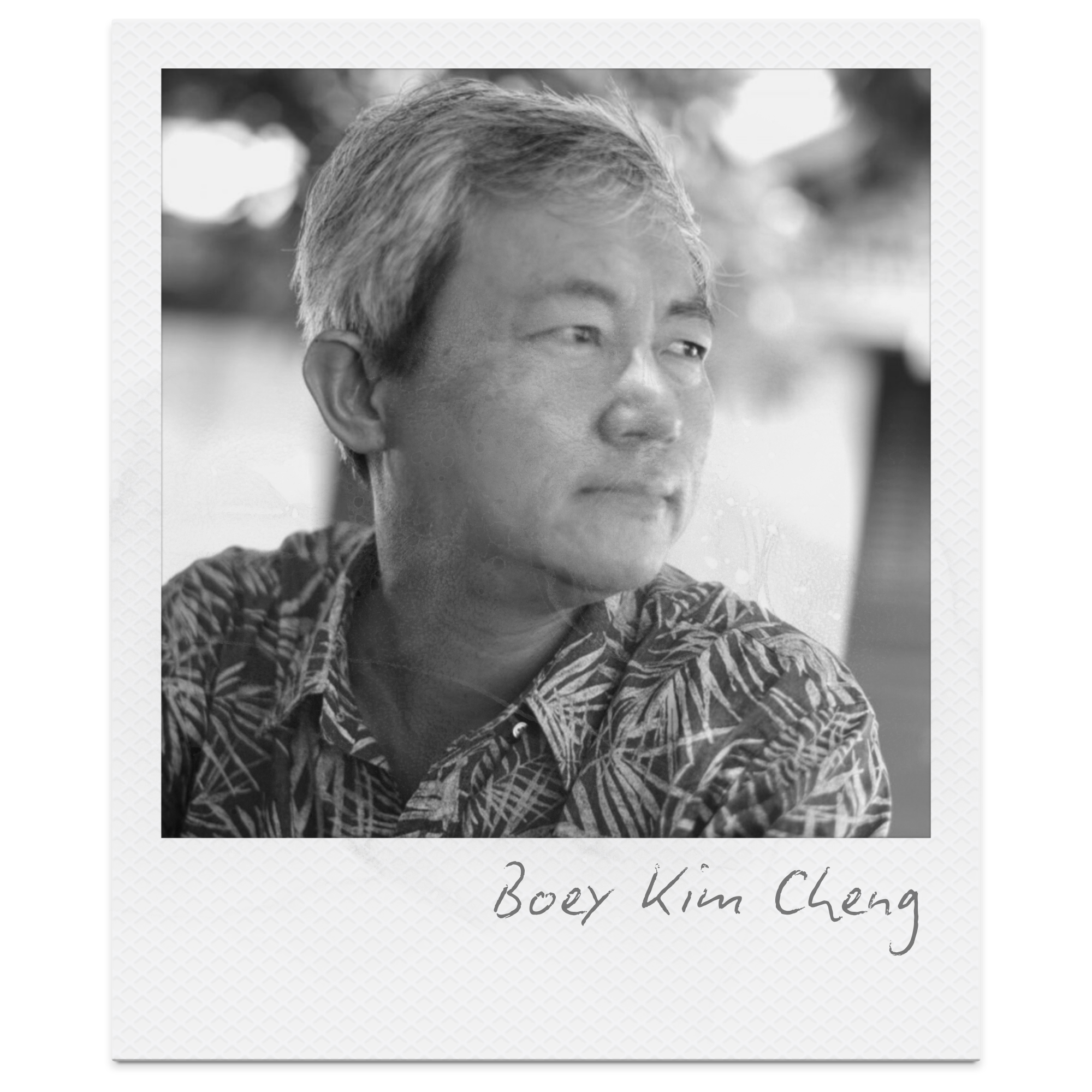
Context of Report to Wordsworth
Boey Kim Cheng is a contemporary poet writing in the late 20th and early 21st century, a period marked by rapid industrialisation, urban expansion, and environmental decline, particularly in highly developed societies such as Singapore. His work often reflects concern with how modern life distances humanity from the natural world, replacing spiritual connection with exploitation and control.
Report to Wordsworth directly engages with the legacy of William Wordsworth, whose poetry celebrated nature as a source of moral guidance, beauty, and spiritual renewal. By addressing Wordsworth across time, Cheng highlights the contrast between the Romantic vision of harmony and the modern reality of pollution and environmental damage.
The poem can therefore be read as both a tribute and a critique, showing how far society has moved from Romantic ideals. Through references to environmental destruction and mythological figures, Cheng suggests that nature is no longer a living, powerful force, but one that has been silenced and overwhelmed by human activity, reinforcing the poem’s central concern with responsibility and loss.
Report to Wordsworth: At a Glance
Form: Sonnet (loosely structured, non-traditional)
Mood: Lamenting, critical, urgent
Central tension: Romantic harmony with nature vs modern environmental destruction
Core themes: Environmental degradation; loss of nature; human responsibility; failure of spirituality and poetry; disconnection from the natural world
One-sentence meaning: The poem presents a bleak “report” to Wordsworth, showing how modern humanity has disrupted the harmony of nature, replacing it with pollution, imbalance, and decline.
Quick Summary of Report to Wordsworth
The poem opens by directly addressing Wordsworth, stating that he is needed in the present because nature has been damaged and silenced. The speaker describes a polluted environment where smog overwhelms the landscape, flowers no longer respond, and birds have largely disappeared, creating a sense of decline and imbalance.
As the poem develops, mythological figures associated with the power of nature are shown as weakened or defeated, suggesting that nature itself has lost its strength. The focus then shifts to human responsibility, presenting humanity as destructive and insatiable, while even poetry and spiritual belief begin to fail. The poem ends with an image of cosmic damage, where the sky itself is wounded and divine power appears unable to respond, reinforcing the sense of total environmental and moral collapse.
Title, Form, Structure, and Metre in Report to Wordsworth
The poem’s formal choices reflect its central concern with the loss of harmony and the breakdown of both natural and poetic order, using a traditional structure that becomes unstable.
Title
The title Report to Wordsworth establishes a direct address (apostrophe) to William Wordsworth, whose poetry often used the sonnet form to explore nature as a source of spiritual harmony and moral truth. The word “Report” suggests something factual and evaluative, implying that the speaker is delivering an account of what has happened to nature since Wordsworth’s time. This creates an immediate contrast between Romantic celebration and modern decline, framing the poem as both a tribute and a critique.
Form and Structure
The poem adopts a sonnet form (14 lines), directly reflecting Wordsworth’s preferred structure. Traditionally, the sonnet represents control, balance, and thoughtful reflection, often used by Romantic poets to express harmony between humanity and nature.
However, while Cheng echoes this form, he does not fully sustain it. The poem becomes an “imperfect sonnet,” where the expected order is disrupted. This reflects the poem’s central idea: just as the natural world has been damaged, the poetic structures used to celebrate it are also breaking down.
The structure broadly follows the development of a Shakespearean sonnet, moving from description of environmental damage → mythological decline → moral and spiritual failure, before ending with a forceful concluding couplet that intensifies the sense of crisis.
Rhyme Scheme and Poetic Pattern
The poem loosely follows a Shakespearean rhyme scheme (ABAB CDCD EFEF GG), but this pattern is inconsistent. Some rhymes are clear and controlled, such as “you / few” and “whale / fail,” while others are only approximate, such as “smog / clock,” which rely on similar vowel sounds rather than exact matches.
This mixture of full rhyme and slant rhyme creates a pattern that suggests order but never fully achieves it. The disrupted rhyme scheme mirrors the poem’s message, reinforcing the idea that both natural harmony and poetic tradition have been fractured.
Metre and Rhythmic Movement
The poem draws on iambic pentameter, the traditional metre of sonnets, but uses it irregularly. Some lines follow a clear pattern of alternating unstressed and stressed syllables, for example:
his FA- | mous HORNS | are CHOKED, | his EYES | are DAZED
However, many lines disrupt this rhythm, with uneven stresses and abrupt phrasing, such as:
She HAS been LAID WASTE. SMO- | thered BY the SMOG
The heavy stresses and irregular pacing create a jerky, disrupted rhythm, reflecting the damage described.
This contrast between moments of control and disruption reinforces the poem’s central idea: a world that once followed natural and poetic harmony, as celebrated by Wordsworth, has become fragmented, unstable, and out of balance.
The Speaker in Report to Wordsworth
The speaker presents themselves as a modern observer of environmental decline, adopting the voice of someone who still believes in the Romantic view of nature as sacred and meaningful, but who now witnesses its destruction. By directly addressing William Wordsworth, the speaker positions themselves as a successor to the Romantic tradition, creating a tone that is both reverent and urgent.
The voice is lamenting, critical, and increasingly desperate, shaped by the contrast between what nature once represented and what it has become. The speaker’s use of vivid imagery and escalating intensity suggests a growing sense of frustration and moral concern, particularly as human actions are implied to be responsible for the damage. At the same time, the absence of direct personal detail keeps the focus on the state of the natural world, allowing the poem to function as a collective warning rather than an individual complaint.
By invoking Wordsworth, the speaker reveals a deeper purpose: a hope that the combination of poetry and spiritual awareness associated with Romanticism might still offer guidance. However, the tone suggests this hope is fragile, as the speaker ultimately presents a world where both nature and the poetic values that once protected it are failing, shaping the poem as both a lament and a critique.
Line-by-Line Analysis of Report to Wordsworth
This section explores how Boey Kim Cheng develops meaning through imagery, allusion, and structure, tracking how the poem moves from appeal → environmental damage → mythological decline → moral collapse.
Lines 1–2: Urgent Appeal and Immediate Destruction
The poem opens with a direct address (apostrophe) to William Wordsworth, creating an immediate sense of urgency and absence. The modal verb in the opening line implies obligation, suggesting that Wordsworth’s presence is needed to restore lost values. Nature is personified as “She,” reinforcing vulnerability, while the phrase describing her as destroyed conveys total devastation. The abrupt, fragmented reference to pollution creates a suffocating effect, mirroring the physical impact of smog and establishing a tone of crisis and damage.
Lines 3–4: Silence and Distortion of Natural Time
Cheng presents a world where nature has lost its voice and vitality. The image of flowers being “mute” suggests the absence of beauty and expression, while the scarcity of birds indicates decline and imbalance. The simile comparing the sky to a failing timepiece distorts natural rhythm, implying that the order of the natural world is breaking down. This shift from silence to temporal distortion reinforces the idea that environmental damage affects not just life, but the fundamental structure of time and existence.
Lines 5–6: Collapse of Mythological Power
The poem introduces mythological allusion, referencing figures associated with the sea to represent nature’s former power. The suggestion that these forces can no longer rise reflects a loss of renewal and vitality. Instead, they are imagined as buried within human waste, linking myth directly to modern pollution. This contrast between ancient power and present weakness emphasises how human activity has overwhelmed even the most symbolic representations of nature.
Lines 7–8: Struggle and Suffocation
Cheng continues the mythological imagery to show nature actively struggling against destruction. The suggestion that sound or expression cannot fully emerge creates a sense of constraint and suffocation, while the imagery of obstruction reinforces the impact of pollution. The accumulation of detail builds a sense that nature is not just damaged, but overpowered and disoriented, unable to function as it once did.
Lines 9–10: Powerlessness vs Human Violence
The image of a once-powerful natural force rendered helpless creates a stark contrast with human behaviour. Nature is presented as immobilised and vulnerable, while humanity is described as relentless and driven. This juxtaposition highlights a shift in power: what was once dominant is now defenceless, while human action becomes increasingly aggressive and destructive.
Lines 11–12: Failure of Spiritual and Artistic Values
The poem moves beyond physical destruction to suggest a collapse of cultural and moral systems. The pairing of creative and spiritual forces implies that both art and belief have lost their ability to sustain or protect the natural world. The image of nature’s “heart” no longer functioning suggests a loss of life, energy, and central meaning, reinforcing the sense of irreversible decline.
Lines 13–14: Cosmic Damage and Final Warning
The final lines escalate the destruction to a cosmic scale, suggesting that damage now extends beyond the earth itself. The image of a widening wound implies ongoing harm, while the reference to a divine struggle introduces a sense of ultimate crisis. The poem ends with a powerful suggestion that even higher powers are unable to respond effectively, leaving a world in which nature, humanity, and meaning itself are all under threat.
Key Quotes and Methods in Report to Wordsworth
This section explores how Boey Kim Cheng uses carefully selected language to construct meaning, focusing on technique → meaning → purpose → impact.
“Nature has need of you”
◆ Technique – apostrophe and personification
◆ Meaning – presents nature as dependent and in crisis
◆ Purpose – highlights the loss of self-sustaining natural power
◆ Impact – creates urgency and suggests that human guidance is now required to restore balance
“laid waste… Smothered by the smog”
◆ Technique – emotive language and imagery
◆ Meaning – depicts total environmental destruction and suffocation
◆ Purpose – emphasises the scale and physical impact of pollution
◆ Impact – creates a sense of crisis and immediate danger
“flowers are mute, and the birds are few”
◆ Technique – symbolism and contrast
◆ Meaning – suggests the loss of natural beauty and life
◆ Purpose – shows how environmental damage silences and reduces nature
◆ Impact – reinforces the idea of imbalance and decline
“a sky slowing like a dying clock”
◆ Technique – simile and metaphor
◆ Meaning – compares nature to failing machinery
◆ Purpose – suggests the breakdown of natural time and order
◆ Impact – creates a sense of inevitability and approaching collapse
“entombed in the waste we dump”
◆ Technique – metaphor and accusatory diction
◆ Meaning – presents nature as buried by human pollution
◆ Purpose – directly links destruction to human responsibility
◆ Impact – reinforces guilt and accountability
“Triton’s notes struggle to be free”
◆ Technique – mythological allusion and personification
◆ Meaning – suggests the suppression of natural voice and power
◆ Purpose – shows how even symbolic forces of nature are weakened
◆ Impact – deepens the sense of loss and decline
“his famous horns are choked, his eyes are dazed”
◆ Technique – imagery and physical description
◆ Meaning – presents nature as suffocated and disoriented
◆ Purpose – emphasises the damaging effects of pollution
◆ Impact – creates a vivid sense of suffering
“Neptune lies helpless as a beached whale”
◆ Technique – simile and mythological allusion
◆ Meaning – compares a powerful god to a stranded animal
◆ Purpose – highlights the reversal of natural power
◆ Impact – reinforces the theme of vulnerability
“insatiate man moves in for the kill”
◆ Technique – metaphor and loaded diction
◆ Meaning – presents humanity as greedy and predatory
◆ Purpose – critiques human behaviour as destructive
◆ Impact – creates a sense of threat and moral judgement
“Poetry and piety have begun to fail”
◆ Technique – alliteration and abstract pairing
◆ Meaning – suggests the decline of artistic and spiritual values
◆ Purpose – shows that traditional sources of guidance are ineffective
◆ Impact – deepens the sense of cultural collapse
“Nature’s mighty heart is lying still”
◆ Technique – metaphor and personification
◆ Meaning – presents nature as lifeless and inactive
◆ Purpose – emphasises the loss of vitality
◆ Impact – creates a powerful image of finality
“the wound widening in the sky”
◆ Technique – metaphor and imagery
◆ Meaning – suggests ongoing environmental damage
◆ Purpose – expands destruction to a global or cosmic scale
◆ Impact – intensifies the sense of crisis
“God is labouring to utter his last cry”
◆ Technique – personification and religious imagery
◆ Meaning – presents divine power as struggling and weakened
◆ Purpose – suggests ultimate failure of control or salvation
◆ Impact – creates a dramatic, apocalyptic conclusion
Key Techniques in Report to Wordsworth
Cheng constructs the poem through a combination of apostrophe, allusion, imagery, and structural disruption, creating a sustained critique of environmental destruction and the collapse of Romantic ideals.
◆ Apostrophe – The poem opens with a direct address to William Wordsworth, positioning the speaker within a tradition of poets responding to crisis. This echoes Wordsworth’s own appeal to Milton in London, 1802, creating a layered literary dialogue. The effect is to highlight that the world once again “needs” poetic and moral guidance, but now on a global, environmental scale, reinforcing the urgency of the poem’s message.
◆ Allusion (Literary and Mythological) – Cheng draws on both Romantic poetry and classical mythology, referencing figures such as Proteus, Triton, and Neptune. These figures traditionally symbolise the power, mystery, and vitality of the natural world, but are presented here as weakened or defeated. This contrast emphasises how modern human activity has reduced even mythic representations of nature to helplessness, deepening the sense of loss.
◆ Personification – Nature is repeatedly given human qualities, for example being described as needing help or having a “heart.” This transforms the environment into something alive and vulnerable, making its destruction feel more personal and morally significant. It also reinforces the idea that harming nature is equivalent to harming a living being.
◆ Simile – Comparisons such as the sky being likened to a failing timepiece or a powerful force compared to a stranded animal create striking images of decline and dysfunction. These similes reframe natural elements as fragile or broken, reinforcing the theme of disrupted harmony.
◆ Imagery (Visual and Sensory) – The poem uses vivid imagery of pollution, suffocation, and decay to make environmental damage tangible. Images of smog, silence, and obstruction create a sensory experience of confinement and deterioration, allowing the reader to visualise the scale of destruction.
◆ Alliteration and Sound Patterning – Repeated consonant sounds, particularly in phrases relating to pollution and damage, create a harsh, heavy tone. This reinforces the oppressive atmosphere of the poem and mirrors the suffocating effects of environmental degradation.
◆ Enjambment – Lines frequently run on without pause, creating a sense of continuity and accumulation. This reflects the ongoing nature of environmental damage, while also building momentum as the poem moves from one image of destruction to another.
◆ Juxtaposition and Contrast – The poem consistently contrasts Romantic ideals of harmony with modern images of pollution and decay. This contrast highlights the extent of decline, making the present appear more disturbing when set against the past.
◆ Symbolism – Many elements function symbolically, with mythological figures representing natural power, and pollution symbolising human interference and destruction. The breakdown of poetry and spirituality becomes symbolic of a wider collapse in moral and cultural values.
◆ Structure as Meaning – The poem’s use of a distorted sonnet form reflects the breakdown it describes. While it gestures towards traditional order, irregular rhythm and rhyme disrupt this structure, mirroring the fragmentation of both nature and poetic tradition.
◆ Tone: Lamenting and Critical – The tone combines mourning with quiet accusation, allowing the accumulation of images to imply responsibility without direct statement. This restraint makes the poem’s message feel more powerful and persuasive.
Together, these techniques create a poem that is layered, cumulative, and morally charged, presenting environmental destruction not as isolated damage, but as part of a wider collapse affecting nature, culture, and human values.
How the Writer Creates Meaning and Impact in Report to Wordsworth
Cheng creates meaning through a combination of imagery, allusion, and structural contrast, shaping the poem into a critique of environmental destruction and the collapse of Romantic harmony.
◆ Language and Imagery – The poem uses vivid, often suffocating imagery to present a world in decline. References to pollution, silence, and obstruction create a sense of damage and imbalance, while natural elements are shown as weakened or unable to function. This contrast between what nature should represent and what it has become emphasises the extent of human impact.
◆ Allusion and Symbolism – By drawing on William Wordsworth and classical mythological figures, Cheng connects the present to a past where nature held spiritual and symbolic power. The weakening of these figures suggests that both natural authority and cultural belief systems have deteriorated, expanding the poem’s meaning beyond environmental concerns to include moral and cultural decline.
◆ Structure and Form – The poem adopts a sonnet structure, traditionally associated with order and reflection, but disrupts its rhythm and rhyme. This creates a tension between expected harmony and actual instability, mirroring the breakdown of the natural world. The progression from direct appeal to increasingly intense imagery builds a sense of escalation and inevitability.
◆ Voice and Tone – The speaker’s use of apostrophe creates a tone that is both reverent and urgent, positioning the poem as a report or warning. The controlled, measured voice allows the imagery to carry emotional weight, while the underlying criticism becomes more apparent as the poem develops.
◆ Sound and Rhythm – Irregular rhythm and disrupted flow reflect the loss of natural balance, while moments of more regular pattern briefly suggest the harmony associated with Romantic poetry. This contrast reinforces the idea that order has been broken, both in nature and in poetic tradition.
◆ Juxtaposition and Contrast – The poem consistently places Romantic ideals alongside modern destruction, highlighting the gap between past and present. This contrast deepens the reader’s understanding of loss, showing that what has been damaged is not only the environment, but also the values that once protected it.
Through these methods, Cheng constructs a poem that is reflective, critical, and cumulative, encouraging the reader to recognise the scale of environmental damage and the broader consequences for human identity, culture, and belief.
Themes in Report to Wordsworth
The poem explores a range of interconnected ideas, using imagery, allusion, and structural contrast to present a world in decline and to question humanity’s relationship with nature.
Environmental Destruction
At its core, the poem presents a powerful critique of environmental damage caused by human activity. Through imagery of pollution, suffocation, and decay, Cheng shows how nature has been physically weakened and silenced. The contrast between natural processes and their corruption highlights the extent of this destruction, reinforcing the idea that human progress has come at the cost of ecological balance and sustainability.
Loss of Romantic Ideals
By addressing William Wordsworth, the poem directly engages with the Romantic belief in nature as a source of spiritual guidance and harmony. However, the modern world described here no longer reflects those values. The breakdown of natural order mirrors the collapse of Romantic ideals, suggesting that the connection between humanity and nature has been fundamentally lost.
Human Responsibility and Guilt
The poem consistently implies that environmental destruction is the result of human actions, presenting humanity as active and destructive. Language associated with consumption and violence reinforces the idea of insatiable behaviour, while the contrast with weakened natural forces emphasises a shift in power. This creates a sense of moral responsibility, encouraging the reader to recognise human involvement in the damage described.
Failure of Poetry and Spirituality
The pairing of artistic and religious elements suggests that both poetry and spiritual belief have lost their ability to guide or protect the world. Traditionally, these forces were associated with meaning, reflection, and moral insight, but in the poem they are shown as ineffective. This reflects a broader cultural decline, where traditional systems of understanding are no longer sufficient.
Powerlessness of Nature
Nature, once presented as powerful and dynamic, is shown here as helpless and weakened. Through mythological allusion and imagery, Cheng depicts natural forces as unable to respond to human destruction. This reversal of power highlights the extent of environmental damage, suggesting that nature is no longer capable of restoring balance on its own.
Imbalance and Breakdown of Order
The poem repeatedly emphasises the loss of balance and structure, both in the natural world and in the poem’s form. Disrupted rhythm, irregular rhyme, and fragmented imagery mirror the breakdown of ecological and moral order. This theme reinforces the idea that the damage described is not isolated, but part of a wider collapse affecting multiple systems.
Existential and Cosmic Decline
In its final lines, the poem expands its focus beyond environmental and human concerns to suggest a more universal collapse. The imagery of damage extending into the sky and affecting higher powers introduces an existential dimension, implying that the consequences of human actions reach beyond the physical world into meaning, belief, and existence itself.
Alternative Interpretations of Report to Wordsworth
This poem invites multiple readings, as its imagery and structure allow different interpretations of responsibility, loss, and meaning.
Psychological Interpretation: A Crisis of Human Consciousness
The poem can be read as reflecting a psychological breakdown in how humans perceive and relate to the world. The damaged natural imagery represents not only environmental decline but a loss of inner balance and awareness. The appeal to Wordsworth suggests a longing for a time when individuals experienced clarity, connection, and meaning through nature. The failure of poetry and spirituality, therefore, reflects a deeper mental and emotional disconnection, where modern life has numbed sensitivity to both beauty and responsibility.
Social Interpretation: Critique of Modern Society
From a social perspective, the poem functions as a critique of industrialised, consumer-driven society. The repeated emphasis on pollution, waste, and human action highlights systems built on exploitation and excess. The contrast with Romantic ideals exposes how modern values prioritise progress and consumption over preservation, while the image of humanity as relentless suggests a culture driven by greed and disregard for consequence. The poem becomes a warning about the long-term effects of these systems on both the environment and society.
Environmental Interpretation: Ecological Warning
The poem can also be read as a direct ecological warning, presenting environmental destruction as urgent and potentially irreversible. The weakening of mythological figures symbolises the loss of nature’s ability to regenerate and sustain itself, while the escalating imagery suggests that damage is spreading beyond control. The final images imply that environmental collapse is not limited to specific locations but affects the entire global system, reinforcing the need for immediate awareness and change.
Philosophical / Existential Interpretation: Loss of Meaning and Order
On a broader level, the poem explores the idea that the destruction of nature leads to a collapse in meaning, belief, and structure. The failure of poetry and spirituality suggests that traditional ways of understanding the world are no longer effective. The final images of cosmic damage and divine struggle introduce the possibility that there is no guiding force capable of restoring order. This interpretation presents the poem as an exploration of existential uncertainty, where humanity faces the consequences of its actions without clear resolution or hope.
Exam-Ready Insight for Report to Wordsworth
This section shows how to turn your understanding of Report to Wordsworth into a strong, exam-focused response for IGCSE Literature (0475), with a clear focus on how meaning is created through methods.
What strong responses do
◆ focus closely on the question
◆ analyse methods (language, structure, and sound), not just ideas
◆ explain how effects are created, not just what is described
◆ track shifts in tone and scale across the poem
◆ use short, precise quotations to support interpretation
Conceptual argument
A strong thesis for Report to Wordsworth might be:
Cheng presents the destruction of the natural world through a distorted sonnet form that contrasts Romantic harmony with modern decline, using imagery, allusion, and structural disruption to show how environmental damage reflects a wider collapse in moral, spiritual, and poetic order.
Model analytical paragraph
Cheng presents environmental destruction as a collapse of both natural and poetic order through imagery and allusion. In the reference to nature being “laid waste” and overwhelmed by pollution, the imagery conveys total environmental damage, establishing a tone of crisis. This is reinforced through mythological allusion, where figures traditionally associated with the power of the sea are shown as weakened or unable to function, suggesting that even symbolic representations of nature have lost their authority. The disrupted sonnet form further reflects this breakdown, as irregular rhythm and rhyme undermine the sense of control usually associated with Romantic poetry. Through these methods, Cheng shows that the destruction of nature is not isolated, but part of a wider collapse affecting both the physical world and the values that once sustained it.
Teaching Ideas for Report to Wordsworth
This poem is ideal for exploring how writers use language, structure, and voice to construct meaning, while also developing discussion-based and analytical classroom approaches.
1. Collaborative Analytical Paragraph (Paired Writing)
Give students a focused question, for example:
How does Cheng present the relationship between past and present in Report to Wordsworth?
Students work together to produce a single paragraph, combining their ideas and interpretations. They should:
◆ select and embed quotations
◆ identify methods (language, structure, sound)
◆ explain meaning → purpose → impact
Because both students contribute, they can challenge and refine each other’s ideas, leading to a stronger, more developed response. This approach reinforces that analytical writing develops through discussion and refinement, not just individual effort.
2. Structured Group Close Analysis (Role-Based)
Instead of traditional annotation, assign students specific roles in small groups for a line-by-line reading of the poem:
◆ Structure specialist – tracks progression and shifts
◆ Language analyst – explores imagery and word choices
◆ Methods expert – identifies poetic devices and techniques
◆ Tone tracker – comments on voice and emotional shifts
Each group analyses a section, then feeds back to the class. As responses are shared, build a full interpretation together.
This approach makes close reading active and collaborative, while still developing precise analytical skills.
3. Silent Debate
Set up a silent debate around the question:
Is Report to Wordsworth more a poem about environmental destruction or the failure of human values?
Students respond to prompts in writing, building on and challenging each other’s ideas. They should:
◆ use quotations as evidence
◆ respond directly to others’ interpretations
◆ develop and refine arguments over time
This encourages deeper thinking and ensures all students participate. For guidance on structuring this activity, see this post on how to run an effective silent debate in your classroom.
4. Creative Writing: Rewriting the Report
Ask students to write a modern “report” to a past writer or thinker.
Prompt:
Write a report to a historical figure explaining how one aspect of the modern world has changed.
Students should aim to:
◆ use direct address
◆ include vivid imagery
◆ develop a clear, controlled tone
◆ show how meaning is shaped through language choices
This activity helps students apply techniques such as apostrophe, imagery, and tone in their own writing. Many Literature texts provide strong models for this, supporting both analytical and creative skills. For more ideas and structured prompts, explore the Creative Writing Archive.
Teach Report to Wordsworth with minimal preparation.
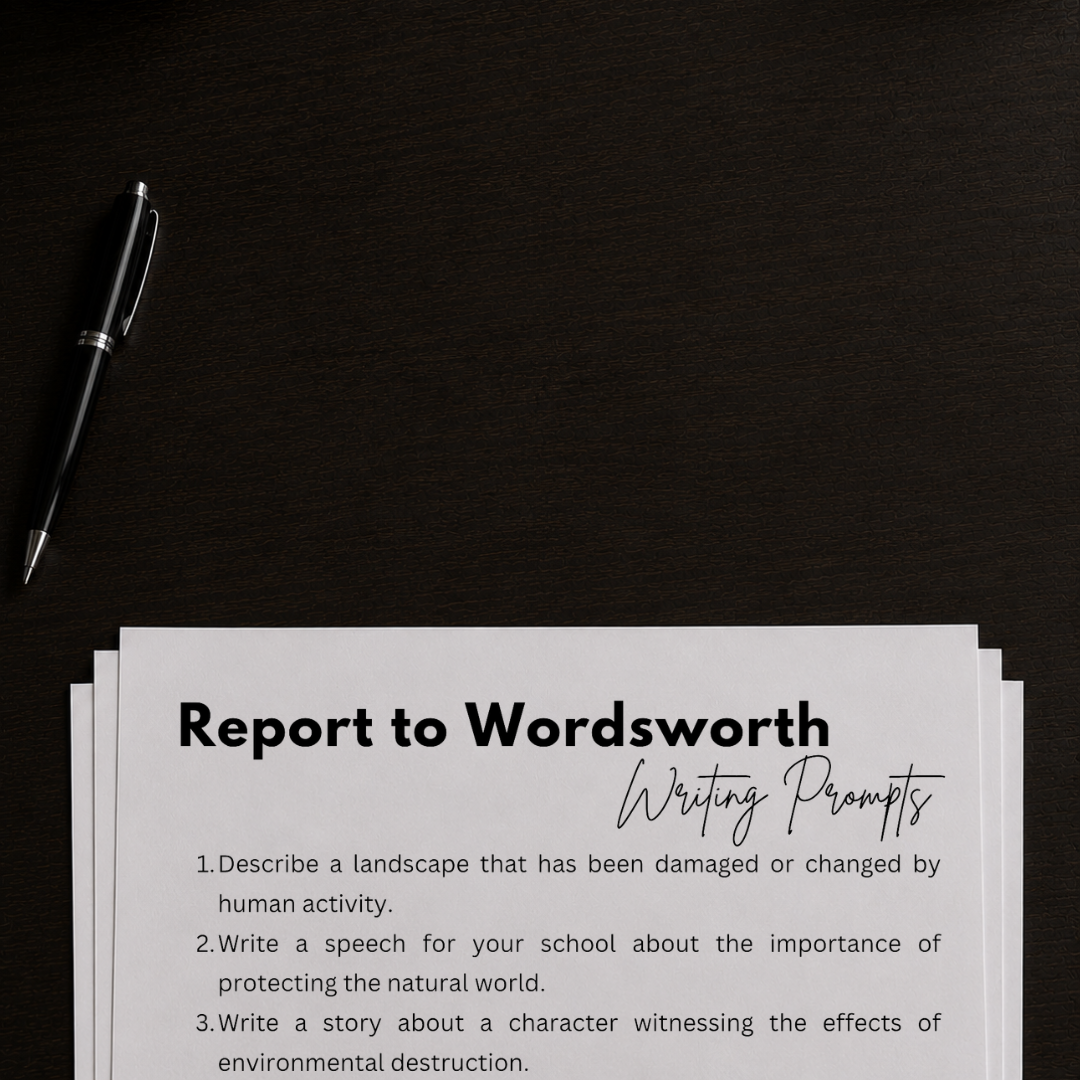
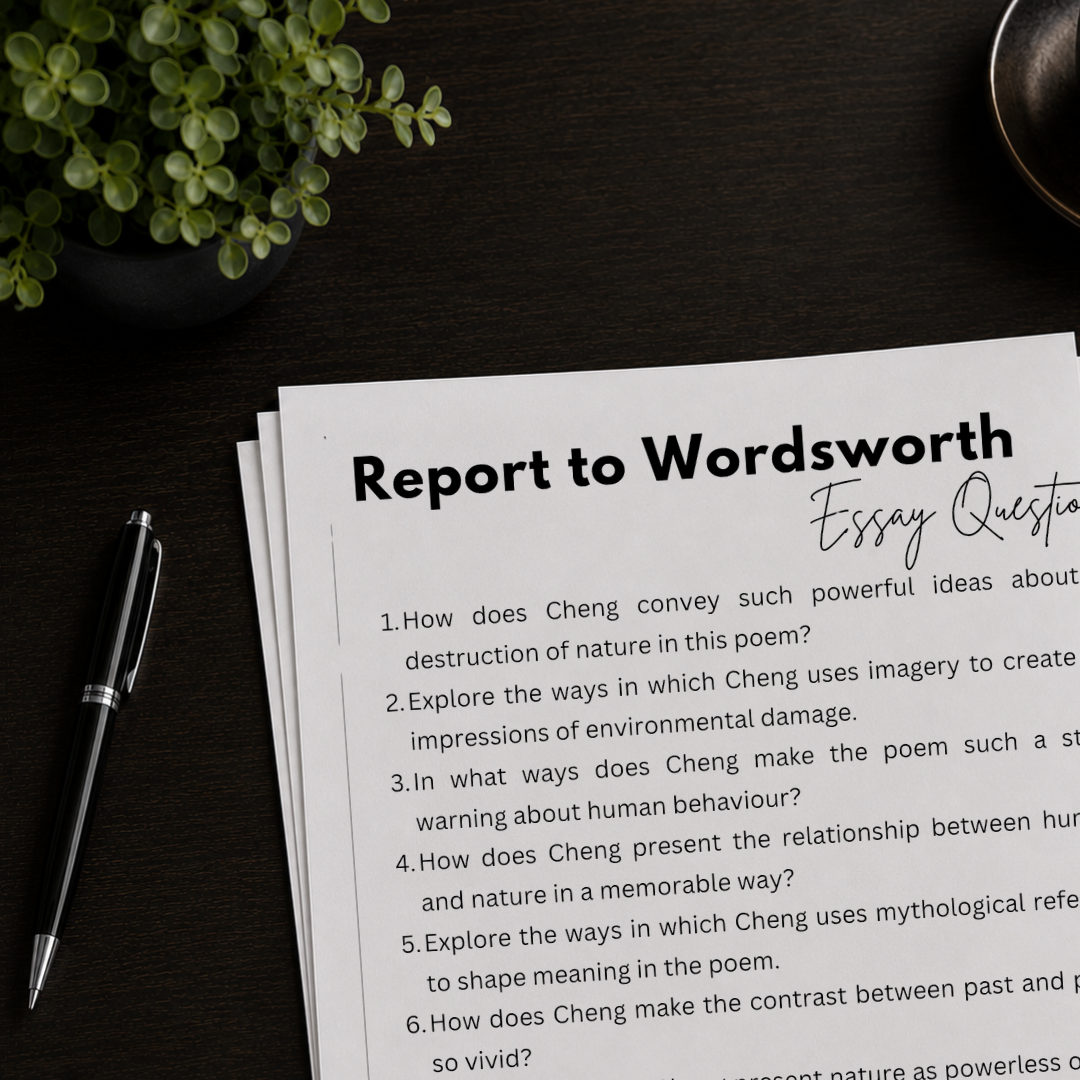
Download the complete teaching resource pack for Report to Wordsworth by Boey Kim Cheng — designed for CIE IGCSE English Literature (0475 & 0922, 2027 syllabus) while also working effectively across broader secondary English, GCSE, and high school poetry teaching. This ready-to-use bundle includes analytical task cards, exam-style essay questions, creative writing prompts, silent debate activities, and discussion-led lessons designed to help students confidently explore environmental destruction, humanity’s relationship with nature, industrialisation, spirituality, and loss through deeper literary analysis. Ideal for developing independent interpretation, stronger understanding of language and poetic methods, and more confident exam responses — without spending hours creating lesson materials and resources from scratch.
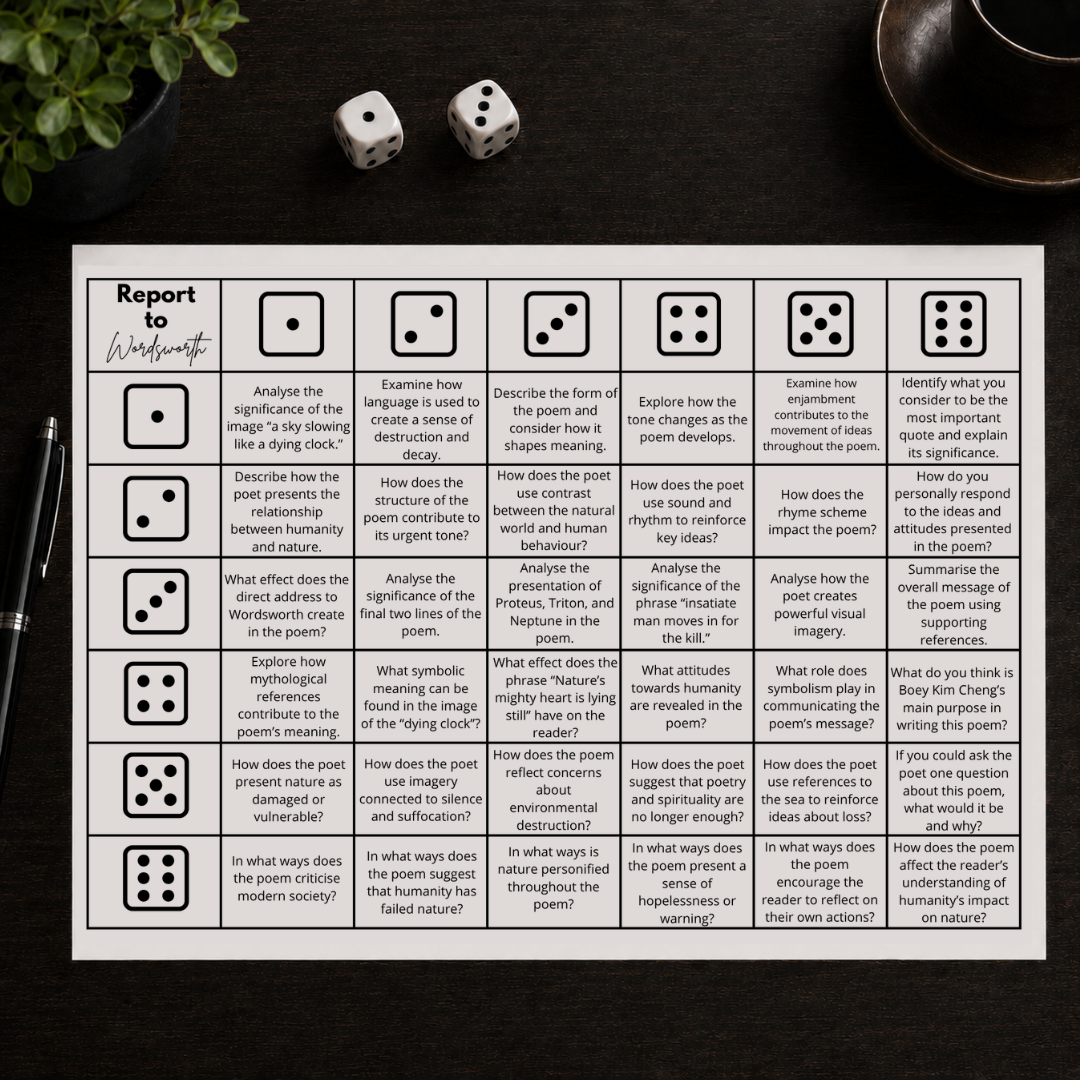
Go Deeper into Report To Wordsworth
To deepen your understanding of Report to Wordsworth, it’s useful to compare how other writers explore nature, responsibility, and the consequences of human action, particularly in relation to changing values across time.
◆ London, 1802 by William Wordsworth – directly linked through form and apostrophe, this poem calls on Milton to restore moral and spiritual values, allowing comparison with Cheng’s modern appeal and the failure of those ideals in the present.
◆ The World Is Too Much With Us by William Wordsworth – critiques industrial society’s disconnection from nature, offering a Romantic perspective that anticipates the concerns developed more urgently in Cheng’s poem.
◆ Lament by Gillian Clarke – presents environmental destruction through cumulative imagery, providing a clear comparison in how both poets use structure and repetition to convey large-scale loss.
◆ Hunting Snake by Judith Wright – explores the relationship between humans and nature from a more balanced perspective, highlighting the contrast between respectful observation and destructive interference.
◆ The Chimney Sweeper by William Blake – exposes hidden suffering within society, allowing comparison with Cheng’s presentation of underlying damage masked by surface normality.
◆ Ozymandias by Percy Bysshe Shelley – reflects on the decline of power over time, linking to Cheng’s exploration of how human actions ultimately lead to destruction and loss of control.
Final Thoughts
Report to Wordsworth is a powerful and controlled critique of modern environmental and moral decline, using a disrupted sonnet form, vivid imagery, and allusion to contrast the harmony of Romantic ideals with the instability of the present. By directly addressing William Wordsworth, Cheng not only pays tribute to a tradition that valued nature, but also exposes how far society has moved from those principles.
The poem’s impact lies in its ability to connect physical destruction with cultural and spiritual failure, suggesting that environmental damage is part of a wider collapse affecting meaning, belief, and artistic expression. The gradual escalation from localised damage to cosmic imagery reinforces the sense that this is not an isolated issue, but a global and potentially irreversible crisis.
Ultimately, the poem remains memorable for its formal tension and moral clarity, presenting a world where both nature and the values that once protected it are under threat. For more poetry analysis and comparison, explore the Songs of Ourselves Volume 1 Hub and the Literature Library.
Choose Your Next Text