Notes from the Inkpot
Writing, teaching, creating - one ink-stained idea at a time.



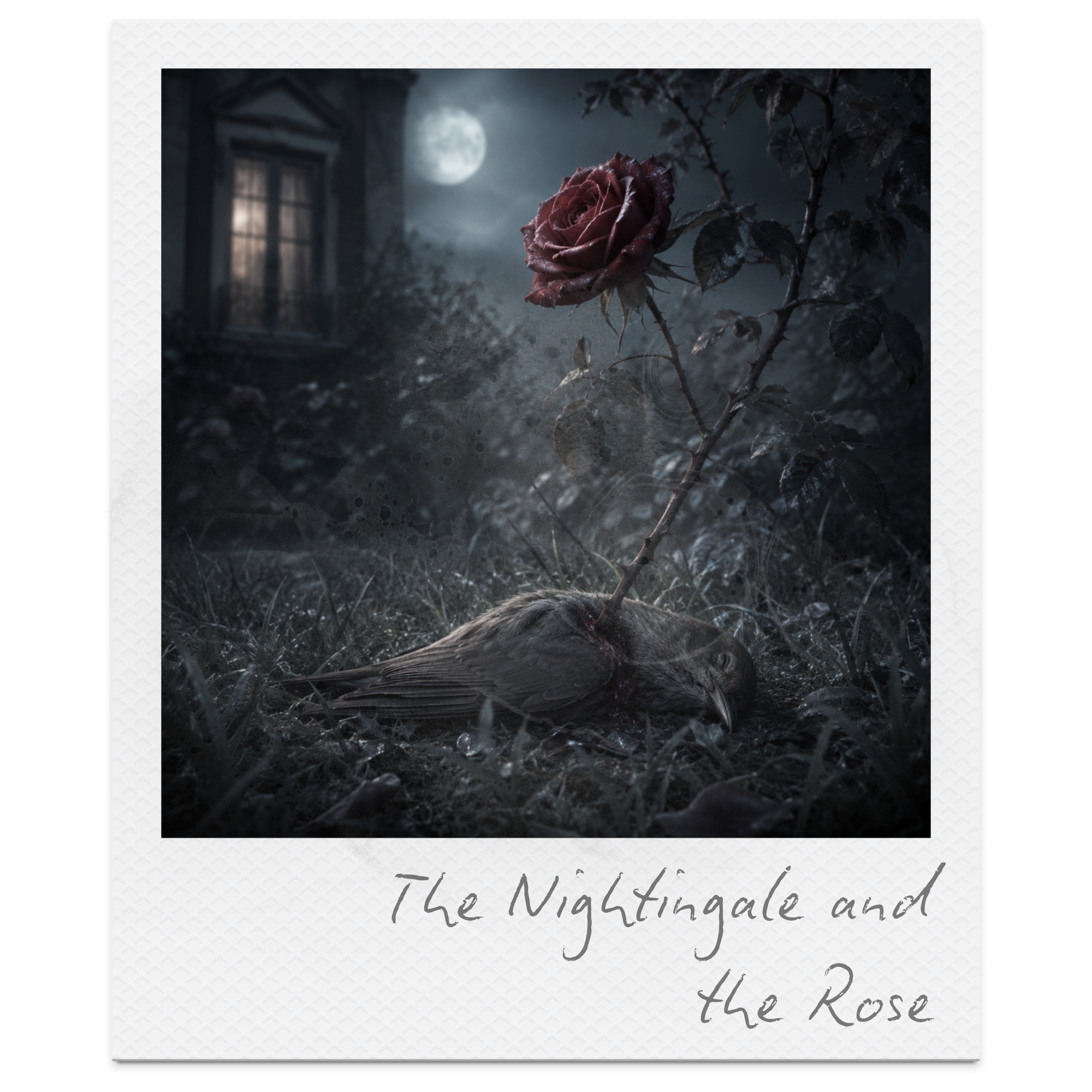
The Nightingale and the Rose by Oscar Wilde: Summary, Themes & Analysis
Oscar Wilde’s The Nightingale and the Rose is a tragic and deeply symbolic fairy tale exploring love, sacrifice, beauty, materialism, and emotional blindness. Through the Nightingale’s devastating sacrifice to create a single red rose, Wilde contrasts genuine emotional sincerity with the shallow values of human society. This analysis of The Nightingale and the Rose explores Wilde’s use of symbolism, irony, fairy-tale conventions, colour imagery, and narrative contrast while examining major themes, key quotes, structure, characters, and the story’s powerful tragic ending for CIE IGCSE World Literature (0408).
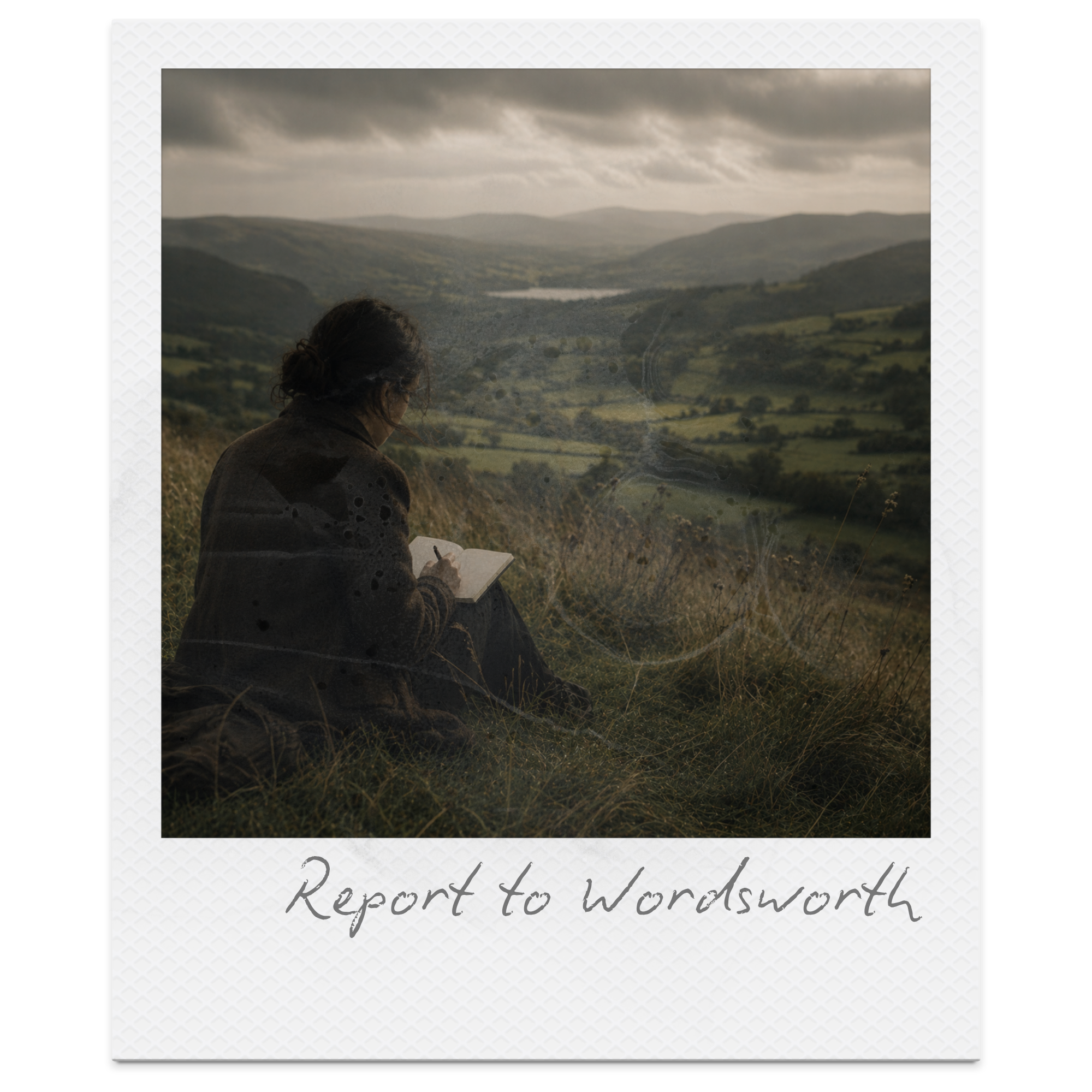
Report to Wordsworth by Boey Kim Cheng: Summary, Themes & Analysis
Report to Wordsworth by Boey Kim Cheng explores the devastating impact of human activity on the natural world, using vivid imagery, mythological allusion, and a disrupted sonnet form to contrast Romantic ideals with modern environmental decline. Through its urgent tone and escalating imagery, the poem presents nature as weakened, silenced, and in need of restoration. This analysis examines how Cheng uses language, structure, and voice to create meaning, focusing on environmental destruction, the failure of poetry and spirituality, and the loss of harmony between humanity and nature. Designed for IGCSE Literature (0475), it supports students in developing clear, method-focused responses.

Lament by Gillian Clarke: Summary, Themes & Analysis
Lament by Gillian Clarke presents a powerful, cumulative expression of grief, exploring the impact of war, environmental destruction, and human responsibility. Through repetition, vivid imagery, and structured listing, Clarke connects the suffering of animals, people, and landscapes, showing how these losses are deeply interconnected. By building a sequence of images that move from individual creatures to global devastation, the poem creates a sense of scale and inevitability, while its restrained tone allows the destruction to speak for itself. The result is a poem that not only mourns what has been lost, but also challenges the reader to recognise the ongoing consequences of human actions.
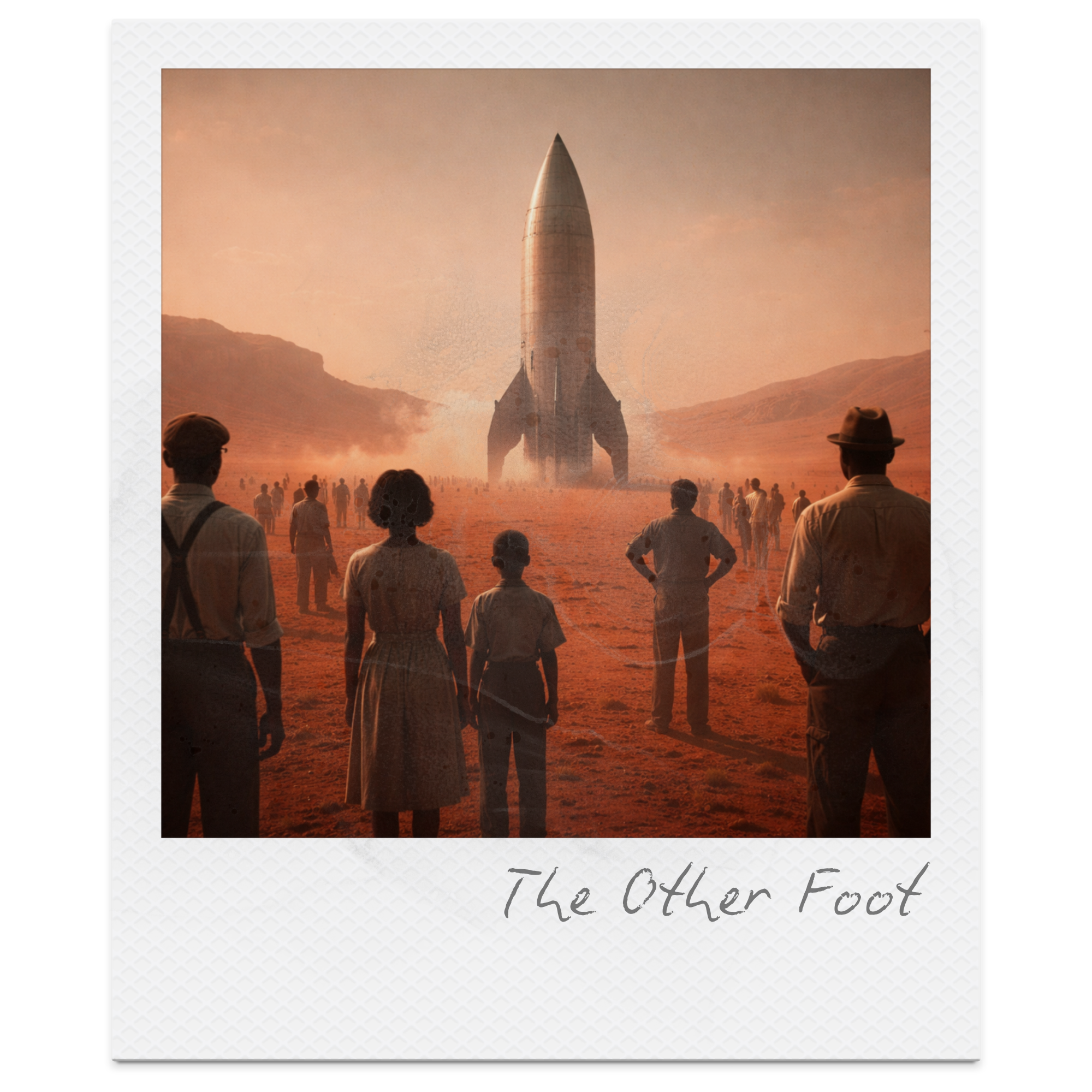
The Other Foot by Ray Bradbury: Summary, Themes, Symbolism & Analysis
The Other Foot by Ray Bradbury is a powerful work of speculative fiction that explores racism, revenge, and the possibility of moral transformation through a striking reversal of power. Set on a Martian colony built by Black settlers who fled Earth, the story imagines what happens when the oppressed are given the chance to become the oppressors. As news spreads of a white survivor arriving from a devastated Earth, long-buried memories of violence and segregation resurface, pushing the community toward retaliation. However, Bradbury complicates this desire for revenge by revealing the complete destruction of Earth and the collapse of the very systems the characters seek to punish. In doing so, the story shifts from anger to reflection, asking whether true justice lies in reversal or in breaking the cycle altogether. Through its tense narrative and powerful moral turning point, The Other Foot challenges readers to reconsider what equality, responsibility, and humanity really mean.
Kaleidoscope by Ray Bradbury: Summary, Themes, Symbolism & Analysis
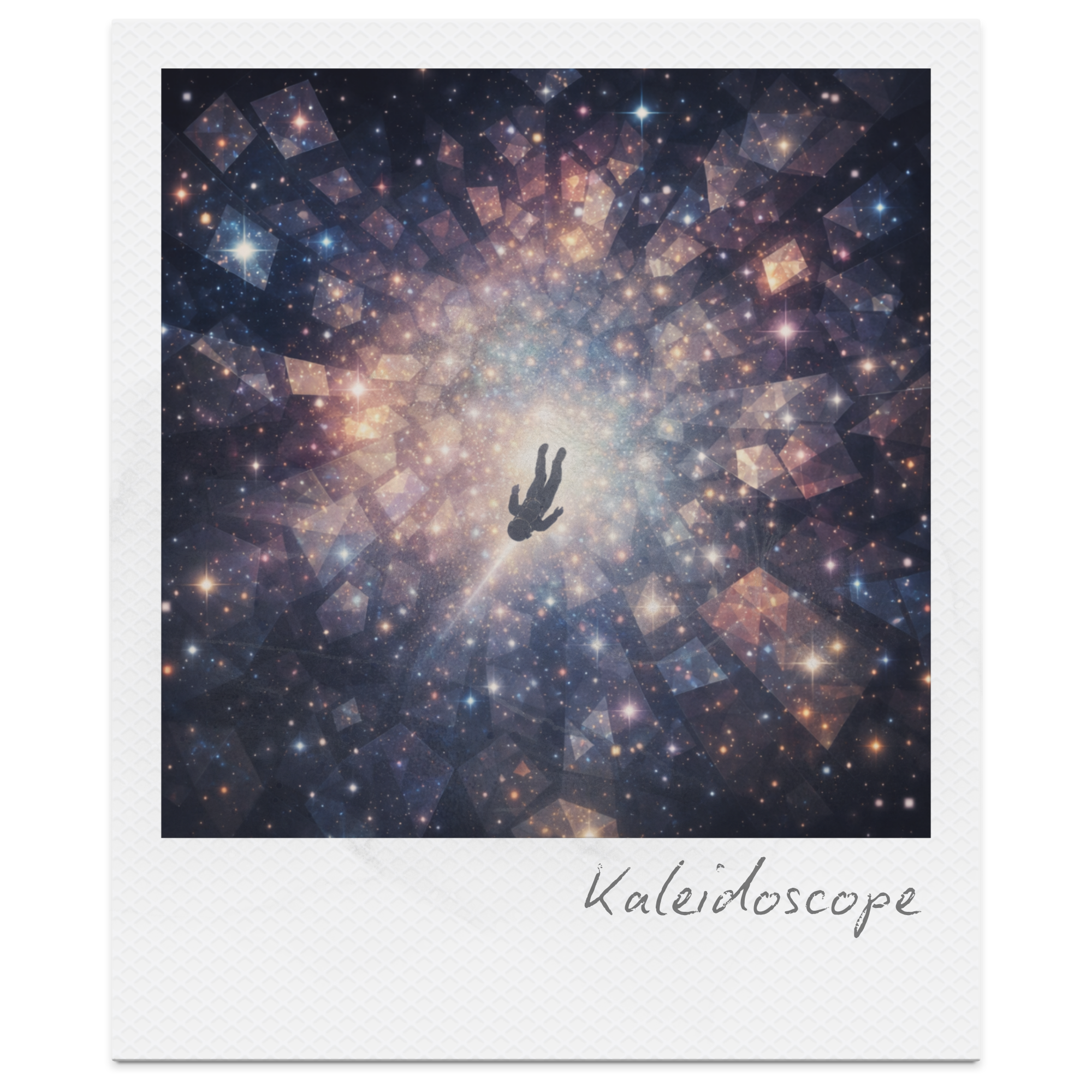
Ray Bradbury’s Kaleidoscope is a striking exploration of human insignificance, mortality, and isolation, set against the vast and indifferent backdrop of space. After a catastrophic explosion scatters a crew of astronauts, the story follows their fragmented descent as they drift apart, connected only by fading voices. Through this disintegration, Bradbury examines how individuals respond when faced with the loss of control, connection, and certainty. As the astronauts confront their inevitable deaths, the story becomes a powerful reflection on memory, regret, and the search for meaning. While some find comfort in the lives they have lived, others are left questioning what their existence has amounted to. Blending science fiction with existential philosophy, Kaleidoscope leaves readers with a haunting question: when everything falls away, what truly gives a life value?
The Flying Machine by Ray Bradbury: Summary, Themes, Symbolism & Analysis
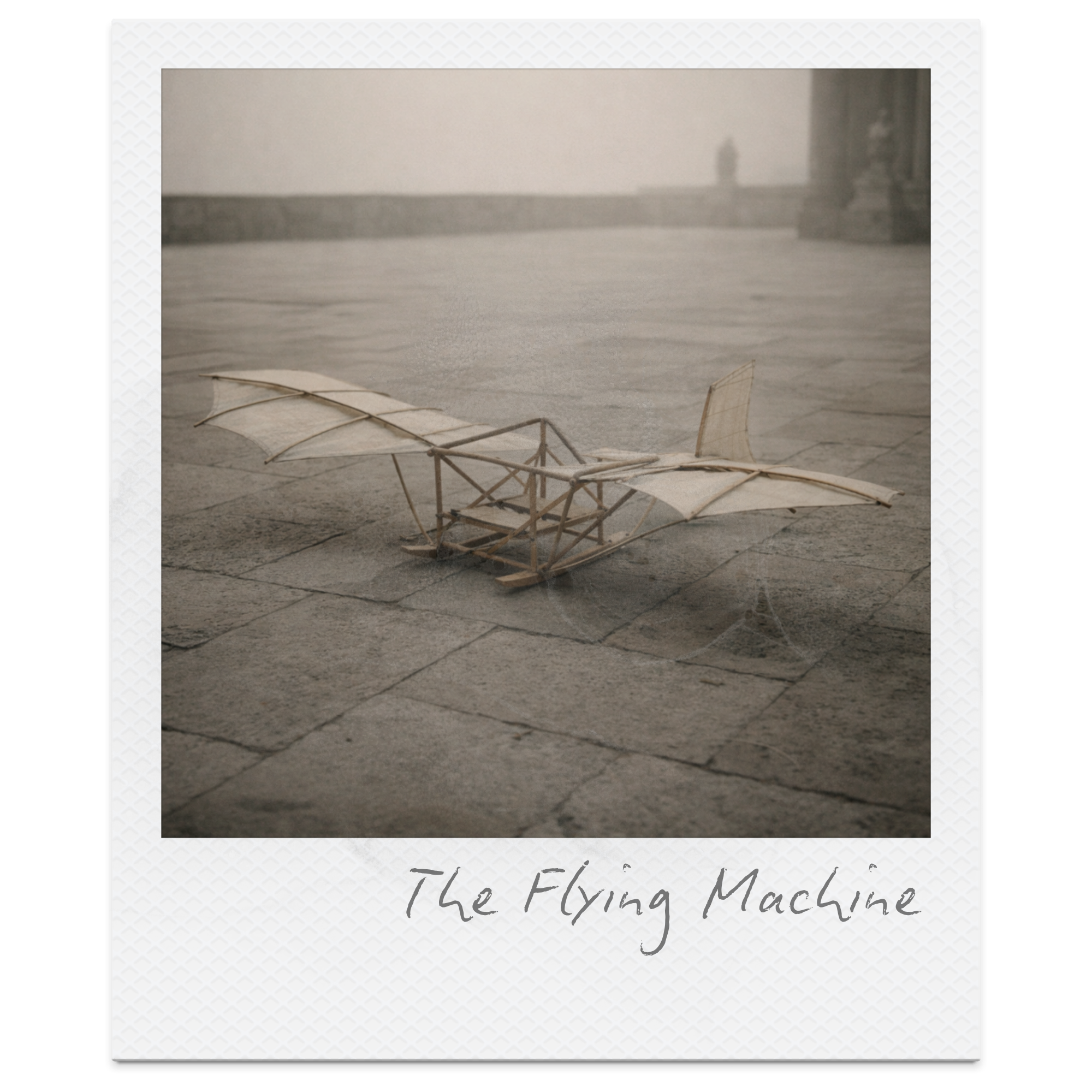
Ray Bradbury’s The Flying Machine explores the uneasy relationship between innovation and fear, presenting a world where beauty and progress are not always welcomed. Set in ancient China, the story follows an inventor who achieves the impossible—human flight—only to face the Emperor’s growing concern about what such a discovery might become. Through this encounter, Bradbury examines the fragile balance between creativity and control, raising questions about whether all knowledge should be allowed to exist. At its core, the story reflects a deeper anxiety about the consequences of progress, particularly when invention can be replicated and misused. The Emperor’s decision to destroy both the machine and its creator reveals a chilling logic: that protecting the future may require the sacrifice of something extraordinary in the present. Blending speculative fiction with philosophical insight, The Flying Machine leaves readers questioning whether humanity can truly be trusted with its own creations—and what might be lost when fear takes precedence over wonder.