The Nightingale and the Rose by Oscar Wilde: Summary, Themes & Analysis
Oscar Wilde’s The Nightingale and the Rose is a deeply symbolic fairy tale exploring love, sacrifice, materialism, idealism, and emotional blindness. Through the tragic story of a Nightingale who gives her life to create a single red rose, Wilde contrasts genuine emotional devotion with the shallow practicality of the human world. The story moves from romantic beauty into quiet tragedy, revealing the painful gap between artistic idealism and human selfishness.
Although the story initially appears delicate and romantic, Wilde ultimately presents a much darker message about the failure of society to recognise beauty, sacrifice, and sincerity. The emotional power of the ending comes not simply from the Nightingale’s death, but from the horrifying meaninglessness of her sacrifice. If you are studying or teaching Stories of Ourselves Volume 2 for CIE IGCSE English Literature (0408, 2027 syllabus), explore the full anthology in the Stories of Ourselves Volume 2 Hub, or discover more prose and poetry analysis in the Literature Library.

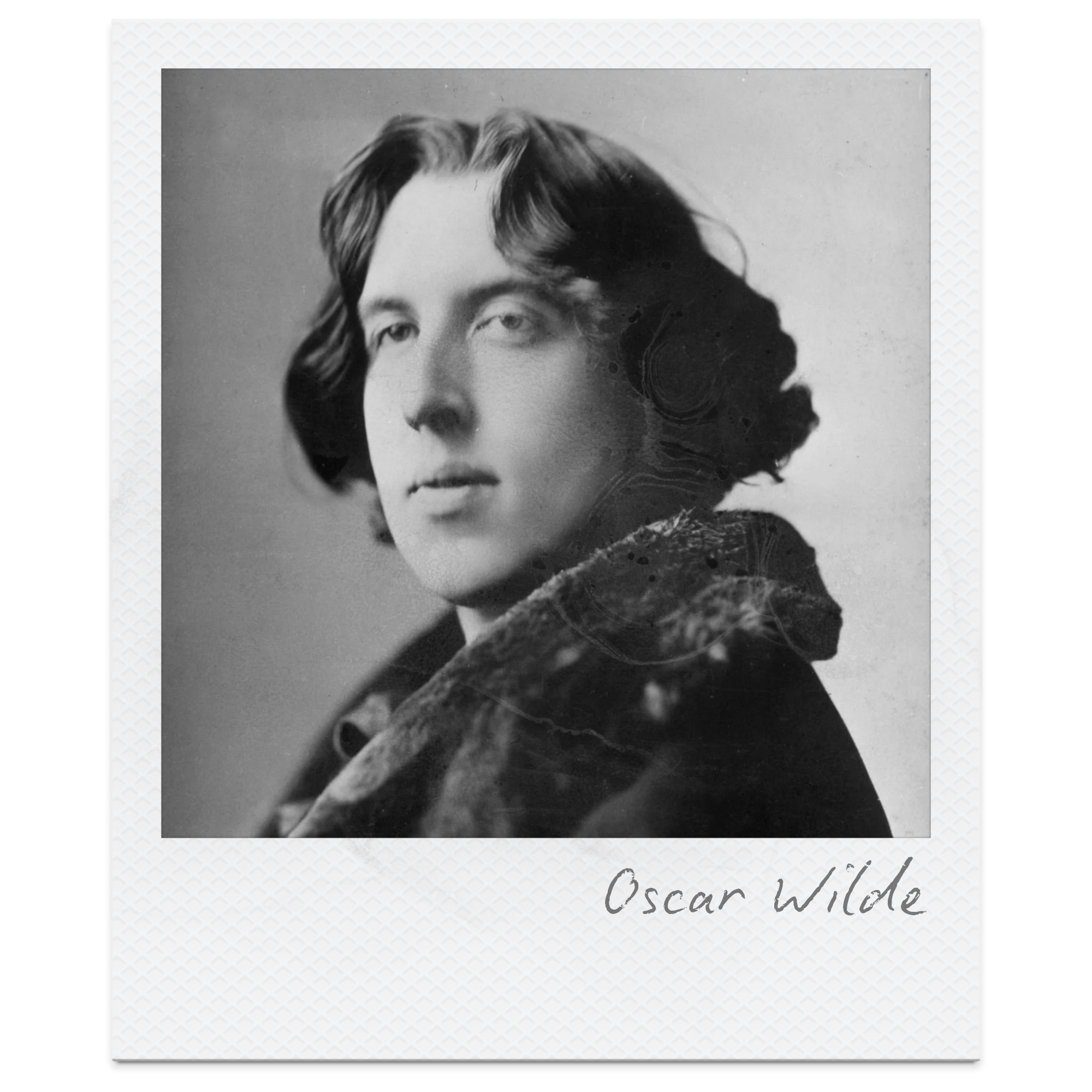
Context of The Nightingale and the Rose
Oscar Wilde was closely associated with the Aesthetic Movement, which valued beauty, art, emotion, and imagination over practicality and moral usefulness. This story reflects Wilde’s fascination with the tension between artistic beauty and a society increasingly focused on logic, status, and material value. The Nightingale represents idealised artistic and emotional devotion, while the Student reflects intellectual pride and emotional immaturity.
The story also draws heavily on the traditions of the fairy tale and fable, using symbolic characters and heightened imagery to explore universal truths about human behaviour. Wilde combines romantic language with sharp irony, allowing the story to function both as a tragic love story and as a critique of shallow social values.
The Nightingale and the Rose: At a Glance
Form: Symbolic fairy tale / allegorical short story
Mood: Romantic, melancholic, tragic
Central conflict: Genuine emotional sacrifice versus shallow materialism
Core themes: Love, sacrifice, beauty, materialism, art, emotional blindness
Narrative perspective: Third-person narration with shifting sympathy and heavy irony
One-sentence meaning: Wilde explores how true beauty and sacrifice are often misunderstood or destroyed within a society driven by status, logic, and superficial value.
Quick Summary of The Nightingale and the Rose
The story begins with a young Student mourning the fact that he cannot find a red rose to give to the girl he loves. She has promised to dance with him if he brings her one, but no red roses grow in his garden. Hearing his sorrow, the Nightingale becomes convinced that she has discovered a true romantic lover worthy of sacrifice.
After searching the garden, the Nightingale learns that the only way to create a red rose is to sing all night with a thorn pressed into her heart, staining the flower with her own blood. Believing that Love is greater than Life, she willingly sacrifices herself so the Student may have the rose he desires.
The next morning, the Student discovers the beautiful red rose and rushes to present it to the Professor’s daughter. However, she rejects it in favour of expensive jewels given by another suitor. Bitter and humiliated, the Student dismisses love as foolish and impractical, returning instead to his books and philosophy, completely unaware of the Nightingale’s sacrifice.
Title of The Nightingale and the Rose
The title immediately foregrounds the story’s two most important symbols: the Nightingale and the red rose. Together, they establish expectations of romance, beauty, and emotional devotion, while also hinting at the story’s fairy-tale qualities and symbolic depth.
Literally, the title refers to the bird whose sacrifice creates the rose desired by the Student. Symbolically, however, both elements carry far greater meaning. The Nightingale represents art, idealism, emotional sincerity, and self-sacrifice, while the rose symbolises love, desire, beauty, and suffering. By linking the two together in the title, Wilde immediately connects love with pain, creation, and loss.
The title also becomes increasingly ironic by the ending. What initially appears to be a romantic story about love ultimately becomes a tragedy about misunderstood sacrifice and the failure of human beings to recognise genuine beauty or emotional truth. The Nightingale gives her life for the rose, yet both are ultimately discarded and destroyed, making the title feel mournful rather than romantic by the story’s conclusion.
Structure of The Nightingale and the Rose
Wilde carefully structures the story to move from romantic idealism into quiet tragedy. The progression from longing, to sacrifice, to rejection allows the emotional impact of the ending to feel increasingly cruel and ironic. The structure also highlights the contrast between the Nightingale’s emotional understanding of love and the Student’s shallow, intellectual view of it.
Opening / Exposition
The story opens with the Student despairing over the absence of a red rose, immediately introducing the central conflict and establishing the exaggerated emotional tone of romantic longing. Wilde quickly creates dramatic irony here: the Student believes himself deeply in love, yet the reader gradually realises that his understanding of love is shallow and self-centred.
The opening also establishes important symbolic contrasts between:
◆ emotion and logic
◆ art and practicality
◆ idealism and materialism
The Nightingale’s admiration for the Student creates early tension because readers can already sense that her romantic interpretation may be dangerously misplaced.
Rising Action
The rising action follows the Nightingale’s search for a red rose and her discovery of the terrible sacrifice required to create one. Wilde slows the pacing here through repeated encounters with the different Rose-trees, creating a fairy-tale rhythm that builds anticipation and emotional weight.
As the Nightingale decides to sacrifice herself, the emotional intensity deepens. Wilde contrasts the beauty of her language about love with the Student’s inability to understand her. This structural contrast becomes crucial because the reader understands the value of the sacrifice long before the human characters do.
The repeated command to “Press closer” during the Nightingale’s song creates mounting tension and reinforces the inevitability of tragedy.
Turning Point / Climax
The climax occurs during the Nightingale’s final song as the thorn pierces her heart and the rose finally becomes crimson. Wilde combines:
◆ escalating physical pain
◆ increasingly passionate imagery
◆ symbolic colour transformation
◆ heightened musical language
to create a deeply emotional and symbolic climax.
The rose’s gradual transformation from white, to pink, to crimson mirrors the movement from innocent love to love perfected through suffering and death. The climax therefore becomes both physical and symbolic at the same time.
Falling Action
The emotional shock of the Nightingale’s death is immediately undercut by the Student’s response the next morning. Instead of recognising beauty or sacrifice, he admires the rose academically, commenting that it “has a long Latin name.”
This sudden tonal shift is structurally important because Wilde replaces romantic tragedy with bitter irony. The reader understands the enormous emotional cost behind the rose, while the Student remains completely ignorant.
Ending / Resolution
The ending destroys the romantic ideals established earlier in the story. The Professor’s daughter rejects the rose because jewels possess greater material value, and the Student quickly abandons love altogether, returning to “Philosophy” and “Metaphysics.”
Structurally, Wilde creates a cyclical ending in which the Student returns almost exactly to where he began: isolated, intellectual, and emotionally disconnected. However, the reader now understands far more than he does. The Nightingale’s sacrifice changes nothing within the human world, making the conclusion deeply tragic and morally unsettling.
The final image of the Student returning to his dusty book reinforces Wilde’s criticism of a society incapable of recognising genuine beauty, sacrifice, or emotional truth.
Setting of The Nightingale and the Rose
Wilde uses setting not simply as background detail, but as a way of shaping the story’s emotional atmosphere and symbolic meaning. The movement between the natural world and the human world reflects the story’s wider conflict between beauty and materialism, emotion and logic, and idealism and practicality.
The story is largely set within the Student’s garden, a space initially associated with romance, beauty, and possibility. Wilde fills the natural setting with delicate sensory imagery, describing the roses as “white as the foam of the sea” and “yellow as the hair of the mermaiden.” These fairy-tale descriptions create a dreamlike atmosphere that reflects the Nightingale’s idealised understanding of love.
Nature itself appears emotionally alive throughout the story. The Moon “leaned down and listened,” while the rose “trembled all over with ecstasy.” This personification transforms the natural world into a space capable of emotional understanding and artistic appreciation. In contrast, the human characters remain emotionally blind and disconnected from genuine feeling.
The garden also functions symbolically as a place where beauty and sacrifice briefly exist together. Beneath the Student’s window, the Nightingale presses herself against the thorn while surrounded by moonlight, music, and silence. The setting becomes almost sacred during this scene, reinforcing the spiritual intensity of her sacrifice.
Wilde repeatedly contrasts darkness and light throughout the setting descriptions. The Nightingale creates the rose “by moonlight,” while dawn slowly approaches as she dies. This transition from night to morning mirrors the movement from romantic idealism to painful reality. The beautiful natural setting therefore becomes deeply tragic because it witnesses a sacrifice that the human world will never appreciate.
The Professor’s house creates a sharp contrast with the emotional richness of the garden. Here, love becomes transactional and superficial. The Professor’s daughter dismisses the rose because “jewels cost far more than flowers,” reducing emotional meaning to material value. Unlike the symbolic beauty of the natural world, the social setting is governed by wealth, status, and appearance.
By the ending, the Student returns to his “great dusty book,” shifting the setting from the living beauty of the garden to the cold intellectualism of his room. This final contrast reinforces Wilde’s criticism of a world that values abstract logic and social status over imagination, sacrifice, and emotional truth.
Narrative Voice in The Nightingale and the Rose
Wilde uses a third-person narrative voice that moves fluidly between romantic sincerity and sharp irony. Although the narrator often presents events in the elevated language of a fairy tale, the story simultaneously encourages readers to question the values and assumptions of its human characters.
The narration positions readers sympathetically alongside the Nightingale for much of the story. Her belief that the Student is a “true lover” is presented with emotional sincerity, allowing readers to experience the beauty and idealism of her worldview. Wilde’s lyrical descriptions of her song and sacrifice create emotional intimacy, encouraging readers to value the depth of feeling she represents.
However, the narrative voice also creates powerful irony by exposing the limitations of the Student’s perspective. While the Nightingale understands love emotionally and spiritually, the Student views everything intellectually and practically. His comment that the Nightingale has “form” but lacks “feeling” becomes deeply ironic because readers understand that he has completely failed to recognise the sincerity of her sacrifice.
The narrator frequently adopts exaggerated fairy-tale language, describing the Moon listening to the Nightingale or the rose trembling “with ecstasy.” This heightened style reinforces the symbolic and allegorical nature of the story while creating an atmosphere of beauty and emotional intensity.
At the same time, Wilde carefully maintains emotional distance from the human characters, particularly at the ending. The Professor’s daughter and the Student speak in shallow, materialistic language that exposes their emotional blindness without requiring direct narrative judgement. This restrained irony makes the conclusion feel even more devastating because the characters remain entirely unaware of the tragedy that has occurred.
The narrative voice therefore controls interpretation by constantly contrasting:
◆ emotional sincerity and shallow practicality
◆ beauty and usefulness
◆ imagination and logic
◆ sacrifice and selfishness
Through this contrast, Wilde encourages readers to recognise meanings that the characters themselves fail to understand.
Characters in The Nightingale and the Rose
Wilde’s characters function as more than realistic individuals. Each character embodies particular ideas, values, and emotional attitudes, allowing the story to explore wider tensions surrounding love, sacrifice, materialism, beauty, and emotional understanding.
The Nightingale
The Nightingale represents idealism, artistic beauty, emotional sincerity, and self-sacrifice. She views love as something sacred and transcendent, repeatedly describing it as greater than wealth or power: “Love is better than Life.”
Wilde presents her as deeply connected to emotion, music, and nature. Her songs are filled with rich sensory imagery and romantic symbolism, reflecting her belief that love possesses spiritual importance. Unlike the Student, she understands love emotionally rather than intellectually.
The Nightingale also symbolises the role of the artist. She creates beauty through suffering, literally building the rose through music and blood. Her sacrifice therefore reflects Wilde’s interest in the relationship between art and pain. The fact that her death ultimately goes unnoticed makes her deeply tragic, as her beauty and devotion are wasted upon people incapable of understanding them.
Her innocence also increases the emotional impact of the story. She genuinely believes the Student is a “true lover,” revealing both her compassion and her naivety. Wilde uses this misunderstanding to expose the painful gap between romantic idealism and human selfishness.
The Student
The Student initially appears passionate and romantic, but Wilde gradually reveals him to be emotionally shallow and self-centred. Although he weeps dramatically over the missing rose, his understanding of love is largely performative and idealised rather than genuine.
His obsession with philosophy and logic creates an important contrast with the Nightingale. He claims that “all the secrets of philosophy are mine,” yet he completely fails to recognise the emotional truth unfolding around him. Wilde therefore presents him as intellectually educated but emotionally immature.
The Student repeatedly reduces beauty to practicality or academic analysis. Even when he first sees the rose, he admires it because it “has a long Latin name.” This reaction exposes his inability to appreciate emotional or symbolic meaning.
By the ending, he abandons love almost immediately after rejection, declaring that it is “not half as useful as Logic.” This rapid shift reveals that his feelings were never as deep or selfless as the Nightingale imagined. Wilde uses the Student to criticise a society that values intellect and practicality while remaining emotionally disconnected.
The Professor’s Daughter
The Professor’s daughter represents materialism, social status, and superficial values. Unlike the Nightingale, she judges worth entirely through wealth and appearance.
Her rejection of the rose because “jewels cost far more than flowers” exposes her inability to recognise emotional sincerity or sacrifice. Wilde deliberately keeps her character relatively shallow because she functions symbolically as part of the social world that destroys genuine beauty.
She also reinforces the story’s critique of transactional relationships. Love becomes something measured through gifts, status, and public appearance rather than emotional connection. Her preference for the Chamberlain’s nephew reflects the importance of wealth and social advancement within her world.
Although she appears cruel, Wilde presents her more as a symptom of wider social values than as an individual villain. Her behaviour reflects a society that values expensive objects over emotional truth.
The Rose-tree
The Rose-tree functions almost like a guardian of beauty and sacrifice within the story. It understands the terrible cost required to create the red rose and initially hesitates to reveal the truth because the sacrifice is “so terrible.”
The Tree’s repeated cries for the Nightingale to “Press closer” create emotional tension while also emphasising the inevitability of suffering. Symbolically, the Tree becomes the physical connection between artistic sacrifice and the creation of beauty.
Its role also reinforces the story’s connection between nature, pain, and artistic creation. Beauty cannot exist without suffering, and the Tree depends upon the Nightingale’s blood in order to create the perfect rose.
The Minor Creatures
The Green Lizard, Butterfly, and Daisy briefly introduce a lighter, almost comic tone early in the story. Their confusion about why anyone would cry over a red rose highlights how irrational human emotion appears from an outside perspective.
However, these creatures also emphasise the Nightingale’s uniqueness. Unlike them, she chooses empathy and emotional understanding. Wilde therefore uses these minor characters to contrast cynicism, indifference, and idealism within the natural world itself.
Key Themes in The Nightingale and the Rose
Wilde uses the story to explore major emotional and philosophical tensions surrounding love, sacrifice, beauty, art, and human selfishness. Rather than presenting simple moral lessons, the story reveals how idealism and emotional sincerity often collide painfully with the shallow values of society.
Love
Love is presented as both beautiful and deeply destructive throughout the story. The Nightingale believes love is sacred, declaring that “Love is better than Life,” and willingly sacrifices herself in order to help the Student achieve happiness.
However, Wilde constantly questions whether the human characters truly understand love at all. The Student speaks dramatically about heartbreak, yet quickly abandons love once he is rejected. His feelings appear more connected to fantasy and self-image than genuine emotional depth.
The story therefore contrasts:
◆ idealised spiritual love
◆ selfish romantic desire
◆ transactional social relationships
The Nightingale views love as eternal and transformative, while the Student and the Professor’s daughter treat it as temporary, conditional, and practical. Wilde ultimately suggests that genuine love is rare because most people lack the emotional depth required to recognise or sustain it.
Sacrifice
Sacrifice lies at the emotional centre of the story. The Nightingale literally gives her life to create the red rose, transforming suffering into beauty through her music and blood.
Wilde presents this sacrifice with intense emotional and symbolic language. The Nightingale presses “closer against the thorn” while singing of “Love that is perfected by Death,” linking sacrifice directly to ideas of transcendence and purity.
At the same time, the story becomes tragic because the sacrifice achieves nothing. Neither the Student nor the Professor’s daughter ever learns what happened. Wilde therefore raises painful questions about whether beauty and goodness possess value when they go unseen or unappreciated.
The meaningless destruction of the rose in the gutter reinforces this tragedy. The sacrifice is genuine, but the society receiving it proves entirely unworthy of it.
Beauty
Beauty appears throughout the story in the form of:
◆ music
◆ flowers
◆ moonlight
◆ colour imagery
◆ poetic language
Wilde creates a world saturated with aesthetic beauty, particularly during the Nightingale’s song beneath the moonlit garden. The rose itself becomes a symbol of perfect beauty created through suffering and devotion.
However, Wilde also explores the fragility and vulnerability of beauty. The rose is briefly admired before being thrown into the street and crushed beneath a cart-wheel. This destruction symbolises society’s inability to preserve or appreciate genuine beauty.
The contrast between the Nightingale’s artistic understanding of beauty and the Professor’s daughter’s obsession with jewels reinforces Wilde’s criticism of superficial social values. True beauty possesses emotional and spiritual meaning, yet society reduces value to money and status.
Materialism
The story repeatedly contrasts emotional sincerity with material wealth. The Professor’s daughter rejects the rose because “jewels cost far more than flowers,” reducing love to financial value and social status.
This moment completely destroys the romantic ideals established earlier in the story. The Nightingale believes love transcends wealth, claiming that “Pearls and pomegranates cannot buy it,” yet the human world operates according to entirely different values.
Materialism therefore becomes symbolic of emotional emptiness within the story. Wilde suggests that societies obsessed with status, practicality, and wealth lose the ability to recognise sincerity, sacrifice, or emotional truth.
The Student’s final rejection of love in favour of “Logic” and “Metaphysics” further reinforces this theme. Human beings repeatedly choose practicality over emotional understanding.
Art
The Nightingale functions as a symbol of the artist, creating beauty through pain and emotional sincerity. Her song literally produces the rose, linking artistic creation with sacrifice and suffering.
Wilde presents art as emotionally powerful and spiritually meaningful. Nature itself responds to the Nightingale’s music: the Moon listens, the rose trembles “with ecstasy,” and the reeds carry her song to the sea. Art therefore possesses transformative emotional power within the natural world.
Ironically, however, the Student dismisses her entirely, claiming she has “form” but lacks “feeling.” This becomes one of the story’s sharpest moments of irony because readers understand that the Nightingale embodies genuine emotional sincerity while the Student remains emotionally shallow.
Wilde may therefore be criticising societies that consume beauty without understanding the suffering, devotion, or humanity behind artistic creation.
Emotional Blindness
Perhaps the story’s most tragic theme is emotional blindness. The human characters repeatedly fail to recognise the meaning of the events unfolding around them.
The Student cannot understand the Nightingale’s sacrifice because he approaches life intellectually rather than emotionally. Even after receiving the rose, he sees it only as an object rather than as the product of suffering and devotion.
Similarly, the Professor’s daughter sees only material value. Her inability to appreciate the rose symbolises a wider failure to recognise emotional sincerity or symbolic meaning.
This blindness creates much of the story’s irony and tragedy. Readers understand the enormous emotional significance of the Nightingale’s sacrifice, while the characters remain entirely unaware of it.
Wilde ultimately suggests that beauty, love, and sacrifice become meaningless within societies incapable of emotional understanding. The tragedy is therefore not simply the Nightingale’s death, but the fact that her sacrifice is wasted on people who cannot truly see it.
Symbolism in The Nightingale and the Rose
Wilde fills the story with rich symbolic imagery that deepens its exploration of love, sacrifice, beauty, suffering, and emotional blindness. The symbols develop throughout the narrative, often shifting in meaning as the story moves from romantic idealism into tragedy.
The Red Rose
The red rose is the story’s central symbol, representing love, passion, beauty, and sacrifice. At first, the Student sees it simply as an object that will help him win the Professor’s daughter, reducing love to something performative and transactional.
However, the Nightingale transforms the rose into something far more meaningful. Because it is created through music, pain, and blood, the flower becomes a symbol of love perfected through suffering. Wilde emphasises this transformation through colour imagery as the rose changes from pale white to deep crimson.
The rose also symbolises the tragic fragility of beauty. Despite the enormous emotional and physical sacrifice required to create it, the flower is quickly discarded and crushed beneath a cart-wheel. Its destruction reflects society’s inability to value genuine beauty or emotional sincerity.
The Nightingale
The Nightingale symbolises:
◆ artistic idealism
◆ emotional sincerity
◆ self-sacrifice
◆ the suffering artist
She creates beauty through pain, singing while the thorn pierces her heart. Wilde therefore presents her almost as a martyr figure whose devotion and artistry transcend ordinary human selfishness.
The Nightingale also represents a romantic understanding of love that the human world cannot sustain. She believes love possesses spiritual importance, yet her sacrifice ultimately changes nothing. This makes her symbolic role deeply tragic because she embodies values that society neither understands nor deserves.
Her death in the “long grass” with the thorn still in her heart reinforces the permanence and sincerity of her devotion.
The Thorn
The thorn symbolises both the pain required for genuine love and the suffering connected to artistic creation. The rose cannot exist without physical sacrifice, making the thorn a direct link between beauty and suffering.
Its gradual movement deeper into the Nightingale’s breast mirrors the escalating emotional intensity of the story. Wilde repeatedly uses the command “Press closer” to build tension and reinforce the inevitability of pain.
The thorn also carries religious and martyr-like associations, suggesting ideas of suffering, purity, and transcendence. Through this symbolism, Wilde elevates the Nightingale’s sacrifice into something sacred and spiritually significant.
Blood
The Nightingale’s blood symbolises life, passion, emotional truth, and artistic sacrifice. The rose only becomes fully crimson once the thorn pierces her heart, linking authentic beauty directly to suffering and mortality.
Blood also transforms abstract ideas into physical reality. Love is no longer merely spoken about romantically; it becomes something created through literal pain and death.
At the same time, the waste of the Nightingale’s blood reinforces the story’s tragedy. Her sacrifice possesses immense emotional value, yet the human world remains completely unaware of it.
The Garden
The garden symbolises a temporary space of beauty, imagination, and emotional possibility. It exists almost outside ordinary reality, filled with moonlight, flowers, music, and talking creatures.
Within the garden, nature responds emotionally and spiritually to the Nightingale’s song. The setting therefore represents a world where beauty and sacrifice still possess meaning.
However, the garden is also isolated from the human social world. Once the rose leaves this symbolic space and enters society, it loses all value. Wilde therefore uses the garden to contrast emotional authenticity with the superficial values of human civilisation.
The Moon
The Moon symbolises:
◆ beauty
◆ artistic inspiration
◆ emotional witness
◆ romantic idealism
Wilde personifies the Moon throughout the story, describing how it “leaned down and listened” to the Nightingale’s song. Unlike the human characters, the Moon recognises and honours beauty and sacrifice.
Its lingering presence during the Nightingale’s final performance reinforces the sacred atmosphere of the scene. The Moon therefore becomes symbolic of a universe capable of appreciating emotional and artistic truth, even when humanity cannot.
Jewels
The jewels sent by the Chamberlain’s nephew symbolise wealth, status, and superficial social values. The Professor’s daughter values them above the rose because they possess greater financial worth.
This contrast between jewels and flowers reflects the wider conflict between:
◆ materialism and emotional sincerity
◆ status and beauty
◆ wealth and sacrifice
Unlike the rose, the jewels require no emotional depth or personal suffering. Their victory over the rose symbolises the triumph of shallow material values over genuine feeling.
Books and Philosophy
The Student’s books symbolise intellectual pride and emotional detachment. He repeatedly turns to philosophy and logic rather than emotional understanding, claiming that “all the secrets of philosophy are mine.”
By the ending, he returns to his “great dusty book,” symbolically retreating from emotional vulnerability into abstract intellectualism. Wilde uses the books to criticise forms of knowledge disconnected from empathy, imagination, or emotional truth.
The contrast between the Student’s dusty philosophy and the Nightingale’s living music reinforces the story’s wider tension between intellect and feeling.
Key Quotes and Methods in The Nightingale and the Rose
Important quotations in the story reveal Wilde’s exploration of love, sacrifice, beauty, irony, and emotional blindness. The methods used in each quotation help shape atmosphere, symbolism, and reader interpretation.
“On what little things does happiness depend!”
◆ Method — Exclamatory sentence; dramatic language; irony
◆ Meaning — The Student believes his happiness depends entirely on obtaining a red rose.
◆ Purpose — Wilde introduces the exaggerated emotional intensity associated with romantic desire while also hinting at the Student’s emotional immaturity.
◆ Impact — Readers may initially sympathise with the Student, but the quotation later becomes ironic because his feelings prove shallow and temporary.
◆ Link to theme, conflict, or symbolism — Links to love, emotional blindness, and the contrast between idealism and reality.
“Love is better than Life”
◆ Method — Personification; hyperbolic declaration; symbolic language
◆ Meaning — The Nightingale values love above survival itself, believing emotional devotion possesses spiritual importance.
◆ Purpose — Wilde establishes the Nightingale as a symbol of idealism, sacrifice, and emotional sincerity.
◆ Impact — The quotation intensifies the tragedy of her sacrifice because readers understand the depth of her belief.
◆ Link to theme, conflict, or symbolism — Links to sacrifice, romantic idealism, and the symbolic value of the rose.
“You must build it out of music by moonlight, and stain it with your own heart’s-blood.”
◆ Method — Symbolism; vivid imagery; imperative language
◆ Meaning — The creation of true beauty requires suffering, sacrifice, and emotional sincerity.
◆ Purpose — Wilde connects artistic creation directly to pain and devotion.
◆ Impact — The quotation creates a haunting, almost ritualistic atmosphere surrounding the Nightingale’s sacrifice.
◆ Link to theme, conflict, or symbolism — Links to art, sacrifice, beauty, and the symbolism of blood and the rose.
“She has form… but has she got feeling?”
◆ Method — Irony; rhetorical question; contrast
◆ Meaning — The Student criticises the Nightingale’s song as emotionally empty despite her genuine willingness to sacrifice herself.
◆ Purpose — Wilde exposes the Student’s inability to recognise authentic emotion or artistic sincerity.
◆ Impact — The dramatic irony makes the Student appear emotionally blind and intellectually arrogant.
◆ Link to theme, conflict, or symbolism — Links to emotional blindness, art, and the conflict between intellect and feeling.
“The thorn touched her heart”
◆ Method — Symbolism; physical imagery; emotional climax
◆ Meaning — The Nightingale’s sacrifice becomes complete as suffering and love merge together.
◆ Purpose — Wilde presents sacrifice as both physically painful and spiritually transformative.
◆ Impact — The simplicity of the sentence increases its emotional force, making the moment feel sudden and devastating.
◆ Link to theme, conflict, or symbolism — Links to sacrifice, suffering, and the symbolic connection between blood and love.
“Love that is perfected by Death”
◆ Method — Capitalisation; paradox; romantic imagery
◆ Meaning — Wilde suggests that the Nightingale’s love achieves purity and permanence through sacrifice.
◆ Purpose — The quotation elevates the story into tragic, almost mythic territory.
◆ Impact — Readers may view the Nightingale’s death as both beautiful and horrifying at the same time.
◆ Link to theme, conflict, or symbolism — Links to sacrifice, romantic idealism, and the relationship between beauty and suffering.
“Jewels cost far more than flowers.”
◆ Method — Materialistic language; contrast; symbolism
◆ Meaning — The Professor’s daughter values wealth and status over emotional sincerity.
◆ Purpose — Wilde sharply criticises superficial social values and transactional views of love.
◆ Impact — The quotation destroys the romantic atmosphere built throughout the story and intensifies the sense of wasted sacrifice.
◆ Link to theme, conflict, or symbolism — Links to materialism, emotional blindness, and the symbolic destruction of beauty.
“It is not half as useful as Logic”
◆ Method — Dismissive tone; irony; abstract noun
◆ Meaning — The Student abandons love entirely after a single disappointment.
◆ Purpose — Wilde reveals how shallow and conditional the Student’s understanding of love truly was.
◆ Impact — The ending feels emotionally hollow and tragic because the Nightingale’s sacrifice has achieved nothing.
◆ Link to theme, conflict, or symbolism — Links to logic versus emotion, emotional blindness, and the failure of idealism.
Key Techniques in The Nightingale and the Rose
Wilde combines symbolism, fairy-tale imagery, irony, and emotional contrast to create a story that feels both romantic and deeply tragic. The techniques throughout the narrative reinforce the tension between idealism and practicality, while exposing the emotional blindness of the human world.
◆ Symbolism — The red rose symbolises love, sacrifice, beauty, and suffering, while the Nightingale represents artistic sincerity and emotional devotion.
◆ Irony — The Nightingale sacrifices her life believing she is helping a “true lover,” yet the Student quickly abandons love altogether, making her sacrifice tragically meaningless.
◆ Personification — Nature is repeatedly given emotional awareness, with the Moon listening to the Nightingale and the rose trembling “with ecstasy,” creating a magical and emotionally responsive world.
◆ Fairy-tale conventions — Talking animals, symbolic objects, repetition, and heightened moral contrasts give the story the structure of a fairy tale while allowing Wilde to explore serious philosophical ideas.
◆ Colour imagery — Wilde uses shifting colour imagery throughout the creation of the rose, moving from white, to pink, to crimson in order to symbolise the progression from innocence to passion and sacrifice.
◆ Repetition — Repeated phrases such as “Press closer” build tension and reinforce the inevitability of suffering and death.
◆ Contrast — Wilde repeatedly contrasts beauty and materialism, emotion and logic, nature and society, and sincerity and superficiality to deepen the story’s moral conflict.
◆ Lyrical language — Rich sensory descriptions and musical imagery create an atmosphere of beauty and romantic intensity, particularly during the Nightingale’s sacrifice.
◆ Foreshadowing — Early references to sorrow, tears, and the “terrible” price of the rose hint at the tragic ending long before the Nightingale dies.
◆ Dramatic irony — Readers understand the emotional significance of the Nightingale’s sacrifice while the human characters remain entirely unaware of it.
◆ Juxtaposition — Wilde places scenes of intense emotional beauty beside moments of shallow practicality, such as the transition from the Nightingale’s death to the Student admiring the rose’s “long Latin name.”
◆ Allegory — The characters and events function symbolically, allowing the story to explore wider ideas about art, sacrifice, love, and societal values beyond the literal plot.
How the Writer Creates Meaning and Impact in The Nightingale and the Rose
Wilde creates meaning and emotional impact by combining symbolism, irony, fairy-tale structure, lyrical imagery, and sharp thematic contrasts. Throughout the story, he repeatedly contrasts idealistic beauty with the shallow practicality of the human world, allowing the tragedy to emerge gradually through the reader’s growing understanding of the Nightingale’s sacrifice.
One of Wilde’s most important methods is his use of symbolism. The red rose becomes far more than a simple flower; it symbolises love created through suffering and sacrifice. Wilde carefully develops this symbolism during the Nightingale’s song as the rose transforms from pale white to deep crimson. This gradual colour transformation mirrors the movement from innocence to passion and finally to death. By linking beauty directly to blood and pain, Wilde suggests that genuine emotional truth requires sacrifice.
Wilde also creates impact through dramatic irony. Readers understand the sincerity and emotional depth of the Nightingale long before the Student does. This irony becomes especially painful when the Student dismisses the Nightingale as lacking “feeling,” despite the fact that she is literally dying for love. Wilde uses this contrast to expose the emotional blindness of the human characters while encouraging readers to sympathise more deeply with the Nightingale.
The story’s fairy-tale structure also shapes meaning. Repetition, talking creatures, symbolic objects, and rhythmic patterns create an atmosphere that initially feels magical and romantic. However, Wilde gradually subverts these fairy-tale expectations. Instead of ending with fulfilled love or emotional reward, the story concludes with rejection, waste, and disillusionment. This structural reversal makes the ending feel far more tragic and unsettling.
Wilde’s use of lyrical and sensory imagery intensifies the emotional atmosphere throughout the sacrifice scene. The Nightingale sings beneath the moonlight while her blood flows into the rose, creating imagery filled with beauty, colour, music, and pain. Descriptions such as the rose becoming “crimson as a ruby” elevate the scene into something almost sacred. This heightened language encourages readers to view the Nightingale’s sacrifice as spiritually meaningful, even while the human world fails to recognise it.
The contrast between the natural world and the human social world is another important method Wilde uses to create meaning. Nature responds emotionally to the Nightingale’s song: the Moon listens, the rose trembles, and Echo carries the music across the landscape. In contrast, the human characters remain obsessed with logic, status, and wealth. This opposition reinforces Wilde’s criticism of societies that value practicality over emotional sincerity and beauty.
Wilde also uses tone shifts very effectively. The story moves from romantic longing, to emotional intensity, to bitter irony. The transition following the Nightingale’s death is particularly shocking because the Student immediately focuses on the rose’s “long Latin name” rather than its emotional significance. This sudden collapse from beauty into shallow practicality creates much of the story’s tragic power.
Finally, Wilde creates lasting impact through ambiguity and emotional tension. The story never fully resolves whether the Nightingale’s sacrifice possesses meaning despite its apparent failure. On one hand, her death changes nothing within the human world. On the other, Wilde presents her devotion with such beauty and sincerity that readers are encouraged to value it even when the characters do not. This tension between beauty and futility gives the story its enduring emotional and philosophical complexity.
Alternative Interpretations of The Nightingale and the Rose
Strong literary analysis recognises that Wilde’s story supports multiple valid interpretations. Although the story appears to present a clear moral contrast between sincerity and superficiality, Wilde also leaves room for more complex interpretations about art, love, sacrifice, and human behaviour.
Psychological Interpretation: idealisation and emotional projection
From a psychological perspective, the story explores the danger of idealisation and emotional projection. The Nightingale invents a romantic image of the Student as a “true lover” without truly understanding him. She projects her own beliefs about love onto him, creating a fantasy that ultimately leads to her destruction.
Similarly, the Student himself may be interpreted as someone in love not with the Professor’s daughter, but with the idea of romantic suffering and social acceptance. His dramatic emotional reactions collapse almost immediately after rejection, suggesting that his feelings were shallow and performative rather than deeply emotional.
Under this interpretation, the tragedy emerges from characters misunderstanding both themselves and each other. Wilde may therefore be suggesting that people often confuse fantasy, performance, and genuine emotion.
Social Interpretation: materialism and shallow society
A social interpretation focuses on Wilde’s criticism of a society driven by materialism, status, and practicality. The Professor’s daughter values jewels over flowers because wealth determines social importance within her world. Emotional sincerity possesses little value compared to status and appearance.
The Student’s final rejection of love in favour of “Logic” and “Metaphysics” also reflects a society increasingly focused on intellectualism, utility, and rational thinking rather than imagination or emotional depth.
From this perspective, the Nightingale’s death symbolises the destruction of beauty and art within a materialistic society incapable of appreciating them. Wilde may be criticising cultures that reduce human relationships to transactions and dismiss emotional sincerity as impractical or foolish.
Moral / Philosophical Interpretation: sacrifice and meaning
Philosophically, the story raises difficult questions about whether sacrifice possesses meaning when it goes unseen or unrecognised. The Nightingale’s devotion is completely genuine, yet it achieves nothing within the human world. The rose is rejected, crushed, and forgotten.
One interpretation suggests that Wilde presents sacrifice as tragically futile because human beings are too selfish or shallow to value it properly. Under this reading, the story becomes deeply pessimistic about human nature.
However, another interpretation is that the Nightingale’s sacrifice retains meaning precisely because it is sincere and selfless. Wilde presents her death with extraordinary beauty and emotional intensity, encouraging readers themselves to recognise the value that the characters cannot.
This ambiguity makes the ending especially powerful. The story refuses to offer a simple moral conclusion, instead leaving readers to decide whether beauty and love remain meaningful even in a world that fails to appreciate them.
Exam-Ready Insight for The Nightingale and the Rose
Strong responses to The Nightingale and the Rose move beyond simple fairy-tale summary and explore how Wilde uses symbolism, irony, narrative contrast, and emotional imagery to criticise shallow social values. The strongest essays focus on the tension between the Nightingale’s idealism and the emotional blindness of the human world.
What Strong Responses Do
◆ analyse how Wilde uses symbolism to connect love with suffering and sacrifice
◆ explore the contrast between the natural world and human society
◆ track the shift from romantic idealism to bitter irony
◆ analyse the Nightingale as both a character and a symbol of the artist
◆ examine how dramatic irony shapes reader sympathy
◆ use short embedded quotations to support conceptual arguments
◆ explore how materialism destroys emotional sincerity
◆ explain how Wilde combines fairy-tale conventions with darker philosophical ideas
◆ analyse how colour imagery develops the symbolism of the rose
◆ examine the Student’s emotional blindness and intellectual arrogance
Conceptual Thesis
A strong thesis for the story could argue:
Wilde presents love and artistic beauty as deeply meaningful yet tragically vulnerable within a materialistic society, using symbolism, irony, and fairy-tale structure to expose humanity’s inability to recognise genuine emotional sincerity and sacrifice.
Model Analytical Paragraph
Wilde uses the symbolism of the red rose to connect beauty directly with suffering and sacrifice. At first, the rose represents romantic desire and social acceptance for the Student, who views it largely as an object capable of winning the Professor’s daughter. However, once the Nightingale creates the flower through her own blood and music, the rose becomes a symbol of love perfected through pain. Wilde intensifies this symbolism through colour imagery as the flower changes from pale white to deep crimson, reflecting the movement from innocence to passion and finally to death. The destruction of the rose at the ending therefore becomes deeply tragic because it symbolises society’s inability to recognise or value genuine beauty and emotional sincerity.
Teaching Ideas for The Nightingale and the Rose
This story works particularly well for close analysis, symbolism, irony, fairy-tale conventions, and social criticism because Wilde layers emotional beauty with sharp commentary about human selfishness and materialism throughout the narrative.
1. Structured Close Analysis
Students track:
◆ the symbolism of the rose, thorn, blood, and moonlight
◆ shifts from romantic idealism to bitter irony
◆ contrasts between the natural world and human society
◆ moments of dramatic irony
◆ colour imagery and sensory description
◆ how Wilde creates sympathy for the Nightingale
◆ the Student’s emotional blindness and changing attitudes
Students can then use these observations to develop analytical responses focused on method → meaning → impact.
2. Silent Debate
Students respond to conceptual statements such as:
◆ “The Nightingale’s sacrifice is ultimately meaningless.”
◆ “Wilde presents love as an illusion rather than a truth.”
◆ “The Student is more selfish than cruel.”
◆ “Materialism destroys genuine emotional connection.”
◆ “The Nightingale is the only character capable of real love.”
◆ “Wilde presents society as emotionally blind.”
This story works especially well with discussion-led lessons focused on love, sacrifice, beauty, emotional blindness, and social values. For tips on how to effectively run a silent debate in your classroom, check out this post.
3. Model Paragraph Development
Provide students with a model paragraph focused on:
◆ the symbolism of the red rose
◆ the Nightingale as a symbol of the artist
◆ Wilde’s use of dramatic irony
◆ the contrast between beauty and materialism
◆ the Student’s rejection of love
◆ the significance of the tragic ending
Students then:
◆ identify where the paragraph analyses methods effectively
◆ highlight embedded quotations
◆ track where the response explains reader impact
◆ improve one section by making the analysis more conceptual
◆ add an alternative interpretation using additional evidence
◆ rewrite one sentence to strengthen the connection between method and meaning
This helps students move beyond plot summary towards more developed literary analysis.
4. Comparative Thinking Task
Students compare:
◆ love and sacrifice
◆ materialism and emotional sincerity
◆ symbolism and fairy-tale imagery
◆ irony and tragic endings
◆ misunderstood or isolated characters
◆ beauty linked to suffering
◆ emotional blindness and selfishness
with another anthology story or wider prose text.
Useful comparisons may include The Fly, The Signal-Man, Haywards Heath, or other stories exploring isolation, misunderstanding, sacrifice, or social criticism.
5. Creative Writing Extension
Students write:
◆ an internal monologue from the Nightingale before her sacrifice
◆ a diary entry from the Student after discovering the rose was crushed
◆ a modern retelling focused on materialism and superficial relationships
If you’re looking for creative writing prompts and classroom-ready activities across a wide range of genres, tropes, and themes, explore the Creative Writing Archive.
Go Deeper into The Nightingale and the Rose Further
Comparing stories helps students develop more conceptual and flexible interpretations. The Nightingale and the Rose connects particularly well to stories exploring sacrifice, emotional isolation, irony, symbolism, and social criticism.
◆ The Fly by Katherine Mansfield — both stories explore suffering and emotional cruelty through understated but devastating endings
◆ The Signal-Man by Charles Dickens — both use symbolism, atmosphere, and fatalistic structure to explore human vulnerability and isolation
◆ Haywards Heath by Aminatta Forna — both examine emotional misunderstanding and the painful gap between appearance and reality
◆ The Happy Prince by Oscar Wilde — both stories present self-sacrificing characters whose compassion contrasts sharply with the selfishness of society
These comparisons help students explore how writers use symbolism, irony, atmosphere, and emotional contrast to shape meaning across different prose forms.
Final Thoughts
The Nightingale and the Rose remains powerful because Wilde combines the beauty of a fairy tale with the emotional force of tragedy. The story’s lyrical imagery and symbolic richness create a sense of emotional sincerity that makes the ending feel especially devastating. Readers understand the value of the Nightingale’s sacrifice even though the human characters never do.
The story ultimately leaves readers with uncomfortable questions about love, beauty, sacrifice, and human selfishness. Wilde suggests that emotional sincerity and artistic beauty may be fragile within societies driven by materialism and practicality, yet the story itself preserves the meaning of the Nightingale’s sacrifice through its emotional and symbolic power. For more anthology analysis, explore the Stories of Ourselves Volume 2 Hub, or discover further prose and poetry resources in the Literature Library.
Choose Your Next Text