Notes from the Inkpot
Writing, teaching, creating - one ink-stained idea at a time.

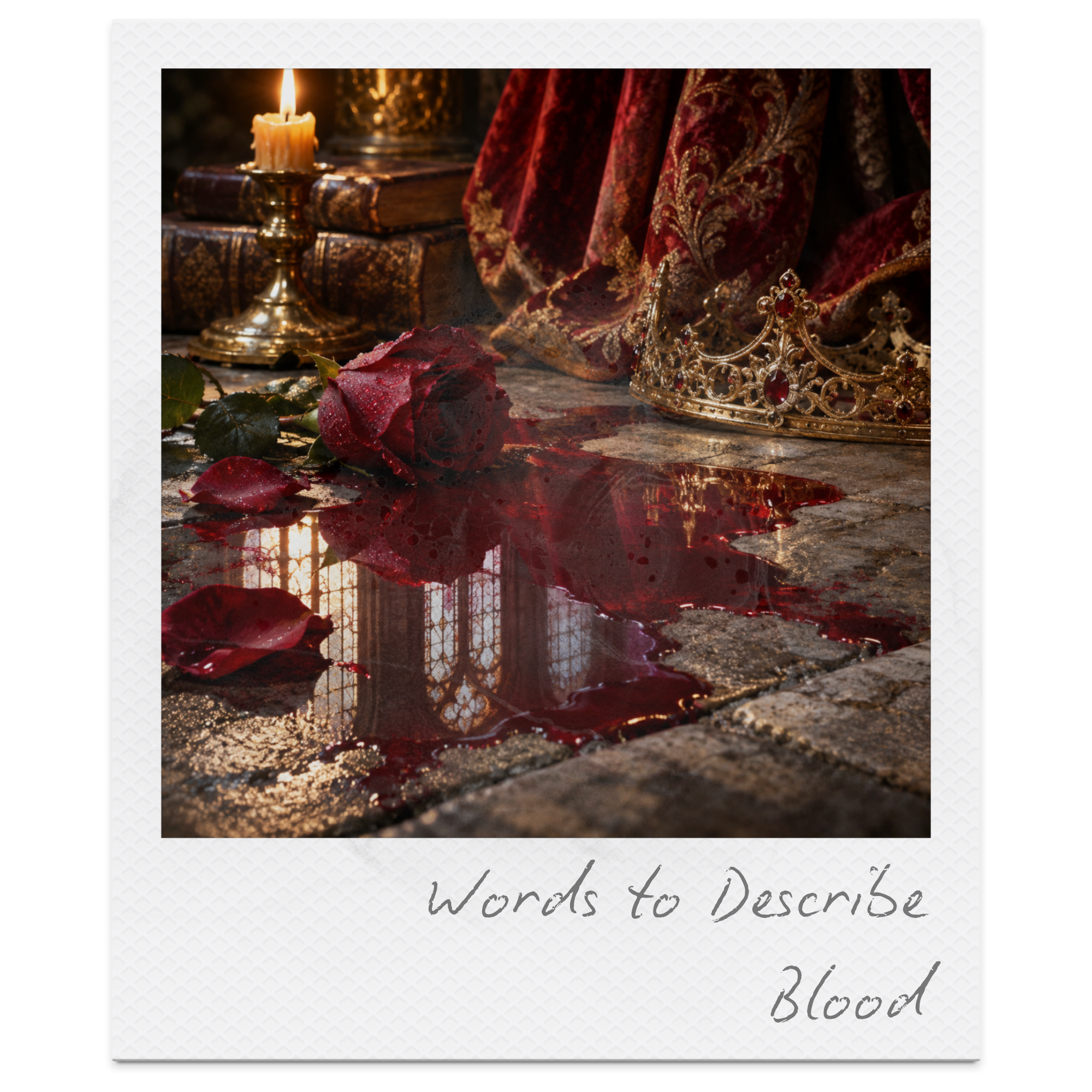
100 Words to Describe Blood: Colours, Textures, Gothic Imagery & Examples for Writers
Discover 100 words to describe blood, from rich crimson shades and glossy textures to dried stains, unsettling Gothic imagery and supernatural blood magic. Explore vivid descriptive vocabulary with clear meanings, original example sentences and practical writing tips to bring your scenes to life. Learn how to describe fresh blood, bleeding, splashes and stains while using metaphor, symbolism and sensory detail to create atmosphere, suspense and emotional depth. Perfect for writers of Gothic horror, dark fantasy, mystery, historical fiction and poetry looking to make their descriptions more precise, evocative and memorable.
10 Lessons Every Writer Can Learn from Gothic Authors: Mastering Atmosphere, Suspense and Psychological Horror
Discover 10 essential Gothic writing lessons from literary masters including Mary Shelley, Edgar Allan Poe, Bram Stoker, Shirley Jackson and Angela Carter. Explore how these influential authors use atmospheric settings, psychological horror, unreliable narrators, symbolism and suspense to create unforgettable stories. With detailed literary analysis, practical writing techniques and creative exercises, this guide will help you bring greater depth, darkness and originality to your own Gothic fiction.
50 Figurative Language Examples for Death and Decay: Metaphors, Similes & Personification
Explore 50 evocative figurative language examples for death and decay, including haunting metaphors, atmospheric similes, personification, symbolism and extended imagery. Discover how to describe crumbling Gothic mansions, dying gardens, forgotten graveyards, fading memories and the inevitable passage of time through original, richly developed descriptions. Learn how to create powerful imagery that conveys grief, mortality, deterioration and loss, with practical writing techniques, common mistakes to avoid and detailed examples explaining why each comparison works. Featuring five creative writing exercises and further Gothic and descriptive writing inspiration, this comprehensive guide will help you transform ordinary scenes of decay into unforgettable literary moments.

The Golden Apples of the Sun by Ray Bradbury: Summary, Themes, Meaning & Analysis
Explore our comprehensive analysis of The Golden Apples of the Sun by Ray Bradbury, including a detailed summary, themes, symbolism, important quotes, character analysis, narrative voice, structure, setting, alternative interpretations, and exam-focused teaching ideas. Discover how Bradbury blends science fiction, mythology, and philosophy to explore scientific discovery, human ambition, curiosity, and humanity's timeless search for knowledge.

Lappin and Lapinova by Virginia Woolf: Summary, Themes & Analysis
Virginia Woolf’s Lappin and Lapinova is a psychologically rich short story exploring marriage, identity, imagination, and emotional isolation through symbolism, shifting atmosphere, and modernist narration. The story follows Rosalind and Ernest Thorburn as they create a private fantasy world in which they become King Lappin and Queen Lapinova — symbolic rabbit identities that allow them to escape ordinary domestic reality and form an intimate emotional language of their own. This detailed analysis for CIE IGCSE World Literature (0408) explores the story’s themes, symbolism, structure, narrative voice, and key quotations, while examining how Woolf uses rabbit imagery, psychological perspective, and the gradual collapse of fantasy to reveal the fragility of intimacy and the fear of losing identity within marriage. The guide also includes alternative interpretations, exam-ready insights, and classroom-focused teaching ideas designed to support deeper literary analysis and discussion.

The Nightingale and the Rose by Oscar Wilde: Summary, Themes & Analysis
Oscar Wilde’s The Nightingale and the Rose is a tragic and deeply symbolic fairy tale exploring love, sacrifice, beauty, materialism, and emotional blindness. Through the Nightingale’s devastating sacrifice to create a single red rose, Wilde contrasts genuine emotional sincerity with the shallow values of human society. This analysis of The Nightingale and the Rose explores Wilde’s use of symbolism, irony, fairy-tale conventions, colour imagery, and narrative contrast while examining major themes, key quotes, structure, characters, and the story’s powerful tragic ending for CIE IGCSE World Literature (0408).