Personal Narrative Writing Sparks: Random Personal Writing Prompt Generator
You do not need an extraordinary life to have something interesting to write about.
A journey you have made hundreds of times. The smell of somebody's kitchen. A friendship that quietly changed. The first time you were trusted with something important. A family phrase nobody else would understand. The moment you realised an adult did not know everything after all.
Personal Narrative Writing Sparks helps you find stories inside your own experiences.
Generate a random spark and you might be asked to revisit a childhood memory, person, place, friendship, family moment, first experience, mistake, achievement, tradition, object, journey, difficult decision or ordinary moment that became unexpectedly significant.
Some prompts will lead naturally towards funny stories or vivid memories. Others encourage you to look again at experiences that changed with time: things you once misunderstood, people you see differently now, places that no longer exist, decisions whose importance only became clear afterwards.
You do not have to remember every detail perfectly. Personal narrative is not simply a record of what happened. Think about what you noticed, how the experience felt at the time, what you understand about it now and which tiny details make that particular memory yours.
Write for five minutes or follow a memory for several pages. Start with the event itself, begin with a sensory detail, focus on one small moment rather than an entire period of your life, or generate several sparks until one makes you immediately think, I remember something about that.
For hundreds more prompts, exercises and ways to get words onto the page, explore the Creative Writing Archive or the Creative Writing Generators Hub.
You already have stories. Start with something you remember.
Start with something you remember.
Look back at the people, places, firsts, mistakes, traditions, ordinary moments and turning points that have shaped your life. One small memory can be enough to begin.
How to Use Personal Narrative Story Sparks
Personal Narrative Story Sparks is designed to help you uncover meaningful stories from your own life. Instead of inventing characters and worlds, use each spark to explore memories, relationships, experiences, turning points and seemingly ordinary moments that might contain a story worth telling.
1. Generate Your Personal Narrative Story Spark
Click the generator to discover a new prompt. You might receive an idea connected to a particular memory, person, place, emotion, decision, challenge or moment of change.
2. Find the Memory Behind the Prompt
Don't worry if the prompt doesn't match something that happened exactly. Ask yourself what it reminds you of. A prompt about getting lost might lead to a childhood holiday, a first day somewhere unfamiliar or even a time when you felt emotionally lost rather than physically lost.
3. Focus on One Moment
Personal narratives are often strongest when they explore a specific experience in detail rather than trying to tell an entire life story. Choose one scene, conversation, decision or turning point and slow it down.
Think about where you were, who was there, what happened and what you noticed at the time.
4. Bring the Experience to Life
Use sensory detail, description, dialogue, thoughts and specific observations to recreate the experience for your reader. Consider what you could see, hear, smell, touch or taste, as well as what you were thinking but perhaps never said aloud.
Small details can make an ordinary memory feel vivid and individual.
5. Explore Why the Moment Matters
A personal narrative is more than a record of what happened. Ask what you understand now that you didn't understand then.
Perhaps the experience changed a relationship, challenged an assumption, taught you something, marked the end of one stage of your life or simply became a memory you have never forgotten.
6. Start Writing
Once you've found a memory with potential, stop generating and begin. You could open in the middle of the action, with a line of dialogue, with a vivid sensory detail or with the image you remember most clearly.
You don't need to know exactly what the narrative means before you write it. Sometimes the meaning emerges as you tell the story.
Take Your Personal Narrative Further
Found a memory, moment or experience you want to explore? Use these additional writing prompts to develop your idea, uncover the details that make it meaningful and turn a real experience into a compelling piece of writing.
◆ 70 Personal Narrative Writing Prompts with Images & Story Starters – explore personal narrative ideas inspired by memories, relationships, turning points, challenges, places, everyday experiences and meaningful moments, with visual prompts and story starters designed to help you find a story worth telling.
Explore More Story Sparks
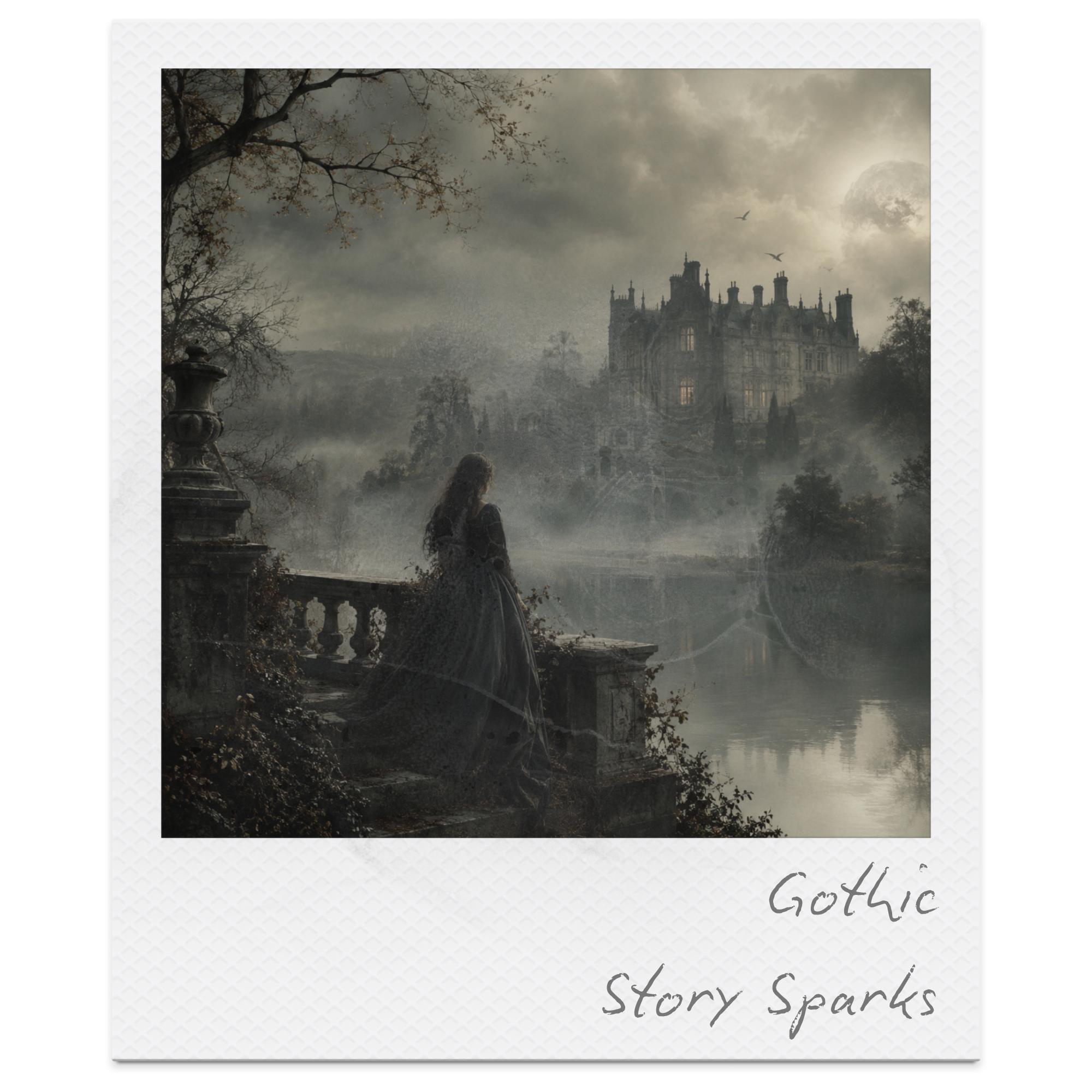
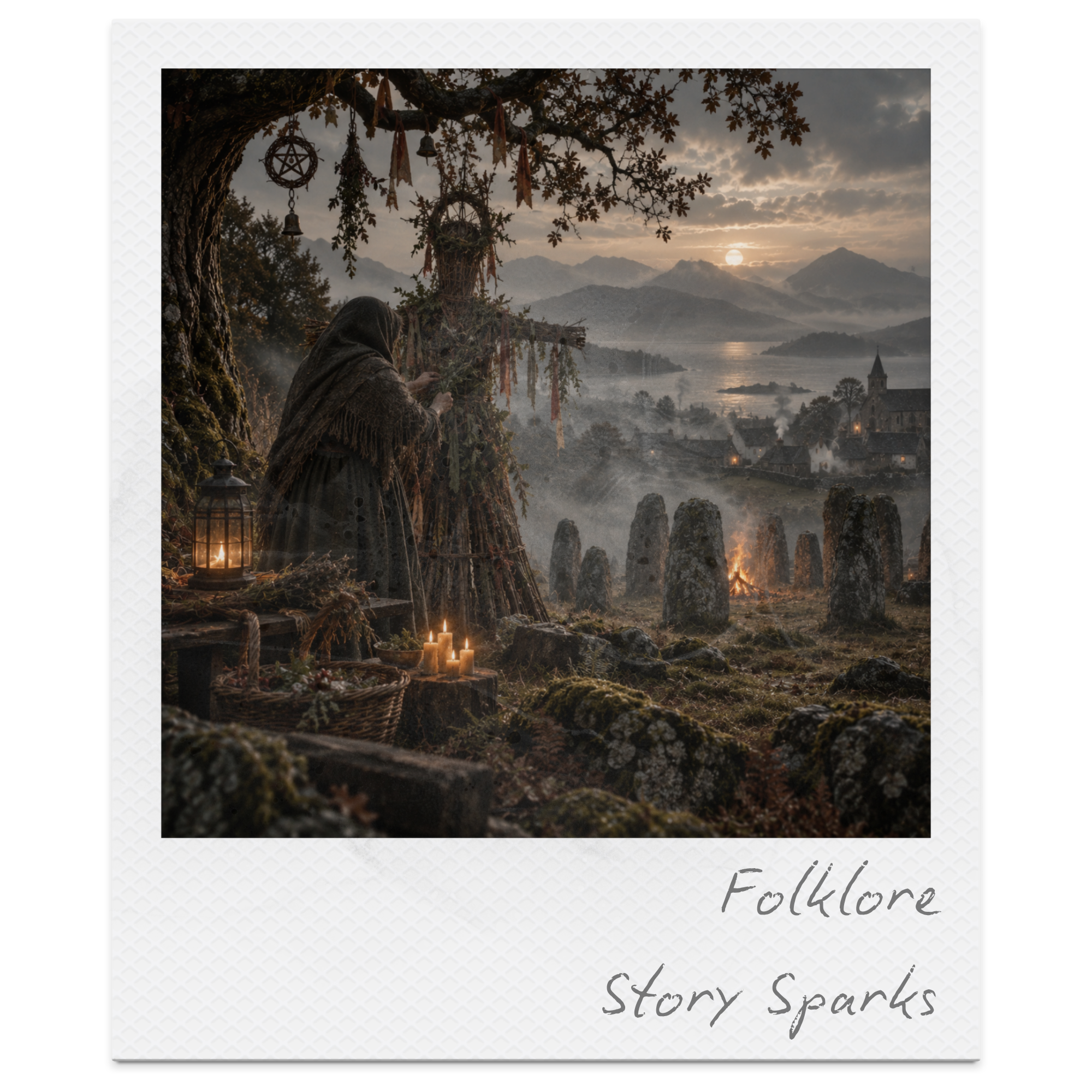
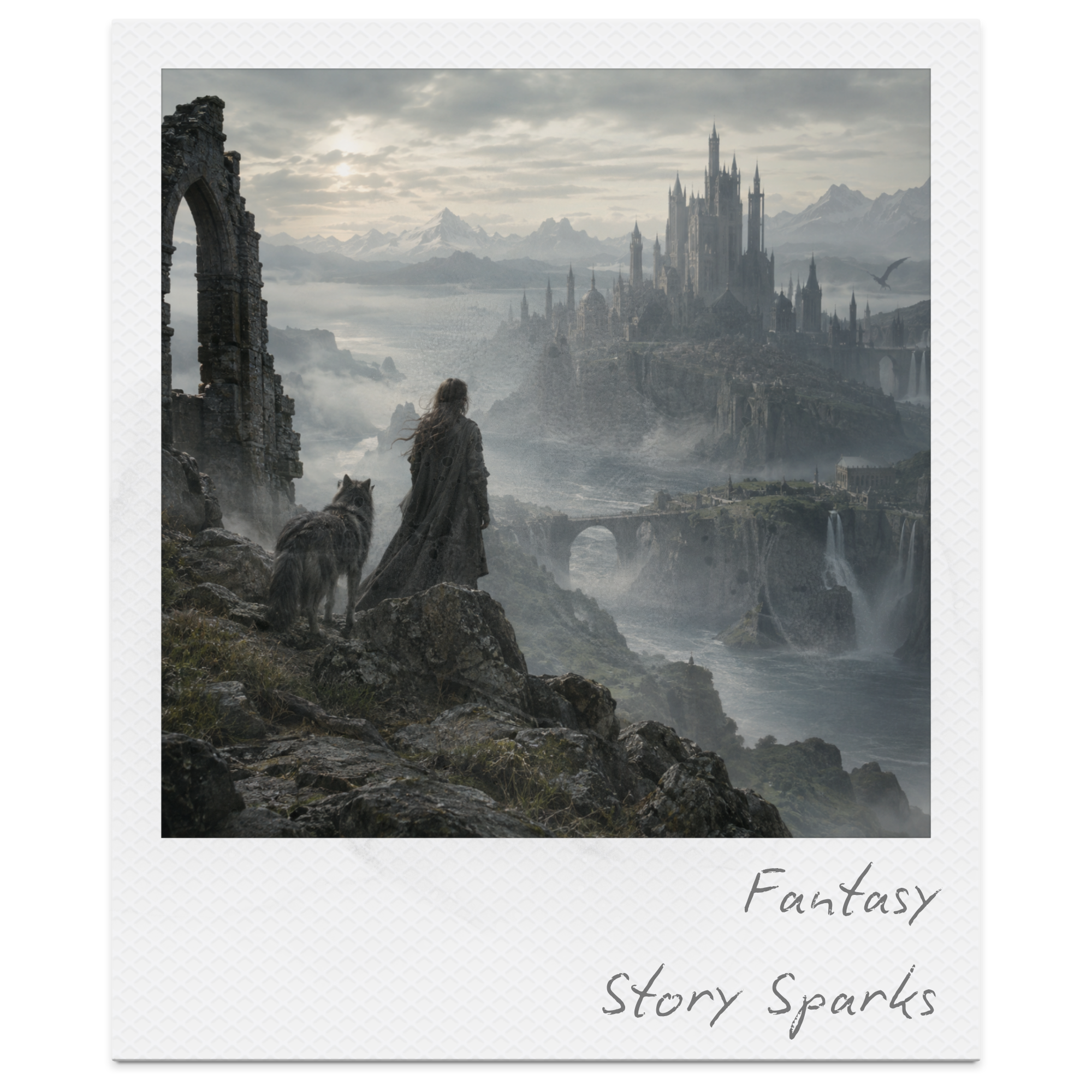
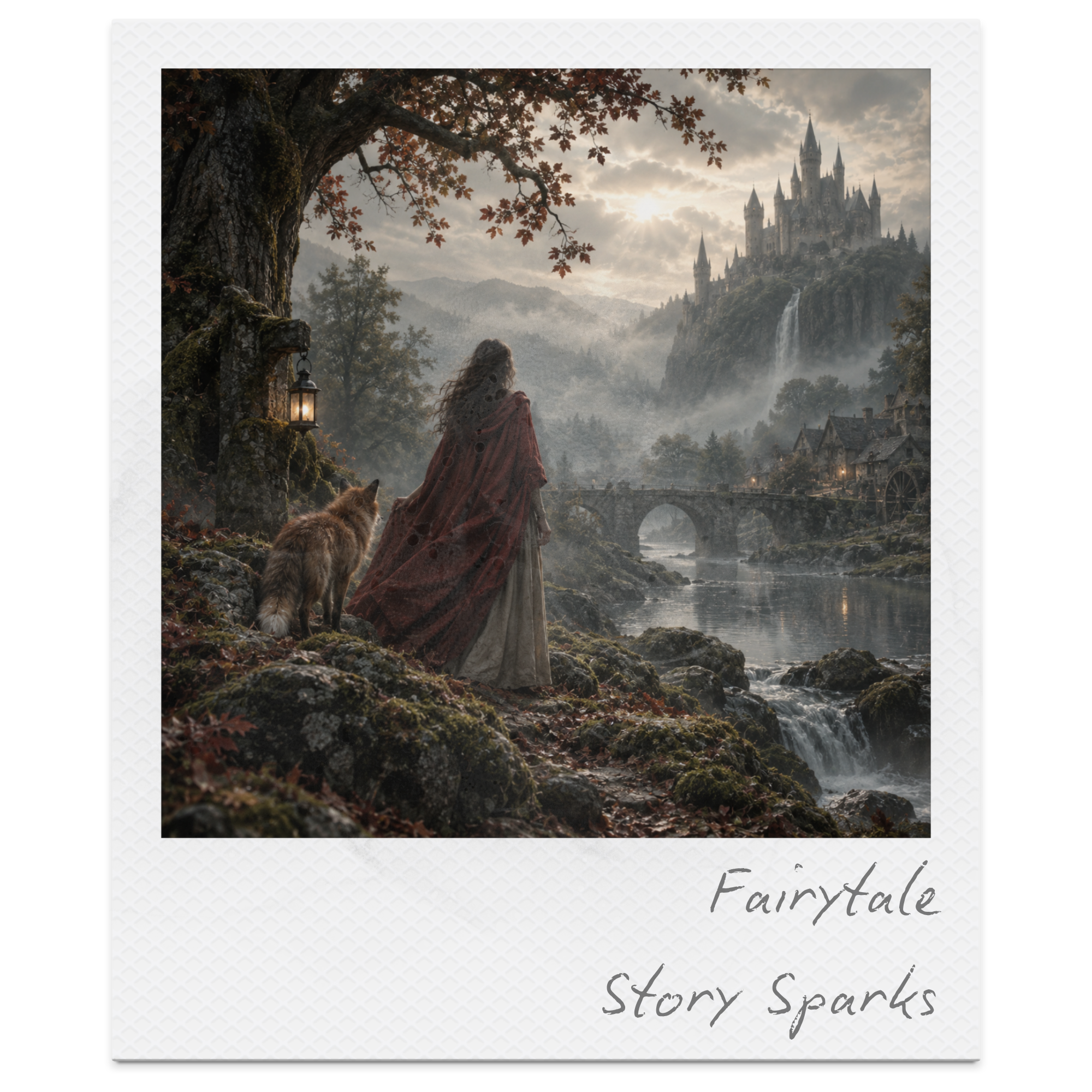
Ready to jump into a different genre? Explore more Story Sparks generators for instant creative writing inspiration, from science fiction, romance and horror to fairytales, folklore, mystery and beyond. Choose a genre, generate a random writing prompt and discover where your next story might begin.
Personal Narrative Story Sparks FAQs
-
A personal narrative is a piece of writing that tells the story of a real experience from the writer’s life. Unlike a simple account of what happened, a strong personal narrative explores why the experience mattered, how it affected the writer or what they understand differently when looking back.
Personal narratives often use techniques associated with fiction, including description, dialogue, sensory imagery, characterisation and carefully constructed scenes, while remaining rooted in the writer’s own experiences.
-
A personal narrative writing prompt is a question, idea, situation or memory trigger designed to help you discover an experience from your own life that could become a story.
A prompt might ask you to remember a particular person, place, decision, challenge, celebration, mistake or turning point. The aim is not necessarily to answer the prompt literally, but to use it to uncover memories and meaningful moments worth exploring through writing.
-
Personal Narrative Story Sparks is a free random personal narrative prompt generator designed to help you find ideas for autobiographical and reflective writing.
Generate a Story Spark and use it as a starting point. You can write about the first memory it brings to mind, generate several prompts before choosing one, or combine different ideas to discover a story you had not previously considered writing.
-
Choose an experience that you can remember clearly and that has some significance to you. It does not need to be the most dramatic thing that has ever happened in your life.
You might write about a friendship, family memory, journey, first experience, mistake, achievement, disappointment, difficult decision, unexpected encounter, important conversation or ordinary day that became memorable.
Often the best personal narrative topics are not the biggest events, but the moments you can explore in specific and revealing detail.
-
You do not have to begin by explaining everything that happened beforehand. Try opening with a specific moment, piece of dialogue, striking image, sensory detail, action or thought that places the reader immediately inside the experience.
Instead of beginning with a long explanation, you might start at the most interesting point and reveal the necessary background as the narrative develops.
Your opening should give the reader a reason to wonder what happened, why it mattered or what will happen next.
-
A personal narrative usually needs a clear sequence, but it does not have to follow a rigid formula.
You might begin by establishing a particular moment or situation, develop the experience through a series of scenes, build towards an important decision, discovery, conflict or turning point, and then reflect on what changed or why the experience remains significant.
Some personal narratives move chronologically, while others begin with a later moment before returning to the past. Choose the structure that best helps you reveal the meaning of the experience.
-
A strong personal narrative combines storytelling with reflection. The reader should understand both what happened and why the experience is worth telling.
Effective personal narratives often include:
A focused experience rather than an entire life story
Specific and memorable details
Sensory description
Authentic thoughts and emotions
Dialogue where appropriate
A distinctive first-person voice
Scenes rather than only summaries
Some form of change, discovery or realisation
Reflection on why the experience matters
The goal is not simply to report events but to allow the reader to experience the moment alongside you.
-
A personal narrative is generally based on real experiences from the writer’s life, although memory is naturally subjective. Two people can remember the same event differently because they noticed different details, experienced different emotions or interpreted what happened in different ways.
You can use creative writing techniques to shape the experience into an engaging narrative, but if you are writing an autobiographical personal narrative, the central events should remain grounded in what you genuinely remember experiencing.
-
Good personal narrative topics for students are experiences that are specific enough to explore in detail and meaningful enough to reflect upon.
Possible topics include a first day somewhere new, an important friendship, a family tradition, getting lost, learning a new skill, making a mistake, overcoming a fear, experiencing failure, achieving something unexpected, moving somewhere new, saying goodbye, standing up for someone, changing your mind or discovering something about yourself.
If nothing immediately comes to mind, use the Personal Narrative Story Sparks generator to uncover memories and experiences you may have overlooked.
-
Absolutely. You do not need to have climbed a mountain, survived a disaster or experienced a dramatic turning point to have something worth writing about.
A journey to school, an afternoon with a grandparent, an argument with a friend, cooking a familiar meal, losing an object, waiting for important news or returning to a childhood place can all become compelling personal narratives.
What matters is how closely you observe the experience and what you discover by writing about it. An apparently ordinary moment can reveal something much larger about relationships, identity, change, belonging or growing up.
-
A personal narrative usually places greater emphasis on telling a particular story or recreating an experience, often using scenes, dialogue, description and a clear sequence of events.
A personal essay may be more explicitly reflective or exploratory, using personal experiences as a starting point for examining a larger idea, question or theme.
There can be considerable overlap between the two forms. A personal narrative can contain reflection, while a personal essay can include vivid narrative scenes.
-
Yes. Personal Narrative Story Sparks can be used for whole-class writing activities, independent writing, homework, journals, quick writes, discussion activities and longer personal narrative assignments.
Students can all respond to the same Story Spark or generate individual prompts to create a wider variety of responses. The generator can also be useful during the planning stage, particularly for students who struggle with the question “What should I write about?”
For more structured inspiration, explore the 70 Personal Narrative Writing Prompts with Images & Story Starters, which provides additional visual and written prompts for developing personal narrative ideas.