Descriptive Writing Sparks: Random Description Exercise Generator
Descriptive Writing Sparks: Random Descriptive Writing Prompt Generator
Every memorable description begins with something worth noticing.
The way sunlight catches the windows of an abandoned house. The smell of rain rising from a summer pavement. The silence of a forest just before a storm. The expression on a stranger's face when they recognise someone they thought they would never see again.
Descriptive Writing Sparks is designed to turn ordinary observations into extraordinary writing. Hit the generator and discover a random descriptive writing prompt, sensory detail, atmospheric setting, character description, vivid image or creative writing challenge. You might find yourself describing a crowded city street, an enchanted forest, a deserted beach, a mysterious stranger or a familiar place transformed by the changing seasons.
Whether you're writing a descriptive essay, practising descriptive paragraphs, preparing for GCSE or Cambridge English examinations, or simply looking to improve your creative writing, these prompts encourage you to explore the power of descriptive language. Experiment with imagery, metaphors, similes, personification, precise vocabulary and the five senses to create descriptions that readers can see, hear, smell, taste and feel.
Some descriptive writing prompts invite you to capture the beauty of the natural world, from autumn forests and winter landscapes to crashing waves, thunderstorms and starlit skies. Others explore bustling markets, ancient castles, quiet bedrooms, unfamiliar faces, powerful emotions and everyday moments that become remarkable when viewed from a different perspective.
You can use a single spark to write a descriptive sentence, develop a vivid paragraph, create a five-paragraph descriptive essay or build an entire descriptive narrative. Challenge yourself to describe a setting without naming it, reveal a character's emotions through their surroundings, or transform an ordinary location into somewhere beautiful, unsettling or mysterious.
Explore the Descriptive Writing Hub for more descriptive writing examples, techniques, sensory vocabulary, creative writing activities and inspiration for describing people, places, weather and atmosphere. Visit the Creative Writing Archive or the Creative Writing Generator Hub to discover writing prompts, story ideas and creative challenges across a wide range of genres.
Sometimes the smallest detail makes the most unforgettable description.
See what you notice next.
Notice more. Describe it differently.
Generate a quick descriptive writing exercise. You might explore a landscape, sound, smell, object or atmosphere, compare the same place at two different moments, focus on one tiny detail — or lose the very words you would normally rely upon.
How to Use Descriptive Writing Sparks
Descriptive Writing Sparks is a free random descriptive writing prompt generator designed to help students, teachers and creative writers develop vivid descriptions, explore sensory language and practise creative writing techniques. Whether you're working on a descriptive essay, creating an atmospheric setting or looking for a quick writing exercise, each spark offers a new opportunity to experiment with language and imagination.
◆ Generate a Descriptive Writing Prompt – Click the generator to discover a random descriptive writing idea, atmospheric setting, character, sensory detail or creative challenge. Every spark gives you a starting point for your next piece of writing.
◆ Write a Descriptive Paragraph – Use your prompt to create a short descriptive paragraph. Focus on precise vocabulary, vivid imagery and carefully selected details that help readers imagine the scene.
◆ Explore the Five Senses – Bring your descriptions to life through sight, sound, smell, taste and touch. Challenge yourself to include unexpected sensory details rather than relying entirely on what a character can see.
◆ Experiment with Descriptive Writing Techniques – Practise using similes, metaphors, personification, alliteration and contrasting imagery. Explore how sentence structure, word choice and figurative language can transform an ordinary description into something memorable.
◆ Develop a Descriptive Essay – Turn your spark into a longer descriptive essay about a person, place, object, experience or moment in time. Use a clear opening, carefully developed paragraphs and an effective ending to create a cohesive piece of writing.
◆ Practise GCSE and Cambridge Descriptive Writing – Use the prompts for timed writing practice, descriptive writing assignments or examination preparation. Experiment with different narrative perspectives, structural techniques, atmosphere and sophisticated vocabulary.
◆ Create a Daily Descriptive Writing Challenge – Generate one prompt each day and spend 10–15 minutes writing. Try describing the same setting in different seasons, transforming a peaceful location into somewhere unsettling or conveying an emotion without naming it.
◆ Use the Generator in the Classroom – Teachers can use Descriptive Writing Sparks for creative writing activities, lesson starters, independent writing tasks, homework assignments, descriptive paragraph exercises and collaborative writing challenges.
There are no right or wrong responses to a descriptive writing spark. You can write a single beautiful sentence, a detailed descriptive paragraph, a complete descriptive essay or an atmospheric scene for a larger story. The aim is to notice more, experiment with language and discover new ways to bring your imagination to life.
Explore More Descriptive Writing Ideas
Looking for more descriptive writing prompts, sensory exercises and creative inspiration? Explore our collection of descriptive writing resources designed to help you create vivid settings, memorable characters, atmospheric landscapes and beautiful descriptions.
◆ Descriptive Writing Prompts – creative writing ideas, sensory challenges, observation exercises and picture prompts exploring settings, characters, emotions, landscapes and everyday experiences.
◆ Forest Description Prompts – atmospheric writing challenges inspired by ancient woodlands, misty paths, towering trees, sunlit clearings, seasonal forests and sensory imagery.
◆ Weather Description Prompts – vivid descriptive writing exercises exploring thunderstorms, rain, snow, sunshine, fog, frost, wind and changing weather conditions.
◆ People Description Prompts – creative character description challenges exploring physical appearance, facial expressions, body language, clothing, movement, personality and emotion.
◆ Autumn Descriptive Writing Prompts – beautiful seasonal writing ideas inspired by golden forests, falling leaves, harvest moons, misty mornings, apple orchards and atmospheric autumn landscapes.
Explore More Story Sparks
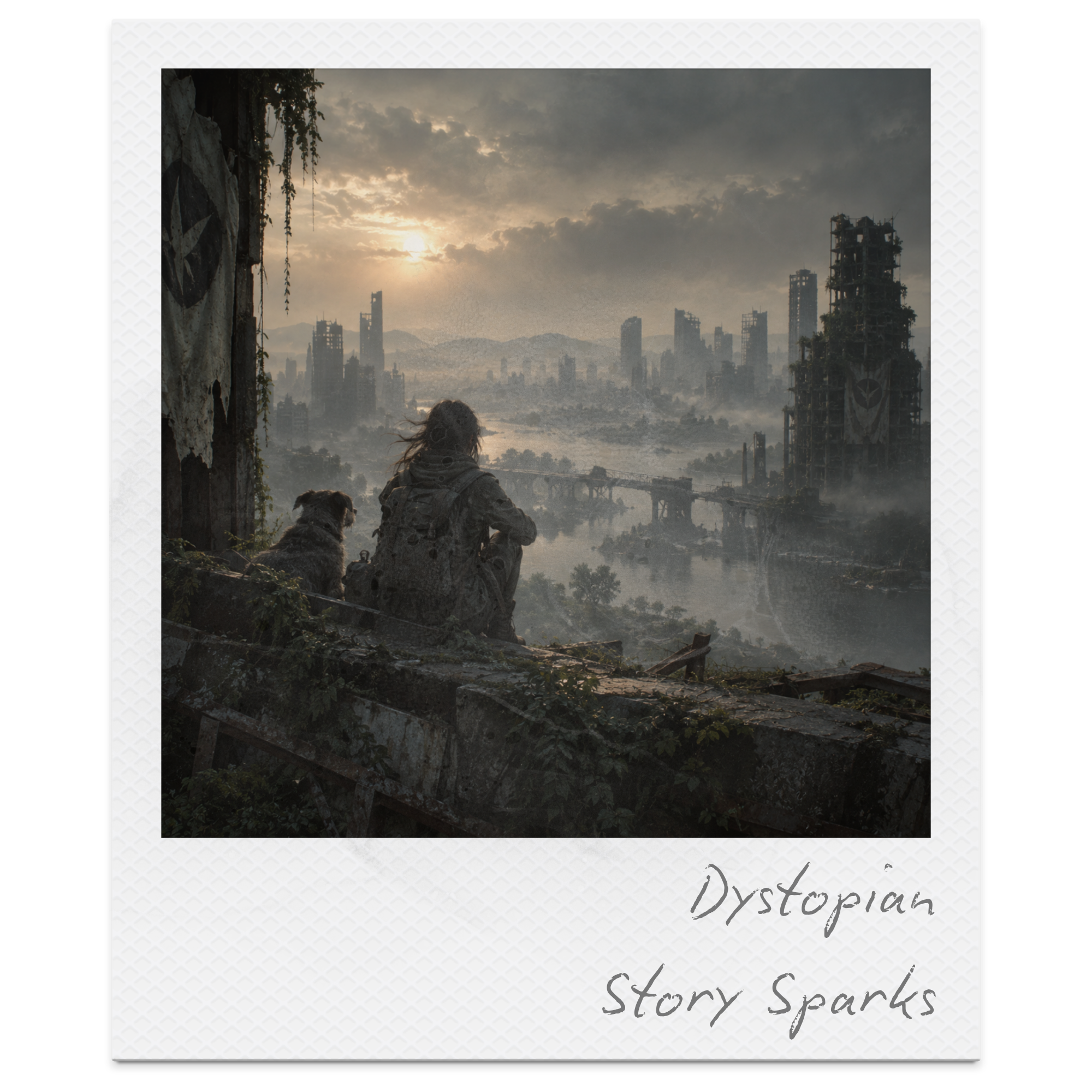
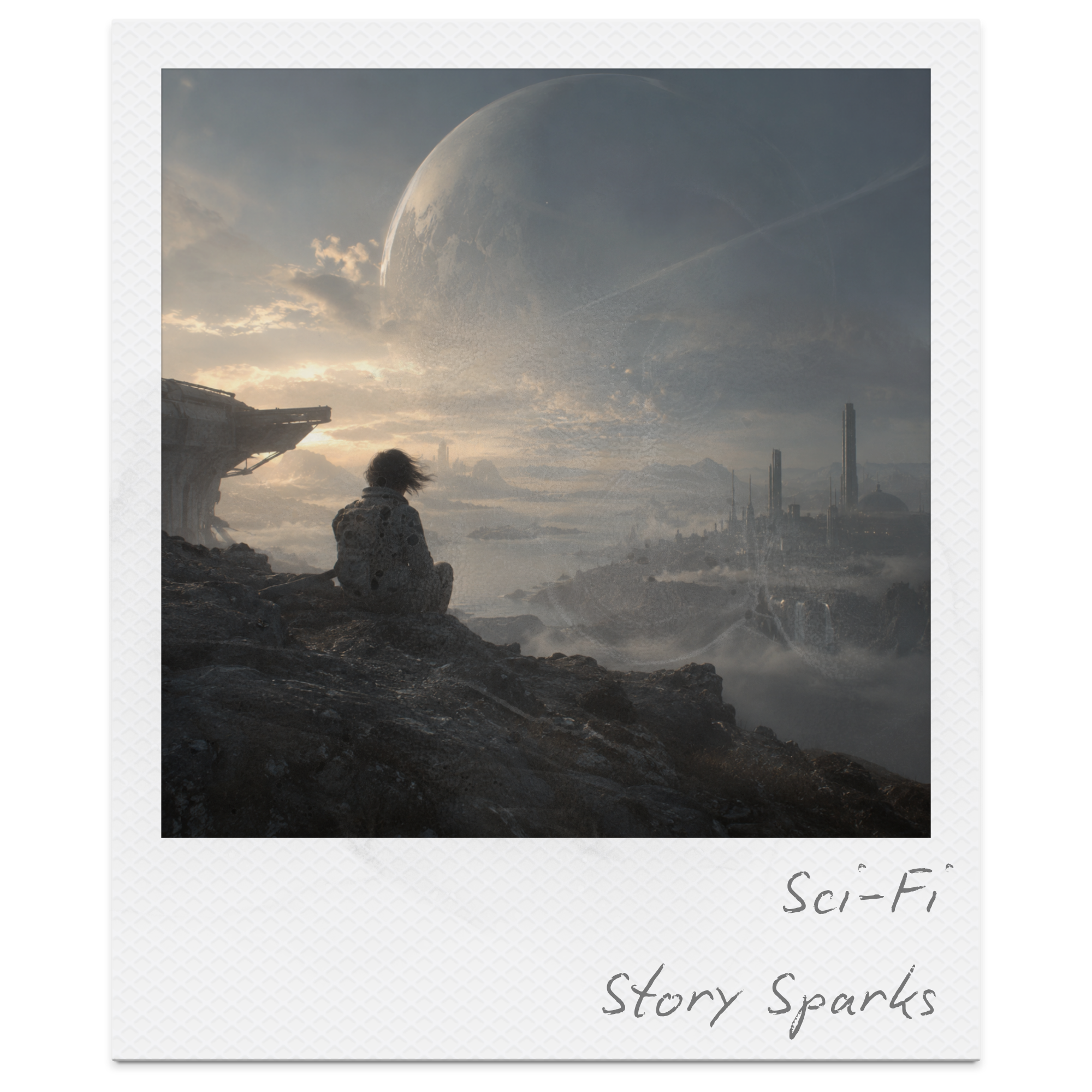
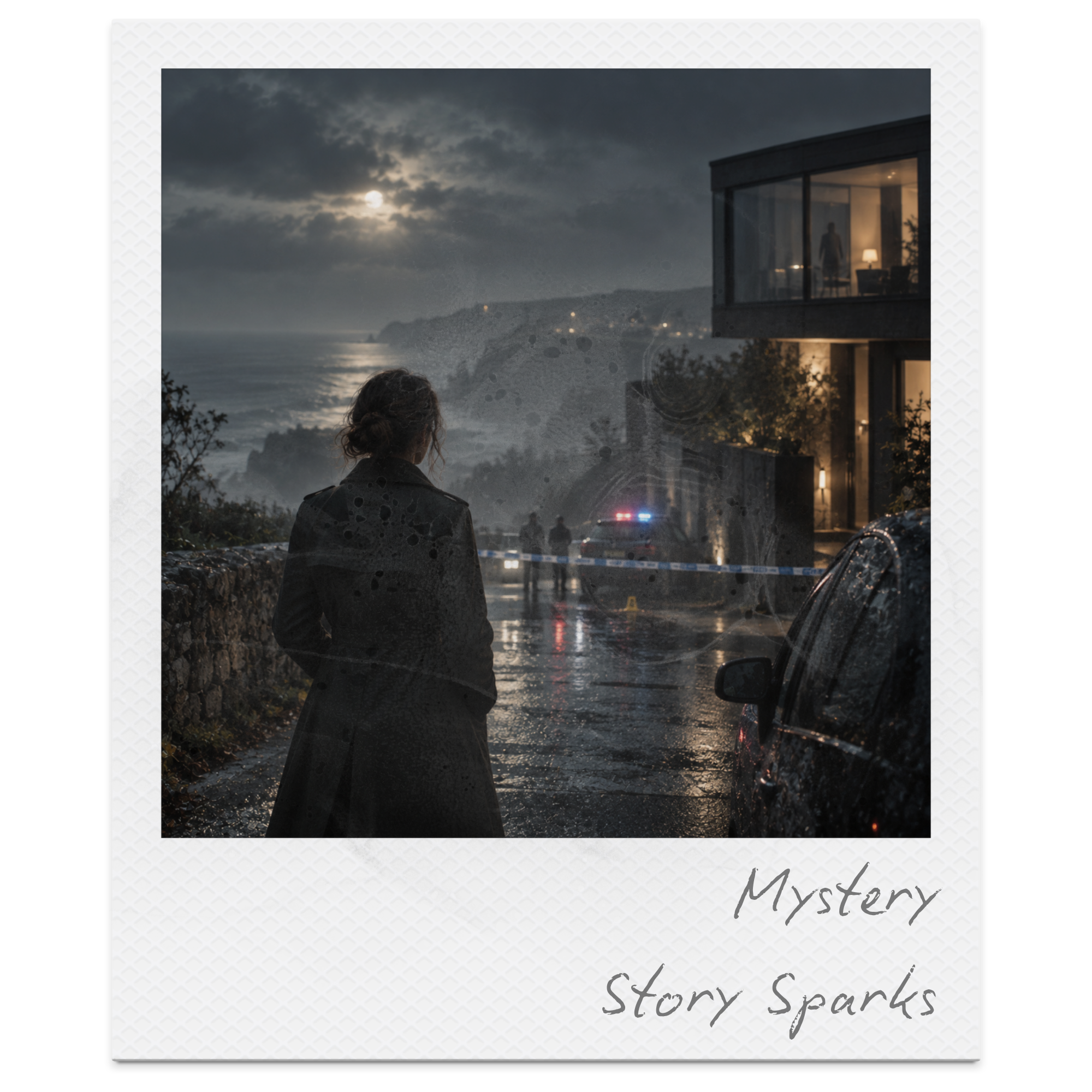
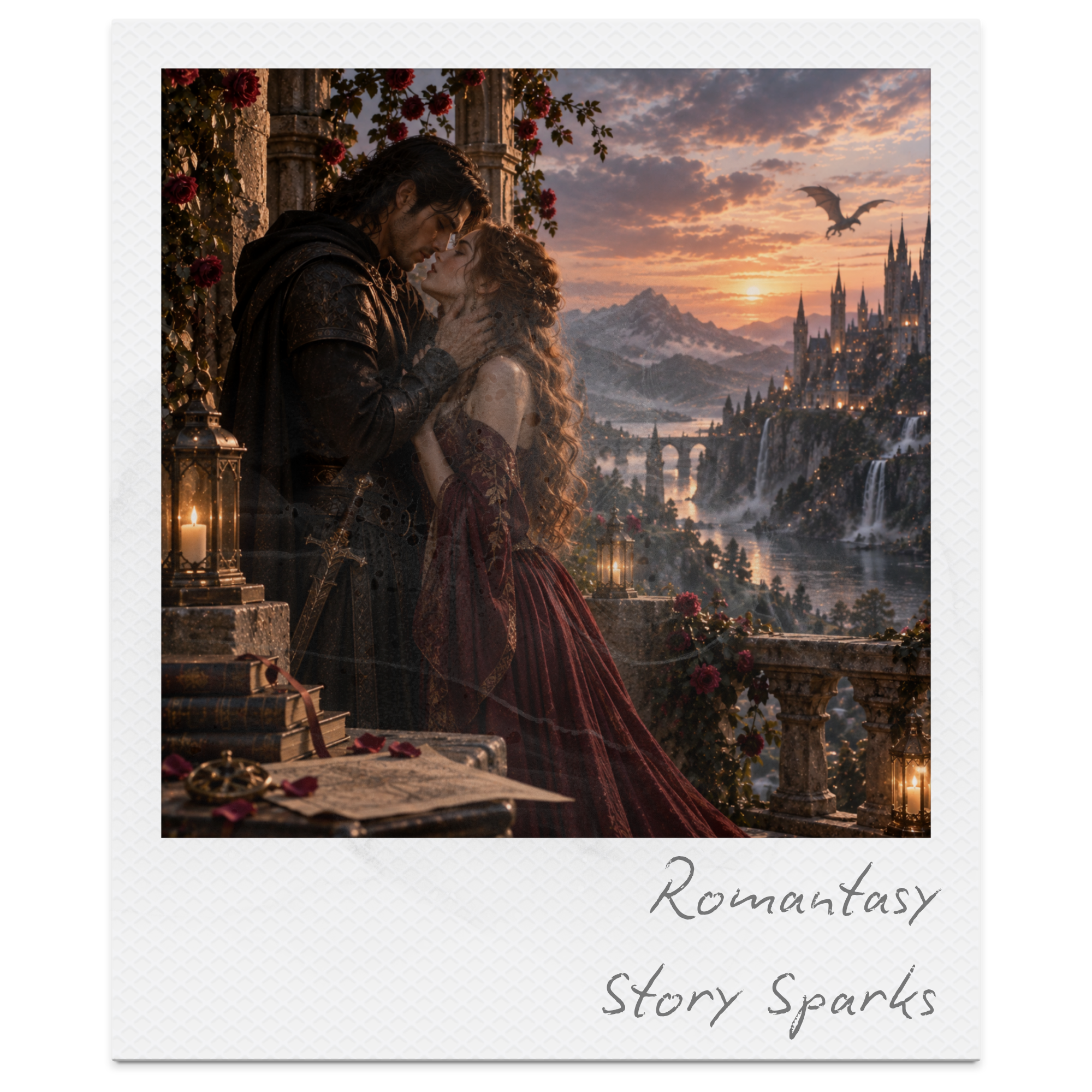
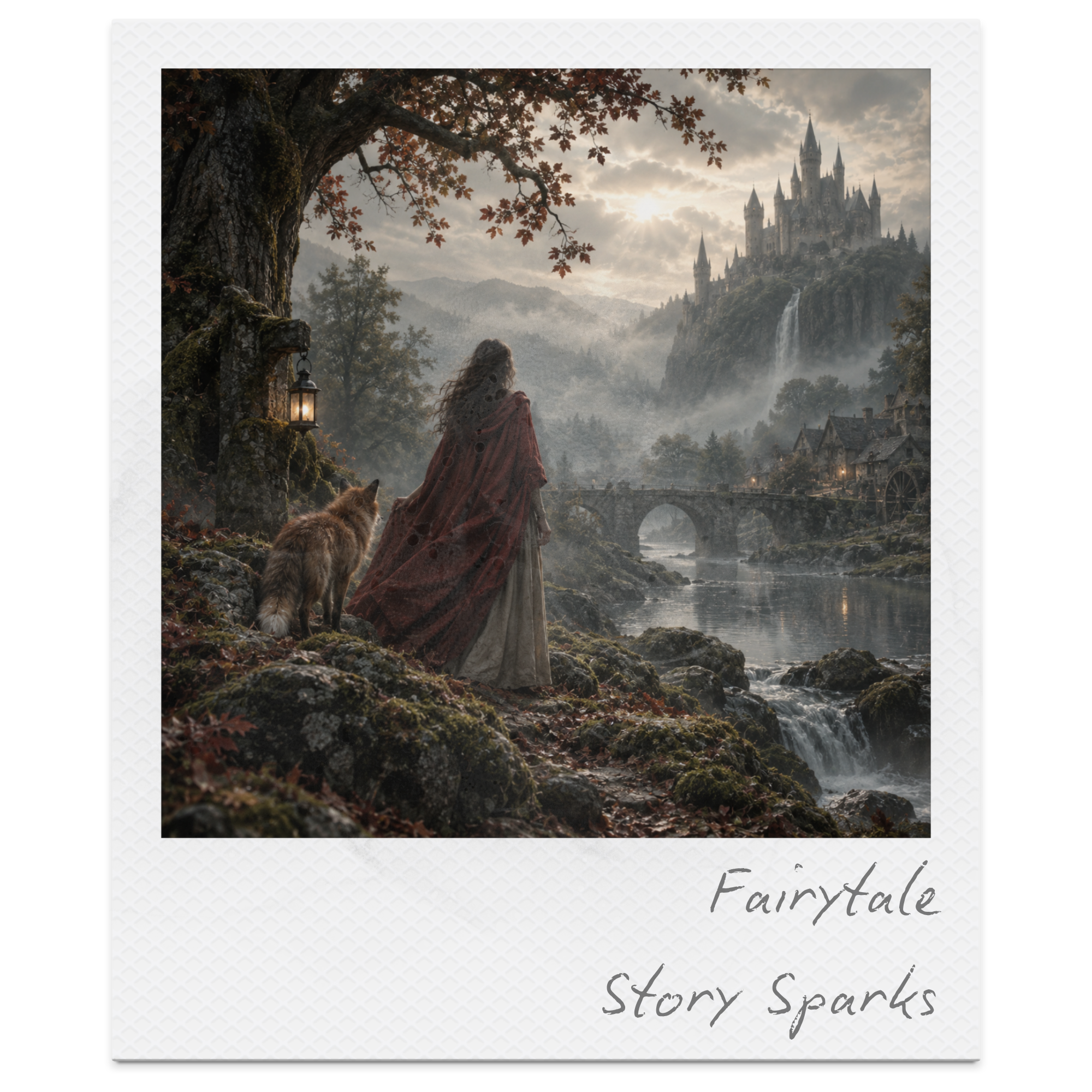
Ready to jump into a different genre? Explore more Story Sparks generators for instant creative writing inspiration, from science fiction, romance and horror to fairytales, folklore, mystery and beyond. Choose a genre, generate a random writing prompt and discover where your next story might begin.



Descriptive Writing FAQs
-
Descriptive writing is a style of writing that uses vivid language, sensory details and carefully chosen words to help readers imagine a person, place, object, experience or event. Effective descriptive writing creates clear mental images through imagery, figurative language, precise vocabulary and the five senses. It is commonly used in creative writing, descriptive essays, narratives, poetry and character descriptions to establish atmosphere, communicate emotions and bring scenes to life.
-
Good descriptive writing prompts encourage writers to observe details, explore sensory experiences and experiment with language. Popular descriptive writing topics include describing a beautiful beach, an abandoned house, a bustling city, a mysterious forest, a thunderstorm, a favourite place or an unforgettable person. You can also explore imaginative challenges, such as describing a familiar location at night, capturing the atmosphere after a storm or revealing a character's emotions through their surroundings. Our free Descriptive Writing Sparks generator offers random prompts to inspire your next description.
-
Start a descriptive paragraph with an engaging sentence that introduces the subject and establishes a clear impression or atmosphere. Rather than beginning with a general statement, focus on a striking image, sound, movement or sensory detail. For example, instead of writing "The forest was beautiful," you might write, "Golden sunlight slipped between the ancient trees, illuminating the moss-covered ground." Develop the paragraph with carefully selected descriptions, figurative language and sensory imagery that create a consistent mood.
-
The five senses in descriptive writing are sight, sound, smell, taste and touch. Writers use sensory language to make descriptions more immersive and believable. Sight captures colours, shapes, movement and light; sound introduces voices, music and environmental noises; smell evokes scents and memories; taste describes flavours; and touch explores textures, temperatures and physical sensations. Combining relevant sensory details helps readers experience a scene rather than simply visualise it.
-
Effective descriptive writing techniques include similes, metaphors, personification, sensory imagery, precise vocabulary, varied sentence structures and show-don't-tell descriptions. Similes and metaphors create memorable comparisons, while personification gives human qualities to objects or natural elements. Writers can also use contrasts, symbolism, atmospheric details and carefully controlled pacing to strengthen their descriptions. The most effective technique depends on the subject, intended mood and emotional impact of the scene.
-
A descriptive writing example might focus on a storm approaching a quiet coastal village:
"Dark clouds gathered above the harbour, swallowing the last traces of afternoon sunlight. Fishing boats rocked against their moorings as a bitter wind swept through the empty streets. Somewhere beyond the cliffs, thunder rolled across the sea, and the first heavy drops of rain struck the cobblestones."
This short descriptive paragraph uses visual imagery, sound, movement and sensory language to establish an atmospheric setting without relying on lengthy explanations.
-
To write a good descriptive essay, begin by choosing a clear subject, such as a person, place, event, object or memorable experience. Decide what impression or atmosphere you want to create, then organise your ideas into a logical structure. Your introduction should establish the subject and engage the reader, while the main paragraphs develop carefully selected details using sensory imagery, figurative language and precise vocabulary. Finish with an effective conclusion that reinforces the overall impression. A five-paragraph descriptive essay is one possible structure, although descriptive writing can take many forms.
-
To improve GCSE or Cambridge descriptive writing, practise creating vivid settings, developing atmosphere and organising descriptions effectively. Focus on precise vocabulary, controlled imagery, varied sentence structures and purposeful paragraphing rather than including as many adjectives as possible. Experiment with different perspectives, shifts in focus, contrasting details and changes in mood. Timed descriptive writing exercises and picture prompts can help develop confidence, but always check the assessment objectives and requirements of your particular examination syllabus.
-
Creative descriptive writing activities include sensory observation challenges, picture description exercises, character sketches, setting transformations, descriptive paragraph competitions and timed writing prompts. Students might describe an object without naming it, rewrite a peaceful scene as something frightening, describe a location using only three senses or create contrasting descriptions of the same place in different seasons. Random descriptive writing generators are also useful for classroom starters, independent writing practice, homework and creative writing challenges.
-
Make descriptive writing more vivid by choosing specific, meaningful details rather than relying on general adjectives or lengthy lists of descriptions. Replace vague words with precise vocabulary, introduce sensory experiences and use figurative language selectively. Consider how light, weather, movement, sound and atmosphere influence a scene, and explore how descriptions can reveal emotions or character. Reading strong descriptive writing examples, experimenting with different techniques and completing regular descriptive writing prompts can help you develop a more distinctive and engaging writing style.