70 People Description Prompts: Characters, Expressions & First Impressions
People are at the heart of every story, and the way you describe them shapes how readers understand their personality, emotions, and role within the narrative. A character's appearance is only one part of an effective description. Their posture, expressions, movements, clothing, gestures, and the way they interact with the world around them can reveal confidence, fear, kindness, determination, or countless other qualities before they speak a single word. Whether you're writing fantasy, historical fiction, romance, mystery, horror, or literary fiction, strong character descriptions help readers form lasting impressions.
The most memorable descriptions go beyond eye colour or hairstyle. They capture the nervous tapping of restless fingers, the warmth of a genuine smile, the careful way someone studies a room before entering, or the confidence shown through a steady gaze and relaxed posture. By combining precise vocabulary, sensory detail, figurative language, and careful observation, writers can create believable, engaging characters who feel authentic and memorable.
These 70 People Description Prompts are designed to help you practise descriptive writing through a variety of creative challenges, from describing different people and contrasting personalities to language-focused exercises and picture prompts. Whether you're preparing for an English assessment, developing your creative writing skills, or creating unforgettable characters for your next novel, these prompts will help you write richer, more engaging descriptions.
If you're looking for even more inspiration, explore the Descriptive Writing Hub for prompts covering settings, weather, landscapes, emotions, vocabulary, and writing techniques, or browse the Creative Writing Archive to discover hundreds of writing prompts, picture prompts, story ideas, character collections, and genre guides across every style of creative writing.
How to Approach Descriptive Writing About People
The strongest character descriptions reveal personality as well as appearance. Rather than listing physical features, think about how a person moves, speaks, reacts, and interacts with their surroundings. Focus on expressive details such as posture, gestures, facial expressions, clothing, and body language, using precise vocabulary and sensory imagery to create a vivid first impression. Consider what your description suggests about the character's emotions, experiences, or relationships, allowing readers to discover who they are through observation rather than explanation.
1. Descriptive Titles
A strong title can immediately establish character, emotion, or intrigue before the first sentence is even written. Choose one of the titles below and use it as the inspiration for a piece of descriptive writing. Focus on creating a memorable first impression through appearance, movement, expressions, and atmosphere.
The Woman in the Red Coat
Eyes That Never Look Away
The Boy at the Window
A Smile Full of Secrets
The Last Passenger
The Stranger Who Never Spoke
Behind Tired Eyes
The Man Beneath the Umbrella
Someone I'd Never Forget
The Face in the Crowd
2. Describe These People
Every person tells a story through their appearance, expressions, movements, and the way they interact with the world. Choose one of the people below and bring them to life using rich sensory detail, precise vocabulary, figurative language, and vivid imagery.
An elderly gardener tending to a colourful flower garden.
A nervous student waiting outside an examination room.
A street musician performing in a busy city square.
A firefighter emerging from a smoke-filled building.
A child discovering snow for the first time.
An experienced sailor watching the sea before a storm.
A traveller arriving in an unfamiliar country.
A chef preparing food in a busy restaurant kitchen.
A librarian carefully searching through ancient books.
A marathon runner crossing the finish line.
3. Contrasting Descriptions
One of the best ways to strengthen descriptive writing is by comparing the same person under different circumstances. Choose one of the contrasting scenarios below and describe both versions, paying close attention to how appearance, posture, expressions, movement, and body language change.
The same person before and after receiving exciting news.
The same child on their first day of school and on their last day.
A traveller before and after a long journey.
A musician before stepping onto the stage and after the performance.
The same person when full of confidence and when overwhelmed by self-doubt.
A runner before and after completing a marathon.
A teenager on a carefree summer afternoon and during a difficult winter evening.
A detective at the beginning and end of a difficult investigation.
A chef before the dinner rush and after the restaurant has closed.
The same person as others see them and as they see themselves.
4. Observation & Experience
Some of the strongest descriptions come from careful observation and personal experience. Choose one of the situations below and focus on the details that reveal personality, emotion, and atmosphere through appearance, movement, and behaviour.
Watching someone quietly read a book in a crowded café.
Meeting someone for the very first time.
Seeing a friend after many years apart.
Watching a performer prepare before stepping onto a stage.
Sitting opposite a stranger during a long train journey.
Observing a child completely absorbed in play.
Watching someone give a speech to a large audience.
Seeing a loved one arrive after a long absence.
Watching a team celebrate an important victory.
Observing someone lost in thought while looking out of a window.
5. Language & Style Challenges
The language you choose can completely transform a character description. Experiment with the techniques below to strengthen your imagery, vary your writing style, and reveal personality through carefully chosen details.
Describe an elderly storyteller using personification throughout.
Describe a dancer using one extended metaphor.
Describe a bride or groom with a strong focus on colour imagery.
Describe a busy market trader using alliteration to emphasise movement and sound.
Describe a professional athlete using powerful verbs rather than descriptive adjectives.
Describe a shy teenager by alternating short, punchy sentences with longer, flowing ones.
Describe an explorer using at least five original similes.
Describe a street performer focusing primarily on sound, touch, and movement rather than appearance.
Describe an exhausted parent using repetition to reinforce emotion.
Describe a detective using predominantly complex sentences to create a rich, immersive description.
6. Creative Writing Challenges
Challenge yourself by approaching each description under a specific writing constraint. These exercises encourage creativity, careful word choice, and fresh ways of describing people.
Describe an elderly woman feeding birds in a park in exactly 50 words.
Describe a young musician without using the words person, man, woman, boy, girl, face, music, or eyes.
Describe a firefighter without mentioning sight, relying only on the other four senses.
Write a description of a shopkeeper as one continuous sentence.
Describe a marathon runner entirely through the reactions of the people watching them.
Begin with a pair of worn walking boots before gradually revealing the person wearing them.
Describe a child opening a birthday present as though time has almost stopped.
Begin with the aftermath of an emotional reunion before revealing what happened.
Write as though an artist's hands have a life of their own.
Describe a busy café waitress or waiter by focusing almost entirely on movement and action.
7. Descriptive Picture Prompts
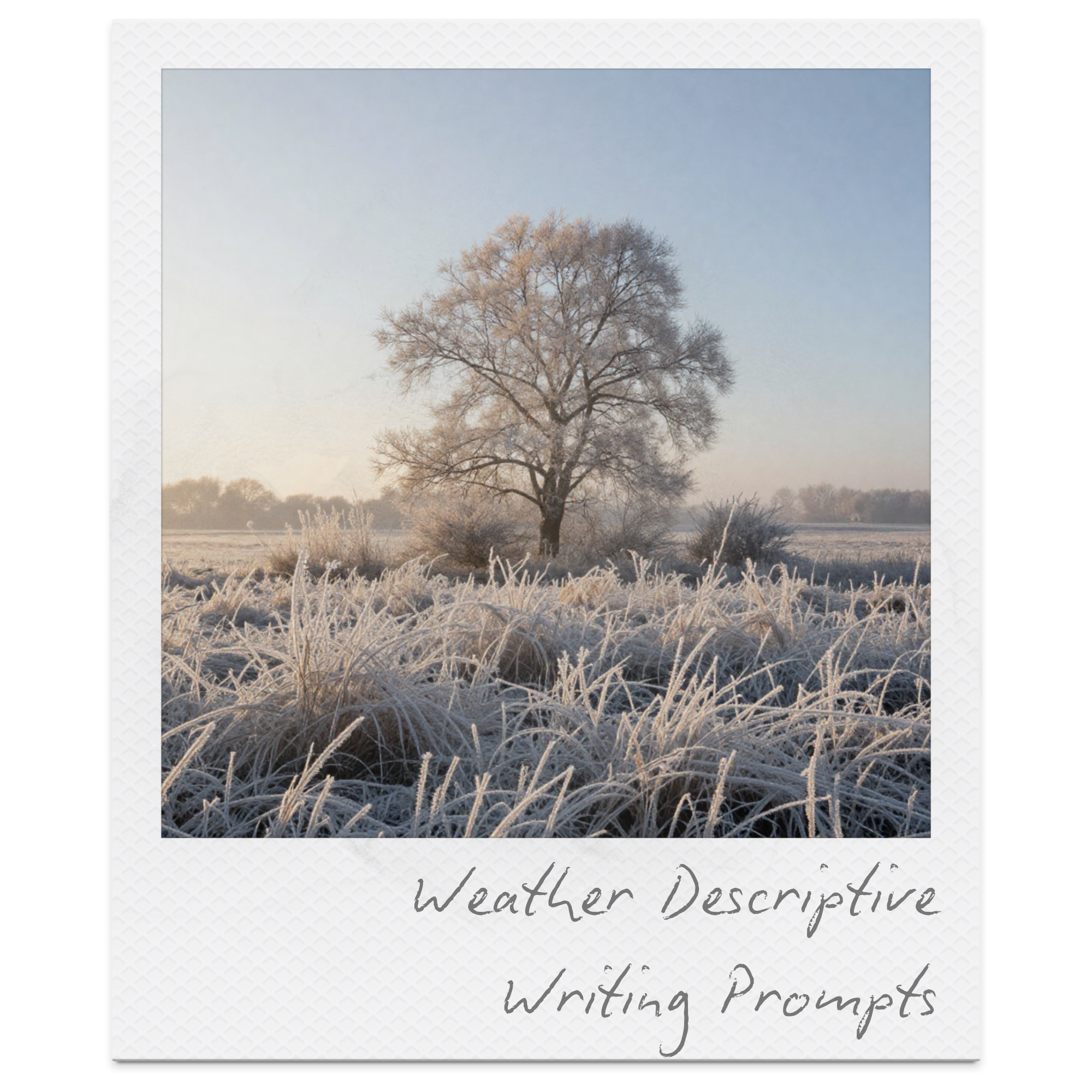
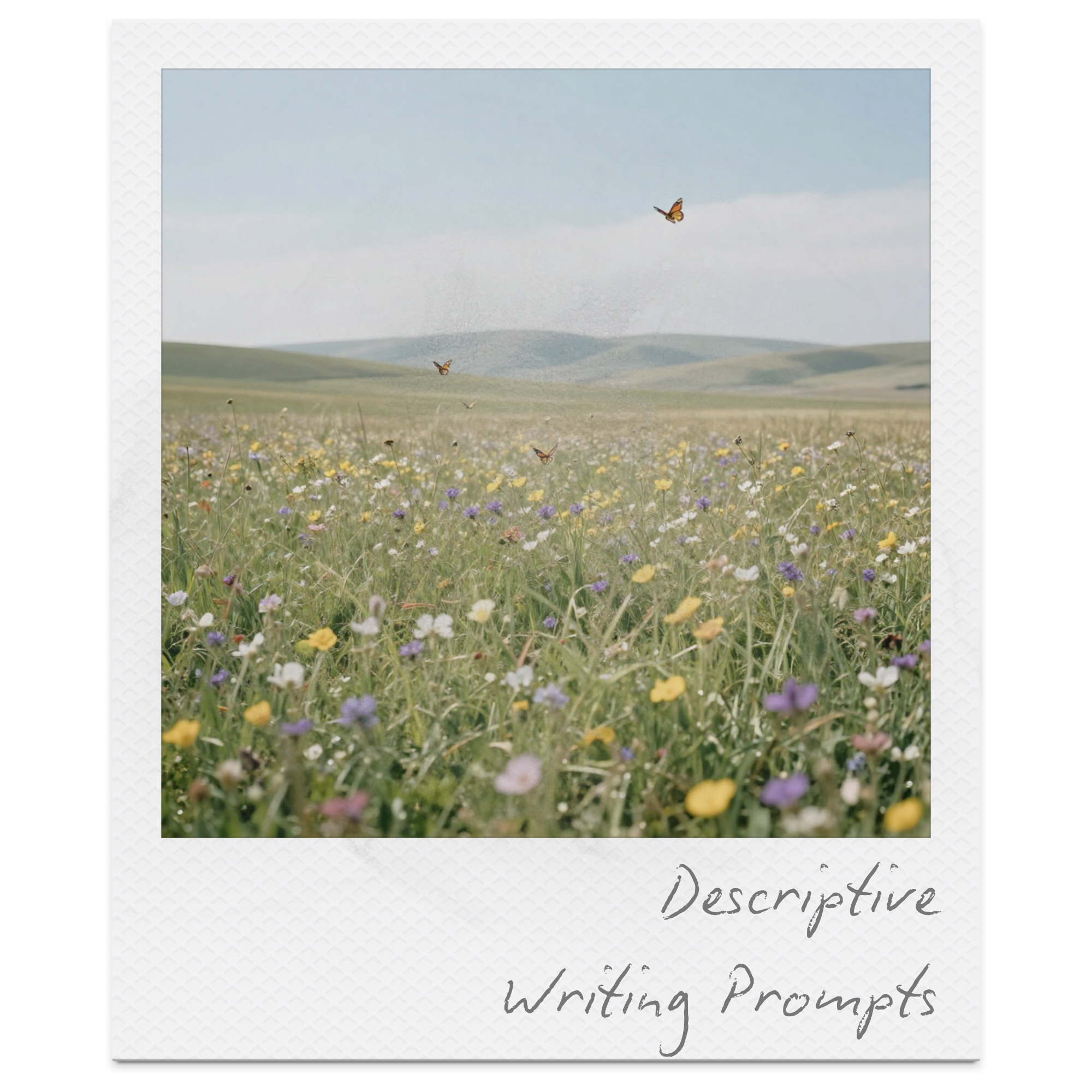
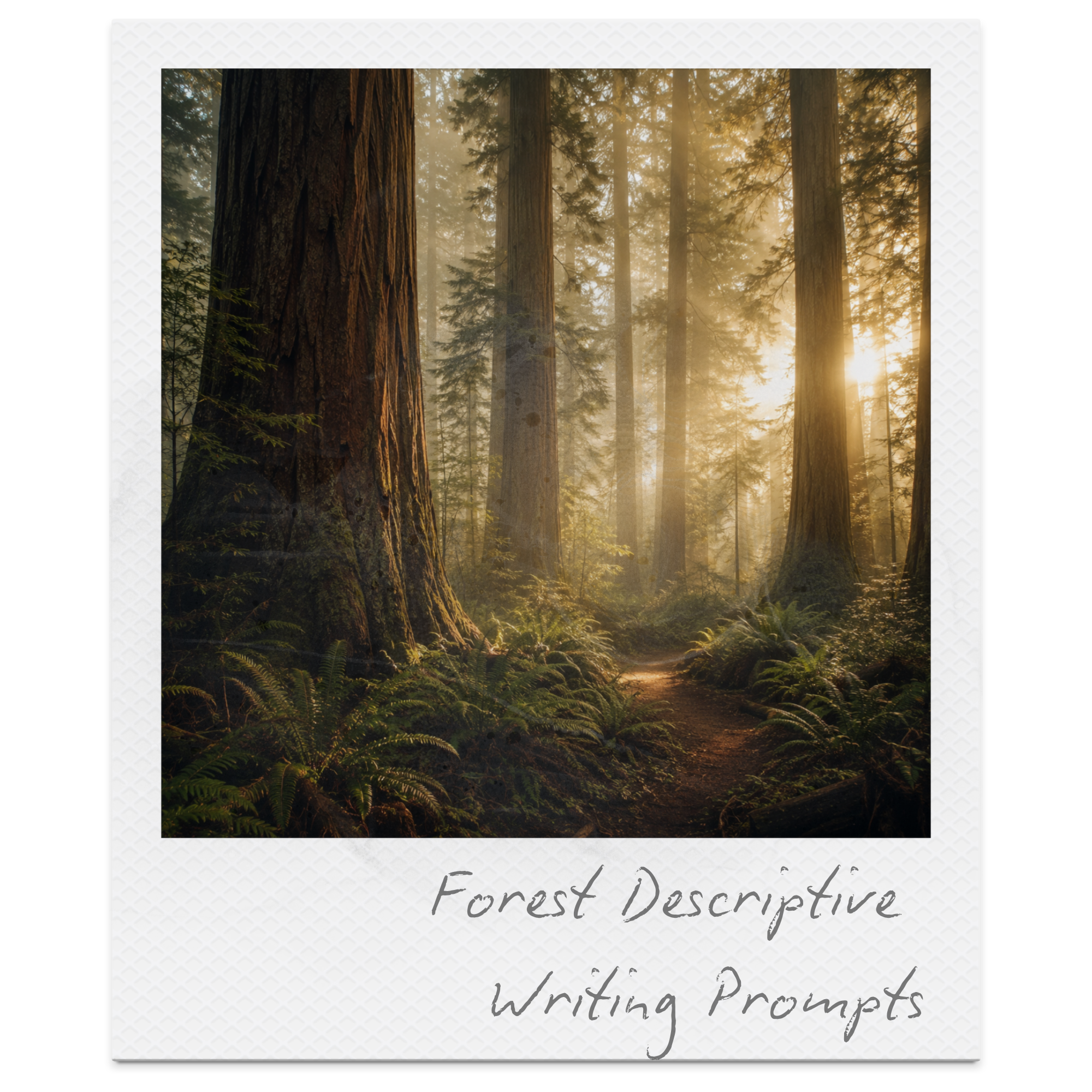
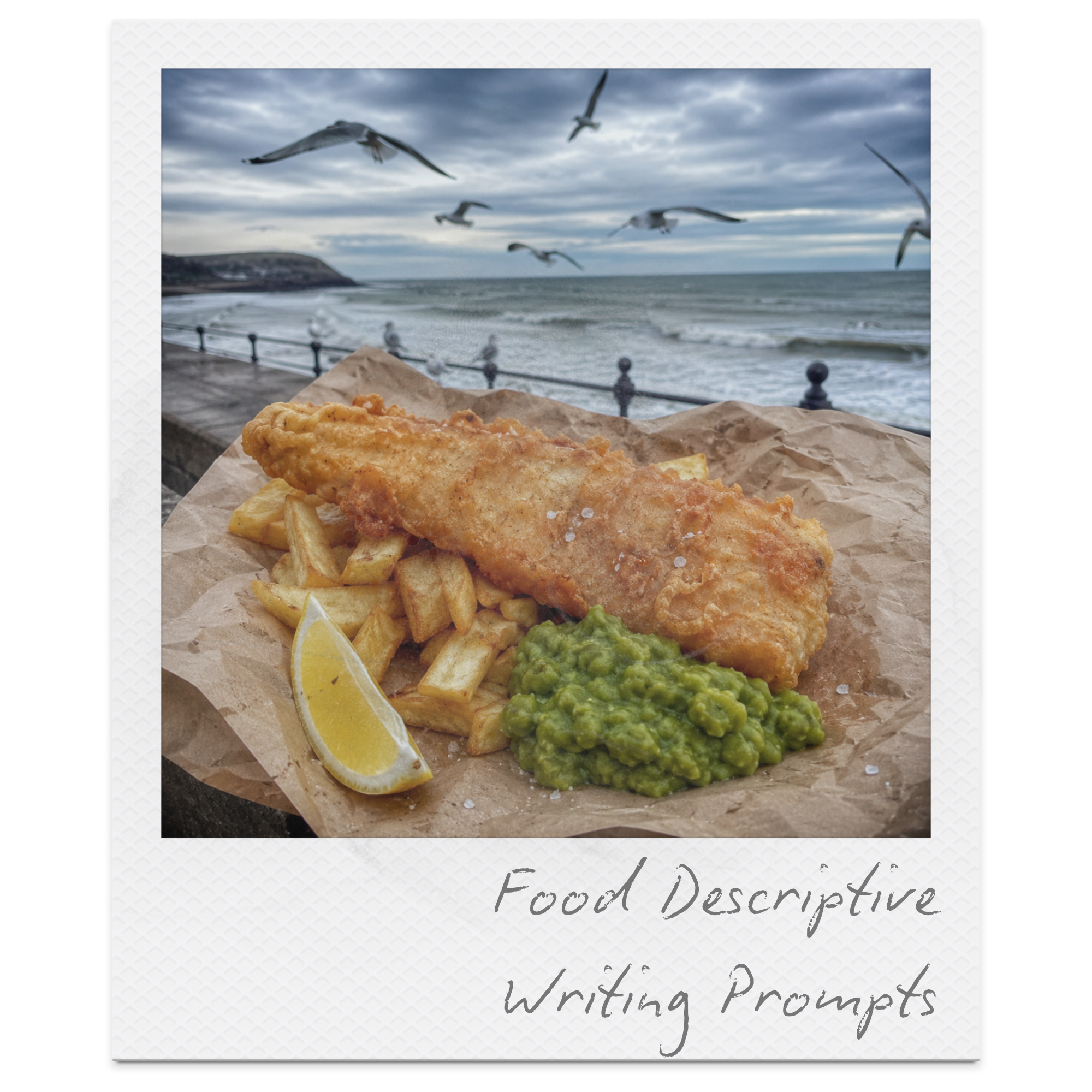
People are full of subtle details that reveal their personality, emotions, and experiences. Study each image carefully before you begin writing, paying close attention to facial expressions, posture, clothing, gestures, body language, and the surrounding environment. Use the questions below each image to develop your ideas before completing the language challenge and descriptive writing task.



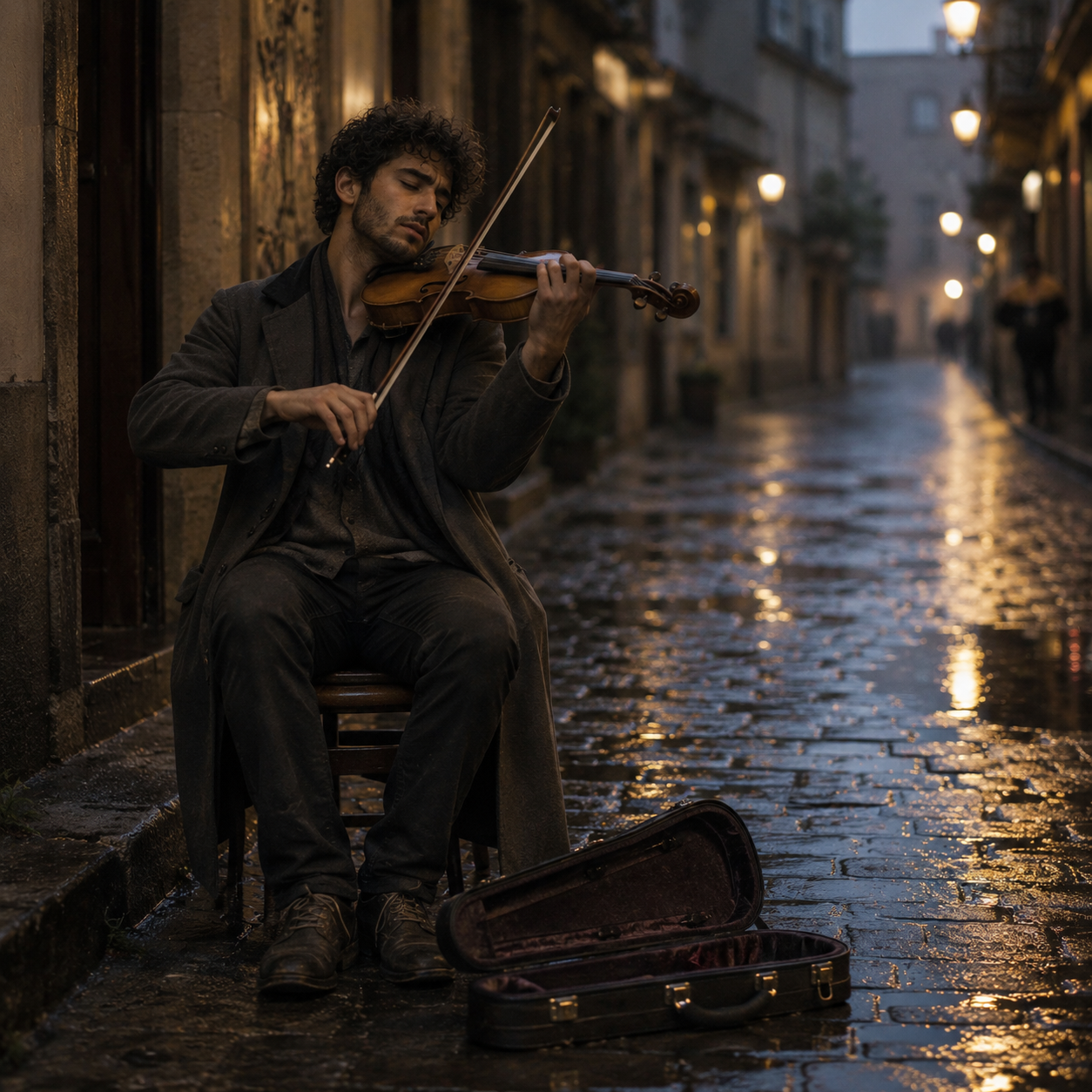


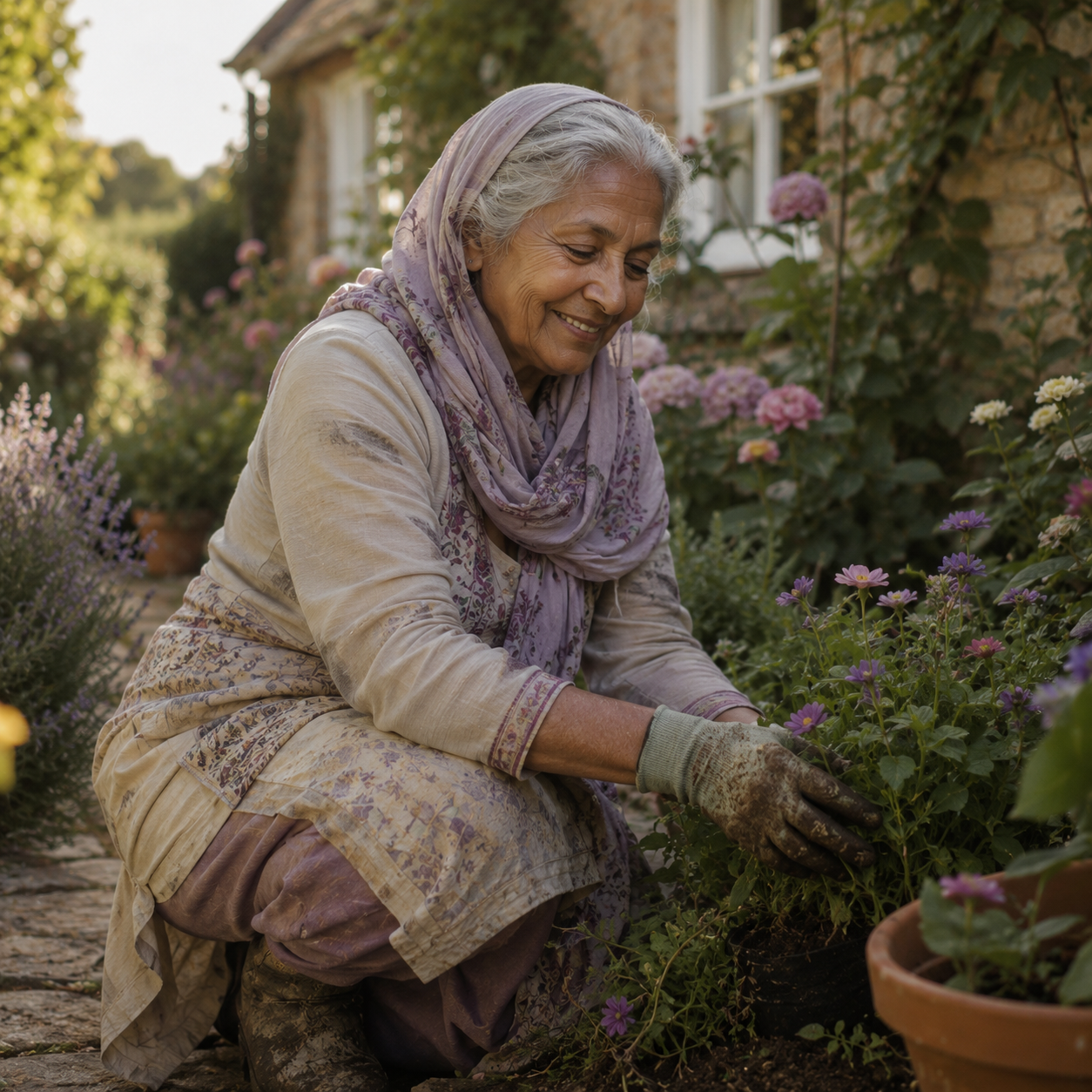
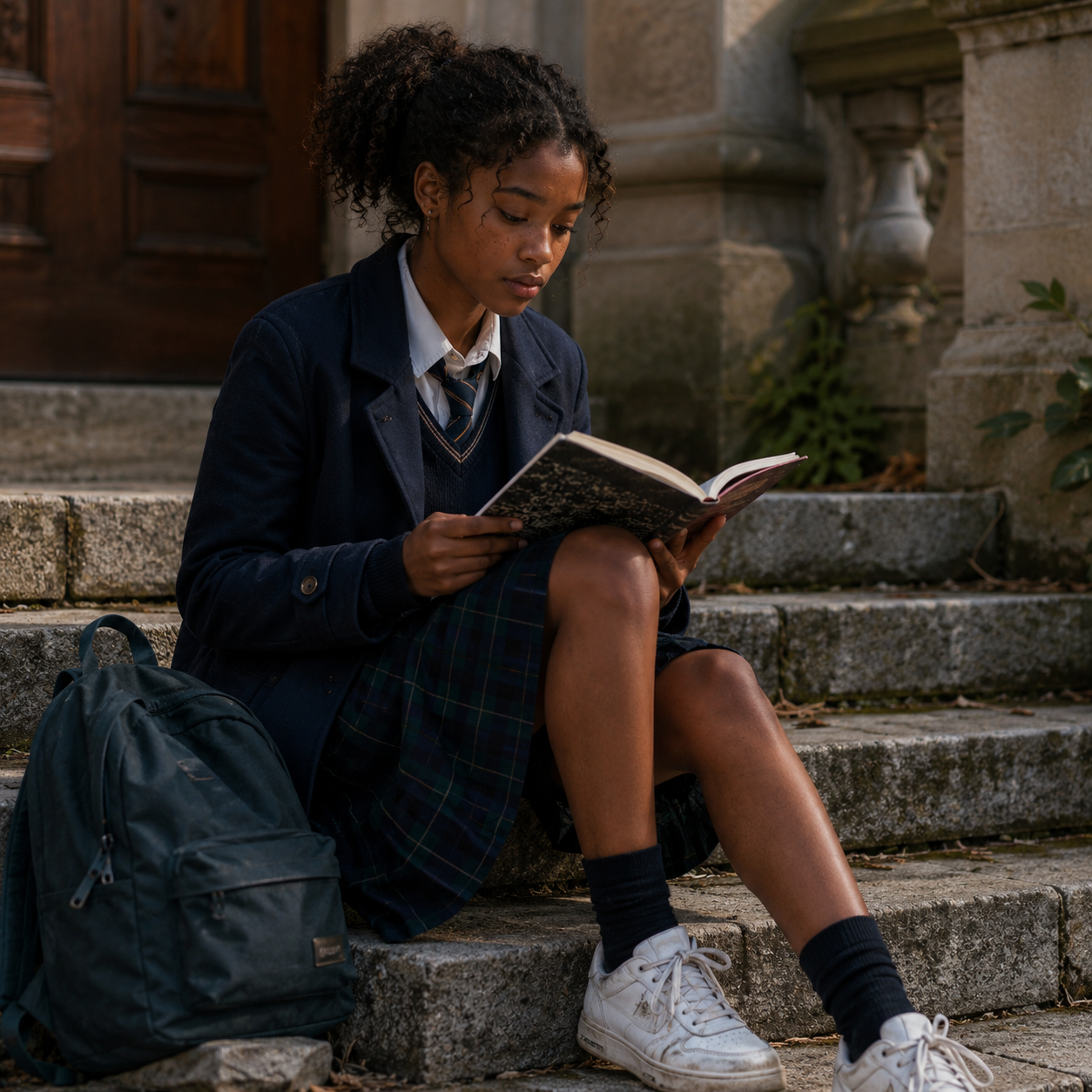
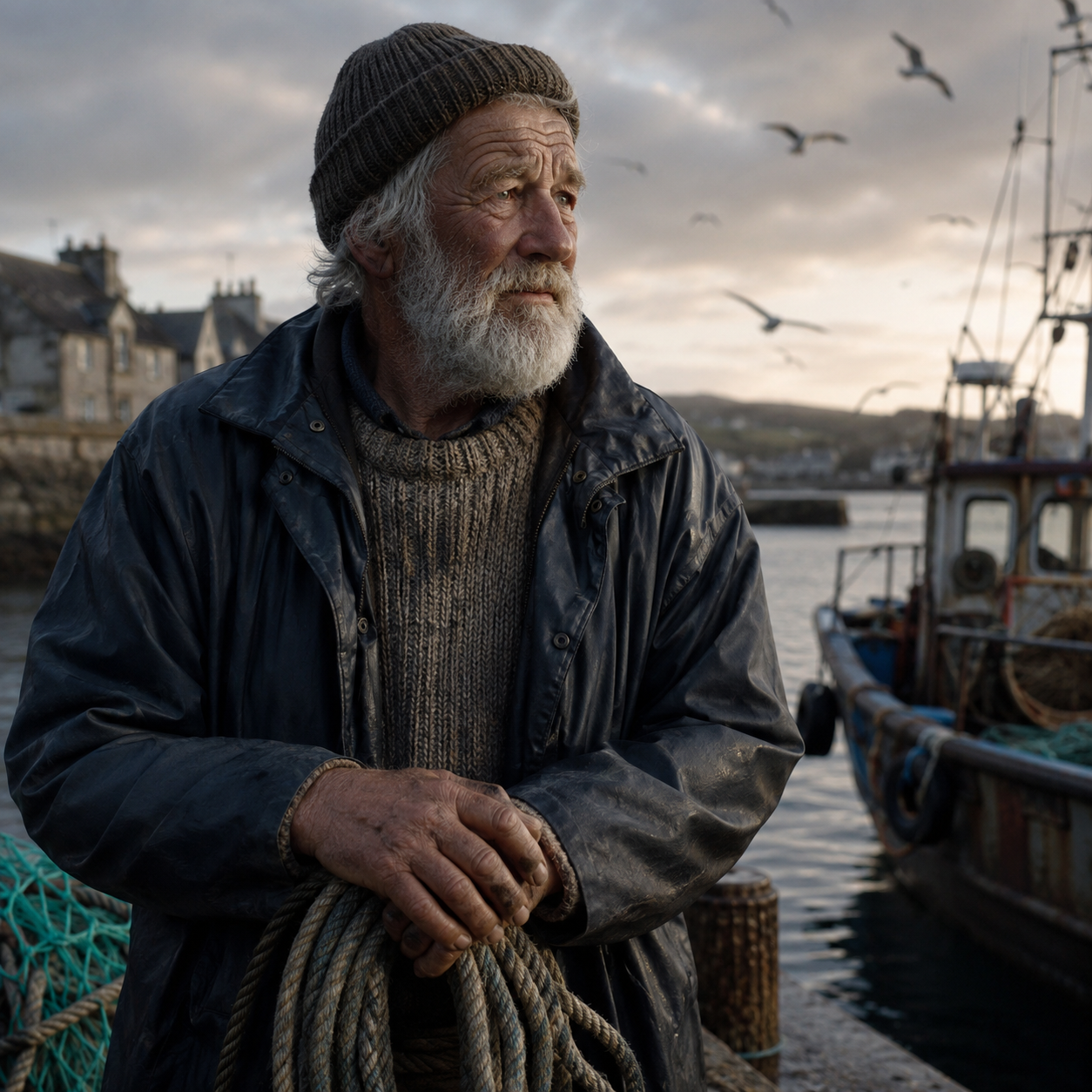
What do you notice?
What immediately draws your attention to this person?
Which details reveal the most about their personality?
How do their expression, posture, or body language influence your first impression?
What small details could make your description feel more realistic?
What do you think happened just before this moment?
Sensory Questions
What sounds might this person make or hear?
What scents or smells might be associated with them or their surroundings?
What textures might you notice about their clothing, hair, skin, or belongings?
How might the temperature or weather affect their appearance or behaviour?
What emotions does this person make you experience?
Language Challenge
Write your description using at least one simile, one example of personification, and one piece of sensory imagery.
Writing Task
Write a vivid descriptive paragraph inspired by this person, using rich sensory detail, precise vocabulary, and figurative language to bring them to life. Focus on revealing their personality, emotions, and presence rather than telling a story.
Go Deeper into People Description Writing
The strongest character descriptions do more than tell readers what someone looks like. They reveal personality, emotions, experiences, and relationships through carefully chosen details. The way a character stands, smiles, moves, dresses, or reacts to the world around them can often say far more than a list of physical features ever could. Focus on creating descriptions that help readers understand who a person is, not just what they look like.
◆ Show personality through body language, posture, gestures, and facial expressions rather than relying solely on physical appearance.
◆ Include sensory details where appropriate. Consider the sound of a character's voice, the texture of worn clothing, the scent they carry, or the way they move through a space.
◆ Replace generic adjectives with precise vocabulary that creates a stronger and more memorable first impression.
◆ Use figurative language thoughtfully. Similes, metaphors, and personification can make a description more vivid when they highlight a character's unique qualities.
◆ Think about how appearance reflects experience. Scars, calloused hands, untidy hair, carefully polished shoes, or nervous habits can all hint at a character's life without explicitly explaining it.
◆ Vary your sentence lengths and structures to match the mood of the description. Shorter sentences can emphasise tension or confidence, while longer sentences often encourage thoughtful observation.
◆ Read your description aloud and ask yourself whether readers would remember this character after only a few paragraphs. If not, look for opportunities to add more distinctive details.
Final Thoughts
People are often the most memorable part of any story, and strong descriptions help readers connect with them from the very first introduction. By looking beyond physical appearance and focusing on personality, movement, expressions, emotions, and behaviour, you can create believable, engaging characters that remain vivid long after the story has ended.
These 70 People Description Prompts are designed to help you build confidence through a variety of creative exercises, including character descriptions, contrasting personalities, observation tasks, language challenges, creative writing exercises, and picture prompts. Whether you're writing fantasy, romance, historical fiction, mystery, horror, or literary fiction, these prompts will help you create richer, more authentic characters who feel alive on the page.
For more inspiration, explore the Descriptive Writing Hub for prompts covering weather, forests, landscapes, emotions, vocabulary, and writing techniques, or visit the Creative Writing Archive, where hundreds of additional prompts, picture prompts, story ideas, character collections, and genre guides are waiting to help you develop your writing.
Choose Your Next Adventure