Notes from the Inkpot
Writing, teaching, creating - one ink-stained idea at a time.

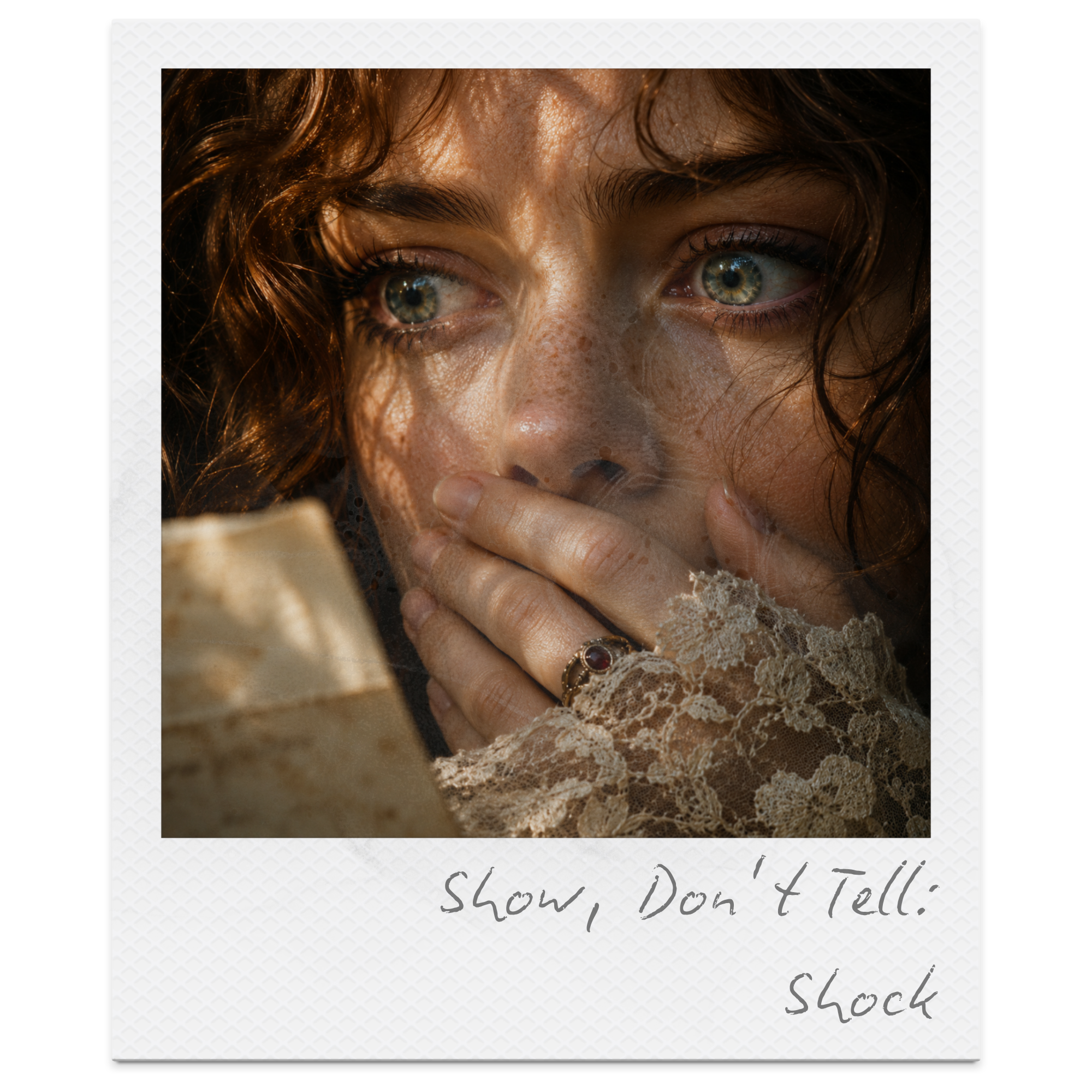
Show, Don't Tell: 50 Ways to Describe Shock in Creative Writing
Discover 50 original show, don't tell examples of shock in creative writing, exploring body language, facial expressions, psychological disbelief, dialogue and delayed emotional reactions. Learn how to describe a character being shocked, stunned or astonished without relying on clichés, repetitive gestures or obvious emotional labels. Explore vivid before-and-after examples, practical writing techniques and common mistakes to avoid when creating powerful moments of surprise, revelation and disbelief. With five creative writing exercises and detailed explanations, this guide will help you write more convincing emotional reactions and unforgettable scenes across every genre.
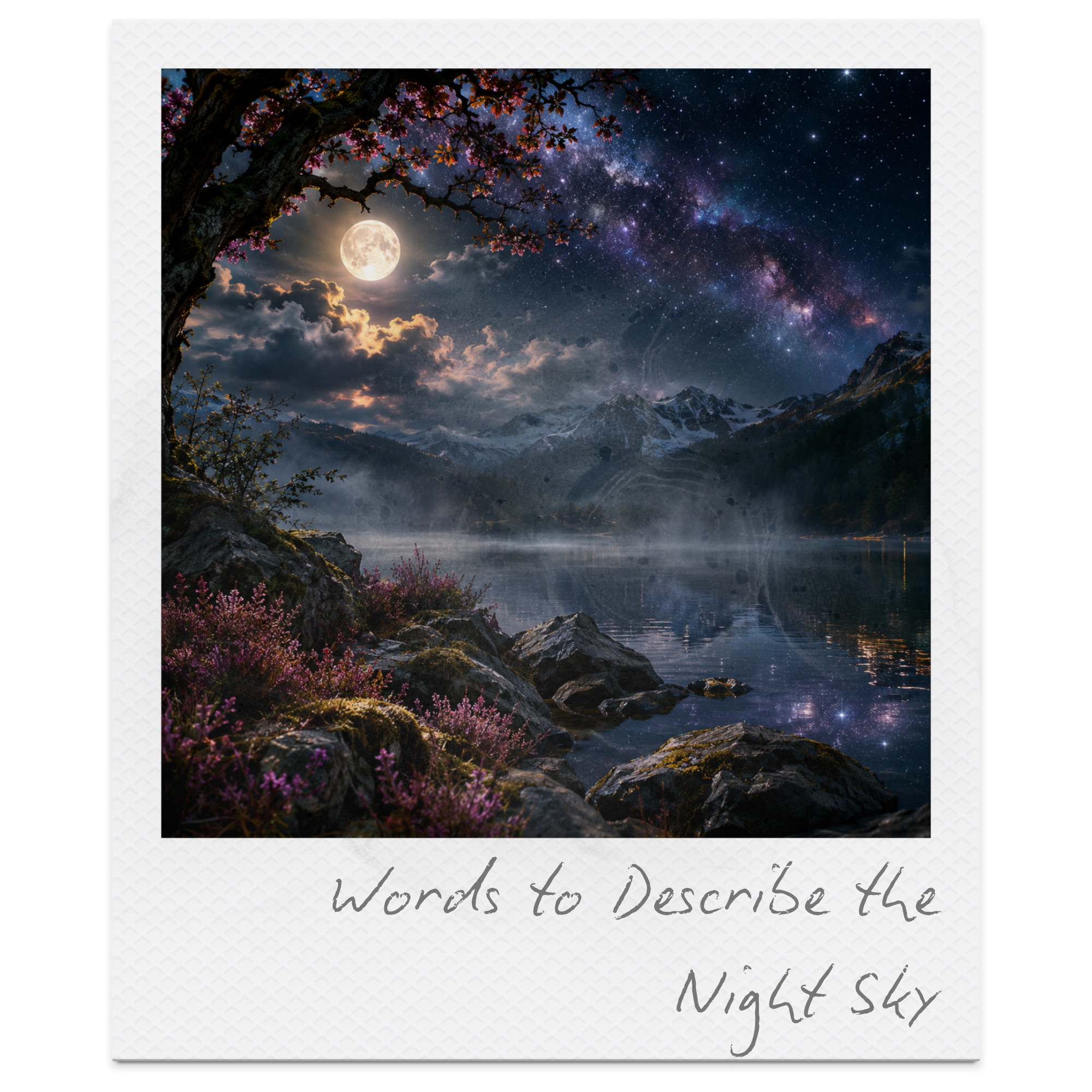
100 Words to Describe the Night Sky (+ Examples)
Discover 100 beautiful, atmospheric and evocative words to describe the night sky, complete with meanings, writing guidance and original example sentences. Explore vocabulary for star-filled heavens, deep darkness, celestial colours, moonlit landscapes, stormy skies and mysterious supernatural phenomena. From peaceful, romantic evenings to ominous Gothic settings and extraordinary fantasy worlds, learn how to create vivid night sky descriptions that capture mood, beauty and atmosphere. Perfect for creative writers, students and anyone looking to bring their descriptive writing to life.
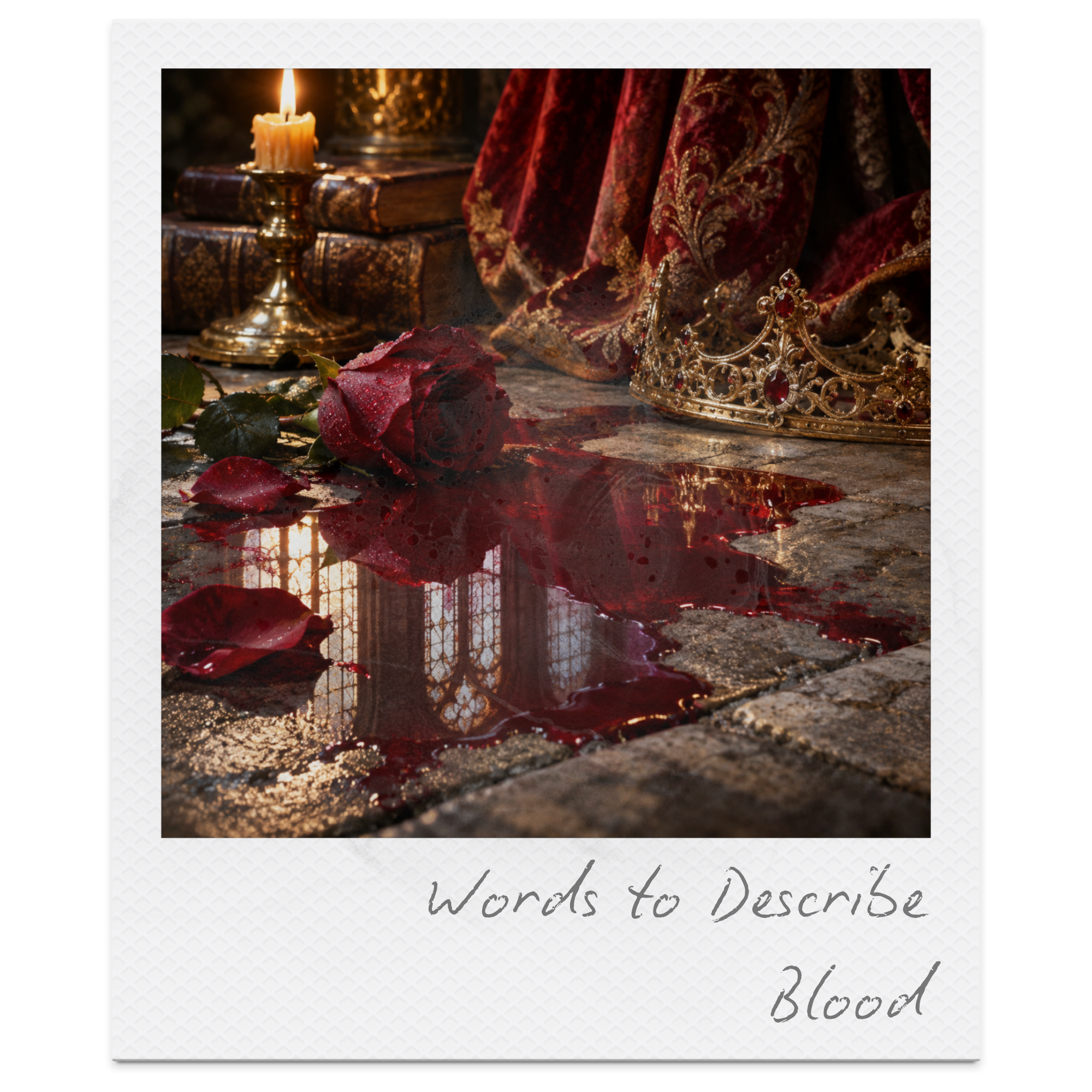
100 Words to Describe Blood: Colours, Textures, Gothic Imagery & Examples for Writers
Discover 100 words to describe blood, from rich crimson shades and glossy textures to dried stains, unsettling Gothic imagery and supernatural blood magic. Explore vivid descriptive vocabulary with clear meanings, original example sentences and practical writing tips to bring your scenes to life. Learn how to describe fresh blood, bleeding, splashes and stains while using metaphor, symbolism and sensory detail to create atmosphere, suspense and emotional depth. Perfect for writers of Gothic horror, dark fantasy, mystery, historical fiction and poetry looking to make their descriptions more precise, evocative and memorable.
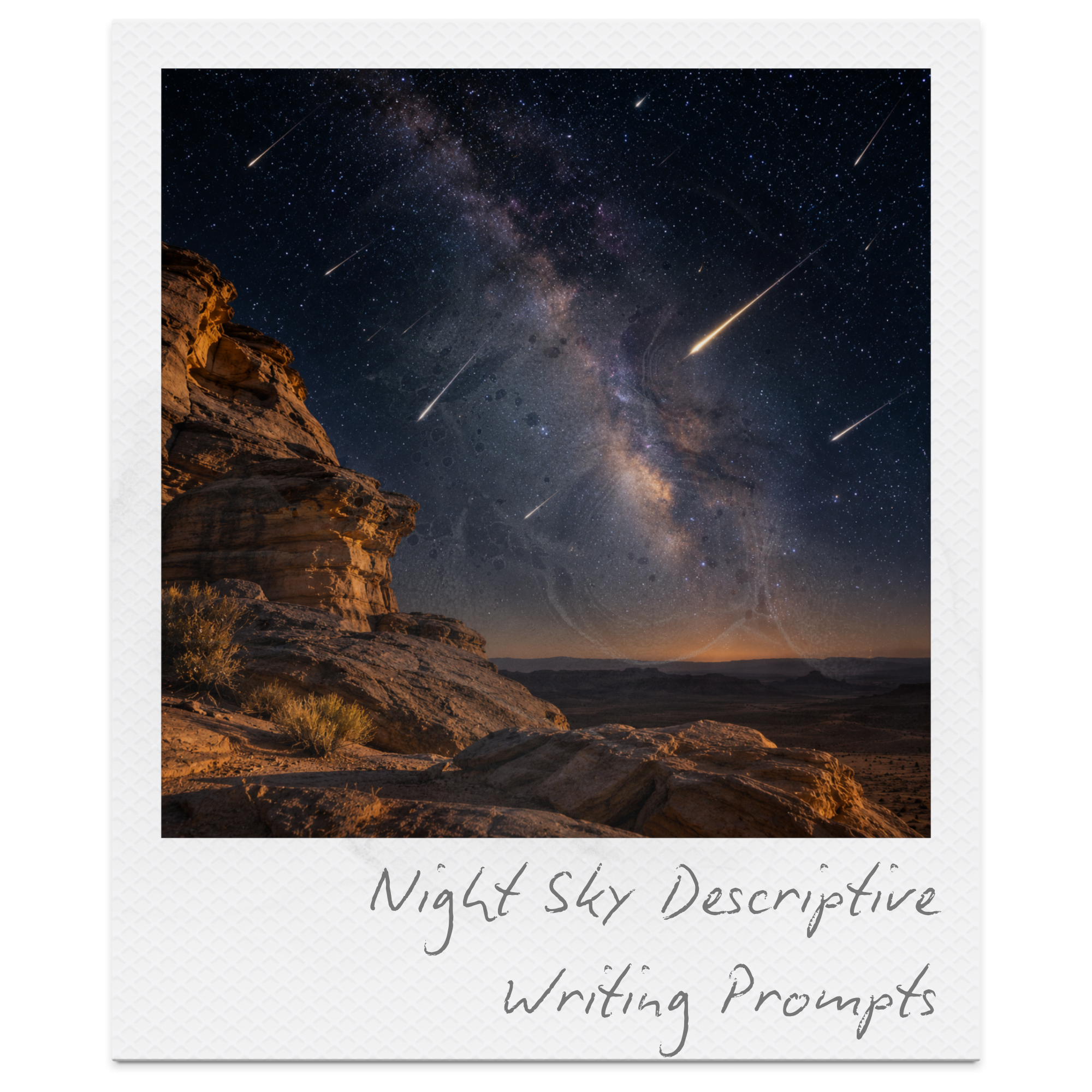
70 Night Sky Descriptive Writing Prompts: Celestial Scenes, Sensory Challenges & Picture Ideas
Explore 70 Night Sky Descriptive Writing Prompts inspired by star-filled landscapes, moonlit coastlines, the Milky Way, meteor showers and the spectacular Northern Lights. Discover atmospheric scene descriptions, contrasting perspectives, sensory writing exercises and creative challenges designed to develop vivid celestial imagery. Experiment with figurative language, precise vocabulary, shifting light and imaginative viewpoints to capture the beauty, mystery and extraordinary scale of the heavens. Featuring stunning night sky picture prompts, observation questions and practical writing techniques, this collection offers endless inspiration for creating immersive, atmospheric descriptions.
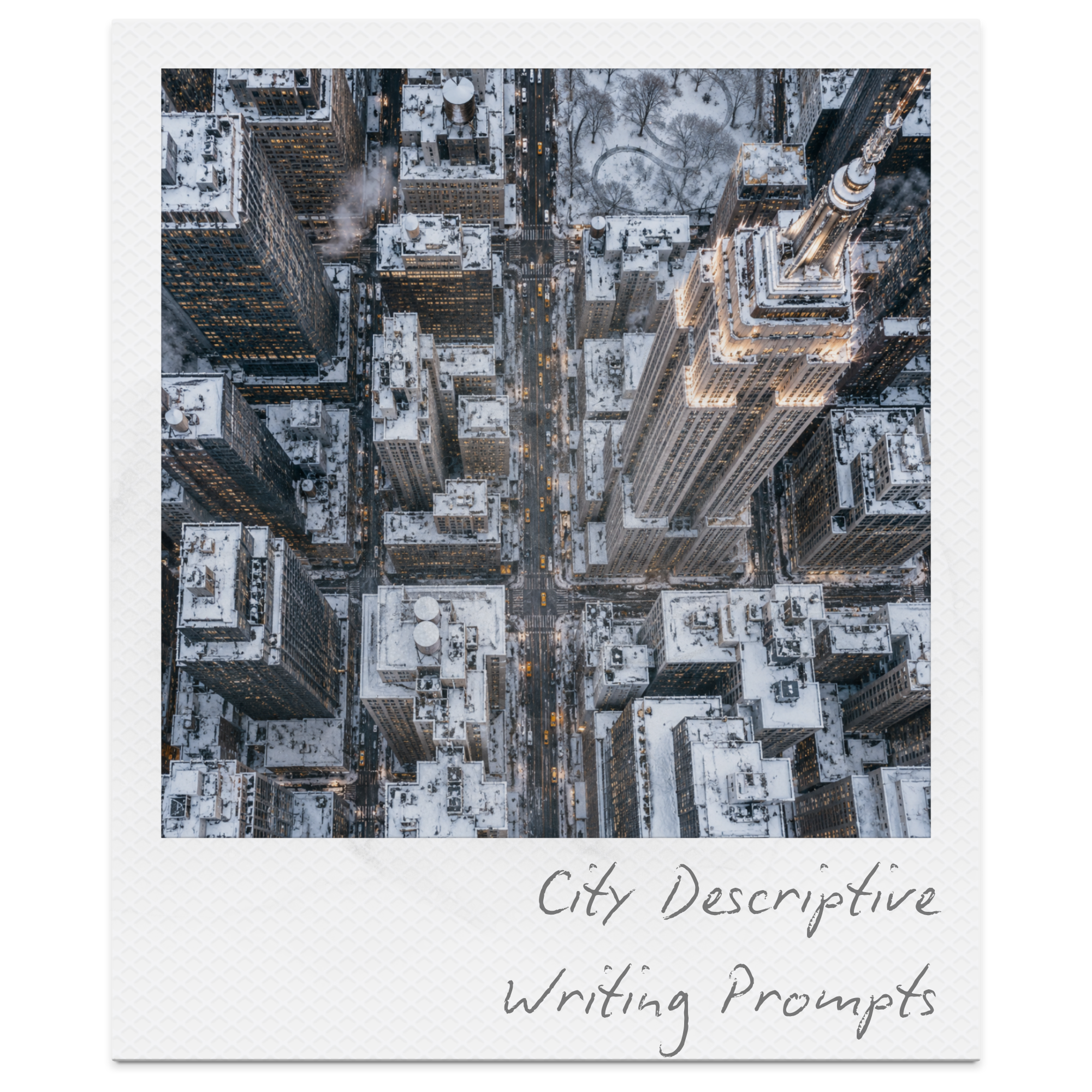
70 City Descriptive Writing Prompts: Urban Scenes, Atmosphere & Sensory Challenges
Explore 70 City Descriptive Writing Prompts inspired by rain-soaked streets, towering skyscrapers, bustling markets, historic neighbourhoods and atmospheric urban landscapes. Discover evocative city scenes, contrasting descriptions, sensory observation exercises, figurative language challenges and creative writing activities designed to strengthen your descriptive skills. From neon-lit streets and misty canals to spectacular skylines and waterfronts at sunrise, these prompts encourage vivid imagery, precise vocabulary and immersive atmosphere. Featuring 10 cinematic city picture prompts, this collection is perfect for students, teachers and creative writers looking to bring urban settings to life.
100 Words to Describe Eyes: Beautiful, Expressive & Atmospheric Vocabulary for Writers
Discover 100 beautiful, expressive and atmospheric words to describe eyes in creative writing, from striking colours and distinctive shapes to loving glances, sorrowful expressions and sinister stares. Explore ten carefully organised vocabulary collections, each featuring clear meanings, original example sentences and practical writing advice. Learn how to use eye contact, movement, metaphor and symbolism to reveal emotion, develop memorable characters and create vivid descriptions. Perfect for writers of fantasy, romance, Gothic fiction, poetry and literary fiction looking to bring greater depth and originality to their character descriptions.
Gothic Descriptive Writing: 30 Atmospheric Examples with Analysis
Discover 30 atmospheric Gothic descriptive writing examples exploring haunted architecture, mist-shrouded landscapes, sinister characters, mysterious objects, unsettling interiors and supernatural encounters. Each original passage includes detailed analysis revealing how sensory imagery, personification, symbolism, psychological tension and carefully chosen details create powerful Gothic atmosphere. Explore 10 essential Gothic writing techniques, learn how to transform ordinary settings into haunting scenes, and develop your own descriptive style through five practical creative writing exercises. Whether you're writing Gothic horror, dark fantasy, supernatural fiction or a psychological mystery, this comprehensive guide will help you create vivid, evocative descriptions that linger long after the final sentence.
100 Words to Describe Darkness: Gothic, Atmospheric & Evocative Vocabulary for Writers
Darkness can be comforting, mysterious, beautiful or deeply unsettling, but how do you capture its atmosphere in words? Discover 100 evocative words to describe darkness, from impenetrable shadows and moonless forests to candlelit rooms, Gothic landscapes and supernatural gloom. Each word includes a clear meaning, practical writing guidance and an original example sentence to help you create richer, more immersive descriptions. Explore atmospheric writing techniques, 10 original descriptive passages and five creative writing exercises designed to bring darkness to life in your fiction, poetry and descriptive writing.
Sensory Writing: How to Describe a Haunted House with Atmospheric Examples & Gothic Writing Techniques
Discover how to describe a haunted house using vivid sensory imagery, atmospheric Gothic language and carefully crafted descriptive writing techniques. Explore 25 original sensory description examples, practical exercises and expert insights from Shirley Jackson's The Haunting of Hill House, Edgar Allan Poe's The Fall of the House of Usher and Susan Hill's The Woman in Black. Learn how to transform abandoned corridors, decaying mansions, unsettling sounds and mysterious rooms into immersive settings filled with psychological tension and supernatural dread. Whether you're writing Gothic fiction, ghost stories or atmospheric horror, this comprehensive guide will help you create haunted houses that linger in your readers' imaginations.
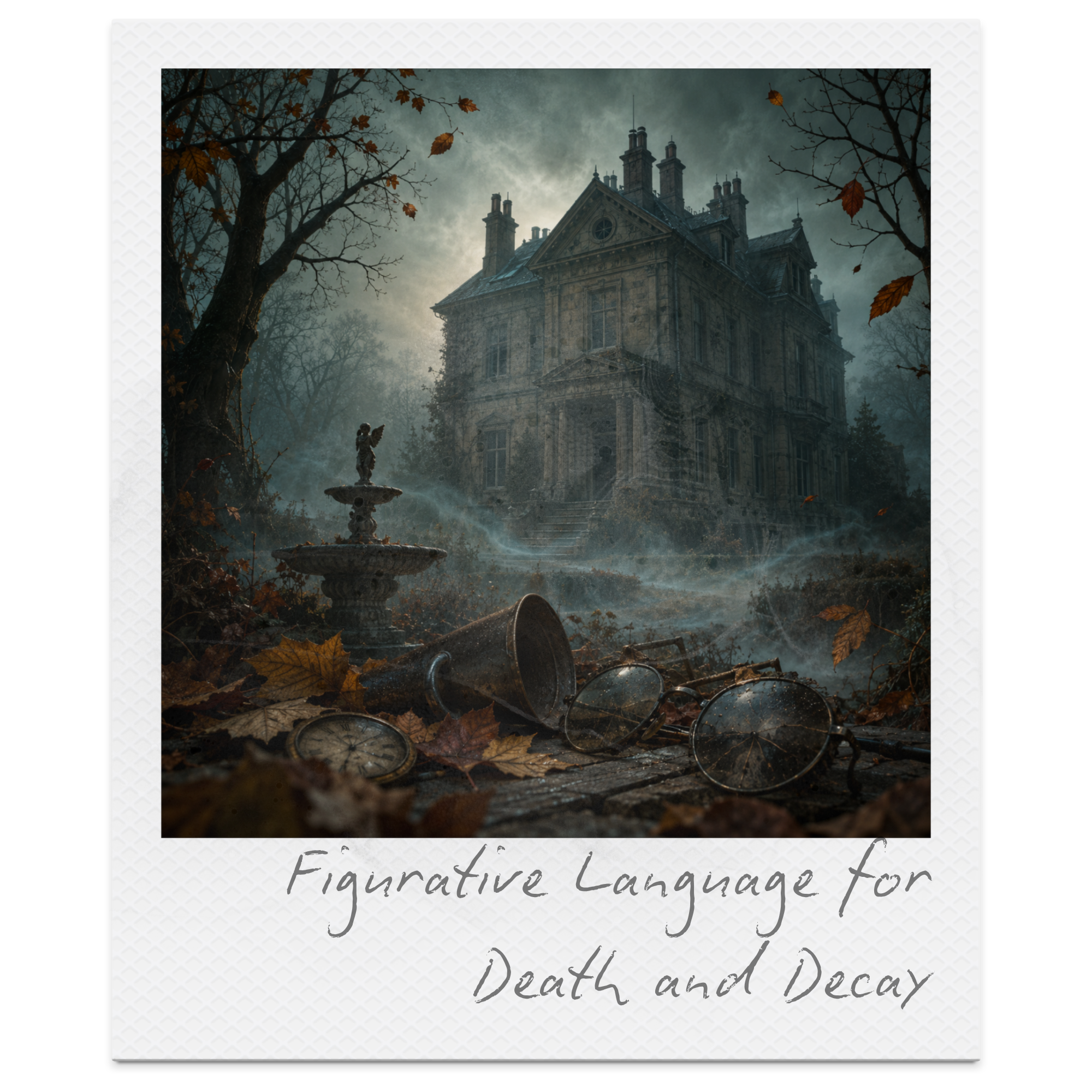
50 Figurative Language Examples for Death and Decay: Metaphors, Similes & Personification
Explore 50 evocative figurative language examples for death and decay, including haunting metaphors, atmospheric similes, personification, symbolism and extended imagery. Discover how to describe crumbling Gothic mansions, dying gardens, forgotten graveyards, fading memories and the inevitable passage of time through original, richly developed descriptions. Learn how to create powerful imagery that conveys grief, mortality, deterioration and loss, with practical writing techniques, common mistakes to avoid and detailed examples explaining why each comparison works. Featuring five creative writing exercises and further Gothic and descriptive writing inspiration, this comprehensive guide will help you transform ordinary scenes of decay into unforgettable literary moments.
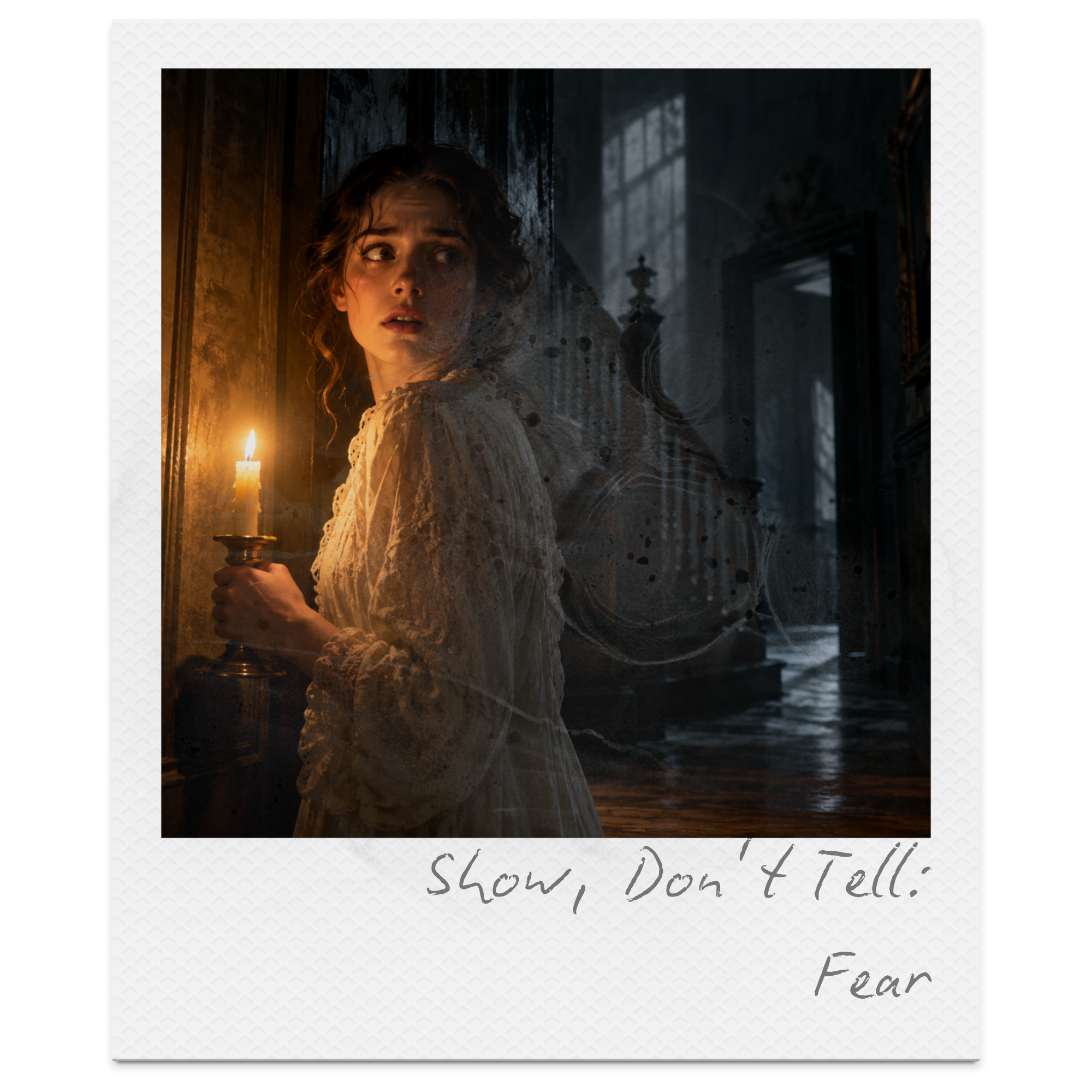
Show, Don't Tell: 50 Ways to Describe Fear in Creative Writing
Discover 50 powerful ways to show fear in creative writing through body language, facial expressions, psychological tension, dialogue and atmospheric sensory details. This comprehensive show, don't tell guide explores how to transform simple statements of fear into vivid, immersive descriptions that allow readers to experience every moment of uncertainty and dread. Explore original examples, before-and-after scene transformations, common writing mistakes and practical techniques for building believable emotion and suspense. With five creative writing exercises and further inspiration for gothic fiction, horror, thrillers and beyond, you'll learn how to make fear feel real without ever needing to name it.

100 Words to Describe a Fairytale Cottage
Discover 100 words to describe a fairytale cottage, from charming thatched roofs and flower-covered walls to enchanted gardens, cosy interiors and mysterious woodland hideaways. Explore vivid descriptive vocabulary for whimsical fairy dwellings, witches' cottages, magical countryside homes and dark, forgotten houses hidden deep within the forest. Each word includes a clear meaning, guidance on when to use it and an original example sentence to help bring your fairytale settings to life. Perfect for fantasy writers, fairytale retellings, folklore-inspired stories and creative writing activities, this collection will help you create atmospheric cottages filled with magic, wonder and mystery.

100 Words to Describe a Fairytale Castle
Discover 100 words to describe a fairytale castle, from magnificent golden towers and enchanted gardens to mysterious chambers and forgotten fortresses. Explore descriptive vocabulary for magical architecture, royal interiors, shimmering colours, sensory details and dark, cursed castles. Each word includes a clear meaning, practical writing guidance and an original example sentence to inspire your creativity. Perfect for fairytale writers, fantasy storytellers and anyone looking to bring an enchanting storybook castle to life.

100 Words to Describe Stars (+ Examples)
Discover 100 vivid words to describe stars, with meanings, writing tips and original examples to help bring night skies to life in your creative writing. Explore descriptive vocabulary for bright, twinkling, colourful, distant, magical and mysterious stars. Find words for describing the appearance, brightness, colour, movement and atmosphere of stars, from brilliant celestial lights to faint stars scattered across the darkness. Learn how different descriptions can make a starry sky feel romantic, peaceful, lonely, eerie or otherworldly. Whether you’re describing a realistic night sky, a fantasy kingdom or an unfamiliar world, these descriptive words will help you create more vivid and atmospheric scenes. Perfect for creative writers, students and anyone searching for new ways to describe stars.

70 Enchanted Forest Description Prompts: Magical Woodland Writing Ideas
Explore 70 Enchanted Forest Description Prompts designed to inspire vivid, atmospheric writing. Experiment with magical woodland scenes, sensory description, contrasting settings, observation exercises, figurative language, creative writing challenges and picture prompts to create forests that feel beautiful, mysterious, otherworldly or quietly dangerous.

100 Words to Describe an Enchanted Forest
Explore 100 words to describe an enchanted forest, with meanings, guidance on when to use each word and original example sentences. Discover descriptive vocabulary for magical trees and plants, light and colour, sounds, scents, textures, movement, beauty, mystery, supernatural magic and darker, more dangerous woodland settings.

70 Autumn Descriptive Writing Prompts: Seasonal Scenes, Sensory Details & Creative Challenges
Explore 70 autumn descriptive writing prompts inspired by golden woodlands, fallen leaves, harvest moons, misty mornings, apple orchards, autumn rain, seasonal markets and the first frosts of approaching winter. From sensory observations and contrasting seasonal scenes to language exercises, creative challenges and picture prompts, these autumn writing activities will help you experiment with vivid imagery, precise vocabulary, figurative language, colour, texture and atmosphere while capturing one of the most beautiful and transformative seasons of the year.

70 Halloween Descriptive Writing Prompts: Spooky Scenes, Sensory Details & Creative Challenges
Explore 70 Halloween descriptive writing prompts filled with glowing jack-o'-lanterns, elaborate costumes, trick-or-treating streets, pumpkin patches, Halloween parties, candlelit graveyards and atmospheric October nights. From sensory observations and contrasting scenes to language exercises, creative challenges and picture prompts, these Halloween writing activities will help you experiment with vivid imagery, precise vocabulary, figurative language and atmosphere while describing the sights, sounds, textures and experiences of Halloween.

70 Back to School Description Prompts: Classroom Scenes, School Settings & Picture Prompts
Bring school settings to life with these 70 Back-to-School Description Prompts. Featuring descriptive titles, scene-based challenges, contrasting settings, observation exercises, language and style tasks, creative writing challenges, and premium picture prompts, this collection is designed to help students and writers develop richer sensory detail, stronger imagery, and more atmospheric descriptions. Perfect for classroom lessons, English assessments, or improving your creative writing skills.

70 Food Description Prompts: Flavours, Textures & Sensory Writing
Explore 70 Food Description Prompts designed to help you create rich, sensory descriptions inspired by meals, markets, cafés, bakeries, celebrations, and everyday moments. This collection includes descriptive titles, food-based scene prompts, contrasting descriptions, observation exercises, language and style challenges, creative writing tasks, and picture prompts to help students and writers develop vivid imagery, stronger sensory detail, and immersive descriptive writing across every genre.