70 Food Description Prompts: Flavours, Textures & Sensory Writing
Food is one of the richest subjects for descriptive writing, offering endless opportunities to engage the senses and create memorable scenes. The aroma of freshly baked bread drifting through a quiet village, the sharp tang of citrus on a summer afternoon, or the comforting warmth of a bowl of soup on a cold winter evening can instantly transport readers into the heart of a story. Whether you're writing fantasy, historical fiction, romance, mystery, literary fiction, or contemporary fiction, learning how to describe food effectively helps create atmosphere, reveal character, and immerse readers in your world.
Strong food descriptions go far beyond simply naming ingredients or dishes. The most memorable scenes capture the crackle of crisp pastry, the sweetness of ripe fruit, the bitterness of dark coffee, the silky texture of melted chocolate, or the vibrant colours of a bustling market stall. By combining precise vocabulary, sensory detail, figurative language, and carefully chosen imagery, writers can transform an ordinary meal into a moment that reflects emotion, culture, celebration, comfort, or conflict.
These 70 Food Description Prompts are designed to help you practise descriptive writing through a variety of creative challenges, from vivid food scenes and contrasting experiences to language-focused exercises and picture prompts. Whether you're improving your creative writing skills, preparing for an English assessment, or searching for inspiration for your next novel, you'll find plenty of opportunities to strengthen your descriptive techniques while exploring one of the most sensory-rich aspects of everyday life.
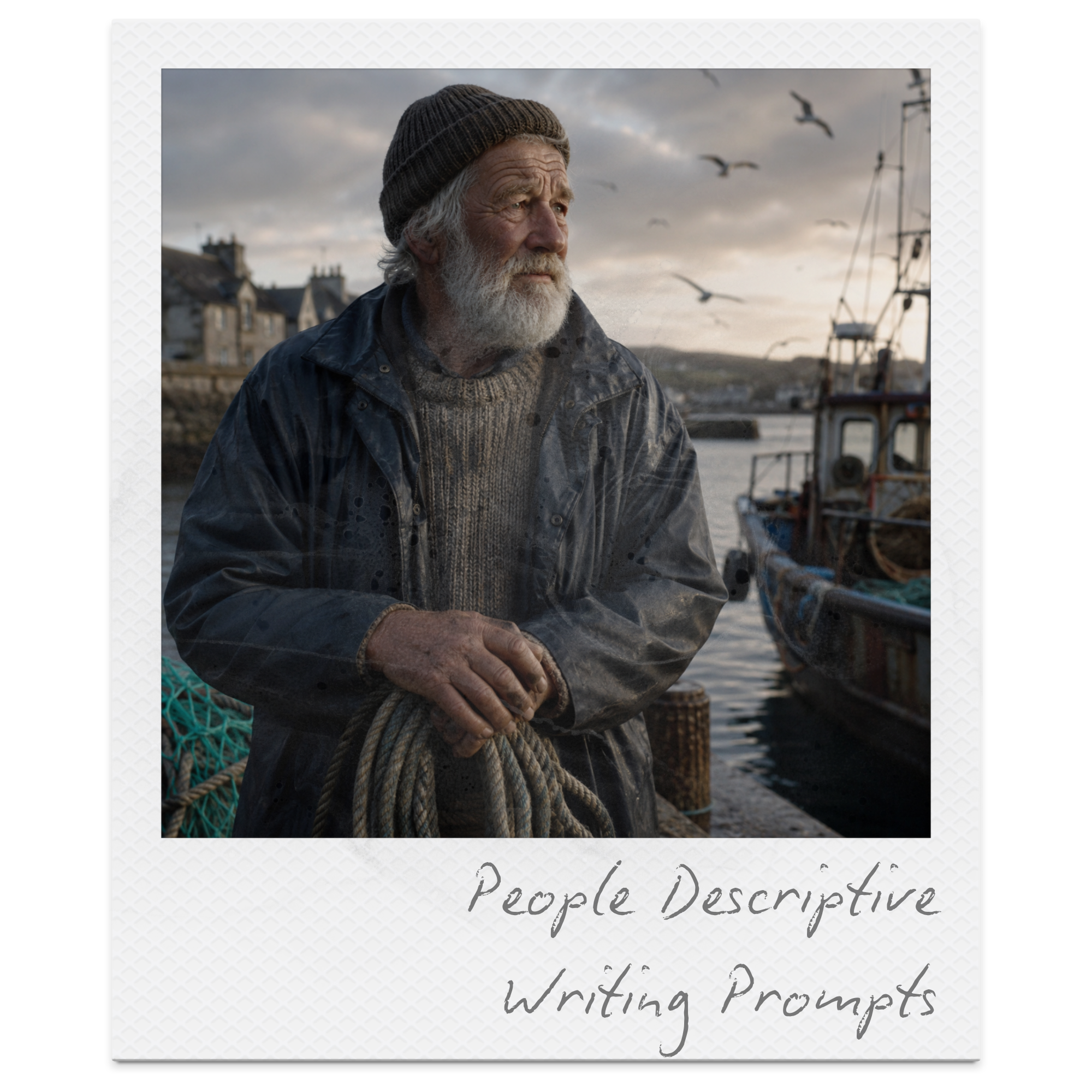
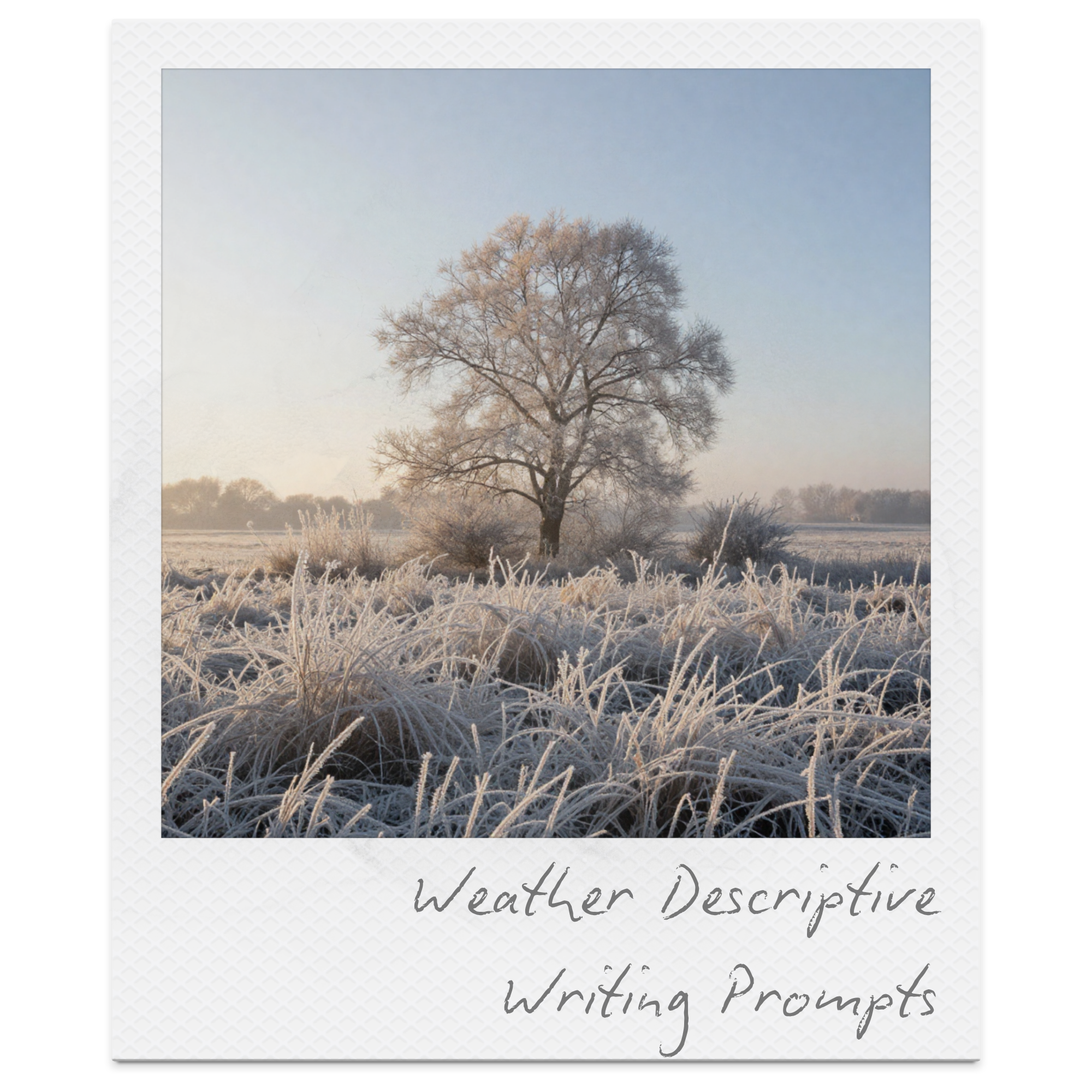
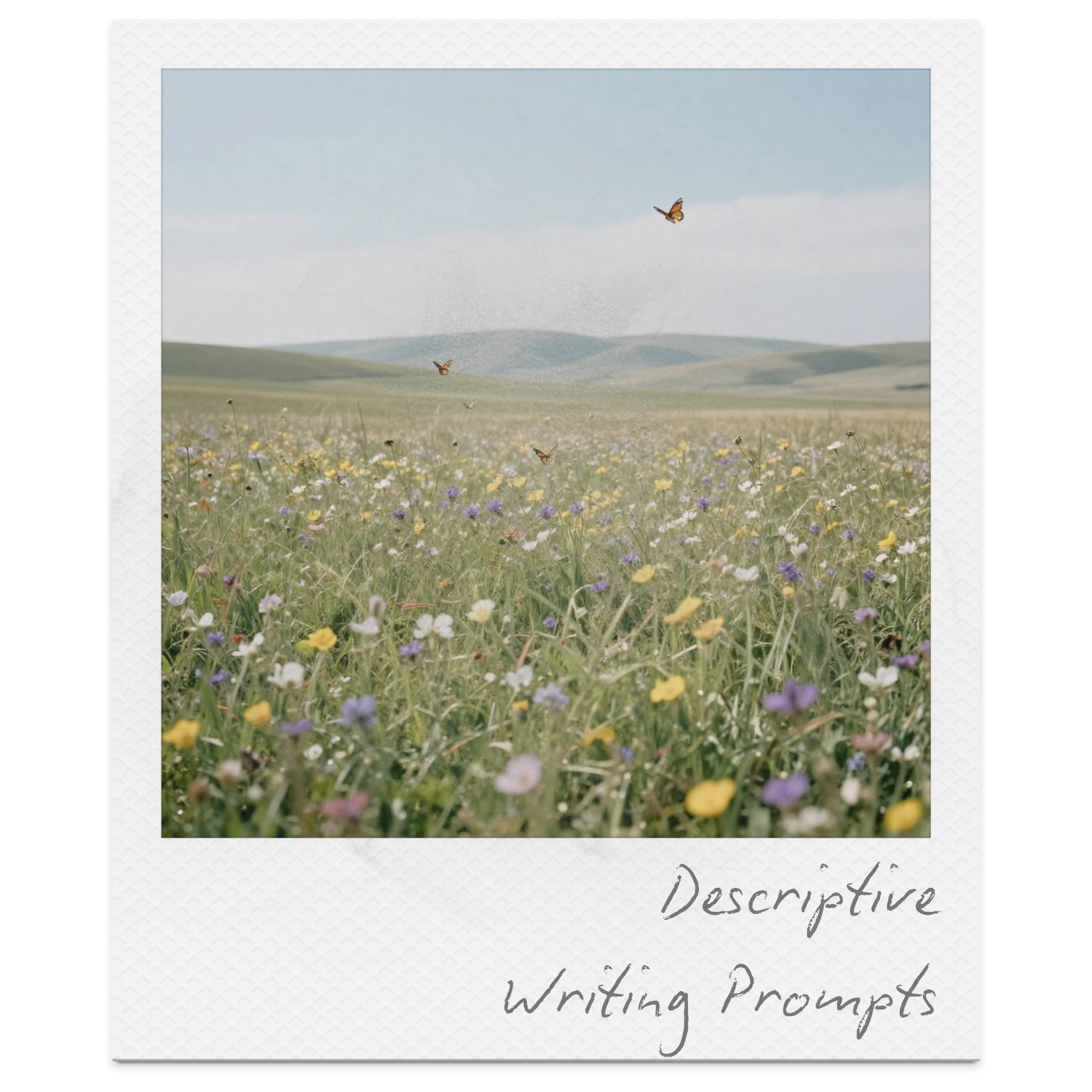
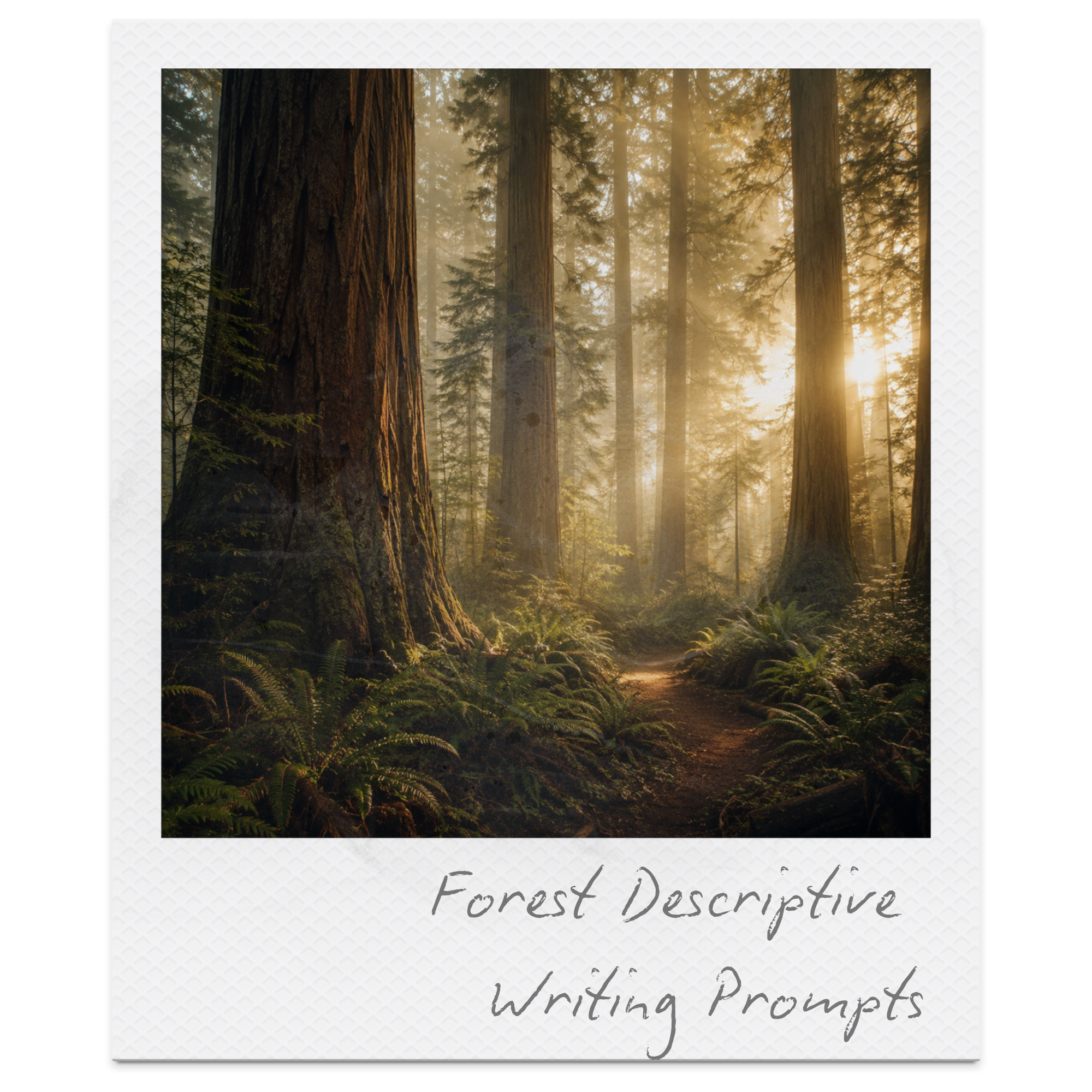
If you're looking for even more inspiration, explore the Descriptive Writing Hub for prompts covering forests, weather, people, landscapes, emotions, vocabulary, and writing techniques, or browse the Creative Writing Archive to discover hundreds of writing prompts, picture prompts, story ideas, character collections, and genre guides across every style of creative writing.
How to Approach Descriptive Writing About Food
The strongest food descriptions do more than explain what something tastes like. Think about how the food looks, smells, feels, sounds, and even the emotions or memories it evokes. Focus on texture, colour, temperature, aroma, movement, and the experience of preparing, sharing, or eating food. Carefully chosen sensory details, precise vocabulary, and figurative language will help readers almost taste the scene for themselves.
1. Descriptive Titles
A strong title can immediately suggest atmosphere, memory, celebration, or comfort before the first sentence is even written. Choose one of the titles below and use it as the inspiration for a piece of descriptive writing. Focus on creating vivid sensory imagery through taste, texture, aroma, colour, and atmosphere.
The Perfect Loaf
Sweet Summer Berries
Breakfast Before Dawn
The Last Slice of Cake
A Table Full of Memories
Beneath the Market Canopy
The Smell of Home
A Feast for the King
Coffee on a Rainy Morning
The Orchard at Harvest
2. Describe These Scenes
Food often tells a story about culture, celebration, family, and place. Choose one of the scenes below and bring it to life using rich sensory detail, precise vocabulary, figurative language, and vivid imagery.
A bustling farmers' market filled with colourful fresh produce.
A family preparing a festive meal together.
A baker removing warm bread from a traditional stone oven.
A busy street food market late in the evening.
An elegant afternoon tea served in a grand hotel.
A campfire meal cooked beneath the stars.
A medieval banquet inside a castle's great hall.
A quiet café just after sunrise.
A fruit orchard during harvest season.
A luxurious dessert displayed in a high-end restaurant.
3. Contrasting Descriptions
One of the best ways to strengthen descriptive writing is by comparing different experiences of food. Choose one of the contrasting scenarios below and describe both versions, paying close attention to changes in atmosphere, flavour, texture, presentation, and emotion.
Freshly baked bread straight from the oven and bread left stale for several days.
A lively family feast and a solitary evening meal.
A colourful summer fruit market and a quiet winter grocery shop.
A homemade meal and a fine dining restaurant experience.
Hot chocolate on a snowy evening and lemonade during a summer heatwave.
A kitchen before guests arrive and after the celebration has ended.
A perfectly ripe apple and one beginning to spoil.
A crowded café during the morning rush and after closing time.
A picnic beneath bright sunshine and the same picnic interrupted by rain.
A festive holiday table before and after the meal.
4. Observation & Experience
The most memorable food descriptions often come from observing everyday moments. Choose one of the situations below and focus on the sensory details, emotions, and atmosphere surrounding the food rather than simply describing what is being eaten.
Walking into a bakery filled with the aroma of freshly baked bread.
Preparing your favourite meal from scratch.
Watching a chef cook in an open kitchen.
Sharing a meal with family or close friends.
Trying an unfamiliar food for the first time.
Visiting a busy food market while travelling.
Sitting alone in a quiet café with a hot drink.
Picking fruit straight from a tree or bush.
Watching food being cooked over an open fire.
Baking biscuits or cakes as they slowly fill the house with their aroma.
5. Language & Style Challenges
The language you choose can completely transform a food description. Experiment with the techniques below to strengthen your imagery, vary your writing style, and capture flavour, texture, aroma, and atmosphere through carefully chosen words.
Describe a freshly baked loaf of bread using personification throughout.
Describe a bowl of ripe summer fruit using one extended metaphor.
Describe an elaborate celebration cake with a strong focus on colour imagery.
Describe a busy street food market using alliteration to emphasise movement and sound.
Describe a sizzling breakfast using powerful verbs rather than descriptive adjectives.
Describe a cup of hot chocolate by alternating short, punchy sentences with longer, flowing ones.
Describe a luxurious dessert using at least five original similes.
Describe a family kitchen during dinner preparation focusing primarily on sound, smell, and touch rather than sight.
Describe a spicy curry using repetition to reinforce its intensity.
Describe an autumn harvest feast using predominantly complex sentences to create a rich, immersive description.
6. Creative Writing Challenges
Challenge yourself by approaching each description under a specific writing constraint. These exercises encourage creativity, careful word choice, and fresh ways of describing food and the experience of eating.
Describe a traditional afternoon tea in exactly 50 words.
Describe a bowl of vegetable soup without using the words food, soup, bowl, eat, or taste.
Describe a bakery without mentioning sight, relying only on the other four senses.
Write a description of a busy restaurant kitchen as one continuous sentence.
Describe a birthday cake entirely through the reactions of the people gathered around it.
Begin with a single strawberry before gradually revealing the wider scene.
Describe a family meal as though time has almost stopped.
Begin with the empty plates after a celebration before revealing what happened.
Write as though a loaf of freshly baked bread is alive and welcoming everyone into the room.
Describe a bustling food market by focusing almost entirely on movement and action.
7. Descriptive Picture Prompts
Food is about far more than flavour. Every meal, ingredient, and kitchen tells a story through colour, texture, aroma, movement, and atmosphere. Study each image carefully before you begin writing, paying close attention to the presentation of the food, the surrounding environment, and the sensory details that make the scene feel alive. Use the questions below each image to develop your ideas before completing the language challenge and descriptive writing task.

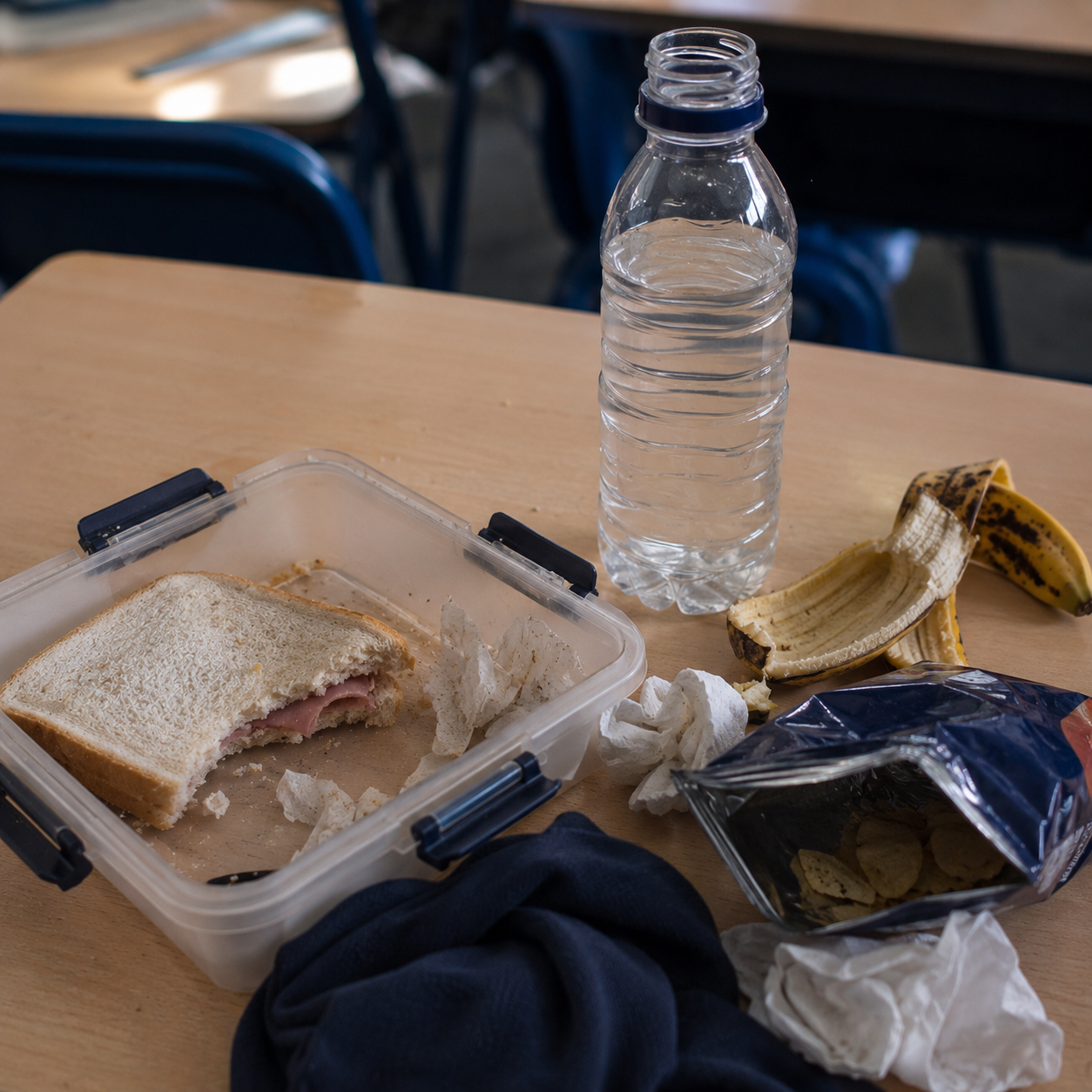
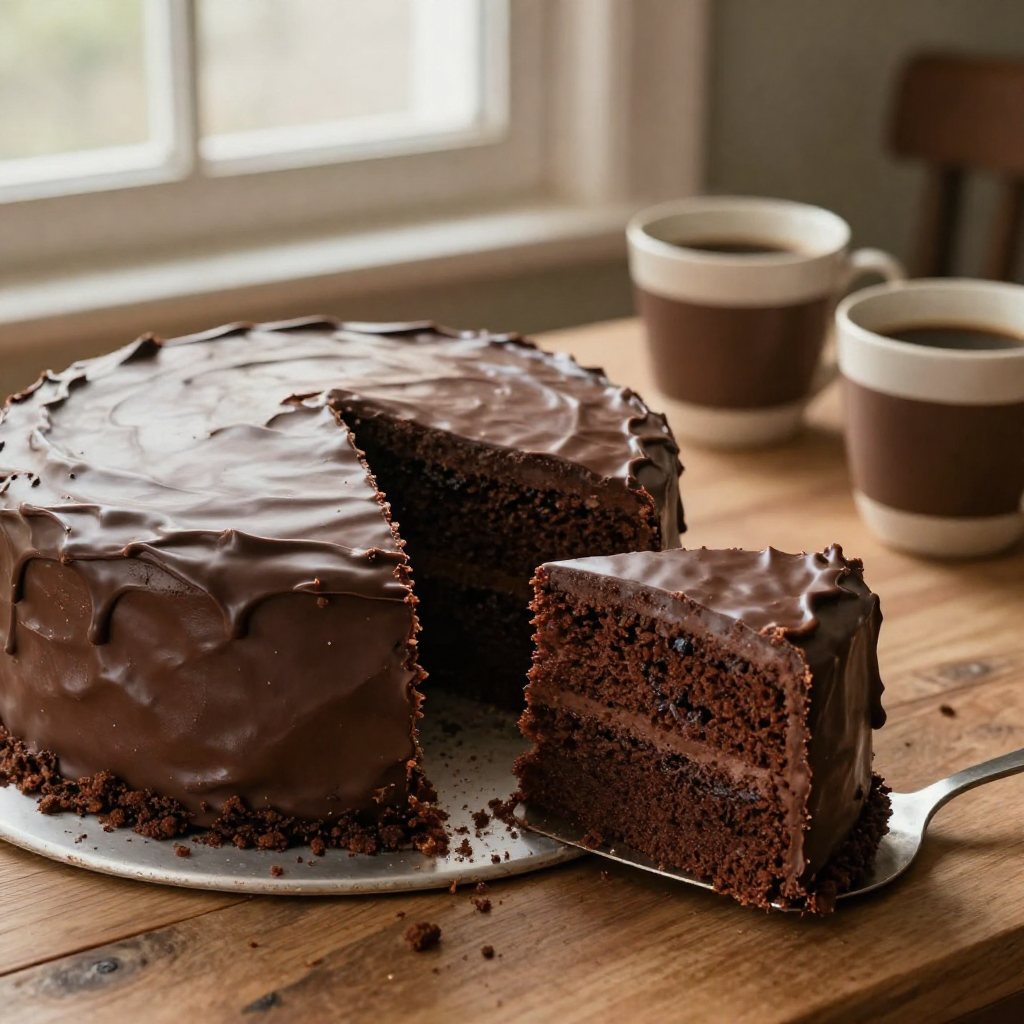
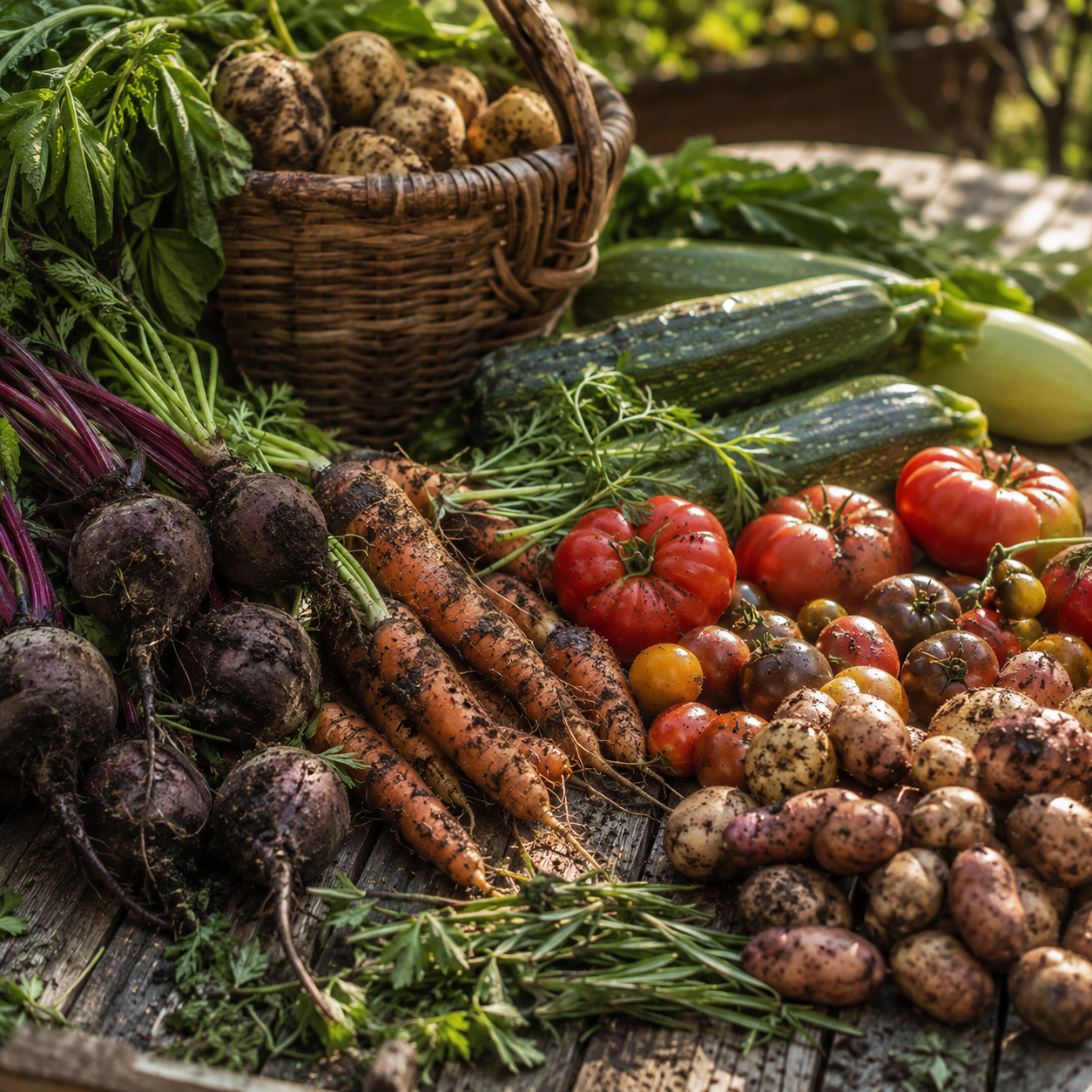
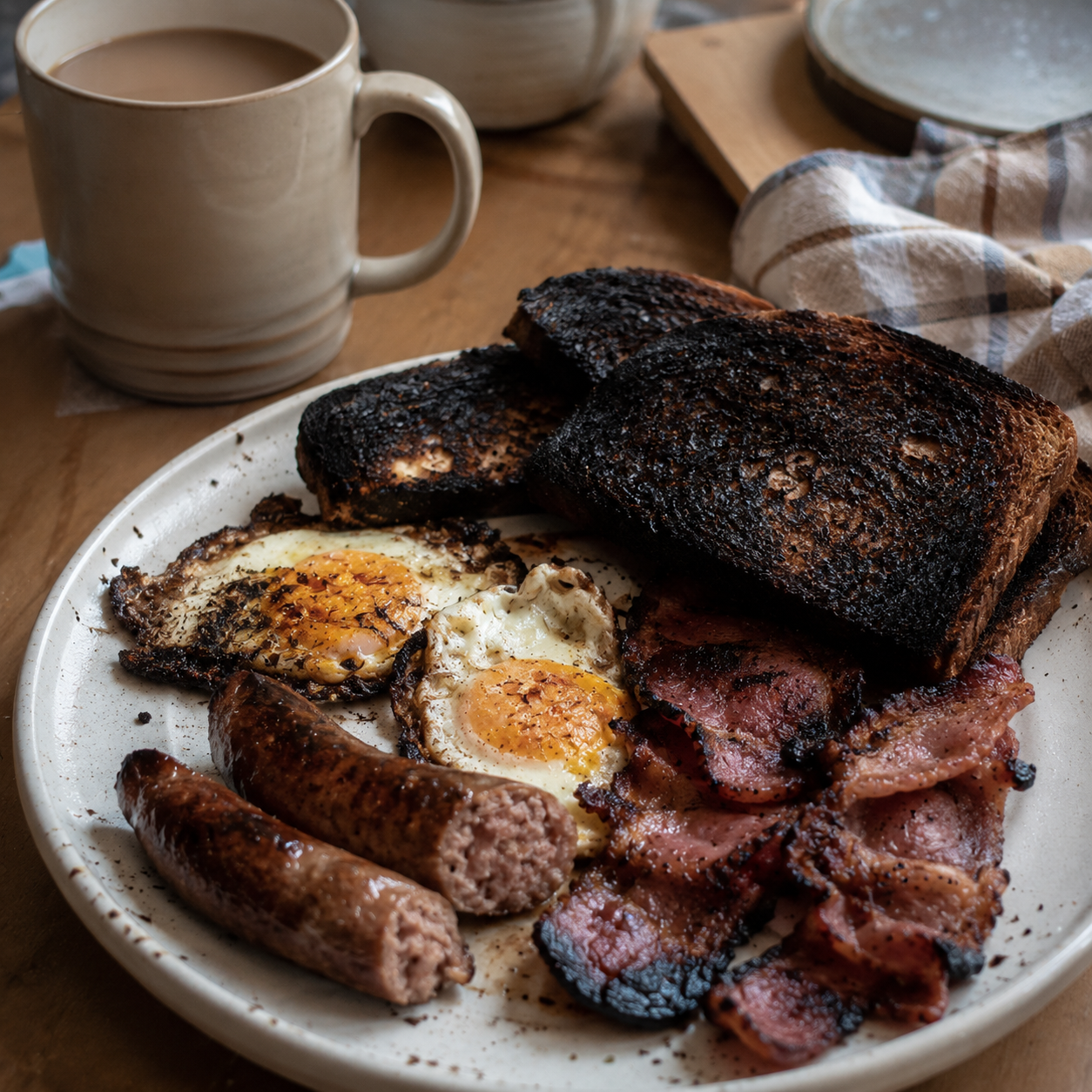
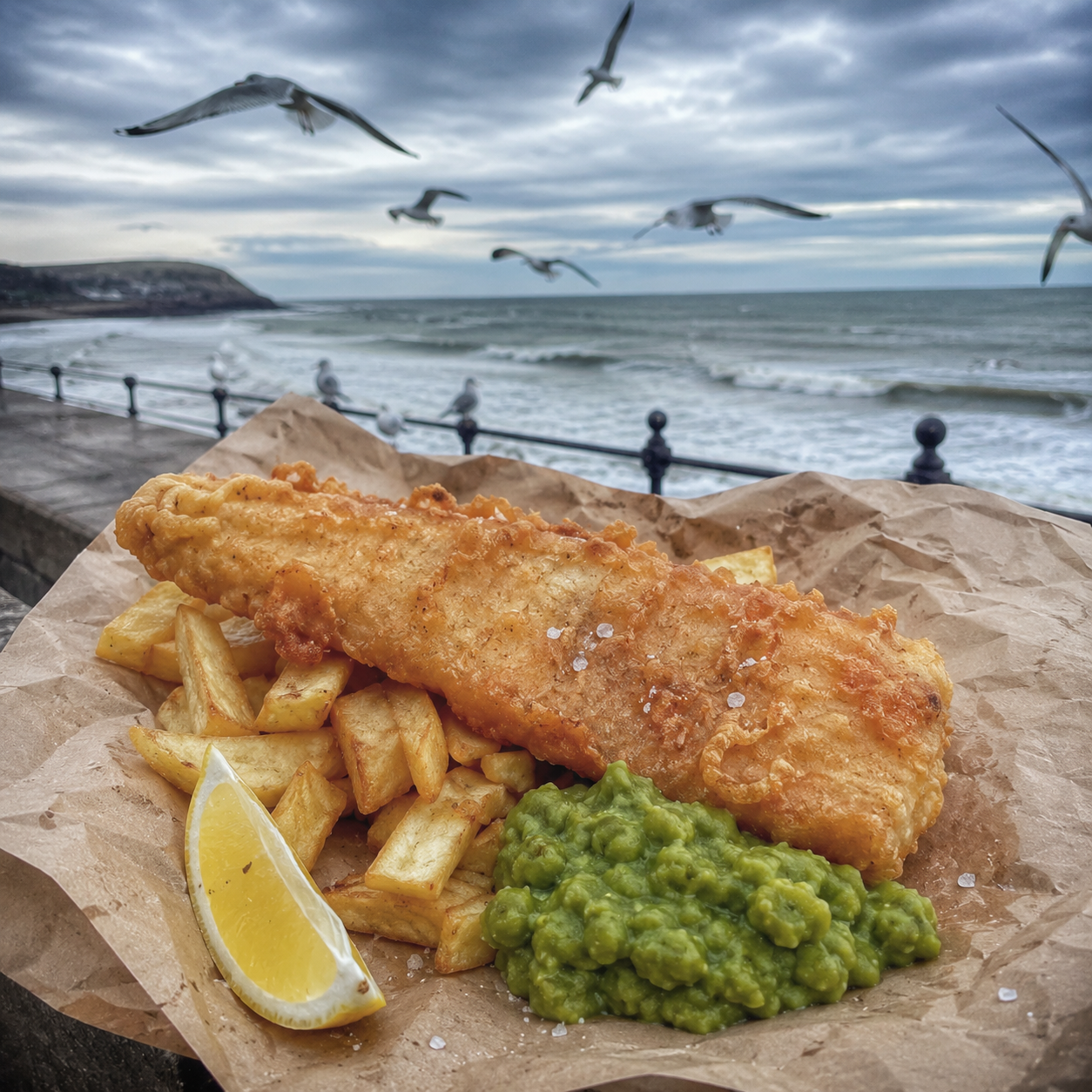
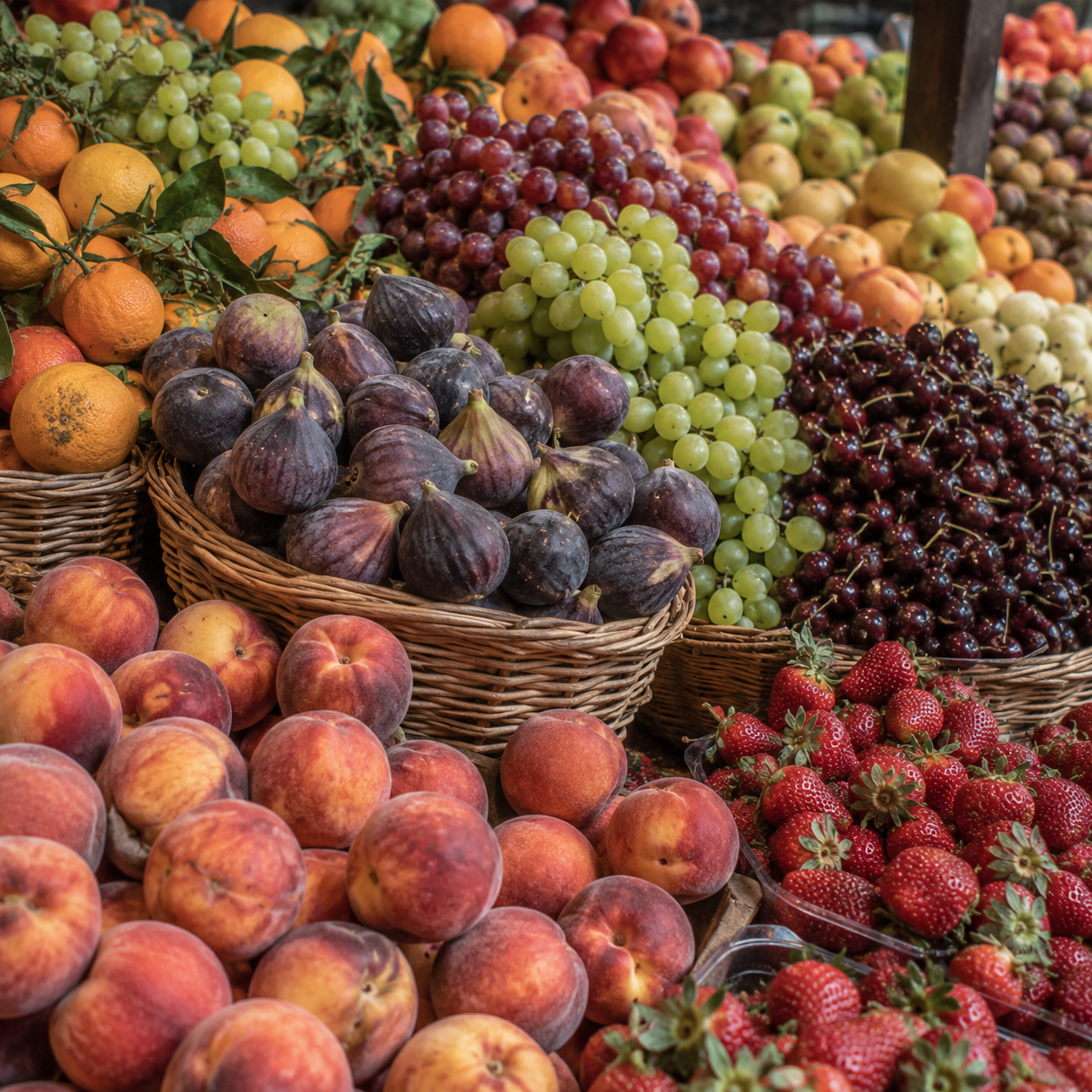
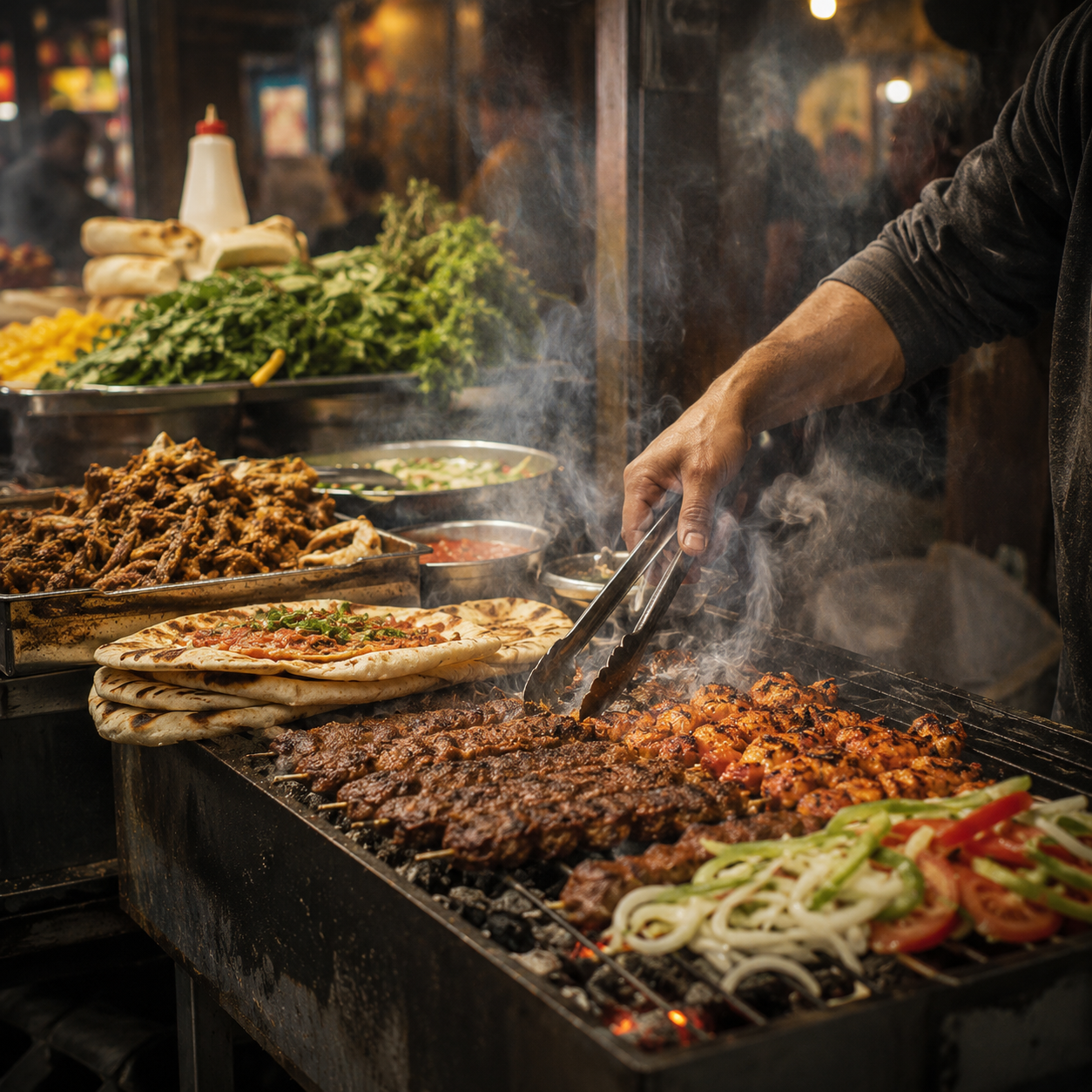
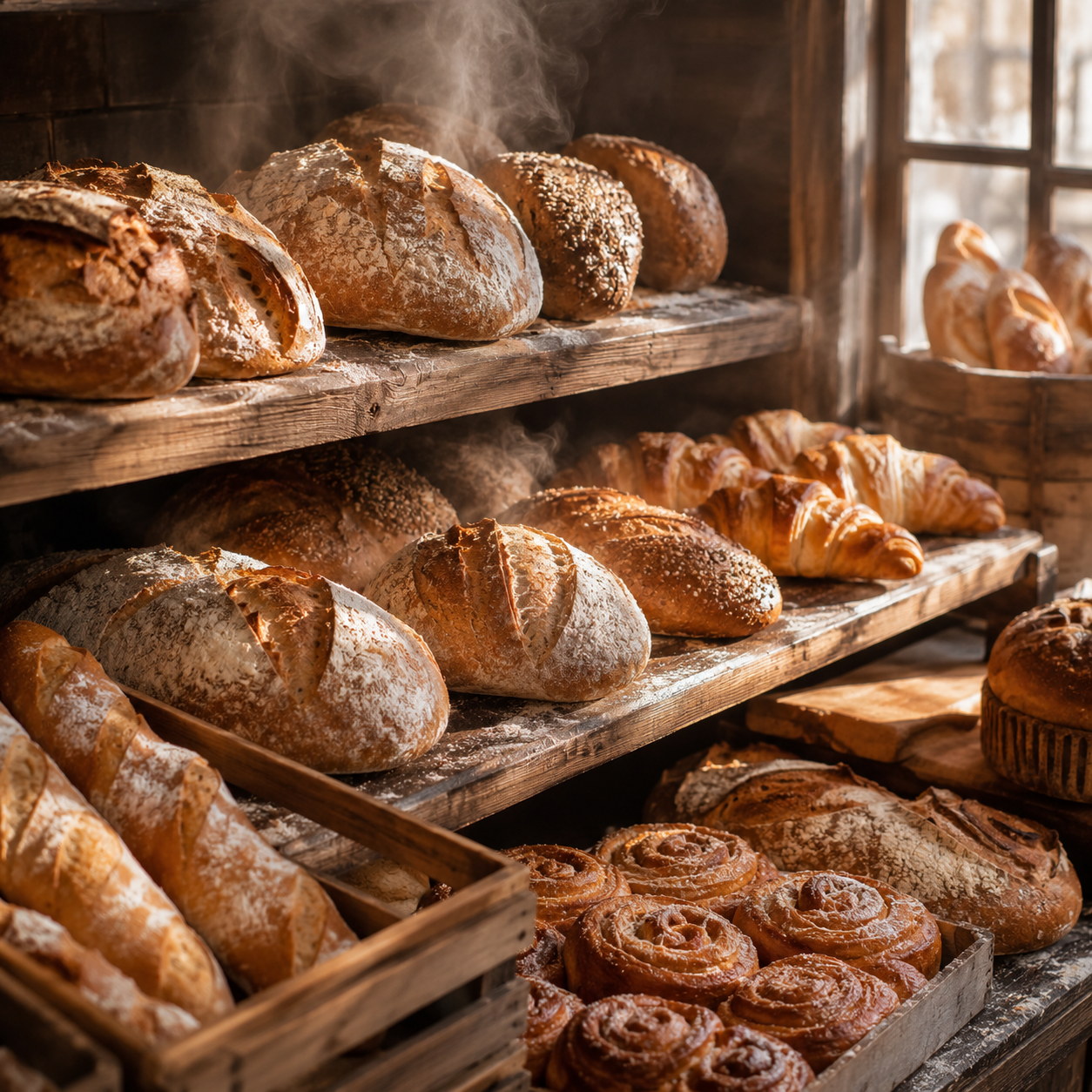
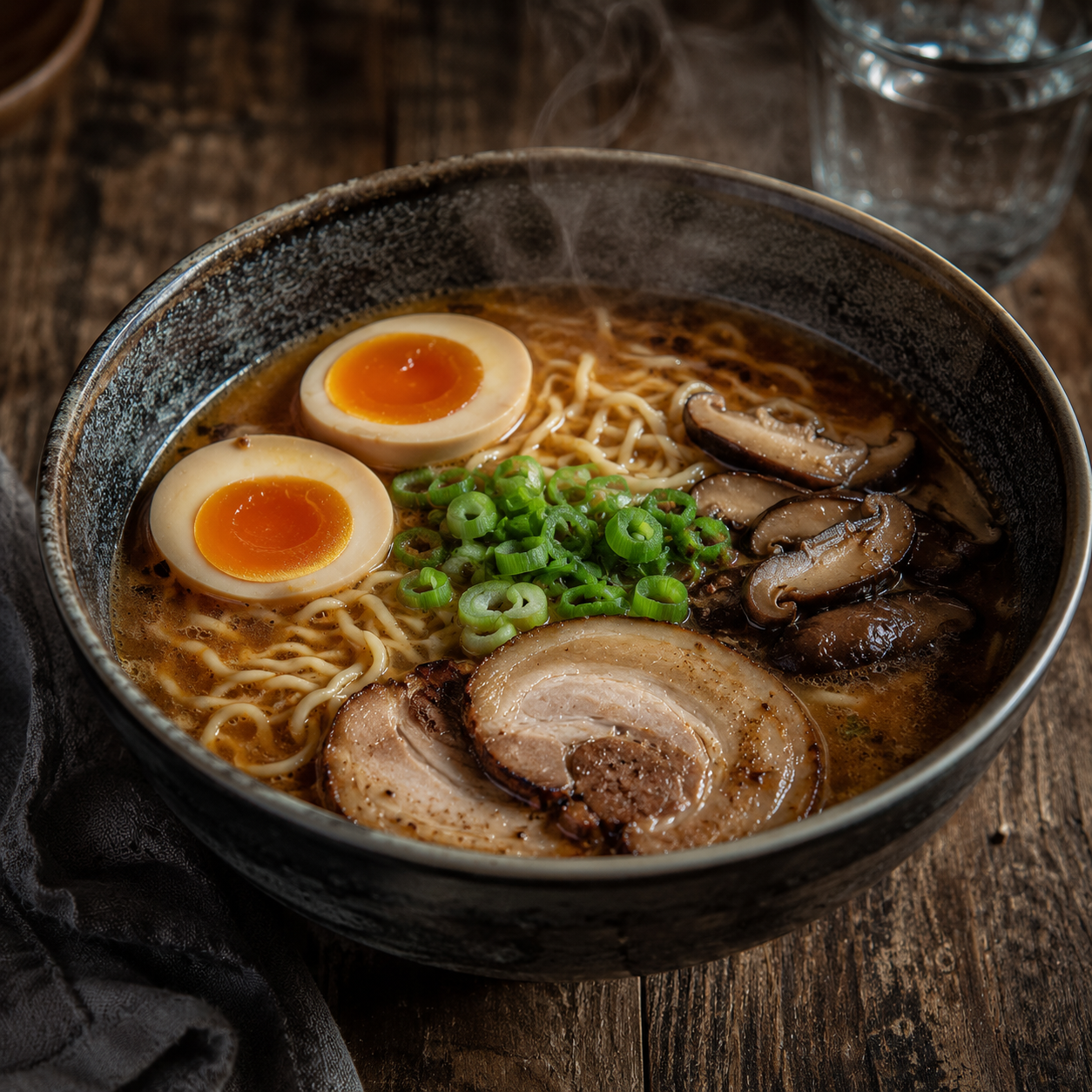
What do you notice?
What immediately draws your attention to the food or drink?
Which details make it look the most appetising or intriguing?
How do the colours, textures, or presentation influence your first impression?
What small details could make your description feel more realistic?
What do you think happened just before this moment?
Sensory Questions
What sounds might you hear while this food is being prepared or eaten?
What aromas or flavours do you imagine experiencing?
What textures would you notice when touching or tasting the food?
How might the temperature change the experience of eating or drinking it?
What emotions, memories, or associations does this food evoke?
Language Challenge
Write your description using at least one simile, one example of personification, and one piece of sensory imagery.
Writing Task
Write a vivid descriptive paragraph inspired by this image, using rich sensory detail, precise vocabulary, and figurative language to bring the food and the surrounding atmosphere to life. Focus on creating an immersive sensory experience rather than telling a story.
Go Deeper into Food Description Writing
Food descriptions do more than tell readers what someone is eating. They can reveal culture, tradition, comfort, celebration, hardship, and personality while engaging every sense. A well-described meal can transport readers to another place, evoke memories, or create a powerful emotional connection without a single line of dialogue. The strongest descriptions focus on the experience of food rather than simply listing ingredients.
◆ Engage all five senses. Think beyond taste and consider the aroma, texture, temperature, sounds, colours, and even the anticipation before the first bite.
◆ Replace generic adjectives such as nice, delicious, or tasty with precise vocabulary that captures flavour, texture, and appearance more vividly.
◆ Use figurative language thoughtfully. Similes, metaphors, and personification can help readers imagine unfamiliar flavours and create more memorable descriptions.
◆ Consider the setting as well as the food itself. A meal eaten beside a campfire, at a royal banquet, or in a quiet café will create a completely different atmosphere.
◆ Think about what food reveals about the people preparing or eating it. Family recipes, hurried breakfasts, lavish feasts, or simple homemade meals can all communicate character and emotion.
◆ Vary your sentence lengths to reflect the pace of the scene. Slow, flowing descriptions suit comforting meals, while shorter sentences can capture the energy of a busy kitchen or market.
◆ Read your description aloud and ask yourself whether readers could almost smell, taste, and experience the food through your writing alone.
Final Thoughts
Food is one of the most powerful subjects for descriptive writing because it naturally engages the senses while revealing atmosphere, culture, memory, and emotion. Whether you're describing a bustling street market, a comforting family meal, an elegant banquet, or a simple cup of coffee on a rainy morning, carefully chosen details can transform an ordinary moment into something readers can almost taste and experience for themselves.
These 70 Food Description Prompts are designed to help you build confidence through a variety of creative exercises, including food-based scenes, contrasting descriptions, observation tasks, language challenges, creative writing exercises, and picture prompts. By experimenting with different settings, flavours, and sensory techniques, you'll strengthen your descriptive writing while learning how food can enrich characters, settings, and stories across every genre.
For more inspiration, explore the Descriptive Writing Hub for prompts covering weather, forests, people, landscapes, emotions, vocabulary, and writing techniques, or visit the Creative Writing Archive, where hundreds of additional prompts, picture prompts, story ideas, character collections, and genre guides are waiting to help you develop your writing.
Choose Your Next Adventure