70 Forest Description Prompts: Atmospheric Woodland Writing Ideas
Forests are some of the most atmospheric settings in creative writing, offering endless opportunities to build mood, mystery, and vivid imagery. A peaceful woodland filled with birdsong and golden sunlight creates a very different experience from an ancient forest shrouded in mist, where every shadow seems to conceal a secret. Whether you're writing fantasy, horror, historical fiction, romance, or literary fiction, learning how to describe forests effectively helps readers feel fully immersed in the world you've created.
Strong forest descriptions go beyond listing trees and plants. The most memorable scenes engage the senses, capturing the scent of damp earth, the crunch of fallen leaves beneath your feet, shafts of sunlight filtering through the canopy, distant birdsong echoing between the branches, or the uneasy silence before a storm. By combining precise vocabulary, sensory detail, figurative language, and carefully chosen imagery, writers can transform an ordinary woodland into a setting that reflects emotion, builds atmosphere, and supports the story unfolding within it.
These 70 Forest Description Prompts are designed to help you practise descriptive writing through a variety of creative challenges, from vivid scene descriptions and contrasting landscapes to language-focused exercises and picture prompts. Whether you're improving your creative writing skills, preparing for an English assessment, or looking for inspiration for your next novel, you'll find plenty of opportunities to strengthen your descriptive techniques while exploring one of nature's most evocative settings.
If you're looking for even more inspiration, explore the Descriptive Writing Hub for prompts covering settings, weather, characters, emotions, vocabulary, and writing techniques, or browse the Creative Writing Archive to discover hundreds of writing prompts, picture prompts, story ideas, character collections, and genre guides across every style of creative writing.
How to Approach Descriptive Writing About Forests
The strongest forest descriptions do more than list trees and plants. Think about the atmosphere the woodland creates, the way light filters through the canopy, the sounds of wildlife, the scent of damp earth, and the changing textures beneath your feet. Focus on movement, colour, weather, and the emotions the setting evokes. Carefully chosen sensory details, precise vocabulary, and figurative language will help readers feel as though they are walking through the forest themselves.
1. Descriptive Titles
A strong title can immediately establish atmosphere, mood, or setting before the first sentence is even written. Choose one of the titles below and use it as the inspiration for a piece of descriptive writing. Focus on creating vivid imagery, rich sensory detail, and an immersive woodland atmosphere.
Where the Forest Whispers
Beneath the Ancient Oaks
The Path No One Walks
After the Rain
A Forest Wrapped in Mist
The Last Light Between the Trees
The Forgotten Clearing
When Autumn Arrives
The Heart of the Woodland
Silence Beneath the Canopy
2. Describe These Scenes
Every forest feels different depending on the season, weather, time of day, and the life within it. Choose one of the woodland scenes below and describe it using precise vocabulary, sensory detail, figurative language, and vivid imagery that helps readers experience the setting for themselves.
A forest at sunrise as the first rays of light reach the woodland floor.
A dense pine forest during a heavy thunderstorm.
An ancient woodland at the height of autumn.
A snow-covered forest where every sound feels muffled.
A peaceful forest stream winding through moss-covered rocks.
A woodland clearing carpeted with wildflowers in early summer.
A dark forest just after sunset.
An overgrown woodland slowly reclaiming the ruins of an abandoned cottage.
A forest alive with birdsong on a warm spring morning.
A mist-covered woodland where the path disappears into the trees.
3. Contrasting Descriptions
One of the best ways to strengthen descriptive writing is by comparing the same setting under different conditions. Choose one of the contrasting scenarios below and describe both versions, paying close attention to how changes in light, weather, season, atmosphere, and sensory detail transform the woodland.
The same forest during the day and at night.
The same woodland in spring and winter.
The forest before and after a thunderstorm.
The same woodland at sunrise and sunset.
The forest in bright sunshine and thick fog.
The woodland before and after the first snowfall.
The same forest during a calm morning and a windy evening.
The woodland in early autumn and late autumn.
The same forest before and after heavy rainfall.
The woodland in complete silence and alive with birdsong.
4. Observation & Experience
The most engaging descriptions often come from careful observation and personal perspective rather than simply listing what can be seen. Choose one of the situations below and focus on how the forest changes through your senses, emotions, and the small details that make the experience feel real.
Your first walk through an ancient forest after years of living in a busy city.
Standing completely still until the woodland begins to reveal its hidden wildlife.
Becoming lost in a forest without directly mentioning fear.
Discovering a hidden clearing that doesn't appear on any map.
Sitting beneath the oldest tree in the forest during a gentle rainfall.
Walking through the woodland on the first crisp morning of autumn.
Following a narrow forest path as daylight slowly begins to fade.
Listening to the forest with your eyes closed, describing only what you can hear, smell, and feel.
Returning to a woodland that holds an important childhood memory.
Leaving the forest behind after sunset and looking back one final time.
5. Language & Style Challenges
The words you choose can completely transform a description. These challenges encourage you to experiment with different literary techniques, sentence structures, and stylistic choices to create richer, more engaging woodland descriptions. Focus on the technique as much as the setting.
Describe the forest using personification throughout, making the woodland feel alive.
Write an extended metaphor comparing the forest to something unexpected.
Focus on colour imagery to capture the changing light, foliage, and atmosphere.
Use alliteration to emphasise the sounds and movement of the woodland.
Rely on powerful verbs rather than descriptive adjectives to create vivid imagery.
Alternate between short, punchy sentences and longer, flowing ones to control pace and atmosphere.
Include at least five original similes inspired by the natural world.
Focus on sound imagery, allowing readers to hear the forest before they see it.
Use repetition to reinforce the mood or rhythm of the woodland.
Write predominantly in complex sentences to create a rich, immersive description.
6. Creative Writing Challenges
Challenge yourself by approaching the same woodland setting from unusual perspectives or under specific writing constraints. These exercises encourage creativity, careful word choice, and fresh ways of describing familiar scenes.
Describe the forest in exactly 50 words.
Describe the woodland without using the wordsforest, woods, woodland, trees, or branches.
Describe the scene without mentioning sight, relying only on the other four senses.
Write the entire description as one continuous sentence.
Describe the woodland through the reactions of someone walking through it, rather than directly describing the setting.
Begin with one tiny detail, gradually revealing the wider forest as the description unfolds.
Describe the woodland as though time has almost stopped.
Begin with the aftermath of an event before revealing what happened.
Write as though the entire woodland is alive and watching you.
Focus almost entirely on movement and action, avoiding long static descriptions.
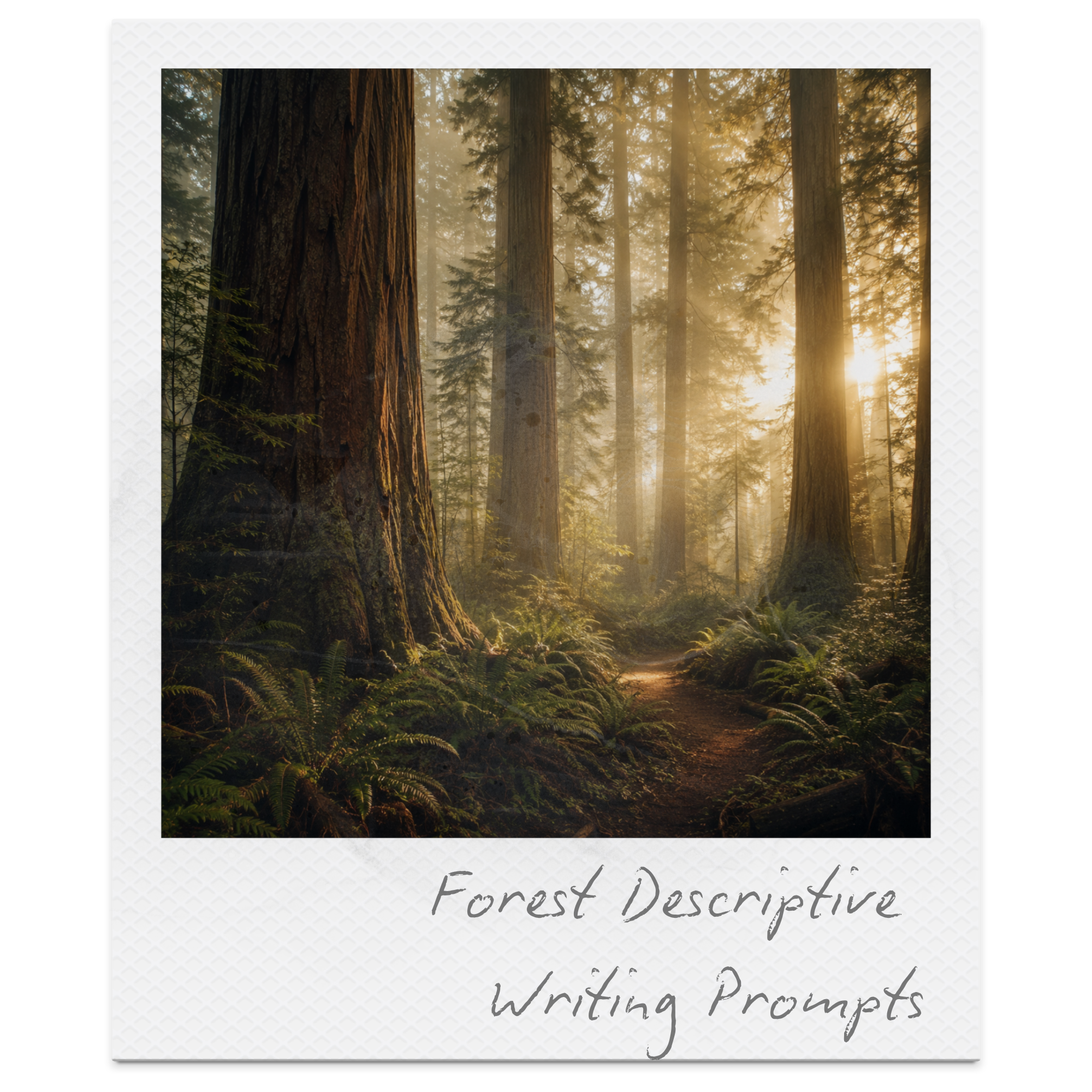
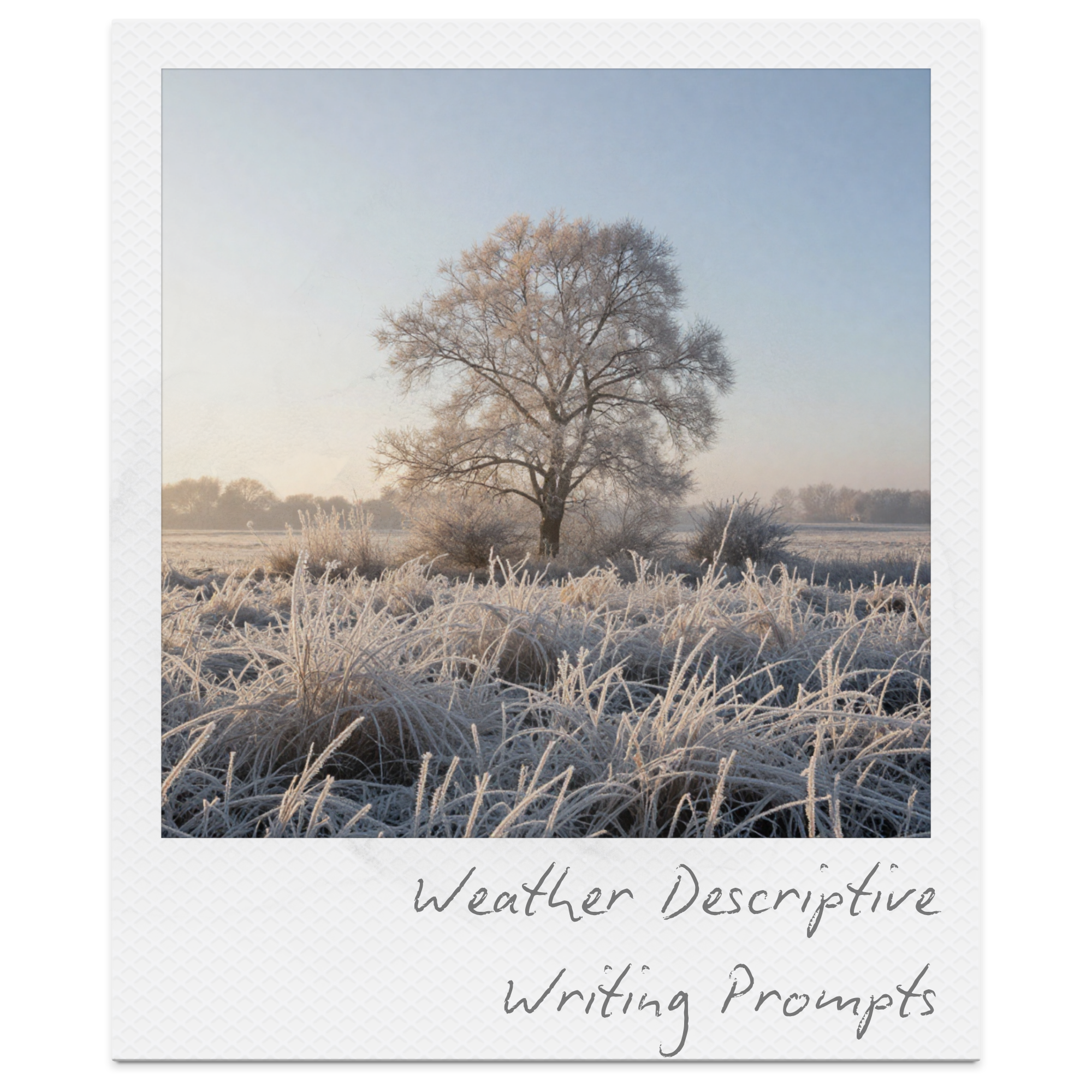
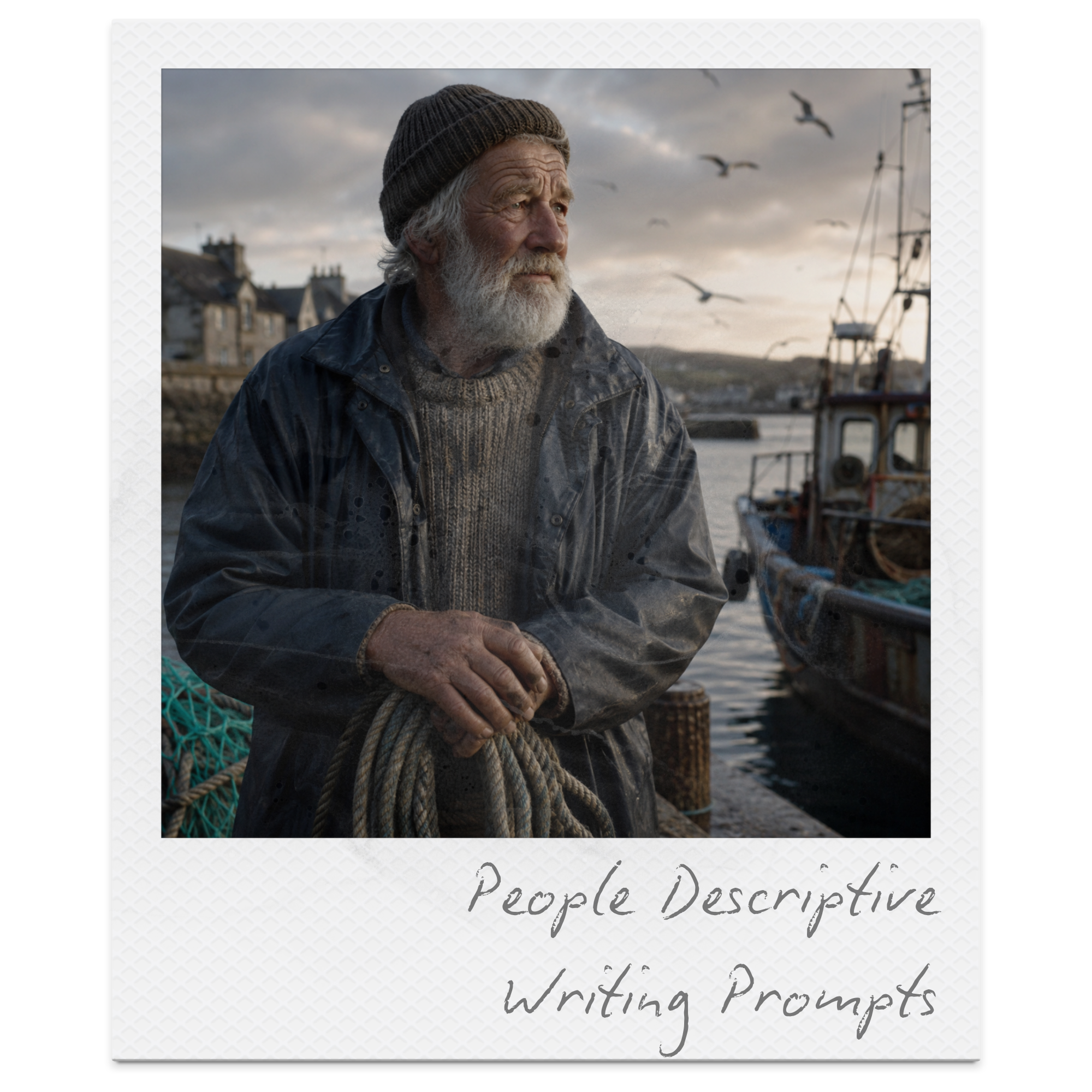
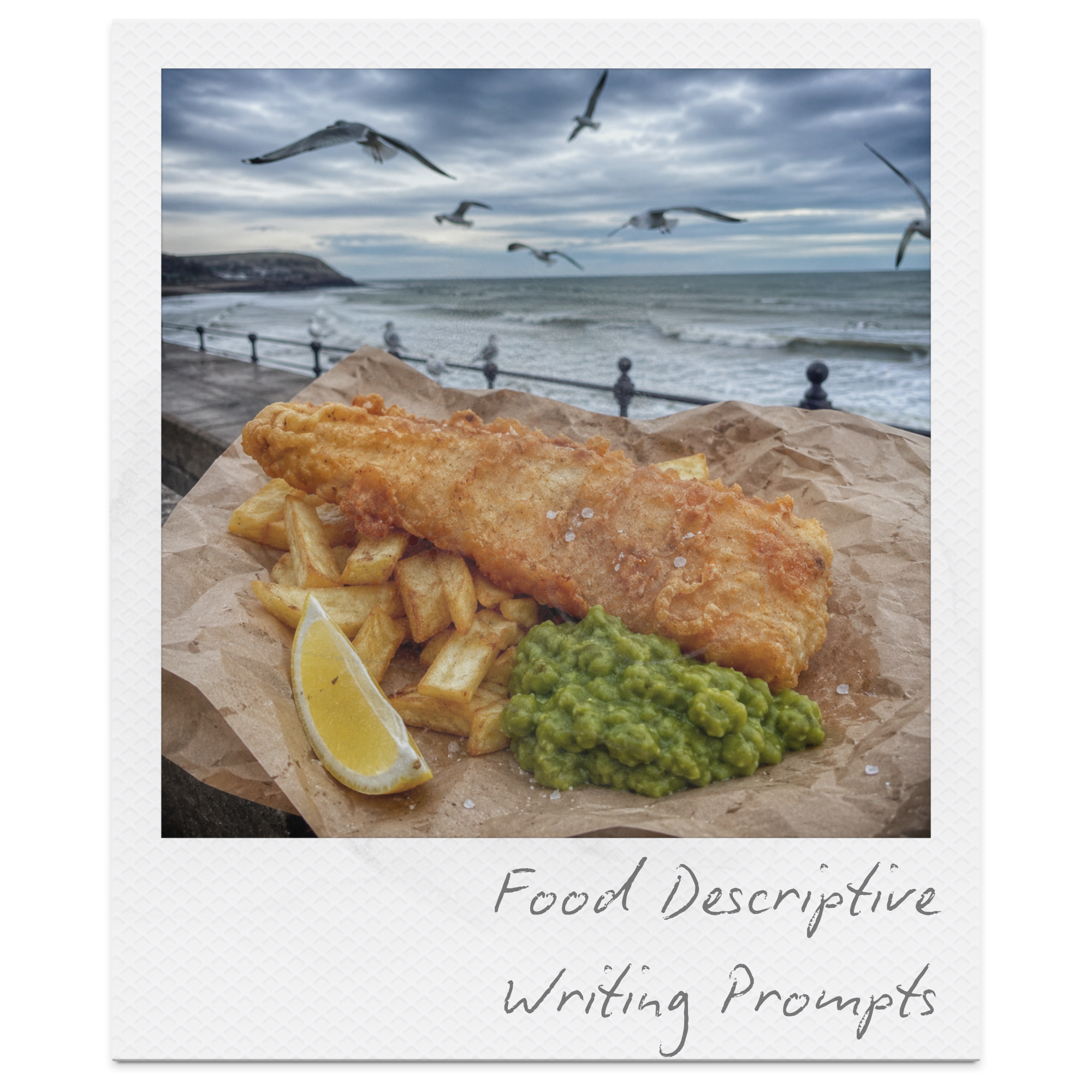
7. Descriptive Picture Prompts
Pictures encourage writers to slow down and observe the details they might otherwise overlook. Study each woodland image carefully before you begin writing, paying close attention to light, colour, texture, movement, weather, and atmosphere. Use the questions below each image to develop your ideas before completing the language challenge and descriptive writing task.
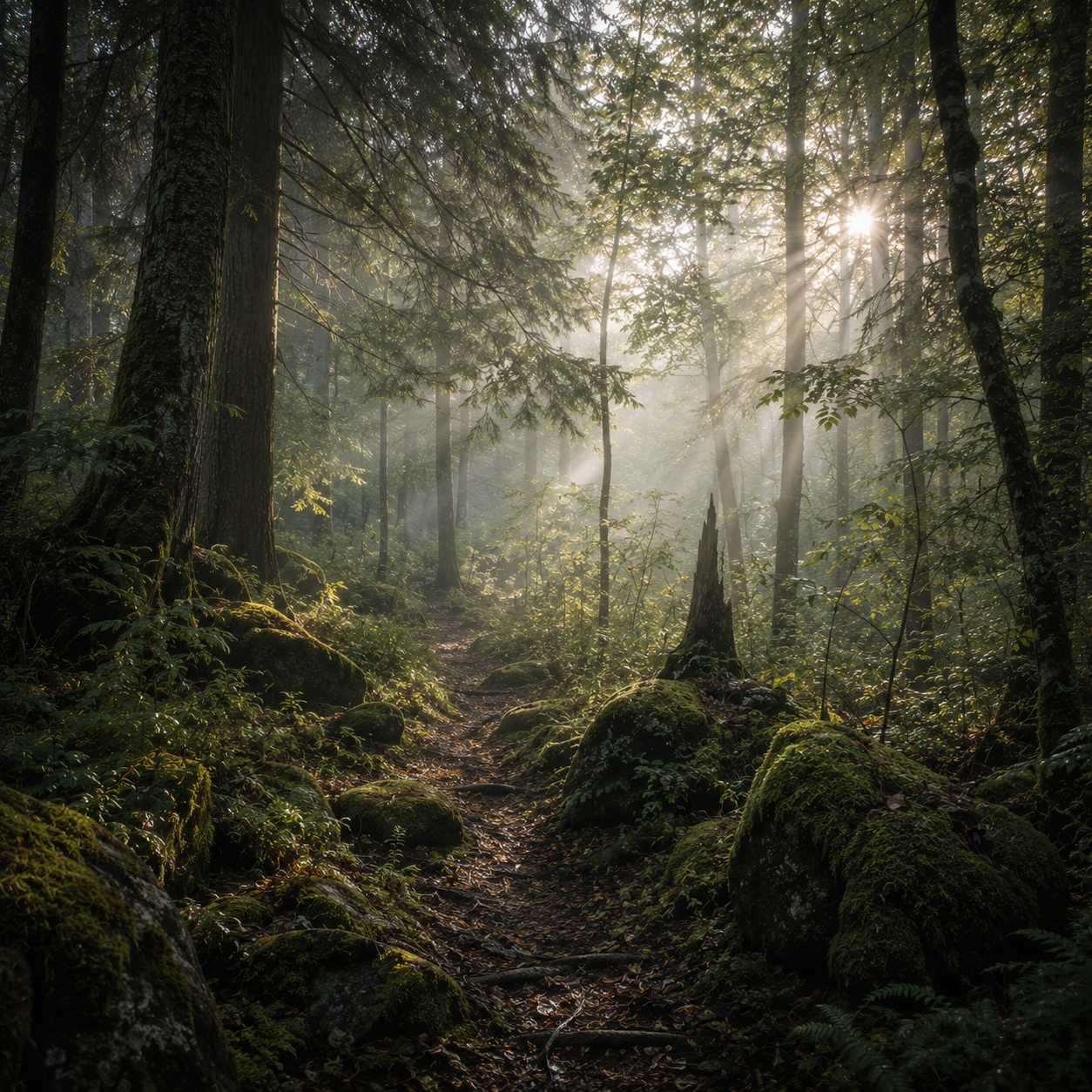
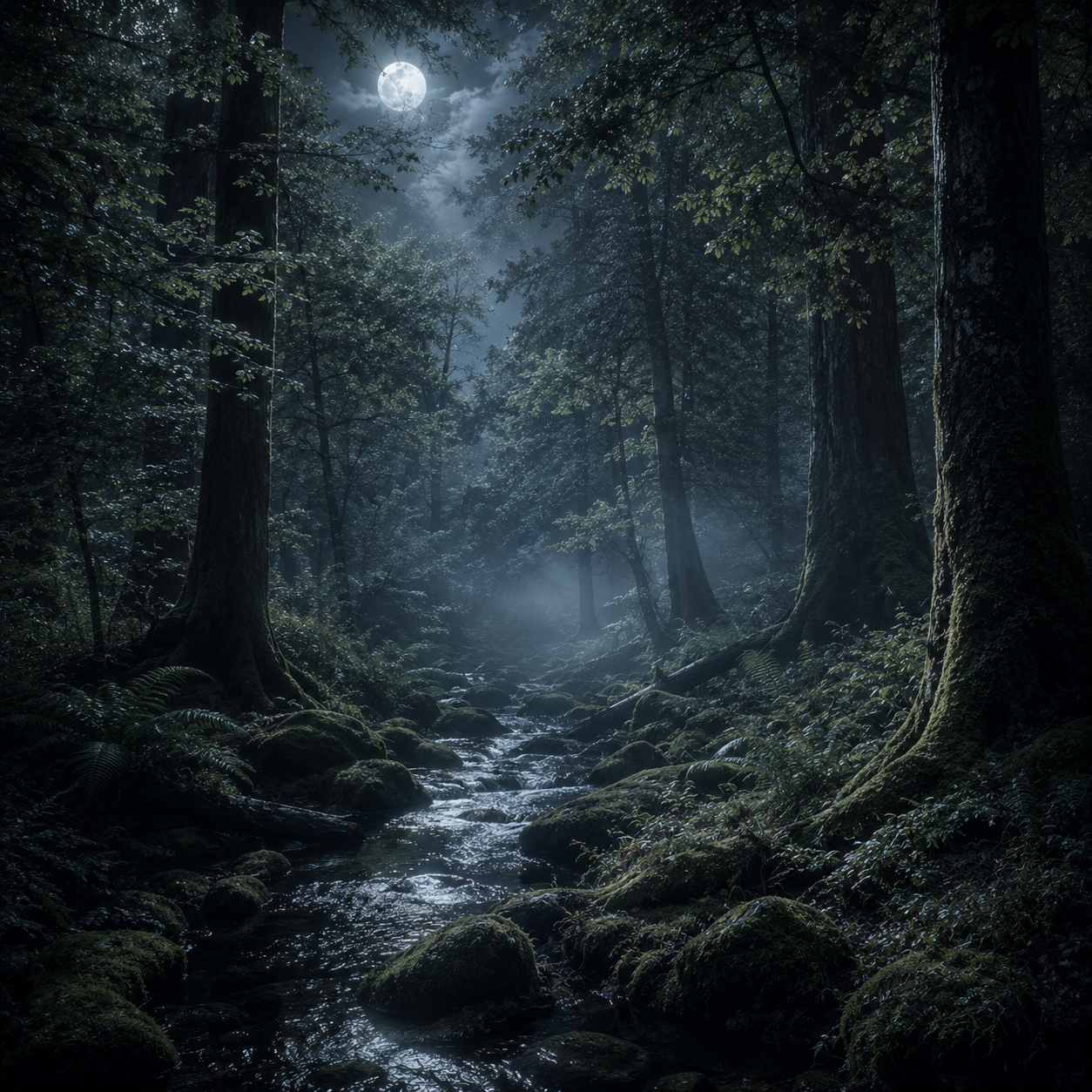
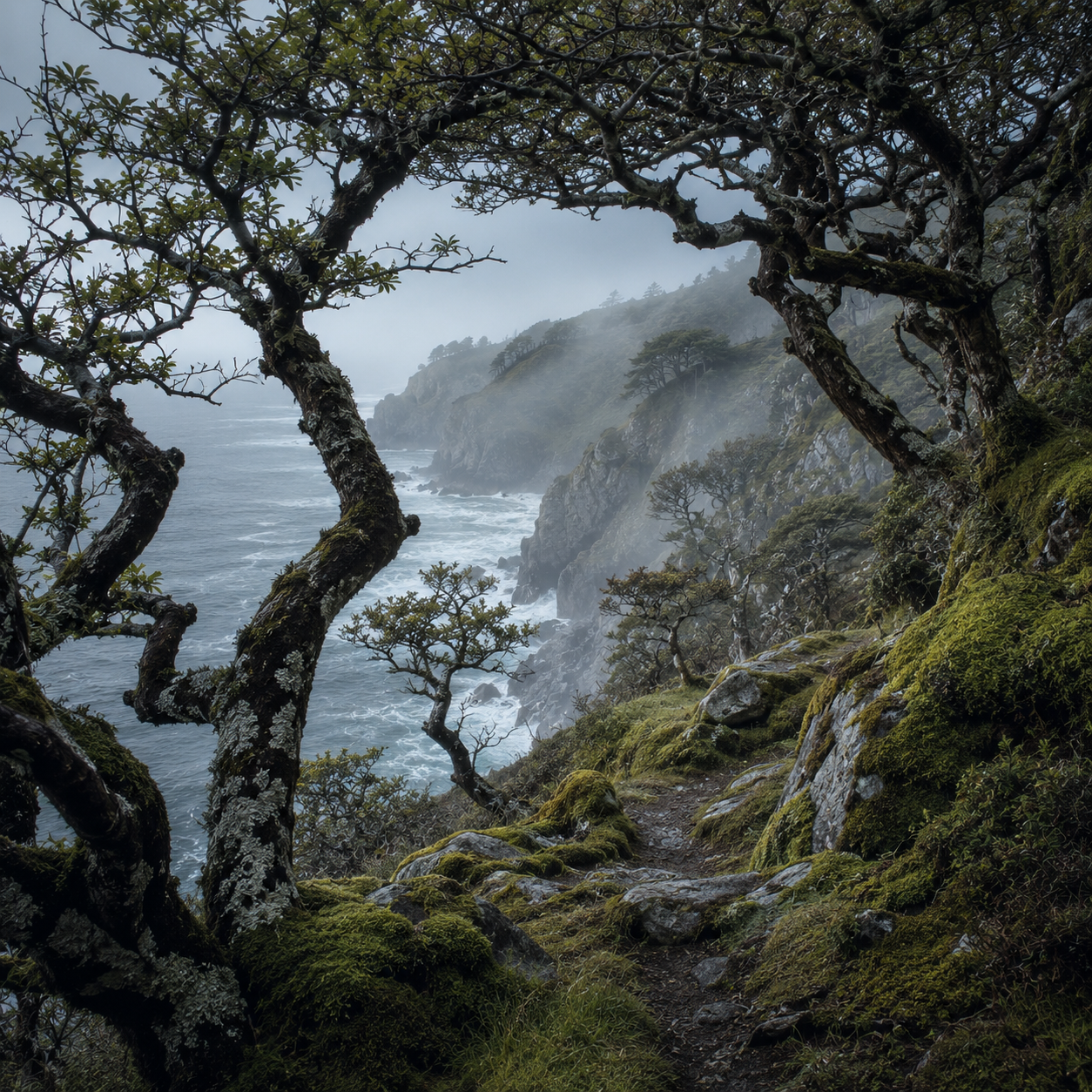
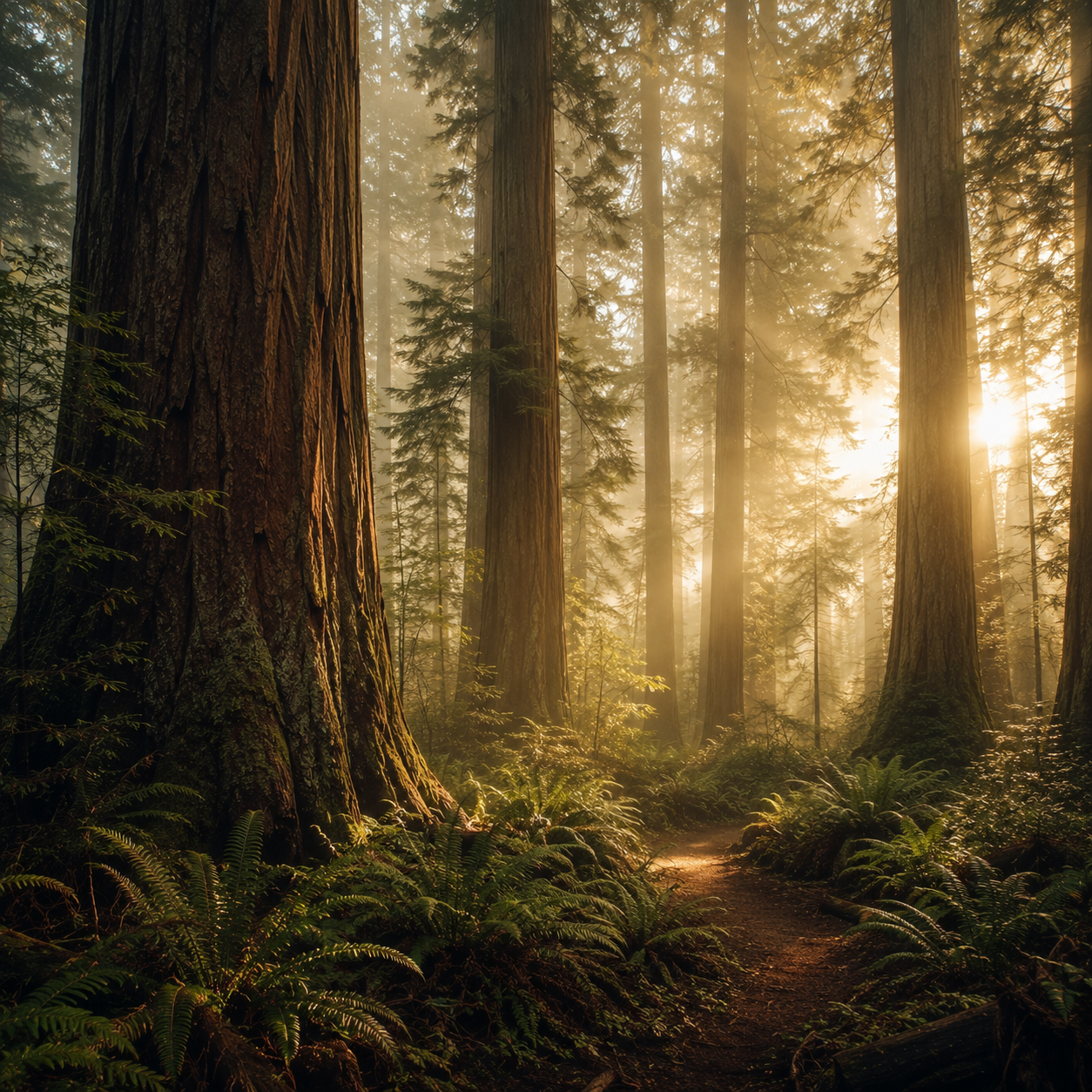
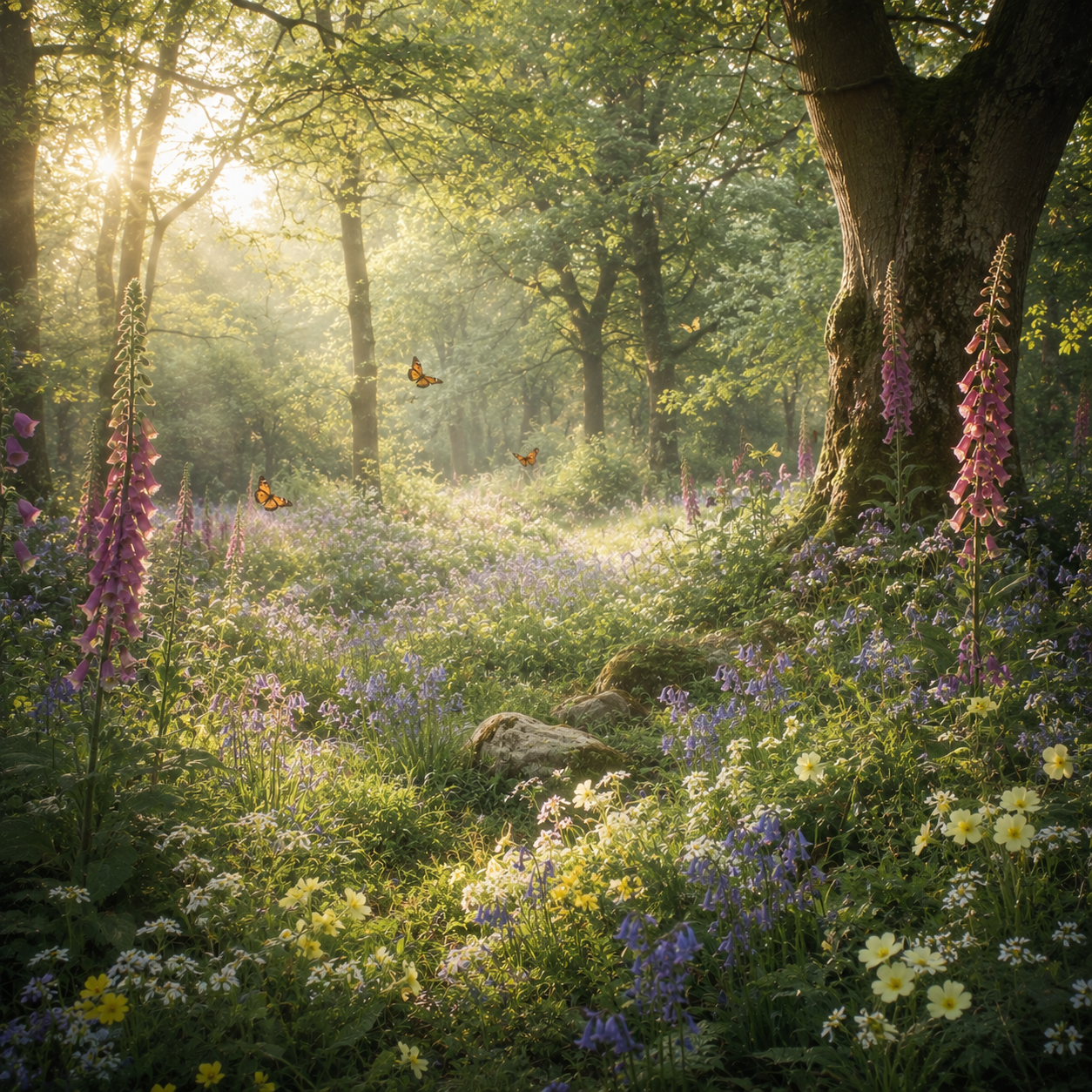
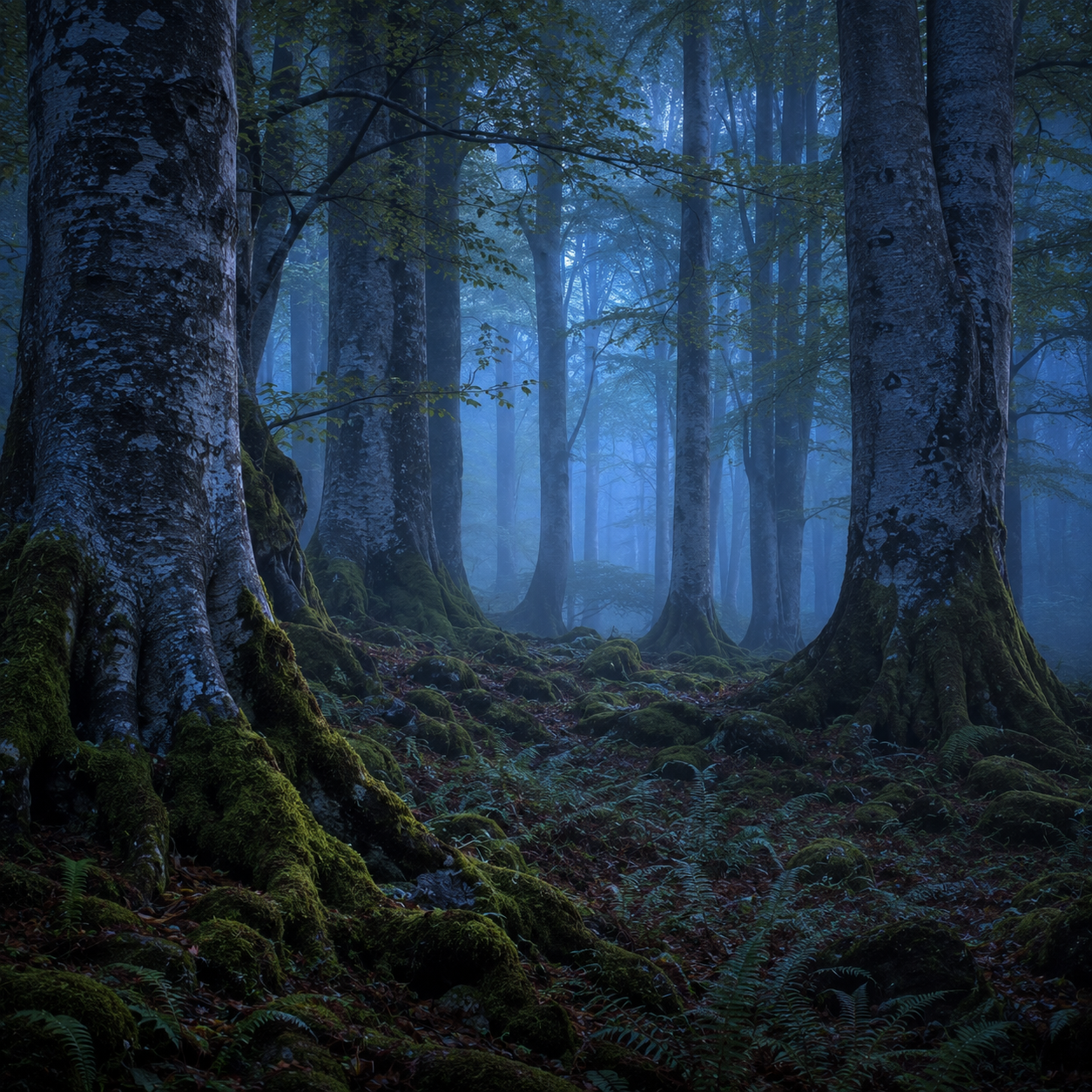
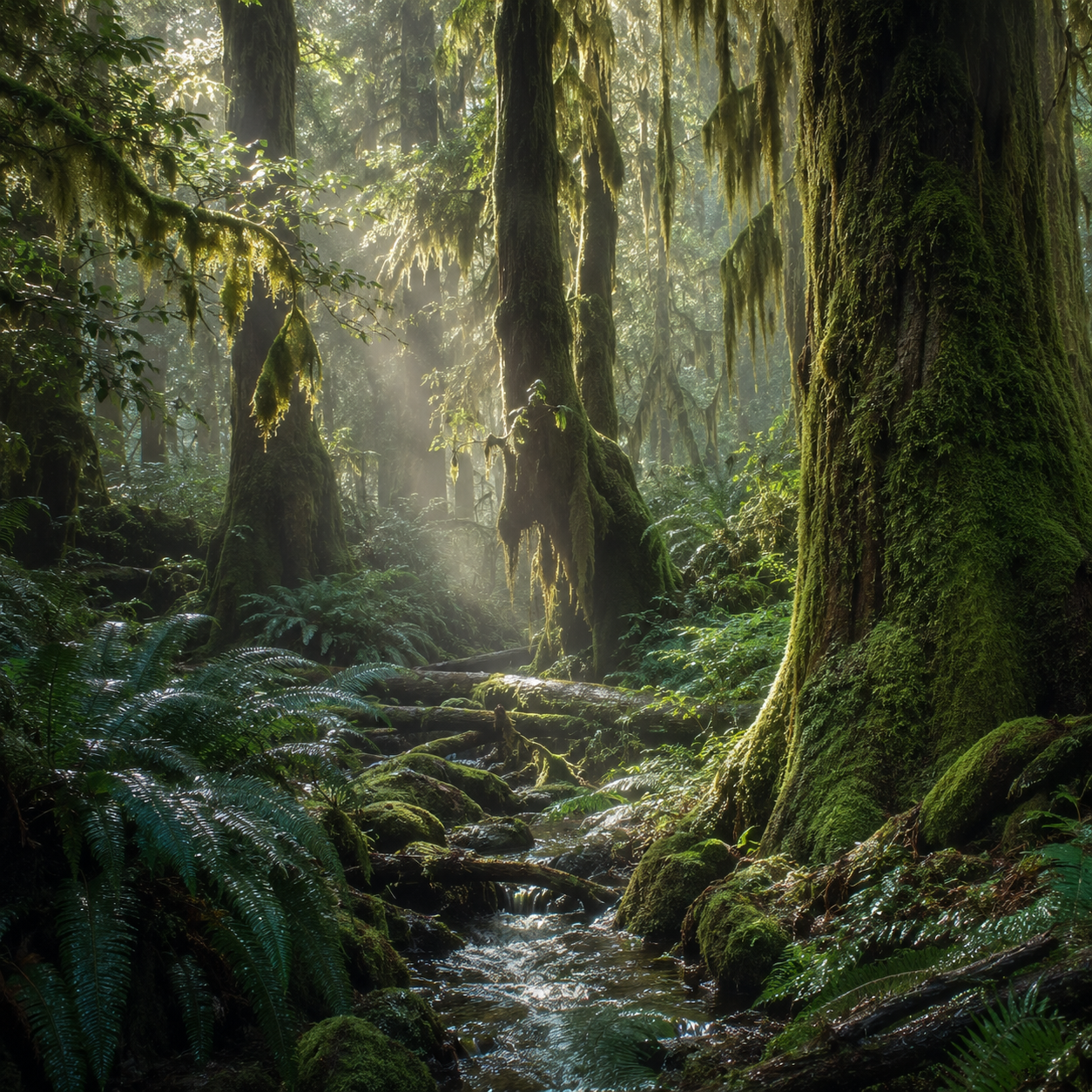
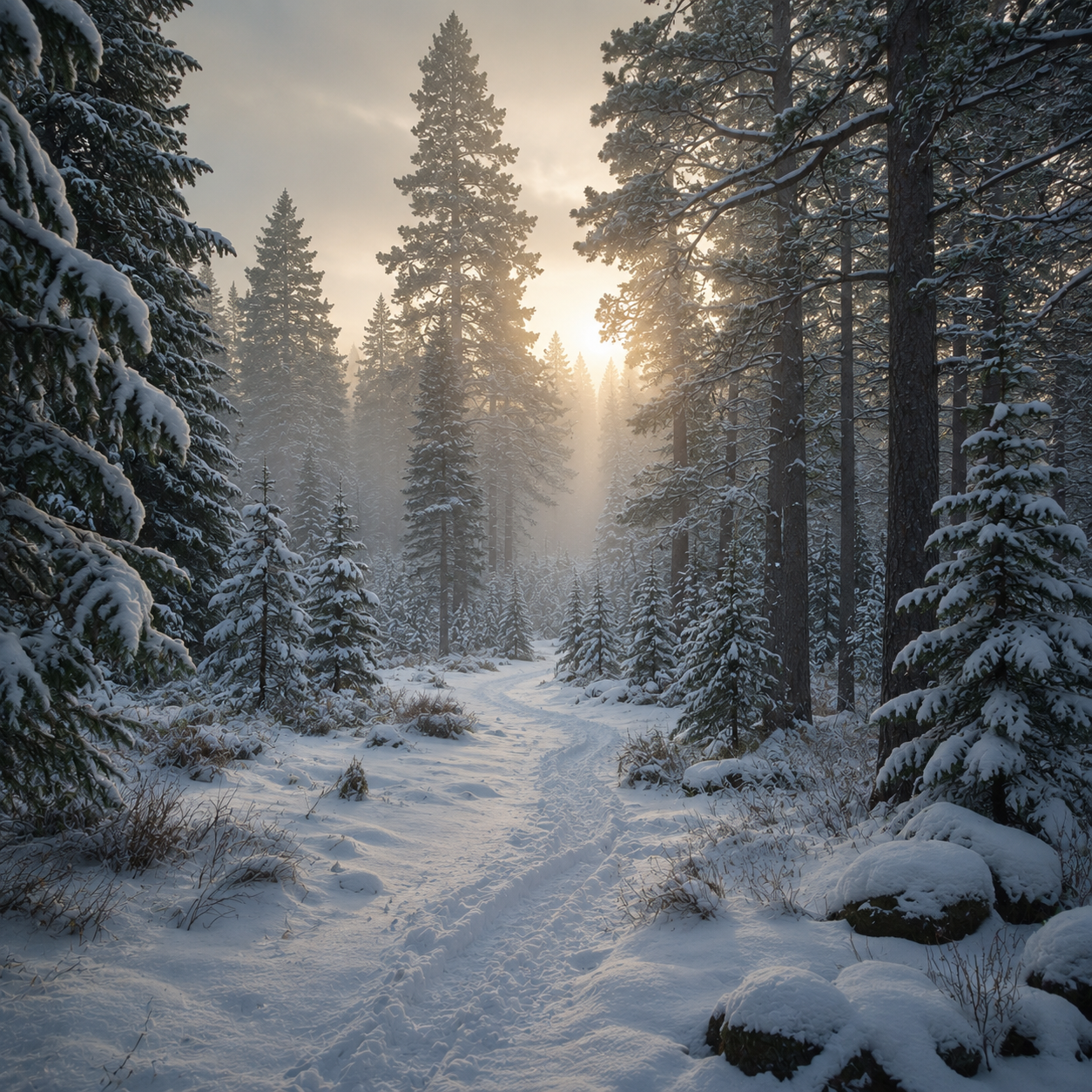
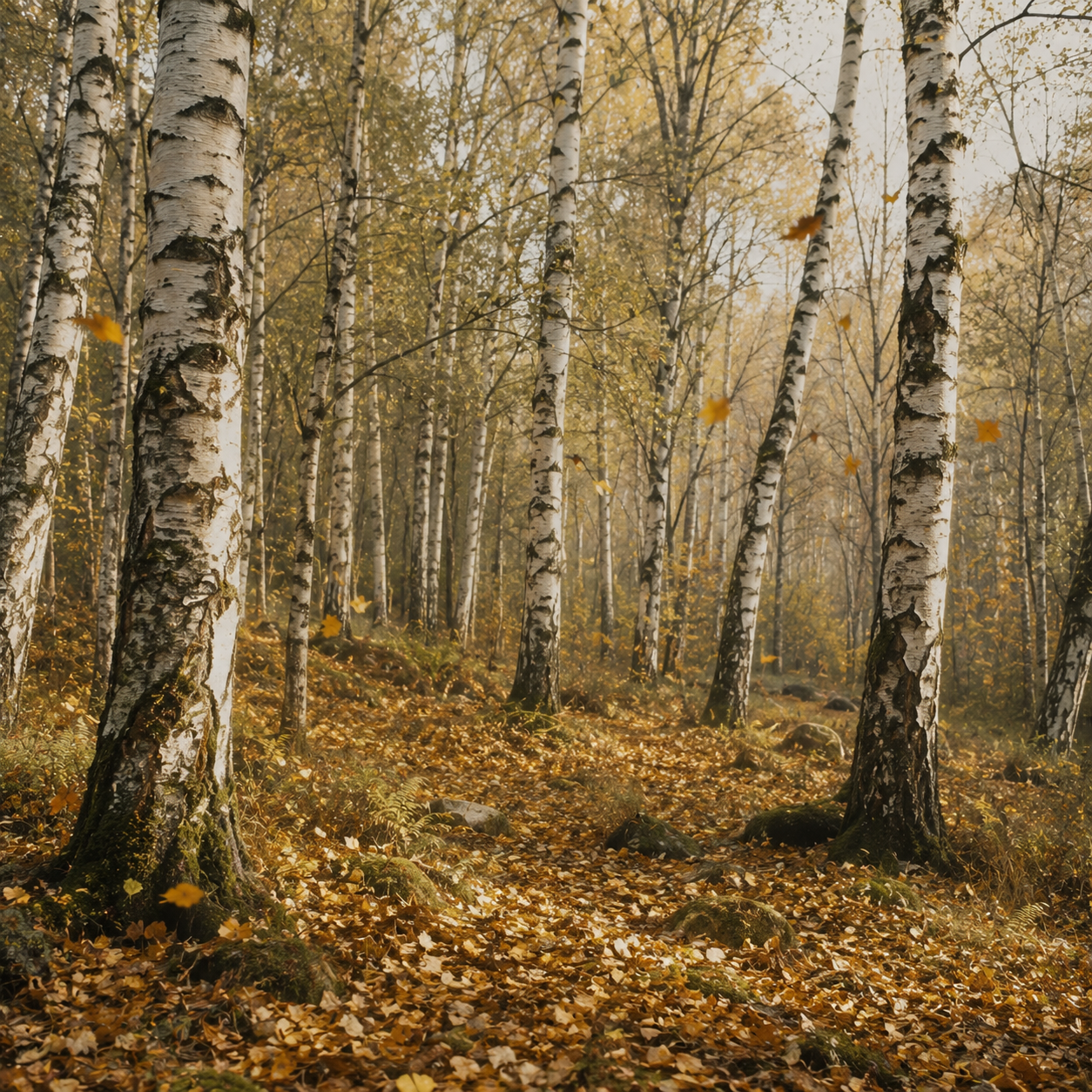
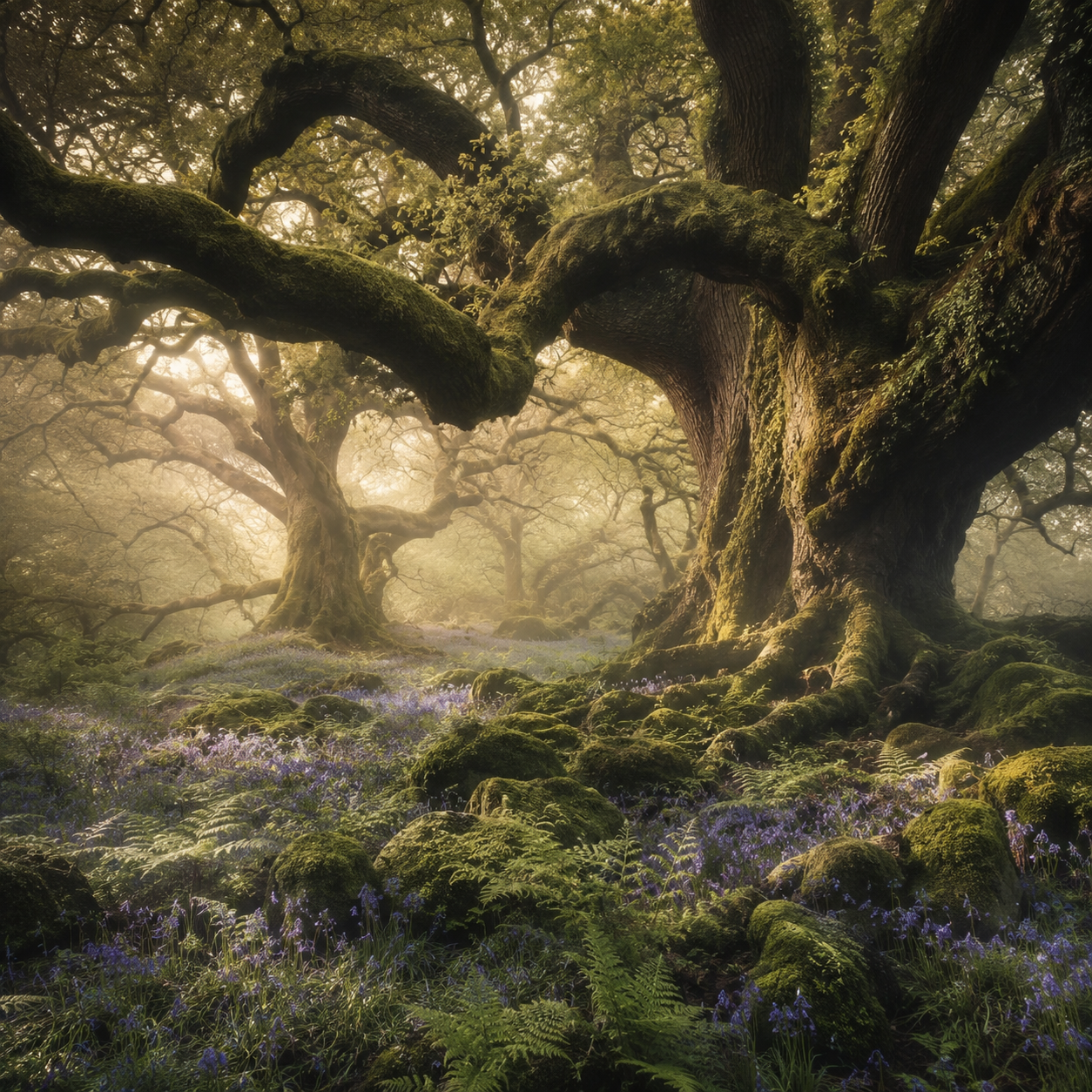
What do you notice?
What immediately draws your attention in this scene?
Which details help create the strongest atmosphere?
How do the colours, light, or shadows influence the mood?
What small details could make your description feel more realistic?
What do you think happened just before this moment?
Sensory Questions
What sounds might you hear in this scene?
What smells or scents might fill the air?
What textures or surfaces would you notice if you touched your surroundings?
How might the temperature or weather feel?
What emotions does this place make you experience?
Language Challenge
Write your description using at least one simile, one example of personification, and one piece of sensory imagery.
Writing Task
Write a vivid descriptive paragraph inspired by this image, using rich sensory detail, precise vocabulary, and figurative language to bring the scene to life. Focus on creating atmosphere rather than telling a story.
Go Deeper into Forest Description Writing
The strongest forest descriptions do more than describe trees and landscapes. They immerse readers in the setting by combining atmosphere, sensory detail, precise vocabulary, and carefully chosen imagery. A woodland can feel peaceful, mysterious, threatening, magical, or nostalgic depending on the details you choose to emphasise.
◆ Focus on all five senses rather than relying only on visual description. Think about the scent of damp earth, the sound of rustling leaves, the rough texture of bark, or the cool air beneath the canopy.
◆ Replace vague words such as nice, beautiful, or dark with more specific vocabulary that creates a clearer picture and a stronger emotional response.
◆ Let the weather, light, and seasons influence the atmosphere. The same forest should feel completely different at sunrise, during heavy rain, or beneath a blanket of winter snow.
◆ Vary your sentence lengths to match the mood. Longer, flowing sentences can create a sense of calm and wonder, while shorter sentences build tension and urgency.
◆ Use figurative language purposefully. Similes, metaphors, and personification should strengthen the description rather than distract from it.
◆ Look for opportunities to show movement. Leaves drifting in the breeze, birds darting between branches, or sunlight shifting across the woodland floor can make the scene feel alive.
◆ Read your description aloud once you've finished. Listening to the rhythm of your writing is one of the best ways to identify awkward phrasing, repetition, and opportunities to strengthen your imagery.
Final Thoughts
Describing a forest is about far more than naming the trees around you. The most memorable woodland scenes invite readers to step beneath the canopy, experience the changing light, listen to the sounds of nature, and feel the atmosphere that surrounds every path, clearing, and ancient oak. By practising different techniques and experimenting with perspective, language, and sensory detail, you'll develop descriptions that feel vivid, immersive, and memorable.
These 70 Forest Description Prompts: Atmospheric Woodland Writing Ideas are designed to help writers build confidence in descriptive writing through a variety of creative exercises, from scene descriptions and language challenges to picture prompts and observation tasks. Whether you're preparing for an English assessment, developing your creative writing skills, or writing your next novel, regular practice will help you create richer settings that draw readers deeper into your stories.
For more inspiration, explore the Descriptive Writing Hub for prompts covering settings, weather, characters, emotions, vocabulary, and writing techniques, or visit the Creative Writing Archive, where hundreds of additional prompts, picture prompts, story ideas, character collections, and genre guides are waiting to help you develop your writing.
Choose Your Next Adventure