Notes from the Inkpot
Writing, teaching, creating - one ink-stained idea at a time.

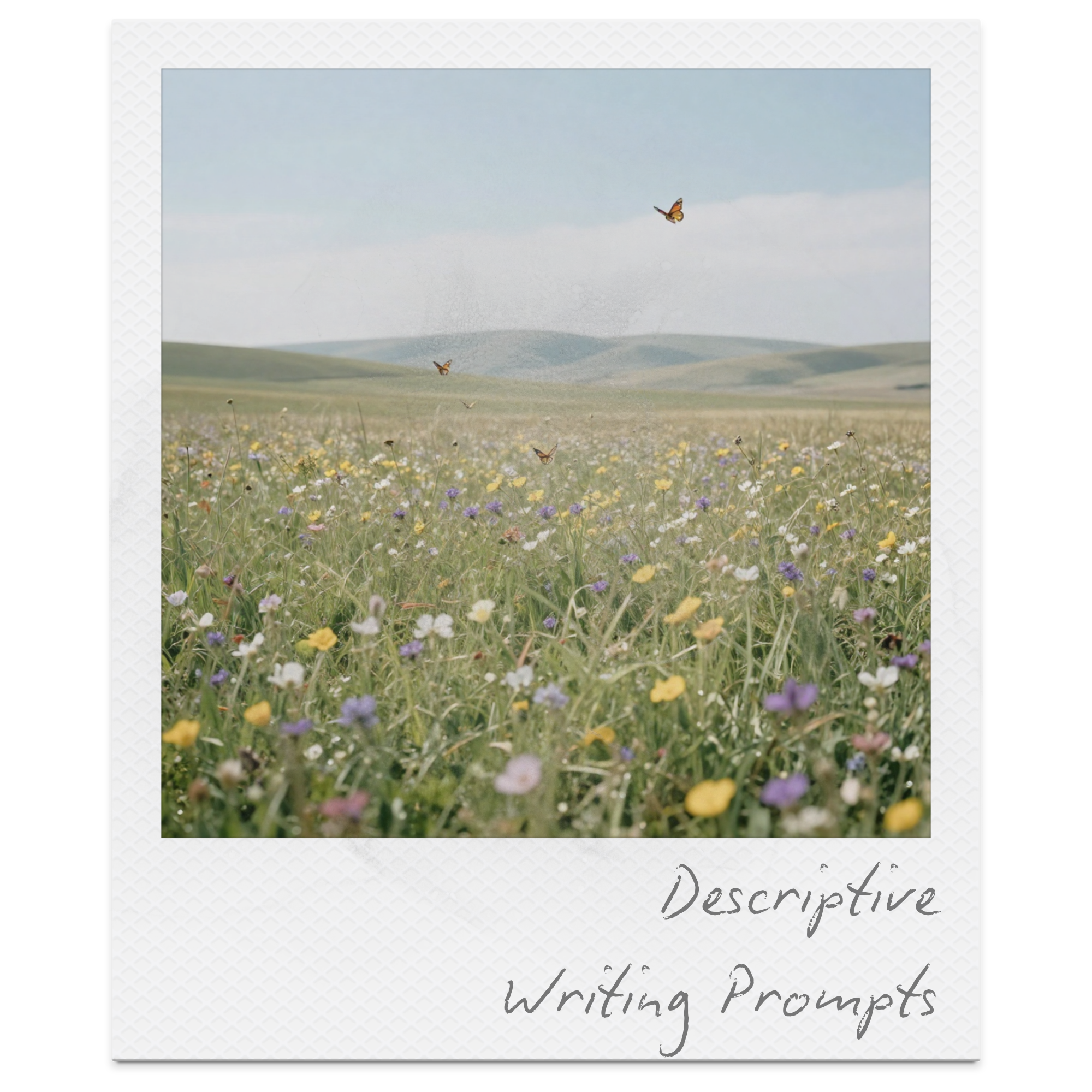
70 Descriptive Writing Prompts: Settings, Scenes & Sensory Challenges
Explore 70 Descriptive Writing Prompts designed to help you create vivid, immersive descriptions through rich sensory detail, figurative language, and carefully chosen imagery. This collection includes descriptive titles, scene-based prompts, contrasting descriptions, observation exercises, language and style challenges, creative writing tasks, and picture prompts to help students and writers strengthen their descriptive writing skills across every genre.
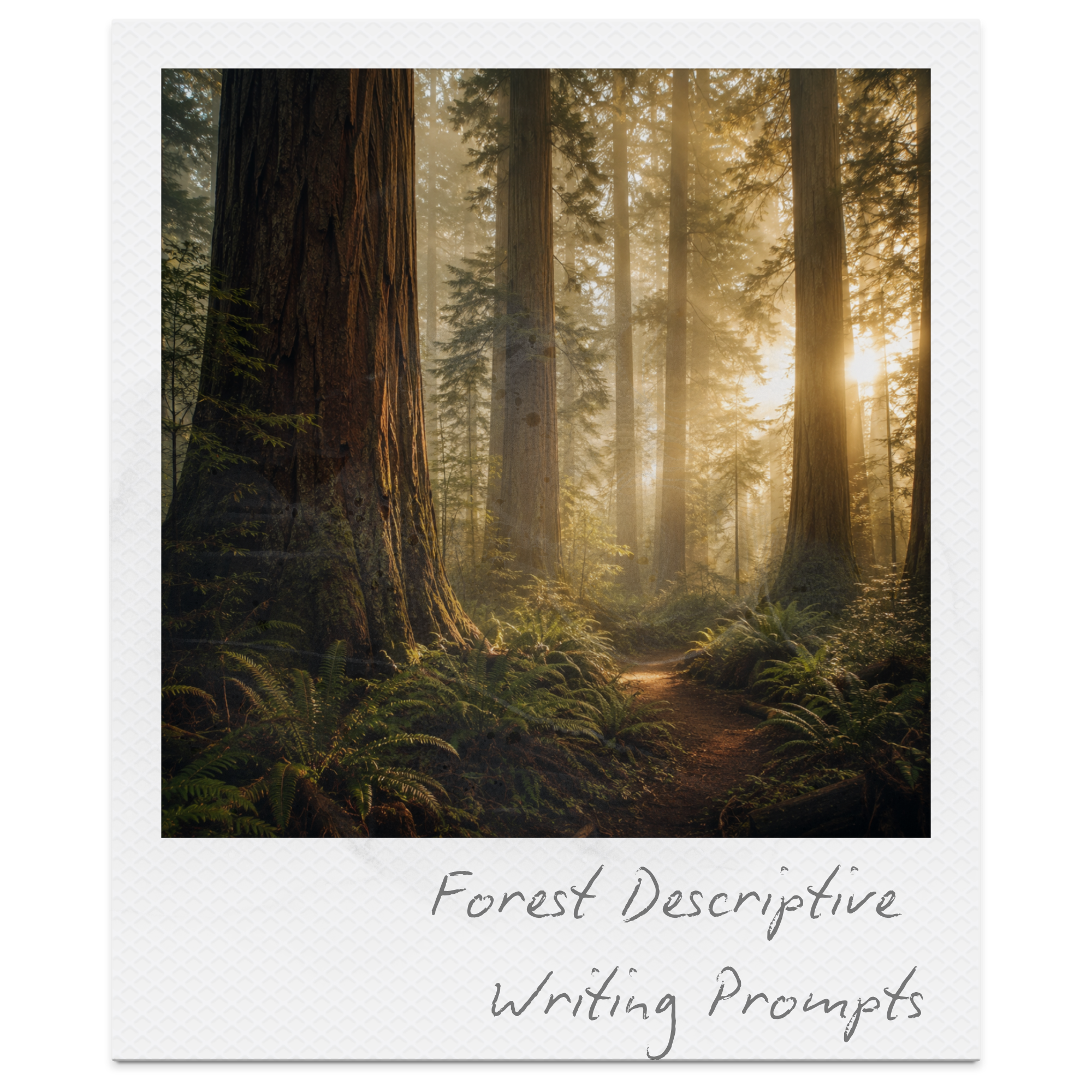
70 Forest Description Prompts: Atmospheric Woodland Writing Ideas
Explore 70 Forest Description Prompts designed to help you write vivid, atmospheric woodland scenes filled with rich sensory detail and immersive imagery. This collection includes descriptive titles, scene descriptions, contrasting settings, observation challenges, language and style exercises, creative writing challenges, and picture prompts to help students and writers develop stronger descriptive writing skills across every genre.
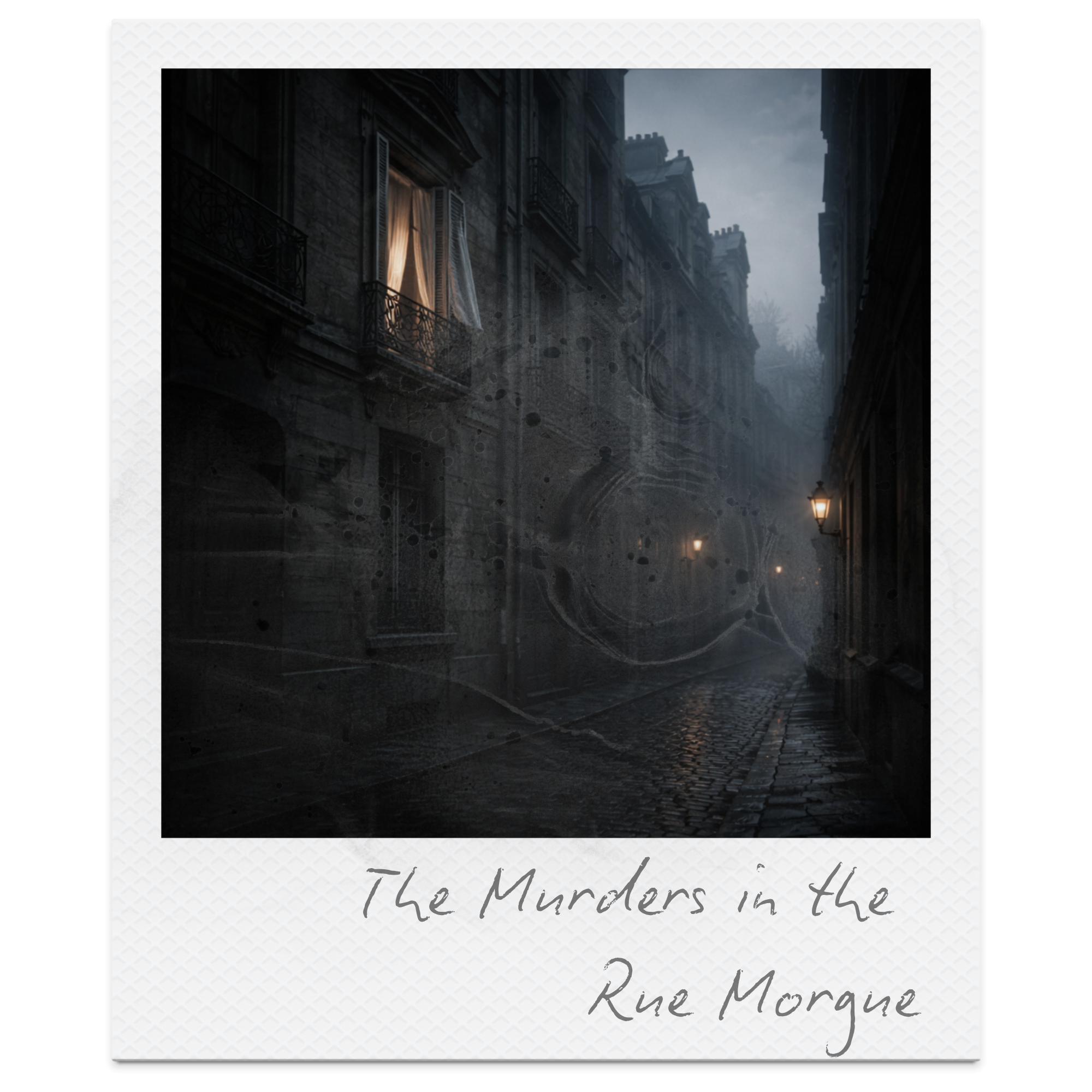
The Murders in the Rue Morgue by Edgar Allan Poe: Summary, Themes, Symbolism & Analysis
The Murders in the Rue Morgue by Edgar Allan Poe is widely regarded as the first modern detective story, blending Gothic horror with analytical reasoning to create a mystery that appears impossible to solve. Set in a shadowed Parisian apartment, the story follows C. Auguste Dupin as he unravels a brutal double murder that has left the police completely baffled. Through its focus on observation, perception, and the limits of logic, the text explores how truth can be hidden not in complexity, but in the way evidence is interpreted. This detailed analysis breaks down the story’s key themes, structure, characters, and literary techniques, offering a clear and accessible guide for both students and teachers. With a focus on high-level interpretation and classroom application, this post also includes teaching ideas, key quotes, and links to further resources, making it an ideal starting point for exploring one of Poe’s most influential and thought-provoking works.
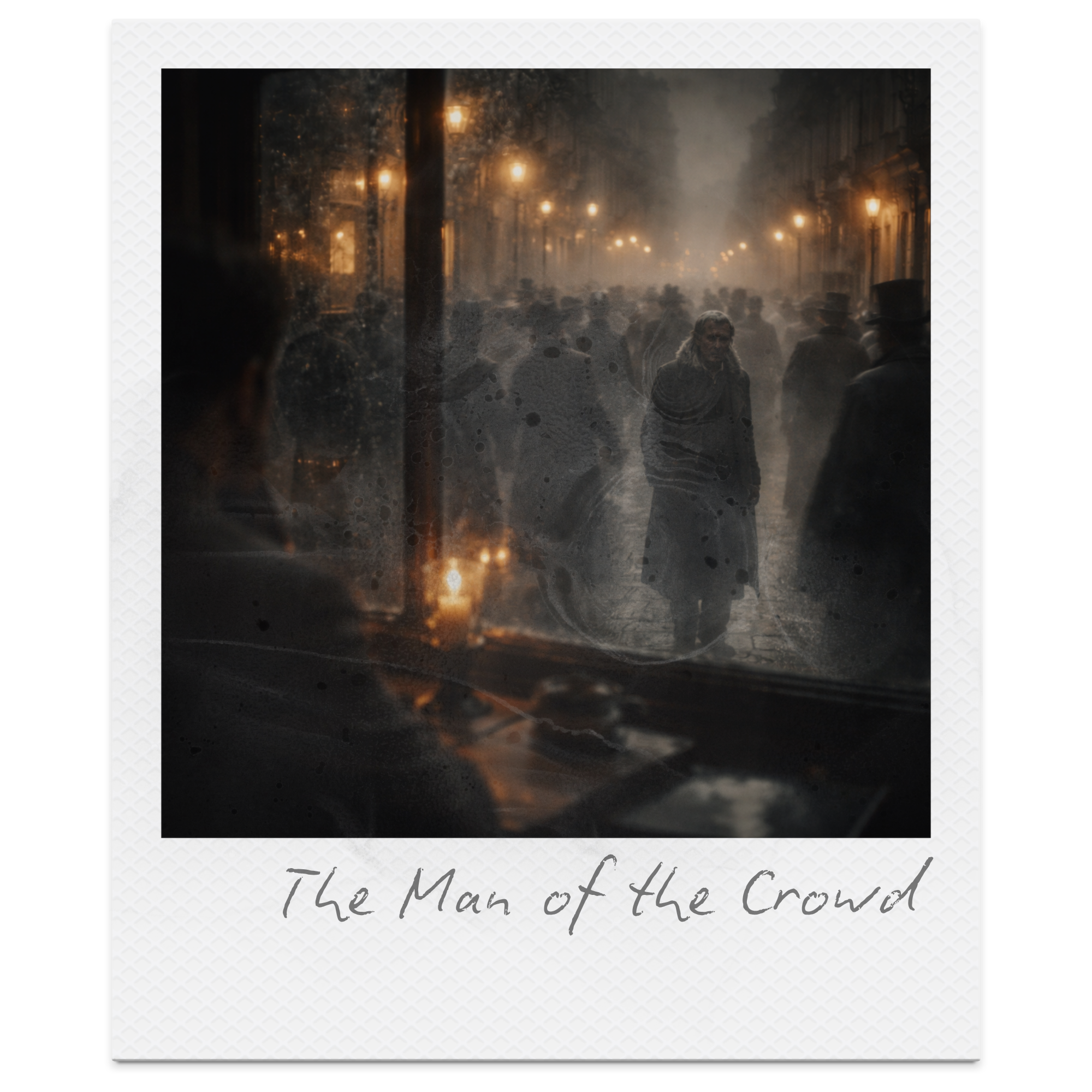
The Man of the Crowd by Edgar Allan Poe: Summary, Themes, Symbolism & Psychological Analysis
The Man of the Crowd by Edgar Allan Poe is a compelling exploration of urban anonymity, psychological obsession, and the limits of human understanding. Set against the restless backdrop of London, the story follows a narrator who becomes fixated on a mysterious old man whose expression defies interpretation. What begins as casual observation quickly develops into an intense pursuit, raising unsettling questions about whether people can ever truly be known. At its core, the story examines identity, surveillance, alienation, and unknowability, presenting the modern city as a space where individuals are both constantly visible and fundamentally hidden. Through its cyclical structure and ambiguous ending, Poe challenges the idea that observation leads to truth, instead suggesting that some lives — and some minds — remain permanently beyond comprehension.
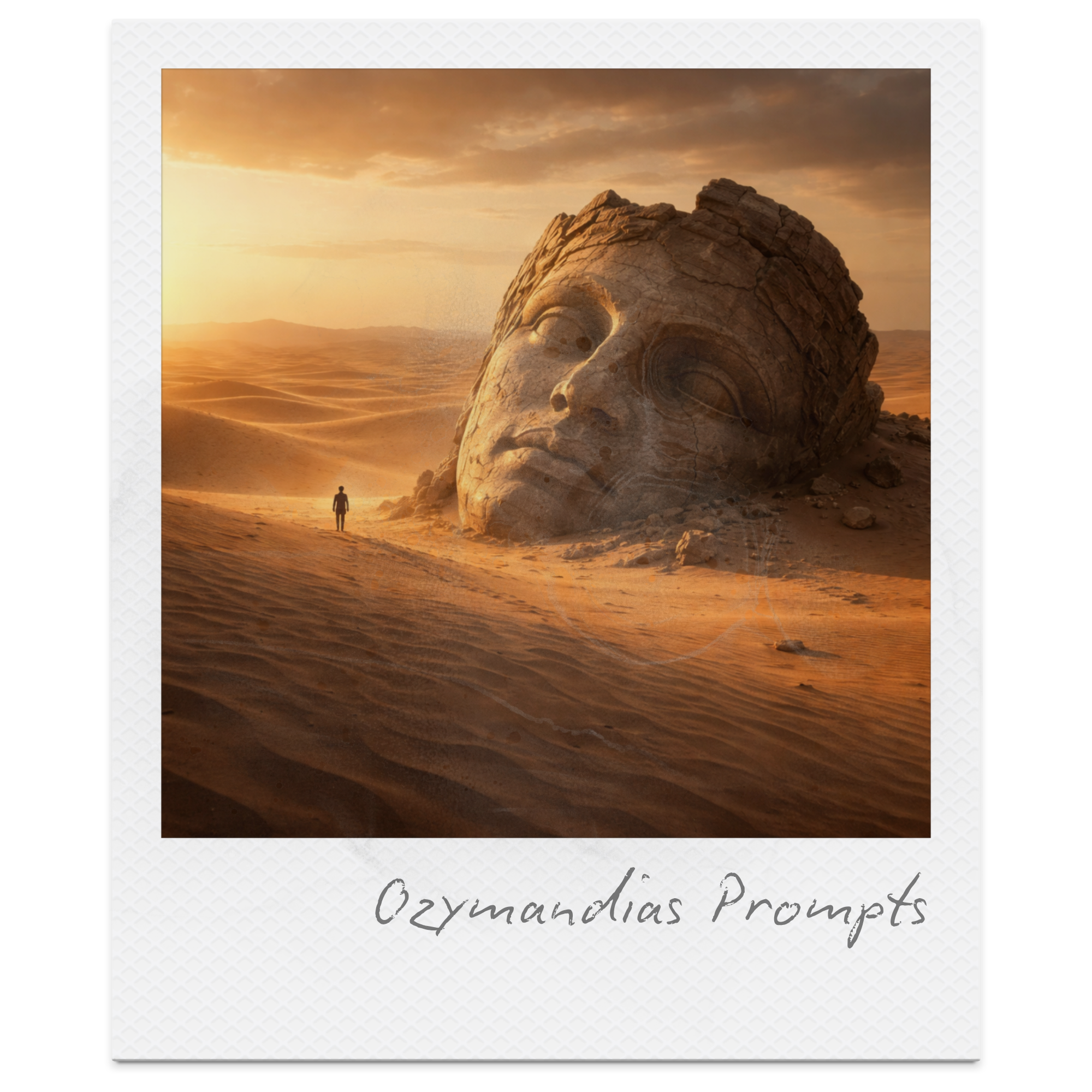
70 Ozymandias Writing Prompts: Power, Ruin & the Fragility of Legacy
Explore 70 Ozymandias writing prompts inspired by Percy Bysshe Shelley’s iconic poem of power, ruin, and forgotten empires. From shattered statues in endless deserts to lost civilisations and unreliable histories, these prompts invite writers to explore the fragility of legacy and the illusion of permanence. Perfect for secondary English classrooms, creative writing practice, or independent storytelling, this collection includes plot hooks, opening lines, titles, and more. Ideal for students studying Romantic poetry or themes of power and time in literature.
10 Whimsical Poetry Prompts for Teens & Adults: Imagination, Lightness, and Wonder
Whimsical poetry prompts invite writers to explore imagination, curiosity, and playful perspective through carefully crafted imagery and voice. Rather than relying on nonsense or randomness, whimsical poetry transforms ordinary moments into surprising possibilities — giving voice to objects, bending the rules of nature, or observing the world from unexpected angles. These 10 whimsical poetry prompts for teens and adults are designed for classrooms, creative writing practice, and independent writers. Each prompt focuses on craft techniques such as personification, imaginative metaphor, narrative voice, and gentle absurdity, helping writers develop imaginative poems that remain clear, thoughtful, and controlled.
70 Realistic Fiction Writing Prompts for Teens: Story Starters, Characters, Settings & Visual Ideas
Realistic fiction writing prompts for teens designed to explore ordinary moments with emotional depth and authenticity. This collection includes story starters, opening and closing lines, character ideas, settings, and picture prompts that focus on believable conflict, quiet change, and character-driven storytelling—ideal for creative writing lessons, classrooms, or independent writing practice. Perfect for secondary English students and teen writers, these prompts support realistic narratives grounded in everyday life while linking into a wider Creative Writing Archive of genre-based prompts and ongoing Daily Writing Prompts to encourage consistent, thoughtful writing all year round.
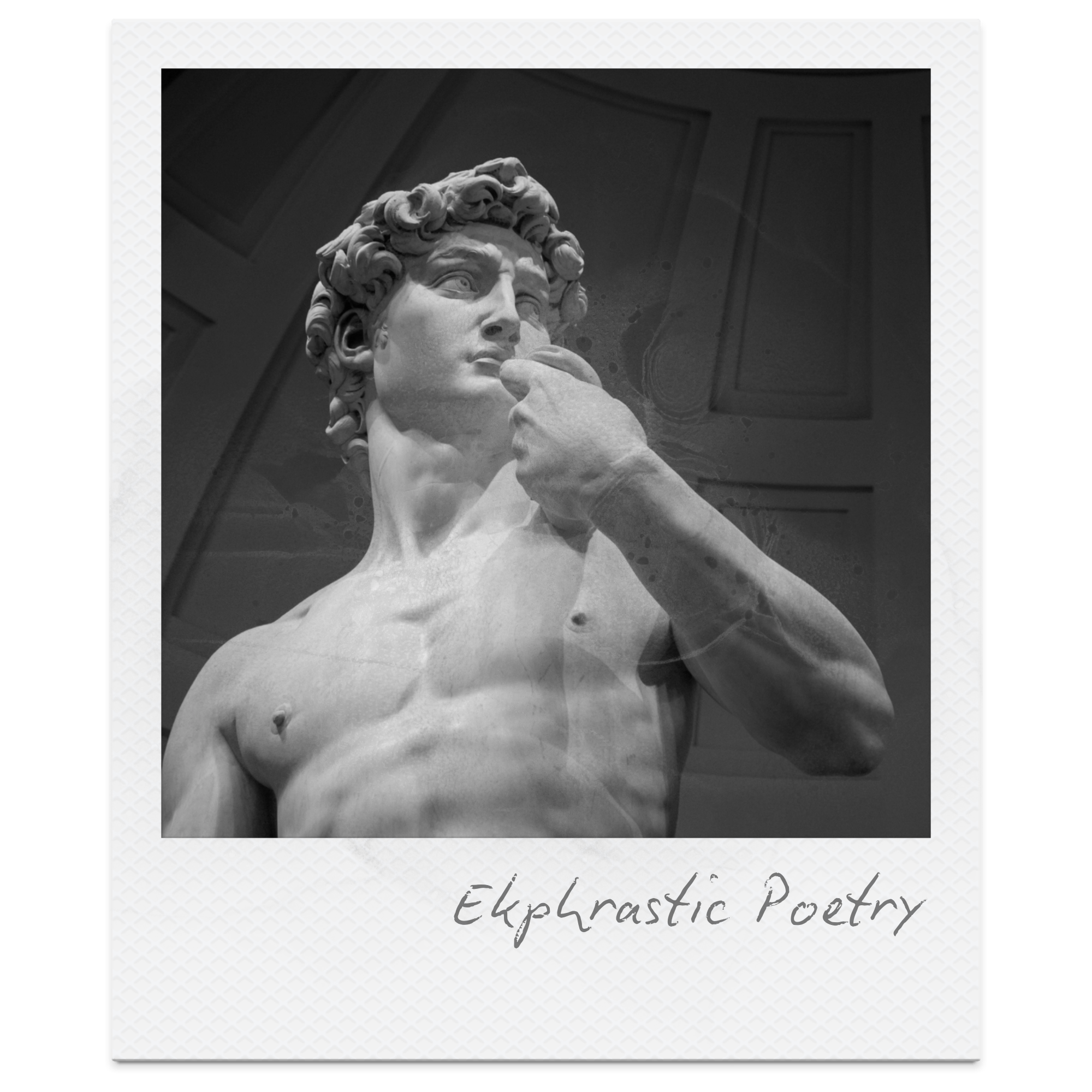
Ekphrastic Writing for the Classroom: Art, Photo & Science Prompts for English Teachers
This comprehensive guide to ekphrastic writing in the classroom brings together image-based writing prompts using art, photography, sculpture, science imagery, and AI-generated visuals. Designed for secondary English teachers, the post includes practical ways to use ekphrasis across poetry, prose, monologue, and creative nonfiction, alongside adaptable classroom activities and cross-curricular ideas. Whether you’re planning a poetry unit, setting low-prep bell-ringers, or encouraging close observation and voice-driven writing, these ekphrastic writing prompts for students support inference, imagery, and creative confidence. With clear guidance, differentiated approaches, and links to ongoing writing resources, this post is built for real classroom use.
Why Silent Debates Might Be the Best Thing I Ever Did in an English Classroom
Silent debates are one of the most effective classroom discussion strategies for engaging every student — especially quieter learners who struggle with traditional whole-class discussion. By shifting debate into writing, silent debates create space for students to explore ideas, challenge interpretations, and respond to others without the pressure of speaking, leading to deeper and more thoughtful engagement with texts. This ultimate guide to silent debates in the English classroom explains what they are, why they work, and how to run them effectively before, during, and after reading. With practical steps, extension ideas, and clear links to essay writing and revision, it shows how silent debates build independent thinking, support strong analysis, and help students move beyond memorised responses.
The Shoe Lesson: A Simple, Powerful Creative Writing Activity
The Shoe Lesson is a simple but powerful creative writing activity that helps students develop believable characters without the fear of the blank page. By giving students a single, ordinary object — a shoe — this lesson encourages close observation, inference, and thoughtful character development. It works particularly well in the secondary English classroom, where students often struggle to move beyond surface-level description or feel pressured to “be creative” on demand. Used at the start of a creative writing unit, the Shoe Lesson invites students to build characters from evidence rather than imagination alone. Scuffed soles, worn laces, and small details become clues to a life beyond the page, leading to writing that feels grounded, realistic, and human. It’s a low-stakes, high-impact approach that consistently engages even reluctant writers — and proves that the most powerful stories often begin with the most ordinary things.
Roll-the-Dice Discussion Boards for Literature | A Student-Led Alternative to Traditional Questions
Traditional literature discussion questions don’t always work. Too often, the same few students dominate while others stay silent or disengaged. Roll-the-Dice Discussion Boards offer a student-led, gamified alternative that transforms classroom discussion into something more inclusive, thoughtful, and genuinely engaging. In this post, I explain why I swapped traditional discussion questions for roll-the-dice boards, how they work in real KS3–KS5 classrooms, and why they lead to deeper interpretation across poetry, novels, short stories, and Shakespeare. You’ll find practical classroom tips, teacher feedback, free examples to try, and ideas for building confident, meaningful literary discussion.