The Shoe Lesson: A Simple, Powerful Creative Writing Activity
What if one ordinary object could unlock a thousand extraordinary stories?
The Shoe Lesson is a simple, high-impact creative writing activity that works brilliantly in the secondary English classroom. It’s unexpected, memorable, and incredibly effective for teaching character development — and it never fails to hook students, no matter how many times I use it.
This object-based creative writing lesson asks students to build a character using a single, physical item: a shoe. By observing, questioning, and inferring, students move beyond surface-level descriptions and begin to create characters that feel real, grounded, and believable.
I first used the idea during my teacher training, and it quickly became one of my most reliable (and all-time favourite) creative writing lesson starters — especially when introducing narrative writing, descriptive detail, or character voice.
Where the Shoe Lesson Came From
I first came across the idea during my teacher training, in my English tutorials. We had regular subject-specific sessions where we talked through exam standards, shared creative writing lesson ideas, and admitted what we were still figuring out.
One day, my lecturer mentioned — almost offhandedly — that giving students a physical object could be a powerful way into creative writing. A shoe, he said, worked particularly well.
I decided to try it in my first observed lesson.
I still remember the feedback word for word: “I wish you could have seen all their faces as you passed them out. It was gold. You instantly had them hooked.”
That moment stuck with me. Not because it was an observation, but because it confirmed something I’d already felt in the classroom: when students have something concrete in front of them, the fear of the blank page melts away.
I’ve used the Shoe Lesson at least once a year ever since.
I decided to use it for my first observed lesson. I remember my feedback word for word:
Why the Shoe Lesson Works
This lesson works because it removes the hardest part of creative writing: coming up with an idea from nothing.
When students are faced with a blank page and the instruction to “create a character,” many of them freeze. They worry about getting it wrong, about being judged, or about not having anything interesting to say.
A physical object changes that immediately.
The shoe gives students something to observe, question, and interpret. Instead of inventing a character from thin air, they begin with evidence. Scuffed soles, worn heels, loose laces — every detail becomes a clue.
Without realising it, students are practising key skills central to character development and descriptive writing:
◆ making inferences from physical detail
◆ justifying ideas with evidence
◆ thinking about movement, voice, and routine
◆ considering how a character fits into the world around them
The activity also keeps characters grounded. Rather than exaggerated heroes or dramatic backstories, students tend to create believable, everyday people — the kind of characters that feel real on the page.
It’s a reminder that great stories aren’t always about grand adventures. Sometimes the most powerful characters are the everyday ones — figures like Nick Carraway, Arthur Dent, or Bilbo Baggins, who are ordinary people (or hobbits) drawn into extraordinary circumstances.
Because the task feels low-stakes and playful, even students who usually resist creative writing are far more willing to engage.
How I run the Lesson
A few days before the lesson, I send out what is almost certainly the most bizarre staff email of the year.
I ask colleagues if they’d be willing to lend me one shoe — just a single shoe, not a pair — with the promise it will be returned exactly as it was. I usually add that the more worn the shoe, the better.
Teachers who’ve been around a while know exactly what it’s for. New staff, on the other hand, are often completely bemused or confused. There’s usually at least one reply asking for clarification, or a slightly hesitant “Do you… actually just want one?”
Over the years, I’ve collected everything from party heels and battered gym trainers to slippers, flip flops, and well-loved work shoes. The range matters. No two shoes ever tell the same story.
On the day of the lesson, I put students into pairs or small groups, depending on how many shoes I’ve managed to gather. Each group is given one shoe and a large sheet of paper.
Before handing the shoes out, I tell them:
“I’m about to give you something that belongs to your character. Use the paper to mind-map, make notes, sketch — whatever helps you get them onto the page. But I want detail. Think beyond appearance or relationships. How do they move? What do they sound like? What’s their first thought when they wake up?”
From there, the structure is deliberately simple:
◆ students explore the shoe through close observation
◆ they mind-map ideas about character, movement, habits, and routine
◆ they often sketch and annotate their characters wearing the shoes, adding imagined detail and backstory
◆ they write a short piece — A Day in the Life — from waking up to their final thought before sleep
Because the thinking happens first, students write with more confidence. Their characters feel grounded, consistent, and believable.
Reactions Are Half the Magic
This lesson is a joy to teach — not just because of the writing it produces, but because of how students respond to it.
As soon as the shoes are handed out, something shifts. Students don’t leave them sitting neatly on the desk. They pick them up, turn them over, examine the soles, peer inside for hidden details. Some even sneak a sniff when they think I’m not looking. A few try them on.
Without being prompted, they begin engaging in exactly the kind of close observation we want in creative writing. They’re curious. They’re invested. They’re asking questions.
◆ Why is the heel worn down more on one side?
◆ Why would someone keep these even though they’re falling apart?
◆ Where do you think they go every day?
The shoe becomes a way into story without the pressure of having to “be creative” on demand.
What students produce are not over-the-top characters or dramatic inventions, but believable, everyday people — the kind who feel like they existed before the lesson started. Characters with routines, habits, histories, and small, human details.
At the end of the lesson, students are desperate to know who the shoe really belonged to. Sometimes they guess correctly. More often, they’re wildly wrong — which is half the fun.
What I love most is what happens afterwards. Staff who loaned their shoes often come and find me or the students who were working with their shoe, keen to hear about the character they created and why they made the choices they did. Students explain their thinking, point out details on the shoe, and justify their decisions.
It’s a small moment, but a meaningful one — students get to articulate their ideas, and staff get a glimpse of the thinking that went into the writing.
Real Shoes or Ready-Made Resources?
If you can use real shoes, I’d always recommend it. The physical handling, the curiosity, and the slightly strange nature of the task all add to its impact. Students engage instinctively, and the lesson feels memorable in a way that’s hard to replicate.
That said, I know it isn’t always practical.
Time, timetabling, class size, remote learning, or simple logistics can make gathering 10–15 shoes unrealistic. And sometimes you just want the idea of the lesson without the staff email and shoe collection.
That’s why I created a ready-made creative writing resource that adapts the core principle of the Shoe Lesson. Instead of physical shoes, it uses carefully selected picture prompts of everyday objects that students can observe, question, and build characters around.
It works particularly well for:
◆ distance or blended learning
◆ homework or cover lessons
◆ writing centres or carousel activities
◆ quick character development starters
◆ situations where physical objects aren’t practical
While it doesn’t quite replace the experience of holding a real shoe, it still removes the fear of the blank page and supports the same skills: observation, inference, and character development.
If you’re interested, you can find the resource on TpT, where it’s designed to be easy to drop straight into your planning.
Go Deeper into Character Creation
If you want to extend the Shoe Lesson or return to the same skills later in a unit, there are a few simple ways to deepen the thinking without overcomplicating the task.
◆ Ask students to revisit the shoe after writing and add one new detail that changes their understanding of the character
◆ Have students justify one key character choice using evidence from the shoe, either verbally or in writing
◆ Pair the task with a short extract from a text and ask students to compare how a writer reveals character through detail
◆ Use the shoe as a recurring reference point when drafting or editing, rather than a one-off starter
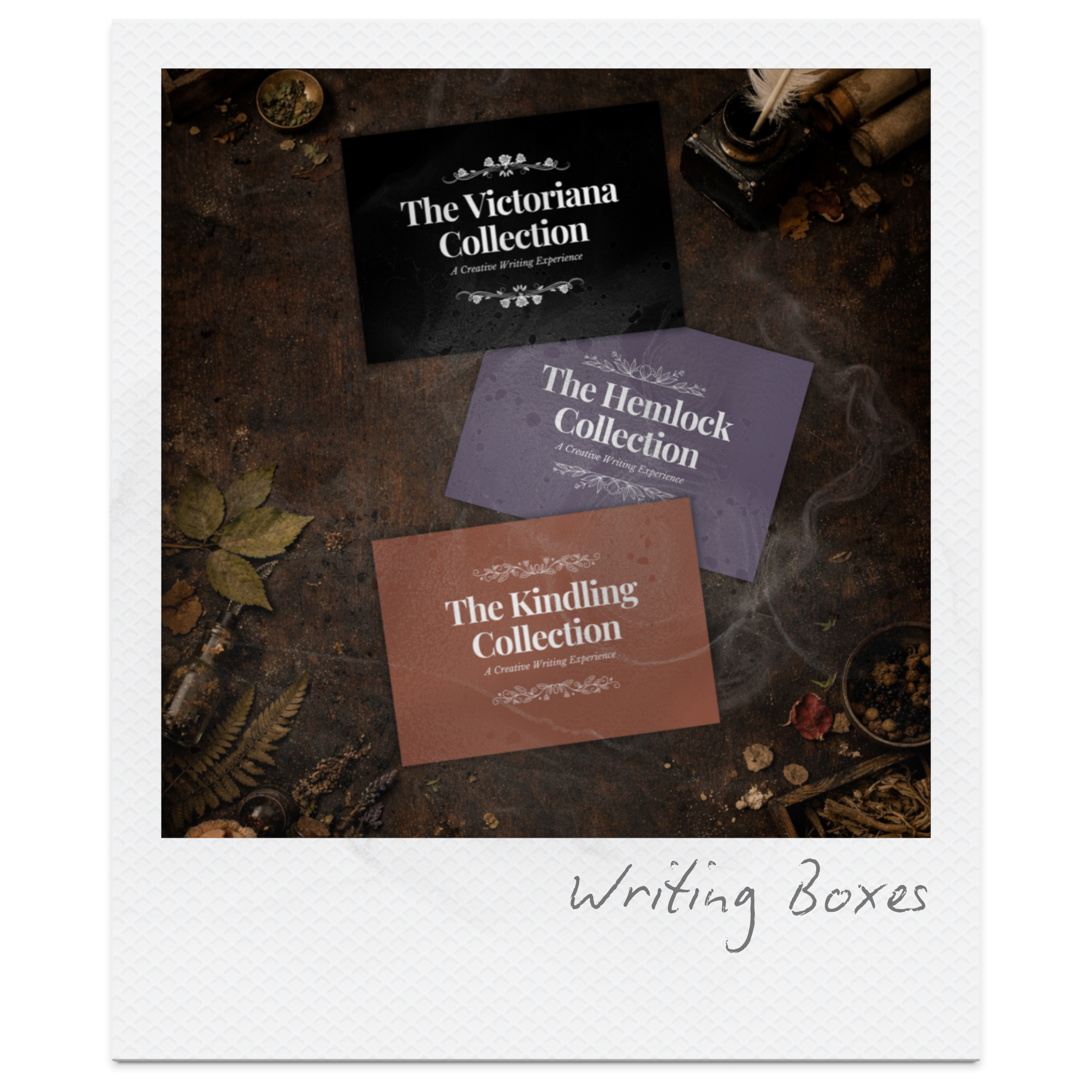
If you enjoy lessons that invite students to step straight into a story, you might also like my Creative Writing Boxes. Each box is built around a carefully curated set of objects, images, and prompts designed to support character, voice, and story development in a more sustained way.
You can browse all of the Creative Writing Boxes here.
Final Thoughts
The Shoe Lesson has stayed with me because it’s a reminder of how powerful simple creative writing ideas can be in the classroom.
There’s no elaborate setup, no complicated instructions, and no pressure for students to be “original” on the spot. Just a single, ordinary object — and the space for students to engage in close observation, character development, and thoughtful creative writing.
It’s the kind of lesson that shows creativity doesn’t have to be loud or flashy to be effective. Sometimes, all students need is something tangible to begin.
And sometimes, that something is just a shoe.
Choose Your Next Strategy