Notes from the Inkpot
Writing, teaching, creating - one ink-stained idea at a time.


70 Ozymandias Writing Prompts: Power, Ruin & the Fragility of Legacy
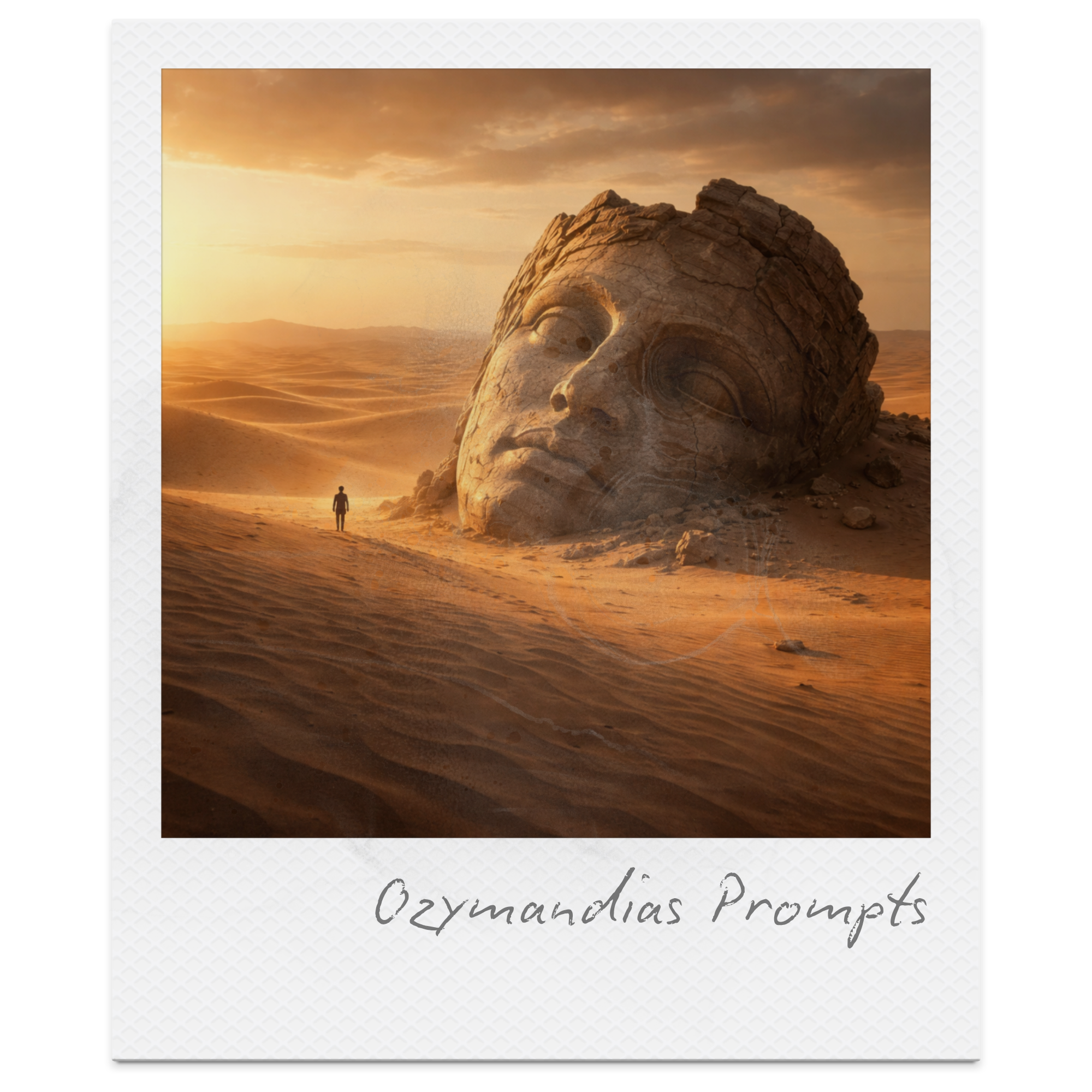
Explore 70 Ozymandias writing prompts inspired by Percy Bysshe Shelley’s iconic poem of power, ruin, and forgotten empires. From shattered statues in endless deserts to lost civilisations and unreliable histories, these prompts invite writers to explore the fragility of legacy and the illusion of permanence. Perfect for secondary English classrooms, creative writing practice, or independent storytelling, this collection includes plot hooks, opening lines, titles, and more. Ideal for students studying Romantic poetry or themes of power and time in literature.
70 Realistic Fiction Writing Prompts for Teens: Story Starters, Characters, Settings & Visual Ideas
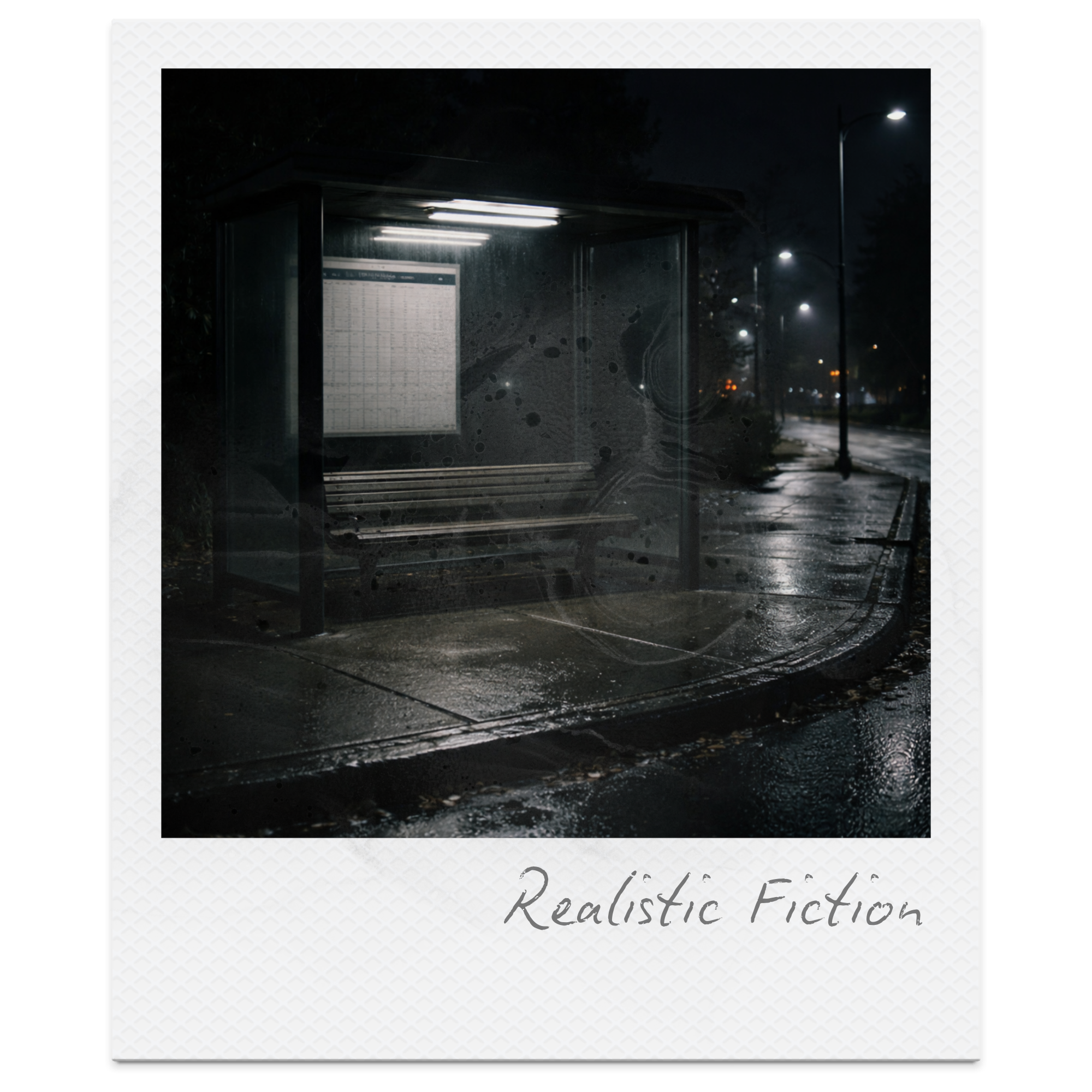
Realistic fiction writing prompts for teens designed to explore ordinary moments with emotional depth and authenticity. This collection includes story starters, opening and closing lines, character ideas, settings, and picture prompts that focus on believable conflict, quiet change, and character-driven storytelling—ideal for creative writing lessons, classrooms, or independent writing practice. Perfect for secondary English students and teen writers, these prompts support realistic narratives grounded in everyday life while linking into a wider Creative Writing Archive of genre-based prompts and ongoing Daily Writing Prompts to encourage consistent, thoughtful writing all year round.
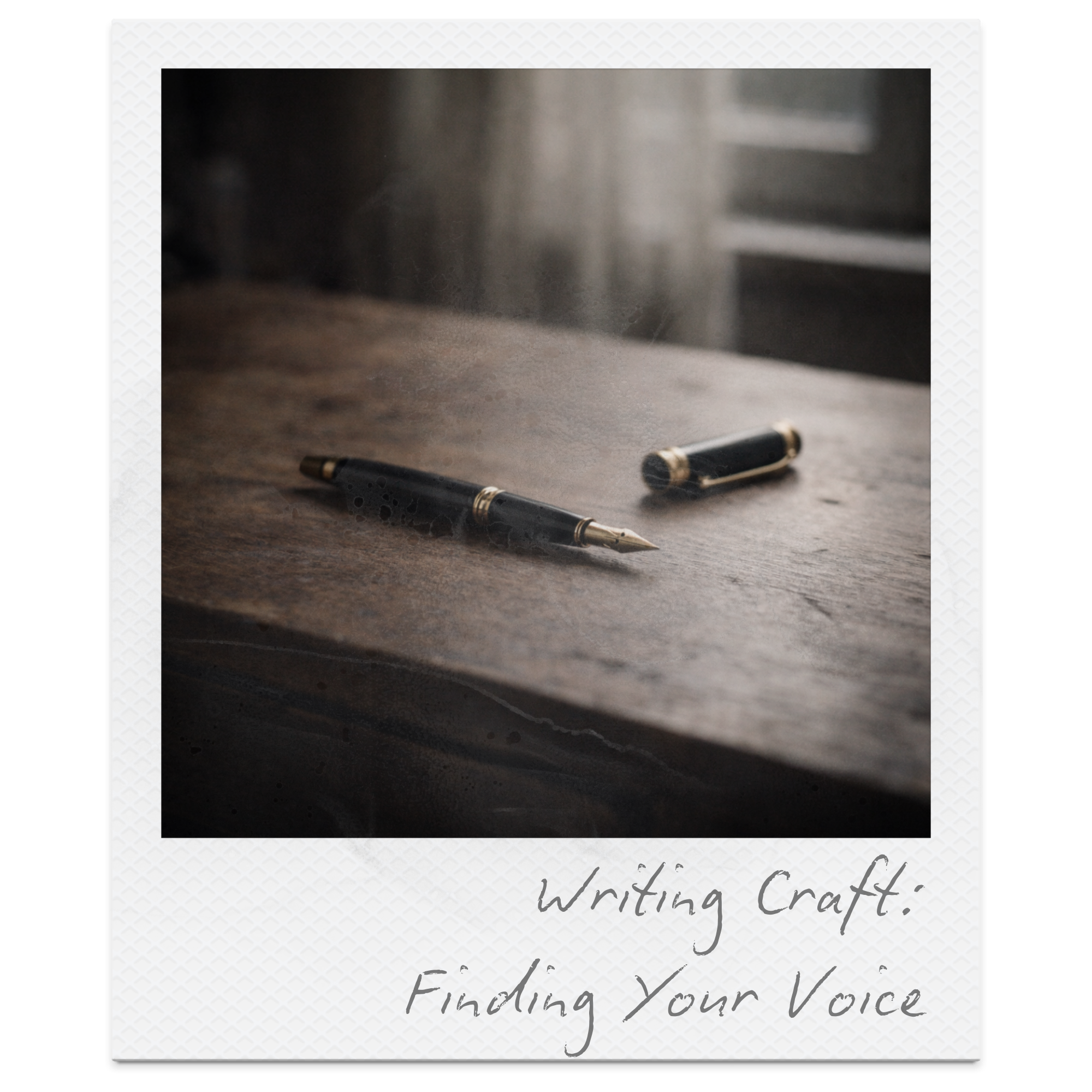
Getting Started with Writing Fiction: Finding Your Voice as a Beginner Writer
Getting started with writing fiction can feel overwhelming, especially when you’re unsure how to find your writing voice. This beginner-friendly guide breaks the process down into manageable steps, exploring what writing voice really means, where inspiration comes from, and how to start writing without a full story idea. Designed for writers of any age, this post offers practical advice, simple exercises, and reassurance for those at the beginning of their fiction journey. From short scenes and flash fiction to atmosphere-driven writing and prompts, it provides a calm, supportive starting point for developing confidence and voice over time.
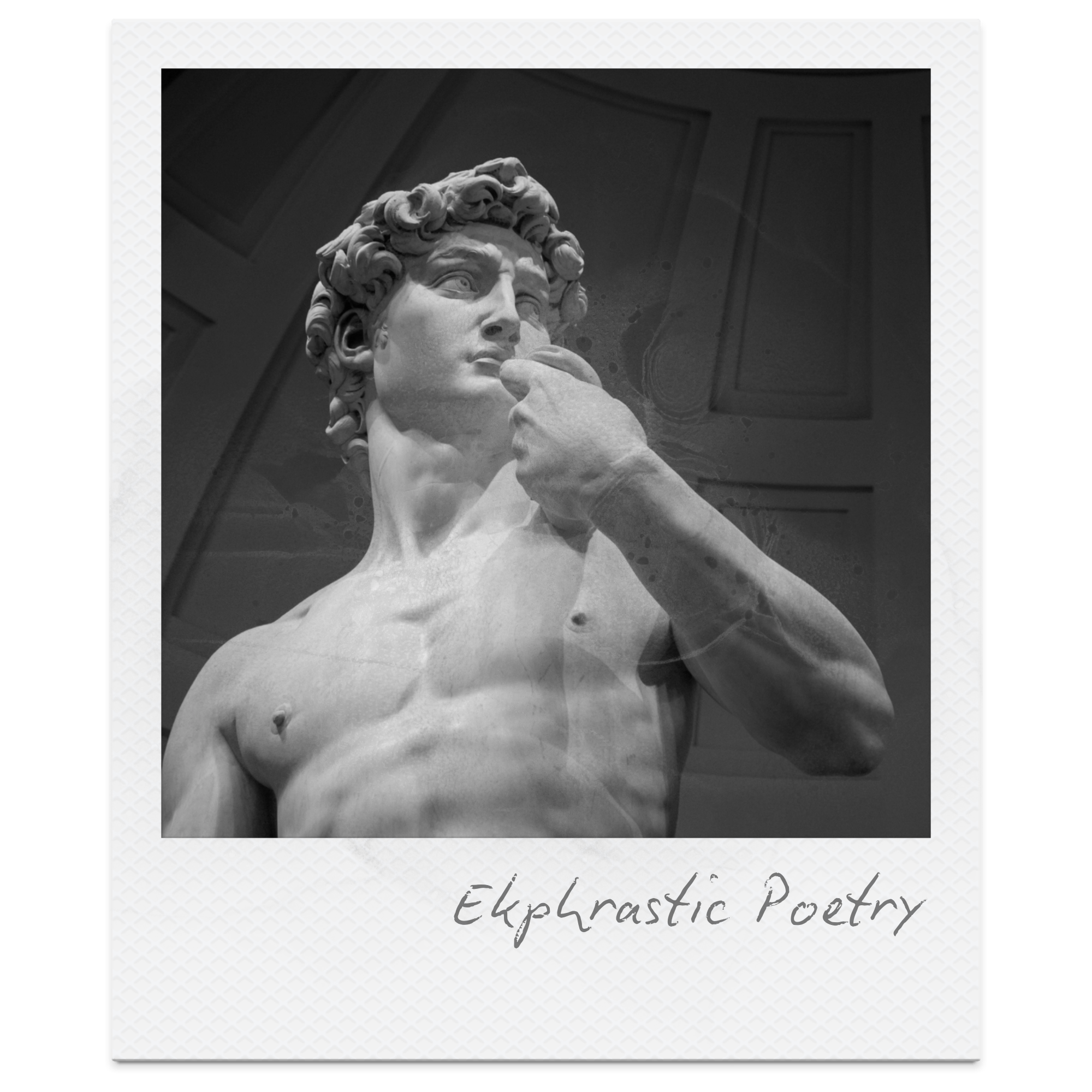
Ekphrastic Writing for the Classroom: Art, Photo & Science Prompts for English Teachers
This comprehensive guide to ekphrastic writing in the classroom brings together image-based writing prompts using art, photography, sculpture, science imagery, and AI-generated visuals. Designed for secondary English teachers, the post includes practical ways to use ekphrasis across poetry, prose, monologue, and creative nonfiction, alongside adaptable classroom activities and cross-curricular ideas. Whether you’re planning a poetry unit, setting low-prep bell-ringers, or encouraging close observation and voice-driven writing, these ekphrastic writing prompts for students support inference, imagery, and creative confidence. With clear guidance, differentiated approaches, and links to ongoing writing resources, this post is built for real classroom use.
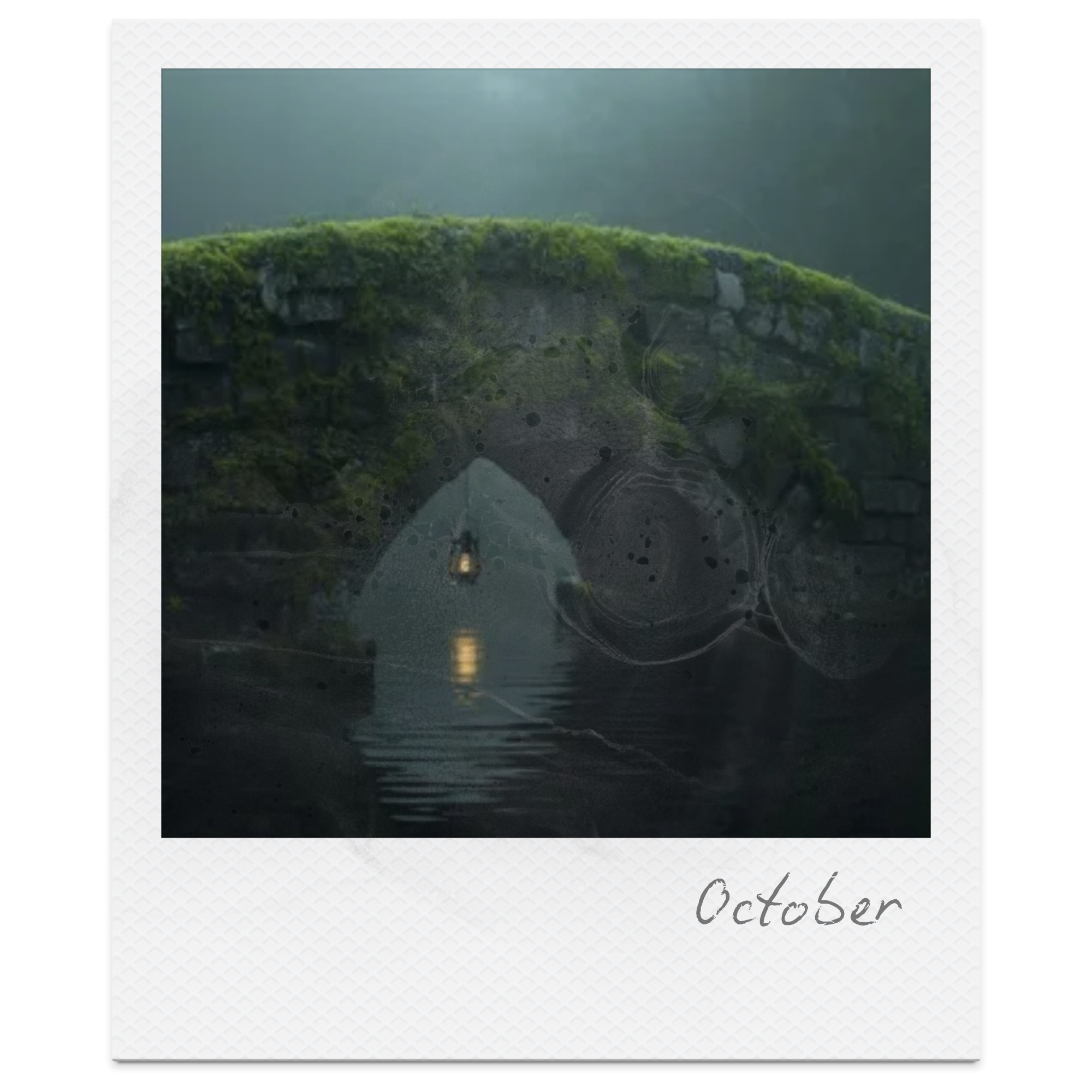
70 October Writing Prompts for Teens: Spooky Starters, Autumn Titles, Characters, Settings & Visual Ideas
October creative writing prompts inspired by misty mornings, fading light, and the quiet unease of autumn. This collection is designed for teen writers and classrooms, featuring story starters, opening and closing lines, character ideas, atmospheric settings, and cinematic picture prompts rooted in autumn, folklore, and seasonal change rather than novelty Halloween themes. Ideal for creative writing lessons, independent projects, or writers seeking October writing inspiration, these prompts explore mystery, transformation, and atmosphere while linking into a wider Creative Writing Archive of genre- and season-based ideas to support imaginative writing all year round.
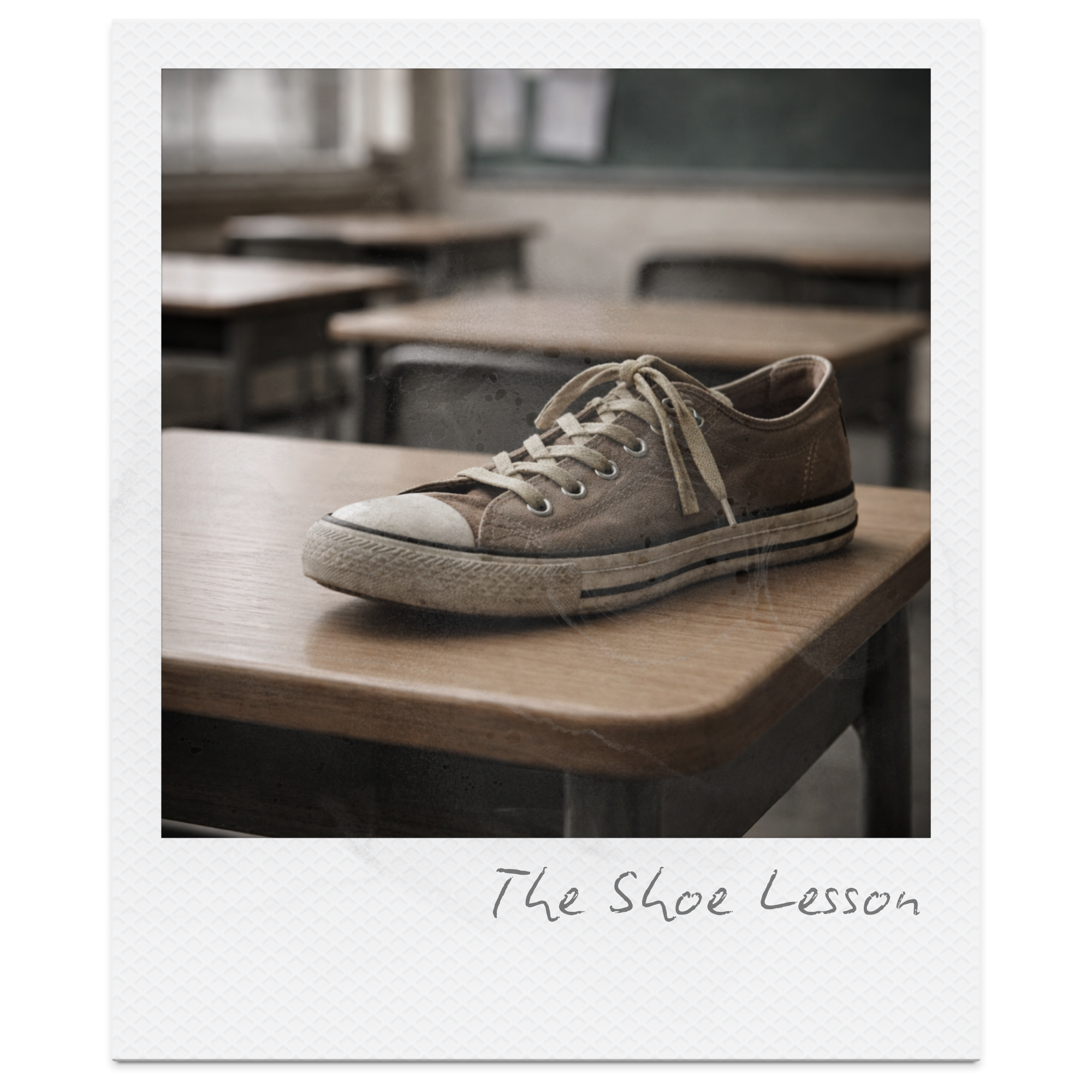
The Shoe Lesson: A Simple, Powerful Creative Writing Activity
The Shoe Lesson is a simple but powerful creative writing activity that helps students develop believable characters without the fear of the blank page. By giving students a single, ordinary object — a shoe — this lesson encourages close observation, inference, and thoughtful character development. It works particularly well in the secondary English classroom, where students often struggle to move beyond surface-level description or feel pressured to “be creative” on demand. Used at the start of a creative writing unit, the Shoe Lesson invites students to build characters from evidence rather than imagination alone. Scuffed soles, worn laces, and small details become clues to a life beyond the page, leading to writing that feels grounded, realistic, and human. It’s a low-stakes, high-impact approach that consistently engages even reluctant writers — and proves that the most powerful stories often begin with the most ordinary things.