70 October Writing Prompts for Teens: Spooky Starters, Autumn Titles, Characters, Settings & Visual Ideas
October is the month where stories come alive in the shadows. With its misty mornings, golden autumn leaves, eerie folklore, and the quiet anticipation of Halloween, it’s the perfect time to explore dark mysteries, magical realism, haunted houses, and atmospheric autumn stories.
This curated collection of October creative writing prompts for teens includes story starters, title ideas, character archetypes, moody settings, and cinematic picture prompts, making it ideal for creative writing lessons, independent writing projects, or seasonal inspiration in the classroom.
Whether you’re crafting ghost stories, building fantasy worlds, or searching for autumn writing inspiration, these prompts blend spooky atmosphere with seasonal creativity to keep ideas flowing all month long. Many of the genres and themes explored here connect directly to my Creative Writing Archive, where you’ll find hundreds of writing prompts organised by genre, theme, and season.
1. Plot Ideas
Throw your characters straight into the strange and seasonal with these October story starters, designed to create immediate tension, atmosphere, and narrative direction. Each prompt places the character at the centre of an unsettling moment, encouraging writers to develop setting, character motivation, and conflict from the very first line.
Write about a pumpkin patch where each pumpkin holds a different secret—and one of them knows something your character has tried to forget.
Write about a masked figure who follows someone home from a Halloween party, never speaking, never falling behind.
Write about a bonfire that whispers the names of the people watching it, growing quieter each time a name is answered.
Write about a school that locks its gates every October and refuses to explain why—until someone doesn’t make it out in time.
Write about a scarecrow that is always standing in a different field each morning, its clothes damp and heavy as if recently worn.
Write about a carnival ride that keeps running long after the fair has closed, its lights flickering on at the same time every night.
Write about a girl who wakes up with feathers tangled in her hair and dirt on her hands, with no memory of where she’s been.
Write about a character who finds an invitation to a party held at a place that doesn’t exist, yet everyone else insists it does.
Write about a lantern that never goes out, no matter how strong the wind—and seems to be waiting for someone to follow it.
Write about an abandoned house that appears unchanged all year, but comes alive when the leaves begin to fall.
2. Title Prompts
These October-inspired story titles are designed to help writers establish tone, theme, and atmosphere from the outset. Rooted in autumnal imagery, quiet unease, and seasonal change, they work equally well as starting points for short stories, creative writing lessons, or independent writing projects. Writers can use the titles as inspiration, constraints, or prompts to explore how meaning and mood are shaped before a story even begins.
The House at the Edge of Autumn
When the Fires Burn Low
A Lantern for the Lost
The Thirteenth Bonfire
Shadows Across the Fields
The Last Mask
Beneath the Harvest Moon
The Graveyard Bell
The Forest That Waits
Echoes of October
3. Opening Lines
Start your story in the heart of October’s unsettled atmosphere, where small details feel charged and ordinary places begin to shift. Each opening line is designed to establish tone, setting, and tension from the very first sentence.
The mist curled around my ankles, slow and deliberate, as if it had been waiting for me to arrive.
The pumpkin split open in my hands, and something inside whispered my name.
By the time I reached the last house on the street, every light had gone out at once.
The scarecrow had moved again, and this time it was facing my bedroom window.
I didn’t mean to follow the lantern into the woods, but it kept glowing no matter how far I tried to turn back.
The bonfire roared without heat or smoke, though no one remembered lighting it.
I woke to find autumn leaves scattered across my bedroom floor, damp as if they had been freshly gathered.
Nobody warned me the masks weren’t meant to come off once you put them on.
The full moon rose red over the cornfields, and the birds went suddenly silent.
The old clock struck thirteen, and the house seemed to hold its breath.
4. Closing Lines
October stories often end not with answers, but with aftereffects—moments that suggest something has shifted, lingered, or refused to stay buried. These closing lines are designed to leave readers with a sense of unease, ambiguity, or quiet transformation.
The candle guttered once before going out, and I realised the darkness had been waiting for me to notice it.
I left the mask behind, but even as I walked away, I was certain it hadn’t stopped watching.
By morning, fallen leaves had covered every footprint, erasing the night as though it had never happened.
The scarecrow still stood in the field, but its head had turned—and this time, I didn’t look away.
When I finally blew out the lantern, the whispers faded, leaving the silence heavier than the sound had been.
No one could remember where the bonfire had burned, only that something had gathered there.
The invitation crumbled to ash in my hands, yet I knew the address by heart.
I closed the door of the house behind me, certain it would not be empty for long.
The forest fell quiet at last, the kind of silence that comes after hunger has been satisfied.
October ended, but the shadows it left behind followed me into winter.
5. Character Ideas
These October-inspired character ideas blur the line between the familiar and the unsettling, placing ordinary people in situations shaped by seasonal change, quiet unease, and things half-seen. Each character is designed to help writers explore identity, isolation, and transformation as autumn deepens.
A teenager who can only see ghosts during October—and dreads what will happen when the month ends.
A witch’s apprentice who fails every spell except those involving fire, flame, or candlelight.
A scarecrow who becomes aware of its own thoughts and wants to be human before winter strips the fields bare.
A trickster spirit who appears each autumn to trade small favours for pumpkins, apples, or other harvest offerings.
A girl who knows exactly when and how she will die, but only feels the weight of it as October draws to a close.
A librarian who remembers every ghost story ever told—and begins to realise some of them are trying to be remembered back.
A runaway who hides in the forest and slowly understands that the forest does not want them to leave.
A vampire who prefers autumn, when shortened days and layered clothing allow them to pass unnoticed among the living.
A boy who carves lanterns each year to keep the monsters away, only to notice they are standing closer to the house each night.
A ghost who does not realise they are dead until the leaves begin to fall—and no one looks them in the eye anymore.
6. Setting Ideas
These October-inspired settings are shaped by fog, fading light, and the sense that familiar places are beginning to shift. Each backdrop is designed to feel alive, responding to the season and influencing the choices, fears, and actions of the characters within it.
A fog-shrouded village where no one will speak about what happens at the end of October—and where certain houses are quietly avoided after dark.
A pumpkin patch that stretches farther each time it is visited, its paths subtly rearranging themselves between trips.
A graveyard where the headstones appear in a different order every morning, as though something is trying to rewrite its own history.
A travelling carnival that arrives once a year, operating silently through the night before disappearing by dawn.
A corn maze that changes its paths while people are inside, responding to hesitation, panic, or choice.
A bonfire deep in the woods where shadows move independently of the flames that cast them.
A deserted farmhouse with lantern-lit windows every night in October, despite there being no sign of anyone living there.
A library that opens only after midnight during October, its shelves rearranging themselves to reflect what readers are afraid to find.
A still autumn lake where reflections do not match the world above the surface.
A crumbling church where the bells toll on their own, even though the tower has long since collapsed.
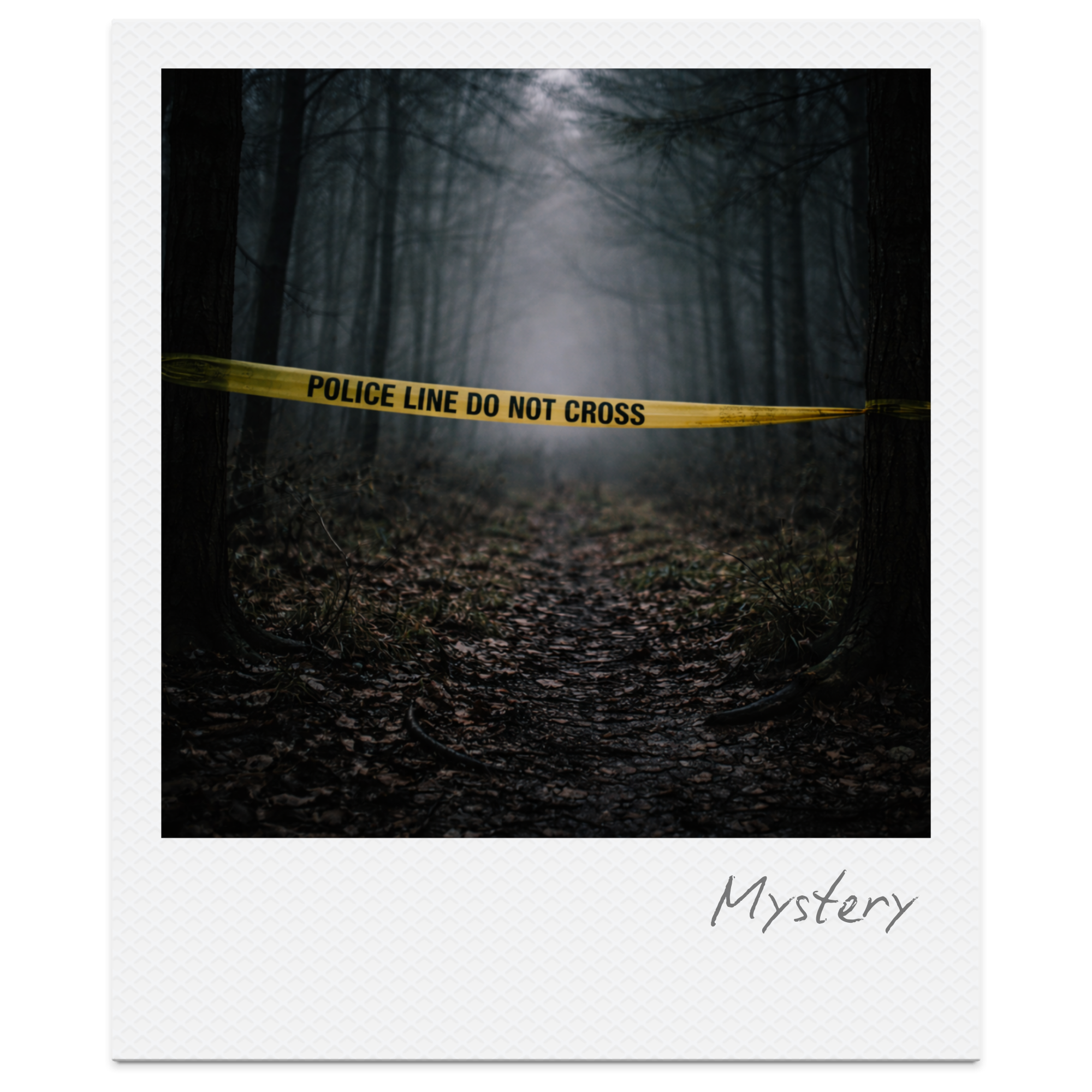
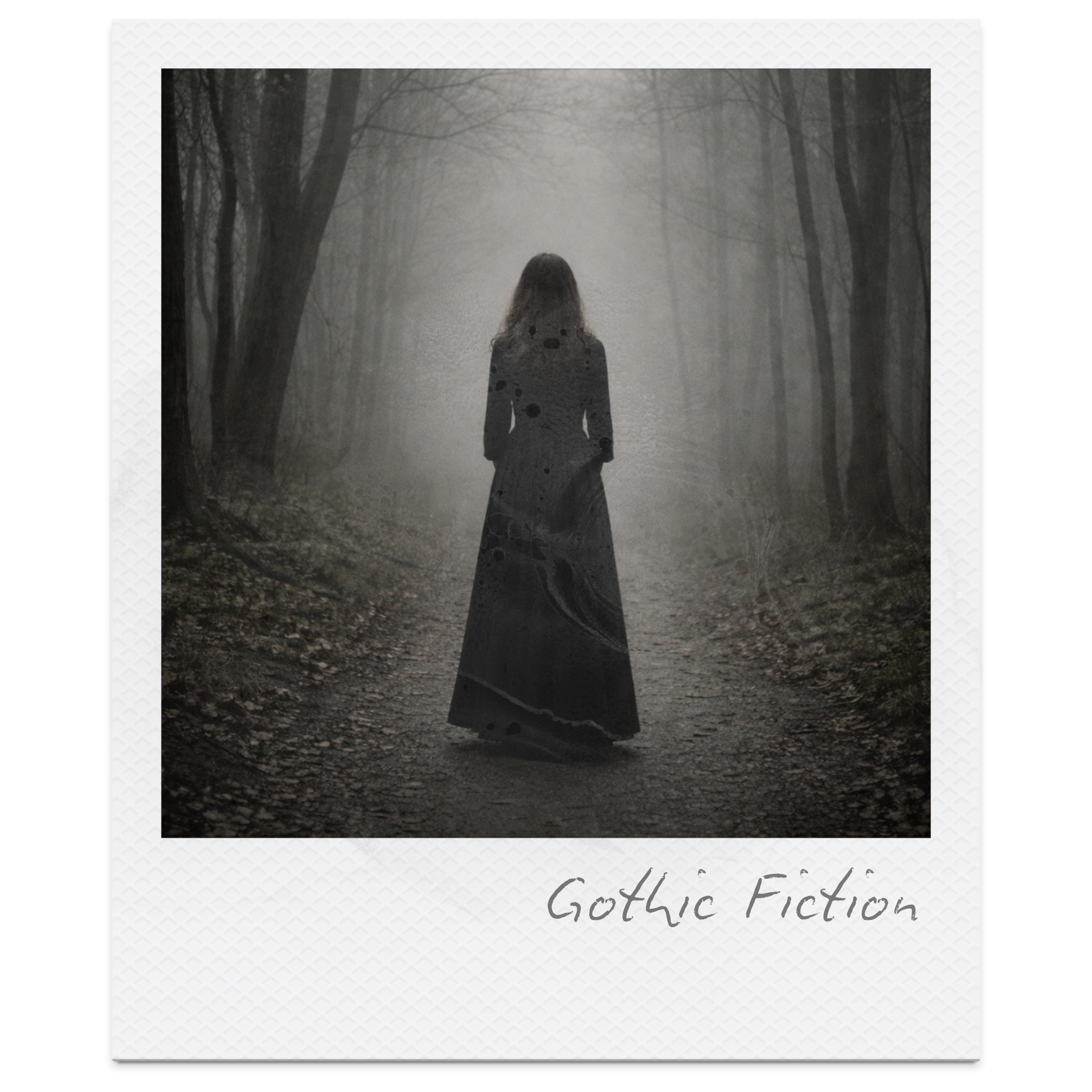
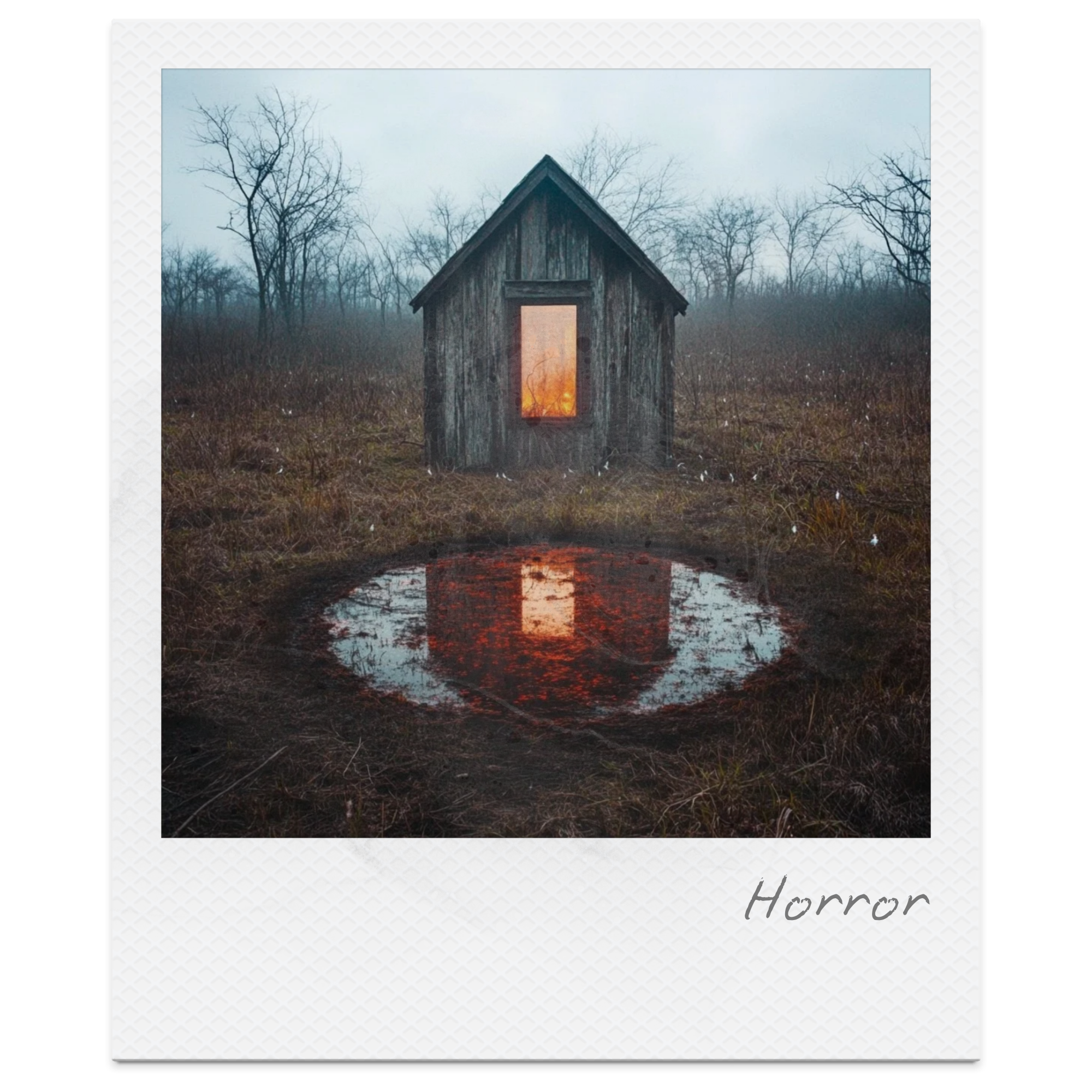
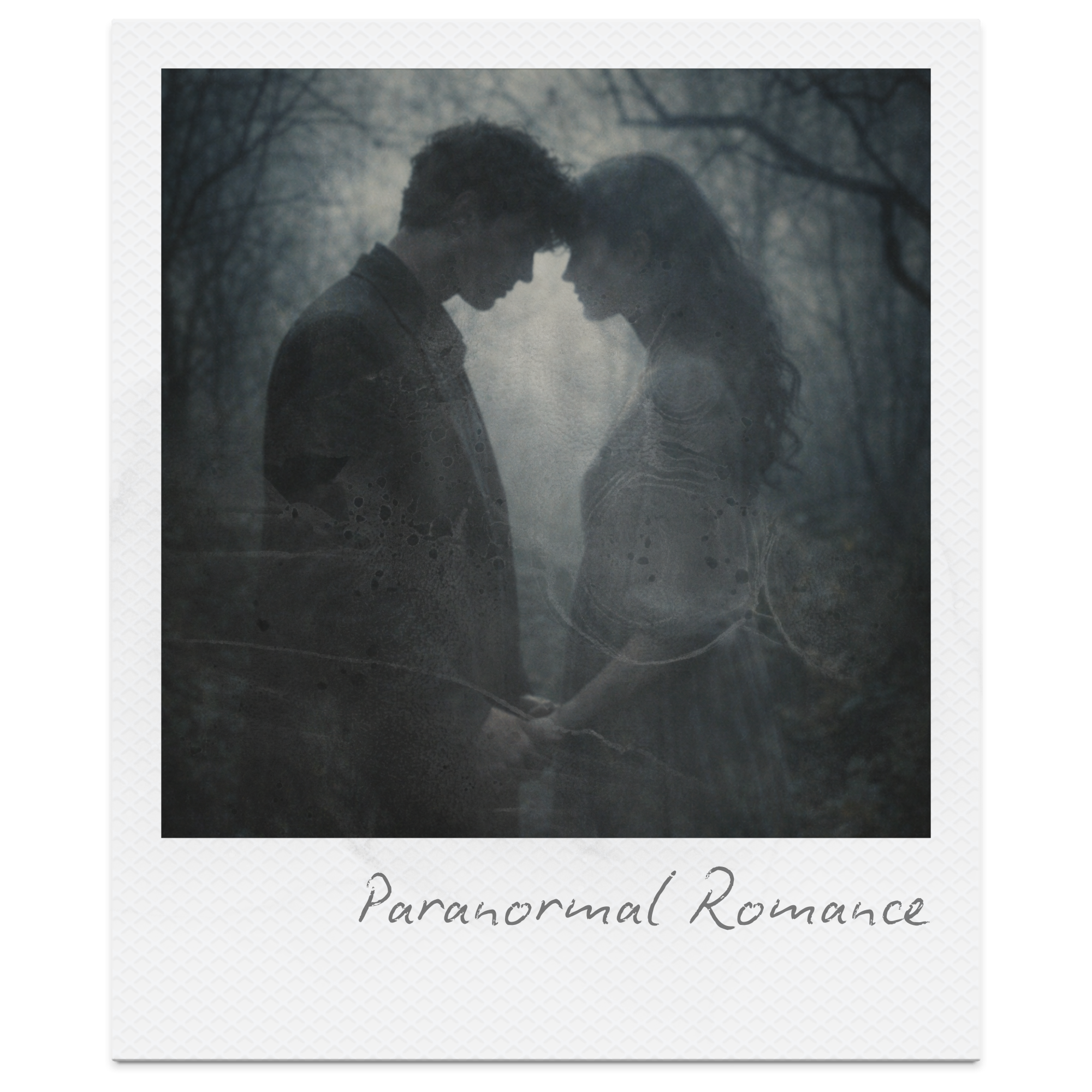
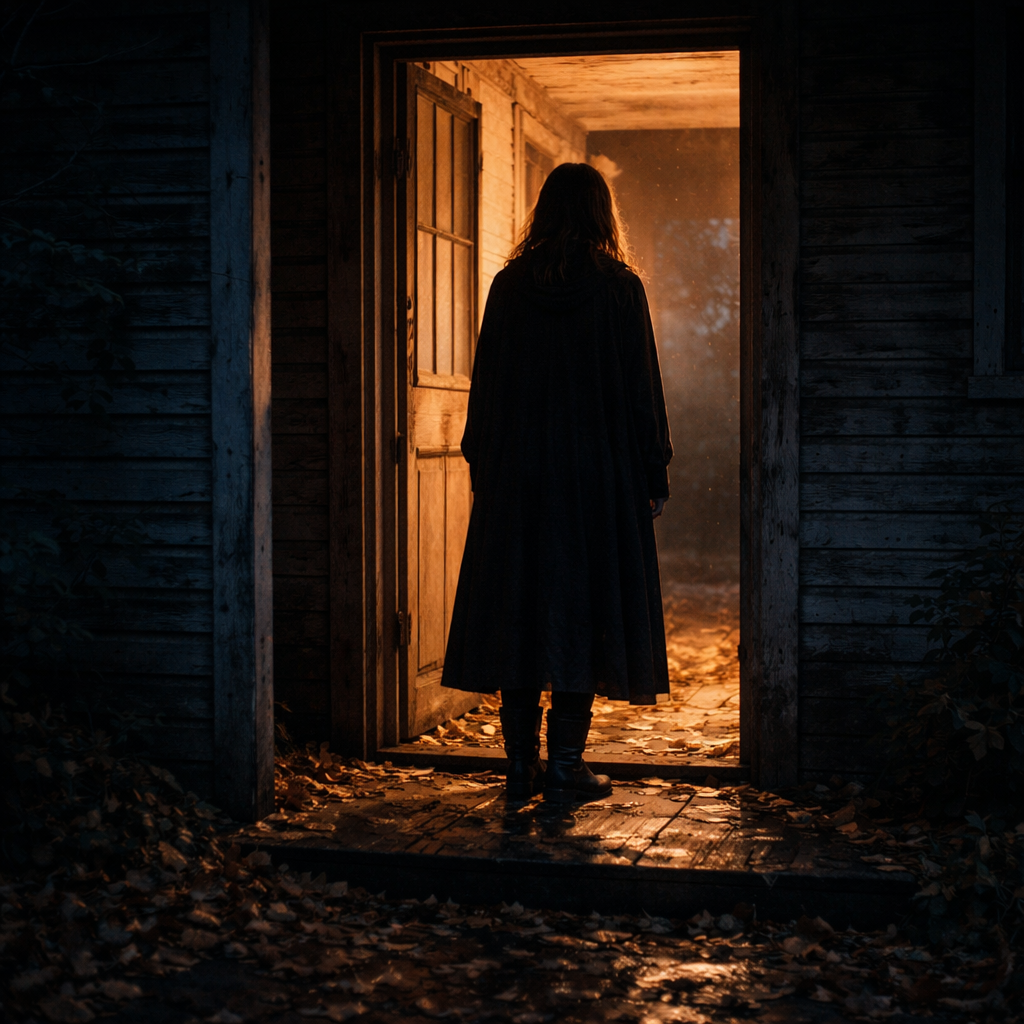
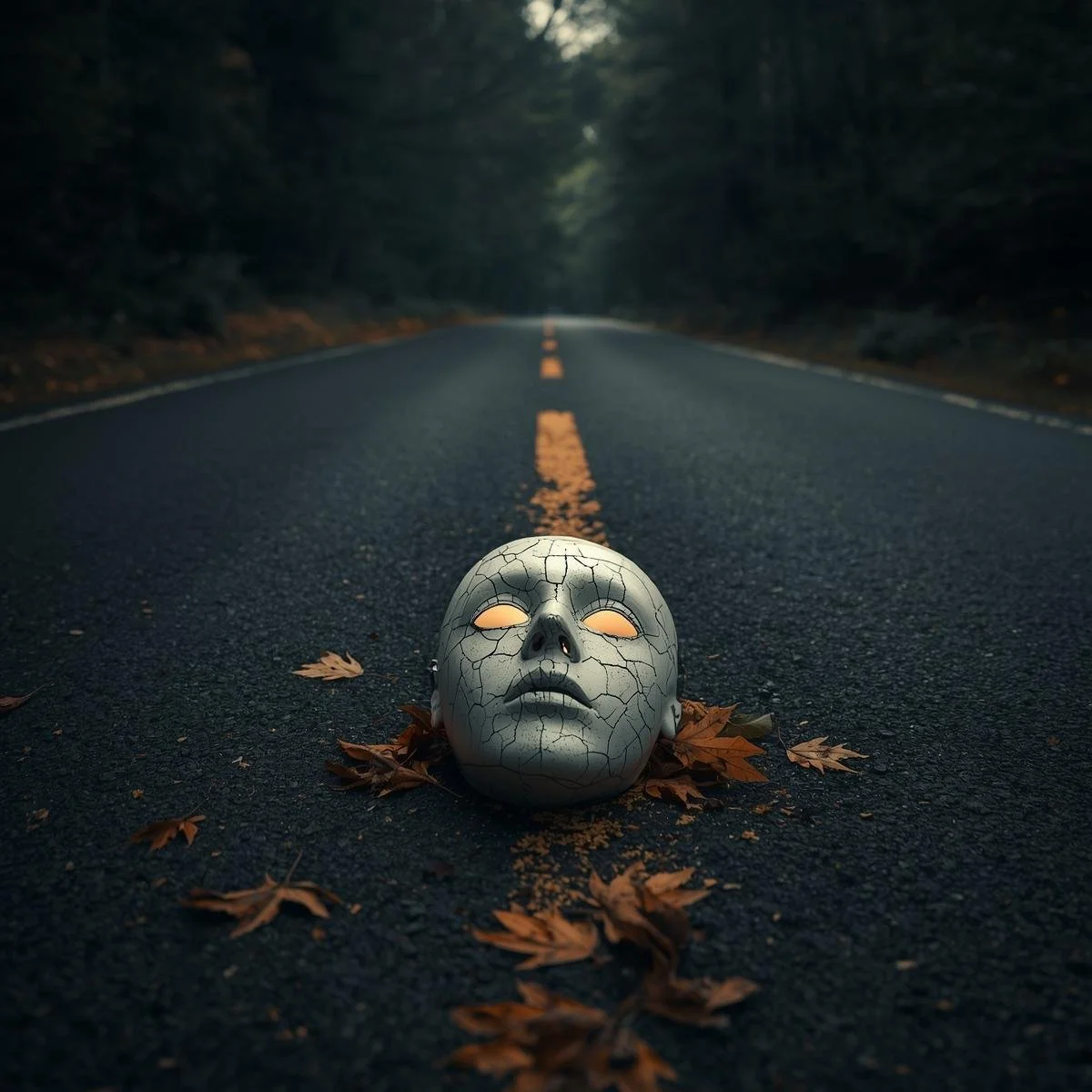
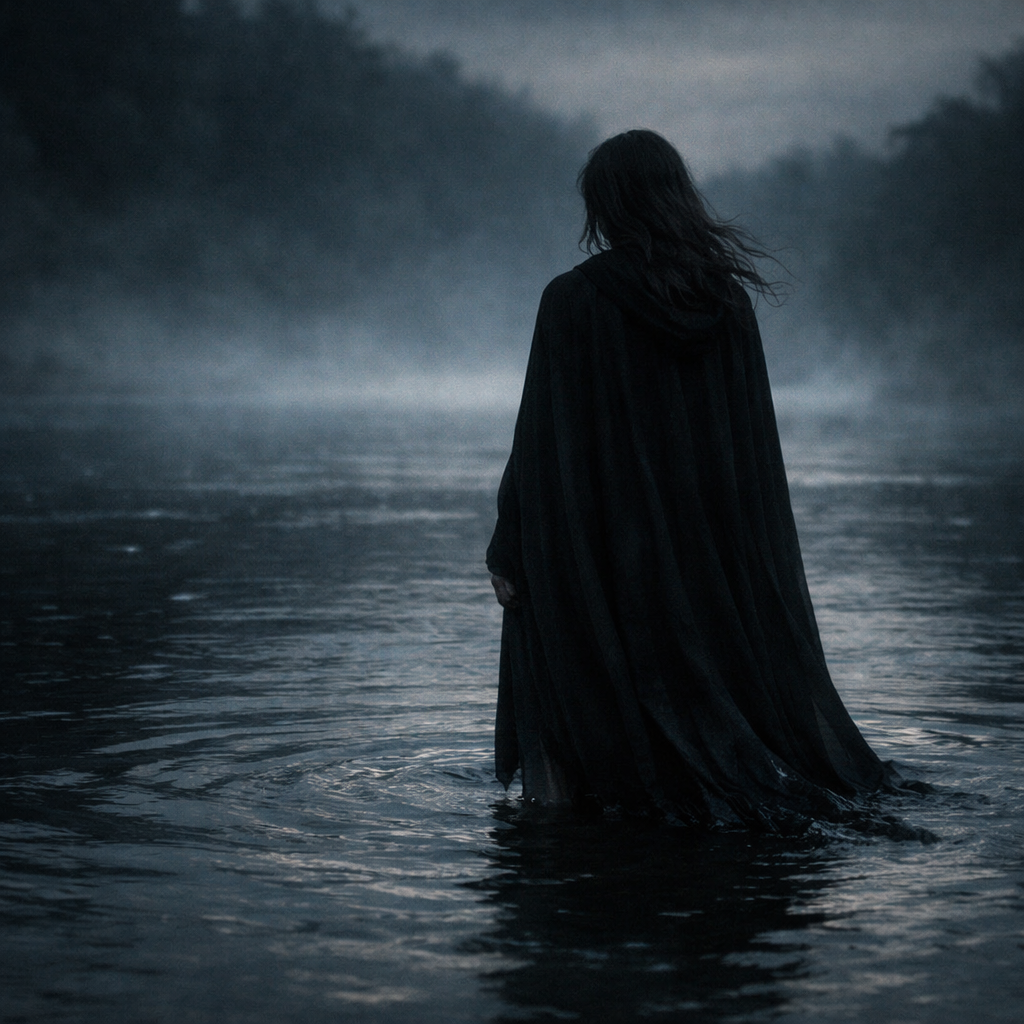
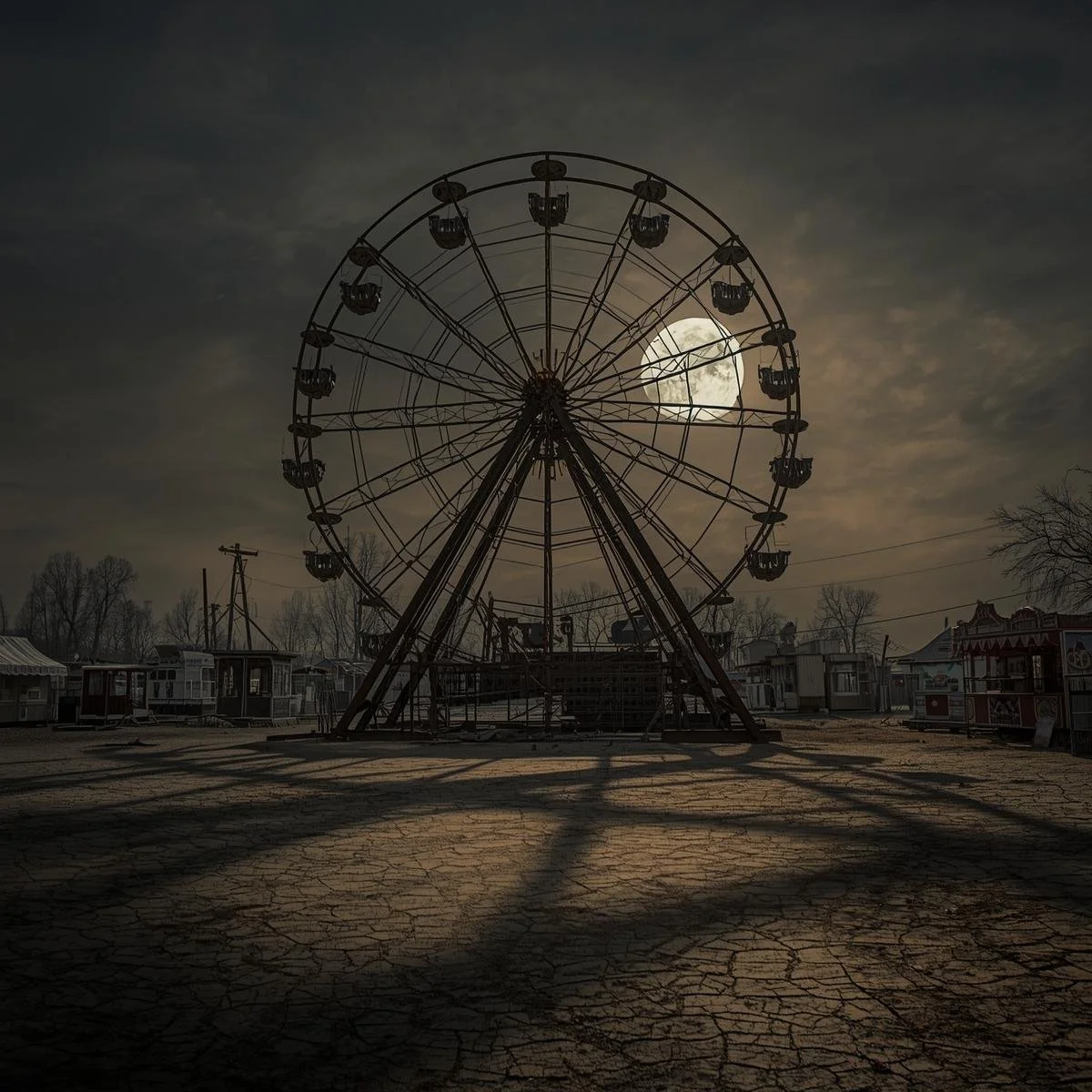
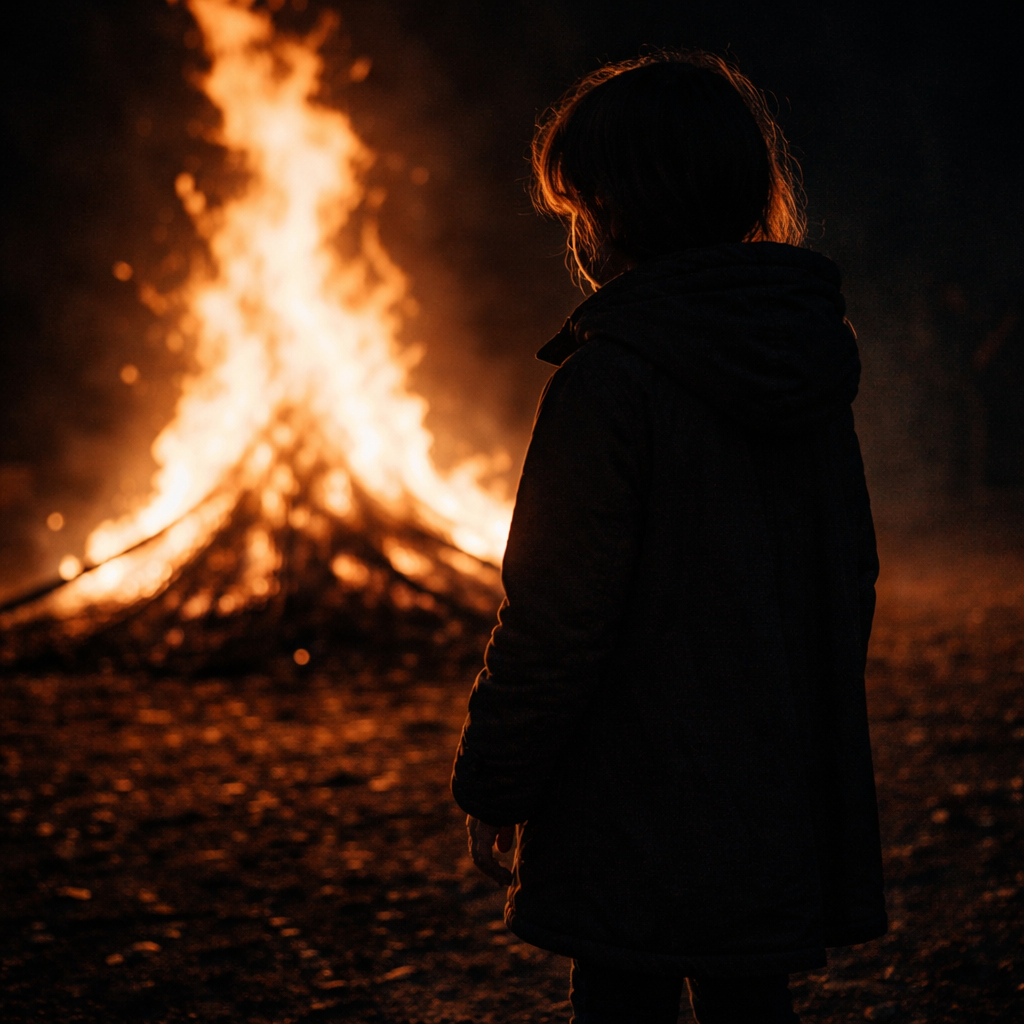
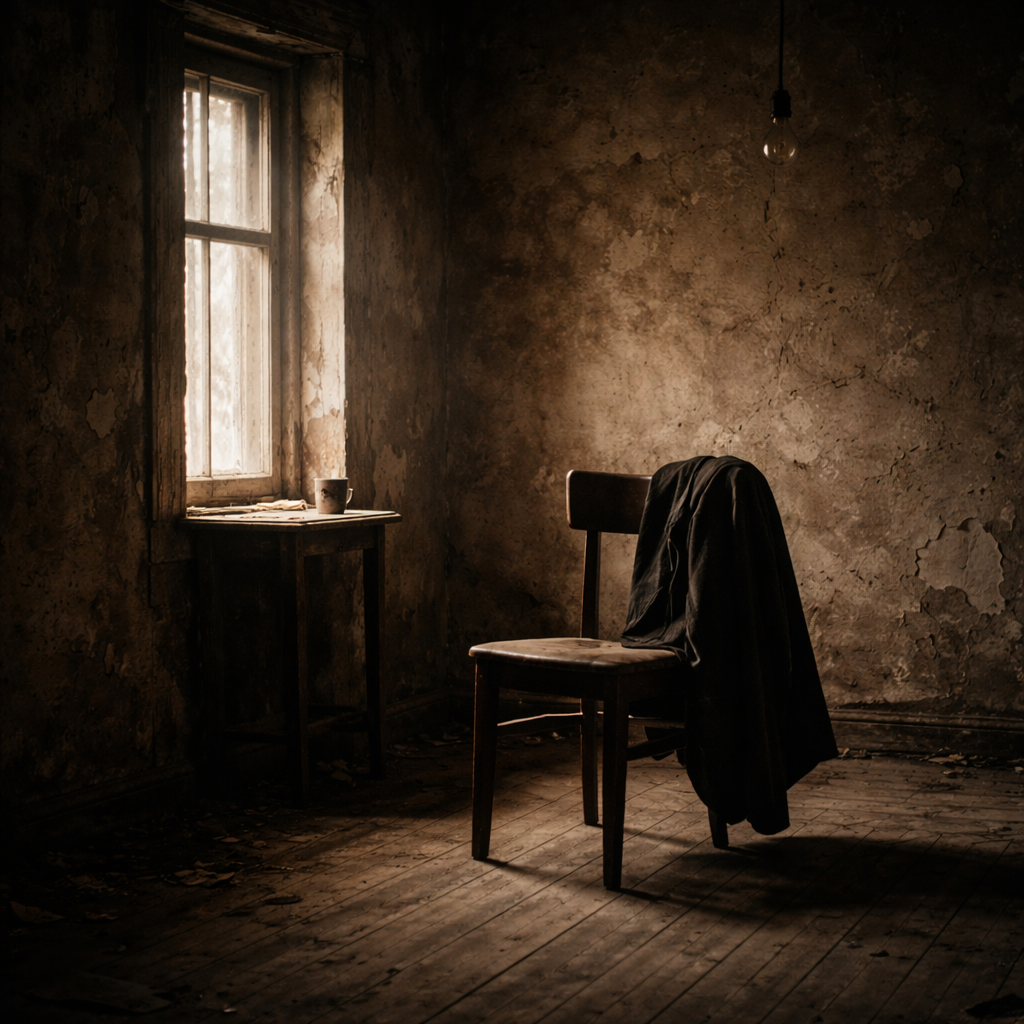
7. Picture Prompts
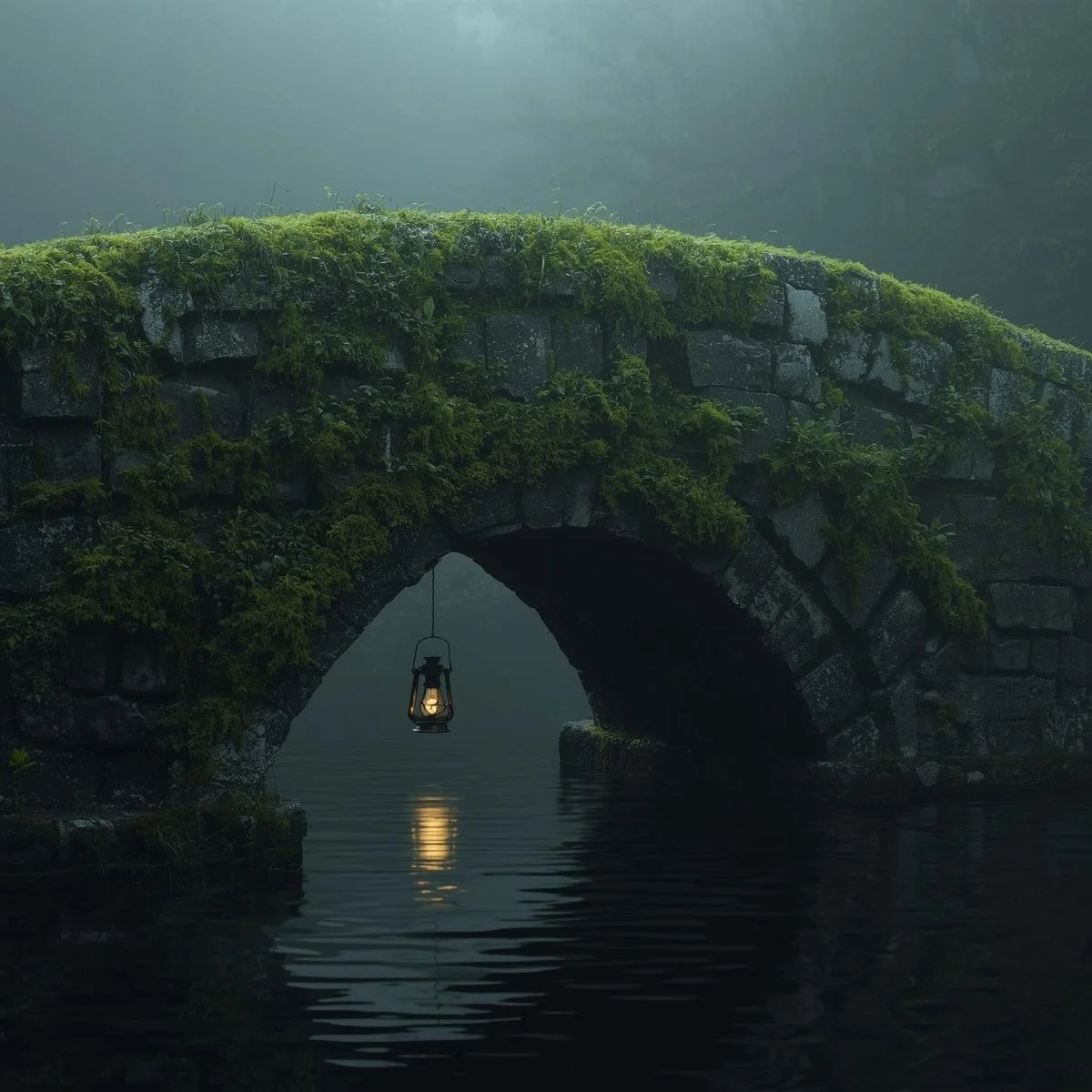
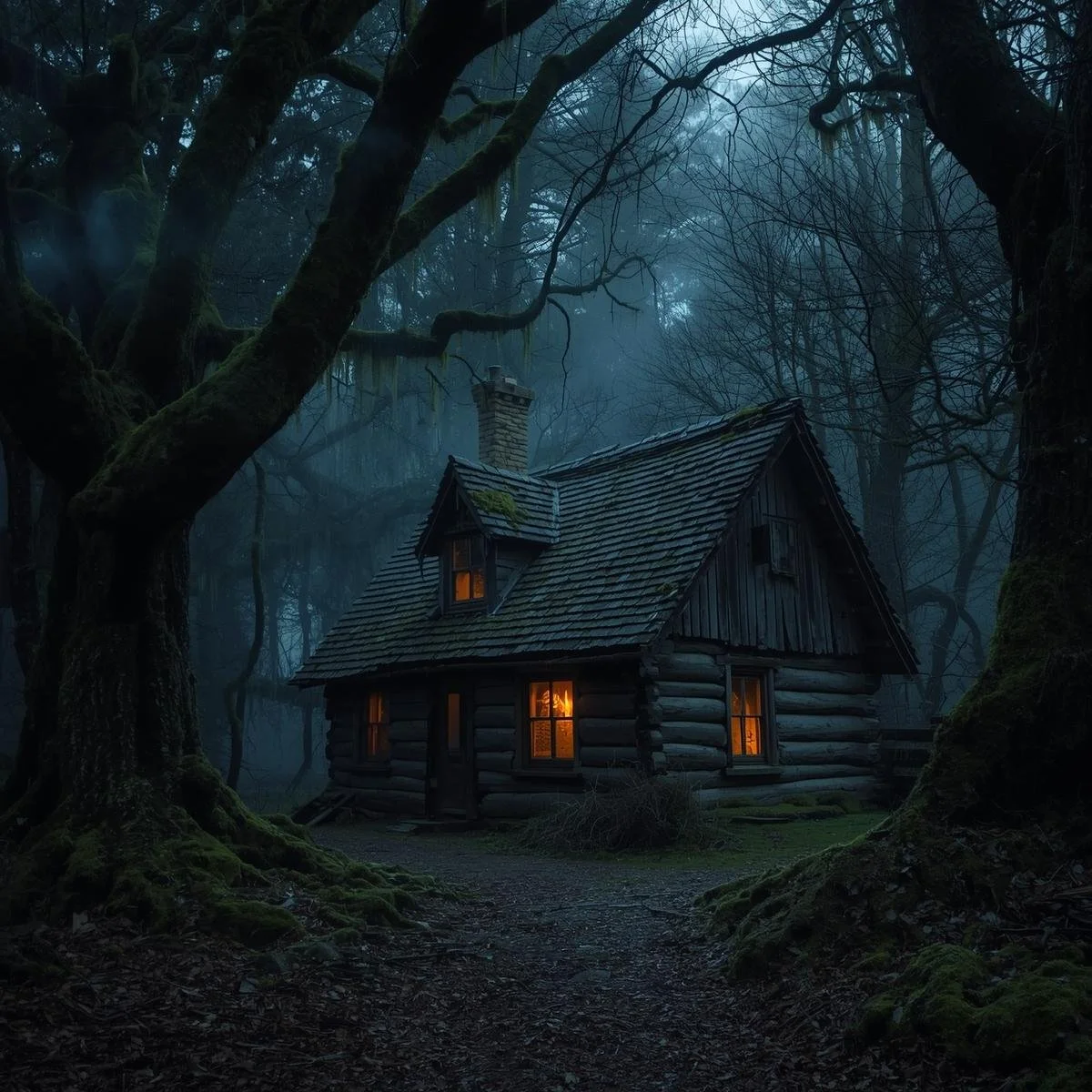
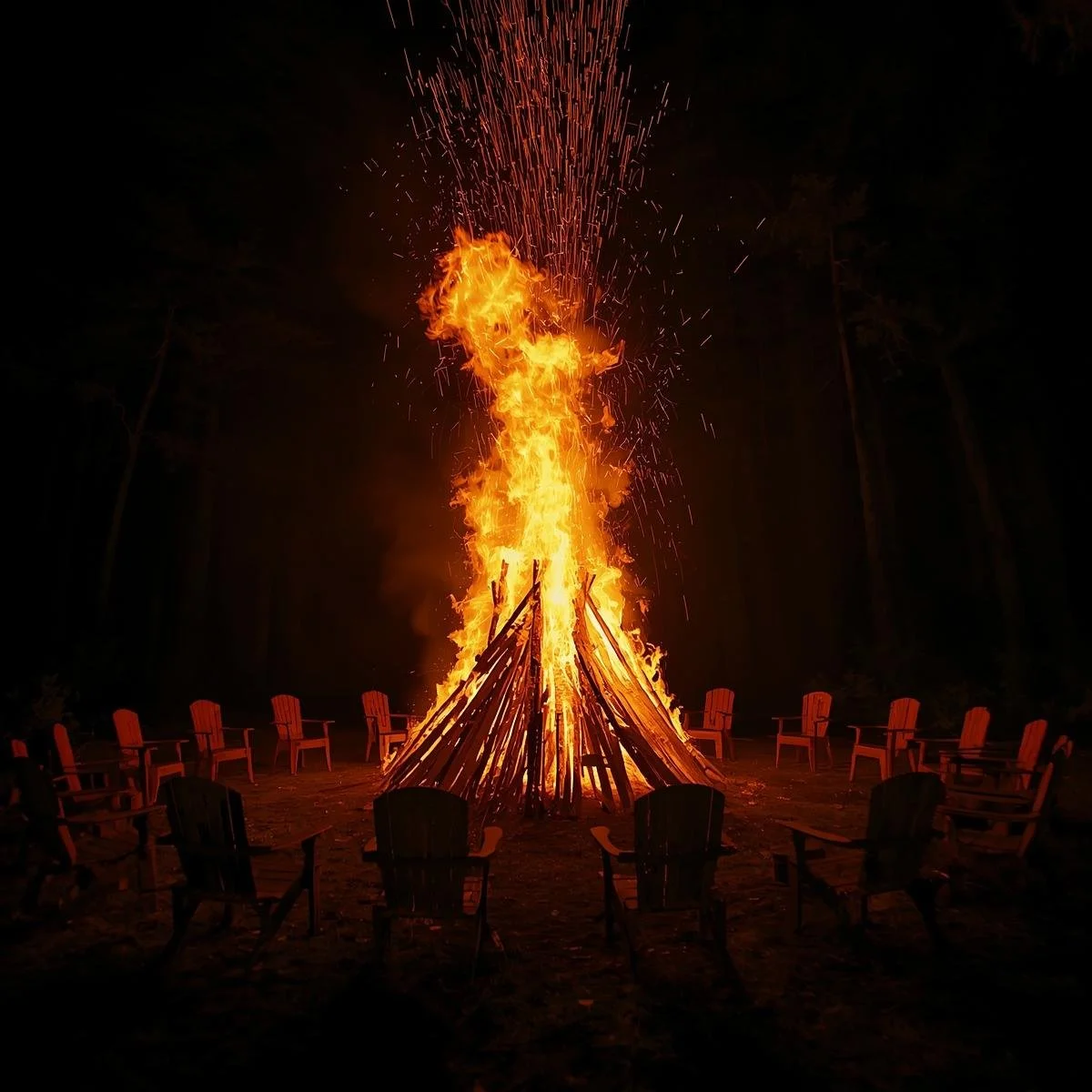
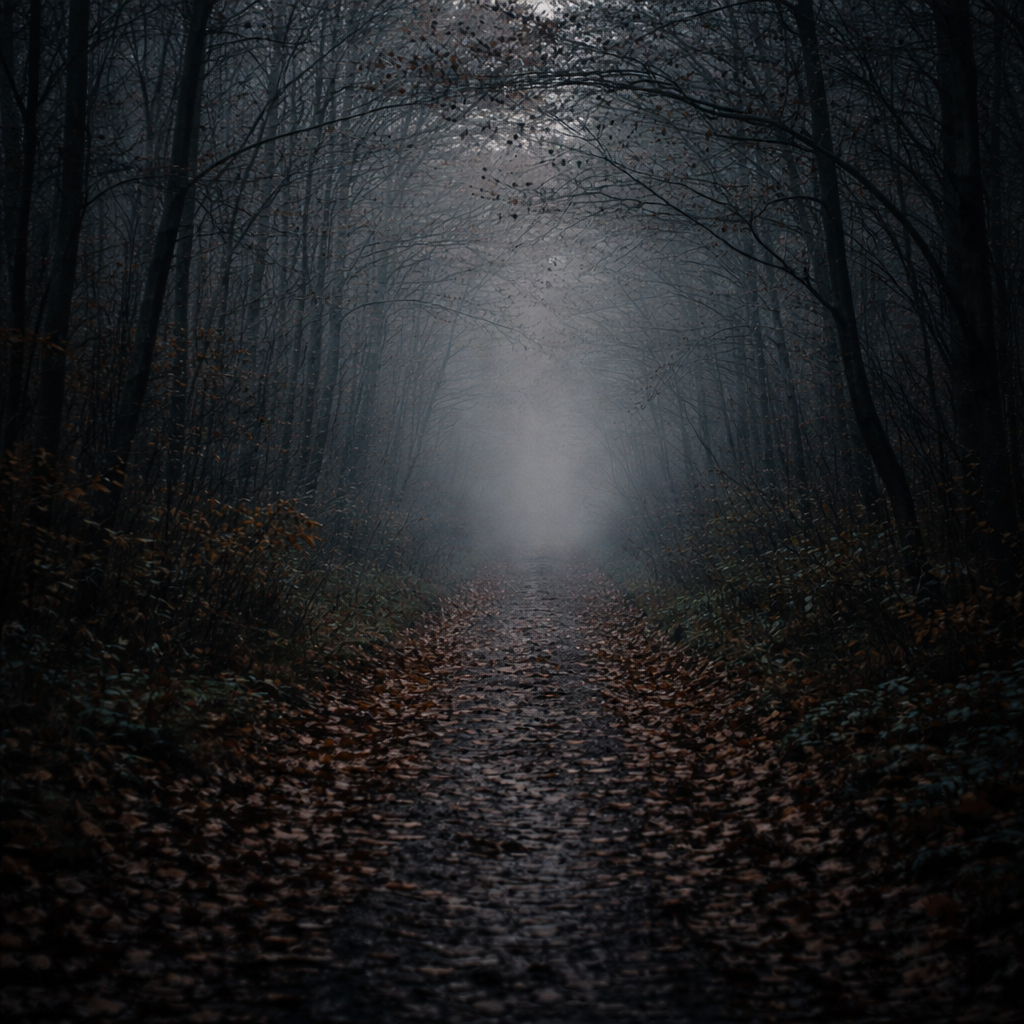
These October-inspired picture prompts are designed to spark story ideas through atmosphere, detail, and visual tension. Rather than illustrating a full narrative, each image captures a moment on the edge of change—inviting writers to explore what happened just before, what might happen next, and what remains hidden beneath the surface.
Use the images to develop setting, character perspective, and mood, or as starting points for short stories, descriptive writing, or seasonal creative writing lessons throughout October.
Go Deeper into October Writing
October stories thrive on what’s implied rather than explained. If you want to move beyond surface-level spookiness and into richer, more unsettling fiction, focus on evidence, atmosphere, and unanswered questions rather than clear resolutions.
Try pushing your writing further by:
◆ Treating objects as clues — letters, photographs, reports, or relics that hint at a larger story without spelling it out
◆ Letting setting do narrative work, especially places shaped by history, ritual, or neglect
◆ Allowing gaps in knowledge — what characters don’t know can be more powerful than what they do
◆ Blending folklore with realism so the uncanny feels plausible, even mundane
◆ Ending scenes with consequences or unease rather than explanations
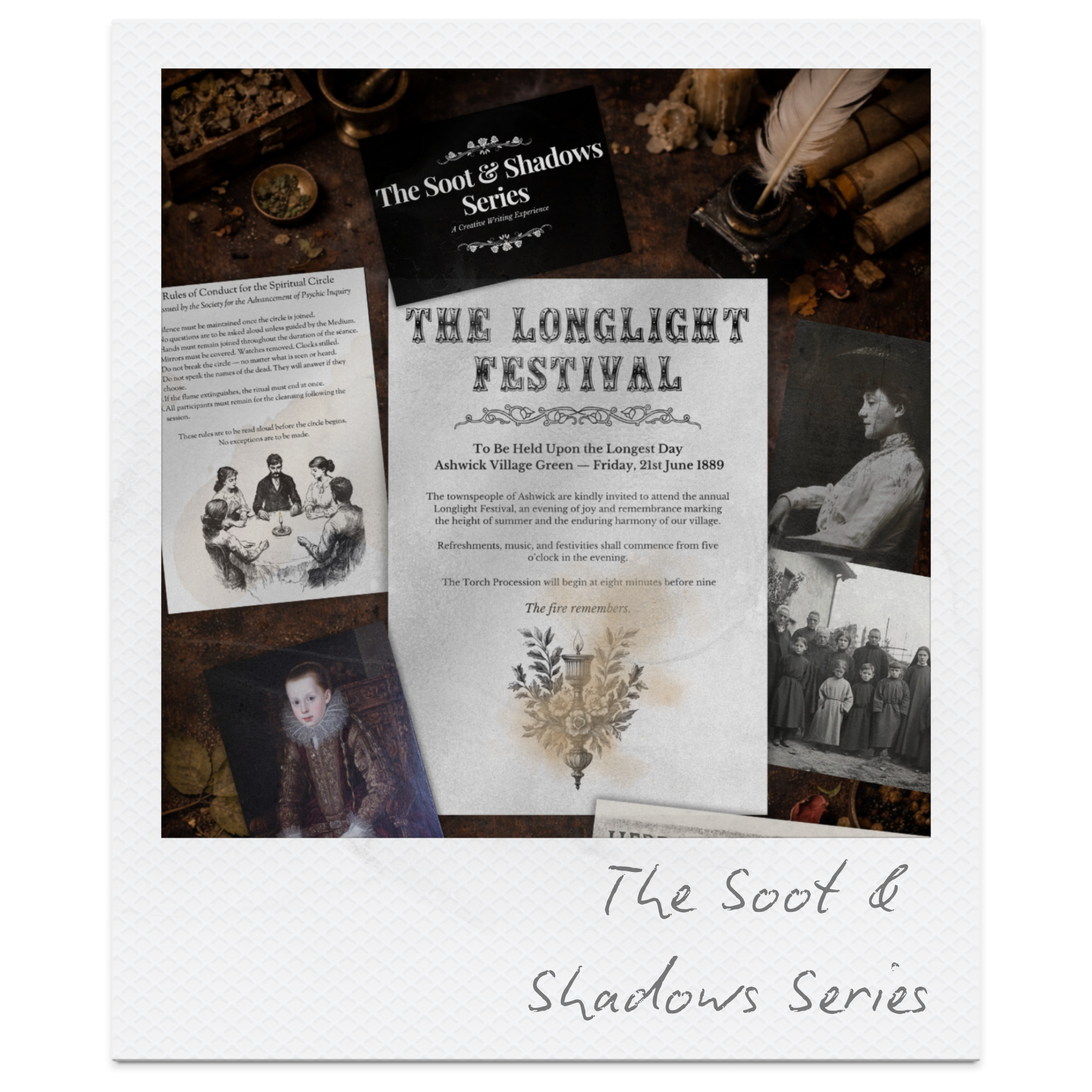
If you enjoy stories built from fragments, inference, and atmosphere, you may want to explore my Soot & Shadows Series — a trilogy of immersive creative writing collections rooted in Victorian crime, rural folklore, and witch-trial paranoia. Rather than offering traditional prompts, each collection presents writers with archival-style evidence — police reports, pawn tickets, gravestones, festival posters, séance notes, and museum exhibits — inviting you to piece together stories history never finished telling.
Each box in the series is self-contained, yet threaded with shared themes of mystery, memory, and the darker corners of British history. There is no official timeline, no single truth, and no correct interpretation — only fragments waiting for a writer brave enough to decide what really happened.
If your October writing leans toward folk horror, gothic fiction, dark academia, or speculative history, Soot & Shadows offers a deeper, more immersive way to explore those ideas long after the season ends.
Final Thoughts
October invites writers to slow down, look closer, and pay attention to what lingers at the edges of the ordinary. Whether you’re drawn to quiet unease, seasonal change, or stories shaped by atmosphere rather than answers, this collection is designed to help ideas take root and develop naturally.
For deeper exploration across genres, themes, and seasons, the Creative Writing Archive brings together hundreds of prompts designed for teen writers, classrooms, and independent projects alike.
However you choose to write this season, let October remind you that not every story needs to explain itself — some are meant to leave traces, questions, and shadows behind.
Choose Your Next Adventure