Notes from the Inkpot
Writing, teaching, creating - one ink-stained idea at a time.

The Woman’s Rose by Olive Schreiner: Summary, Themes & Analysis
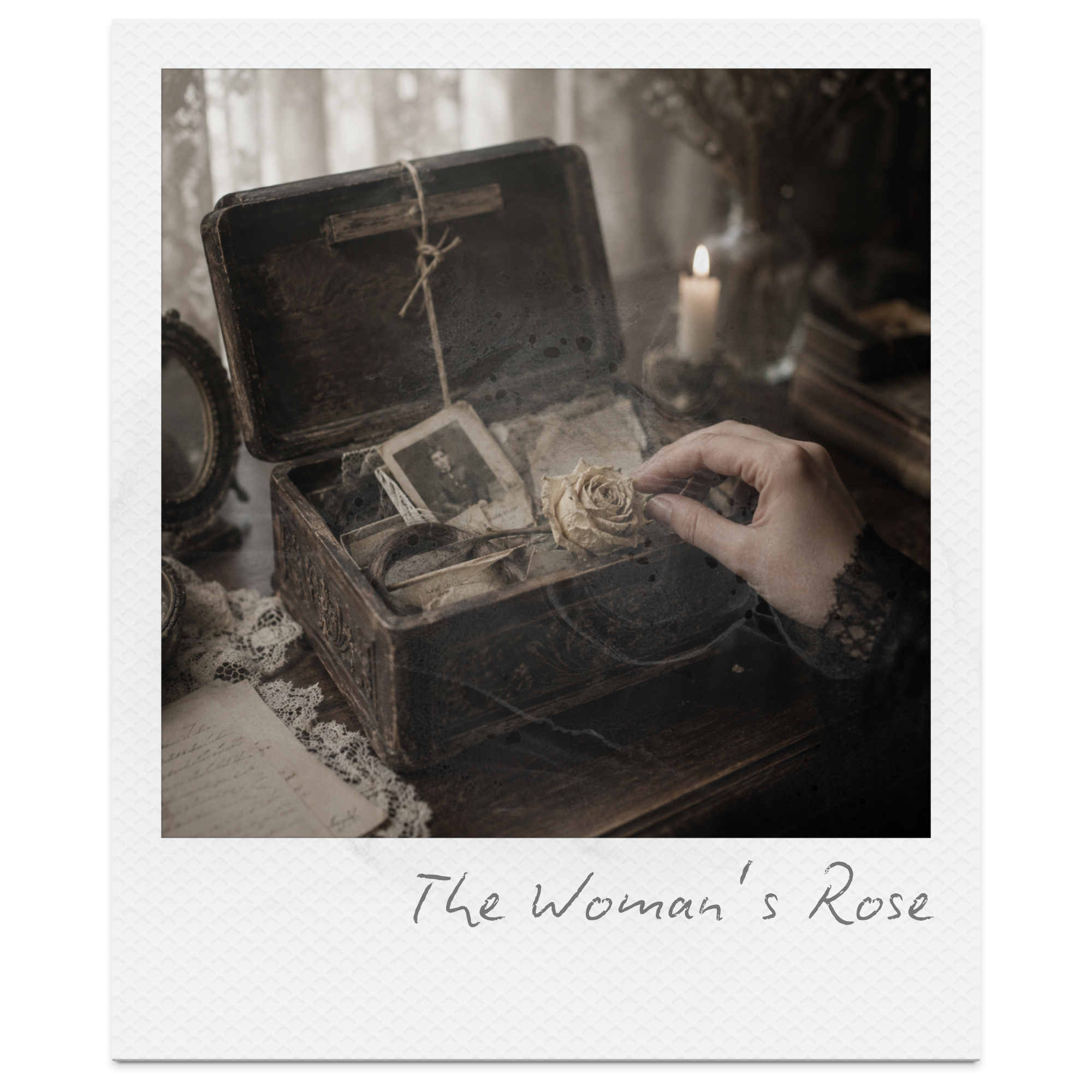
Olive Schreiner’s The Woman’s Rose is a deeply reflective short story exploring female solidarity, memory, identity, and the pressures created by patriarchal society. Through symbolic imagery, emotional restraint, and reflective first-person narration, Schreiner transforms a small personal memory into a powerful meditation on compassion, jealousy, emotional maturity, and women’s relationships with one another. This analysis explores the story’s themes, symbolism, narrative voice, key quotations, structure, and alternative interpretations for CIE IGCSE English Literature (0475 & 0922). It also examines how Schreiner uses the symbolic white rose to present emotional generosity and lasting faith in womanhood.
Childhood by Frances Cornford: Summary, Themes & Analysis
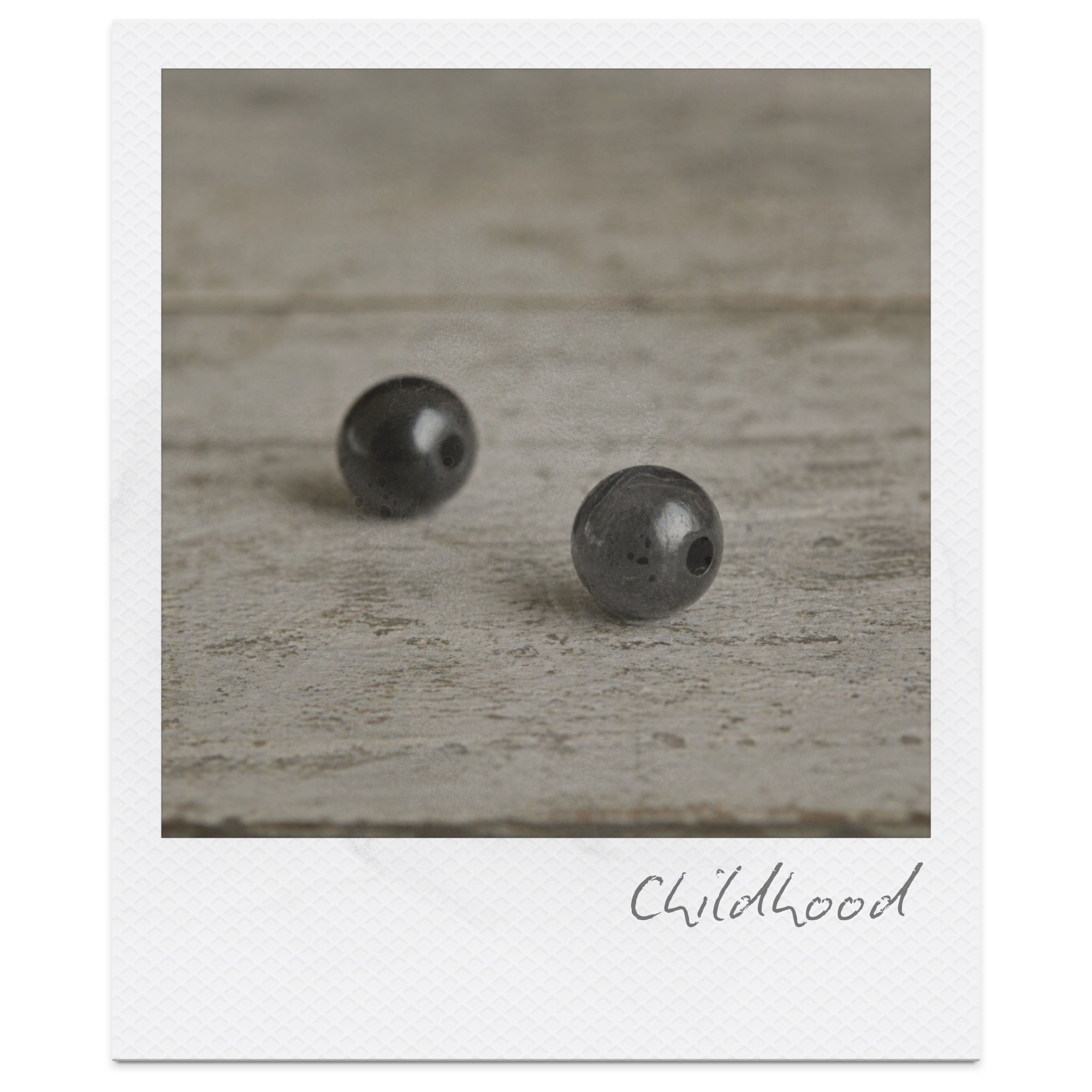
Frances Cornford’s Childhood explores innocence, perception, and the sudden recognition of human vulnerability, as a child’s confident assumptions about adulthood are quietly dismantled. Through contrast, imagery, and a reflective first-person voice, the poem captures the moment when a child realises that ageing is not chosen or controlled, but something inevitable and unsettling. By structuring the poem around a shift from belief to observation, Cornford reveals that both youth and old age are defined by helplessness, creating a balanced but uncomfortable insight into the human condition. This transformation is made particularly powerful through the symbolic image of the unstrung beads, which represents the collapse of order and control, leaving a lasting impression on both the speaker and the reader.
Follower by Seamus Heaney: Summary, Themes & Analysis
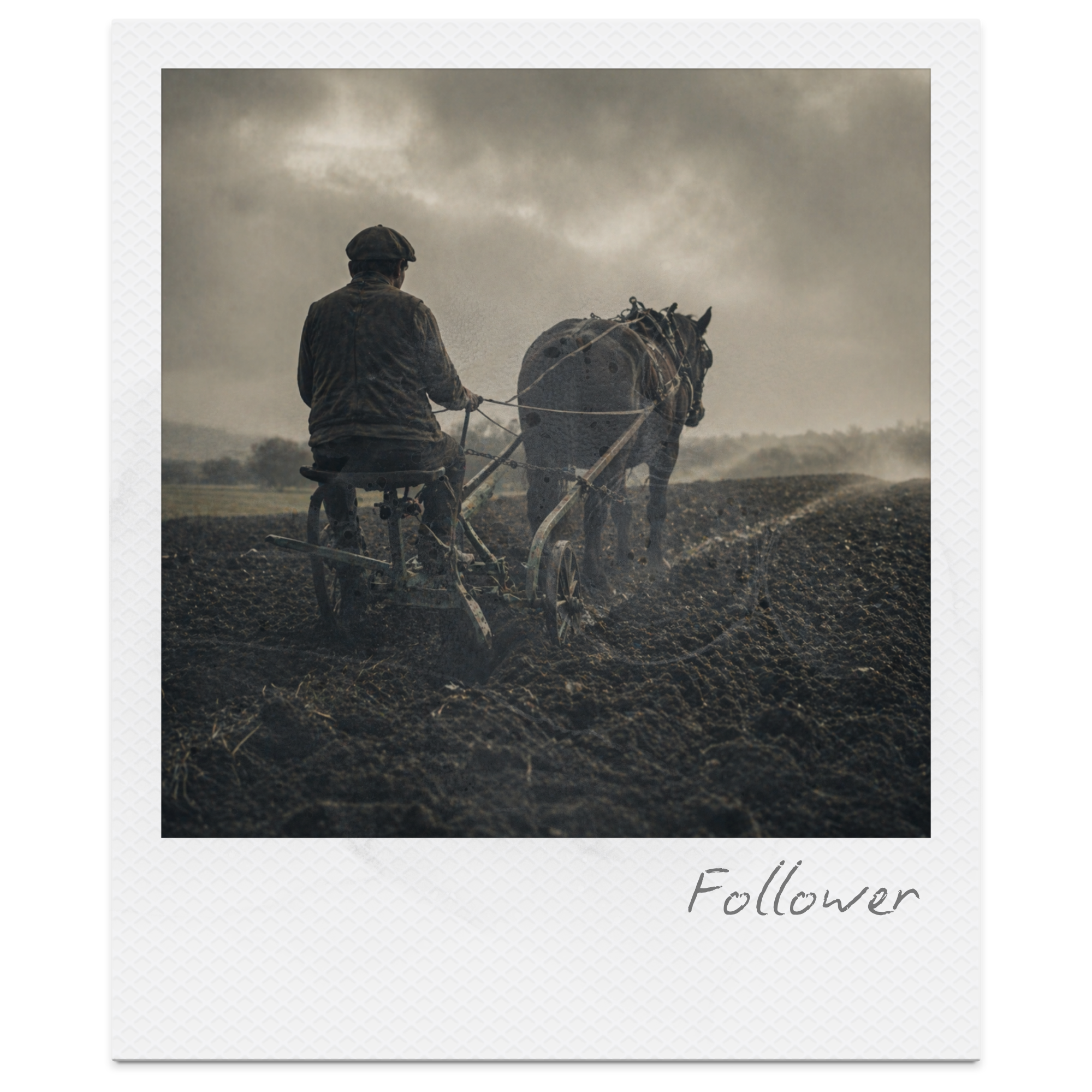
Seamus Heaney’s Follower explores admiration, identity, and the changing nature of family relationships through a reflective first-person voice. The poem presents the speaker’s father as a figure of strength, precision, and authority, using vivid imagery and controlled structure to elevate his skill as a ploughman. In contrast, the young speaker is portrayed as clumsy and dependent, creating a clear imbalance that reflects childhood hero-worship and the desire to imitate a parent. However, the poem’s meaning shifts in the final stanza, where Heaney introduces a subtle but powerful role reversal, revealing the father as the one who now “stumbles” behind the speaker. This transformation turns the poem into a reflection on time, ageing, and emotional complexity, as admiration gives way to a more unsettled awareness of changing roles. Through this contrast, Follower captures the tension between inheritance and independence, leaving the reader with a lasting sense of how relationships evolve over time.
70 Cottagecore Writing Prompts: Simplicity, Nature & Quiet Magic
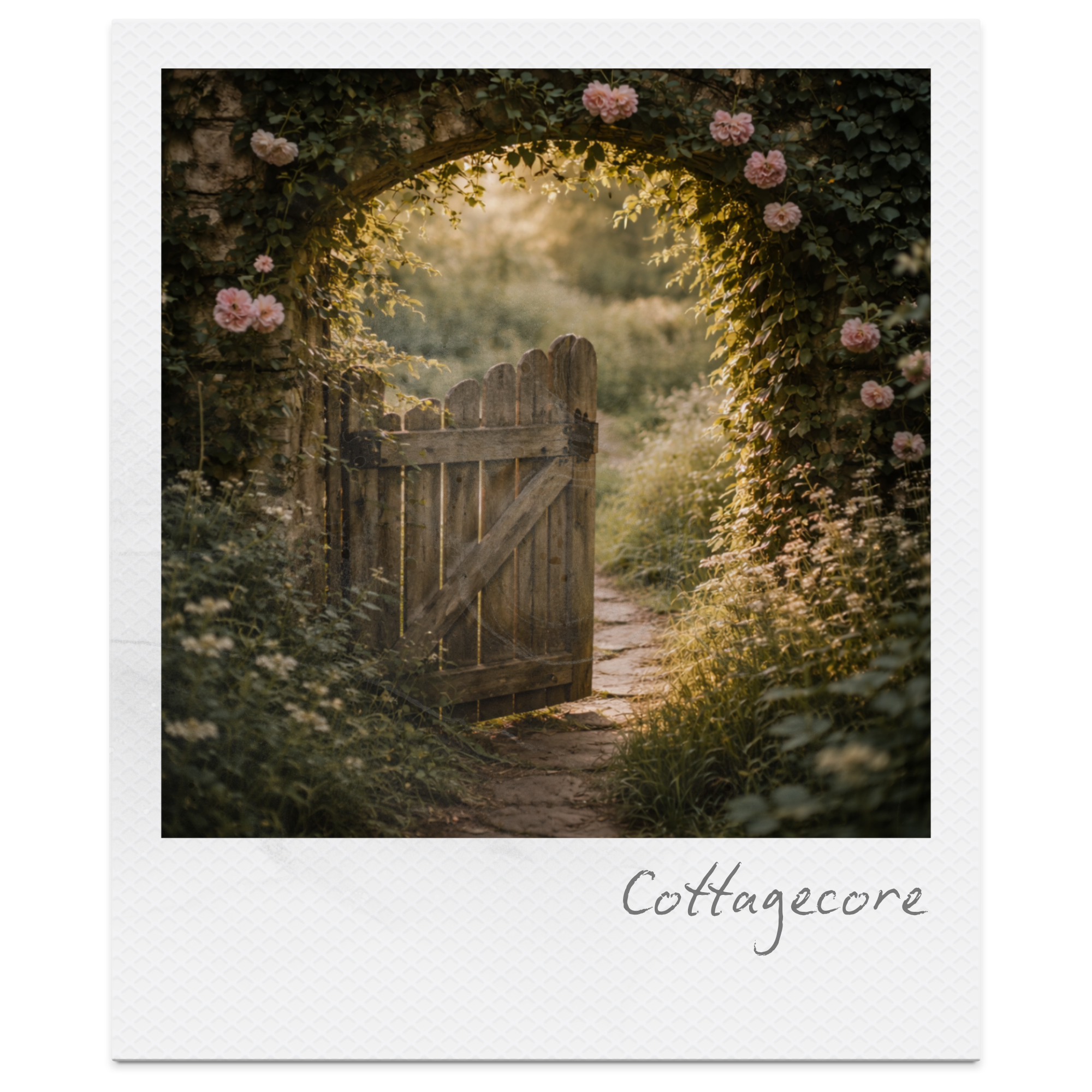
Cottagecore storytelling captures a quiet, enduring longing for simplicity, connection, and life lived close to the land. Rooted in pastoral traditions and fairytale sensibilities, these narratives focus on small, meaningful moments — tending a garden, baking bread, walking familiar paths — while hinting at something deeper beneath the surface. Often, the magic in cottagecore stories is not dramatic or overt, but subtle, woven into seasonal rhythms, memory, and the quiet transformation of place. These 70 Cottagecore Writing Prompts are designed to help writers explore that gentle, atmospheric world through plot ideas, openings, characters, and visual inspiration. Whether you are writing in the classroom or developing your own creative practice, these prompts offer a starting point for stories shaped by nature, routine, and the soft tension between stillness and change.
The Rocket Man by Ray Bradbury: Summary, Themes, Symbolism & Analysis
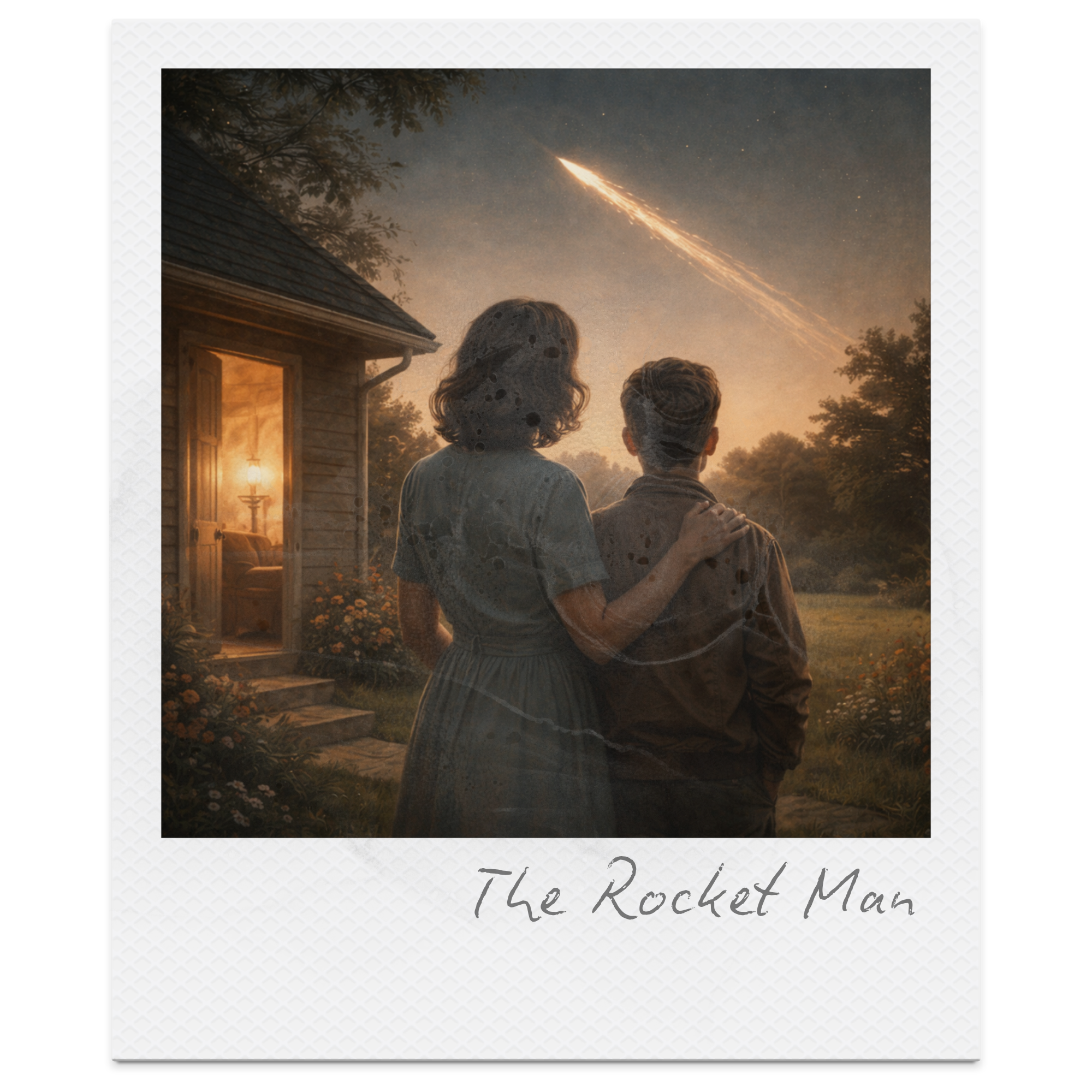
The Rocket Man by Ray Bradbury is a deeply emotional science fiction story exploring family, absence, and the cost of ambition. Told through the eyes of a young boy, the narrative follows a father who is torn between his life on Earth and his work in space, creating a cycle of return and departure that shapes the family’s entire existence. Bradbury presents space travel not as heroic, but as something that quietly disrupts relationships and emotional stability. As the story unfolds, the tension between presence and absence becomes increasingly painful, particularly through the mother’s coping strategy of treating her husband as if he is already dead. When the father’s final journey ends in tragedy, the emotional impact is devastating, leaving the family to navigate a world permanently altered by loss. Through its restrained style and symbolic imagery, the story reveals how ambition, love, and grief can coexist in ways that are both powerful and deeply unsettling.
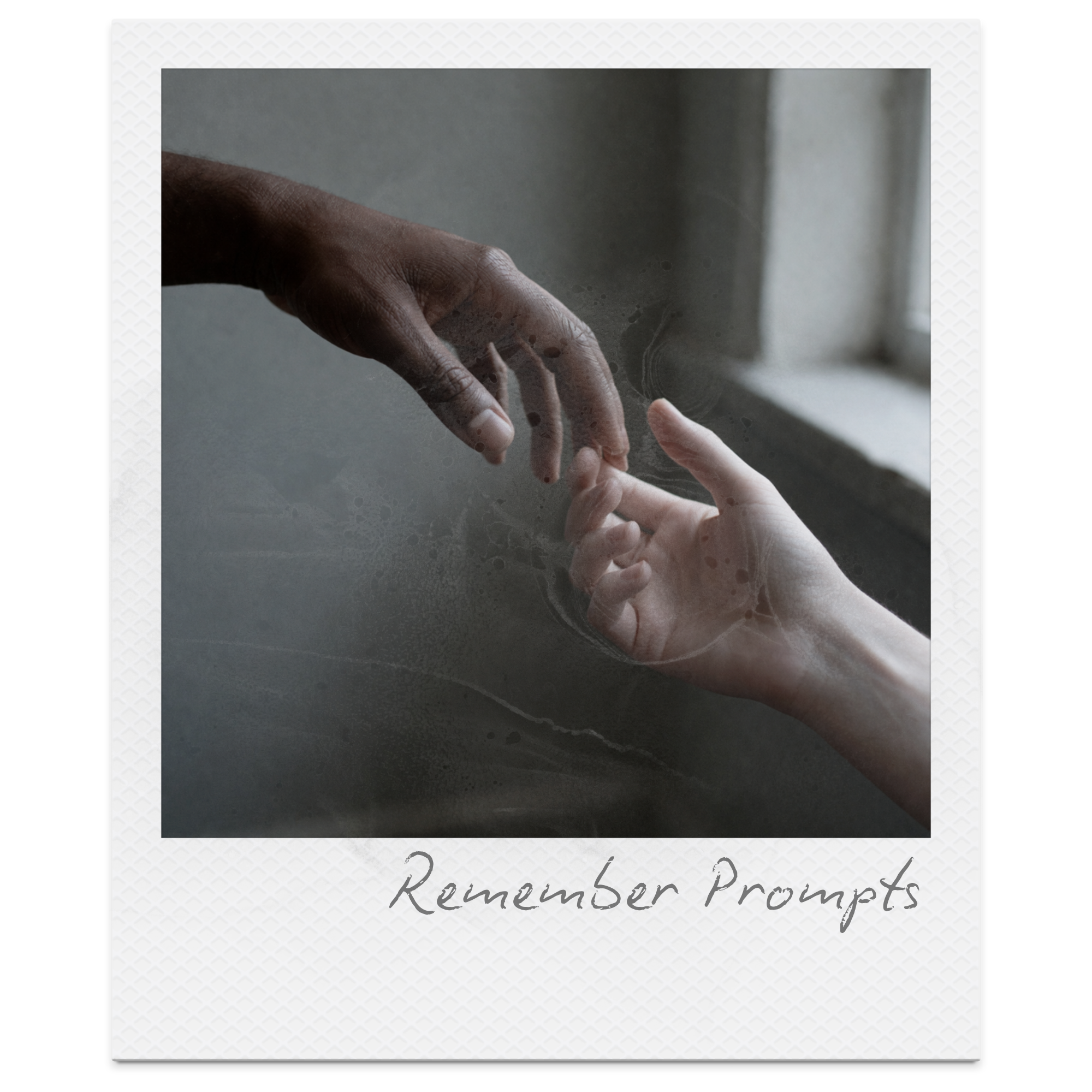
70 Writing Prompts Inspired by Christina Rossetti’s Remember: Memory, Absence & Quiet Love
Christina Rossetti’s Remember is a quiet yet powerful exploration of memory, loss, and the complexity of letting go. Unlike many poems that cling to remembrance as a form of love, Remember shifts its perspective, suggesting that true care may lie in release rather than attachment. Through its restrained voice and reflective tone, the poem invites readers to consider whether holding on always honours the past — or whether, sometimes, forgetting can be a gentler act. This collection of 70 writing prompts inspired by Remember encourages writers to explore grief, absence, and emotional distance through both creative and reflective storytelling. From quiet farewells to unfinished conversations, these prompts offer a structured way to engage with themes of love, memory, and selfless letting go, making them ideal for classroom use, personal narrative writing, or deeper literary exploration.
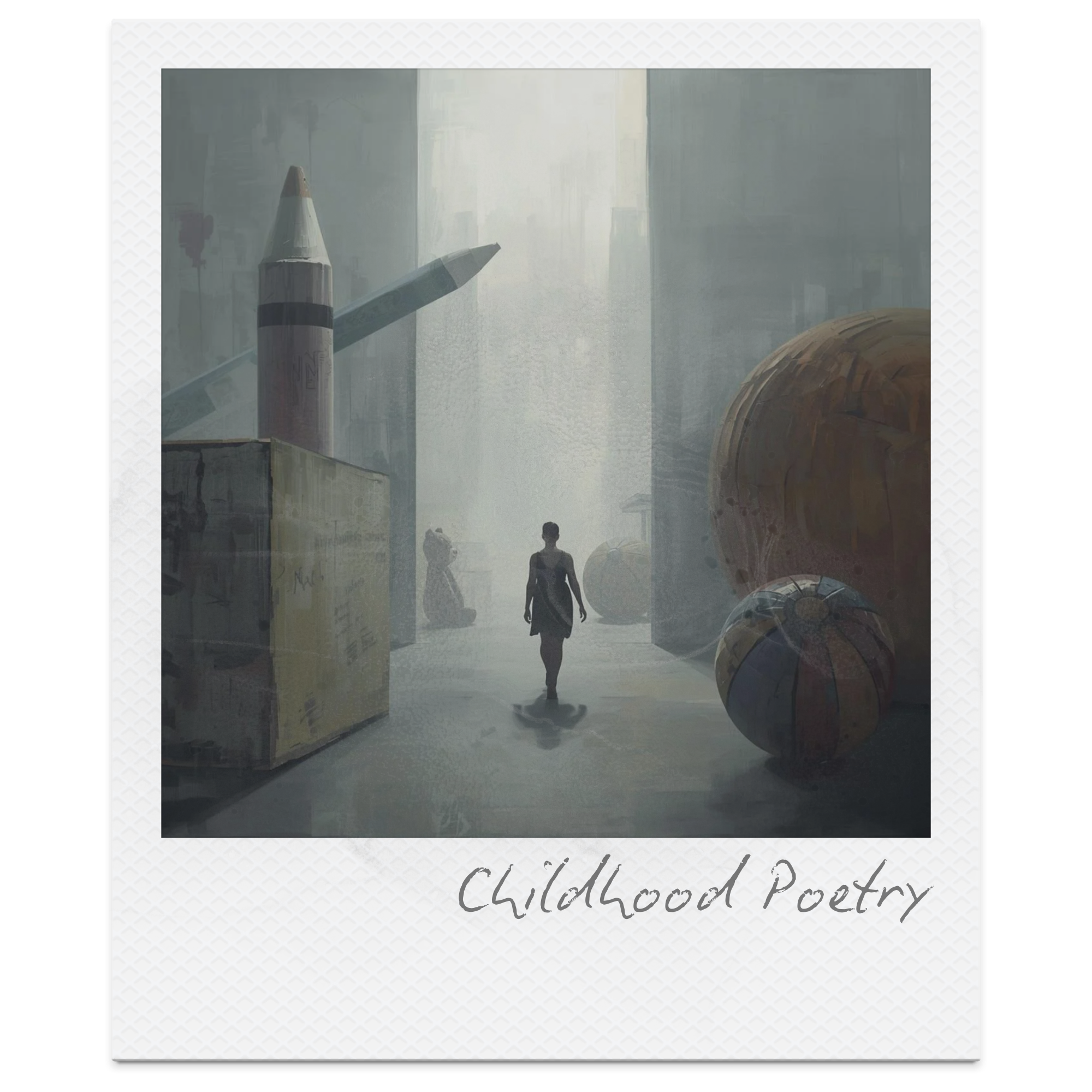
10 Childhood Poetry Prompts for Teens & Adults: Memory, Distance, and the Unreliable Past
Childhood poetry explores early experience not through nostalgia, but through reflection, distance, and restraint. These childhood poetry prompts for teens and adults encourage writers to examine formative moments, misunderstandings, and everyday details using craft-focused techniques, suggested opening lines, and image-led inspiration. Designed for classrooms and independent writers, this collection supports thoughtful poetry about childhood rooted in observation rather than retelling.
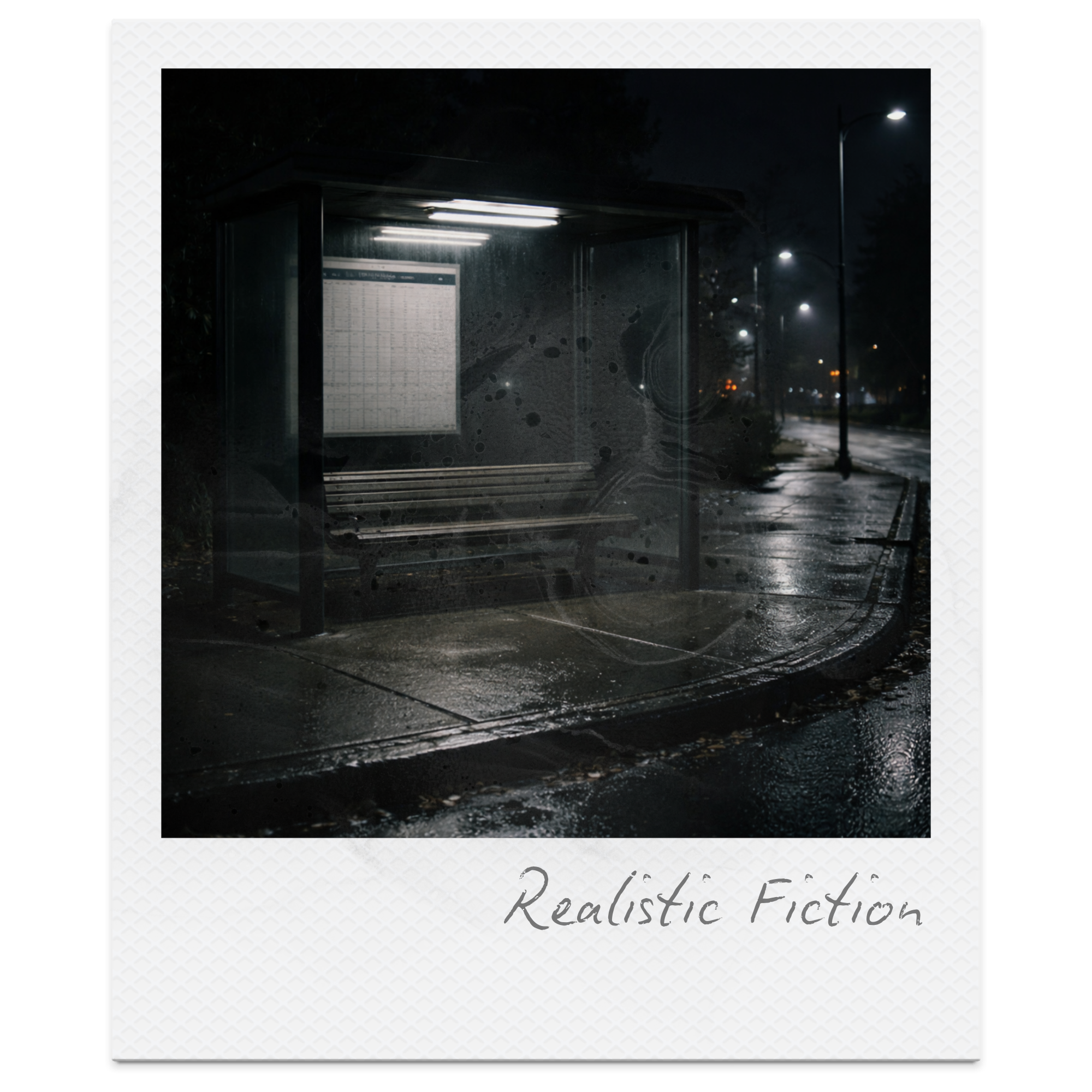
70 Realistic Fiction Writing Prompts for Teens: Story Starters, Characters, Settings & Visual Ideas
Realistic fiction writing prompts for teens designed to explore ordinary moments with emotional depth and authenticity. This collection includes story starters, opening and closing lines, character ideas, settings, and picture prompts that focus on believable conflict, quiet change, and character-driven storytelling—ideal for creative writing lessons, classrooms, or independent writing practice. Perfect for secondary English students and teen writers, these prompts support realistic narratives grounded in everyday life while linking into a wider Creative Writing Archive of genre-based prompts and ongoing Daily Writing Prompts to encourage consistent, thoughtful writing all year round.
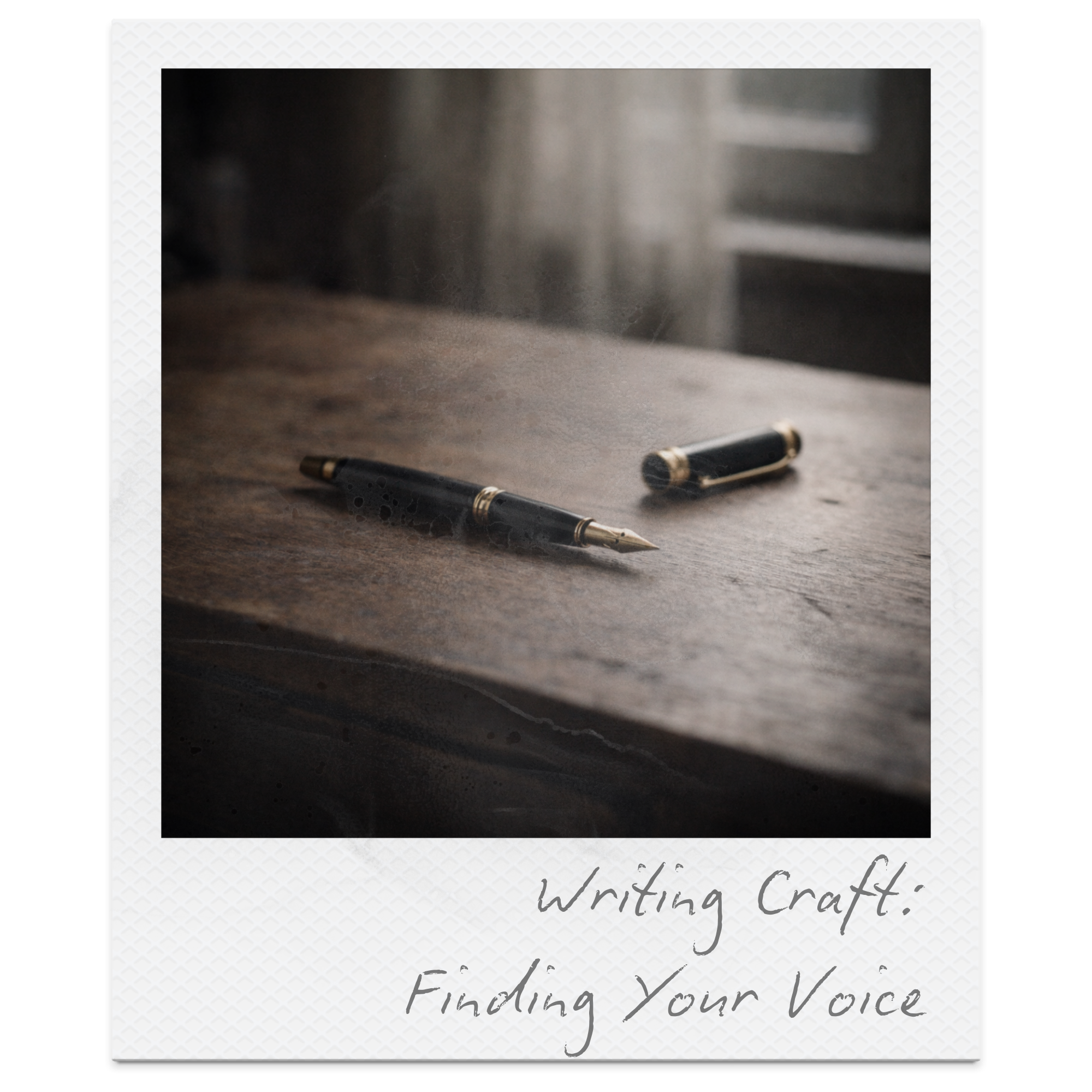
Getting Started with Writing Fiction: Finding Your Voice as a Beginner Writer
Getting started with writing fiction can feel overwhelming, especially when you’re unsure how to find your writing voice. This beginner-friendly guide breaks the process down into manageable steps, exploring what writing voice really means, where inspiration comes from, and how to start writing without a full story idea. Designed for writers of any age, this post offers practical advice, simple exercises, and reassurance for those at the beginning of their fiction journey. From short scenes and flash fiction to atmosphere-driven writing and prompts, it provides a calm, supportive starting point for developing confidence and voice over time.
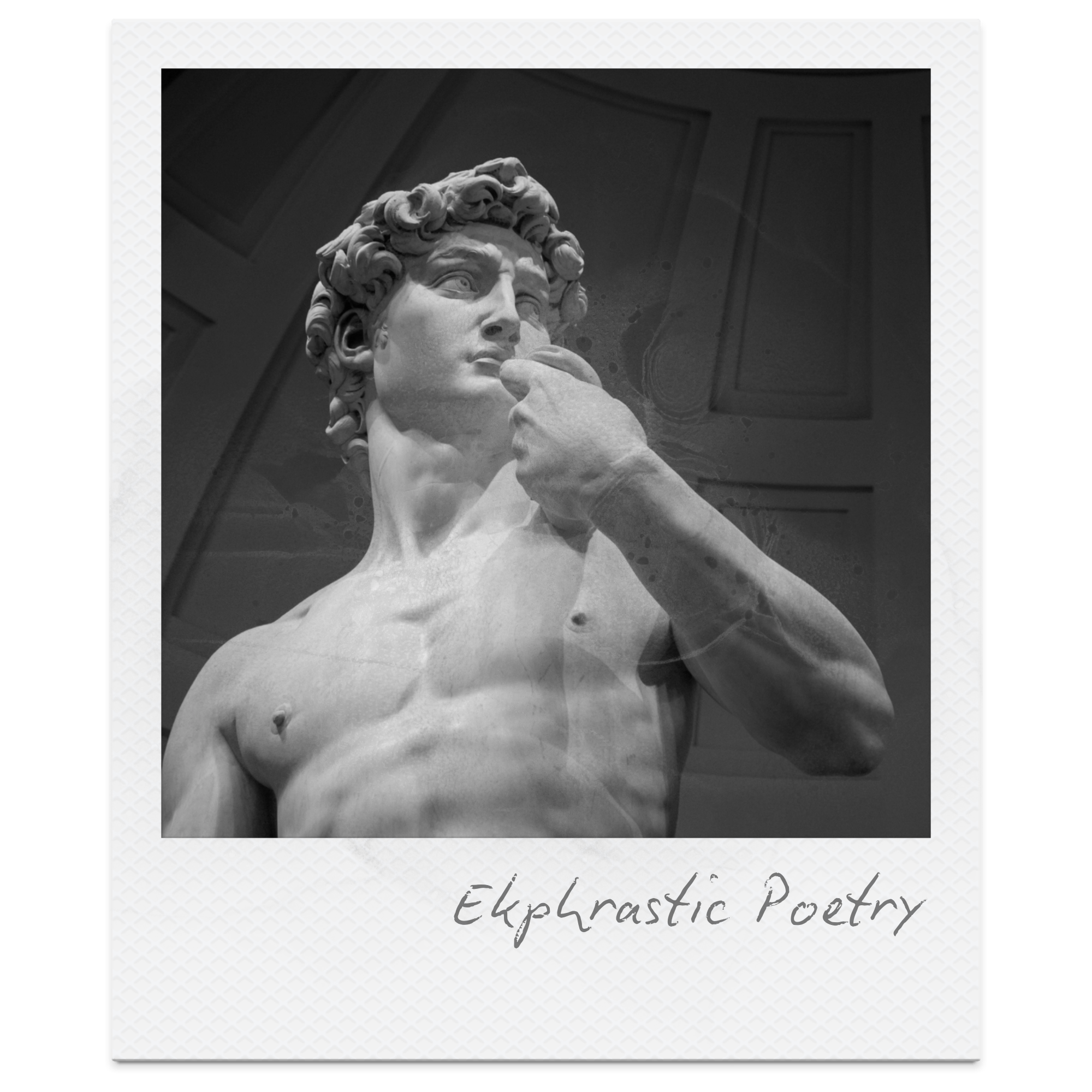
Ekphrastic Writing for the Classroom: Art, Photo & Science Prompts for English Teachers
This comprehensive guide to ekphrastic writing in the classroom brings together image-based writing prompts using art, photography, sculpture, science imagery, and AI-generated visuals. Designed for secondary English teachers, the post includes practical ways to use ekphrasis across poetry, prose, monologue, and creative nonfiction, alongside adaptable classroom activities and cross-curricular ideas. Whether you’re planning a poetry unit, setting low-prep bell-ringers, or encouraging close observation and voice-driven writing, these ekphrastic writing prompts for students support inference, imagery, and creative confidence. With clear guidance, differentiated approaches, and links to ongoing writing resources, this post is built for real classroom use.
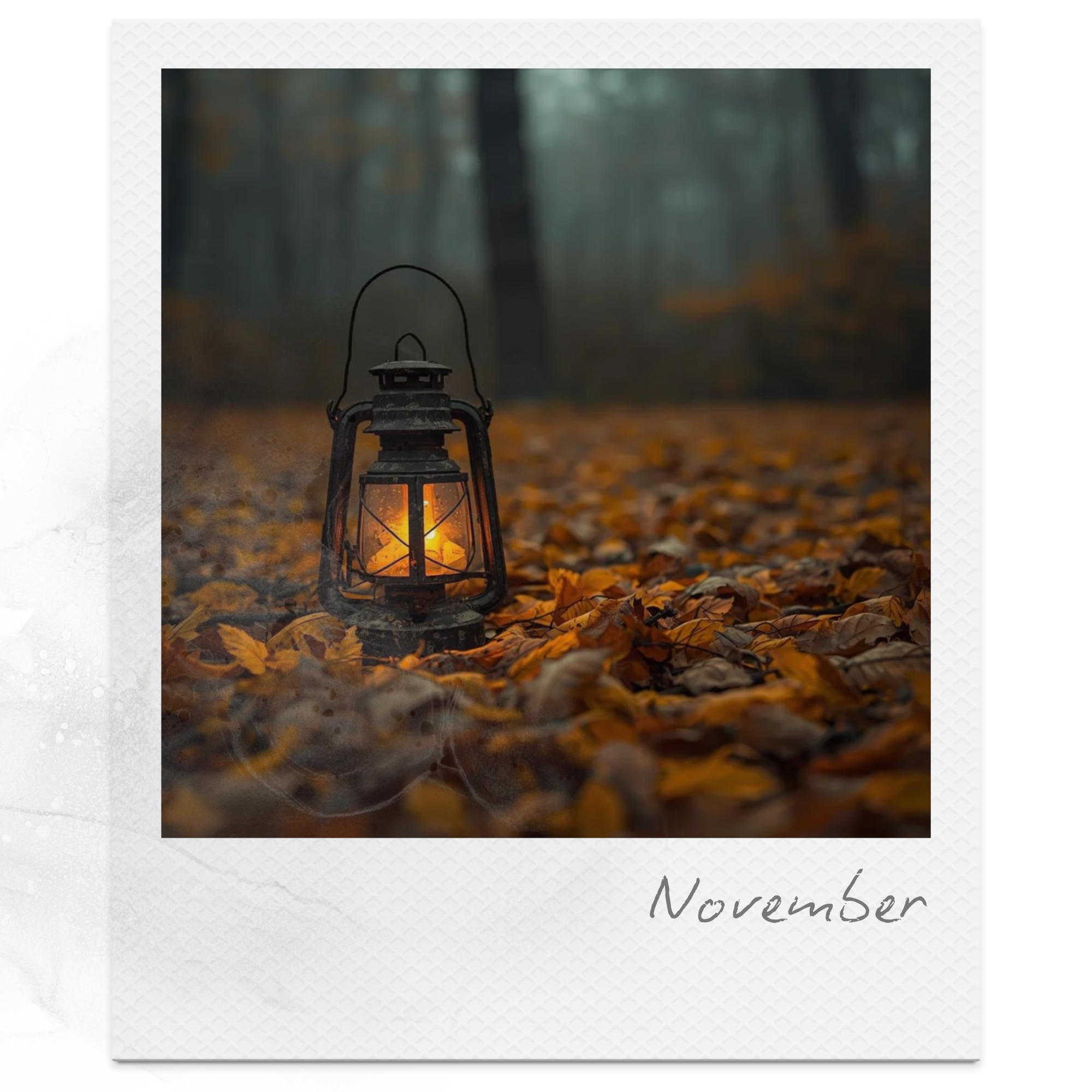
70 November Writing Prompts for Teens: Story Starters, Characters, Settings & Visual Ideas
November is a month of contrasts — warmth and unease, tradition and disruption, reflection and change. This collection of November creative writing prompts invites teen writers to explore bonfire nights, family gatherings, quiet mysteries, and the emotional threshold between autumn and winter. Designed to support atmospheric storytelling, these prompts focus on character, mood, and symbolic detail rather than fast plots or fantasy spectacle. Perfect for classrooms and independent writers alike, this set includes story starters, title ideas, opening and closing lines, character concepts, settings, and picture prompts. Whether used for short stories, reflective writing, or seasonal lessons, these November writing prompts help students write stories that linger — grounded, thoughtful, and rich with meaning.
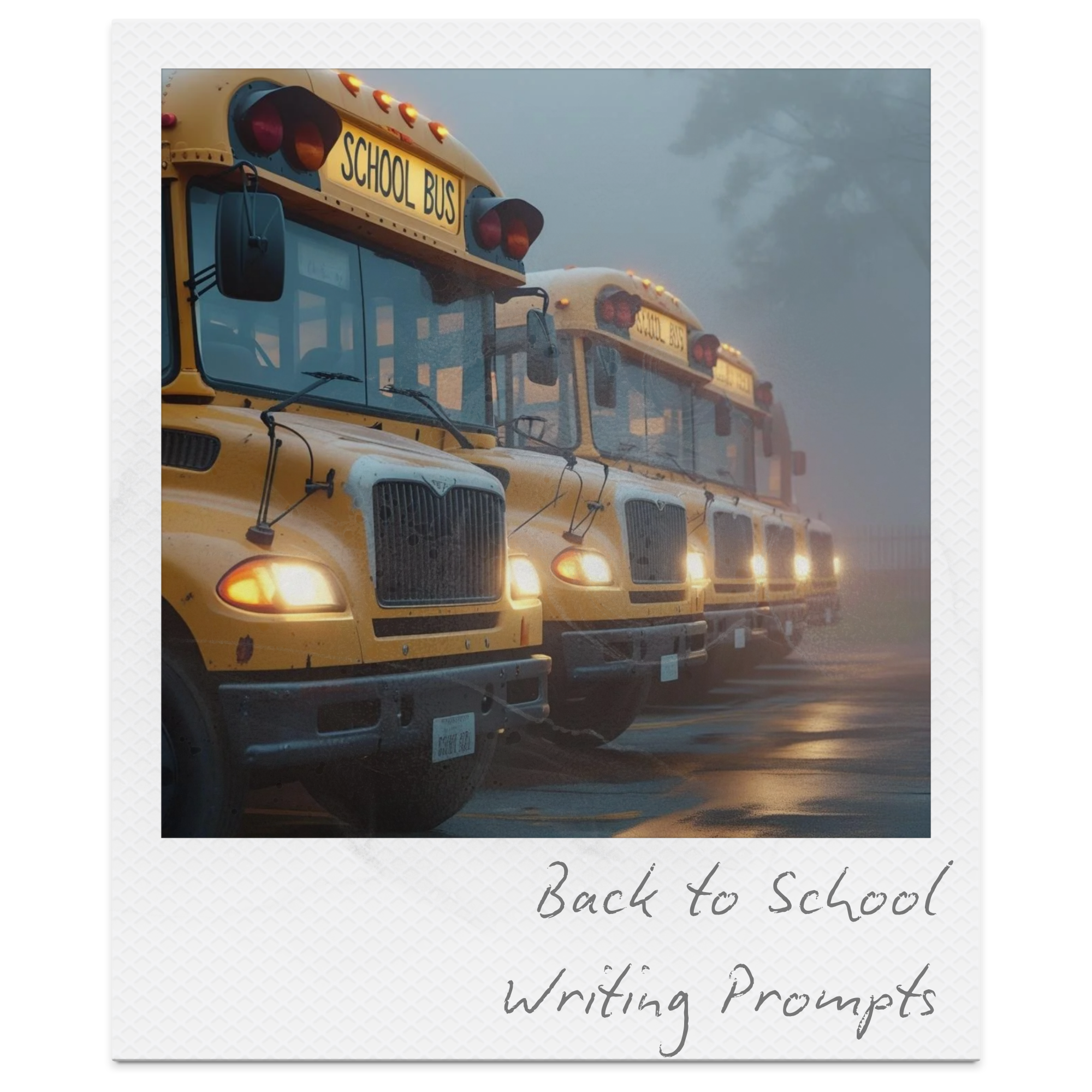
70 Back-to-School Creative Writing Prompts: Story Ideas, Characters, Settings & Picture Prompts
The start of the school year is full of story potential — new beginnings, old rivalries, unexpected friendships, and the drama of everyday life. These 70 back-to-school writing prompts include plot hooks, titles, characters, settings, and picture prompts to spark ideas for teen writers and keep creativity flowing all term.
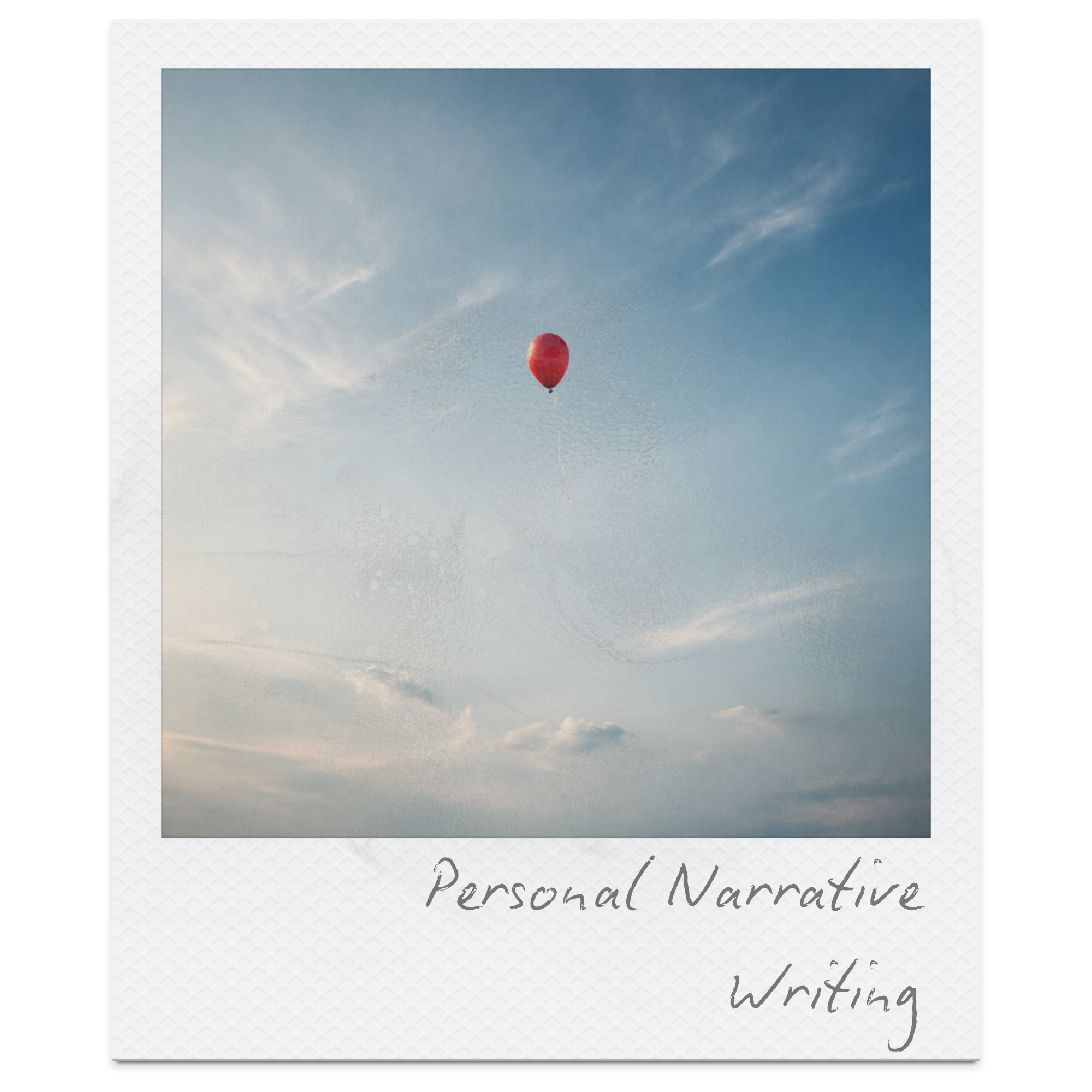
70 Personal Narrative Writing Prompts (With Images & Story Starters)
These personal narrative writing prompts are designed to help students shape real experiences into meaningful, reflective writing. Rather than focusing on journaling or simple recounts, this collection of 70 personal narrative prompts provides structured support through titles, opening lines, closing lines, settings, important people, and picture prompts, guiding writers toward clarity, purpose, and thoughtful reflection. Suitable for middle and high school students, as well as classroom use across KS3–KS5, these personal narrative writing prompts work well for creative writing lessons, exam-style tasks, bell ringers, and independent writing time. The prompts are flexible, classroom-safe, and designed to help writers develop voice, reflection, and narrative control while exploring memory, identity, and lived experience.
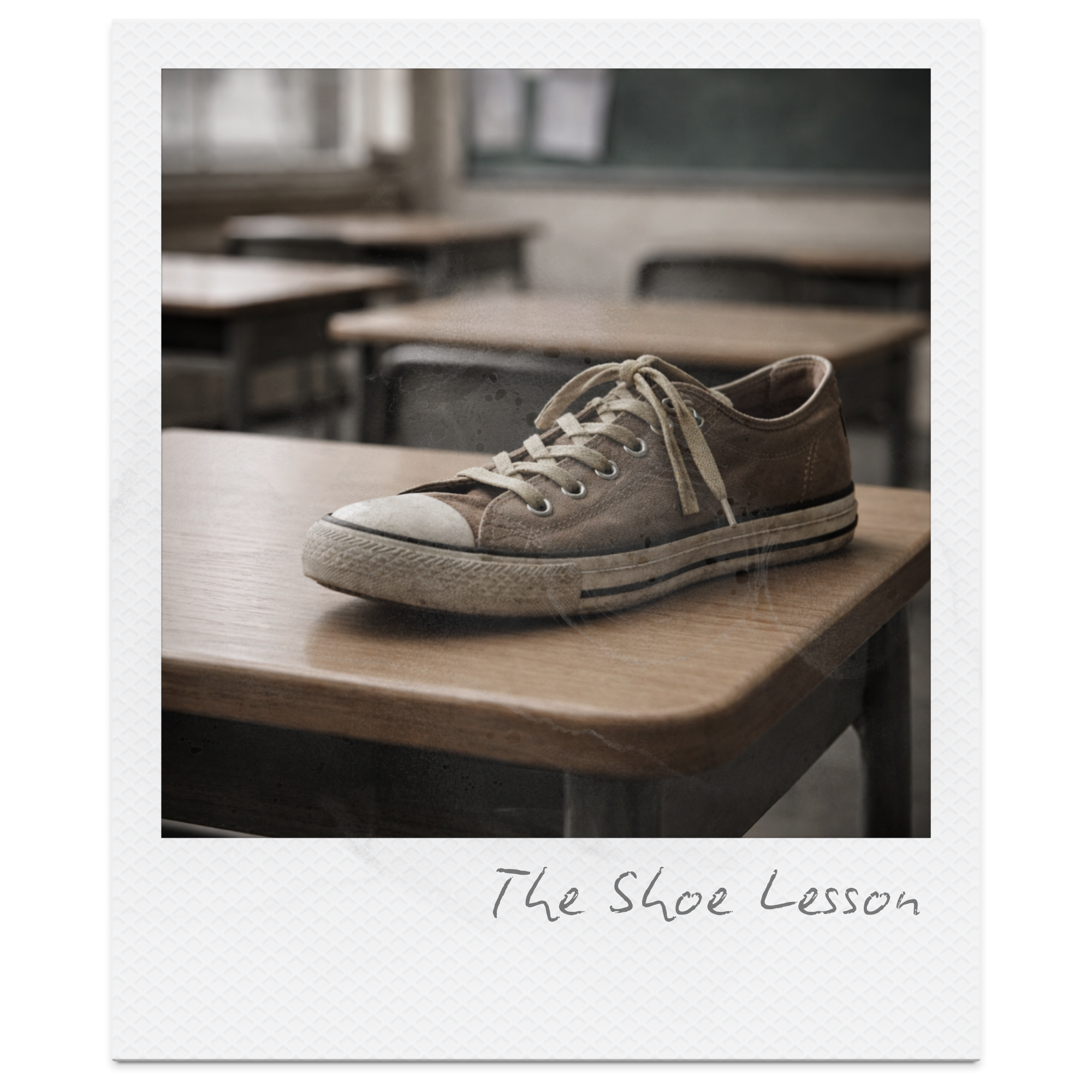
The Shoe Lesson: A Simple, Powerful Creative Writing Activity
The Shoe Lesson is a simple but powerful creative writing activity that helps students develop believable characters without the fear of the blank page. By giving students a single, ordinary object — a shoe — this lesson encourages close observation, inference, and thoughtful character development. It works particularly well in the secondary English classroom, where students often struggle to move beyond surface-level description or feel pressured to “be creative” on demand. Used at the start of a creative writing unit, the Shoe Lesson invites students to build characters from evidence rather than imagination alone. Scuffed soles, worn laces, and small details become clues to a life beyond the page, leading to writing that feels grounded, realistic, and human. It’s a low-stakes, high-impact approach that consistently engages even reluctant writers — and proves that the most powerful stories often begin with the most ordinary things.