70 Cottagecore Writing Prompts: Simplicity, Nature & Quiet Magic
Cottagecore storytelling draws on a romanticised vision of rural life — one shaped by simplicity, nature, seasonal rhythms, and quiet, everyday rituals. Rooted in fairytale and folklore traditions, these stories often centre on small, meaningful moments: tending a garden, baking bread, gathering herbs, or finding beauty in the ordinary.
Across literature, this aesthetic reflects a longing for slowness, connection, and self-sufficiency. From pastoral poetry to modern interpretations of rural life, cottagecore narratives frequently explore themes of belonging, memory, and the gentle magic embedded in the natural world. There is often a sense that something more exists just beneath the surface — not dramatic or dangerous, but subtle, enduring, and quietly transformative.
This collection of 70 Cottagecore Writing Prompts is designed as a complete creative toolkit, combining plot hooks, title ideas, opening lines, closing lines, character ideas, setting prompts, and atmospheric visual inspiration. These prompts explore seasonal change, handmade living, hidden magic, solitude, companionship, and the soft tension between past and present.
If you would like to explore more mythic storytelling prompts, you can browse the Creative Writing Archive or explore symbolic narratives in the Fairytale and Folklore Writing Prompts Hub.
1. Plot Hooks
Cottagecore stories often begin with a return — to a place, a memory, or a quieter way of living.
Write about a character who inherits a small countryside cottage they have never visited before.
Write about a garden that begins to grow plants no one remembers planting.
Write about a character who leaves city life behind to restore an abandoned home.
Write about a village where each season brings a different, unspoken ritual.
Write about a character who discovers a hidden room filled with carefully preserved letters.
Write about a beekeeper who begins to notice unusual patterns in their hives.
Write about a character who starts receiving handwritten notes left in unexpected places.
Write about a harvest that yields something far stranger than expected.
Write about a character who feels as though the land itself recognises them.
Write about a quiet life that begins to shift when a stranger arrives and refuses to leave.
2. Title Ideas
Titles for cottagecore stories often evoke atmosphere, place, and gentle mystery.
The Cottage at the Edge of the Field
Where the Wild Herbs Grow
A Season for Staying
The Garden That Remembered
Between the Orchard Trees
A House Made of Quiet Things
The Last Light in the Valley
What the Soil Keeps
The Path You Always Return To
A Summer That Never Quite Left
3. Opening Lines
Cottagecore stories often begin with stillness — a moment that feels ordinary, but isn’t.
The cottage had been empty for years, though it never felt abandoned.
I hadn’t meant to stay as long as I did.
The garden was already growing when I arrived.
There was something about the way the light fell here that made it hard to leave.
I found the key exactly where they said it would be.
The first morning, I woke to the sound of something moving just beyond the window.
No one in the village seemed surprised to see me.
The house knew I was there before I stepped inside.
It started with a single unfamiliar flower.
I told myself I was only staying for the summer.
4. Closing Lines
Cottagecore stories often end quietly — with change that feels gentle, but permanent.
I never did go back.
The garden is still growing, even now.
Some places do not let you leave unchanged.
I think the house was waiting for me all along.
The seasons will turn, with or without me.
I stayed, though I no longer remember why I ever planned to leave.
Not everything needs to be understood to be kept.
The path remains, whether I follow it or not.
I have learned to listen to the quiet things.
It feels like I have always lived here.
5. Character Ideas
Characters in cottagecore stories are often shaped by their relationship to place, routine, and memory.
A character who keeps a detailed journal of seasonal changes.
A gardener who refuses to remove a single overgrown section of land.
Someone who bakes bread for the entire village every morning.
A character who has returned after years away and finds everything subtly changed.
A herbalist who understands plants better than people.
A person who lives alone but is never truly lonely.
A character who collects forgotten or discarded objects and gives them new purpose.
Someone who speaks very little but notices everything.
A newcomer who struggles to adapt to the pace of rural life.
A character who feels deeply connected to a place they cannot explain.
6. Setting Ideas
Cottagecore settings are rich in sensory detail — shaped by landscape, season, and atmosphere.
A small cottage surrounded by wild, overgrown gardens.
An orchard where the trees bloom out of season.
A quiet village nestled in a valley, far from main roads.
A forest clearing filled with herbs and wildflowers.
A kitchen filled with the scent of baking and drying flowers.
A winding path that seems to change slightly each time it is walked.
A lakeside cottage where the water reflects more than it should.
A hillside dotted with sheep and scattered stone walls.
A greenhouse where plants grow in unexpected ways.
A field that looks different depending on the time of day.
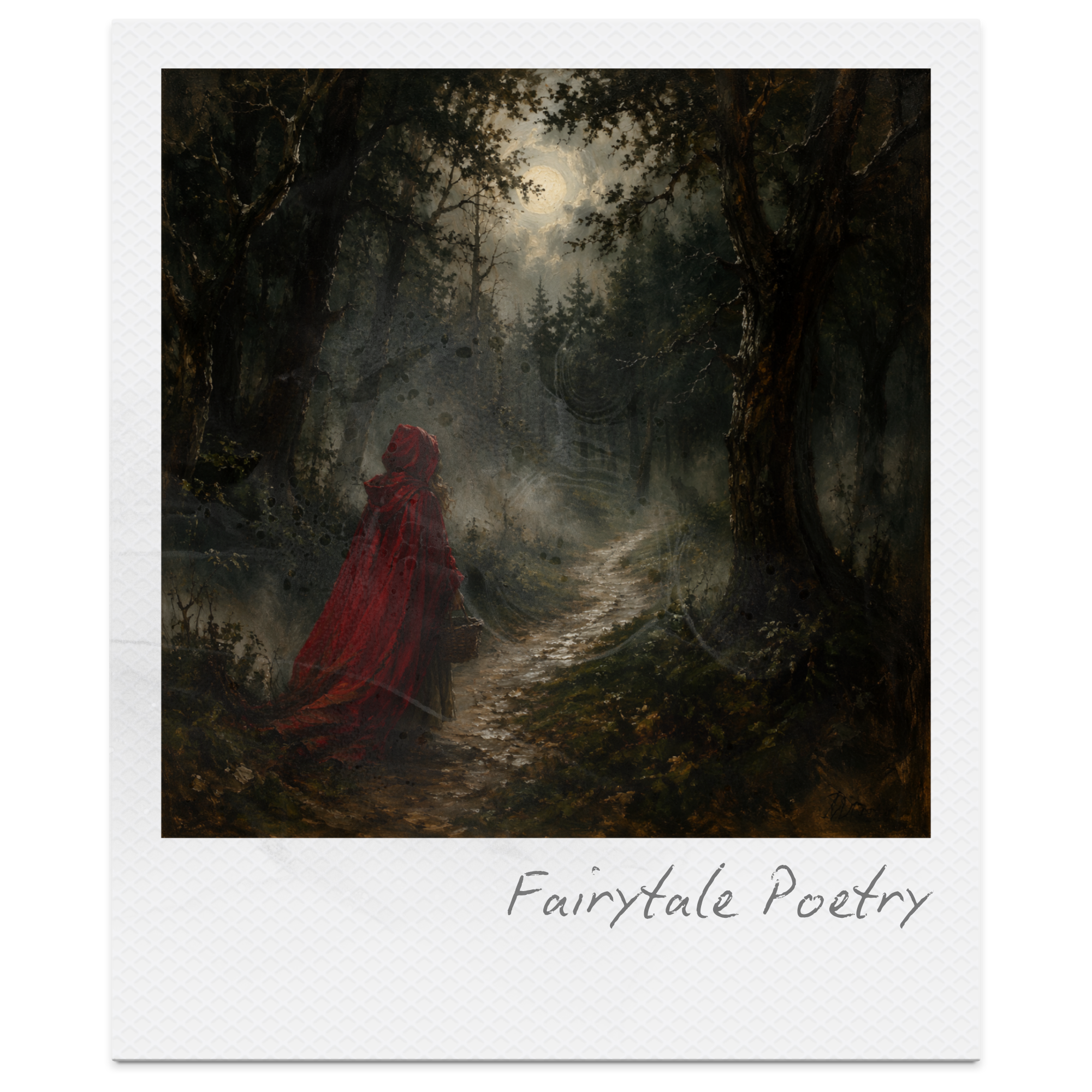
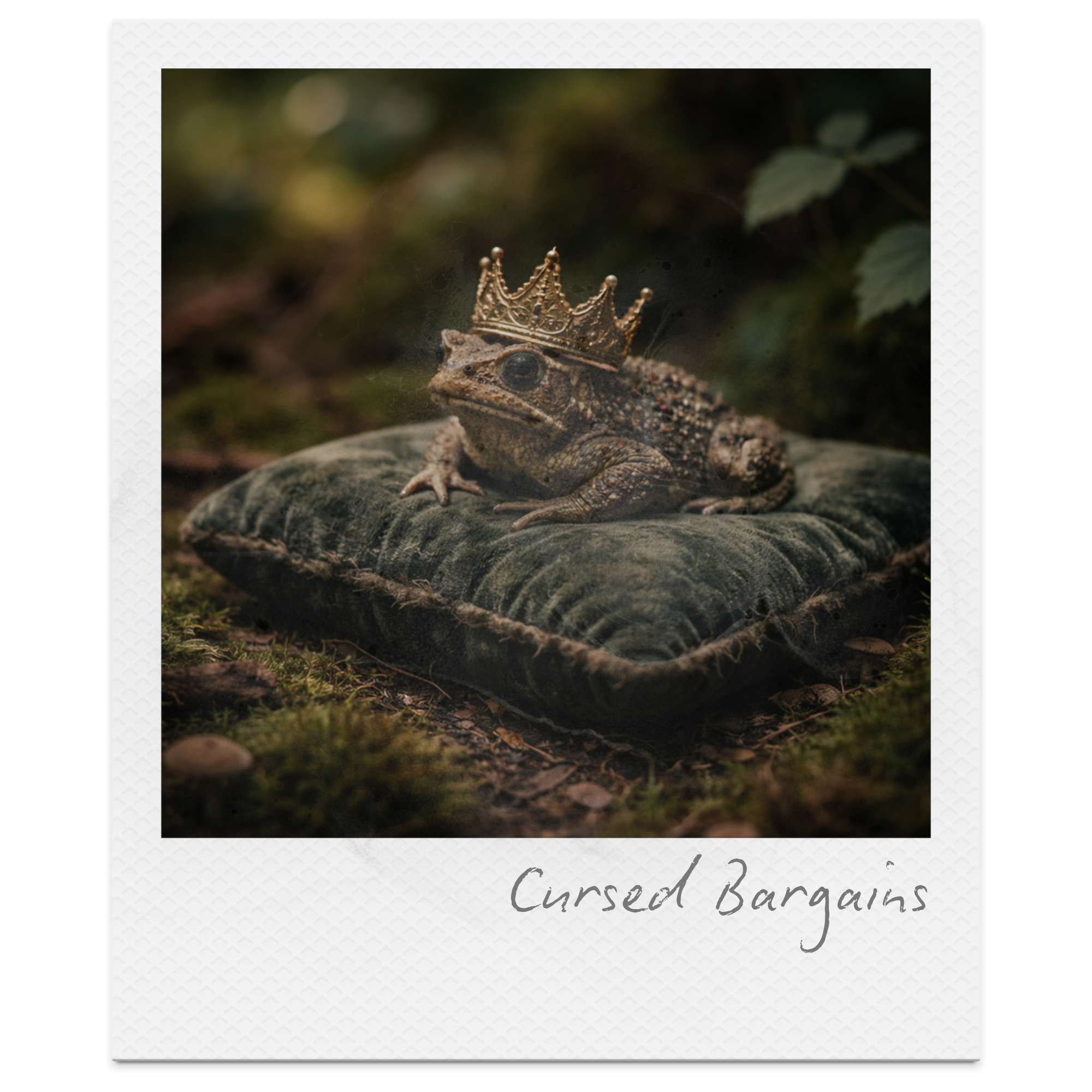
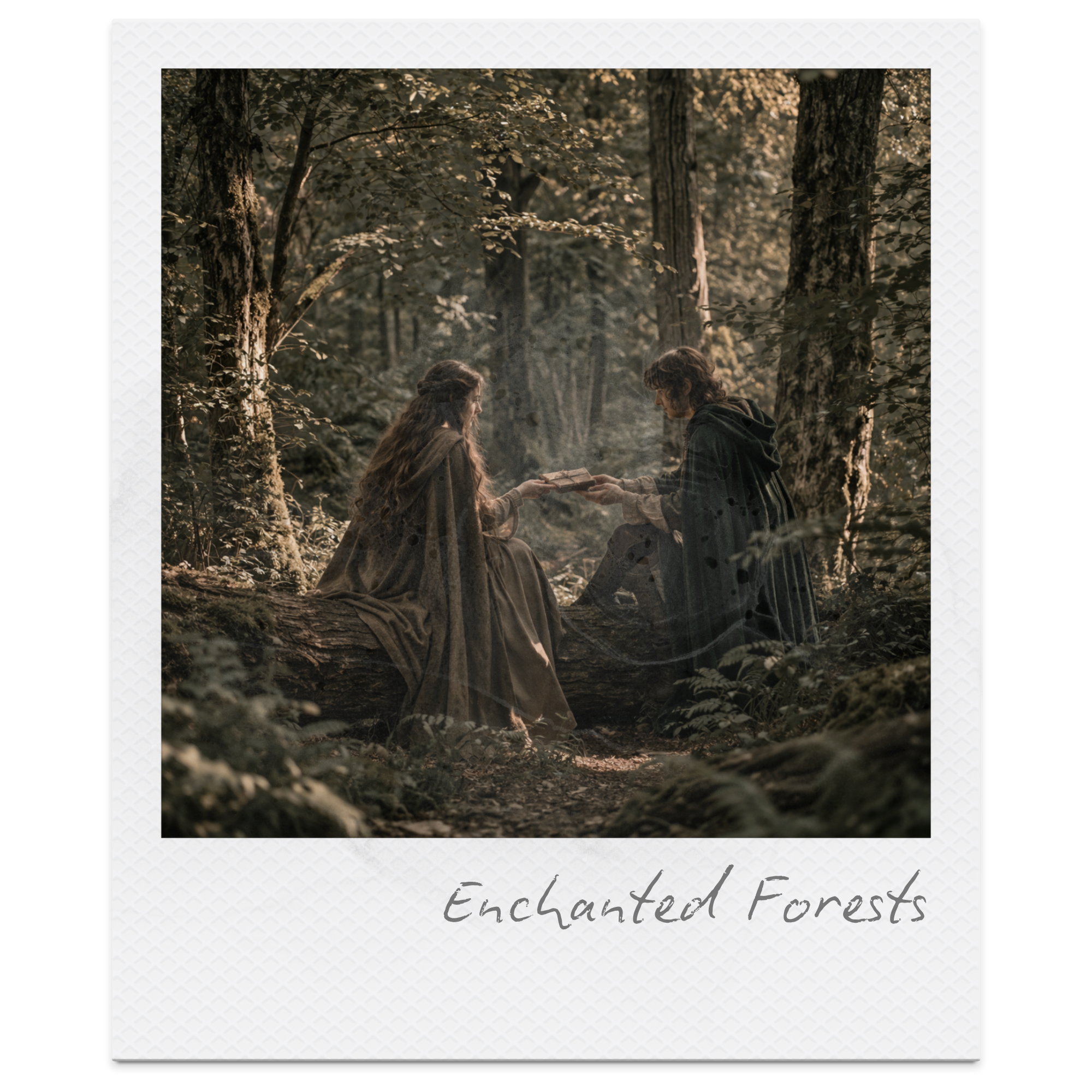
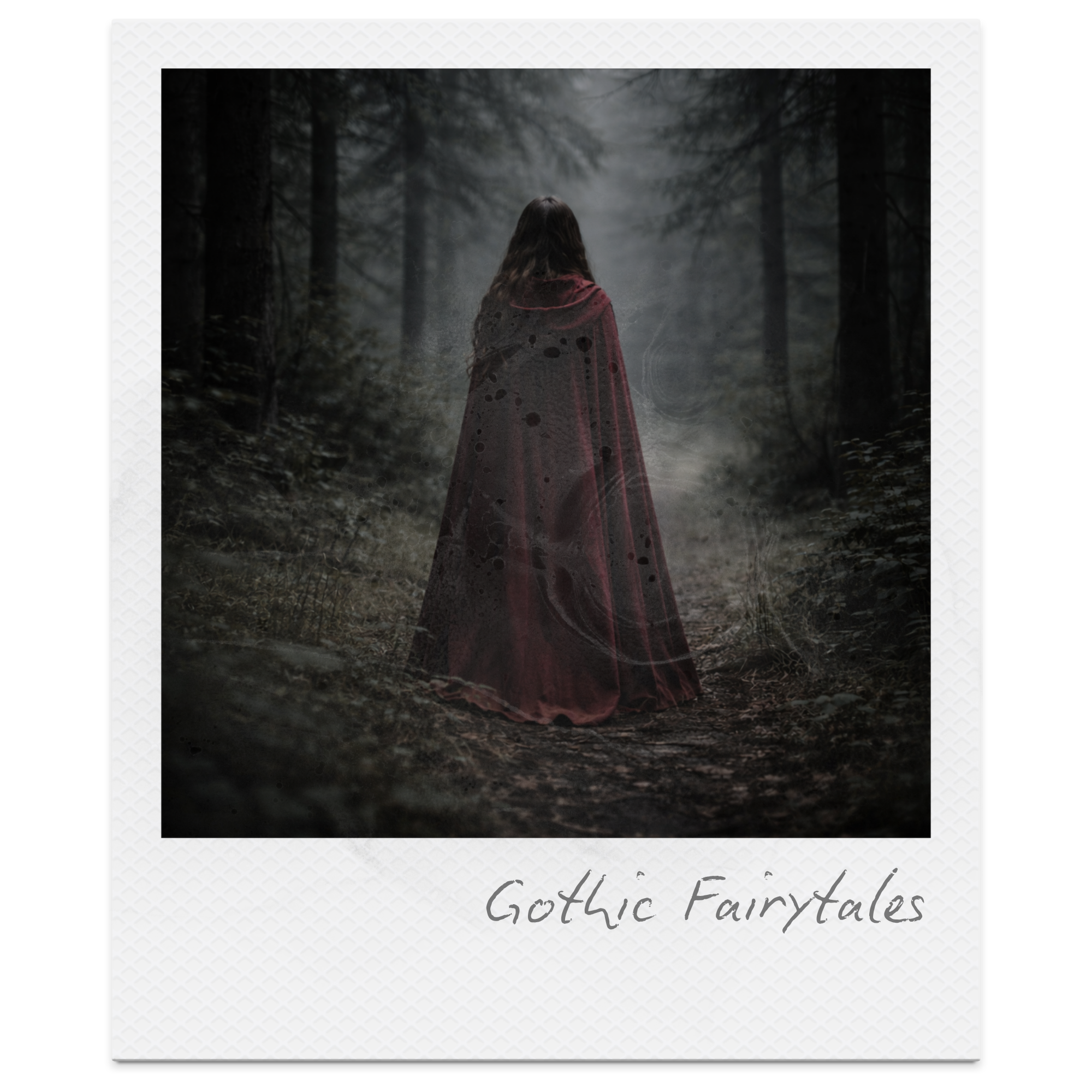
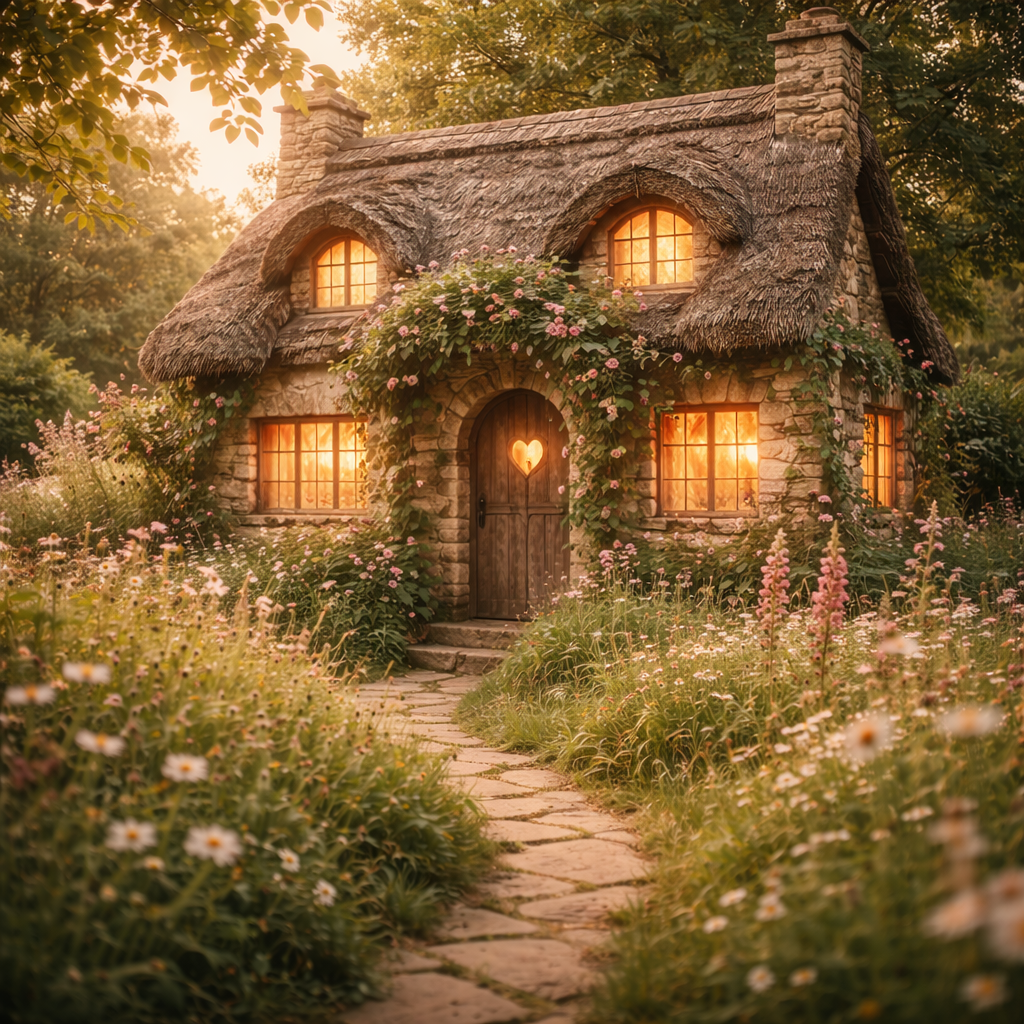
7. Picture Prompts
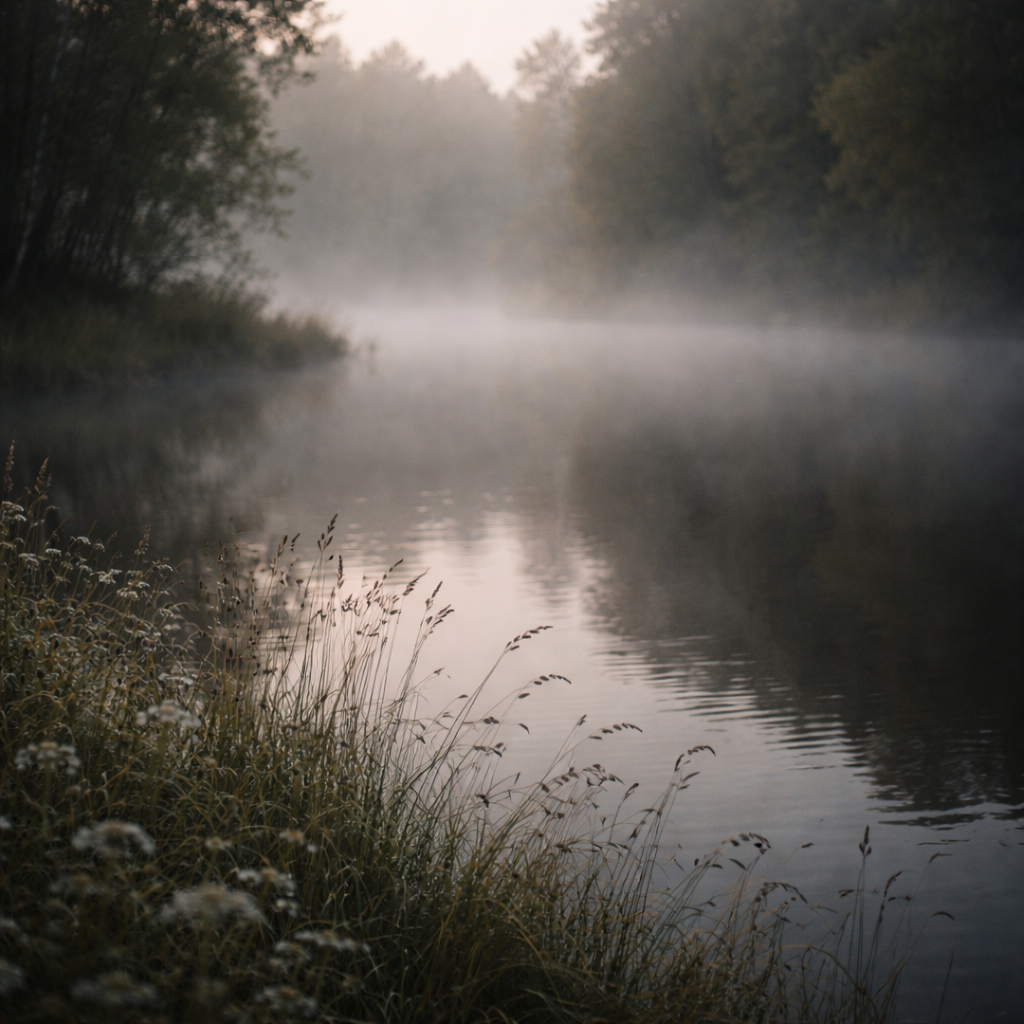
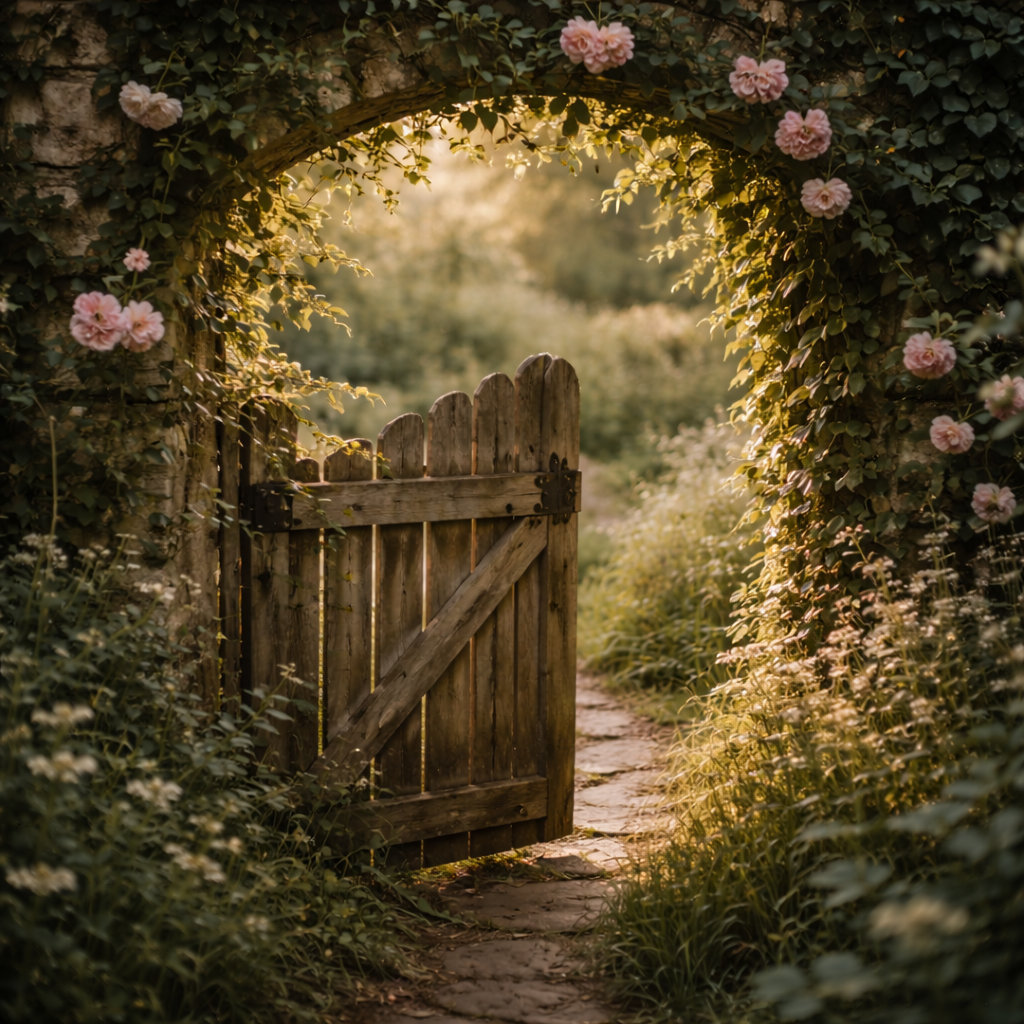
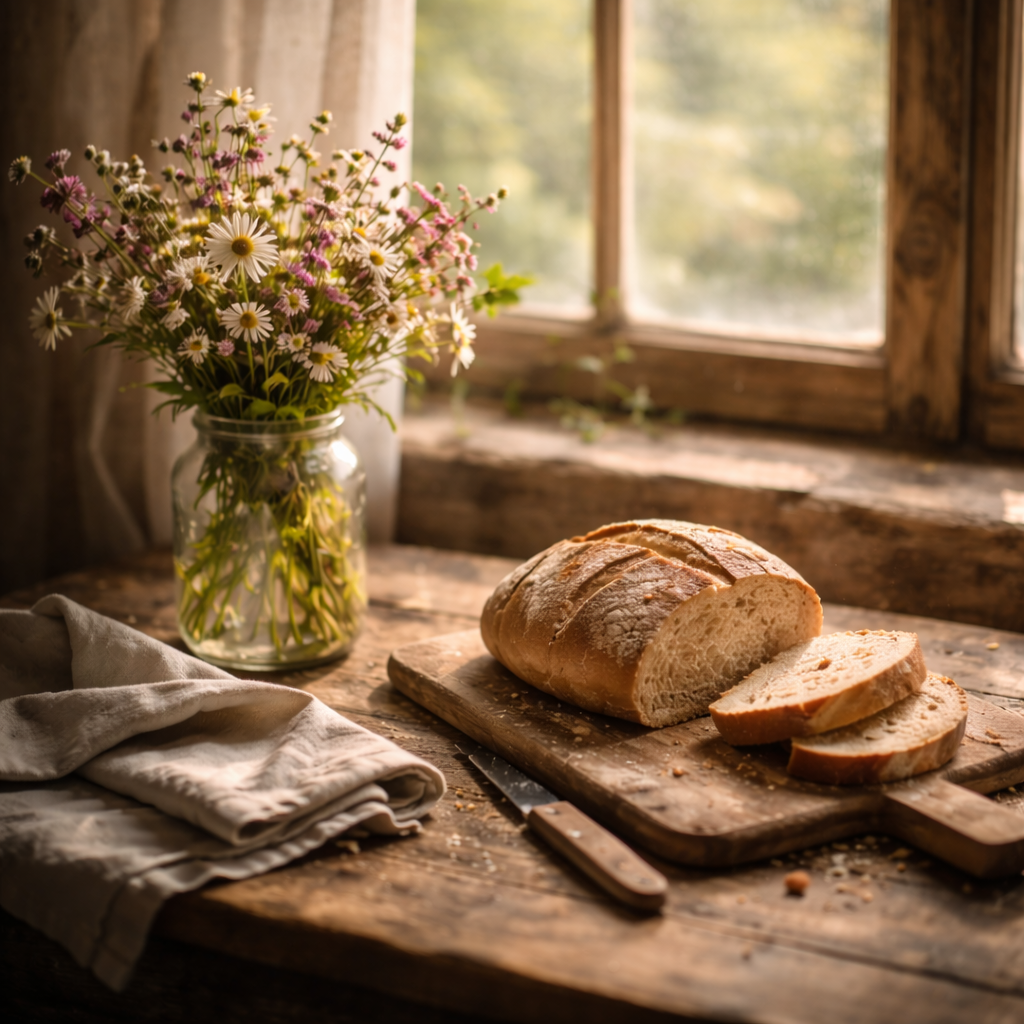
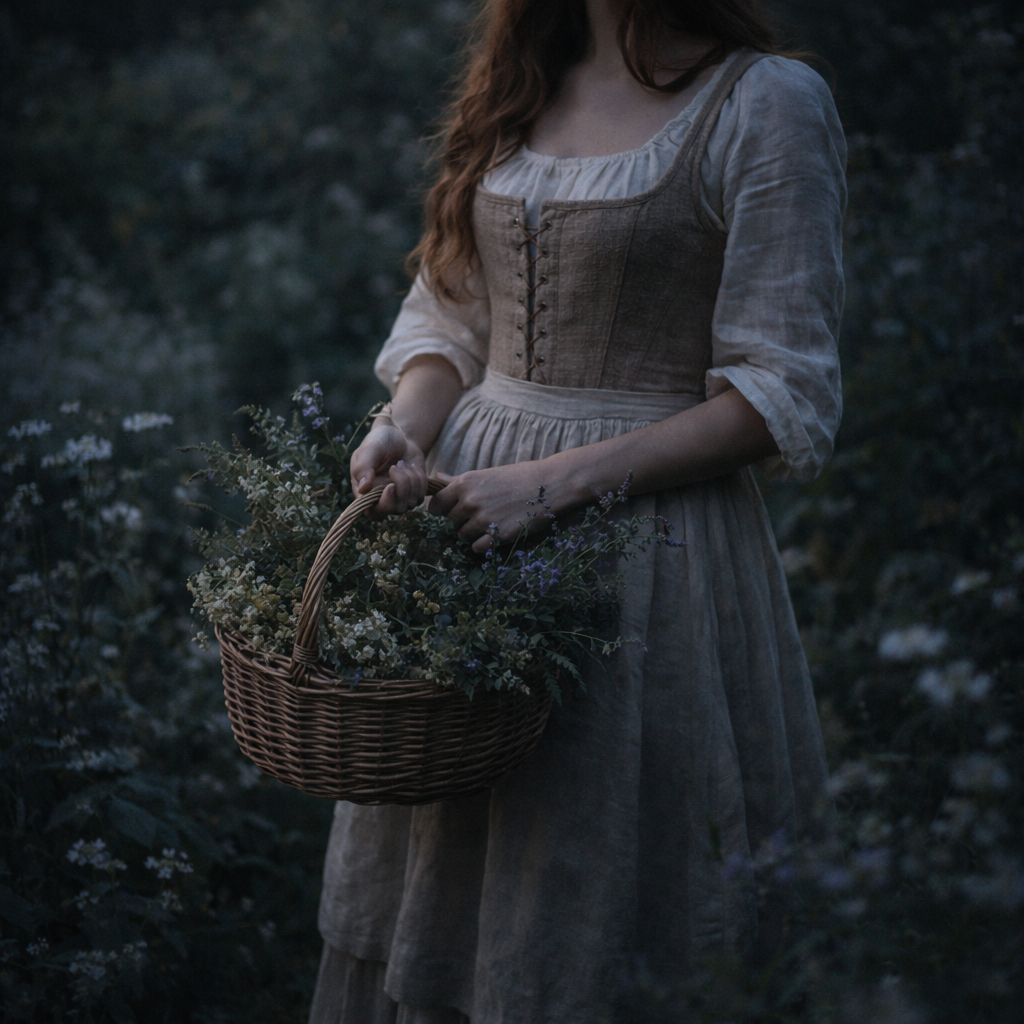
Visual prompts are particularly effective for cottagecore stories, as atmosphere, light, and texture can suggest both comfort and quiet mystery.





Go Deeper into Cottagecore Stories
To develop cottagecore narratives further, focus on the relationship between place, routine, and quiet transformation.
◆ Rewrite a prompt from the perspective of the land itself.
◆ Write a scene where a character chooses to stay rather than leave.
◆ Explore the role of seasonal change in shaping the narrative.
◆ Describe a moment where something subtle shifts — and nothing feels quite the same afterwards.
Final Thoughts
Cottagecore storytelling endures because it reflects a deep human desire for slowness, belonging, and connection to the natural world. These stories are not driven by urgency or conflict in the traditional sense, but by atmosphere, memory, and the quiet significance of everyday life.
These 70 Cottagecore Writing Prompts invite writers to explore the beauty of small moments — the turning of seasons, the rhythm of routine, and the sense that something meaningful can be found in stillness.
Whether used in the classroom or for independent writing, they offer a rich foundation for stories shaped by place, simplicity, and the gentle presence of something just beyond explanation.
For further inspiration, you can explore the Creative Writing Archive or browse the Fairytale and Folklore Writing Prompts Hub.
Choose Your Next Adventure