70 Gothic Fairytale Writing Prompts: Dark Magic, Twisted Folklore & Enchanted Ruin
Fairytales have always held a darker edge beneath their surface. Long before they were softened into moral tales, traditional folklore was filled with danger, transformation, and unsettling magic. Witches cursed without warning, forests concealed ancient forces, and bargains with the unknown rarely ended well. Gothic fairytales return to these origins, blending enchantment with unease, beauty with decay, and wonder with consequence.
Across folklore traditions, stories often explore the fragile boundary between the human and the supernatural. Figures such as tricksters, spirits, and cursed beings disrupt ordinary life, forcing characters to confront forces beyond their understanding. In gothic interpretations, these encounters become more psychologically complex, where magic is not simply wondrous but unpredictable, symbolic, and often dangerous.
Settings play a crucial role in shaping these narratives. Enchanted forests become places of entrapment rather than escape, castles hide secrets rather than safety, and villages are bound by traditions that may conceal darker truths. These environments reflect the emotional tension of the stories, where desire, fear, and transformation are closely intertwined.
This collection of 70 Gothic Fairytale Writing Prompts is designed as a complete creative toolkit, combining plot hooks, title ideas, opening lines, closing lines, character ideas, setting prompts, and atmospheric visual inspiration. The prompts explore themes of transformation, forbidden magic, hidden bargains, folklore creatures, and the unsettling consequences of wishes granted.
If you would like to explore more atmospheric storytelling prompts, dark folklore ideas, and creative inspiration, you can also browse the Creative Writing Archive, explore the Gothic Writing Hub, or visit the Fairytale and Folklore Writing Prompts Hub, where mythic storytelling and symbolic narratives are explored across a wide range of genres.
1. Plot Hooks
Gothic fairytales often begin with a disruption — a curse, a discovery, or an encounter that reveals the world is far more dangerous than it first appears.
Write about a village where no one is allowed to enter the forest after sunset, but one night the trees begin to whisper your name.
Write about a girl who discovers that every mirror in her house shows a different version of her future.
Write about a traveller who is welcomed into a castle where the inhabitants never seem to age.
Write about a boy who is told never to open the sealed door beneath his home — until he hears something calling from inside.
Write about a kingdom where children occasionally vanish, only to return years later unchanged.
Write about a woman who makes a bargain with a river spirit and begins to regret the price she must pay.
Write about a forgotten path in the woods that only appears when someone is about to make a life-changing decision.
Write about a feast where the guests slowly realise they were never meant to leave.
Write about a cursed object that grants wishes but subtly alters reality each time it is used.
Write about a storyteller whose tales begin to come true in disturbing ways.
2. Title Ideas
Gothic fairytale titles often hint at enchantment while suggesting something darker beneath the surface.
The Forest That Would Not Let Them Leave
A Curse Written in Gold
The Girl Who Spoke to Shadows
The House Beneath the Hill
Where the River Takes Its Due
The Mirror That Remembered
A Kingdom of Sleeping Voices
The Price of the Third Wish
The Boy Who Followed the Path
The Feast of Forgotten Names
3. Opening Lines
Gothic fairytales often begin with a sense of unease, where something feels slightly wrong long before the danger is revealed.
The forest had always been there, but no one could remember when it first began to grow closer.
They told us never to answer when the wind called our names, but I did anyway.
The mirror showed me something it had never shown before — a future I did not recognise.
Everyone in the village pretended the disappearances were normal.
I knew the bargain was dangerous the moment the river smiled back at me.
The path appeared where there had only ever been empty ground.
The castle gates opened as though they had been expecting me.
No one noticed when the storyteller’s voice began to change.
The feast was beautiful, which made it all the more terrifying.
I should have realised something was wrong when the shadows started moving before the light changed.
4. Closing Lines
Gothic fairytales rarely end happily; instead, they leave a sense of transformation, loss, or unsettling understanding.
By the time I escaped, I was no longer the person who had entered.
The forest is still there, waiting for the next person who believes they can leave.
I got everything I wished for, though not in the way I expected.
Some doors, once opened, can never truly be closed again.
The mirror never lied — I simply didn’t understand it in time.
The village continues as it always has, pretending nothing is wrong.
I hear the river calling, even now.
The path disappeared, but I know it will return.
We survived, but the story did not end there.
Some magic does not fade; it only waits.
5. Character Ideas
Gothic fairytale characters often exist between worlds, shaped by magic, secrecy, or transformation.
A girl who can speak to animals, though they never tell her the same truth twice.
A prince who has been cursed to forget everyone he loves at sunrise.
A witch who collects memories instead of objects.
A child who was raised by something in the forest and is slowly becoming like it.
A traveller who trades stories for safe passage through dangerous lands.
A woman who can grant wishes but cannot control their outcomes.
A guardian bound to protect a place they no longer remember choosing.
A boy who can see the true form of every magical creature.
A queen who rules over a kingdom where no one is allowed to speak the truth.
A figure who appears in times of crisis, offering help at an unknown cost.
6. Setting Ideas
Settings in gothic fairytales are deeply atmospheric, often reflecting the emotional and symbolic weight of the story.
A forest where the paths constantly change direction.
A castle that only appears during certain phases of the moon.
A village surrounded by mist that no one can leave.
A lake said to hold the voices of those who have drowned in it.
A tower where time moves differently on each floor.
A hidden garden where nothing ever dies.
A marketplace that appears once a year, trading in unusual goods.
A mountain pass where travellers must leave something behind to continue.
A crumbling manor filled with objects that seem to remember their owners.
A shoreline where the sea occasionally returns things it should not.
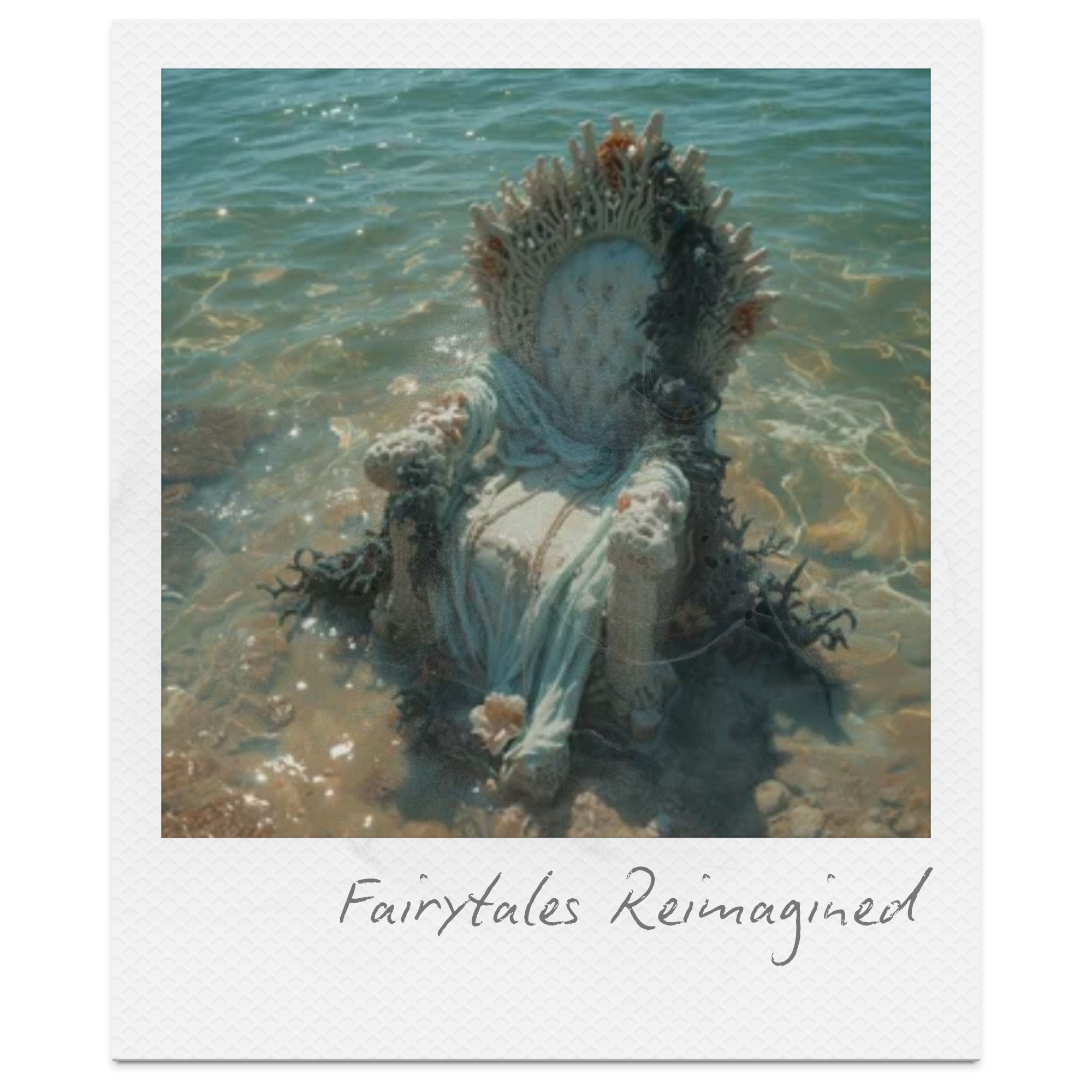
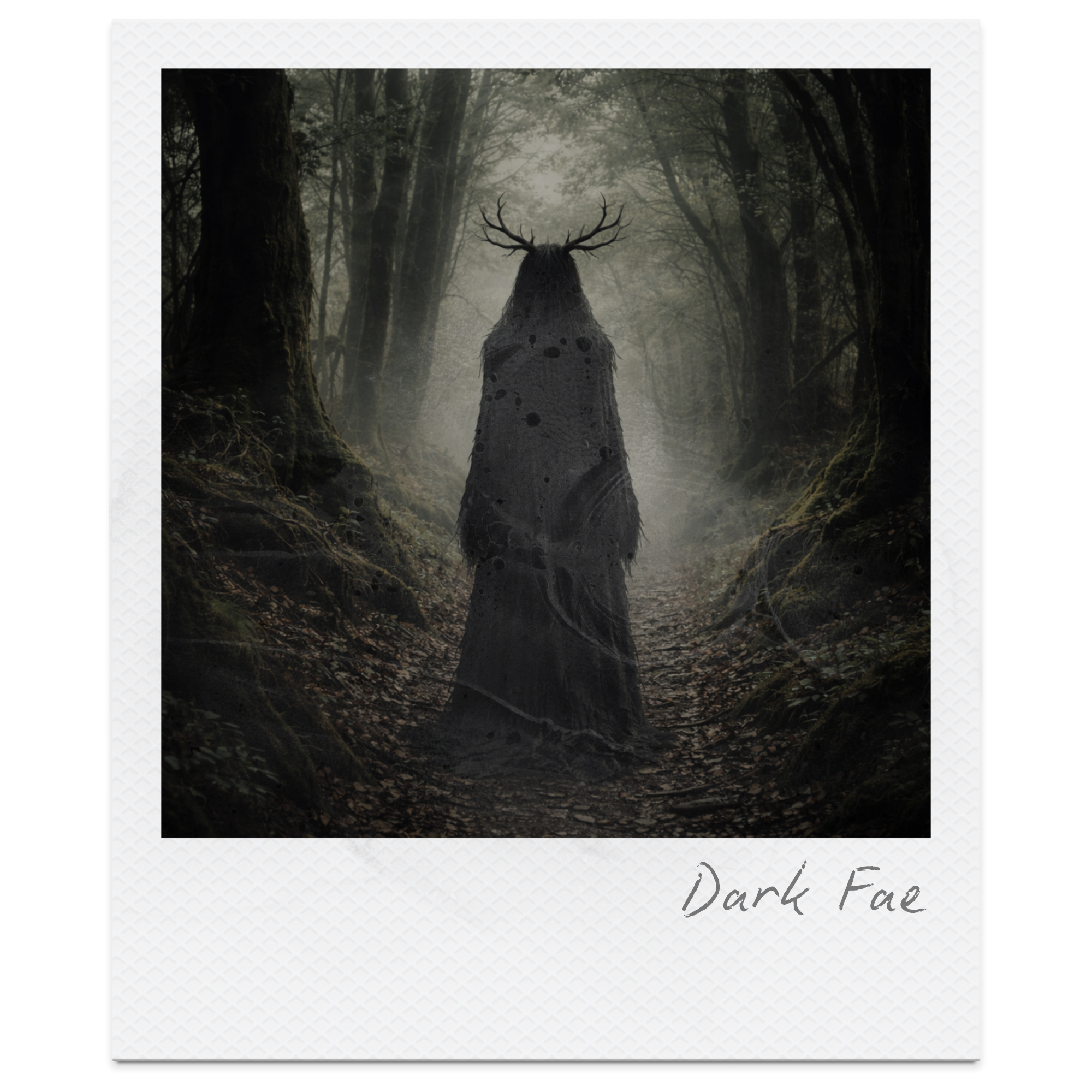
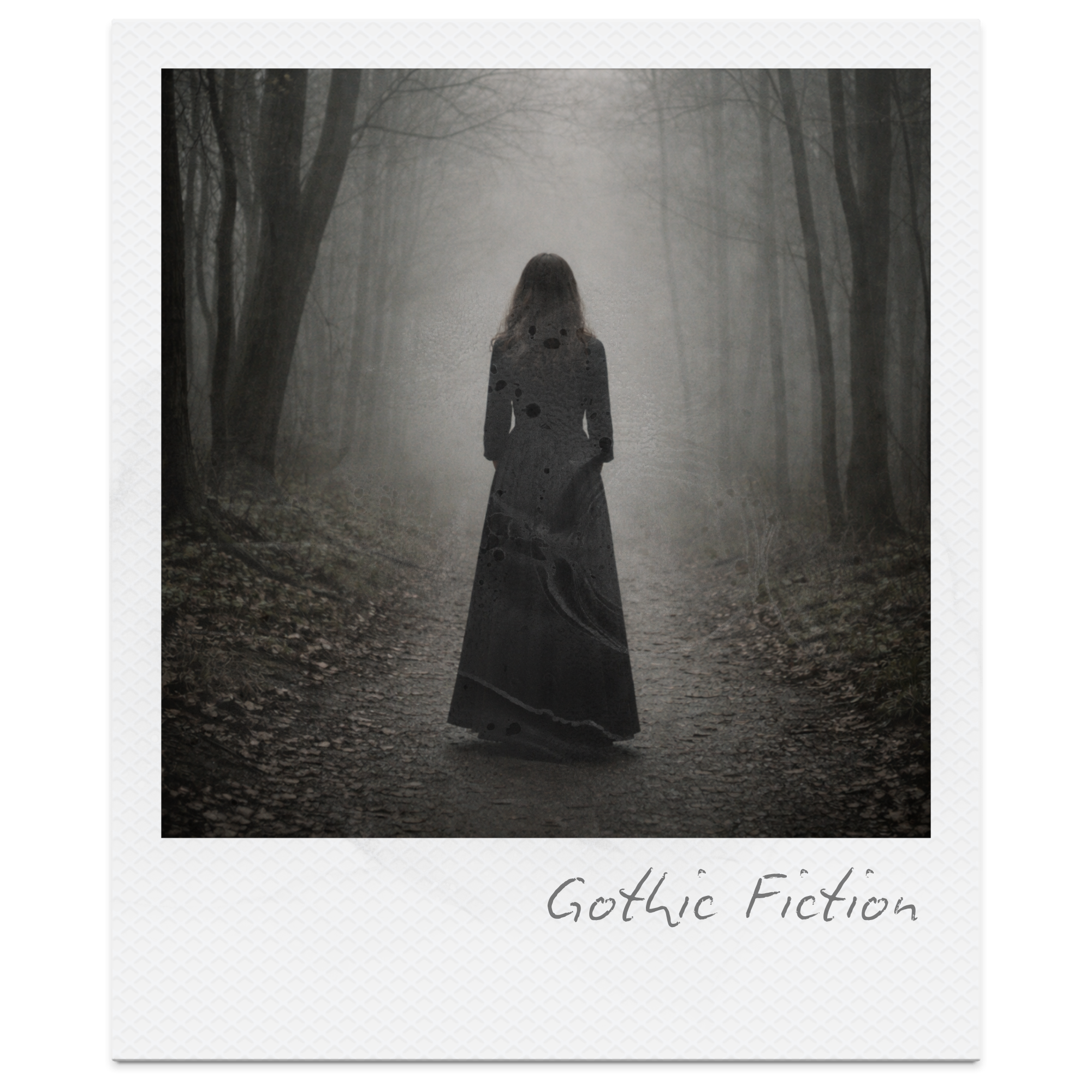
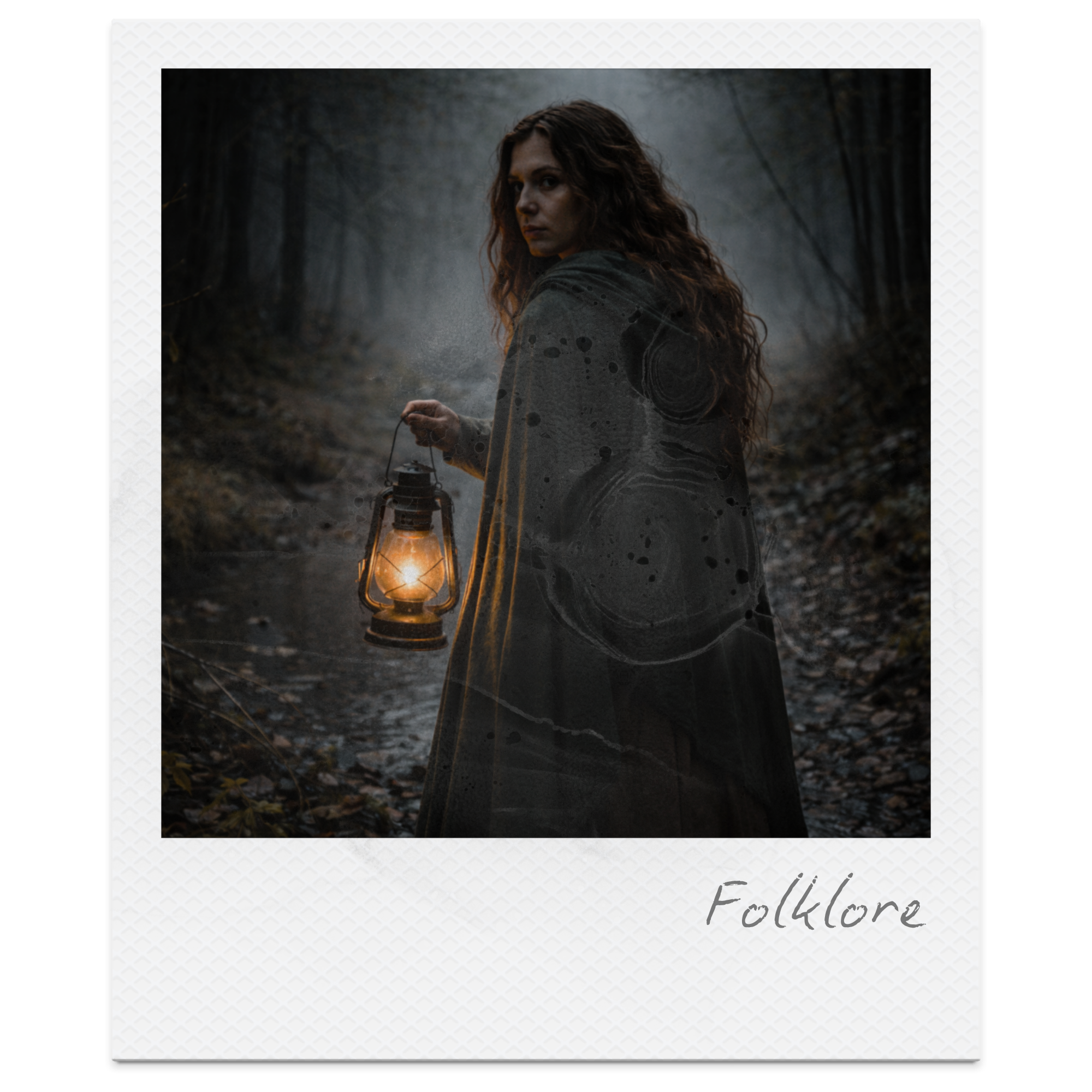
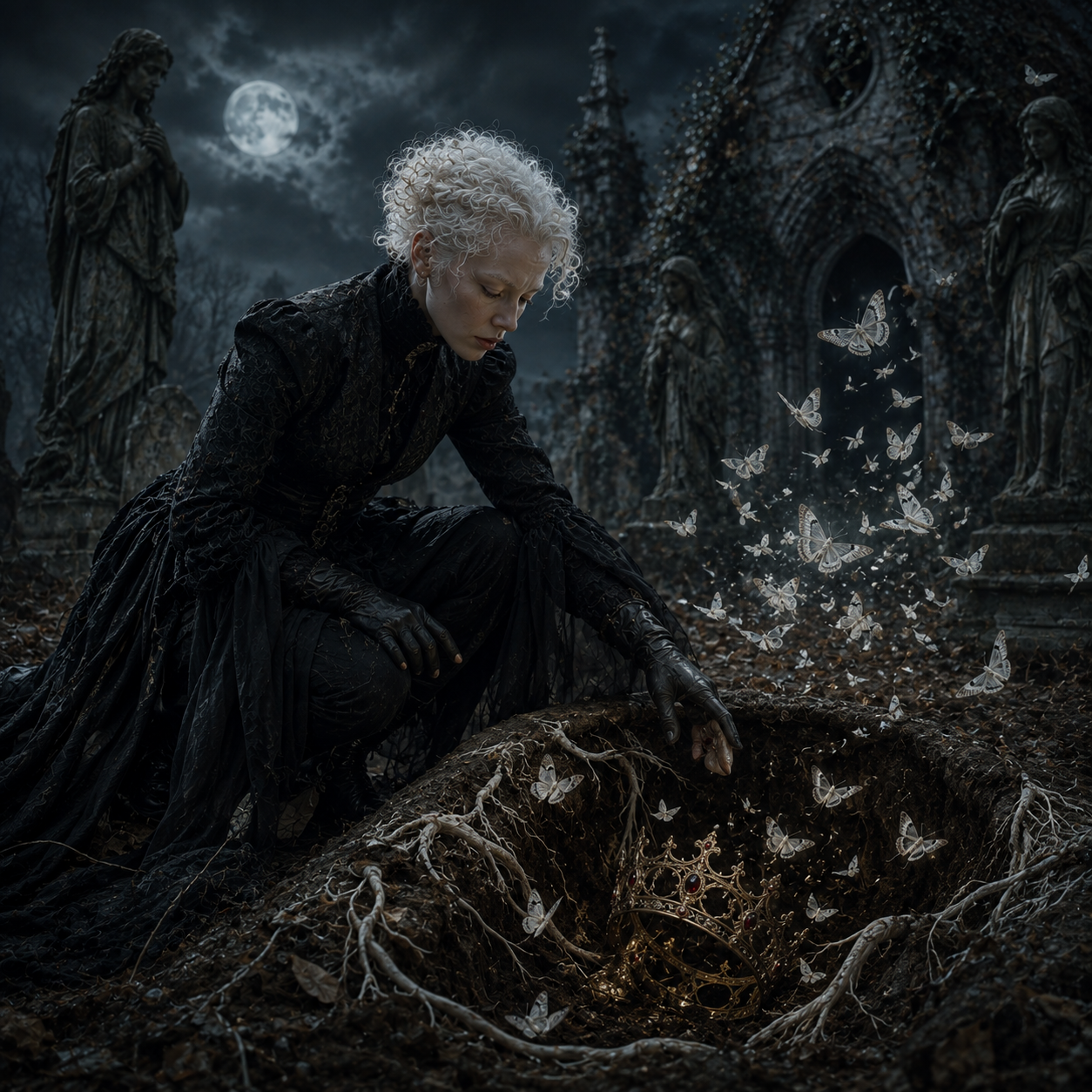
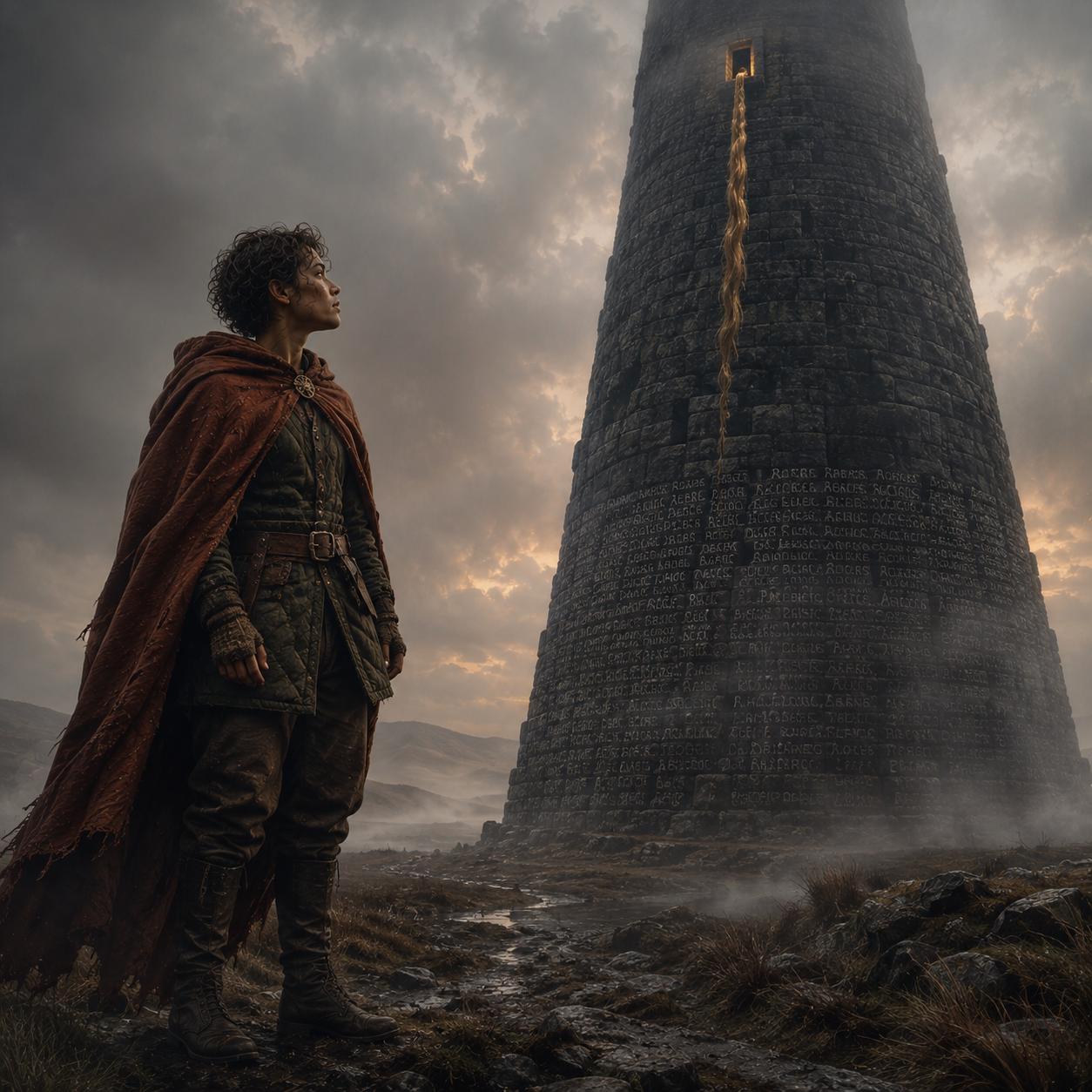
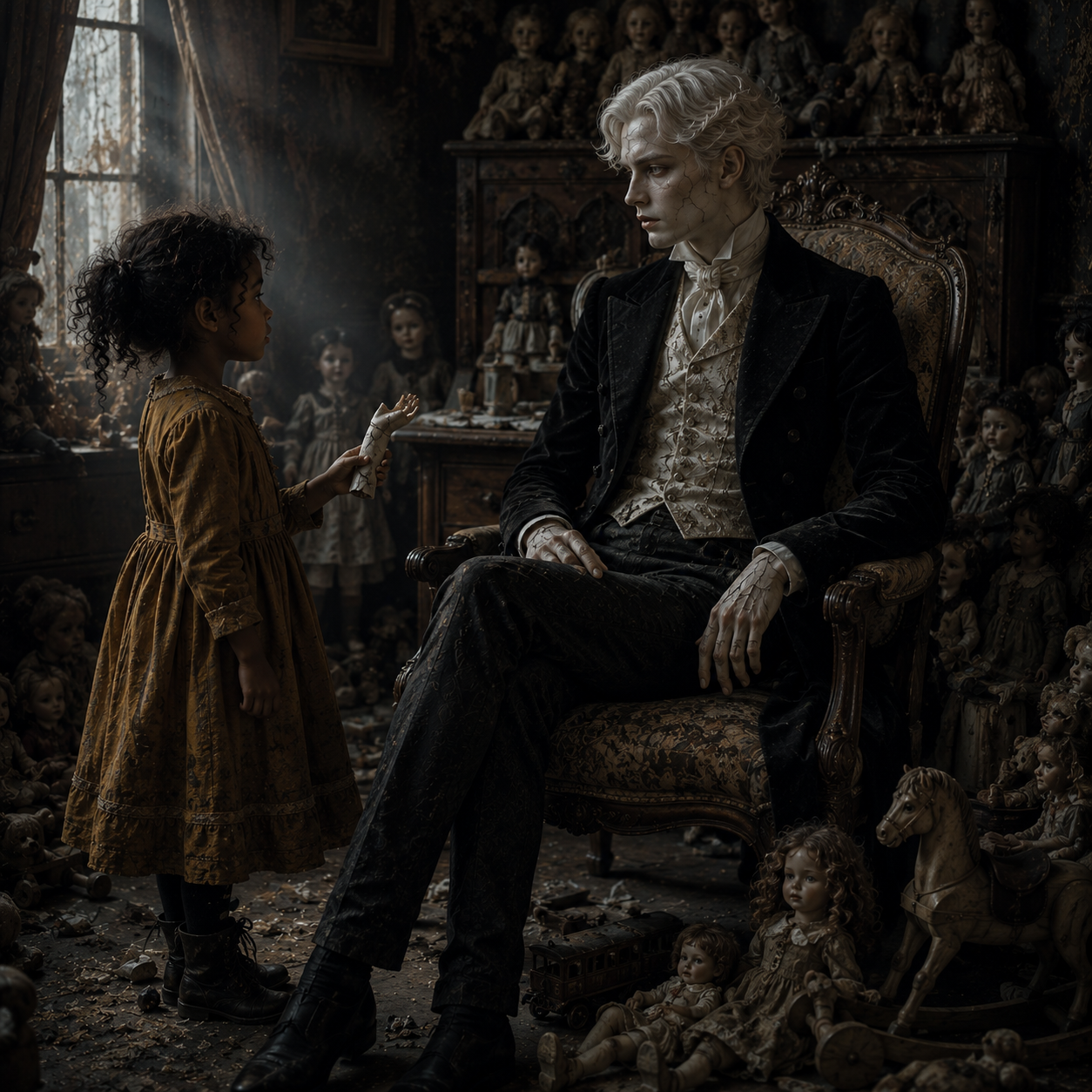
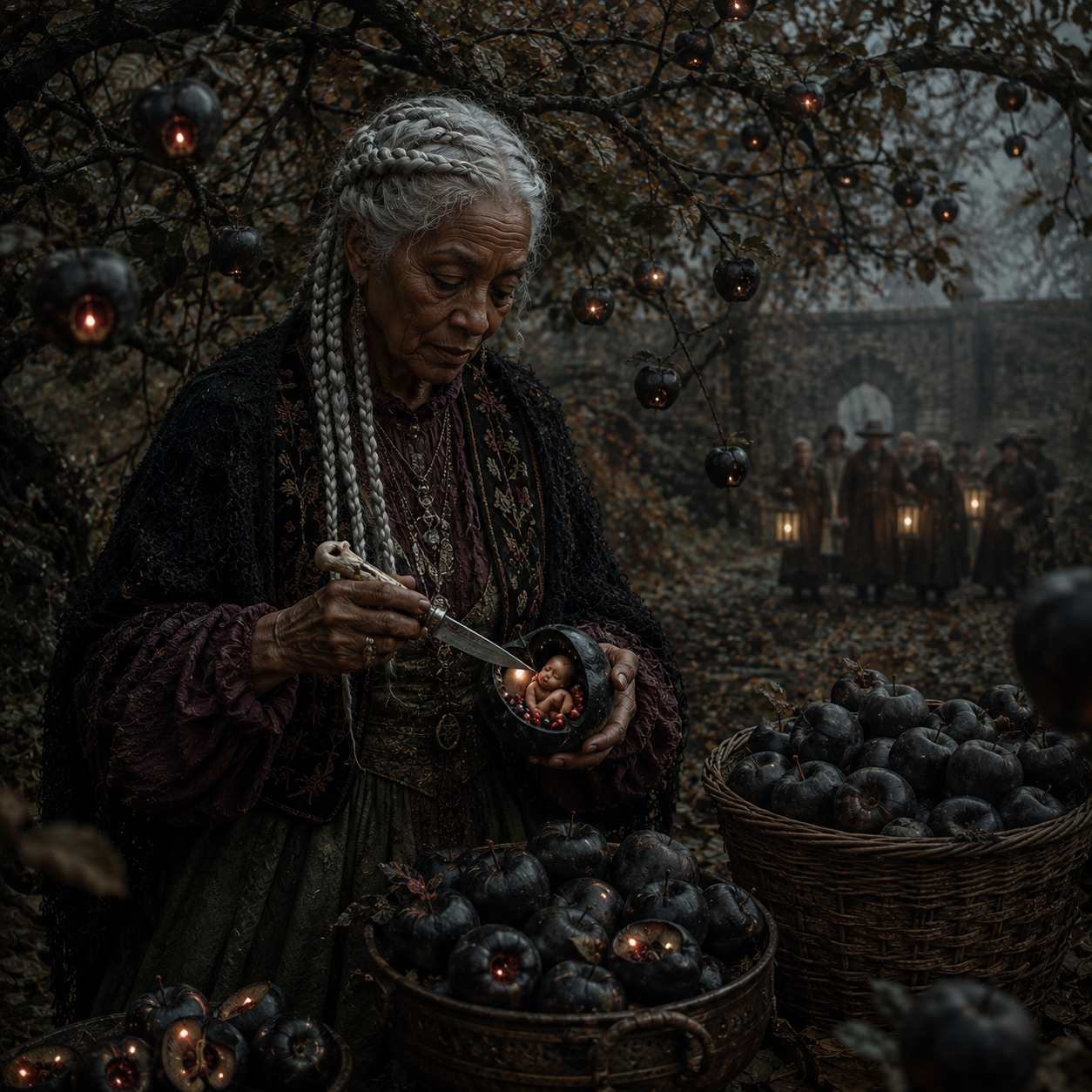
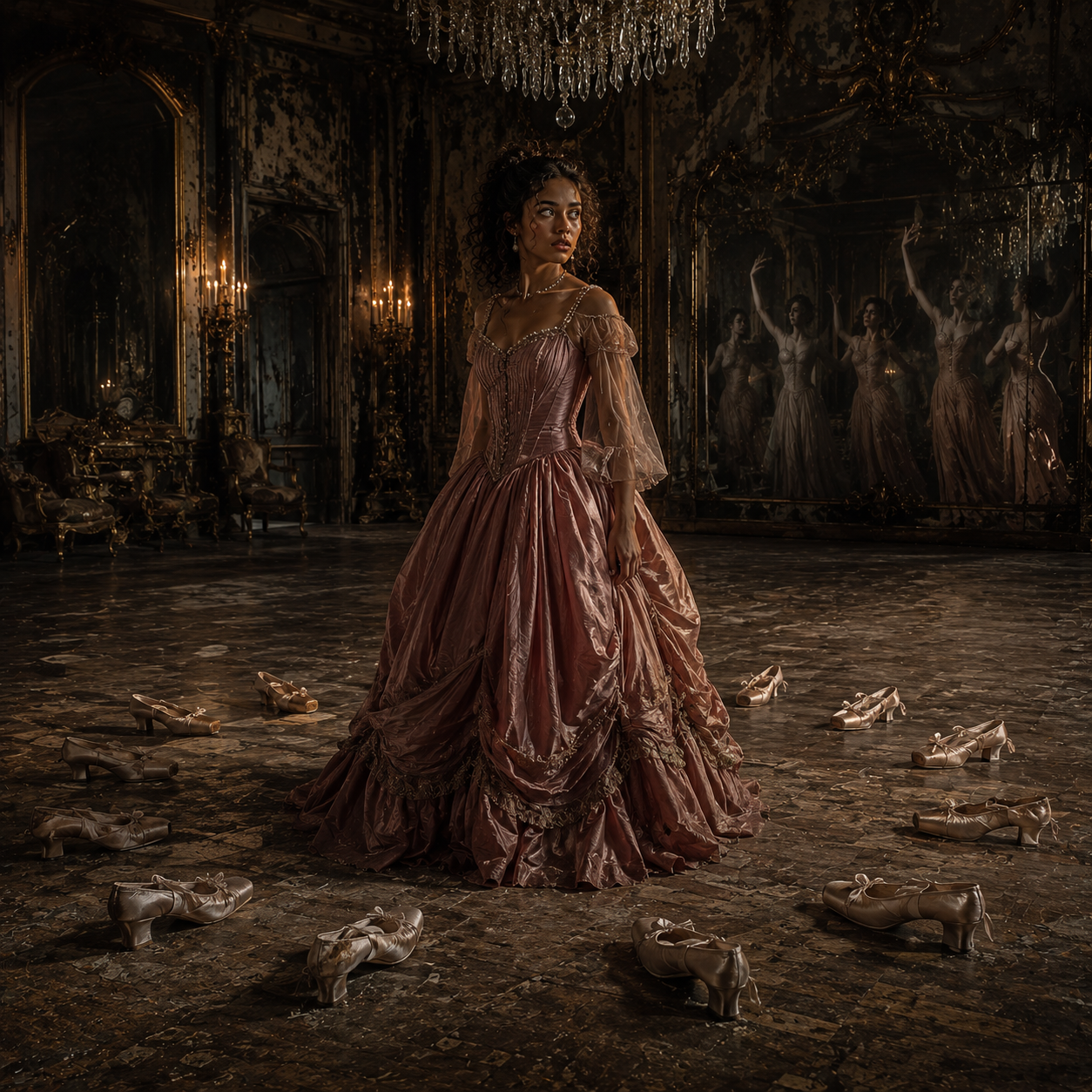
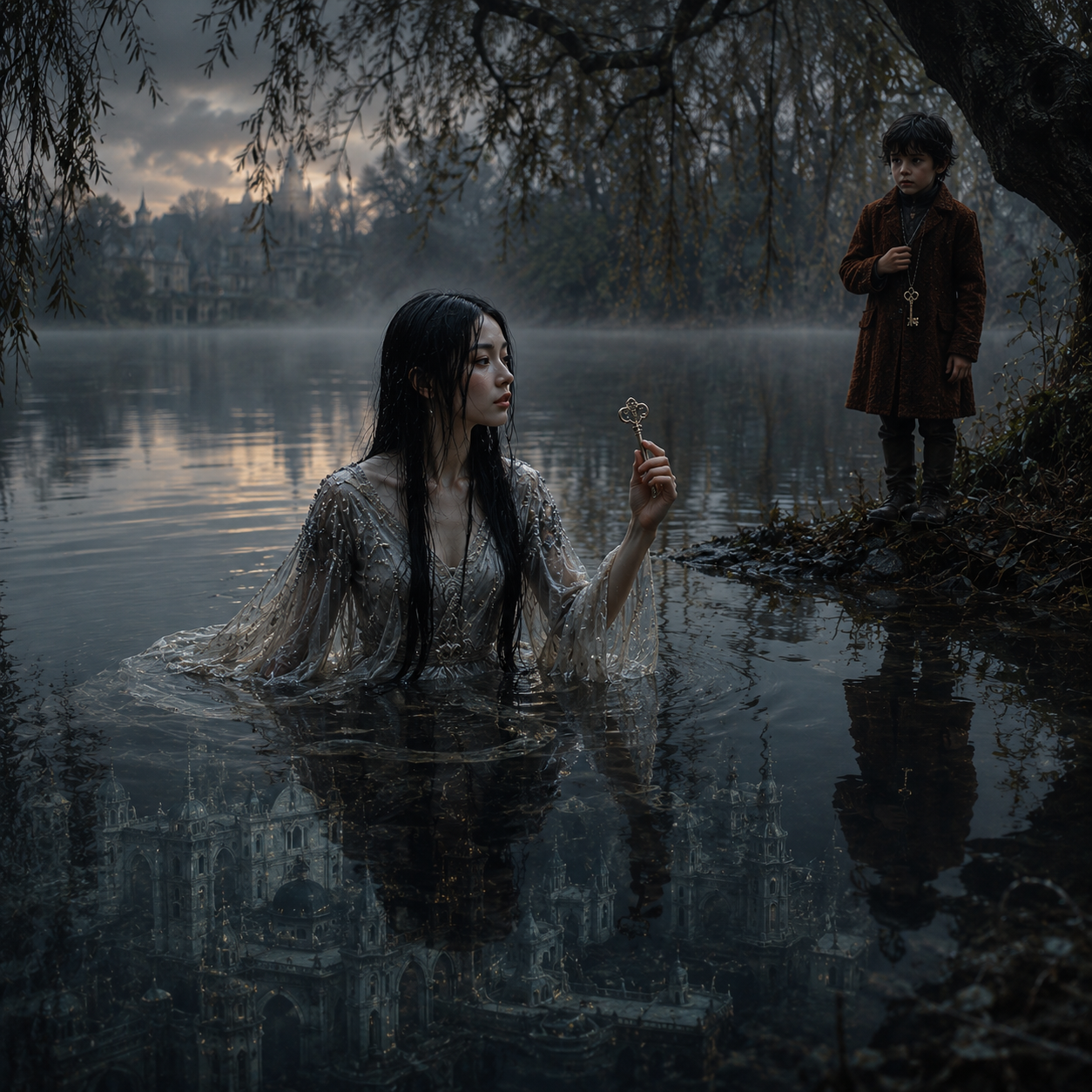
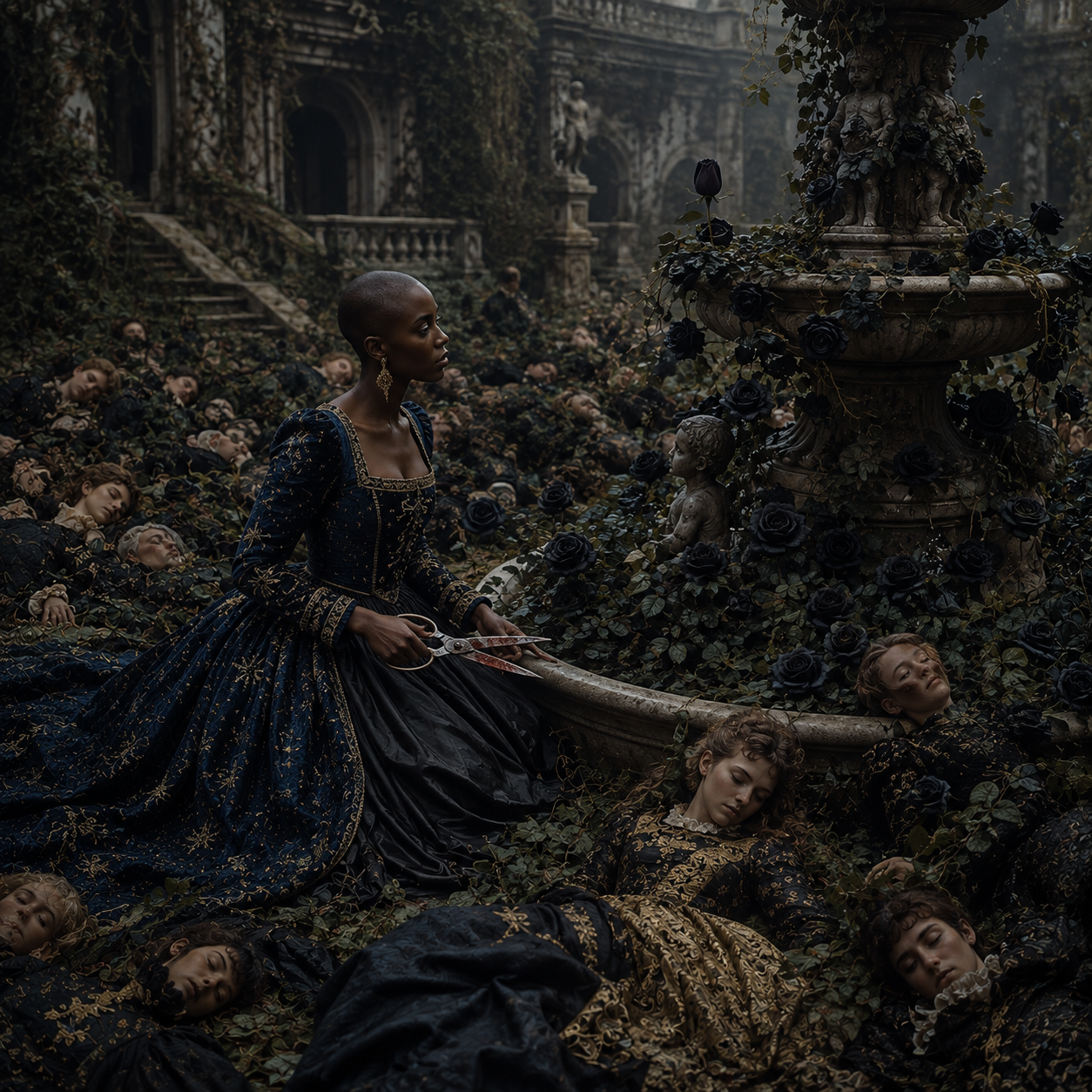
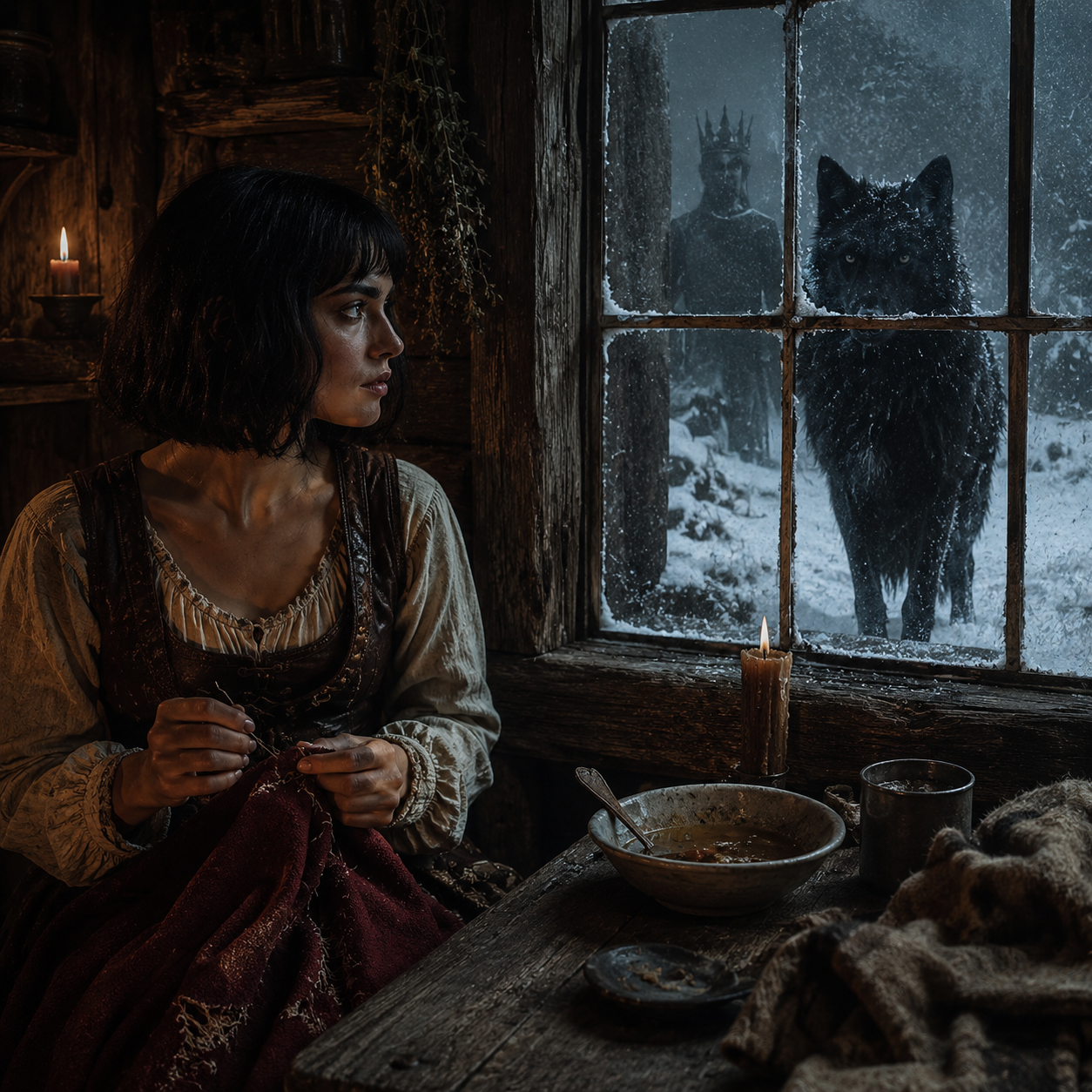
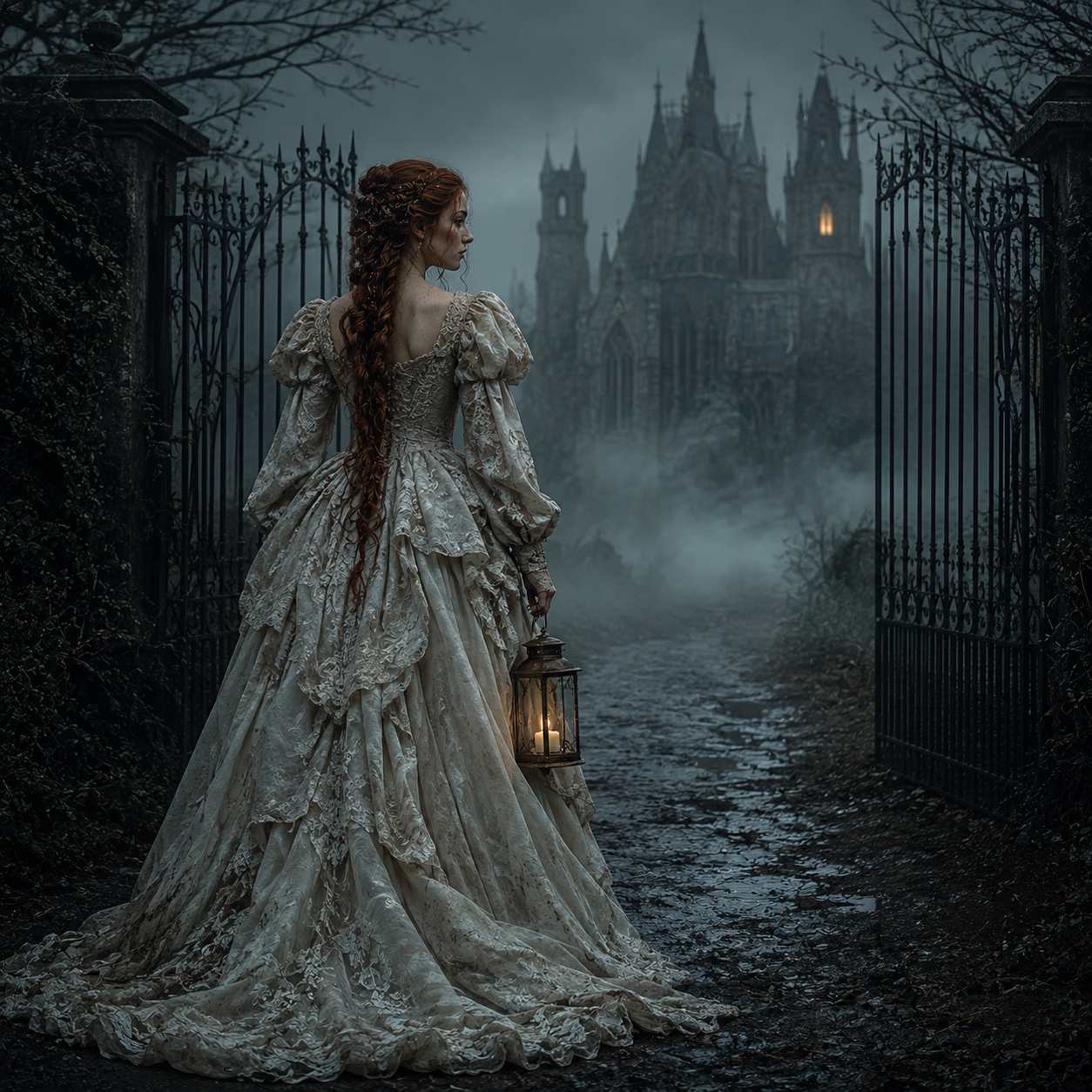
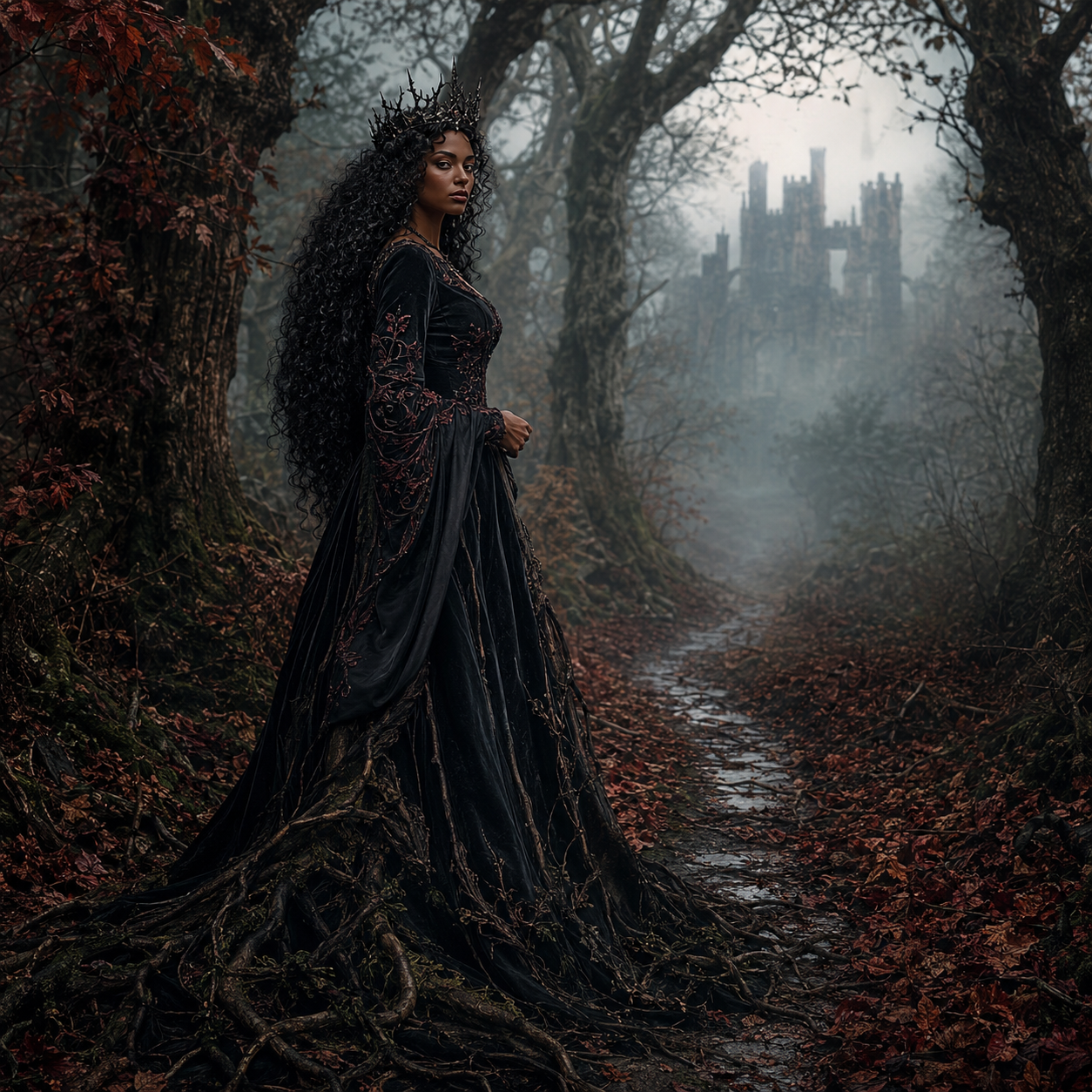
7. Picture Prompts
Visual prompts are especially effective for gothic fairytales, where atmosphere, light, and symbolism can inspire entire narratives.
Go Deeper into Gothic Fairytale Stories
To develop gothic fairytale narratives further, focus on the tension between enchantment and consequence. Magic in these stories often reveals something deeper about human desire, fear, or transformation.
◆ Rewrite a traditional fairytale with a darker outcome or hidden consequence.
◆ Explore what happens after a character’s wish is granted.
◆ Write a scene where a character realises the rules of magic are not what they believed.
◆ Describe a moment when a character must choose between safety and truth.
Explore the Darker Side of Folklore with Soot & Shadows
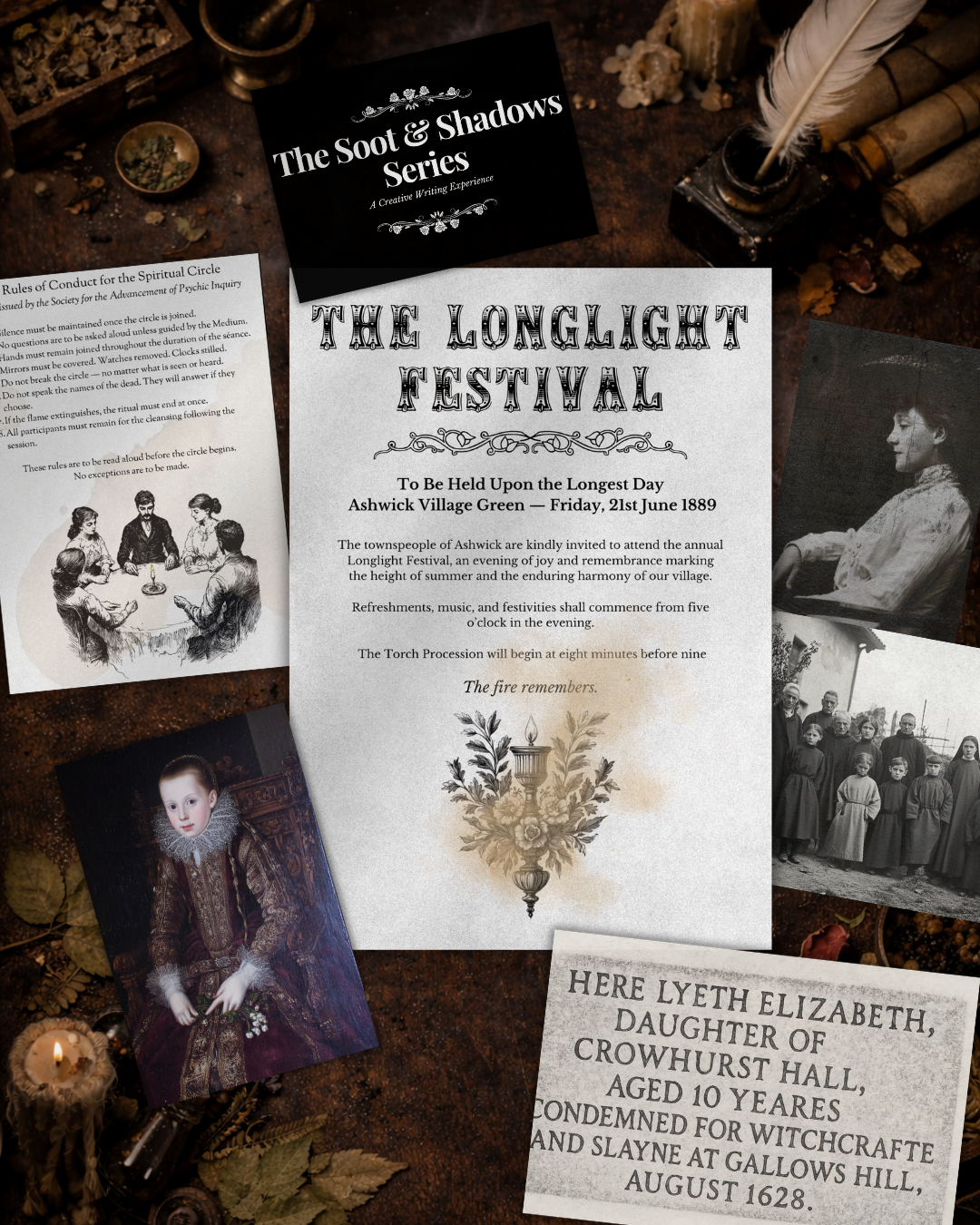
Gothic fairytales thrive in the places where folklore becomes unsettling: isolated villages, whispered warnings, old superstitions, missing people, forbidden rituals and stories that have survived because somebody is afraid to forget them.
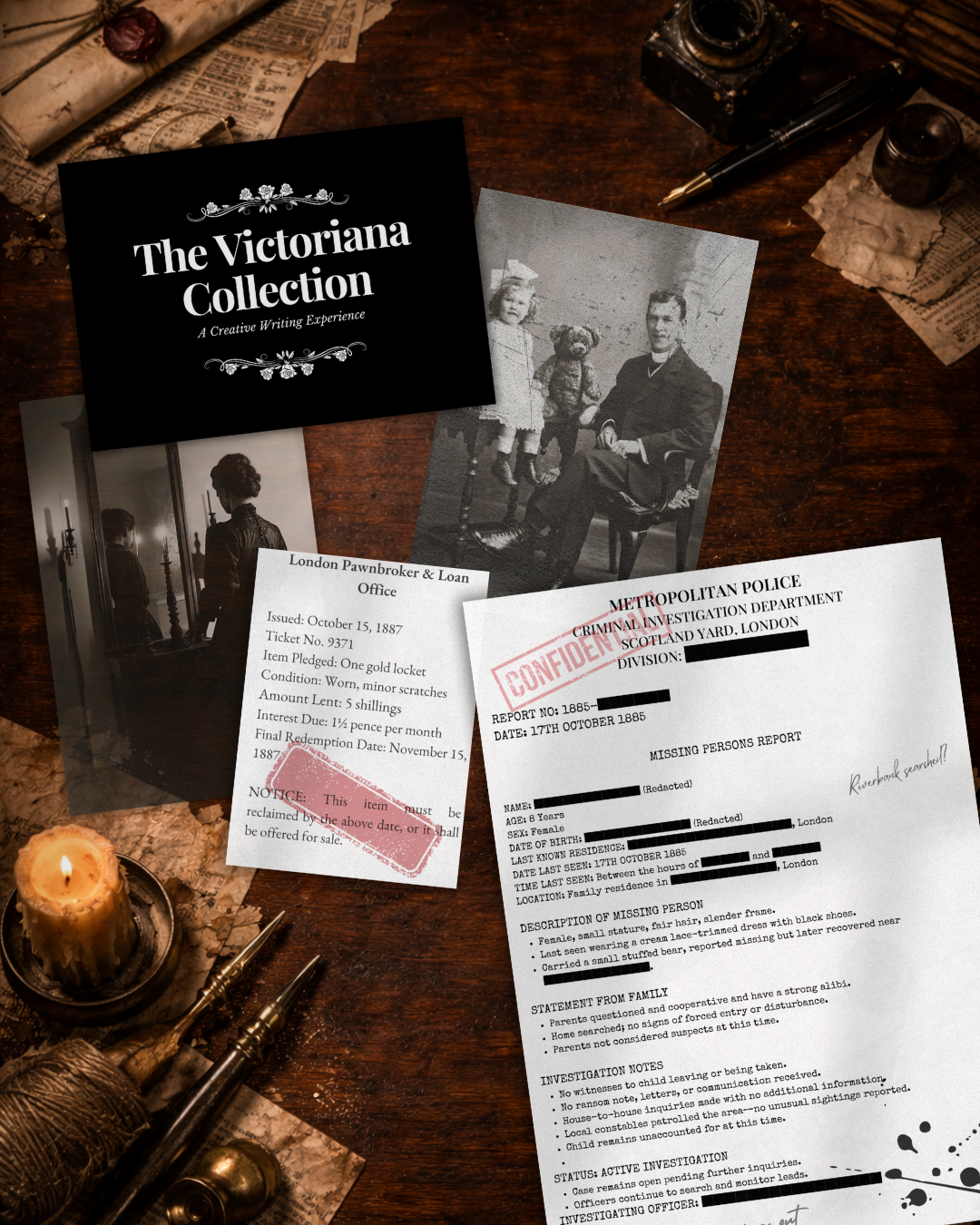
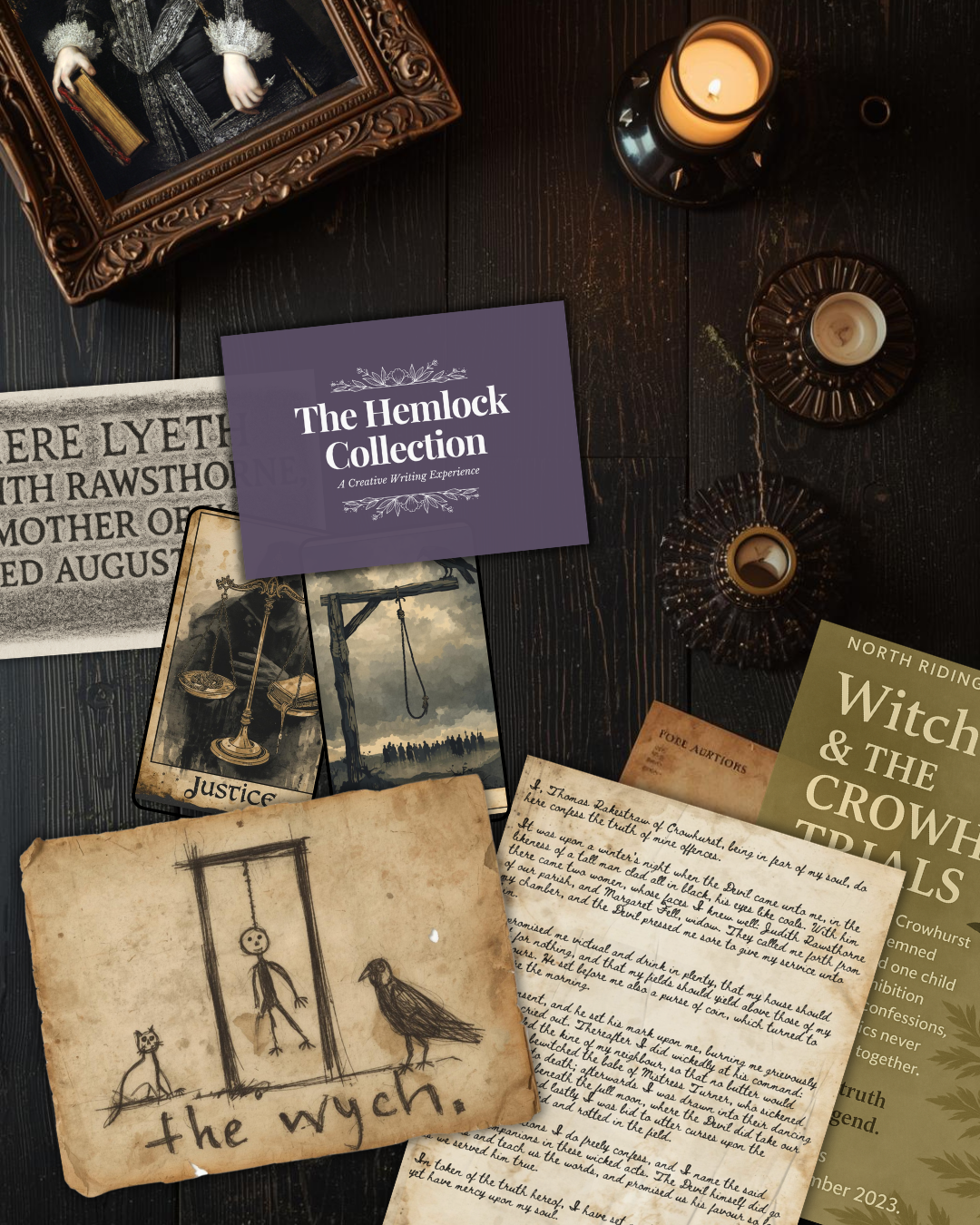
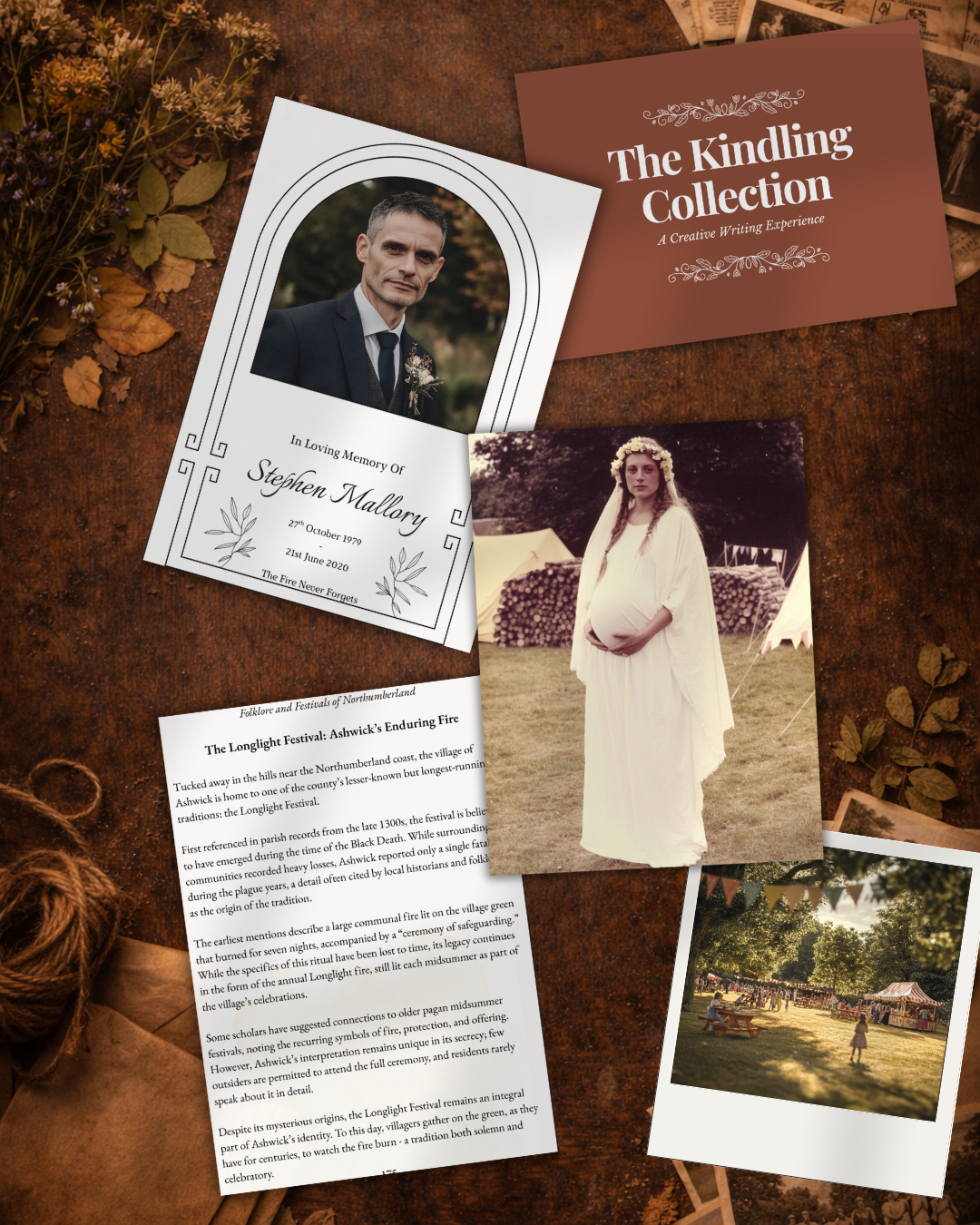
The Soot & Shadows Series takes those ideas beyond a single story and into three interconnected worlds of mystery, folklore and darker British history.
A missing person's file in Victorian London.
A village festival nobody dares question.
A community haunted by accusations that refuse to die.
Across The Victoriana Collection, The Kindling Collection and The Hemlock Collection, you'll uncover more than 150 printable documents and artefacts, including photographs, letters, reports, journal entries, newspaper clippings, warnings and strange relics. Each archive tells its own story, but connections and unanswered questions begin to emerge between them.
There is no single explanation waiting at the end. Instead, you can follow the evidence, interpret the contradictions and use the fragments to inspire entirely new stories of witchcraft, superstition, strange traditions, forgotten histories and Gothic mystery.
If these Gothic fairytale prompts have you imagining stories where old warnings might contain more truth than anyone realises, there are plenty more hiding in the archive.
→ Explore The Soot & Shadows Series
Final Thoughts
Gothic fairytales invite writers to return to the darker roots of storytelling, where magic is not simply whimsical but powerful, unpredictable, and often dangerous. These stories explore transformation, consequence, and the hidden forces that shape both the world and the self.
These 70 Gothic Fairytale Writing Prompts encourage writers to experiment with atmosphere, symbolism, and narrative tension, drawing on folklore traditions while reimagining them through a gothic lens. Whether used for creative writing practice, classroom activities, or longer fiction, these prompts offer a rich foundation for building unsettling, enchanting worlds.
If you would like to explore more dark fantasy prompts, folklore-inspired storytelling ideas, and gothic narrative techniques, you can browse the Creative Writing Archive, explore the Gothic Writing Hub, or visit the Fairytale and Folklore Writing Prompts Hub, where a wide range of mythic and atmospheric writing prompts are available.
Choose Your Next Adventure