Notes from the Inkpot
Writing, teaching, creating - one ink-stained idea at a time.



The Man Who Walked on the Moon by J.G. Ballard: Summary, Themes & Analysis
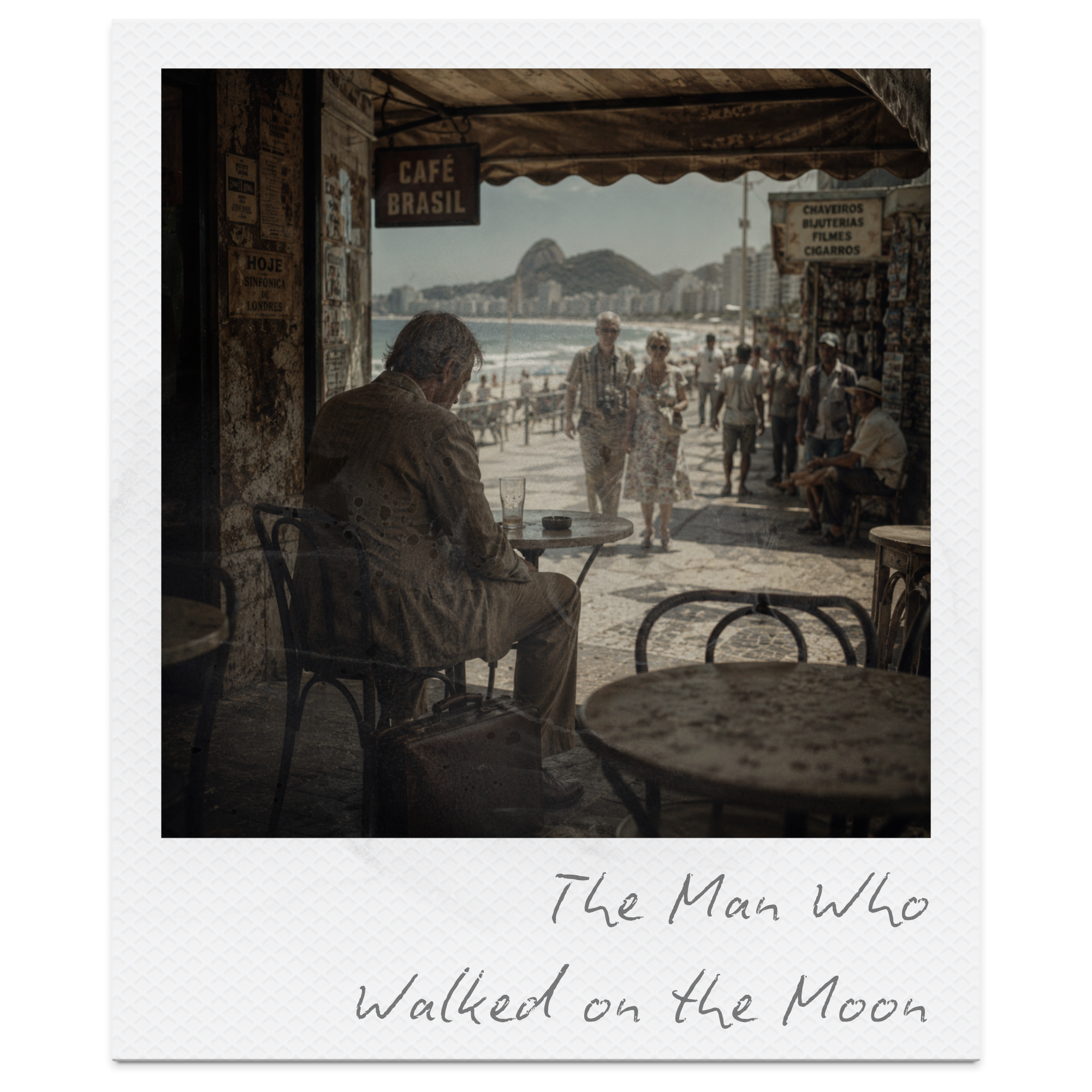
J.G. Ballard’s The Man Who Walked on the Moon is a psychologically unsettling short story exploring alienation, identity, loneliness, and the blurred boundary between fantasy and reality. Through the relationship between the unnamed narrator and Scranton — a failed American who falsely claims to have been an astronaut — Ballard examines how emotional isolation can gradually reshape a person’s understanding of truth, society, and selfhood. This detailed analysis explores the story’s themes, symbolism, structure, narrative voice, key quotes, alternative interpretations, and exam-focused insights for CIE IGCSE English Literature (0475 & 0922).
A Quoi Bon Dire by Charlotte Mew: Summary, Themes & Analysis
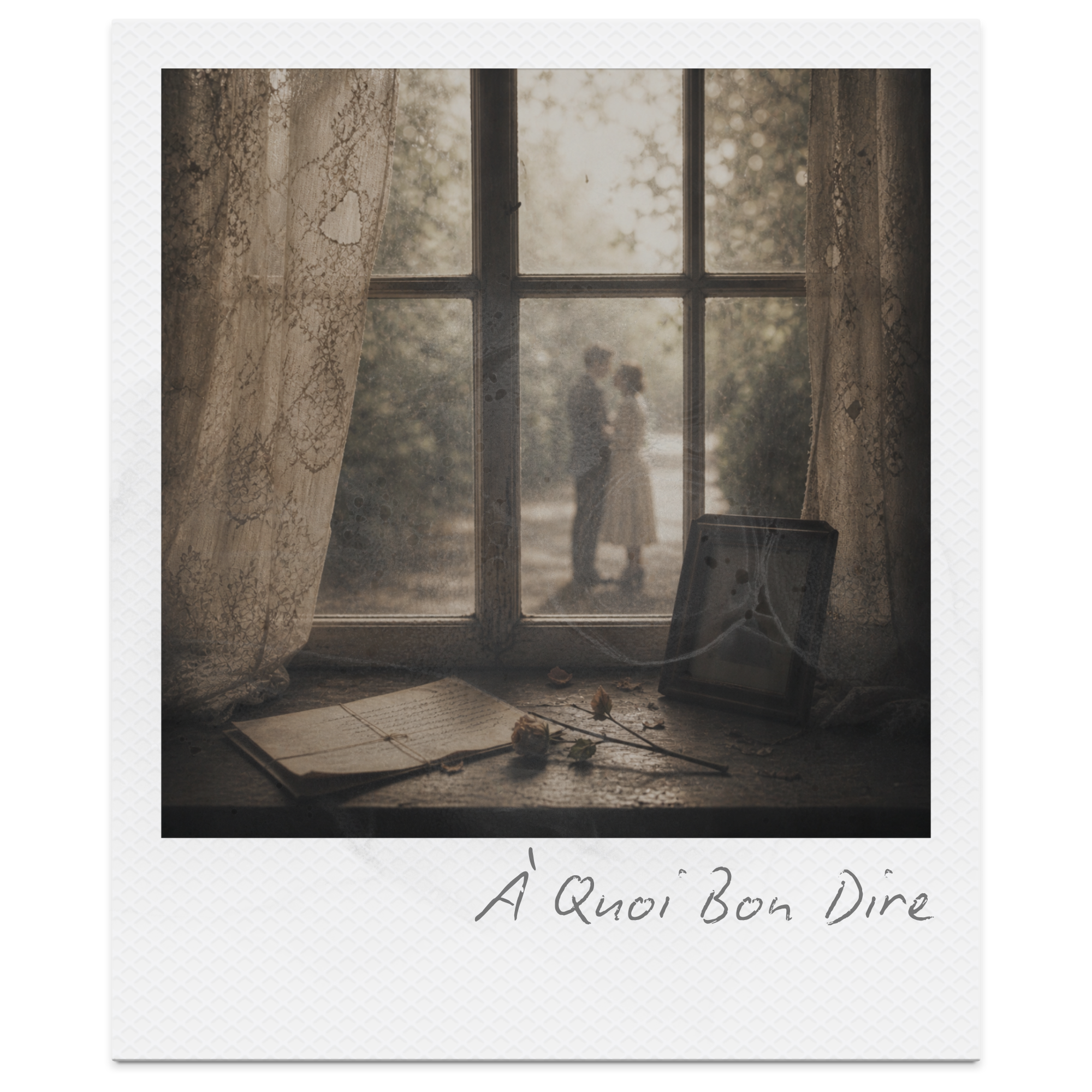
Charlotte Mew’s À Quoi Bon Dire explores enduring love, memory, and the tension between public perception and private truth, presenting a speaker who refuses to accept the finality of loss. Through parallel structure, structural contrast, and subtle shifts in voice, the poem reveals how emotional connection can persist beyond physical absence, challenging conventional ideas of death and separation. This analysis examines how Mew uses language, form, and temporal ambiguity to create meaning and impact, showing how the speaker’s quiet certainty resists social assumptions. With a focus on method → purpose → effect, this guide supports IGCSE World Literature (0408) students in developing strong, analytical responses.

Zero Hour by Ray Bradbury: Summary, Themes, Meaning & Analysis
Ray Bradbury’s Zero Hour explores childhood innocence and hidden power, revealing how easily trust can be manipulated when adults underestimate what they do not understand. Through the children’s seemingly harmless game of “Invasion,” Bradbury presents a world where imagination becomes a vehicle for real danger, blurring the line between play and reality. As the story unfolds, this illusion collapses into something far more unsettling. The adults’ confidence in their own control gives way to panic as they realise too late that the threat has already taken hold. Bradbury exposes the dangers of complacency, misjudgement, and unseen influence, showing how quickly stability can be replaced by chaos when warning signs are ignored.
The Rocket by Ray Bradbury: Summary, Themes, Meaning & Analysis
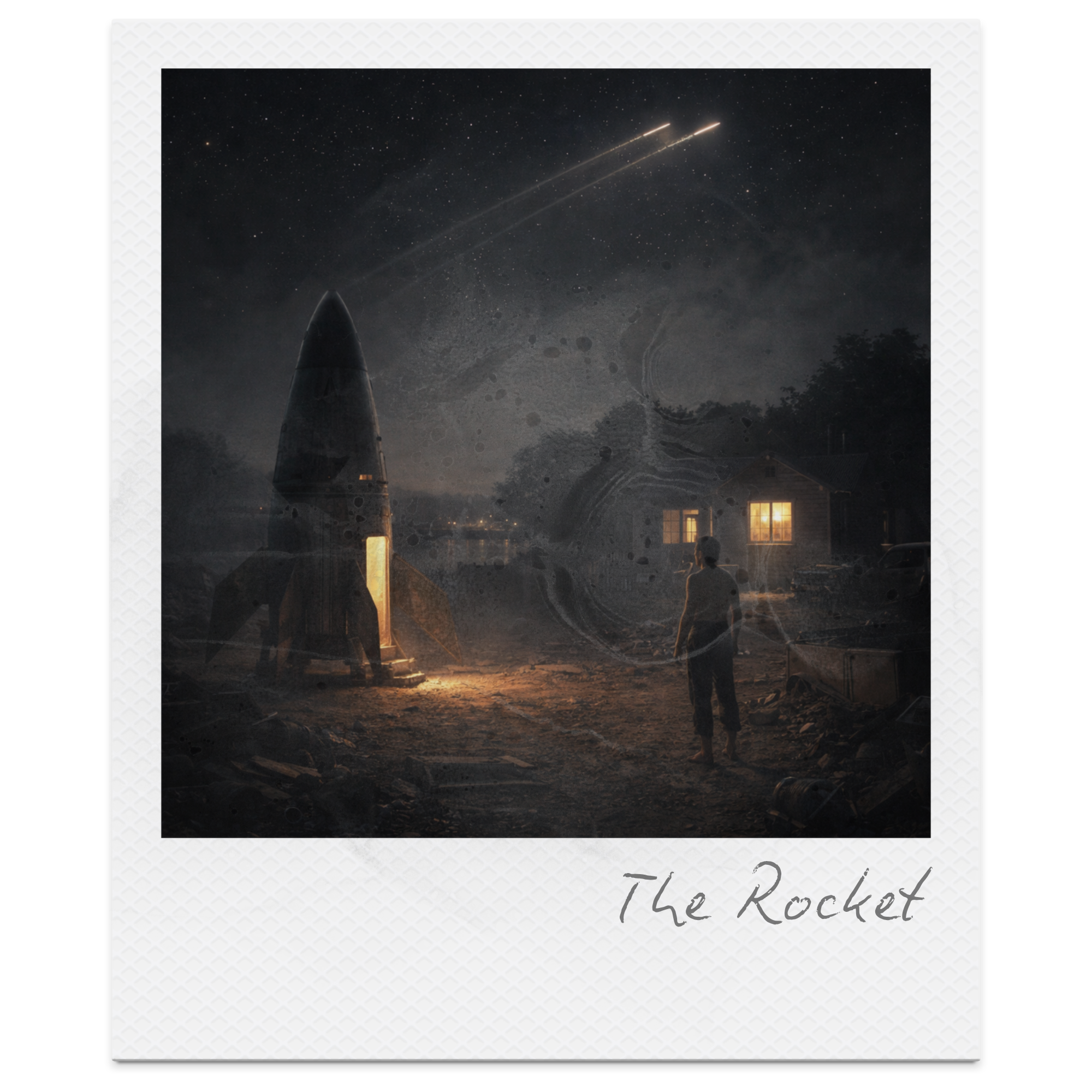
The Rocket by Ray Bradbury is a quietly powerful piece of speculative fiction that explores aspiration, inequality, and the emotional weight of unattainable dreams. Through the character of Fiorello Bodoni, Bradbury presents a world where space travel exists—but only for the wealthy—forcing ordinary people to confront the painful distance between possibility and access. As Bodoni listens to rockets “sighing in the dark sky,” the story establishes a deep sense of longing, framing space not as a destination, but as a symbol of everything just out of reach. As the narrative unfolds, Bradbury shifts the focus from physical reality to emotional truth, revealing that the journey itself is an illusion. Yet this illusion becomes profoundly meaningful, as Bodoni creates an experience his children will “remember… for always.” In doing so, the story challenges the idea that reality is inherently more valuable than imagination, suggesting instead that shared experience, memory, and love can hold greater significance than material achievement.

The Fox and the Forest by Ray Bradbury: Summary, Themes, Symbolism & Analysis
Ray Bradbury’s The Fox and the Forest is a powerful science fiction and dystopian short story that explores escape, surveillance, and the illusion of freedom. Set between a vibrant 1938 Mexico and a war-torn future, the story follows a couple attempting to flee a society built on control, militarisation, and destruction—only to discover that even time itself cannot protect them. Bradbury uses vivid contrasts, shifting tension, and symbolic imagery to create a narrative where hope and fear exist side by side. This analysis explores the story’s themes, symbolism, structure, and key ideas, revealing how Bradbury presents a world in which authority is inescapable and freedom is fragile. From the relentless pursuit of the Searchers to the devastating final twist, The Fox and the Forest raises unsettling questions about responsibility, resistance, and the cost of survival.
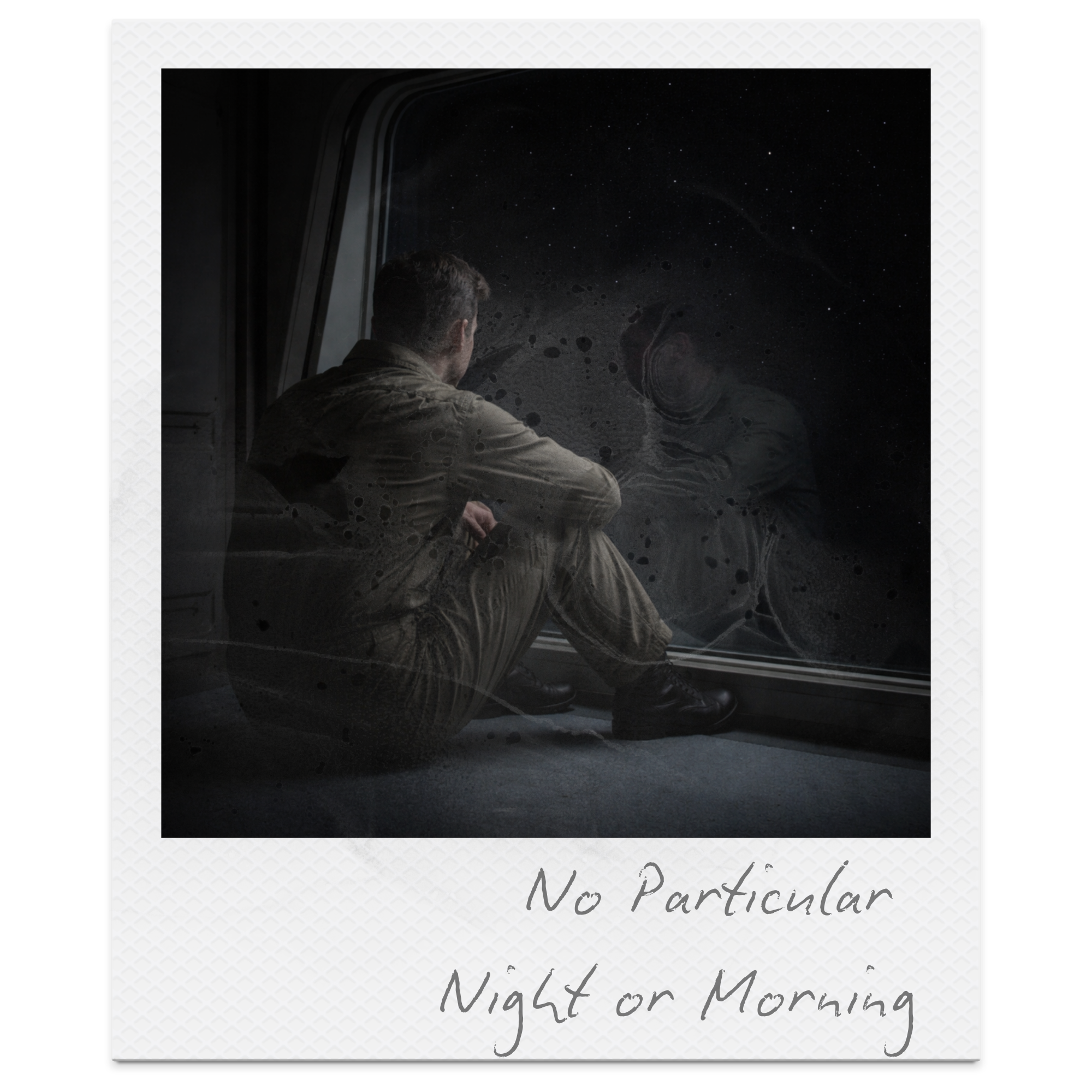
No Particular Night or Morning by Ray Bradbury: Summary, Themes, Symbolism & Analysis
No Particular Night or Morning explores existential uncertainty, isolation, and the limits of proof through the unsettling perspective of a man who can only believe in what he can immediately see, touch, or verify. As Hitchcock begins to reject the existence of Earth, memory, and even other people when they are not physically present, Bradbury builds a disturbing vision of reality reduced to isolated moments, stripped of continuity and meaning. As the story progresses, this rigid form of rationalism leads to the breakdown of identity and perception, revealing how dependent human life is on imagination, memory, and shared belief. Set against the vast emptiness of space, Hitchcock’s descent becomes both psychological and symbolic, culminating in a chilling rejection of everything—body, world, and self—leaving only “space” and “the gap.”
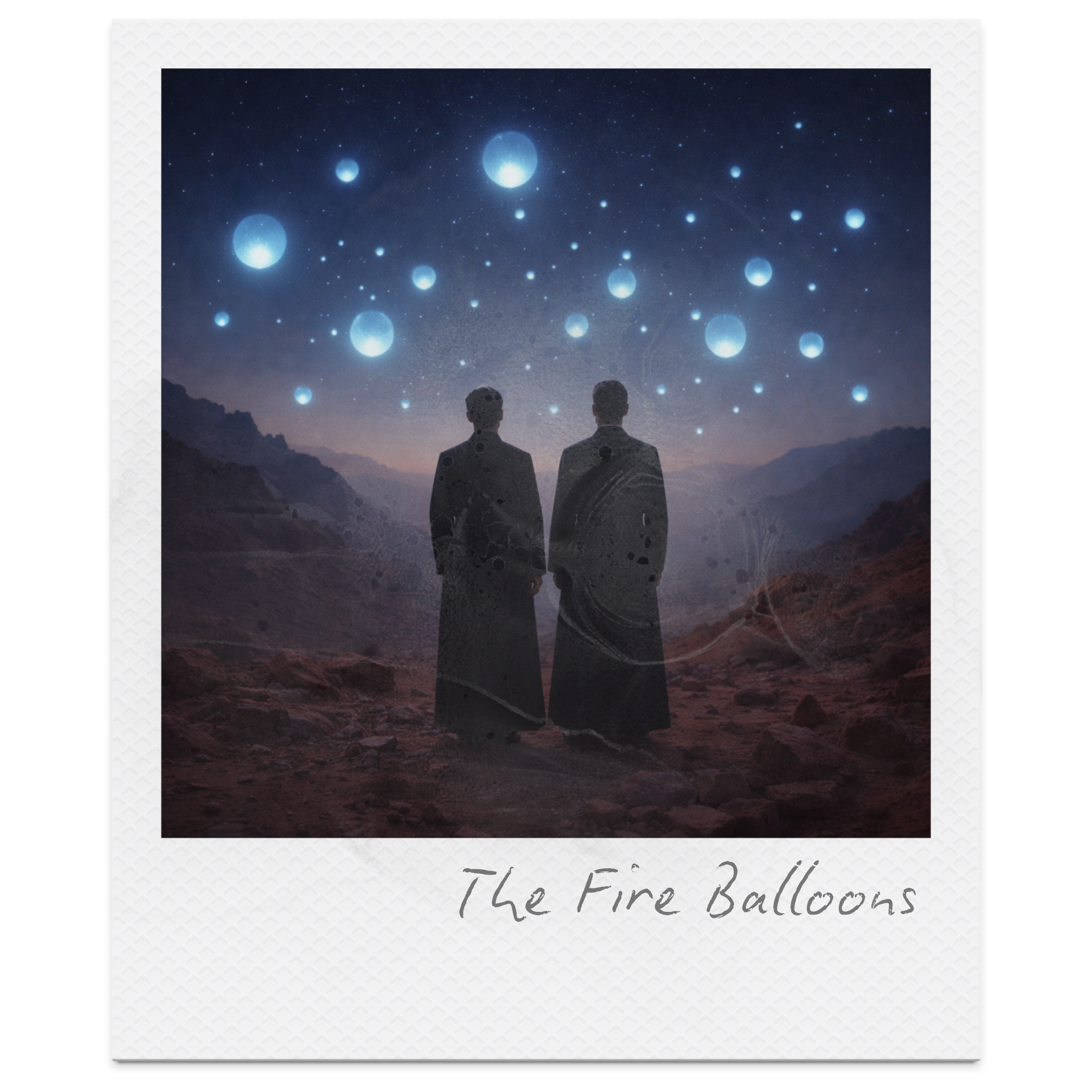
The Fire Balloons by Ray Bradbury: Summary, Themes, Symbolism & Analysis
The Fire Balloons explores faith, missionary zeal, and the limits of human understanding through the story of priests who travel to Mars expecting to bring salvation, only to encounter beings who may not need it. When Father Peregrine becomes fascinated by mysterious blue spheres living in the Martian hills, he begins to question whether traditional ideas of sin and morality apply beyond Earth, setting up a powerful conflict between certainty and curiosity. As the story unfolds, Bradbury challenges assumptions about religion, the body, and what it means to be truly human. The Martians’ revelation—that they exist beyond desire, conflict, and sin—forces a shift from confidence to humility, leaving both characters and readers to reconsider the nature of truth itself.
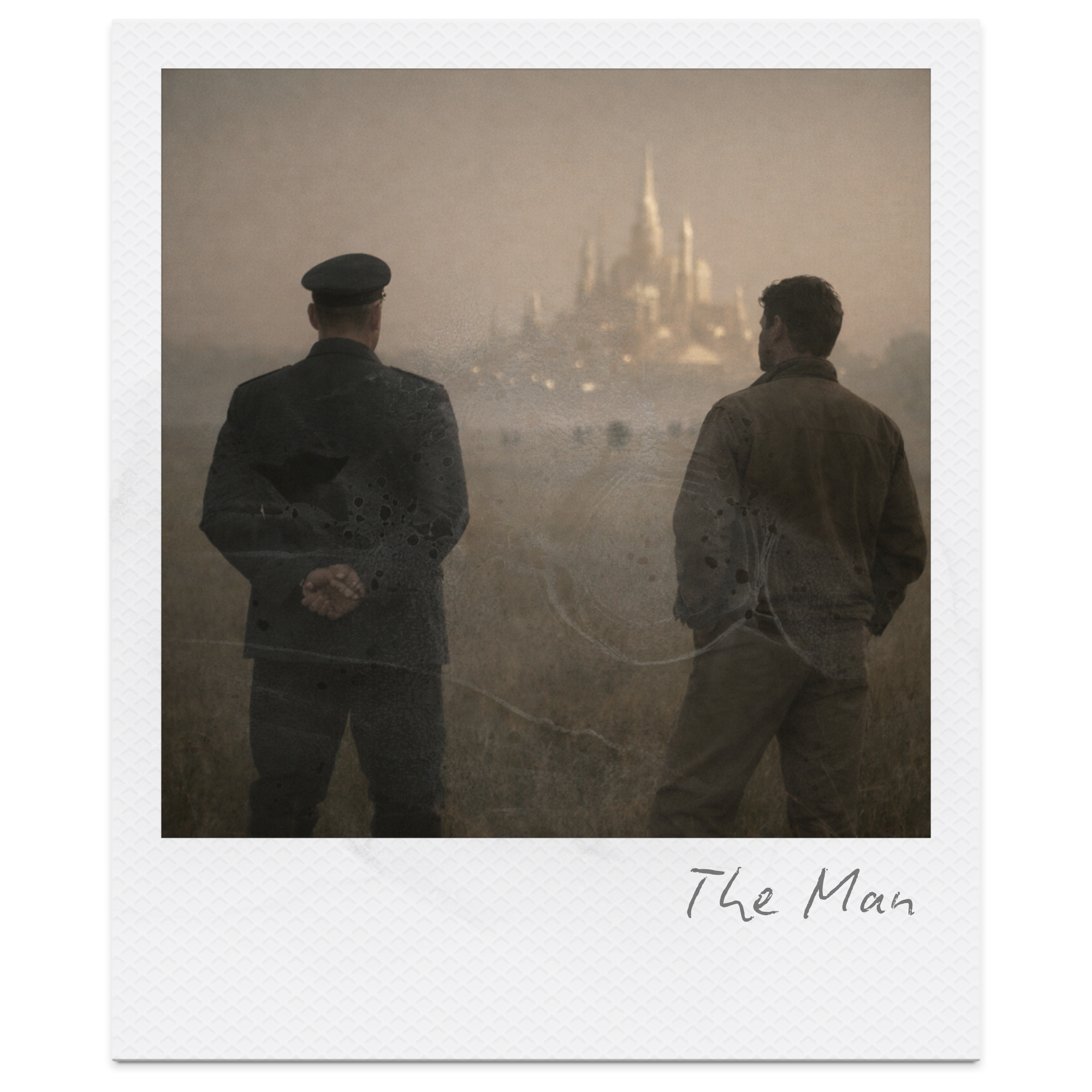
The Man by Ray Bradbury: Summary, Themes, Symbolism & Analysis
The Man by Ray Bradbury is a powerful work of science fiction that explores faith, belief, and the limits of human understanding. When Captain Hart and his crew land on a distant planet expecting recognition for their achievement, they are met with complete indifference. Instead, they discover that something far more significant has already taken place—a mysterious visitor who healed the sick and inspired quiet, unwavering belief among the inhabitants. As Hart clings to logic and proof, refusing to accept what he cannot explain, his lieutenant Martin begins to recognise that they have just missed something extraordinary. The story becomes a subtle but striking exploration of ego, skepticism, and the search for meaning, raising a central question: what happens when truth appears, but we are unwilling—or unable—to see it?
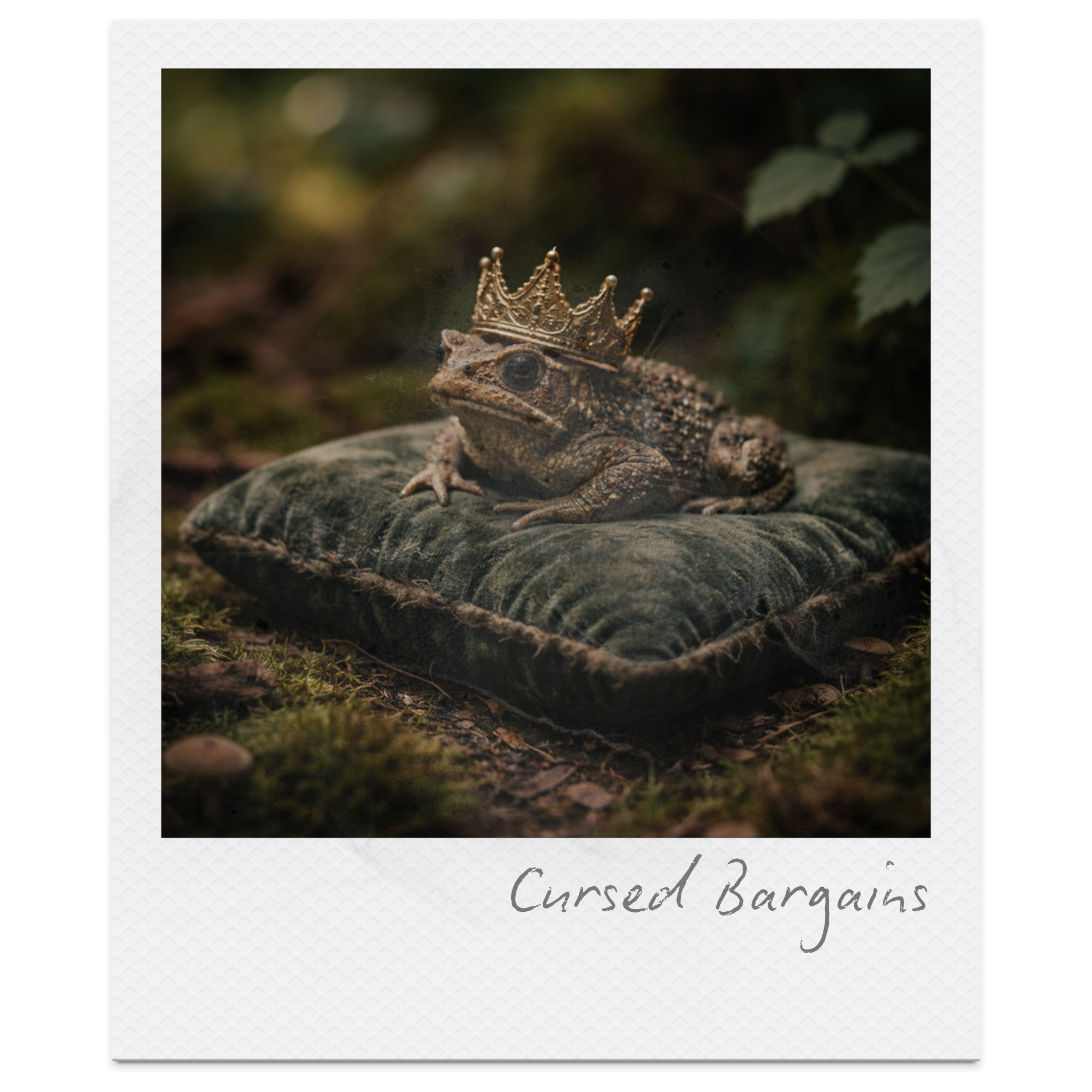
70 Cursed Bargains Writing Prompts: Deals, Desire & Consequence
Cursed bargains sit at the heart of fairytale and folklore storytelling, capturing the moment when desire outweighs caution and a single decision begins to reshape everything that follows. Whether the offer comes from a stranger, a witch, a fae creature, or something less easily named, these stories explore the tension between what is promised and what is truly given. At their most compelling, they are not simply about magic or consequence, but about choice — the quiet, often desperate moment when a character decides the risk is worth it. This collection of 70 Cursed Bargains Writing Prompts invites writers to explore that moment from every angle, from tempting offers and hidden terms to the slow, unsettling realisation of the cost. Designed for both classroom use and independent writing, these prompts support imaginative, craft-focused storytelling rooted in folklore, symbolism, and consequence.
70 Enchanted Forest Writing Prompts: Magic, Mystery & Fairytale Worlds
Enchanted forests have long been at the heart of fairytale and folklore storytelling, offering spaces where magic, danger, and transformation intertwine. This collection of 70 Enchanted Forest Writing Prompts explores hidden paths, shifting landscapes, and mysterious encounters, providing a rich mix of plot hooks, character ideas, settings, and atmospheric inspiration. Perfect for classroom use or independent writing, these prompts encourage writers to experiment with mood, symbolism, and narrative tension while exploring both the light and darker sides of enchanted forest worlds.
70 Gothic Fairytale Writing Prompts: Dark Magic, Twisted Folklore & Enchanted Ruin
Gothic fairytales return to the darker origins of folklore, where magic is unpredictable, beauty is often deceptive, and every wish carries a consequence. This collection of 70 Gothic Fairytale Writing Prompts explores enchanted forests, cursed objects, hidden bargains, and unsettling transformations, offering a rich mix of plot hooks, character ideas, settings, and atmospheric inspiration designed to spark imaginative storytelling. Perfect for classroom use or independent writing, these prompts encourage writers to experiment with mood, symbolism, and narrative tension while reimagining traditional fairytale elements through a gothic lens.
The Other Foot by Ray Bradbury: Summary, Themes, Symbolism & Analysis
The Other Foot by Ray Bradbury is a powerful work of speculative fiction that explores racism, revenge, and the possibility of moral transformation through a striking reversal of power. Set on a Martian colony built by Black settlers who fled Earth, the story imagines what happens when the oppressed are given the chance to become the oppressors. As news spreads of a white survivor arriving from a devastated Earth, long-buried memories of violence and segregation resurface, pushing the community toward retaliation. However, Bradbury complicates this desire for revenge by revealing the complete destruction of Earth and the collapse of the very systems the characters seek to punish. In doing so, the story shifts from anger to reflection, asking whether true justice lies in reversal or in breaking the cycle altogether. Through its tense narrative and powerful moral turning point, The Other Foot challenges readers to reconsider what equality, responsibility, and humanity really mean.
The Fog Horn by Ray Bradbury: Summary, Themes, Symbolism & Analysis
Ray Bradbury’s The Fog Horn is a haunting work of speculative fiction that explores isolation, longing, and the deep human need for connection. Set in a remote lighthouse surrounded by vast, empty seas, the story follows two keepers who encounter a mysterious creature drawn to the mournful sound of the fog horn—a sound that echoes across time like a call waiting to be answered. At its core, the story examines unfulfilled connection, illusion versus reality, and the fragility of belonging, revealing how even the hope of companionship can lead to devastation when it is misunderstood. Through powerful symbolism and atmosphere, Bradbury creates a deeply emotional narrative that lingers long after the final line.

Kaleidoscope by Ray Bradbury: Summary, Themes, Symbolism & Analysis
Ray Bradbury’s Kaleidoscope is a striking exploration of human insignificance, mortality, and isolation, set against the vast and indifferent backdrop of space. After a catastrophic explosion scatters a crew of astronauts, the story follows their fragmented descent as they drift apart, connected only by fading voices. Through this disintegration, Bradbury examines how individuals respond when faced with the loss of control, connection, and certainty. As the astronauts confront their inevitable deaths, the story becomes a powerful reflection on memory, regret, and the search for meaning. While some find comfort in the lives they have lived, others are left questioning what their existence has amounted to. Blending science fiction with existential philosophy, Kaleidoscope leaves readers with a haunting question: when everything falls away, what truly gives a life value?
The Last Night of the World by Ray Bradbury: Summary, Themes, Symbolism & Analysis
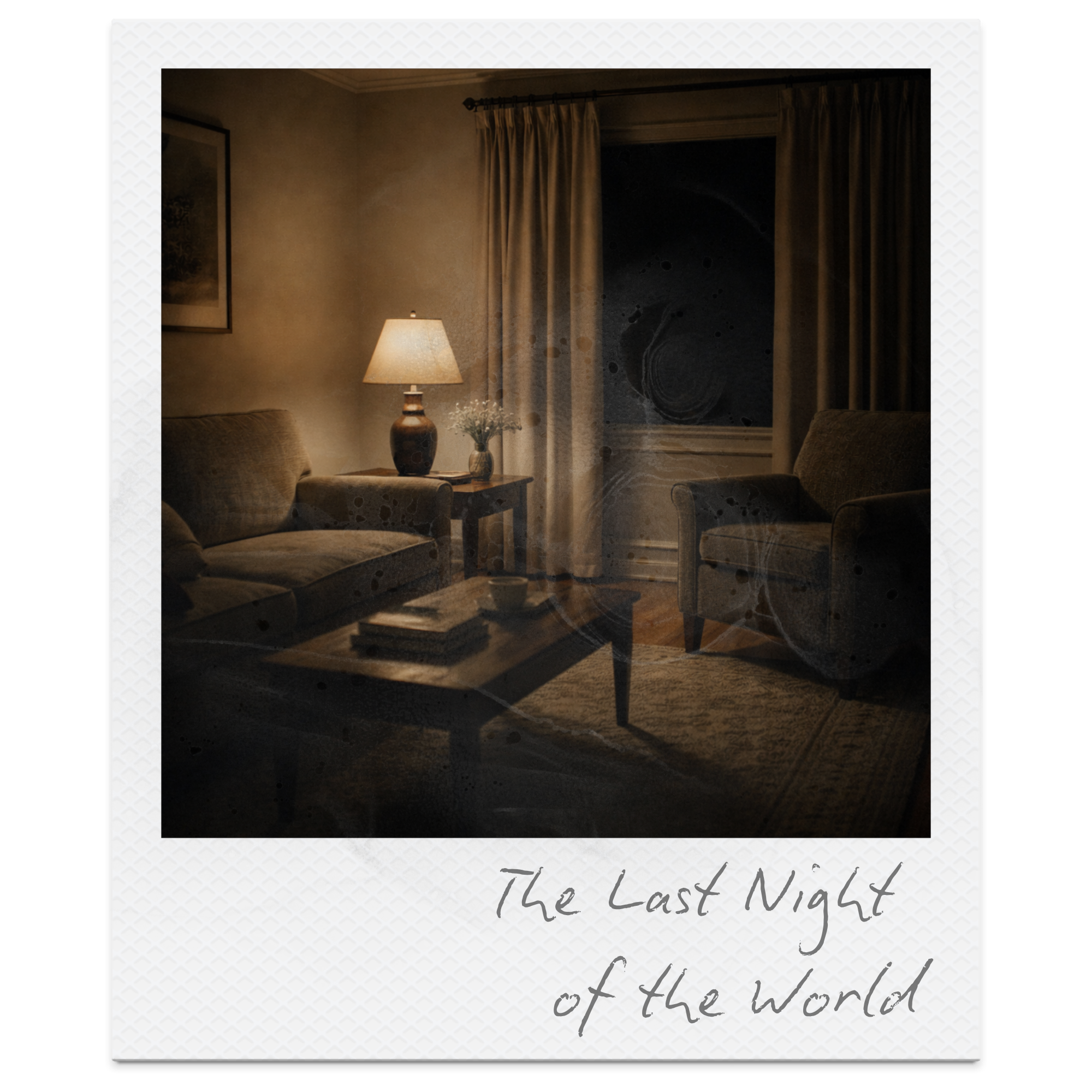
Bradbury’s The Last Night of the World presents an unsettlingly calm vision of apocalypse, where the end does not arrive through chaos or destruction, but through quiet, shared certainty. As a husband and wife realise—through identical dreams experienced across the world—that existence will end that very night, their response is not panic, but routine. They drink coffee, put their children to bed, and carry on as usual, creating a striking contrast between the enormity of the event and the simplicity of their actions. This quiet acceptance lies at the heart of the story’s power. Rather than asking how the world ends, Bradbury asks how people respond when they know it will—and his answer is both comforting and deeply unsettling. Through its focus on inevitability, human nature, and routine, the story suggests that even in the face of extinction, what matters most is not survival, but connection, normality, and the small rituals that define everyday life.

The Exiles by Ray Bradbury: Summary, Themes, Symbolism & Analysis
Bradbury’s The Exiles is a haunting exploration of censorship, imagination, and the fragility of stories, set on a dying Mars where forgotten authors and their creations struggle to survive. As books are banned and burned on Earth, the figures they once sustained begin to fade, turning the story into a powerful reflection on what happens when culture is erased and memory is lost. Blending science fiction, gothic atmosphere, and a deeply meta-literary perspective, the story challenges readers to consider the true cost of suppressing imagination. Through its unsettling imagery and quiet, devastating ending, The Exiles asks a central question: if stories disappear, what happens to the parts of ourselves they once held together?
The Purloined Letter by Edgar Allan Poe: Summary, Themes, Symbolism & Analysis
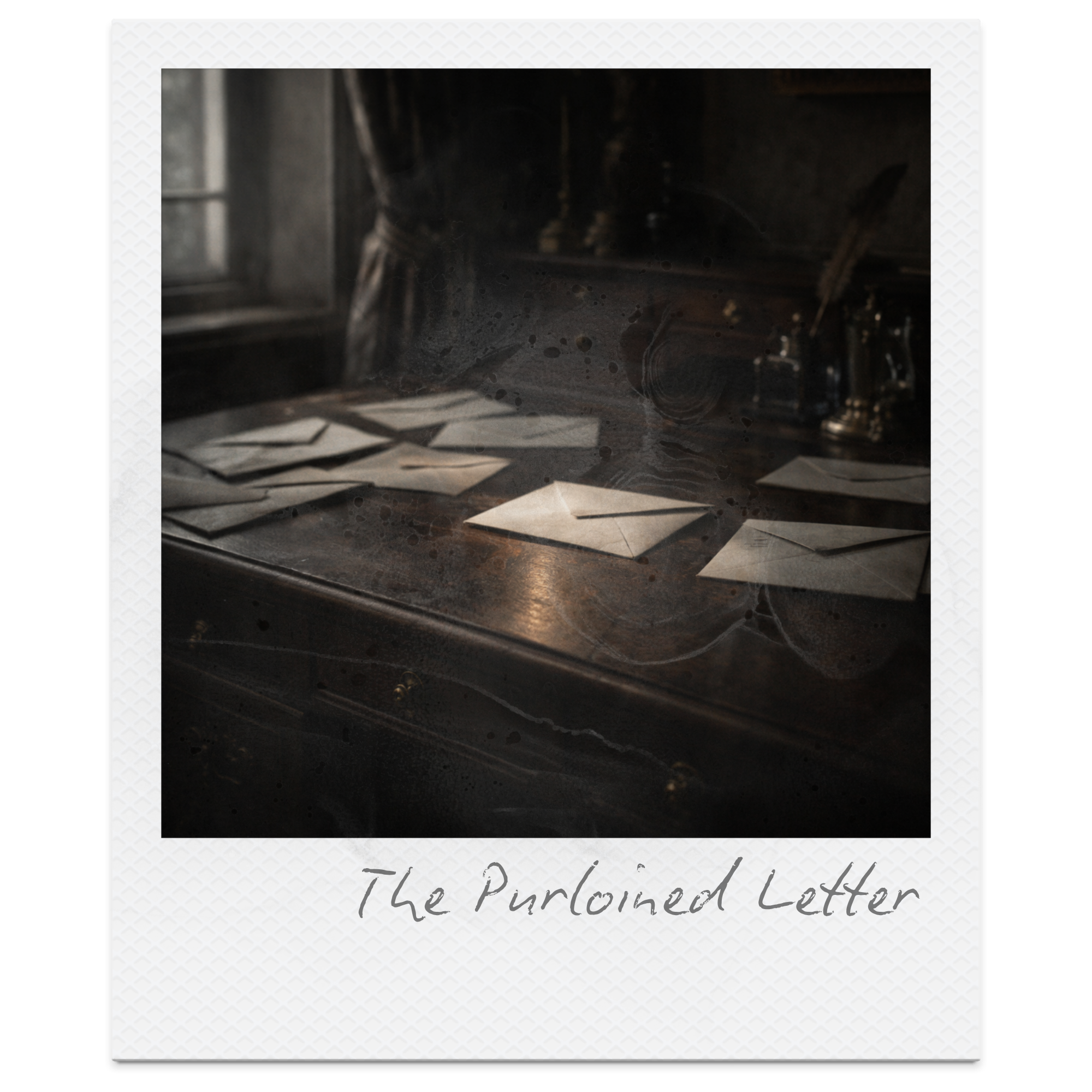
The Purloined Letter is a clever and thought-provoking detective story that challenges the idea that mysteries are always complex. Instead, Edgar Allan Poe presents a case where the solution is hidden in plain sight, revealing how assumptions and rigid thinking can prevent us from seeing the obvious. Through the character of Dupin, Poe explores how true intelligence lies in understanding how others think, rather than simply relying on method or procedure. As the investigation unfolds, the story shifts from a traditional search for hidden clues to a deeper exploration of perception, power, and psychological strategy. The stolen letter becomes more than just an object—it represents control, secrecy, and vulnerability, showing how knowledge can be used as a form of influence. Ultimately, the story leaves readers questioning not just the mystery itself, but the way human reasoning shapes what we see—and what we miss.
The Pit and the Pendulum by Edgar Allan Poe: Summary, Themes, Symbolism & Analysis
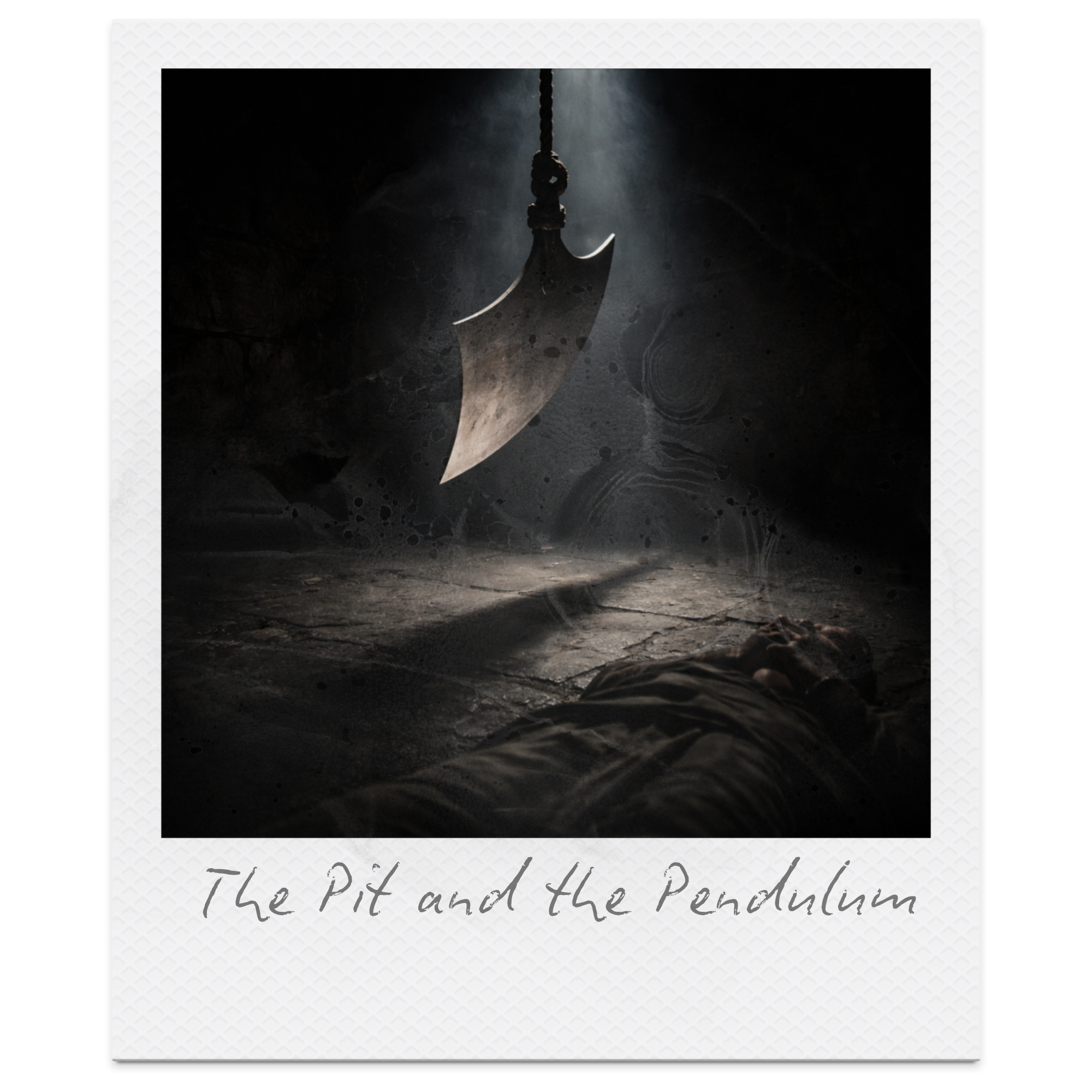
The Pit and the Pendulum by Edgar Allan Poe is a chilling exploration of psychological horror, fear, and survival under extreme control. Set within the terrifying world of the Inquisition, the story follows a condemned narrator trapped in a shifting dungeon where darkness, hidden dangers, and calculated torture push him to the brink of madness. Rather than relying on sudden shocks, Poe builds tension through anticipation, sensory deprivation, and the slow passage of time, creating a deeply unsettling reading experience. As the narrator faces the horrors of the pit, the descending pendulum, and the enclosing walls, the story explores powerful themes including power and control, perception and reality, death and mortality, and endurance. The setting itself becomes an instrument of torture, reflecting the narrator’s deteriorating mental state and forcing him into a desperate fight for survival. Through its intense focus on the mind under pressure, The Pit and the Pendulum remains one of Poe’s most compelling and psychologically complex short stories.
The Cask of Amontillado by Edgar Allan Poe: Summary, Themes, Symbolism & Analysis
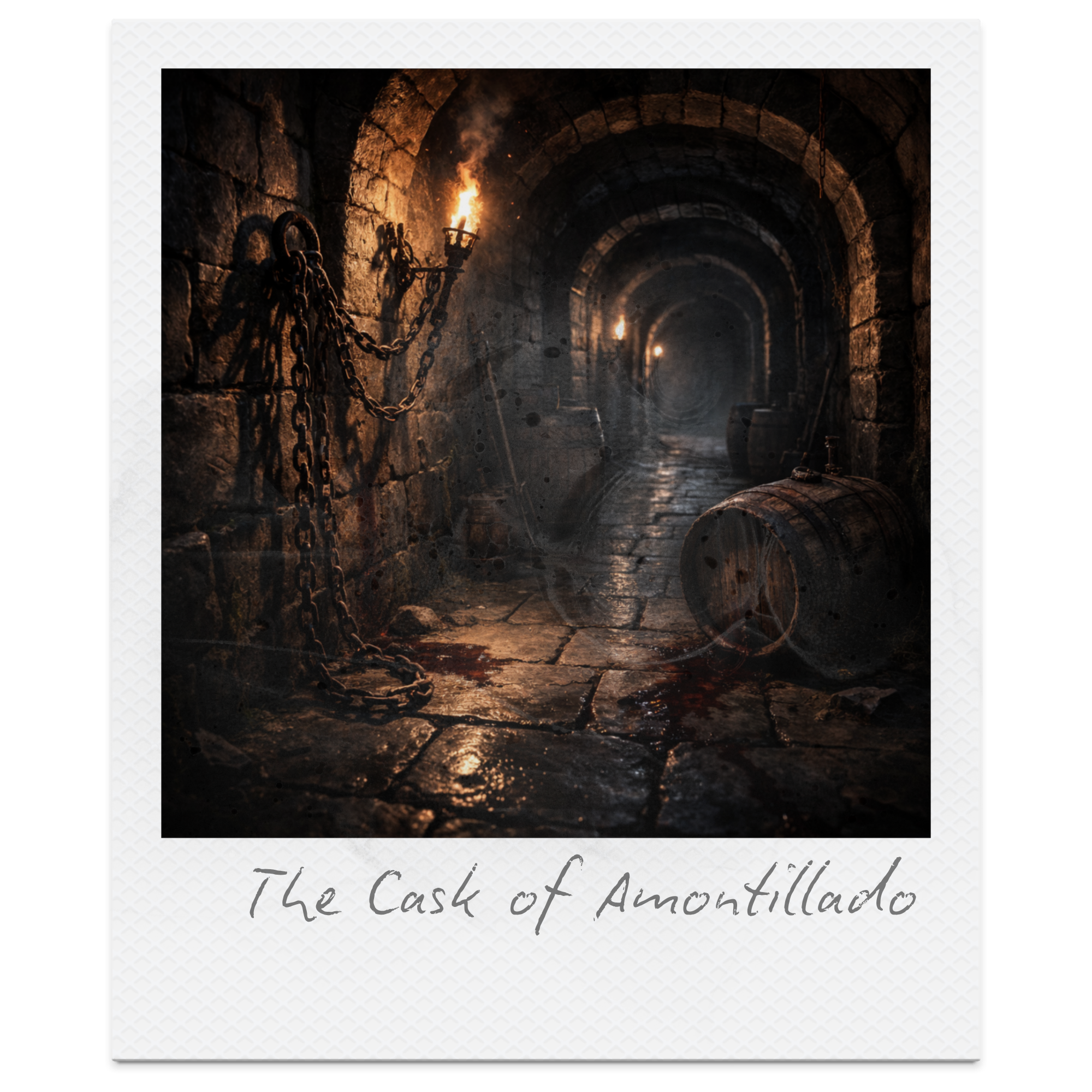
The Cask of Amontillado by Edgar Allan Poe is a chilling work of gothic fiction that explores revenge, pride, and psychological manipulation through one of literature’s most disturbingly controlled narrators. Set against the deceptive brightness of carnival and the suffocating darkness of the catacombs, the story follows Montresor as he carefully lures Fortunato toward a fate that feels both inevitable and horrifying. Poe’s use of irony, symbolism, and setting creates a narrative where every detail contributes to a growing sense of tension and unease. At its core, the story examines how power and deception can operate beneath the surface of civility, raising unsettling questions about justice, morality, and human psychology. With its unreliable narrator and claustrophobic setting, The Cask of Amontillado invites readers to question what is true, what is justified, and how easily violence can be hidden behind a mask of reason.

The Black Cat by Edgar Allan Poe: Summary, Themes, Symbolism, Madness & Analysis
The Black Cat by Edgar Allan Poe is a chilling exploration of madness, guilt, and moral corruption, following a narrator who insists on his sanity while recounting his descent into violence, alcoholism, and psychological collapse. What begins as a domestic narrative of companionship and affection quickly deteriorates into something far darker, as acts of cruelty escalate into murder. Through its intense first-person voice and disturbing imagery, the story exposes the fragile boundary between reason and irrationality, forcing readers to question whether the true horror lies in supernatural forces or within the human mind itself. This post explores The Black Cat in depth, including a clear summary, detailed analysis of themes and symbolism, key quotes, and alternative interpretations to support both teaching and study. With a focus on narrative voice, psychological instability, and Gothic conventions, it provides everything needed to confidently approach the text in the classroom or for exam preparation, while encouraging deeper discussion around guilt, perverseness, and the nature of human behaviour.