The Pit and the Pendulum by Edgar Allan Poe: Summary, Themes, Symbolism & Analysis
The Pit and the Pendulum by Edgar Allan Poe is a harrowing work of Gothic fiction that explores fear, torture, and psychological endurance under extreme conditions. Through the narrator’s experience of imprisonment and near execution, Poe examines the limits of the human mind when confronted with terror, time, and inevitable death.
Beyond its surface narrative of physical danger, the story delves into psychological horror, perception, and survival, using shifting sensations and distorted reality to immerse the reader in the narrator’s suffering. Its intense focus on fear as both mental and physical experience makes it one of Poe’s most powerful explorations of human vulnerability. For further study of these themes across his work, explore the Edgar Allan Poe Hub and the Literature Library.

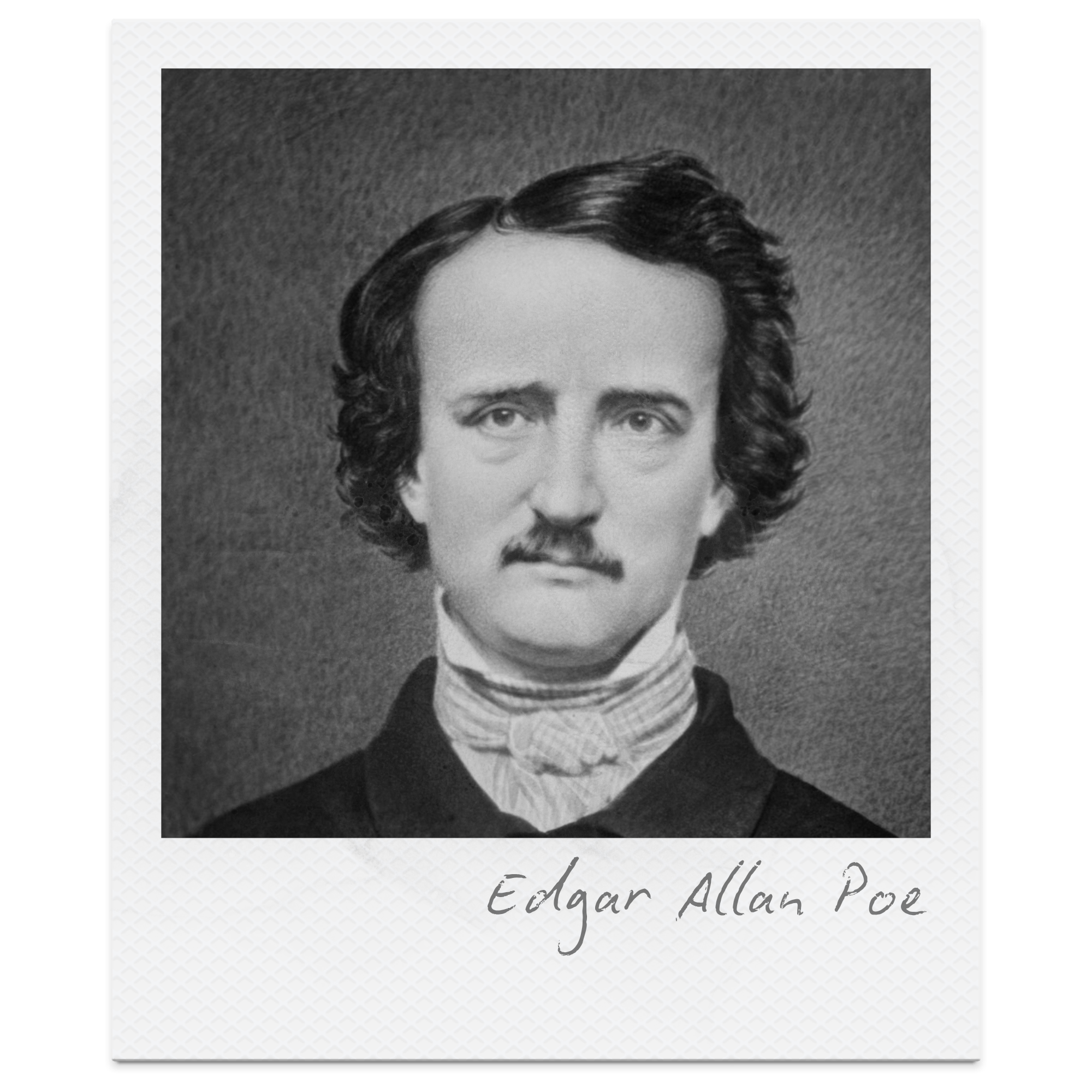
Context of The Pit and the Pendulum
The Pit and the Pendulum reflects Edgar Allan Poe’s fascination with psychological extremity, fear, and the limits of human endurance. Written during the height of his gothic output, the story moves away from crime or confession and instead focuses almost entirely on sensation and survival, immersing the reader in the narrator’s physical and mental suffering. Poe’s emphasis on subjective experience—how terror is felt rather than simply described—aligns with his broader aim of creating a single, overwhelming emotional effect.
The story is loosely set during the Spanish Inquisition, a historical context associated with religious persecution, torture, and absolute authority. However, Poe is less concerned with historical accuracy than with using this setting as a backdrop for exploring fear, control, and psychological torture. The dungeon, the pit, and the pendulum become symbolic instruments of power, reflecting how institutions manipulate both body and mind. This context deepens the story’s themes of powerlessness, mortality, and the fragility of human perception. For a broader understanding of Poe’s influences and thematic concerns, see the Edgar Allan Poe Context Post
The Pit and the Pendulum: At a Glance
Form: Short story / Gothic fiction
Mood: Claustrophobic, terrifying, oppressive
Central tension: A condemned prisoner struggles to survive psychological and physical torture in a dungeon designed to break him
Core themes: Fear and psychological horror, power and control, death and mortality, perception and reality, survival and endurance, time as torture
One-sentence meaning: The story reveals how fear, time, and uncertainty can become more powerful forms of torture than death itself, exposing the limits and resilience of the human mind.
Quick Summary of The Pit and the Pendulum
The Pit and the Pendulum follows an unnamed narrator who has been condemned during the Spanish Inquisition and awakens in total darkness, unsure of his fate. As he regains consciousness, he cautiously explores his surroundings and discovers that he is trapped in a dungeon. His attempts to understand the space lead him to the edge of a hidden pit, revealing that his captors are using psychological terror and uncertainty as part of his punishment.
After being drugged and restrained, the narrator finds himself bound beneath a descending pendulum blade, designed to slowly kill him. Using his remaining strength and ingenuity, he smears food on his bonds to attract rats, which gnaw through the straps and allow him to escape just before the blade reaches him. However, his ordeal is not over, as the walls of the dungeon begin to heat and close in, forcing him toward the deadly pit.
In the final moments, as he faces inevitable death, the narrator is suddenly rescued by the arrival of the French army, which has overtaken the Inquisition. The story ends with his survival, but the experience leaves a lasting impression of the overwhelming power of fear, control, and human endurance in the face of extreme suffering.
Title, Form, Structure, and Narrative Voice of The Pit and the Pendulum
This section explores how Edgar Allan Poe constructs meaning through title, structure, and voice, showing how the story’s form mirrors its themes of fear, time, and psychological torture. In this text, narrative progression is inseparable from experience—every stage of the structure intensifies the reader’s immersion in the narrator’s suffering.
Title
The title The Pit and the Pendulum immediately foregrounds the two central instruments of torture, reducing the narrative to its most essential elements. Both the pit and the pendulum function symbolically: the pit represents sudden, unknown death, while the pendulum embodies slow, inevitable destruction over time.
Together, they encapsulate the dual nature of fear in the story—the terror of the unknown versus the terror of anticipation—establishing from the outset that death will come not as a single moment, but as a prolonged psychological ordeal.
Epigraph (Latin Quatrain)
The Latin epigraph that opens the story frames its themes of violence, justice, and liberation before the narrative even begins. Roughly translated, it describes how a place once associated with innocent bloodshed and torture has been destroyed, allowing life and safety to emerge where death once ruled.
This is crucial because it foreshadows the story’s ending: although the narrator experiences extreme suffering, the arrival of the French army signals the collapse of the Inquisition’s power. The epigraph therefore positions the narrative within a broader movement from oppression to liberation, reinforcing themes of power, cruelty, and eventual justice.
At the same time, the contrast between this hopeful framing and the narrator’s prolonged torment creates dramatic irony. The reader is promised release, but must endure the full intensity of psychological and physical horror before that resolution is realised.
Form and Structure
Poe structures the story as a linear, first-person survival narrative, but its progression is tightly controlled to maximise tension. The narrative unfolds through distinct stages that mirror both physical danger and psychological escalation:
Exposition:
The story opens with the narrator’s trial and immediate descent into unconsciousness. This fragmented beginning reflects his disorientation and establishes the central conflict: he is condemned, but does not yet know how or when he will die.
Rising Action (Exploration and Uncertainty):
The narrator awakens in darkness and begins to explore his environment. This stage is dominated by sensory confusion and fear, as he discovers the dungeon and narrowly avoids falling into the pit. Tension builds through uncertainty and imagination, as the threat is not yet fully visible.
Rising Action (Physical Threat Intensifies):
The introduction of the pendulum marks a shift from psychological to physical danger. The slow descent of the blade creates sustained tension, as time itself becomes a weapon. This stage emphasises anticipation and helplessness, stretching the moment of danger across an extended period.
Climax:
The narrator escapes the pendulum using the rats, but this victory is immediately undercut by the transformation of the dungeon. The walls heat and close in, forcing him toward the pit. The climax occurs as he faces inescapable death, trapped between two horrors.
Resolution:
At the final moment, the narrator is rescued by the arrival of the French army. This abrupt resolution contrasts sharply with the prolonged tension of the narrative, highlighting the arbitrary nature of life, death, and survival.
Narrative Voice
The story is told through a first-person retrospective narrator, allowing direct access to his thoughts and sensations. This perspective intensifies the reader’s experience of fear and disorientation, as we are confined entirely within his consciousness.
The narrator is not unreliable in the traditional sense, but his perception is shaped by extreme physical and psychological stress, meaning reality is filtered through panic, confusion, and heightened sensitivity. This creates a blurred boundary between objective events and subjective experience.
The tone shifts throughout the narrative—from reflective and analytical to frantic and desperate—mirroring the narrator’s mental state as he moves from reason to terror and back again.
Setting as Structure
In this story, setting is not just a backdrop—it drives the entire narrative structure. Each stage of the plot is defined by a change in the environment: darkness, the pit, the pendulum, and the closing walls.
The dungeon operates as a physical manifestation of the narrator’s psychological state. As the setting becomes more confined and hostile, his mental state becomes increasingly unstable. The space itself enforces the progression from uncertainty → fear → panic → desperation.
Poe’s use of setting transforms the narrative into a sequence of controlled, escalating trials, where the environment dictates both the action and the emotional experience. In this way, the story exemplifies how space and psychology are inseparable, reinforcing the idea that the true horror lies not only in what happens, but in how it is perceived.
Setting of The Pit and the Pendulum
The setting of The Pit and the Pendulum is one of the most powerful elements of the story, functioning not just as a backdrop, but as an active force that shapes the narrator’s psychological state and the reader’s experience of fear. The dungeon is deliberately designed to disorient, manipulate, and terrorise, making it inseparable from the themes of control, perception, and suffering.
Physical Description
The narrator awakens in total darkness, unable to see the boundaries of his prison:
“The blackness of eternal night encompassed me.”
This absence of sight immediately destabilises both the narrator and the reader. The space is initially undefined, forcing him to rely on touch and movement to understand his surroundings. As he explores, he discovers the enclosing walls:
“It was a wall, seemingly of stone masonry — very smooth, slimy, and cold.”
The texture of the environment reinforces its hostility. It is not just a prison, but a space that feels unnatural and oppressive. The eventual revelation of the dungeon’s structure introduces its most significant feature:
“I had fallen at the very brink of a circular pit.”
The pit represents a hidden, ever-present threat, transforming the space into something treacherous and unstable.
Later, when light is introduced, the dungeon becomes even more disturbing:
“The entire surface of this metallic enclosure was rudely daubed in all the hideous and repulsive devices… fiends in aspects of menace, with skeleton forms.”
What was once invisible horror becomes visible, intensifying rather than relieving fear.
Atmosphere
The atmosphere of the dungeon is defined by darkness, claustrophobia, and sensory overload. The narrator describes how the darkness itself feels physical:
“The intensity of the darkness seemed to oppress and stifle me.”
This transforms the setting into something suffocating, where even breathing becomes difficult. As the narrative progresses, the atmosphere shifts from silence to mechanical threat with the introduction of the pendulum:
“It swung with a steady, measured movement.”
The regularity of this motion creates a new kind of terror—one rooted in time and inevitability rather than sudden shock.
Later, the dungeon becomes actively hostile as heat and light overwhelm the space:
“A suffocating odour pervaded the prison!”
“A richer tint of crimson diffused itself over the pictured horrors of blood.”
The environment begins to close in, transforming the atmosphere from passive dread into active torture.
Symbolic Meaning
The setting symbolises the narrator’s internal experience of fear, uncertainty, and loss of control. The darkness reflects his lack of knowledge and power, while the pit represents the unknown abyss of death—a danger that exists even when unseen.
The pendulum introduces a different symbolic layer: time as a weapon. Its slow descent mirrors the narrator’s psychological deterioration, turning anticipation into torture.
The shifting walls and rising heat represent the ultimate collapse of control. The environment itself becomes an instrument of authority, forcing the narrator toward destruction. This reinforces the idea that the Inquisition’s power operates not just through physical punishment, but through manipulation of space and perception.
Environment ↔ Psychology
Poe’s most powerful technique in this story is the fusion of setting and mind. The dungeon does not simply contain the narrator—it reshapes his thoughts, emotions, and sense of reality.
At first, the darkness produces confusion and dread. As the narrator begins to understand the space, fear becomes more specific, but also more intense. By the time the pendulum descends, the setting has fully taken control, dictating his thoughts and reactions.
Ultimately, the dungeon reflects the narrator’s psychological journey: from uncertainty → terror → desperation → near madness. The environment is not separate from this process—it is the mechanism through which it occurs.
In The Pit and the Pendulum, space is not passive. It is the story’s primary weapon.
Characters in The Pit and the Pendulum
The characters in The Pit and the Pendulum are deliberately limited, allowing Edgar Allan Poe to focus intensely on the narrator’s psychological experience. Rather than a traditional cast, the story centres on one consciousness under pressure, while authority figures remain distant, faceless, and symbolic.
The Narrator
The narrator is an unnamed victim of the Inquisition, and the entire story is filtered through his subjective, first-person perspective. His role is not simply to recount events, but to embody the experience of terror, endurance, and psychological breakdown.
From the opening, he is already on the edge of collapse:
“I was sick — sick unto death with that long agony.”
This establishes him as physically and mentally vulnerable, immediately positioning the reader within a state of instability.
As the story progresses, his fear becomes increasingly internalised. When he first awakens in darkness, his terror is not just of what is there, but of what might not be:
“I dreaded the first glance at objects around me… lest there should be nothing to see.”
This moment reveals his deeply psychological fear—he is as afraid of emptiness and uncertainty as he is of physical danger.
Despite this, the narrator also demonstrates remarkable resilience and rationality. He repeatedly attempts to analyse his situation:
“I brought to mind the inquisitorial proceedings, and attempted from that point to deduce my real condition.”
This analytical instinct becomes his survival mechanism. Even in extreme distress, he clings to logic as a way of maintaining control.
However, this control is fragile. As the pendulum descends, his mental state begins to fracture:
“I laughed and howled as the one or the other idea grew predominant.”
This oscillation between hysteria and despair reflects the psychological toll of prolonged terror.
Ultimately, the narrator represents both human vulnerability and endurance. He is not heroic in a traditional sense, but his survival depends on his ability to think, adapt, and resist psychological collapse.
The Inquisitors / Judges
The judges of the Inquisition are presented briefly at the beginning, but their impact dominates the entire story. They are not developed as individuals; instead, they function as embodiments of absolute authority and impersonal cruelty.
Their appearance is described in disturbing, almost surreal detail:
“I saw the lips of the black-robed judges… thin even to grotesqueness; thin with the intensity of their expression of firmness — of immoveable resolution.”
This description strips them of humanity, reducing them to symbols of rigid, merciless power.
Crucially, they are associated with silence and distance. The narrator sees them speak, but cannot hear them:
“I saw them fashion the syllables of my name; and I shuddered because no sound succeeded.”
This disconnect reinforces their role as agents of fate rather than people. They do not engage with the narrator—they pass judgment and disappear.
Psychologically, they represent unquestionable authority. The narrator does not resist them directly; instead, he internalises their power, which continues to shape his fear throughout the narrative.
The “Tormentors” (Unseen Agents of the Inquisition)
Beyond the judges, there are unseen figures who control the mechanisms of torture—the ones who design and operate the dungeon.
Although never directly described, their presence is constantly implied:
“I could not doubt the doom prepared for me by monkish ingenuity in torture.”
These figures are more terrifying precisely because they are invisible. Their power is total and omnipresent, controlling every aspect of the narrator’s environment.
They manipulate the setting itself—darkness, the pit, the pendulum, the heated walls—turning space into a weapon. This suggests a form of cruelty that is calculated rather than impulsive.
Symbolically, they represent systematic, institutionalised violence. They are not driven by emotion, but by design, reinforcing the idea that the narrator is trapped within a system rather than facing a single antagonist.
General Lasalle
At the very end of the story, a new figure appears—General Lasalle—representing rescue and external intervention.
“An outstretched arm caught my own as I fell… It was that of General Lasalle.”
Unlike the other figures in the story, Lasalle is associated with action, movement, and liberation. His arrival breaks the closed, oppressive system of the dungeon.
Symbolically, he represents historical change and the collapse of tyranny. The French army’s intervention suggests that the Inquisition’s power is not absolute, even if it feels so within the narrator’s experience.
Psychological and Symbolic Overview
Rather than functioning as a traditional cast, the characters in The Pit and the Pendulum operate on a symbolic level:
◆ The narrator represents the human mind under extreme pressure
◆ The judges represent cold, impersonal authority
◆ The unseen tormentors represent systematic cruelty and control
◆ General Lasalle represents intervention, liberation, and the return of reality
Together, they create a narrative where character is less about interaction and more about power, perception, and survival.
Themes in The Pit and the Pendulum
The themes of The Pit and the Pendulum are tightly interwoven, creating a sustained exploration of psychological terror, control, and human endurance. Edgar Allan Poe shifts the focus away from external horror and instead reveals how fear operates within the mind, shaping perception, time, and survival.
Fear and Psychological Horror
Fear in the story is rooted in uncertainty and anticipation, rather than immediate danger. The narrator awakens into total darkness—“The blackness of eternal night encompassed me”—and this absence of knowledge becomes more terrifying than any visible threat. As the narrative develops, fear intensifies through delay and inevitability. The pendulum’s movement—“Down — steadily down it crept”—transforms time into a source of dread, forcing the narrator to endure the psychological agony of waiting. Poe constructs horror as an internal experience, where the mind amplifies fear beyond the physical environment.
Power and Control
The story presents a world dominated by absolute power and complete loss of autonomy. From the moment of sentencing—“The sentence — the dread sentence of death — was the last of distinct accentuation which reached my ears”—the narrator is stripped of agency. The Inquisition exerts control not just through imprisonment, but through the manipulation of space and experience. The narrator realises that “my every motion was undoubtedly watched,” reinforcing the idea of constant surveillance. The dungeon itself becomes a tool of control, demonstrating how authority operates through calculated psychological domination rather than direct confrontation.
Death and Mortality
Death and mortality are ever-present, but never immediate. Instead, death is prolonged, fragmented, and repeatedly anticipated. At one point, the narrator briefly considers death as relief—“the thought of what sweet rest there must be in the grave”—but this idea is quickly undermined by the reality of his situation. The pit, the pendulum, and the enclosing walls each represent different forms of death, forcing him to confront mortality again and again. Poe transforms death into an ongoing psychological condition, where the fear of dying becomes as significant as death itself.
Perception and Reality
The narrator’s experience is shaped by unstable and unreliable perception, blurring the boundary between what is real and what is imagined. Early in the narrative, his senses distort what he sees—“I saw; but with how terrible an exaggeration!”—turning the judges into grotesque figures. Later, darkness removes sight altogether, leaving him dependent on touch and inference. Even when light is introduced, it reveals horrors rather than clarity—“the figures of fiends… overspread and disfigured the walls.” Reality becomes inseparable from fear, suggesting that perception itself is shaped by psychological distress.
Survival and Endurance
Despite overwhelming terror, the narrator demonstrates a powerful instinct for survival and endurance. He repeatedly attempts to impose logic on his situation—“I attempted… to deduce my real condition”—using reasoning as a way to maintain control. Even in moments of extreme weakness, he adapts and strategises, as seen when he uses the rats to escape: “With the particles of the oily and spicy viand… I thoroughly rubbed the bandage.” Survival in the story is not heroic, but desperate and calculated, showing that endurance depends on the ability to think and act under psychological pressure.
Time as Torture
Time is transformed into a mechanism of torture, most clearly through the pendulum. The narrator becomes acutely aware of each passing moment—“I counted the rushing vibrations of the steel”—as time is measured not in minutes, but in proximity to death. The slow, deliberate descent of the blade forces him to experience every second of anticipation. Rather than offering progress or escape, time becomes oppressive, turning duration itself into suffering.
The Body vs the Mind
A key underlying tension in the story is the conflict between physical restraint and mental resistance. The narrator’s body is bound and weakened, yet his mind continues to analyse, adapt, and resist. Even when he is physically immobilised, his thoughts remain active, allowing him to survive. This contrast highlights Poe’s central idea: while the body can be controlled and tortured, the mind remains a space of struggle, resilience, and, ultimately, survival.
Key Quotes from The Pit and the Pendulum
The key quotes in The Pit and the Pendulum reveal how Edgar Allan Poe constructs psychological horror, control, and survival through language. Each moment reflects the narrator’s shifting mental state as he moves from confusion to terror to desperate endurance.
Fear and Psychological Horror
“The blackness of eternal night encompassed me.”
◆ Imagery – The absolute darkness creates a sense of total sensory deprivation
◆ Meaning – Fear emerges from the unknown rather than visible threat
◆ Effect – The reader shares the narrator’s disorientation and anxiety
“Down — steadily down it crept.”
◆ Repetition – The repeated “down” mirrors the pendulum’s relentless motion
◆ Meaning – Fear is prolonged and inevitable rather than sudden
◆ Effect – Builds sustained tension and psychological dread
Power and Control
“The sentence — the dread sentence of death — was the last of distinct accentuation which reached my ears.”
◆ Repetition – “Sentence” emphasises the finality of judgment
◆ Meaning – The narrator is stripped of agency from the outset
◆ Effect – Establishes the dominance of external authority
“My every motion was undoubtedly watched.”
◆ Declarative tone – Certainty reinforces paranoia and surveillance
◆ Meaning – The narrator exists under total control
◆ Effect – Creates a sense of inescapable oppression
Death and Mortality
“The thought of what sweet rest there must be in the grave.”
◆ Contrast – Death is framed as peaceful rather than terrifying
◆ Meaning – Suffering makes death appear desirable
◆ Effect – Highlights the extremity of the narrator’s torment
“I saw clearly the doom which had been prepared for me.”
◆ Foreshadowing – Anticipates the narrator’s near-death experience
◆ Meaning – Death is inevitable but deliberately delayed
◆ Effect – Reinforces the cruelty of prolonged suffering
Perception and Reality
“I saw; but with how terrible an exaggeration!”
◆ Exclamatory tone – Signals instability and heightened emotion
◆ Meaning – The narrator’s perception is distorted by fear
◆ Effect – Undermines trust in his account
“The figures of fiends… overspread and disfigured the walls.”
◆ Gothic imagery – Supernatural and grotesque visuals dominate the space
◆ Meaning – Reality becomes inseparable from nightmare
◆ Effect – Intensifies the psychological horror
Survival and Endurance
“I attempted… to deduce my real condition.”
◆ Analytical diction – Suggests rational thought under pressure
◆ Meaning – The narrator uses logic as a survival tool
◆ Effect – Creates tension between reason and fear
“With the particles of the oily and spicy viand… I thoroughly rubbed the bandage.”
◆ Practical detail – Focus on action and strategy
◆ Meaning – Survival depends on ingenuity and adaptation
◆ Effect – Shows the shift from passive fear to active resistance
Time as Torture
“I counted the rushing vibrations of the steel.”
◆ Numerical focus – Emphasises the measurement of time
◆ Meaning – Time is directly linked to approaching death
◆ Effect – Heightens suspense through inevitability
“Days passed — it might have been that many days passed.”
◆ Ambiguity – Uncertainty about time reflects disorientation
◆ Meaning – Time becomes distorted under psychological stress
◆ Effect – Reinforces the narrator’s loss of control
The Body vs the Mind
“I laughed and howled as the one or the other idea grew predominant.”
◆ Juxtaposition – Contrasts opposing emotional responses
◆ Meaning – The narrator’s mind is fragmenting under pressure
◆ Effect – Illustrates psychological breakdown
“With a more than human resolution I lay still.”
◆ Hyperbole – Suggests extreme mental strength
◆ Meaning – Survival depends on controlling instinct and fear
◆ Effect – Highlights the tension between physical vulnerability and mental endurance
Key Techniques in The Pit and the Pendulum
Poe’s craft in The Pit and the Pendulum lies in his ability to transform physical torture into psychological experience. Edgar Allan Poe uses a range of techniques to create tension, manipulate perception, and immerse the reader in the narrator’s fear.
◆ First-Person Narrative Voice – The story is told through a deeply subjective perspective, placing the reader inside the narrator’s mind. This creates immediacy and limits understanding to his perceptions, reinforcing uncertainty and psychological instability.
◆ Unreliable Perception – The narrator’s senses are distorted by fear, as seen when he admits, “I saw; but with how terrible an exaggeration!”. This blurs the line between reality and imagination, making the horror more disorienting and internal.
◆ Symbolism – Key elements of the setting function symbolically: the pit represents the unknown and hidden death, the pendulum represents time and inevitable mortality, and the closing walls symbolise inescapable control. Together, they reflect the narrator’s psychological entrapment.
◆ Imagery (Sensory Detail) – Poe uses vivid descriptions of darkness, texture, sound, and heat to create an immersive atmosphere. Phrases like “the blackness of eternal night” and “a suffocating odour” engage multiple senses, intensifying the reader’s physical and emotional response.
◆ Repetition – Repeated words and phrases, such as “down — steadily down,” mirror the pendulum’s motion and emphasise inevitability. This reinforces the theme of time as torture and builds sustained tension.
◆ Pacing and Structural Delay – The narrative slows down during moments of danger, particularly with the pendulum. This elongation of time forces both narrator and reader to experience prolonged anticipation, heightening psychological suspense.
◆ Setting as Structure – The dungeon is not static; it changes form and function throughout the story. Each new stage (darkness → pit → pendulum → heated walls) represents a progression of torture, showing how environment controls narrative and meaning.
◆ Juxtaposition – Poe contrasts moments of calm reasoning with extreme panic, such as the narrator shifting from analysis to hysteria. This highlights the tension between logic and fear, reinforcing the instability of the mind under pressure.
◆ Sound Devices – Subtle auditory imagery, like the “hissing” of the pendulum or the “tumultuous motion of the heart,” amplifies tension. Sound becomes a reminder of both time passing and physical vulnerability.
◆ Gothic Atmosphere – Traditional Gothic elements—darkness, confinement, decay, and unseen forces—create a mood of dread. However, Poe intensifies this by grounding it in psychological experience rather than supernatural events.
◆ Foreshadowing – Early hints of danger, such as the narrator’s fear of unseen horrors, prepare the reader for later revelations like the pit and pendulum. This builds a sense of inevitability and reinforces the theme of predetermined fate.
◆ Internal Monologue and Stream of Consciousness – The narrator’s thoughts move rapidly between memory, reasoning, and panic. This fragmented thinking reflects his deteriorating mental state and immerses the reader in his psychological struggle.
These techniques work together to create a story where horror is not just experienced physically, but internally—through time, perception, and the mind itself.
Alternative Interpretations of The Pit and the Pendulum
The ambiguity of The Pit and the Pendulum allows it to be read through multiple critical lenses. Edgar Allan Poe constructs a narrative that can function as both a literal account of torture and a symbolic exploration of the mind under pressure.
Psychological Interpretation: Mind Under Extreme Stress
From a psychological lens, the story can be read as a depiction of a mind experiencing extreme trauma, potentially showing signs of dissociation, hallucination, or fragmented consciousness. The narrator repeatedly questions his own perception—“I saw; but with how terrible an exaggeration!”—suggesting that what he experiences may not be entirely reliable. The dungeon, the pit, and the pendulum can be interpreted as manifestations of internal fear, with the narrative representing a psychological breakdown rather than a strictly physical reality.
Gothic Interpretation: Fear, Confinement, and the Sublime
Through a Gothic lens, the story exemplifies classic elements of confinement, terror, and overwhelming power. The dungeon becomes a quintessential Gothic space—dark, enclosed, and filled with hidden dangers. The emphasis on sensory deprivation and slow, escalating horror reflects the Gothic fascination with the sublime, where fear becomes almost overwhelming in its intensity. The narrator’s helplessness reinforces the genre’s focus on human vulnerability in the face of uncontrollable forces.
Political Interpretation: Oppression and Institutional Power
A political reading positions the story as a critique of authoritarian systems and institutionalised violence. The Inquisition represents absolute power, operating without accountability or humanity. The narrator’s lack of agency—“my every motion was undoubtedly watched”—mirrors the experience of individuals under oppressive regimes. The final rescue by General Lasalle suggests the possibility of liberation, linking the story to broader historical shifts and the collapse of tyrannical institutions.
Existential Interpretation: Confronting Death and Meaning
From an existential perspective, the story explores the individual’s confrontation with death, meaning, and the limits of human control. The narrator’s awareness of his mortality intensifies throughout the narrative, particularly as he anticipates the pendulum’s descent. His struggle to survive becomes a struggle to assert meaning in a situation defined by inevitability. The story raises questions about whether human resilience has value when faced with unavoidable death.
Psychoanalytic Interpretation: The Divided Self and Inner Conflict
A psychoanalytic lens can interpret the story as a representation of internal conflict within the self. The forces that torture the narrator may symbolise aspects of his own psyche—particularly repression, guilt, or unconscious fear. The pendulum’s slow approach toward the heart suggests an attack on the self’s core identity, while the pit represents a deeper, unconscious abyss. The narrator’s fluctuating mental state reflects a struggle between rational control and overwhelming instinct.
Reader-Response Interpretation: Fear as Personal Experience
From a reader-response perspective, the story’s power lies in how it invites readers to project their own fears onto the narrative. The lack of specific detail about the narrator’s crime or identity allows the experience to feel universal. The emphasis on sensory experience—darkness, confinement, time—means that each reader engages with the story through their own imagination, making the horror deeply personal.
Together, these interpretations demonstrate that The Pit and the Pendulum is not limited to a single meaning. Instead, it operates across multiple levels, exploring psychology, power, mortality, and perception in ways that remain open to interpretation.
Teaching Ideas for The Pit and the Pendulum
The Pit and the Pendulum is ideal for exploring psychological horror, narrative control, and the relationship between setting and mind. Its intensity makes it particularly effective for both analytical writing and creative application.
1. Exploring Fear Through Structure
This activity helps students move beyond plot and focus on how fear is deliberately constructed across the narrative.
◆ How does the story move from darkness → pit → pendulum → heated walls?
◆ Where does tension increase most sharply, and why?
◆ How does Poe manipulate pacing to prolong fear rather than resolve it?
2. Power, Control, and Surveillance
This discussion encourages students to examine how power operates invisibly throughout the story.
◆ How is control exerted without direct human interaction?
◆ Why are the torturers unseen, and what effect does this have?
◆ How does the setting act as a form of power rather than just a location?
3. Analytical Paragraph + Peer Marking
This task develops precise analytical writing, focusing on the connection between setting and psychological experience.
Task:
Write one paragraph analysing how Poe presents psychological horror through setting.
Model Analytical Paragraph
In The Pit and the Pendulum, Edgar Allan Poe presents psychological horror through setting, using darkness and confinement to mirror the narrator’s mental state. At the beginning of the story, the narrator describes how “the blackness of eternal night encompassed me,” using totalising imagery to create a sense of absolute isolation and disorientation. This suggests that fear is not caused by what is seen, but by what is unknown, as the absence of light forces the narrator to rely on imagination rather than reality. As the story progresses, the setting becomes more actively threatening, particularly with the introduction of the pendulum, which “down — steadily down it crept.” The repetition of “down” reflects the slow, inevitable passage of time, transforming the environment into a mechanism of torture. This reinforces the idea that the narrator’s fear is prolonged and psychological rather than immediate. Ultimately, Poe uses the setting not just as a backdrop, but as a reflection of the narrator’s deteriorating mind, showing how external space and internal experience become inseparable.
Success criteria:
◆ Embedded quotation
◆ Clear focus on technique (e.g. imagery, symbolism, structure)
◆ Link between setting and psychology
◆ Developed explanation of effect
Peer marking:
Students exchange paragraphs and identify:
◆ one strength
◆ one precise improvement
4. Debate
This activity allows students to engage with the story’s interpretive ambiguity and competing readings.
Motion: The narrator’s greatest enemy is his own mind, not the Inquisition.
◆ Students prepare arguments for and against
◆ Use textual evidence to support ideas
◆ Consider whether fear is external or internally constructed
5. Creative Writing Extension
This task applies Poe’s techniques, allowing students to create their own atmosphere-driven Gothic narrative.
Links for inspiration: Gothic Writing Hub, Creative Writing Archive
Task:
Write a short Gothic narrative where a character is trapped in a confined space. The threat should not be immediate, but slowly revealed over time.
You might focus on:
◆ A hidden danger that is gradually discovered
◆ A setting that changes or becomes more threatening
◆ A character whose perception becomes unreliable
Go Deeper into The Pit and the Pendulum
If you’re exploring The Pit and the Pendulum in more depth, it’s worth situating it within Edgar Allan Poe’s wider body of work and comparing how different writers approach psychological horror, control, and the human mind under pressure. You can extend this further through our Best Poe Texts for the Classroom post, which helps contextualise where this story sits within his most teachable and thematically rich works.
◆ The Tell-Tale Heart – Both stories explore psychological intensity and unreliable perception, but while The Tell-Tale Heart focuses on internal guilt, The Pit and the Pendulum externalises fear through setting and physical threat.
◆ The Fall of the House of Usher – In both texts, setting reflects psychological state, but Usher develops this through atmosphere and decay, whereas The Pit and the Pendulum turns the environment into an active instrument of torture.
◆ The Masque of the Red Death – Both stories explore inevitability of death, but while Masque presents death as inescapable across society, The Pit and the Pendulum focuses on the individual’s prolonged confrontation with mortality.
◆ 1984 by George Orwell – Offers a powerful comparison for power, surveillance, and psychological control, where authority manipulates both environment and perception to dominate the individual.
◆ The Handmaid's Tale by Margaret Atwood – Explores institutional control and enforced power structures, showing how individuals are psychologically shaped and constrained by oppressive systems.
◆ The Yellow Wallpaper by Charlotte Perkins Gilman – Like Poe’s story, this text examines confinement and mental deterioration, with the setting acting as a catalyst for psychological breakdown.
Together, these comparisons help position The Pit and the Pendulum within a broader tradition of literature that explores fear, control, and the fragility of human perception, making it a powerful text for both analytical study and thematic exploration.
Choose Your Next Text