Notes from the Inkpot
Writing, teaching, creating - one ink-stained idea at a time.


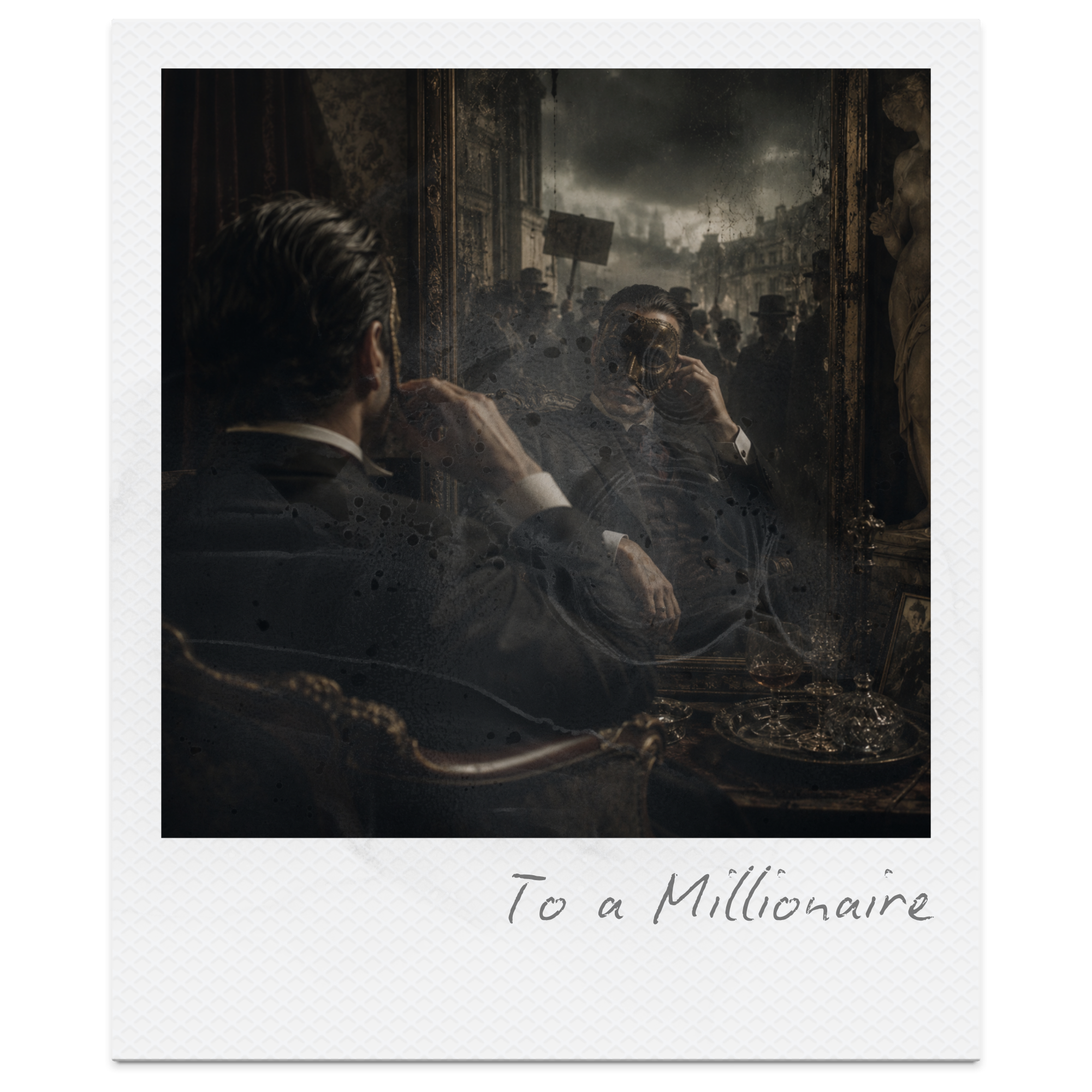
To a Millionaire by A. R. D. Fairburn: Power, Wealth and Corruption
A detailed analysis of To a Millionaire by A. R. D. Fairburn, exploring themes of wealth, corruption, class inequality, exploitation, social injustice, moral responsibility, mortality, power, and decline. Includes context, summary, stanza-by-stanza analysis, key quotations, symbolism, literary techniques, alternative interpretations, anthology comparisons, exam insights, and teaching ideas for CIE AS Level English Literature.
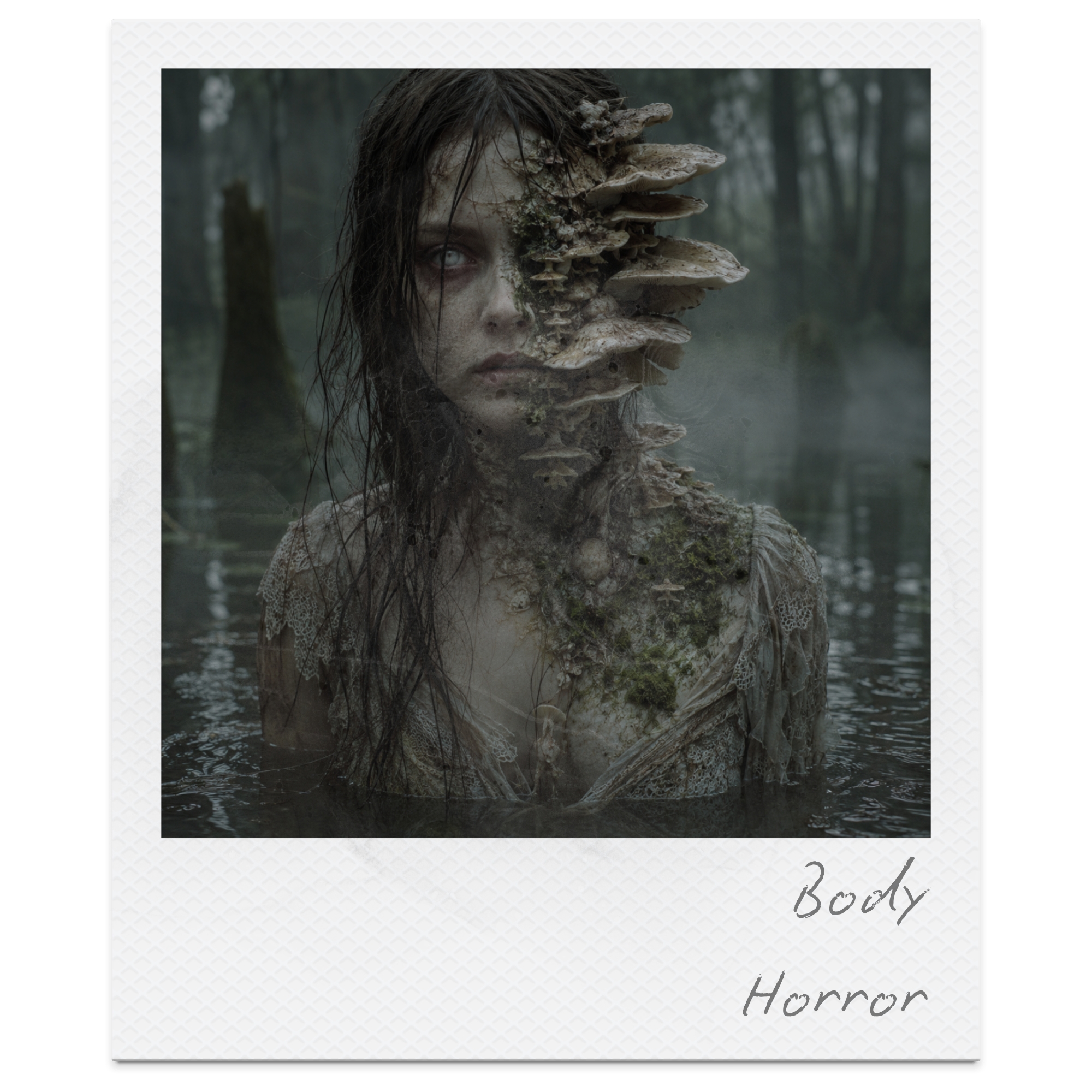
70 Body Horror Writing Prompts: Transformation, Mutation & Physical Terror
Body horror explores fear through physical transformation, mutation, disease, infection, and the terrifying loss of control over the human body. From Frankenstein and The Fly to Annihilation and The Thing, body horror uses flesh, anatomy, and biological corruption to create stories shaped by physical dread and psychological unease. These 70 Body Horror Writing Prompts explore mutation, parasitic infection, surgical horror, experimental science, bodily distortion, and the terrifying collapse of bodily autonomy through plot hooks, title ideas, opening lines, character concepts, settings, and cinematic visual prompts designed for unsettling horror storytelling.
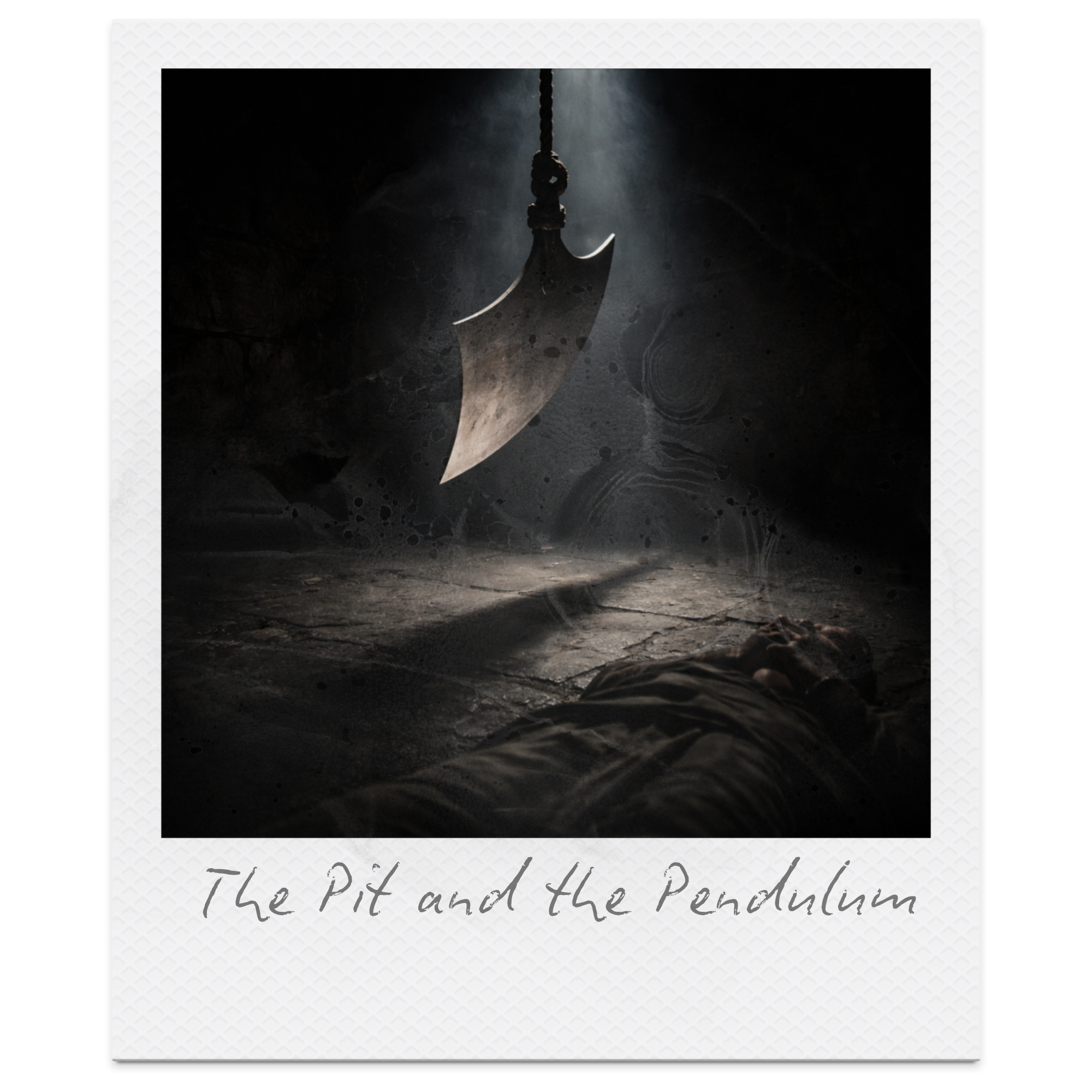
The Pit and the Pendulum by Edgar Allan Poe: Summary, Themes, Symbolism & Analysis
The Pit and the Pendulum by Edgar Allan Poe is a chilling exploration of psychological horror, fear, and survival under extreme control. Set within the terrifying world of the Inquisition, the story follows a condemned narrator trapped in a shifting dungeon where darkness, hidden dangers, and calculated torture push him to the brink of madness. Rather than relying on sudden shocks, Poe builds tension through anticipation, sensory deprivation, and the slow passage of time, creating a deeply unsettling reading experience. As the narrator faces the horrors of the pit, the descending pendulum, and the enclosing walls, the story explores powerful themes including power and control, perception and reality, death and mortality, and endurance. The setting itself becomes an instrument of torture, reflecting the narrator’s deteriorating mental state and forcing him into a desperate fight for survival. Through its intense focus on the mind under pressure, The Pit and the Pendulum remains one of Poe’s most compelling and psychologically complex short stories.
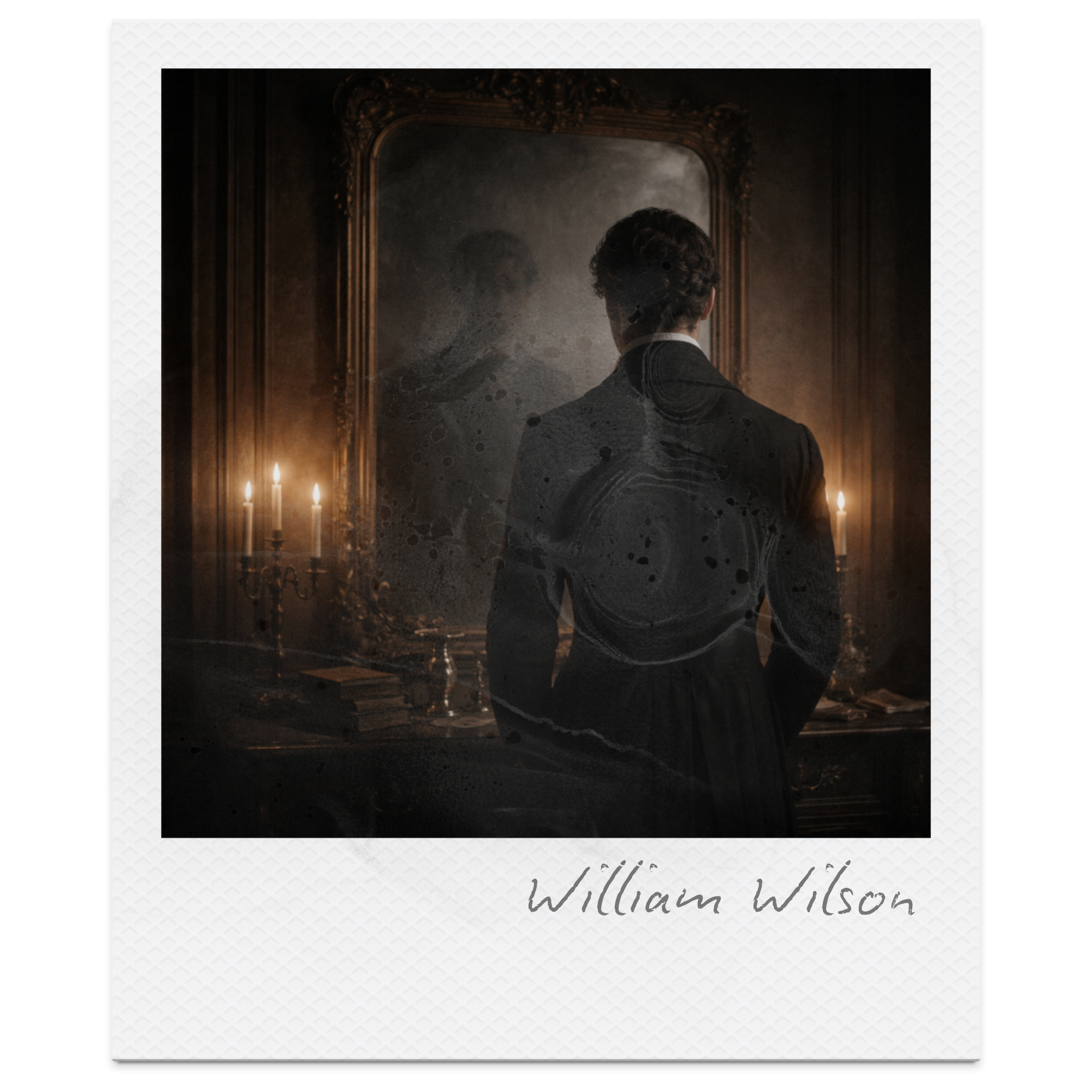
William Wilson by Edgar Allan Poe: Summary, Themes, Symbolism & Analysis
William Wilson by Edgar Allan Poe is a haunting work of gothic fiction that explores identity, conscience, and duality through the disturbing presence of a mysterious double. As the narrator recounts his descent into vice and corruption, he is repeatedly confronted by a figure who mirrors his every move, blurring the line between external threat and internal conflict. Poe uses this doubling to create a tense, psychologically charged narrative where the self becomes both protagonist and antagonist. At its core, the story examines the consequences of denying conscience and rejecting moral restraint, raising unsettling questions about self-awareness, responsibility, and the nature of identity. Through its unreliable narrator and symbolic use of setting and structure, William Wilson reveals how the attempt to escape oneself leads not to freedom, but to self-destruction.
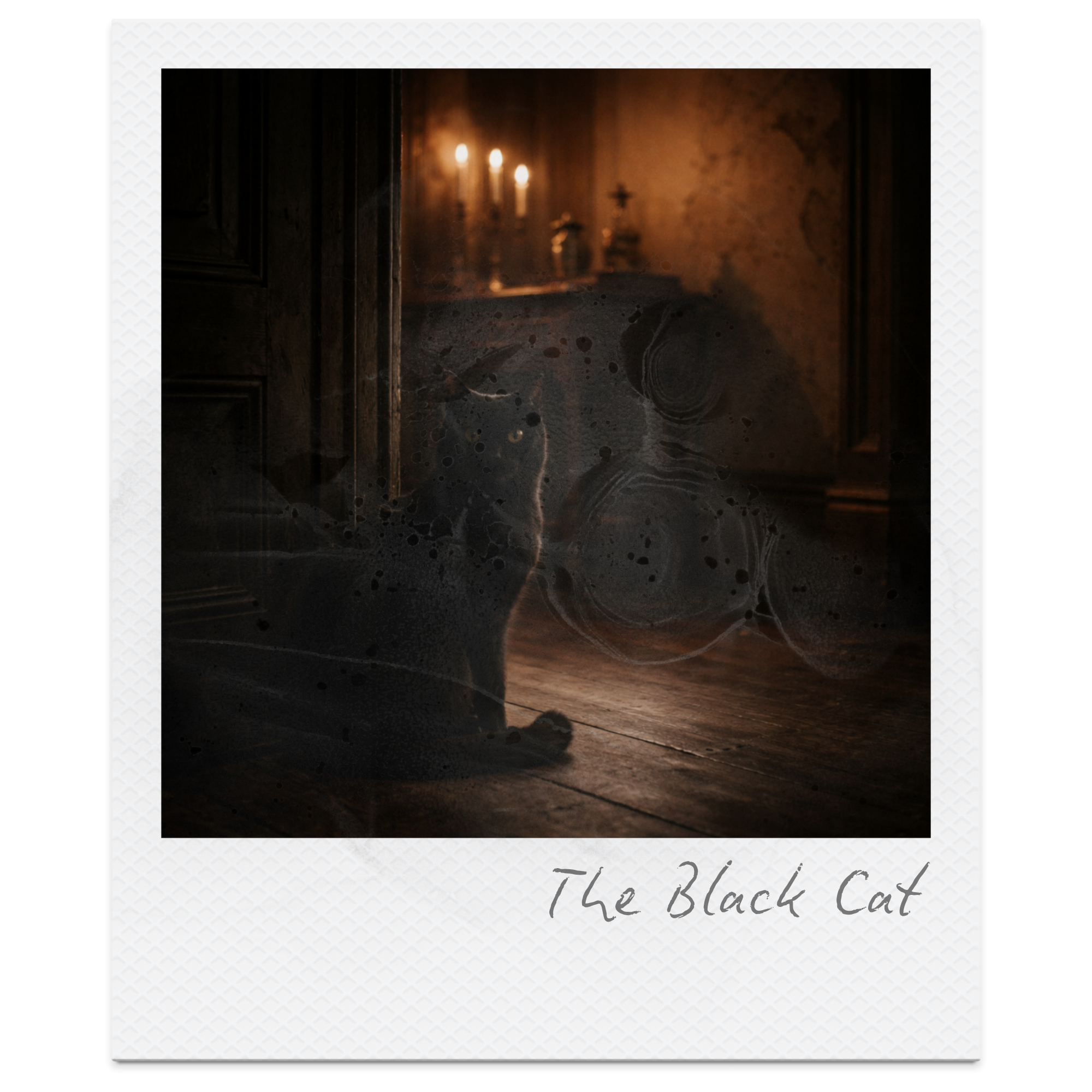
The Black Cat by Edgar Allan Poe: Summary, Themes, Symbolism, Madness & Analysis
The Black Cat by Edgar Allan Poe is a chilling exploration of madness, guilt, and moral corruption, following a narrator who insists on his sanity while recounting his descent into violence, alcoholism, and psychological collapse. What begins as a domestic narrative of companionship and affection quickly deteriorates into something far darker, as acts of cruelty escalate into murder. Through its intense first-person voice and disturbing imagery, the story exposes the fragile boundary between reason and irrationality, forcing readers to question whether the true horror lies in supernatural forces or within the human mind itself. This post explores The Black Cat in depth, including a clear summary, detailed analysis of themes and symbolism, key quotes, and alternative interpretations to support both teaching and study. With a focus on narrative voice, psychological instability, and Gothic conventions, it provides everything needed to confidently approach the text in the classroom or for exam preparation, while encouraging deeper discussion around guilt, perverseness, and the nature of human behaviour.
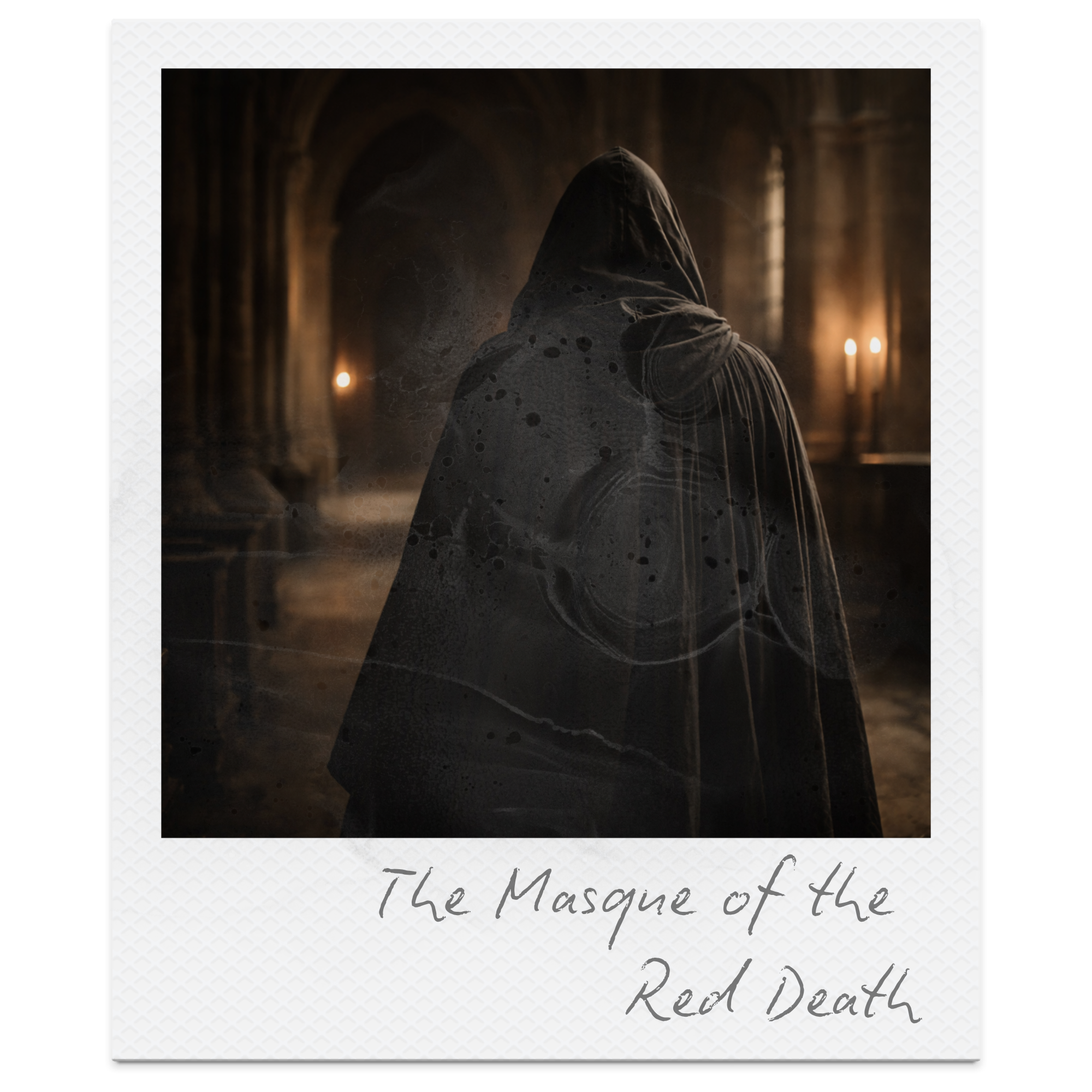
The Masque of the Red Death by Edgar Allan Poe: Summary, Themes, Symbolism & Analysis
The Masque of the Red Death by Edgar Allan Poe is a powerful Gothic allegory that explores mortality, time, and the illusion of human control. Through the decadent world of Prince Prospero’s abbey, Poe constructs a symbolic narrative where wealth, power, and denial are ultimately powerless against the inevitability of death. The story’s haunting atmosphere, combined with its structured progression through the seven rooms, creates a vivid representation of life moving inexorably toward its end. Beyond its surface narrative, the text offers rich opportunities for analysing symbolism, setting, and psychological themes. From the ominous ebony clock to the disturbing presence of the masked figure, Poe builds a world where illusion collapses into reality, forcing both characters and readers to confront what cannot be avoided. This makes the story ideal for exploring Gothic conventions, interpretation, and high-level analytical writing.
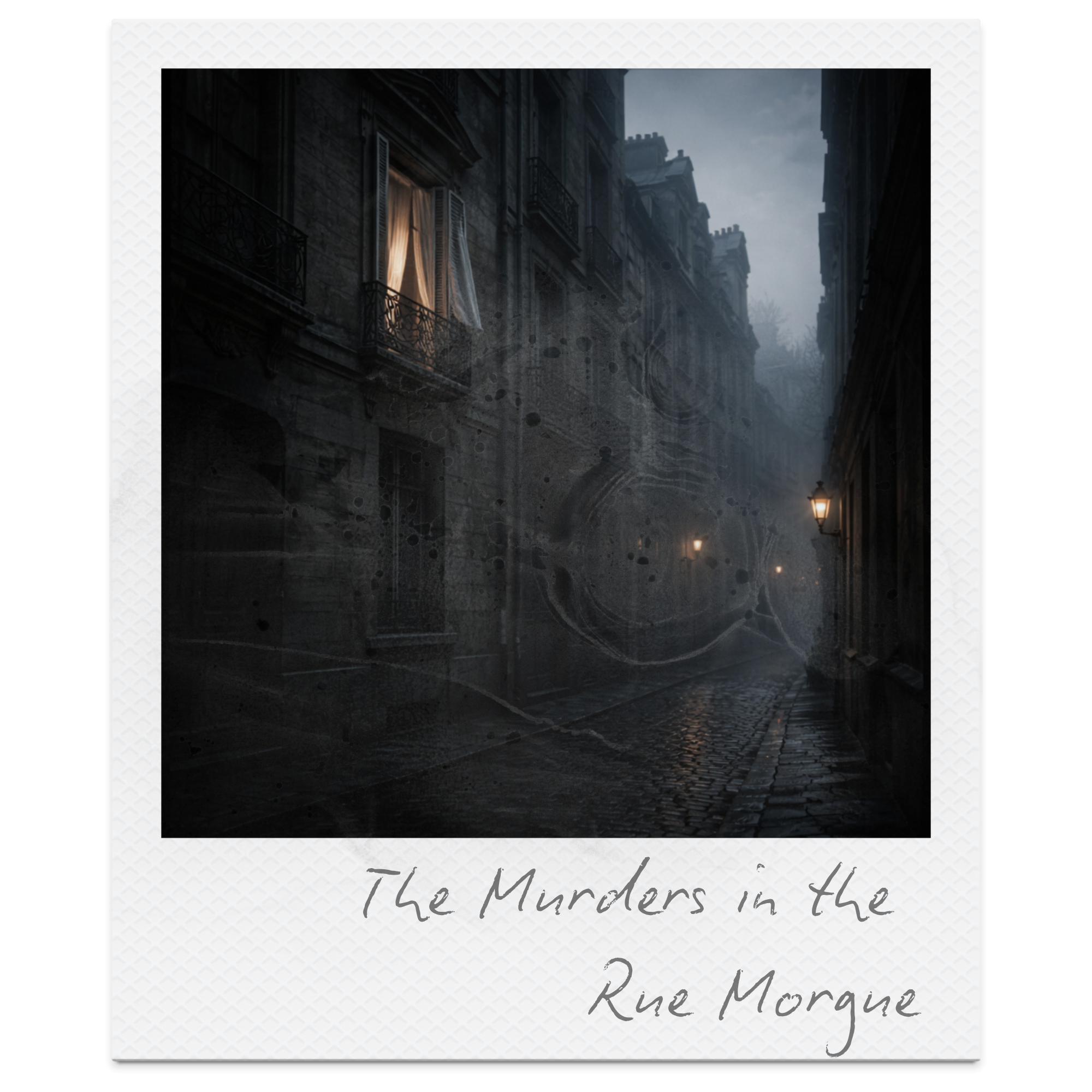
The Murders in the Rue Morgue by Edgar Allan Poe: Summary, Themes, Symbolism & Analysis
The Murders in the Rue Morgue by Edgar Allan Poe is widely regarded as the first modern detective story, blending Gothic horror with analytical reasoning to create a mystery that appears impossible to solve. Set in a shadowed Parisian apartment, the story follows C. Auguste Dupin as he unravels a brutal double murder that has left the police completely baffled. Through its focus on observation, perception, and the limits of logic, the text explores how truth can be hidden not in complexity, but in the way evidence is interpreted. This detailed analysis breaks down the story’s key themes, structure, characters, and literary techniques, offering a clear and accessible guide for both students and teachers. With a focus on high-level interpretation and classroom application, this post also includes teaching ideas, key quotes, and links to further resources, making it an ideal starting point for exploring one of Poe’s most influential and thought-provoking works.
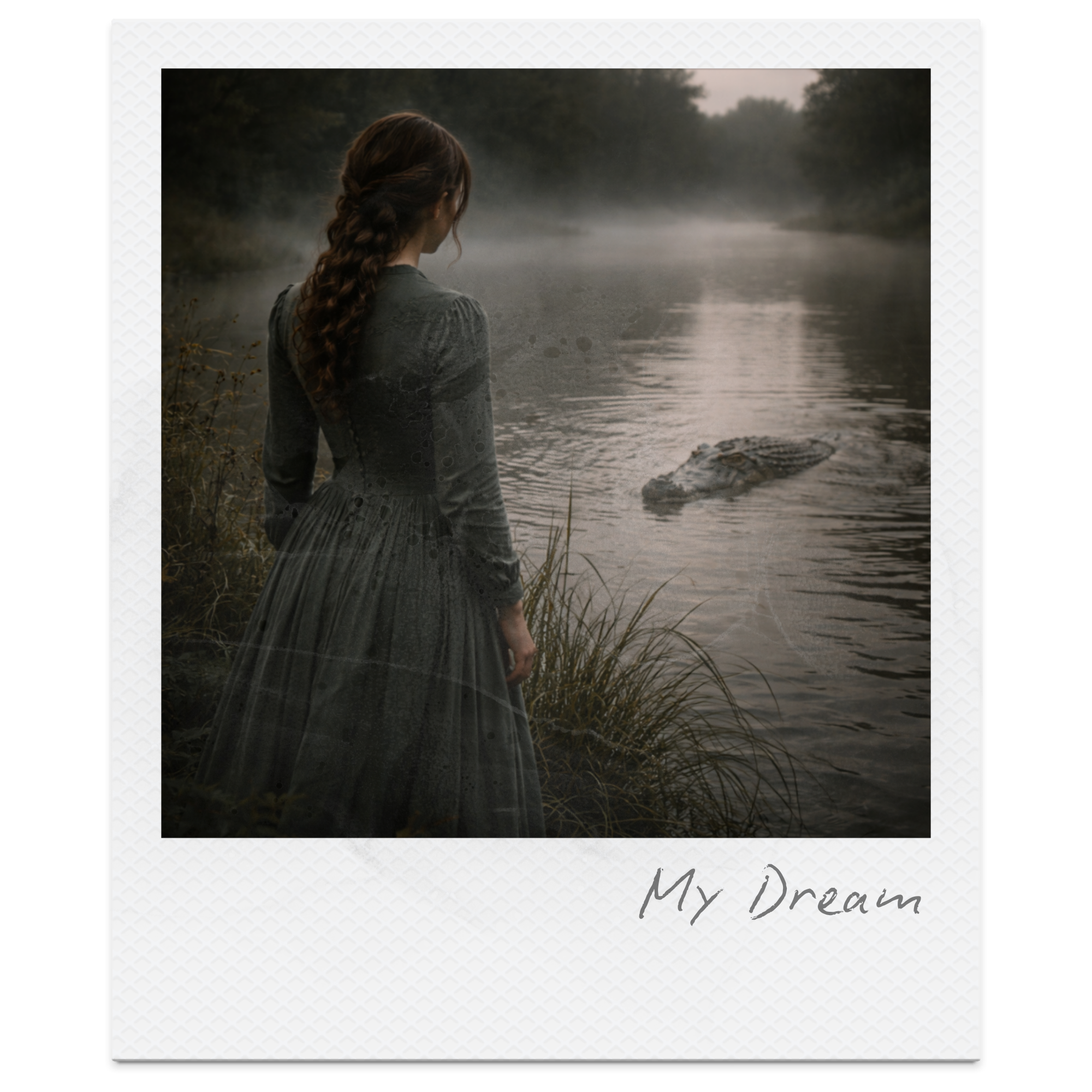
My Dream by Christina Rossetti: Summary, Themes, Symbolism & Analysis
Christina Rossetti’s My Dream presents a dark and symbolic vision of power, corruption, and collapse. Through the rise of a monstrous crocodile who gains dominance through violence and excess, the poem explores how authority built on destruction is ultimately unstable and self-defeating. This analysis examines Rossetti’s use of allegory, imagery, and dream narrative to reveal deeper concerns about human nature, control, and moral consequence. With its ambiguous ending and unsettling symbolism, My Dream invites readers to question how power operates—and what remains when it inevitably fails.