My Dream by Christina Rossetti: Summary, Themes, Symbolism & Analysis
Christina Rossetti’s My Dream presents a striking and unsettling vision of power, excess, and moral collapse, framed through the logic of a dream that feels both vivid and elusive. Through grotesque and symbolic imagery—particularly the rise of the monstrous crocodile—Rossetti explores themes of unchecked ambition, consumption, and the instability of authority, raising questions about how power is gained, sustained, and ultimately undone. You can explore more of Rossetti’s work in the Rossetti Poetry Hub and connect this poem to wider literary study in the Literature Library.
This analysis will examine how Rossetti uses dream narrative, allegory, and violent symbolism to construct a world that resists simple interpretation. By tracing the poem’s shifting imagery and ambiguous ending, we can begin to understand how My Dream reflects deeper concerns about human nature, corruption, and the fragile illusions that underpin dominance and control.

Context of My Dream
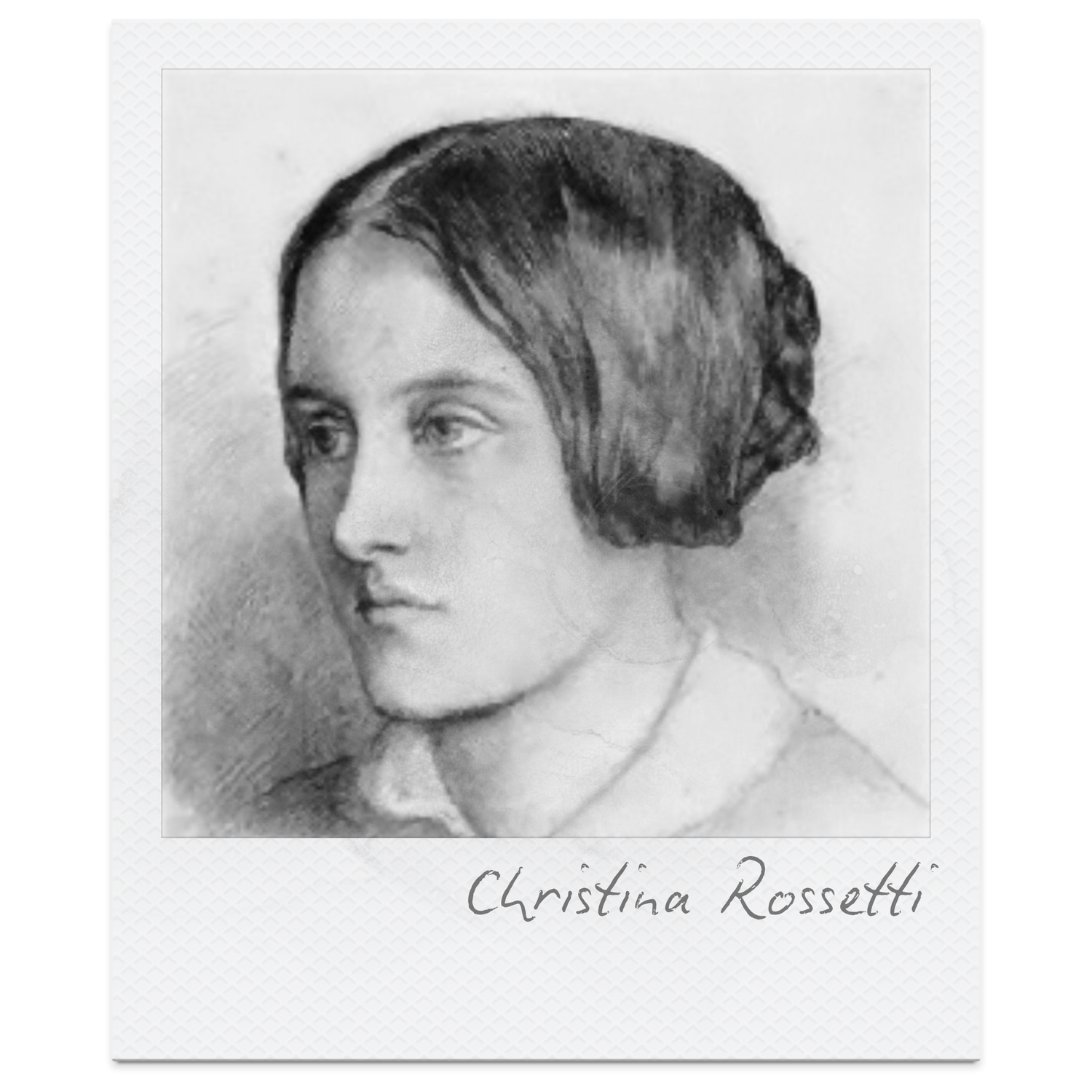
Christina Rossetti’s My Dream reflects her deep engagement with religious thought, moral philosophy, and symbolic storytelling, all of which were shaped by her Anglo-Catholic faith and the broader spiritual concerns of the Victorian period. Much of Rossetti’s work explores the tension between earthly desire and spiritual truth, and this poem’s dreamlike, allegorical structure allows her to examine these ideas in a more abstract and unsettling form. For a fuller exploration of these influences, see the Christina Rossetti Contextpost.
Victorian society was marked by strong beliefs in divine order, moral consequence, and the dangers of excess, particularly in relation to power and material wealth. In My Dream, Rossetti draws on these concerns through the disturbing image of the crocodile ruler, whose rise and violent domination suggest the corrupting nature of unchecked authority. The poem’s surreal imagery reflects a broader Victorian fascination with dreams, symbolism, and the subconscious, often used as a way to explore truths that could not be expressed directly.
At the same time, Rossetti’s use of biblical and geographical references—such as the river Euphrates—places the dream within a spiritual and historical framework, evoking associations with judgement, empire, and divine intervention. This context deepens the poem’s ambiguity, allowing it to be read not only as a moral allegory but also as a reflection on the fragility of human power when confronted with forces beyond its control.
My Dream: At a Glance
Form: Narrative dream vision with allegorical elements
Mood: Unsettling, symbolic, ominous
Central tension: The rise of absolute power vs its sudden collapse
Core themes: Power and corruption, consumption, moral consequence, illusion, divine judgement
One-sentence meaning:
A dreamlike allegory in which a tyrannical force rises through destruction and excess, only to be destabilised by a greater, mysterious power that exposes the fragility of its dominance.
My Dream Summary
The poem opens with the speaker recounting a vivid and unsettling dream, immediately framing the narrative as something both intensely real and difficult to interpret. Standing beside the river Euphrates, the speaker witnesses its waters swell and transform, suggesting a shift from natural order into something more symbolic and unstable.
From these rising waters, crocodiles begin to emerge—strange, unnatural creatures adorned with gold and precious stones. Among them, one grows larger and more powerful than the rest, marked by its crown and dominance. This central figure quickly establishes itself as a tyrant, consuming the other crocodiles in an act of violent self-expansion, suggesting that its power is built through destruction and excess.
As the dominant crocodile devours all others, it becomes bloated and exhausted, eventually falling into a heavy sleep. In this moment of vulnerability, its grandeur begins to fade, and its immense power appears to diminish. The dream then shifts again as a mysterious, winged vessel arrives, calming the waters without force and introducing a new, incomprehensible presence.
Faced with this unknown power, the once-dominant crocodile reacts with fear and submission, weeping and performing gestures of regret. The poem ends with the speaker refusing to impose a clear interpretation, instead returning to the central question of meaning. This ambiguous conclusion reinforces the dream’s allegorical nature, leaving the reader to grapple with its implications about power, illusion, and ultimate accountability.
Title, Form, Structure, and Metre
Rossetti’s formal choices in My Dream mirror the instability and excess of the vision itself. While the poem initially appears controlled and structured, its expanding imagery, shifting pace, and narrative progression reflect the chaotic rise and collapse of power at its centre.
Title
The title My Dream immediately frames the poem as subjective and ambiguous. It suggests that what follows may not obey conventional logic, allowing Rossetti to explore symbolic truths rather than literal events. At the same time, the possessive “My” creates a sense of intimacy and authority, positioning the speaker as both witness and interpreter, even as they ultimately refuse to impose meaning.
Form and Structure
The poem takes the form of a dream vision narrative, a tradition often used to explore moral, philosophical, or spiritual ideas through symbolic imagery. It unfolds in three broad movements: the emergence of the crocodiles, the rise and dominance of the central tyrant, and the sudden disruption of that power.
Structurally, the poem expands as the crocodile’s power grows, with longer and more detailed descriptions reflecting excess and accumulation. This sense of expansion is then destabilised as the narrative shifts abruptly toward the arrival of the mysterious vessel, mirroring the sudden collapse of control.
Rhyme Scheme and Poetic Pattern
Rossetti employs a variable rhyme scheme, which contributes to the poem’s unsettled tone. While there are moments of clear patterning, these are often disrupted or stretched, creating a sense that the poem resists complete formal containment.
This irregularity reflects the dream’s instability, as well as the unpredictable nature of the power being depicted. The lack of a strictly controlled pattern mirrors the unchecked growth of the crocodile itself.
Metre and Rhythmic Movement
The poem’s metre is similarly fluid, shifting between more regular rhythms and longer, more complex lines. This creates a sense of movement that alternates between control and excess.
For example, the opening line carries a measured rhythm:
Hear NOW a CURious DREAM I DREAMED last NIGHT
This initial steadiness is gradually disrupted as the poem becomes more descriptive and expansive, with longer lines mirroring the overwhelming scale of the crocodile’s dominance. The rhythm becomes heavier and more forceful during moments of violence, before slowing again as the dream moves toward its ambiguous conclusion.
The Speaker of My Dream
The speaker of My Dream presents themselves as both a witness and reluctant interpreter, recounting a vision that feels vivid, controlled, and yet fundamentally uncertain. From the opening lines, the speaker establishes authority—claiming that each word is “weighed and sifted truth”—while simultaneously framing the experience as a dream, introducing a tension between certainty and ambiguity.
This dual position shapes the reader’s interpretation. On one hand, the speaker appears reliable, carefully describing events with precise and often elaborate detail. On the other, their repeated hesitation—particularly in withholding parts of the dream and refusing to offer a clear meaning—suggests a limit to their understanding. This creates a tone that is both confident and evasive, reinforcing the idea that the dream contains truths that cannot be fully explained.
The speaker’s voice also shifts subtly across the poem. Initially observational, it becomes increasingly distanced as the violence escalates, with the speaker recounting the crocodile’s dominance in a manner that feels almost detached. By the end, however, the speaker re-engages directly with the reader, anticipating their question—“What can it mean?”—only to reject interpretation altogether.
This refusal is significant. Rather than guiding the reader toward a fixed moral or allegorical meaning, the speaker leaves the dream unresolved. In doing so, Rossetti transforms the speaker into a figure who embodies the poem’s central tension: the desire to find meaning in chaos, and the recognition that some truths remain elusive, symbolic, and open to interpretation.
My Dream Stanza-by-Stanza Analysis
This section offers a close reading of My Dream, exploring how Rossetti develops meaning through imagery, symbolism, and tonal shifts across each stage of the vision. As the dream unfolds, the poem moves from controlled observation to excess and violence, before arriving at a moment of ambiguity and unresolved meaning.
By analysing each stanza in sequence, we can trace how Rossetti constructs a layered allegory of power, consumption, and collapse, while also highlighting the instability and uncertainty that define the dream itself.
Stanza 1: Framing the Dream as Truth
The opening immediately establishes a tension between subjectivity and authority. By describing the vision as a “curious dream,” the speaker acknowledges its strangeness and potential unreliability. However, this is immediately undercut by the assertion that each word is “weighed and sifted truth,” suggesting careful selection and deliberate accuracy.
This juxtaposition positions the dream as more than imagination—it becomes a vehicle for deeper, symbolic truth, even if its meaning is not immediately clear. The language of “weighed” and “sifted” evokes precision and judgement, implying that the speaker has processed the experience rather than simply recounting it.
At the same time, the phrase “last night” grounds the dream in immediacy, making it feel vivid and recent. This combination of dream logic and controlled narration establishes the poem’s central tension: a vision that appears both irrational and meaningful, inviting interpretation while resisting certainty.
Stanza 2: The Birth of the Monstrous
The dream shifts into a vividly symbolic landscape, with the speaker positioned beside the river Euphrates—an image rich with biblical and historical resonance. By comparing it to the “overflowing Jordan,” Rossetti evokes ideas of spiritual transformation, judgement, and renewal, yet this sacred imagery is quickly destabilised as the waters swell beyond control.
From these “pregnant waves,” crocodiles emerge, suggesting a disturbing form of creation. The word “pregnant” implies potential and birth, but what is produced is unnatural and grotesque—a “gaunt blunt-featured crew.” This inversion of natural growth reflects a world where creation leads not to life, but to threat and disorder.
The crocodiles’ description reinforces this unease. Though newly born, they are already harsh and unsettling, their “birthday dew” ironically softening what is otherwise a brutal image. This contrast heightens the sense of something fundamentally wrong, as innocence and violence are intertwined.
Midway through the stanza, the speaker interrupts the narrative, expressing doubt about whether their “closest friend” would believe what follows. This moment introduces a self-conscious awareness of the dream’s strangeness, reinforcing its unreliable, almost excessive quality. However, the speaker ultimately chooses to continue, inviting the listener to “hear it to the end.”
This shift draws the reader further in, positioning them as a participant in the act of interpretation. The stanza therefore not only introduces the dream’s central imagery, but also establishes its tone of escalating unreality, symbolic birth, and narrative uncertainty.
Stanza 3: Tyranny, Excess, and Sudden Collapse
This extended stanza develops the dream’s central allegory, charting the rise of a single crocodile into absolute dominance and its subsequent destabilisation. The creatures are adorned with “massive gold” and “polished stones,” suggesting wealth, artificial power, and outward display, but one figure surpasses all others, marked by a “kingly crown” and symbols of authority such as “crowns and orbs and sceptres.” These images firmly position him as a tyrant, embodying unchecked political and moral power.
His dominance is reinforced through both scale and fear. The exaggerated description of his body—his tail “broad as a rafter”—emphasises physical force, while the reaction of his “punier brethren” highlights the hierarchy he imposes. However, this authority quickly becomes monstrous. His “execrable appetite” transforms power into consumption, and the violent imagery of devouring—“crunched, and sucked them in”—suggests that his rule depends on the destruction of others.
Rossetti intensifies this horror through grotesque detail. The “luscious fat” that “distilled upon his chin” creates a disturbing contrast between indulgence and violence, linking excess with moral corruption. The repetition of his lawlessness—“He knew no law, he feared no binding law”—reinforces the idea that his power exists outside any ethical constraint, making him both dominant and inherently unstable.
Once he has consumed all others, the crocodile becomes bloated and inert, falling into a heavy sleep. This marks a turning point: power achieved through excess leads not to permanence, but to vulnerability. In sleep, he “dwindled to the common size,” and the symbols of empire fade, suggesting that his authority was never as secure as it appeared.
The arrival of the “winged vessel” introduces a new and ambiguous force. Described as “white…as an avenging ghost,” it carries connotations of judgement, purity, or divine intervention, yet its exact nature remains unclear. Its ability to calm the river “without force” contrasts sharply with the crocodile’s violent dominance, suggesting a different kind of power—subtle, controlled, and absolute.
Faced with this presence, the crocodile’s behaviour changes dramatically. Once fearless and destructive, he now becomes “prudent,” rising to weep and “wring his hands.” This sudden shift exposes the fragility of his authority, revealing that even the most absolute power can be undone when confronted by a greater force. The stanza therefore traces a complete arc from rise to excess to collapse, reinforcing the poem’s central concern with the instability of dominance built on destruction.
Stanza 4: Refusal of Meaning and Interpretive Uncertainty
The final stanza returns to the speaker’s voice, breaking away from the dream’s imagery to address the reader directly. The anticipated question—“What can it mean?”—acknowledges the reader’s desire to decode the vision, positioning the poem as something that invites interpretation.
However, the speaker immediately refuses to provide a definitive answer. By stating “I answer not,” they reject the role of interpreter, instead mirroring the reader’s confusion: “myself must echo, What?” This repetition reinforces the poem’s central ambiguity, suggesting that the dream resists clear explanation.
The insistence on simply recounting what was seen—“tell it as I saw it on the spot”—emphasises observation over interpretation. This reinforces the idea that the poem operates as an allegory without a fixed meaning, encouraging the reader to engage actively with its symbols.
Ultimately, the stanza leaves the dream unresolved. Rather than offering moral clarity, Rossetti ends with uncertainty, reinforcing the instability that runs throughout the poem. This refusal to explain transforms the dream into a space of open interpretation, where meaning is not given, but continually questioned.
Key Quotes from My Dream
Rossetti’s language in My Dream is vivid, symbolic, and often grotesque, reinforcing the poem’s exploration of power, excess, and instability. The following key quotations highlight how imagery and tone develop the poem’s central ideas.
Hear now a curious dream I dreamed last night
◆ Establishes the dream framework, signalling ambiguity and subjectivity
◆ The repetition of “dream” emphasises the surreal and layered nature of the vision
◆ Creates an intimate, confessional tone
Each word whereof is weighed and sifted truth
◆ Suggests careful control and deliberate narration
◆ Contrasts with the irrationality of the dream itself
◆ Implies the dream carries deeper symbolic meaning
I stood beside Euphrates while it swelled
◆ Introduces a setting with strong biblical and historical associations
◆ The swelling river symbolises instability and impending change
◆ Suggests a movement from order to excess
Out of myriad pregnant waves there welled / Young crocodiles
◆ “Pregnant” suggests unnatural or disturbing creation
◆ The emergence of crocodiles reflects birth twisted into threat
◆ Reinforces themes of excess and uncontrolled growth
Wore kinglier girdle and a kingly crown
◆ Marks the central crocodile as a figure of authority
◆ Symbolises monarchy, power, and hierarchy
◆ Establishes the allegorical dimension of tyranny
An execrable appetite arose
◆ Suggests moral corruption as well as physical hunger
◆ Links power with destructive consumption
◆ The adjective “execrable” introduces judgement and condemnation
He knew no law, he feared no binding law
◆ Emphasises absolute, unchecked power
◆ Repetition reinforces the absence of restraint
◆ Suggests a tyrannical figure beyond moral or legal control
While still like hungry death he fed his maw
◆ Compares the crocodile to death itself
◆ Highlights insatiable consumption and inevitability
◆ Intensifies the poem’s violent and grotesque tone
In sleep he dwindled to the common size
◆ Marks the collapse of power and illusion
◆ Suggests authority is temporary and unstable
◆ Sleep symbolises vulnerability and loss of control
White it was as an avenging ghost
◆ Introduces a mysterious, possibly divine force
◆ The colour white suggests purity, judgement, or retribution
◆ “Avenging” implies moral consequence or punishment
Key Techniques in My Dream
Rossetti employs a range of techniques in My Dream to construct a vision that is both vivid and destabilising. These techniques work together to explore power, excess, and the fragility of authority, while resisting clear moral resolution.
◆ Allegory of power and corruption – The rise of the dominant crocodile functions as an extended allegory for unchecked authority, where power is gained through domination and sustained through destruction. His eventual decline suggests that such systems are inherently unstable and self-consuming.
◆ Symbolism of the Euphrates and crocodiles – The Euphrates evokes biblical, historical, and imperial associations, grounding the dream in a wider moral and political framework. The crocodiles themselves become grotesque symbols of power, replacing traditional images of evil with something more physical, predatory, and unsettling.
◆ Grotesque imagery and excess – Rossetti uses visceral, almost disturbing detail—“luscious fat,” “inexorable jaw”—to emphasise consumption and bodily excess. This transforms power into something physical and repellent, highlighting its moral corruption.
◆ Material symbolism and embodiment of power – The crocodiles’ gold, jewels, and regalia are not merely decorative but appear fused to their bodies, suggesting that status and identity become inseparable. Power is no longer external but internalised, reinforcing themes of excess and distortion.
◆ Subversion of imperial power narratives – Rather than presenting dominance as triumphant, the poem depicts it as destructive and ultimately self-defeating. The crocodile’s empire collapses from within, challenging traditional narratives of strength and conquest.
◆ Ambiguous supernatural intervention – The winged vessel introduces a force that is never fully explained. Its ability to restore order “without force” contrasts with the crocodile’s violence, suggesting a higher or more subtle form of authority that destabilises earthly power.
◆ Dream vision structure – By framing the poem as a dream, Rossetti allows for fluid logic, symbolic layering, and interpretive uncertainty. This structure enables the exploration of complex ideas without requiring a single fixed meaning.
◆ Irony and narrative tension – The speaker insists on truth while recounting an implausible vision, creating an ironic tension between authority and uncertainty. This undermines confidence in straightforward interpretation.
◆ Refusal of moral closure – Unlike many of Rossetti’s more devotional works, the poem ends without a clear lesson. This deliberate ambiguity forces the reader to engage with the symbols independently, reinforcing the poem’s open-ended and unsettling nature.
◆ Contrast and transformation – The poem repeatedly contrasts states—growth and collapse, dominance and submission, chaos and stillness—to highlight the instability of power and the inevitability of change.
Themes in My Dream
Rossetti’s My Dream explores a range of complex and unsettling themes, using allegory and dream imagery to examine how power operates and collapses. Rather than offering clear moral resolution, the poem presents themes that remain ambiguous, layered, and open to interpretation.
Power and Corruption
At the centre of the poem is the idea that power, when unchecked, becomes inherently destructive. The dominant crocodile gains authority through violence and consumption, suggesting that power is sustained by the elimination of others. His eventual collapse reveals that such dominance is unstable and ultimately self-defeating.
Excess and Consumption
The crocodile’s “execrable appetite” symbolises uncontrolled desire, where accumulation leads not to strength but to excess and vulnerability. Rossetti presents consumption as both physical and symbolic, linking it to moral decay and the loss of control.
Instability of Authority
Although the crocodile appears powerful, his authority is shown to be fragile. His sudden reduction in size and loss of status highlight how easily power can dissolve, reinforcing the idea that dominance is often an illusion.
Moral Consequence and Judgement
The arrival of the winged vessel introduces the possibility of judgement, though its nature remains unclear. This ambiguity suggests that consequences exist beyond human understanding, reinforcing a sense of inevitable accountability.
Ambiguity and Interpretation
The poem refuses to offer a clear meaning, ending instead with uncertainty. This lack of resolution encourages readers to engage actively with the text, highlighting the limits of interpretation and the complexity of symbolic meaning.
Alternative Interpretations of My Dream
Rossetti’s My Dream invites multiple interpretations, as its symbolism resists a single fixed meaning. The poem can be read through a range of critical lenses, each offering a different perspective on its imagery and themes.
Political Interpretation: Allegory of Tyranny
The dominant crocodile can be read as a tyrant whose power is built through violence and consumption. His eventual collapse suggests that political systems based on domination are inherently unstable, reflecting anxieties about leadership and control.
Religious Interpretation: Divine Judgement
The winged vessel may represent a form of divine intervention or judgement, restoring order without force. From this perspective, the poem reflects a moral framework in which corruption is ultimately confronted by a higher power.
Psychological Interpretation: The Nature of Desire
The dream can also be read as an exploration of internal impulses, with the crocodile representing unchecked desire or ambition. Its destructive behaviour reflects the dangers of allowing such impulses to dominate.
Existential Interpretation: Meaning Without Resolution
The speaker’s refusal to interpret the dream suggests that meaning may be unknowable. This perspective positions the poem as an exploration of uncertainty, where events occur without clear moral or philosophical resolution.
Teaching Ideas for My Dream
My Dream offers rich opportunities for exploring allegory, symbolism, and interpretation, making it ideal for developing both analytical and creative responses in the classroom. Its ambiguity also encourages students to engage critically and form independent interpretations.
1. Decoding the Allegory
Ask students to map the elements of the dream onto possible real-world meanings. They should consider what the crocodiles, the river, and the winged vessel might represent.
Students can present their interpretations as a diagram or short explanation, justifying their ideas with textual evidence. This encourages deeper engagement with symbolism and abstract meaning.
2. Power and Corruption Debate
Students explore the central idea that power leads to corruption. Divide the class into two groups:
One argues that the crocodile represents inevitable corruption in power
The other argues that the poem reflects fear or exaggeration rather than truth
Students should use quotations to support their arguments, developing skills in evidence-based discussion and interpretation.
3. Tracking Transformation
Ask students to track the transformation of the dominant crocodile across the poem.
They should identify:
how it is presented at the beginning
how its power develops
how and why it collapses
Students can present this as a timeline or short analytical paragraph, focusing on structure and progression of ideas.
4. Analytical Paragraph Modelling and Improvement
Provide students with the model paragraph below and ask them to:
Identify what exam-style question it could answer
Annotate it using assessment criteria
Suggest improvements
Write their own paragraph in response to a question
For further practice, students can then use questions from the Rossetti Poetry Essay Questions post to develop a full essay response.
Model Analytical Paragraph:
Rossetti presents power as inherently unstable in My Dream through the rise and fall of the dominant crocodile. Initially, the creature is marked by symbols of authority, wearing a “kingly crown” and adorned with “crowns and orbs and sceptres,” which establish it as a figure of absolute rule. However, this power is quickly associated with destruction, as the crocodile develops an “execrable appetite” and begins to consume its own kind. The violent imagery of “crunched, and sucked them in” suggests that its authority depends on the elimination of others, linking power with excess and moral corruption. Ultimately, this leads to its downfall, as after devouring everything around it, the crocodile becomes vulnerable, “gorged to the full” and collapsing into sleep. Rossetti therefore suggests that power built on domination is self-destructive, reinforcing the idea that unchecked authority cannot be sustained.
5. Interpreting the Ending
Ask students to focus on the final stanza and the speaker’s refusal to explain the dream.
Students should explore:
why Rossetti avoids giving a clear meaning
how this affects the reader
whether ambiguity strengthens or weakens the poem
This activity develops evaluation and critical thinking, encouraging students to consider the purpose of unresolved endings.
6. Creative Reimagining
Students rewrite the dream from a different perspective:
the dominant crocodile
one of the smaller crocodiles
the observer of the winged vessel
This helps students explore voice, perspective, and symbolism, while reinforcing their understanding of the poem’s ideas.
7. Symbolism Focus: The Winged Vessel
Students analyse the winged vessel in detail and develop their own interpretation of what it represents.
They must:
select relevant quotations
explain possible symbolic meanings
justify their interpretation
This task encourages students to engage with ambiguity and multiple interpretations, key skills for higher-level analysis.
Go Deeper into My Dream
My Dream sits within Rossetti’s wider exploration of power, illusion, spiritual tension, and human limitation, though it stands out for its darker, more political tone. Comparing it with other poems in the cluster reveals how Rossetti repeatedly interrogates authority, desire, and moral consequence, often from very different angles.
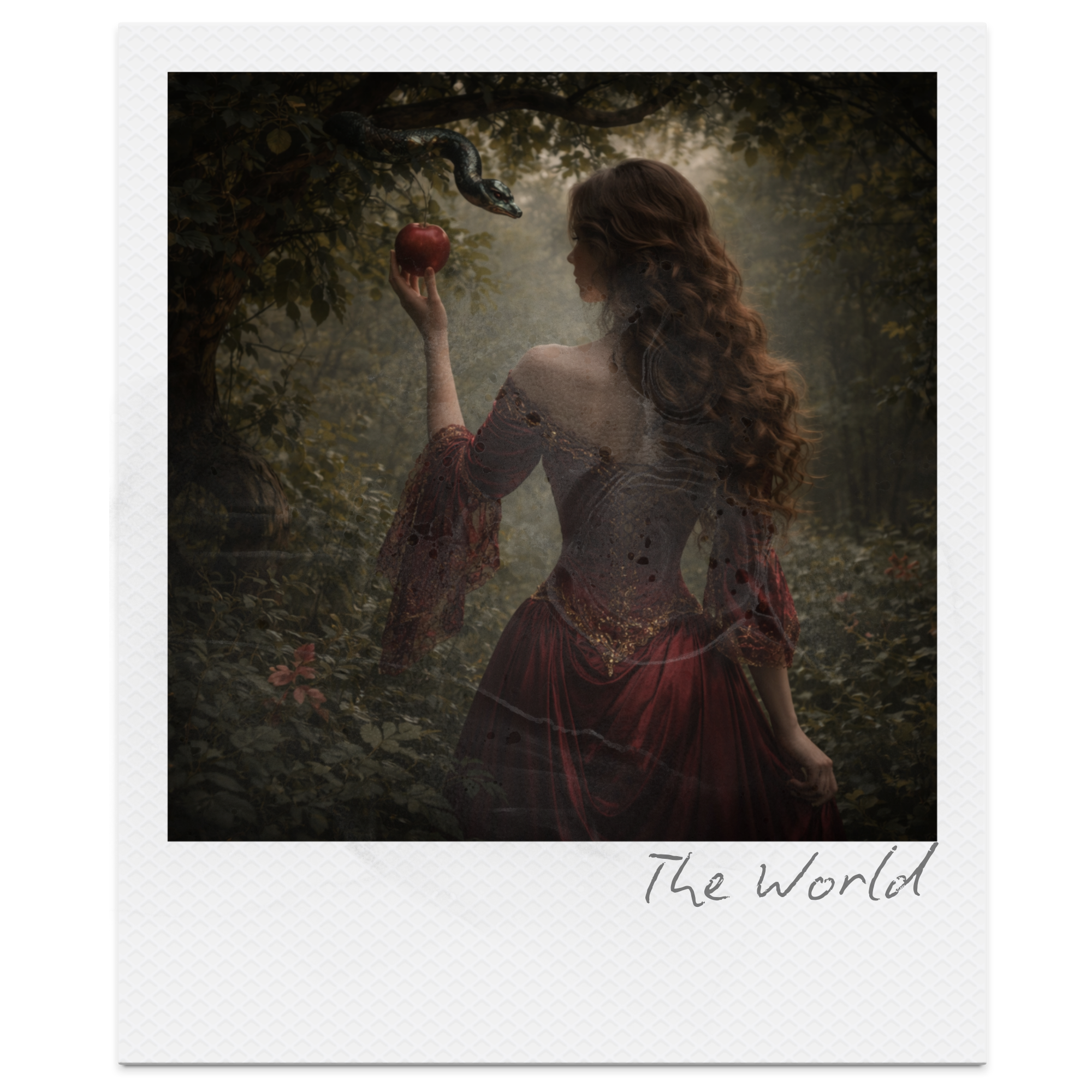
◆ The World – Both poems explore the deceptive nature of outward power. While The World presents temptation as seductive and ultimately hollow, My Dream externalises this corruption through grotesque imagery, showing power as visibly destructive rather than subtly alluring.
◆ Babylon the Great – Shares strong biblical and apocalyptic imagery, particularly in its critique of excess and moral decay. Both poems present systems of power that appear grand but are ultimately unstable and subject to collapse.
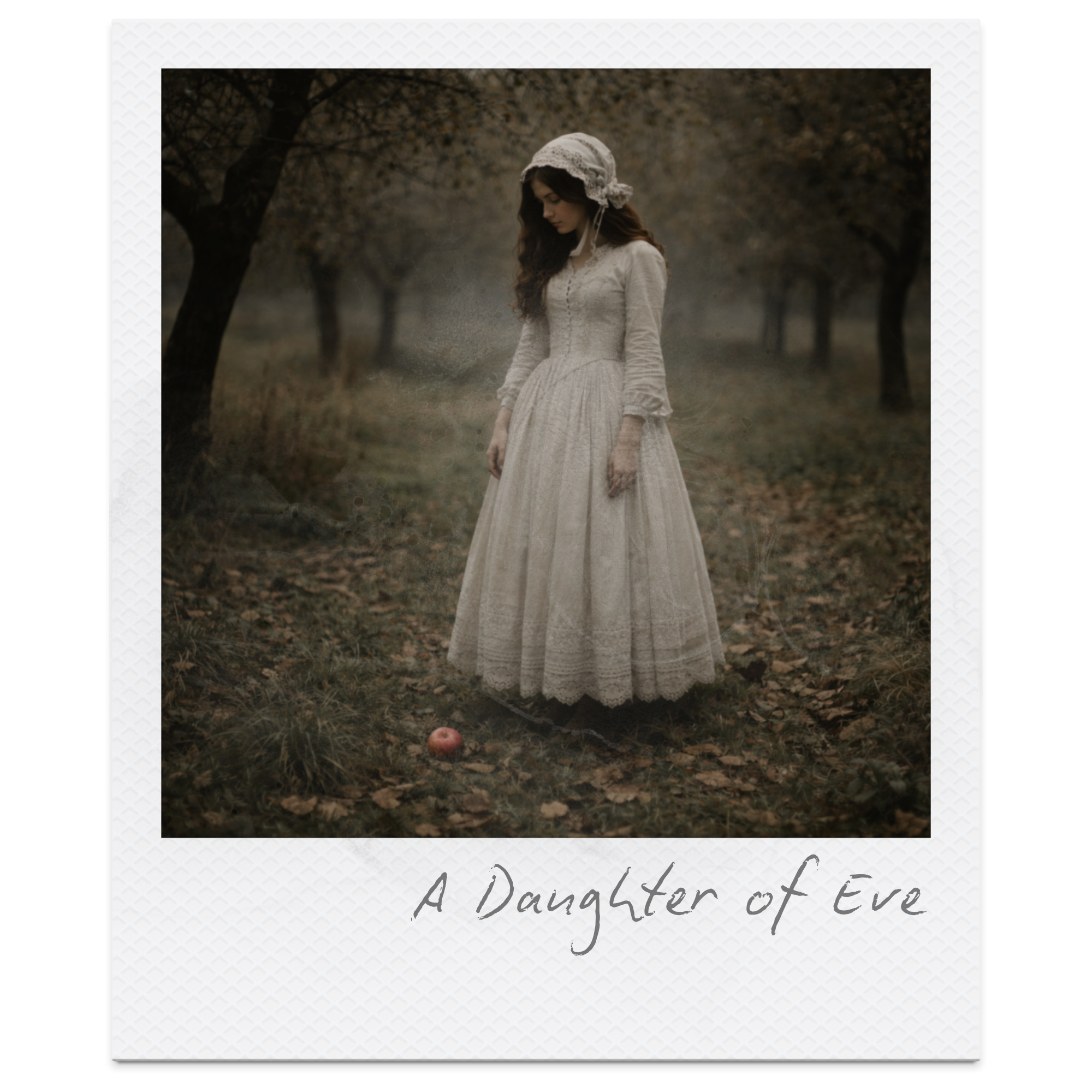
◆ A Daughter of Eve – While My Dream focuses on systemic corruption, A Daughter of Eve internalises struggle, exploring personal weakness and moral conflict. Together, they highlight Rossetti’s interest in both individual and collective forms of failure.
◆ The Thread of Life – Both poems consider the progression of human existence, but where The Thread of Life offers a more reflective, spiritual journey, My Dream presents a distorted and chaotic version shaped by violence and excess.
◆ Up-Hill – Provides a striking contrast in tone. While Up-Hill offers reassurance and certainty about spiritual guidance, My Dream withholds clarity, presenting a world where meaning is uncertain and destabilised.
◆ Remember – Both poems engage with mortality and what remains after power or life ends, but Remember is intimate and emotional, whereas My Dream is impersonal and symbolic, focusing on the collapse of dominance rather than personal loss.
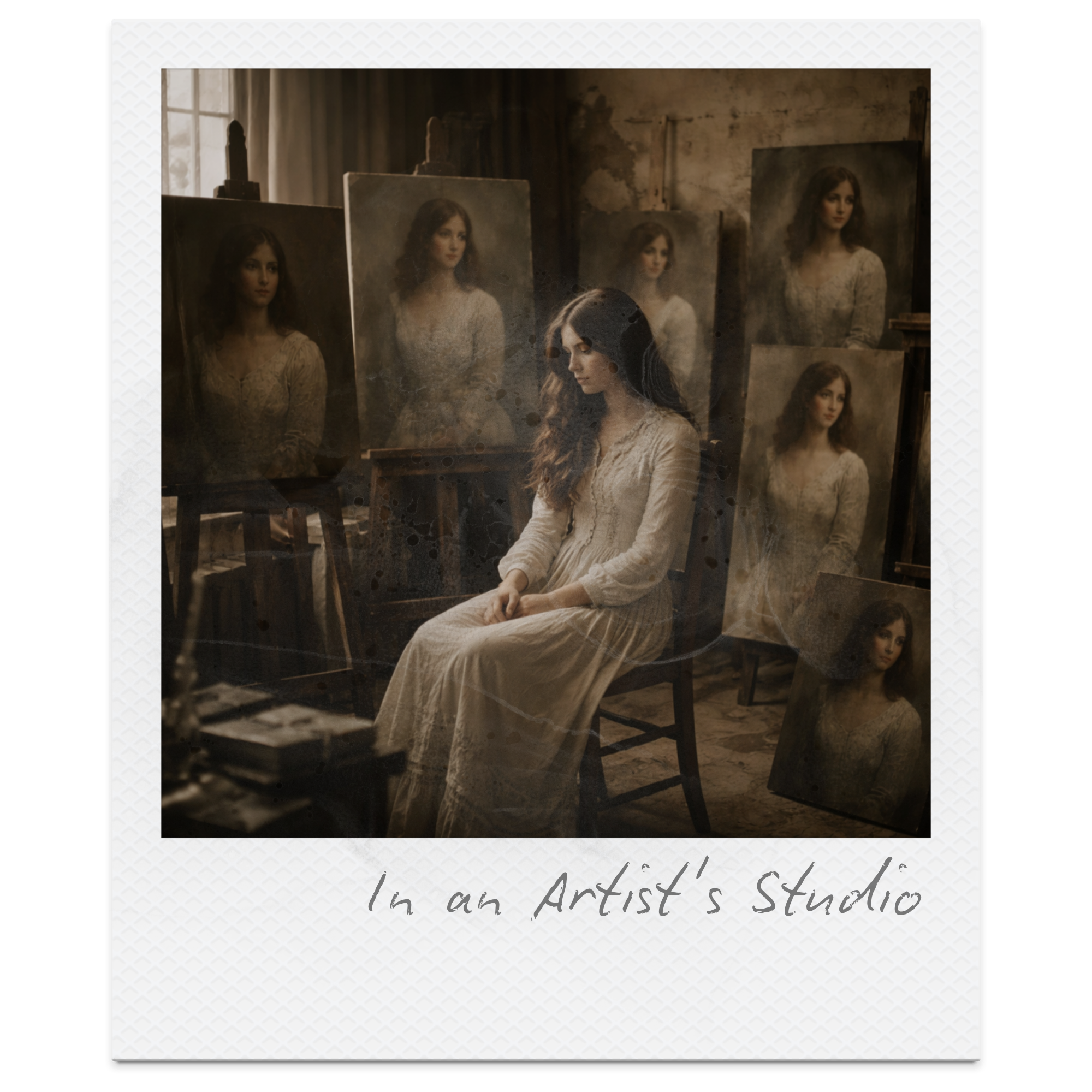
◆ In an Artist’s Studio – Explores the idea of control and representation. While the artist imposes an image onto his subject, the crocodile in My Dream imposes power through force, suggesting different forms of domination and distortion.
◆ Shut Out – Both poems depict exclusion and loss of control. In Shut Out, the speaker is barred from a desired space, whereas in My Dream, the dominant figure ultimately loses control of the space it once ruled.
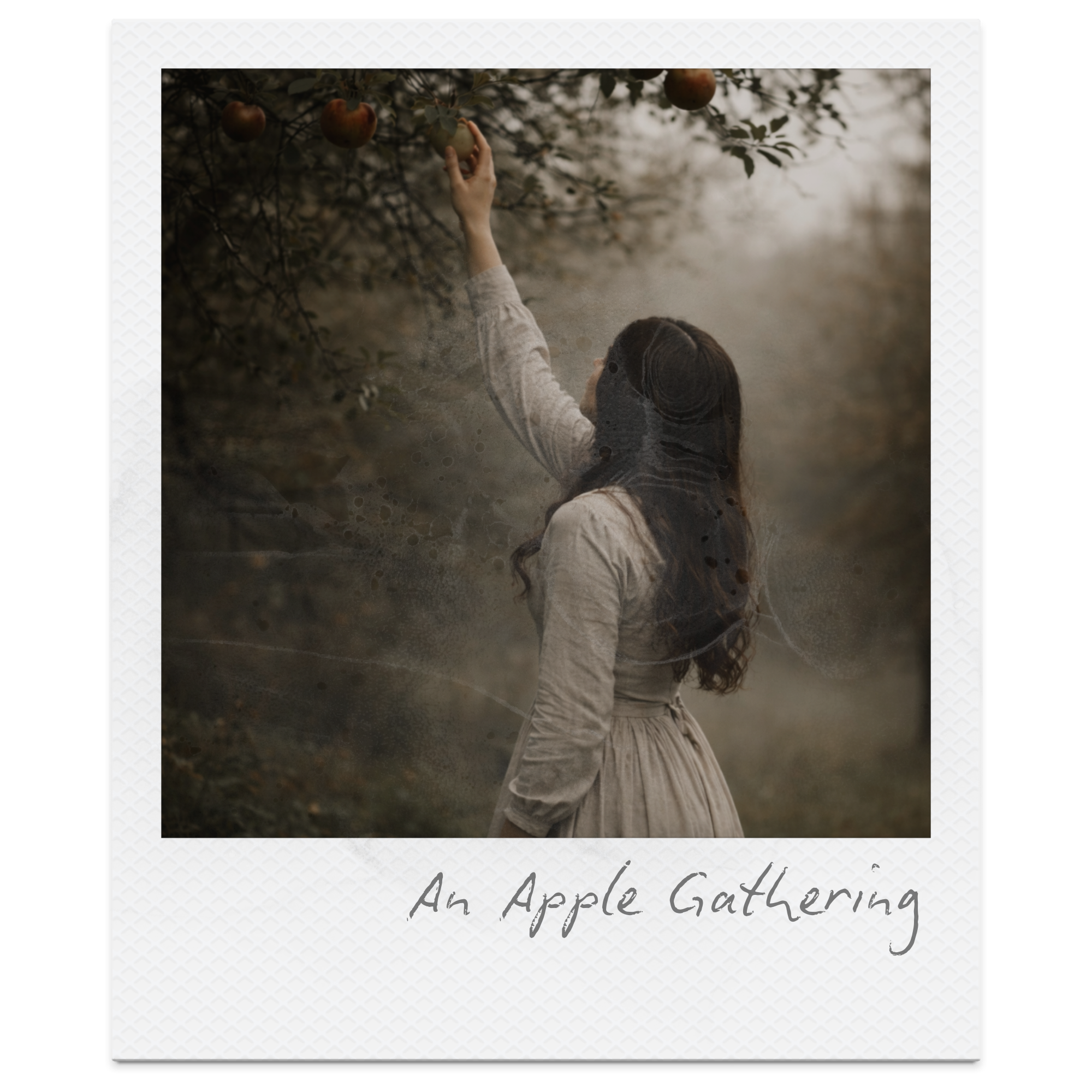
◆ An Apple-Gathering – Examines the consequences of desire and misjudgement. Like the crocodile’s consumption, the speaker’s actions lead to loss and emptiness, reinforcing Rossetti’s recurring concern with the cost of excess.
◆ Who Shall Deliver Me? – Offers a more explicitly religious response to human limitation, focusing on salvation and redemption. In contrast, My Dream presents a world where resolution is unclear, highlighting its departure from Rossetti’s more devotional certainty.
Final Thoughts
My Dream stands as one of Christina Rossetti’s most unsettling and enigmatic poems, offering a vision of power, excess, and inevitable collapse that resists easy interpretation. Through its dreamlike structure and grotesque imagery, the poem exposes how authority built on domination and consumption is ultimately fragile, revealing the instability that lies beneath even the most absolute forms of control.
What makes the poem particularly striking is its refusal to provide moral certainty. Unlike many of Rossetti’s more overtly devotional works, My Dream withholds resolution, leaving readers to confront its symbolism without guidance. This ambiguity transforms the poem into a space of ongoing interpretation, where meaning must be constructed rather than received.
By engaging with this complexity, readers can begin to see how Rossetti uses the dream form not simply to obscure meaning, but to deepen it—inviting reflection on human nature, corruption, and the limits of power. For further exploration of Rossetti’s poetry and its wider themes, visit the Rossetti Poetry Hub and continue your study through the Literature Library.
Choose Your Next Text