The World by Christina Rossetti: Summary, Themes, Symbolism & Analysis
Christina Rossetti’s The World is a powerful sonnet that explores the dangers of temptation, deception, and spiritual corruption. The poem presents the world as a seductive female figure who appears beautiful and inviting by day but reveals a far more disturbing nature by night. Through vivid contrasts between outward beauty and hidden horror, Rossetti reflects on the tension between earthly pleasure and spiritual truth.
At the centre of the poem is the idea that appearances can conceal deeper realities. The world initially offers “ripe fruits”, “sweet flowers”, and the promise of satisfaction, yet beneath this attractive surface lies something monstrous and destructive. Rossetti uses striking imagery of serpents, beasts, and hellish transformation to expose the dangers of being seduced by the pleasures of worldly life.
This analysis explores how Rossetti develops these ideas through religious symbolism, gothic imagery, and the structure of the sonnet form. You can explore more of Rossetti’s poetry in our Christina Rossetti Poetry Hub, or continue reading literary analysis and teaching resources in the Literature Library.

Context of The World
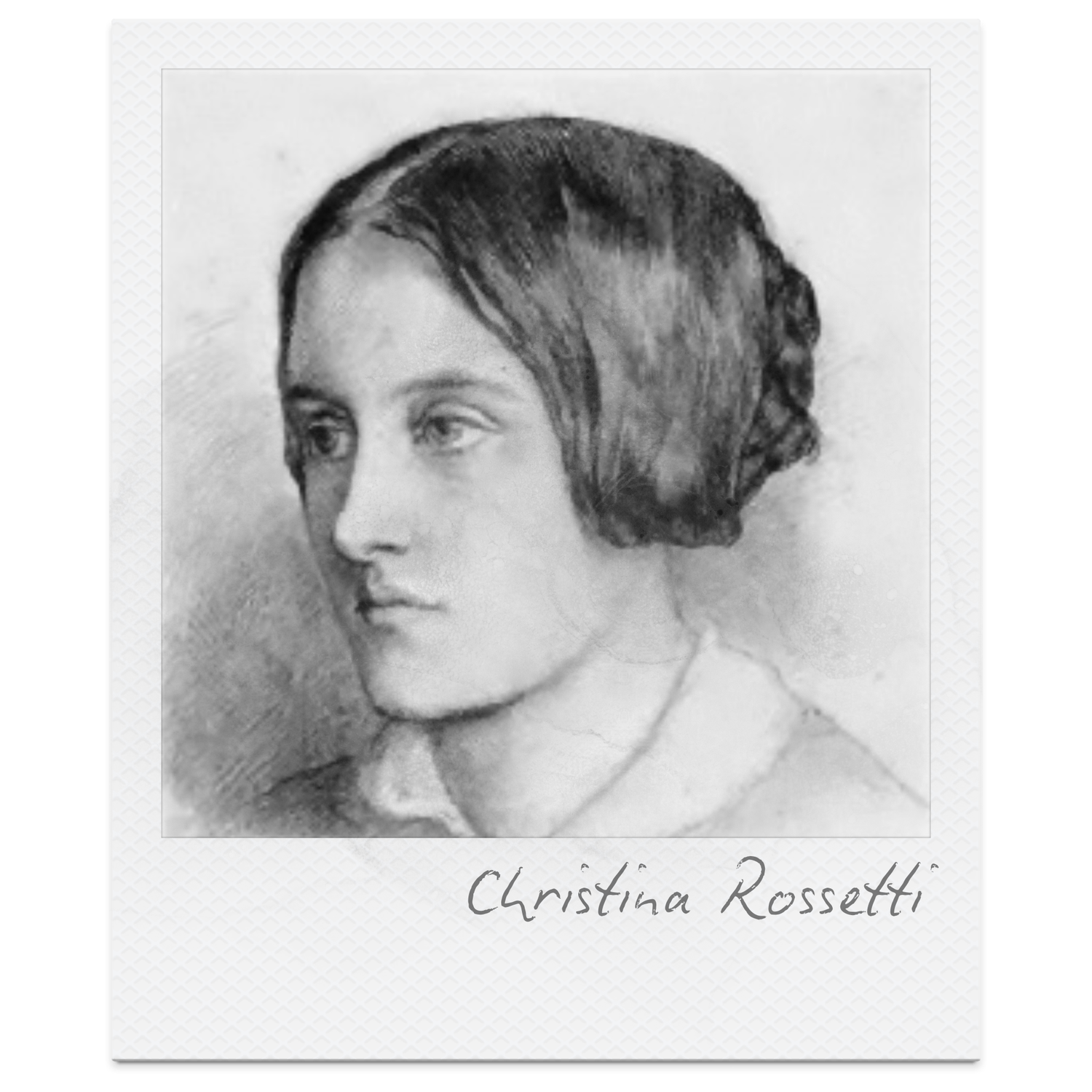
Christina Rossetti wrote during the Victorian period, a time when poetry frequently explored the tension between earthly life and spiritual devotion. Many Victorian writers were deeply influenced by Christian theology, and Rossetti’s poetry often reflects her strong religious beliefs and moral concerns. In The World, Rossetti draws on this tradition by presenting worldly life as something that can appear beautiful and desirable while ultimately concealing spiritual danger.
Rossetti was closely connected with the Anglo-Catholic movement within Victorian Christianity, which emphasised moral discipline, spiritual reflection, and the dangers of excessive attachment to worldly pleasures. This religious perspective shapes many of her poems, particularly those that contrast earthly temptation with spiritual truth. In The World, the seductive female figure who appears attractive by day but monstrous by night reflects the idea that worldly temptations may disguise deeper forms of corruption.
The poem also reflects Victorian anxieties about moral temptation, deception, and the fragility of spiritual integrity. Rossetti’s imagery of serpents, beasts, and hellish transformation draws on biblical symbolism associated with sin and spiritual downfall. These elements connect the poem to wider Christian themes about resisting temptation and recognising the difference between outward appearance and inner reality.
You can explore the religious and cultural influences shaping Rossetti’s poetry in more detail in our Christina Rossetti context post.
The World: At a Glance
Form: Petrarchan sonnet
Mood: Dark, unsettling, morally urgent
Central tension: The contrast between the seductive beauty of worldly pleasures and the hidden spiritual corruption beneath them
Core themes: temptation, deception, spiritual corruption, appearance versus reality, moral choice
One-sentence meaning:
The poem warns that the world may appear beautiful and desirable, but beneath its seductive surface lies spiritual danger that can ultimately lead to moral and spiritual destruction.
Quick Summary of The World
In the opening quatrain, the speaker describes the world as a seductive female figure who appears beautiful and desirable during the day. She “woos” the speaker with charm and attractiveness, presenting herself as soft, inviting, and full of promise. However, this beauty proves deceptive. At night her true nature is revealed: she becomes loathsome and diseased, with serpents in her hair, suggesting corruption and spiritual danger hidden beneath her appealing surface.
The second quatrain develops this contrast between appearance and reality. By day the world offers “ripe fruits,” “sweet flowers,” and full satiety, symbolising pleasure, abundance, and worldly satisfaction. Yet during the night she transforms into a beast and a monster, exposing the darker truth behind these temptations. Rossetti suggests that worldly pleasures may seem fulfilling, but they ultimately conceal something destructive.
In the final sestet, the poem moves toward moral reflection. The speaker recognises that the world’s daytime beauty is a lie, while its nighttime form reveals the horrifying truth. The monstrous imagery of horns, claws, and demonic transformation suggests the spiritual consequences of surrendering to worldly temptation. The poem concludes with a warning that giving one’s “life and youth” to the world may ultimately lead to spiritual ruin, symbolised by the speaker’s imagined descent toward hell.
Title, Form, Structure, and Metre
Christina Rossetti’s The World uses the tightly controlled structure of the sonnet form to develop its warning about temptation and spiritual danger. The poem moves from seductive appearance to horrifying revelation, using the formal progression of the sonnet to mirror the speaker’s growing recognition that worldly beauty conceals corruption.
Title
The title The World immediately suggests a broad and symbolic subject rather than a specific place or event. In Christian theology and Victorian religious thought, “the world” often refers to the sphere of earthly pleasures, temptations, and distractions that can lead people away from spiritual truth. Rossetti therefore personifies the world as a seductive figure who entices the speaker with beauty and pleasure.
By giving the world a human form, Rossetti transforms an abstract concept into something vivid and unsettling. The title prepares the reader for a poem that explores the tension between outward attraction and hidden danger, revealing how the world can appear inviting while concealing moral and spiritual corruption.
Form and Structure
The poem is written as a Petrarchan sonnet, consisting of fourteen lines divided into an octave (the first eight lines) and a sestet (the final six lines). This traditional structure allows Rossetti to present a clear progression of ideas.
The octave focuses on the deceptive nature of the world. In these lines, the speaker describes how the world appears beautiful and enticing during the day but reveals its monstrous nature at night. The repeated contrast between day and night emphasises the gap between appearance and reality.
The sestet then shifts toward reflection and judgement. Here the speaker recognises that the world’s beauty is a lie and confronts the horrifying consequences of surrendering to it. This structural shift reflects the typical volta, or turning point, found in many Petrarchan sonnets.
Rhyme Scheme and Poetic Pattern
The poem follows the traditional ABBAABBA rhyme scheme in the octave, which reinforces the poem’s sense of balance and symmetry. This tightly controlled pattern contrasts with the disturbing imagery of the poem, creating a tension between formal order and moral chaos.
The sestet introduces a different rhyme pattern, allowing the poem to shift toward a more urgent tone as the speaker confronts the truth behind the world’s seductive appearance.
Metre and Rhythmic Movement
Like many sonnets written in the English tradition, The World is largely composed in iambic pentameter, a metre consisting of five pairs of unstressed and stressed syllables per line. This steady rhythm gives the poem a formal, measured quality that suits its reflective and moral tone.
For example, the opening line follows a clear iambic pattern:
by DAY | she WOOS | me SOFT | exCEED | ing FAIR
The controlled rhythm reinforces the poem’s sense of deliberate observation, as though the speaker is carefully revealing the truth behind the world’s deceptive beauty. However, Rossetti occasionally places strong stresses on unsettling words such as “loathsome,” “monster,” and “hell,” allowing the metre to emphasise the poem’s darker imagery and moral warning.
Speaker of The World
The speaker in The World adopts a voice of moral awareness and spiritual reflection, describing his personal encounter with the seductive power of worldly temptation. The poem is written in the first person, which places the reader directly inside the speaker’s experience as he observes how the world attempts to “woo” him with beauty, pleasure, and abundance.
At the beginning of the poem, the speaker appears almost mesmerised by the world’s attractiveness. During the day, the world seems “soft” and “exceeding fair,” offering pleasures such as “ripe fruits” and “sweet flowers.” The repeated use of the verb “woos” emphasises the sense of seduction, suggesting that the world deliberately attempts to charm and entice the speaker.
As the poem progresses, however, the speaker’s perception changes. The transformation that occurs at night reveals the world’s true nature: it becomes “loathsome and foul,” a monstrous creature associated with serpents, disease, and demonic imagery. This shift reflects the speaker’s growing awareness that the world’s outward beauty conceals a deeper form of corruption.
In the final lines, the speaker reaches a moment of moral recognition. The question “Is this a friend indeed; that I should sell / My soul to her” expresses a sudden realisation that accepting the world’s temptations would require the surrender of both “life and youth.” The terrifying final image—“Till my feet, cloven too, take hold on hell?”—suggests that giving oneself fully to the world would ultimately transform the speaker into something demonic as well. Through this perspective, the speaker becomes a voice of warning, recognising the spiritual danger hidden beneath the world’s seductive surface.
Line-by-Line Analysis of The World
Christina Rossetti’s sonnet The World develops its moral argument gradually through a sequence of striking images. The poem contrasts day and night, beauty and corruption, illusion and truth, revealing how worldly temptation disguises spiritual danger. Each line contributes to this growing revelation, moving from seductive attraction toward the terrifying exposure of the world’s true nature.
Line 1: Seduction and Attraction
By day she woos me, soft, exceeding fair:
Rossetti opens the poem with a carefully constructed image of temptation. The world appears gentle, beautiful, and inviting, actively attempting to charm the speaker. The language suggests that worldly pleasures do not simply exist; they actively entice and persuade.
The tone initially appears calm and seductive, creating a sense of ease that mirrors the way worldly attractions can appear harmless. However, the verb “woos” introduces the idea that this beauty is intentional and manipulative.
◆ The verb “woos” personifies the world as a seductive figure actively pursuing the speaker.
◆ The phrase “soft, exceeding fair” emphasises gentleness and beauty, reinforcing the world’s attractive surface.
◆ The line establishes the theme of temptation disguised as beauty.
Line 2: The Beginning of Doubt
But all night as the moon so changeth she;
The conjunction “But” introduces the poem’s first dramatic contrast. While the world appears attractive during the day, its nature shifts once night falls. The stability of the opening image is immediately disrupted.
Rossetti compares this transformation to the changing moon, a symbol of instability and cyclical transformation. Just as the moon constantly alters its appearance, the world’s beauty is revealed to be unreliable and deceptive.
◆ The conjunction “But” signals a sudden shift from beauty to suspicion.
◆ The comparison to the moon emphasises instability and transformation.
◆ The line introduces the idea that worldly beauty may conceal something darker.
Line 3: Hidden Corruption
Loathsome and foul with hideous leprosy
The imagery becomes suddenly grotesque. The beautiful figure introduced earlier is now described as diseased and repulsive, exposing the corruption beneath the world’s surface.
In Victorian culture, leprosy carried powerful associations with impurity, moral contamination, and spiritual decay. Rossetti therefore uses the image not only to suggest physical ugliness but also to symbolise deep moral corruption.
◆ The words “loathsome” and “foul” reinforce the sudden reversal of the earlier beauty.
◆ Leprosy symbolises impurity and spiritual corruption.
◆ The line reveals the hidden decay beneath the world’s seductive appearance.
Line 4: Biblical Temptation
And subtle serpents gliding in her hair.
The image of serpents introduces a direct biblical echo. In Christian symbolism, the serpent represents temptation, deception, and the Fall of humanity in the Garden of Eden.
By placing serpents in the world’s hair, Rossetti transforms the seductive figure into something sinister and dangerous. The beauty described in the opening lines is now revealed to be closely linked with spiritual temptation.
◆ Serpents evoke the biblical symbolism of temptation and deception.
◆ The adjective “subtle” suggests cunning and hidden danger.
◆ The line reinforces the poem’s warning about the deceptive nature of worldly attraction.
Line 5: Renewed Temptation
By day she wooes me to the outer air,
The poem returns to the pattern established in the opening lines, repeating the contrast between day and night. Once again, the world appears attractive during the day.
The phrase “outer air” suggests openness, freedom, and pleasure. The world seems to offer the speaker a life of enjoyment and abundance.
◆ The repetition of “By day” reinforces the pattern of illusion versus truth.
◆ The verb “wooes” continues the theme of seduction.
◆ The phrase “outer air” suggests freedom and pleasure.
Line 6: Sensory Abundance
Ripe fruits, sweet flowers, and full satiety:
Rossetti now emphasises the sensual pleasures offered by the world. The imagery appeals directly to the senses: taste, scent, and physical satisfaction.
However, these pleasures are excessive. The phrase “full satiety” suggests indulgence and overconsumption, hinting that the world’s pleasures may lead to spiritual emptiness.
◆ “Ripe fruits” and “sweet flowers” evoke natural beauty and sensory pleasure.
◆ The phrase “full satiety” suggests excess and indulgence.
◆ The imagery reinforces the seductive appeal of worldly life.
Line 7: Night-time Revelation
But through the night, a beast she grins at me,
The poem again shifts abruptly from day to night. The beautiful woman now becomes a beast, exposing the terrifying truth behind her earlier charm.
The verb “grins” adds a disturbing quality, suggesting mockery or malicious pleasure. The world appears to take satisfaction in deceiving those who trust its beauty.
◆ The word “beast” dehumanises the figure, revealing her monstrous nature.
◆ The verb “grins” suggests cruelty or mockery.
◆ The line exposes the truth hidden behind the world’s daytime charm.
Line 8: Spiritual Emptiness
A very monster void of love and prayer.
The transformation becomes complete. The world is no longer merely unpleasant but entirely monstrous.
The phrase “void of love and prayer” highlights the world’s spiritual emptiness. Rossetti contrasts worldly pleasure with the Christian virtues of love and devotion.
◆ The word “monster” emphasises complete moral corruption.
◆ The phrase “void of love and prayer” suggests spiritual emptiness.
◆ The line reinforces the poem’s religious warning against worldly temptation.
Line 9: False Appearance
By day she stands a lie: by night she stands
Rossetti now explicitly states the contrast that has been developing throughout the poem. The world’s daytime beauty is revealed to be a lie, while night reveals the truth.
The repetition of “stands” emphasises the stability of both states: the world consistently presents illusion by day and truth by night.
◆ The phrase “stands a lie” directly exposes the world’s deception.
◆ The repeated structure reinforces the contrast between appearance and truth.
◆ The line clarifies the poem’s moral argument.
Line 10: Terrifying Truth
In all the naked horror of the truth
The word “naked” suggests that the world’s true nature is now completely exposed. There is no longer any disguise or illusion.
The phrase “horror of the truth” implies that recognising the world’s real nature is deeply disturbing.
◆ “Naked” suggests complete exposure and vulnerability.
◆ “Horror” emphasises the terrifying nature of this revelation.
◆ The line marks the climax of the poem’s unveiling of truth.
Line 11: Demonic Imagery
With pushing horns and clawed and clutching hands.
The imagery becomes explicitly demonic. Horns and claws evoke the traditional visual imagery of devils or monstrous creatures.
Rossetti’s description suggests that the world is not merely corrupt but actively dangerous, capable of harming those who trust it.
◆ “Horns” and “clawed hands” evoke demonic imagery.
◆ The verbs “clawed” and “clutching” suggest aggression and danger.
◆ The line intensifies the poem’s sense of threat.
Line 12: Moral Question
Is this a friend indeed; that I should sell
The poem now turns toward reflection. The speaker asks whether something so deceptive could truly be considered a friend.
The rhetorical question invites readers to reflect on their own relationship with the world and its temptations.
◆ The phrase “Is this a friend indeed” introduces moral questioning.
◆ The rhetorical question engages the reader directly.
◆ The line marks the beginning of the poem’s concluding judgement.
Line 13: Spiritual Cost
My soul to her, give her my life and youth,
The speaker considers the cost of giving in to worldly temptation. The language suggests total surrender: not only time and energy, but the soul itself.
Rossetti emphasises that worldly pleasures may demand a far greater sacrifice than they appear to require.
◆ The phrase “sell my soul” evokes the idea of spiritual betrayal.
◆ “Life and youth” suggest the full span of human vitality.
◆ The line highlights the devastating cost of temptation.
Line 14: Final Damnation
Till my feet, cloven too, take hold on hell?
The sonnet ends with a terrifying image of transformation. The speaker imagines becoming like the world itself, developing cloven feet, a traditional symbol of the devil.
The final image suggests that surrendering to the world does not merely lead to suffering but ultimately results in damnation.
◆ “Cloven feet” symbolise demonic transformation.
◆ The phrase “take hold on hell” evokes eternal punishment.
◆ The line provides the poem’s final warning about the spiritual consequences of worldly temptation.
Key Techniques in The World
Christina Rossetti uses a range of literary techniques to reveal the contrast between the seductive appearance of the world and its hidden moral corruption. Through the sonnet’s structure, religious imagery, and striking contrasts, the poem gradually exposes how worldly pleasures disguise deeper spiritual danger.
◆ Petrarchan Sonnet Structure – Rossetti writes the poem as a Petrarchan sonnet, a form traditionally associated with admiration and romantic devotion. By using this structure to describe temptation and corruption, she deliberately subverts expectations. The poem’s volta occurs in line 9 (“By day she stands a lie”), where the speaker recognises that the world’s beauty is an illusion and its true nature is exposed.
◆ Personification – The world is personified as a seductive female figure who actively “woos” the speaker. This technique transforms an abstract concept into a vivid character, allowing Rossetti to dramatise temptation as something persuasive and emotionally powerful.
◆ Contrast Between Day and Night – Rossetti repeatedly contrasts day and night to reveal the difference between appearance and reality. During the day the world appears beautiful and generous, offering pleasure and abundance, but at night its monstrous nature is exposed.
◆ Biblical Allusion – The poem draws on Christian imagery, particularly through the reference to serpents gliding in her hair, which echoes the serpent in the Garden of Eden. This allusion connects the world with temptation and moral deception.
◆ Demonic Imagery – Rossetti intensifies the poem’s warning through imagery associated with demons and hell. The descriptions of horns, claws, and cloven feet suggest that worldly temptation ultimately leads toward spiritual corruption and damnation.
◆ Sensory Imagery of Temptation – Images such as “ripe fruits,” “sweet flowers,” and “full satiety” appeal directly to the senses, emphasising the seductive pleasures offered by the world. These images reinforce the poem’s central warning that temptation often disguises itself through beauty and pleasure.
Themes in The World
Rossetti’s sonnet explores the moral tension between worldly attraction and spiritual integrity. Through the speaker’s growing awareness of the world’s deceptive nature, the poem examines how temptation disguises itself through beauty and pleasure. These themes ultimately lead the reader to consider the consequences of choosing worldly satisfaction over spiritual truth.
Temptation
One of the central ideas of the poem is the seductive power of worldly temptation. Rossetti presents the world as an alluring figure who actively “woos” the speaker, suggesting that temptation does not simply exist but actively seeks to persuade and attract. The beauty, abundance, and sensual pleasure offered during the day make the world appear harmless and desirable, masking the moral danger beneath its surface. Through this personification, Rossetti highlights how easily individuals may be drawn toward pleasures that ultimately threaten their spiritual wellbeing.
Deception
Rossetti repeatedly emphasises that the world’s beauty is deceptive. The striking contrast between day and night reveals how appearances can conceal darker truths. During the day the world appears beautiful and inviting, but at night its grotesque and monstrous nature becomes visible. By structuring the poem around this contrast, Rossetti demonstrates that temptation often depends upon illusion, encouraging people to trust appearances rather than recognise deeper moral realities.
Spiritual Corruption
Beneath the world’s seductive exterior lies profound moral corruption. Rossetti reveals this corruption through disturbing imagery such as disease, serpents, and demonic features. These images suggest that the world’s pleasures are not simply shallow but spiritually dangerous, leading individuals away from faith and moral integrity. The poem therefore presents worldly temptation as something capable of damaging the soul.
Appearance Versus Reality
The tension between outward appearance and hidden truth runs throughout the poem. The world initially appears “soft” and “exceeding fair,” offering pleasure and beauty. However, this beauty is gradually revealed to be a disguise for something monstrous and destructive. Rossetti suggests that recognising this difference between appearance and reality is essential for moral clarity.
Moral Choice
The poem concludes by confronting the speaker with a difficult moral decision. The rhetorical question in the final lines forces the speaker to consider whether it is worth sacrificing one’s soul for the pleasures offered by the world. Rossetti therefore frames the poem as a reflection on personal responsibility, emphasising that individuals must decide whether to follow temptation or resist it in favour of spiritual truth.
Alternative Interpretations of The World
Although The World is often read primarily as a Christian warning against worldly temptation, Rossetti’s imagery allows for several different interpretive approaches. The poem’s vivid personification, disturbing transformation imagery, and rhetorical questioning invite readers to consider the world not only as a spiritual allegory but also as a symbol of psychological struggle, social anxiety, and human desire. Examining the poem through different interpretive lenses reveals how Rossetti’s sonnet operates on multiple levels of meaning.
Religious Interpretation: The World as Spiritual Temptation
The most traditional interpretation reads the poem as a Christian allegory about the danger of worldly temptation. In this reading, the seductive female figure represents the sinful attractions of earthly life, which appear beautiful and desirable but ultimately lead the soul away from God.
Rossetti’s imagery strongly supports this interpretation. The world initially appears “soft” and “exceeding fair,” offering pleasure and abundance through images such as “ripe fruits” and “sweet flowers.” However, this beauty is gradually revealed to be deceptive, as the world transforms into a diseased and monstrous figure. The serpents in her hair evoke the biblical serpent of the Garden of Eden, reinforcing the idea that worldly temptation is linked to the Fall of humanity.
The final lines of the sonnet emphasise the spiritual stakes of this temptation. The speaker questions whether it is worth sacrificing one’s soul and youth for the pleasures offered by the world, ultimately suggesting that such surrender leads toward spiritual damnation.
Moral Allegory Interpretation: The Illusion of Worldly Pleasure
Another interpretation reads the poem as a moral allegory about the deceptive nature of earthly pleasure and material satisfaction. In this reading, the world symbolises not only religious temptation but also the broader human tendency to pursue pleasure without recognising its consequences.
The poem repeatedly contrasts appearance with reality. By day, the world offers beauty, abundance, and sensual delight, but by night its monstrous nature becomes visible. This structure suggests that worldly pleasures may appear fulfilling in the moment yet ultimately prove hollow or destructive.
Through this allegorical framework, Rossetti invites readers to question the values promoted by society. The poem suggests that excessive attachment to pleasure, comfort, or material success may conceal deeper moral dangers.
Sexual Temptation Interpretation: The Seductive Threat
Another interpretation focuses on the poem’s imagery of seduction and sensual attraction. The world appears as a woman who actively “woos” the speaker, presenting temptation through beauty, abundance, and pleasure. The imagery of ripe fruit, flowers, and satiety evokes sensual enjoyment, reinforcing the sense that the world offers physical and emotional gratification.
Within this reading, the world becomes a symbolic representation of dangerous desire. The seductive woman appears beautiful during the day but reveals a monstrous nature at night, suggesting that uncontrolled desire may lead to moral corruption or spiritual ruin.
This interpretation reflects broader Victorian anxieties about sexuality and temptation. Rossetti’s transformation of the beautiful woman into a beast-like figure reinforces the idea that desire, when pursued without moral restraint, may ultimately become destructive.
Feminist Interpretation: The Dangerous Woman Trope
A feminist interpretation may focus on how the poem represents temptation through the image of a dangerous female figure. Throughout literary history, women have often been portrayed as sources of temptation or moral downfall, from Eve in the Garden of Eden to the seductive figures of Victorian moral literature.
In this reading, Rossetti’s depiction of the world as a seductive woman may reflect broader cultural anxieties about female sexuality and power. The transformation from beauty to monstrosity suggests that female attractiveness is perceived as both alluring and threatening.
However, Rossetti’s authorship complicates this interpretation. As a female poet writing within a deeply religious context, Rossetti may be engaging with these tropes critically rather than simply reproducing them. The poem may therefore reflect the tension between cultural expectations about women and Rossetti’s own exploration of moral and spiritual struggle.
Psychological Interpretation: Inner Moral Conflict
The poem can also be read as a psychological exploration of inner moral conflict. Rather than representing an external temptress, the figure of the world may symbolise the speaker’s own internal struggle between desire and moral awareness.
In this interpretation, the contrast between day and night reflects the divided nature of human consciousness. During the day, worldly pleasures appear attractive and desirable, but deeper reflection reveals their potential danger. The monstrous imagery therefore represents the speaker’s growing awareness of the consequences of surrendering to temptation.
The final rhetorical question reinforces this internal conflict, as the speaker weighs the cost of giving up spiritual integrity in exchange for worldly satisfaction.
Victorian Social Critique Interpretation: Materialism and Society
A final interpretation views the poem as a critique of Victorian materialism and social ambition. During the nineteenth century, industrialisation and economic expansion created a culture increasingly focused on wealth, status, and outward success.
Within this context, the world’s seductive beauty may symbolise the attractions of social prestige, luxury, and material comfort. The imagery of abundance and pleasure reflects the promises offered by a society driven by consumption and ambition.
Rossetti’s depiction of the world as ultimately monstrous may therefore express scepticism toward these values. The poem suggests that a life devoted to worldly success may conceal deeper moral emptiness and spiritual danger.
Teaching Ideas for The World
Christina Rossetti’s sonnet provides rich opportunities for exploring temptation, symbolism, and moral conflict in the classroom. Its vivid imagery and dramatic contrasts make it particularly effective for practising close reading and analytical writing, while also encouraging students to debate the poem’s moral and philosophical ideas.
1. Exploring Appearance Versus Reality
One effective starting point is the poem’s central contrast between day and night. Rossetti repeatedly presents the world as beautiful during the day but monstrous during the night, gradually exposing the gap between appearance and truth.
Students can examine the poem and identify language that suggests beauty, pleasure, or attraction alongside language that suggests corruption, monstrosity, or danger. This allows them to see how Rossetti carefully builds the poem’s tension between illusion and revelation.
Once students have identified these contrasting images, they can discuss how Rossetti uses them to communicate the poem’s warning about the deceptive nature of worldly pleasure.
2. Analysing Religious Symbolism
The poem contains strong biblical imagery, making it a useful text for discussing symbolism. Students can identify images such as serpents, horns, and cloven feet and explore how these symbols connect to Christian ideas about temptation and moral danger.
Working in pairs, students can consider why Rossetti might have chosen these particular images and how they would have been understood by Victorian readers familiar with biblical symbolism. This activity helps students understand how writers draw on cultural and religious traditions to deepen meaning.
3. Developing Analytical Paragraphs
The poem can also be used to practise constructing clear analytical paragraphs. Begin by modelling a paragraph that integrates quotation, analysis, and interpretation.
For example:
Rossetti presents the world as dangerously deceptive through her use of contrast and disturbing imagery. During the day the world appears attractive and inviting, described as “soft, exceeding fair,” which suggests beauty and gentleness. However, this appearance is later exposed as false when the speaker describes the world as “loathsome and foul with hideous leprosy.” The sudden shift from beauty to disease emphasises the gap between appearance and reality, reinforcing Rossetti’s warning that worldly pleasures may conceal deeper moral corruption.
Students can then practise writing their own analytical paragraphs based on different quotations from the poem. For further practice, they can respond to prompts from the Rossetti essay questions collection, which provides extended questions designed to support deeper analytical writing.
4. Debate: Is the World Truly Evil?
Another engaging activity is to frame the poem as a debate about whether the world itself is truly corrupt or whether the speaker’s perspective might be exaggerated.
Students can work in groups to gather evidence supporting different interpretations. Some groups may argue that the poem presents a clear religious warning about temptation, while others may explore the possibility that the speaker’s description reflects personal anxiety or moral fear.
This debate encourages students to recognise that poetry often supports multiple interpretations and invites readers to consider how meaning can shift depending on perspective.
Go Deeper into The World
Rossetti frequently returns to themes of temptation, spiritual struggle, illusion, and moral choice across her poetry. Reading The World alongside other Rossetti poems can deepen understanding of how she repeatedly explores the tension between earthly desire and spiritual truth, often through symbolic imagery and dramatic contrasts.
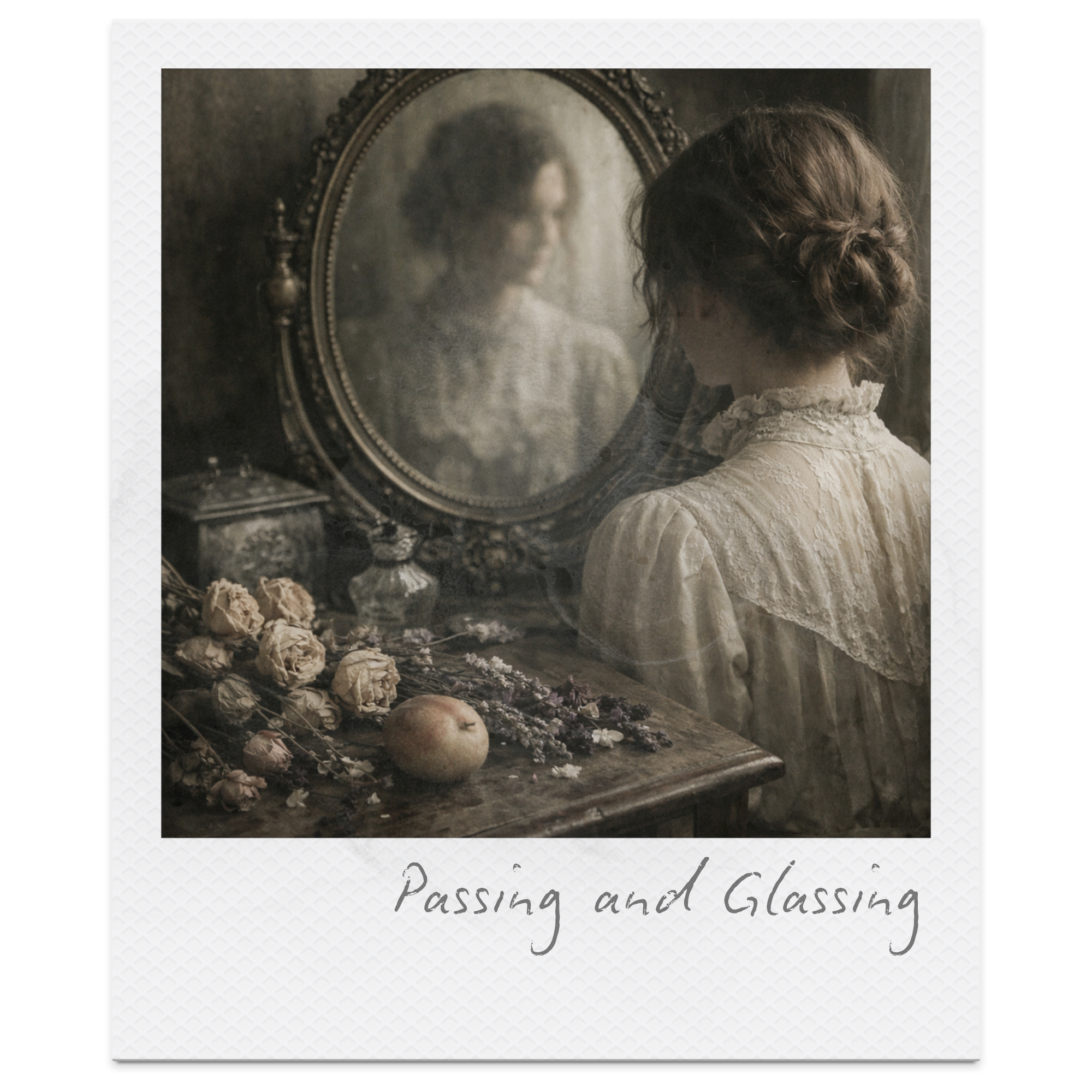
◆ Passing and Glassing – Both poems explore the deceptive nature of appearances. While The World exposes the corruption hidden beneath beauty, Passing and Glassing reflects on how outward appearances gradually reveal deeper truths about life, time, and human experience.
◆ Shut Out – Like The World, this poem explores spiritual separation and the painful consequences of moral or emotional loss. Both poems use symbolic imagery to represent exclusion from a state of spiritual or emotional belonging.
◆ A Daughter of Eve – This poem similarly engages with ideas of temptation and moral struggle, drawing on biblical imagery associated with the Fall of humanity.
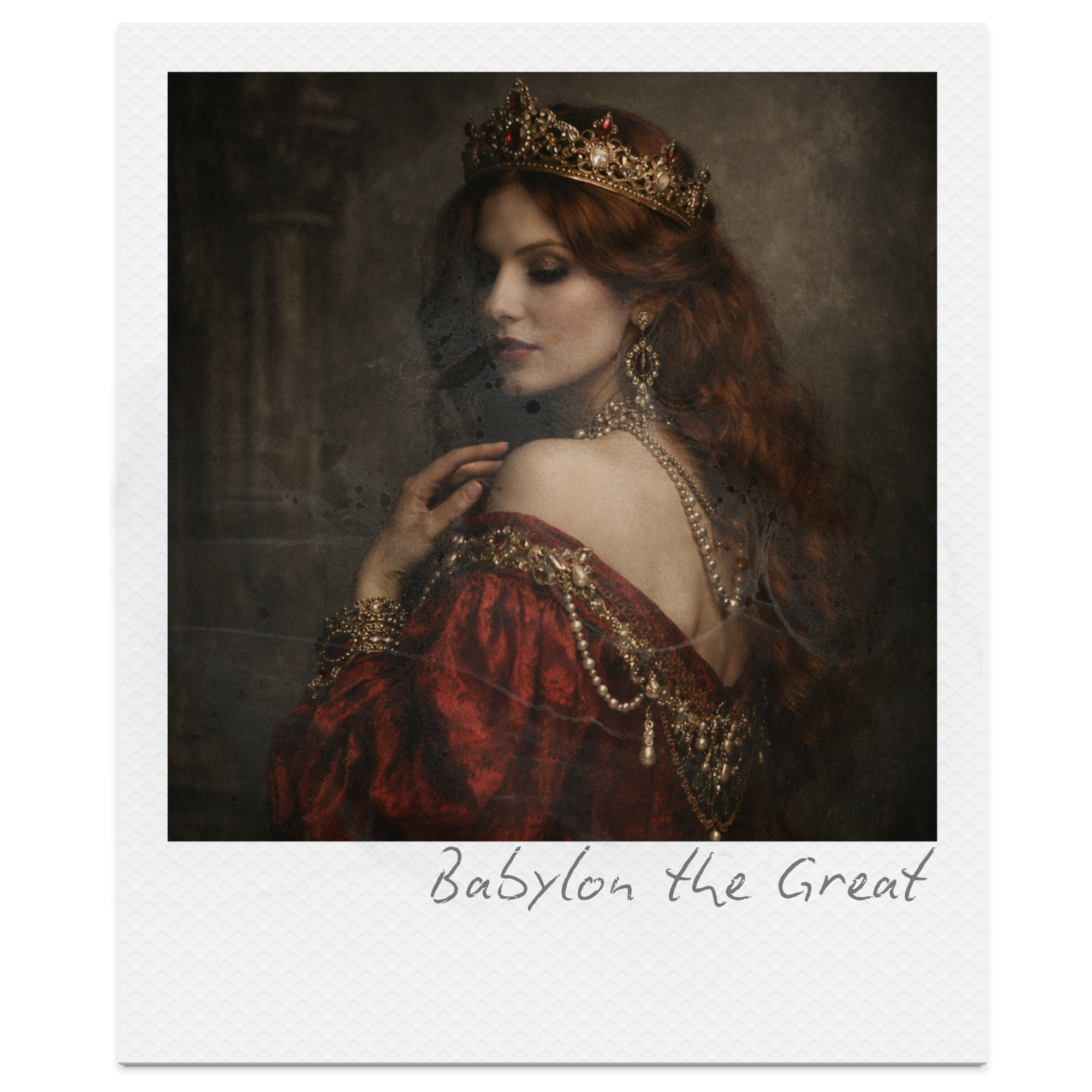
◆ Babylon the Great – Rossetti’s portrayal of Babylon as a seductive yet corrupt figure closely parallels the imagery in The World, particularly the idea of temptation disguised through beauty and spectacle.
◆ In an Artist’s Studio – While focusing on artistic representation rather than spiritual temptation, this poem also critiques the distortion of reality. The idealised female figure in the paintings reflects how appearances can conceal deeper truths.
◆ Up-Hill – In contrast to the deceptive world depicted in The World, Up-Hill offers a hopeful vision of spiritual perseverance and eventual rest after life’s moral struggles.
◆ A Better Resurrection – This poem explores spiritual exhaustion and the desire for renewal, reflecting Rossetti’s recurring interest in faith, struggle, and redemption.
◆ Remember – While Remember focuses more directly on memory and loss, both poems explore how individuals confront the realities of life, death, and moral reflection.
Final Thoughts
Christina Rossetti’s sonnet The World offers a striking meditation on temptation, illusion, and moral choice. Through vivid imagery and dramatic contrasts between beauty and corruption, Rossetti exposes the danger of trusting appearances and warns that worldly pleasures may conceal deeper spiritual consequences. The poem’s transformation from seductive attraction to monstrous revelation emphasises the importance of recognising the difference between surface allure and moral truth.
As part of Rossetti’s wider body of poetry, The World reflects her recurring concern with faith, temptation, and the struggle between earthly desire and spiritual integrity. Readers interested in exploring these themes further can find additional analyses and discussions in the Christina Rossetti Poetry Hub and across the broader Literature Library, where Rossetti’s work is examined alongside other major writers and literary movements.
Choose Your Next Text