Babylon the Great by Christina Rossetti: Summary, Themes, Symbolism & Analysis
Christina Rossetti’s Babylon the Great presents a powerful warning about temptation, moral corruption, and spiritual deception. Drawing on imagery from the Book of Revelation, the poem depicts Babylon as a seductive but destructive figure whose outward splendour hides deep moral decay. Through vivid symbolic language and unsettling imagery, Rossetti explores how appearances can disguise danger, warning readers against the allure of sin, power, and false beauty.
The poem develops themes of spiritual corruption, temptation, judgement, and moral vigilance, portraying Babylon as a figure whose seductive influence threatens those who look upon her. Rossetti combines biblical symbolism with intense imagery to create a prophetic tone that exposes the contrast between outward glamour and inner corruption. This analysis explores the poem’s structure, symbolism, imagery, and themes, revealing how Rossetti transforms a biblical warning into a striking poetic vision.
This poem forms part of the wider Christina Rossetti collection within the Rossetti hub, where multiple poems are analysed to explore recurring themes across her work. Readers interested in broader literary analysis and teaching resources can also explore the Literature Library, which gathers together poetry, prose, and drama guides.

Babylon the Great Context
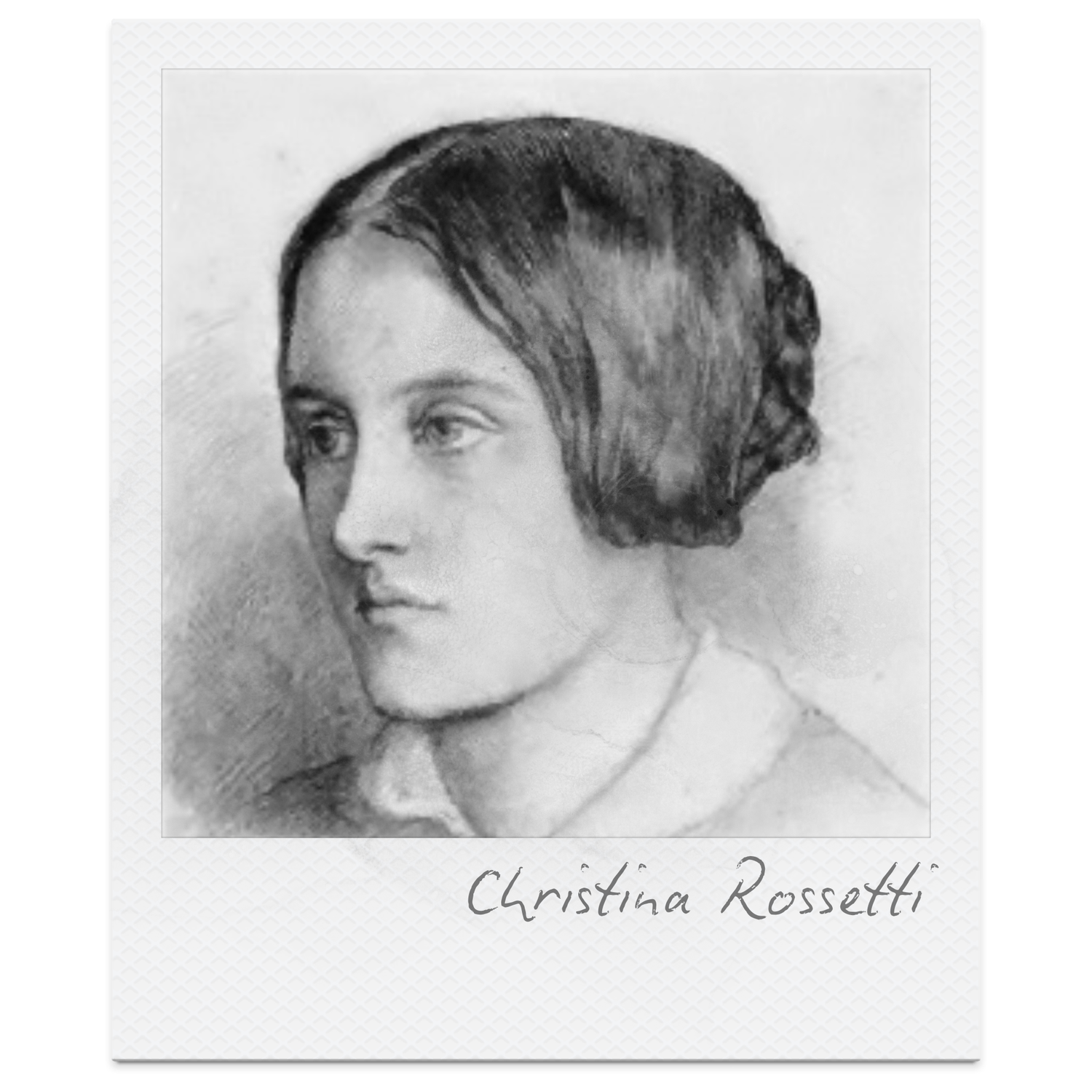
Christina Rossetti’s Babylon the Great draws directly on imagery from the Book of Revelation, particularly the figure of the “Whore of Babylon”, who represents corruption, moral decadence, and spiritual downfall. In the biblical text, Babylon symbolises a powerful but morally bankrupt civilisation whose luxury and wealth conceal deep corruption. Rossetti adapts this imagery to create a poetic warning about the dangers of temptation, spiritual deception, and moral decline.
In Revelation, Babylon is described as a woman clothed in scarlet, gold, jewels, and pearls, who intoxicates the world with her influence before ultimately facing divine judgement and destruction. Rossetti’s poem echoes this imagery closely, referring to Babylon’s scarlet garments, jewels, and dazzling splendour, while simultaneously exposing the corruption hidden beneath this outward beauty. By drawing on these biblical symbols, Rossetti frames the poem as a moral warning about the seductive power of sin, wealth, and worldly desire.
Rossetti’s strong Christian faith shaped much of her poetry, and she frequently explored themes of spiritual vigilance, temptation, and redemption. In Babylon the Great, she portrays temptation as something dangerously attractive yet fundamentally destructive. The repeated warning “Gaze not upon her” reflects the idea that spiritual corruption often begins with fascination or curiosity, reinforcing the poem’s message that moral strength requires active resistance.
The poem can also be understood within the context of Victorian moral culture, which often emphasised the contrast between outward respectability and hidden vice. By presenting Babylon as both magnificent and corrupt, Rossetti highlights the tension between appearance and reality, warning that beauty and power can conceal profound moral danger.
Readers interested in Rossetti’s wider influences, including her religious beliefs and Victorian cultural background, can explore these themes further in the dedicated Christina Rossetti Context Post, which explains the historical and literary influences that shaped her poetry.
Babylon the Great: At a Glance
Form: Petrarchan sonnet
Mood: Ominous, prophetic, and morally warning
Central tension: The seductive power of corruption versus the danger of spiritual destruction
Core themes: temptation, spiritual corruption, moral vigilance, divine judgement, and deceptive appearances
One-sentence meaning:
The poem warns readers against the seductive power of corruption, portraying Babylon as a dazzling yet destructive figure whose outward splendour hides moral decay and inevitable divine judgement.
Babylon the Great Quick Summary
The poem begins with a disturbing description of Babylon as a figure who is morally corrupt and physically unsettling, yet capable of appearing beautiful to those who look at her too closely. Rossetti warns the reader not to gaze upon her, suggesting that fascination with her appearance can lead to dangerous self-deception. Babylon represents a form of temptation that disguises its true nature behind seductive illusions.
As the poem develops, Rossetti reveals that Babylon’s desires are not rooted in love or genuine connection but in violence and destruction. Her heart, compared to a predatory panther, longs for blood rather than affection. The luxurious imagery that surrounds her is therefore deeply deceptive: the cup she offers contains not wine but something foul and corrupt, symbolising the hidden consequences of moral corruption.
In the final lines, Rossetti describes how Babylon’s seductive power can overwhelm those who watch her. The poem ends with a vision of judgement and destruction, as Babylon’s splendour—her scarlet garments, jewels, and ornaments—is consumed by fire. This final image reflects the biblical prophecy of Babylon’s downfall, reinforcing the poem’s warning that corruption and temptation ultimately lead to ruin.
Babylon the Great Title, Form, Structure, and Metre
Christina Rossetti’s Babylon the Great uses the tightly controlled structure of the Italian (Petrarchan) sonnet to frame a powerful moral warning. The disciplined poetic form contrasts sharply with the disturbing imagery of corruption and destruction within the poem, creating a striking tension between formal elegance and moral chaos.
Title
The title Babylon the Great refers to the apocalyptic figure described in the Book of Revelation, where Babylon symbolises corruption, moral decadence, and spiritual downfall. In biblical prophecy, Babylon is portrayed as a powerful and luxurious city whose wealth and splendour conceal deep moral corruption.
By choosing this title, Rossetti signals that the poem will explore the theme of spiritual temptation and judgement. The title also prepares readers for the poem’s prophetic tone, presenting Babylon not merely as an individual figure but as a symbol of moral corruption and destructive temptation.
Form and Structure
The poem is written as a Petrarchan (Italian) sonnet, a traditional poetic form consisting of fourteen lines. This form divides the poem into two main sections: an octave (the opening eight lines) followed by a sestet (the final six lines).
The octave introduces Babylon and describes her disturbing mixture of seduction and corruption. Rossetti portrays her as simultaneously alluring and dangerous, presenting vivid imagery that reveals the moral decay hidden beneath her outward splendour.
The sestet then shifts in emphasis. Instead of continuing the description, the poem turns toward a series of direct warnings addressed to the reader. The repeated instruction “Gaze not upon her” reinforces the poem’s central moral message: fascination with corruption can lead to spiritual downfall.
This structural shift between the octave and the sestet reflects a common feature of Petrarchan sonnets, where the second section introduces a new perspective or development of the poem’s central idea.
Rhyme Scheme and Poetic Pattern
Like many Italian sonnets, Babylon the Great follows the traditional rhyme pattern ABBA ABBA in the octave. This enclosed rhyme scheme creates a sense of containment and emphasis, drawing attention to the vivid descriptions of Babylon’s corrupt nature.
The sestet introduces a more flexible rhyme arrangement, following the pattern CDDECE. This shift allows Rossetti to move away from description and focus instead on the poem’s warning. The changing rhyme pattern subtly reflects the poem’s transition from observation to moral instruction.
Metre and Rhythmic Movement
The poem is written primarily in iambic pentameter, a metre consisting of five iambs per line. An iamb pairs an unstressed syllable with a stressed syllable, creating the familiar rhythmic pattern often described as da-DUM. This metre gives the poem a steady and authoritative rhythm.
Gaze NOT | upON | her, LEST | thou BE | as SHE
The regularity of iambic pentameter lends the poem a measured, prophetic tone, reinforcing the sense that the speaker is delivering a serious warning.
Rossetti occasionally disrupts this rhythm for emphasis. The opening line begins with a stressed syllable rather than an unstressed one:
FOUL is | she AND | ill FAV | oured, SET | aSKEW
This reversal places strong emphasis on the word “Foul,” immediately establishing the poem’s harsh judgement of Babylon. Similar rhythmic shifts appear later in the poem, especially when the speaker describes Babylon’s eventual destruction. These subtle variations create moments of tension within the steady rhythm, heightening the poem’s atmosphere of impending judgement and moral danger.
Babylon the Great Speaker
The speaker of Babylon the Great adopts a voice that is authoritative, prophetic, and morally instructive. Rather than expressing personal emotion, the speaker addresses the reader directly, delivering a warning about the dangers of temptation and corruption. This voice resembles that of a moral guide or religious prophet, echoing the tone of biblical scripture.
The repeated command “Gaze not upon her” reinforces the speaker’s role as a figure offering guidance. By addressing the reader directly through imperative language, the speaker positions themselves as someone who recognises the danger Babylon represents and seeks to prevent others from falling under her influence. The tone therefore carries a sense of urgency, suggesting that fascination with Babylon’s beauty could lead to moral or spiritual destruction.
The speaker also reveals an intimate understanding of Babylon’s deceptive power. Although Babylon appears magnificent, the speaker exposes the corruption hidden beneath her surface. Descriptions such as “foul,” “ill-favoured,” and references to the filth within her cup undermine the splendour suggested by her jewels and scarlet garments. Through this contrast, the speaker exposes the difference between appearance and reality, emphasising the poem’s central warning about deceptive temptation.
Importantly, the speaker’s warnings suggest that Babylon’s danger lies not only in her existence but in the act of looking upon her. The poem repeatedly suggests that curiosity and fascination can gradually lead to moral corruption. By emphasising the risk of even gazing at Babylon, the speaker highlights the fragile boundary between temptation and moral downfall.
Overall, the speaker functions as a voice of moral vigilance, urging readers to recognise and resist corruption before it can take hold. Through this prophetic voice, Rossetti transforms the poem into a powerful warning about the seductive power of sin and the importance of spiritual awareness.
Babylon the Great Line-by-Line Analysis and Key Quotes
Christina Rossetti’s Babylon the Great is a tightly structured Petrarchan sonnet filled with biblical symbolism, moral warning, and prophetic imagery. Drawing on the figure of Babylon from the Book of Revelation, Rossetti presents corruption not simply as something grotesque but as something dangerously seductive. The poem repeatedly warns the reader against looking upon Babylon, suggesting that temptation begins with fascination, curiosity, and gradual self-deception.
A close reading of the poem reveals how Rossetti carefully builds this warning line by line. The opening lines establish Babylon as morally distorted and predatory, while the middle of the poem exposes the corruption hidden beneath her splendour. The repeated command “Gaze not upon her” becomes increasingly urgent as the poem progresses, culminating in a final vision of apocalyptic destruction and divine judgement.
Line 1: Immediate Moral Condemnation
“Foul is she and ill-favoured, set askew:”
Rossetti opens the poem with a stark and uncompromising judgement. Rather than gradually introducing Babylon’s corruption, the poem begins with a blunt moral assessment that immediately establishes the tone of prophetic condemnation. The speaker does not describe Babylon neutrally; instead, the language suggests that her corruption is already widely recognised and beyond redemption.
The line’s harsh imagery also signals that Babylon represents something deeply unnatural. Her appearance is not merely unattractive but distorted, hinting that moral corruption has reshaped her outward form.
◆ The word “Foul” immediately introduces the theme of corruption, presenting Babylon as morally contaminated rather than simply flawed.
◆ The phrase “ill-favoured” suggests ugliness or deformity, undermining any expectation that Babylon’s power comes from genuine beauty.
◆ The description “set askew” implies imbalance and disorder, reinforcing the idea that Babylon embodies something fundamentally morally distorted.
Line 2: The Danger of Self-Deception
“Gaze not upon her till thou dream her fair,”
The poem quickly shifts from description to warning. The speaker instructs the reader not to look at Babylon too closely, implying that fascination with her appearance may lead to dangerous illusions. The line suggests that temptation often works through gradual psychological manipulation, encouraging people to see beauty where corruption actually exists.
Rossetti therefore frames the act of looking itself as dangerous. By gazing upon Babylon, the observer risks becoming complicit in the act of imagining her beauty, allowing illusion to replace moral clarity.
◆ The imperative “Gaze not upon her” introduces the poem’s central warning and establishes the speaker’s prophetic authority.
◆ The phrase “dream her fair” implies that Babylon’s beauty is not real but imagined, highlighting the theme of self-deception.
◆ The line suggests that temptation becomes powerful when corruption is romanticised or idealised.
Line 3: Seduction as Entrapment
“Lest she should mesh thee in her wanton hair,”
Rossetti intensifies the warning by introducing imagery of entrapment. Babylon’s seductive power is portrayed as something that ensnares the observer, suggesting that temptation operates gradually and subtly rather than through direct force.
The sensual imagery of hair reinforces the association between Babylon and dangerous seduction. Her attractiveness becomes a tool that allows her to capture those who look upon her too closely.
◆ The verb “mesh” evokes the image of a net or trap, suggesting that Babylon ensnares her victims through subtle manipulation.
◆ The phrase “wanton hair” carries connotations of sensuality and moral excess, reinforcing the idea that Babylon represents corrupt desire.
◆ The line suggests that temptation often disguises itself through seductive beauty.
Line 4: Ancient but Persistent Corruption
“Adept in arts grown old yet ever new.”
Here Rossetti emphasises that Babylon’s methods of temptation are not recent inventions but part of a long historical pattern. Corruption has existed for generations, continually adapting to new circumstances while retaining its essential nature.
The line therefore suggests that temptation evolves over time, presenting itself in new forms while relying on the same underlying strategies.
◆ The word “Adept” suggests expertise and skill, implying that Babylon is highly practiced in deception.
◆ The phrase “arts grown old yet ever new” highlights the enduring nature of temptation, which continues to reappear across generations.
◆ Rossetti suggests that corruption survives by continually renewing its methods.
Line 5: The Absence of Love
“Her heart lusts not for love, but thro' and thro'”
The poem now reveals that Babylon’s desires are fundamentally destructive. The line contrasts the concept of love with the darker impulses that drive her behaviour.
This moment clarifies that Babylon does not represent passion or affection but something far more dangerous. Her motivations are rooted in violence and domination, not emotional connection.
◆ The phrase “lusts not for love” emphasises the absence of genuine affection or compassion.
◆ The repetition implied by “thro’ and thro’” suggests that corruption defines her entirely.
◆ The contrast between love and lust highlights the poem’s theme of perverted desire.
Line 6: Predatory Violence
“For blood, as spotted panther lusts in lair;”
Rossetti reinforces Babylon’s destructive nature through a powerful animal simile. By comparing her to a panther waiting in its lair, the poem emphasises her predatory instincts.
This image transforms Babylon from a seductive figure into a lurking threat, suggesting that her beauty conceals a deeper impulse toward violence and destruction.
◆ The simile comparing Babylon to a “spotted panther” introduces imagery of stealth and predation.
◆ The phrase “lusts in lair” evokes a predator waiting patiently for prey.
◆ The animal imagery suggests that Babylon’s seductive appearance hides violent intentions.
Line 7: Corruption Hidden in Luxury
“No wine is in her cup, but filth is there”
Rossetti now exposes the illusion of Babylon’s splendour. Although she appears luxurious and magnificent, the substance behind her glamour is corrupt.
The contrast between expected richness and hidden contamination reinforces the poem’s central theme: appearances can conceal profound moral decay.
◆ Wine traditionally symbolises celebration or spiritual blessing, making its absence significant.
◆ The substitution of “filth” reveals the corruption hidden beneath Babylon’s luxurious surface.
◆ The line reinforces the poem’s warning about deceptive appearances.
Line 8: Invisible Moral Disease
“Unutterable, with plagues hid out of view.”
The poem deepens the sense of hidden danger surrounding Babylon. Her corruption is described as so extreme that it cannot even be spoken aloud.
This imagery also introduces the idea of moral corruption spreading like disease, reinforcing the biblical tone of judgement and punishment.
◆ The word “Unutterable” suggests corruption too terrible to describe.
◆ The reference to “plagues” evokes biblical punishment and spiritual contamination.
◆ The phrase “hid out of view” emphasises that Babylon’s danger lies partly in its concealed nature.
Line 9: Renewed Warning
“Gaze not upon her, for her dancing whirl”
The speaker repeats the earlier warning, intensifying the sense of urgency. The repetition suggests that resisting temptation requires constant vigilance.
The image of Babylon’s dance introduces movement and spectacle, highlighting the seductive nature of her power.
◆ The repetition of “Gaze not upon her” reinforces the poem’s moral warning.
◆ The phrase “dancing whirl” suggests a spectacle that is both captivating and disorienting.
◆ The line implies that temptation works through hypnotic fascination.
Line 10: The Loss of Stability
“Turns giddy the fixed gazer presently:”
Rossetti emphasises how quickly fascination with Babylon can destabilise the observer. The act of gazing too closely leads to disorientation and loss of moral clarity.
This line suggests that temptation does not merely attract attention but actively disrupts judgement.
◆ The word “giddy” conveys dizziness and instability.
◆ The phrase “fixed gazer” implies someone staring too intently, highlighting the danger of obsessive fascination.
◆ The line suggests that corruption spreads through captivation and distraction.
Line 11: The Threat of Transformation
“Gaze not upon her, lest thou be as she”
The repeated warning now introduces a new danger: the possibility of becoming like Babylon herself.
Rossetti suggests that exposure to corruption can gradually reshape the observer, turning fascination into imitation.
◆ The repeated command emphasises the seriousness of the warning.
◆ The phrase “be as she” introduces the fear of moral transformation.
◆ The line suggests that temptation can lead to moral imitation and corruption.
Line 12: The End of Desire
“When, at the far end of her long desire,”
The poem now shifts toward Babylon’s ultimate fate. Her destructive desires will eventually reach their conclusion, leading to judgement.
The phrase suggests that corruption may appear powerful for a time but ultimately moves toward an inevitable end.
◆ The phrase “far end” suggests an unavoidable conclusion.
◆ The words “long desire” imply that Babylon’s corruption has persisted over time.
◆ The line marks the beginning of the poem’s vision of divine judgement.
Line 13: The Illusion of Splendour
“Her scarlet vest and gold and gem and pearl”
Rossetti echoes the biblical description of Babylon’s luxurious appearance. The accumulation of precious materials emphasises the scale of her wealth and influence.
However, the richness of the imagery also reinforces the idea that Babylon’s splendour is superficial.
◆ The colour scarlet symbolises wealth, power, and moral excess in biblical imagery.
◆ The accumulation of gold, gems, and pearls highlights Babylon’s dazzling outward appearance.
◆ The imagery emphasises the contrast between luxury and hidden corruption.
Line 14: The Final Judgement
“And she amid her pomp are set on fire.”
The poem concludes with a dramatic vision of Babylon’s destruction. Her wealth, splendour, and influence cannot protect her from divine judgement.
Fire becomes the ultimate symbol of punishment and purification, bringing the poem’s warning to its inevitable conclusion.
◆ The phrase “set on fire” recalls the biblical prophecy of Babylon’s destruction in Revelation.
◆ Fire symbolises judgement, purification, and divine justice.
◆ The final image reinforces the poem’s warning that corruption ultimately leads to inevitable downfall.
Babylon the Great Key Techniques
Christina Rossetti’s Babylon the Great combines biblical symbolism, prophetic warning, and vivid imagery to construct a powerful moral vision. The poem’s techniques reinforce the central idea that corruption often appears dazzling and seductive while concealing spiritual decay. By drawing on biblical language, repetition, animal imagery, and dramatic contrasts, Rossetti presents Babylon as both a spectacle and a warning.
◆ Biblical allusion – The poem is rooted in imagery from the Book of Revelation, particularly the apocalyptic figure commonly known as the Whore of Babylon. In the biblical vision, Babylon represents spiritual corruption, worldly excess, and the seductive power of false worship. Rossetti echoes these descriptions through references to scarlet clothing, jewels, and a corrupted cup, elements drawn from the Revelation narrative. By invoking this biblical context, Rossetti frames the poem as a prophetic warning against the allure of worldly power and moral decadence.
◆ Symbolism – Babylon functions as a powerful symbol of temptation, corruption, and moral deception. Her luxurious clothing and jewels symbolise the outward splendour of worldly power, while the cup filled with “filth” represents the corruption hidden beneath this surface. The final image of Babylon being “set on fire” symbolises divine judgement and the ultimate destruction of moral decadence.
◆ Anaphora – Rossetti uses the repeated phrase “Gaze not upon her” as a structural refrain throughout the poem. This repetition intensifies the urgency of the speaker’s warning and mirrors the tone of biblical prophecy, where repetition is often used to emphasise moral instruction. Each recurrence of the phrase reinforces the idea that temptation begins with fascination and that resisting corruption requires deliberate vigilance.
◆ Zoomorphism – The simile “as spotted panther lusts in lair” gives Babylon animal-like characteristics, associating her with predatory instincts. By comparing her desire to that of a panther waiting for prey, Rossetti emphasises the violent and destructive nature underlying Babylon’s seductive appearance. This animal imagery strips away any sense of innocence and portrays temptation as something dangerous and predatory.
◆ Imagery of corruption and contamination – Rossetti fills the poem with images that evoke disease, decay, and hidden danger. References to filth, plagues, and concealed corruption create an atmosphere of moral contamination. These unsettling images undermine the splendour suggested by Babylon’s jewels and garments, reinforcing the theme that outward beauty can conceal spiritual corruption.
◆ Contrast between appearance and reality – One of the poem’s central techniques is the stark contrast between Babylon’s dazzling external appearance and her internal corruption. The poem juxtaposes images of scarlet clothing, gold, gems, and pearls with imagery of filth and plague, highlighting how temptation disguises itself through spectacle. This contrast reinforces the poem’s warning that moral corruption often hides beneath beauty, wealth, and power.
◆ Imperative language – The speaker repeatedly uses direct commands, particularly the phrase “Gaze not upon her.” These imperatives create a tone of authority and urgency, positioning the speaker as a prophetic voice warning the reader against temptation. This technique strengthens the poem’s role as a moral cautionary message rather than simply a descriptive narrative.
◆ Apocalyptic imagery – The final line presents Babylon being “set on fire,” echoing the destruction described in Revelation. Fire functions as a symbol of divine judgement and purification, suggesting that corruption ultimately leads to inevitable downfall. This apocalyptic imagery gives the poem its powerful conclusion, reinforcing the idea that worldly splendour cannot escape spiritual reckoning.
◆ Accumulation of imagery – Rossetti gradually layers images of luxury and corruption throughout the poem. The repeated references to jewels, garments, blood, filth, and plague build an increasingly intense picture of Babylon’s moral decay. This accumulation mirrors the idea that corruption grows and spreads over time, eventually leading to catastrophic consequences.
Babylon the Great Themes
Christina Rossetti’s Babylon the Great explores the destructive power of temptation through vivid biblical imagery and prophetic warning. Drawing on the figure of Babylon from the Book of Revelation, the poem presents a vision of moral danger in which outward splendour conceals profound corruption. Through its imagery, symbolism, and repeated warnings, the poem develops themes of temptation, spiritual corruption, moral vigilance, divine judgement, and deceptive appearances, while also exploring the seductive power of worldly wealth and the consequences of moral fascination.
Temptation
The poem presents temptation as something dangerously seductive. Although Babylon is initially described as “foul” and “ill-favoured,” the speaker warns that those who look upon her too closely may begin to “dream her fair.” This suggests that temptation does not always appear attractive at first; instead, fascination gradually reshapes perception.
Rossetti therefore portrays temptation as a psychological process. The repeated warning “Gaze not upon her” suggests that temptation begins with attention and curiosity. Once someone becomes captivated by Babylon’s spectacle, they risk becoming entangled in her influence.
Spiritual Corruption
Babylon represents the idea of spiritual corruption hidden beneath outward splendour. Although she appears magnificent, her heart is described as desiring blood rather than love, revealing the destructive impulses that lie beneath her glamour.
The image of the cup containing “filth” instead of wine reinforces this theme. Wine traditionally symbolises celebration or spiritual blessing, but Rossetti subverts this expectation to reveal the moral contamination beneath Babylon’s luxury. Through these images, the poem suggests that corruption often hides behind beauty, wealth, and spectacle.
Moral Vigilance
A central message of the poem is the need for moral vigilance. The speaker repeatedly instructs the reader not to gaze upon Babylon, emphasising the importance of actively resisting temptation.
This warning suggests that moral strength requires conscious effort. The poem implies that corruption spreads through fascination and imitation, as the speaker warns that those who look upon Babylon too closely may eventually “be as she.” Rossetti therefore emphasises the responsibility of the individual to remain alert and morally aware.
Divine Judgement
The poem ultimately moves toward a vision of divine judgement. Babylon’s luxurious splendour cannot protect her from destruction, and the poem concludes with the image of her being “set on fire.”
This image echoes the apocalyptic destruction described in Revelation, where Babylon is consumed by flames as punishment for her corruption. The imagery reinforces the poem’s moral framework: although corruption may appear powerful, it will eventually face inevitable divine justice.
Deceptive Appearances
Throughout the poem, Rossetti emphasises the contrast between appearance and reality. Babylon’s splendour — her scarlet garments, jewels, and gold — creates the illusion of beauty and power. However, these dazzling images conceal the corruption described elsewhere in the poem.
This contrast highlights the danger of judging by appearances alone. The poem suggests that fascination with spectacle can distort perception, leading individuals to overlook deeper moral truths.
The Seduction of Worldly Power
Closely connected to the theme of temptation is the poem’s exploration of worldly power and luxury. Babylon’s clothing and jewels symbolise wealth, status, and influence, all of which contribute to her seductive appeal.
Rossetti suggests that the attraction of power and wealth can lead individuals away from moral clarity. By portraying Babylon as both magnificent and corrupt, the poem critiques the allure of material splendour and worldly ambition.
The Consequences of Moral Fascination
Finally, the poem explores the idea that corruption spreads through fascination. The repeated warnings against gazing upon Babylon suggest that simply observing temptation can gradually reshape perception and behaviour.
The line “lest thou be as she” emphasises the danger of moral imitation. Rossetti suggests that those who become captivated by corruption may eventually adopt the same values and behaviours, reinforcing the poem’s warning about the transformative power of temptation.
Babylon the Great Alternative Interpretations
Although Babylon the Great presents a clear moral warning about temptation and corruption, Rossetti’s symbolic language allows the poem to be interpreted through several critical lenses. Because the poem draws on biblical imagery while also depicting seduction, spectacle, and judgement, it can be read as a reflection on spiritual danger, moral temptation, sexual seduction, psychological fascination, and cultural anxieties about power and corruption.
Religious Interpretation: Apocalyptic Warning
From a religious perspective, the poem functions as a devotional warning rooted in Christian theology. Rossetti draws heavily on the imagery of Babylon from the Book of Revelation, where the figure represents spiritual corruption and the seductive power of worldly temptation.
In this interpretation, Babylon symbolises idolatry and moral decadence. Her luxurious clothing and jewels represent the superficial splendour of worldly power, while the corruption hidden in her cup reveals the spiritual emptiness beneath such grandeur. The repeated command “Gaze not upon her” reflects the Christian belief that believers must actively resist temptation in order to maintain spiritual integrity.
The poem’s final image of Babylon being “set on fire” echoes the biblical prophecy of divine judgement. Through this apocalyptic imagery, Rossetti reinforces the idea that corruption may appear powerful for a time but will ultimately face inevitable divine justice.
Moral Allegory Interpretation: The Symbol of Temptation
The poem can also be read as a moral allegory in which Babylon represents temptation in its most seductive form. Rather than depicting a literal city or historical figure, Rossetti presents Babylon as a symbolic embodiment of corruption.
Under this interpretation, the poem explores how temptation disguises itself through spectacle and illusion. Although Babylon is initially described as “foul” and “ill-favoured,” the speaker warns that those who look at her too closely may begin to “dream her fair.” This suggests that temptation often depends on self-deception, encouraging individuals to reinterpret corruption as beauty.
The poem therefore becomes a warning about the dangers of fascination. Rossetti suggests that corruption gains power not only through its own allure but through the human tendency to romanticise what is morally dangerous.
Sexual Temptation Interpretation: The Seductive Threat
Another interpretation focuses on the poem’s imagery of seduction and sensuality. The figure of Babylon has long been associated with the idea of the dangerous temptress, and Rossetti draws on this tradition through imagery such as “wanton hair” and the seductive spectacle of Babylon’s dancing.
Within this reading, Babylon represents sexual temptation and moral excess. Her beauty and luxurious appearance become tools of seduction that entangle those who gaze upon her. The imagery of entrapment — particularly the idea that she may “mesh” the observer in her hair — reinforces the sense that sexual attraction can become a form of dangerous captivity.
This interpretation reflects broader religious traditions in which uncontrolled desire is portrayed as a threat to moral stability. Babylon therefore becomes a symbolic representation of the destructive power of seduction.
Feminist Interpretation: The Dangerous Woman
A feminist reading of the poem examines how Babylon embodies cultural anxieties about female power and sexuality. Throughout literary history, female figures associated with temptation — such as Eve, the siren, or the femme fatale — have often been portrayed as dangerous forces capable of leading men into moral ruin.
Within this context, Babylon may represent the archetype of the dangerous woman whose beauty conceals corruption. Her luxurious clothing, seductive movement, and commanding presence all contribute to the image of a woman whose influence threatens social and moral order.
However, a feminist interpretation might also question this portrayal. Rather than reflecting a literal woman, Babylon could represent a projection of cultural fears surrounding female agency and sexuality, revealing how societies sometimes frame powerful women as morally dangerous.
Psychological Interpretation: The Power of Fascination
A psychological interpretation focuses on how temptation operates through attention, fascination, and perception. The poem repeatedly emphasises the act of looking, suggesting that the danger of Babylon lies partly in the observer’s response.
The line “dream her fair” suggests that beauty may be created through imagination rather than reality. Those who gaze too closely at Babylon begin to reinterpret her corruption as something desirable, illustrating how perception can be reshaped by fascination.
From this perspective, the poem explores the psychological process through which temptation develops. Corruption does not immediately transform the observer; instead, it gradually destabilises perception until fascination leads to imitation. The warning “lest thou be as she” reflects this idea that sustained attention can eventually reshape the observer’s identity.
Through this lens, Rossetti’s poem becomes a study of how temptation operates within the human mind, revealing the fragile boundary between observation, fascination, and moral transformation.
Babylon the Great Teaching Ideas
Christina Rossetti’s Babylon the Great offers rich opportunities for classroom discussion because it combines biblical symbolism, vivid imagery, and moral warning within the tightly controlled structure of a Petrarchan sonnet. The poem works particularly well for lessons exploring symbolism, interpretation, poetic structure, and thematic analysis, making it suitable for GCSE and A Level literature study.
1. Biblical Symbolism Investigation
Begin by asking students to explore the biblical imagery within the poem. Provide a short excerpt from the Book of Revelation describing the Whore of Babylon and ask students to identify similarities between the biblical description and Rossetti’s poem.
Students can then discuss questions such as:
◆ Which details from Revelation appear in Rossetti’s poem?
◆ How does Rossetti transform these biblical images into poetic symbolism?
◆ Why might Rossetti emphasise Babylon’s splendour as well as her corruption?
This activity encourages students to recognise how literary texts draw on religious and cultural traditions.
2. Appearance vs Reality Discussion
Divide the class into groups and ask them to identify lines that describe Babylon’s outward splendour and lines that reveal her hidden corruption.
Students might categorise the poem’s imagery into two columns:
Outward splendour
Hidden corruption
Afterwards, discuss how Rossetti uses contrast to develop the theme of deceptive appearances. This activity helps students explore how poets create meaning through symbolic contrasts.
3. Close Reading Activity
Students examine a selected line and analyse the language and imagery Rossetti uses. For example, students might focus on the line:
“Lest she should mesh thee in her wanton hair.”
Students can consider:
◆ What does the verb “mesh” suggest about Babylon’s power?
◆ Why might Rossetti describe her hair as “wanton”?
◆ How does this imagery reinforce the theme of temptation and seduction?
This activity strengthens students’ ability to perform detailed textual analysis.
4. Analytical Writing Practice
Students can practise writing a short analytical paragraph exploring how Rossetti presents corruption in the poem.
Model analytical paragraph
Rossetti presents corruption as something seductive yet destructive through vivid symbolic imagery. The warning that Babylon may “mesh thee in her wanton hair” suggests that temptation operates through entrapment rather than force. The verb “mesh” evokes the image of a net, implying that those who become fascinated by Babylon may gradually find themselves captured by her influence. At the same time, the adjective “wanton” carries connotations of sensuality and moral excess, reinforcing the idea that Babylon represents corrupt desire. Through this imagery, Rossetti portrays temptation as something that disguises its danger beneath seductive beauty.
Students can develop their analytical writing further by improve the example paragraph above and responding to essay-style prompts about the poem’s themes and symbolism. A wider range of structured discussion and essay questions can be found in the Christina Rossetti Poetry Essay Questions resource, which provides prompts designed to support deeper analysis of Rossetti’s poetry.
5. Alternative Interpretations Debate
Introduce students to the different interpretive lenses that can be applied to the poem, such as religious, feminist, or psychological interpretations.
Divide students into groups and assign each group a different lens. Each group should develop an argument explaining how their interpretation changes the way the poem is understood.
For example:
◆ Religious interpretation: Babylon represents spiritual corruption.
◆ Psychological interpretation: The poem explores fascination and self-deception.
◆ Feminist interpretation: The poem reflects cultural fears about female power.
Students can then present their interpretations and discuss how different perspectives influence the meaning of the poem. This activity encourages critical thinking and interpretive debate.
Go Deeper into Babylon the Great
Christina Rossetti frequently explores themes of temptation, spiritual struggle, moral vigilance, and the contrast between appearance and reality throughout her poetry. Reading Babylon the Great alongside other Rossetti poems reveals how she repeatedly examines the dangers of worldly desire, emotional deception, and spiritual distraction. While Babylon the Great presents these ideas through apocalyptic imagery, many of Rossetti’s other poems approach similar concerns through love, memory, or personal reflection.
◆ The World – This poem provides one of the closest thematic parallels to Babylon the Great. Rossetti also presents the world as a seductive but corrupt female figure whose beauty hides decay and moral danger. Both poems warn readers about the allure of worldly splendour and spiritual deception.
◆ A Daughter of Eve – Like Babylon the Great, this poem draws on biblical symbolism to explore temptation and moral weakness. Rossetti reflects on the inherited vulnerability of humanity to sin, reinforcing the idea that resisting temptation requires constant moral awareness.
◆ Who Shall Deliver Me? – This poem explores the internal struggle between spiritual aspiration and human weakness. While Babylon the Great warns against external temptation, Who Shall Deliver Me? focuses on the inner conflict that arises when individuals recognise their own susceptibility to sin.
◆ A Better Resurrection – Both poems examine spiritual struggle from different perspectives. Whereas Babylon the Great presents corruption as an external force that must be resisted, A Better Resurrection portrays the speaker seeking spiritual renewal and divine transformation after experiencing emotional and spiritual exhaustion.
◆ From the Antique – This poem explores themes of world-weariness and disillusionment. While it does not depict temptation in the same dramatic way as Babylon the Great, it similarly reflects Rossetti’s concern with the emptiness of worldly life compared with spiritual fulfilment.
◆ Up-Hill – Although very different in tone, Up-Hill also reflects Rossetti’s religious worldview. The poem presents life as a spiritual journey leading toward rest and salvation, reinforcing the idea that individuals must remain steadfast in faith despite difficulties and temptations.
Taken together, these poems reveal Rossetti’s ongoing interest in the tension between worldly attraction and spiritual integrity. While Babylon the Great presents this struggle through dramatic apocalyptic imagery, many of her other poems explore the same concerns through quieter reflections on faith, temptation, and spiritual endurance.
Final Thoughts
Christina Rossetti’s Babylon the Great is a striking example of how poetry can transform biblical prophecy into vivid symbolic warning. Through powerful imagery, prophetic repetition, and the disciplined structure of the Petrarchan sonnet, Rossetti presents Babylon as a figure who embodies temptation, corruption, and the dangerous allure of worldly splendour. The poem exposes the tension between outward magnificence and inner decay, revealing how easily fascination with spectacle can lead to moral blindness.
At the same time, the poem reinforces Rossetti’s broader religious worldview. The repeated command “Gaze not upon her” emphasises the need for moral vigilance and spiritual awareness, reminding readers that temptation often begins with curiosity or admiration. By concluding with the apocalyptic image of Babylon’s destruction, Rossetti ultimately affirms the certainty of divine judgement and the collapse of corrupt power.
Readers interested in exploring more of Rossetti’s poetry can visit the Christina Rossetti hub, where multiple poems are analysed in depth to reveal recurring themes across her work. For broader literary analysis and classroom-focused resources, the Literature Library provides detailed guides to poetry, prose, and drama.
Choose Your Next Text