Notes from the Inkpot
Writing, teaching, creating - one ink-stained idea at a time.

Babylon the Great by Christina Rossetti: Summary, Themes, Symbolism & Analysis
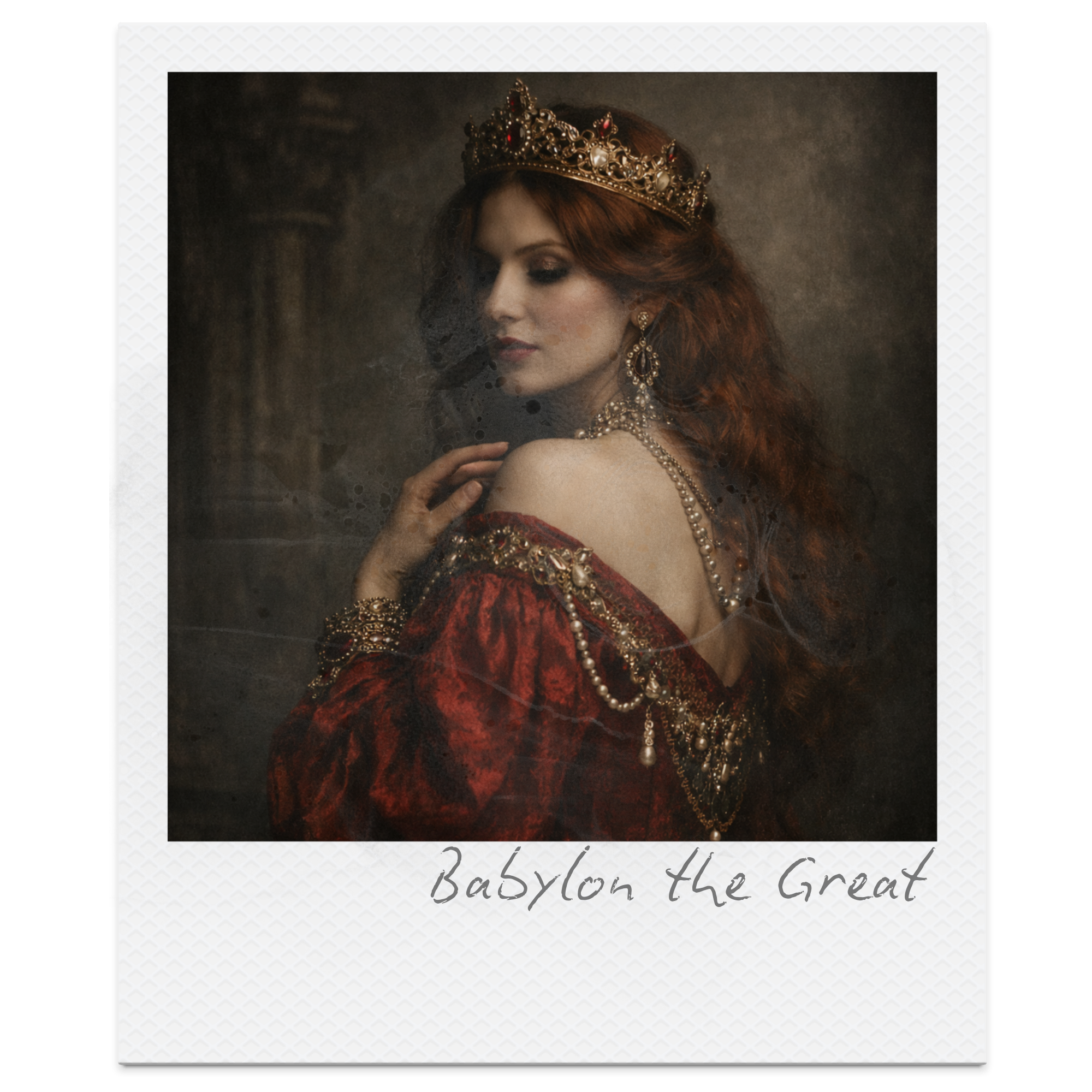
Christina Rossetti’s Babylon the Great is a powerful sonnet that draws on imagery from the Book of Revelation to explore themes of temptation, spiritual corruption, and divine judgement. Through vivid symbolism and prophetic warnings, the poem presents Babylon as a seductive yet destructive figure whose outward splendour conceals profound moral decay. This detailed analysis explores the poem’s structure, imagery, symbolism, key quotations, and themes, alongside alternative interpretations and classroom teaching ideas. This guide helps readers understand how Rossetti transforms biblical imagery into a striking poetic warning about the dangers of fascination and moral deception.
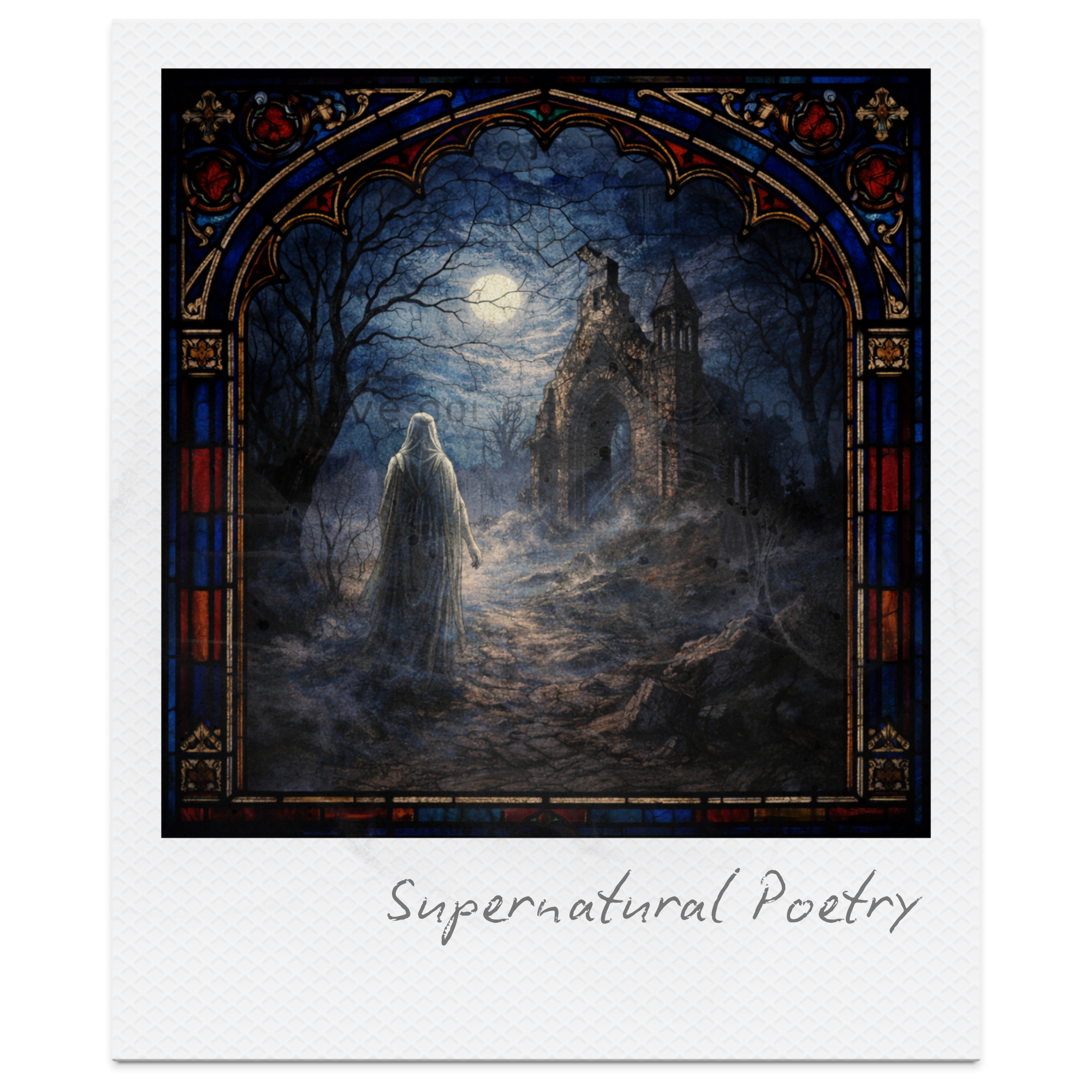
10 Supernatural Gothic Poetry Prompts for Teens & Adults: Presence, Memory, and the Unseen
Supernatural gothic poetry explores the uneasy boundary between the living world and something just beyond it. Rather than relying on overt horror, these poems build atmosphere through suggestion — a voice heard in an empty room, a shadow that moves where it shouldn’t, or the quiet feeling that the past has not entirely disappeared. In many gothic poems, the supernatural is never fully explained, allowing memory, grief, and imagination to blur together. These supernatural gothic poetry prompts are designed to help writers explore atmosphere, symbolism, and emotional tension through carefully crafted imagery. Whether used in classrooms, writing groups, or independent practice, the prompts encourage poets to focus on mood, voice, and suggestion — capturing moments where something unseen lingers just beneath the surface.
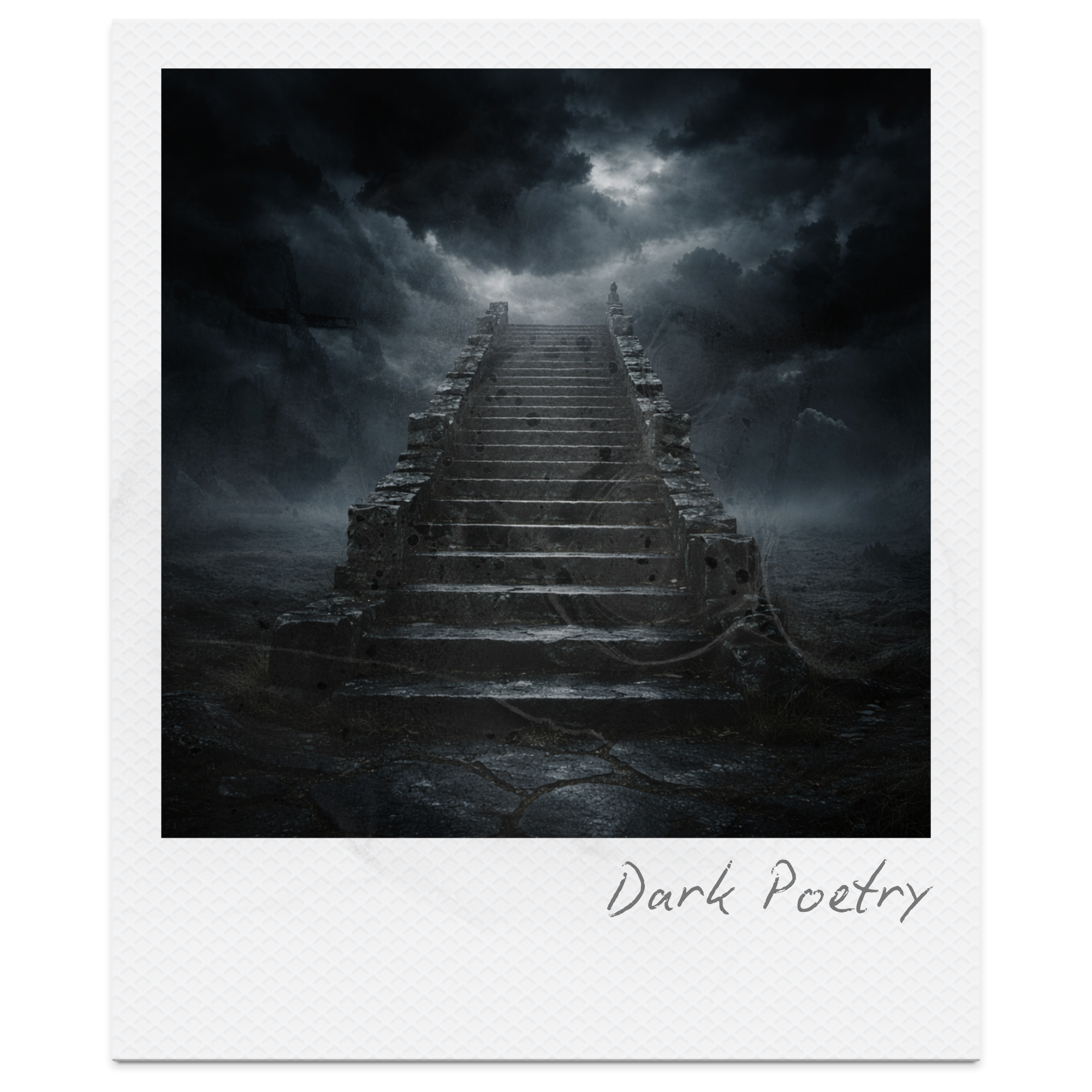
10 Dark Poetry Prompts for Teens & Adults: Exploring Shadow, Silence, and Emotion
Dark poetry explores shadow, silence, and the emotions we rarely name out loud. In this collection of dark poetry prompts for teens and adults, you’ll find atmospheric writing ideas designed to encourage restraint, tension, and emotional depth rather than shock or spectacle. Each prompt invites writers to focus on imagery, form, and what remains unsaid. This post includes 10 dark poetry writing prompts, craft techniques such as enjambment and repetition, suggested opening lines, and ekphrastic poetry images inspired by gothic art, surrealism, and classical forms. Whether you’re teaching poetry, writing independently, or exploring darker themes with care and intention, these prompts offer a thoughtful starting point for powerful, atmosphere-driven writing.
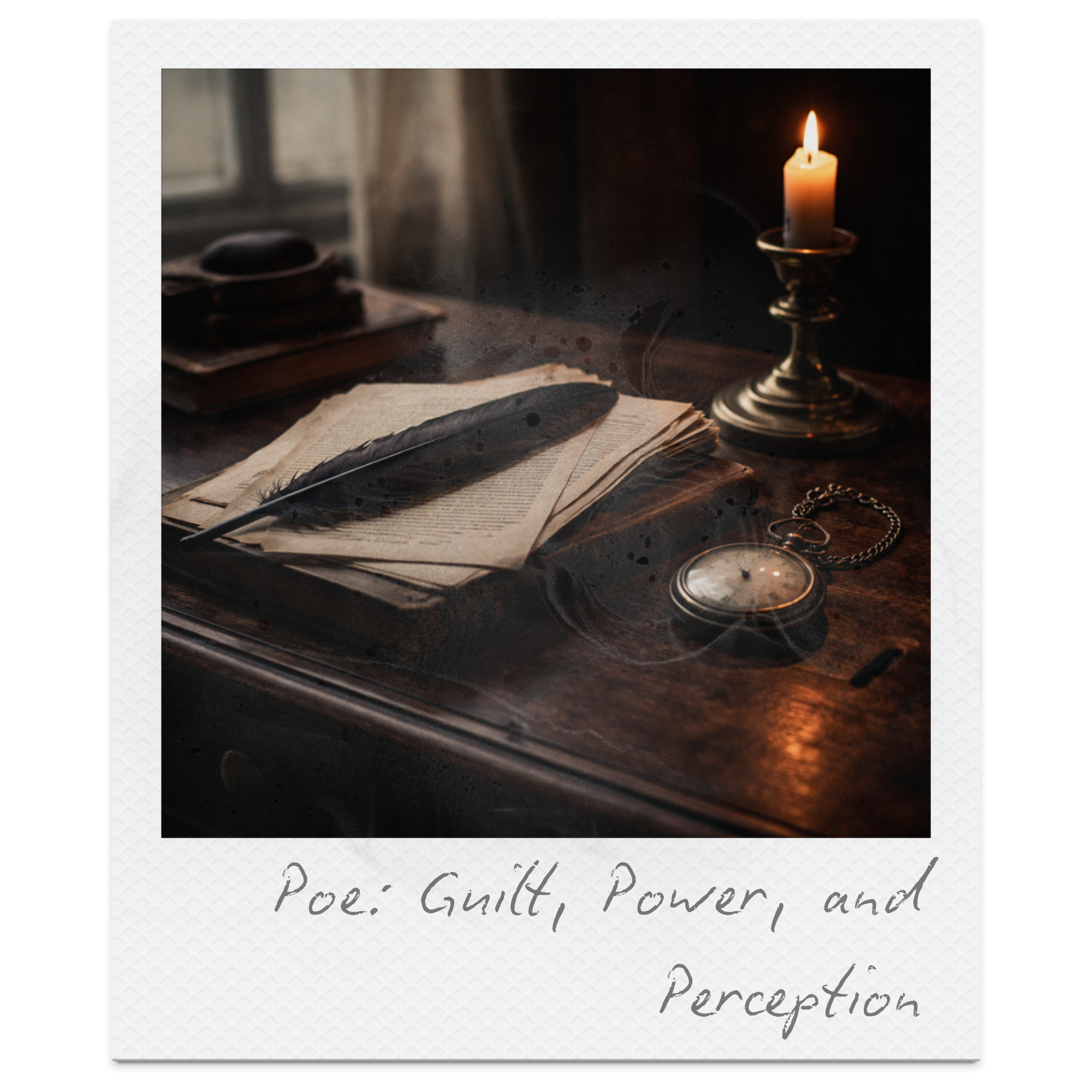
Teaching Edgar Allan Poe in the Secondary English Classroom
Edgar Allan Poe remains one of the most effective writers to teach in the secondary English classroom, offering short stories and poems that reward close reading, discussion, and interpretation. His work explores unreliable narrators, psychological tension, symbolism, and moral ambiguity, making it ideal for discussion-led lessons that move beyond plot and towards deeper literary thinking. In this post, Poe’s most commonly taught texts are organised by theme rather than chronology, allowing teachers to explore patterns around guilt, power, grief, atmosphere, and logic across both prose and poetry. With practical classroom ideas and links to complete teaching resources, this guide supports secondary English teachers looking to teach Edgar Allan Poe with depth, flexibility, and intellectual rigour.